Africa’s Startup Boom Meets a New Test: Funding Surges but Sustainability Questions Loom
The Funding Surge and Its Geography
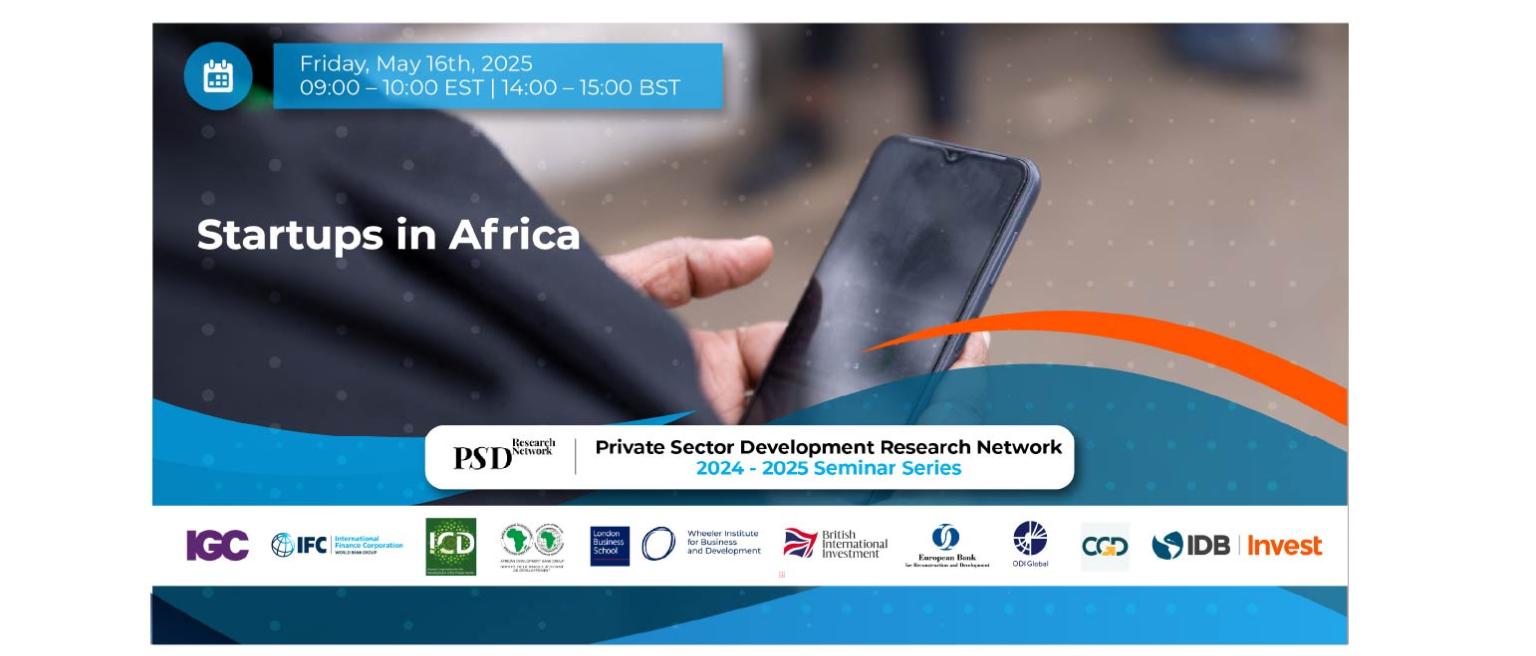
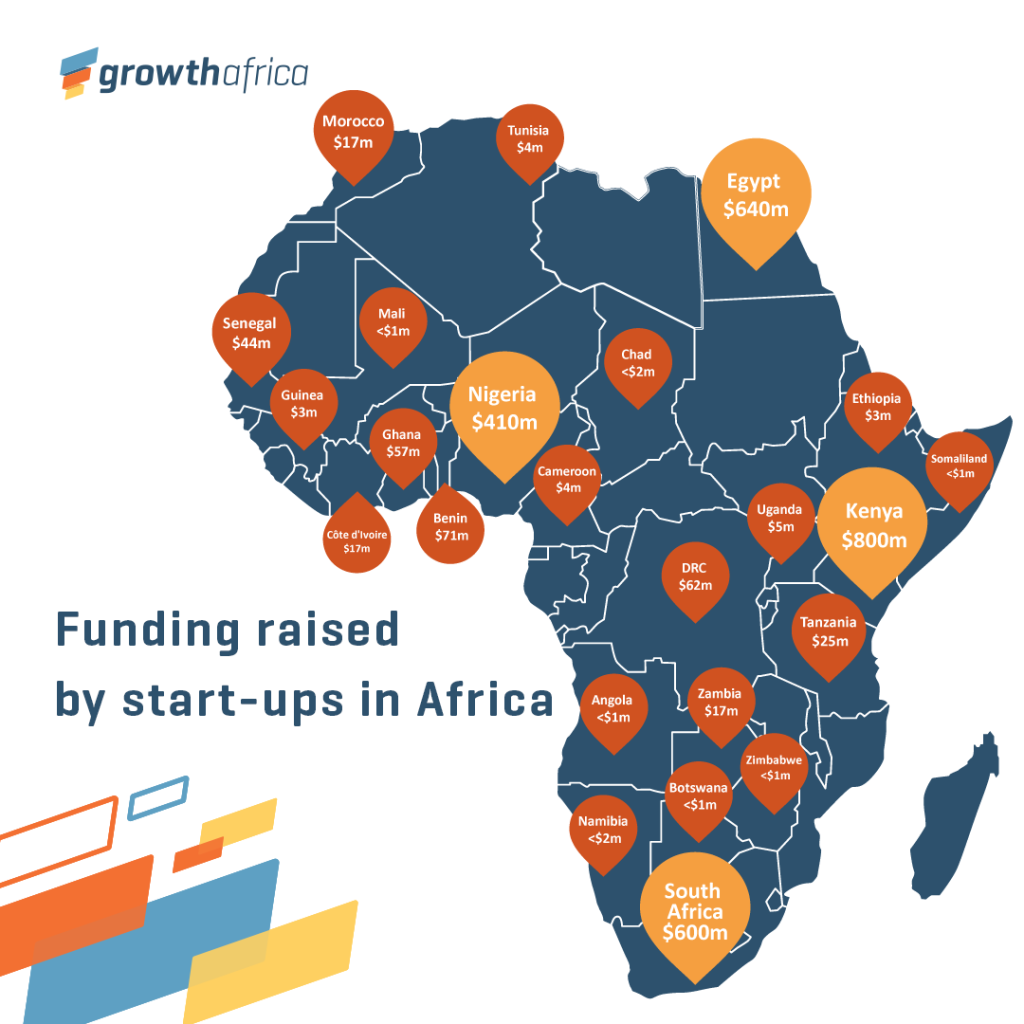
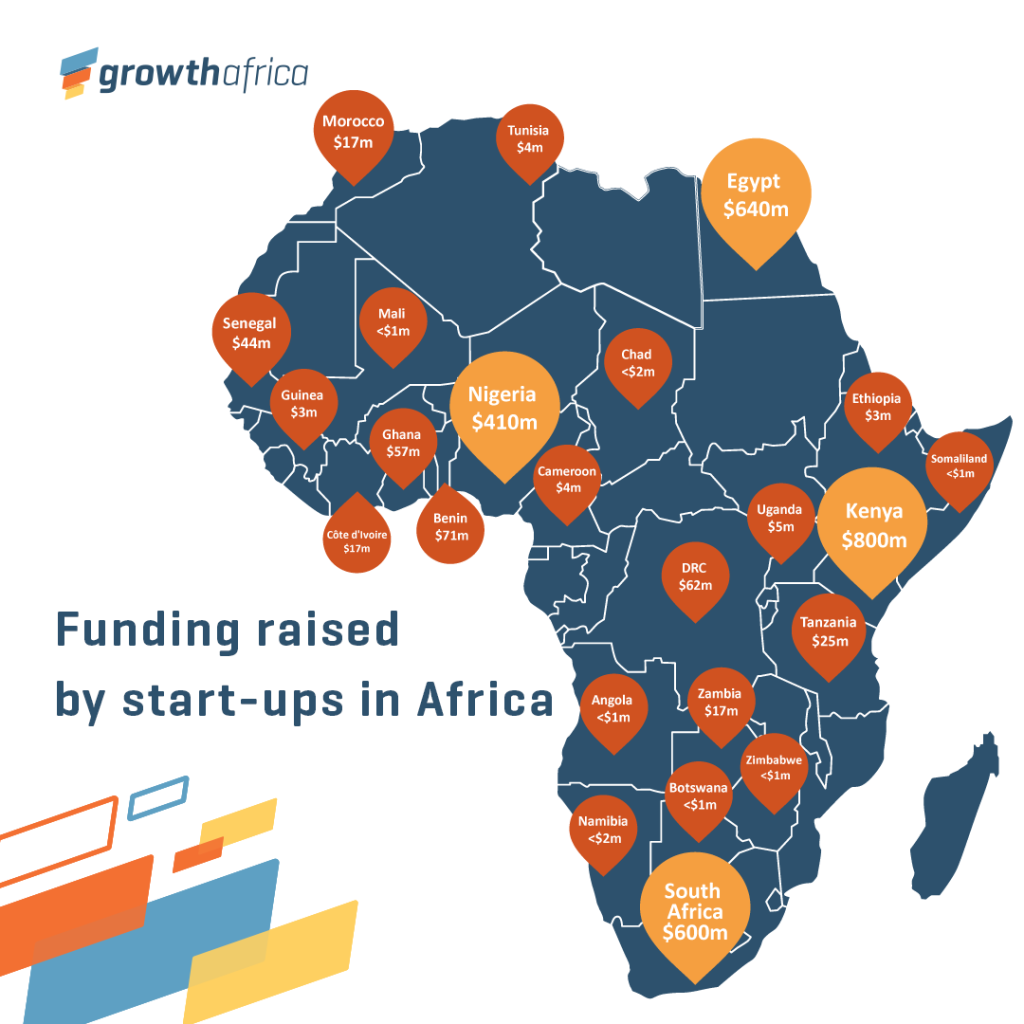
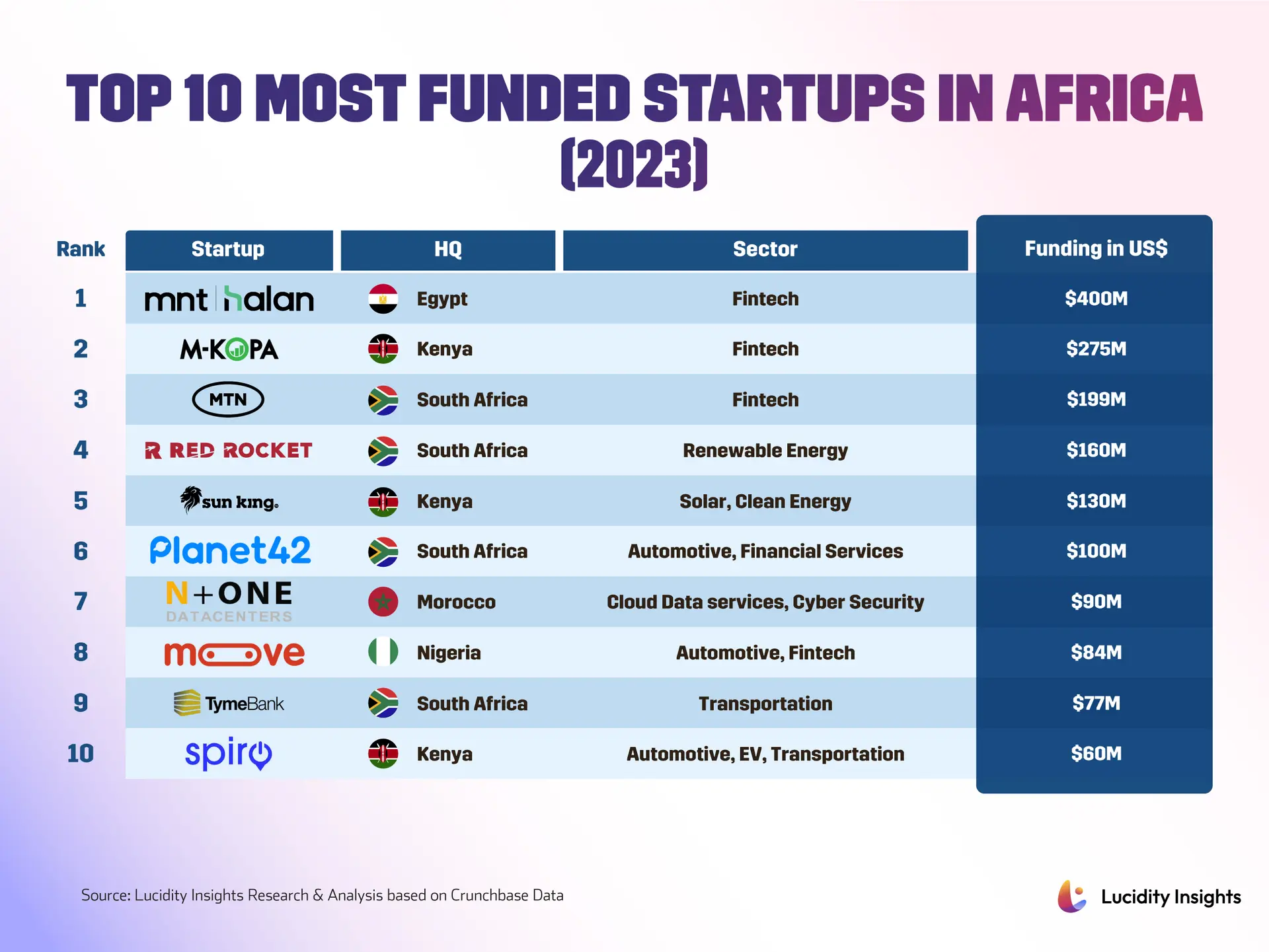
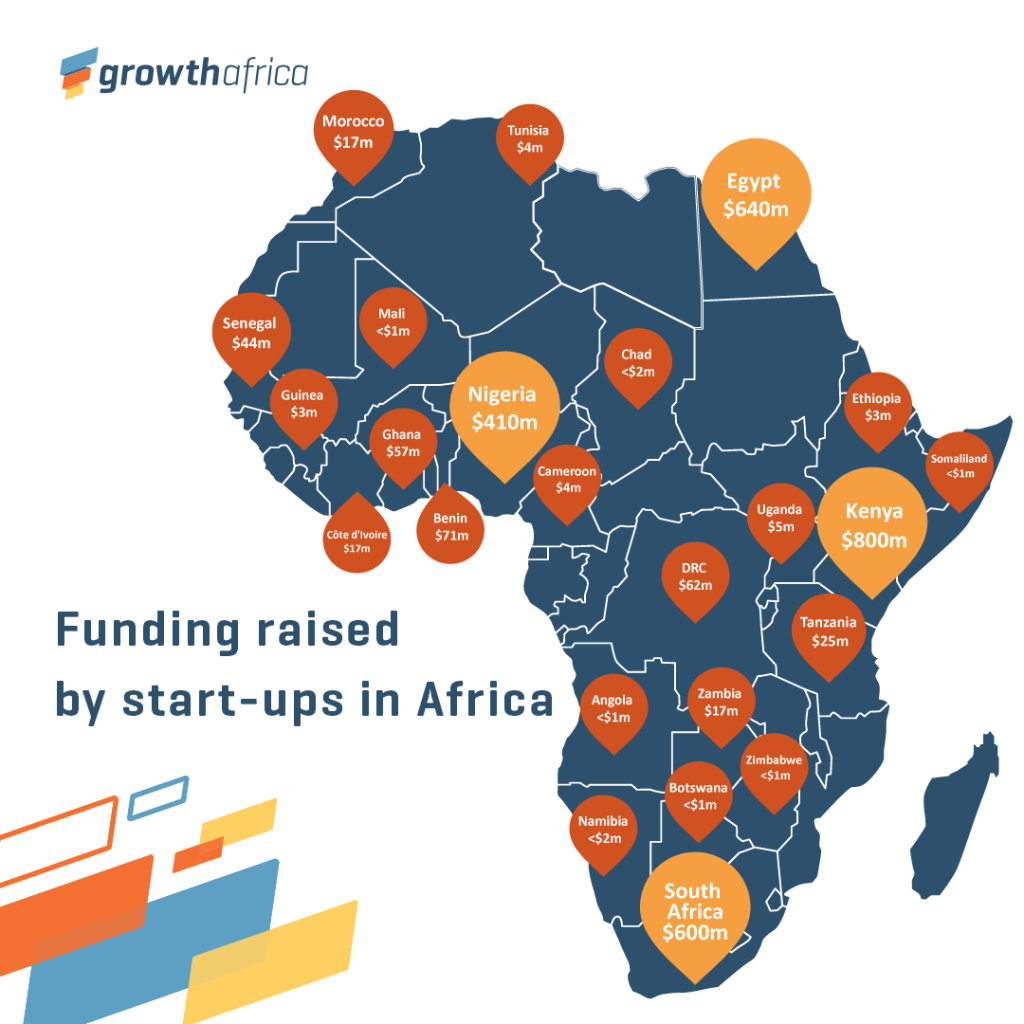
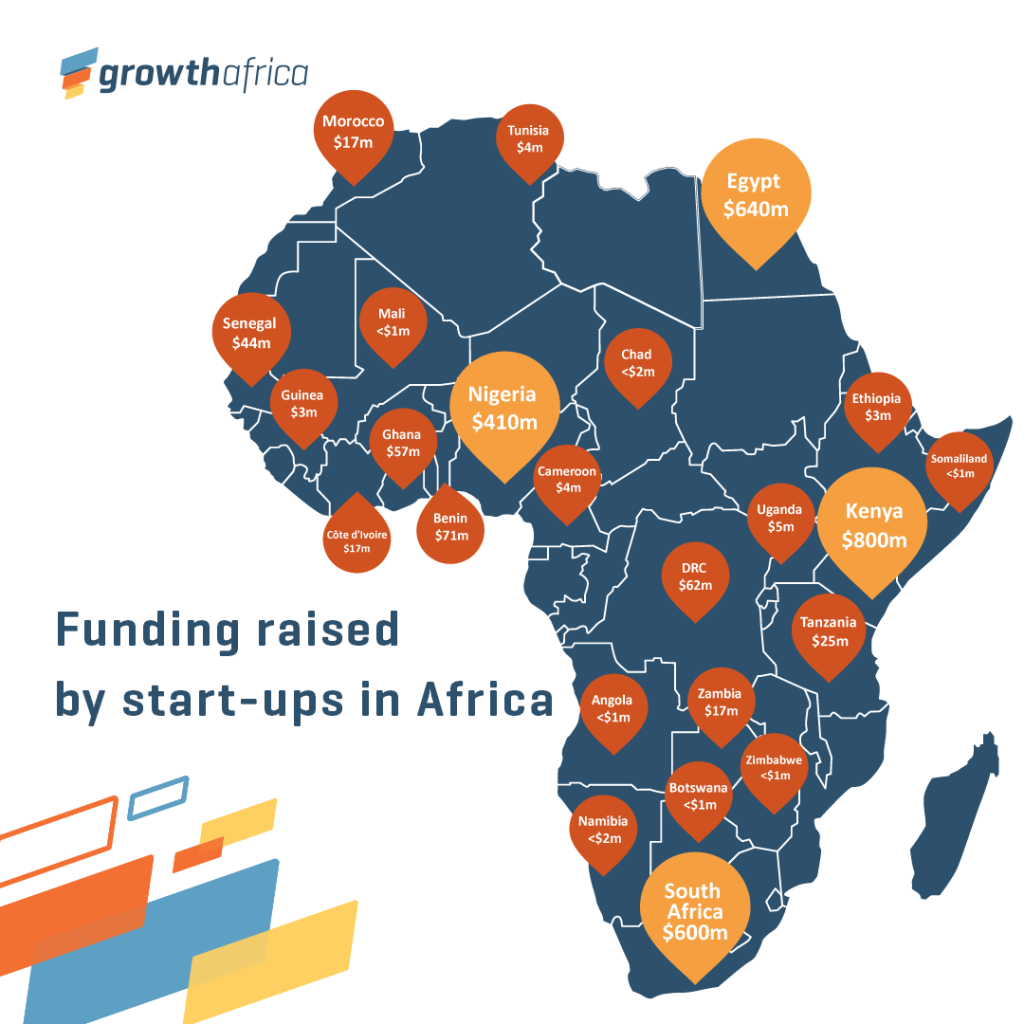
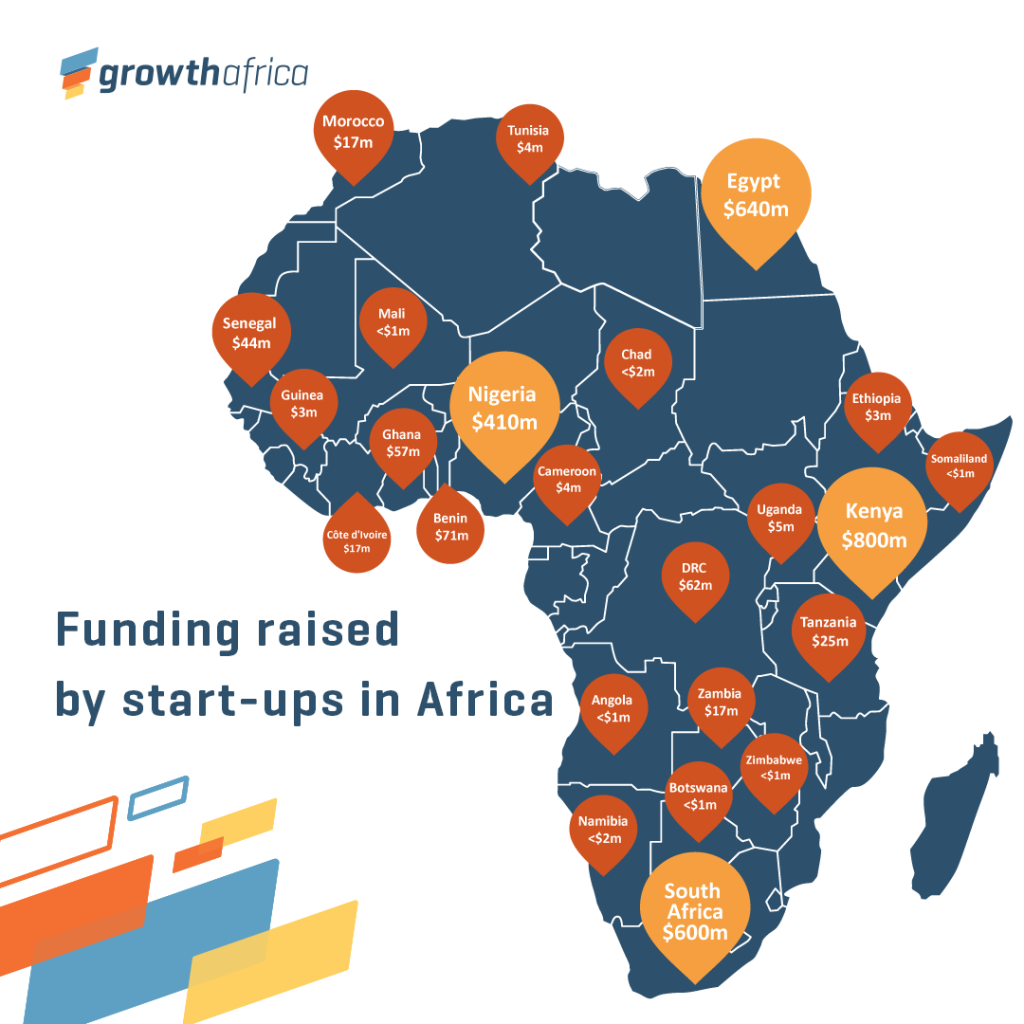
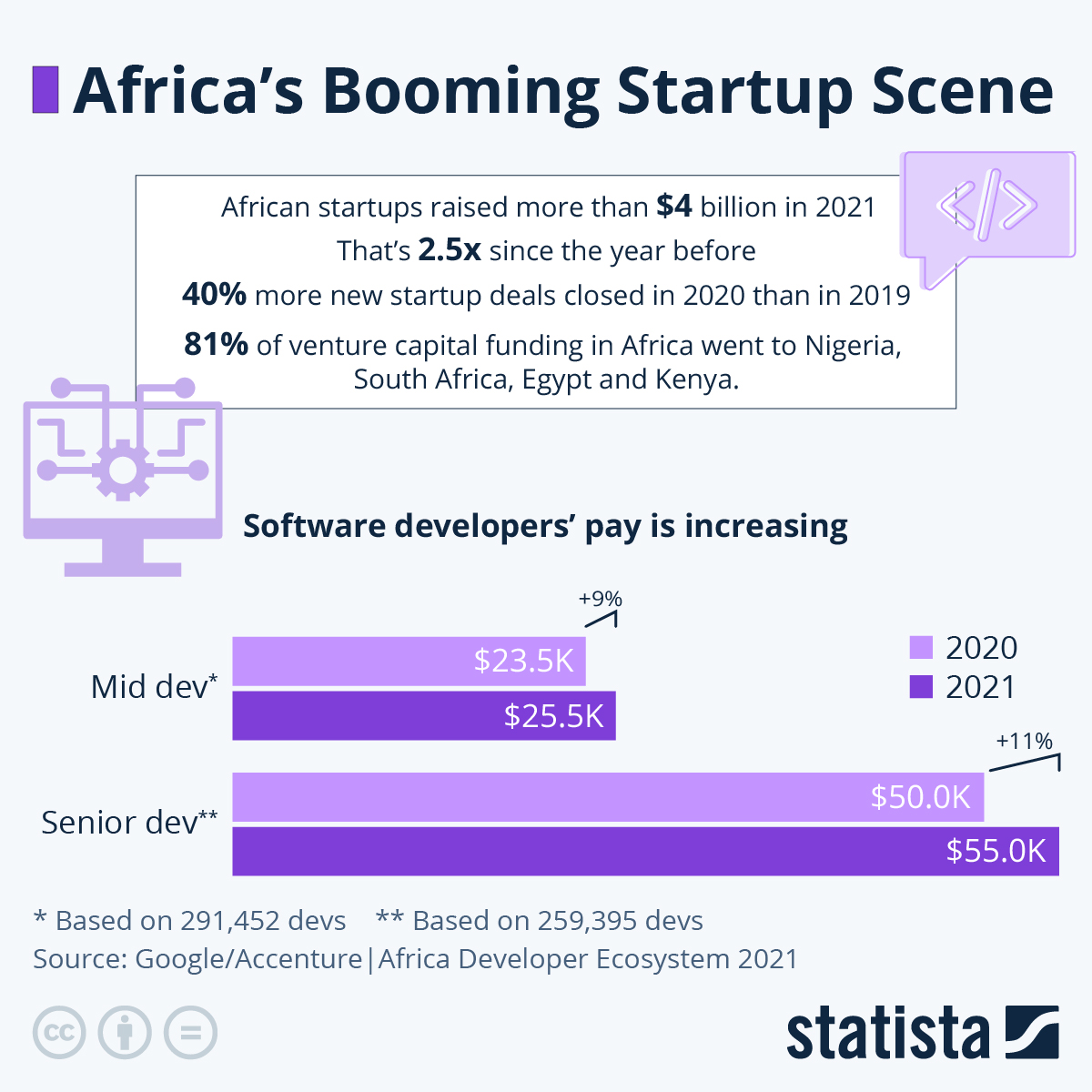
African startups are riding a remarkable wave of investment, but there’s a growing conversation about whether this boom can last. Recent data shows that between January and May 2025, startups across the continent raised more than one billion dollars. That’s roughly a 40 percent jump from the same period last year. The money keeps flowing to the usual suspects, Nigeria, Kenya, South Africa, and Egypt, though Egypt has really taken off this year. Egyptian deal value more than doubled compared to 2024, with about 330 million dollars raised in just the first half. You can see this in Nigeria’s economic landscape and Kenya’s emerging industries, where proptech and fintech companies are grabbing the biggest checks. Healthtech and biotech are making moves too, with startups scaling AI enabled services and enzymatic solutions.
Investor Scrutiny and Market Realities
The party atmosphere of earlier years is giving way to some sober reflection. Investors aren’t just throwing money at ideas anymore, they’re demanding clear paths to profitability and solid unit economics. Tracking platforms like WeeTracker report that limited partners and venture funds want defensible business models and realistic capital plans. This shift is creating two very different realities. On one side, well funded companies are growing into regional champions. On the other, smaller startups face rising costs, tighter capital, and sometimes failure. A leading Kenyan buy now, pay later company entered administration in early 2025 after rapid expansion, sending shockwaves through the consumer credit sector. Other firms have announced layoffs or shut down completely. Then there are external pressures, like the European Union’s carbon border adjustment mechanism, which could force costly adjustments for exporters and manufacturers. It’s a reminder that raising money and building a sustainable business aren’t the same thing.
Navigating Challenges Toward Sustainable Growth
So where does this leave Africa’s startup ecosystem? The picture is mixed but promising. Investors are getting more selective, focusing on revenue generating models and clearer exit opportunities. Yet early stage programs and innovation funds continue to seed new ideas, supporting founders who can deliver the next wave of scaling companies. For those founders, the message is straightforward, scale matters, but so does discipline. They need to build unit economics that work at scale, diversify beyond the Big Four markets, and navigate changing regulatory regimes. Tech industry coverage suggests that those who marry bold product innovation with prudent financial management will attract the bigger rounds available in 2025. The funding surge proves Africa isn’t peripheral to global venture capital anymore. Deep talent and real demand exist here. But 2025 has also exposed the need for smarter capital, stronger governance, and better policy alignment. If investors, founders, and policymakers learn these lessons, the continent could move from boom and bust cycles toward more durable value creation.