
Africa’s Tech Moment, Recalibrated: From Layoffs to Mergers and Real Revenue
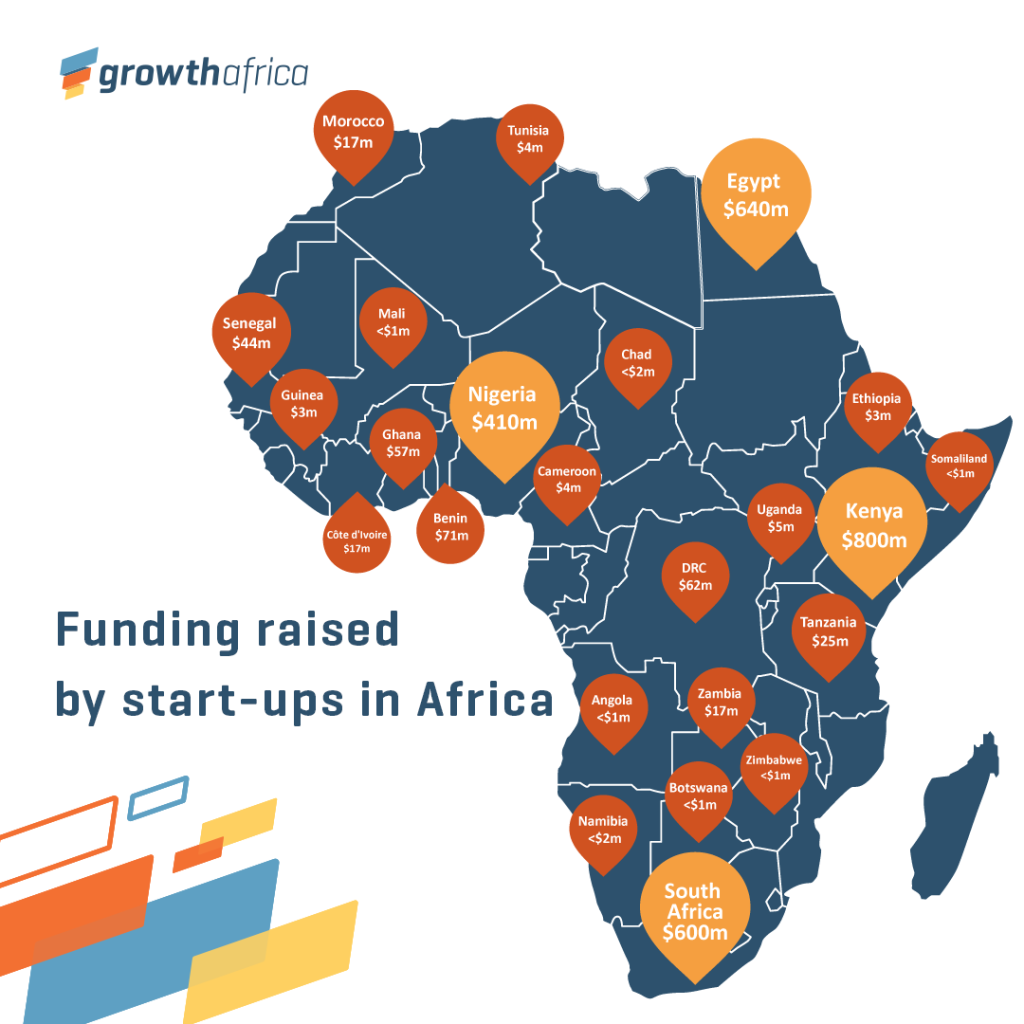
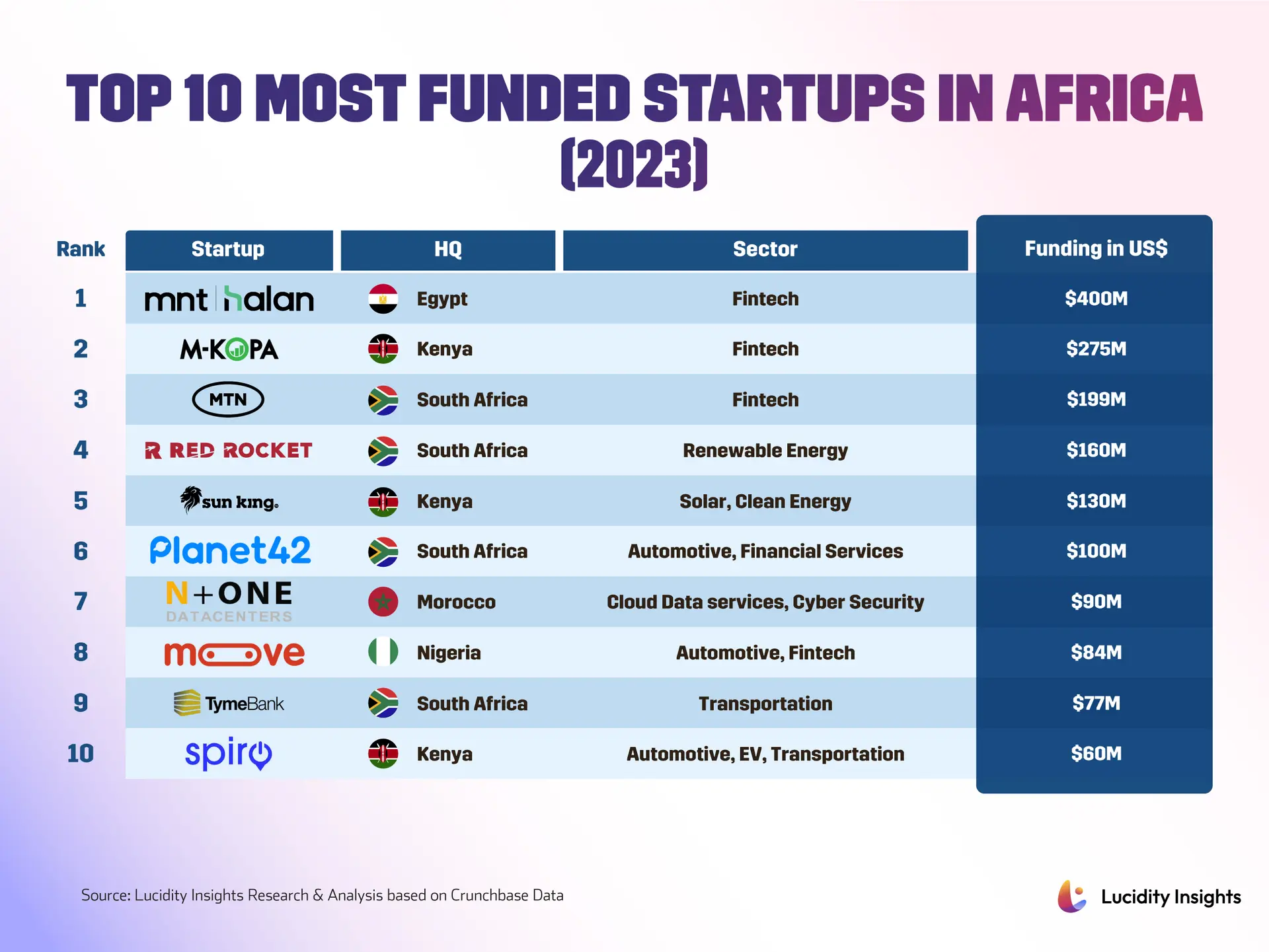
Across boardrooms from Lagos to Nairobi and government offices from Addis Ababa to Brussels, 2025 marked a decisive course correction for Africa’s technology ecosystem. Remember when funding seemed to flow freely for any compelling narrative? Those days are fading fast, as detailed in recent analysis of Africa’s startup landscape. Investors have turned sharply selective, demanding proof of unit economics and early monetization before opening their wallets. This shift explains the painful but necessary wave of layoffs and restructurings that swept through the sector last year, a trend documented by TechCabal’s reporting on workforce reductions. Prominent companies cut staff as they chased profitability over growth at any cost. It’s a market reset that’s teaching boards to prioritize cash flow, narrower playbooks, and disciplined pricing. For founders, the lesson is simple yet profound: traction measured in paying customers beats traction measured in downloads every time. With fundraising tighter, the exit landscape is changing too. Expect more mergers and acquisitions, along with an uptick in GP-led secondaries, where existing investors organize new vehicles to buy shares from early backers. These deals provide liquidity without public markets and look set to dominate mid-market exits. IPO windows may reopen, but likely in a selective way, favoring firms with steady revenues and predictable margins. Founders are recalibrating ambitions, increasingly targeting acquisitions in the $5 million to $15 million range by regional corporates rather than chasing fragile unicorn valuations.
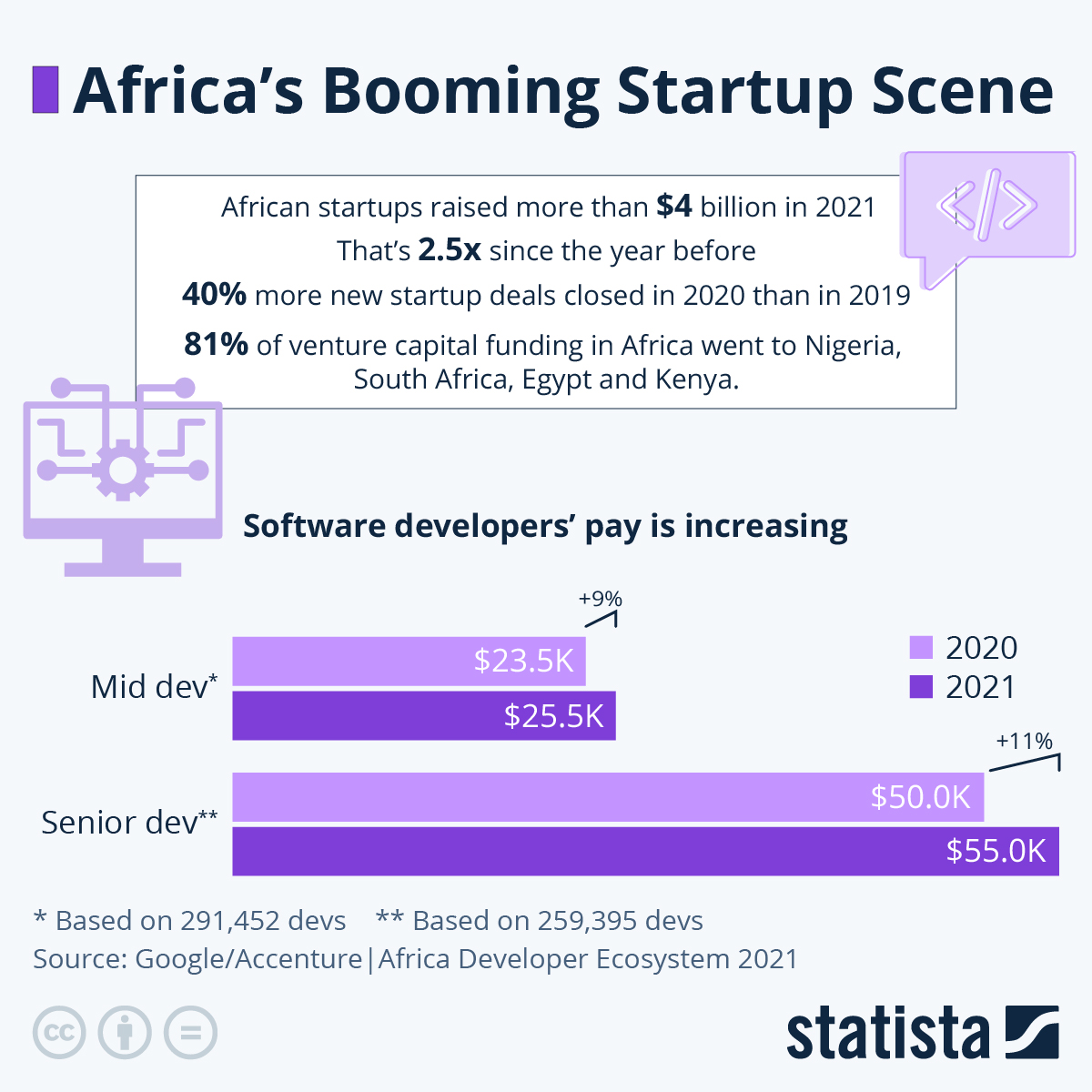
Does this mean innovation has slowed? Not at all. Across the continent, startups are retooling their models with remarkable agility, continuing the tech renaissance that began gaining momentum. B2B fintechs, procurement software platforms, and credit networks are garnering renewed interest because they solve real cash flow and supply chain pain points in ways that can be revenue-positive early. Payments firms continue their regional expansion when regulators permit it, securing crucial local licenses that unlock new markets. Hardware and IoT ventures are refining product-market fit for energy and agriculture sectors, while a cohort of biotech and agritech winners from 2025 demonstrate that applied science in African contexts isn’t just promising, it’s delivering real results. Founders are also rethinking team composition to survive and scale. With developer salaries rising, many ventures are turning to hybrid models that combine a small core of in-house product and customer experts with outsourced technical specialists. This approach reduces fixed payroll costs while preserving control over strategy and product vision. On the technology side, startups are leaning into cloud and open-source tools to lower infrastructure costs and accelerate iteration. These practical moves echo a broader cultural shift toward lean, outcomes-driven entrepreneurship that values efficiency over extravagance.
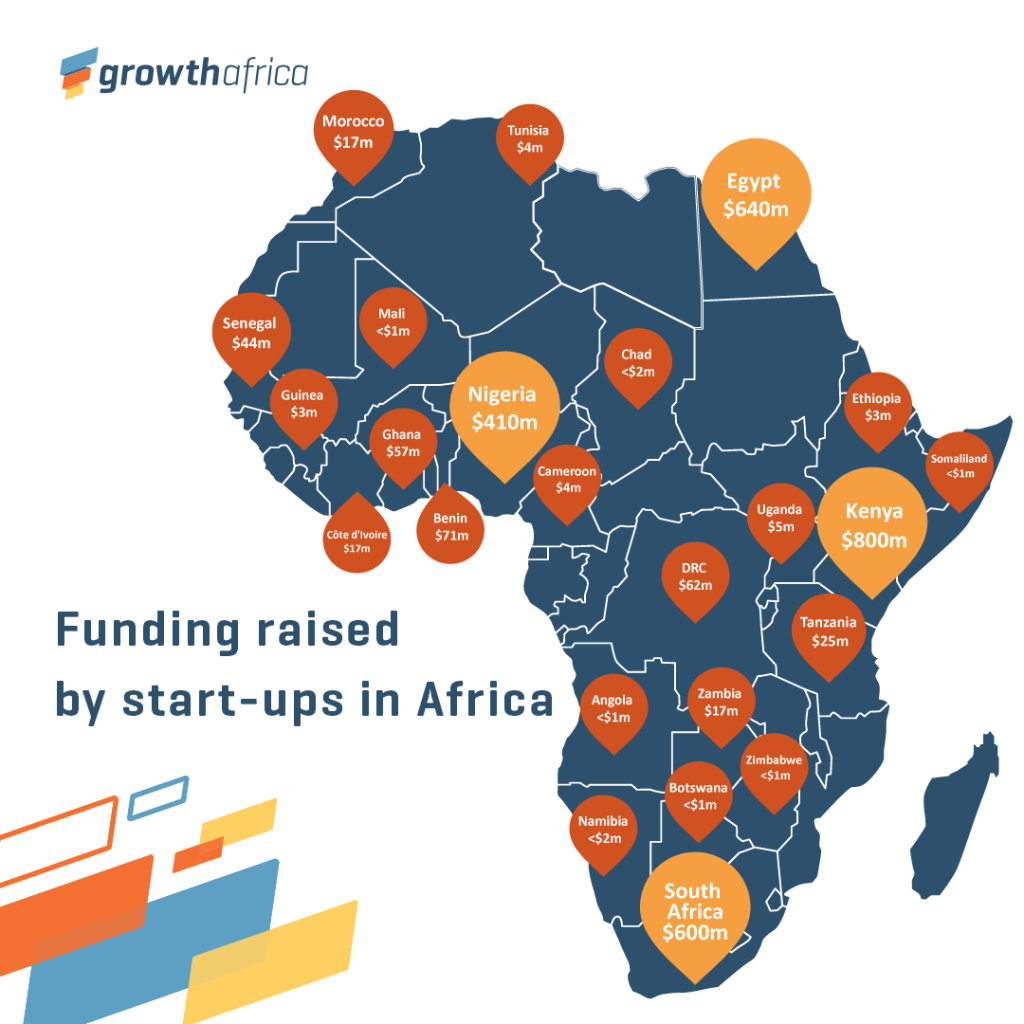
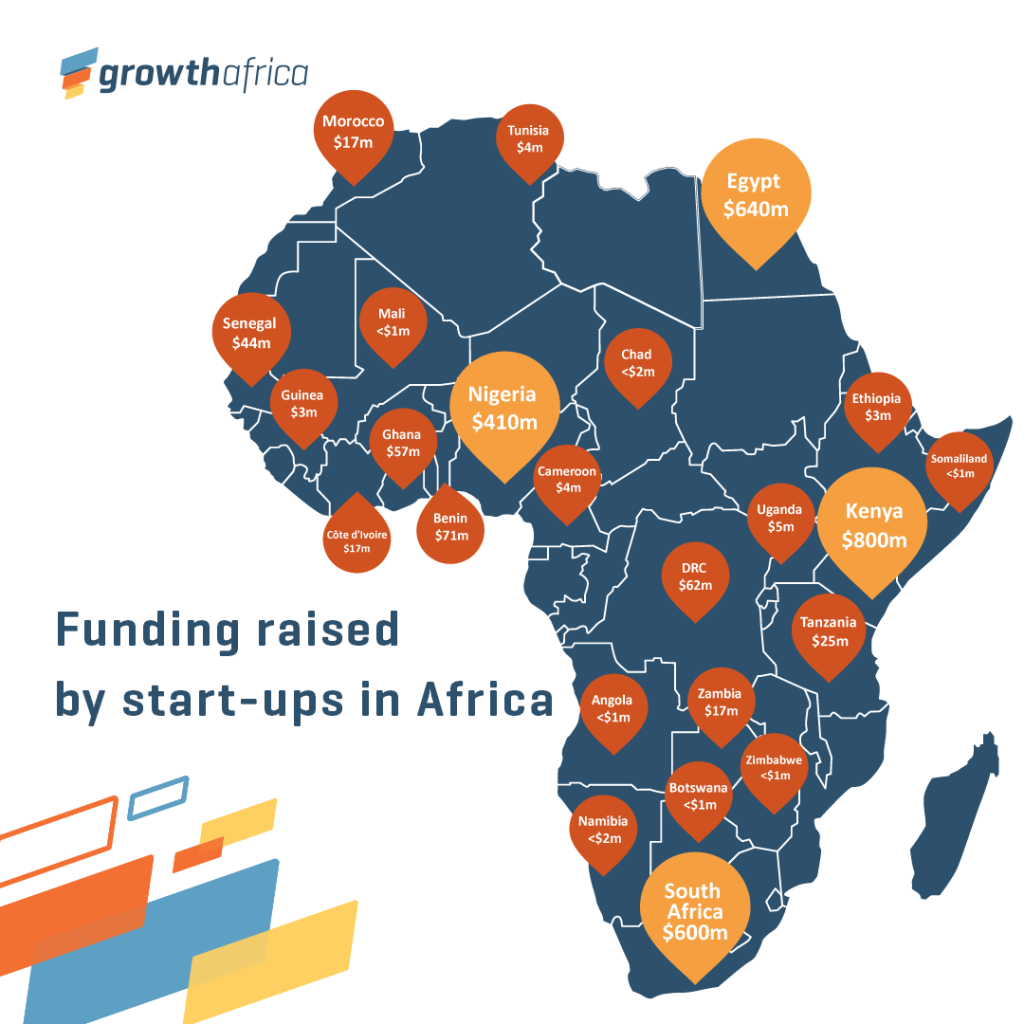
Macro trends are adding both pressure and opportunity, as noted in African Business coverage of continental developments. European environmental policy, notably the EU carbon border tax which levies fees on imports based on embedded carbon, is prompting exporters across Africa to reassess supply chains and production methods. That rule, intended to curb carbon leakage, could raise costs for commodity and manufactured exports unless producers can demonstrate lower emissions. For startups working in agri-processing, logistics, and industrial production, carbon accounting is becoming a board-level concern and a potential driver of new service businesses that help firms document and reduce emissions. Geopolitics and development finance are reshaping the investment terrain too, with funding milestones like those tracked by Disrupt Africa’s ecosystem monitoring. Major infrastructure commitments signal renewed interest in the continent from global partners, while development banks prepare fresh capital replenishments to support industrialization and trade. These moves can indirectly boost ecosystems by improving logistics, energy, and regional integration. So what should founders and investors watch in 2026? Expect more consolidation and selective M&A, with regional corporates increasingly becoming acquirers of nimble startups that solve tangible problems. Regulatory clarity will matter more than ever, licenses and local partnerships will determine who can scale across borders. Sustainability and carbon compliance will move from a compliance checkbox to a strategic differentiator, opening new markets for startups that can lower clients’ emissions while cutting costs. Finally, the ecosystem’s soft power is returning. Culture and creativity are intersecting with commerce, producing new platforms and partnerships that spread ideas and attract attention. That matters because investors don’t just buy numbers, they buy narratives about where a market is heading. In 2026 the winning narratives will be those grounded in reproducible revenue, operational discipline, and an ability to adapt to shifting regulatory and geopolitical winds. If there’s an overarching theme coming into the new year, it’s resilience through realism. The optimism that built Africa’s tech boom remains intact, but it’s being tempered by lessons learned. Founders who embrace unit economics, build lean teams, and seek smart, strategic exits will find a market more willing to reward durability than spectacle, especially as the ecosystem approaches significant milestones like surpassing one billion dollars in funding. For investors, the opportunity is to back companies that can prove sustainable growth, not just ambitious plans. For the continent, that shift could mean a deeper, more durable digital economy that delivers jobs and services where they’re needed most.