African Startup Funding Rebounds in 2025, Sparking a New Wave of Innovation
The Numbers Tell a Hopeful Story
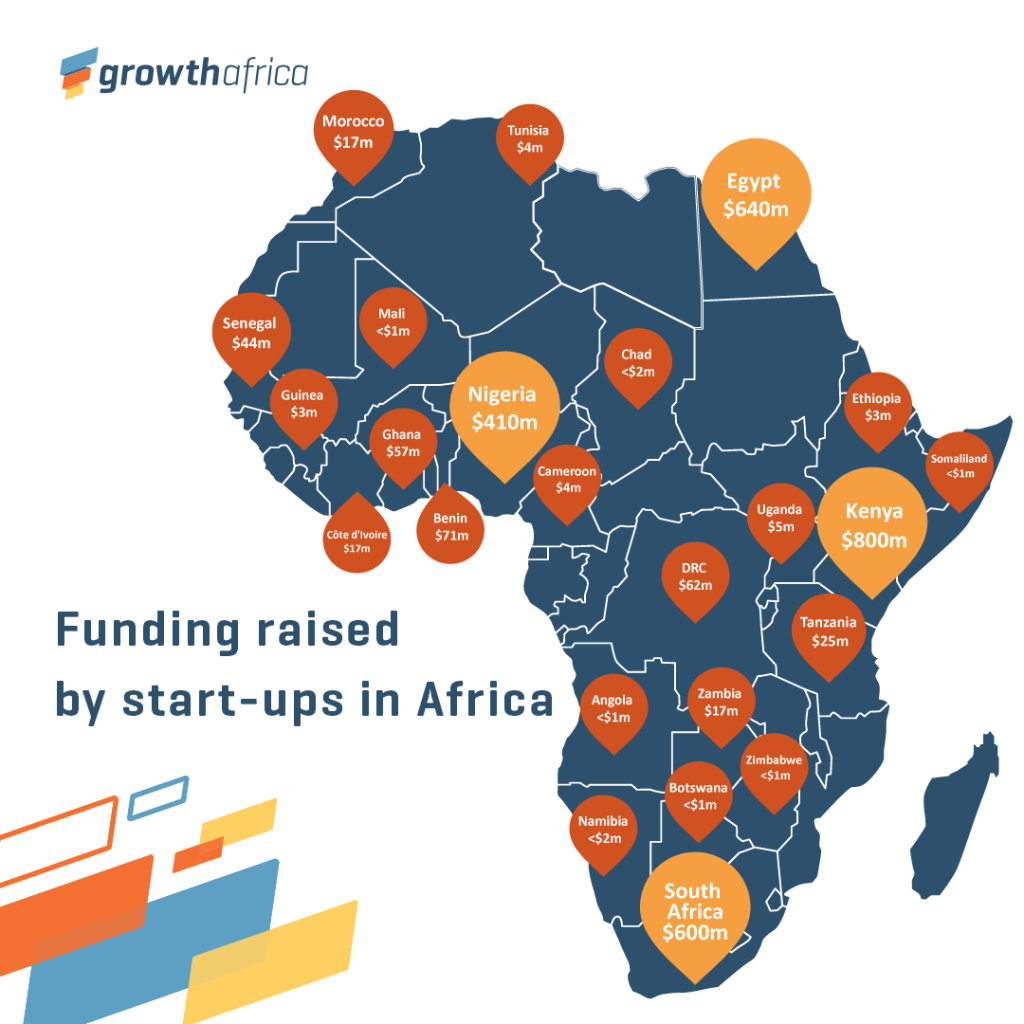
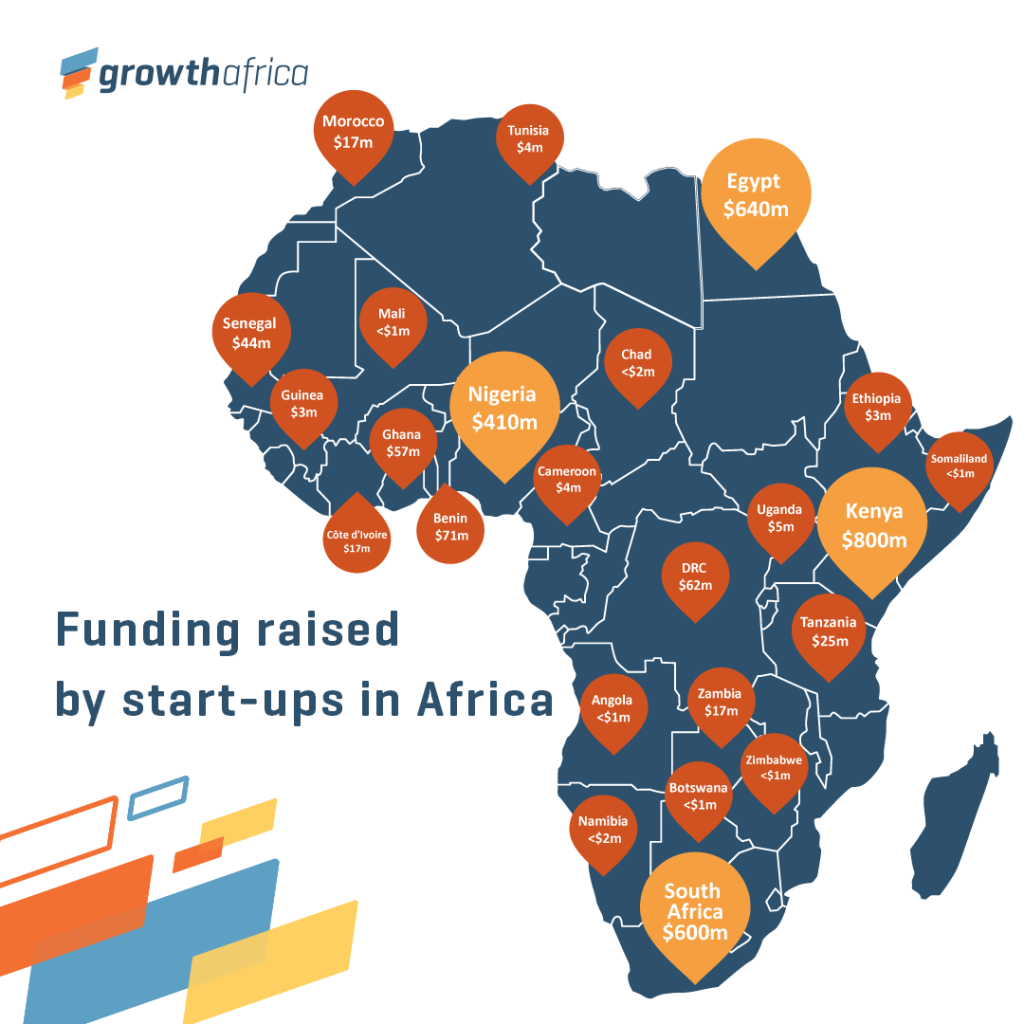
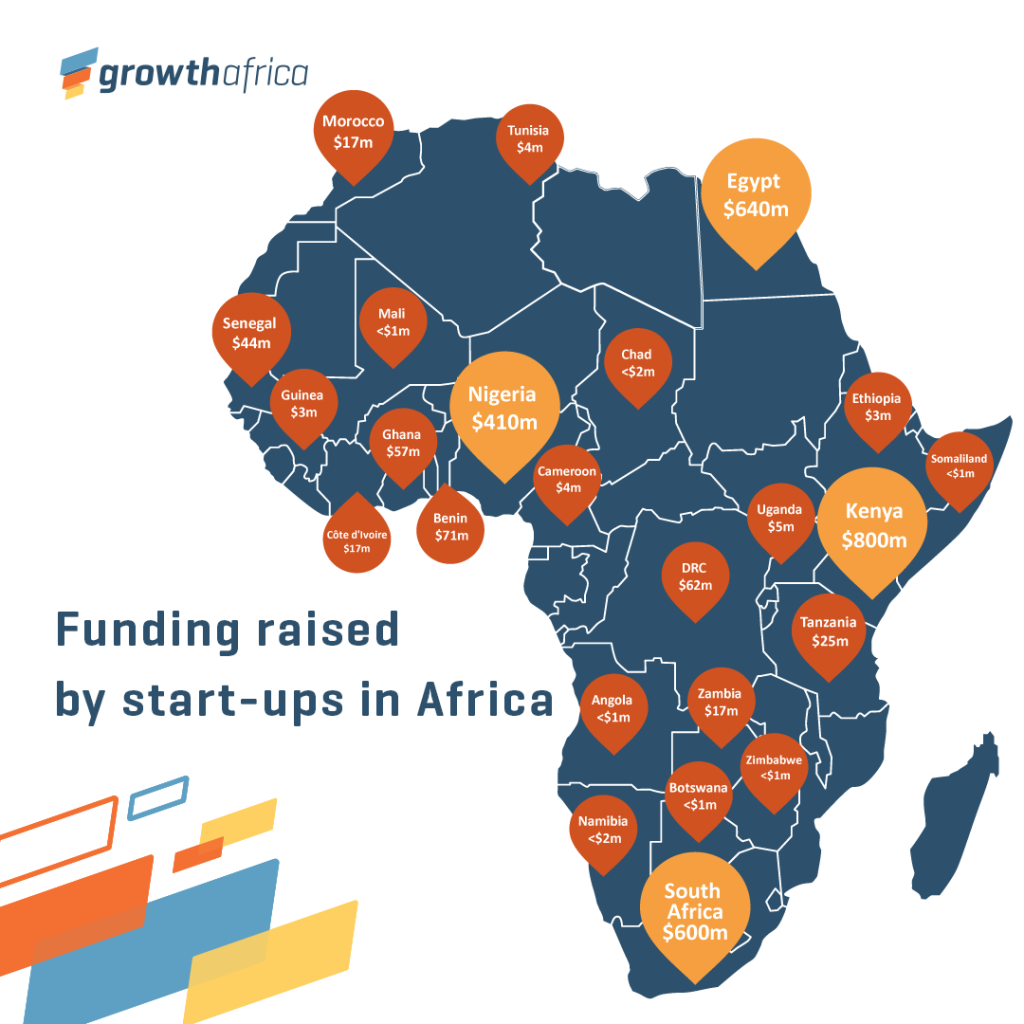
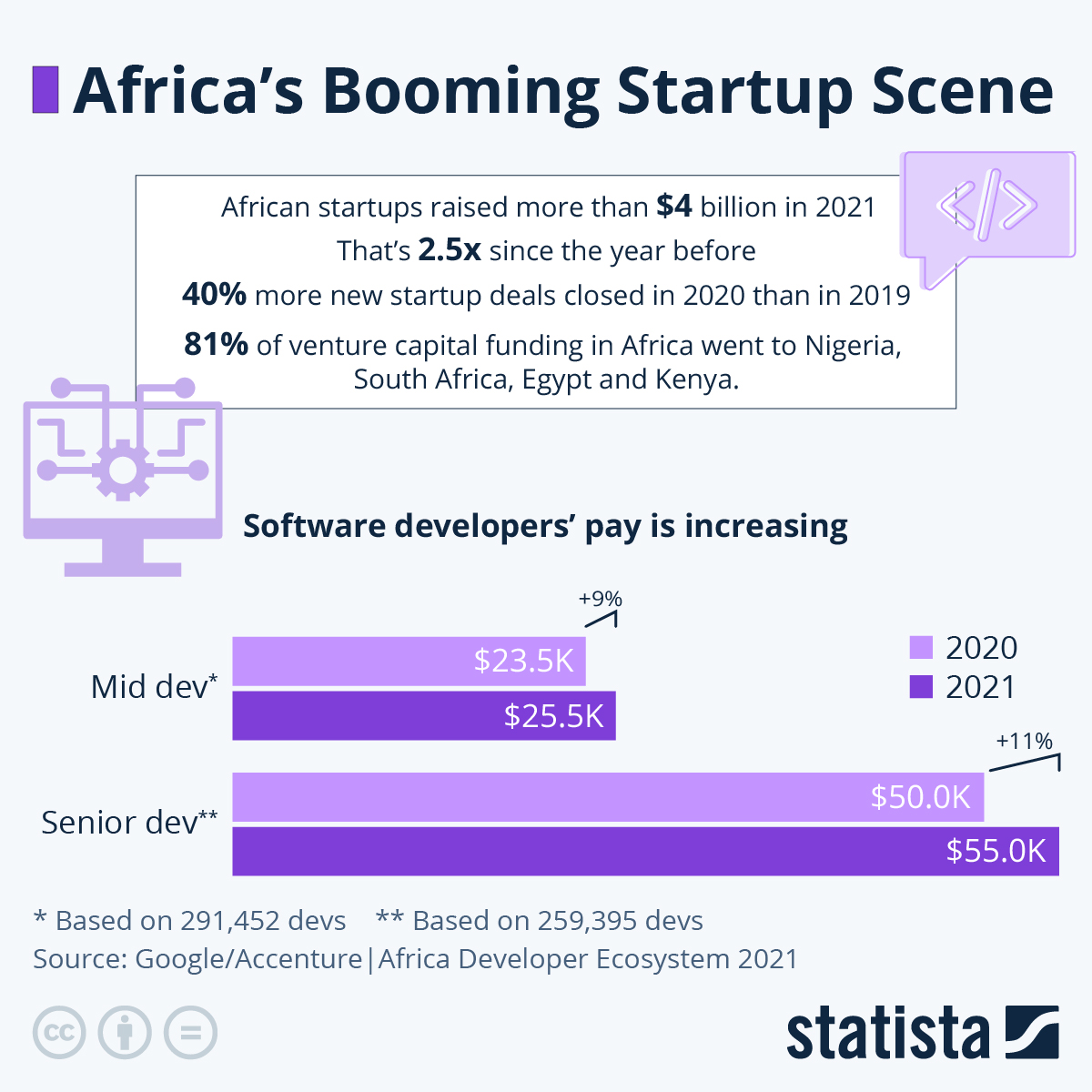
After two difficult years that saw investment drop by more than a third, Africa’s tech scene is finally breathing easier. Confidence has returned, and the numbers don’t lie. Startups across the continent attracted roughly $3 billion in funding this year, marking a solid 33 percent increase over 2024. That’s according to Business Insider Africa, which reported the milestone and noted that November alone saw $162 million in deals. What’s driving this turnaround? A mix of stronger business fundamentals, meaningful exits, and a growing crop of founders who aren’t just building apps, they’re building the foundational rails for entire markets. It’s part of a broader tech renaissance that’s reshaping the continent’s economic landscape.
Building the Rails, Not Just Riding Them
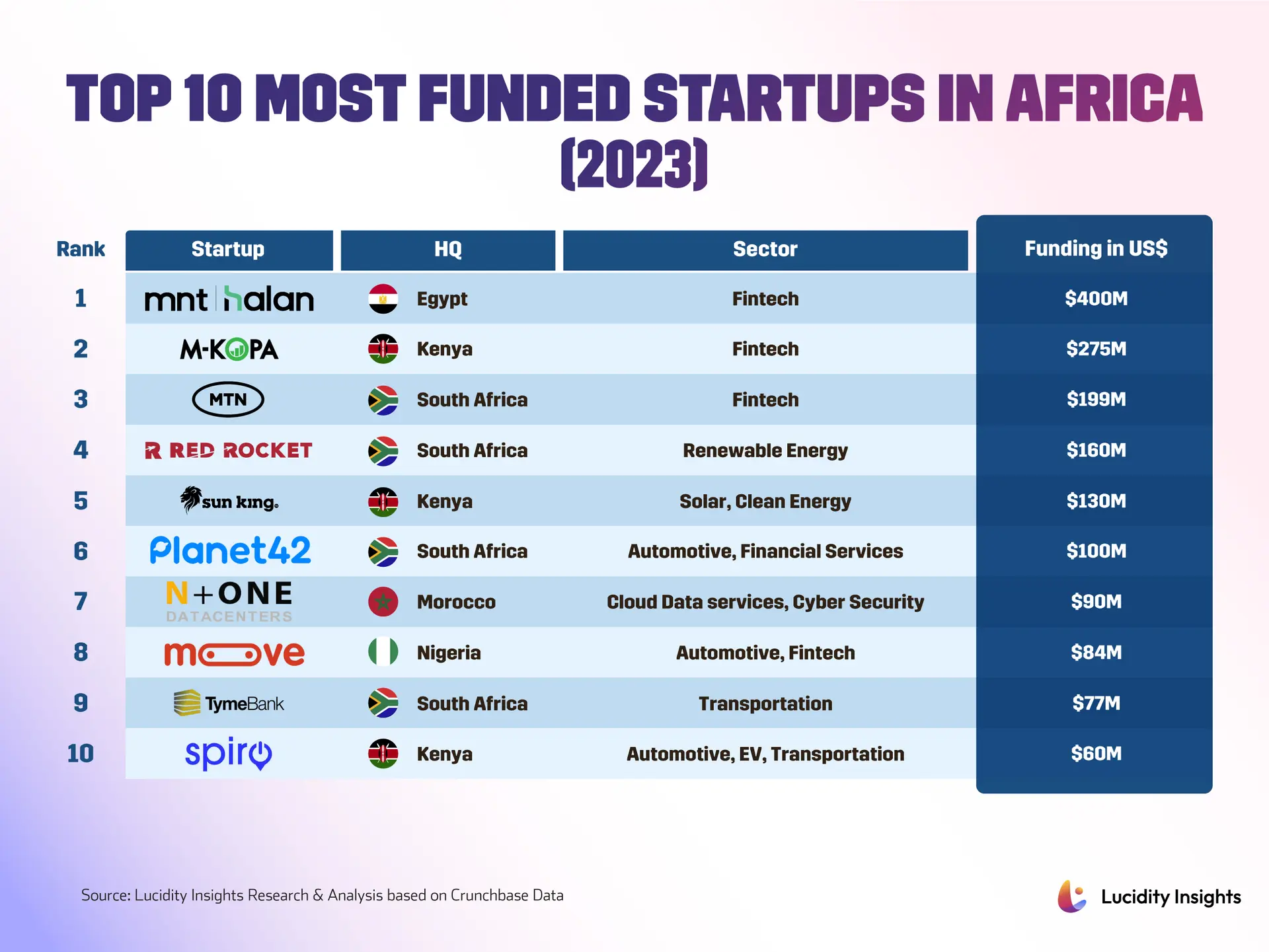
So where is all this renewed capital actually going? Look at any major ranking this year, and you’ll see a clear pattern. The winners are companies tackling Africa’s most persistent infrastructure gaps. We’re talking fintech solutions for the unbanked, health tech platforms integrating diagnostics and telemedicine, logistics firms solving last mile delivery, and energy companies building microgrids. Rather than chasing standalone consumer apps, today’s founders are combining hardware, software, and finance to create scalable systems. African Business highlighted this pragmatic shift in its roundup of the continent’s 20 most promising startups for 2025, showing a healthy balance across regions and sectors. This focus on solving real problems is fueling the kind of record growth that gets investors excited again.
A More Disciplined Path Forward
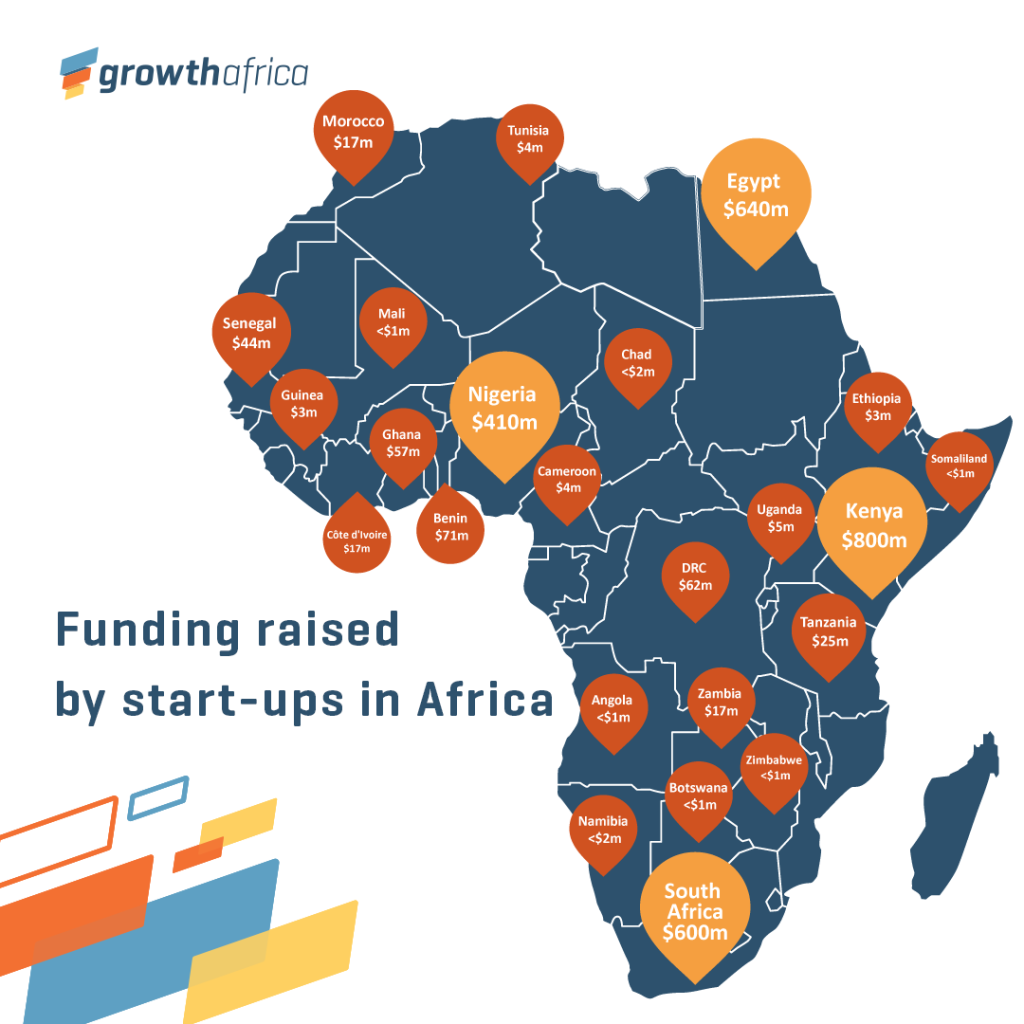
Don’t mistake this rebound for a return to the free spending days of old. The mechanics have changed. Equity financing, where investors buy actual ownership stakes, dominated deal activity this year, especially in the later months. That signals investors want a genuine share in long term growth, not just to provide short term liquidity. Successful exits, like Walletdoc’s $23 million acquisition, help close a virtuous cycle that brings fresh capital to the table. As Forbes Africa framed it, 2025 represents a clear turning point after consecutive annual declines. The recovery isn’t even, though. Funding remains concentrated in certain markets and sectors, and investors are more selective than before, favoring companies with solid unit economics. This discipline might actually prove healthy, forcing startups to focus on revenue and sustainable growth. Looking ahead to 2026, expect more follow on rounds for market leaders and increased collaboration between governments and private partners. If these early signals hold, Africa could be entering a phase where capital, policy, and practical engineering finally align, enabling a new generation of firms to move from promising startups to durable companies. It’s all part of the continent’s ongoing digital renaissance that’s capturing global attention.