African Startups Hit $3 Billion Funding Milestone in 2025 as Investors Return with Sharper Focus
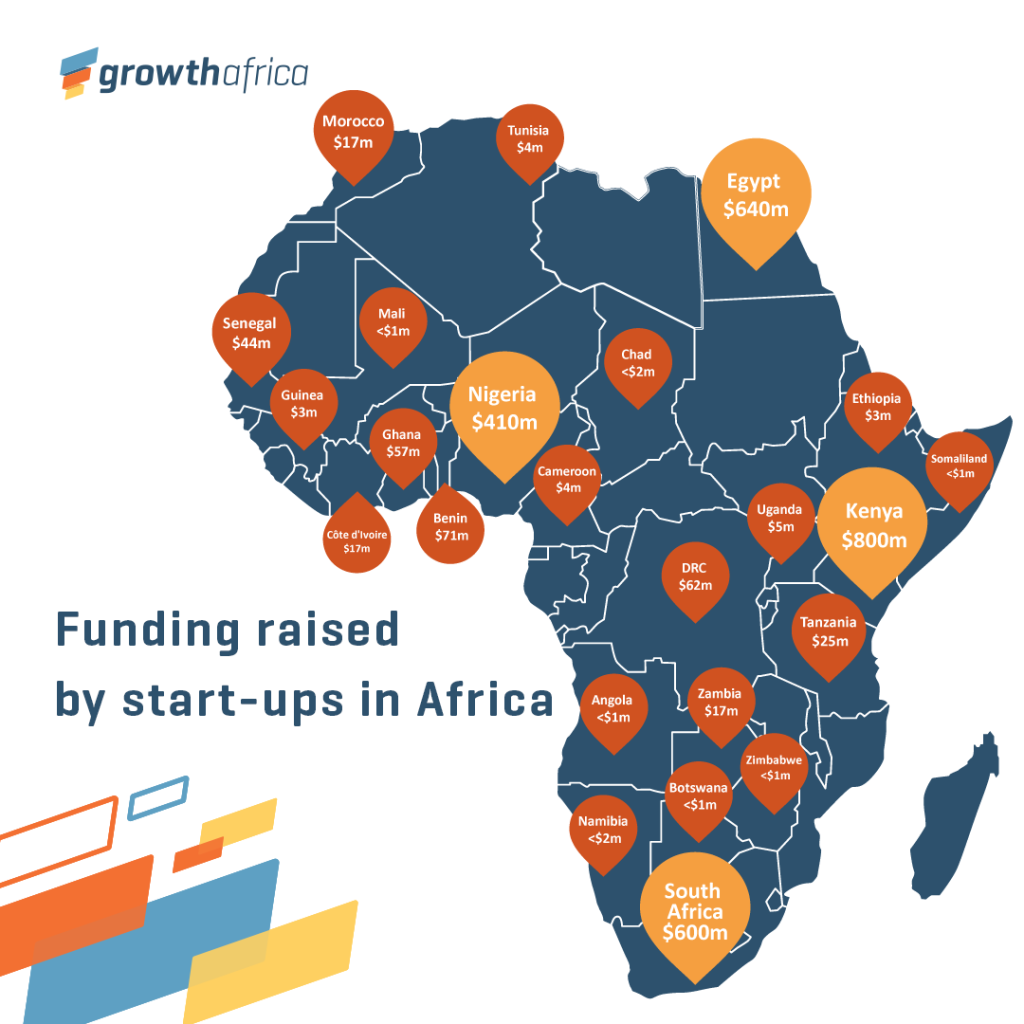
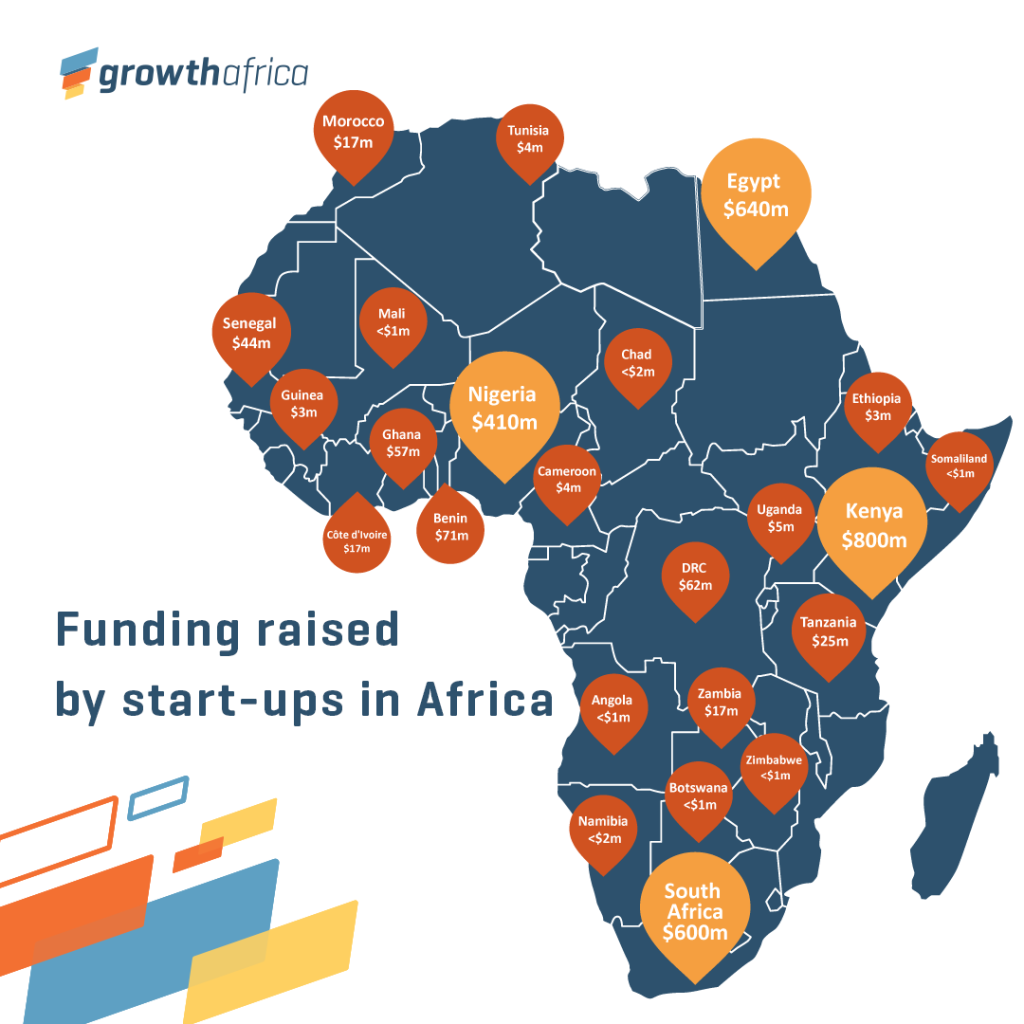
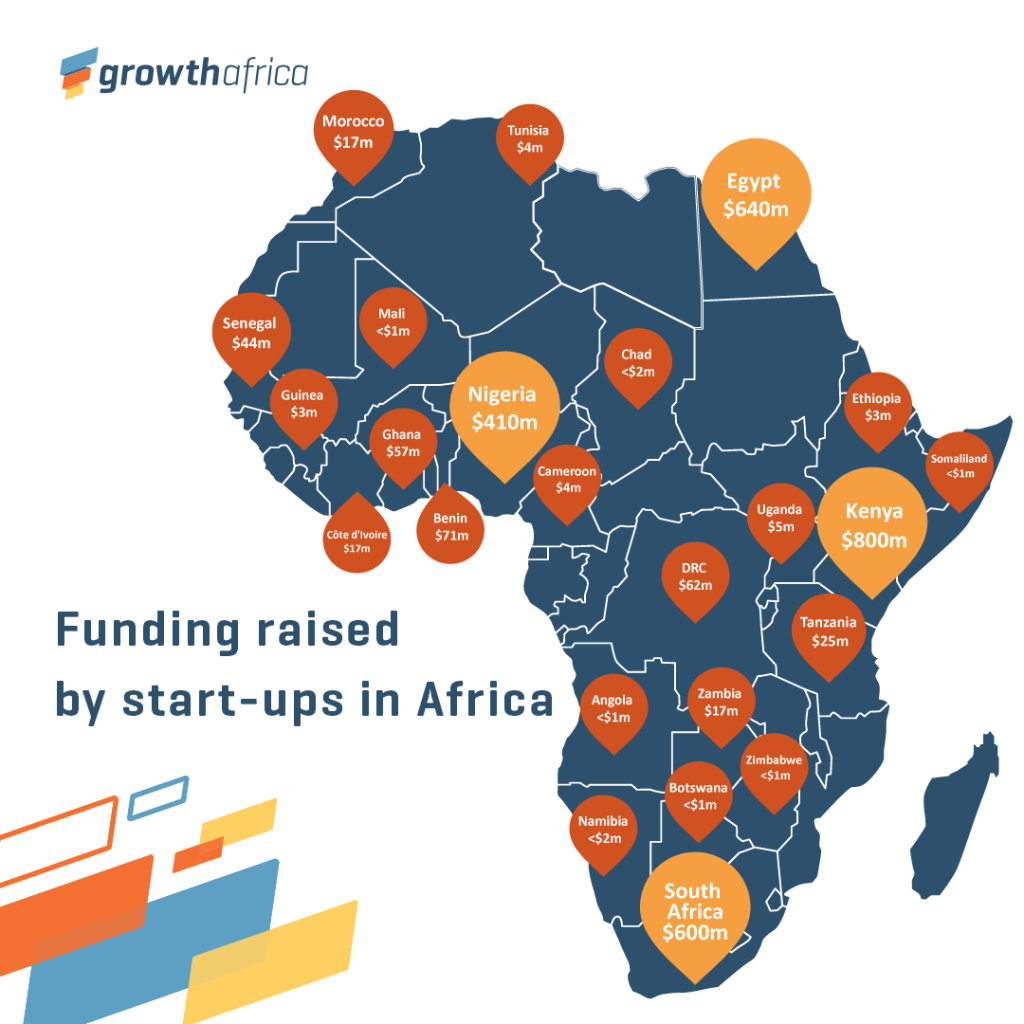
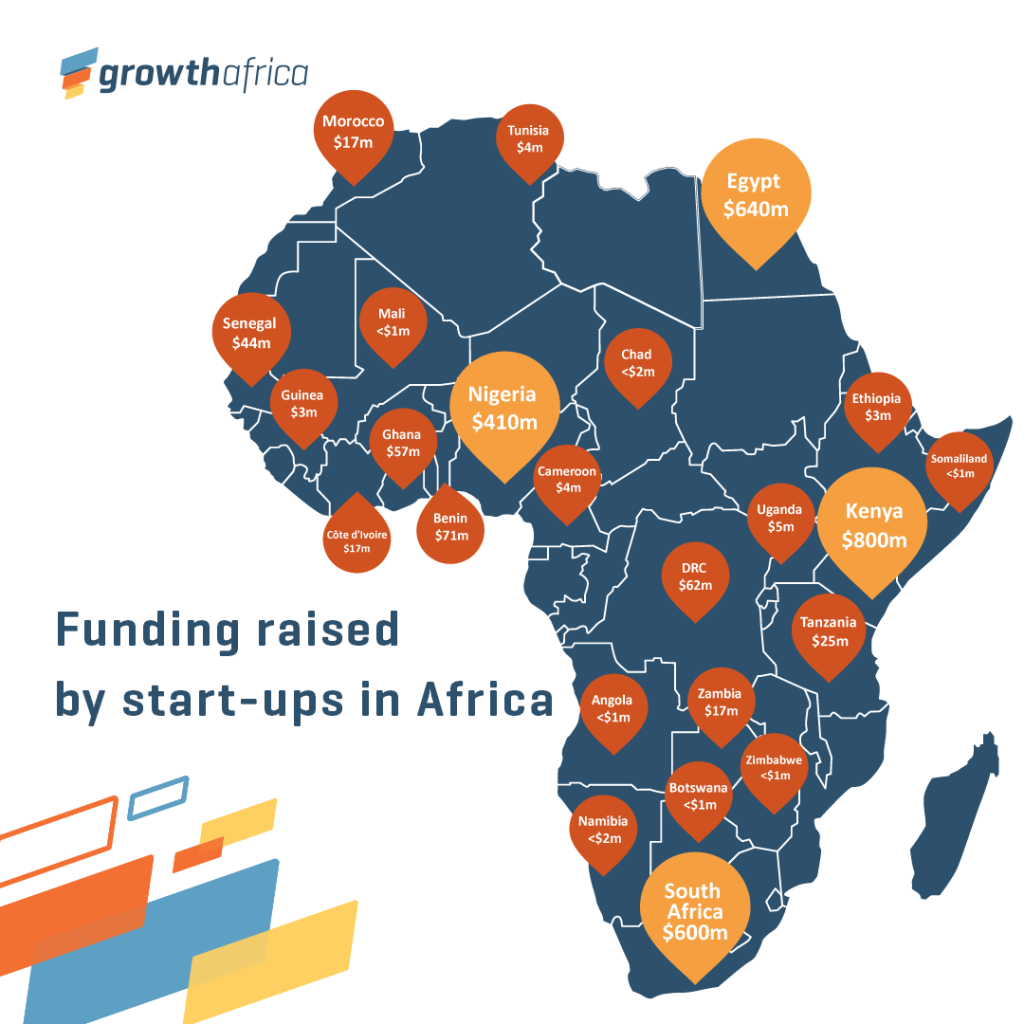
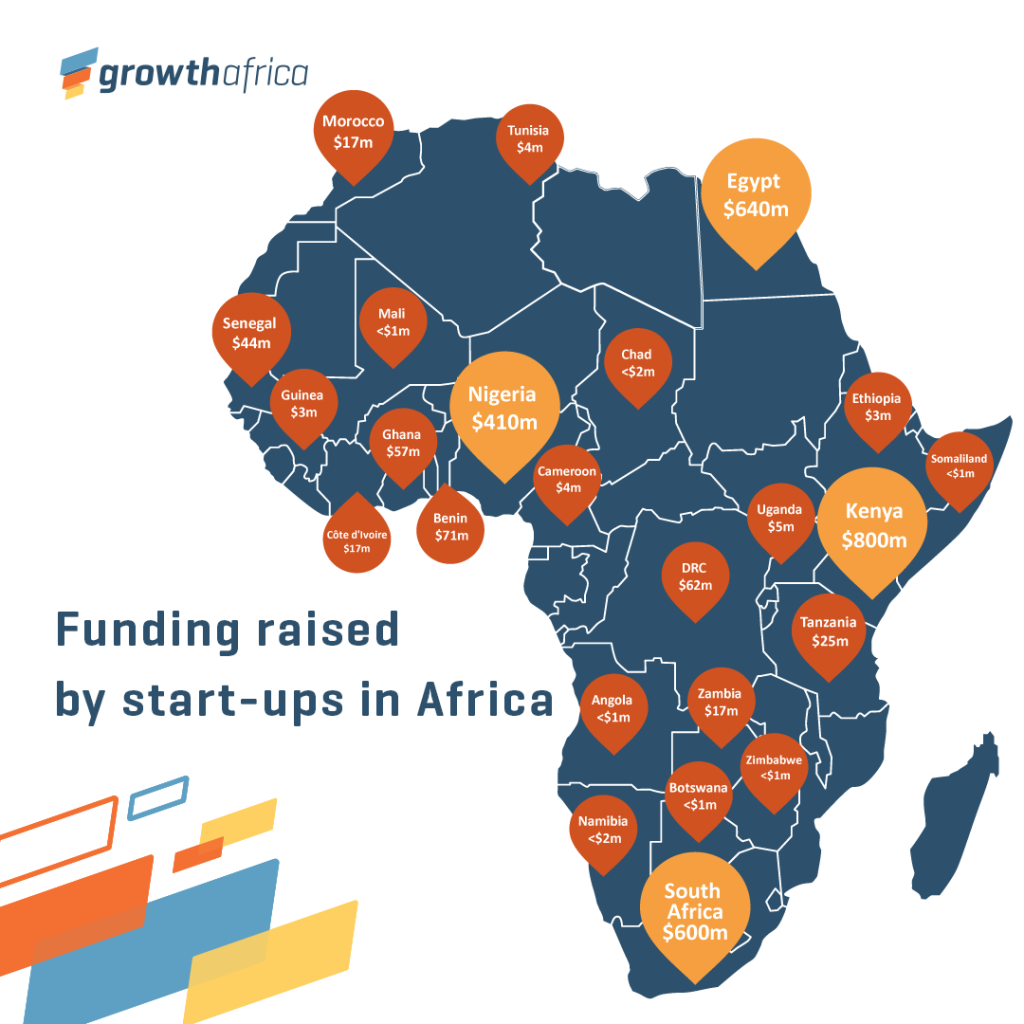
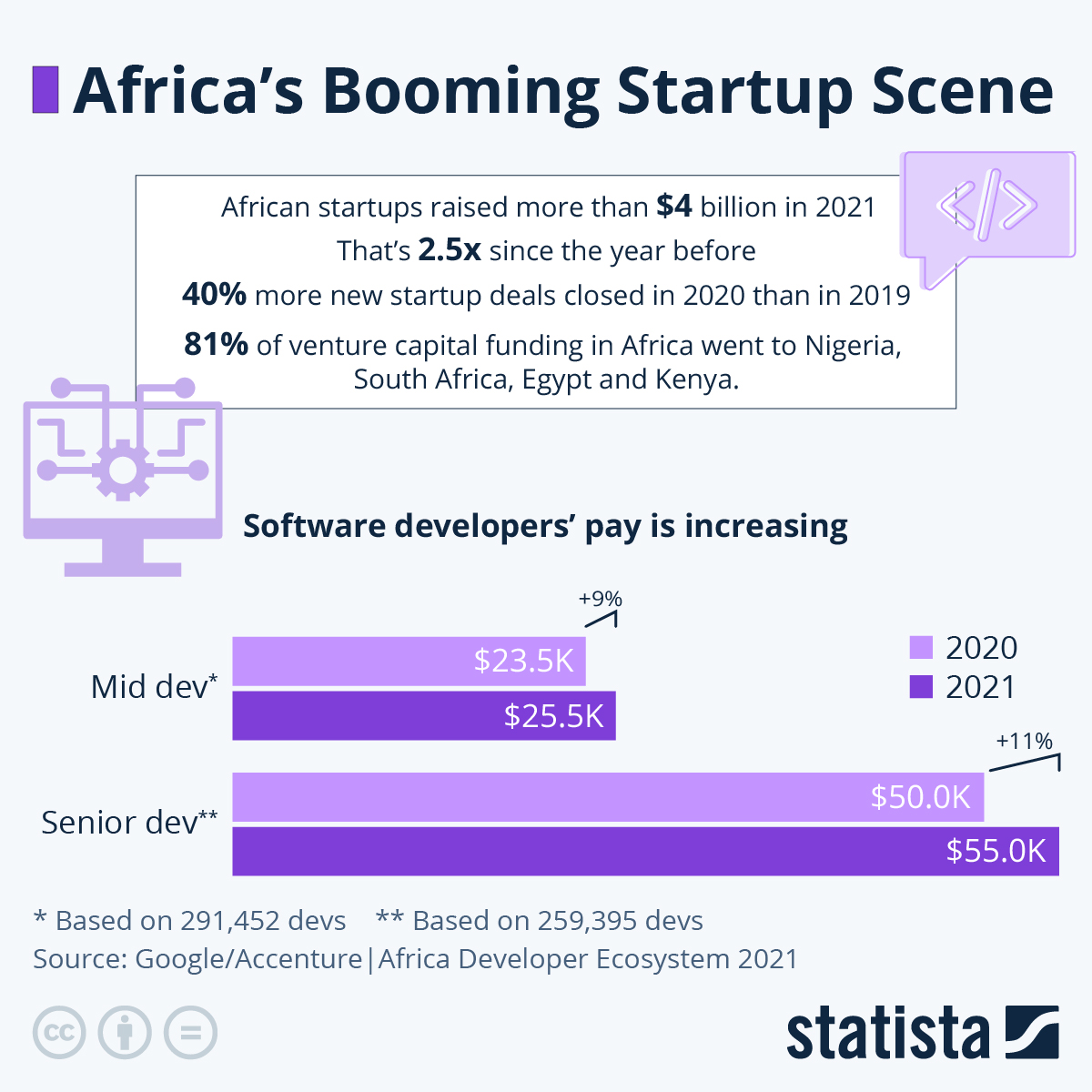
Something’s shifting across Africa’s tech landscape, and the numbers don’t lie. After two rocky years that saw venture capital flows stumble, 2025 is shaping up as a genuine comeback story. Startups across the continent are on track to pull in roughly three billion dollars this year, a rebound that’s caught some observers off guard and reignited conversations about scaling, exits, and the next wave of homegrown global contenders. But here’s the catch, that headline figure masks a tougher reality. Investors are definitely back at the table, but they aren’t handing out blank checks anymore. Where rapid growth and founder optimism once smoothed over term sheets, today’s backers want clearer roadmaps to profitability, tighter financial discipline, and measurable unit economics. In practice, that means founders have to show not just user growth, but a credible path from product-market fit to sustainable margins. For many, it signals a fundamental shift from chasing headline scale to building operational depth, from raising money to proving you deserve it. This renewed activity is part of a broader tech renaissance across the continent, where innovation is meeting investment in new ways. The recovery is real, as confirmed by reports that African startups hit the $3 billion funding milestone in 2025, surpassing the levels seen in 2023.
A More Selective, Geopolitically Aware Investment Landscape
So why is capital returning now? Several trends have converged to create real opportunity. Startups targeting clear infrastructure gaps in finance, health, logistics, and energy are finally converting longstanding demand into steady revenue. Investors, frankly exhausted by bets on flashy gimmicks, are increasingly channeling funds toward businesses that solve actual economic frictions. You can see it in the lists of promising firms for 2025, which emphasize practical solutions from fintechs easing payments for the unbanked to health techs helping clinics manage scarce resources. The result is a more selective, but ultimately healthier, funding environment. It’s not just about unit economics though. Macro and geopolitical forces are shaping investor calculations in equal measure. Large-scale deals and infrastructure projects show that significant capital is circulating, while a growing number of multilateral and bilateral investments, including state-backed projects, signal longer-term commitments that can help startups scale. At the same time, policy shifts overseas are forcing everyone to think differently. The European Union’s proposed carbon border adjustment mechanism, which taxes imports based on their embedded carbon emissions, will change the calculus for exporters and manufacturers. For startups that depend on cross-border trade, compliance with tighter carbon accounting is becoming part of the product roadmap. That matters for early-stage hardware companies and service firms alike, because added compliance costs can directly hit margins and market access. This record growth in Africa’s startup ecosystem comes with strings attached, as investors are applying tougher scrutiny and demanding clearer returns before opening their wallets.
The Road Ahead: Cautious Optimism and a New Chapter for African Tech
What does all this mean for the continent’s tech ambitions? First, the rebound proves that external capital is willing to return when startups demonstrate realistic plans for revenue and solid governance. Second, long-term competitiveness will hinge on navigating new regulatory realities, including carbon pricing and shifting trade rules. Third, partnerships with larger infrastructure projects and regional development finance can create the scale startups need, though those partnerships often come with performance expectations and public scrutiny. Looking ahead, the mood is cautiously optimistic. The immediate challenge for founders is converting fresh investor interest into sustainable business models that can withstand policy shifts and global economic pressure. For investors, the task is balancing discipline with patience, providing capital structures that reward genuine growth rather than transient metrics. For policymakers, clarity on rules for trade, mining, and carbon reporting will help reduce risk premiums and encourage more domestic and international capital. If 2025 teaches us one lesson, it’s that Africa’s tech resurgence won’t be a replay of the boom years. It’ll be a more mature chapter where startups that solve essential problems, demonstrate good governance, and align with changing global rules are the ones that win. The next 12 to 24 months should reveal whether this renewed confidence leads to a deeper startup ecosystem, more local exits, and stronger linkages between innovation and the continent’s broader industrial ambitions. This soaring investment in African startups reflects a clear return of confidence in the market, even as the rules of engagement evolve.