African Startups Return to Growth, Hit $3 Billion Funding Milestone as Investors Demand Profitability
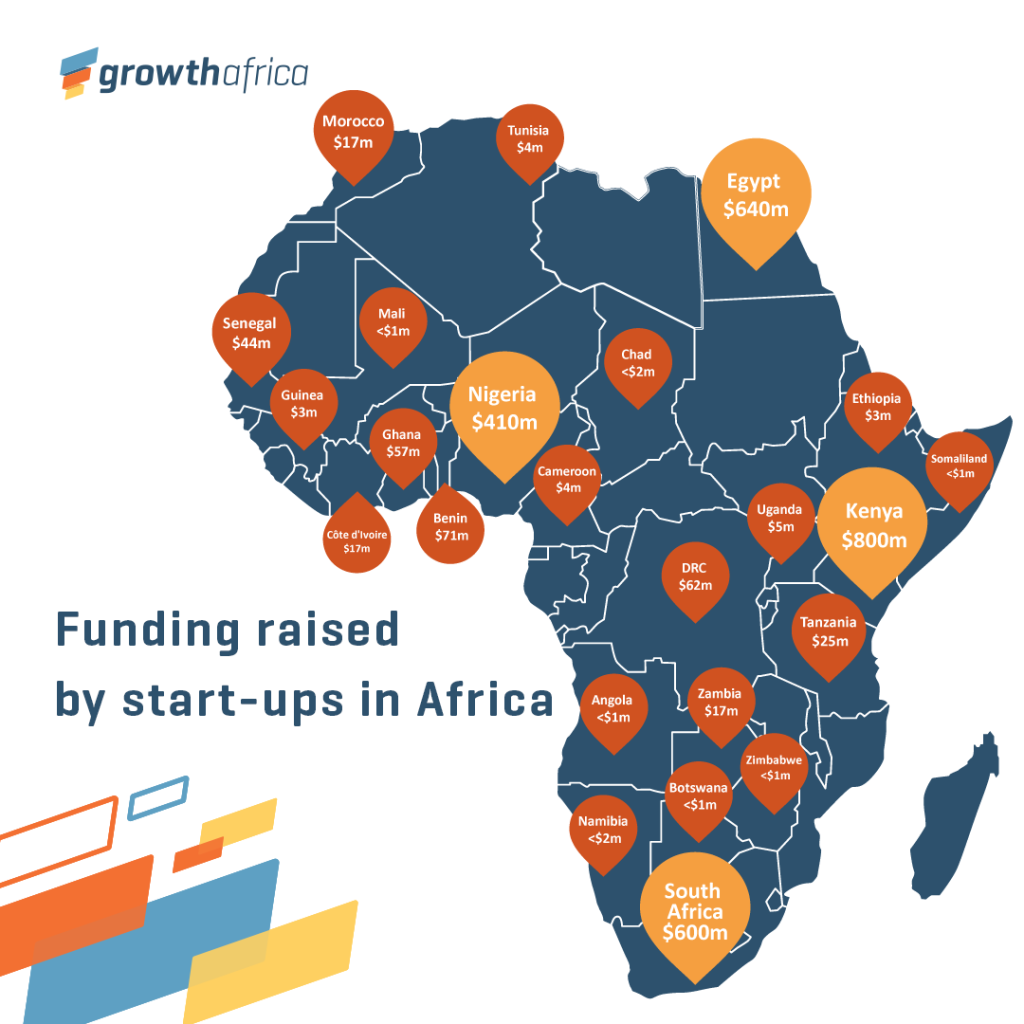
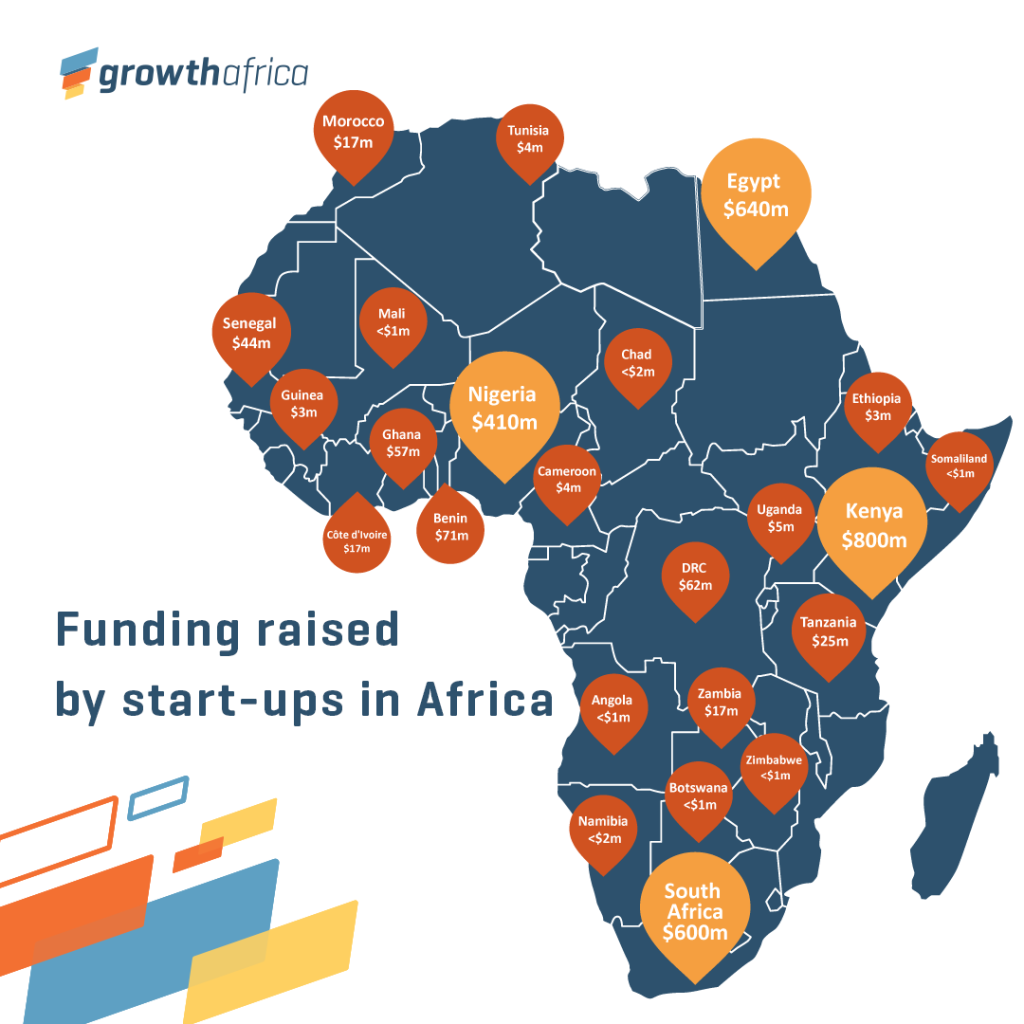
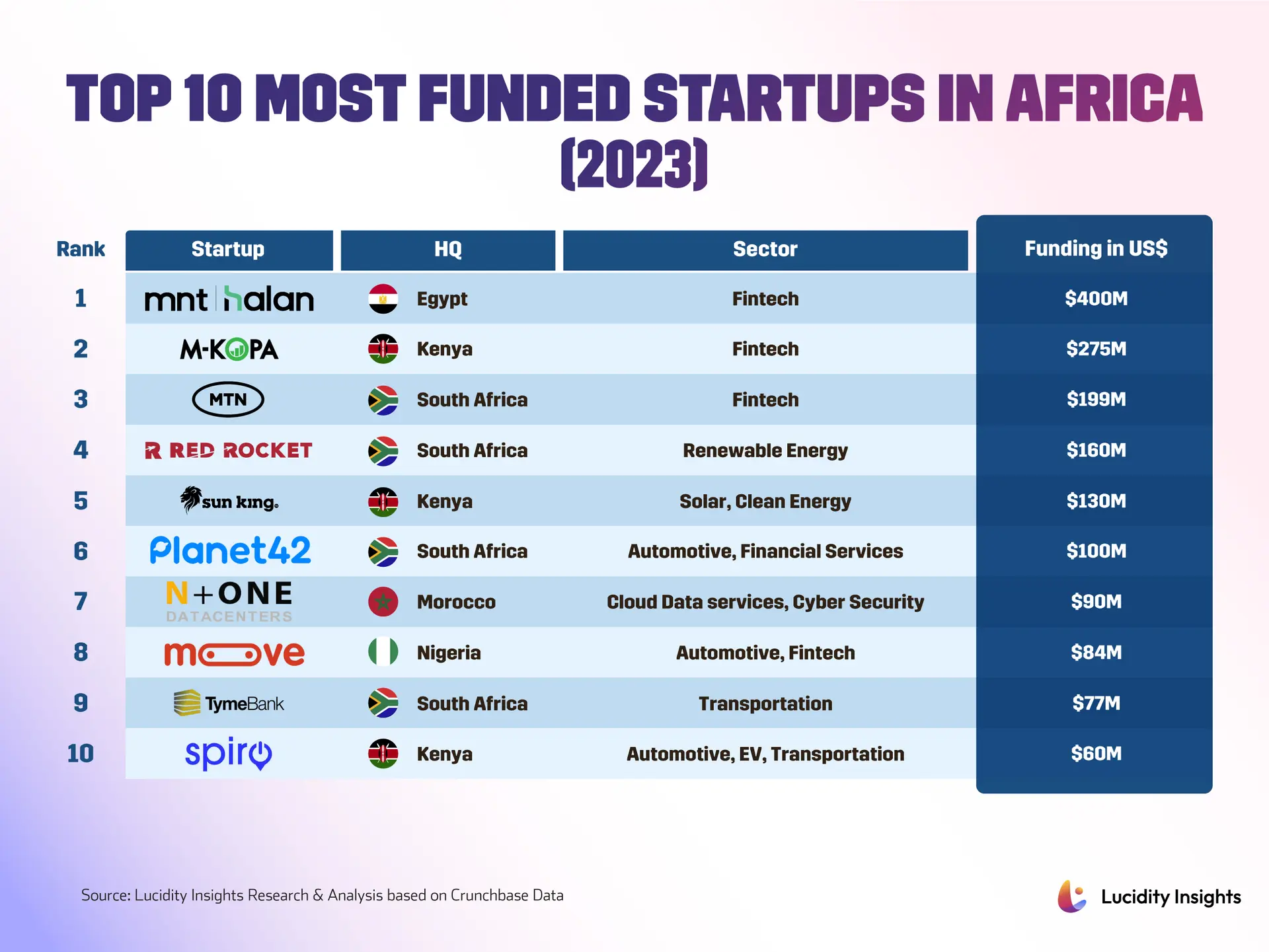
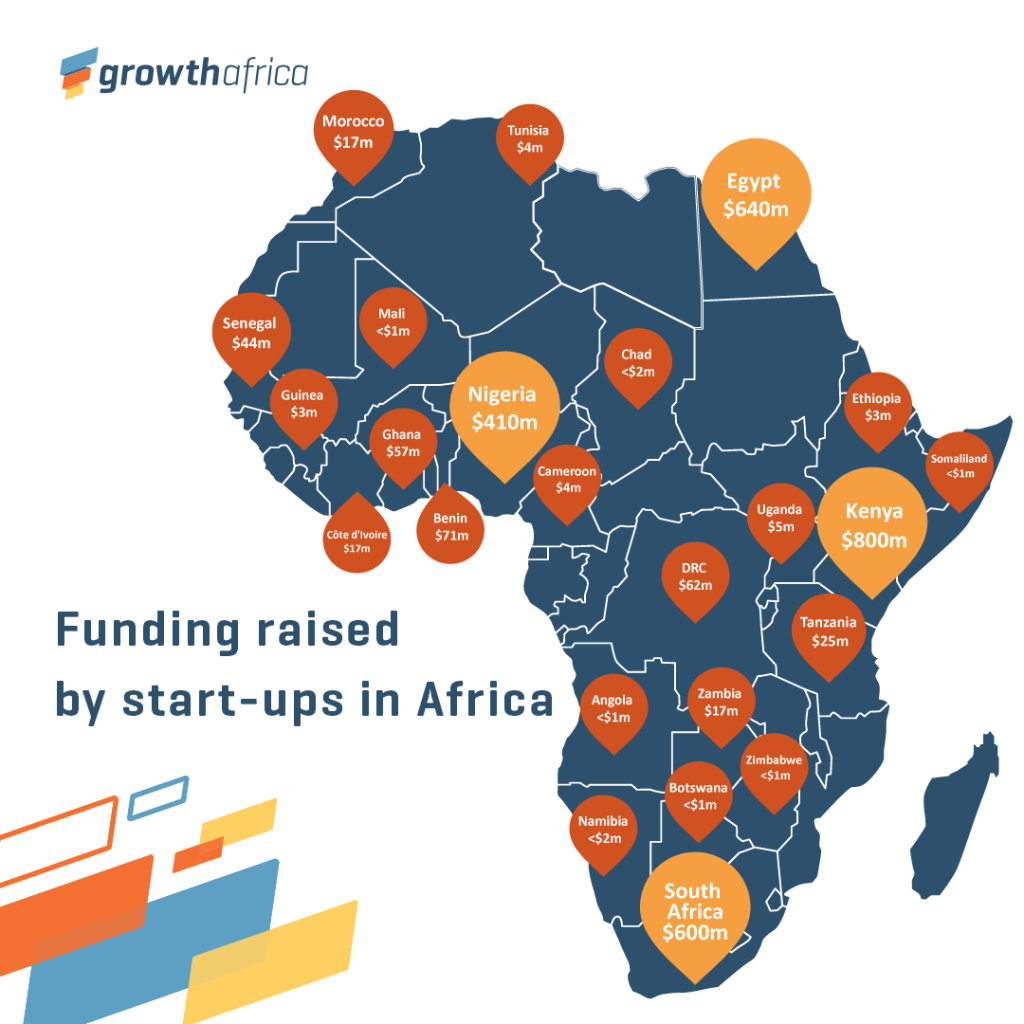
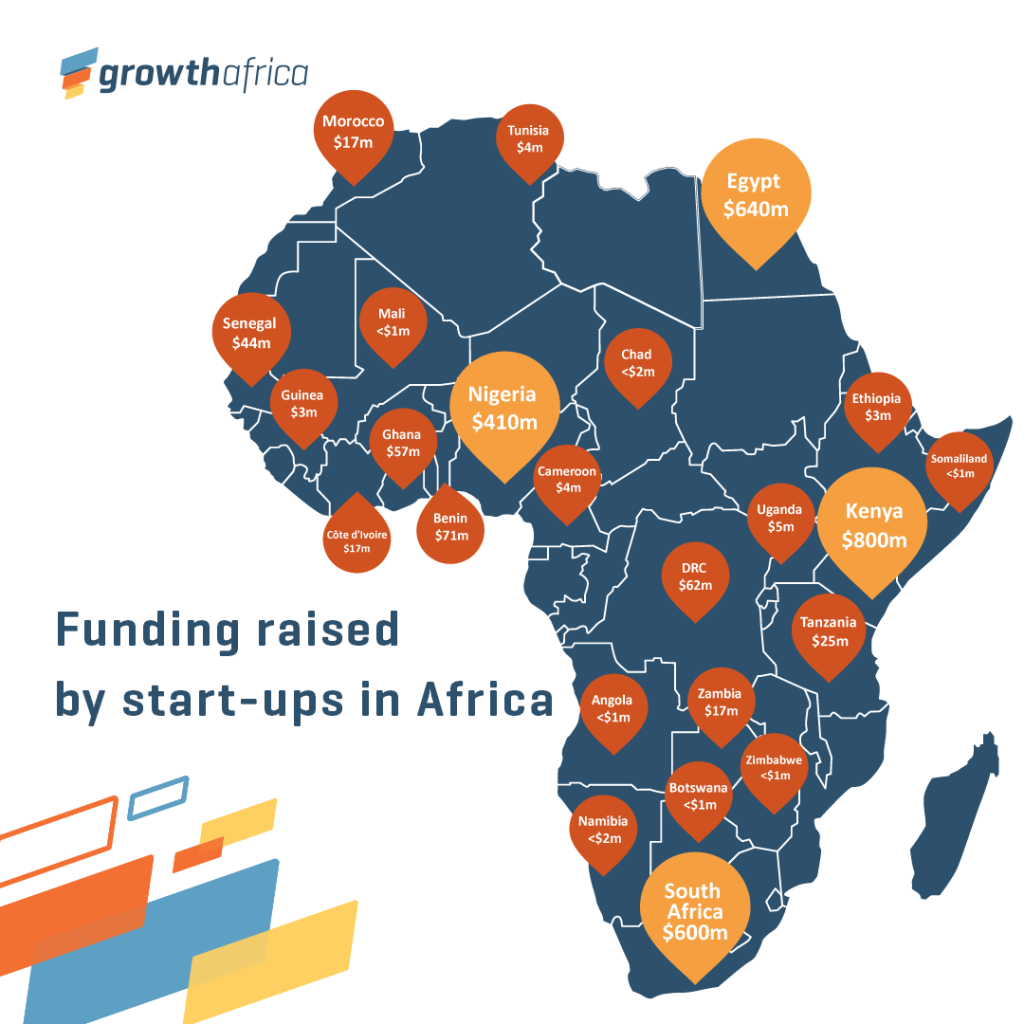
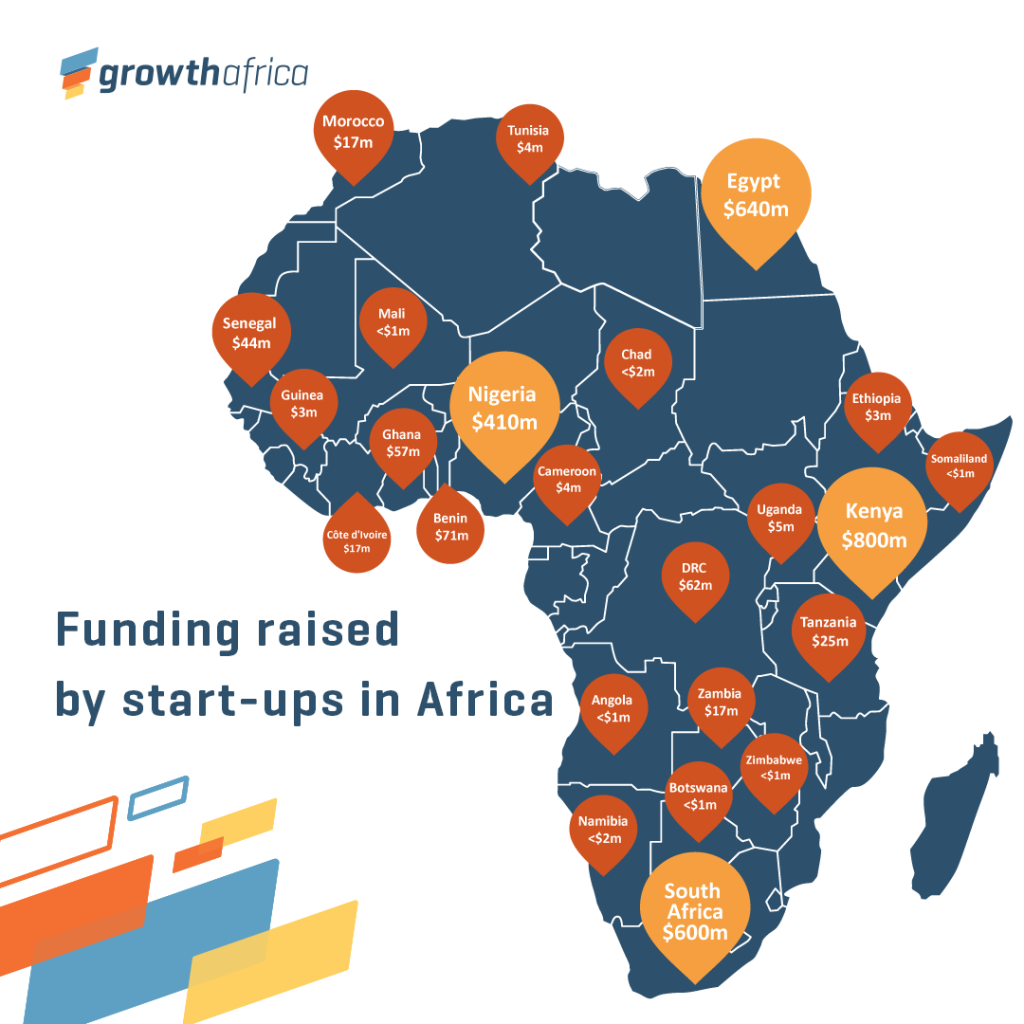
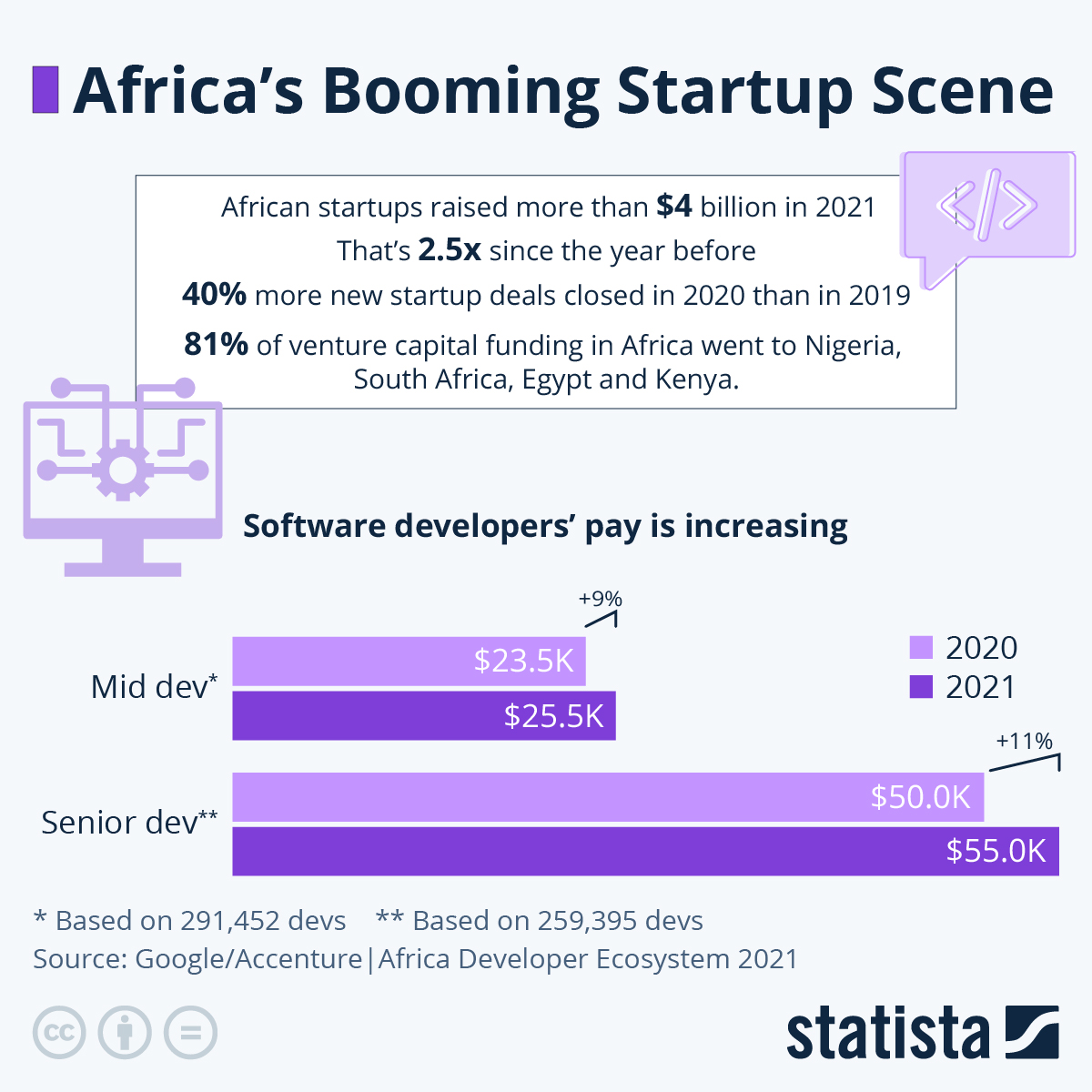
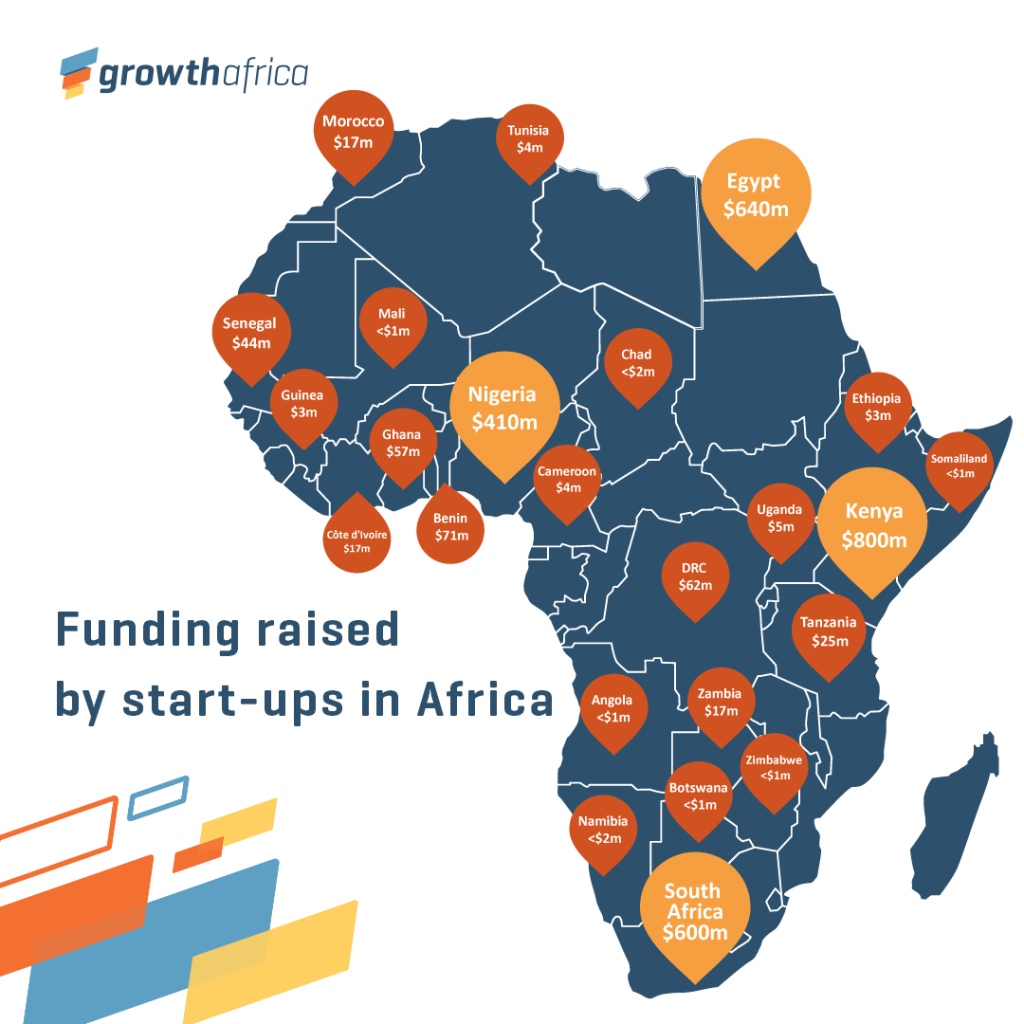
Africa’s startup scene has staged a remarkable comeback in 2025, shaking off two difficult years to push total funding past the $3 billion mark. That’s not just a rebound from the steep corrections of 2023 and 2024, it represents a fundamental shift in how investors approach the continent’s technology companies. Where rapid growth and market share once trumped everything else, backers now want businesses that show repeatable revenue streams and sustainable unit economics. In plain terms, they’re looking at whether a company actually makes money from each customer after covering the costs of serving them. Startups that can demonstrate healthy margins on that basic calculation are finding funding more readily, while capital for high burn, low revenue models remains tight. The numbers tell the story: deal activity jumped 33 percent year on year, with November alone producing about $162 million in announced funding. Across the year, 32 ventures raised at least $100,000 and 16 secured rounds of $1 million or more, signals that both seed and growth stages are finding backers again. Research from platforms like Business Insider Africa and Forbes Africa charts this turnaround as widespread rather than isolated, painting a picture of renewed confidence across markets from Lagos to Kigali.
Policy moves and local capital have mattered as much as investor sentiment in this recovery. Reforms like Nigeria’s Startup Act and Rwanda’s special economic zones have strengthened regulatory confidence, making it easier for founders to plan growth. Meanwhile, local investors have become a larger part of the ecosystem, accounting for nearly one third of participants in deals. That shift reduces dependence on foreign capital and aligns financing with domestic market realities, but it also raises pressure on founders to deliver returns to a more diverse and demanding shareholder base. Sector flows have shifted too, with climate technology attracting more than $400 million this year. That reflects both the continent’s vulnerability to climate change and growing global interest in climate finance, though observers note the irony that even as climate tech draws capital, Africa faces a much larger annual climate finance gap estimated at about $277 billion. The recovery hasn’t erased the painful restructurings of the past two years either. Layoffs and strategic pivots continued into 2025, though at a slower pace than during the height of the downturn. Companies that expanded rapidly during the boom years learned that some teams were too costly for a lower growth environment, prompting trimming and refocusing. As TechCabal reported, these adjustments represent a broader shift from consumer playbooks toward business models with clearer revenue pathways.
This sharper investor scrutiny is already changing how entrepreneurs pitch and plan. Founders are prioritizing unit economics, recurring revenue, and explicit paths to profitability when speaking to investors. That means more disciplined hiring, tighter burn rate management, and product strategies that emphasize measurable customer value rather than top line growth at all costs. The rebound carries caveats though. Analysts warn that heightened investor expectations create pressure for faster monetization, which may squeeze early stage experimentation and constrain long term innovation. Global macro risks remain, and regulatory changes or trade policies like the European Union’s carbon border measures could introduce new costs or market access challenges for African exporters. At the same time, pockets of opportunity are enlarging, from fintech services that improve cross border payments to fashion tech and social commerce platforms that tap the continent’s creative industries. Looking ahead to 2026, the narrative will likely split along two lines. Companies that demonstrate unit level profitability and can scale without exponentially increasing costs will attract capital, partnerships, and market access. Those that continue to prioritize growth without a clear route to cash flow may face tougher terms or find themselves sidelined. For the continent as a whole, the climb past $3 billion isn’t an end point, but a test. It asks whether Africa can convert renewed investor confidence into sustainable ecosystems that reward founders, employ talent, and deliver services that matter to everyday people. As we’ve seen in our coverage of Africa’s startup ecosystem boom, the funding milestones, and Nigeria’s innovation drive, this transformation is already underway.