African Startups Hit $3 Billion in Funding as Investor Confidence Returns in 2025
The Comeback Story
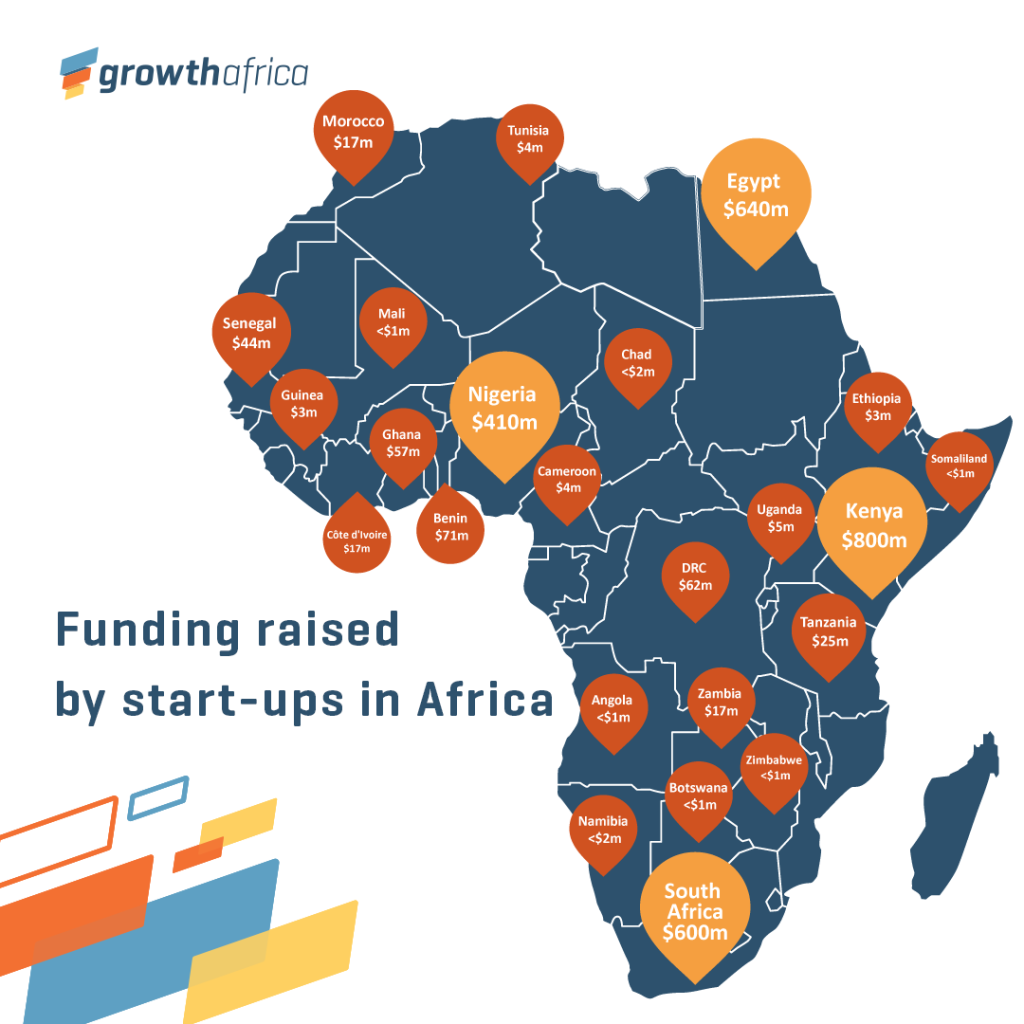
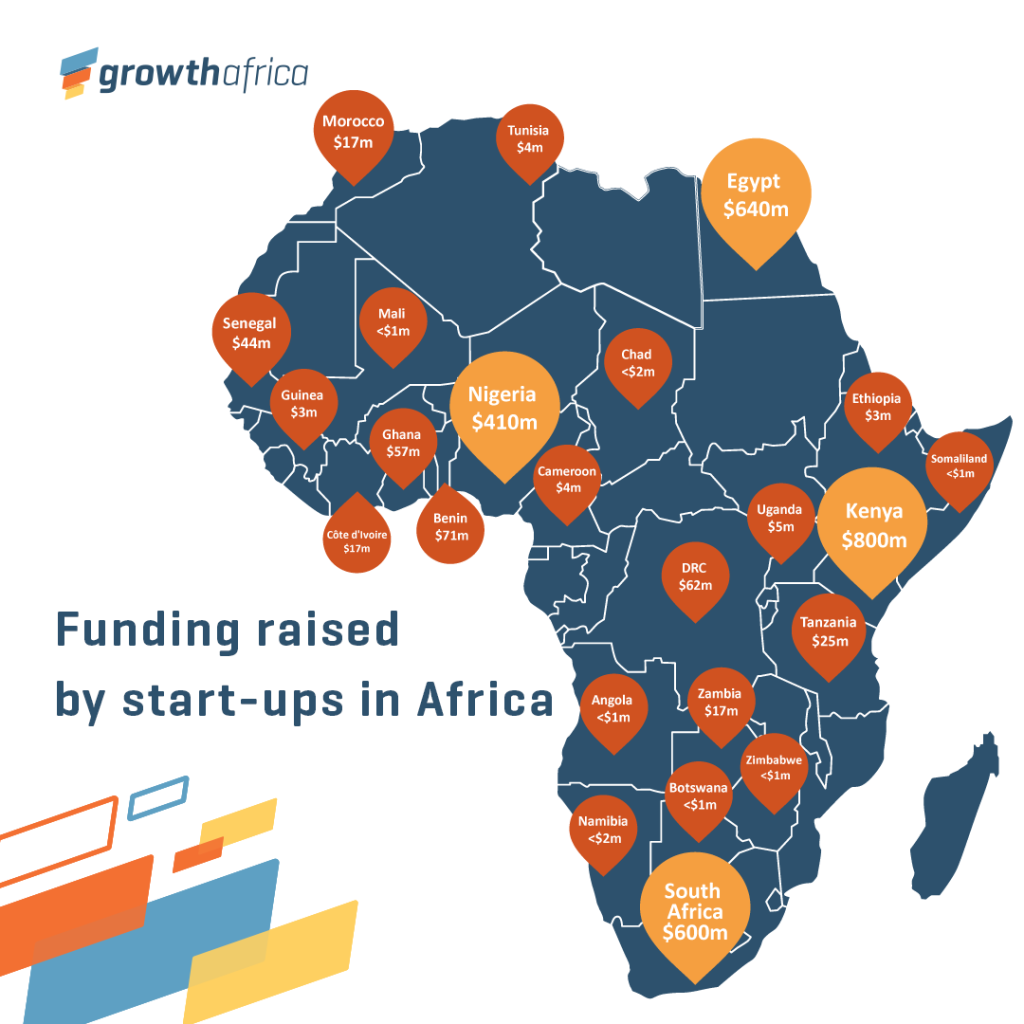
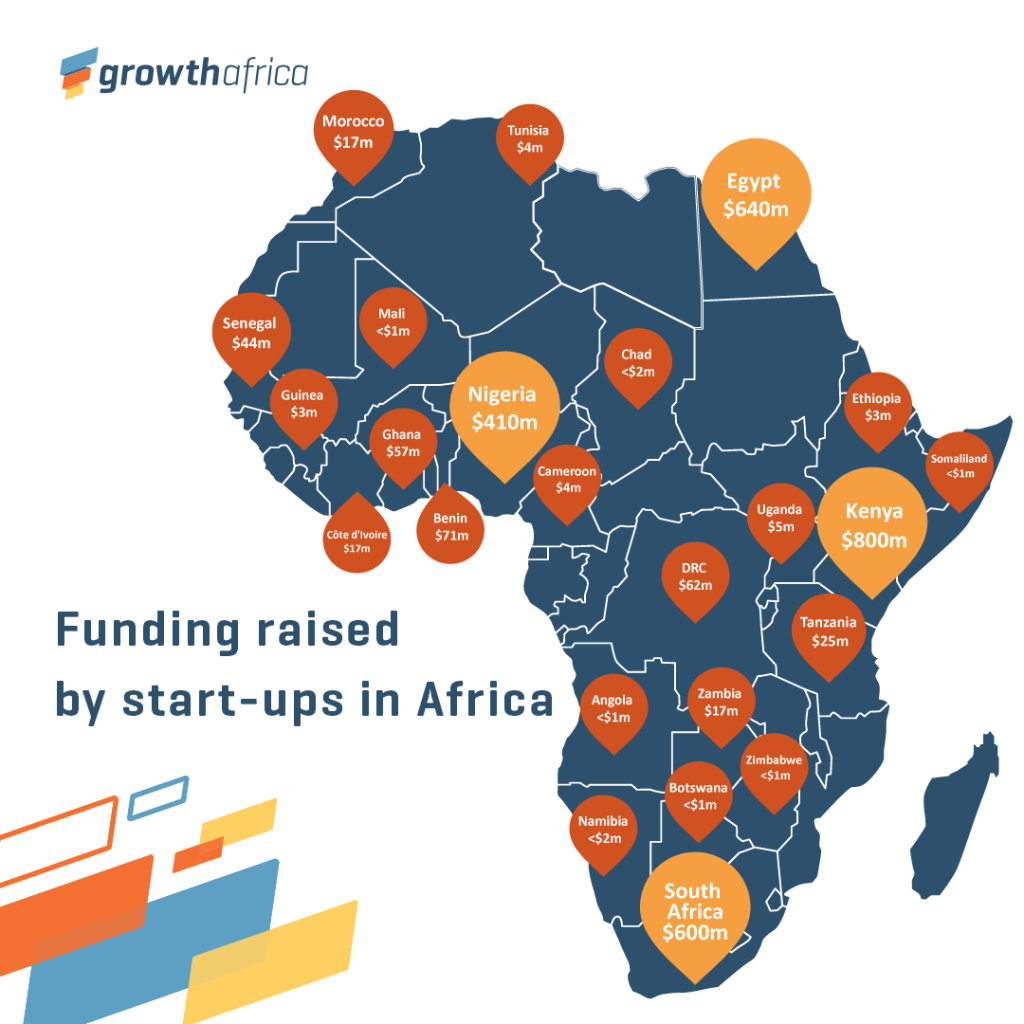
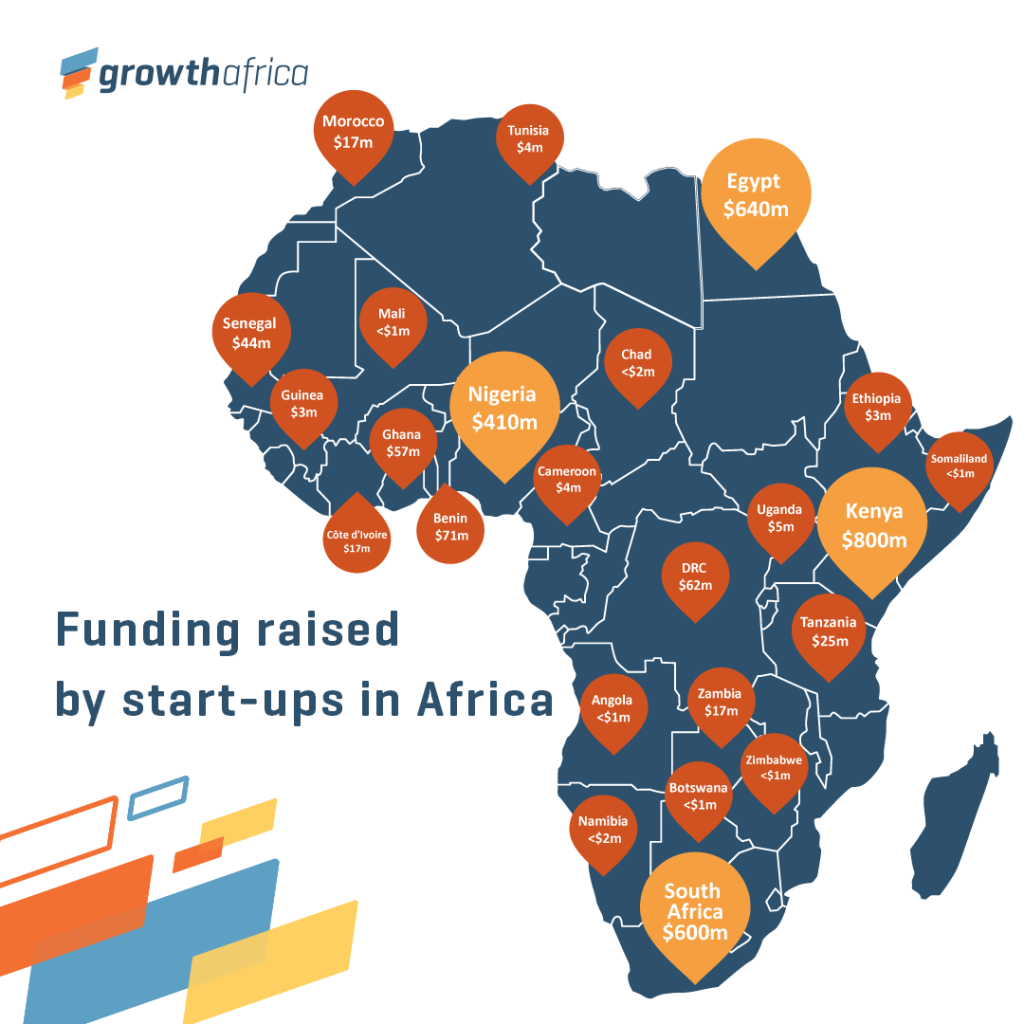
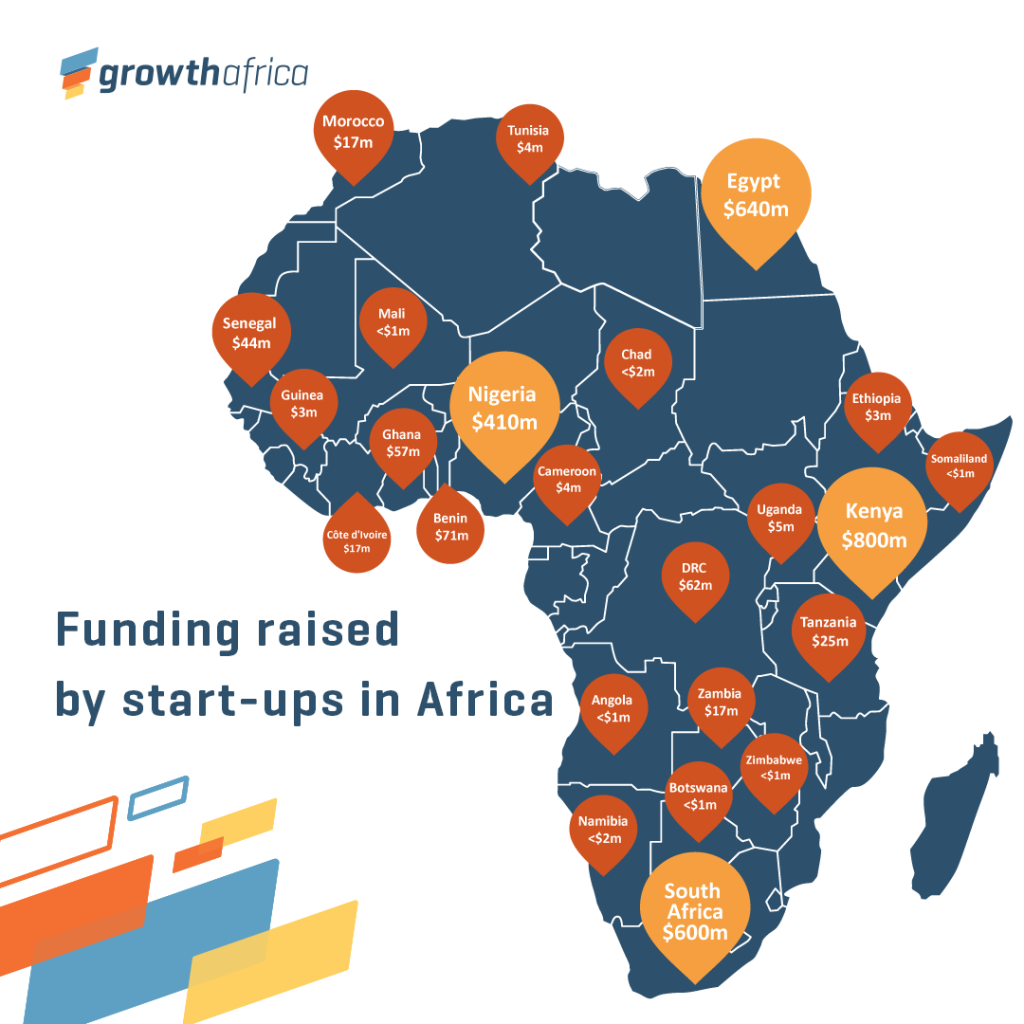
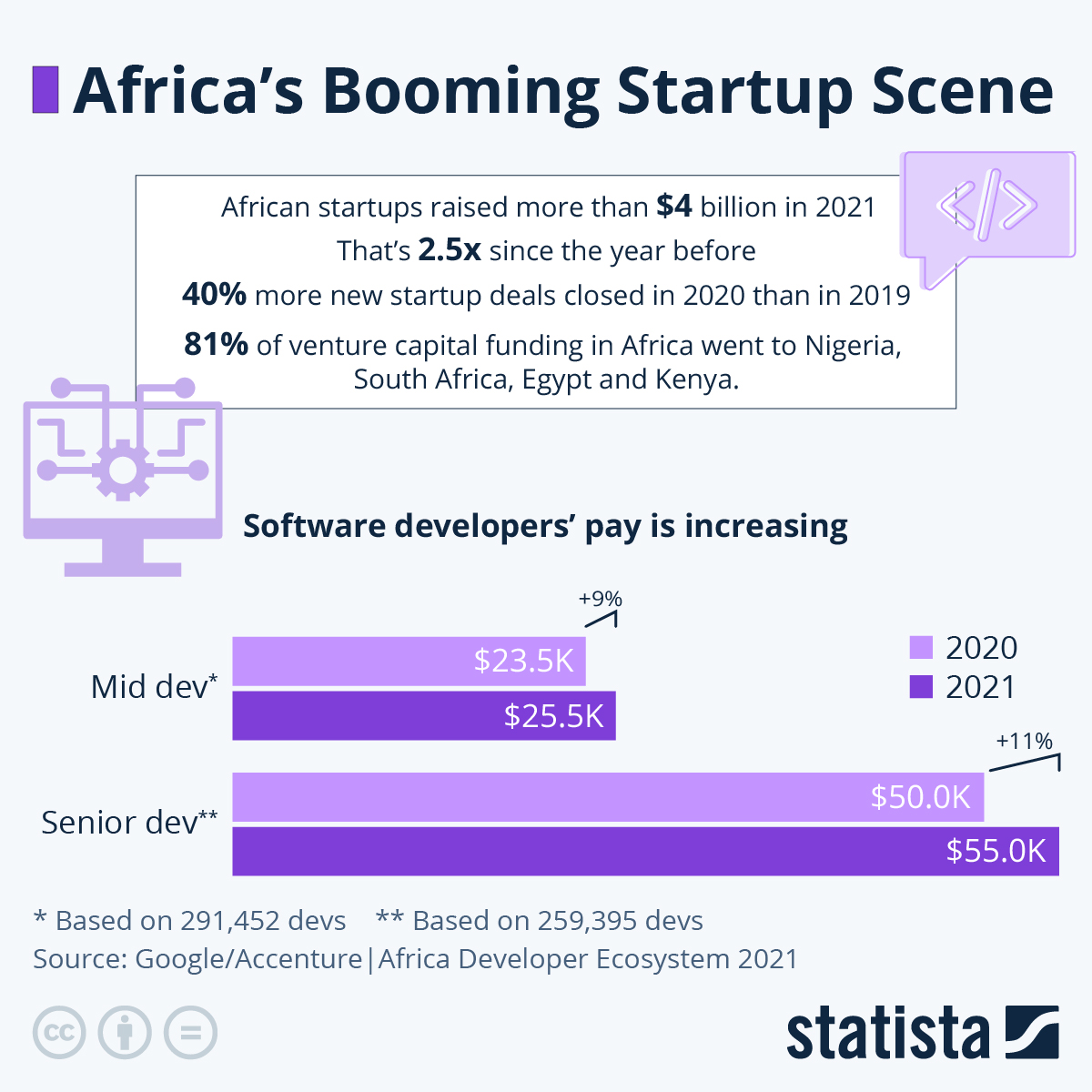
African startups have just pulled off a remarkable turnaround. After two painful years of shrinking capital, they’ve pushed total funding back above the $3 billion mark in 2025. That’s not just a number, it’s a loud and clear vote of confidence from both domestic and international investors who are betting on the continent’s future. Research from Africa: The Big Deal shows deal activity rose roughly 33 percent year on year, which completely reverses a 35 percent fall in 2023 and another 25 percent dip in 2024. This isn’t some narrow, concentrated recovery either. It’s broad based. Just look at November alone, when companies announced about $162 million in financing, with roughly 79 percent of it coming from equity. The year to date has seen 32 ventures raise at least $100,000, and 16 of those secured $1 million or more. The pace of deals and those rising ticket sizes tell a simple story: capital is flowing back to venture-stage businesses that can actually show revenue and a believable path to sustainable margins. You can see more evidence of this record growth in Africa’s startup ecosystem throughout the year.
A New Playbook for Investors
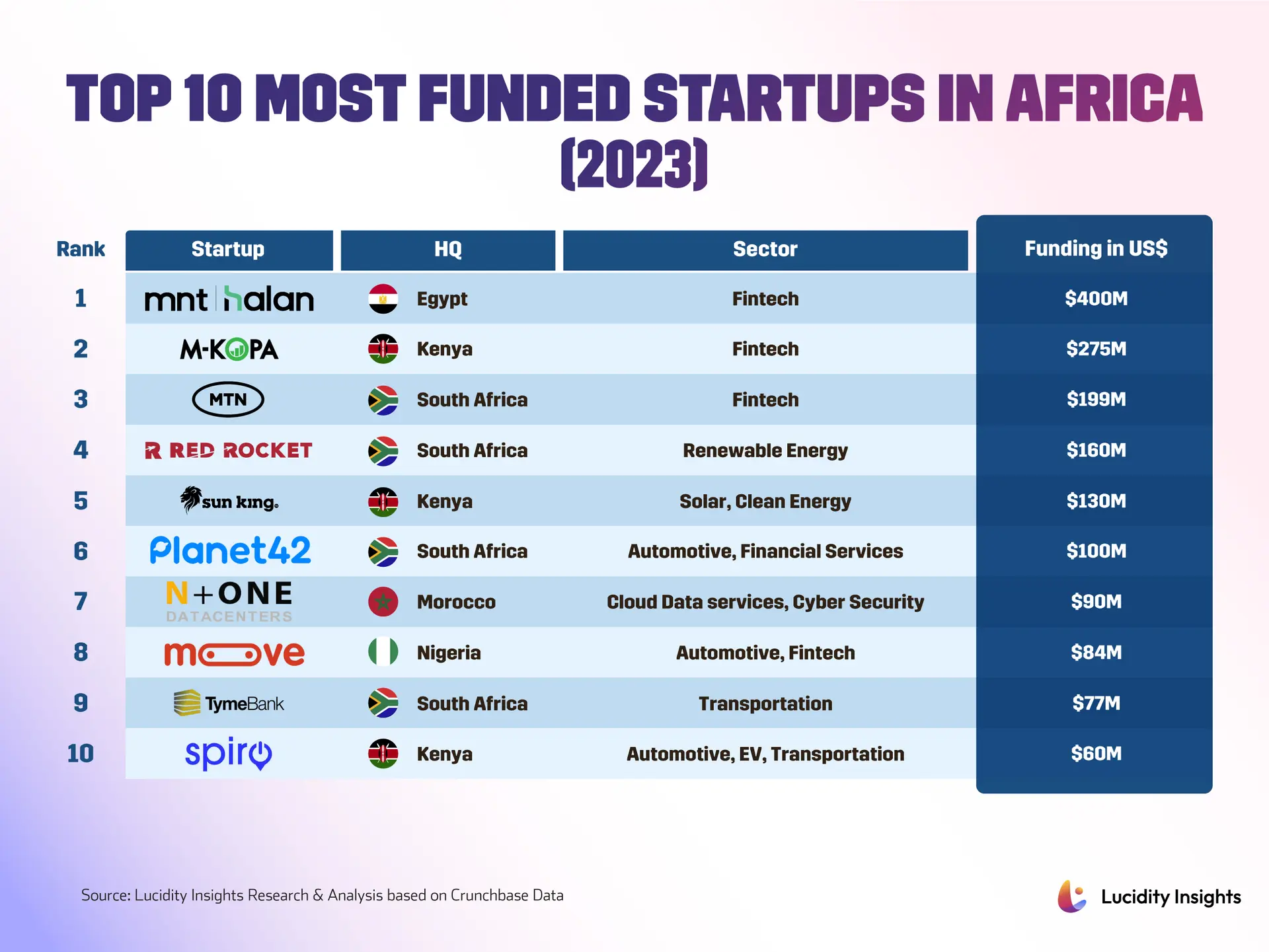
So what’s changed? Investors have completely rewritten their playbook. Conversations with market observers and public data point to a major shift away from the old “growth at all costs” mentality toward something much more disciplined. Today’s backers are prioritizing demonstrable unit economics, recurring revenue, and clear routes to profitability. They want to see that the revenue and costs associated with serving a single customer actually make long-term sense without needing perpetual subsidy. Debt has also made a big comeback alongside equity. Early-stage debt financing topped $1 billion in 2025, supported in part by development finance institutions and commercial lenders who are comfortable with predictable cash flows. Lenders are especially active in sectors like clean energy and payments where steady, contract-driven revenue is more common. For founders, debt can be attractive because it avoids dilution, but it also means companies have to manage cash flow much more tightly. The sector patterns are telling too. Fintech remains a major recipient of capital, with payments, remittances, and neo-banking deals among the largest. Proptech and logistics continue to draw sizable rounds, while vehicle financing and used-car marketplaces have seen notable activity as companies pivot business models to capture new revenue streams. Publications like TechCrunch have documented a steady stream of headline transactions across Nigeria, Egypt, and francophone West Africa, underscoring just how geographically broad this rebound really is. This trend toward more strategic investment is part of a larger shift in African startup funding that values sustainability over sheer scale.
Cautious Optimism for the Road Ahead
That upbeat picture, however, coexists with a healthy dose of caution. Let’s be honest, this recovery follows a period of painful recalibration. Multiple high-profile workforce reductions in 2025 changed the mood in the ecosystem, slowing hiring and encouraging founders to prioritize sustainability over rapid expansion. Those layoffs weren’t merely a symptom of fewer deals. They also reflected companies realigning their burn rates with more realistic growth trajectories and investor expectations. Investor scrutiny has definitely increased, and local reporting highlights a tougher tone at the negotiating table. Firms that previously won funding on promise alone now face tougher due diligence and heavier emphasis on measurable metrics. At the same time, development finance and impact-focused lenders are stepping in where returns are predictable, a dynamic that has helped channel capital into clean energy and payments ventures that can show contracted cash flows. Macro and regulatory risks haven’t disappeared either. Policymakers in Europe are preparing new measures like a carbon border adjustment mechanism that could reshape trade and supply chains for African exporters. Regional currencies and political developments also introduce volatility that investors will watch closely. These headwinds, combined with more conservative capital allocation, mean the rebound isn’t a return to the froth of earlier cycles. It’s a recalibration toward resilience. For founders this creates both opportunity and discipline. Access to capital is improving, but the terms and expectations have changed. Startups with strong unit economics, recurring revenue models, and transparent governance are best positioned to convert renewed investor interest into sustainable growth. Investors say they’re looking for repeatable business models that can survive tougher macro conditions, not just scale faster in benign markets. Looking ahead to 2026, the narrative is one of cautious optimism. The comeback to $3 billion shows investor appetite is intact when backed by fundamentals, and a growing mix of debt and equity options broadens financing choices for founders. But the ecosystem’s next phase will reward those who build durable businesses, manage cash smartly, and adapt to evolving regulatory and market realities. If 2025 marks the year confidence returned, 2026 will test whether that confidence translates into profitability and lasting market leadership. As reported by Business Insider Africa and Forbes Africa, this milestone represents a significant turning point. The continued surge in African startup funding is driving innovation across the continent, but with a new emphasis on building businesses that last.