
African Startups Bounce Back with $3 Billion Funding Surge as Investors Raise the Bar
The Continent’s Tech Scene Shows Renewed Momentum After Two Tough Years
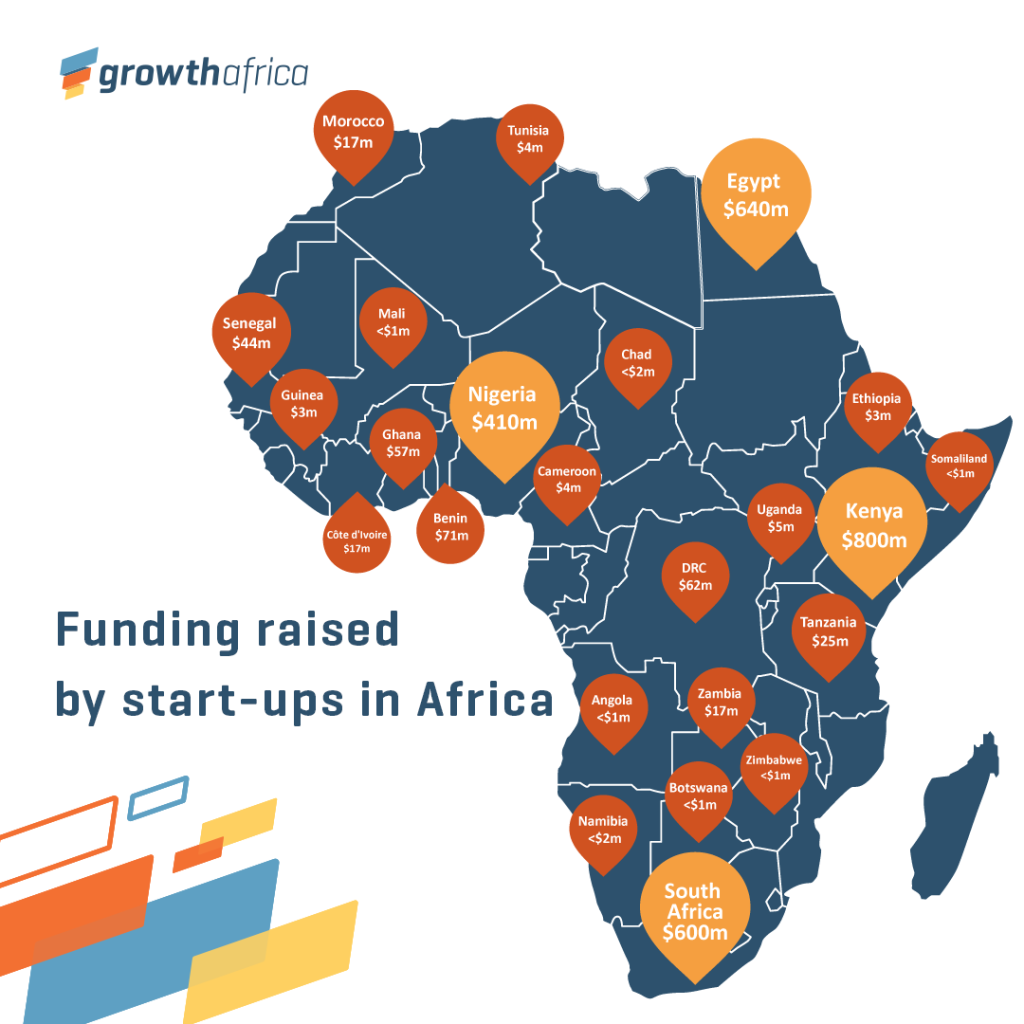
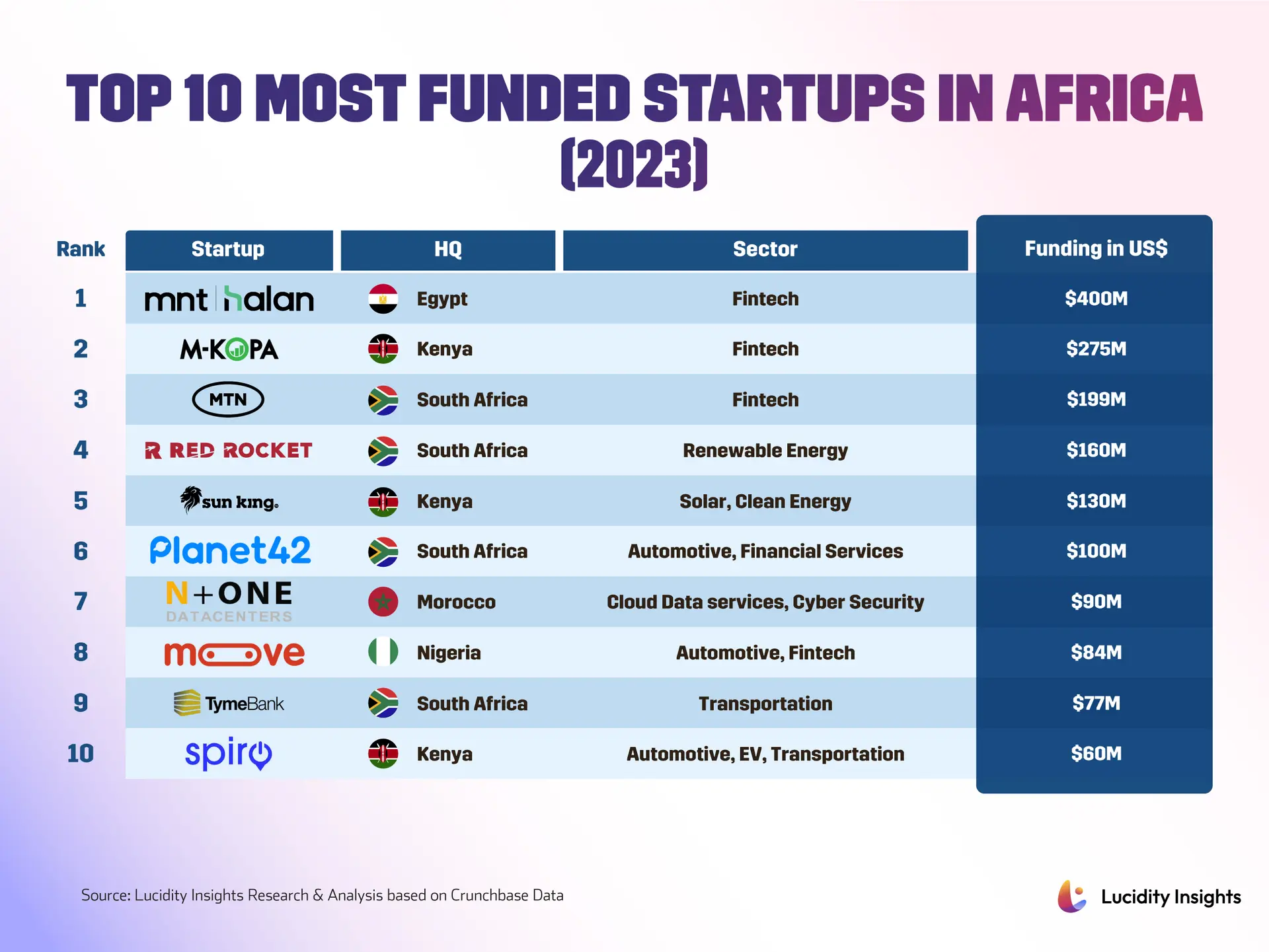
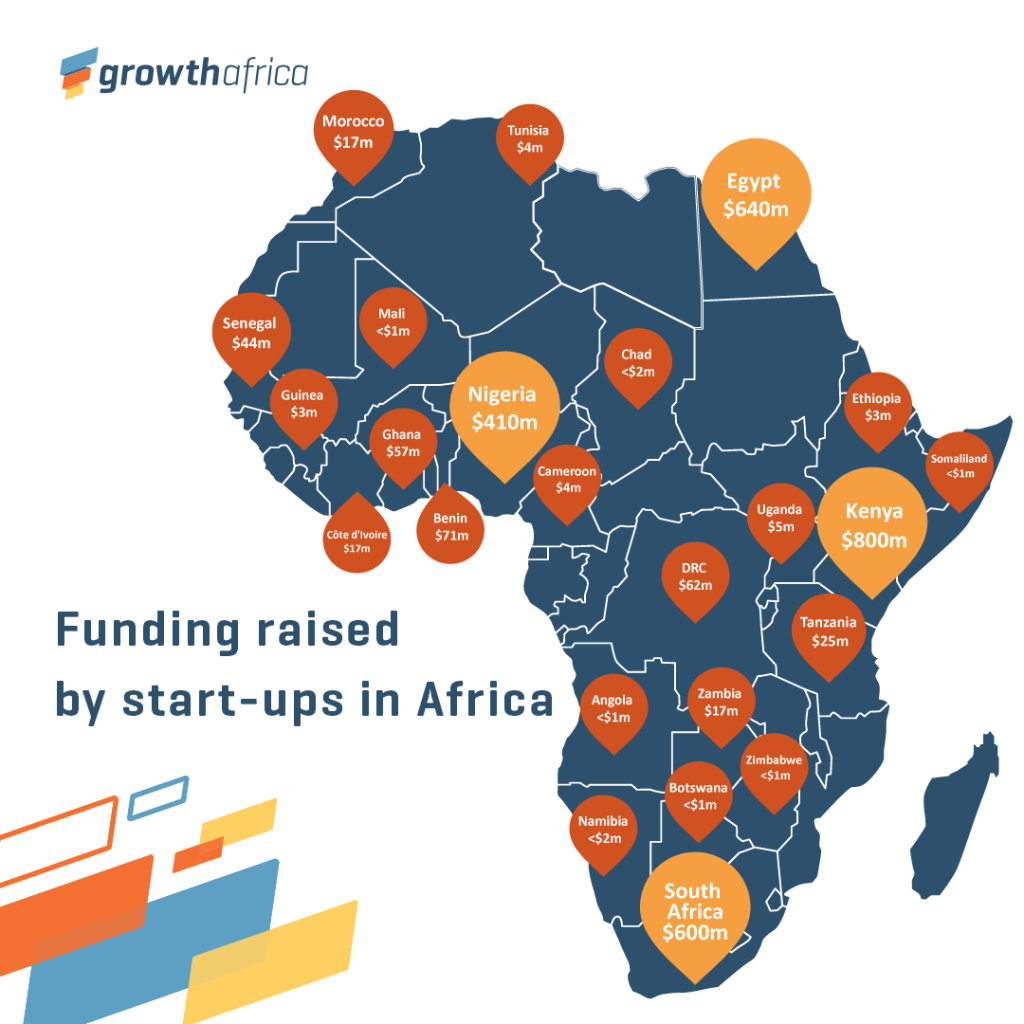
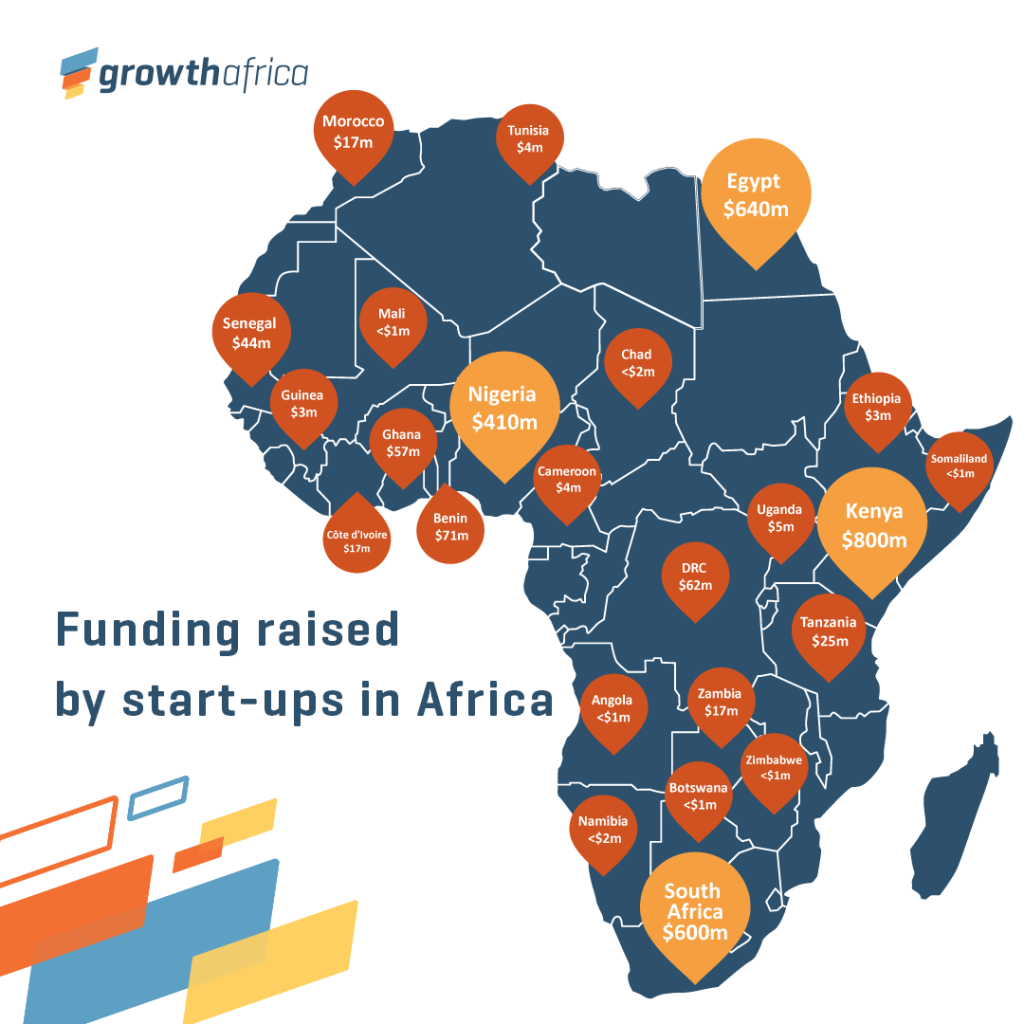
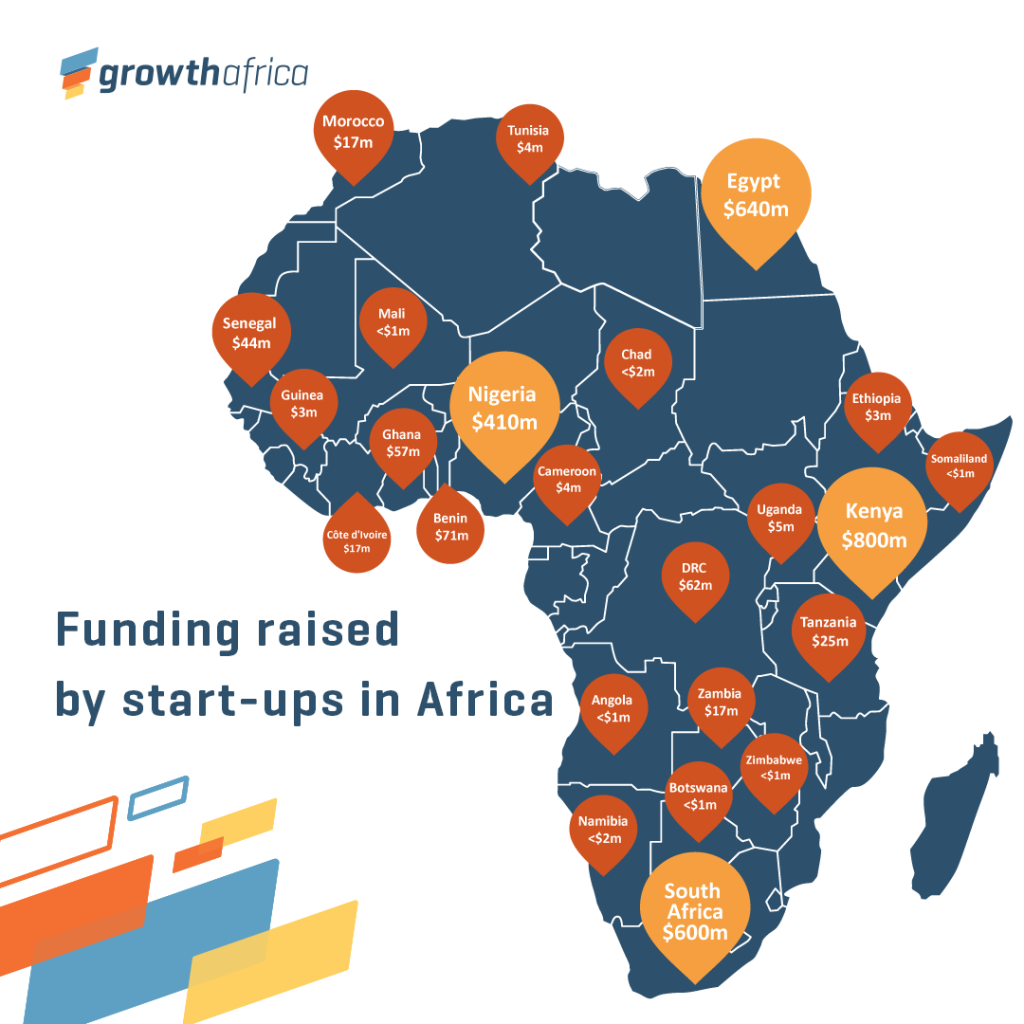
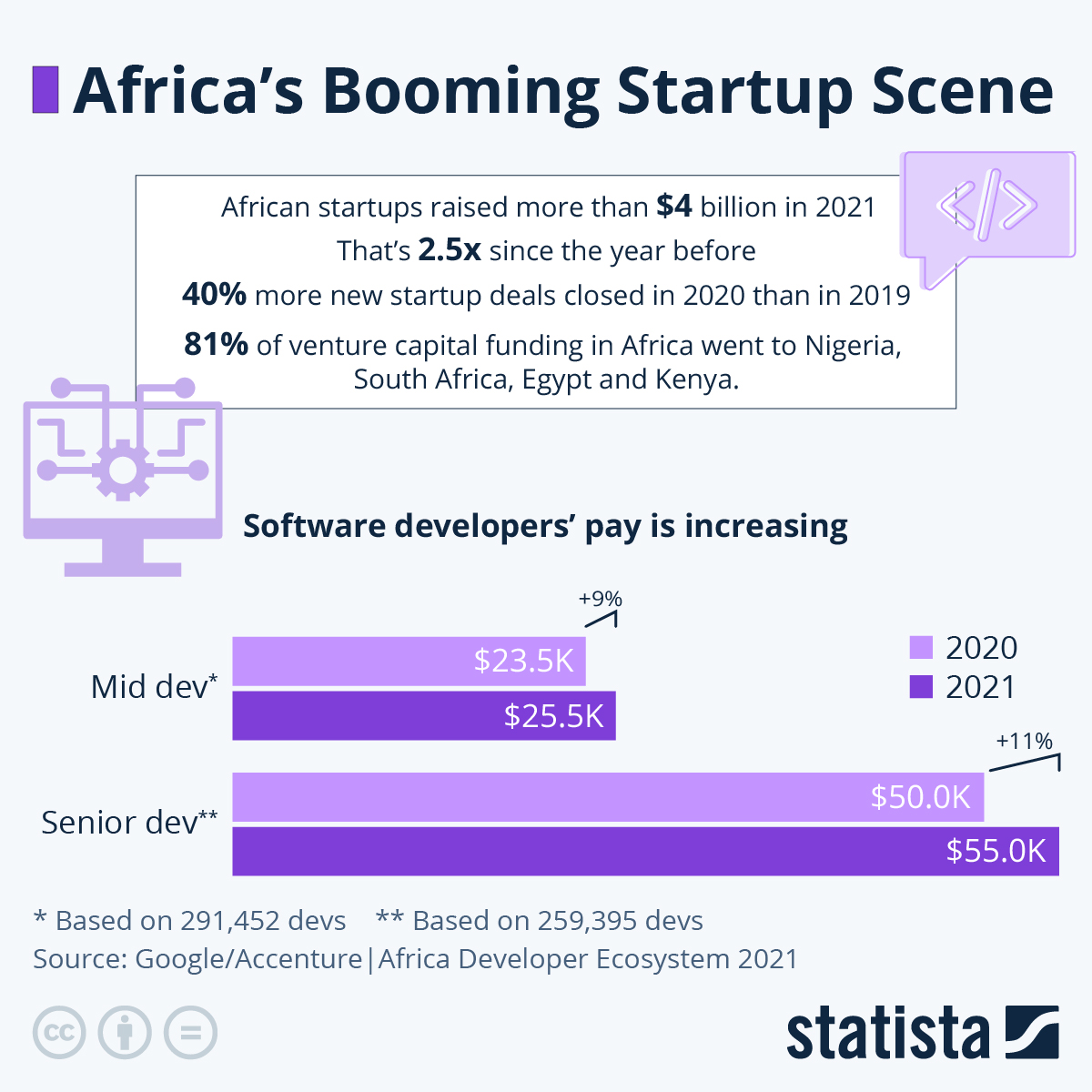
Africa’s startup ecosystem isn’t just recovering, it’s staging a full comeback. Companies across the continent are set to raise more than $3 billion in 2025, marking a 33 percent jump from last year and finally reversing those steep declines after the global funding slowdown. Investors are showing confidence again, but they’re not just throwing money around. They’re asking tougher questions about unit economics, profitability timelines, and governance. According to African Business, funders now demand clearer near-term returns and apply much more rigorous due diligence. This shift means founders can’t just chase rapid growth anymore, they’ve actually got to prove their businesses can make money sustainably. The renewed capital flow has already sparked more exits and strategic acquisitions, helping restore real faith in the ecosystem’s potential. You can see this momentum building across what many are calling Africa’s tech renaissance, where innovation finally meets serious investment.
Here’s the interesting part, the recovery isn’t limited to fintech giants anymore. Sure, payment companies remain active with consolidation moves and cross-border expansions, but fresh capital is now flowing into agritech, biotech, and climate tech ventures. Take NovFeed, that Tanzanian biotech that won a major entrepreneurship competition this year by turning scientific research into sustainable animal feed products. Other startups are getting creative with digital financing for smallholder farmers, even testing stablecoins to cut cross-border payment friction. But let’s be real, it’s not all smooth sailing. Africa’s exporters now face the European Union’s carbon border tax, which could seriously raise costs for goods that can’t show low-carbon production. For startups in manufacturing or commodity supply chains, the message couldn’t be clearer: invest in cleaner processes or risk getting shut out of European markets. Meanwhile, those big infrastructure projects and development finance initiatives are creating fresh opportunities for tech solutions in logistics, trade, and services. Forbes Africa reports this broad-based rebound marks a genuine turning point for African entrepreneurship.
So what’s next for founders navigating this new reality? Meeting investor expectations on governance, transparent metrics, and regulatory compliance isn’t optional anymore, it’s table stakes. The real winners will likely be those combining technology with tangible impact in food systems, health, financial inclusion, and climate solutions. We also need local currency liquidity and regional capital markets to deepen if valuations are going to stabilize and exits become predictable. Young entrepreneurs from Lagos to Nairobi, Kigali to Johannesburg keep building solutions for real problems, and this renewed access to capital combined with tougher standards might just produce a generation of companies that aren’t just well-funded but actually built to last. As Business Insider Africa notes, hitting the $3 billion milestone should be viewed as a beginning, not some finish line. If founders, investors, and policymakers can align on better governance, climate-aware production, and sustainable business models, Africa’s current startup momentum could translate into something much bigger, meaningful industrial growth and inclusive opportunity that reaches across the entire continent. The continent’s record investment levels tell only part of the story, the real test comes next.