Africa’s Startup Scene Hits Its Stride: Bigger Checks, Smarter AI, and Ready-to-Fund Ventures in 2026
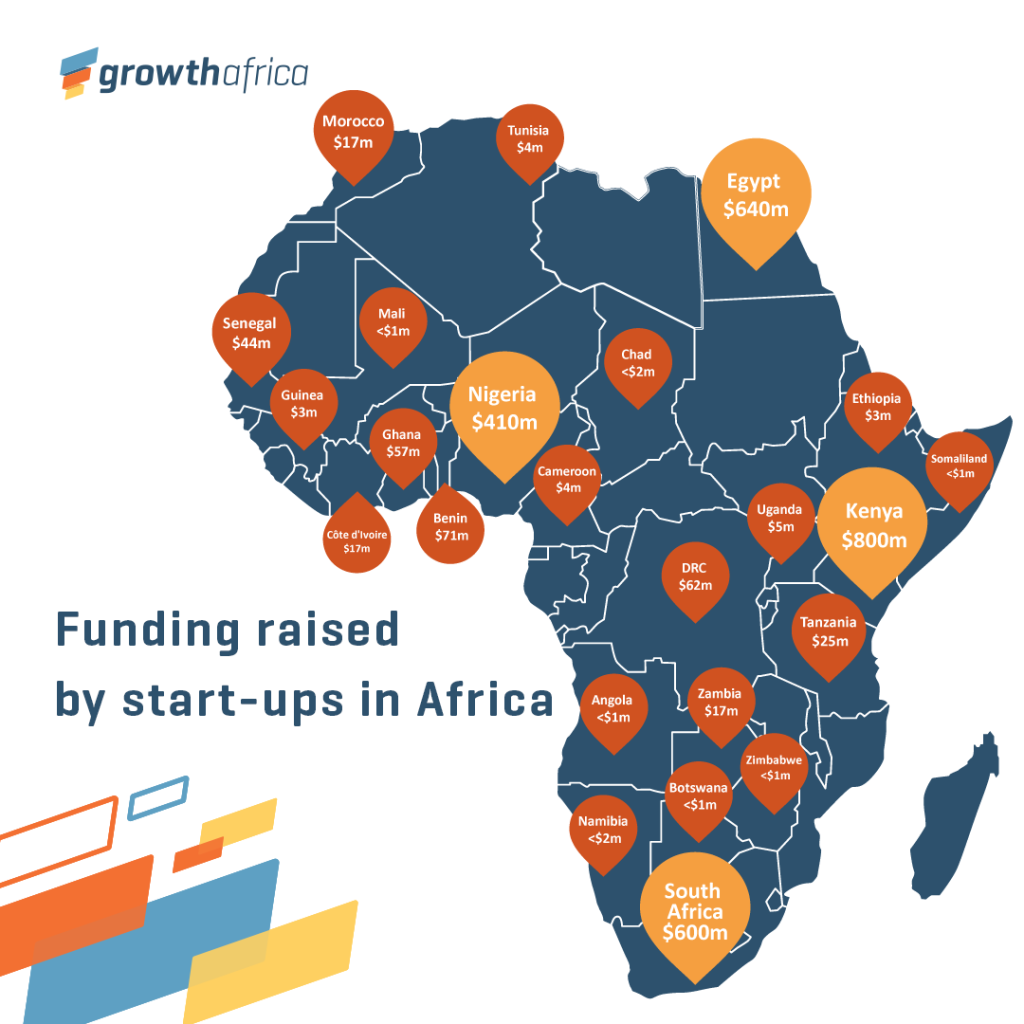
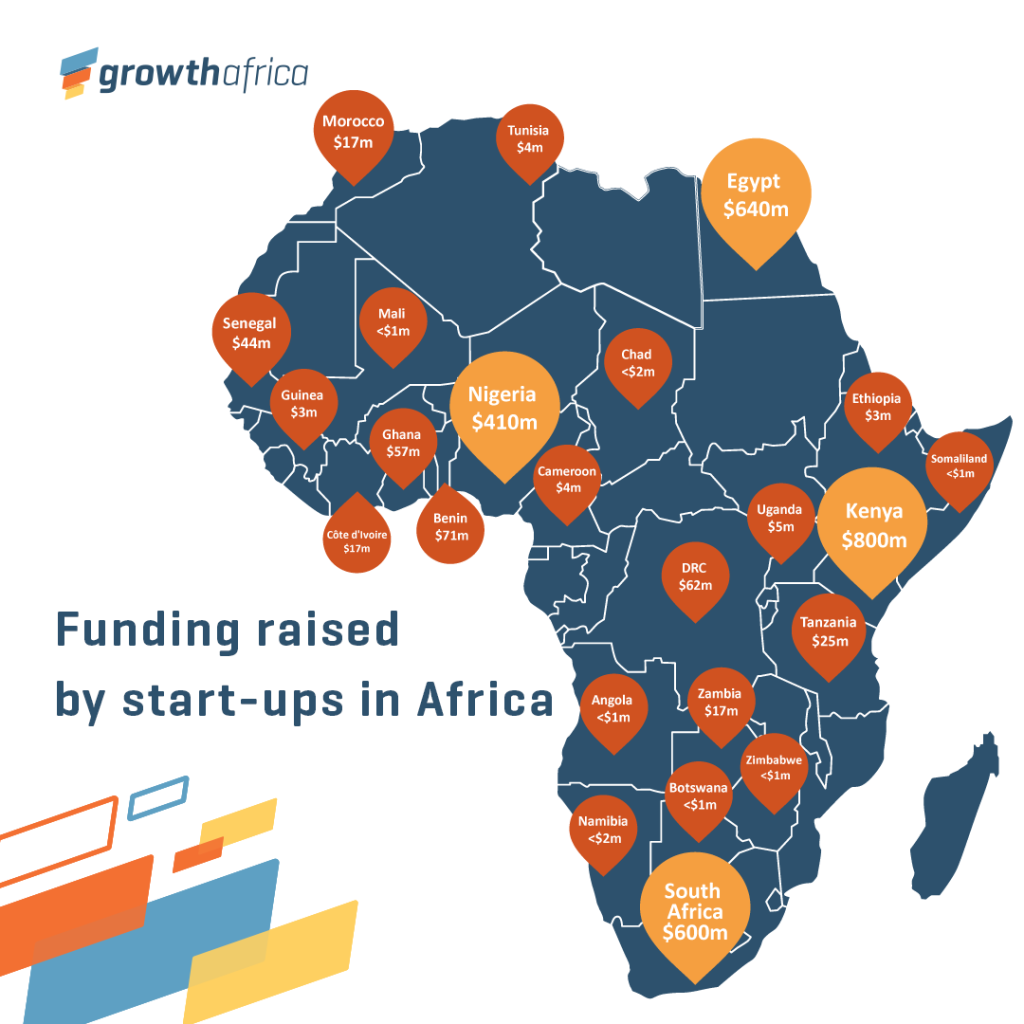
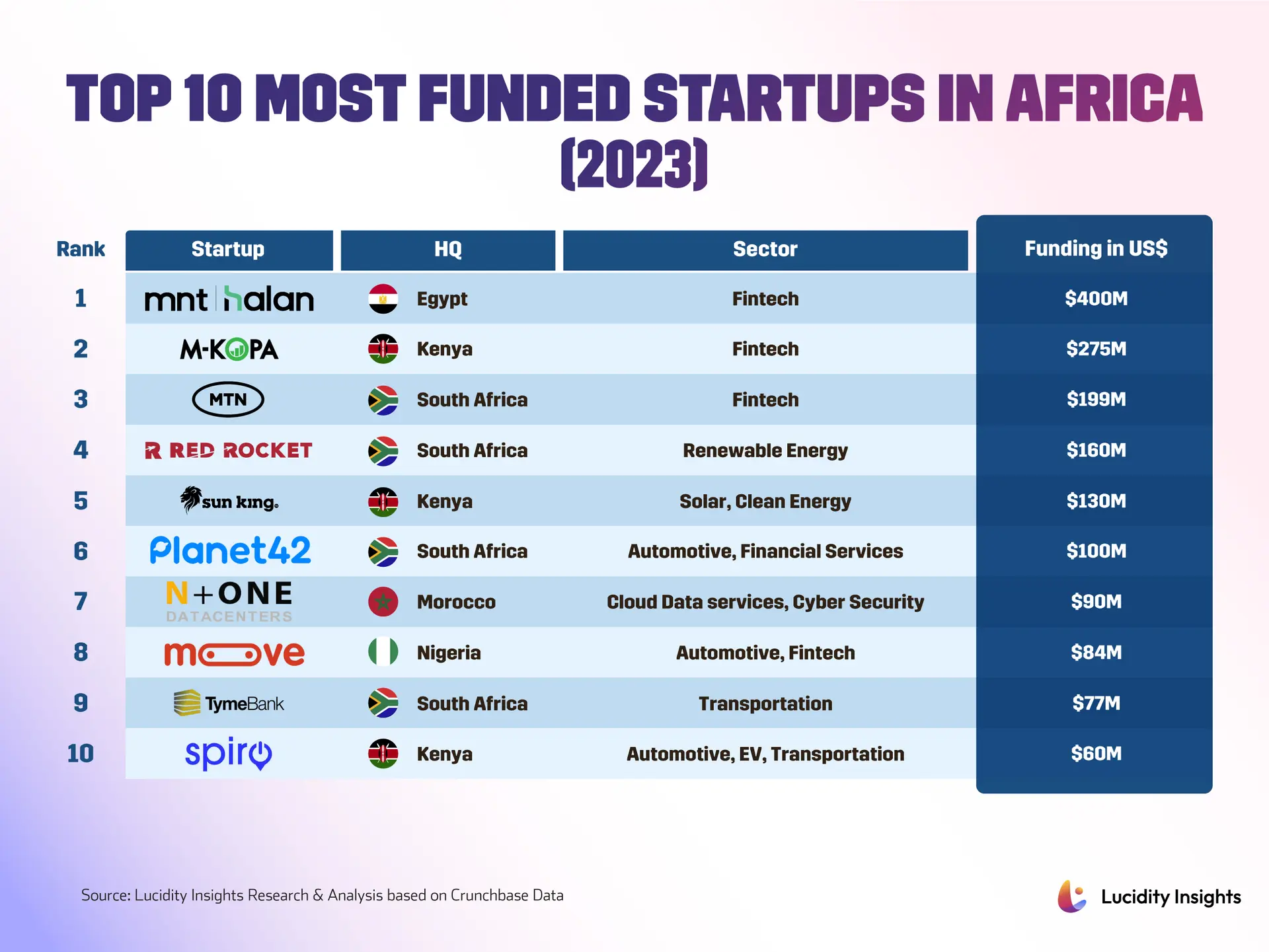
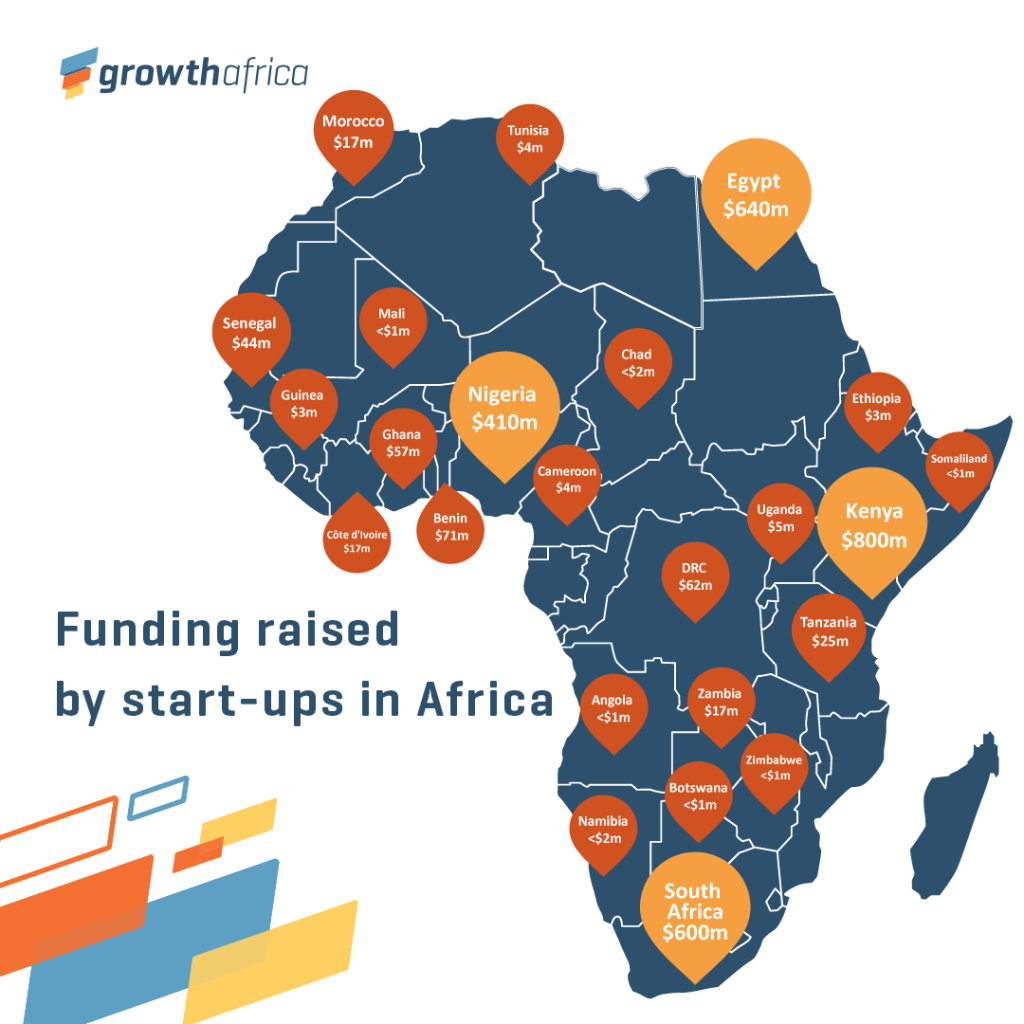
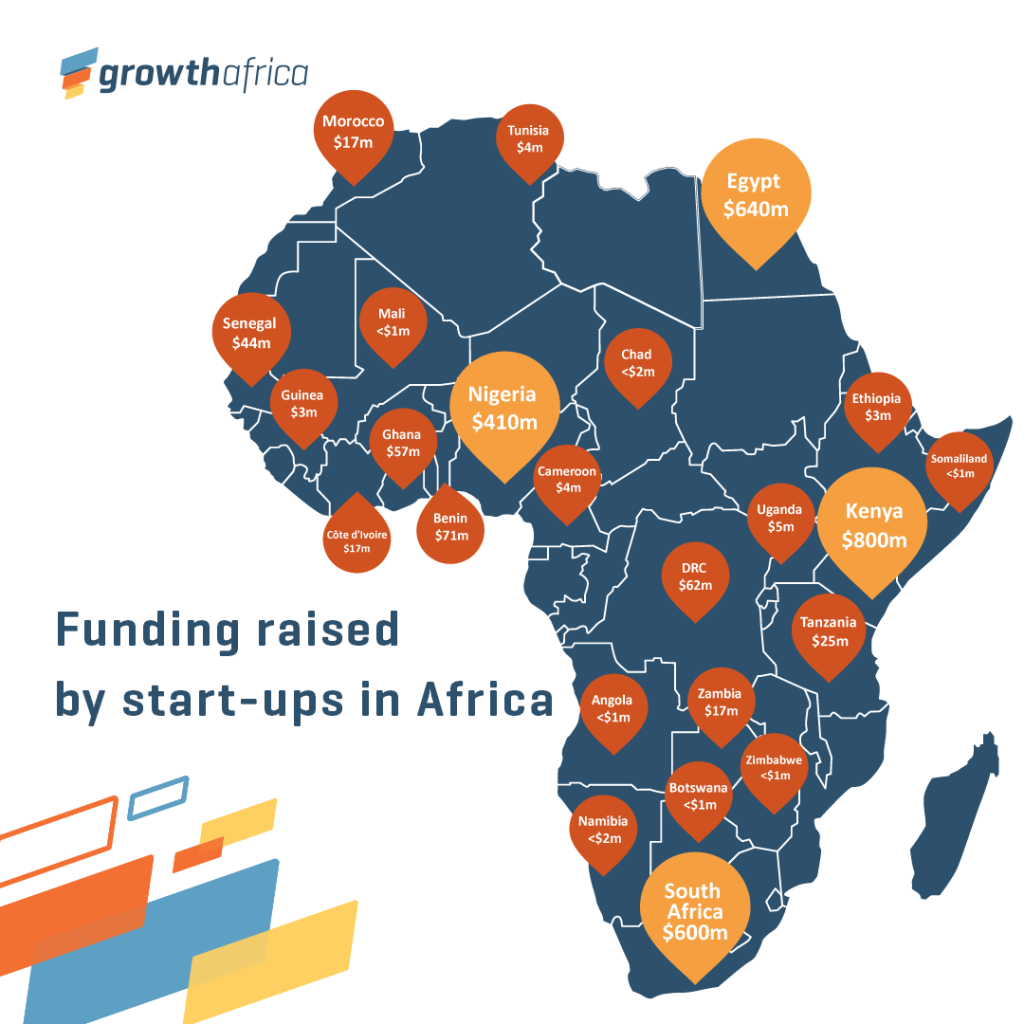
Something’s shifting across Africa’s tech landscape, and it’s not just hype. We’re seeing a clearer pattern emerge where bigger funding rounds meet sharper product-market fit, creating a growing pipeline of ventures that investors actually want to back. From neobanks serving diaspora communities to logistics platforms built for Africa’s last-mile realities, founders are moving beyond buzzwords into businesses that demonstrate real revenue, scale, and resilience. The result? A continent-wide momentum that could reshape where global capital and talent decide to take their next big risks. Capital is flowing into proven plays and bold new categories, with several headline rounds reported late in 2025 and into 2026 showing investors will write bigger checks when teams show traction. Early-stage giants like Ventures Platform raised sizable new funds, while startups across both francophone and anglophone markets attracted meaningful capital. These investments point to growing confidence in companies that address everyday business needs, from payments and supply chains to identity and fintech rails. It’s part of a broader tech renaissance that’s transforming the continent’s economic landscape.
That confidence rests on tangible use cases, not theoretical promises. Logistics firms feature prominently in lists of startups to watch, reflecting persistent demand for reliable distribution across cities and rural areas. Fintech continues to be the backbone of activity, with Africa’s mobile-money penetration creating opportunities beyond basic transfers. We’re seeing stablecoin liquidity providers, cross-border vehicle financing tied to banking products, and neobanks targeting diaspora communities. These products often layer emerging technologies like AI for risk evaluation or blockchain for transparency, but the underlying value is practical, not speculative. Artificial intelligence itself is moving from lab prototypes to productivity tools that automate mundane tasks for enterprises or index local-language content for better search and discovery. Regulators are noticing too, with Nigeria’s proposed AI rules drawing attention as a possible continental precedent for digital governance. As TechCrunch’s Africa coverage shows, this maturation reflects a startup ecosystem that’s learning to build for local realities while thinking globally.
Events like the Africa Tech Summit Nairobi will showcase investor-ready startups spanning payments, Web3, edtech, climatetech and healthtech, turning promise into partnerships. These curated stages matter because they compress discovery, due diligence and introductions into concentrated sessions where investors give feedback and founders refine their pitches. But let’s be real, structural challenges remain. Poor infrastructure, regulatory fragmentation, and slow cross-border payments continue to raise the cost of scaling. Some startups have responded with hard choices, including restructuring or pivoting their business models. These episodes, while painful, are part of a broader re-pricing of risk and an alignment toward sustainable growth. Looking ahead, 2026 looks set to be a year of consolidation and selective expansion. Expect more large rounds in sectors with proven unit economics, deeper cooperation between regional funds and global investors, and a sharper focus on founders who can translate technology into sustained revenue. If the ecosystem continues building institutions that support scaling and risk-taking, Africa’s technology economy could move from episodic success stories to a durable, diversified engine of growth. For a deeper look at promising ventures, check out Techpoint Africa’s 2026 watchlist and the BitcoinKE showcase of Africa Tech Summit startups. This evolution builds on the foundation of record growth in 2025 and represents the next phase of Africa’s digital renaissance.