
African Tech Rebounds and Recalibrates as Funding Returns and Scrutiny Tightens
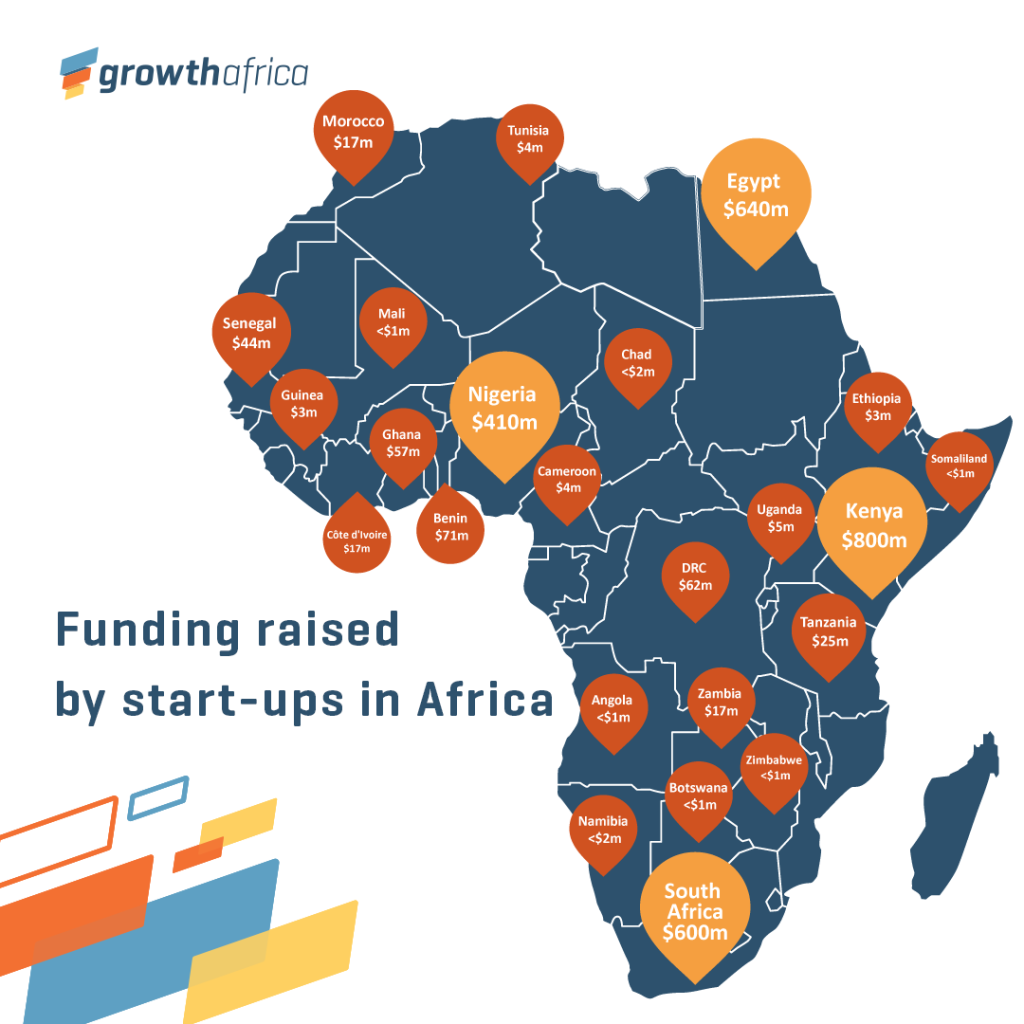
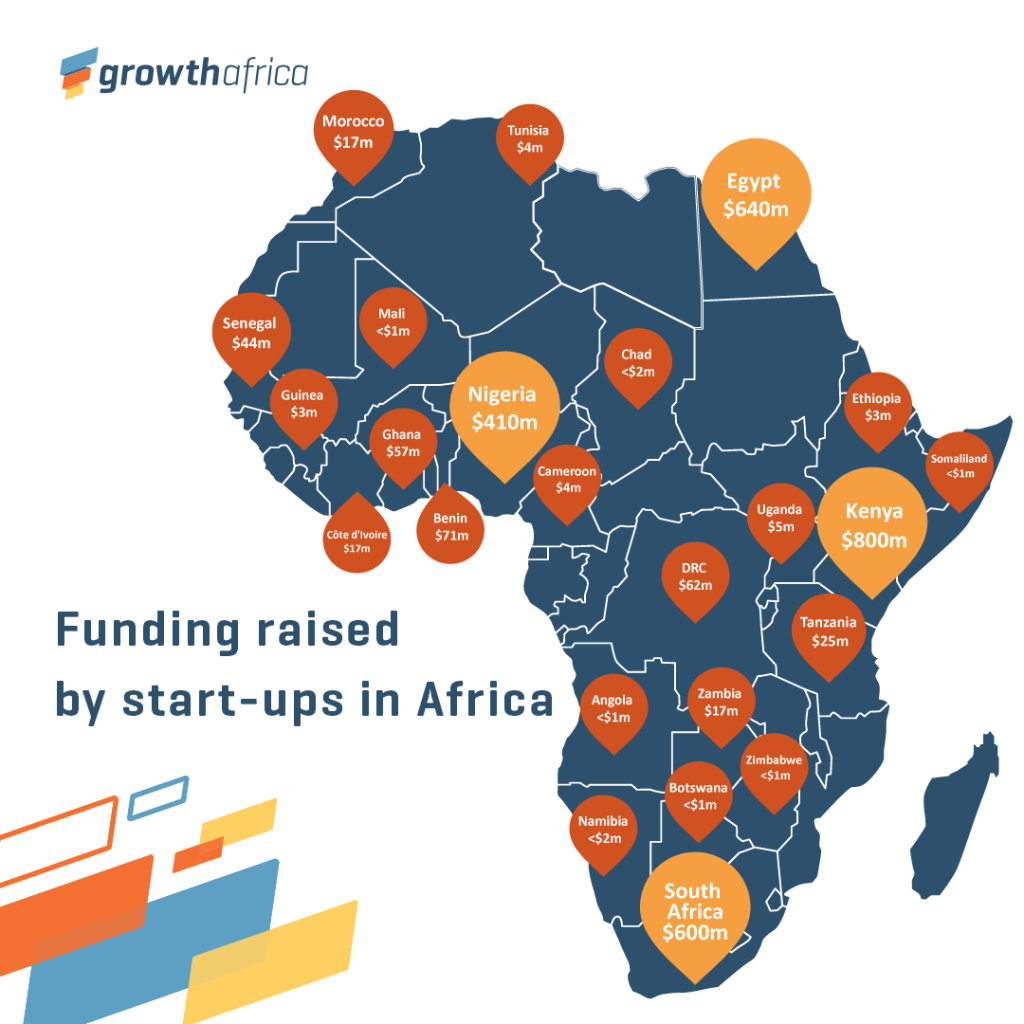
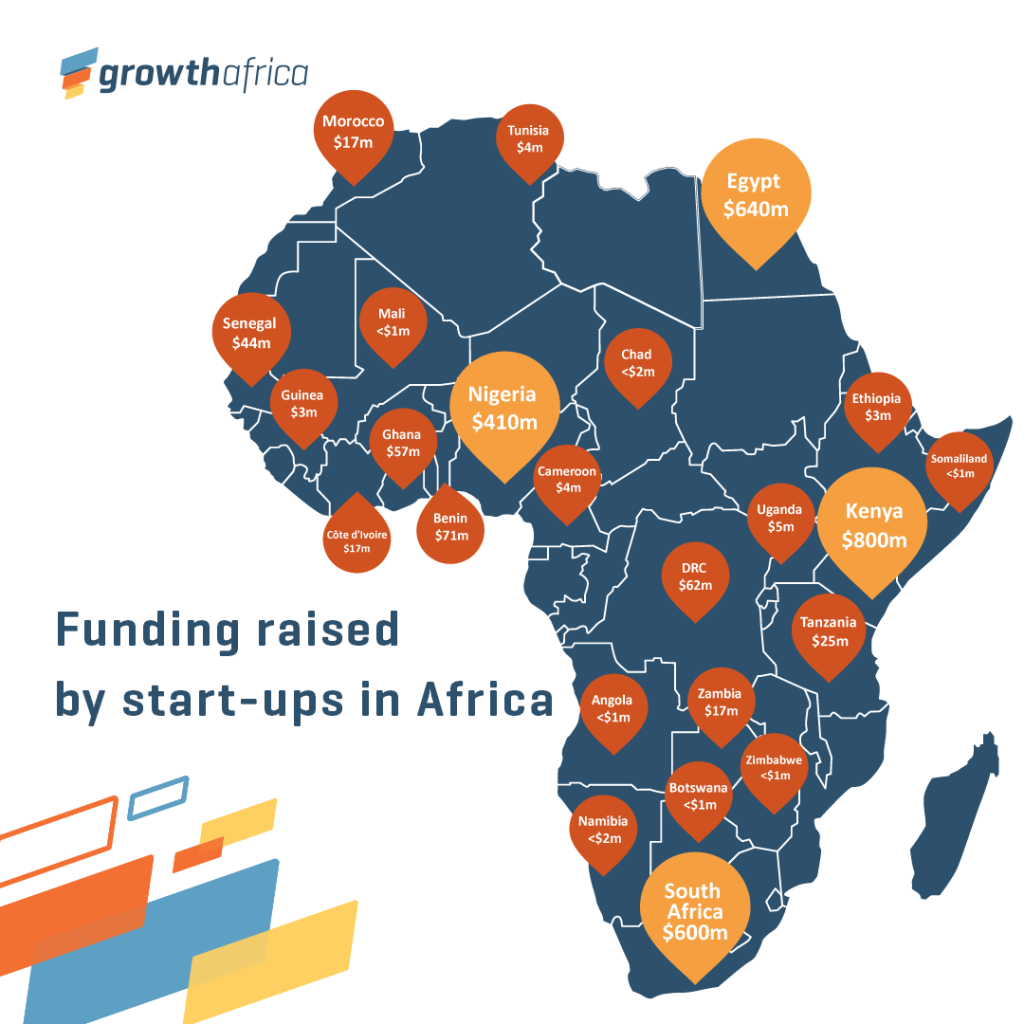
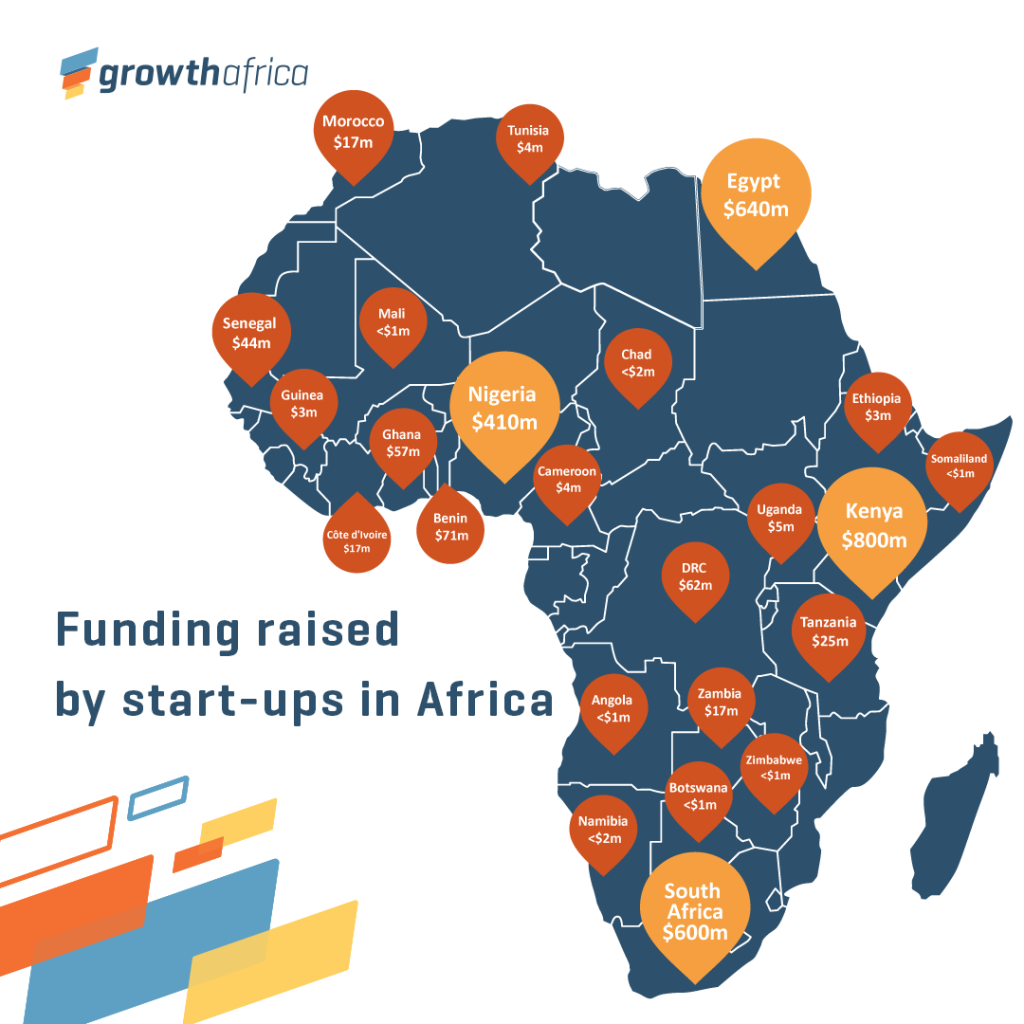
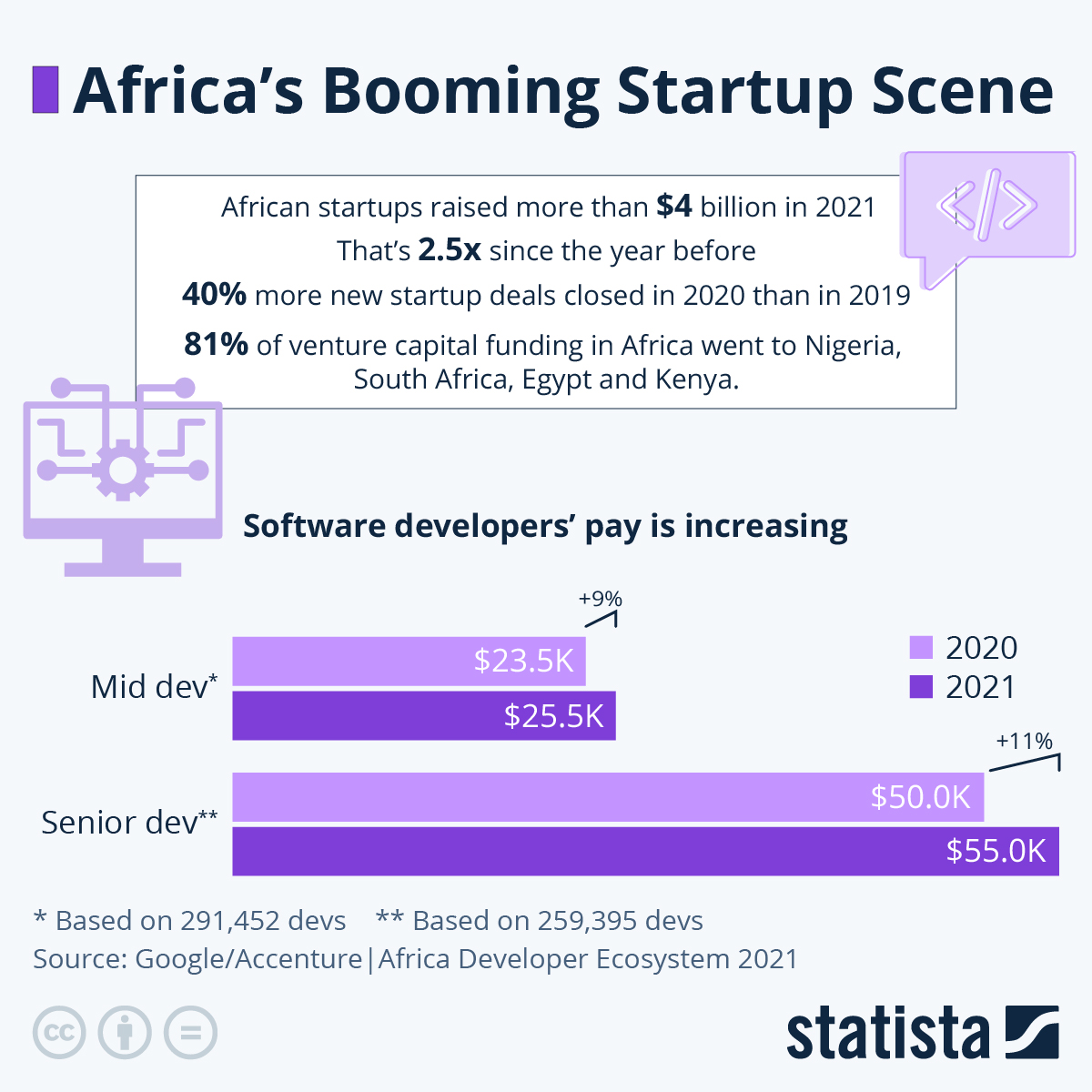
African tech investors and founders entered 2026 with cautious optimism, buoyed by a simple but powerful statistic that signaled a turning point. Total funding for African startups surged in 2025, topping $3 billion and finally surpassing 2023 levels after two tough years of contraction. That 33 percent year on year jump represents more than just a recovery, it’s a fundamental reset in how investors approach the continent’s ventures. They’re not just writing checks anymore, they’re demanding clearer unit economics, faster paths to profitability, and governance that can withstand economic shocks. This shift has translated into more rigorous due diligence, shorter grace periods for underperforming companies, and an appetite for deals that deliver cash returns sooner rather than later. The human cost of this recalibration has been real, with painful workforce reductions at multiple tech firms as companies moved to extend their runways and sharpen margins. Payments player Flutterwave dramatically reduced staff in some markets, while logistics and procurement startups carried out successive rounds of cuts to preserve cash and refocus operations. These moves reflect a broader transition from chasing headline growth to building durable business models, a reality investors now insist on before committing significant capital. As Africa’s startup ecosystem continues to evolve, the message to entrepreneurs is clear: pursue measured growth, build a clear path to profitability, and be ready to accept strategic exits that return capital and preserve value.
A New Era of Exits and External Pressures
With traditional late stage liquidity still limited, investor strategies are evolving in creative ways. Expect more mergers and acquisitions in the $5 million to $15 million band, regional corporate buyers stepping in for strategic tuck ins, and a rise in GP led secondaries where existing investors sell stakes to new backers as part of portfolio management. IPO windows may reopen selectively, but mid cap exits and negotiated deals are likely to dominate the landscape for the foreseeable future. For many founders, this redefines what a successful outcome looks like, shifting the narrative away from chasing unicorn valuations toward sustainable regional scale and profitable exits. Policy and global market shifts are adding new strategic layers that founders can’t ignore. African exporters face an evolving regulatory backdrop as Europe moves ahead with its carbon border adjustment mechanism, a policy that will alter competitiveness for high emission goods. Meanwhile multilateral institutions are preparing replenishments and lending facilities aimed at sustaining growth and industrialization across the continent. Those external forces increase the premium on business models that manage regulatory risk, adopt greener supply chains, and integrate sustainability metrics into their growth plans. Technology choices are also evolving rapidly, with artificial intelligence and data infrastructure becoming table stakes for companies that want to squeeze operational efficiency and create differentiated products. Rather than speculative AI experiments, investors now reward pragmatic deployments that reduce costs, improve customer acquisition, or open new revenue lines.
The Human Element and Future Outlook
The layoffs that swept through Africa’s tech sector in 2025 concentrated knowledge but also seeded a wave of “comeback founders” who are launching leaner, more disciplined ventures, often focused on fintech credit networks, procurement software, logistics efficiency and enterprise SaaS. Investors are warming to these repeat founders because they bring hard won experience, a sharper focus on unit economics, and realistic market entry plans. In parallel, payments, biotech and deep technology ventures continued to attract targeted funding and regulatory attention in 2025, demonstrating the sectoral breadth of Africa’s recovery. This more cautious capital environment hasn’t frozen activity across the continent. Startups continued to secure licenses, seed rounds and strategic partnerships that position them for the next phase of growth. In some markets regulators are actively enabling expansion, while banks and development finance institutions prepare larger interventions to catalyze industrial projects and infrastructure. Those public and private moves matter because they influence where investors place capital, and which sectors can deliver returns at scale. Looking ahead to 2026, the balance between optimism and realism will determine whether the rebound becomes a durable expansion. If dealmaking adapts, regulators provide predictable frameworks, and founders convert lessons from restructuring into sharper business models, Africa’s startup scene can deliver both economic impact and investor returns. The coming months will reveal whether a year of recalibration becomes the foundation for a decade of sustainable growth, building on the record $3 billion funding milestone achieved in 2025. For investors, the era of patient blind faith in volume growth has ended, and the era of disciplined portfolio management, creative liquidity solutions and pragmatic governance has begun, as evidenced by the ongoing funding surges across key markets.