Africa’s Crossroads: Leaders Tackle Security and Sovereignty at AU Summit
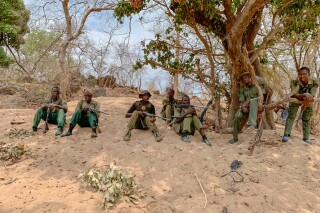
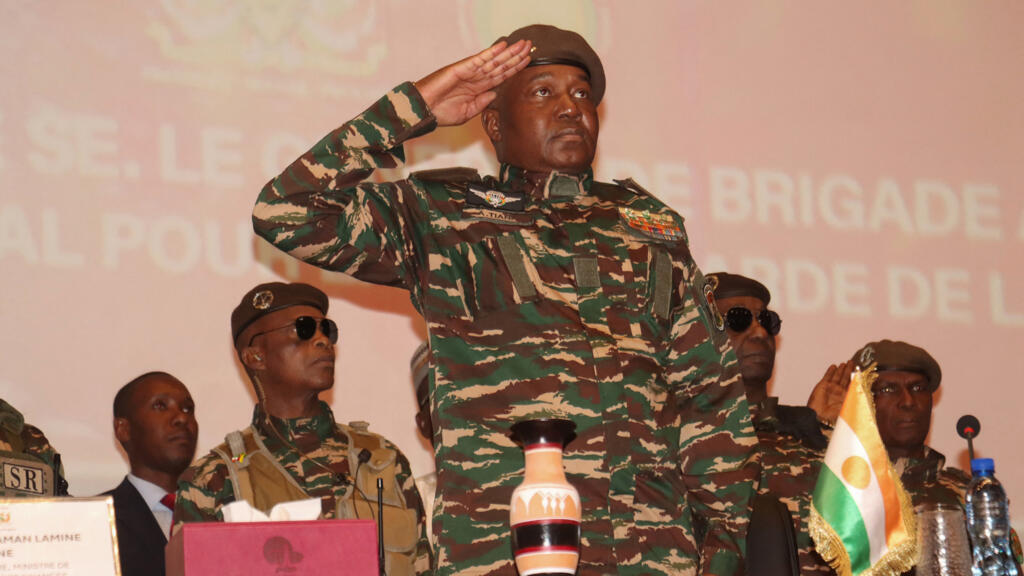
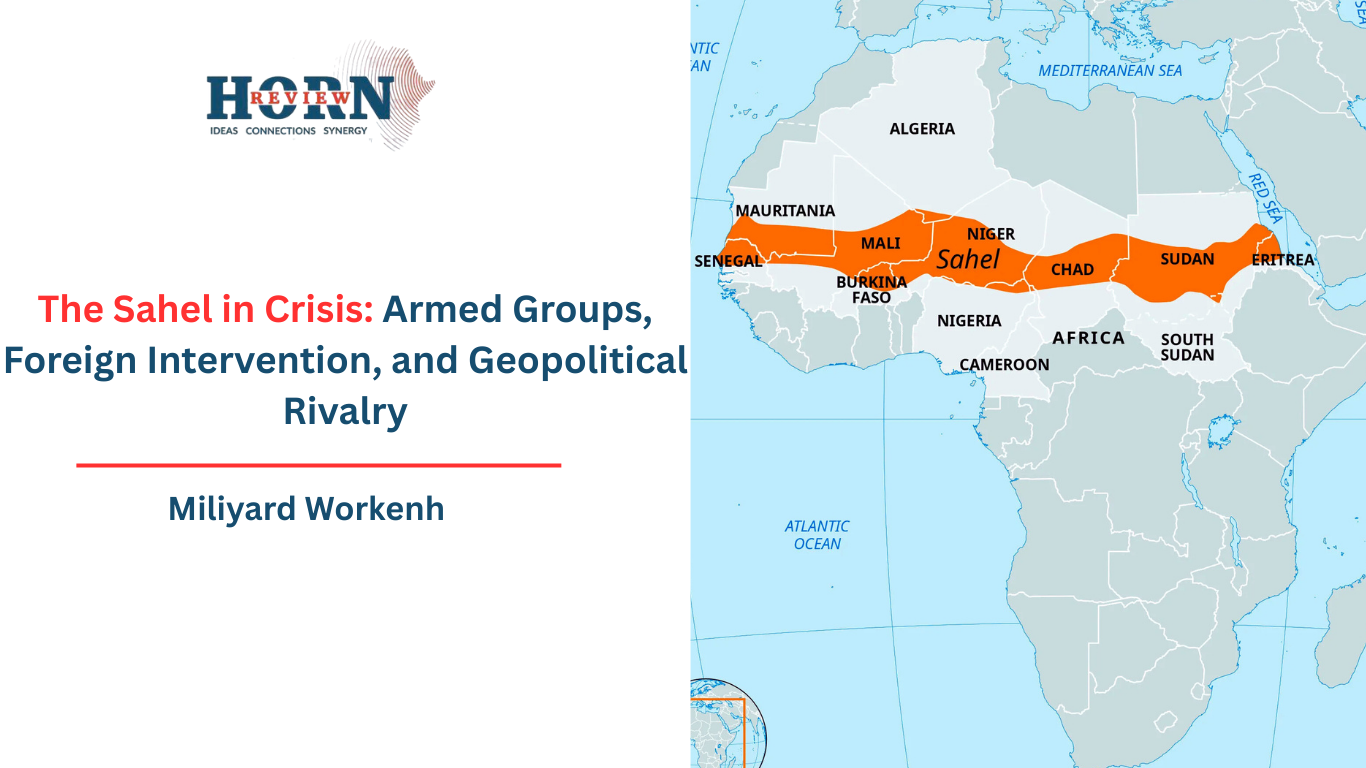
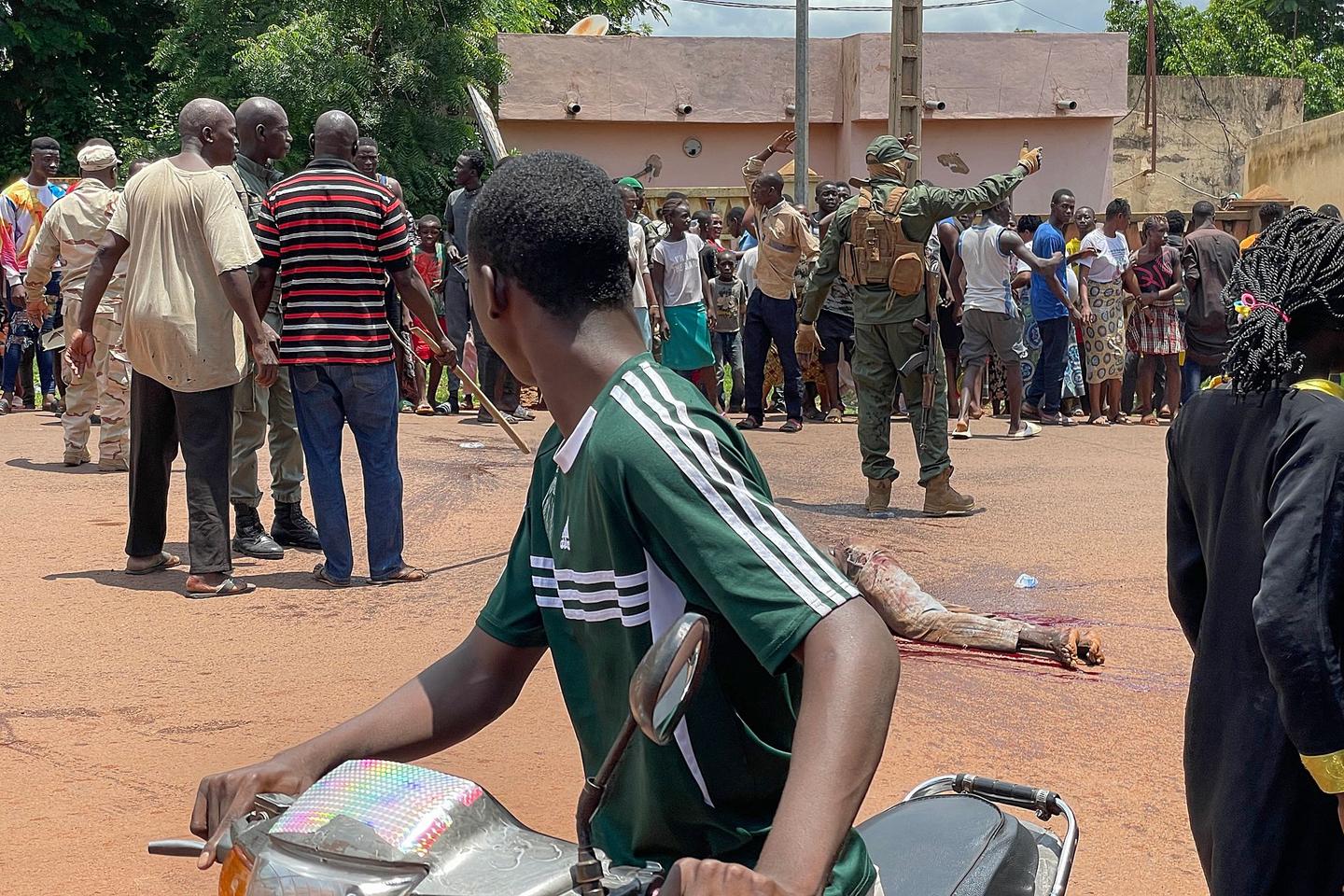
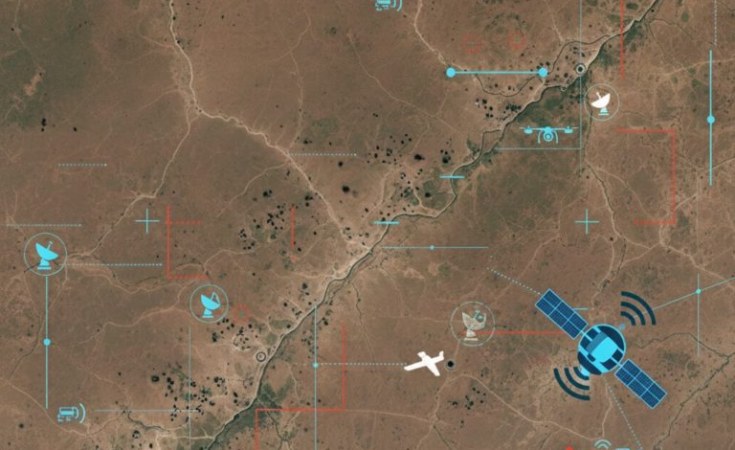
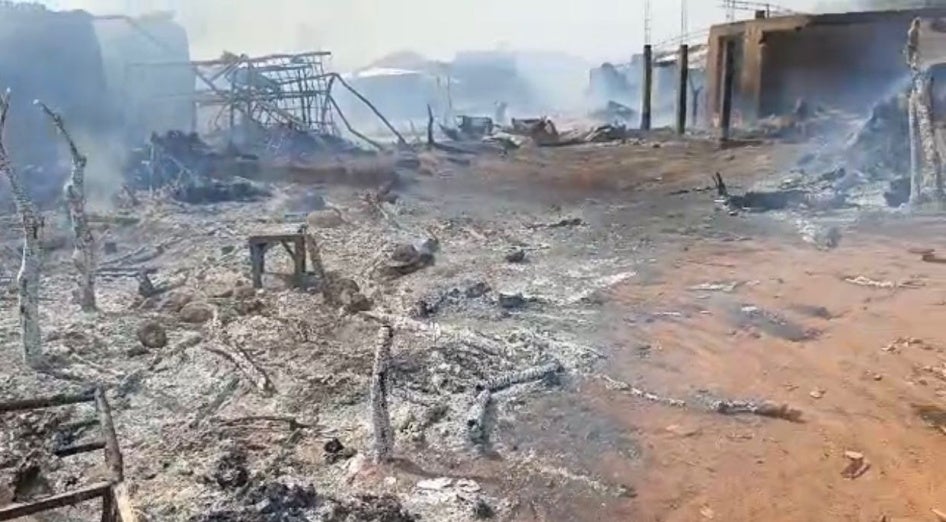
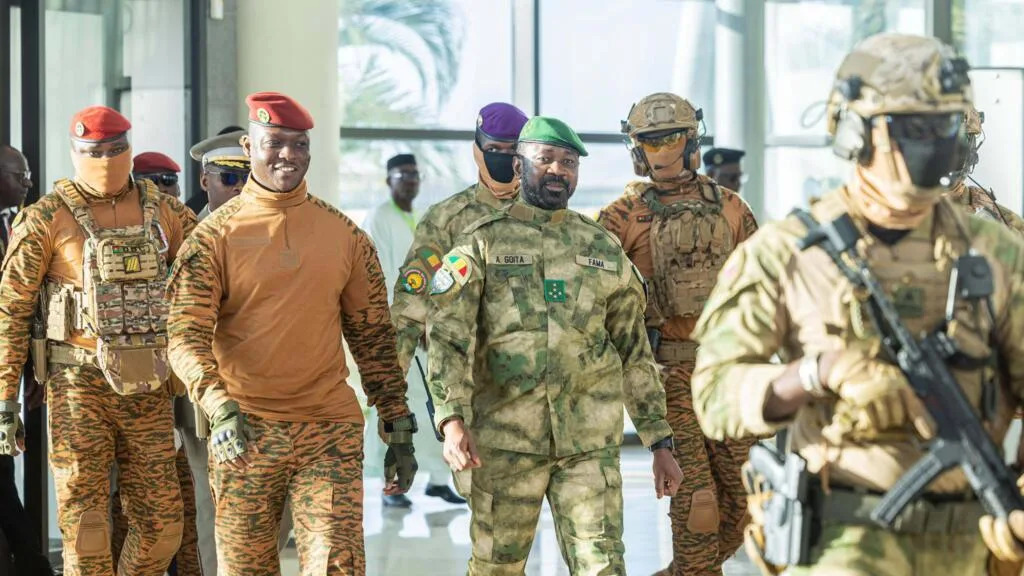
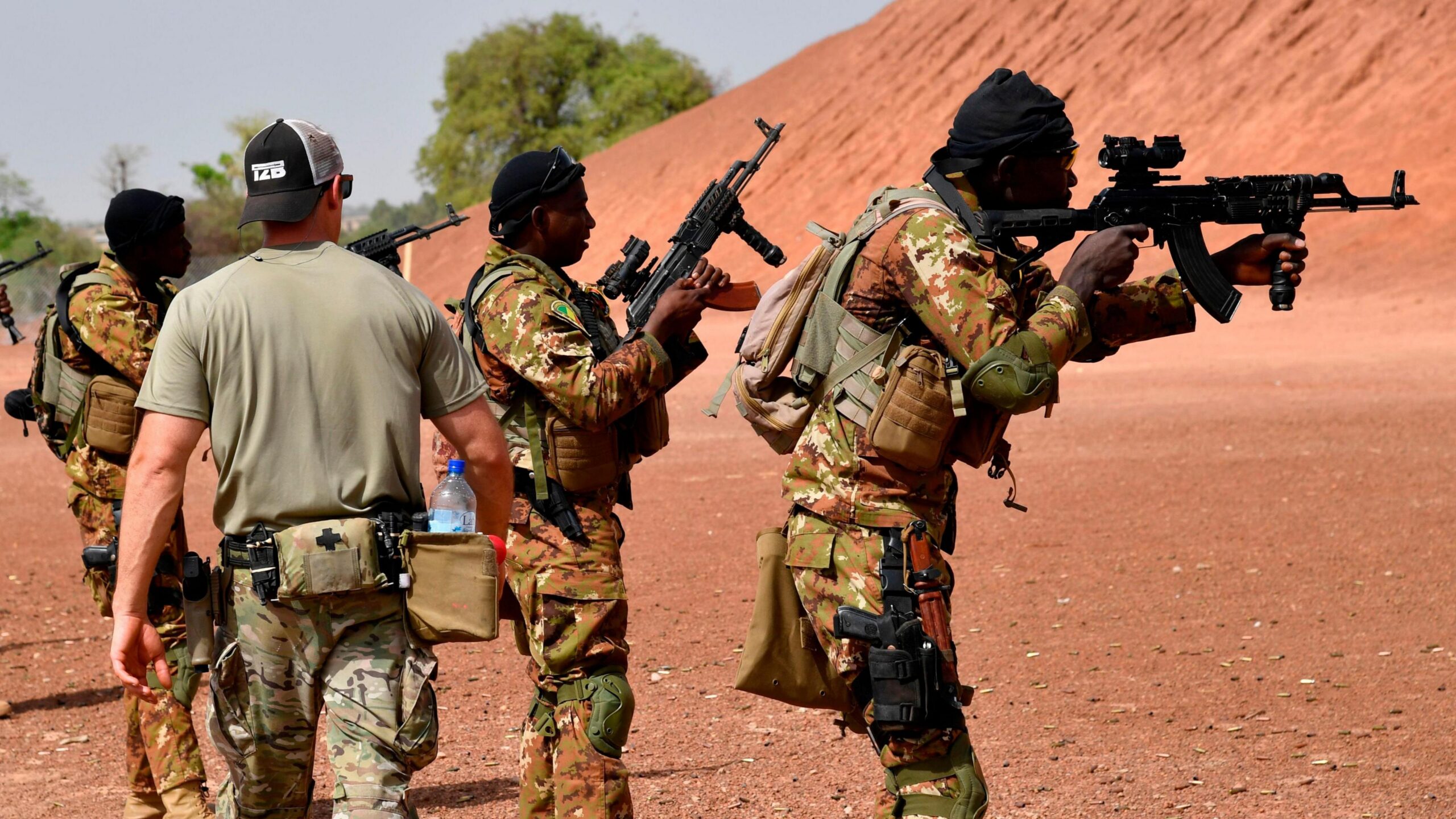
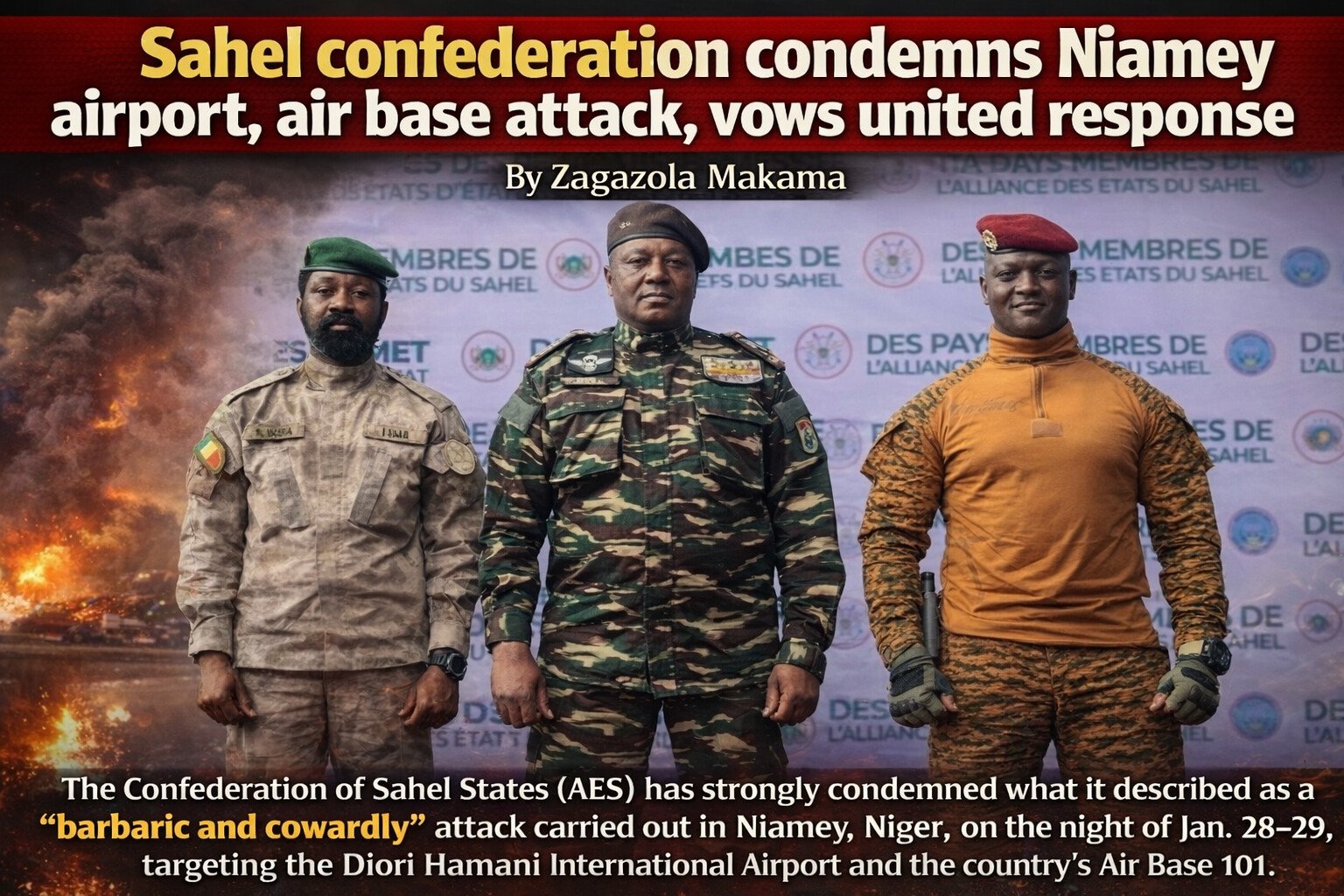
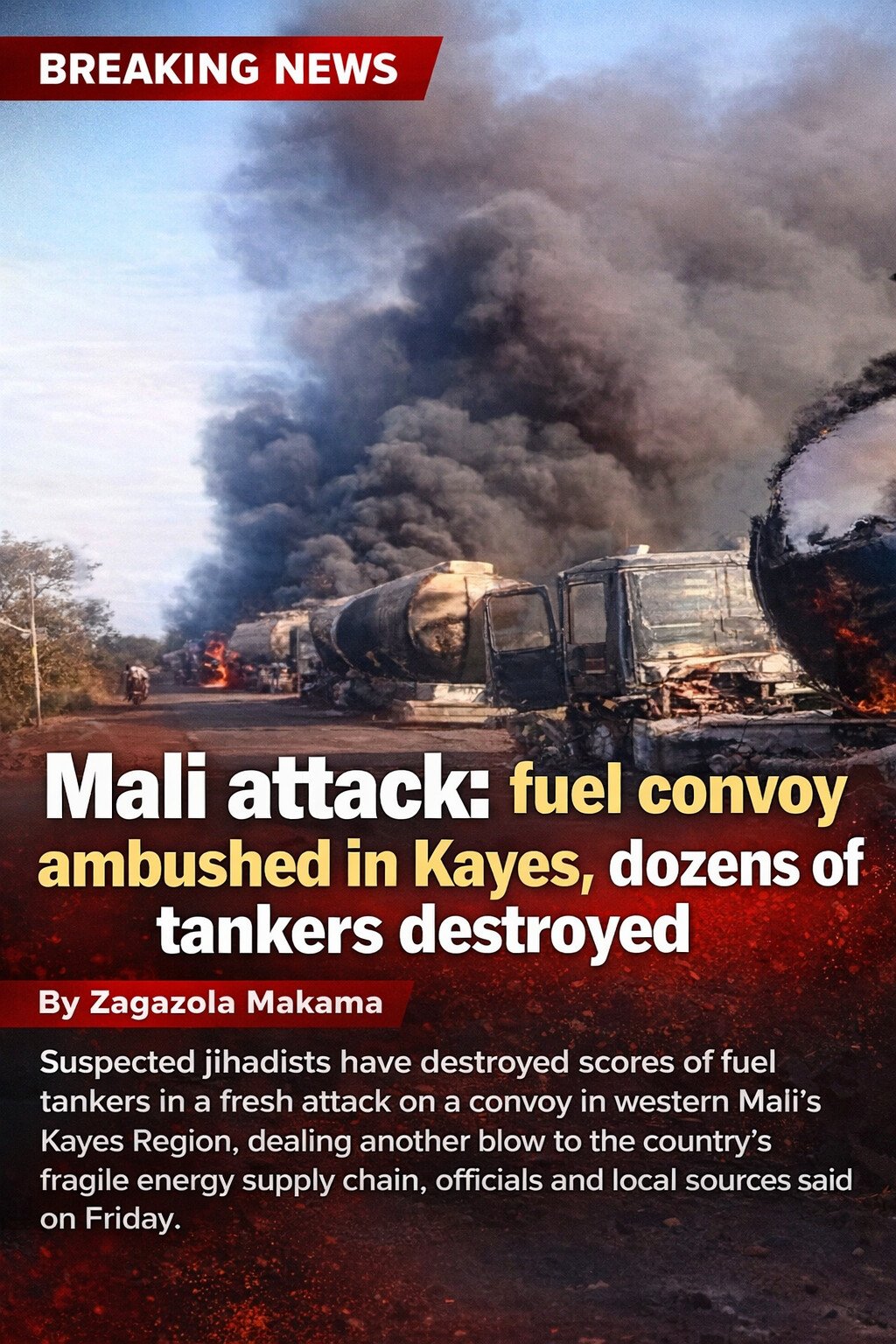
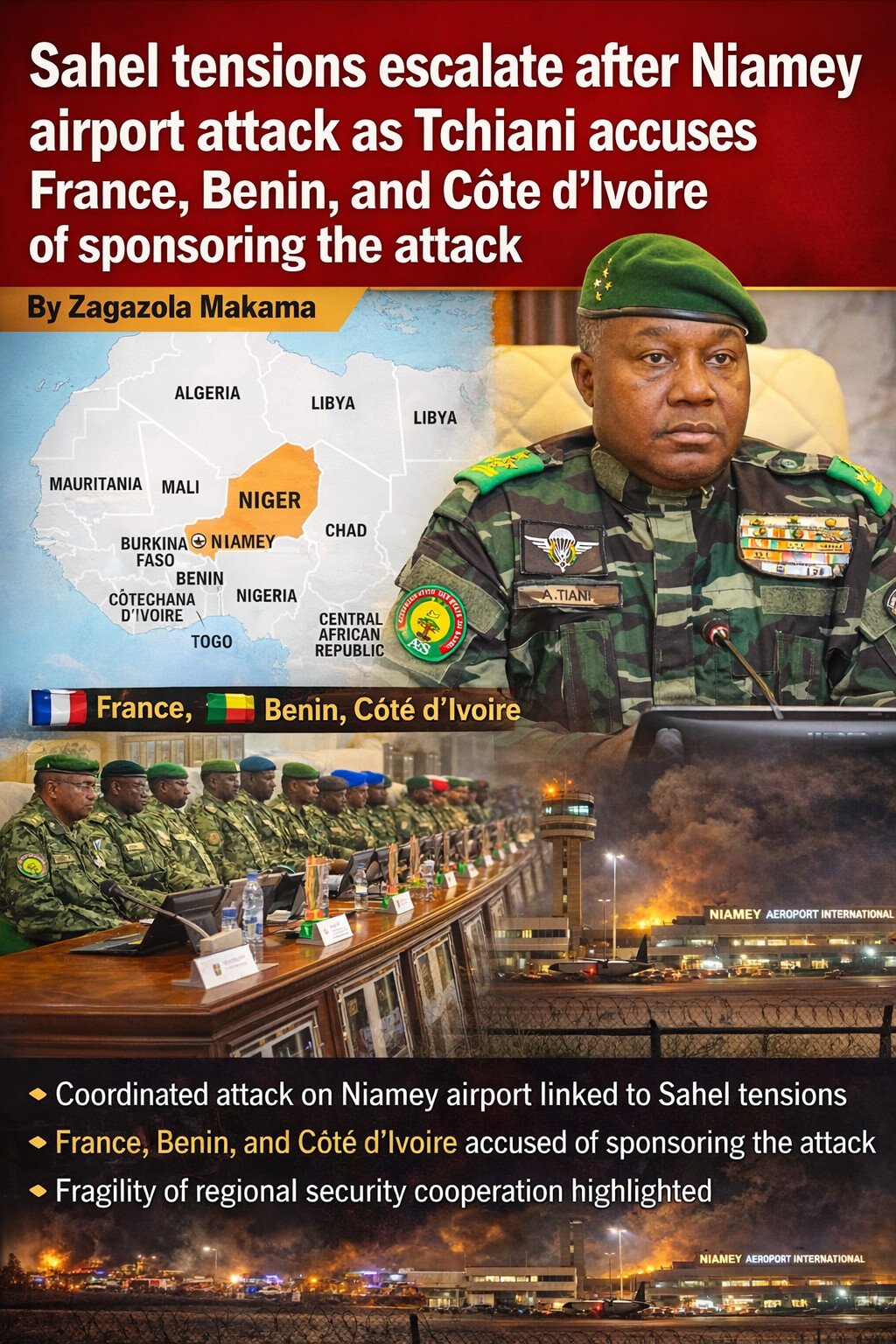
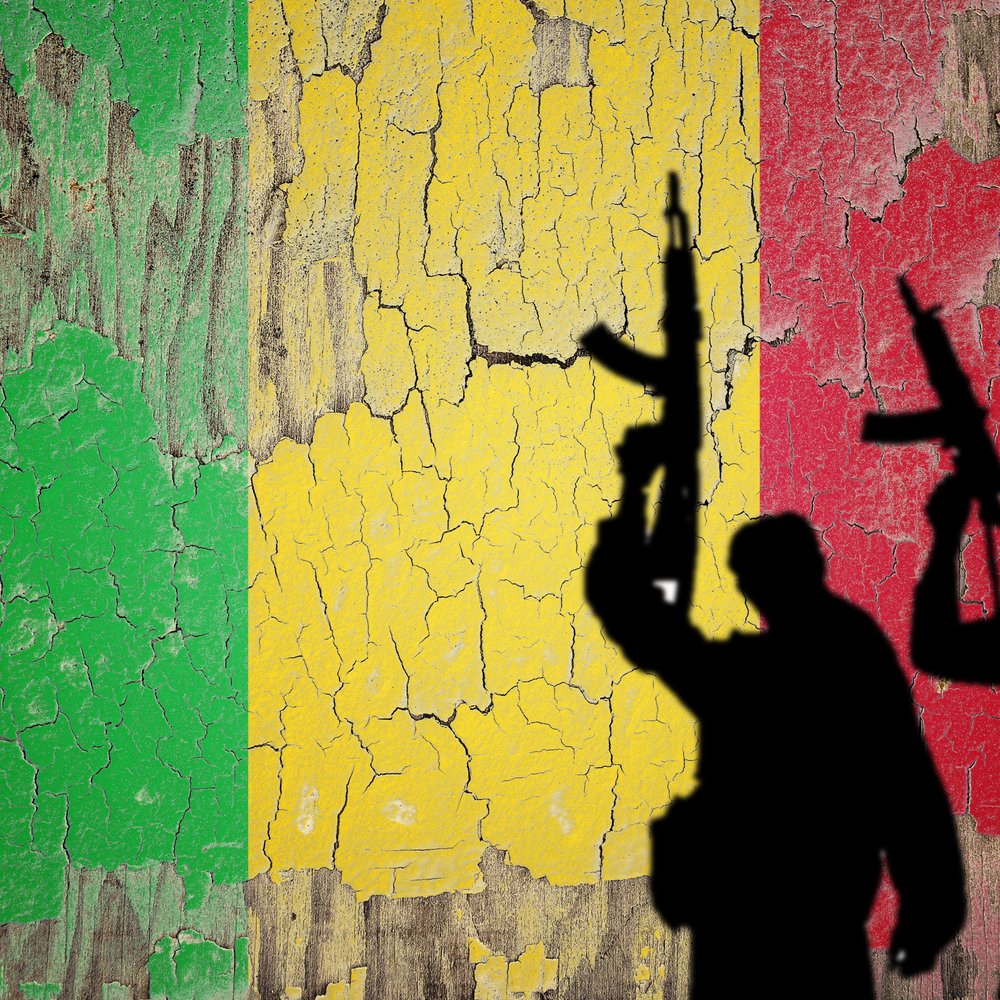
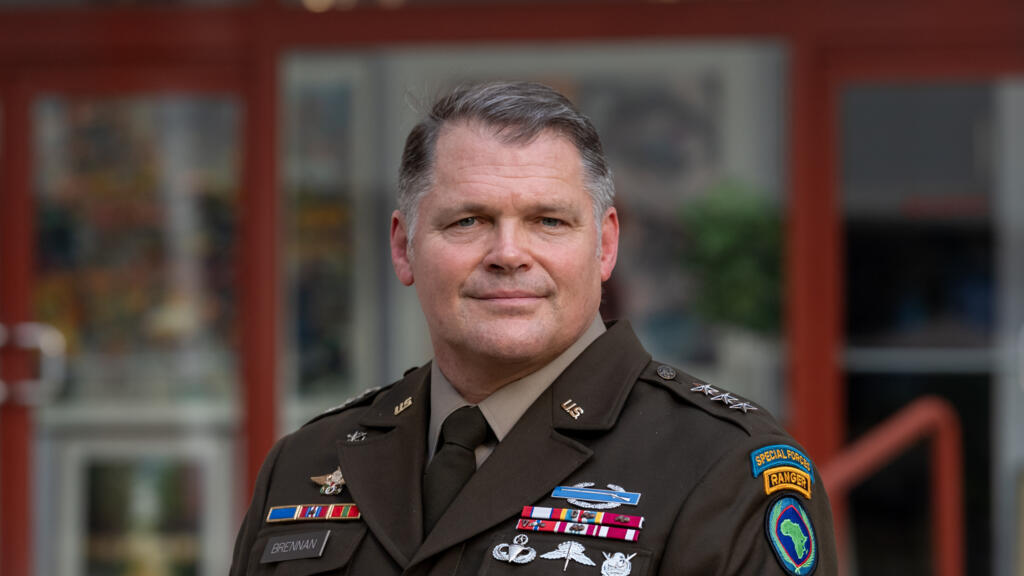
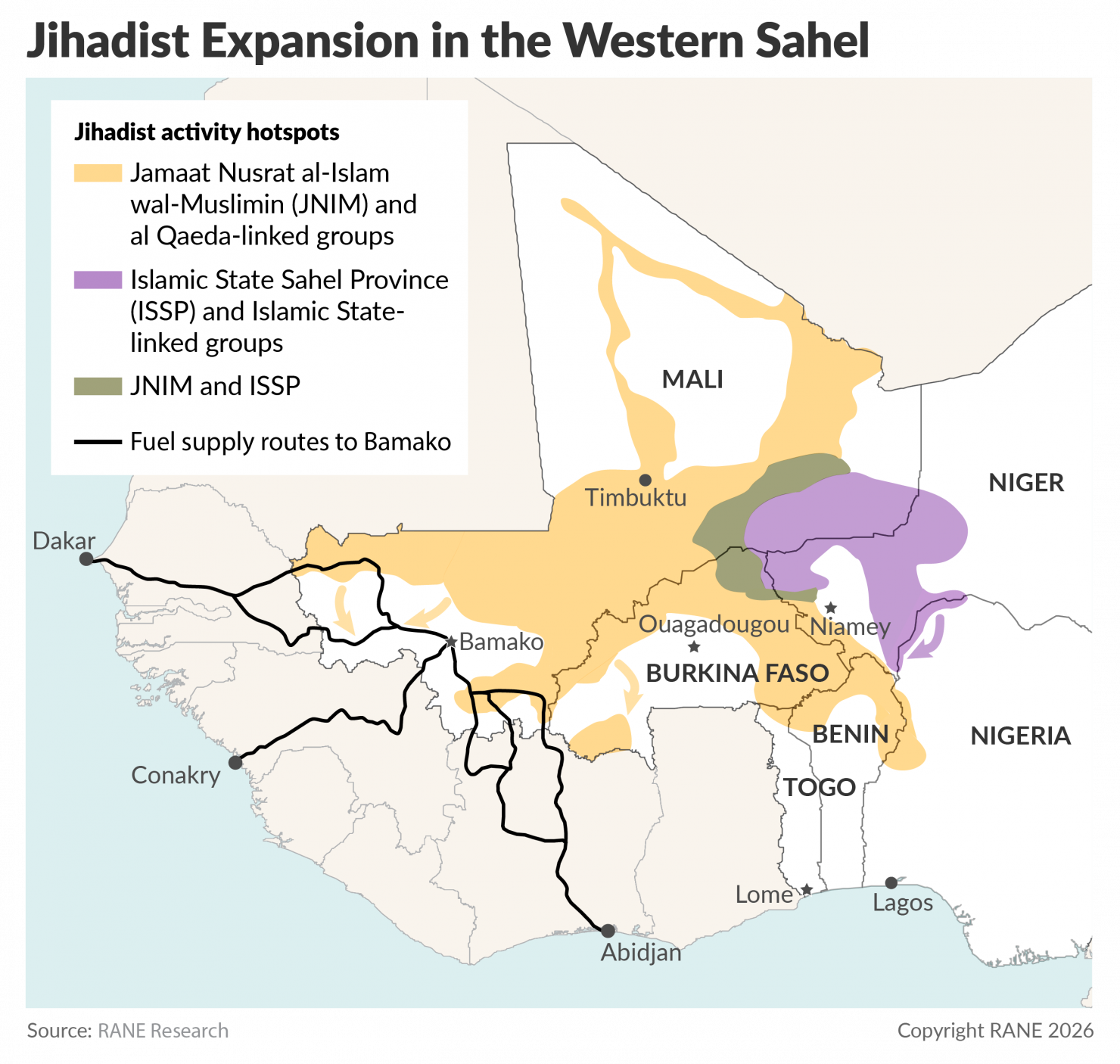
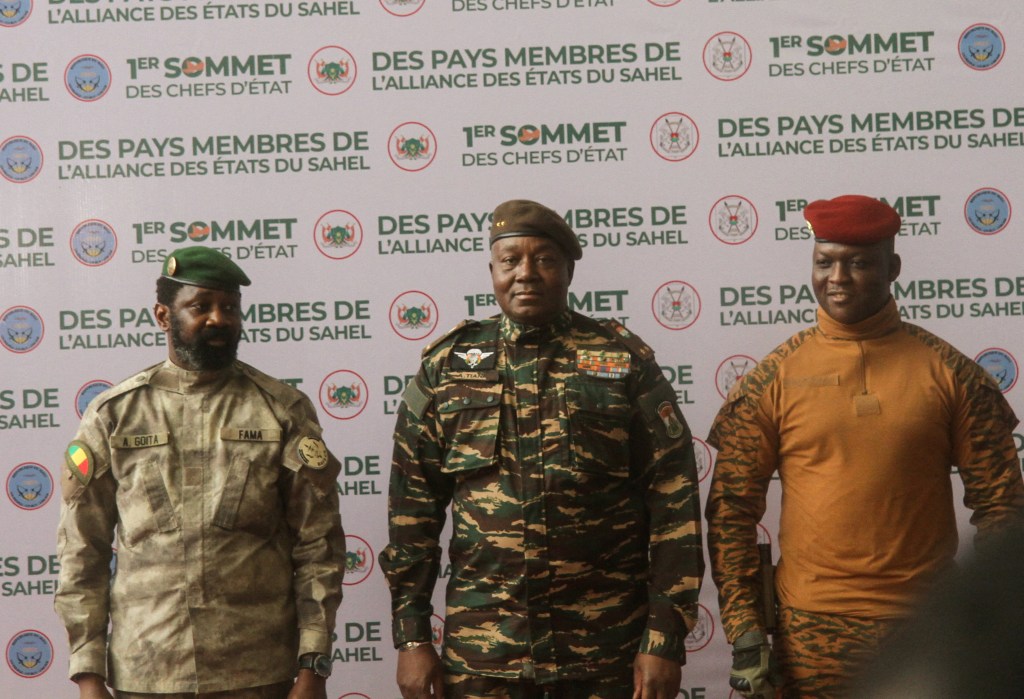
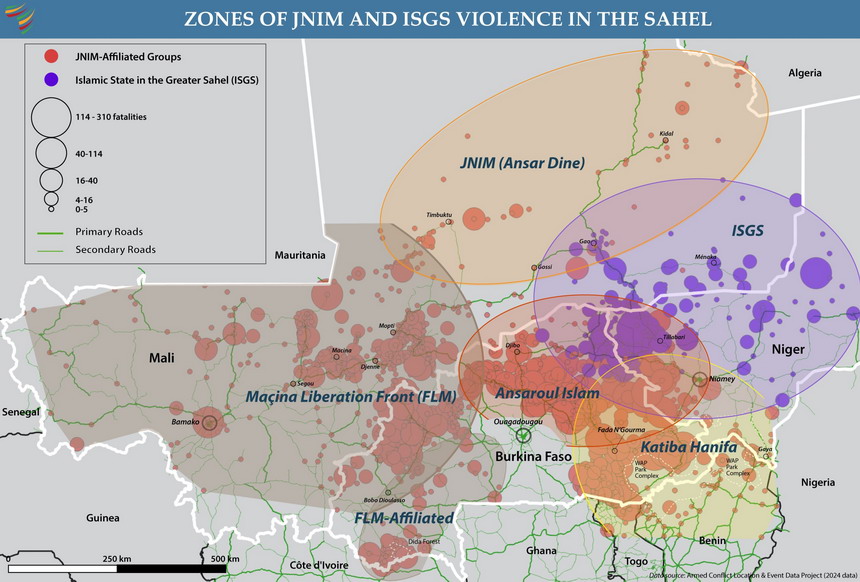
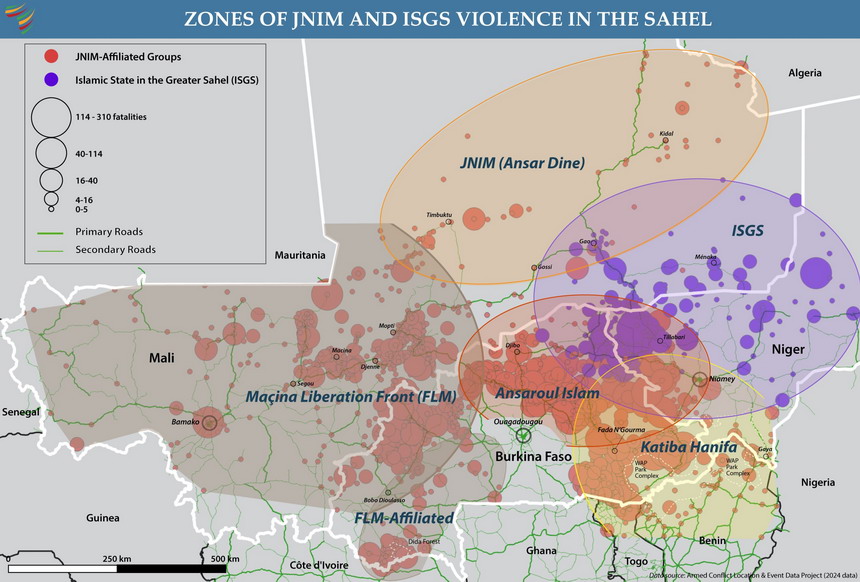
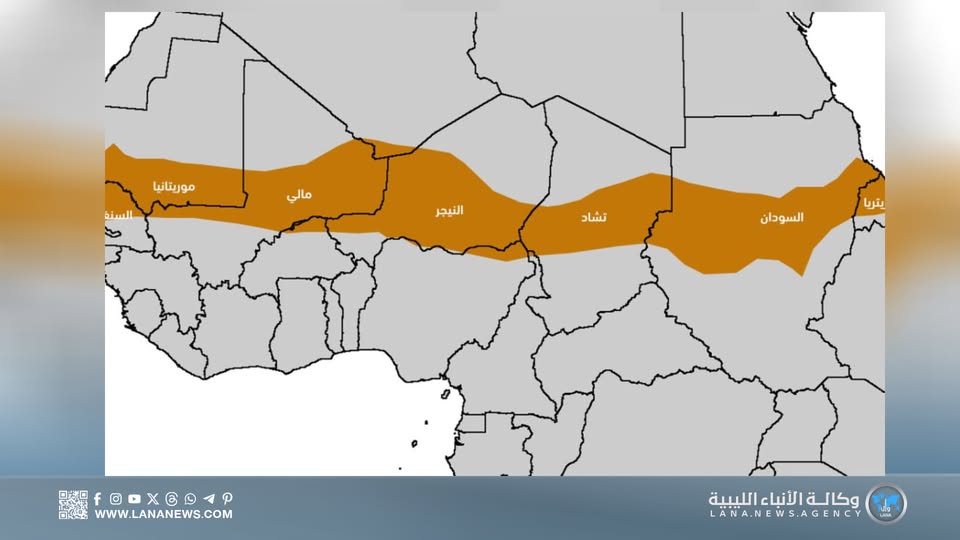
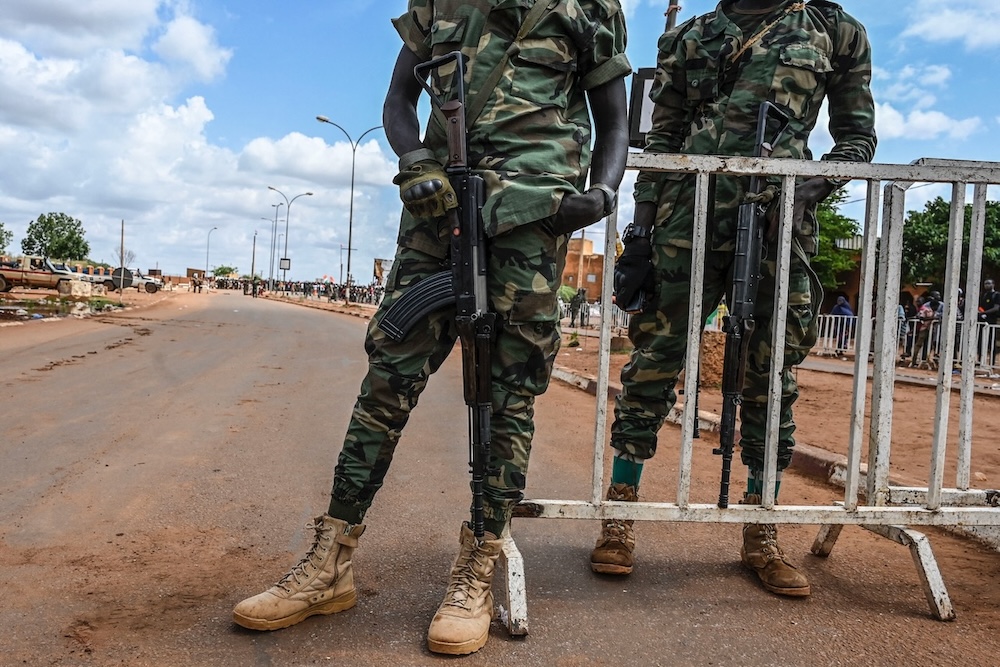
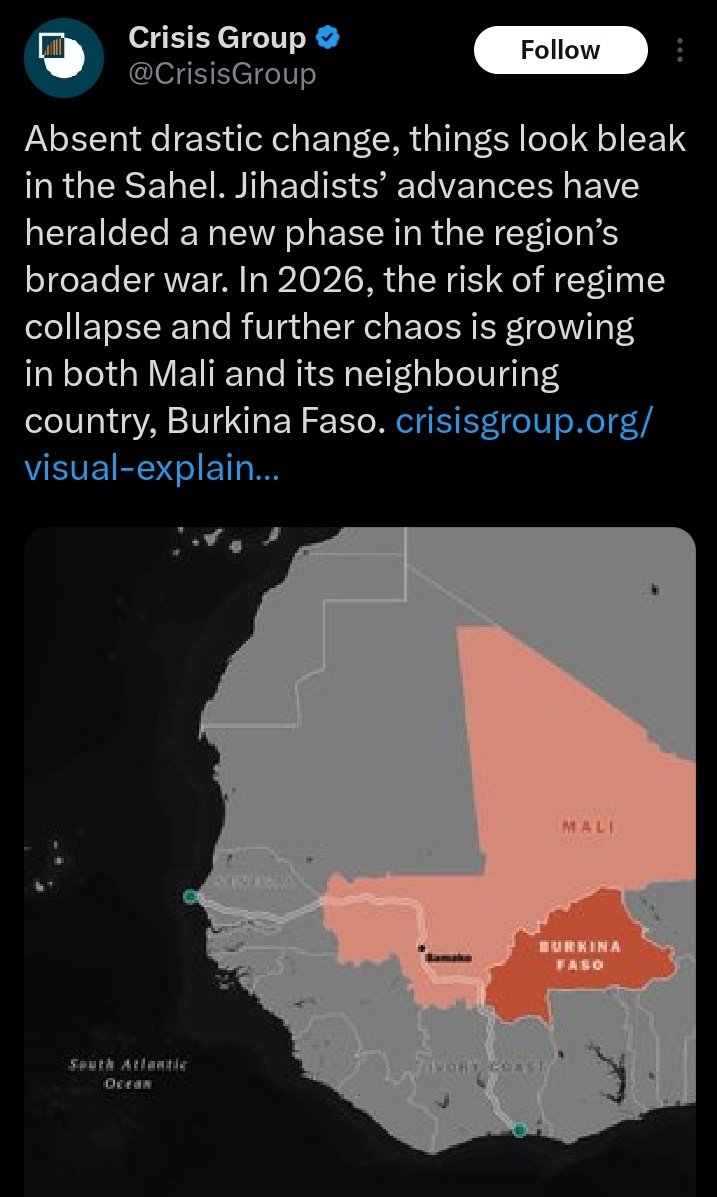
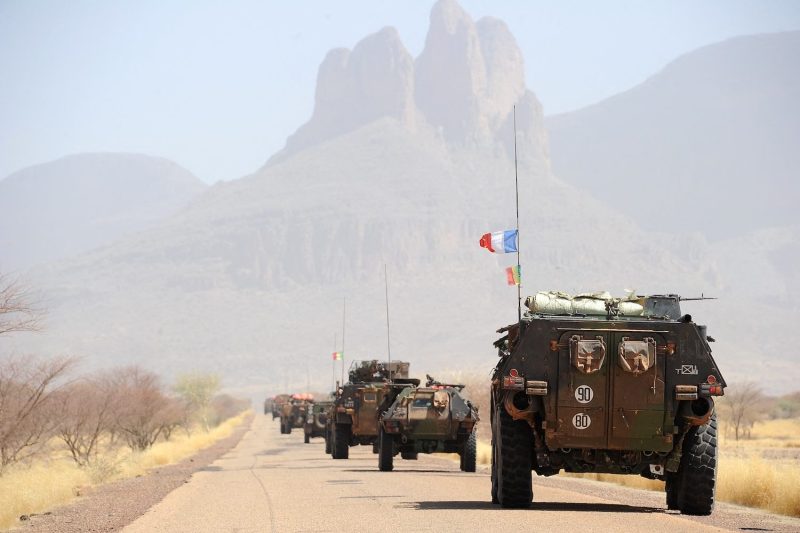
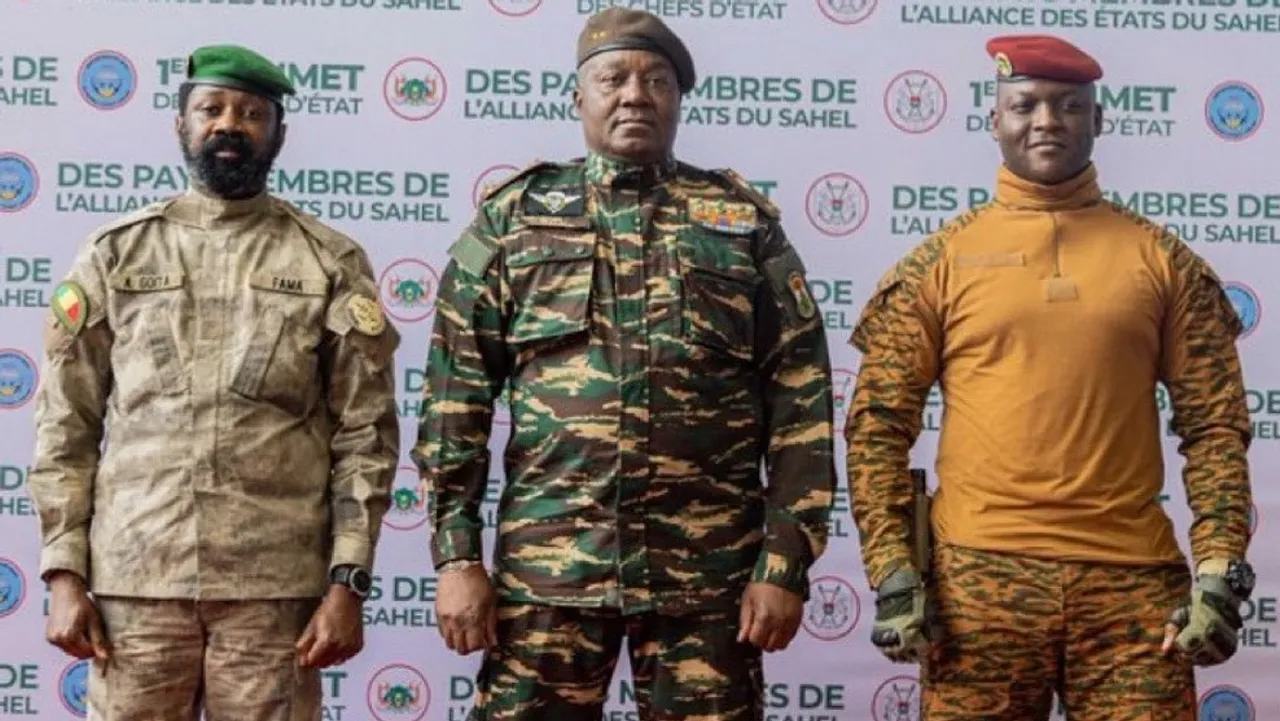
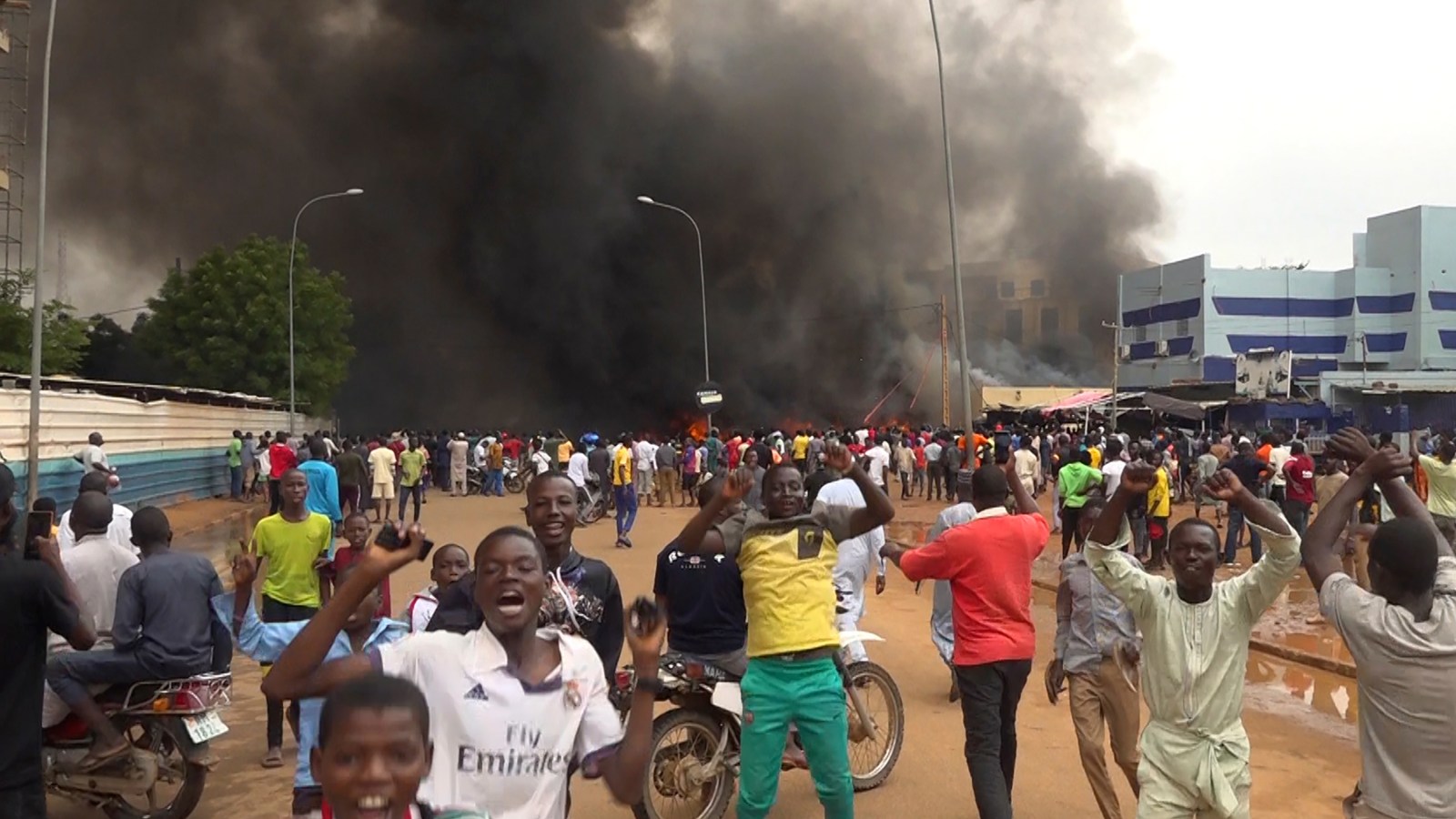
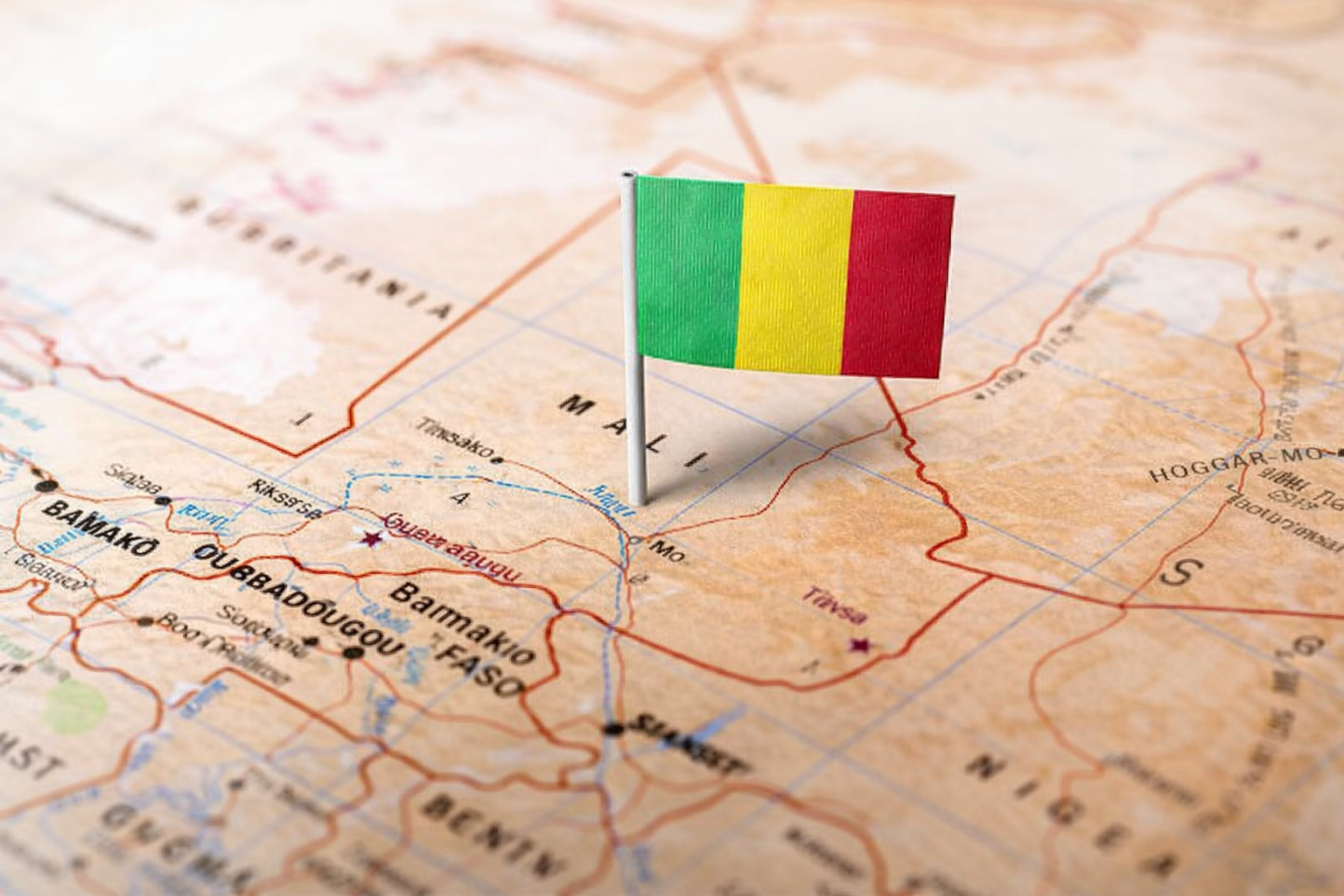
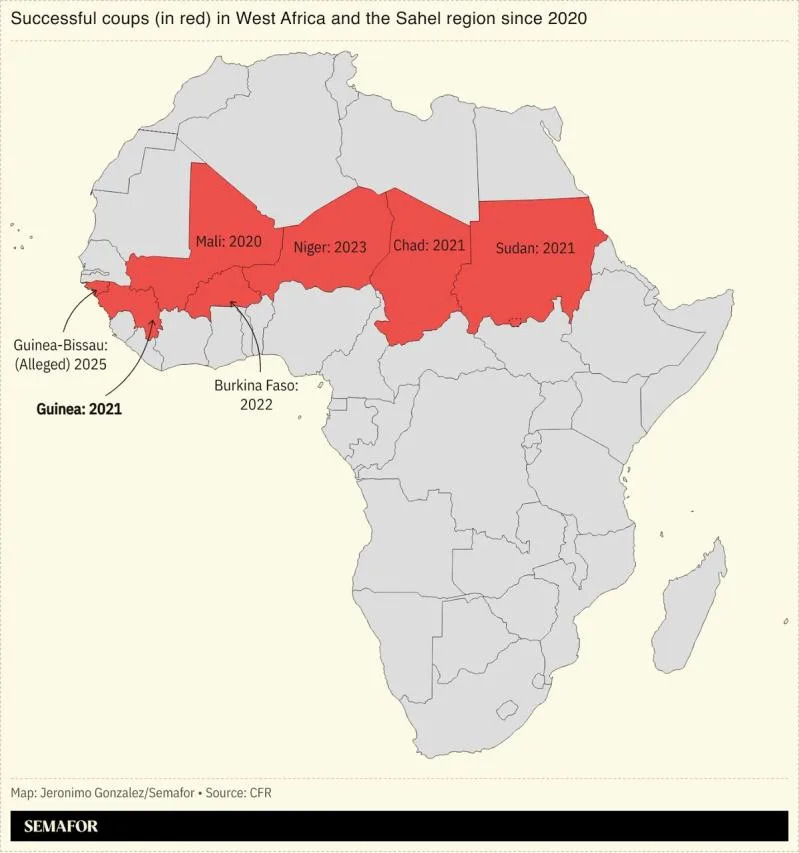
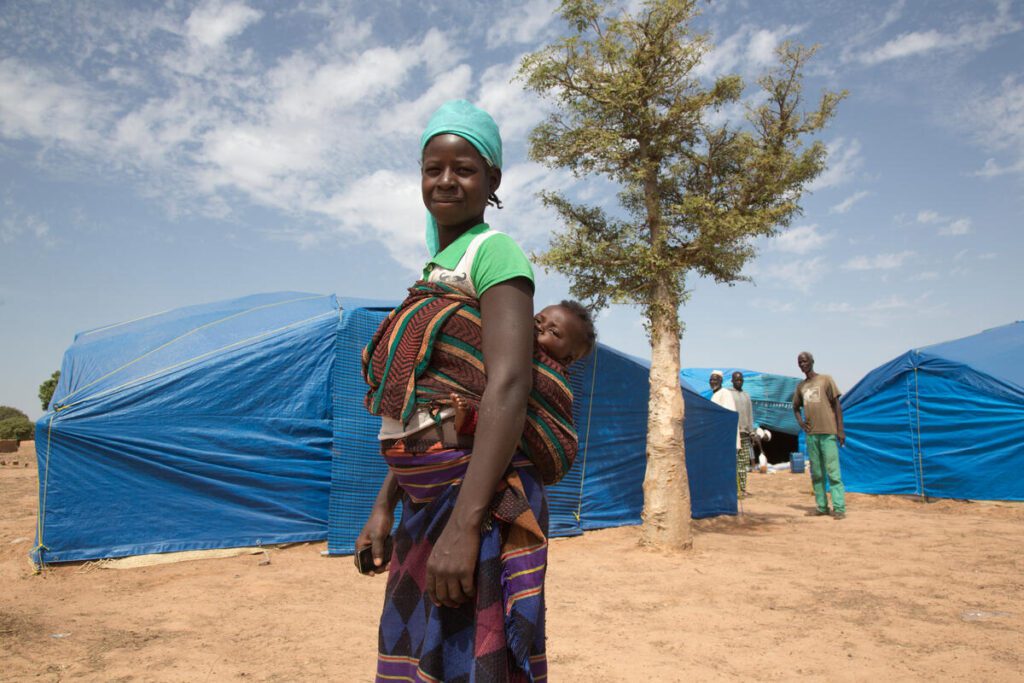
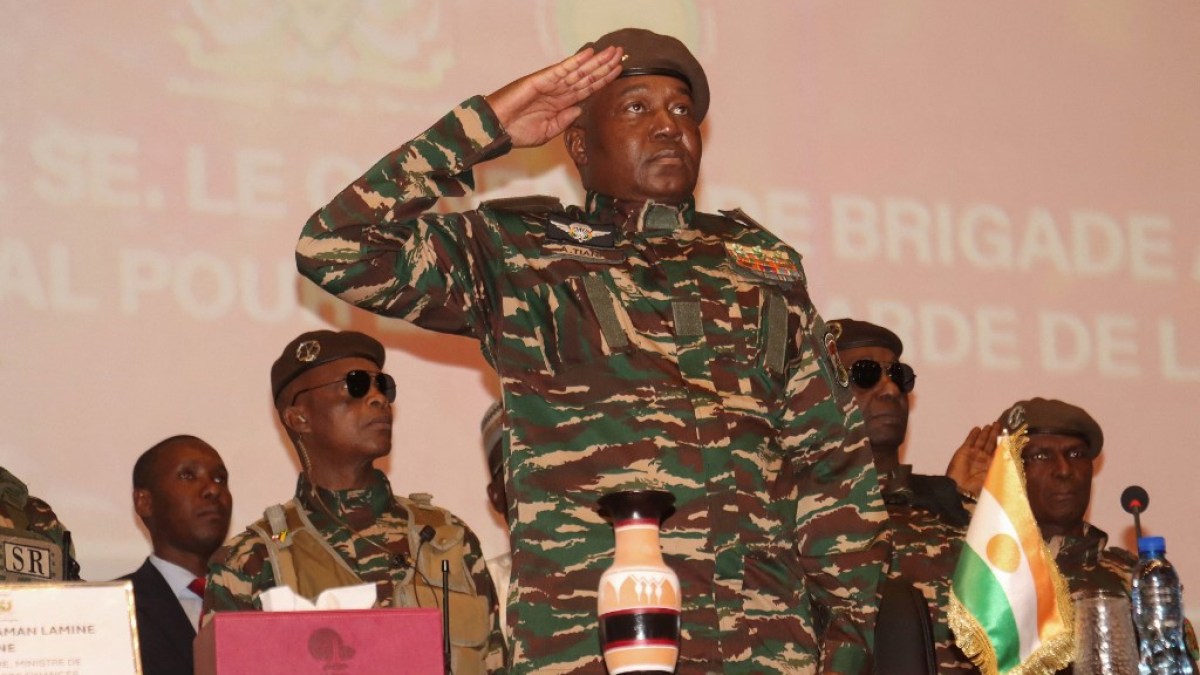
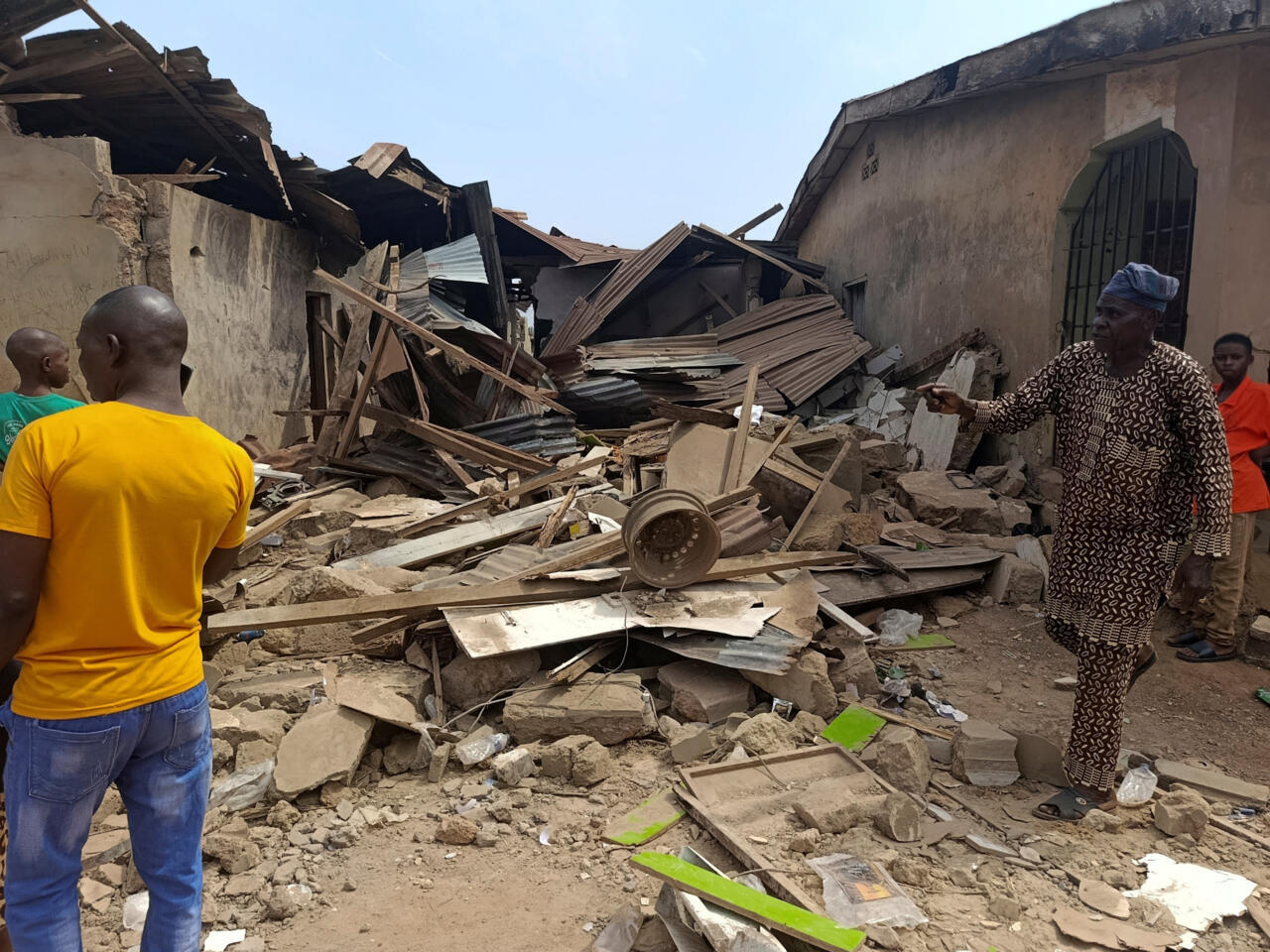
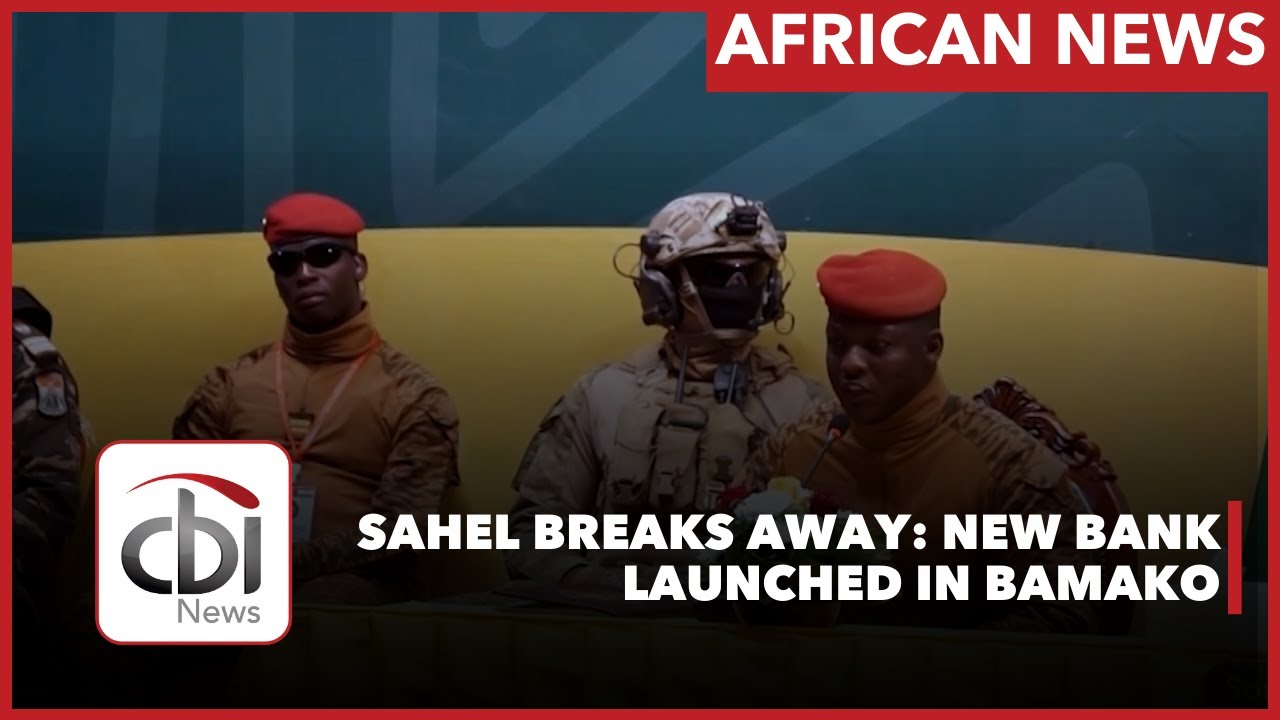
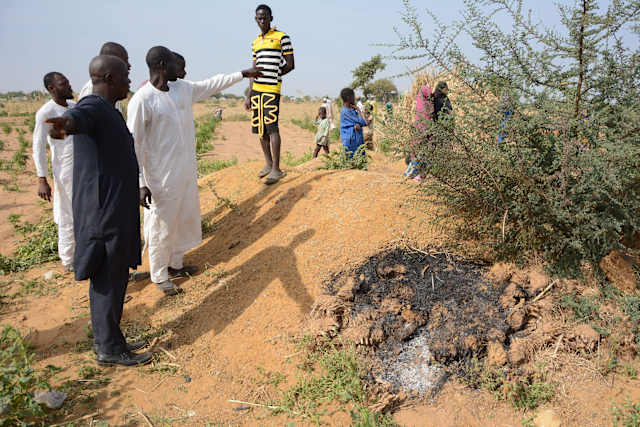
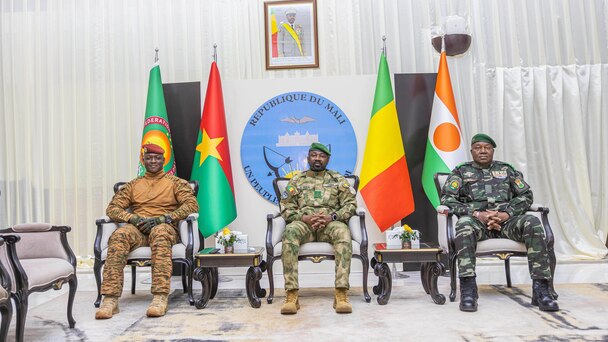
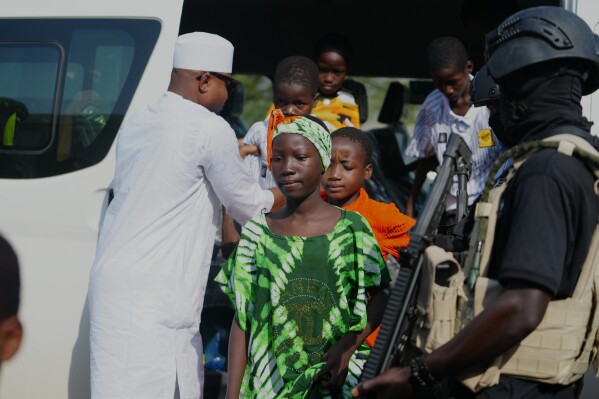
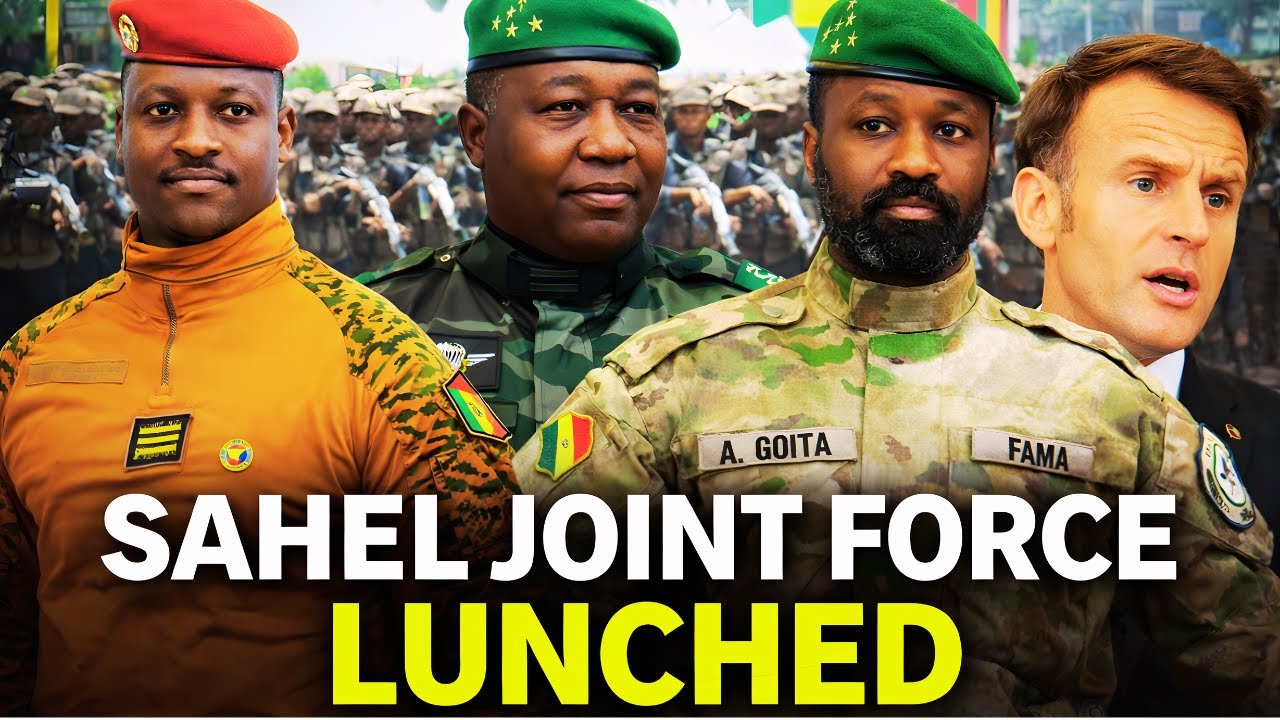
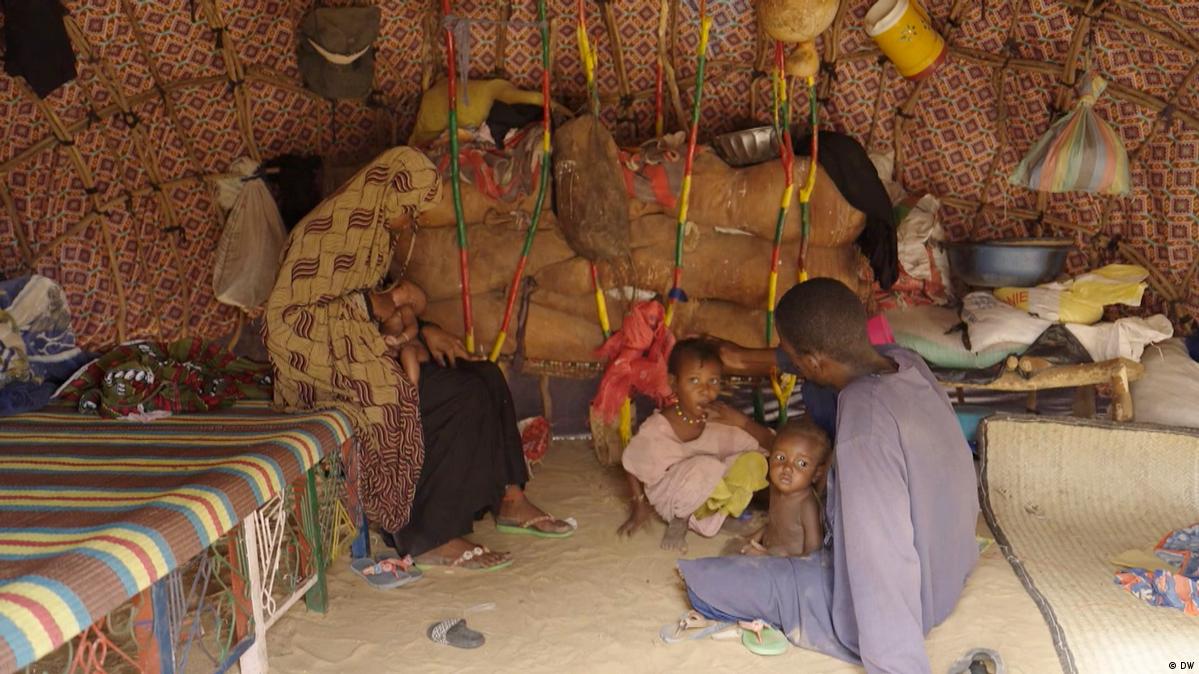
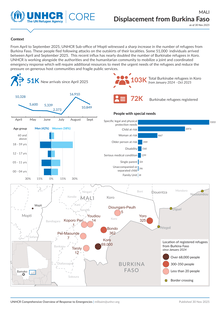
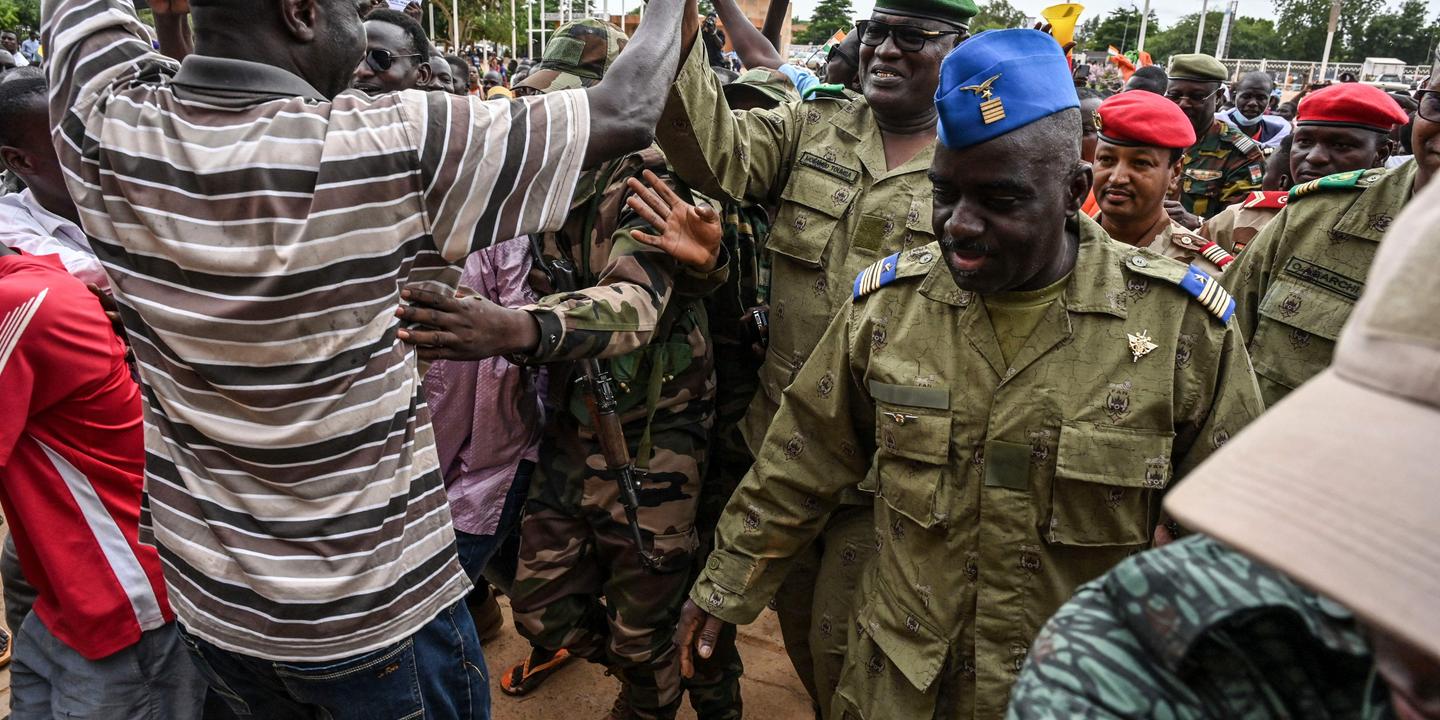
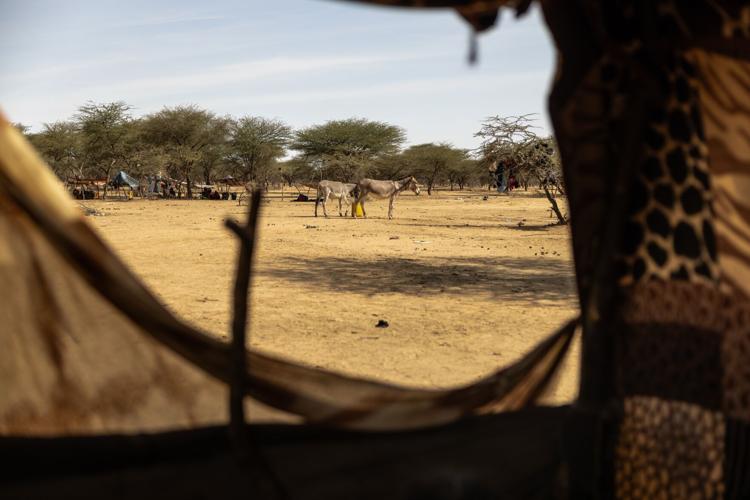
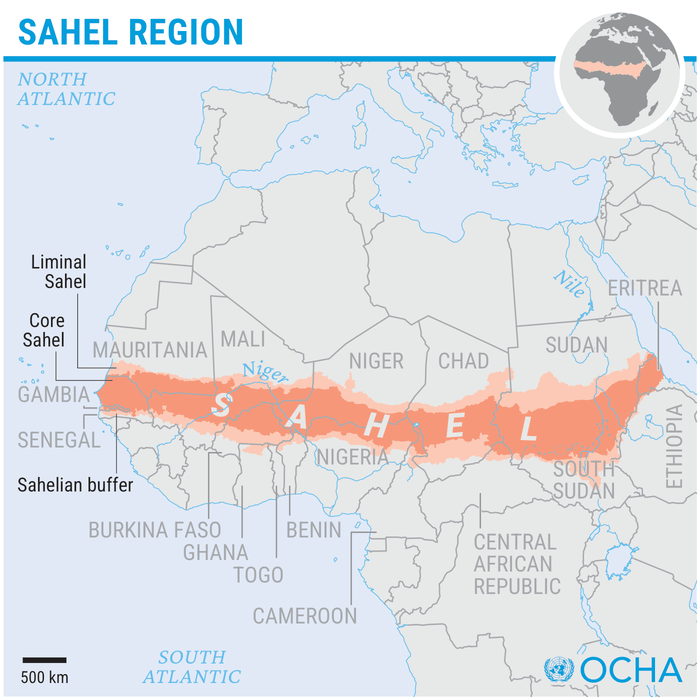
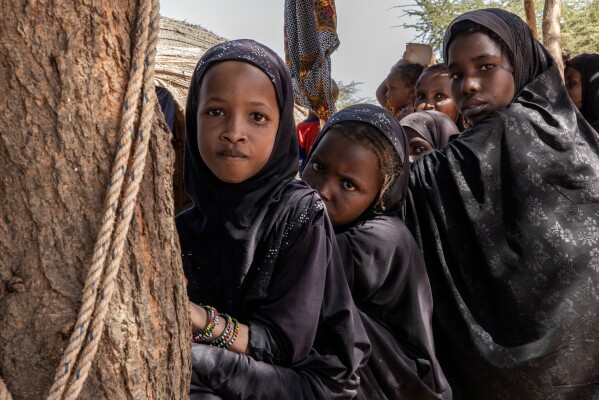
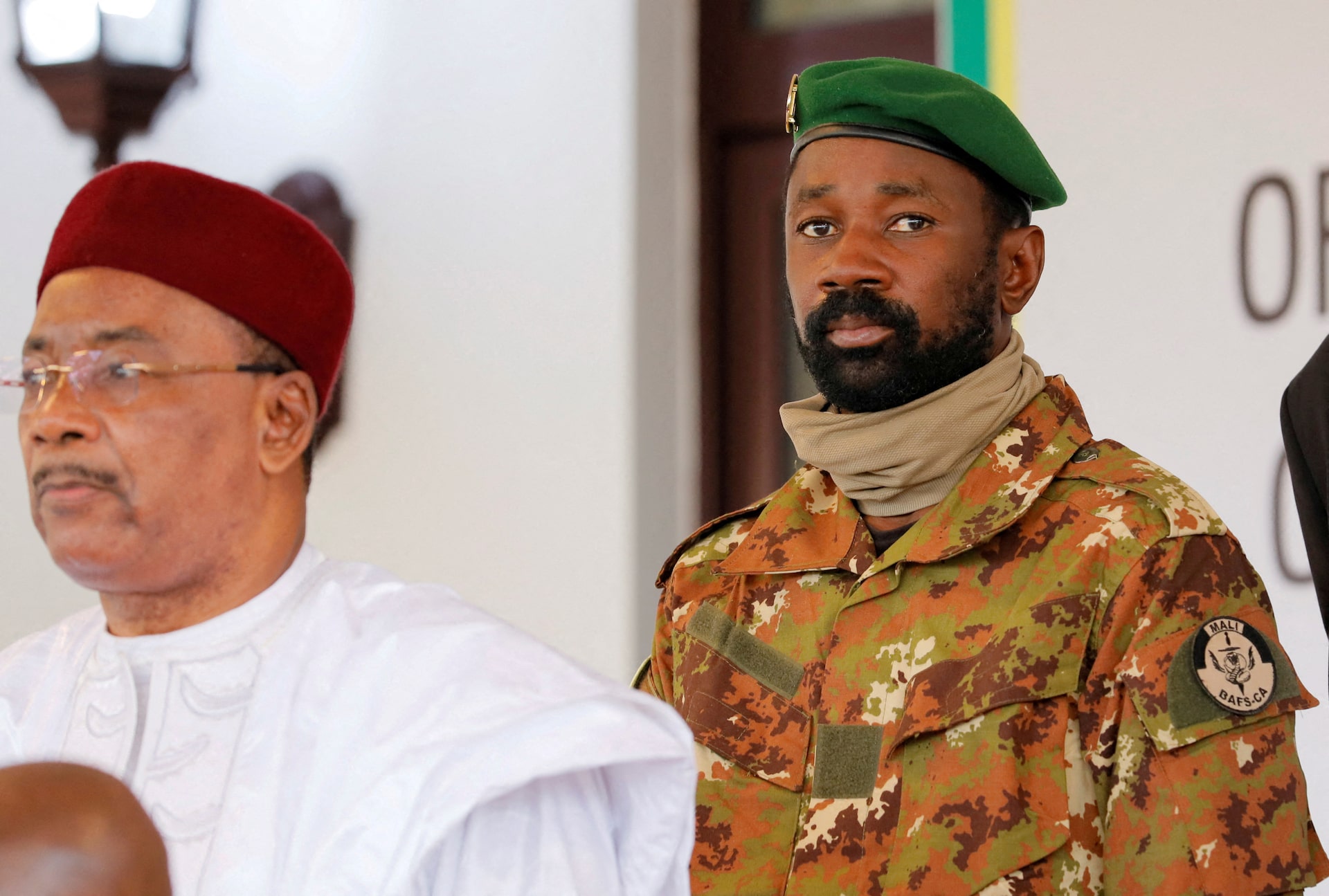
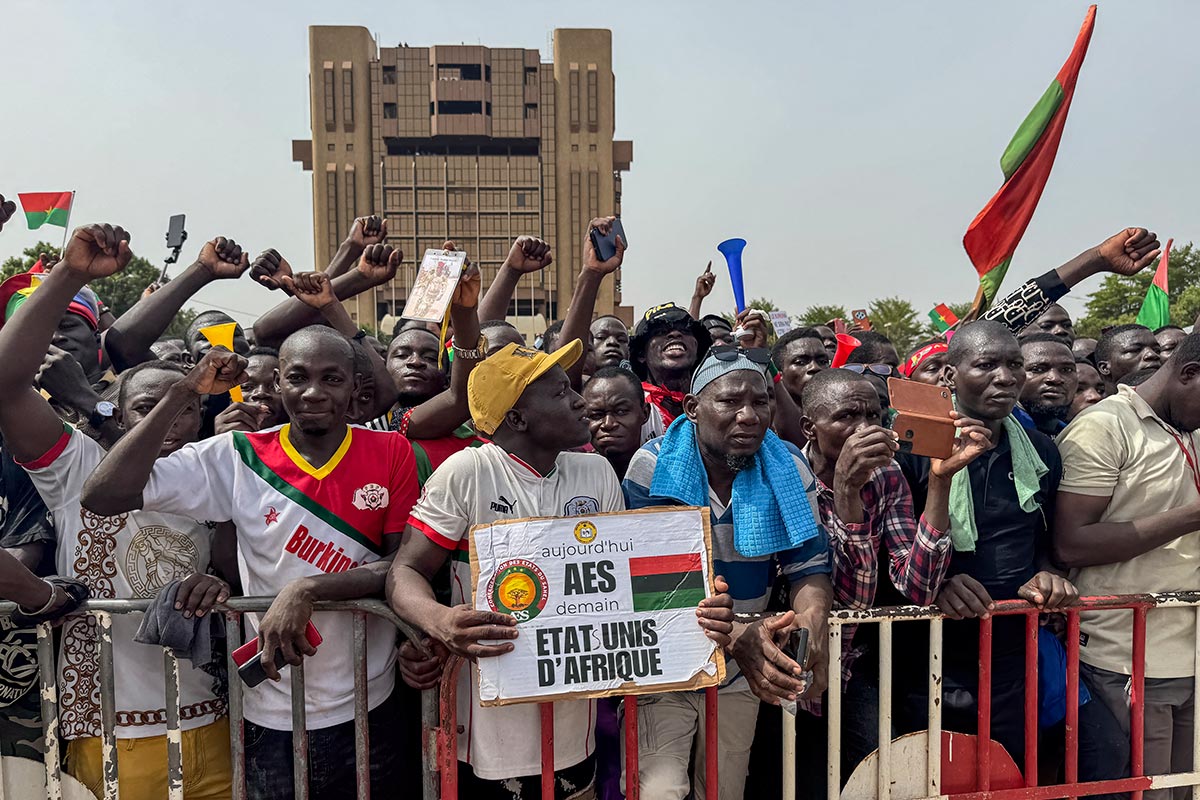
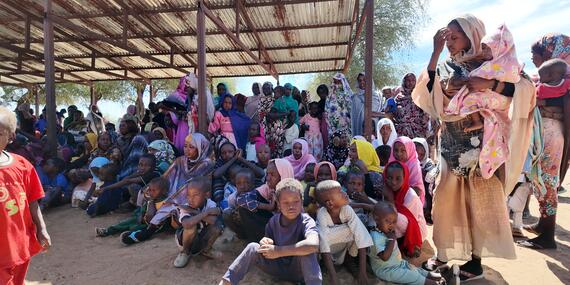
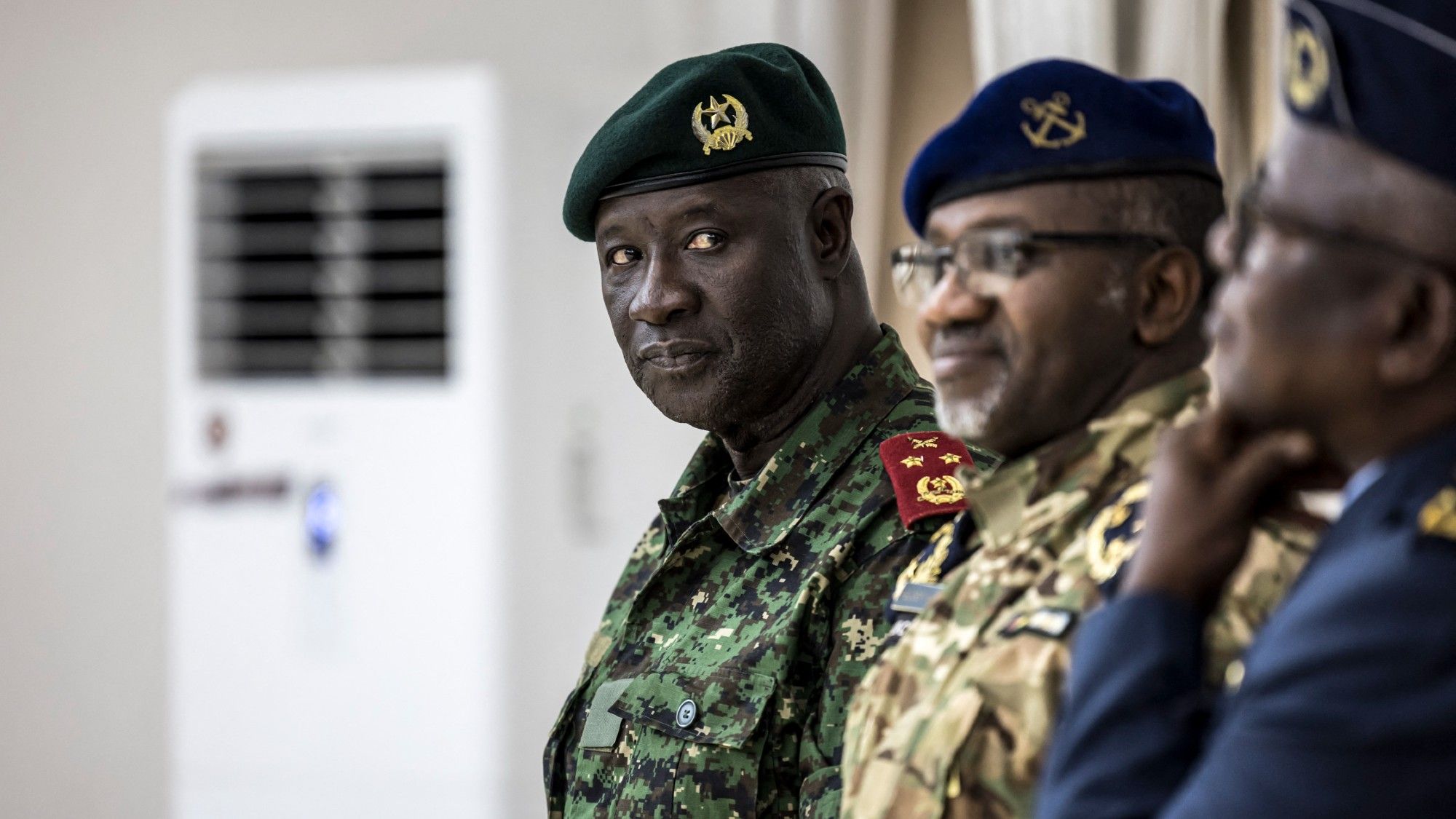
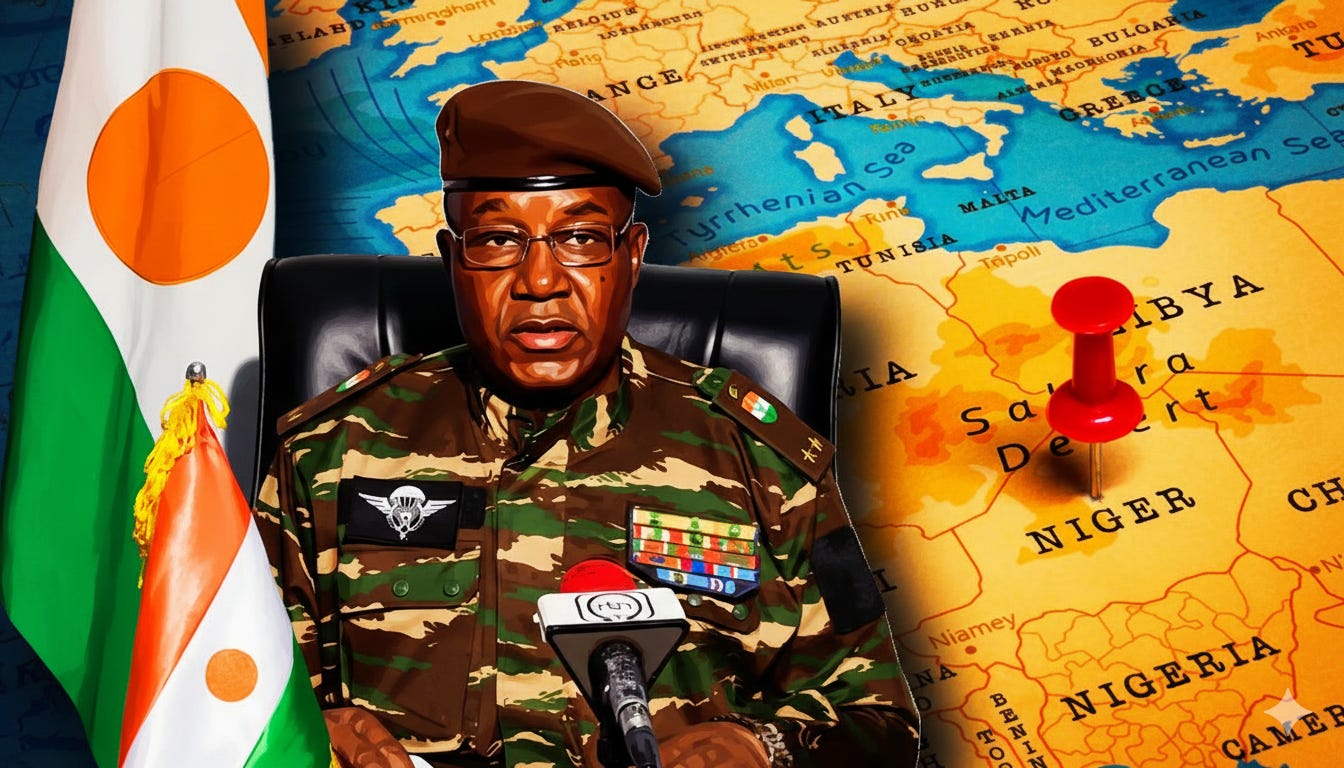
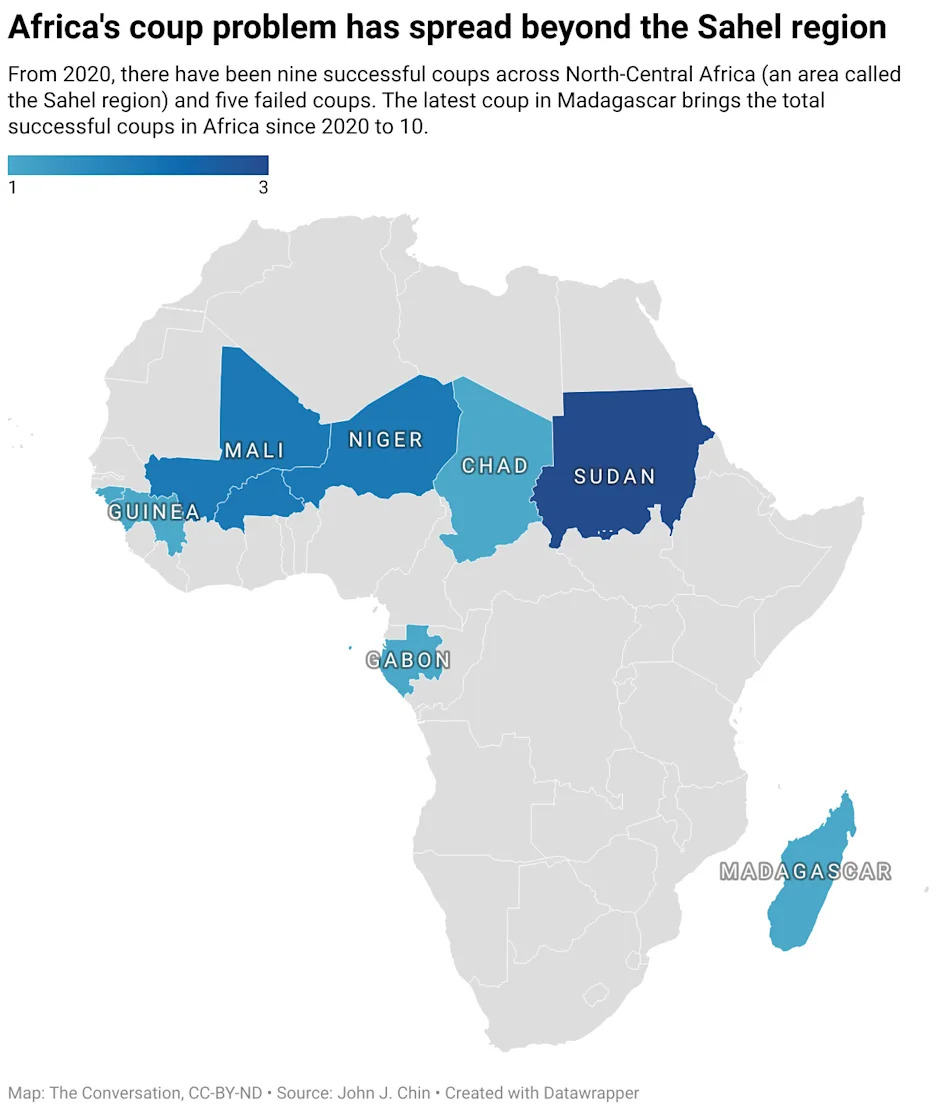
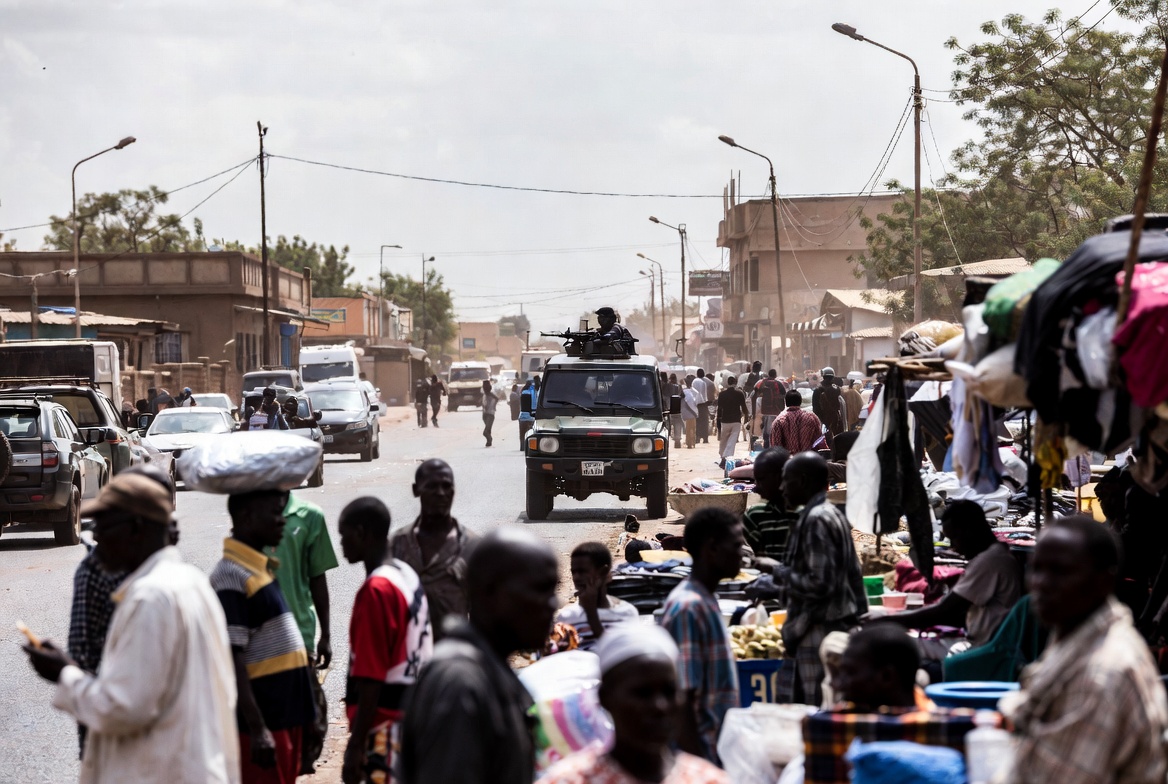
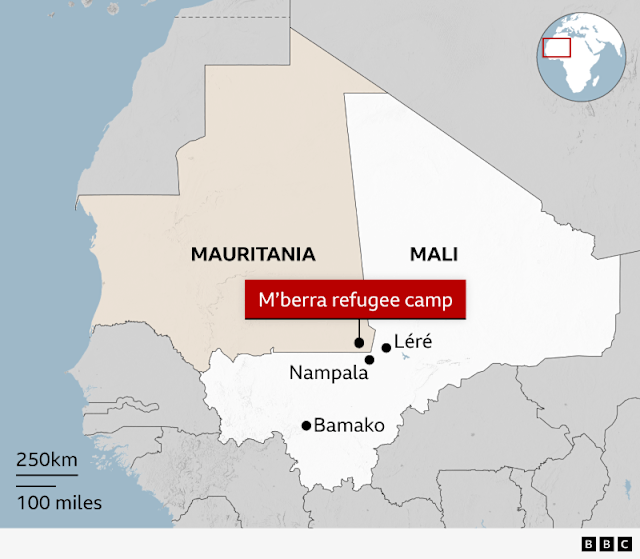
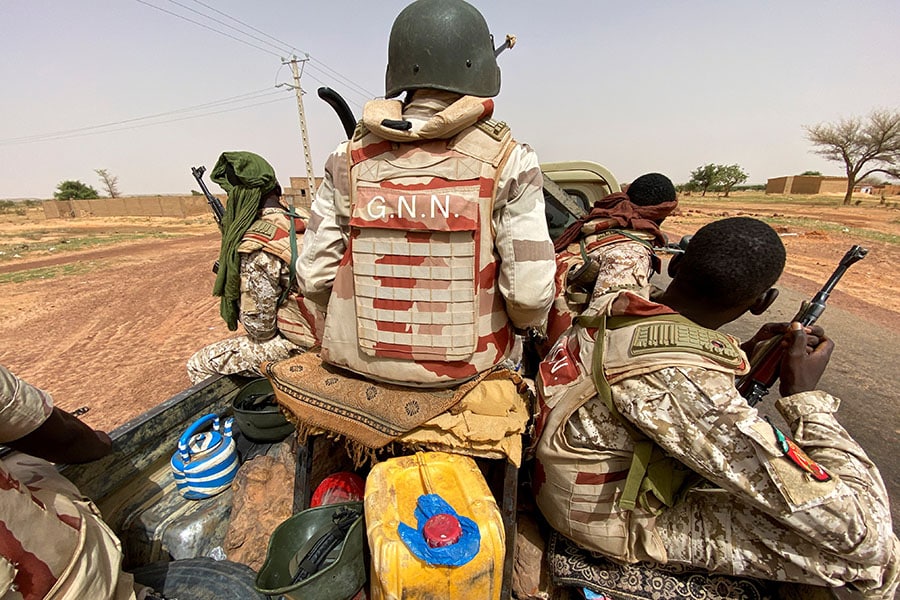
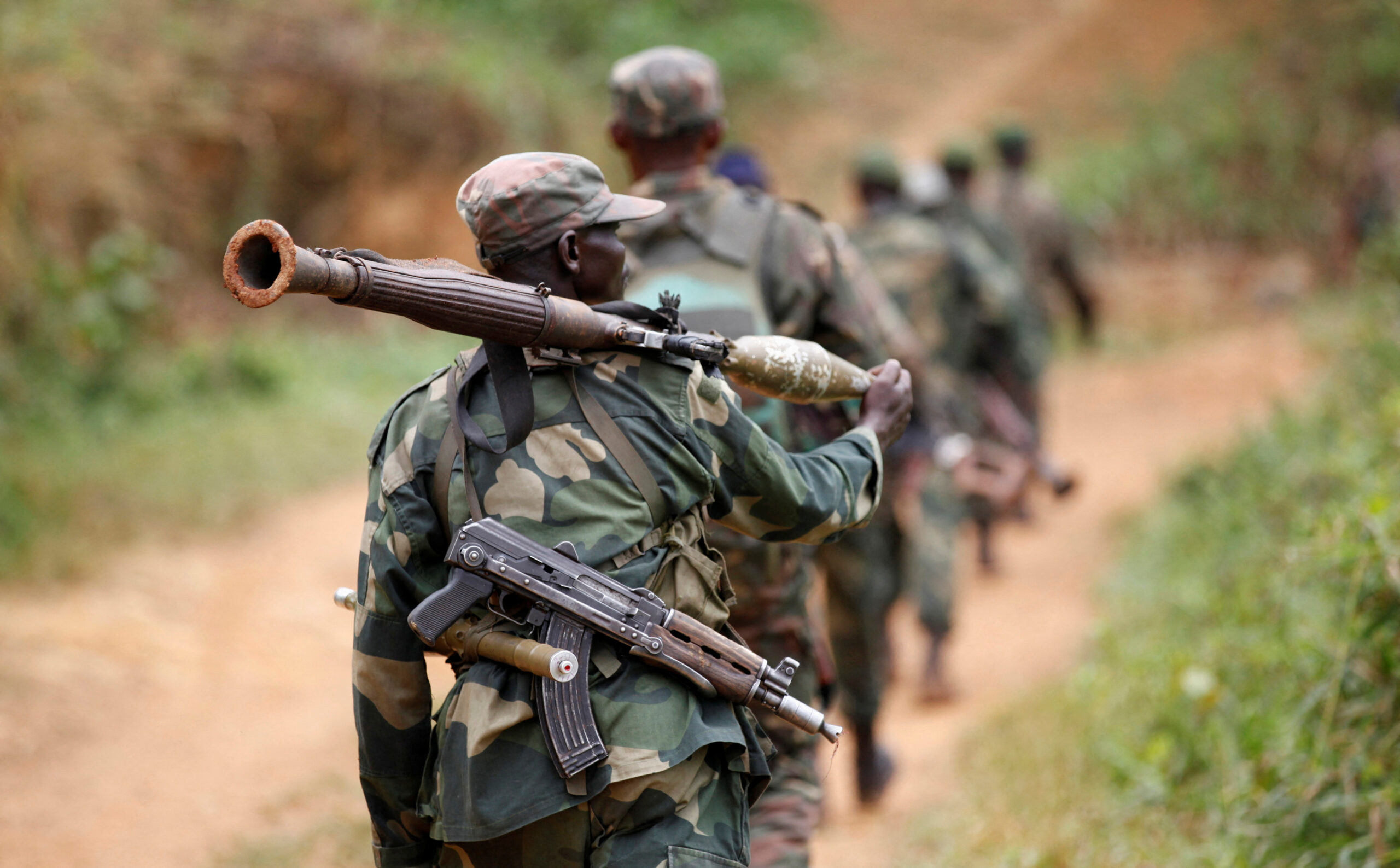
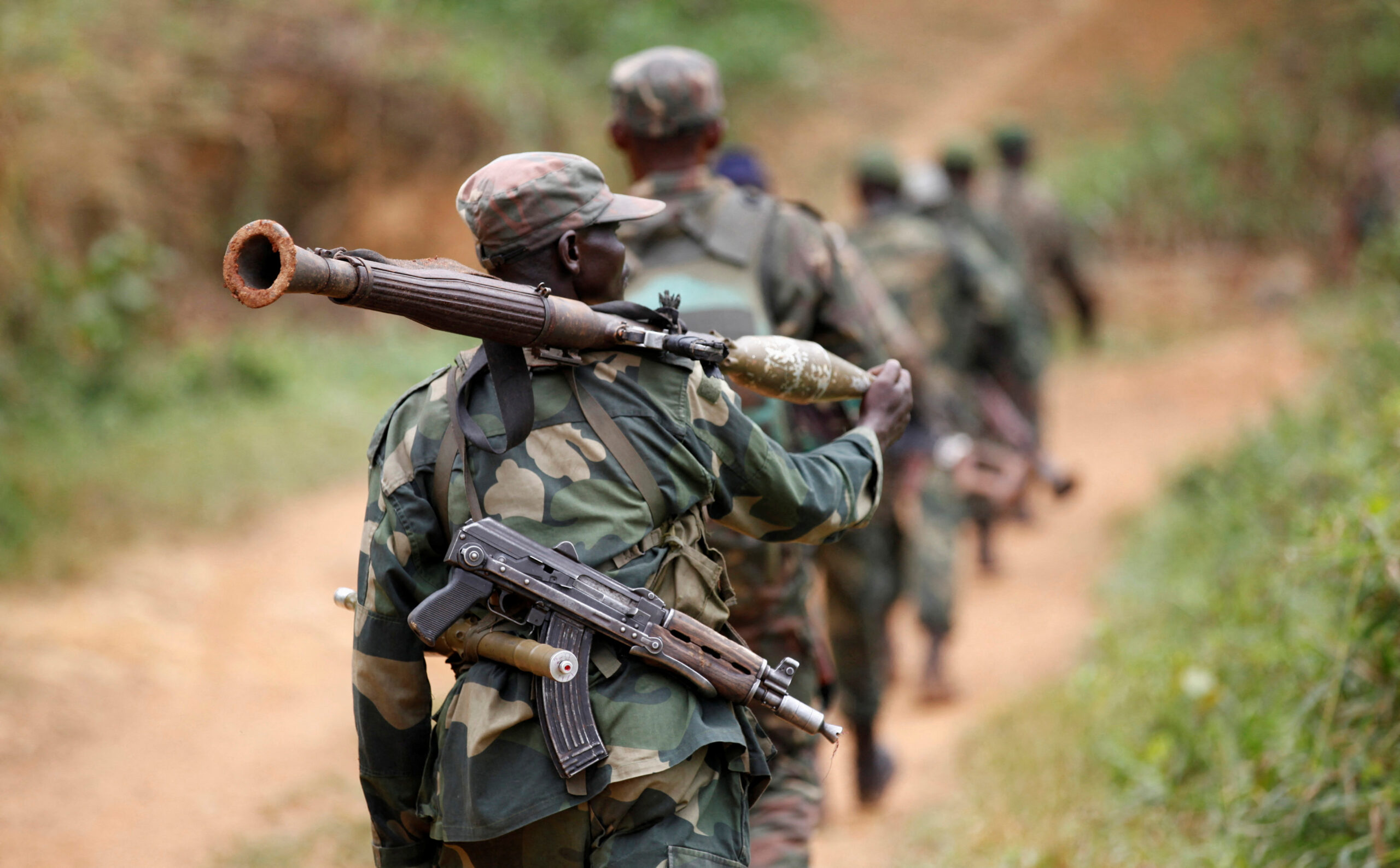
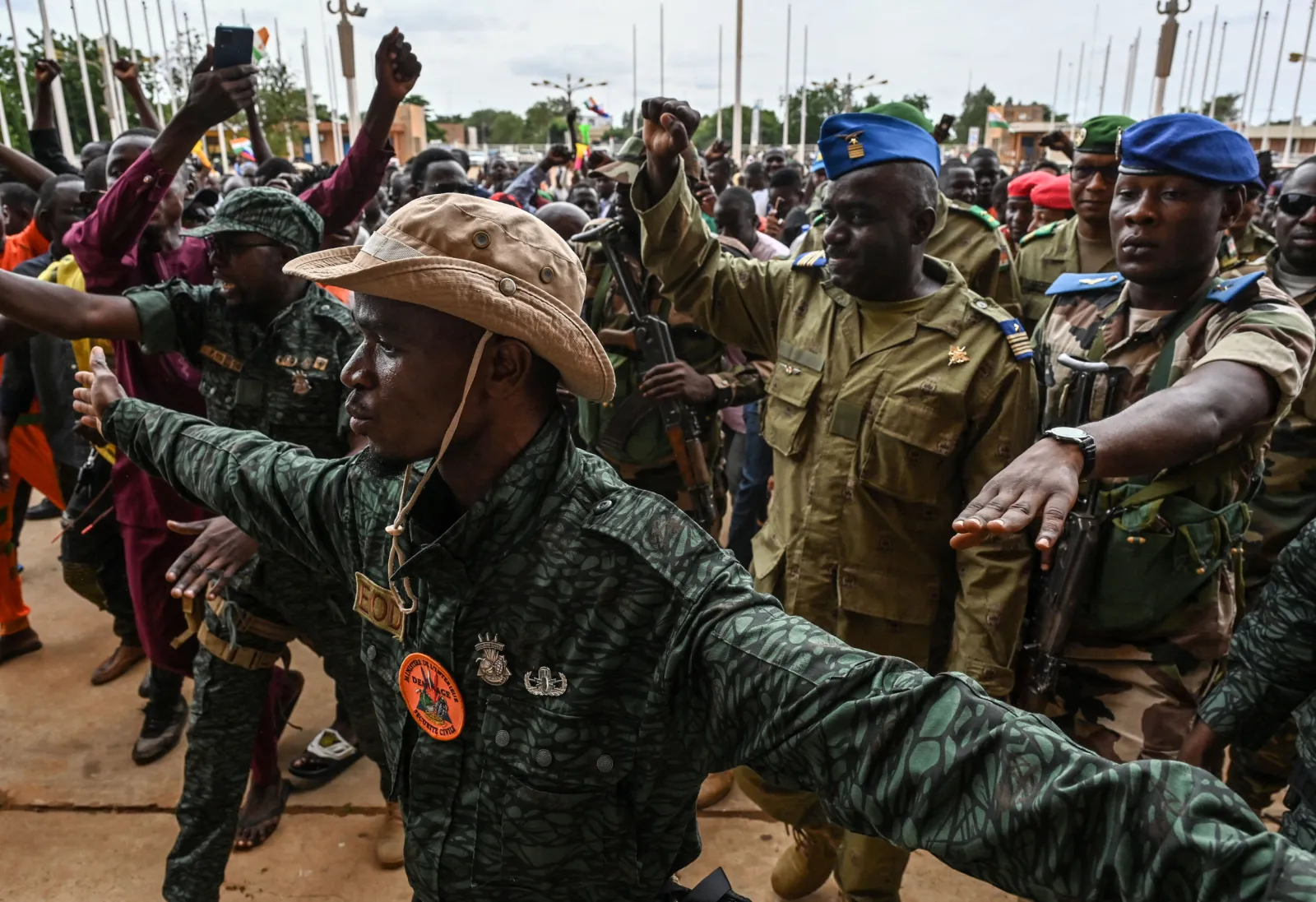
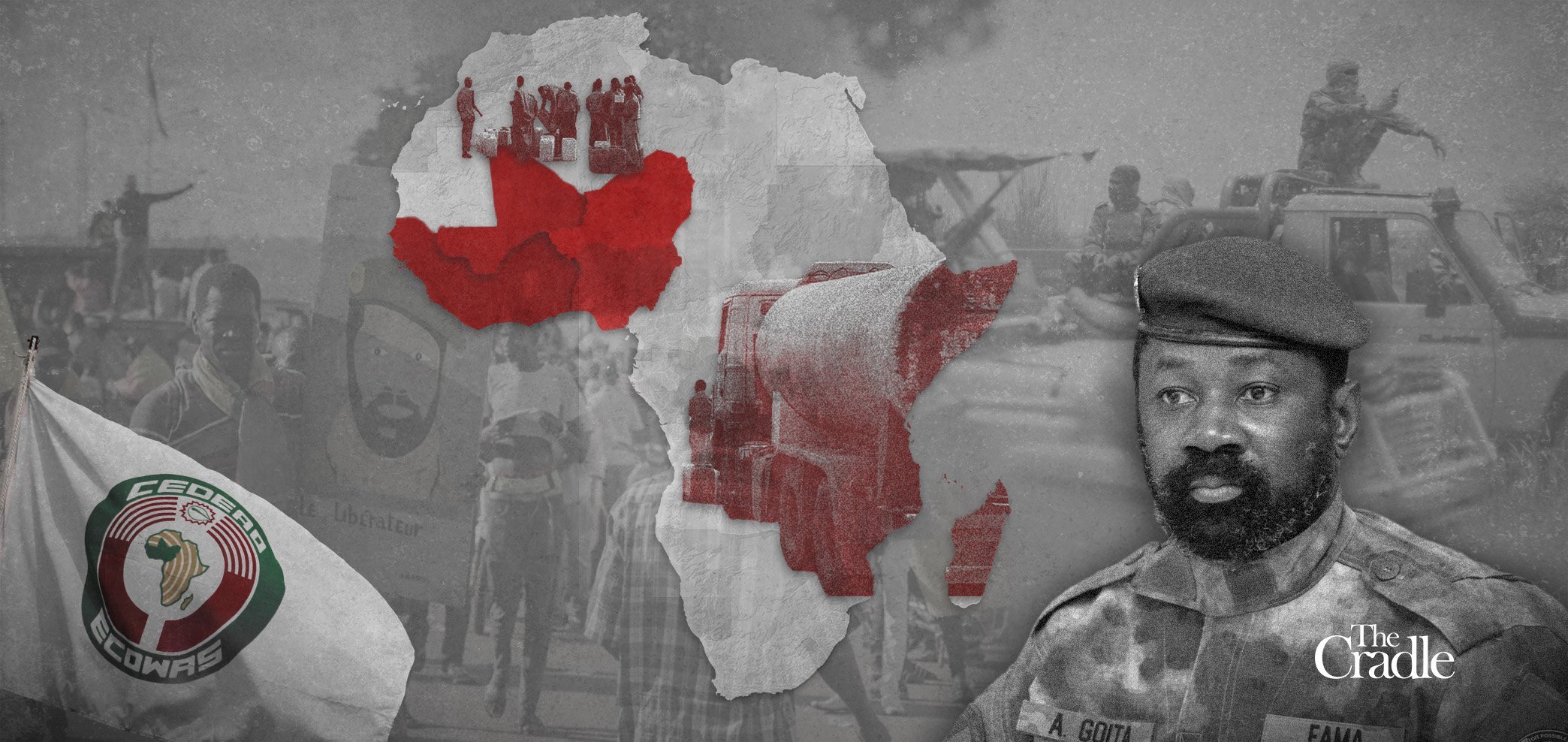
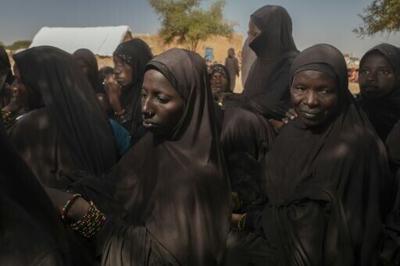
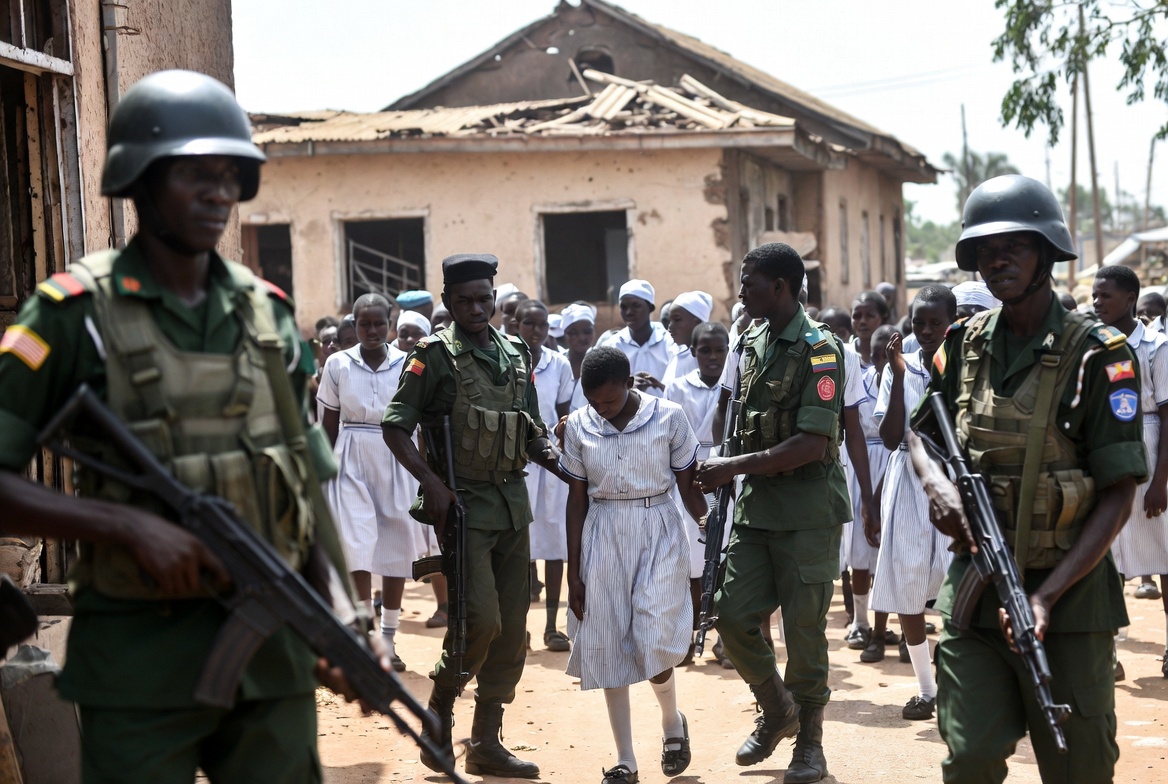
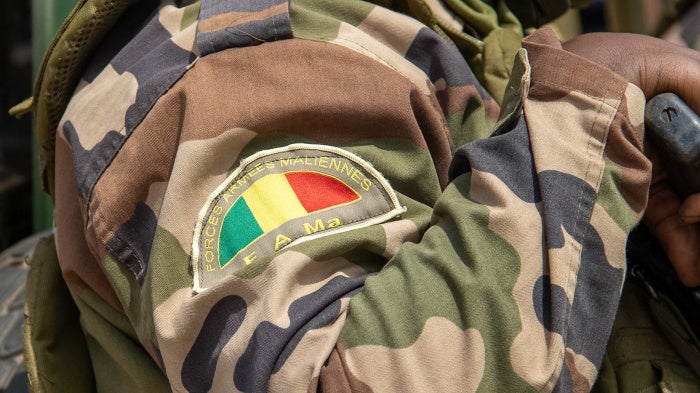
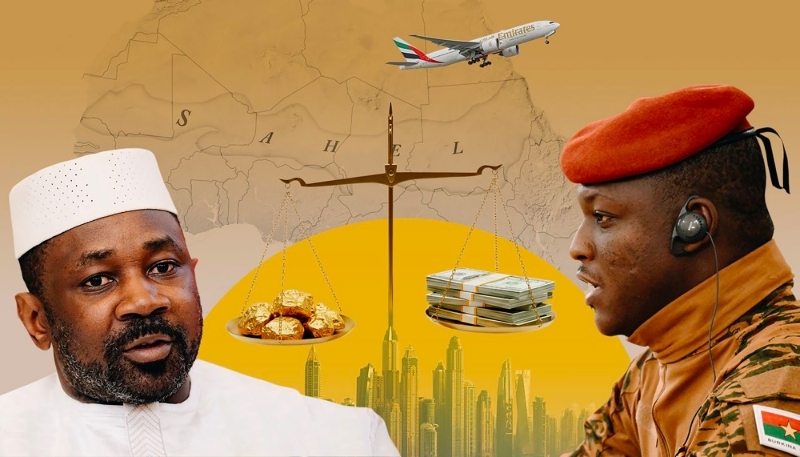
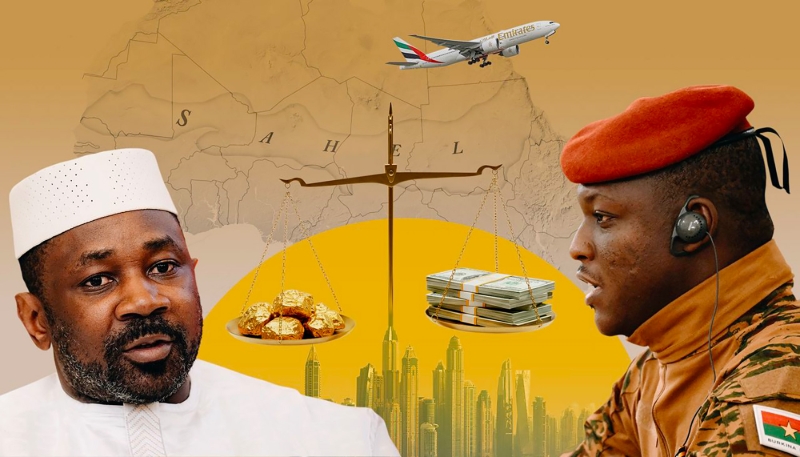
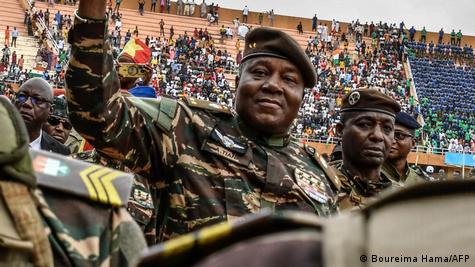
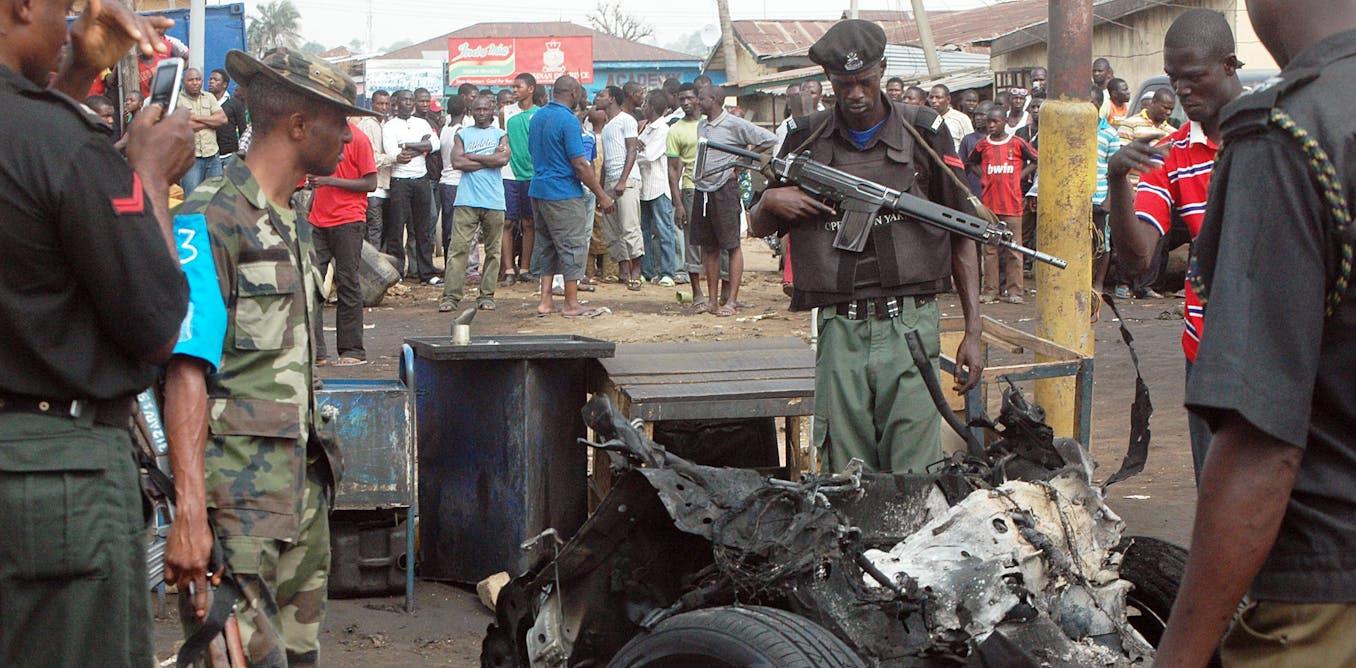
African leaders gathered in Addis Ababa this week for their annual African Union summit, but it wasn’t a routine meeting. With complex security crises and pressing challenges to sovereignty gripping the continent, discussions carried an undeniable urgency. How can Africa ensure stability for its people, especially when conflict zones stretch from Ethiopia’s Tigray to the vast Sahel region? It’s a question that demands an answer now more than ever. The Sahel, this expansive semi-arid belt covering nations like Burkina Faso, Mali, and Niger, has unfortunately become Africa’s ground zero for terrorism. U.S. General Michael Langley’s recent warnings underscore this grim reality, noting that terror groups here are even ramping up their ability to strike inside the U.S. Want to understand more about the ability of terror groups to strike outside the continent? We’re seeing a relentless insurgency, fueled by jihadist groups linked to Al-Qaeda and the Islamic State. These militant factions are adept at exploiting local grievances and weak state institutions, leading to a surge in violence and displacement. In fact, since the 2022 military coup, Burkina Faso has witnessed a sharp rise in attacks by these networks, further destabilizing an already fragile political landscape.
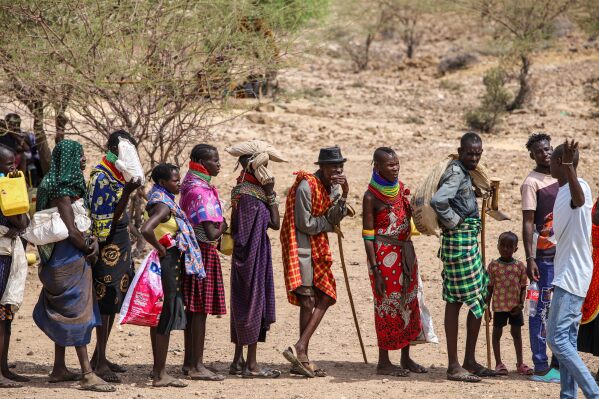
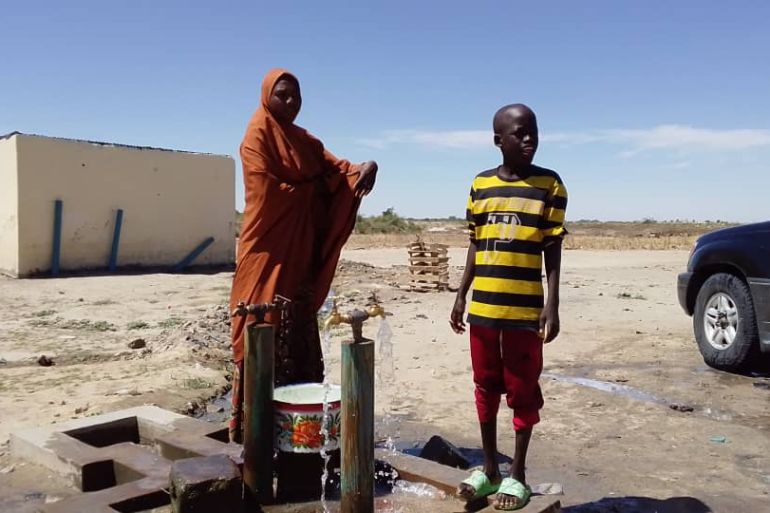
A striking new development on the ground shows us just how complex these extremist groups really are: Saa’d, a former leader of the Group to Support Islam and Muslims (JNIM), recently defected to the Islamic State Sahel Province. He condemned JNIM leaders for not fully applying Shariah law, signaling shifting power dynamics and potentially escalating fragmentation among these groups. This internal strife will only complicate efforts to combat terrorism across the region. But where does the African Union stand in all of this? Its response has certainly come under fire. Critics often argue that the AU’s distance from frontline security realities can hinder effective intervention and conflict resolution. While leaders meet in Addis Ababa’s relative calm, the widespread instability in places like the Sahel belt highlights just how fractured the continent’s security environment remains. Beyond immediate security, the summit zeroed in on water sovereignty. This issue, constantly threatened by climate change and growing populations, isn’t just about resources, it’s a powerful symbol of self-determination and resilience against both external and internal pressures. More insights into Africa’s security collapse are emerging.
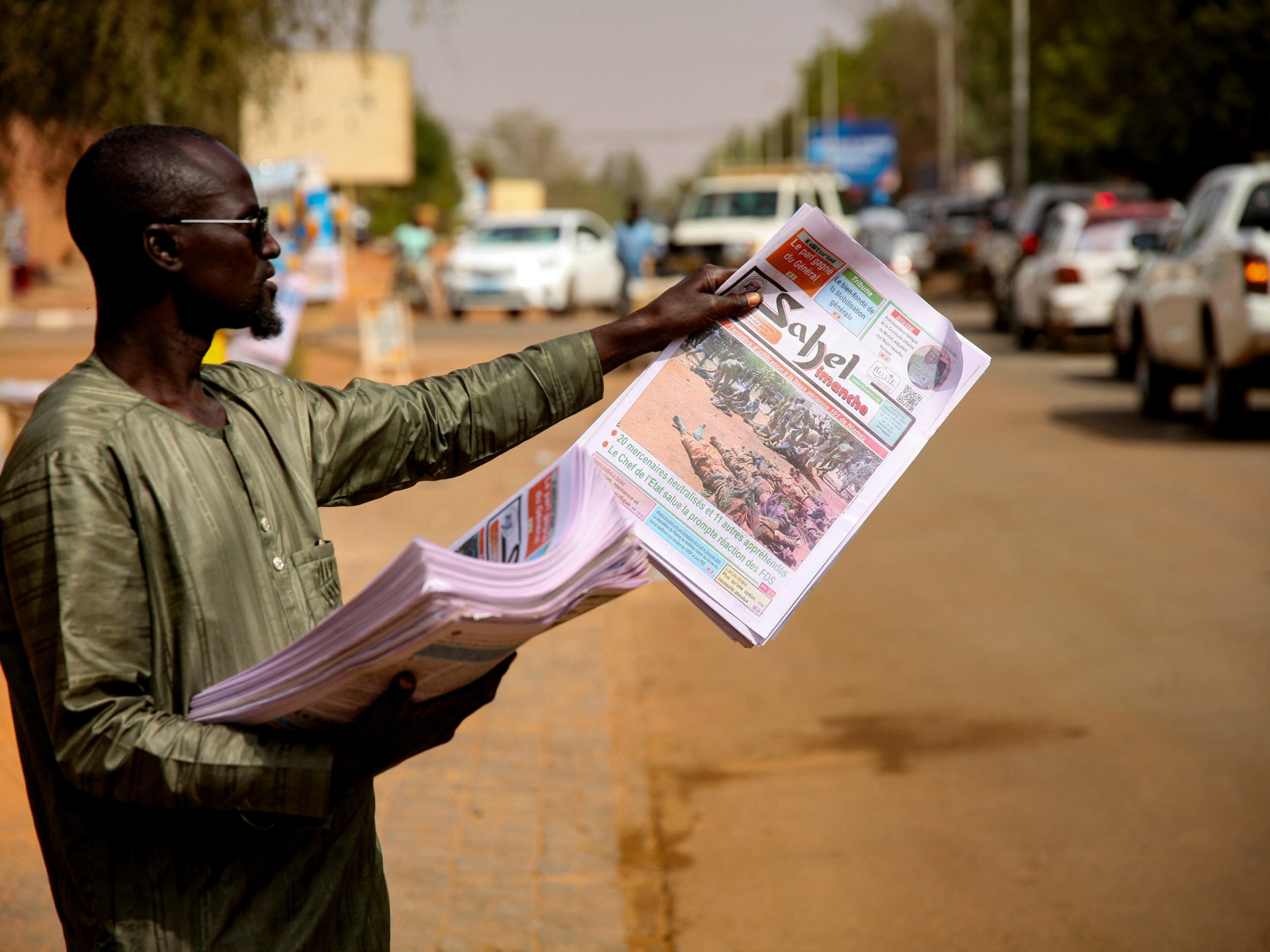
Another crucial theme was narrative power. African nations aren’t just looking to solve problems, they’re determined to reclaim their stories, shaping narratives that truly reflect their perspectives and priorities. This renewal is vital for building unity and hope, pushing back against the often-negative portrayals of conflict that have dominated international media. So, where does Africa go from here? We’re clearly at a pivotal juncture. The intertwined challenges of terrorism, political instability, climate stress, and resource control demand coordinated, truly innovative approaches. Decisions made by leaders at forums like the AU summit will echo across the continent’s future security, development, and sovereignty. Despite the militant threats in the Sahel and political strife elsewhere in West Africa, the AU’s growing focus on sustainable resource governance and empowering African narratives offers promising pathways toward renewed stability. Indeed, as Africa navigates these complexities, the need for robust regional cooperation and substantial investment in peacebuilding couldn’t be clearer. This is a continent facing profound challenges, yes, but also one with immense, untapped potential. The summit’s outcomes could very well set the tone for how Africa harnesses its strengths, overcomes adversity, and confidently redefines its path forward.