Africa’s Reckoning: From $60M AI Banks to a $10B Ethiopian Airport, Growth Confronts Discipline
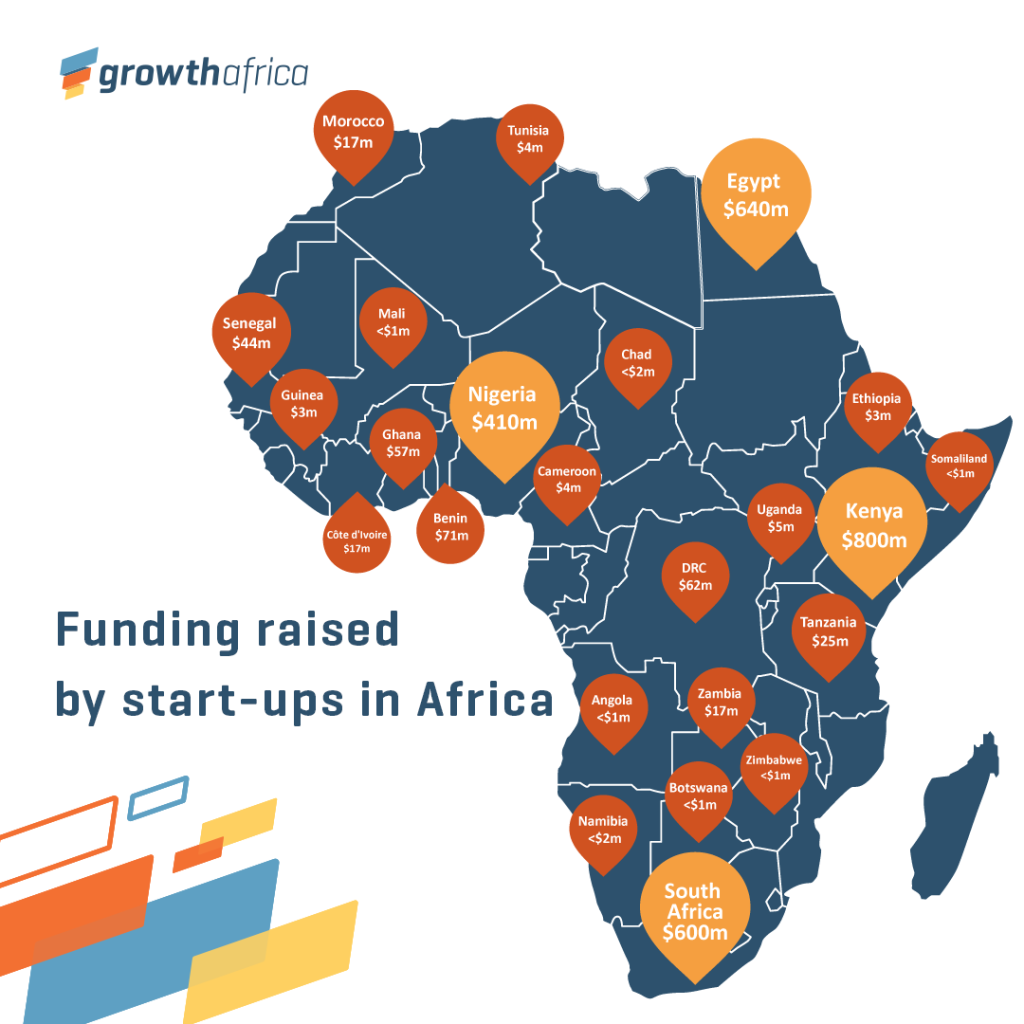
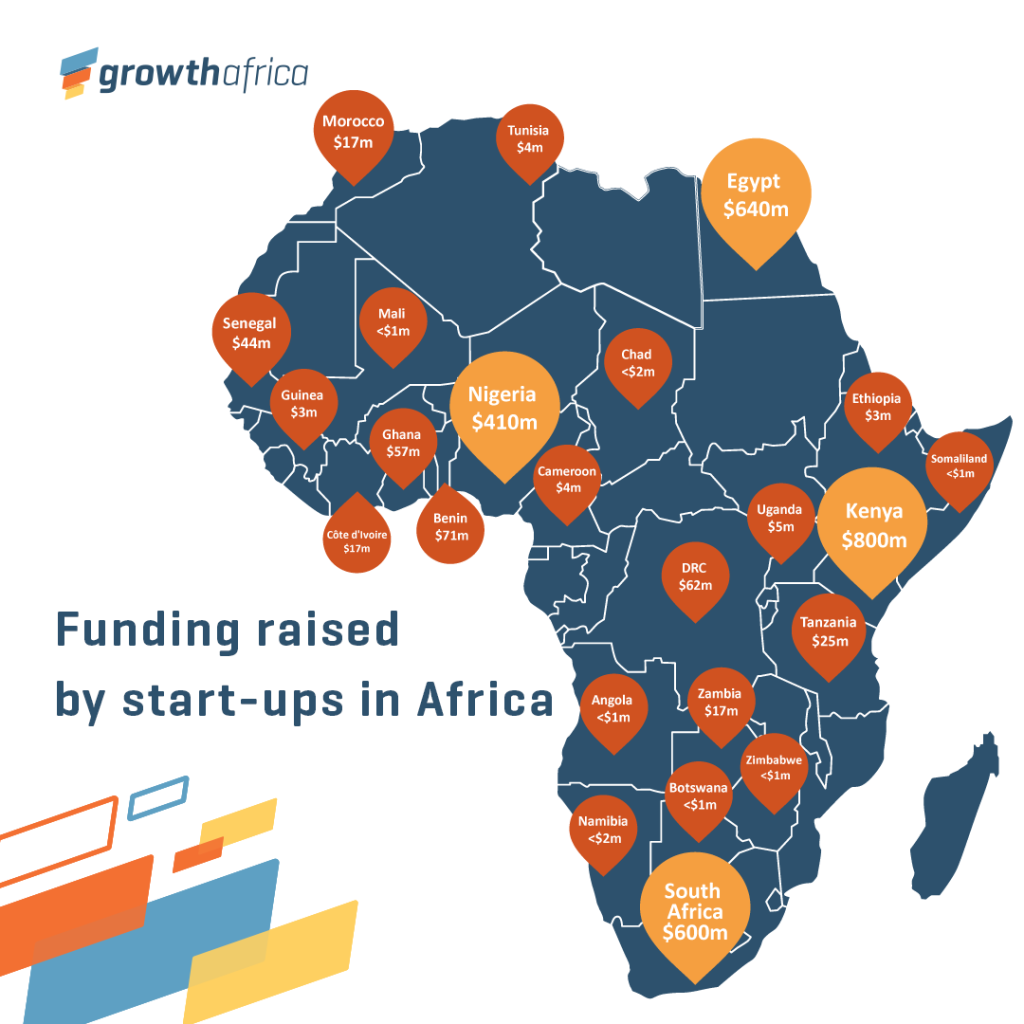
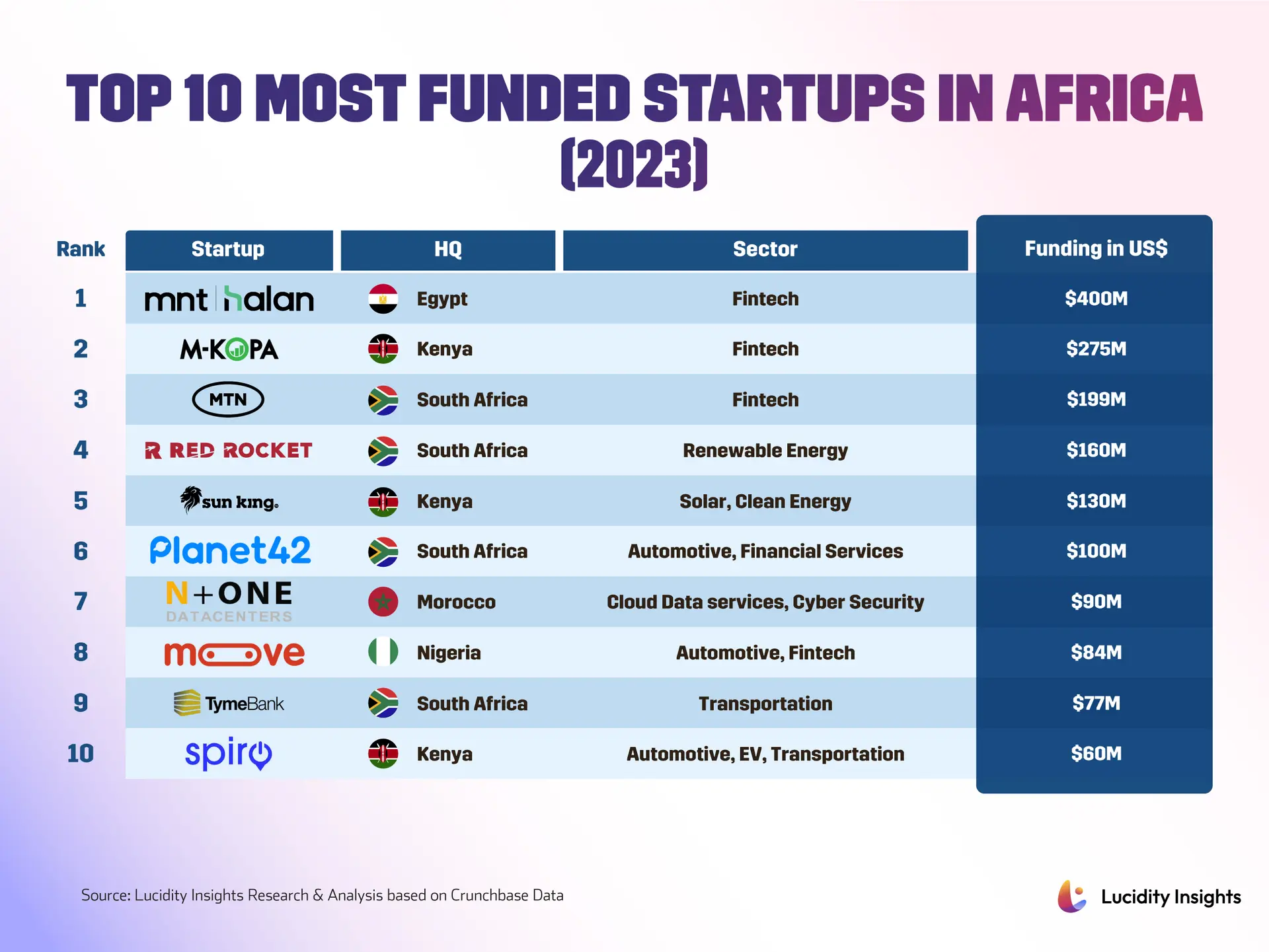
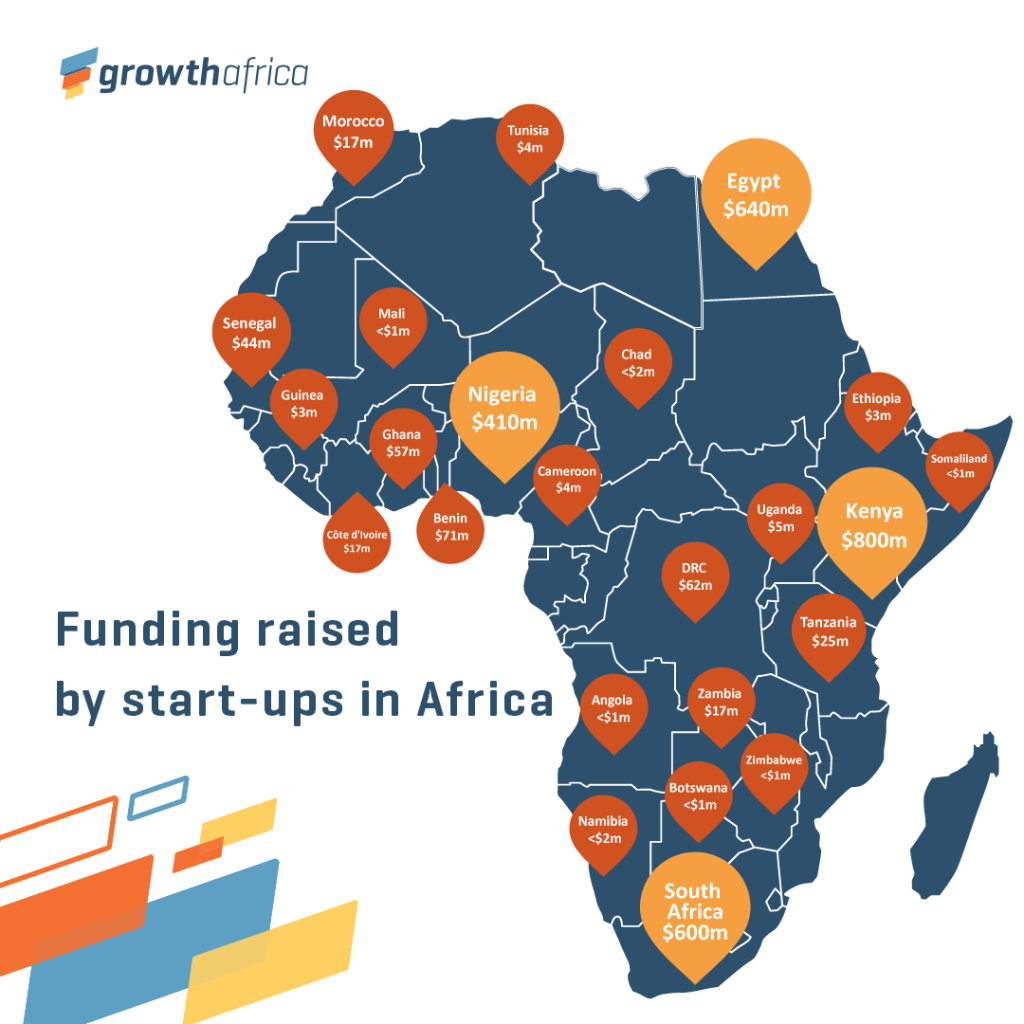
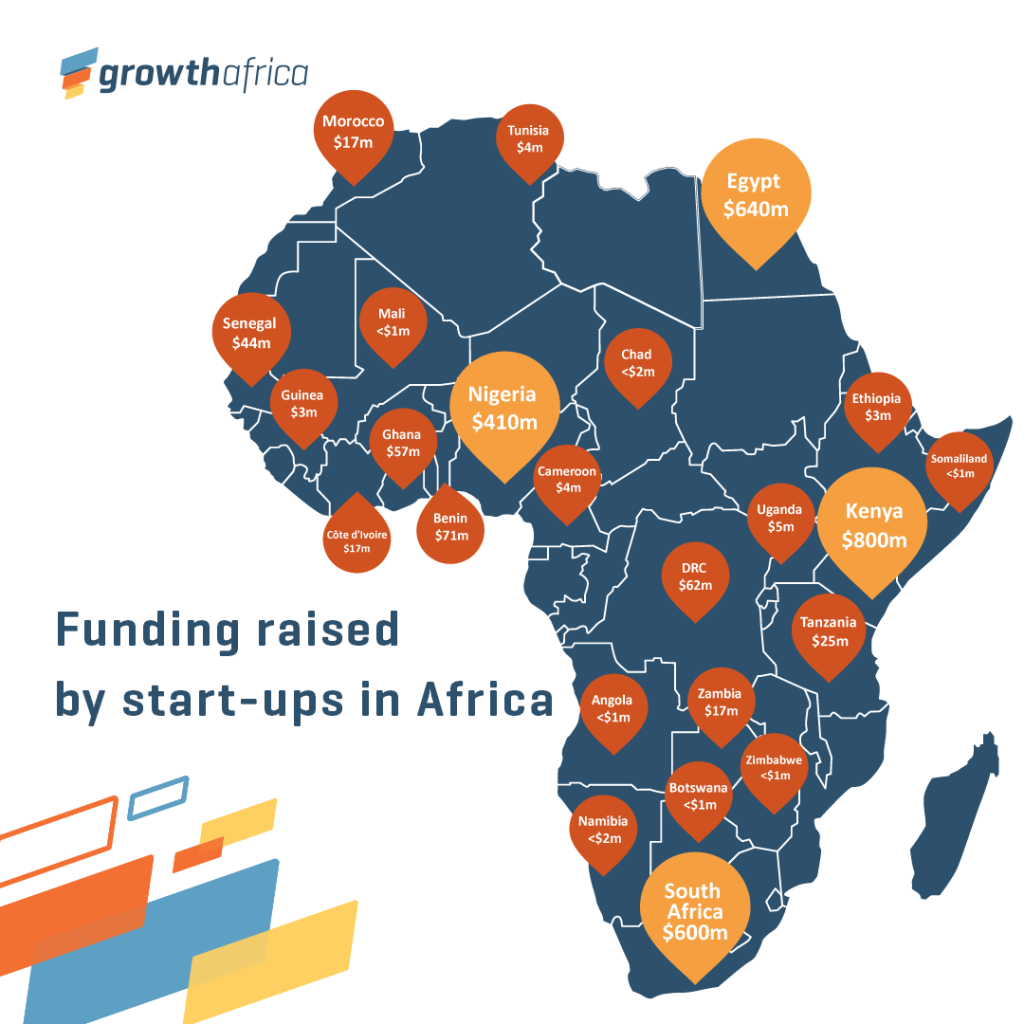
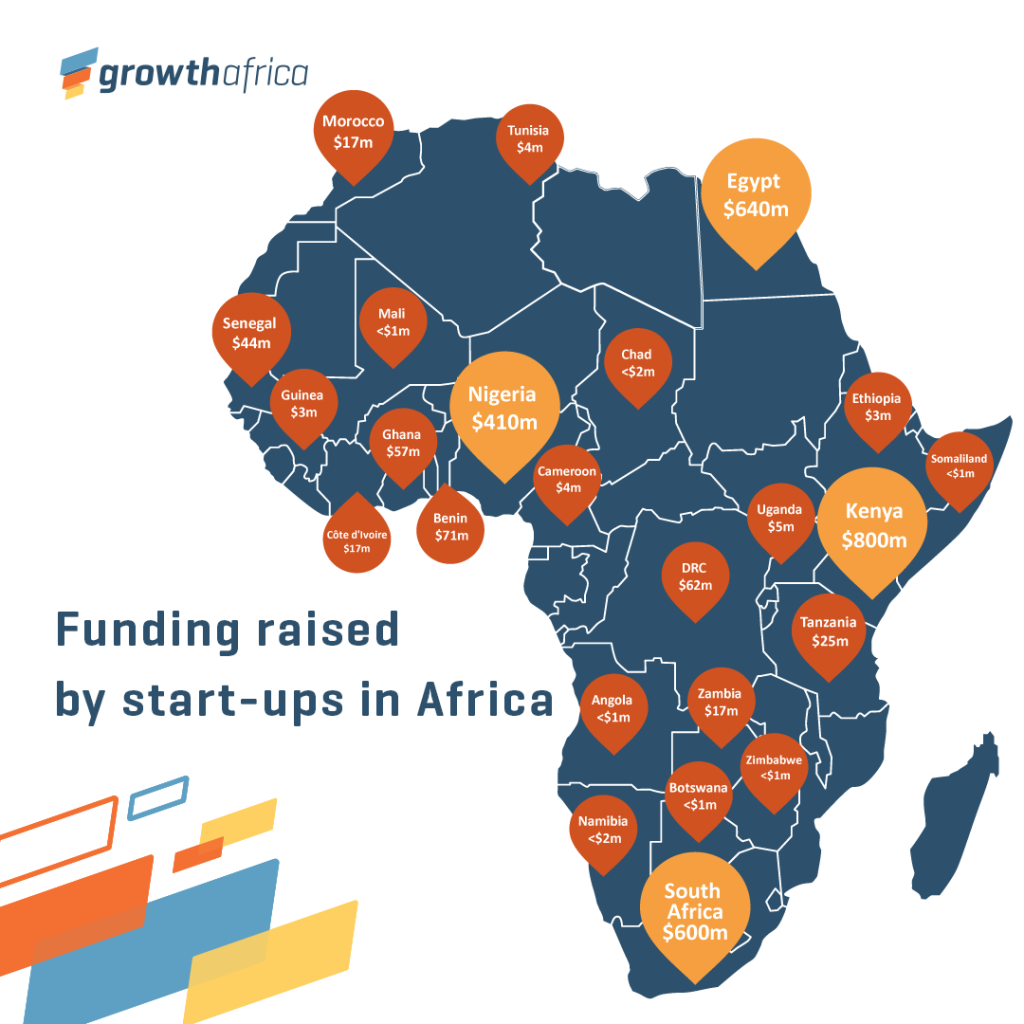
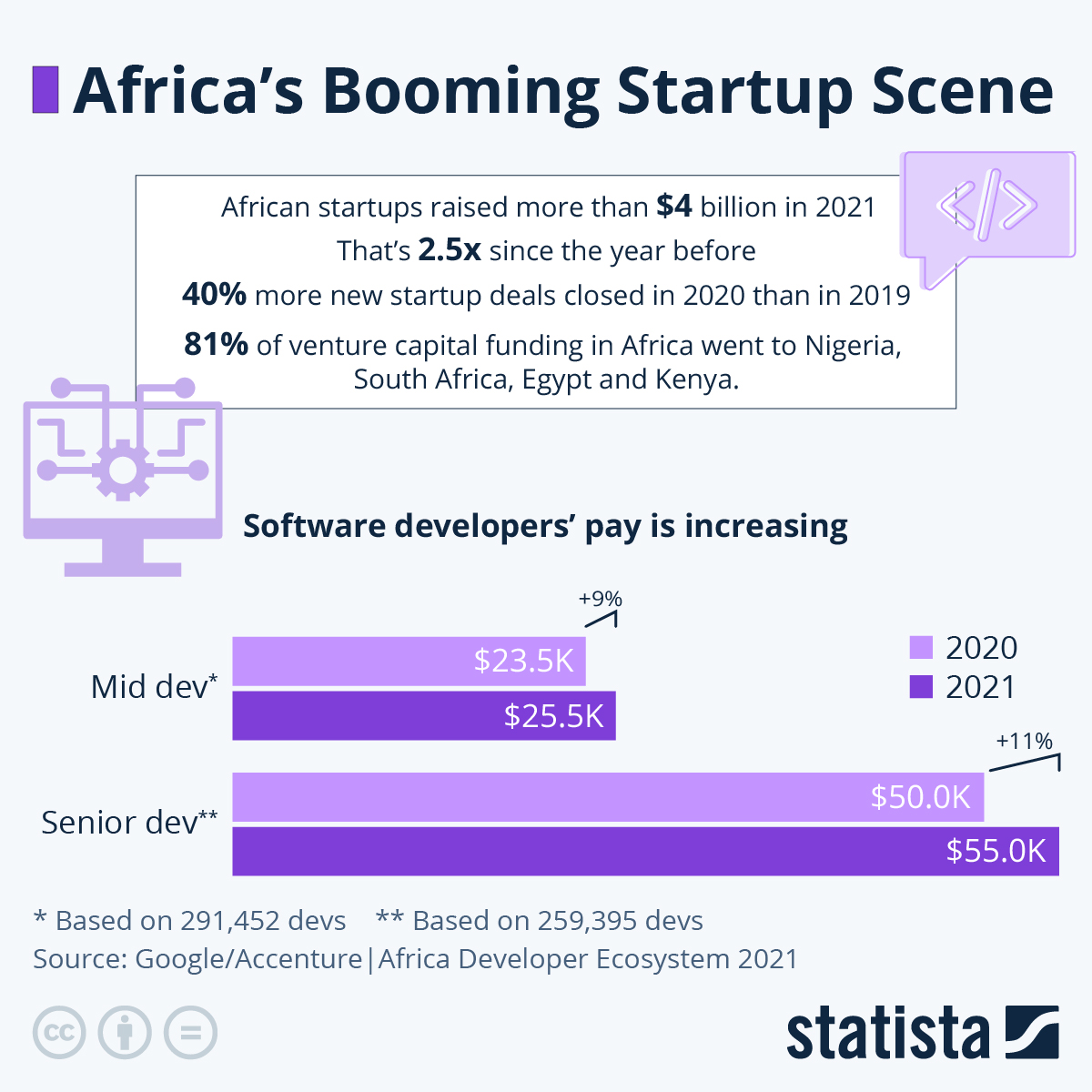
Billions of dollars are pouring into African innovation right now, but there’s a catch. The money’s changing shape, and so are the expectations. Take Flex, which just landed a $60 million Series B to build what it calls an AI native private bank for wealthy business owners. That’s not an isolated bet. Across the continent, venture capital is flowing into a diverse range of startups, from Egypt’s proptech leader Nawy expanding across MENA to fintechs like Moniepoint, Djamo, and MoneyFellows securing multi million dollar rounds. Investors aren’t just backing apps anymore. They’re funding entire ecosystems in real estate, payments, digital banking, group savings, and logistics. This startup funding surge signals massive confidence, but it’s also creating pressure. As African Business reports, several startups have already pivoted or restructured after raising capital, with some cutting staff to focus on profitability. The era of growth at all costs is giving way to a tougher question: can these businesses actually make money?
The Geopolitical Stage Expands
While private capital reshapes markets, public sector moves are redrawing the geopolitical map. The United States has signaled a closer relationship with Ethiopia by backing a planned $10 billion airport project, a development that could fundamentally alter regional connectivity and trade flows. At the same time, South Africa’s hosting of the G20 summit placed African priorities squarely on the global agenda. South African diplomats managed to secure a joint declaration from world leaders in a fraught environment, while the B20 business track gave African companies a seat at the global decision making table. These aren’t just diplomatic wins. They’re potential channels for new investment and trade, but only if the summit level goodwill translates into concrete policy and financing. The continent’s bargaining power is growing, as evidenced by South Africa’s strategic G20 hosting, which put African issues front and center during critical global discussions.
Discipline Meets External Reality
Here’s where the reckoning truly hits. African exporters now face a new external test: the European Union’s carbon border adjustment mechanism. This tax on imports, tied to their carbon footprint, aims to prevent carbon intensive production from shifting to countries with looser rules. For African industries that often lack capital to decarbonize quickly, the tax could raise costs and complicate access to Europe, one of their key markets. This external pressure mirrors what’s happening internally with investors, who are applying much tougher scrutiny and demanding clearer paths to sustainable revenue. The intersection of financial discipline and regulatory pressure is already visible inside startups. Companies that once prioritized growth above all else are now focusing on traceability, efficiency, and audited metrics. For export oriented businesses, demonstrating lower carbon intensity could soon become as important as showing market traction. The tightening environment favors specialization and operational rigor. Fintechs like Flex, offering nuanced services to high net worth clients, can monetize complex use cases where customers will pay for bespoke solutions. Logistics startups that lower emissions or create traceable supply chains may find preferential access to markets and investors focused on sustainability. Looking ahead, the next 12 to 24 months will reveal whether Africa’s tech renaissance can align ambition with the discipline now demanded by both global markets and the planet. As covered by TechCrunch’s Africa analysis, and detailed in reports on Flex’s landmark funding round, the winners will be those who convert fresh capital and new diplomatic openings into sustainable businesses built to withstand global scrutiny.