Africa’s Startup Revolution Gains Momentum: From EV Financing to Chip Design, Investors Double Down
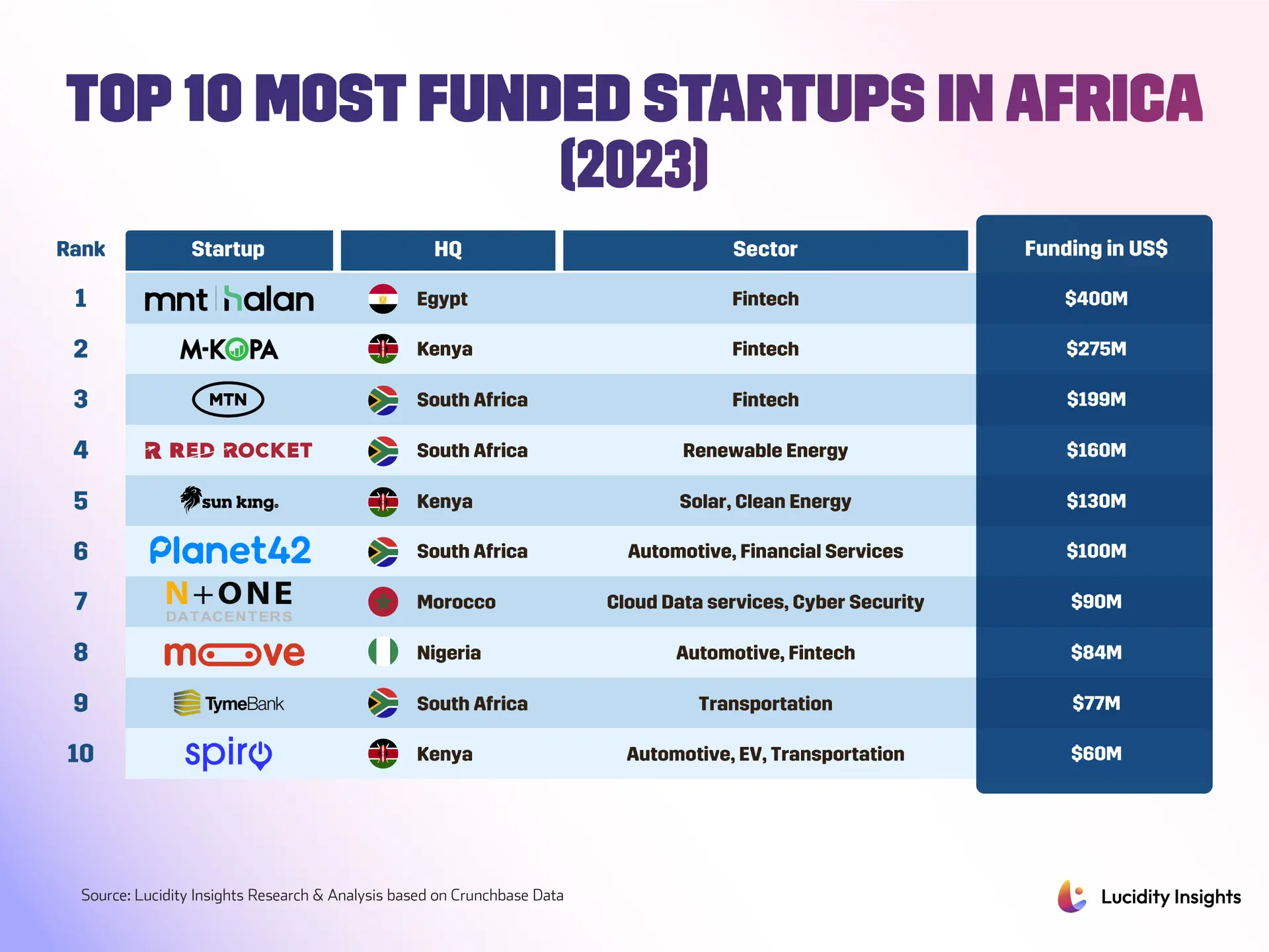
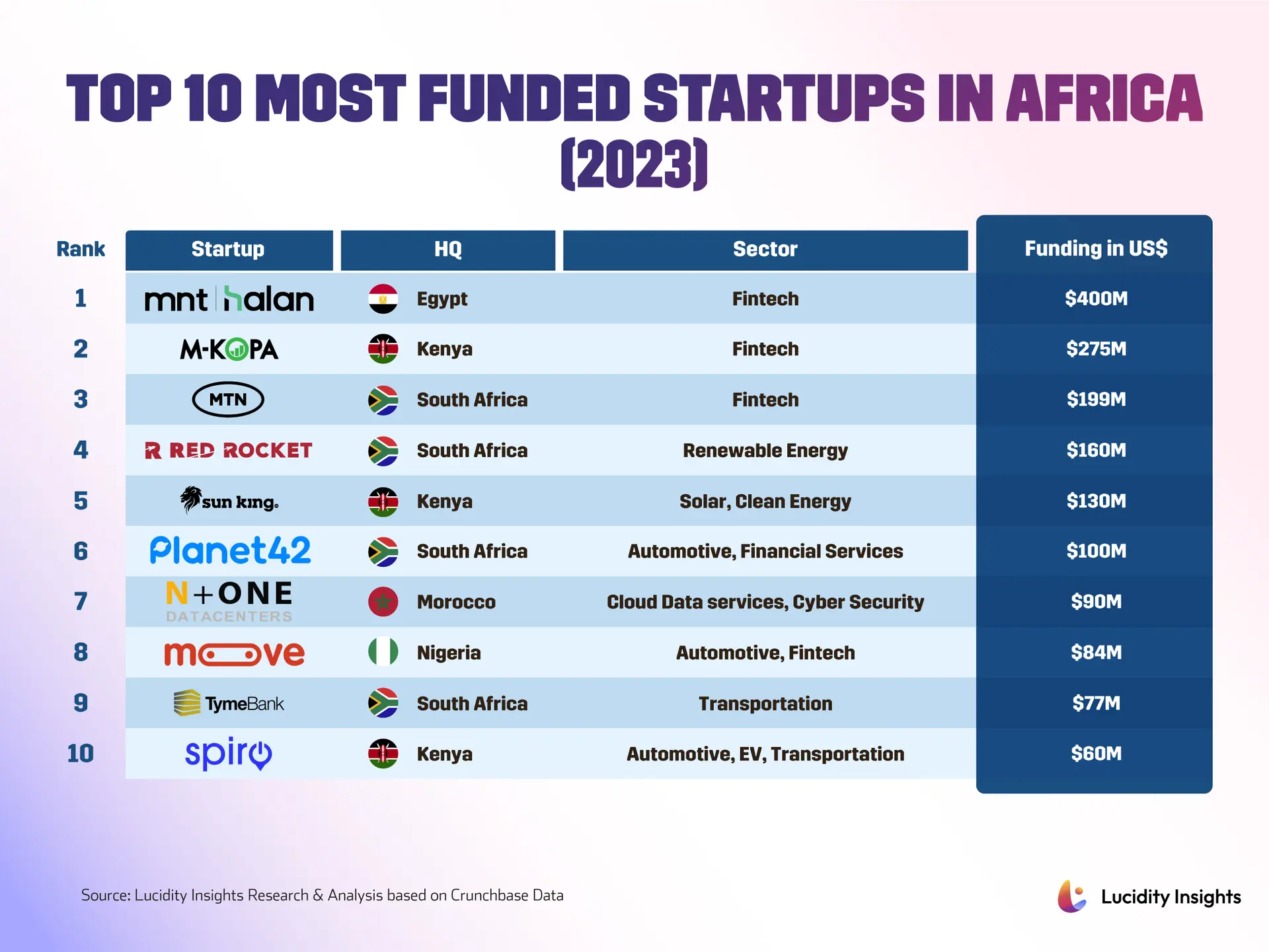
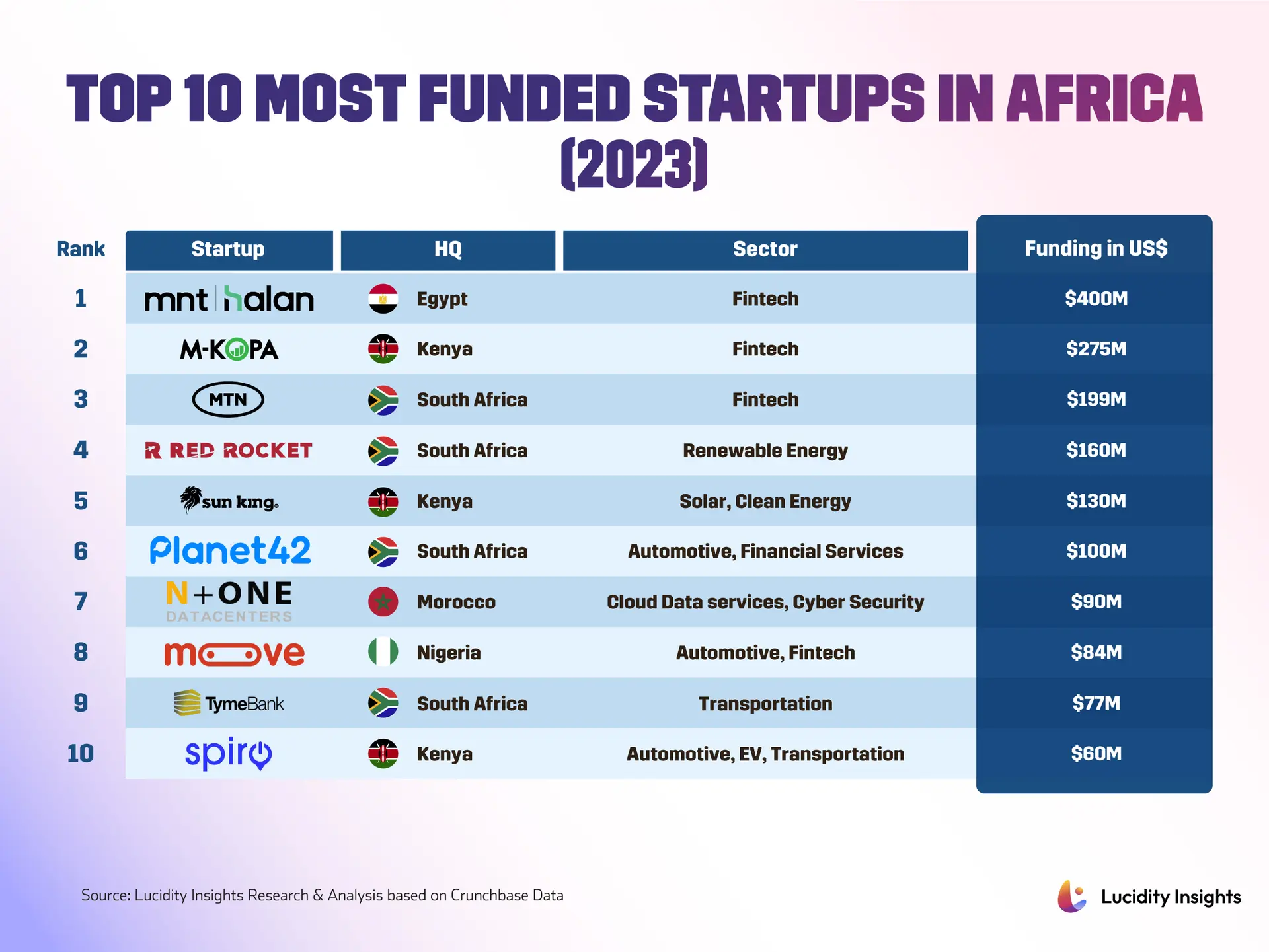
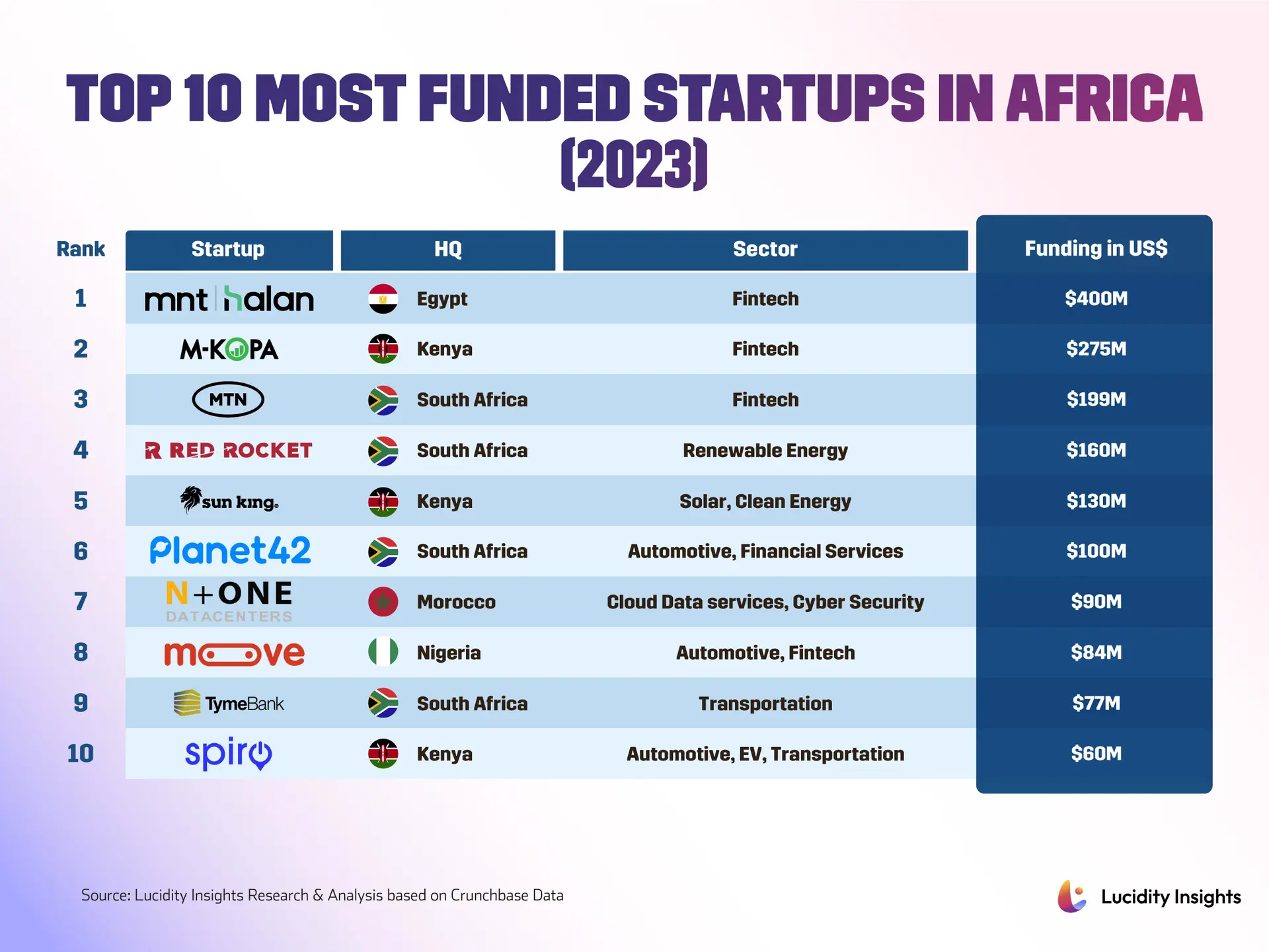
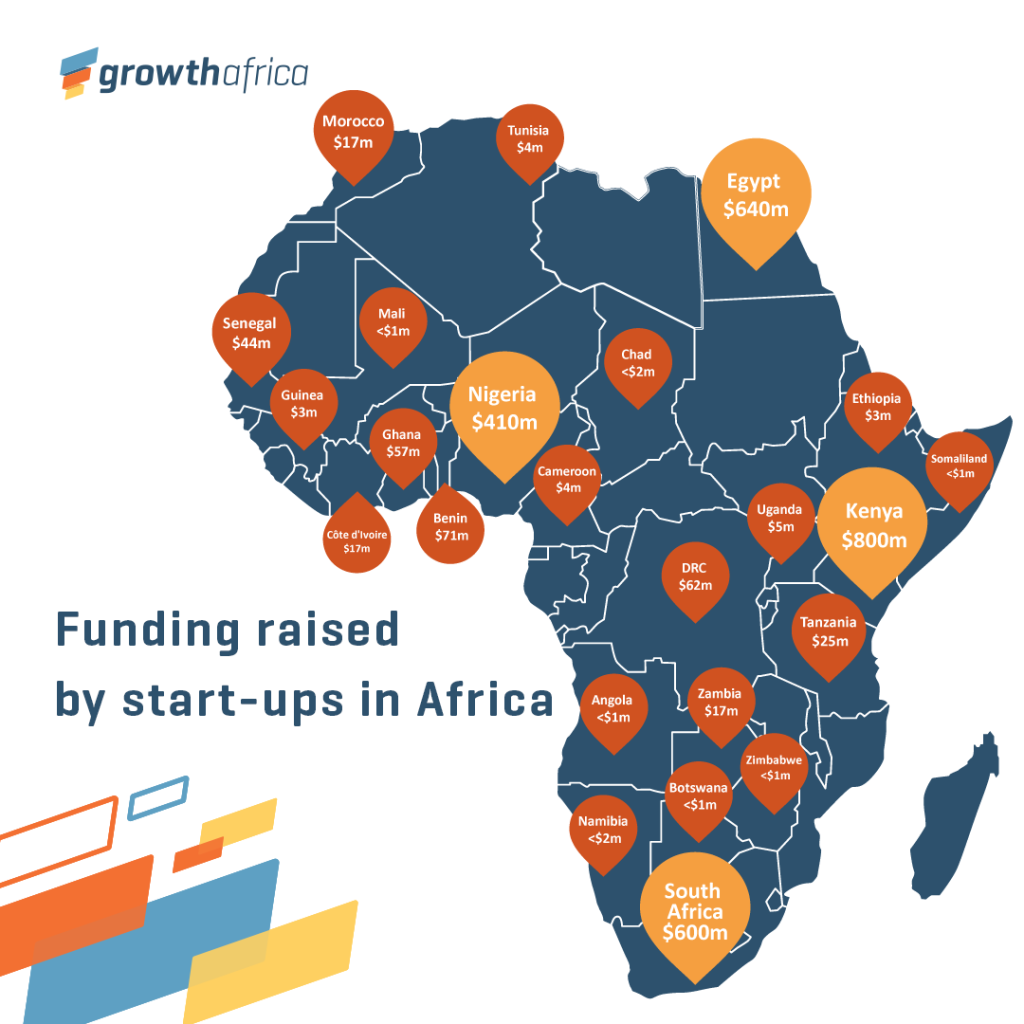
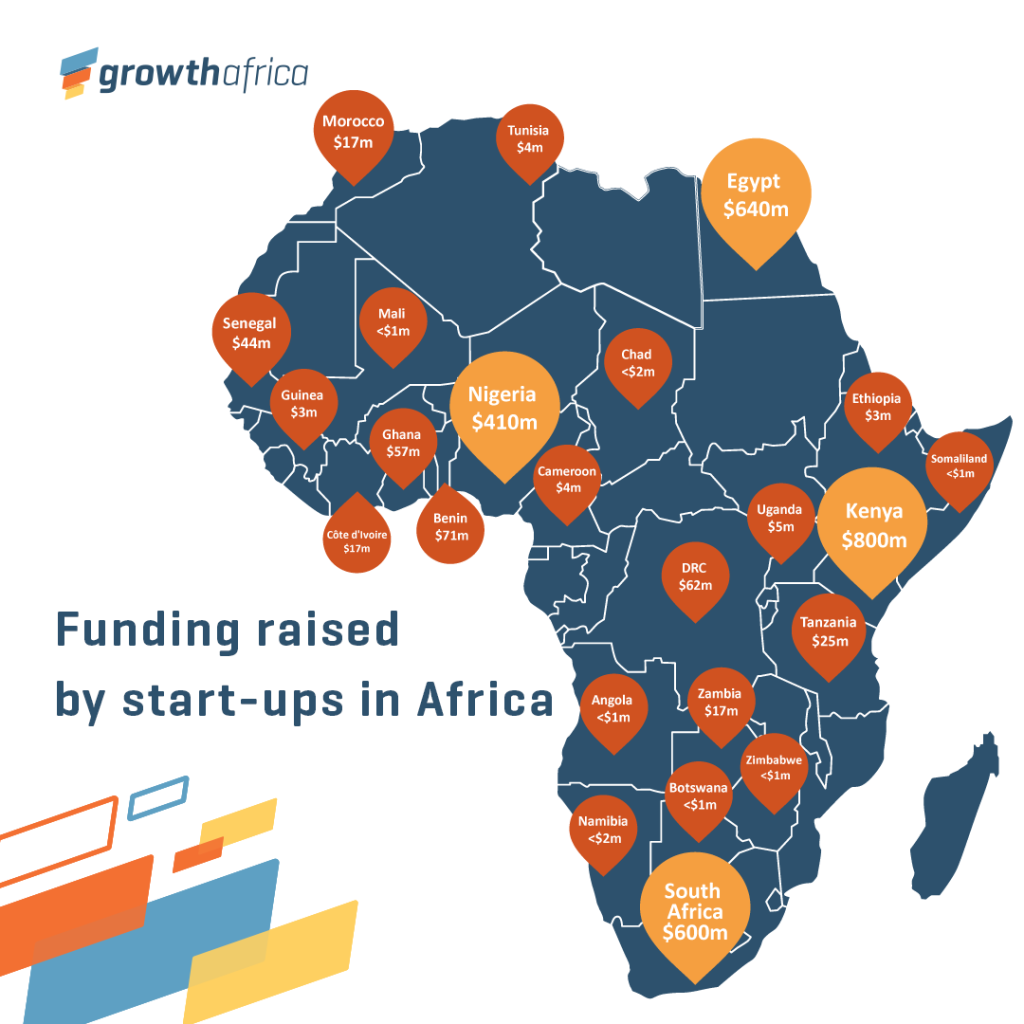
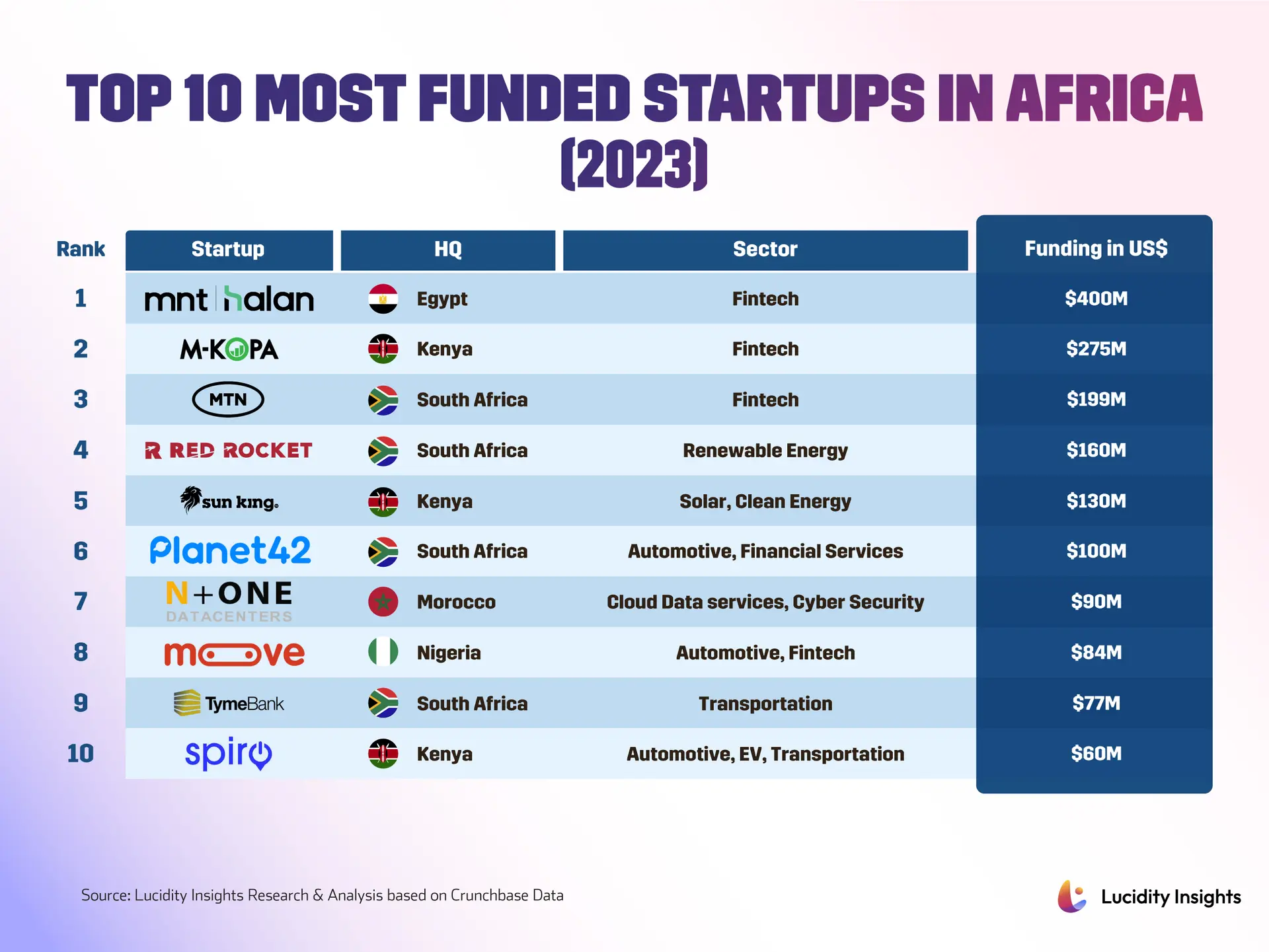
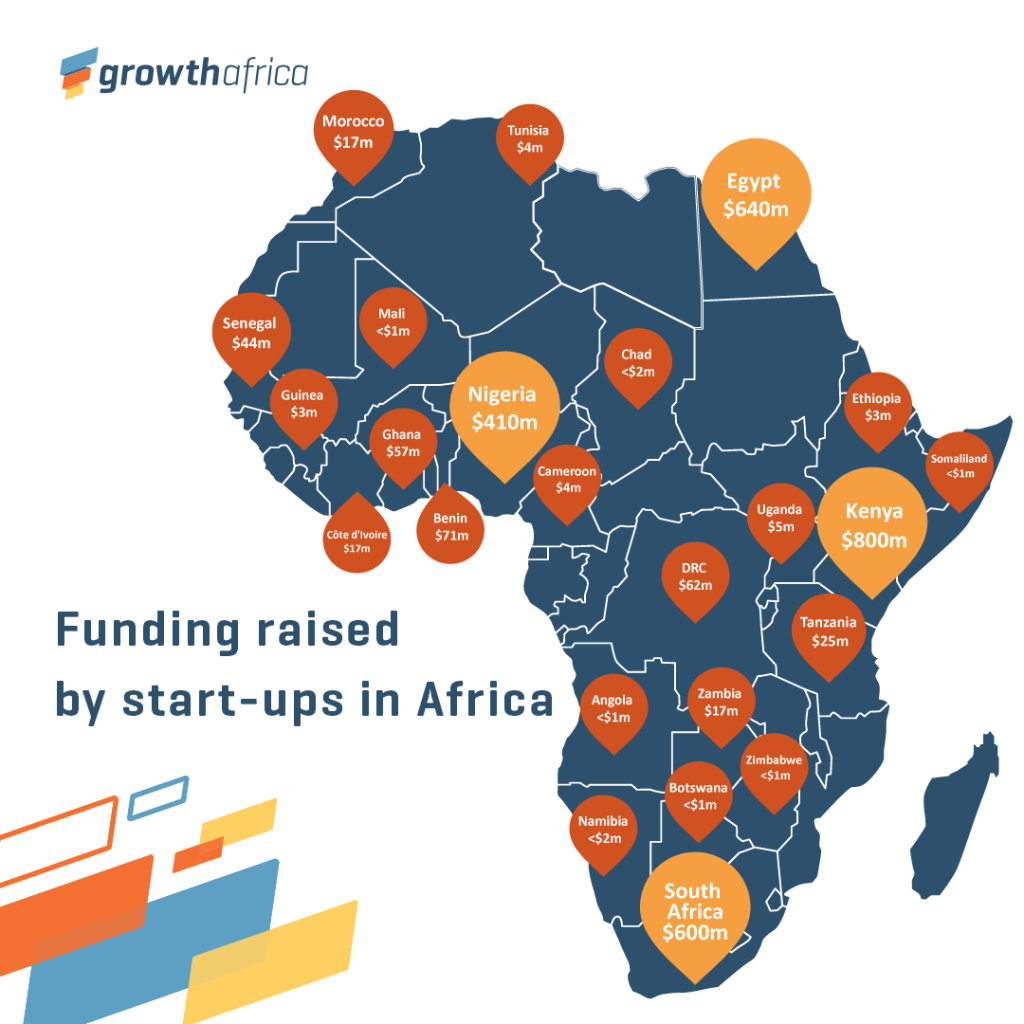
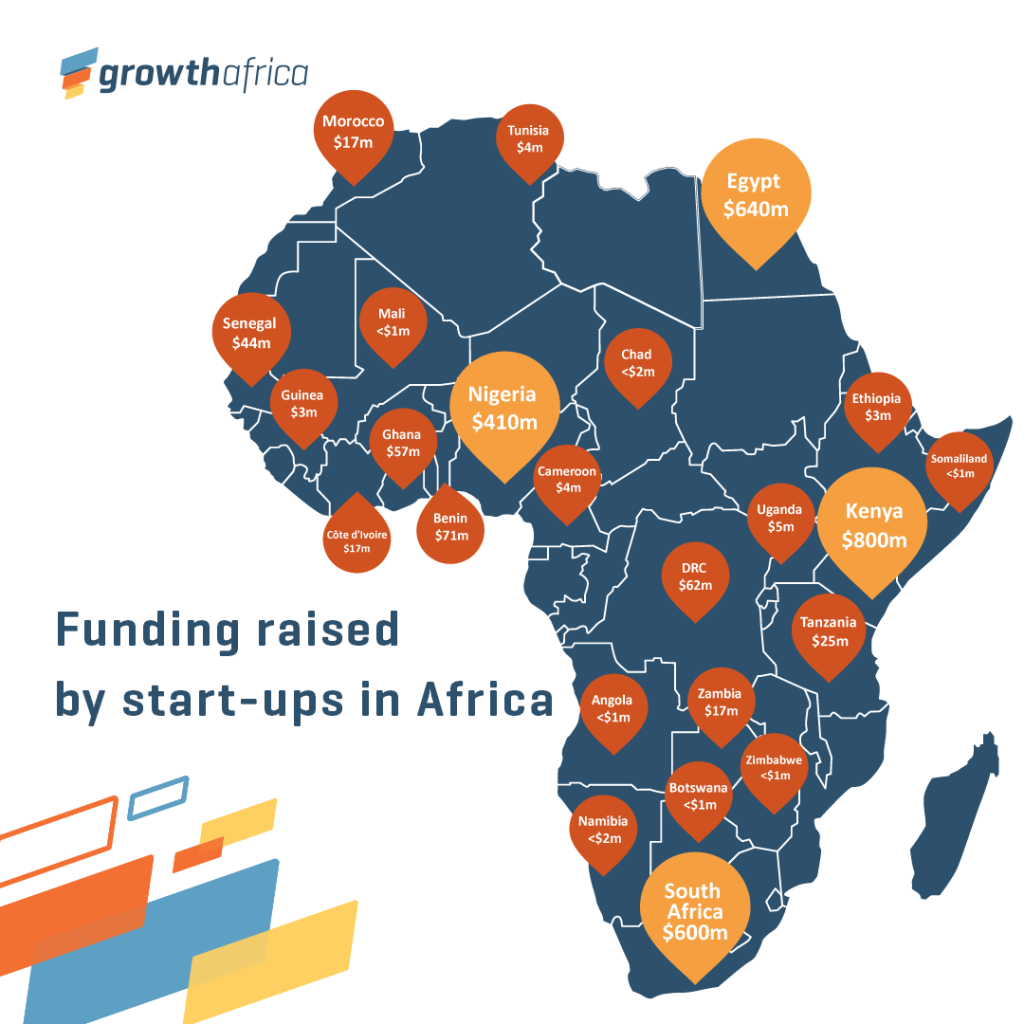
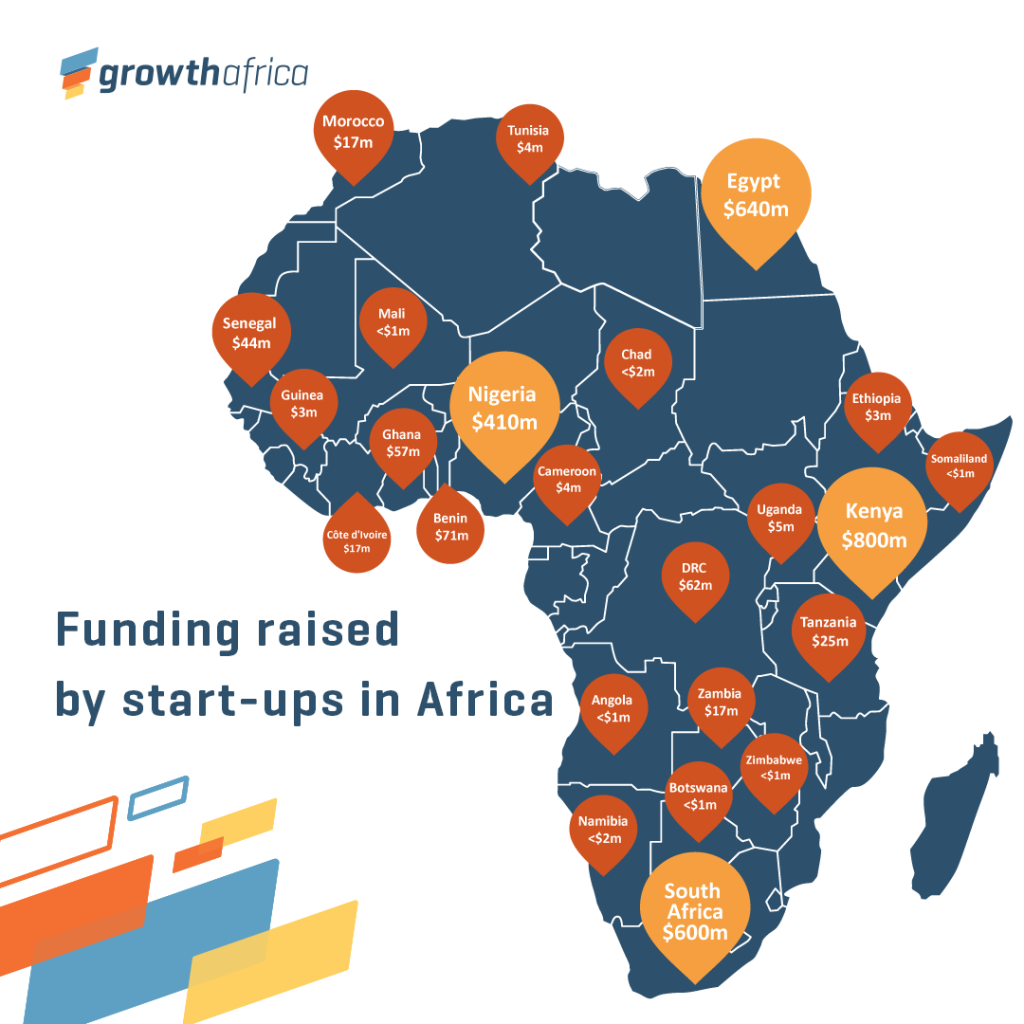
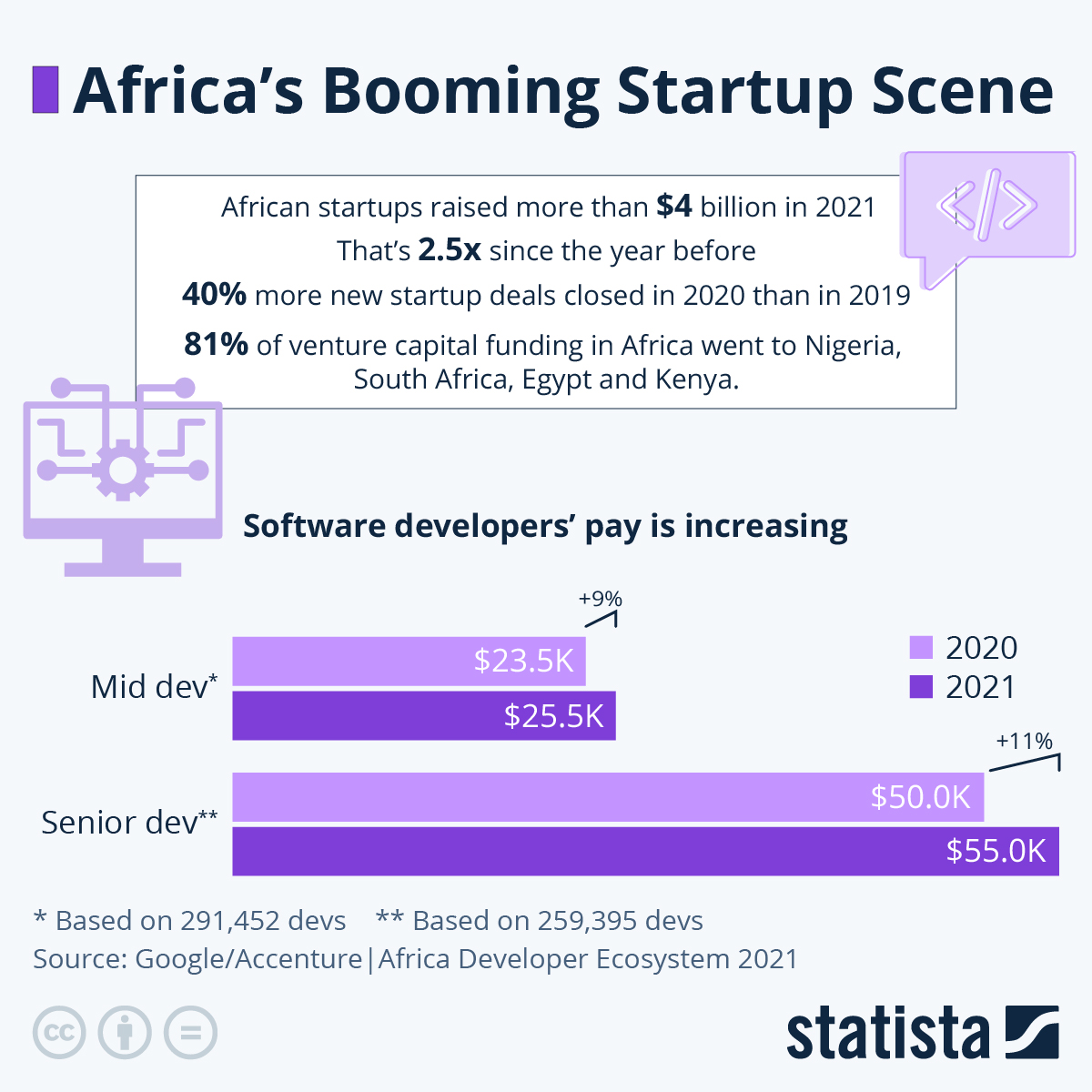
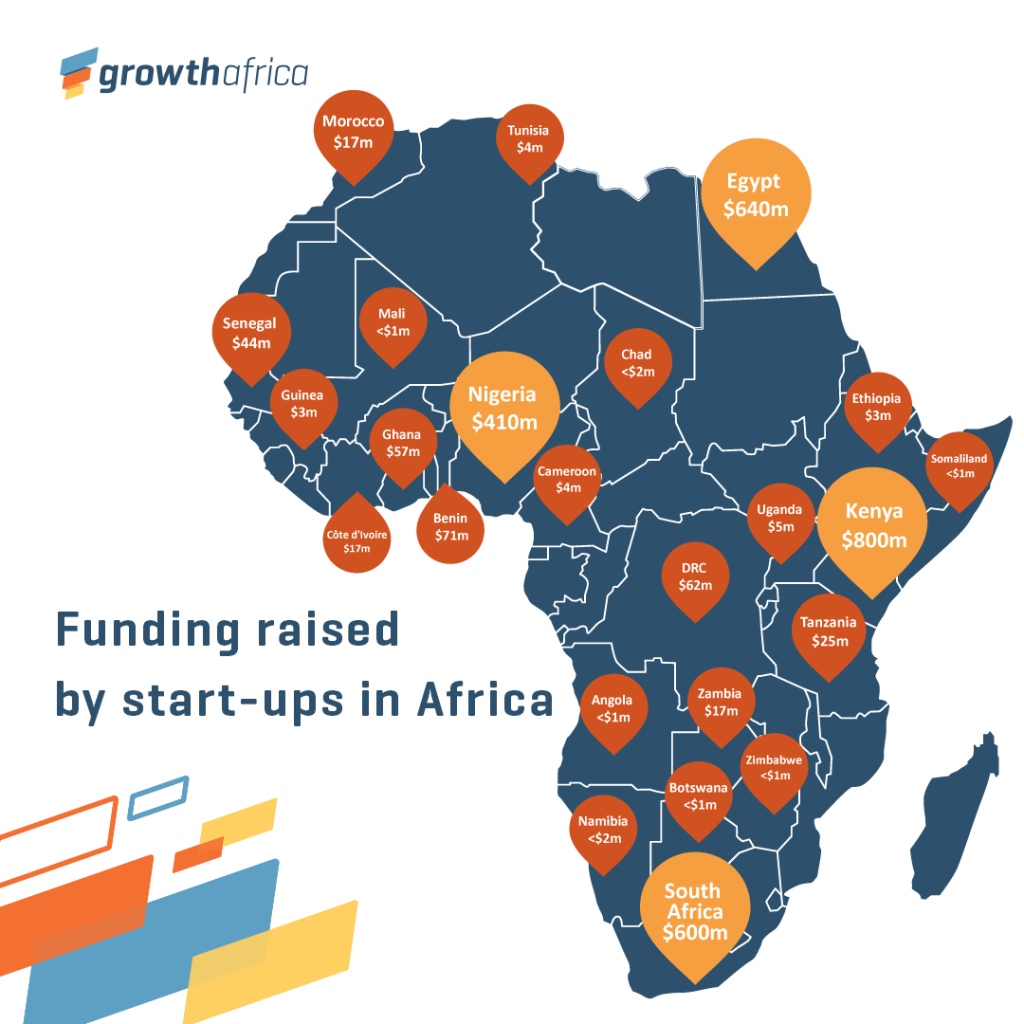
Across Africa right now, something significant is happening. It’s not just about money flowing in, though there’s plenty of that. Investors and corporate buyers are deepening a shift that’s been building for years, turning the continent’s massive consumer scale into lasting infrastructure. The real story here is where that capital is going and what it tells us about Africa’s priorities: digital payments, electric mobility, AI skills, and the building blocks of deep tech. This isn’t a fleeting trend, it’s a fundamental transformation of the economic landscape.
Deals Show Consolidation and Specialization
The deal-making tells the story. Egyptian buy-now-pay-later leader ValU secured roughly $63 million to accelerate expansion, showing consumer credit in North Africa remains fertile ground for fintechs. In West Africa, payments firm Paystack made a strategic leap into traditional banking by acquiring a microfinance bank, positioning itself to offer deposits and loans under clearer regulatory cover. Meanwhile, specialized lenders and fintech startups keep raising growth capital. Kenya’s MyCredit locked in $3 million in debt to scale SME lending, while Nigeria’s Cardtonic closed a $2.1 million seed round for its business spending platform. MAX raised $24 million to finance electric mobility, signaling investors see transport electrification as a dual opportunity to cut emissions and unlock new financing models. These aren’t isolated votes of confidence, they’re part of a consolidation trend. Talent platforms and engineering firms are being folded into larger players keen to capture AI expertise. Andela’s acquisition of Woven strengthens its AI engineering assessments, showing how the war for developer talent now focuses on AI competencies as much as raw coding skills. Separately, Savannah, which built African tech talent networks, was acquired by Israeli firm Commit, underlining the global appetite for Africa-trained engineers. Where capital meets concrete problems, novel products emerge. Startups to watch for 2026 point to increasingly diverse solutions, from Honeycoin using stablecoins to speed cross-border transactions to Carschek tackling trust in the used-car market through AI-driven inspections. Logistics startups like VDL Fulfilment and Senga are building the operational backbone that allows e-commerce to scale beyond capitals. A quieter but consequential development is the continent’s flirtation with semiconductor training and design. ChipMango, founded by former Tesla and Google engineers, is training local chip designers, an early but important step if Africa intends to move beyond assembly and into higher-value hardware design, as highlighted in discussions about production sovereignty.
What Comes Next for Africa’s Startup Ecosystem
The immediate months will likely bring more sectoral specialization: fintechs moving toward banking services, mobility platforms assembling financing and grid services for electric vehicles, and talent platforms embedding AI testing into recruitment. Investors will push harder on profitability and regulatory readiness, favoring startups that can demonstrate unit economics and compliance, not just user growth. For founders and policymakers, the challenge is converting this momentum into durable institutions: businesses that create well-paid local jobs, build supply chains for advanced hardware, and provide financial services that reach SMEs and consumers at scale. The coming year could show whether Africa’s startups are learning to do that work, turning a patchwork of promising exits and funding rounds into a stable ecosystem that powers growth across the continent. As the 2026 startup watchlists suggest, the focus is shifting from hype to sustainable building. This evolution reflects broader trends in Africa’s startup ecosystem growth, which has been accelerating through strategic investments in key sectors. The continent’s tech renaissance isn’t just about catching up, it’s about leapfrogging to next-generation technologies while building local capacity. This digital transformation, driven by technology and AI innovation, positions Africa not just as a consumer of global tech but as an emerging producer of solutions tailored to its unique challenges and opportunities.