Africa’s Startup Comeback, From Fintech IPOs to Climate Tech Growth
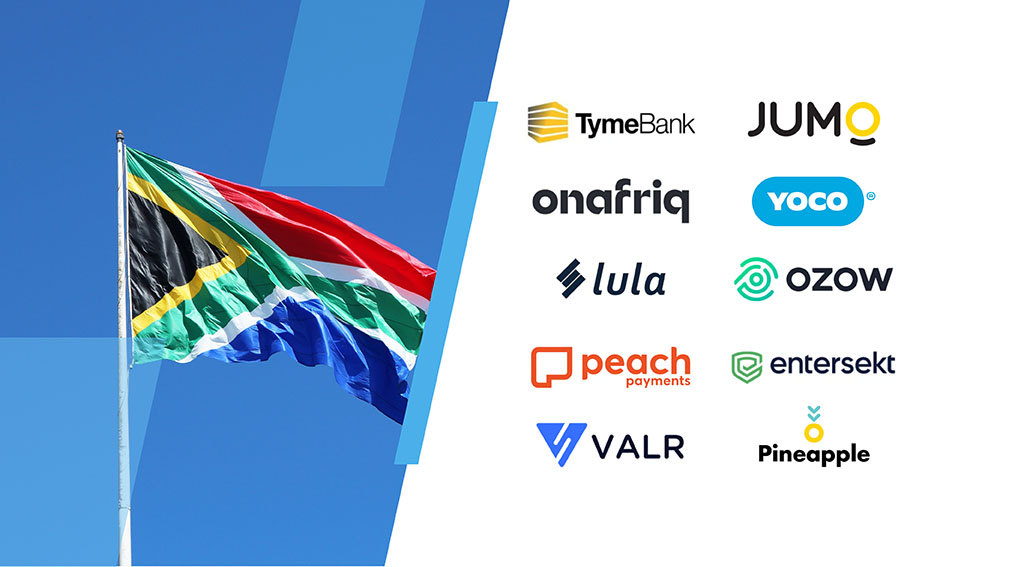
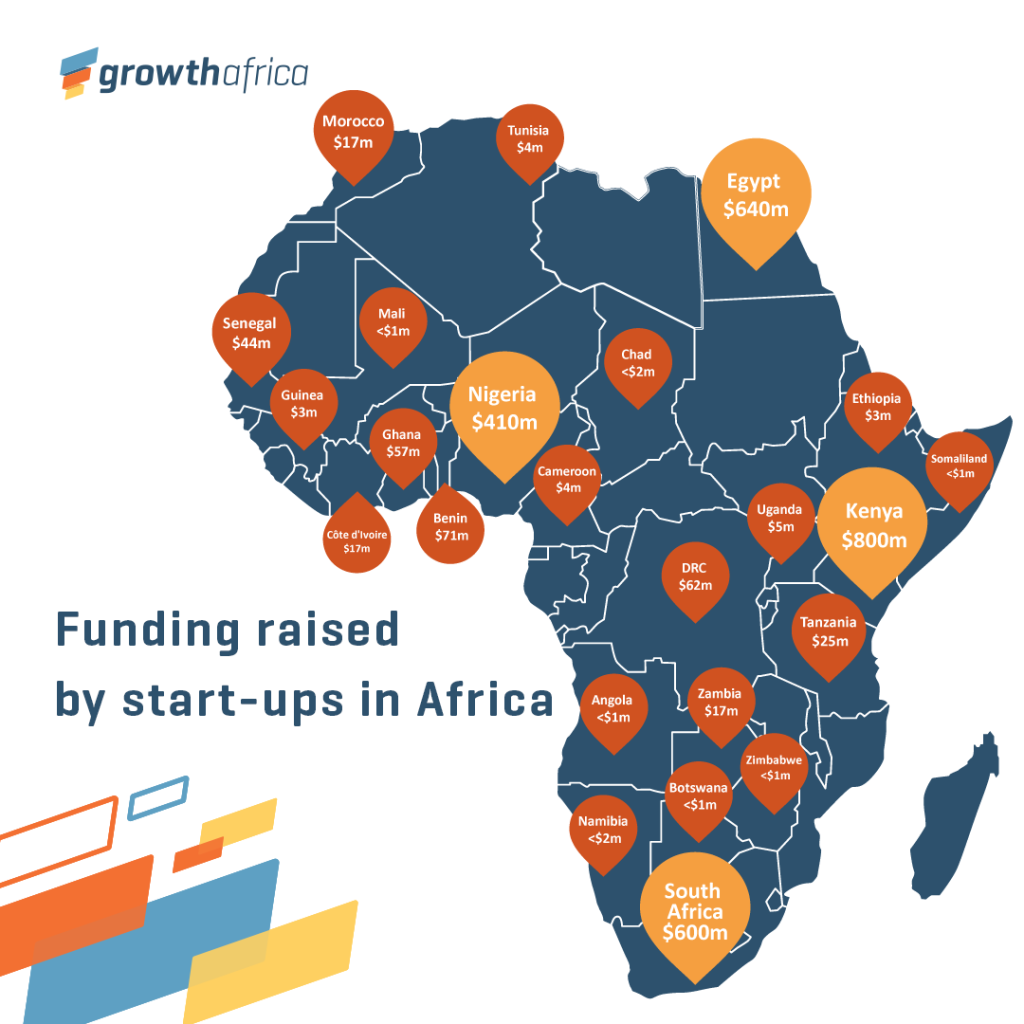
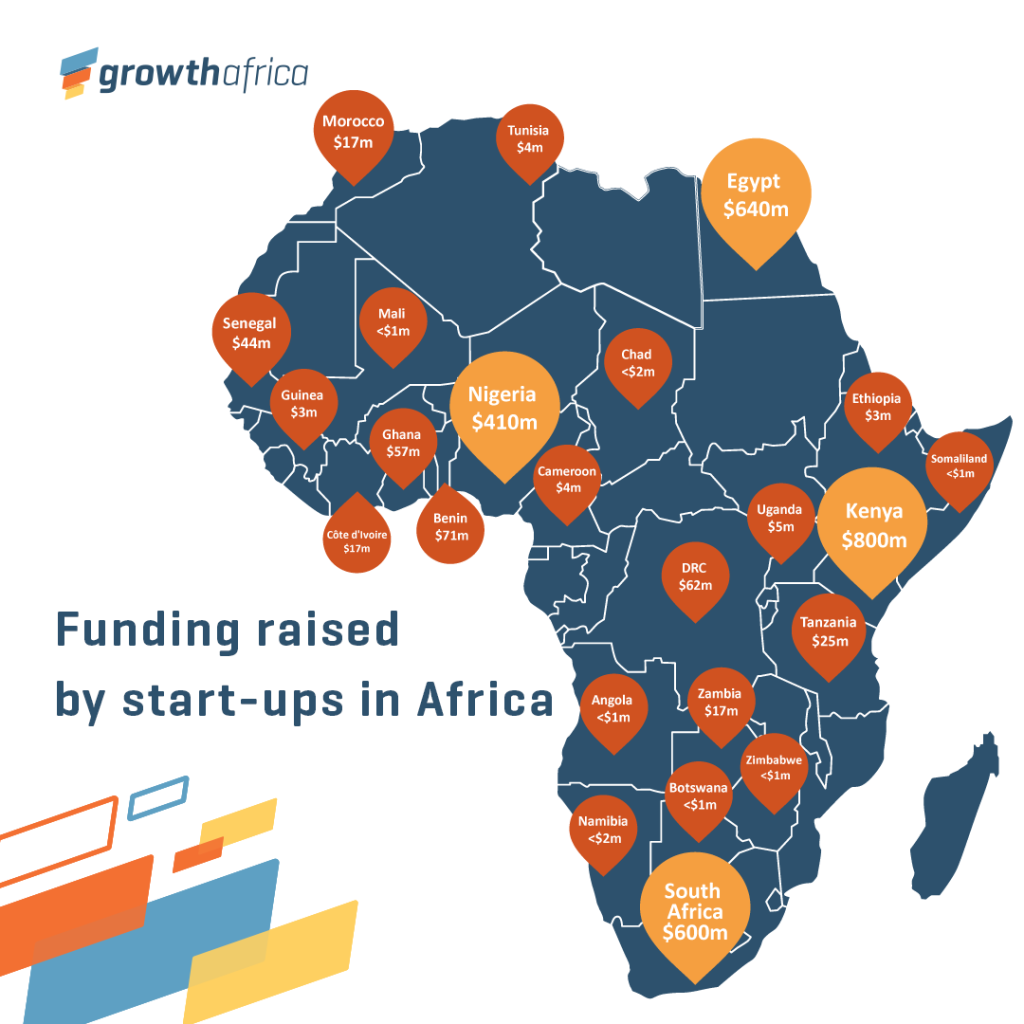
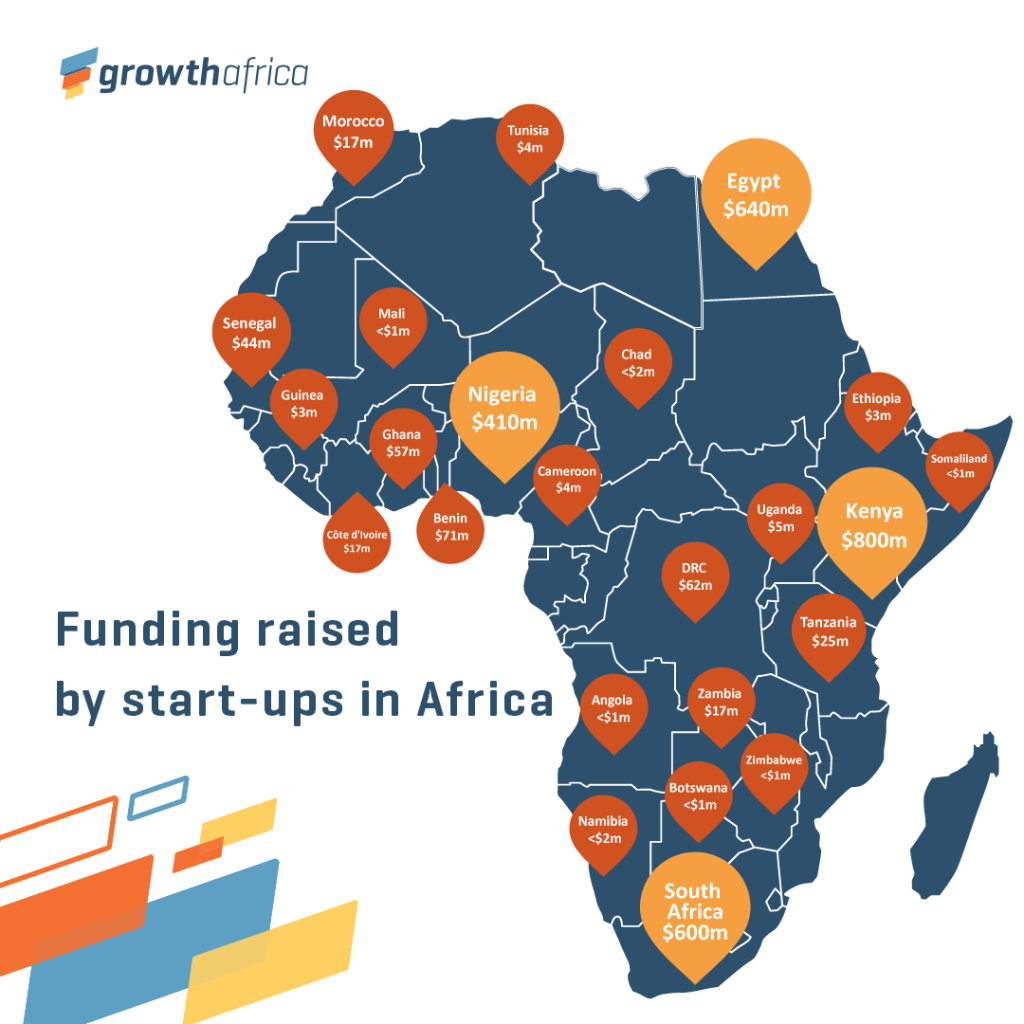
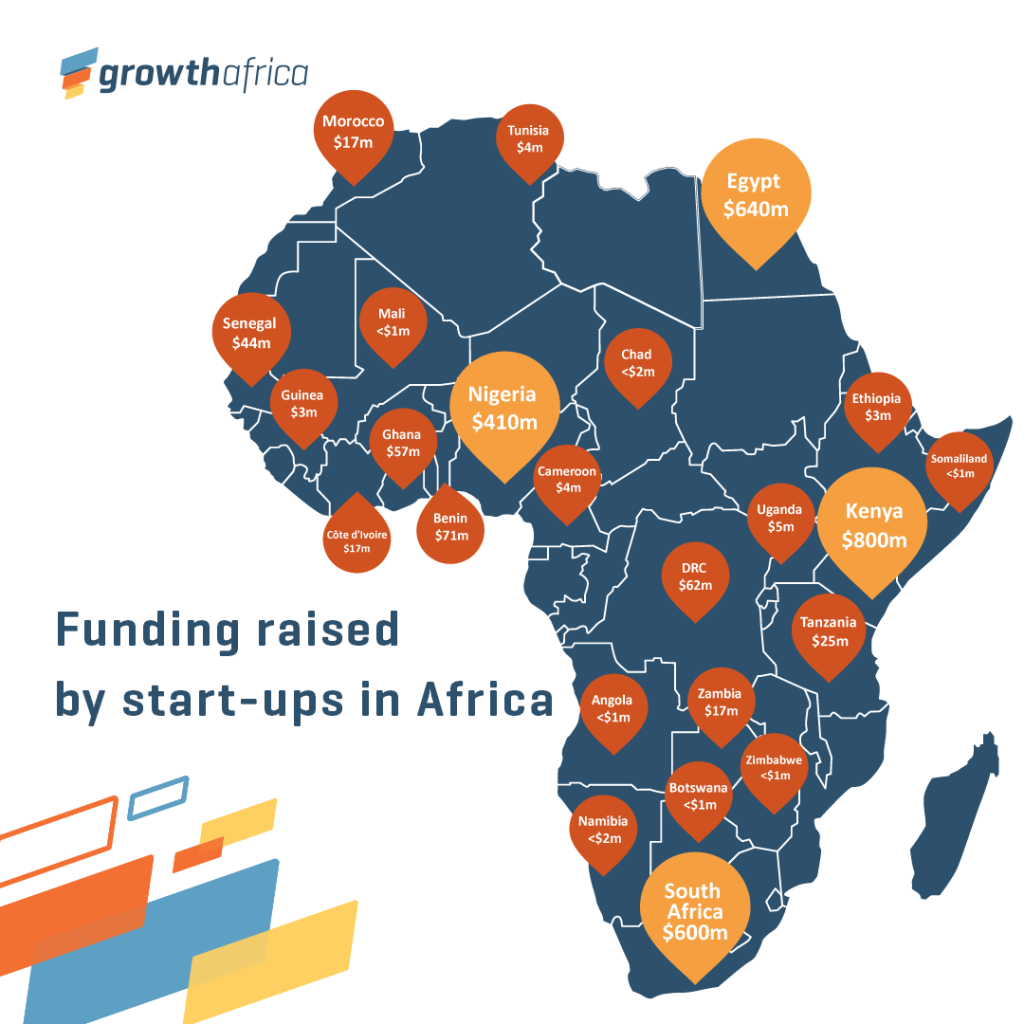
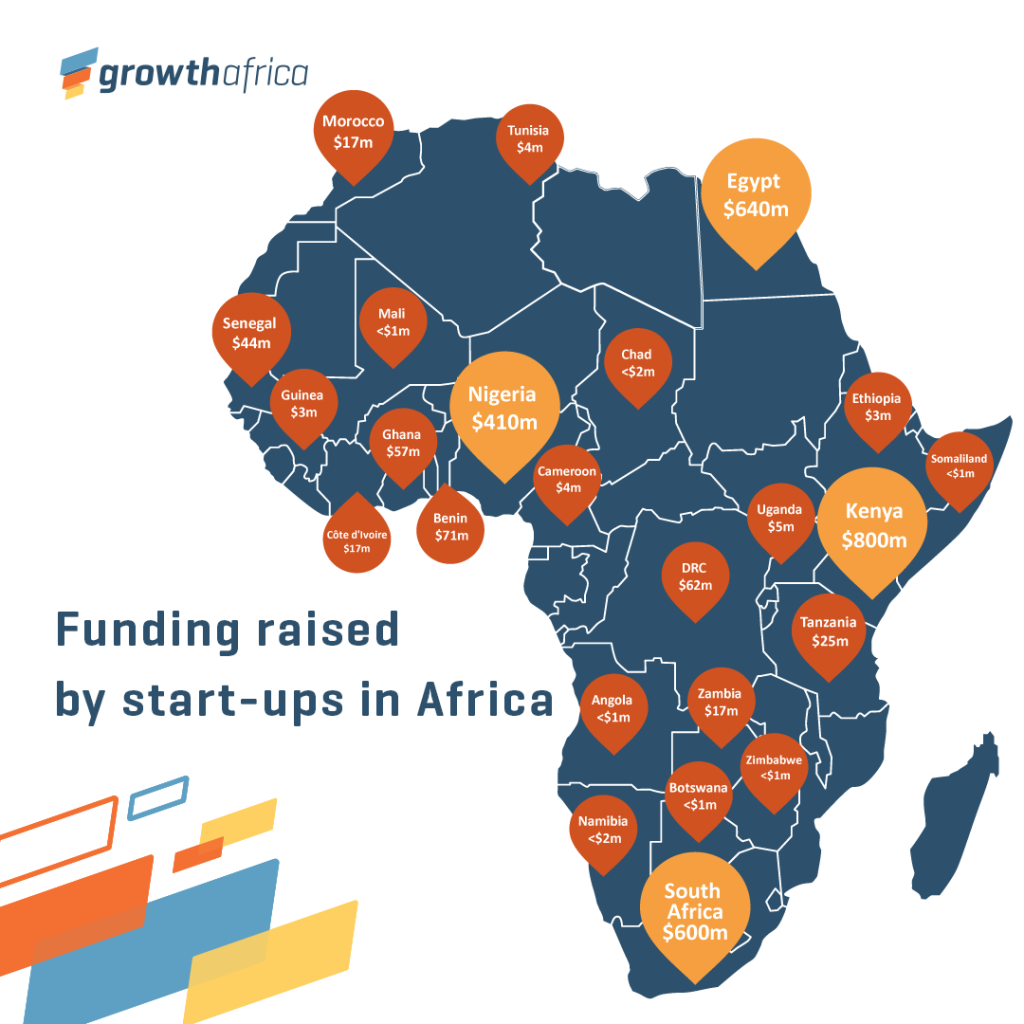
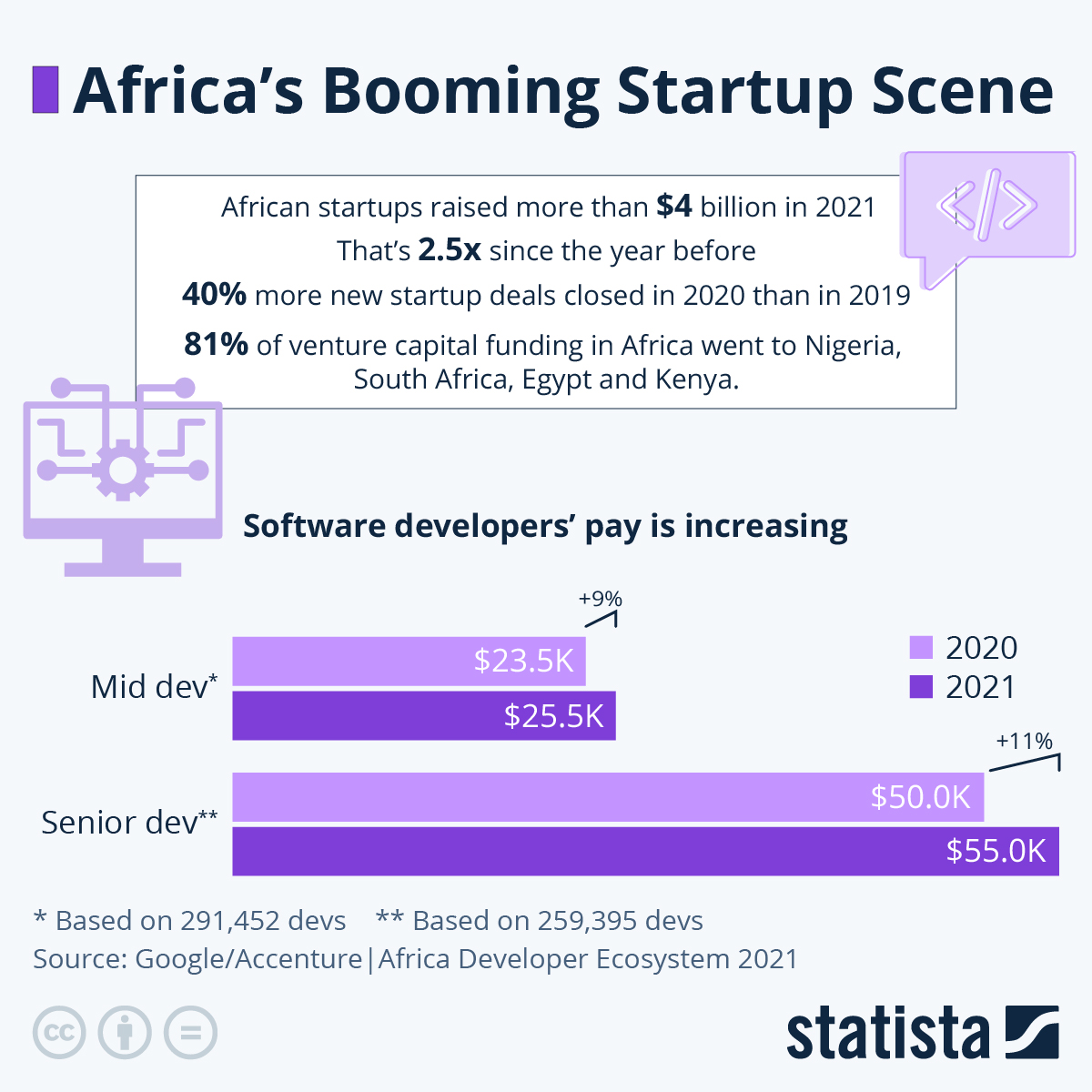
After weathering some bruising years, Africa’s startup scene isn’t just bouncing back, it’s staging a full blown comeback that’s rewriting the continent’s innovation story. Venture capital is flowing again, and not just to the fintech firms that once dominated headlines. The money is spreading across healthcare, climate tech, logistics, agritech, and renewable energy, creating a market that’s more diverse and resilient than ever before. The numbers tell a compelling story. Different trackers paint a consistent picture of recovery, with funding in the first half of 2025 landing somewhere between $1 billion and $1.4 billion. That’s a marked improvement from 2024. By late 2025, the total pushed toward $2.8 billion, which is almost 50 percent more than the same period the previous year. The growth rate itself is striking, with industry observers noting a year on year jump near 40 percent. It signals that capital isn’t just returning, it’s coming back with speed and conviction. Geography still matters, but the map is definitely widening. Traditional powerhouses like Nigeria, Kenya, South Africa, and Egypt continue to pull in most of the capital. Yet an increasing number of deals are finding their way to emerging markets like Ghana, Tanzania, Senegal, Ivory Coast, and Tunisia. South Africa alone accounted for roughly a quarter of total funding in the first half of the year, with dozens of equity investments and nearly $200 million tracked by midyear. At the same time, early stage and growth capital is reaching places that were previously overlooked, sparking new hubs of innovation across West and East Africa. This geographic spread is a key part of the continent’s broader startup ecosystem boom, as detailed in recent analyses.
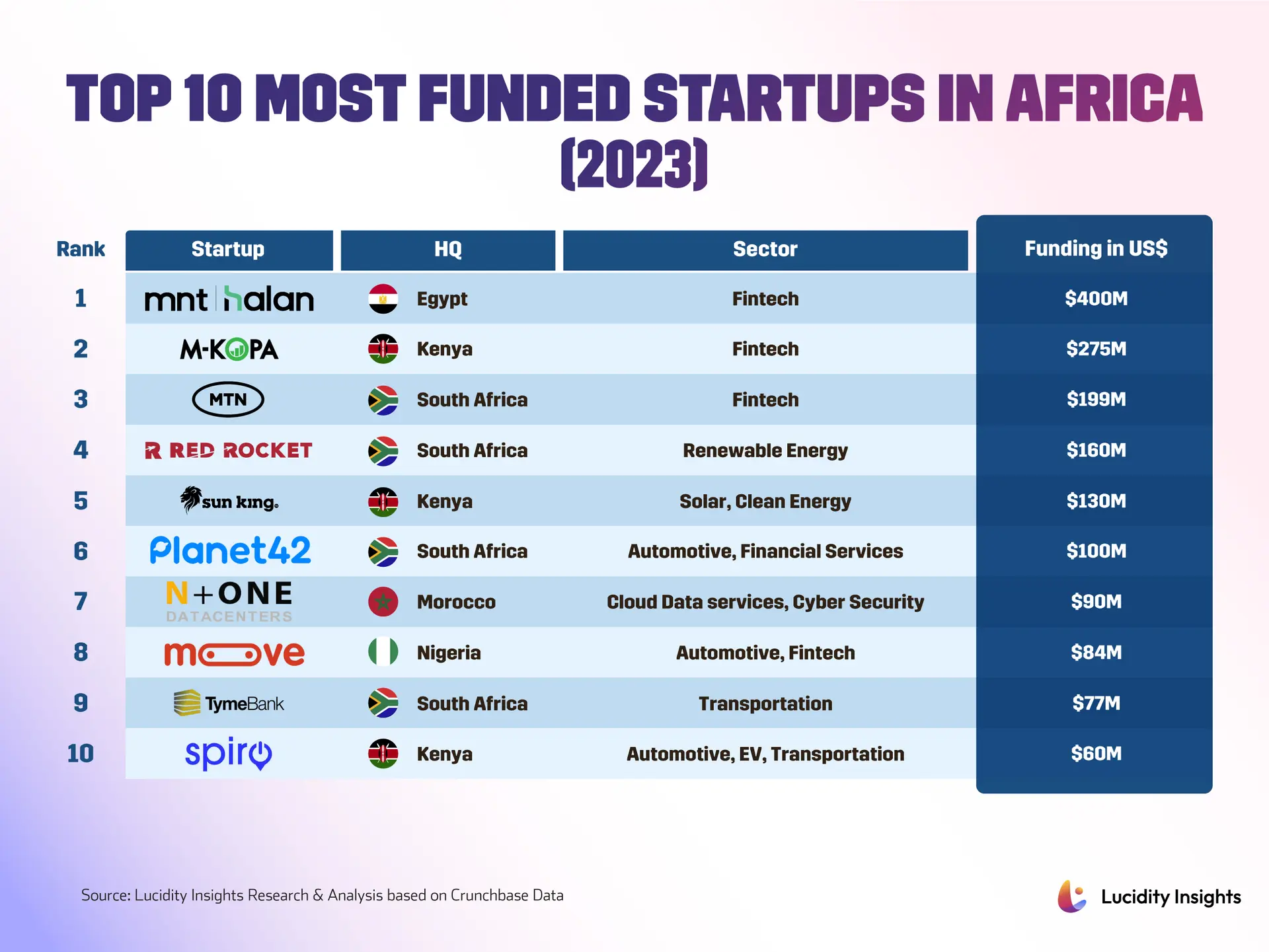
The real story behind these numbers is sector diversity. Fintech remains a powerhouse because it solves real problems with payments and credit at scale. But funders are now placing meaningful bets on other sectors that address deep, entrenched regional needs. Climate tech and renewable energy startups are drawing serious attention as governments and investors prioritize green transitions. Meanwhile, agritech and logistics solutions tackle the longstanding supply chain inefficiencies that have limited productivity for generations. Health tech and medtech firms, including insurtech innovators, are also receiving steady backing. This reflects the sustained demand for solutions that can expand access to care and manage risk more effectively. The types of financing expanding across Africa mirror this diversification. Series A rounds, seed investments, and growth capital are all present, and the ecosystem is finally beginning to show exits. In a landmark moment that captured global attention, two African fintech startups completed initial public offerings in November 2025. These were the first IPOs on the continent since before the pandemic. Those listings matter far beyond the immediate capital raised. Public markets create clearer exit pathways for early investors and provide a powerful reputational validation for the broader tech sector. It’s a milestone that underscores how the continent’s tech renaissance is maturing. Deal structures and amounts are wonderfully varied. Across the continent, dozens of ventures have raised meaningful capital. More than 30 startups secured $100,000 or more, and at least 16 passed the $1 million threshold. High profile Series A rounds and growth investments, like multi million dollar raises in agritech and mobility, are becoming increasingly common. These deals show investors are willing to back commercial models that tackle real problems, rather than just chasing the next consumer app. This shift in investor appetite is well documented in reports like the updated list of top funded startups and analyses showing startup funding surpassing $1 billion in the first half of the year.
Multiple forces are pushing this remarkable comeback. Government and institutional support has improved macroeconomic stability in many markets. Public programs aimed at digital inclusion and green transitions have helped prepare startups for investment. Corporates and strategic investors have grown more active, while international funds are returning to Africa with larger, more patient capital. At the same time, a new generation of entrepreneurs is building companies tailored to local realities. They’re combining scalable technology with deep knowledge of supply chains, regulatory environments, and customer behaviour. Of course, challenges remain. Infrastructure gaps, regulatory uncertainty in some markets, and the need for deeper later stage capital are persistent constraints. Translating funding into durable jobs and broad based economic impact will require continued attention to policy, talent development, and regional integration. Investors also face a learning curve when assessing businesses across different legal systems and market dynamics. For founders, the opportunity is clearer than it’s been in years. The ecosystem is maturing, with more accelerators, local funds, and corporate partnerships available than just a few years ago. For investors, sector diversification means more options but also greater complexity. Climate tech and health tech require different expertise and longer time horizons than payments or e commerce, so due diligence demands real contextual knowledge. Looking ahead, the most important test will be whether this momentum sustains beyond the headline grabbing rounds. Can sector diversification produce a new generation of homegrown tech champions that scale across multiple African markets? Will public market exits become a reliable part of the ecosystem, opening wider channels for institutional capital? The landmark fintech IPOs in November 2025 offer a promising sign. If policymakers, entrepreneurs, and investors keep aligning their incentives, 2026 could very well be the year the continent moves from recovery to sustained, inclusive growth. The continent’s startup ecosystem is soaring, and all signs suggest this is just the beginning of a much larger story.