Africa’s Startup Rebound in 2025, and What It Means for the Next Wave of Founders
After two years of market correction, 2025 didn’t just feel like a rebound for Africa’s startup scene, it felt like a complete recalibration. The money came back, deals started flowing again, and a fresh crop of companies grabbed headlines, but this comeback arrived with a whole new set of rules. Investors aren’t just throwing cash at big ideas anymore, they’re demanding clear paths to profitability, stronger governance, and measurable exits. For founders and policymakers alike, the message couldn’t be clearer: grow with discipline, or risk getting left behind. This isn’t a return to the excesses of the boom years, it’s a selective recovery where quality trumps quantity every time.
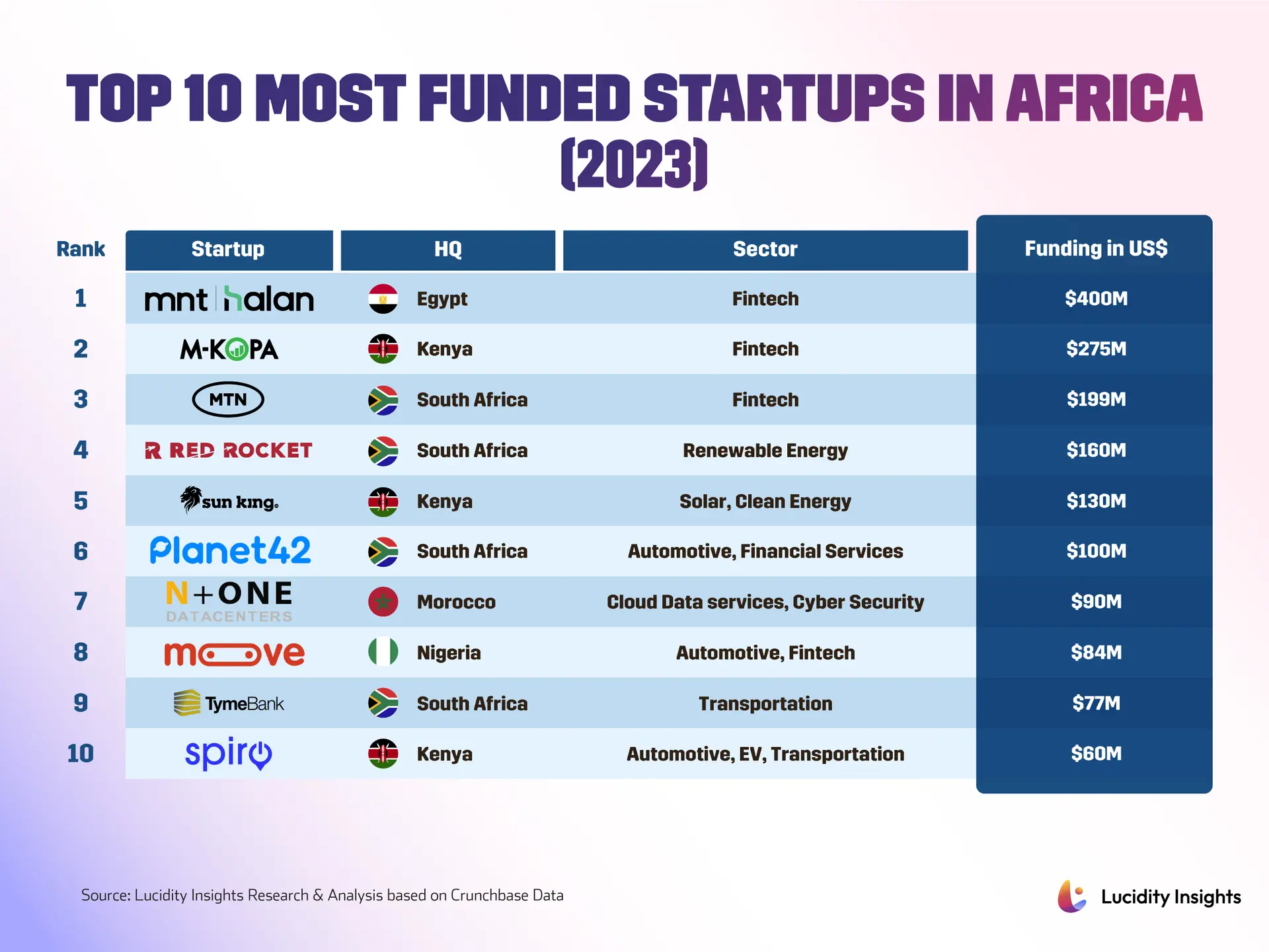
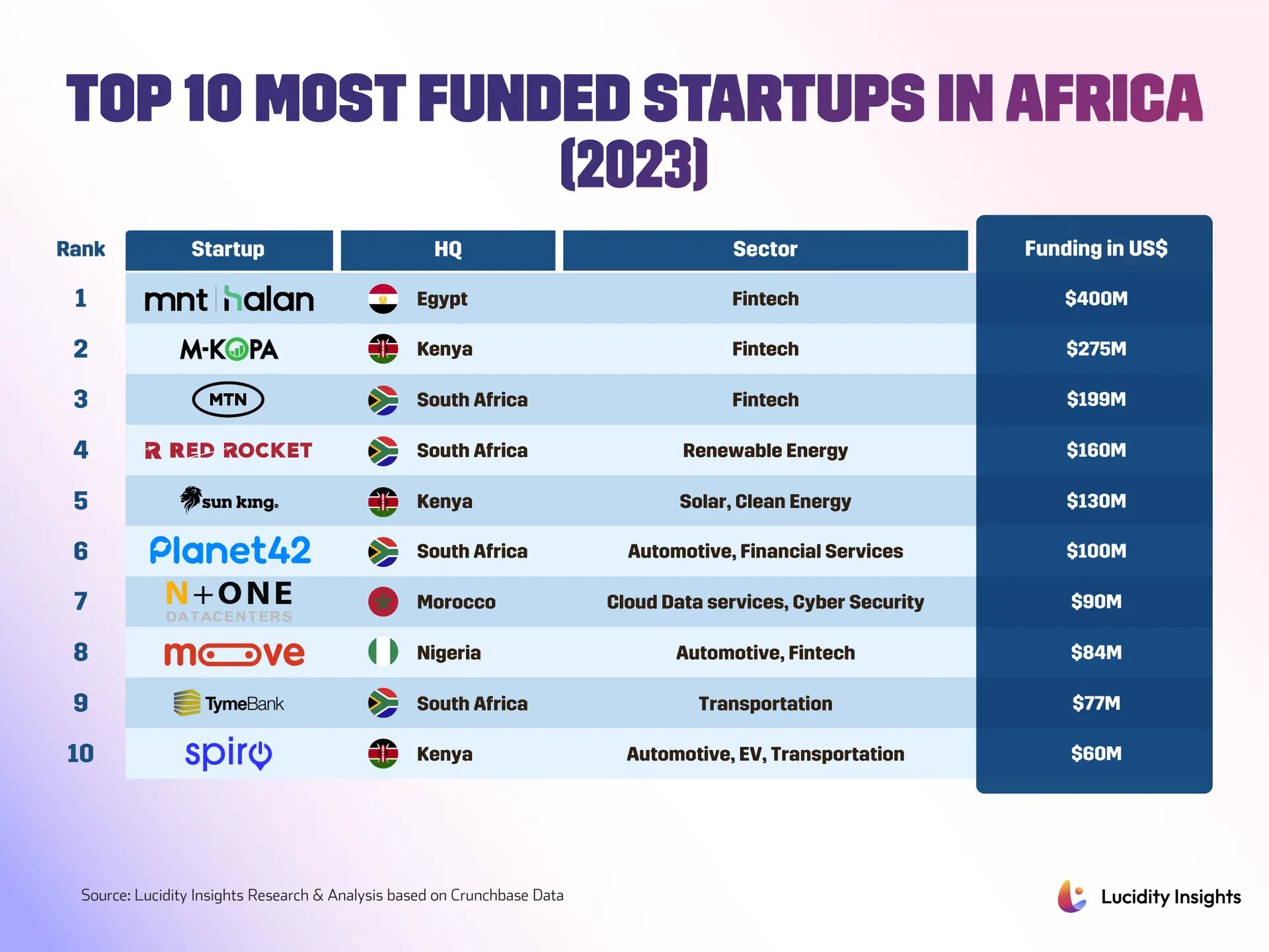
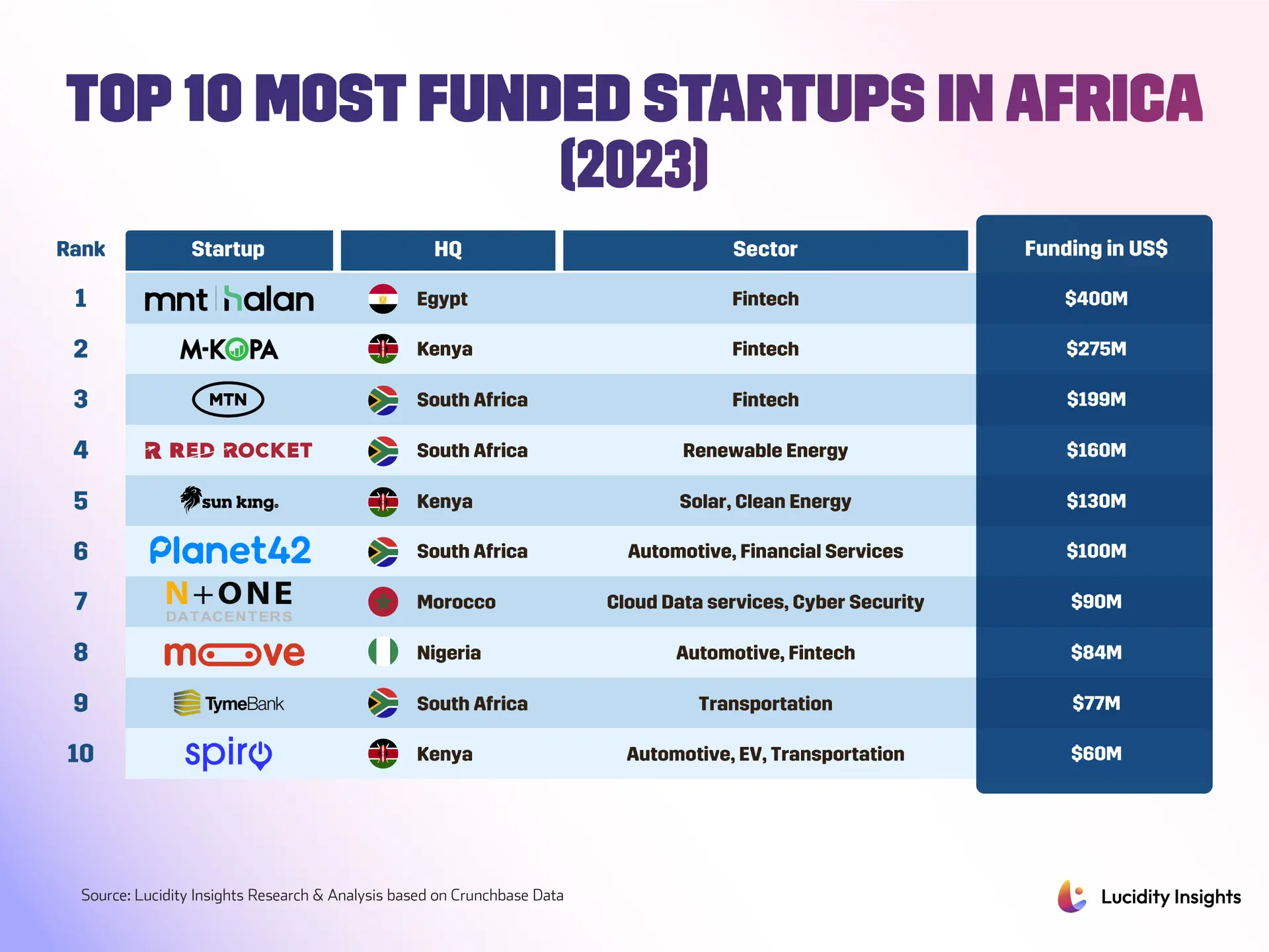
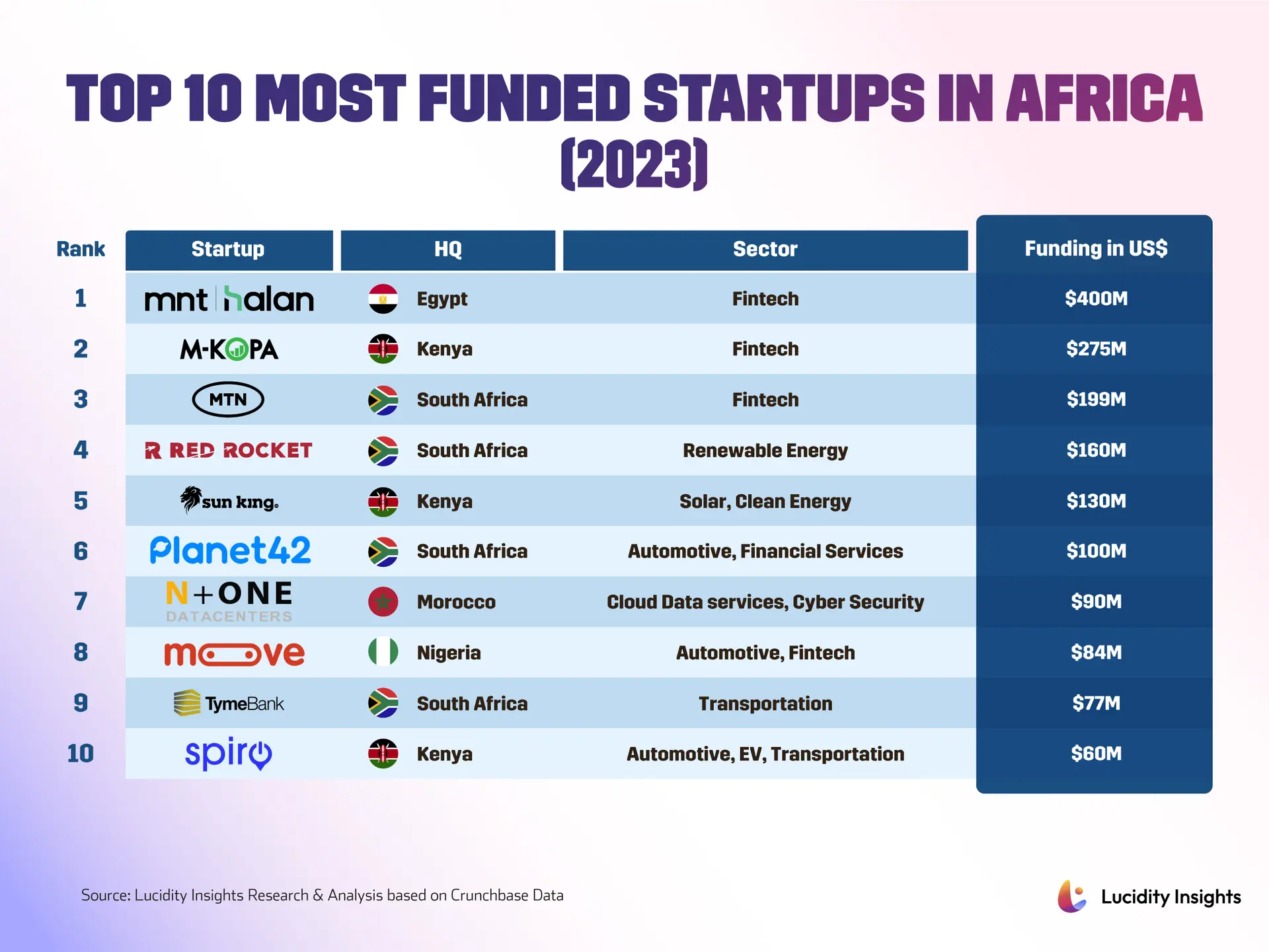
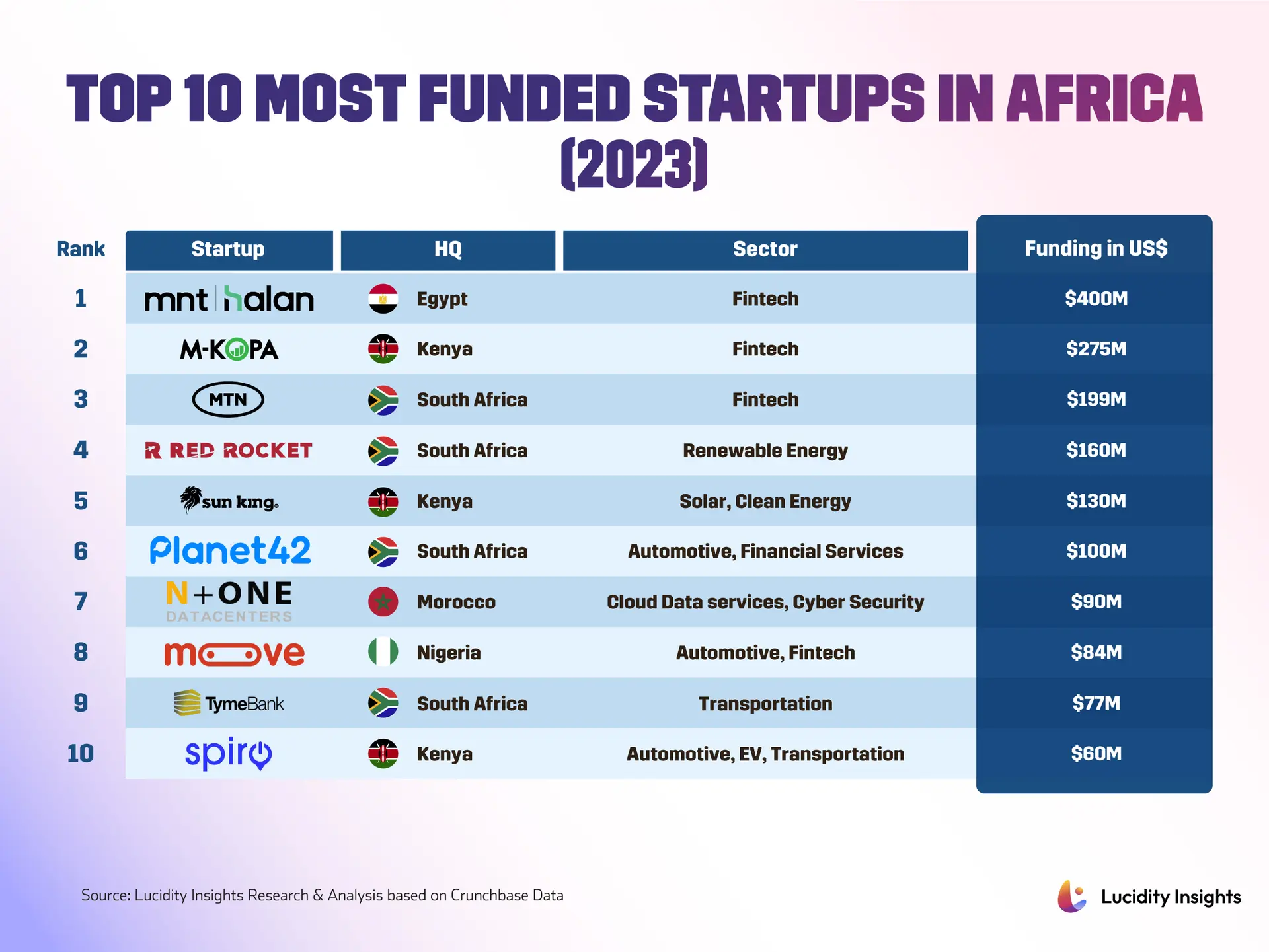
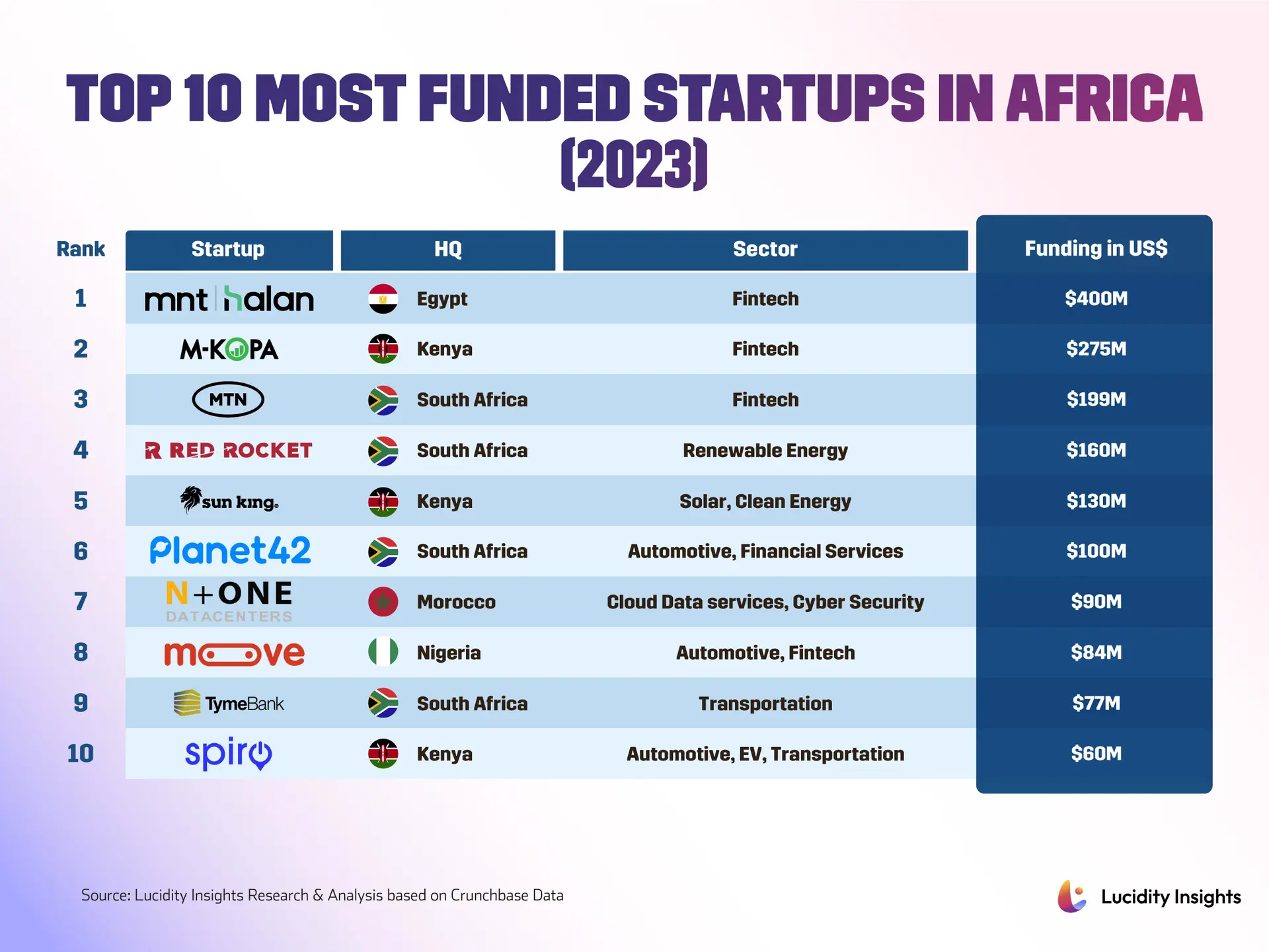
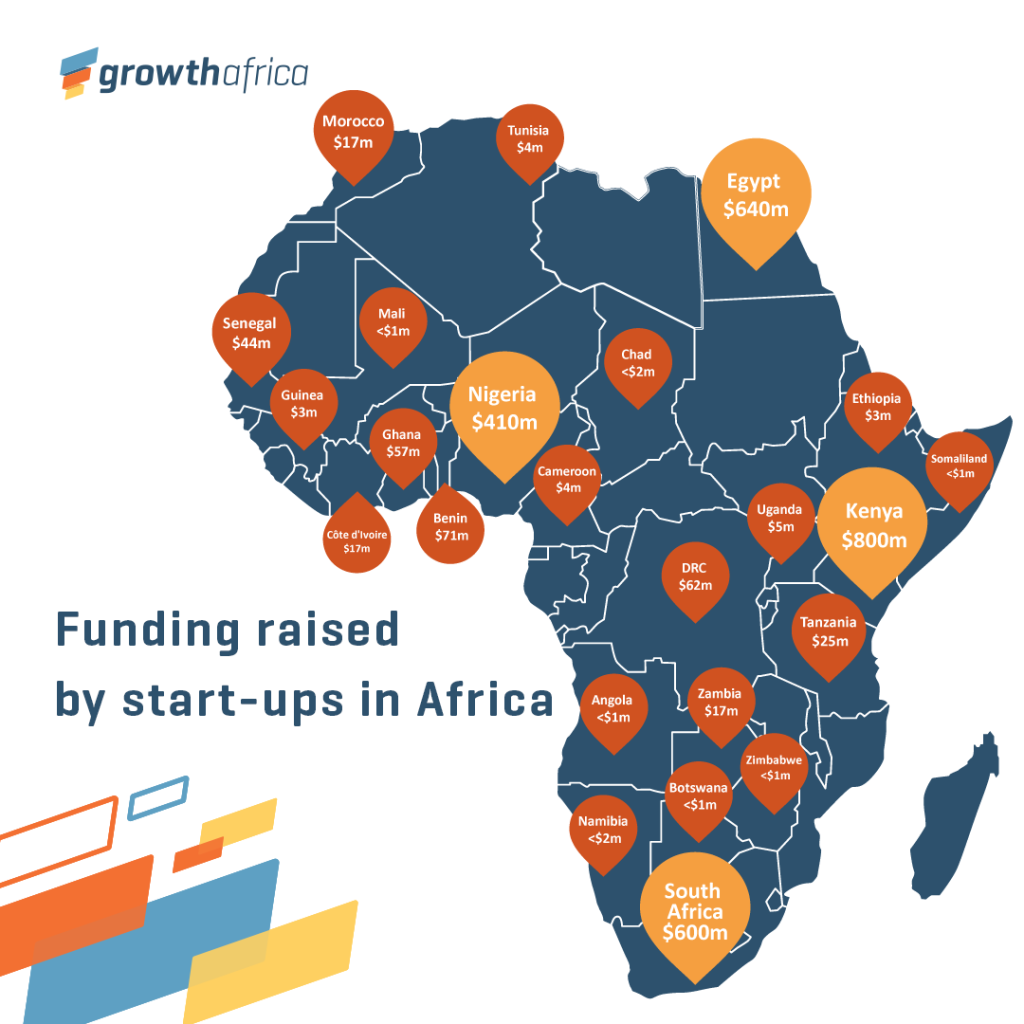
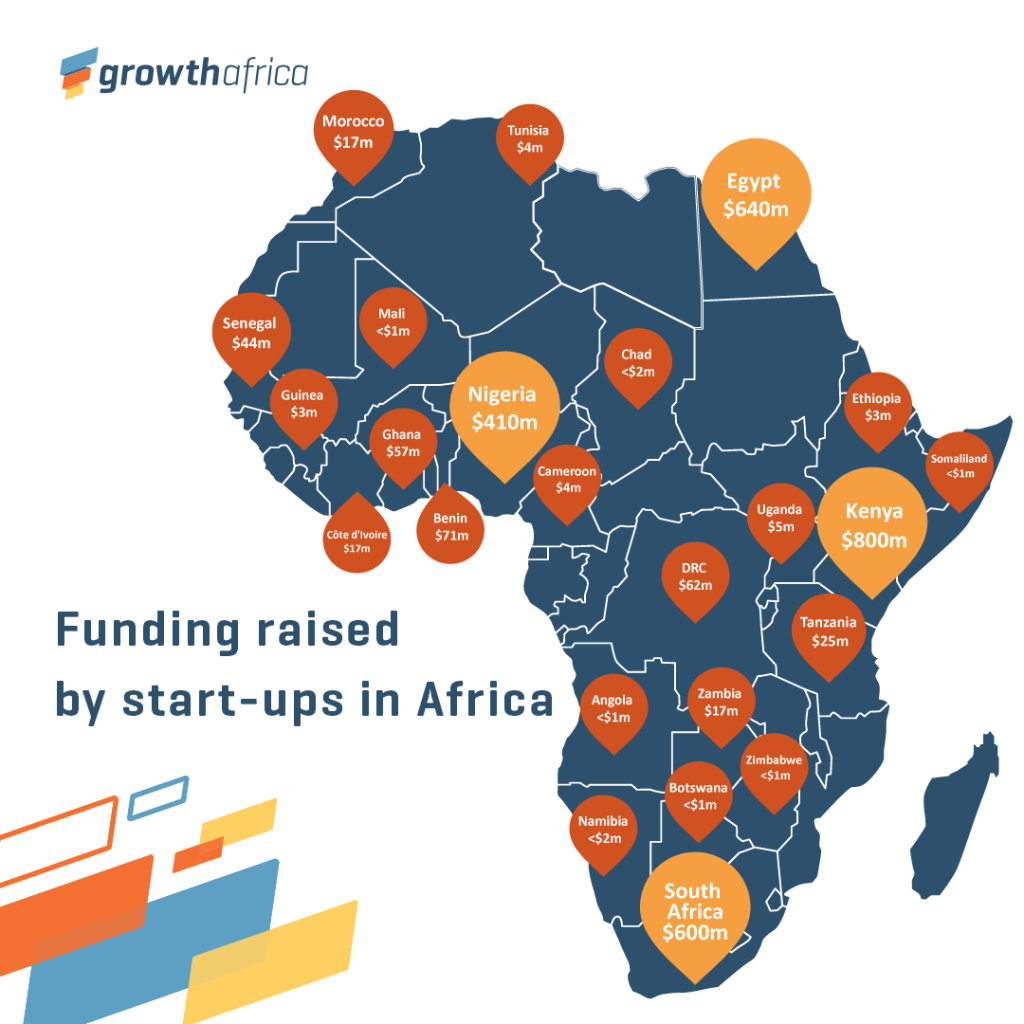
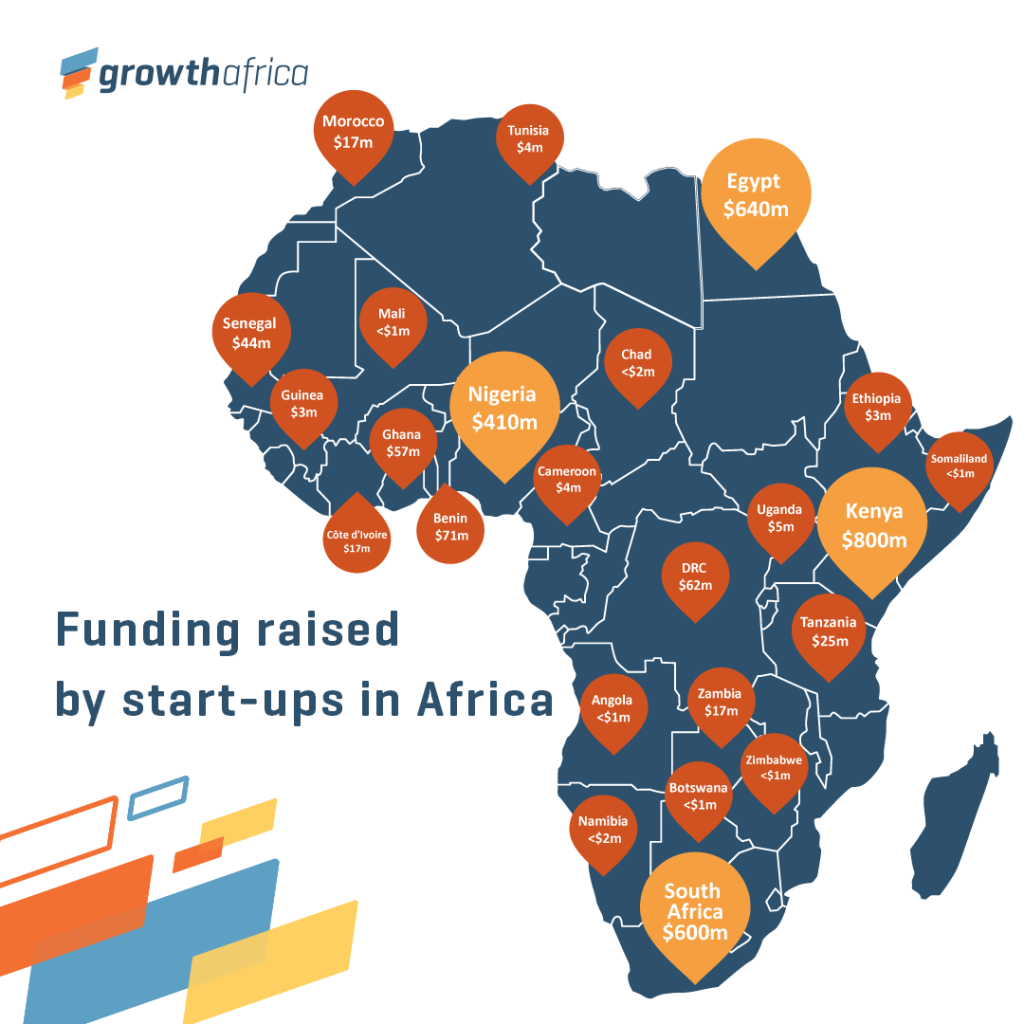
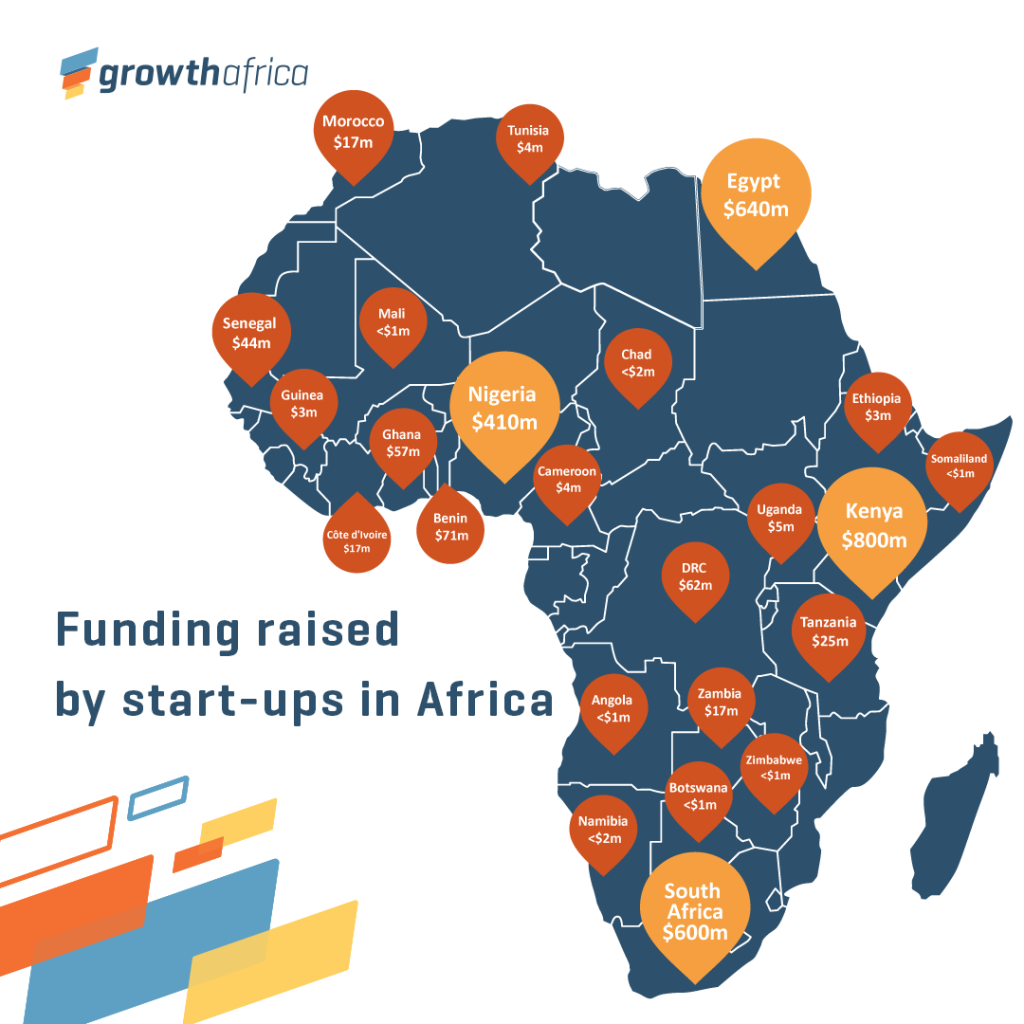
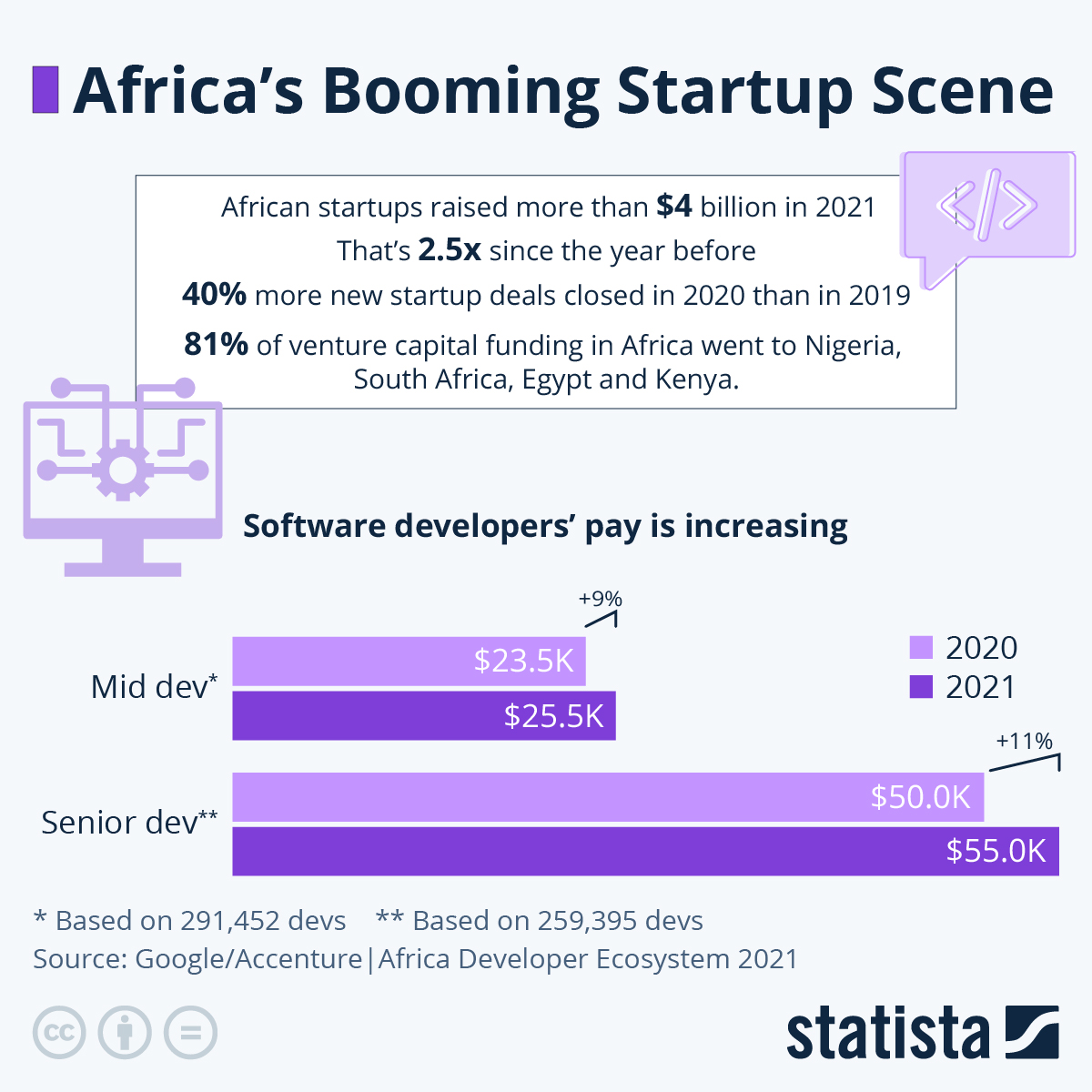
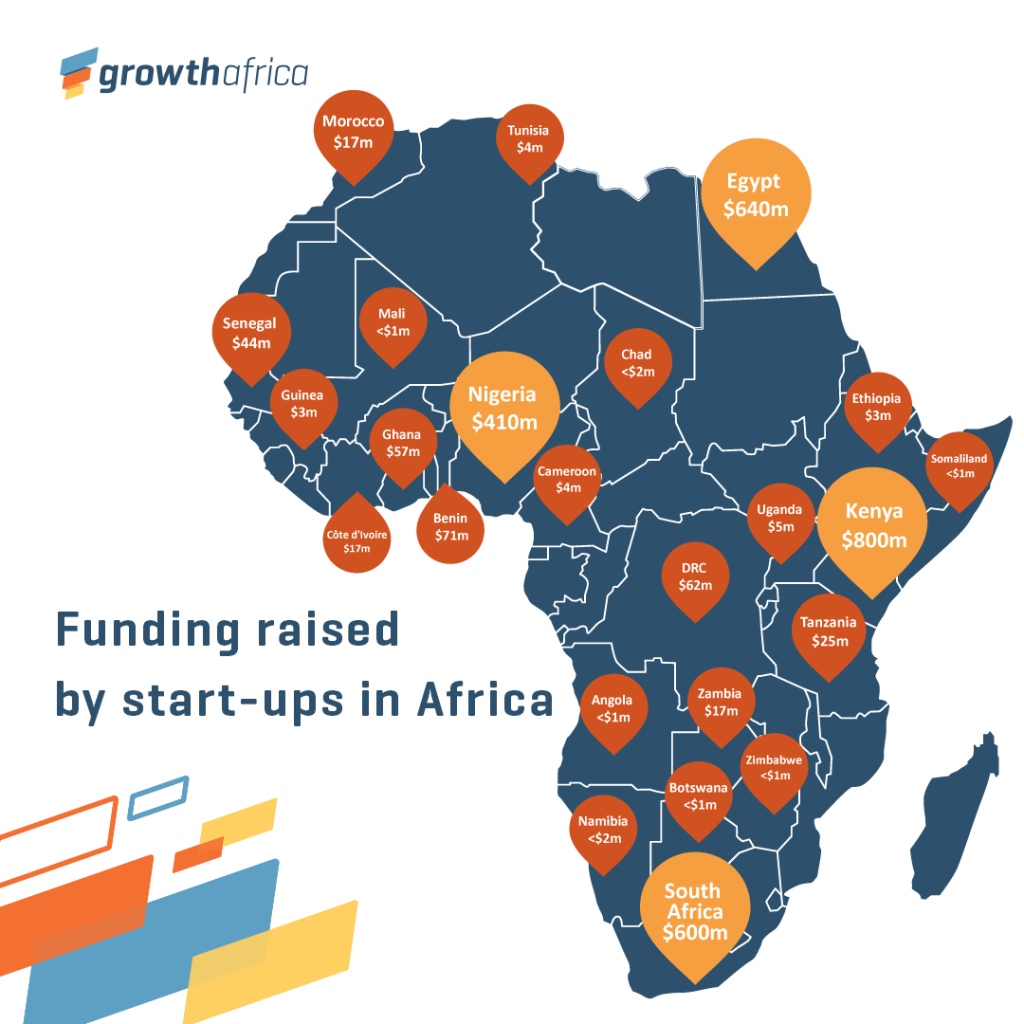
The numbers tell part of the story. Startups across the continent pulled in just over $3 billion in 2025, according to industry trackers. That’s a solid recovery from the lows of 2023 and 2024, but still well below the peak frenzy years. What really changed wasn’t just the amount of capital, but its character. Early-stage activity expanded, while later-stage rounds thinned out, concentrating into fewer but much larger checks. Investors moved from enthusiasm to intense selectivity, scrutinizing unit economics and board structures before writing checks. This shift opened up a wider range of financing options beyond straight equity, including debt, revenue-based financing, and convertible instruments that let companies delay some valuation battles. While familiar hubs like Nigeria, Kenya, South Africa, and Egypt continued to capture most of the capital, new markets in Morocco, parts of Francophone West Africa, and Southern Africa posted stronger early-stage activity. You can see this evolving landscape in our coverage of the broader African startup ecosystem boom that’s transforming the continent’s economic future.
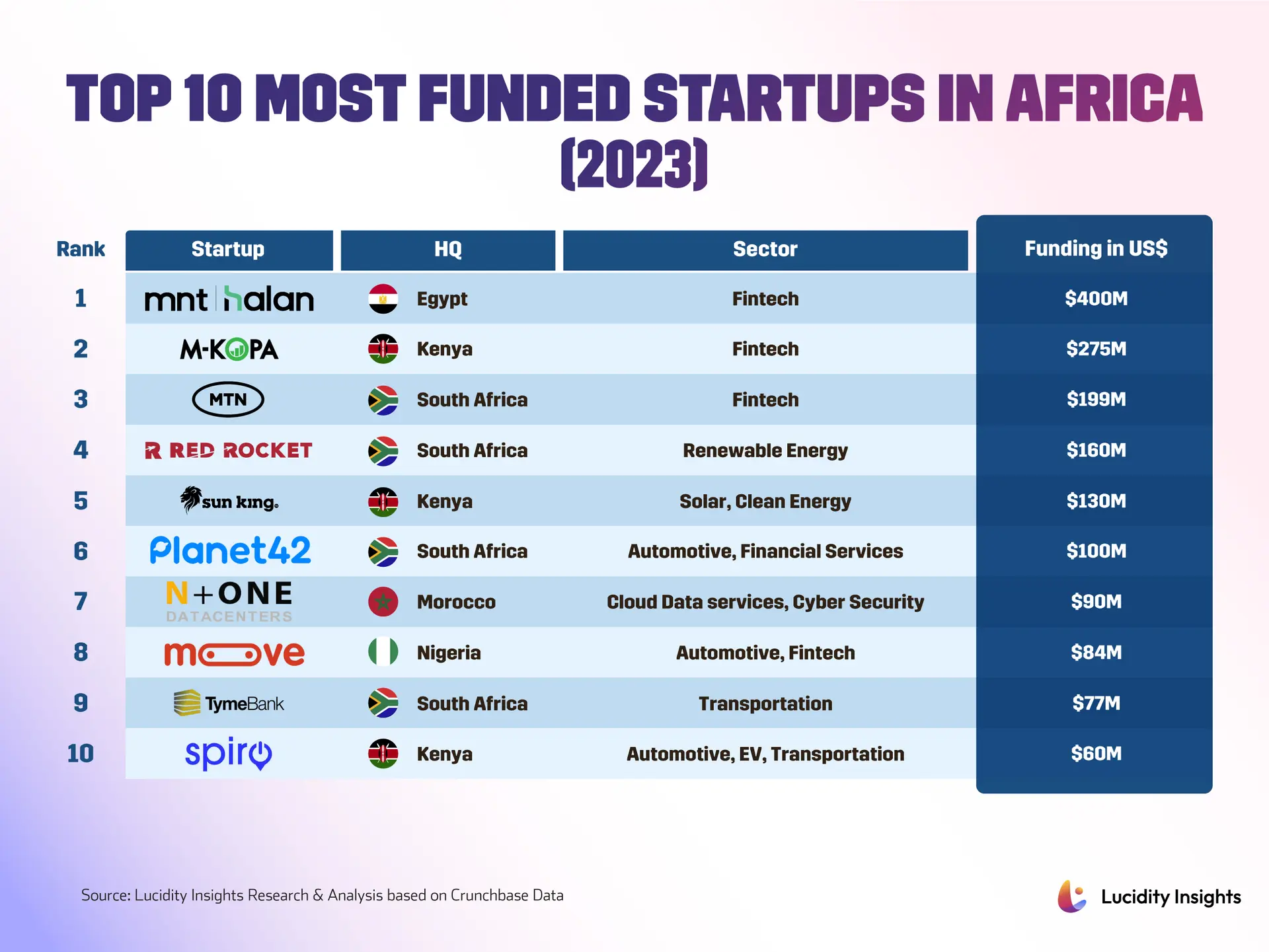
The companies making waves in 2025 and early 2026 show just how mature Africa’s ecosystem has become. In Morocco, Woliz is digitizing the vast network of nanostores, those small independent retailers that form the backbone of local commerce. Since launching in 2024, Woliz says it’s signed up 55,000 shops and processed more than $50 million in gross merchandise value, a trajectory that helped secure a $2.2 million pre-seed round. Logistics firms like Kenyan startup Senga, which promises delivery times under 48 hours where roads exist, and VDL Fulfilment’s cross-continental operation with hundreds of riders, are solving last-mile constraints that once seemed insurmountable. Fintechs remain headline-makers, but the race is getting tighter, with established players expanding while newer entrants face equal parts capital and scrutiny. Even climate and agritech are moving from promise to practical pilots, like Flux’s field trials with smallholder farmers in western Kenya. As detailed in African Business’s analysis, this pragmatic turn in investment means measurable impact and scalable models matter to both development agencies and commercial backers.
So what does this mean for the road ahead? The era rewards discipline above all else. Founders must tighten unit economics, improve governance, and present credible exit routes. For many startups, that means proving repeatable revenue, controlling burn rates, and building boards that can shepherd firms through tougher market conditions. For ecosystems outside the usual capitals, the message is opportunity with responsibility. As we enter 2026, Africa’s innovation economy isn’t in freefall or a frothy upswing, it’s in a maturing phase where capital returns with new terms. This maturation will weed out weaker models while elevating businesses that can scale responsibly. The work now, for investors, founders, and policymakers alike, is to transform selective capital into sustainable growth, making the next wave of African technology a story of durable value, not just rapid expansion. For more on the companies leading this charge, check out Techpoint Africa’s list of startups to watch, and follow the ongoing coverage of Africa’s tech renaissance that’s driving investment and growth across the continent. You can also stay updated with the latest developments through TechCrunch’s Africa coverage, which consistently highlights how the continent’s startup ecosystem continues to soar with record funding and innovation.