Africa’s Startup Scene Grows Up: A More Disciplined, Resilient Market Emerges in 2025
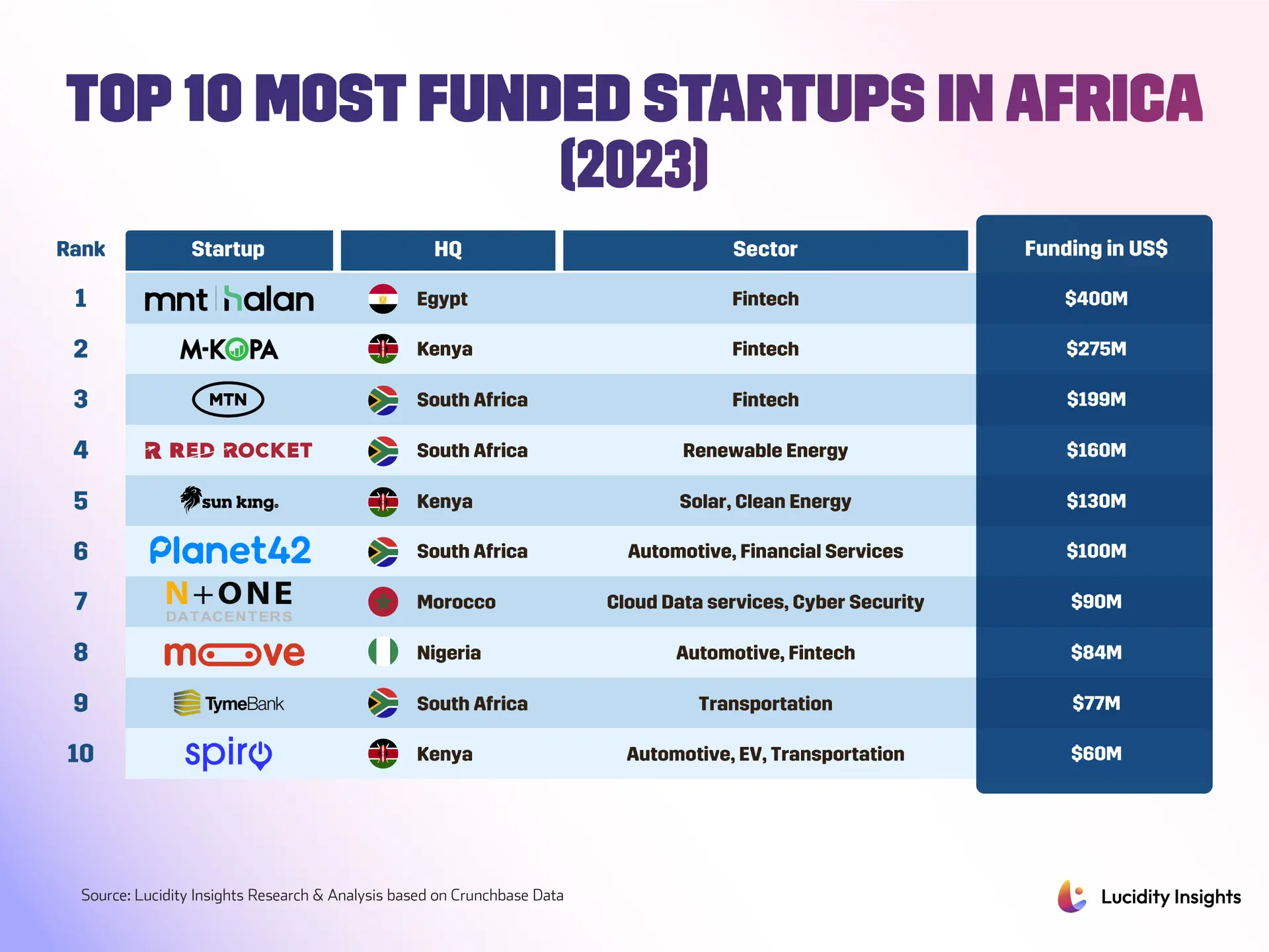
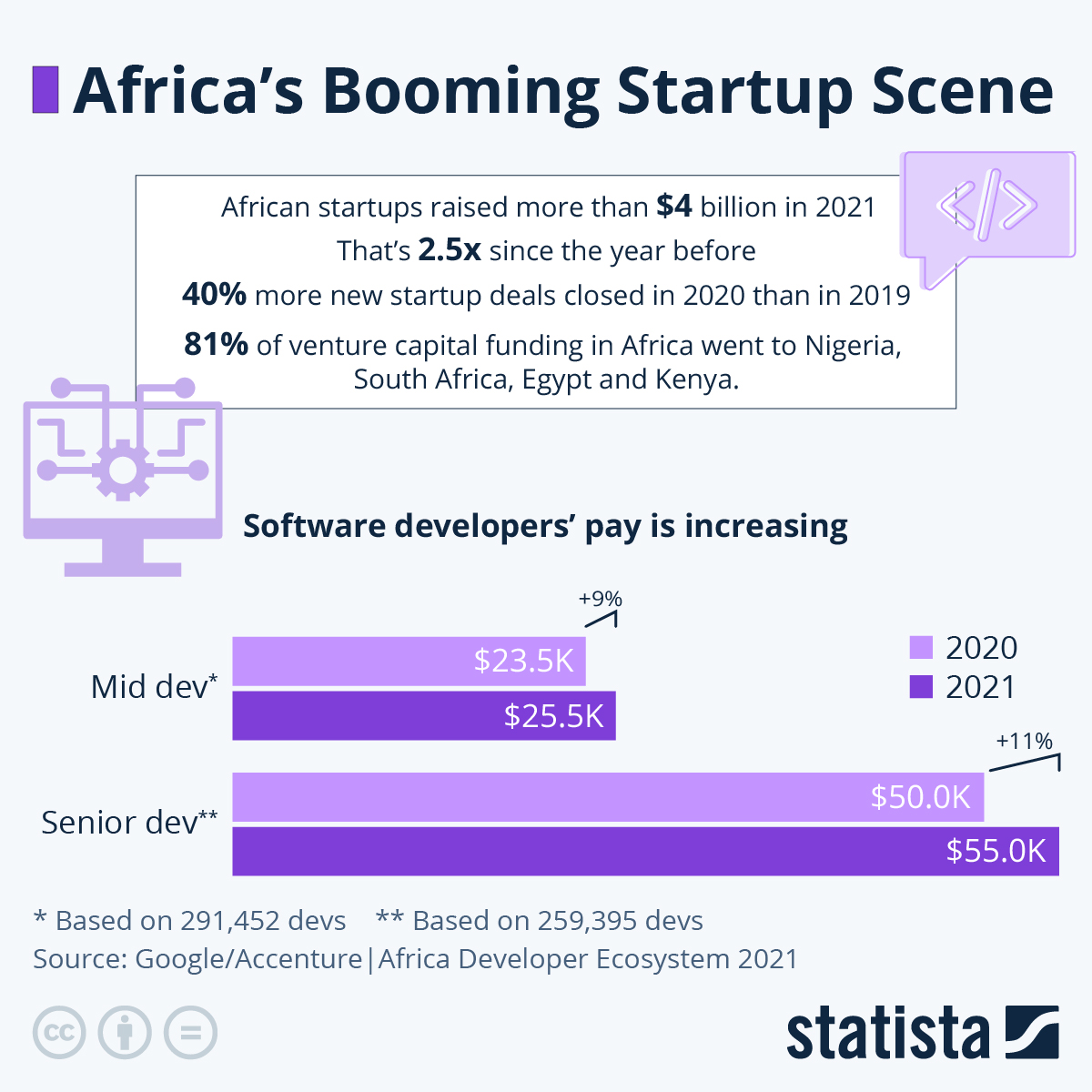
After two tough years of contraction, Africa’s startup ecosystem finally found its footing in 2025. The market didn’t just bounce back, it grew up. Investors returned with their checkbooks, but this time they brought something new to the table: discipline. Total funding climbed past the $3 billion mark, a solid recovery from the lows of 2023 and 2024, though still shy of the frothy peaks of earlier cycles. What changed wasn’t just the dollar amount, but the mindset behind it. Burned by rapid growth stories that never turned profitable, venture capitalists started asking harder questions. They wanted to see clear unit economics, cleaner cap tables, and realistic paths to sustainability. This shift toward selectivity meant founders had to work smarter, not just faster. Alternative financing tools like revenue-based lending and venture debt gained traction, giving entrepreneurs ways to fund growth without immediately diluting their ownership. It’s a more mature approach that suggests Africa’s startup scene is learning to build for the long haul, not just chase quick wins.
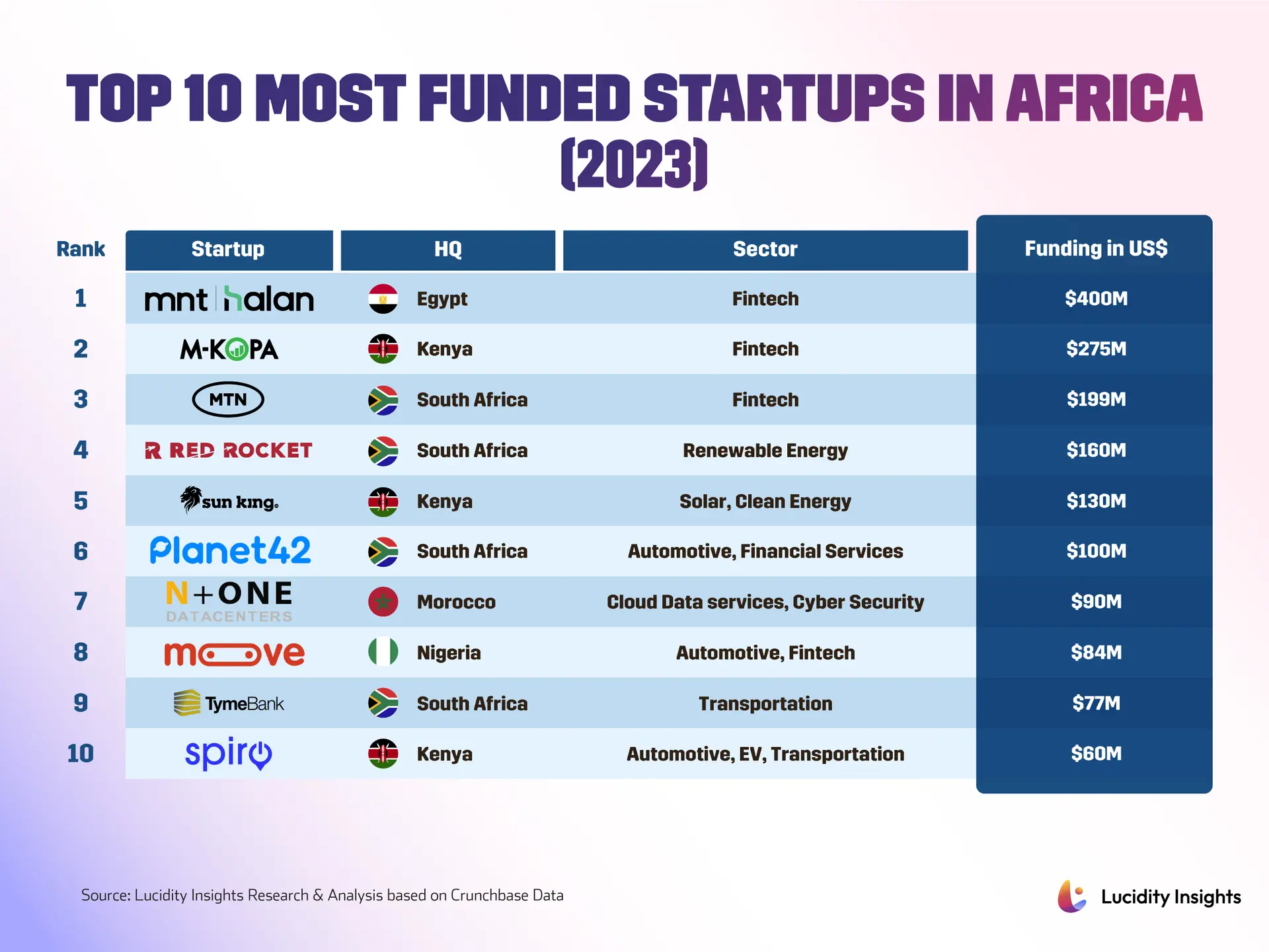
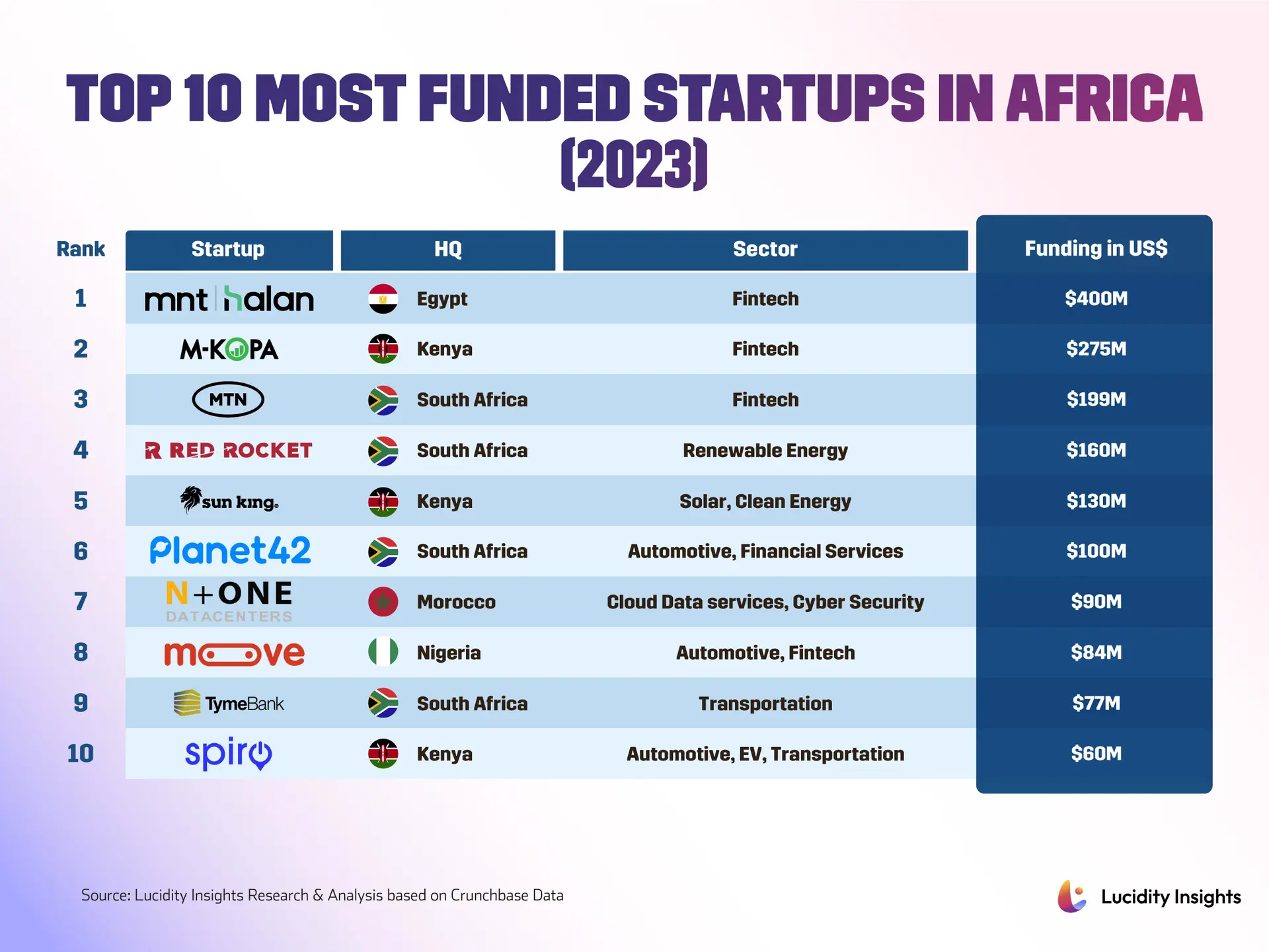
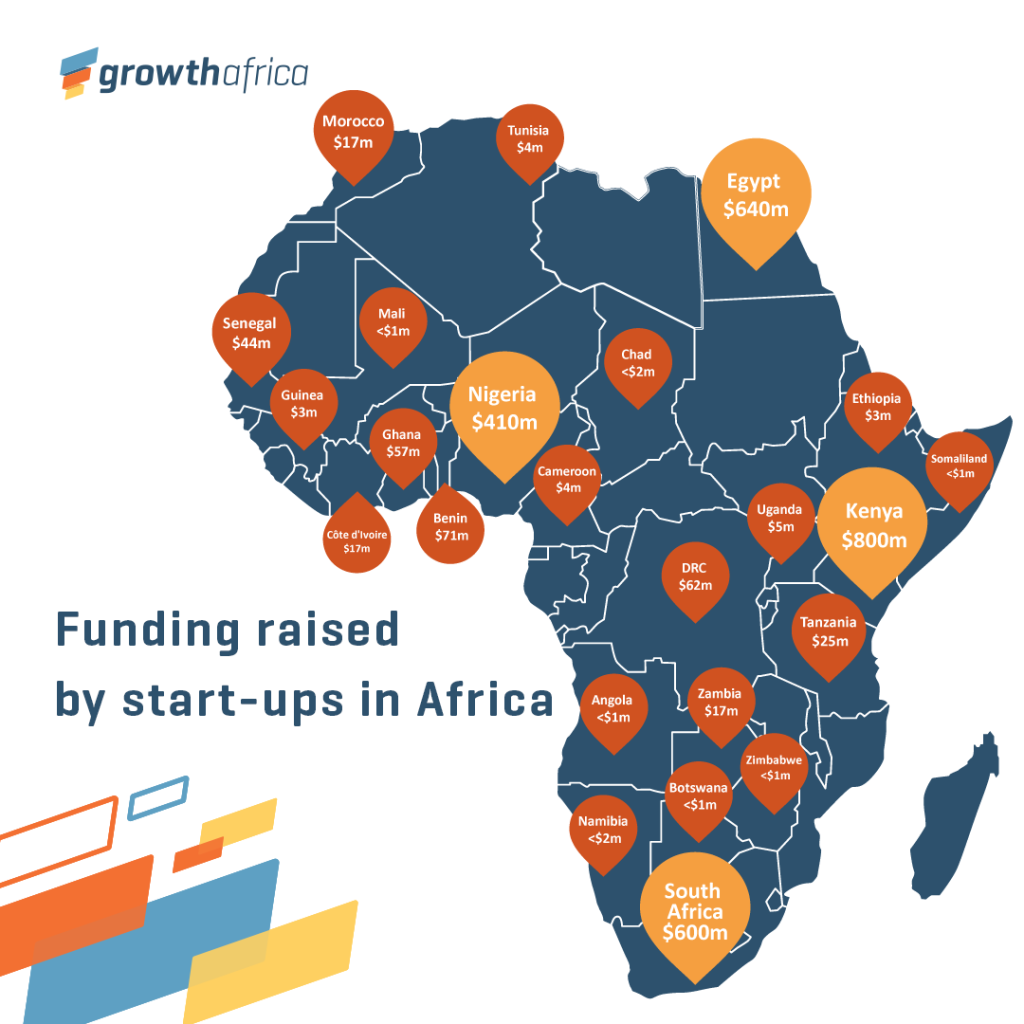
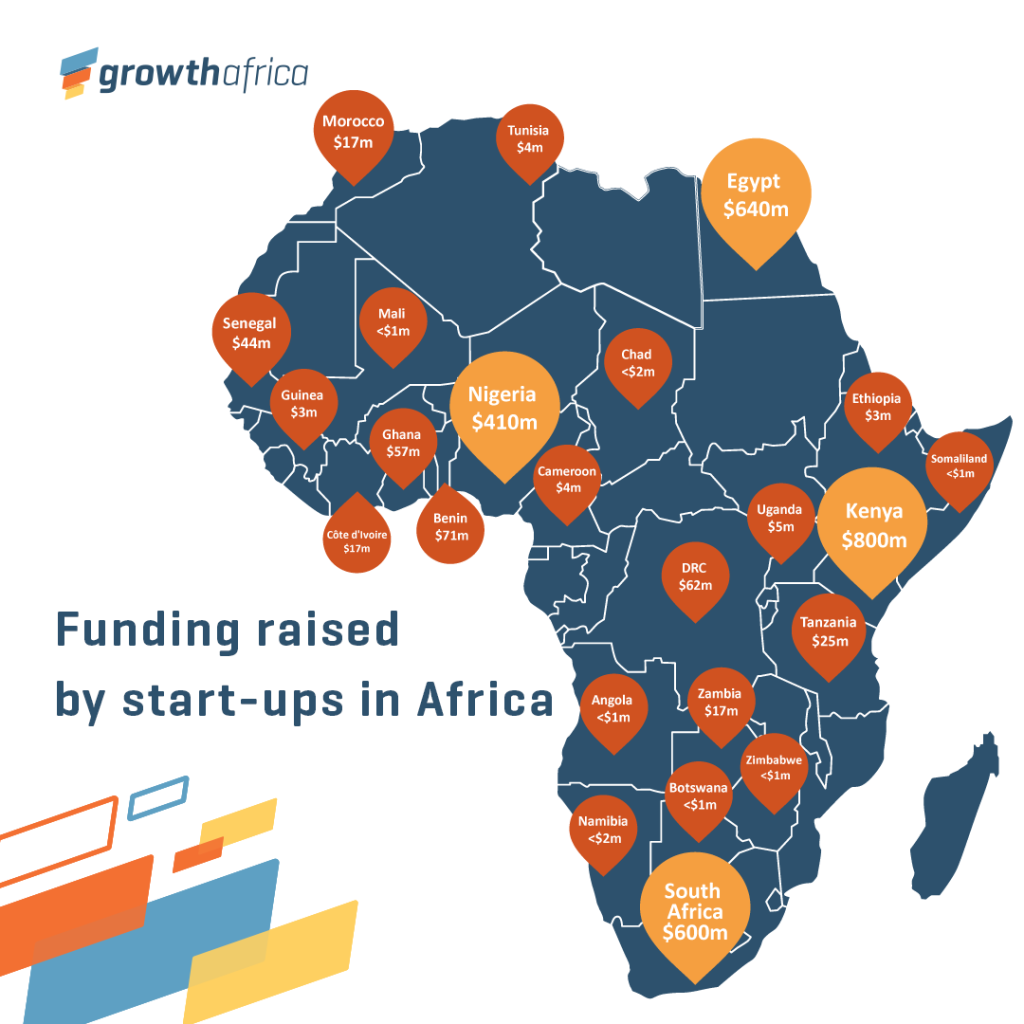
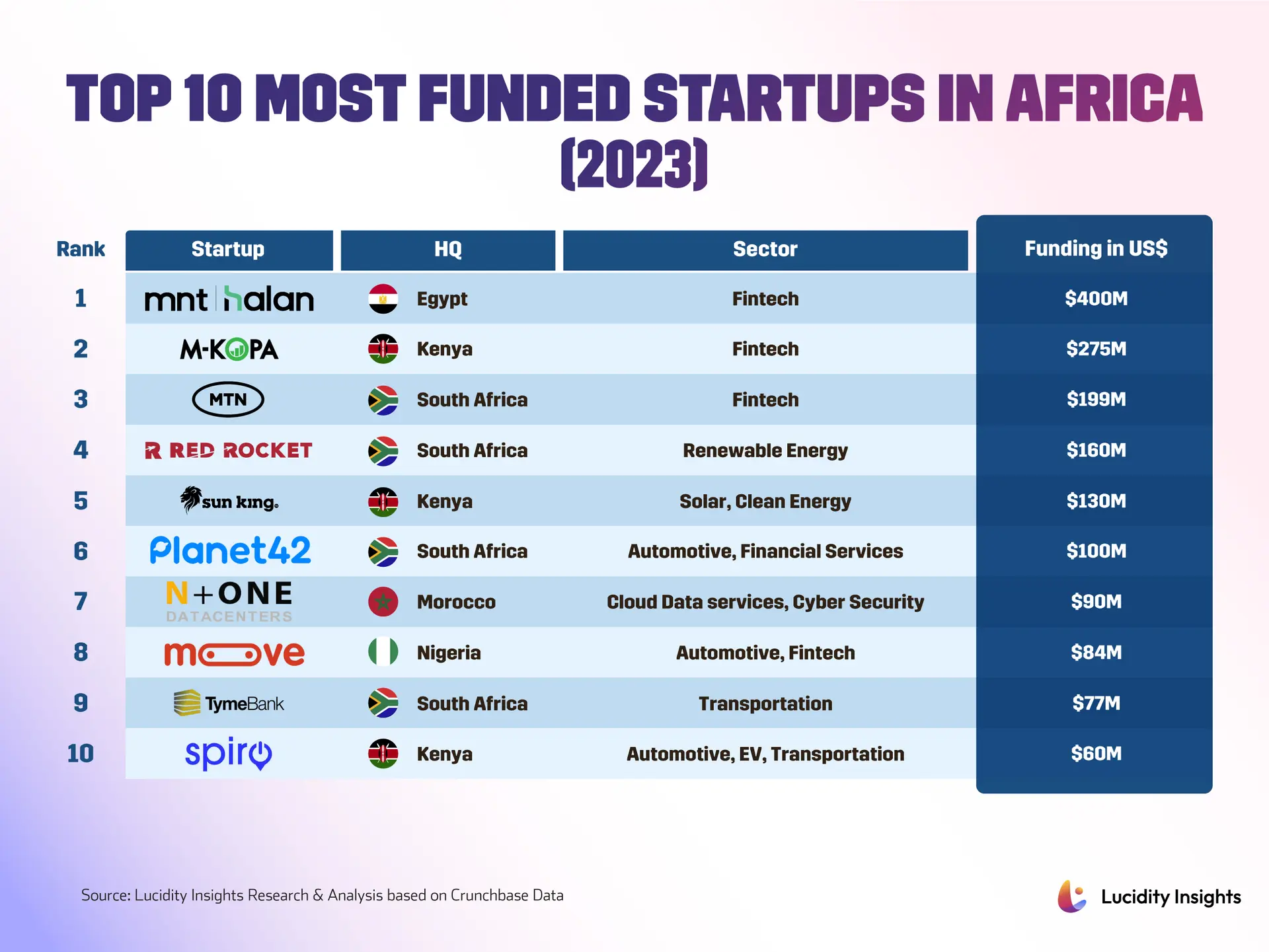
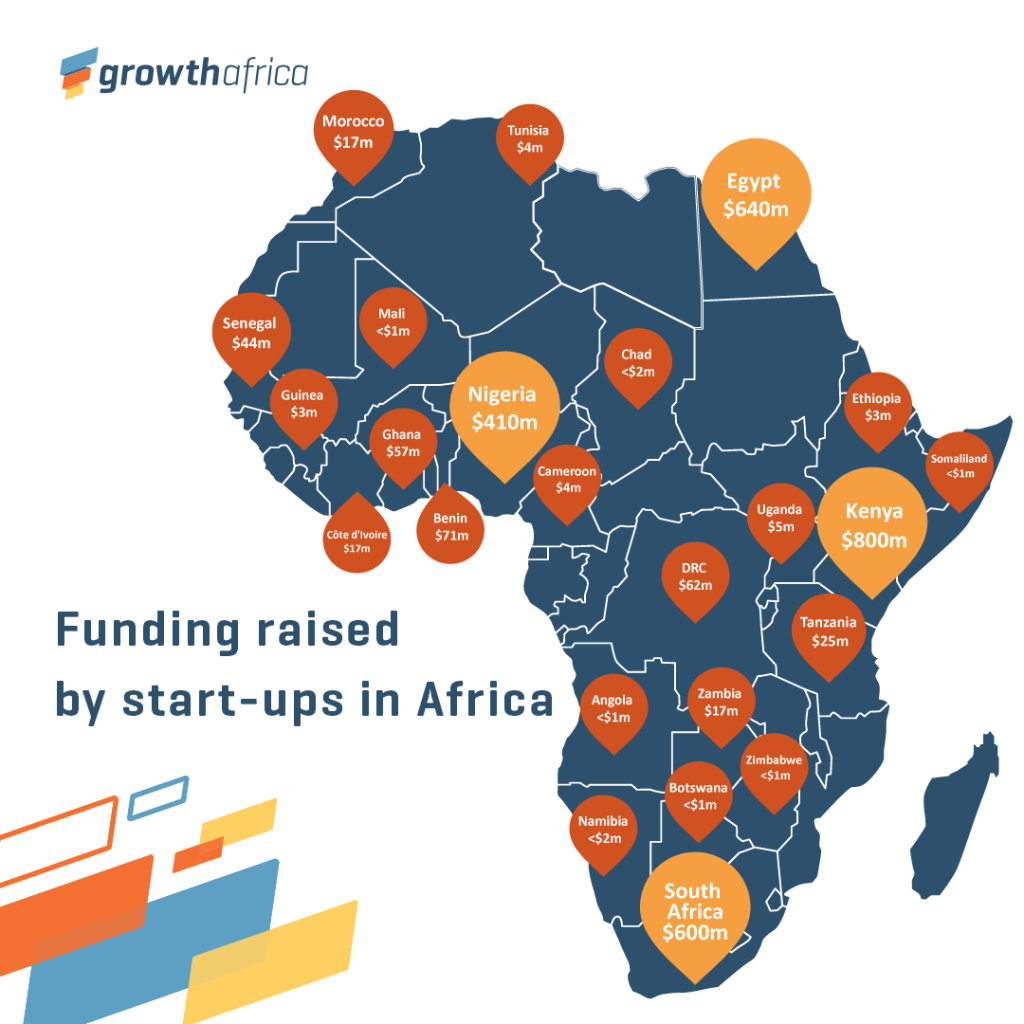
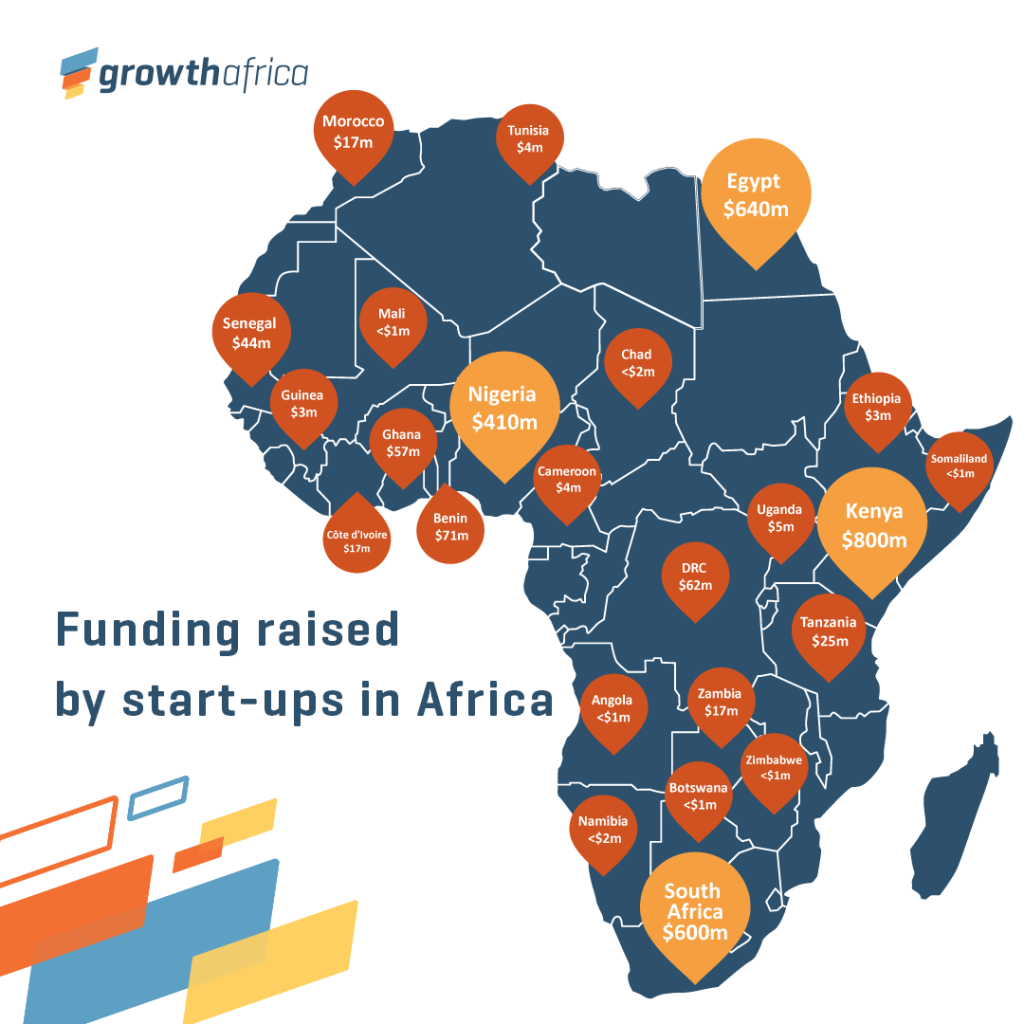
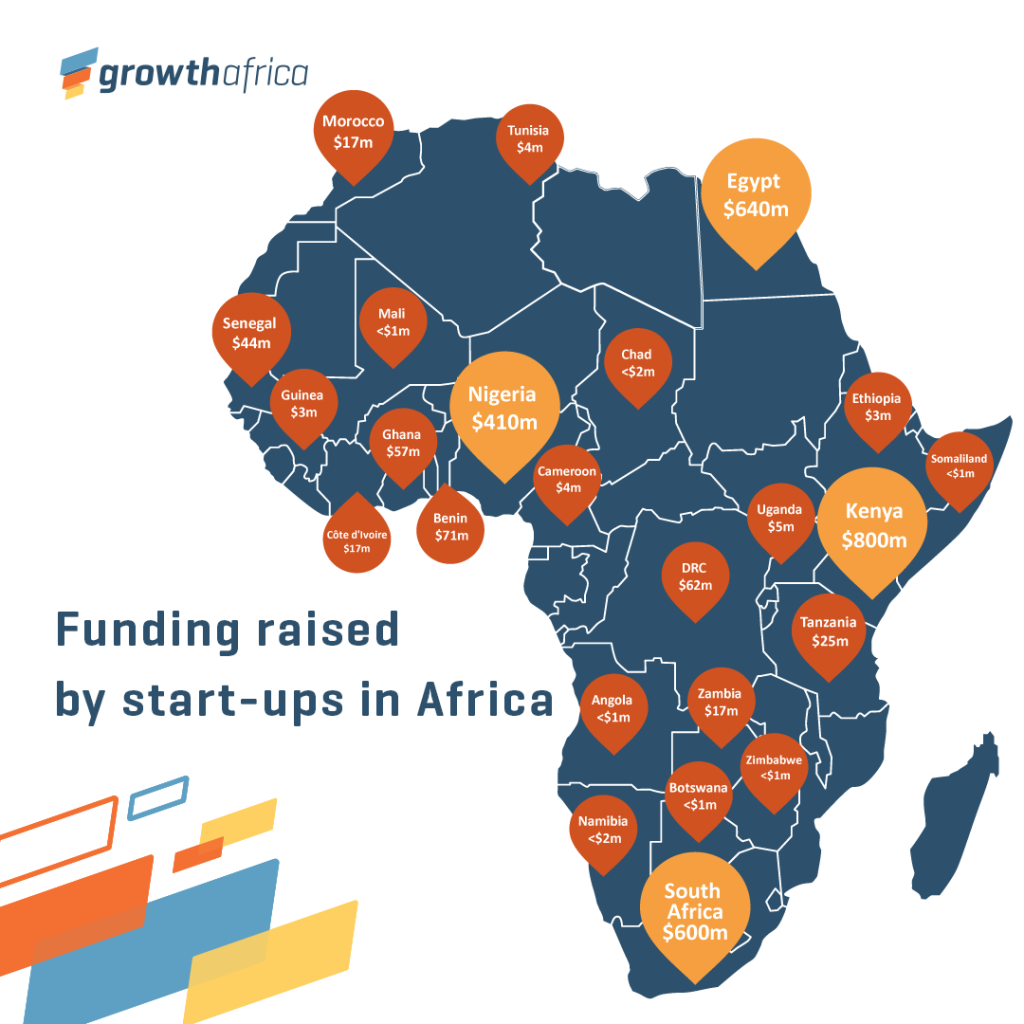
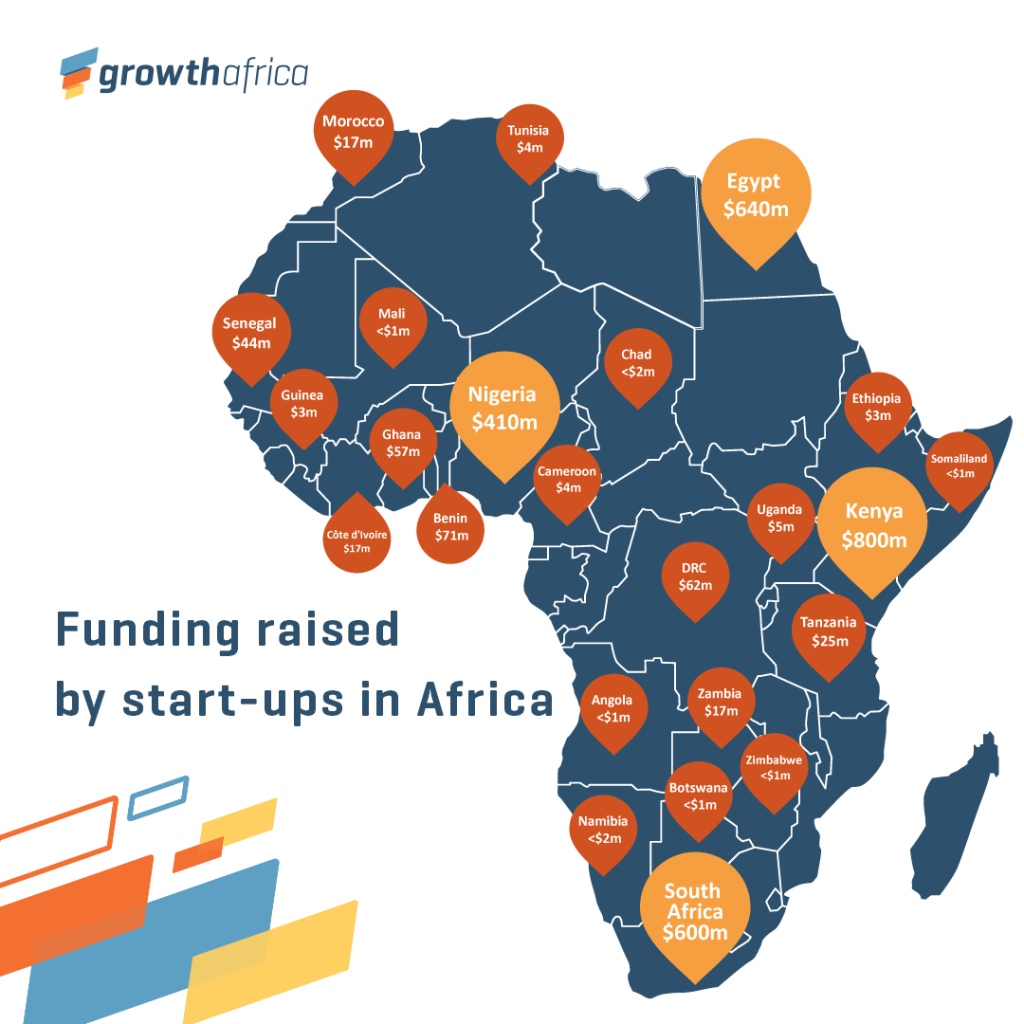
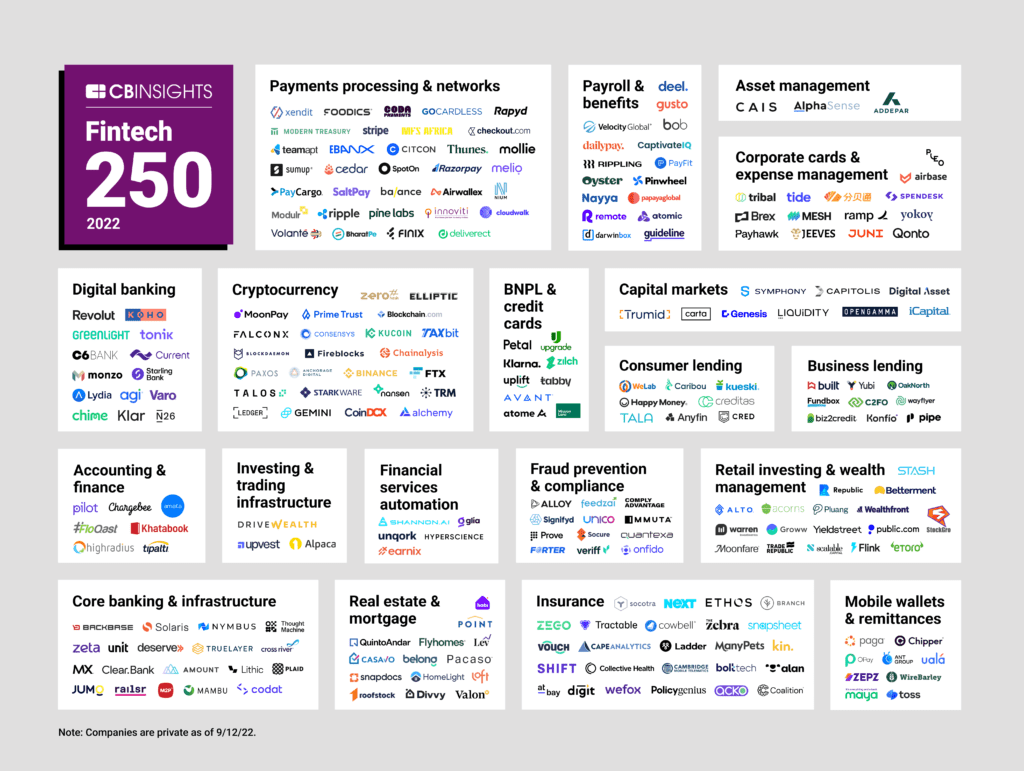
Fintech remained the star attraction, pulling in major rounds and strategic moves. Y Combinator-backed neobank Djamo raised $17 million and now serves a million users across francophone markets, proving there’s still strong appetite for financial inclusion products that work with local systems. Other payment platforms and stablecoin liquidity providers also found willing investors, as the promise of faster, cheaper cross-border transfers continues to resonate across the continent. But fintech wasn’t the only game in town. Climate and mobility emerged as serious investment themes with both commercial appeal and policy tailwinds. Electric mobility financing is scaling up, with companies like MAX raising $24 million to expand lending for electric vehicles, as WeeTracker reported. The combination of rising fuel costs, policy nudges, and genuine demand for cleaner transport is creating viable business cases that investors can’t ignore. Geographically, the usual suspects Nigeria, Kenya, South Africa and Egypt continued to attract most of the capital, but 2025 showed signs of healthy broadening. North Africa, especially Egypt and Morocco, saw heightened activity, while francophone West Africa and parts of southern Africa deepened their early-stage ecosystems. This geographic spread suggests investors are looking beyond the established hubs for the next wave of innovation.
Looking ahead, 2026 should deepen these trends toward pragmatism and resilience. Expect more capital flowing to climate and infrastructure plays that solve real problems, more creative financing structures to bridge growth stages, and a steadier stream of exits as private equity and strategic acquirers hunt for durable businesses. For founders, the message is clear: build for resilience, show your unit economics, and be ready to work with investors who demand evidence as much as ambition. For policymakers, the task is to sustain predictability and regional integration, because capital increasingly chooses markets where execution is credible and scalable. The governance conversation has shifted too. Investors now treat board composition, financial controls, and audited accounts as bargaining chips in term sheet negotiations. This maturation process favors founders who can demonstrate repeatable economics and build institutions, not just products. It’s a tougher environment, certainly, but also a more sustainable one. Africa’s tech renaissance isn’t just about record funding, it’s about building something that lasts. According to African Business analysis, this disciplined approach marks a fundamental shift in how the continent’s entrepreneurs and investors work together. With promising companies already on watchlists like those highlighted by TechCrier’s 2026 preview, Africa’s startup scene isn’t just growing, it’s growing up, and that might be the best news of all.