Africa’s Startup Scene Grew Up in 2025, Trading Hype for Hard Numbers
The Discipline Dividend
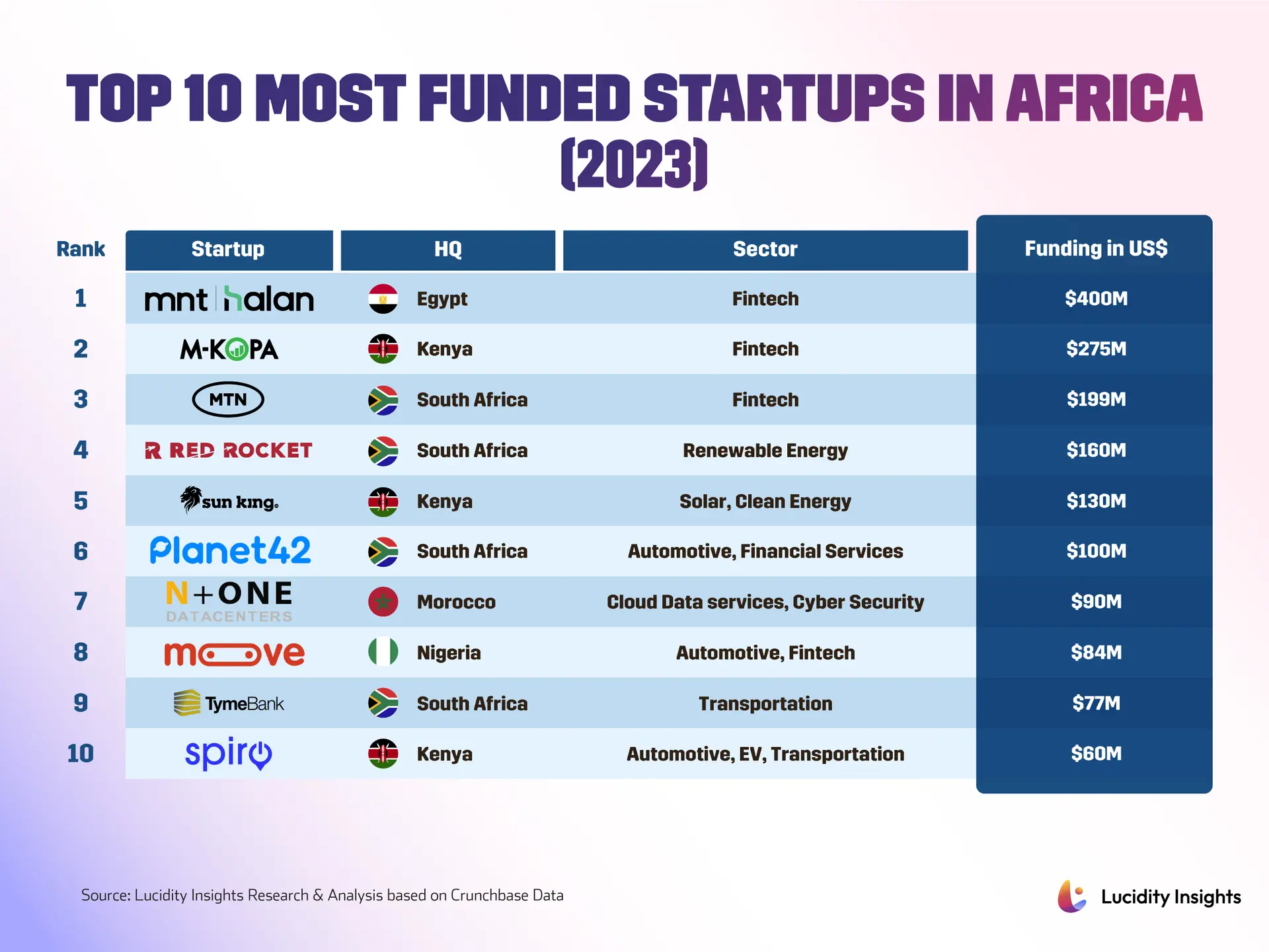
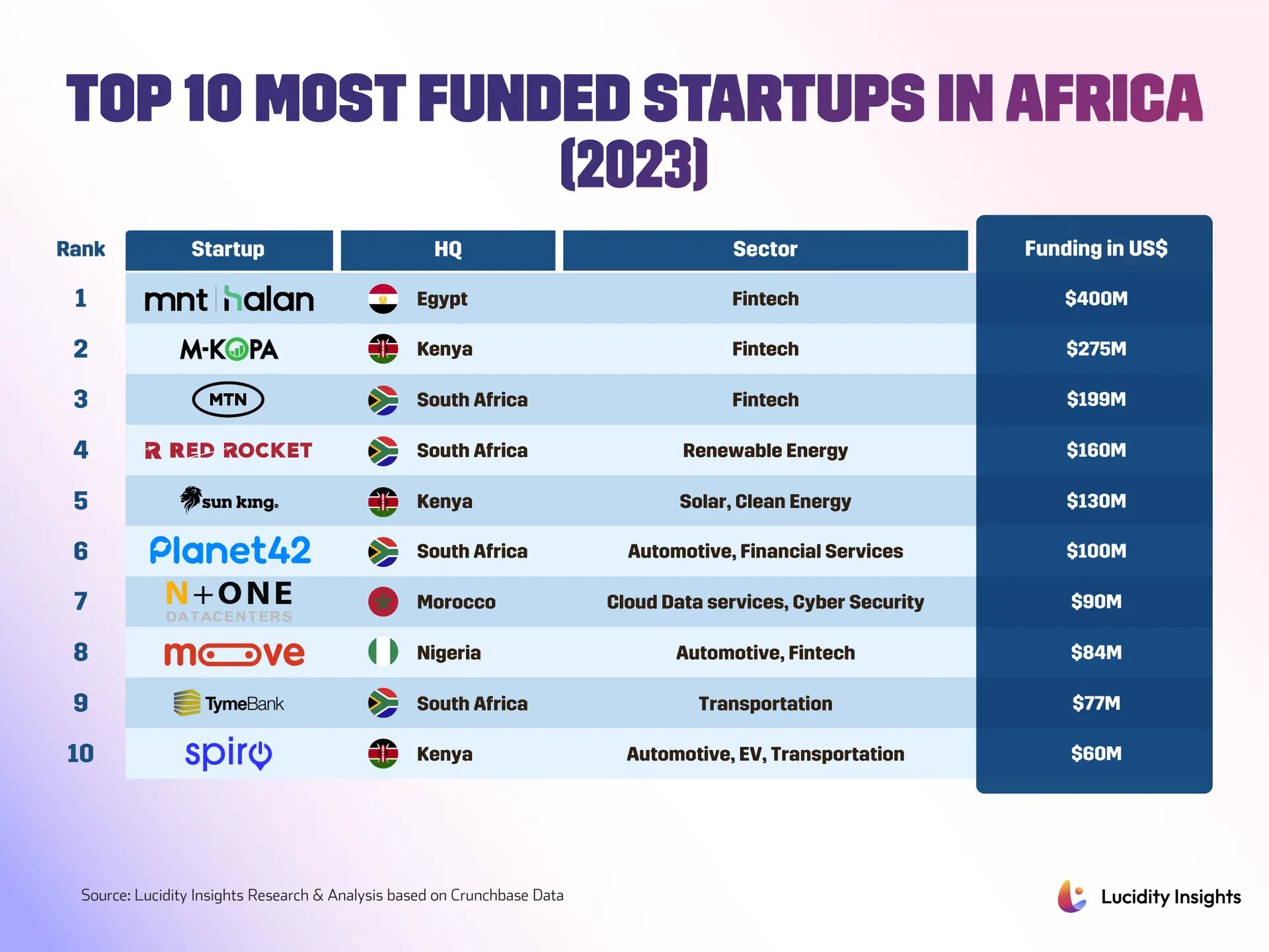
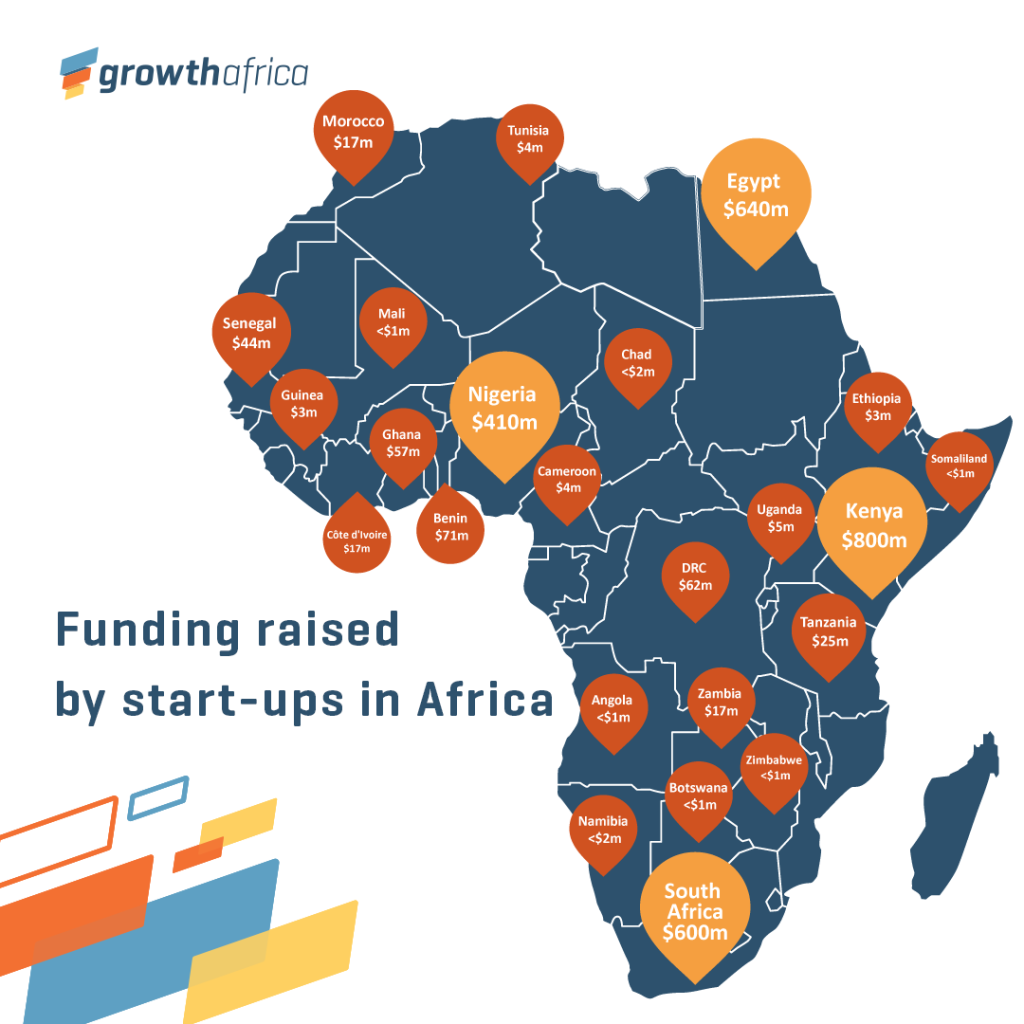
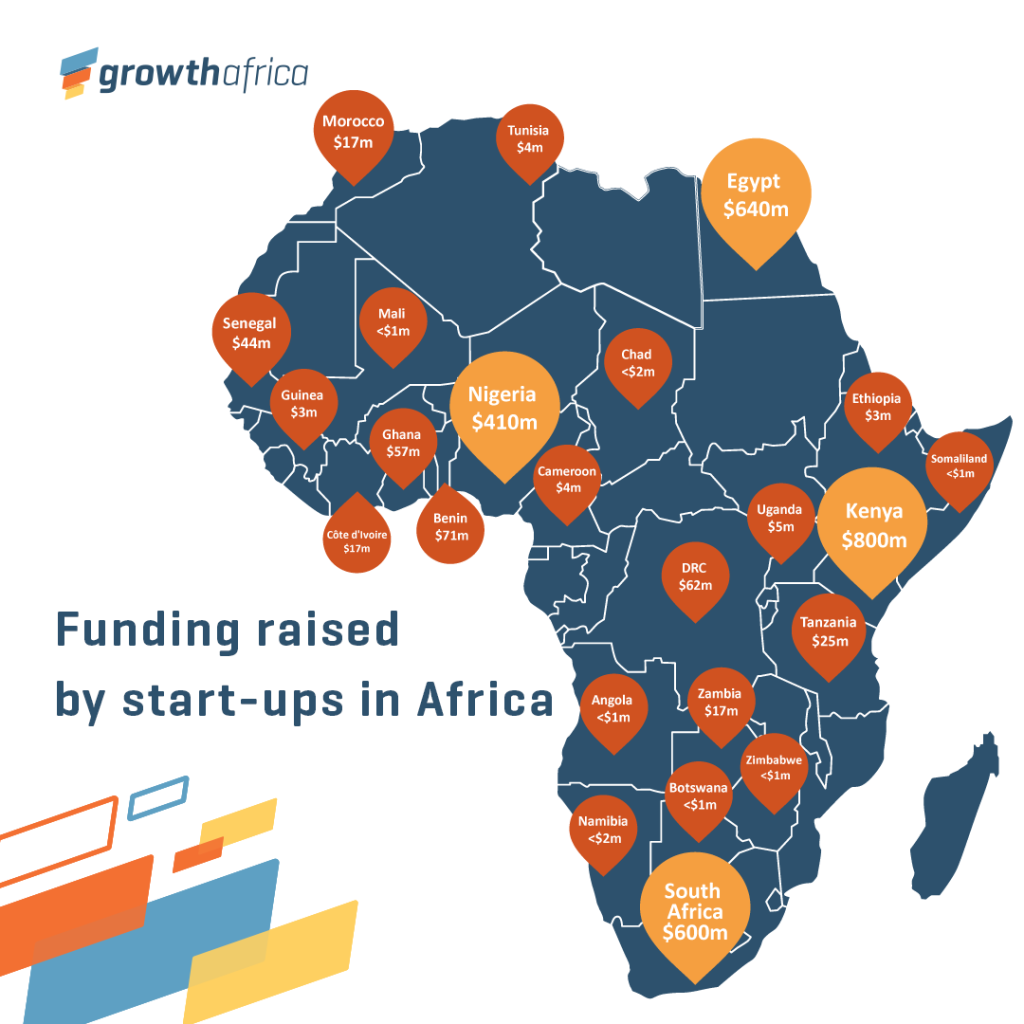
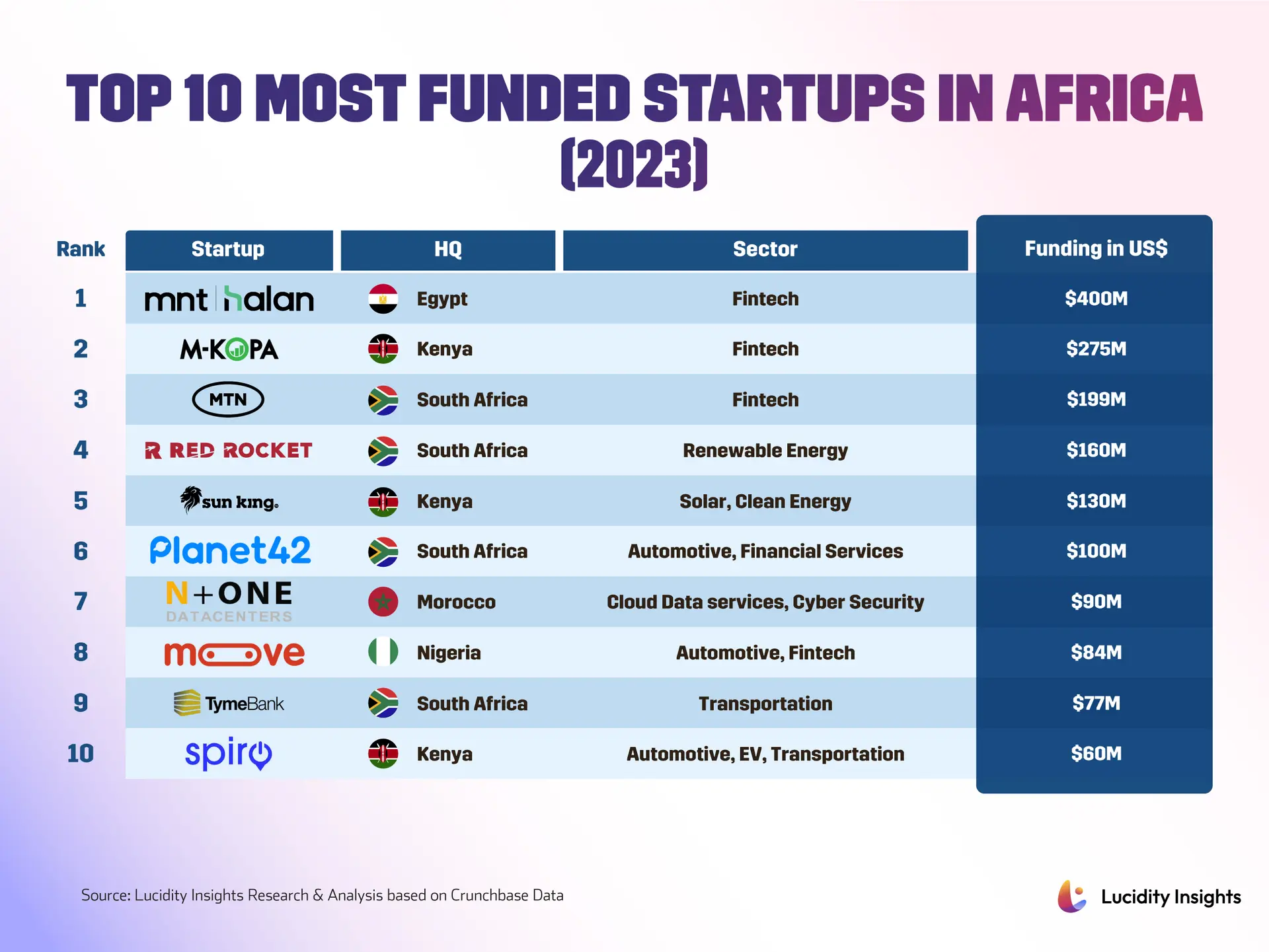
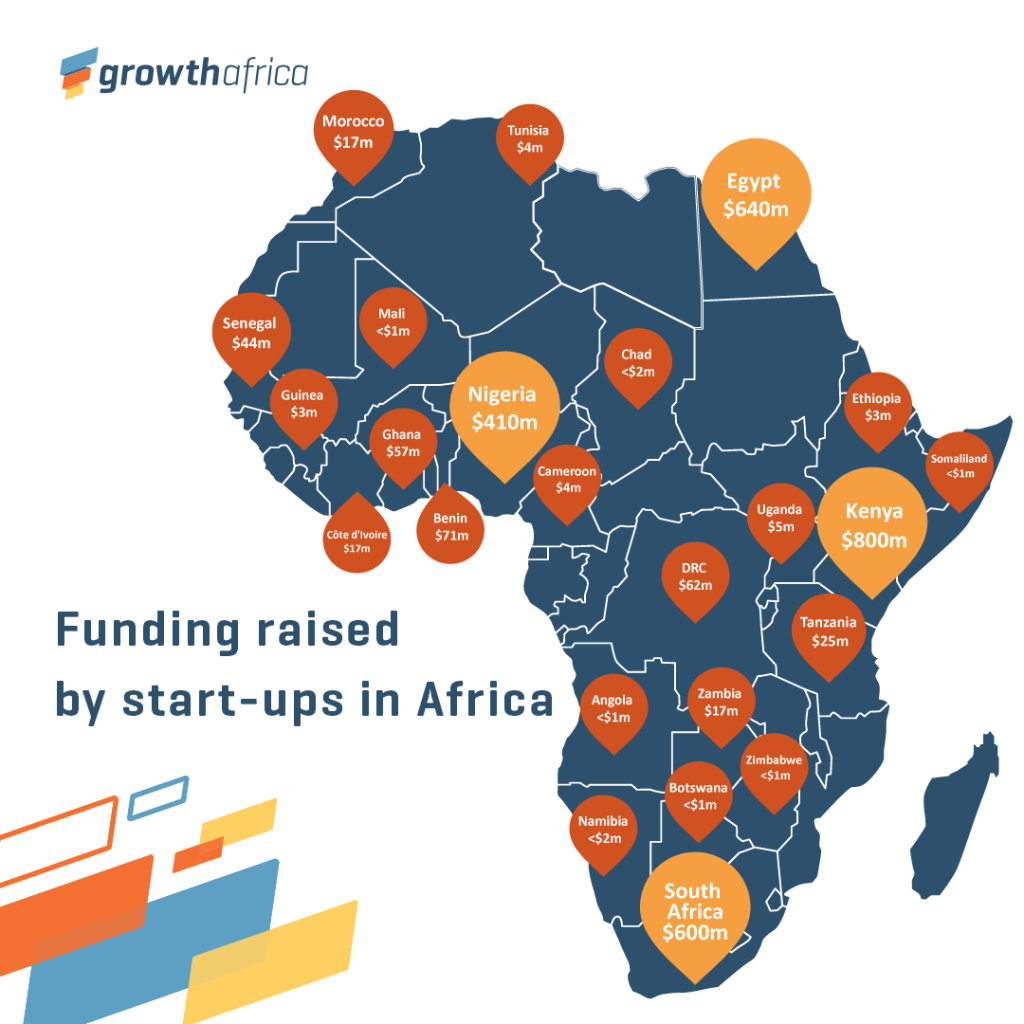
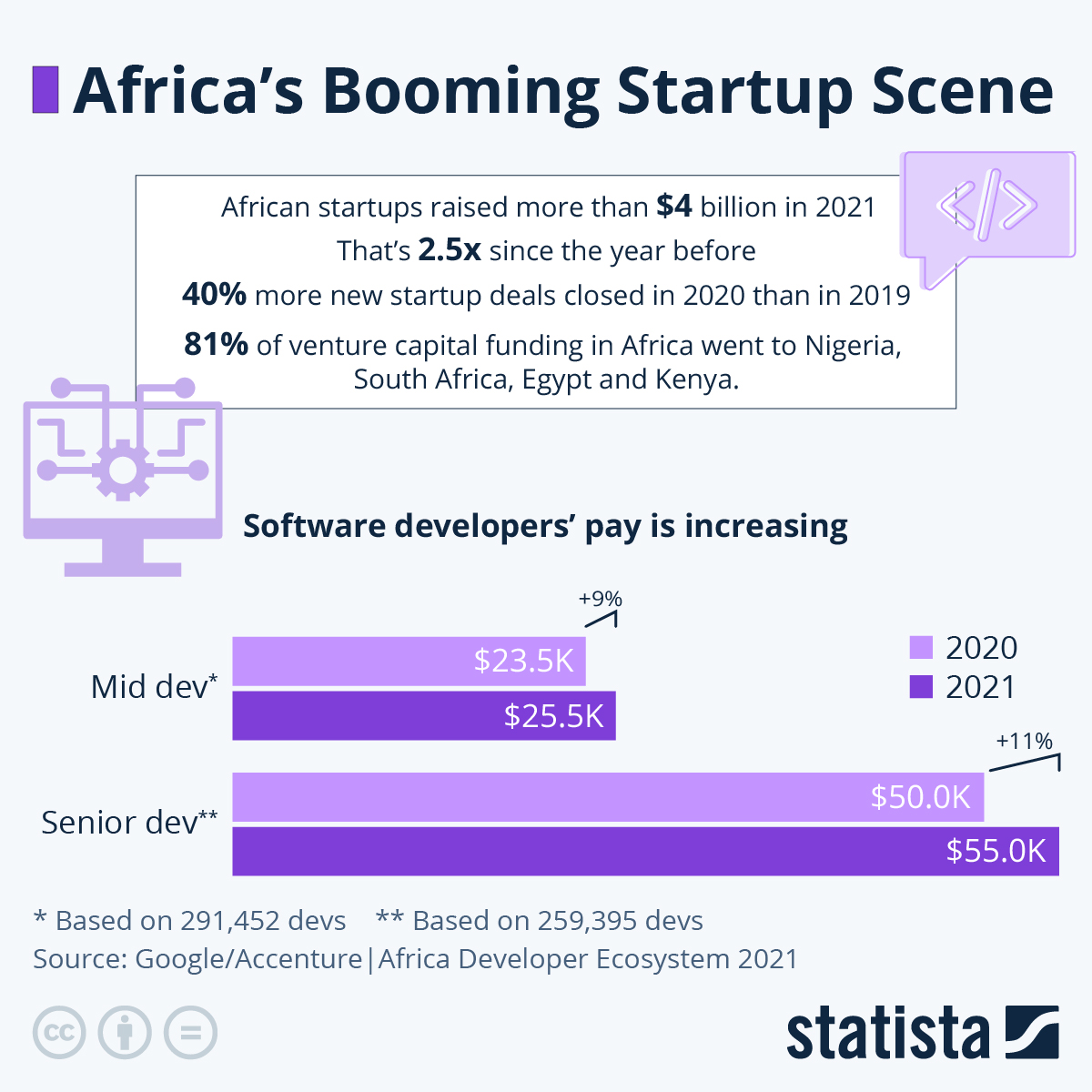
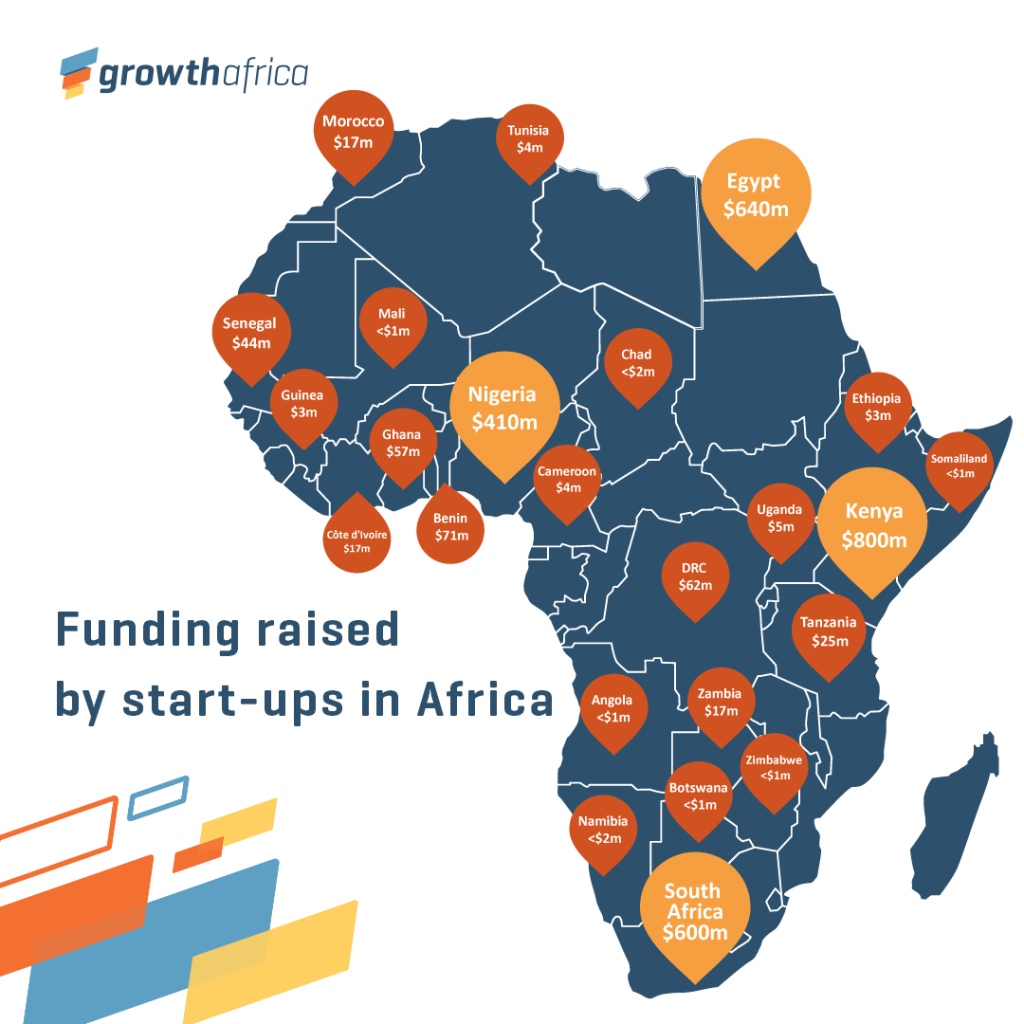
Africa’s startup ecosystem didn’t just bounce back in 2025, it grew up. After two tough years that tested everyone’s resolve, venture funding climbed past the $3 billion mark, according to industry analysis. But here’s the thing, the real story wasn’t about the headline totals. It was about a fundamental shift in mindset, from chasing growth at any cost to embracing what investors now demand, disciplined, performance-driven capital. Money returned to the market, sure, but it came with strings attached. Investors got pickier, conducting deeper due diligence and insisting on clearer paths to profitability before writing checks. They moved away from spreading bets widely and instead focused on tighter governance and stronger unit economics. This wasn’t just a rebound, it was a recalibration that signals a more mature phase for the continent’s digital economy. The funding mix evolved too. While equity rounds stayed important, founders explored more options to keep their companies going without giving away too much of the pie. Debt facilities, revenue-based financing, and other structured instruments gained real traction, especially for scaling businesses in lending and mobility. These tools help extend a startup’s runway, but they also introduce new pressures, like repayment schedules and stricter oversight. It’s a trade-off, and in 2025, many founders decided it was worth making.
Beyond Fintech Frontiers
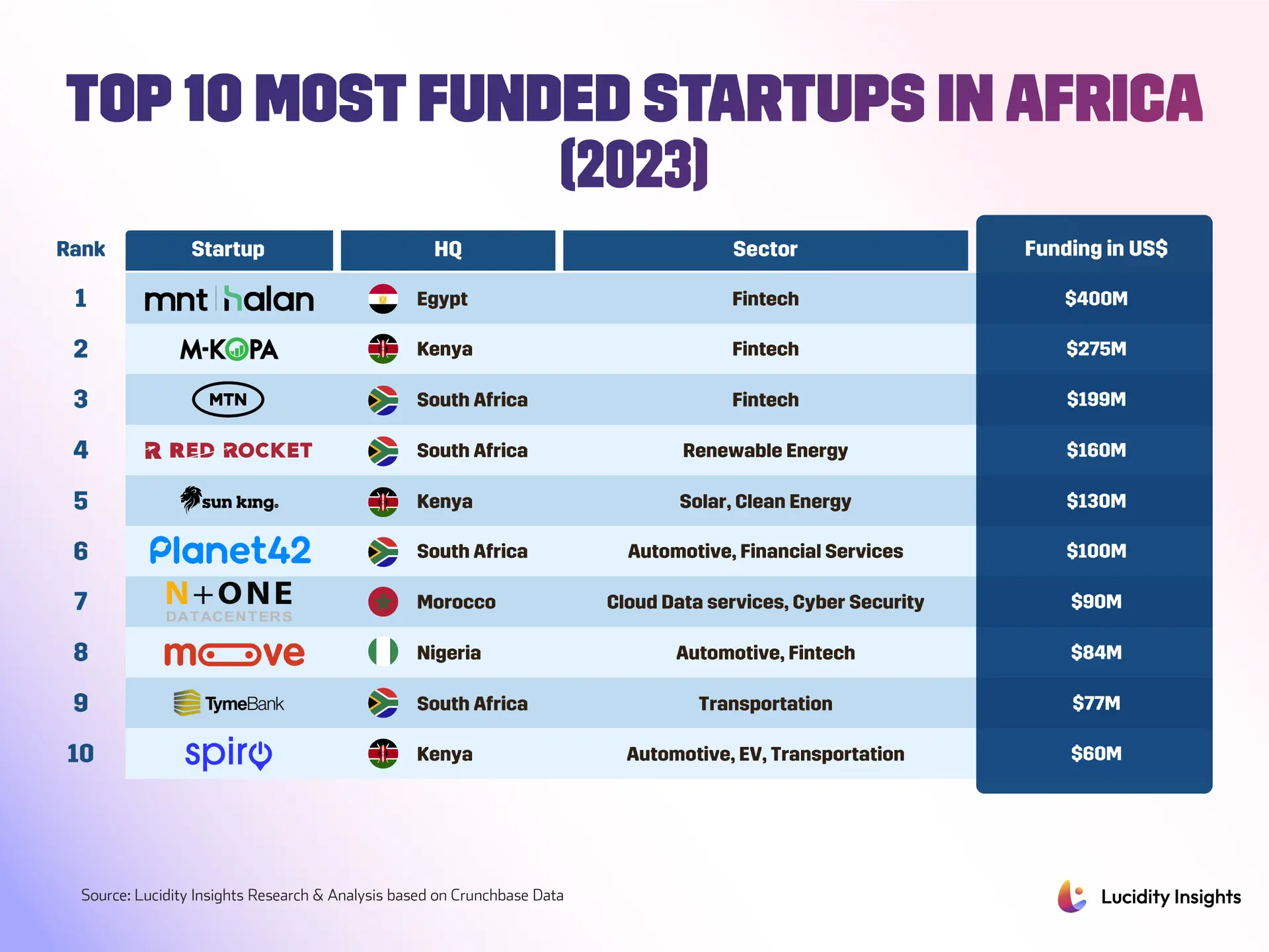
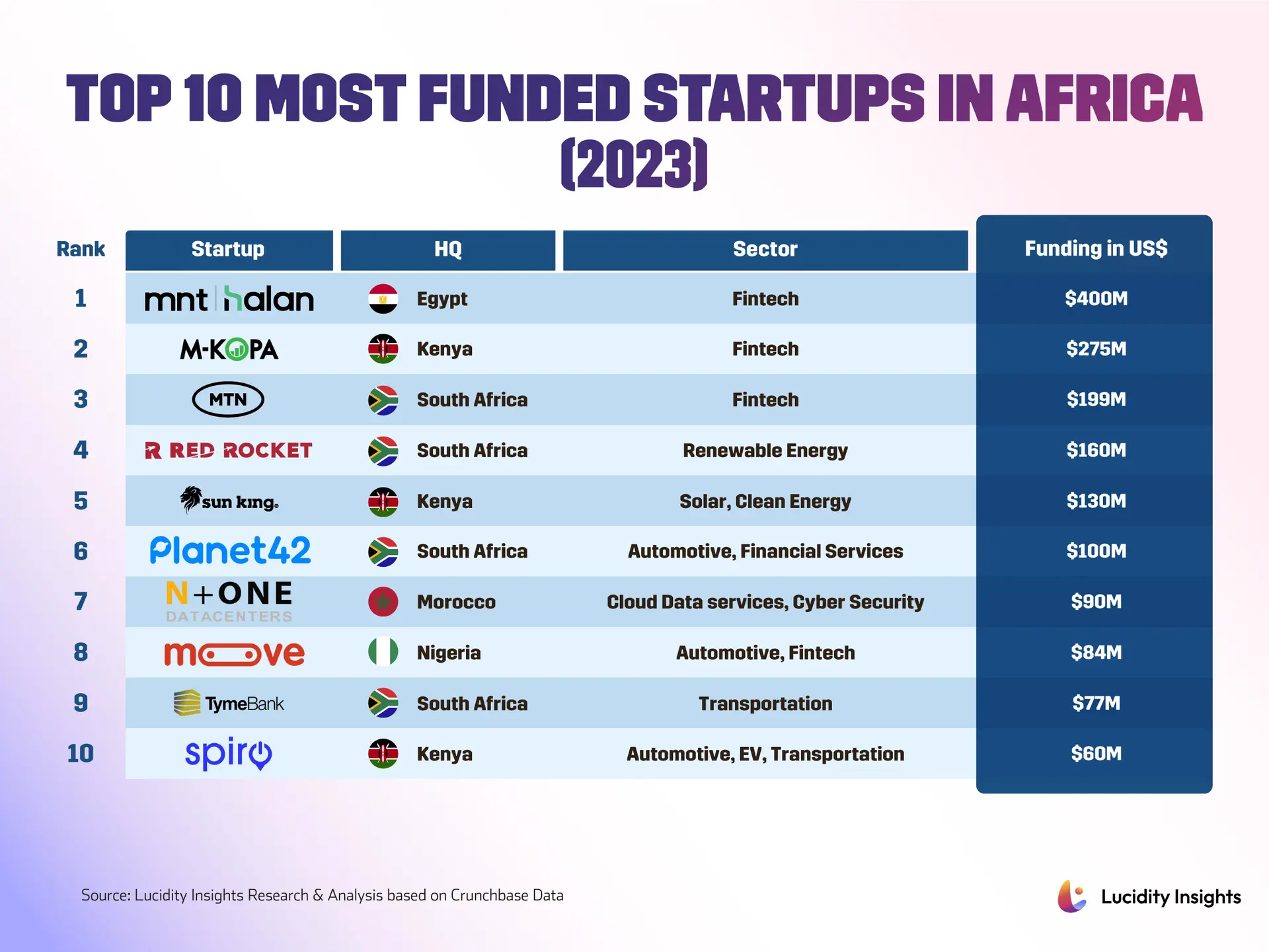
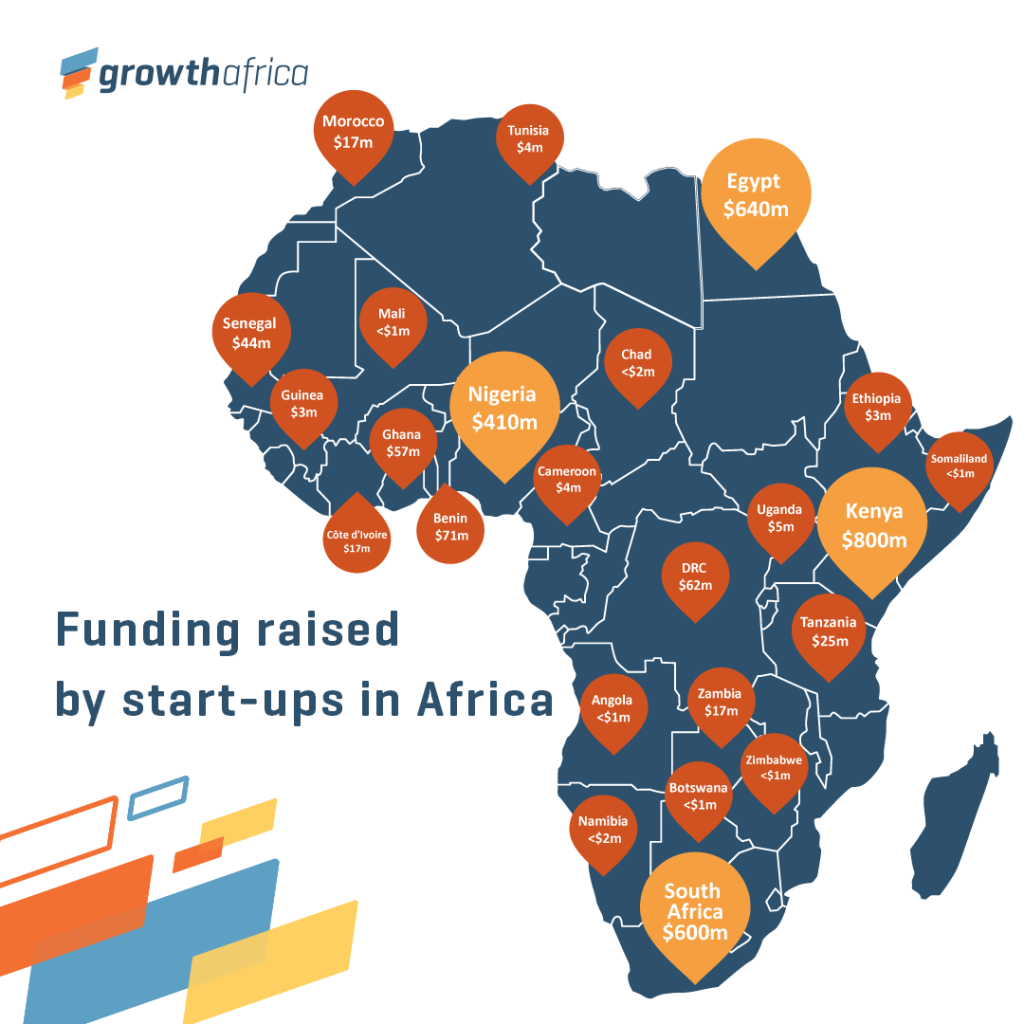
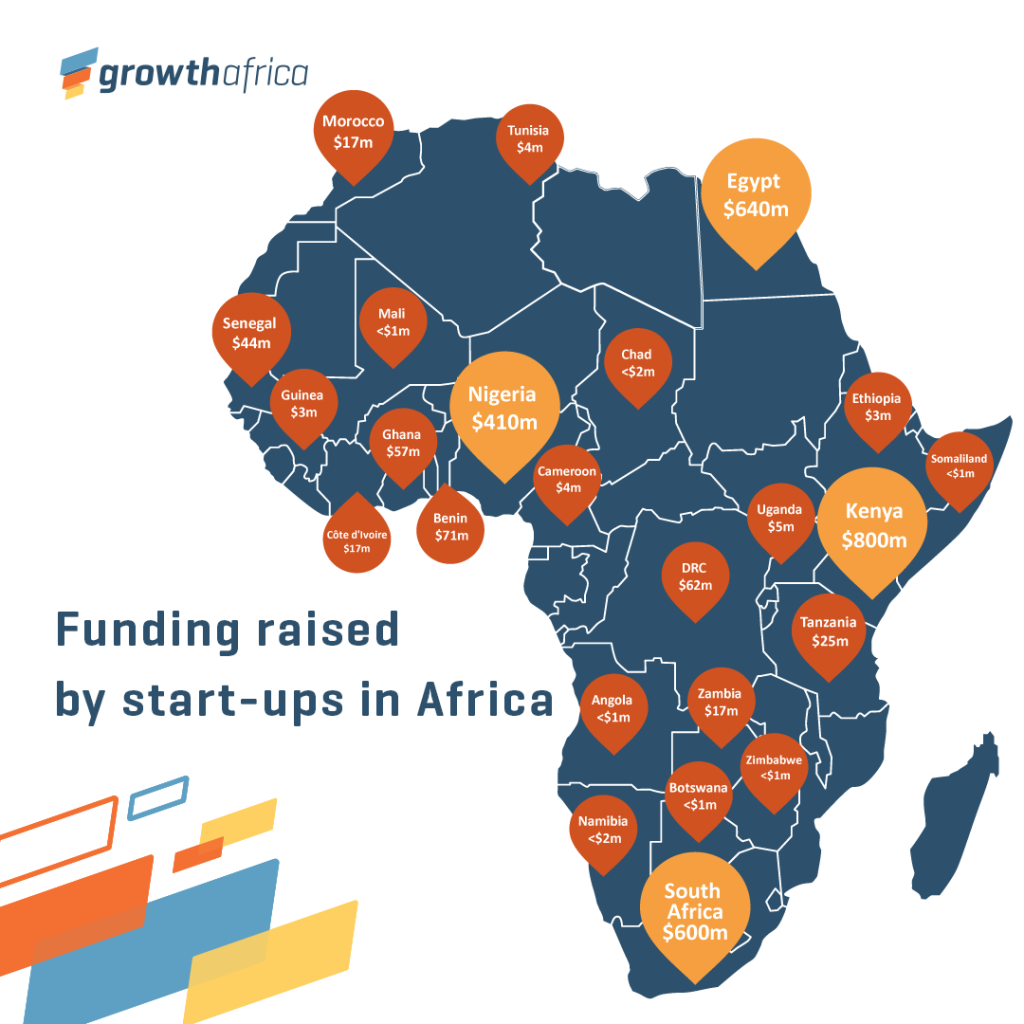
The deal flow from last year tells this new, pragmatic story. Fintech continued to grab most of the attention, and for good reason. The sector’s large addressable markets and clearer revenue paths made it a natural fit for cautious capital. Egypt’s ValU secured a $63 million round to expand consumer finance, while Nigeria’s MAX raised $24 million for electric mobility financing. But look beyond fintech, and you’ll see innovation blooming across the continent, a trend tracked by platforms like WeeTracker. In Morocco, a startup partnered with a national ministry to digitize tens of thousands of small shops after a modest pre-seed raise. In Ghana and Kenya, companies solving last-mile logistics and fulfillment scaled up to meet booming e-commerce demand. A Nigerian venture even used AI to build trust in the tricky used-car market. This geographic and sectoral breadth shows that entrepreneurial energy isn’t confined to one country or one idea. The exit landscape changed as well. Strategic acquisitions picked up pace, with companies like Andela buying specialist platform Woven to deepen its AI talent assessments. These moves aren’t just about consolidation, they’re about smart companies buying capabilities they can’t build fast enough. Meanwhile, a noticeable string of IPOs across African exchanges in 2024 and 2025 sent a powerful signal, public market exits are becoming a real, attainable goal for the continent’s top performers, as detailed in reports on funding milestones.
The Road to 2026
So what’s holding this maturing ecosystem together? Talent, for one. As the race for engineering skill, particularly in AI and infrastructure, heats up, human capital has become a critical competitive edge. Acquisitions of training platforms highlight how serious companies are about securing top-tier teams. Then there’s the broader context. Startups don’t operate in a vacuum. International trade rules, environmental regulations, and major infrastructure investments all shape the playing field, influencing everything from supply chains to market access. Policymakers have a role too, in crafting regulations that support cross-border digital finance without compromising stability. Looking ahead to 2026, expect this trend toward selectivity to continue. Capital will likely flow to businesses with proven unit economics and solid governance. We’ll probably see more mergers and acquisitions as established players snap up innovative newcomers rather than building from scratch. Founders should brace for tougher conversations about margins, and investors will keep judging companies by their exit readiness, a dynamic visible in comprehensive data from Tracxn. It’s a new era for Africa’s tech landscape, one defined less by flashy funding announcements and more by the quality of growth. For everyone involved, from founders to citizens, a more disciplined market promises fewer boom-and-bust cycles and more companies built to last.