Africa’s Startup Moment Recalibrates, as Capital Tightens and Breakout Innovators Prove the Case
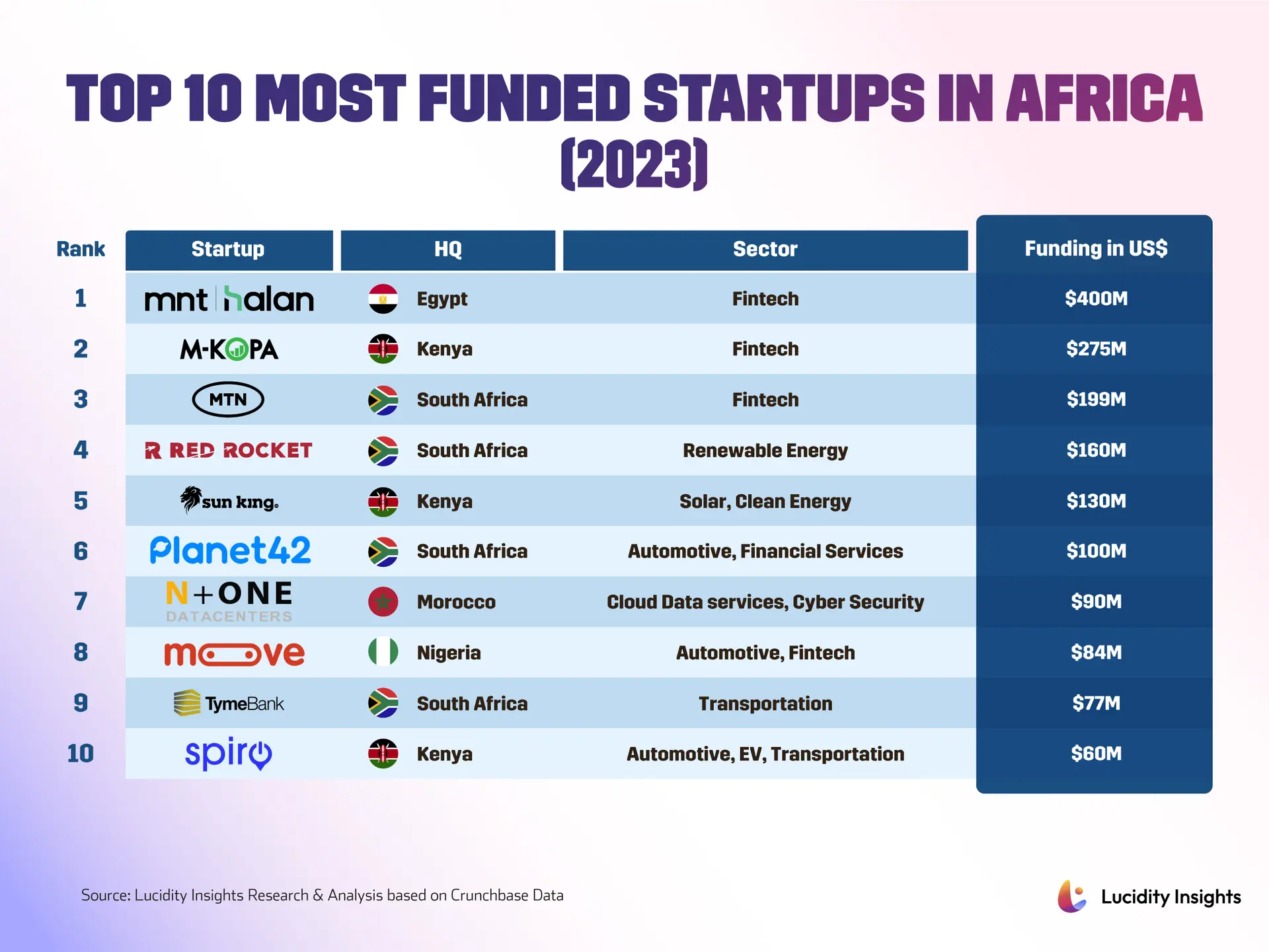
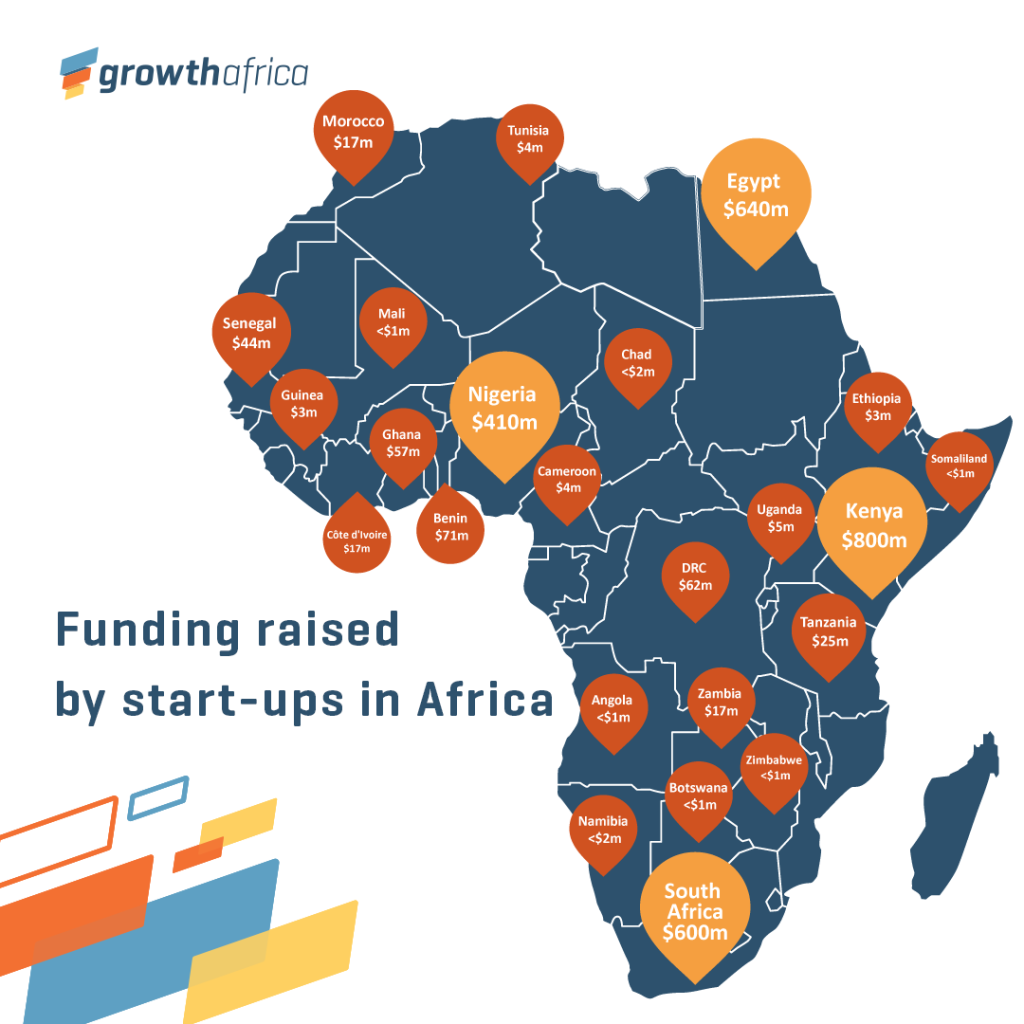
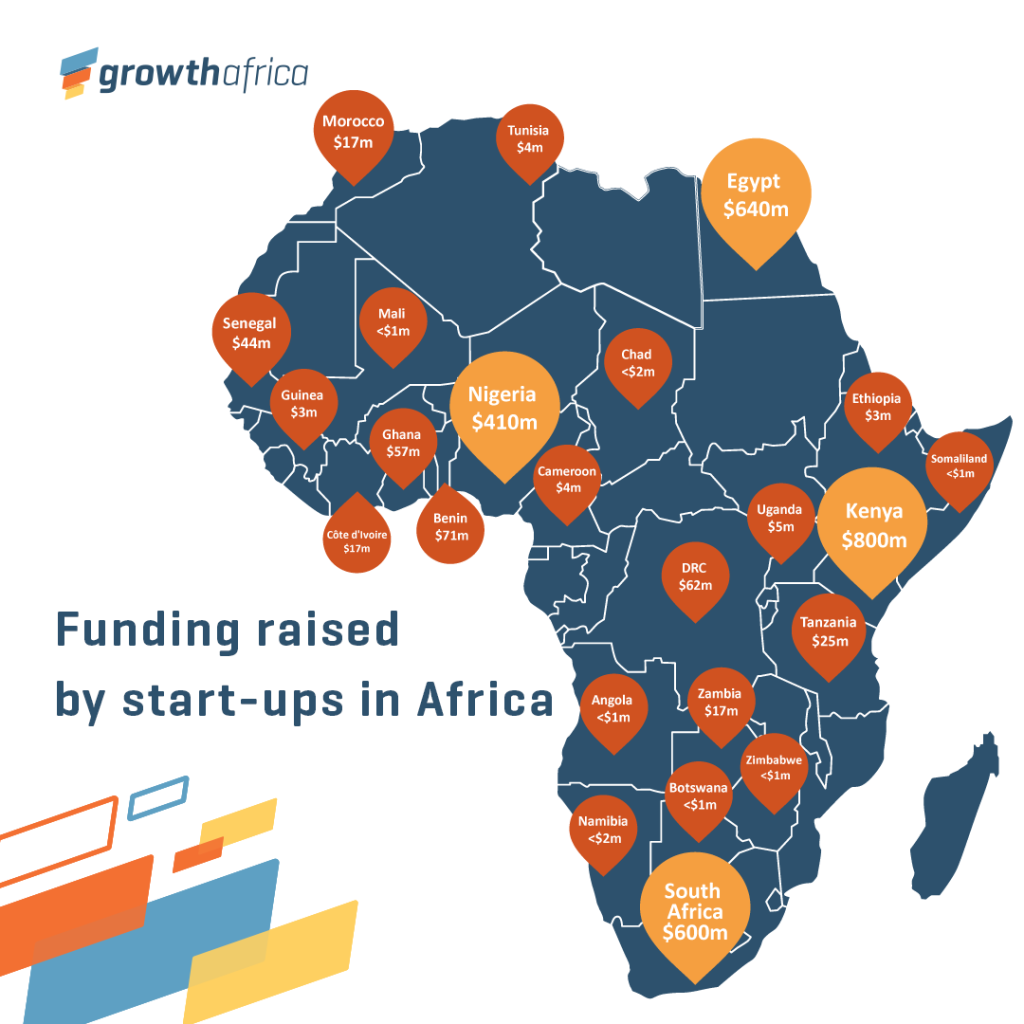
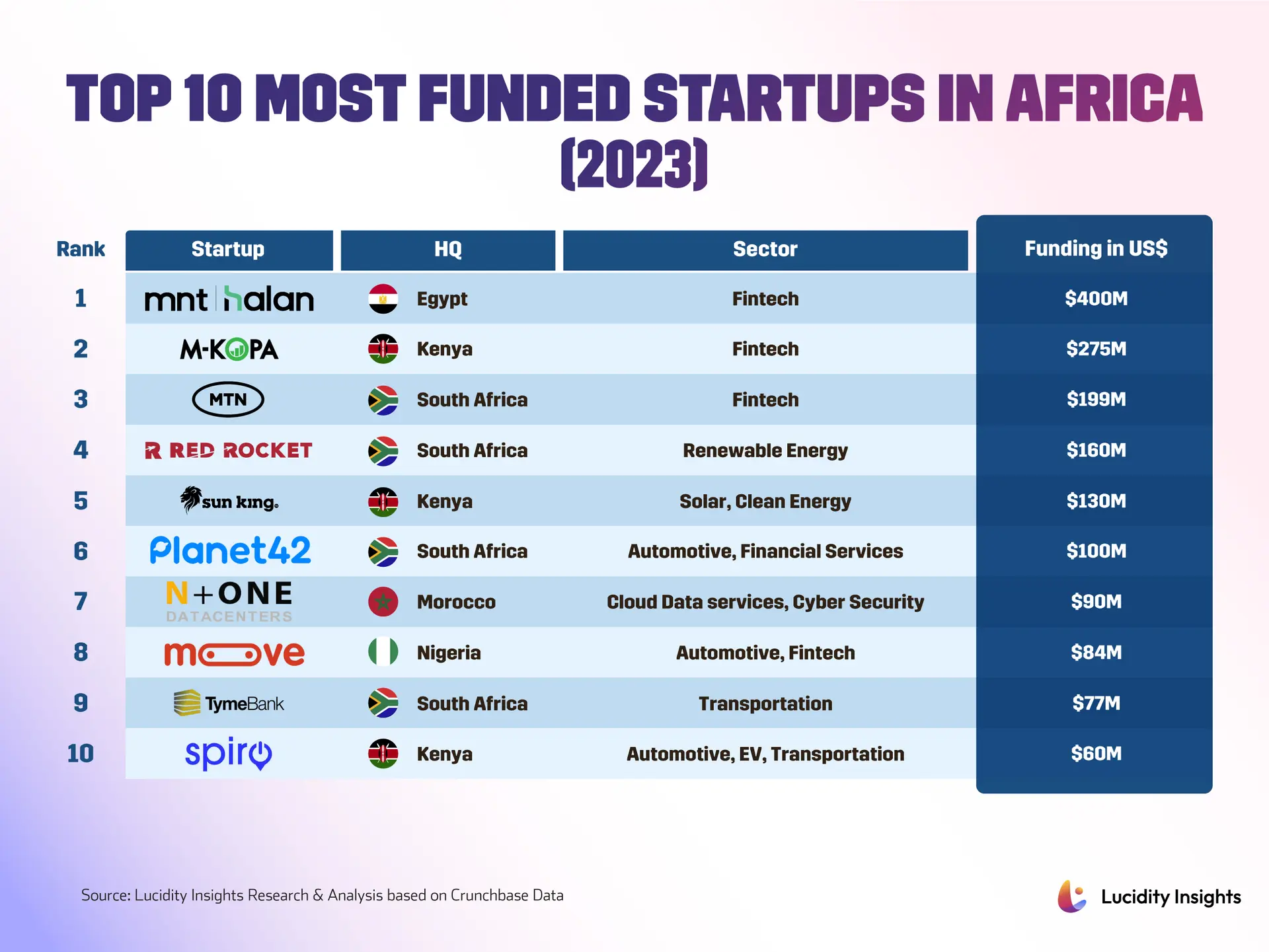
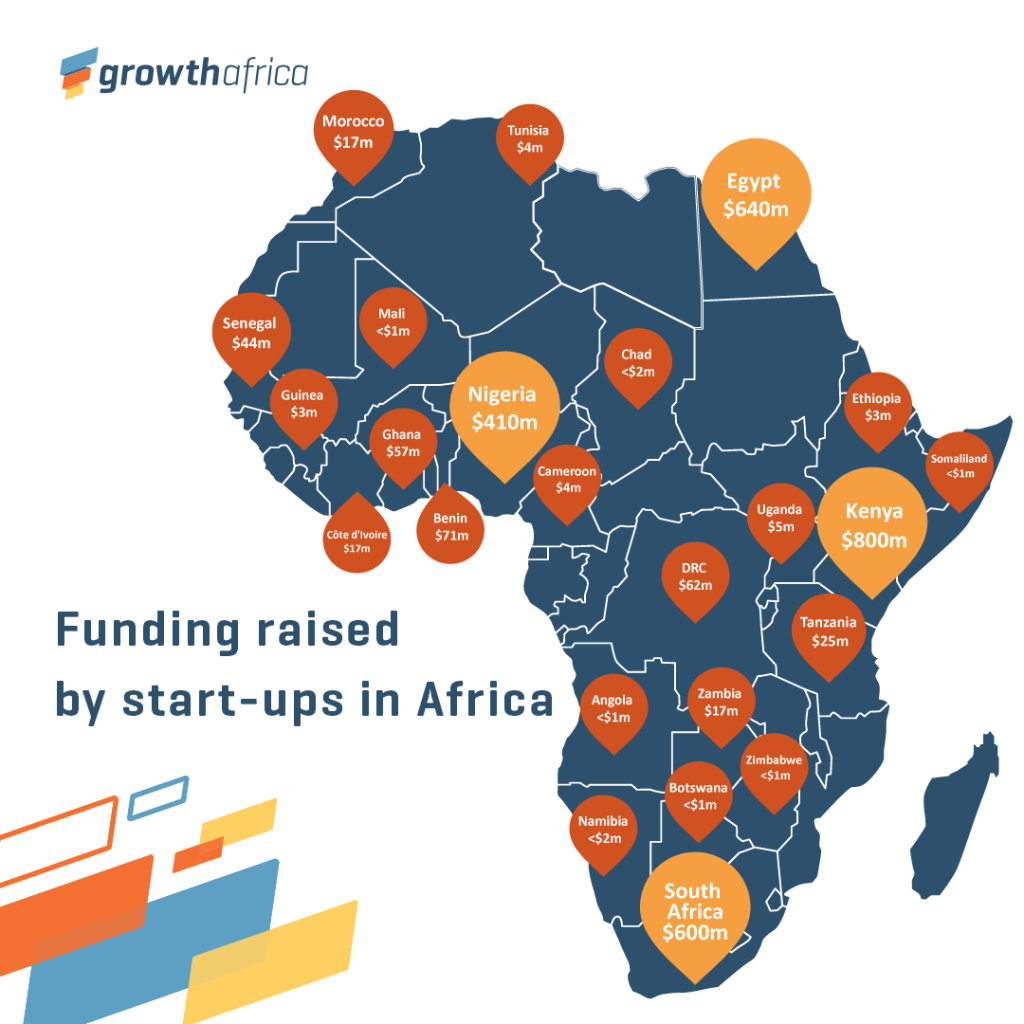
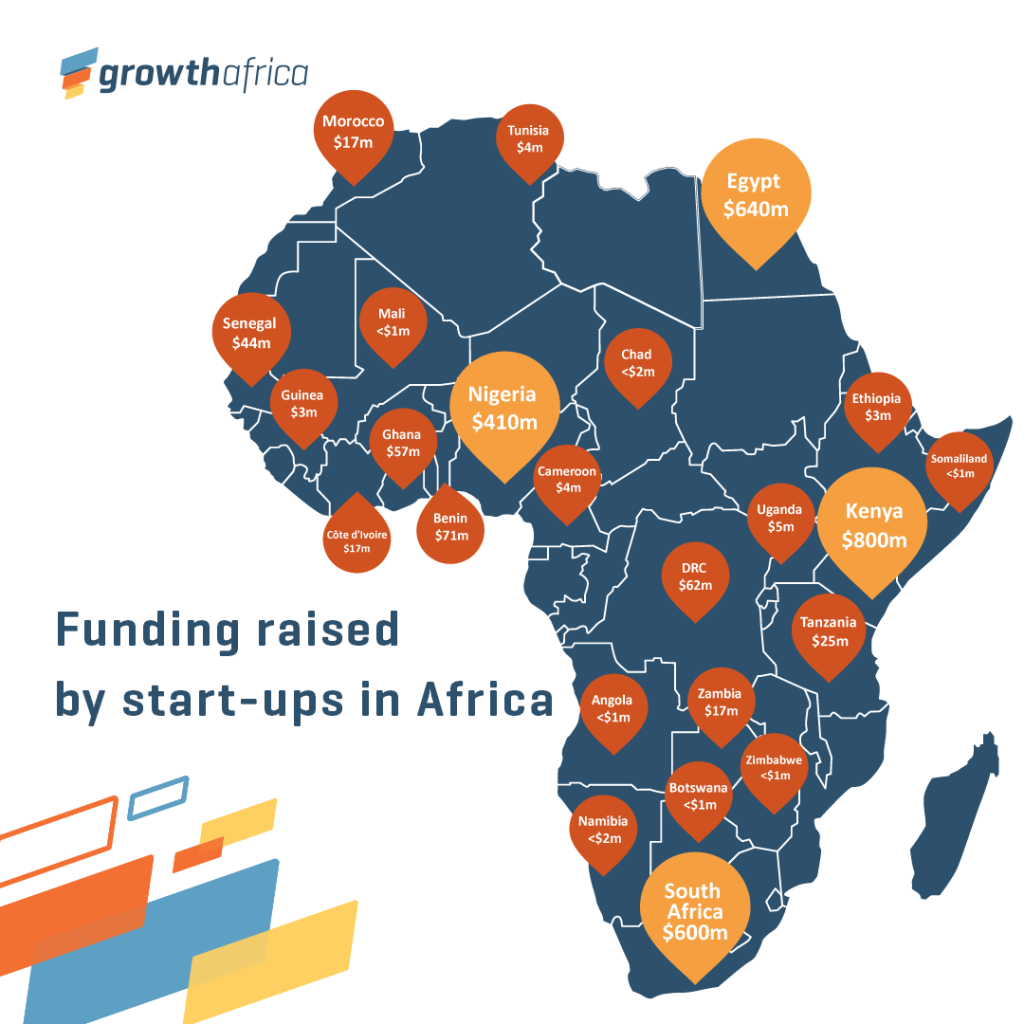
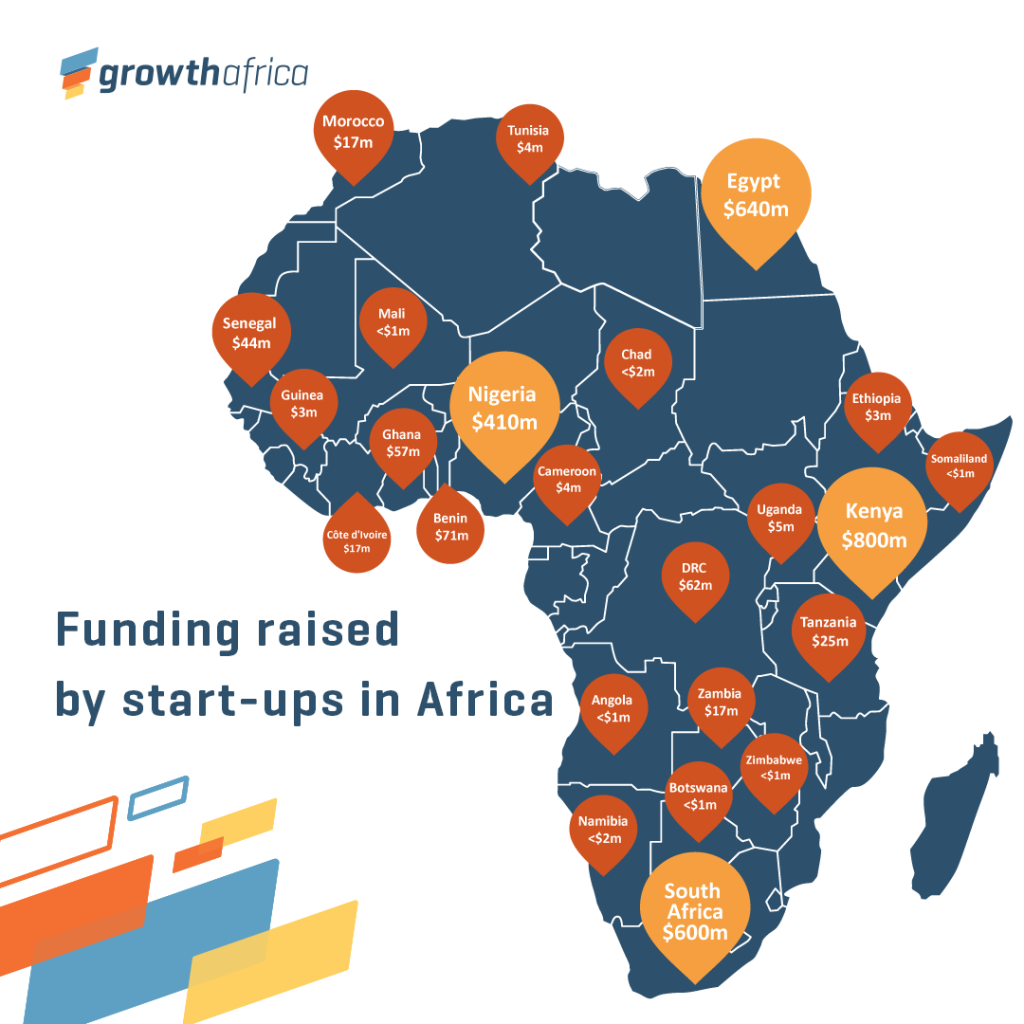
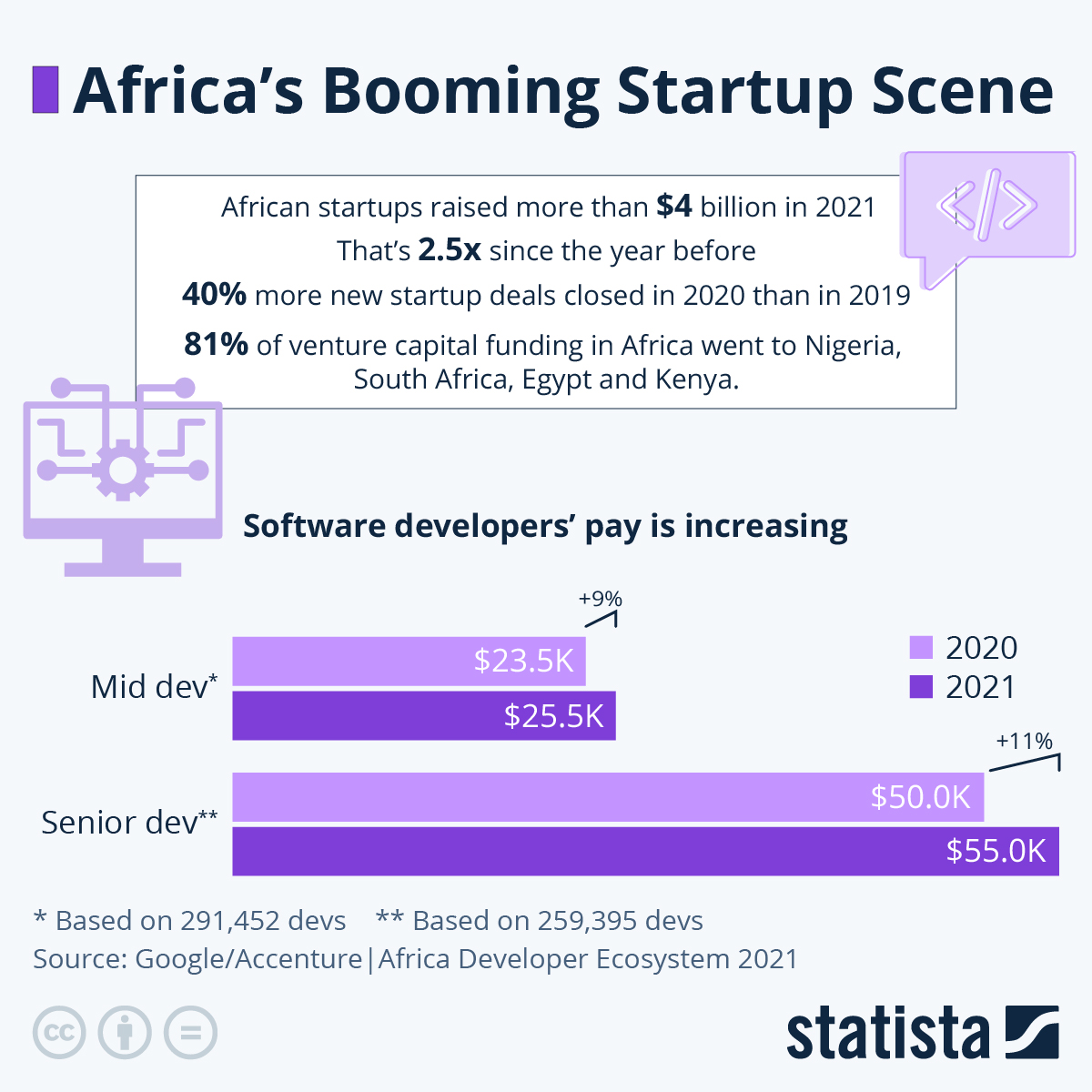
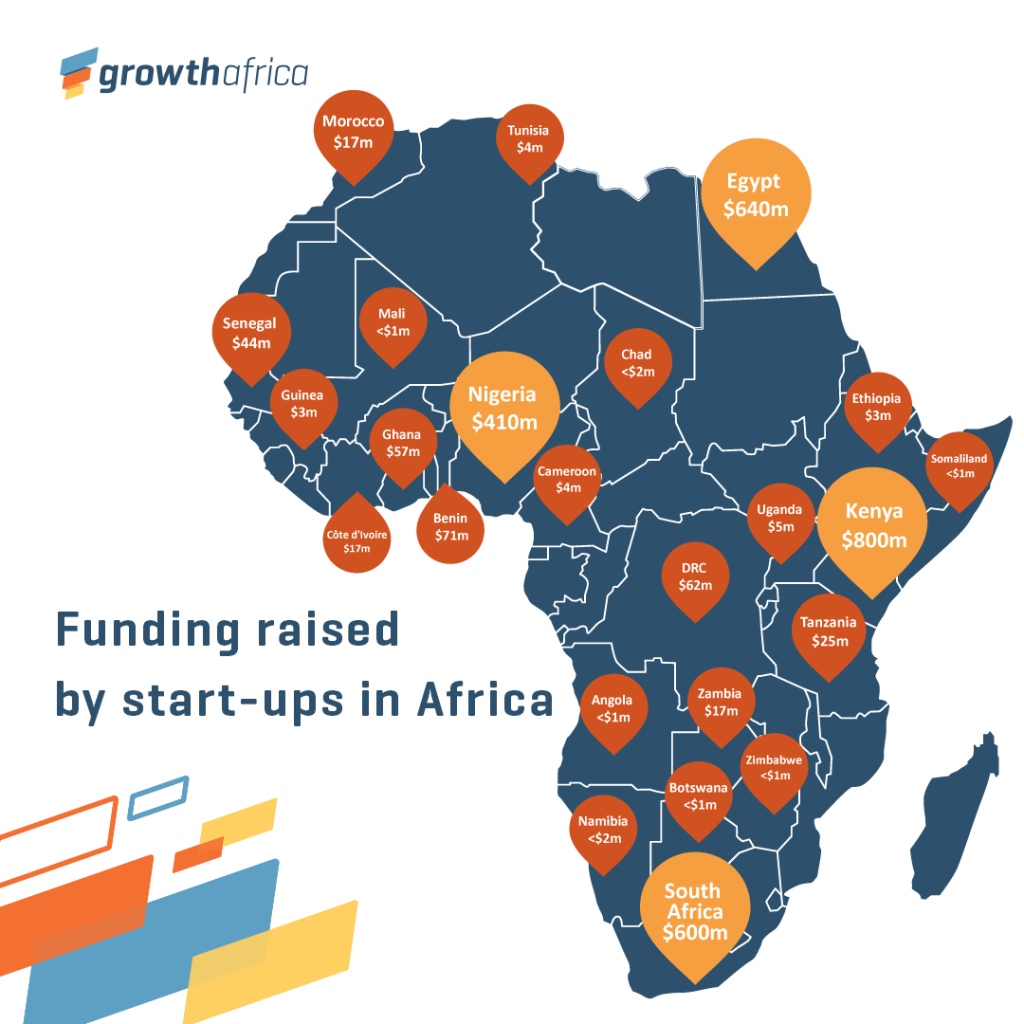
Something’s shifting across Africa’s startup landscape. The days of easy money and growth-at-all-costs are giving way to a more disciplined, performance-driven reality. Venture funds and strategic investors aren’t just throwing cash at potential anymore. They’re asking harder questions, demanding clearer paths to profitability, and scrutinizing unit economics like never before. According to recent reporting, this tightening of capital isn’t just a temporary blip. It’s a fundamental recalibration. You can see it in public markets and private exits. A wave of recent listings, including names highlighted in sector trackers, and a string of acquisitions show that investors will still commit capital, but only for companies that demonstrate robust economics and credible expansion plans. At the same time, macro developments are adding urgency. The European Union’s carbon border adjustment mechanism will raise costs for carbon-intensive exports. Major diplomatic moves, like US support for large infrastructure projects in Ethiopia, are changing the backdrop against which African businesses raise capital. For founders and fund managers, this means fitting business models to a future where environmental compliance, geopolitical alignment, and demonstrable impact matter just as much as growth.
Solving Real Problems, Not Chasing Hype
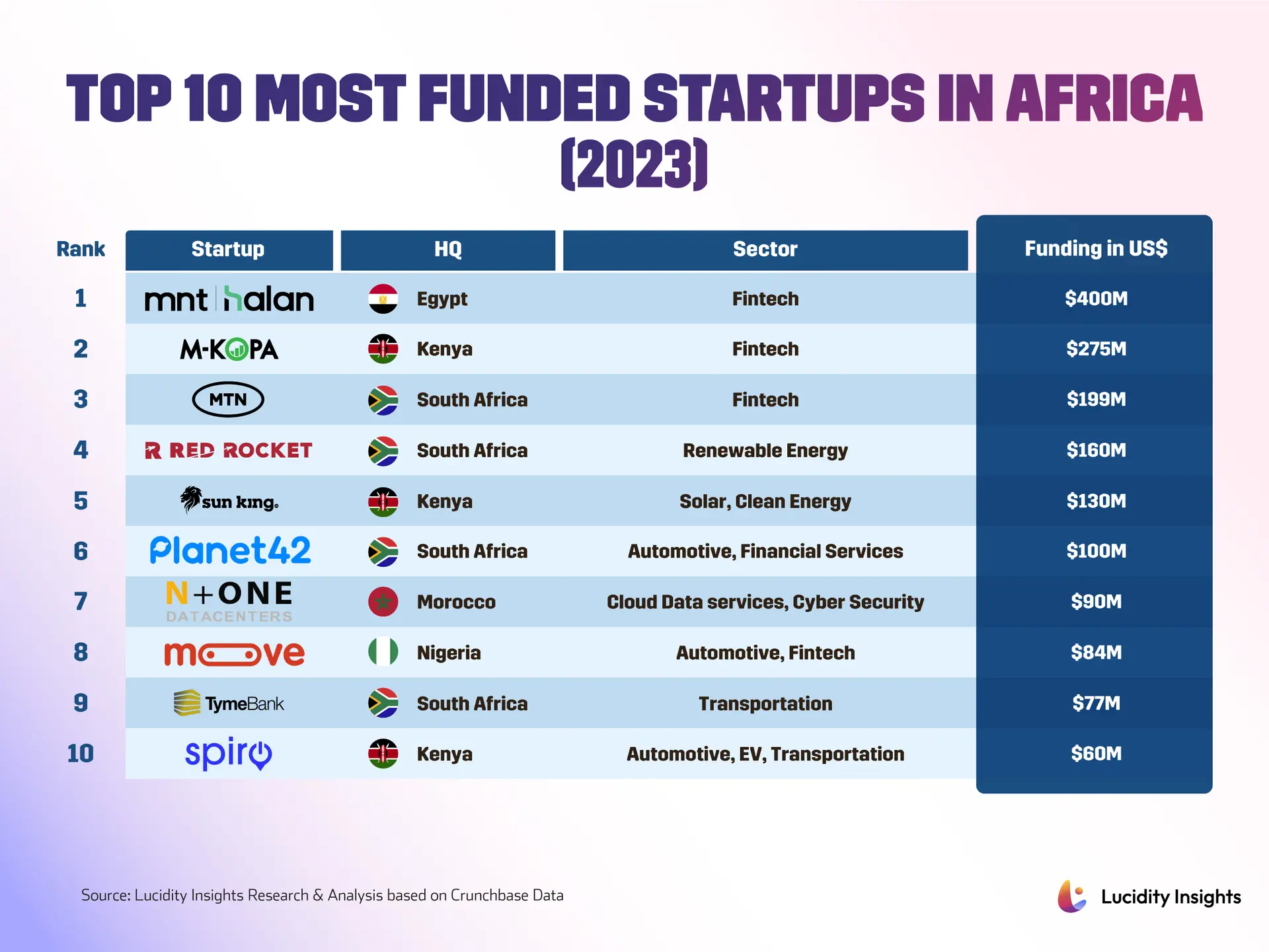
In this more selective environment, certain sectors are standing out. Not because they’re shiny and new, but because they solve persistent, everyday frictions. Payments, logistics, digital commerce, and industry-specific SaaS are capturing investor attention, and a number of companies show exactly why. Fintech remains central. Take Honeycoin, a Kenyan startup focused on stablecoins. These digital tokens keep a steady value by linking to fiat currency, making them useful for cross-border transfers without the wild volatility of other cryptocurrencies. Honeycoin now serves hundreds of thousands of users and processes sizable monthly volume, proving how bridges between traditional banking and digital tokens can slash remittance and merchant costs. Logistics is maturing into indispensable infrastructure too. Ghana’s VDL Fulfilment has built a pan-regional network handling hundreds of thousands of orders. Startups like Senga in Kenya tackle last-mile delivery in hard-to-serve areas, combining human operational know-how with smart routing tech to promise reliable deliveries where roads and addresses are a real challenge. Other innovators are attacking sector-specific trust issues. Nigeria’s Carschek uses AI for vehicle inspections and history verification, addressing the information asymmetry that drives risk in used-car markets. In creative industries, SongDis helps independent musicians distribute and monetize their work globally, offering royalty management and advance funding tied to streaming revenue. Even deep tech is emerging. ChipMango, led by engineers with international experience, is training African chip designers and offering design services, a direct response to the global hunger for semiconductor expertise. It’s a long-term, capital-intensive play, but it signals an ambition to move beyond application-level software into core manufacturing and design. Then there’s the quietly powerful trend of smaller merchant digitization. Woliz, after a modest pre-seed raise, has onboarded tens of thousands of stores and processed significant gross merchandise value. Its partnerships with government ministries to digitize small shops show how public-private cooperation can accelerate formalization, broaden tax bases, and give merchants digital payment and inventory tools they desperately need.
The New Rules of the Game
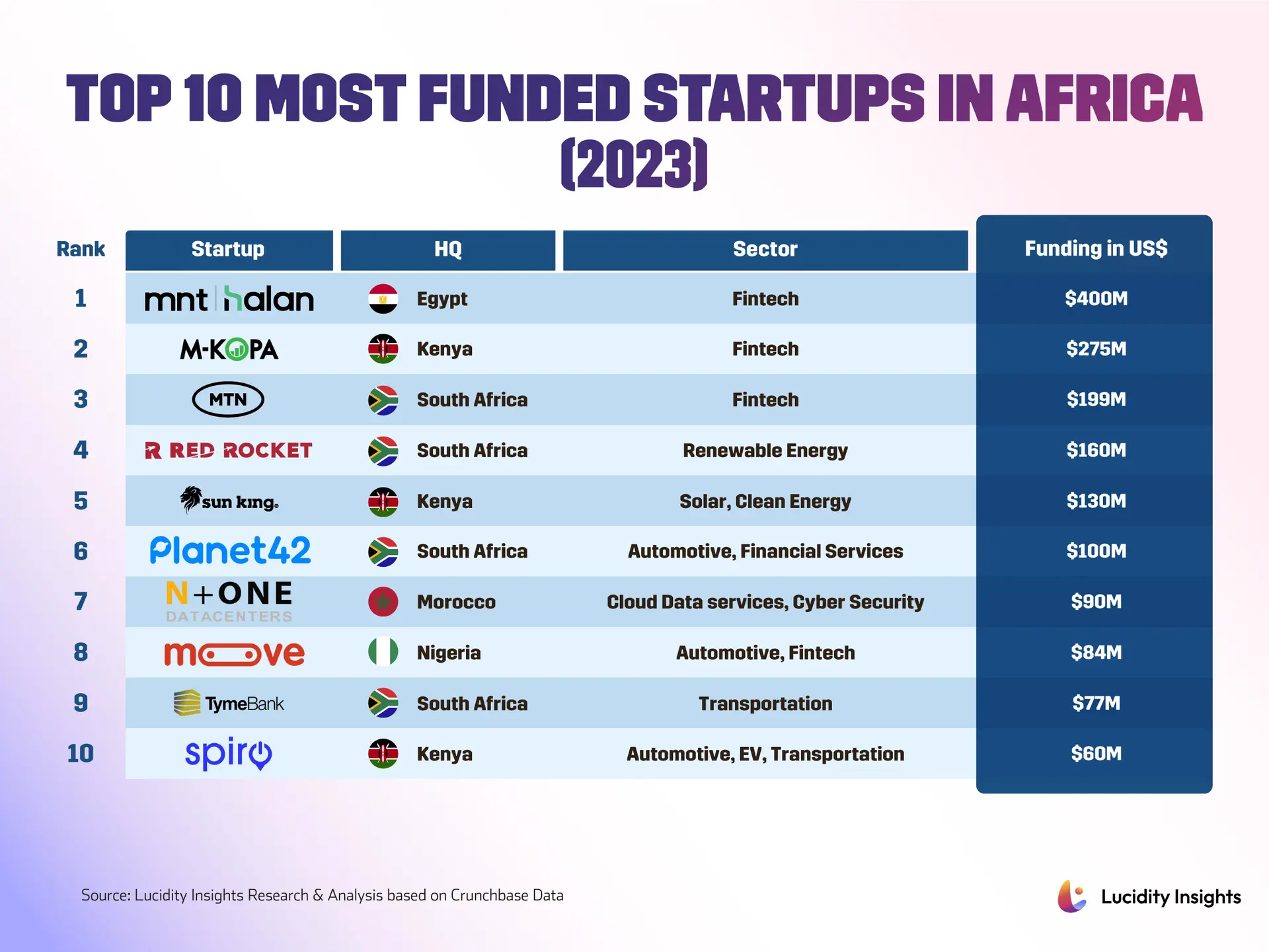
The fundraising landscape has become nuanced, to say the least. Large funds continue to close new pools, and exits and IPOs still happen, as seen in the continent’s record funding rounds. But the bar for follow-on capital is definitely higher. Founders must now prove not only product-market fit, but also healthy margins and a clear path to sustainable cash flow. Corporate partnerships, government contracts, and smart cross-border expansion strategies are increasingly crucial to de-risking growth. Looking ahead, the next 18 months will test whether Africa can turn investor selectivity into stronger, more resilient companies. Regulatory shifts, from national startup laws to international carbon policies, will shape which sectors attract capital. At the same time, startups that solve fundamental pain points in payments, logistics, and trust stand the best chance of winning long-term market share. For founders, the message is clear. Build discipline into your unit economics from day one. Prioritize revenue quality over vanity metrics. Weave local partnerships deeply into your growth story. For investors, the opportunity in Africa’s startup ecosystem remains substantial, but it will favor those who are patient, sector-savvy, and willing to support the gritty operational work that turns promising technology into an enduring business. This isn’t the end of Africa’s tech renaissance. If anything, it’s the beginning of a more mature chapter, one where sustainable scale matters more than fleeting hype, and where solving real problems for real people is what ultimately wins, as highlighted by those tracking the startups to watch.