Africa’s Startup Moment in 2025: From Fintech to Climate Tech
The Infrastructure Builders
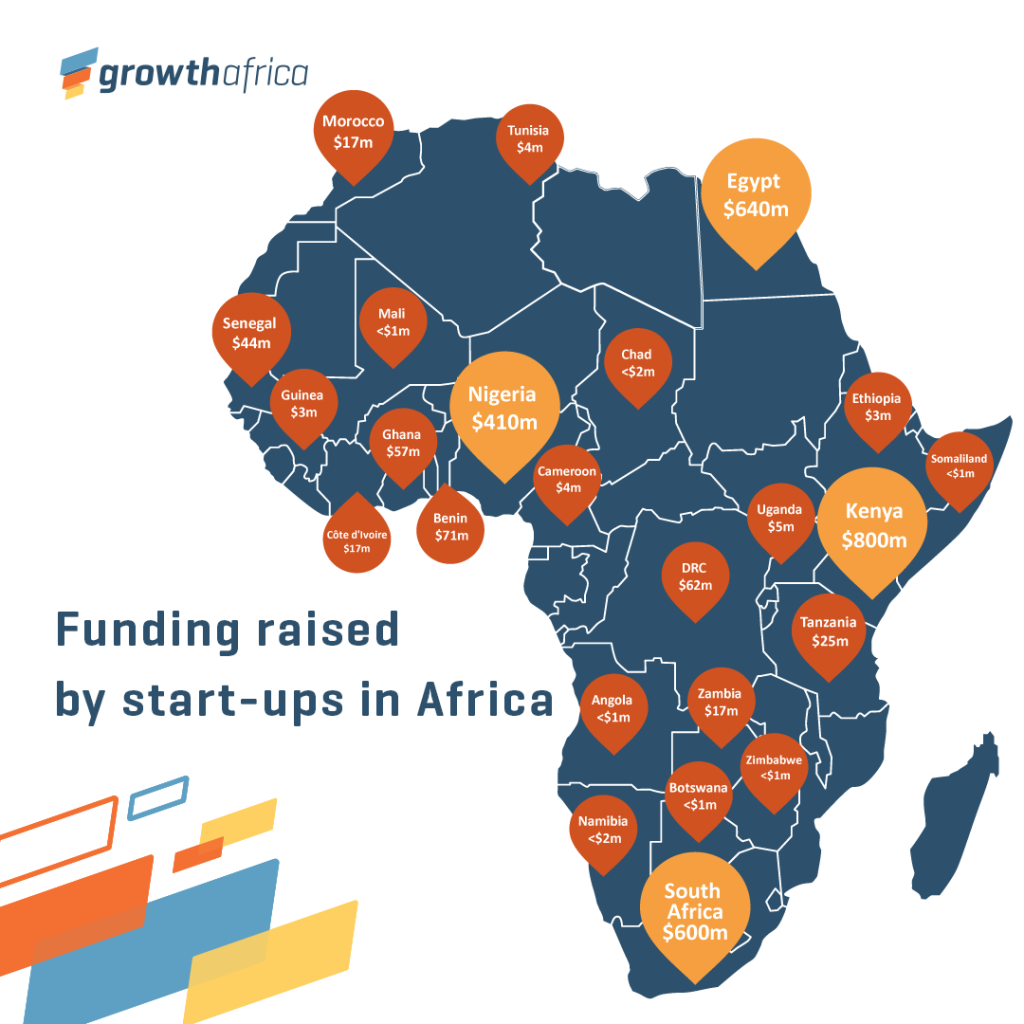
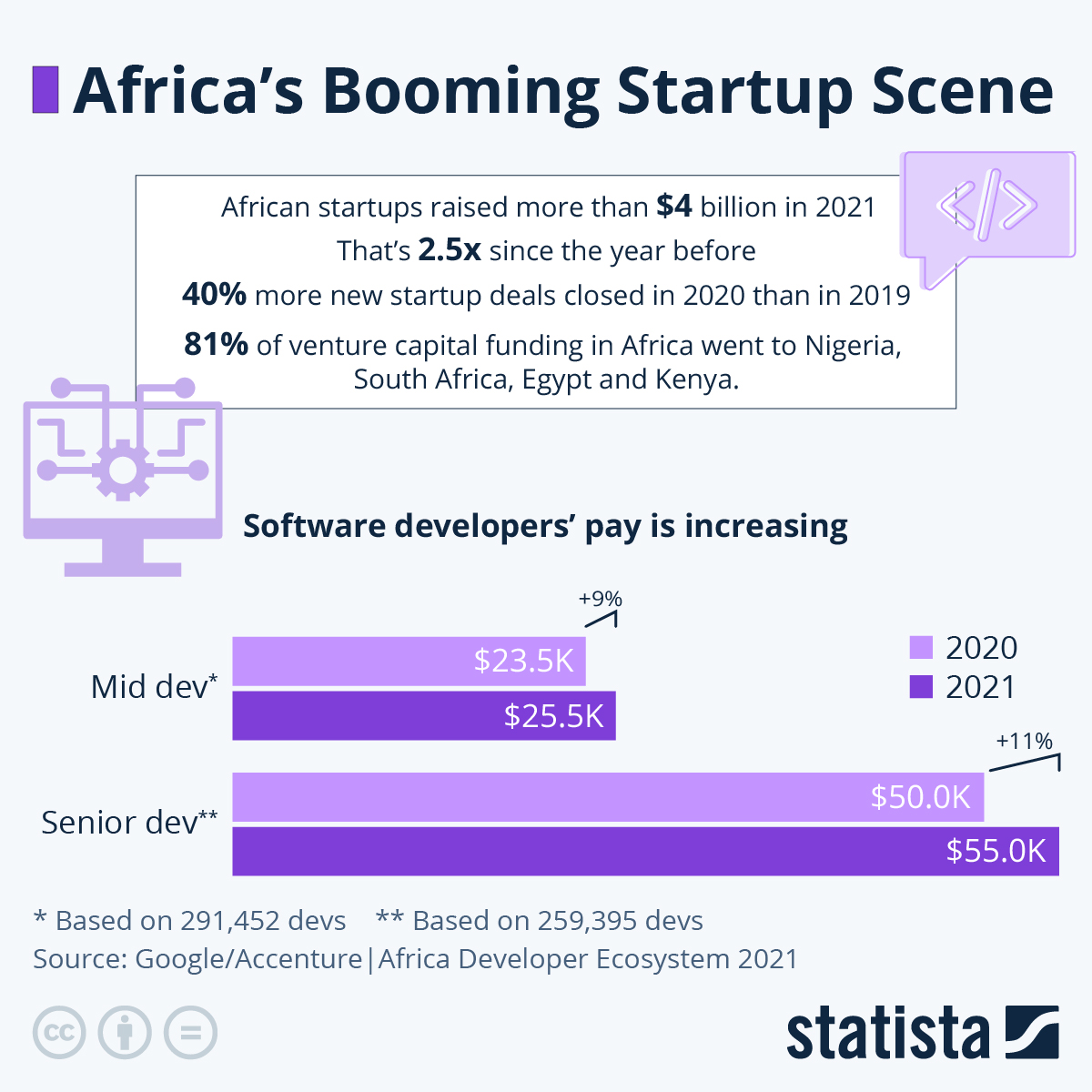
Across Africa’s bustling cities from Lagos to Nairobi and Cairo to Accra, 2025 is shaping up as a watershed year for startups. After a decade of chasing unicorns and explosive growth, founders and investors are now embracing a more grounded reality. They’re focusing on solving everyday infrastructure gaps while proving they can deliver sustainable returns, not just impressive growth metrics. The result? A more disciplined wave of companies that might finally turn digital promise into tangible economic impact. Recent funding deals tell this story. Egyptian proptech leader Nawy closed a reported $52 million round for MENA expansion, while group savings platform MoneyFellows raised $13 million to export its culturally embedded model beyond Egypt. OmniRetail secured $20 million to scale business-to-business e-commerce for merchants who still buy at traditional cash-and-carry markets. These deals show investors still back winners, but the market has shifted. Startups that once rode valuation hype now face closer scrutiny on unit economics and paths to profitability. As Africa’s startup ecosystem continues to boom, this new focus on fundamentals could be what sustains the growth.
Beyond Fintech: Solving Real Problems
The continent’s startup scene is diversifying beyond its fintech backbone. While digital banking innovators like Moniepoint and Y Combinator-backed Djamo continue addressing Africa’s massive underbanked population, newer sectors are gaining traction. Logistics and supply chain tech attract capital because last-mile costs and fragmented distribution networks drive price inflation in many countries. Kenyan company Leta uses artificial intelligence to optimize freight and lower logistics costs, drawing strategic investors including global tech funds. Agritech companies rethink procurement and inventory management, though some like Vendease have had to restructure amid changing market conditions. Mobility and vehicle finance are emerging too, with Gozem raising $30 million for vehicle financing and digital banking in Francophone markets. These businesses tackle everyday pain points like access to reliable transport and credit that matter for commerce and jobs. External pressures are shaping opportunities too. The incoming European Union carbon border tax, which levies imports based on carbon intensity, could catalyze climate tech solutions that lower emissions and create new revenue streams from verified environmental services. Meanwhile, G20 discussions and initiatives aimed at boosting foreign direct investment to Africa could unlock more long-term, patient capital if governments improve regulatory clarity and infrastructure.
The New Discipline
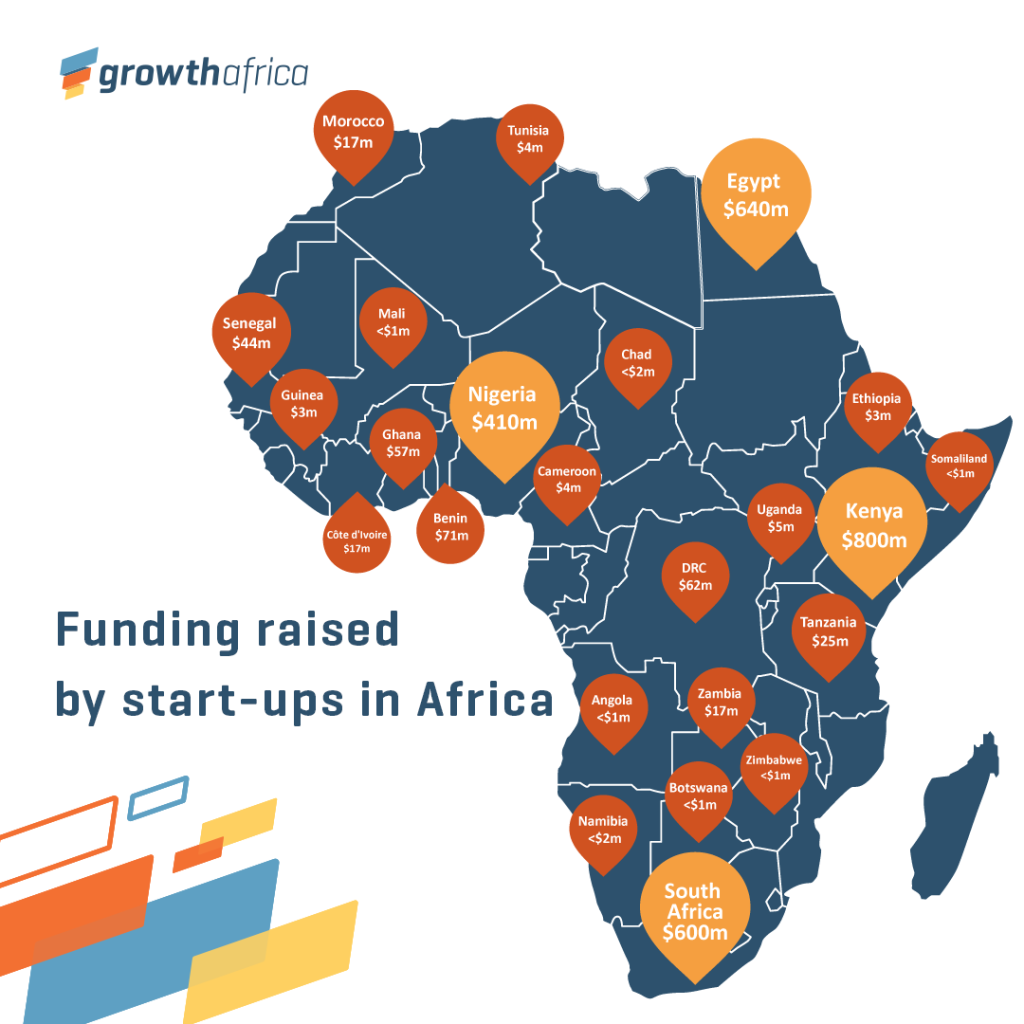
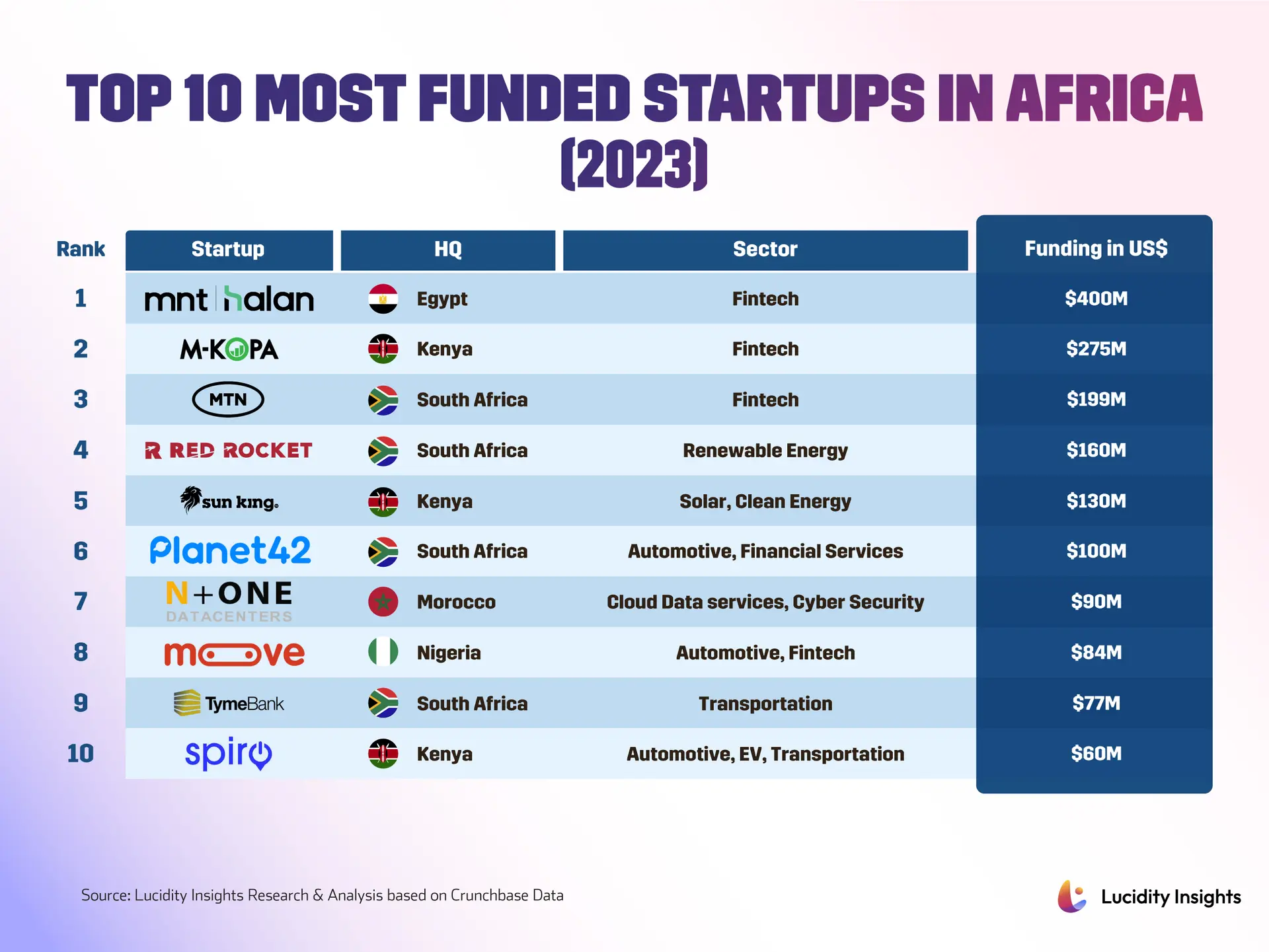
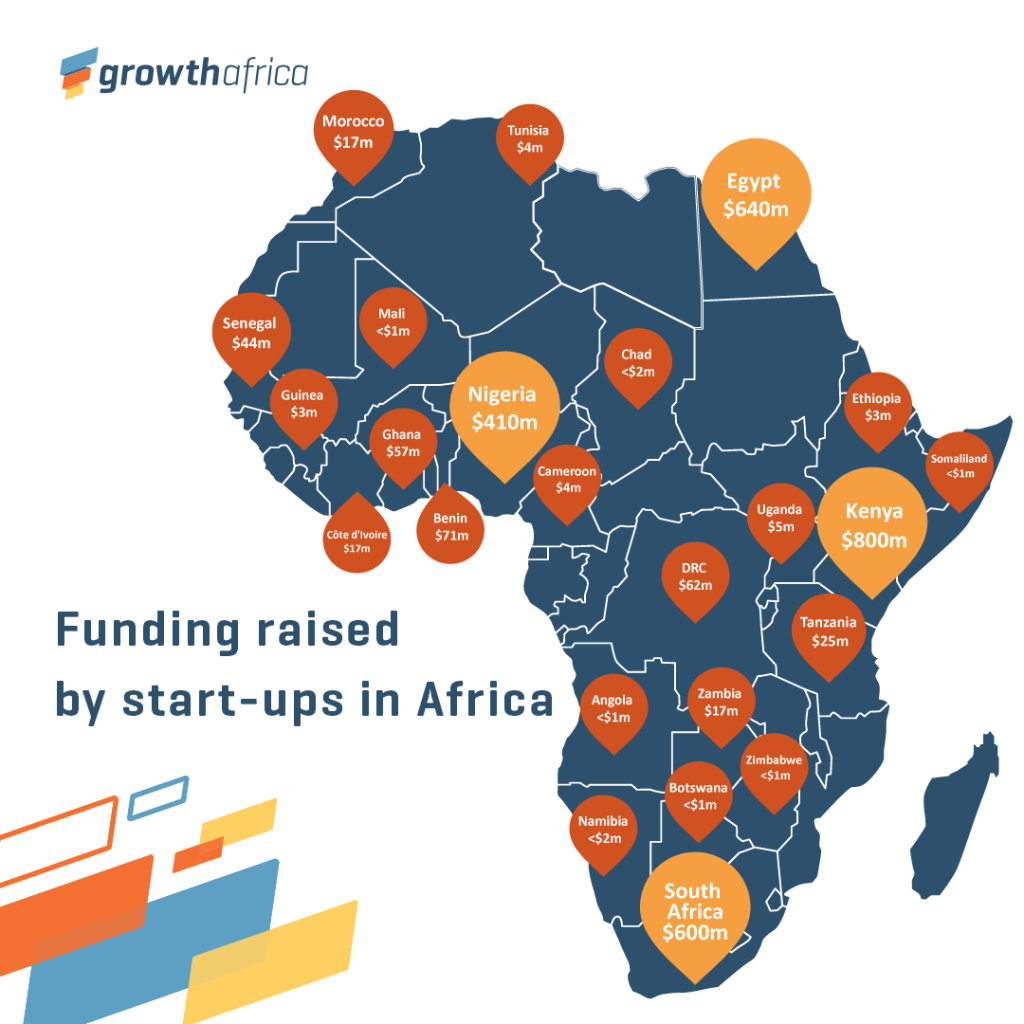
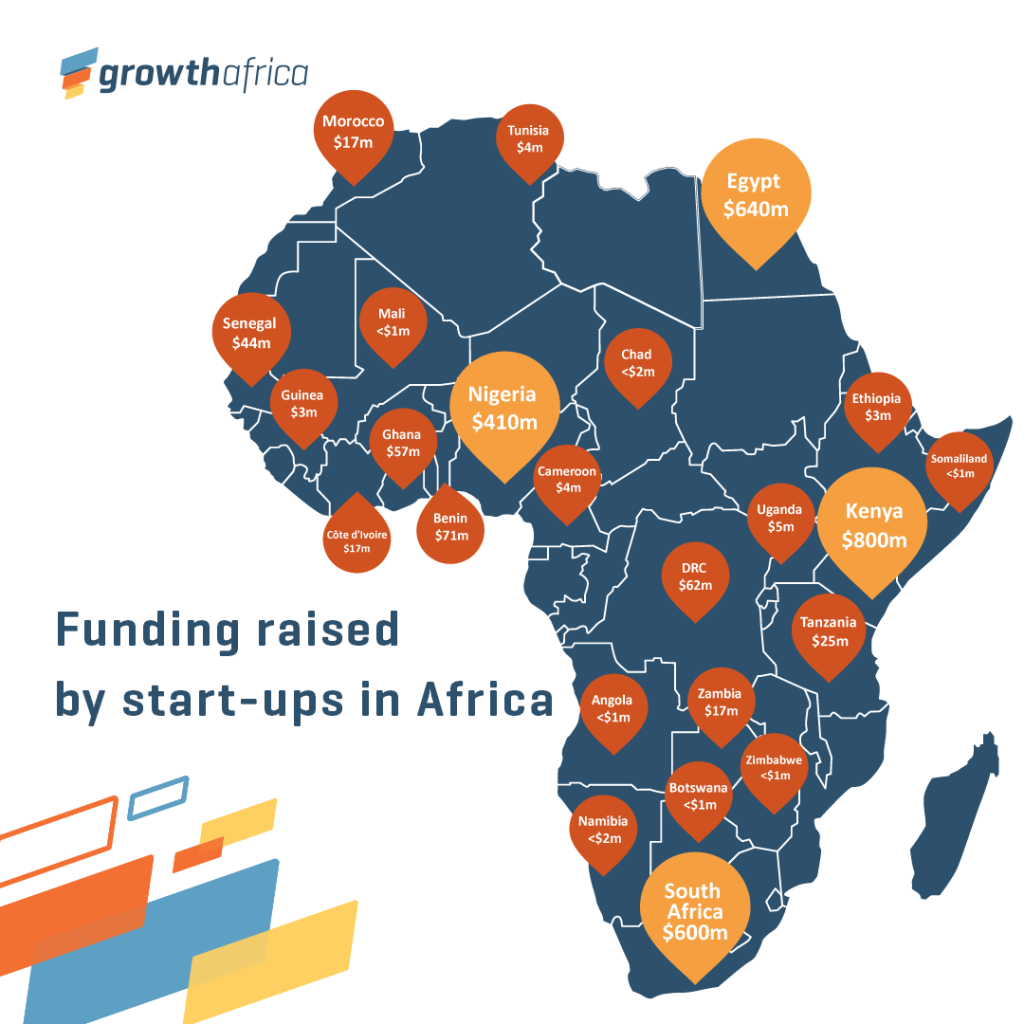
What makes 2025 different is the quality of attention investors are giving founders. They’re asking sharper questions about cash flow, unit economics, and the social and environmental footprint of businesses. According to Seedtable’s ranking of the continent’s top startups, aggregated funding sits north of hundreds of millions for a small cohort, signaling concentrated investor interest. At the same time, African venture funds are becoming more selective, and some global investors demand clearer returns. This dynamic has prompted some layoffs and pivots, but it’s also encouraging healthier governance and sharper product-market fit. Remittances and diaspora capital remain strategic levers, with platforms simplifying cross-border transfers and enabling diaspora investment into local startups gaining traction. These flows aren’t just revenue opportunities for fintechs, they’re stable funding that can buffer local market volatility. Looking ahead to 2026, the big question isn’t whether Africa will produce more unicorns, but whether this wave will convert technology into durable jobs, resilient industries, and sustainable exports. The signs are promising. Capital is returning, but in a smarter form, as funding surges past key milestones. Startups solving everyday infrastructure problems now have clearer routes to scale, supported by a growing community of investors, governments, and customers ready to test them. If the sector keeps its newfound discipline while preserving the audacity that built the first wave, the next five years could be when digital innovation finally becomes a foundation for broader economic transformation, as detailed in African Business’s analysis of promising startups and covered extensively in TechCrunch’s Africa coverage.