
Africa’s Startup Moment: 20 Companies Signal a New Phase of Growth and Resilience
The Continent’s Tech Economy Takes Shape
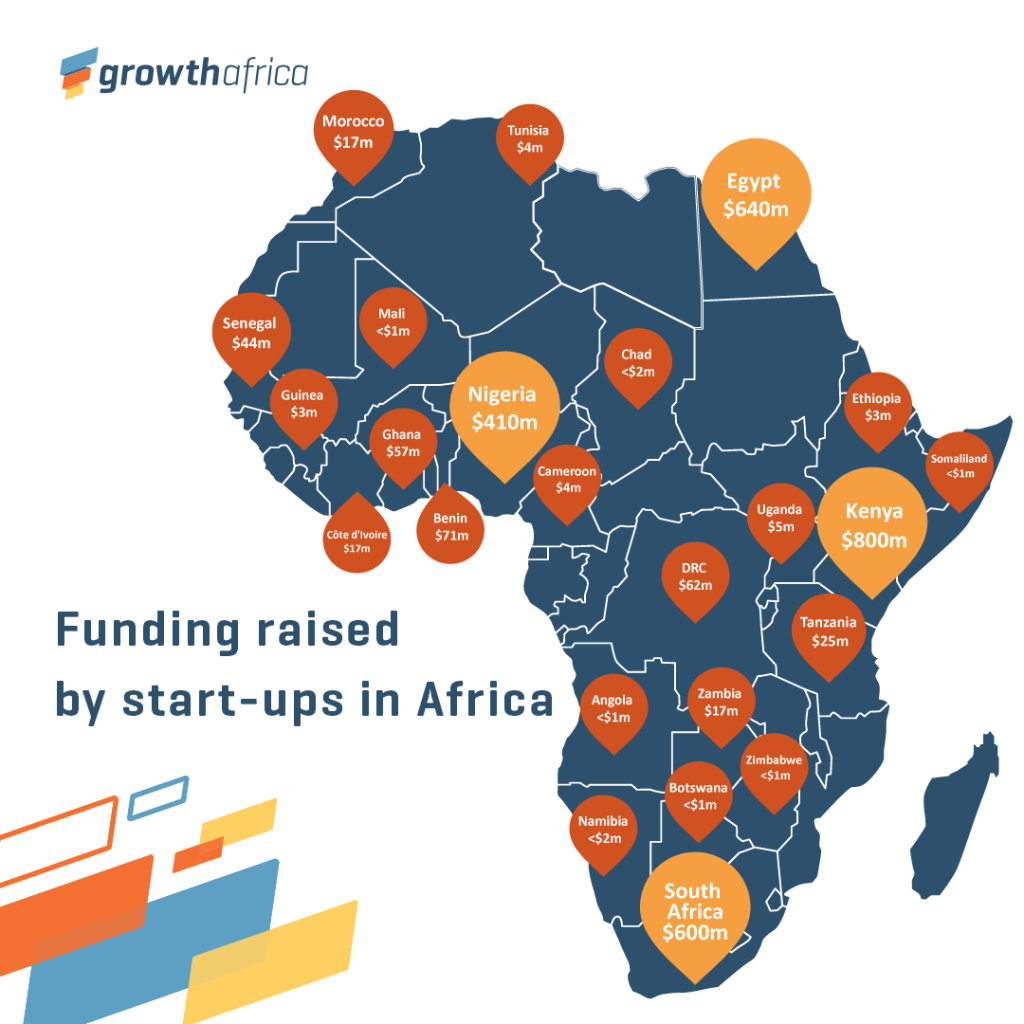
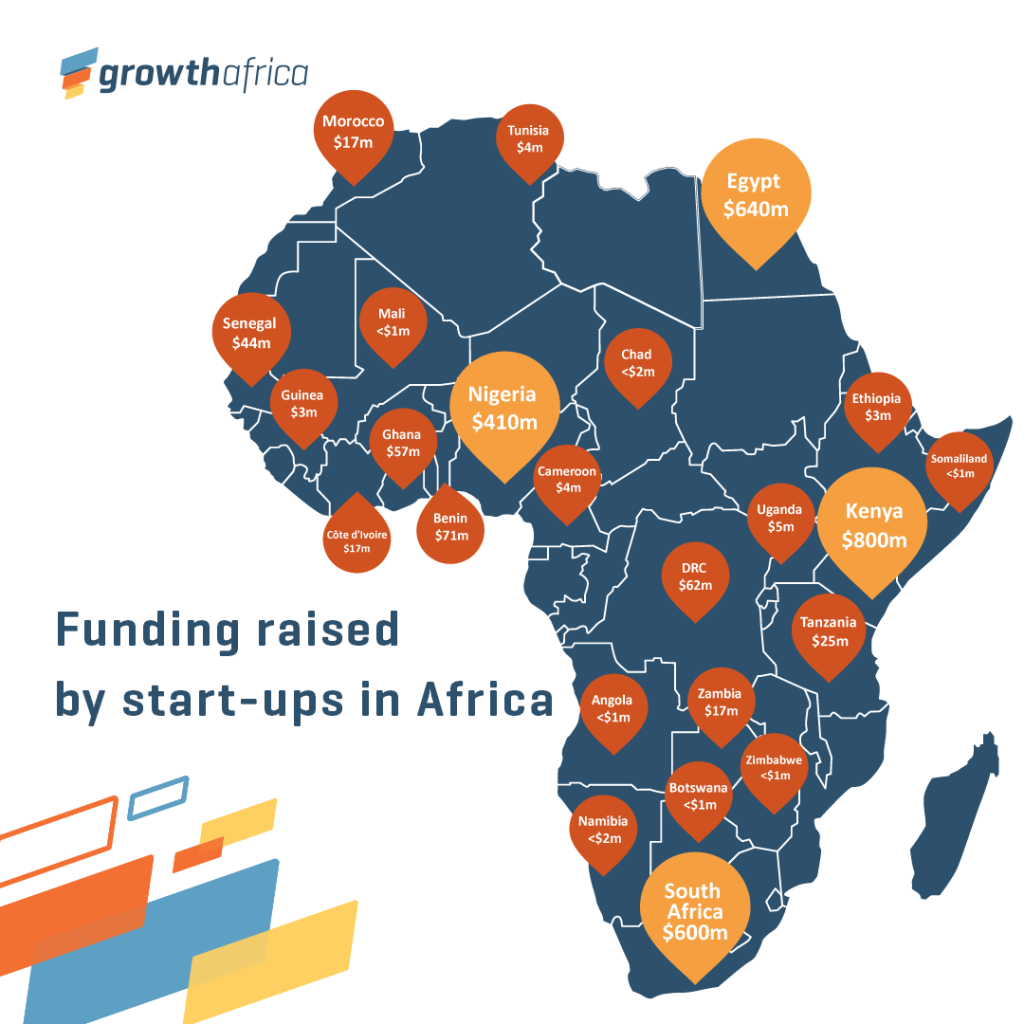
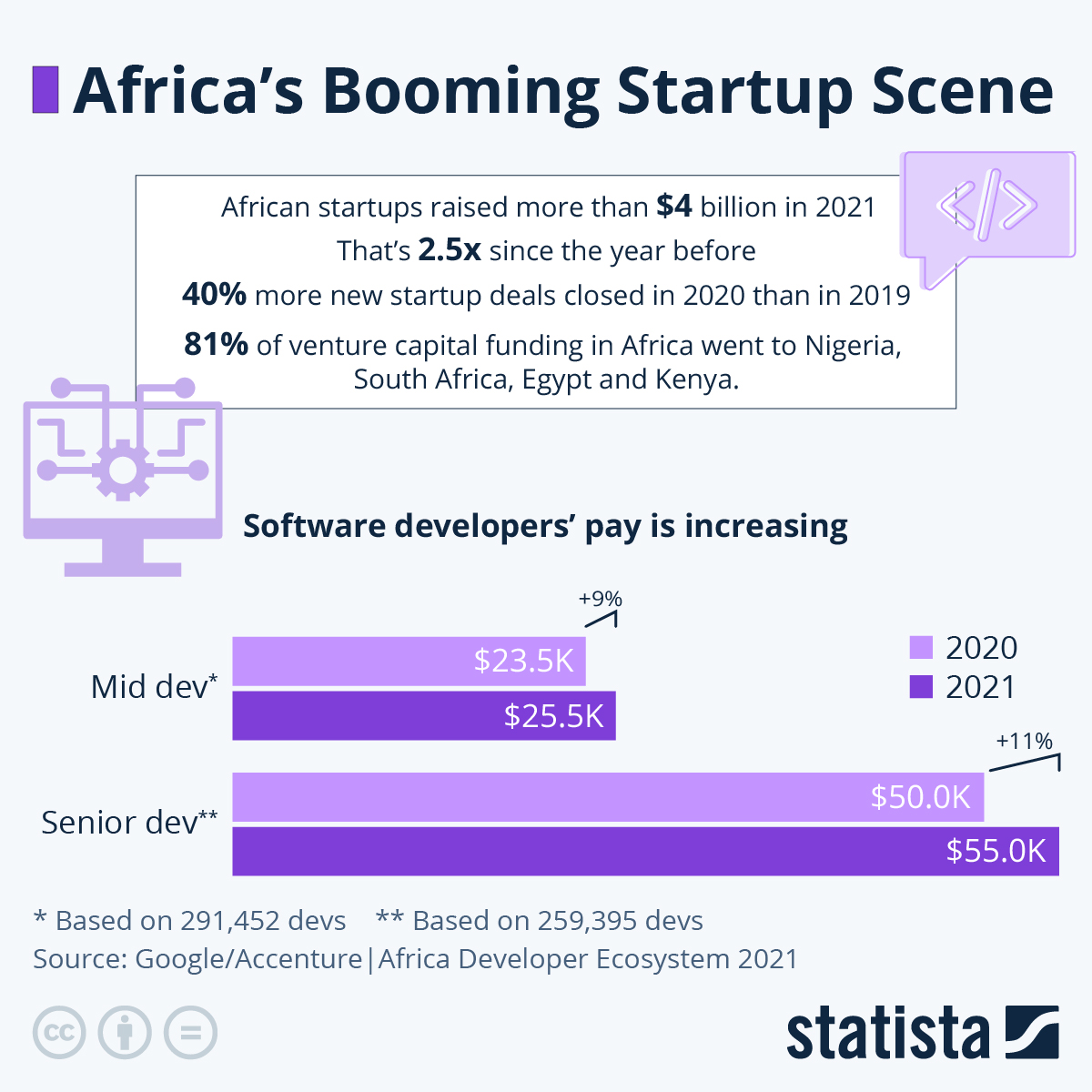
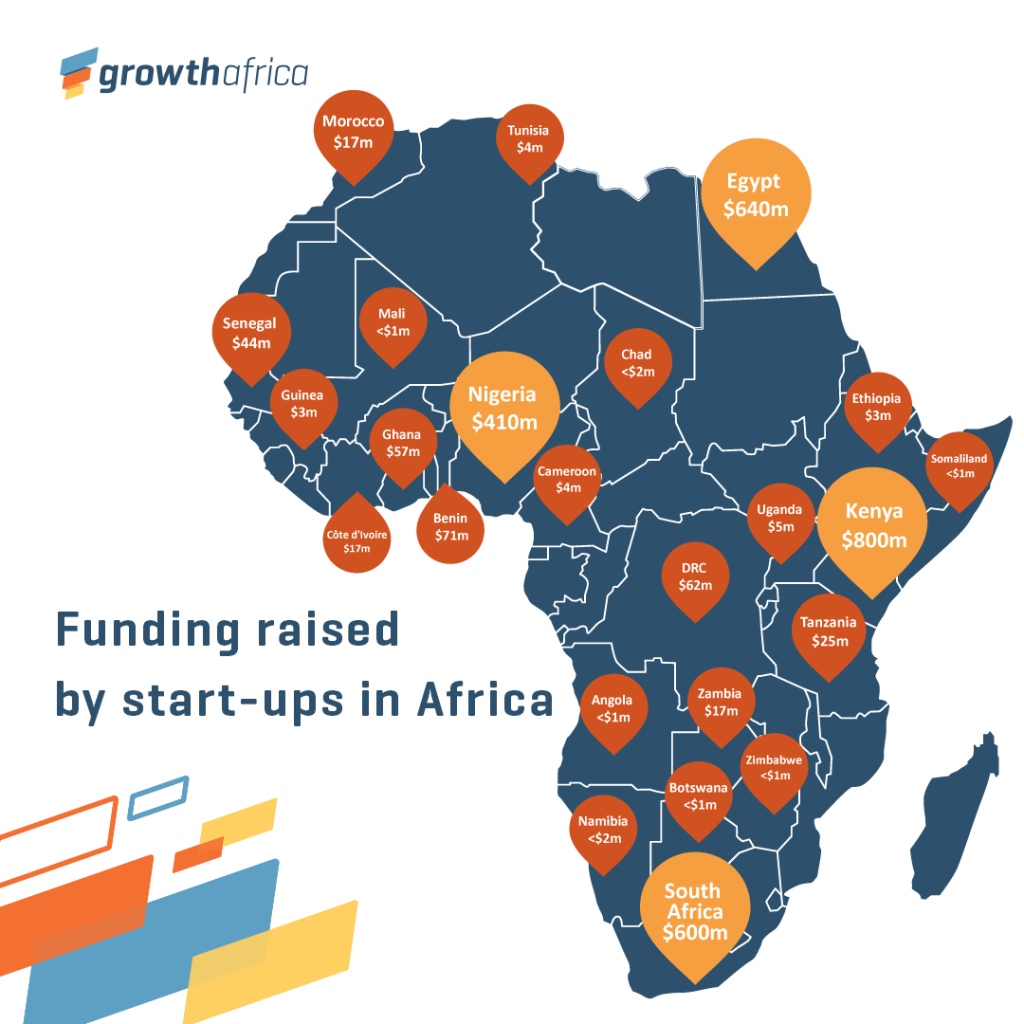
You can feel the optimism across Africa right now. From Lagos to Marrakech, Nairobi to Cairo, a fresh generation of startups is building businesses that aim to reshape entire markets. They’re tackling everything from agriculture to entertainment, logistics to developer tools. Industry trackers have been watching this momentum build, and as 2026 kicks off, several names stand out as clear indicators of where the continent’s tech economy might be headed next. What’s remarkable is that this activity isn’t slowing down, even as founders confront familiar hurdles like patchy infrastructure, complex regulations, and a venture capital ecosystem that’s still finding its footing. Recent lists of firms to watch in 2026 mix early stage ventures with later stage challengers, suggesting investors are broadening their view beyond the well trodden fintech space. The compendium of 20 startups highlighted by regional technology publications showcases companies across sectors, with strong representation from Nigeria but meaningful presence across North and East Africa too. These companies reflect a pragmatic approach to local problems. Agritech platforms aim to reduce post harvest loss and connect smallholder farmers to markets. Retail tech firms are reconfiguring supply chains for informal and formal retailers alike. Entertainment startups experiment with monetization models for a young, digitally native consumer base. Each model tries to solve a specific market friction, and collectively they show a maturation of product market fit thinking on the continent. This isn’t just about copying Silicon Valley playbooks. It’s about building what actually works here.
AI and Retail Tech Lead the Charge
Two trends deserve particular attention this year. First, there’s the rising use of artificial intelligence to offer services that previously required human specialists, but in a more scalable way. In Kenya, ProPath Sports uses AI to evaluate young athletes and help them navigate training and career development. They’re turning data and performance metrics into actual career pathways. The AI here acts as a force multiplier, not just a buzzword, helping with talent identification where traditional scouting networks are thin. Second, retail tech continues to attract serious capital. Moroccan startup Woliz recently closed a notable 2.2 million dollar pre seed round. That kind of early funding signals investor confidence in the ability of software and logistics solutions to unlock high frequency consumer markets across francophone and anglophone Africa. These successes are real, but they sit alongside structural constraints that haven’t disappeared. Infrastructure gaps remain a daily reality, from unreliable power in some cities to last mile logistics that add time and cost to deliveries. Regulatory environments vary dramatically between countries and even within regions, creating friction for businesses trying to scale cross border. Capital is more plentiful than a decade ago, yet it’s still concentrated in a handful of ecosystems and tends to favor certain sectors. That leaves promising opportunities in health, climate tech, and deep supply chain innovation somewhat underfunded. Publications like TechCrier’s list and Techpoint Africa’s analysis provide snapshots of this evolving landscape, while platforms like Disrupt Africa track the day to day developments.
The Road Ahead for 2026
So how are investors responding to this complex picture? They’re getting adaptive. Venture funds carve out sector specific strategies. Corporate venture arms partner with startups to test new services. Diaspora networks increasingly mobilize early capital. Meanwhile, accelerator programs and local media coverage help founders sharpen their pitch and navigate regulatory complexity. Publications that analyze the ecosystem play a role beyond just reporting. They shape investor attention and help successful startups gain visibility across borders. What makes this moment different from earlier waves is the diversity of business models and the increasing sophistication of founders. Many combine global technical practices with local distribution know how. They test monetization strategies that reflect real consumer behavior rather than importing foreign templates. That blend of global and local thinking will likely determine who scales and who stalls. Looking ahead, 2026 should be a year of testing for Africa’s next tier of tech companies. Some startups will face consolidation as markets rationalize. Others will secure follow on funding and expand regionally. A few could become headline exits that attract a fresh wave of capital. Policy will matter tremendously. Governments that reduce regulatory uncertainty and invest in digital infrastructure will accelerate growth. For investors, the opportunity is to back founders who can navigate local complexity while building products with global standards. The list of 20 startups to watch provides a snapshot, not a forecast. It highlights potential breakout winners and underscores systemic gaps that still need attention. For journalists, investors, and policymakers, the imperative now is to watch how these companies convert early promise into durable, scalable businesses. The coming year will tell whether 2026 becomes a platform year, when the ground level work done in previous cycles translates into widely felt economic impact across the continent. As Africa’s startup ecosystem continues its remarkable tech renaissance, this current wave of digital transformation feels different. It’s more grounded, more pragmatic, and ultimately more promising for the long haul.