Africa’s Startup Ecosystem Bounces Back in 2025 with Corporate Cash and Sustainability Focus
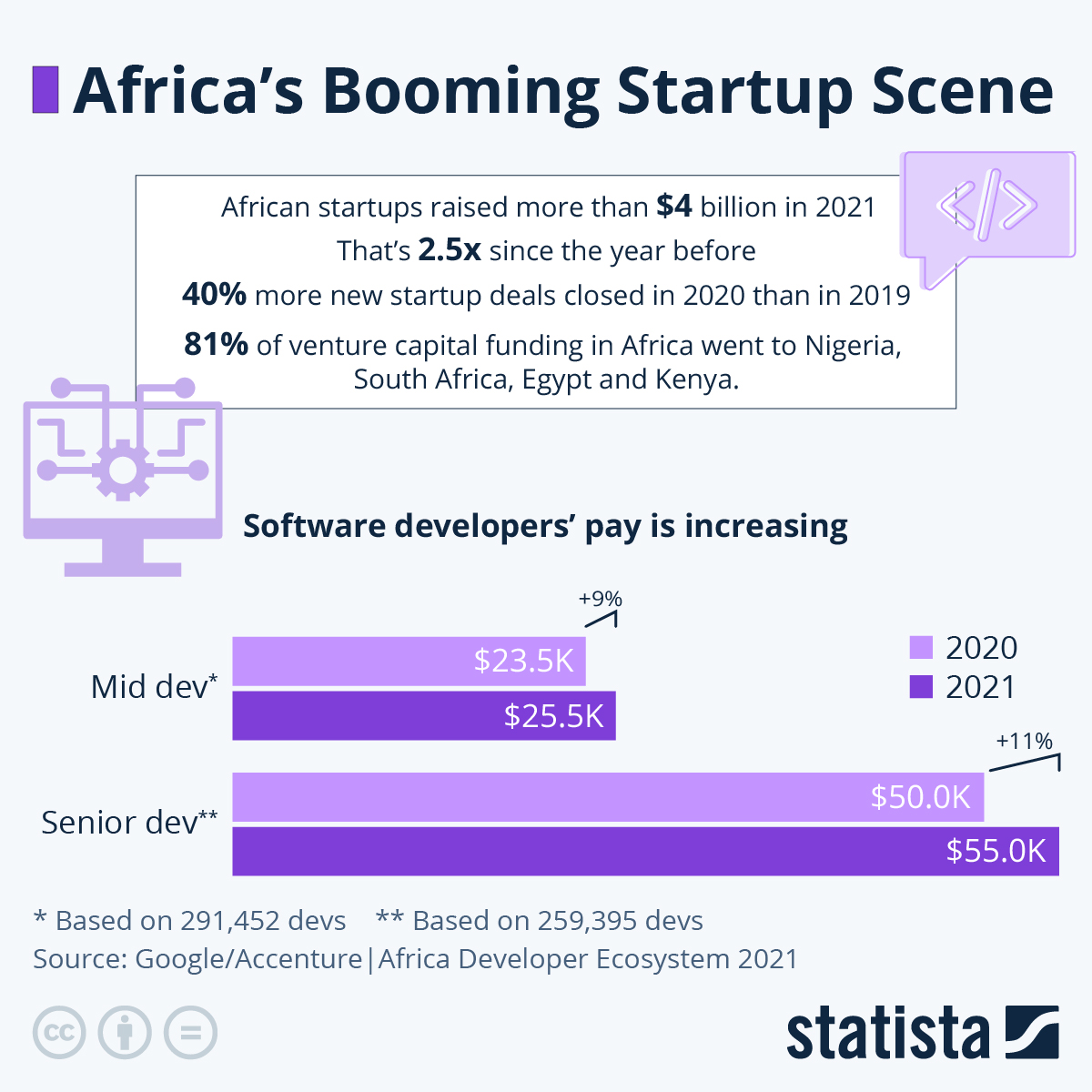
Remember those gloomy headlines about African tech funding drying up? Well, forget them. Africa’s startup scene isn’t just recovering in 2025, it’s coming back smarter, stronger, and with corporate heavyweights leading the charge. After the slumps of 2023 and 2024, money is flowing again, but this time investors aren’t just chasing growth for growth’s sake. They’re demanding real businesses that can turn a profit. Corporate venture capital tells the clearest story here, with deals jumping 44 percent in the first half of 2025 compared to late 2024. That surge brought in roughly $1.4 billion, the highest corporate activity since the heady days of 2021 and 2022. For startups, this isn’t just about cash, it’s about opening doors to distribution channels, procurement contracts, and global market access that pure financial investors can’t provide. Overall, the continent’s startups pulled in about $3 billion this year, a solid 33 percent increase that finally pushes past 2023 levels. Average deal sizes grew too, hitting roughly $7.7 million, up 31 percent from last year. Those bigger checks reflect growing confidence in a smaller pool of higher-quality, more mature companies that have weathered the recent storms. You can see more evidence of this tech renaissance across the continent in our previous coverage.
The New Rules: Profitability Over Hype
So what’s changed? The message from investors is simple and stark, growth still matters, but sustainable business models are now non-negotiable. Across the continent, founders are being asked to prove their unit economics and show clearer paths to profitability. It’s a fundamental recalibration, a reaction to the sharp corrections of recent years and a global shift toward capital discipline. This new reality shows up in the increased use of venture debt, a form of non-dilutive financing that accounted for a meaningful share of the $400 million debt total in early 2025. For founders, debt can extend their runway without giving away ownership, but it requires predictable revenue and sensible unit economics, which perfectly aligns with the ecosystem’s broader turn toward fundamentals. As African Business has reported, investors are subjecting startups to tougher scrutiny as they increasingly seek returns, not just market share. This disciplined approach is creating a market that looks more confident as it tries to translate momentum into long-term regional champions. The continent’s startup ecosystem is booming with this new, more mature energy.
Beyond Borders and Into the Future
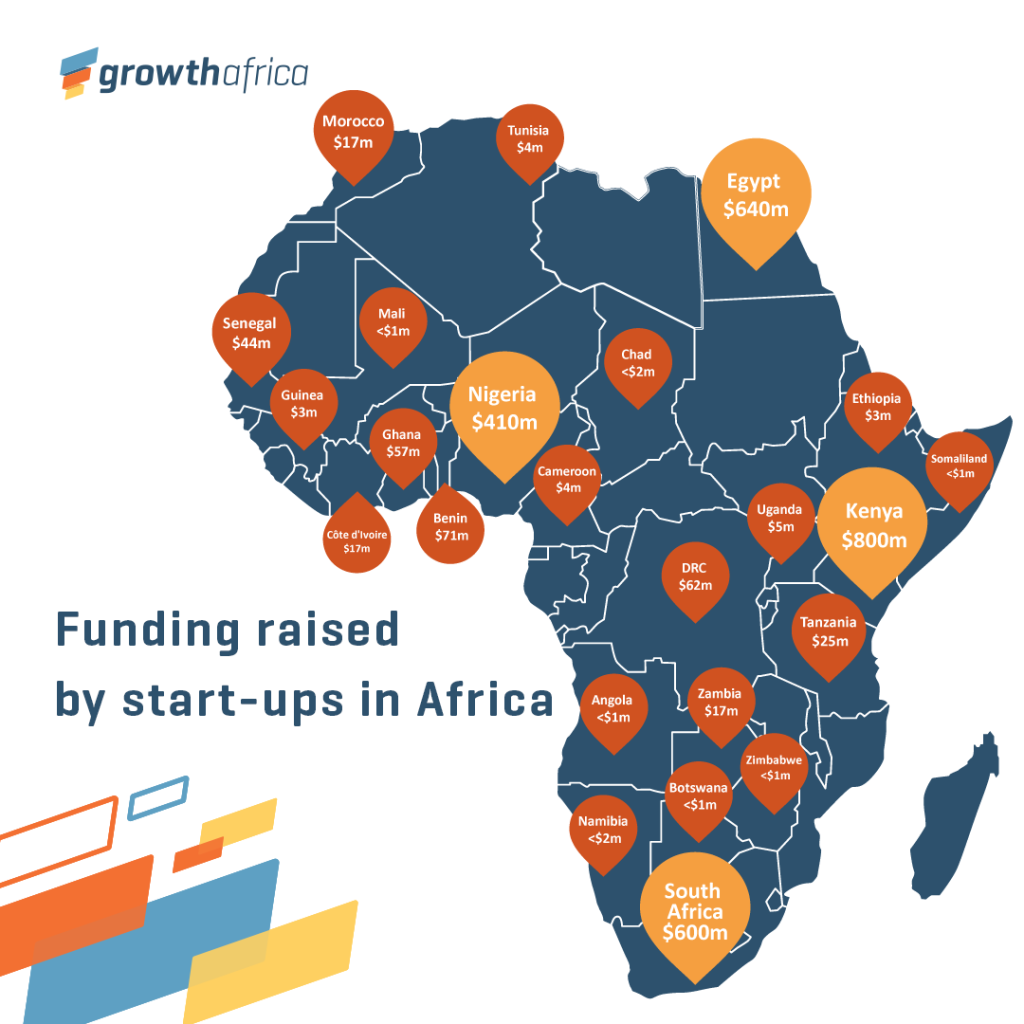
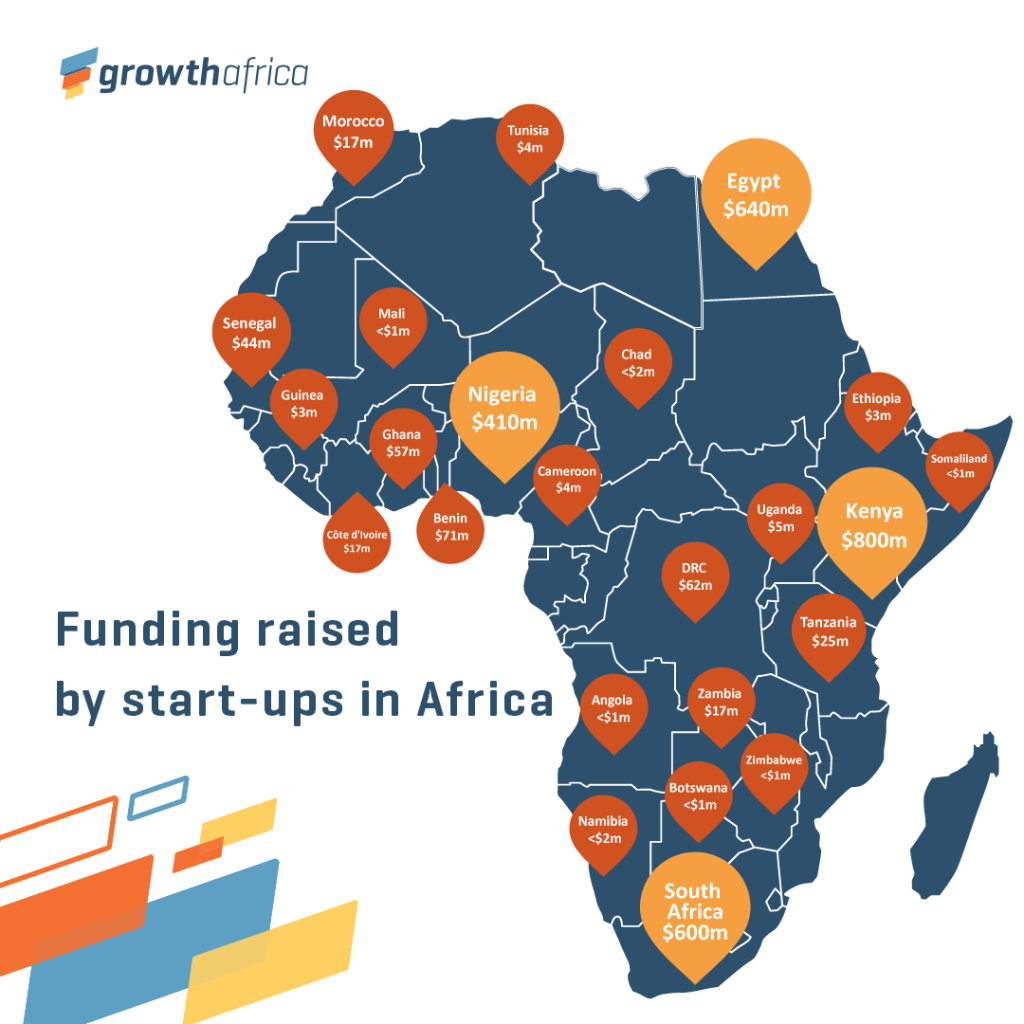
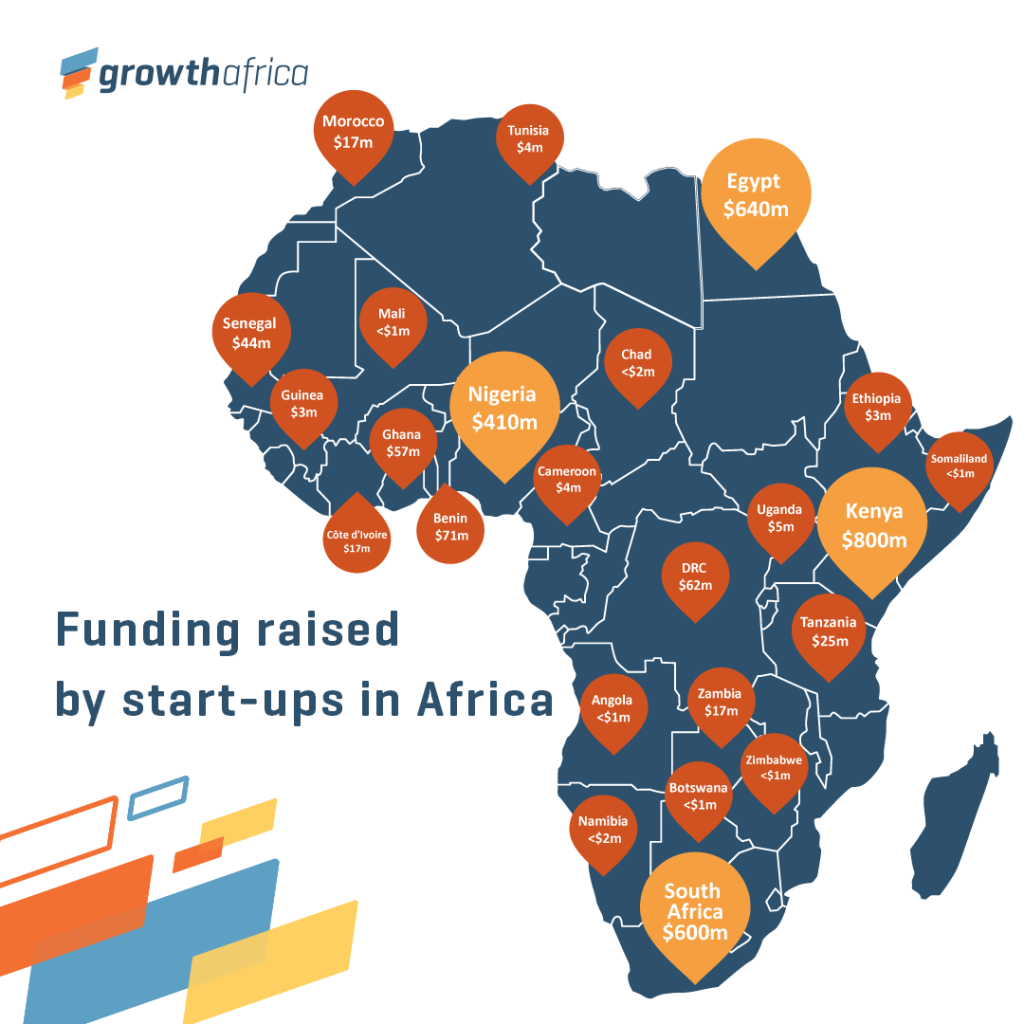
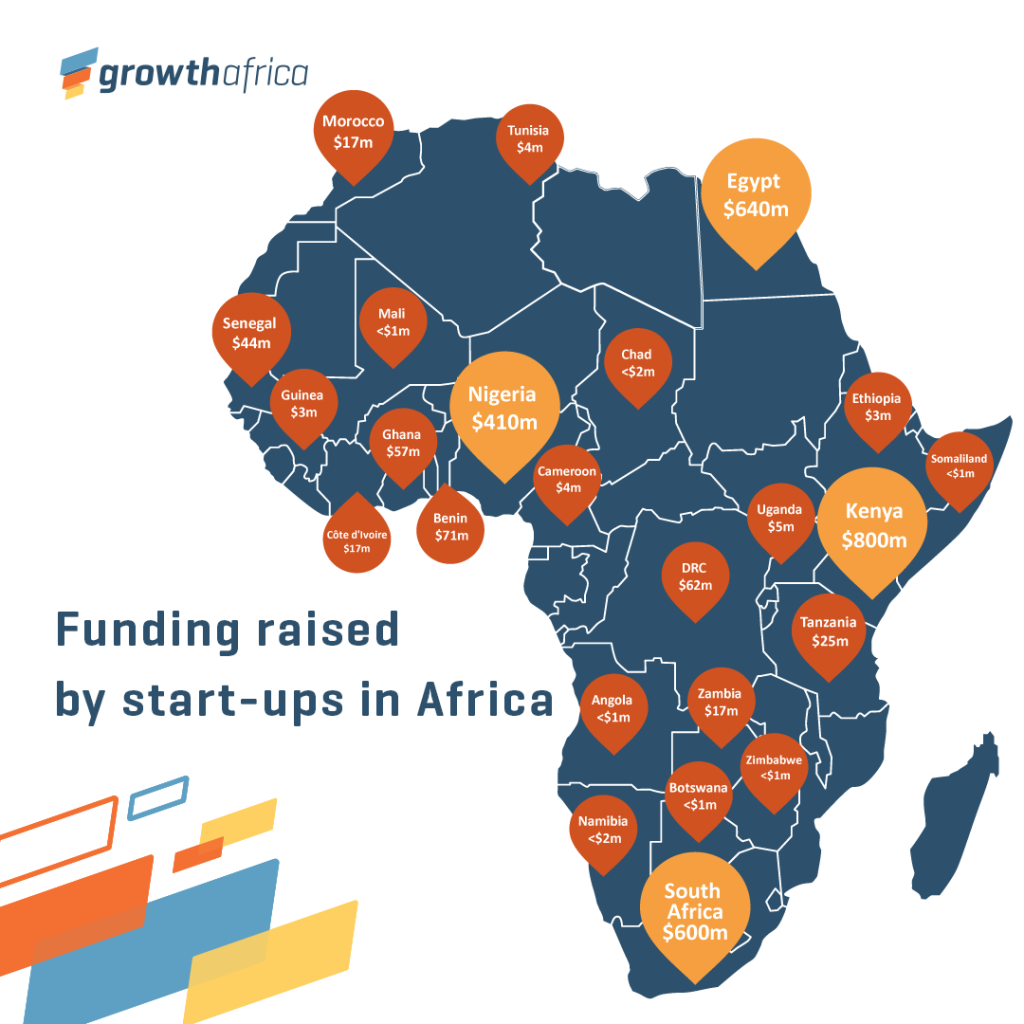
Geography still matters, but the map is expanding. Nigeria and Kenya continue to command attention as hubs for big deals and homegrown scale-ups, but the action is spreading. High-profile raises are happening across West, East, and North Africa, from proptech and fintech to e-mobility and B2B commerce. Some companies are pivoting or restructuring after large raises, with e-commerce startups retooling their models to find export-oriented and traceable revenue streams. Other founders, including serial entrepreneurs, are returning with AI and fintech plays that quickly attract capital. This momentum coincides with a growing ambition to export African ideas, culture, and services beyond the continent. Industry leaders talk about African businesses projecting outward, using technology to reach diaspora and global markets. But that outward push isn’t without challenges. Policymakers and business leaders are watching trade and regulatory developments closely, from proposed EU carbon border measures that could affect manufacturing and exports, to shifting geopolitical partnerships that influence infrastructure finance. How startups and their corporate partners navigate these headwinds will shape which companies scale sustainably on the world stage. The rising role of corporate investors also has strategic implications. When telecoms, banks, or retailers deploy venture capital, they’re often buying optionality and strategic alignment. That can accelerate platform businesses with immediate commercial routes to customers, but it can also concentrate advantages with well-resourced incumbents. For regulators and entrepreneurs, that tradeoff will require careful attention. Looking forward, the next phase depends on capital remaining available but patient, founders sharpening their operational playbooks, and policy frameworks balancing competitiveness with protections. If 2025 marks the year of recovery, 2026 will test whether greater funding and corporate interest convert into lasting, exportable businesses that create jobs and move value up the chain. The continent’s startups are no longer just a hope for future riches. They’re increasingly companies that must deliver measurable returns, adapt to global rules, and compete internationally on quality, price, and service. The coming months will show whether the optimism of mid-2025 consolidates into a new era of sustained growth, building on the record funding and innovation we’ve already seen. According to Business Insider Africa’s reporting, the $3 billion milestone is a clear sign that investor confidence has returned, albeit with stricter conditions.