Africa’s Startup Rebound in 2025: Selective Funding, Debt’s Rise, and the Next Generation of Scale-ups
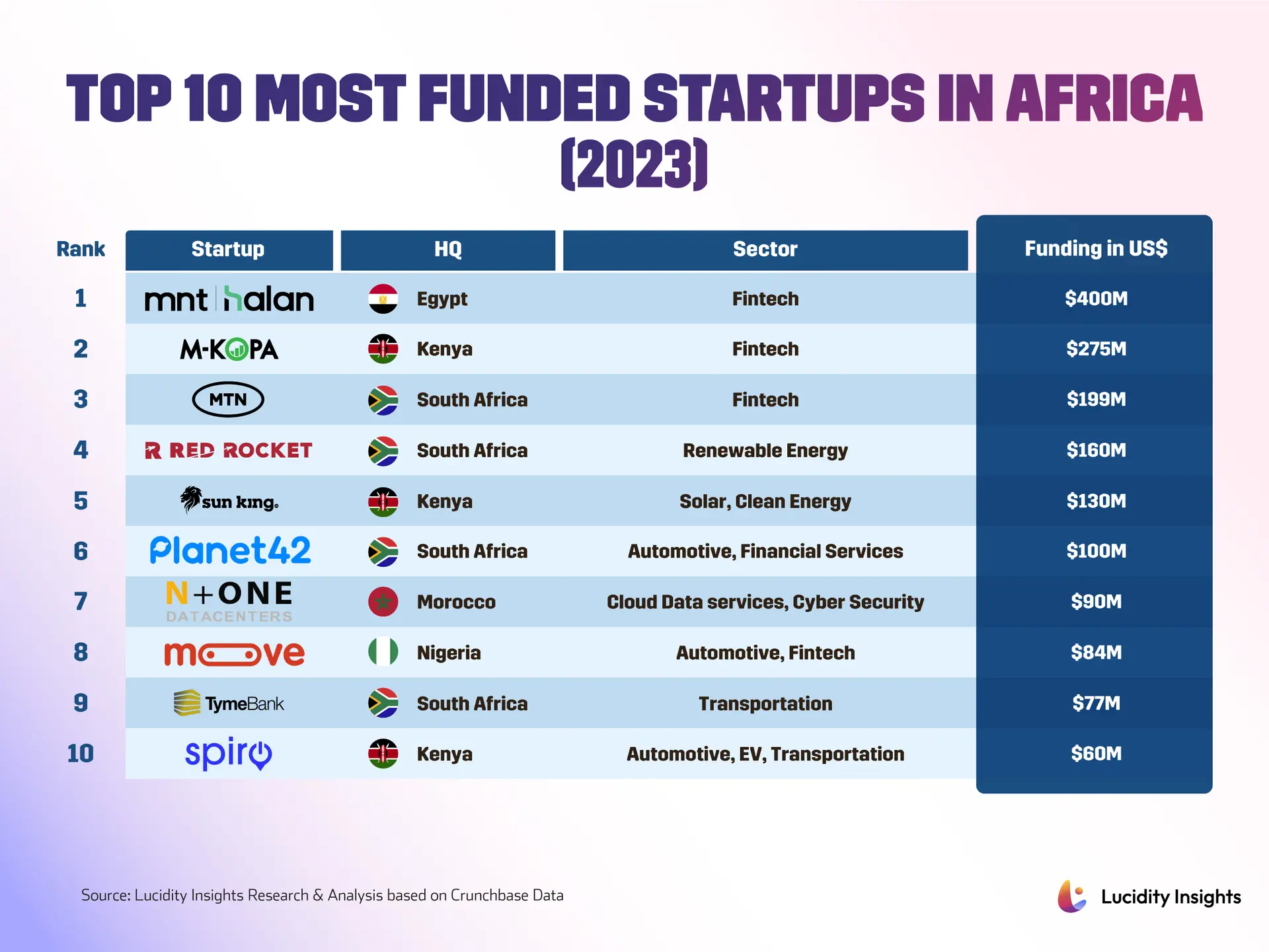
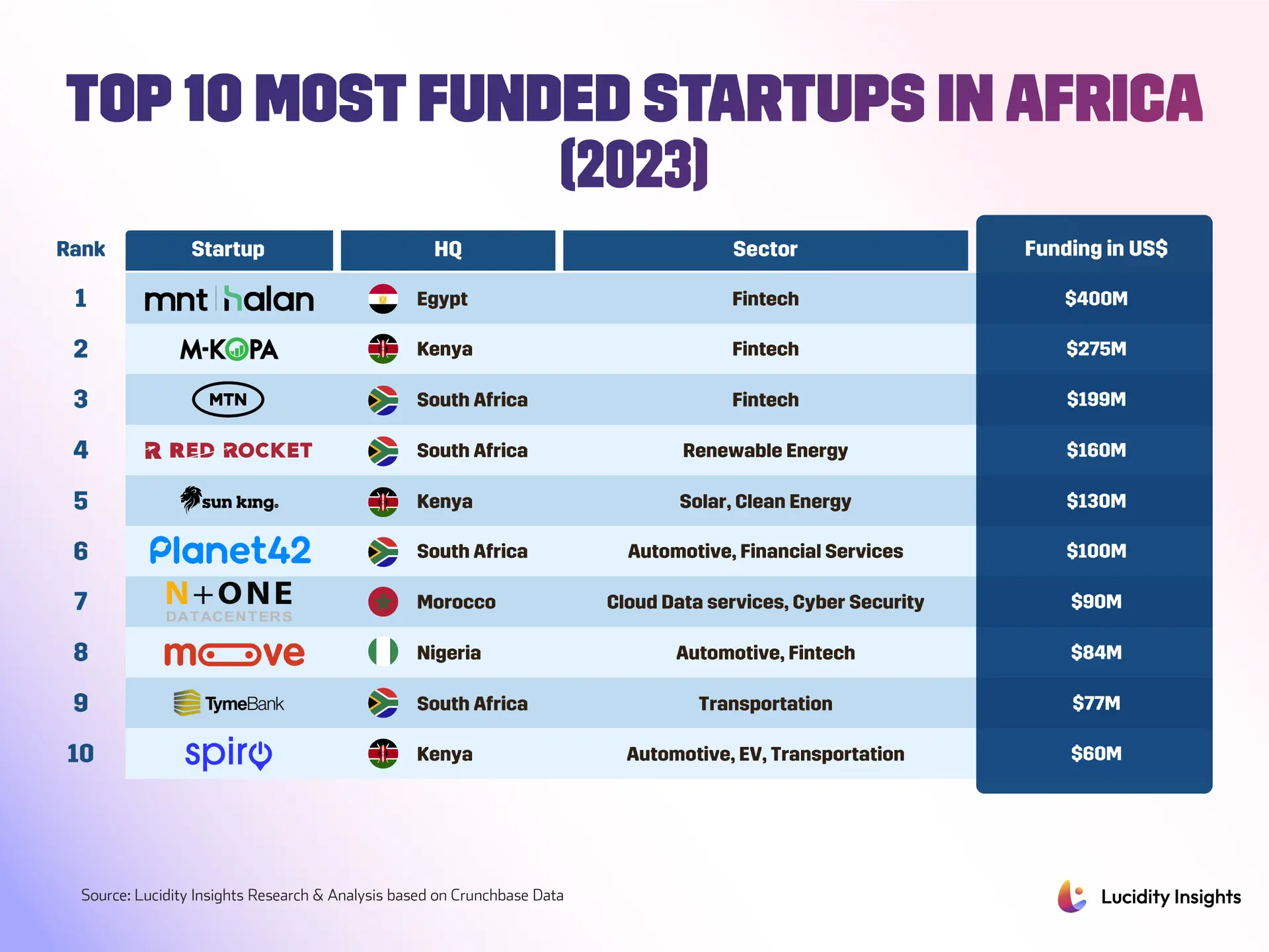
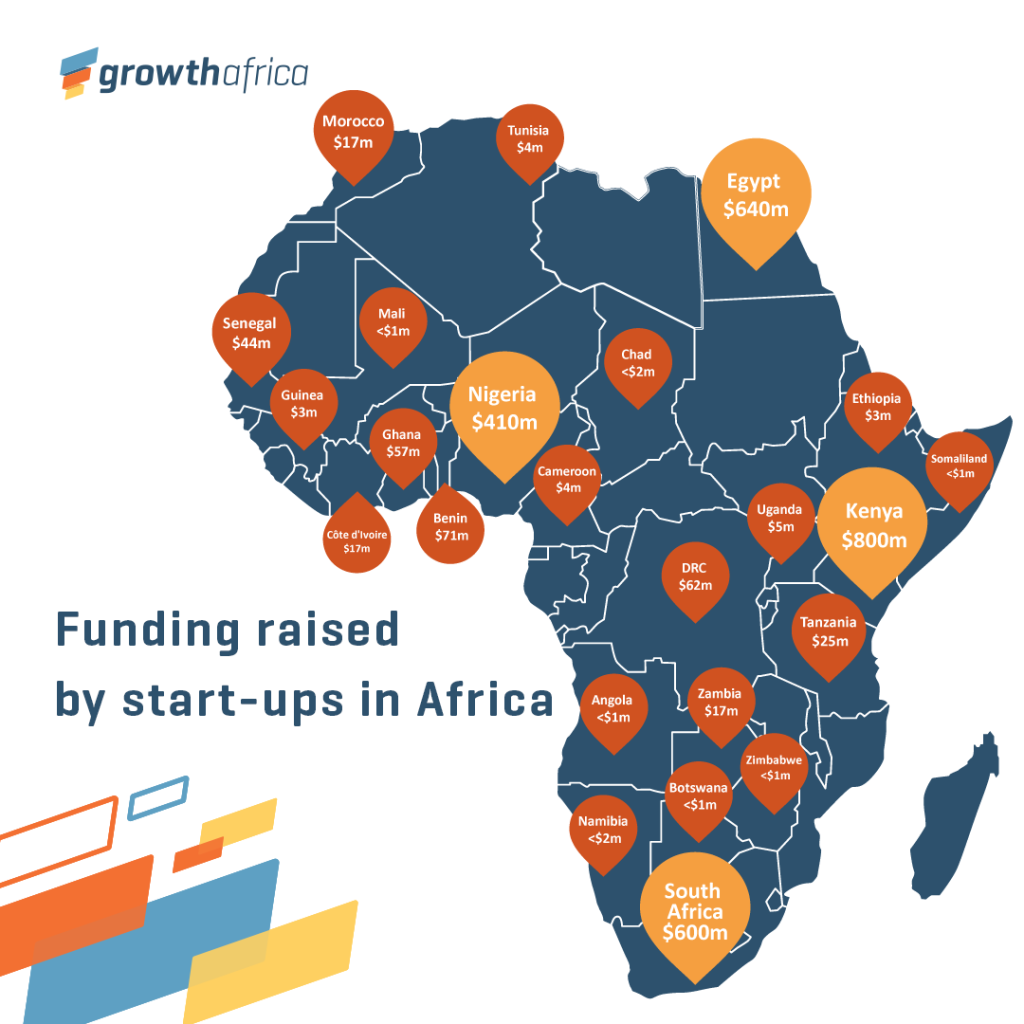
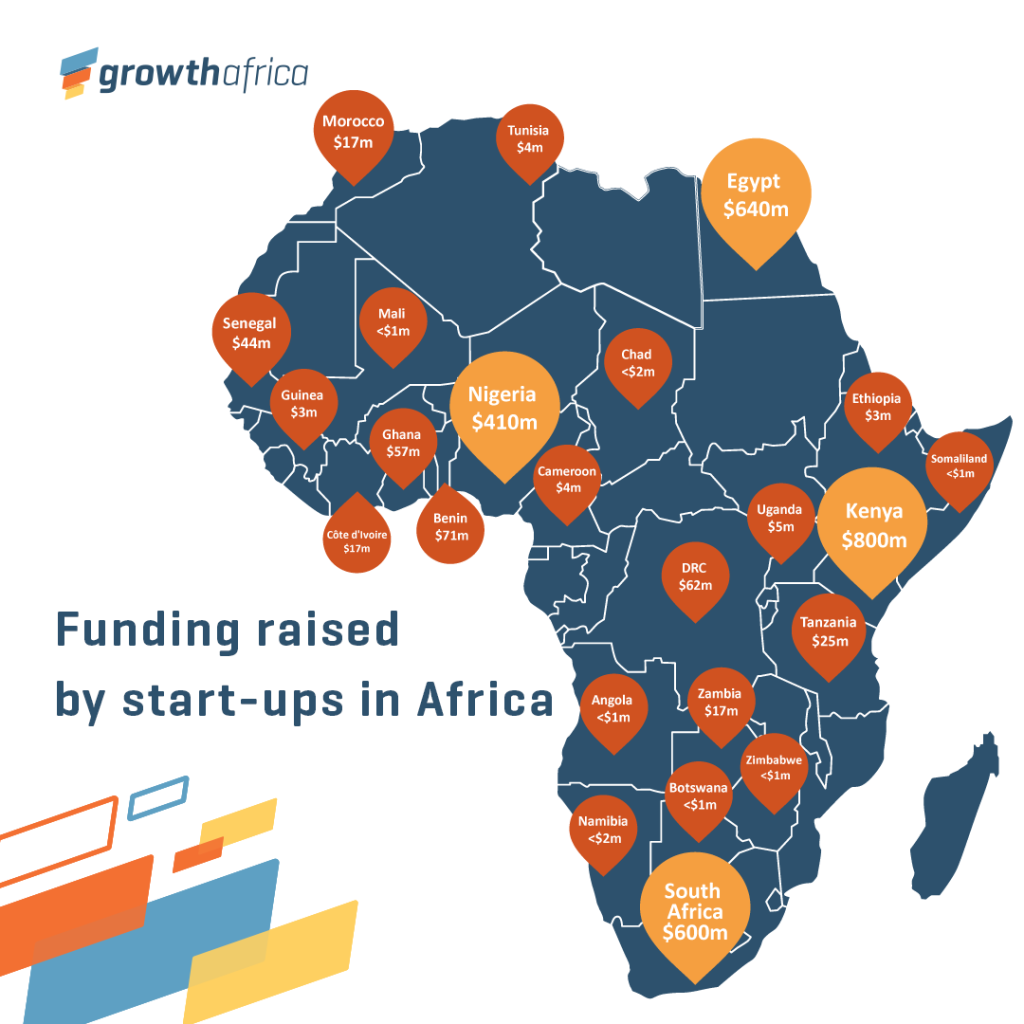
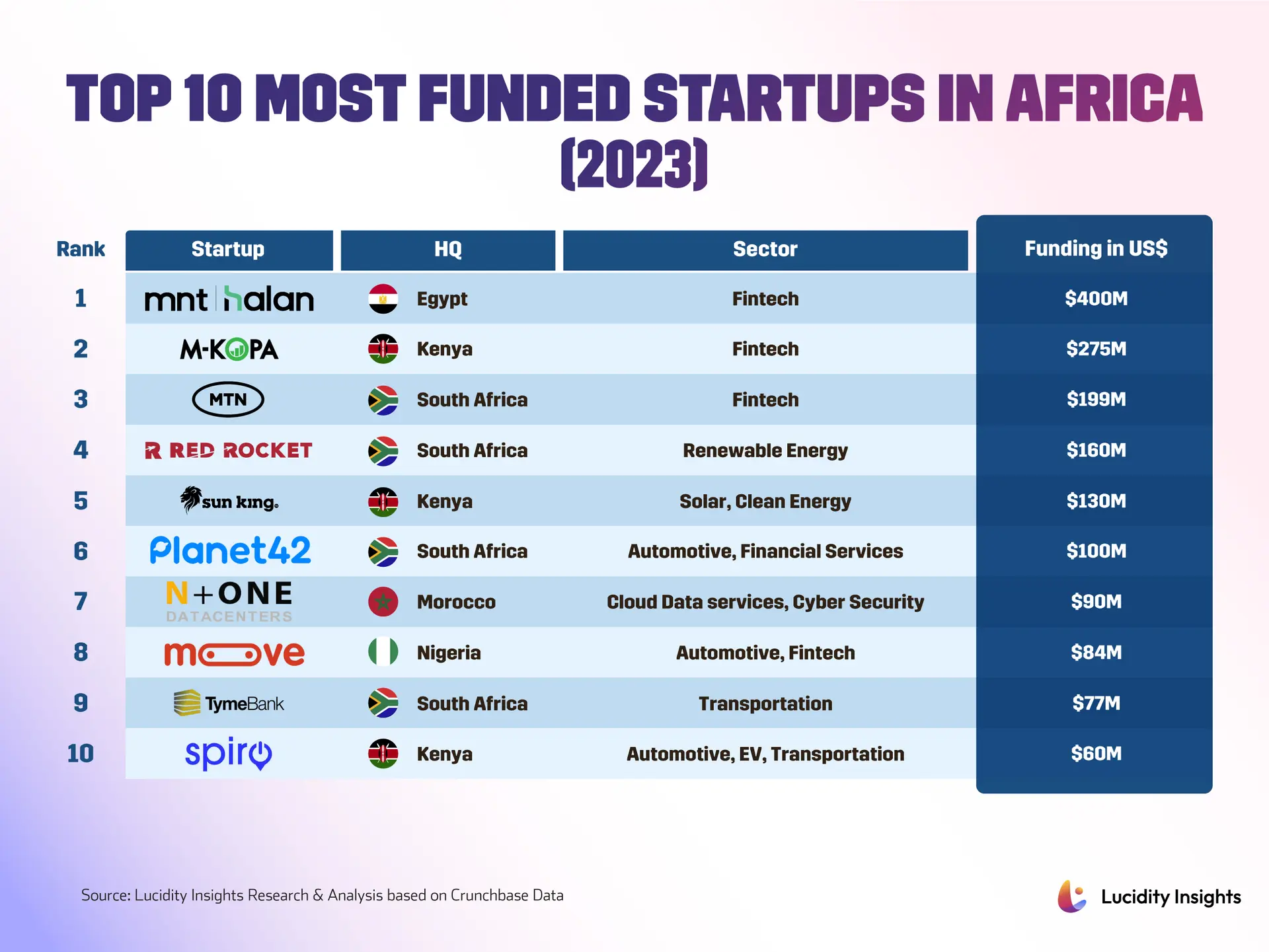
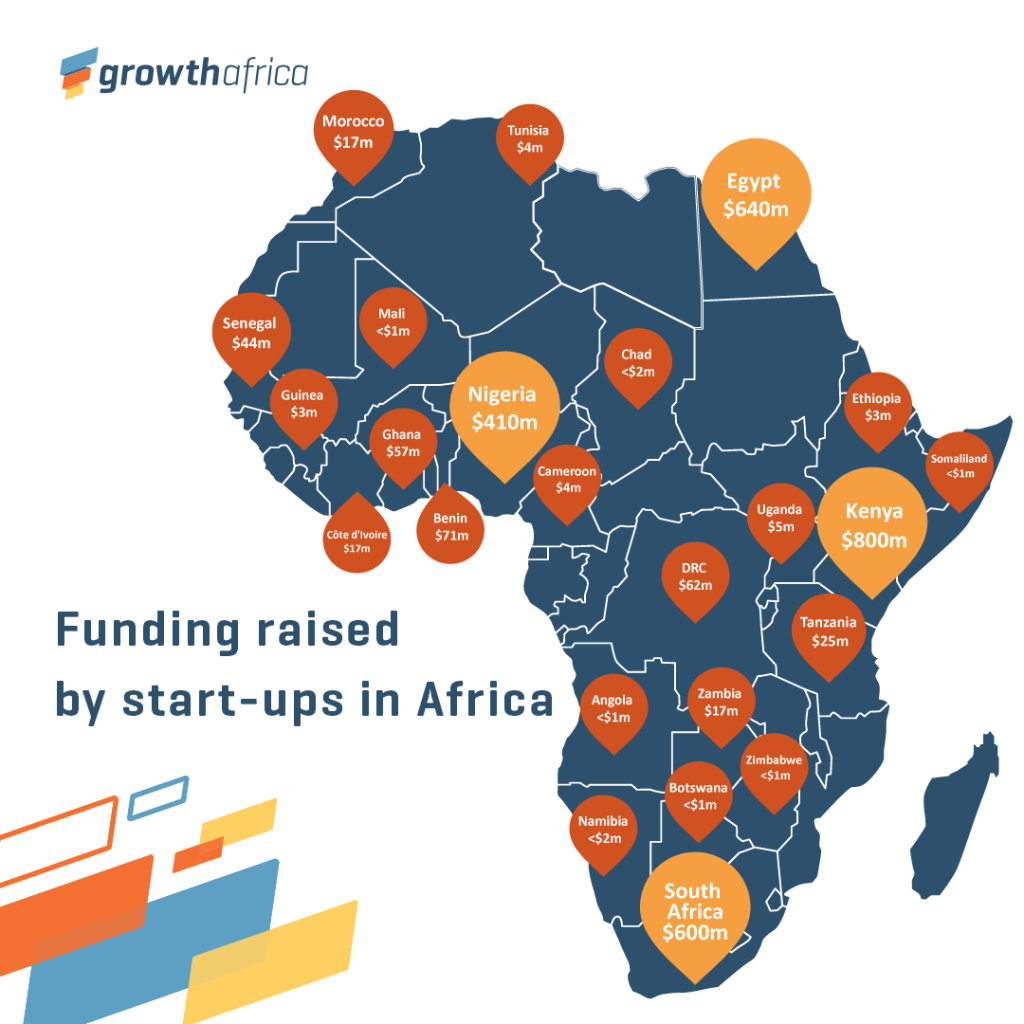
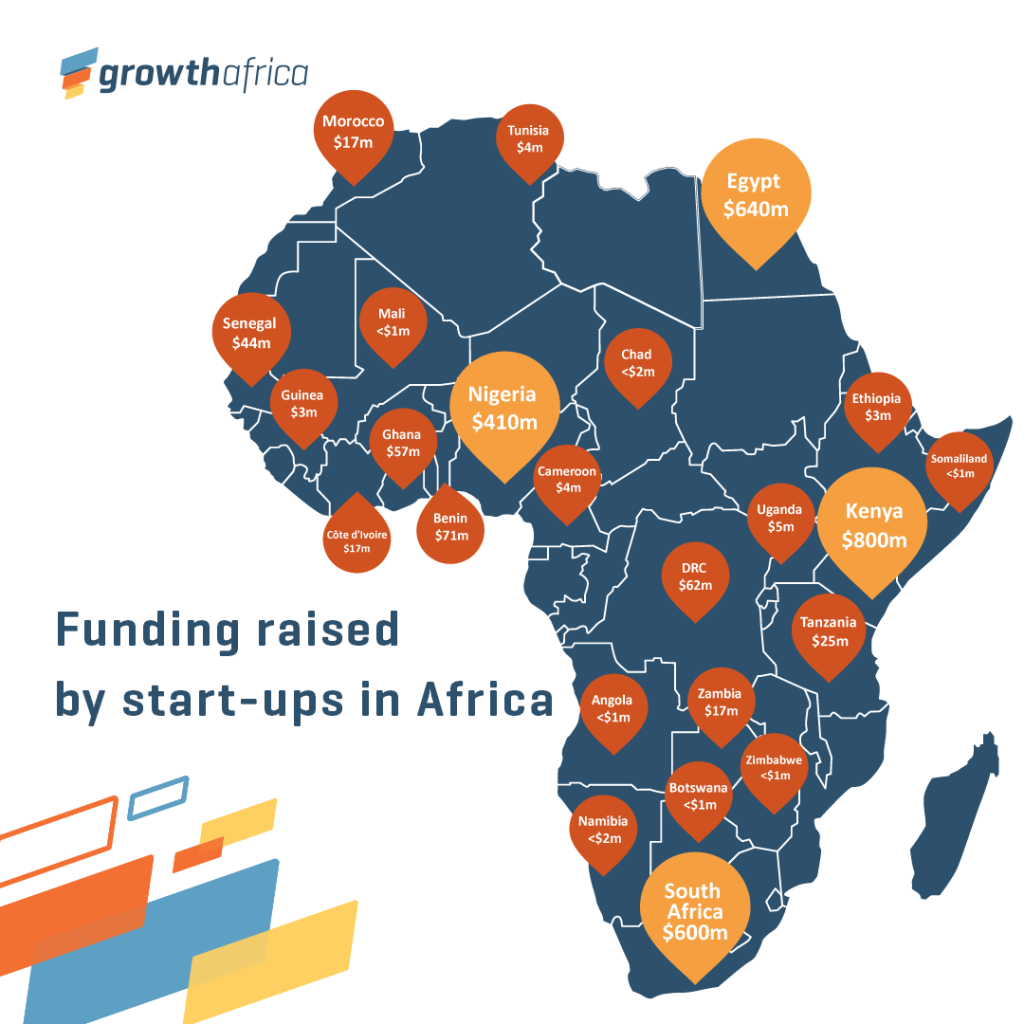
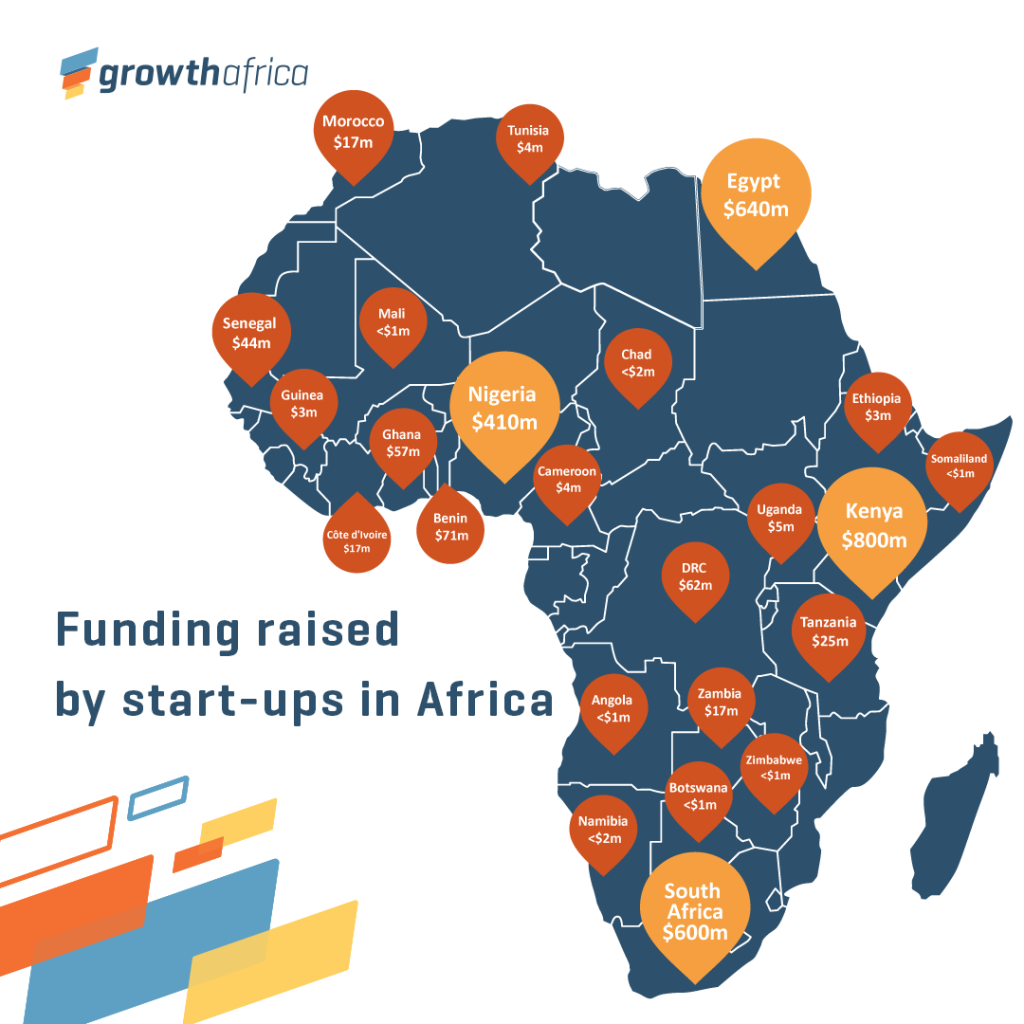
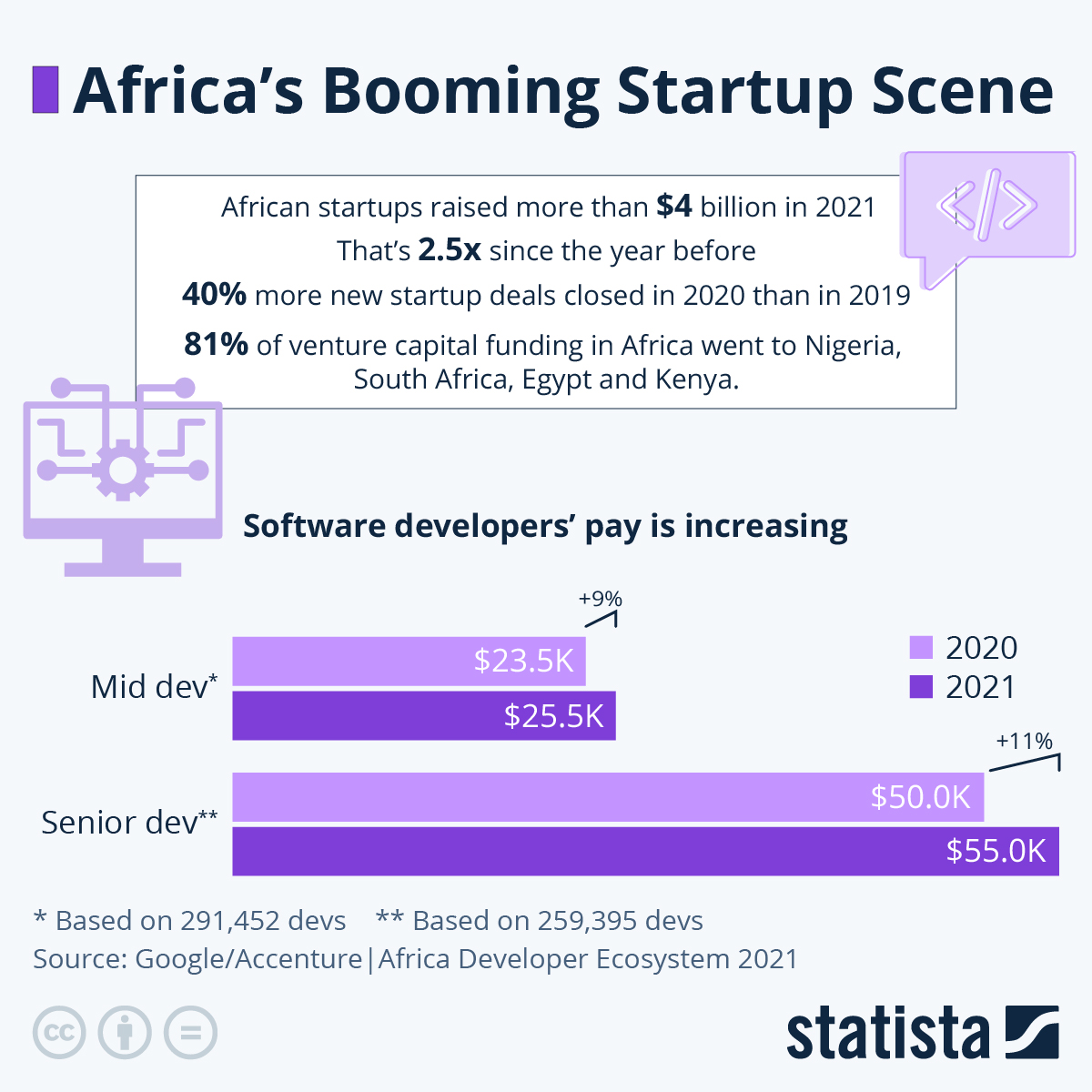
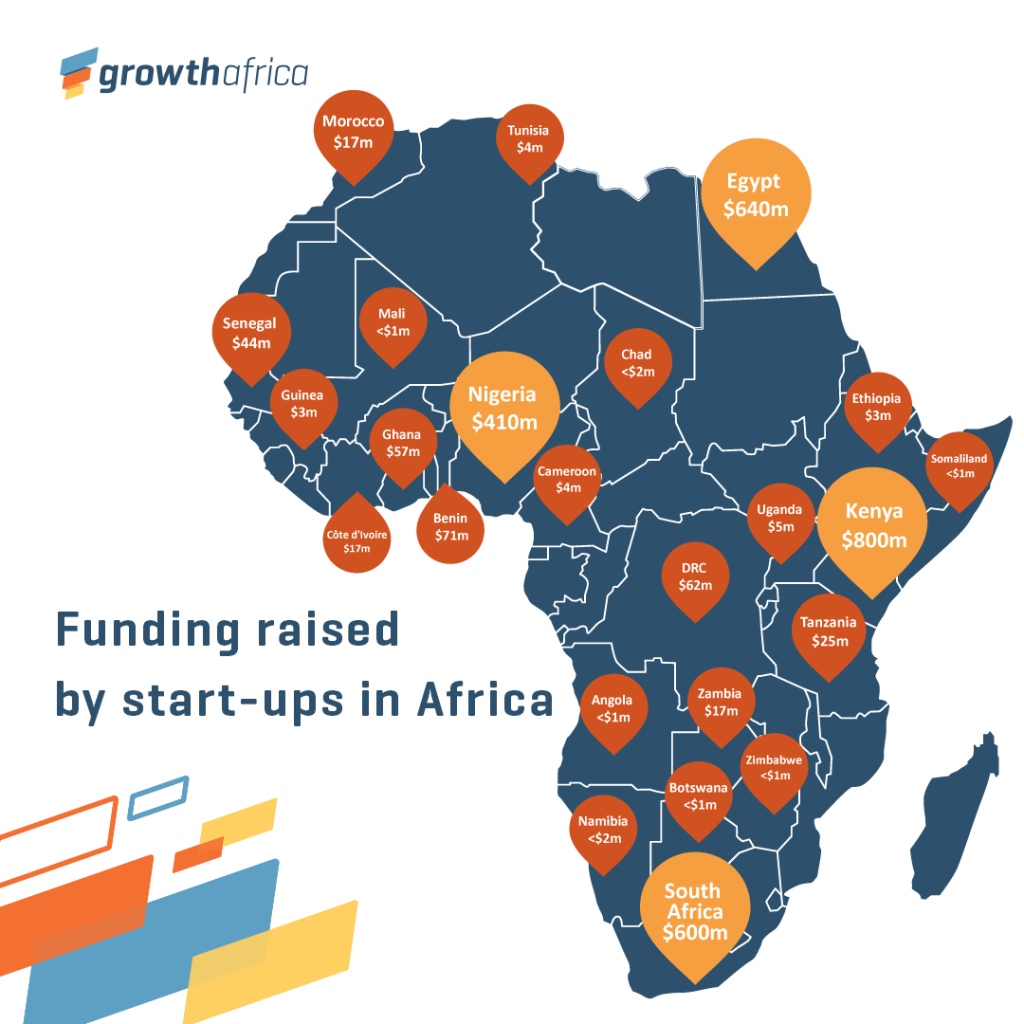
After two tough years, Africa’s startup scene finally caught its breath in 2025, but don’t mistake this rebound for a return to the free-spending days of old. Investors are back, but they’re playing a different game now. They want to see real paths to profitability, solid governance, and credible exit plans before they open their wallets. The result? A market that might look smaller on paper but runs much deeper on discipline. Total venture funding climbed to just over three billion dollars last year, a meaningful improvement from the 2023-2024 slump. Yet that headline number hides what’s really happening. Early-stage deals are bouncing back faster than big-ticket rounds, and later-stage investments face scrutiny like never before. Geography still matters, with Nigeria, Kenya, South Africa, and Egypt grabbing most of the capital. But look closer and you’ll see pockets of depth expanding across the continent. Morocco and other North African markets posted strong activity, while francophone West Africa and parts of Southern Africa are building early-stage ecosystems that could reshape the map. Climate and infrastructure ventures are thinking regionally rather than nationally, a sign that predictable execution and cross-border scale now trump flashy incentives.
Debt Moves Into the Mainstream
One of 2025’s biggest stories was debt becoming a normal part of the startup toolkit. African tech companies raised about 1.64 billion dollars in debt financing last year, a jump of more than 60 percent from 2024. Why the surge? Founders facing tighter equity budgets turned to loans, convertible notes, and revenue-linked finance to extend their runway without giving up more ownership. At the same time, lenders and specialized debt funds, including local banks and pan-African groups, showed growing appetite for financing growth-stage companies with real revenues. Debt isn’t one-size-fits-all, though. It can mean traditional loans with fixed repayments or flexible arrangements like revenue-based financing where payments rise and fall with sales. For companies with steady cash flow, debt can be cheaper and less dilutive than selling shares. But for younger firms, taking on debt adds pressure to perform. The ecosystem’s strongest stories in 2025 came from companies combining measurable traction with clear revenue models. Woliz, which digitizes retail, reported onboarding 55,000 stores and processing over 50 million dollars in gross merchandise value since its 2024 launch. In Nigeria, ChipMango is building chip design capacity and already generating revenue, answering a global semiconductor talent shortage. LevvyBox converts vehicles into mobile advertising assets, creating new income streams for drivers while monetizing urban transport. SongDis helps independent musicians distribute and monetize their music globally, and Midiarack streamlines media buying across fragmented African markets. These companies typify startups to watch that can justify both equity and non-equity capital because they show clear monetization pathways.
What Comes Next
The reset in investor expectations feels structural, not temporary. Funders want tighter financial controls, more professional boards, and better reporting. Exit conversations, once speculative, now focus on realistic buyers, secondary markets, and acquisition pipelines. This discipline-first approach is changing how founders build, forcing a rethink of growth at all costs. The new capital mix has implications beyond startups and VCs. For infrastructure and climate projects operating regionally, predictable regulation, cross-border integration, and execution capacity are now critical to attract capital. Policymakers who improve contract enforcement, reduce currency volatility, and provide clear tax and operational frameworks will find it easier to draw investment. For banks and debt providers, developing underwriting models that account for startups’ unique revenue dynamics is an urgent task. The gains of 2025 are fragile but instructive. The continent now has a more mature financing ecosystem where equity, debt, and hybrid instruments coexist, and where investor demands keep founders focused on profitability and governance. 2026 will test whether secondary markets, acquisition activity, and public listings can follow suit and provide meaningful exits. If they do, Africa’s more disciplined market could deliver sustainable scale-ups rather than repeating the boom and bust cycles of the past.