
Africa’s Startup Scene Hits a Crossroads: Shrinking, Sharpening, and Shifting with Geopolitics
The Investor Squeeze and Strategic Pivot
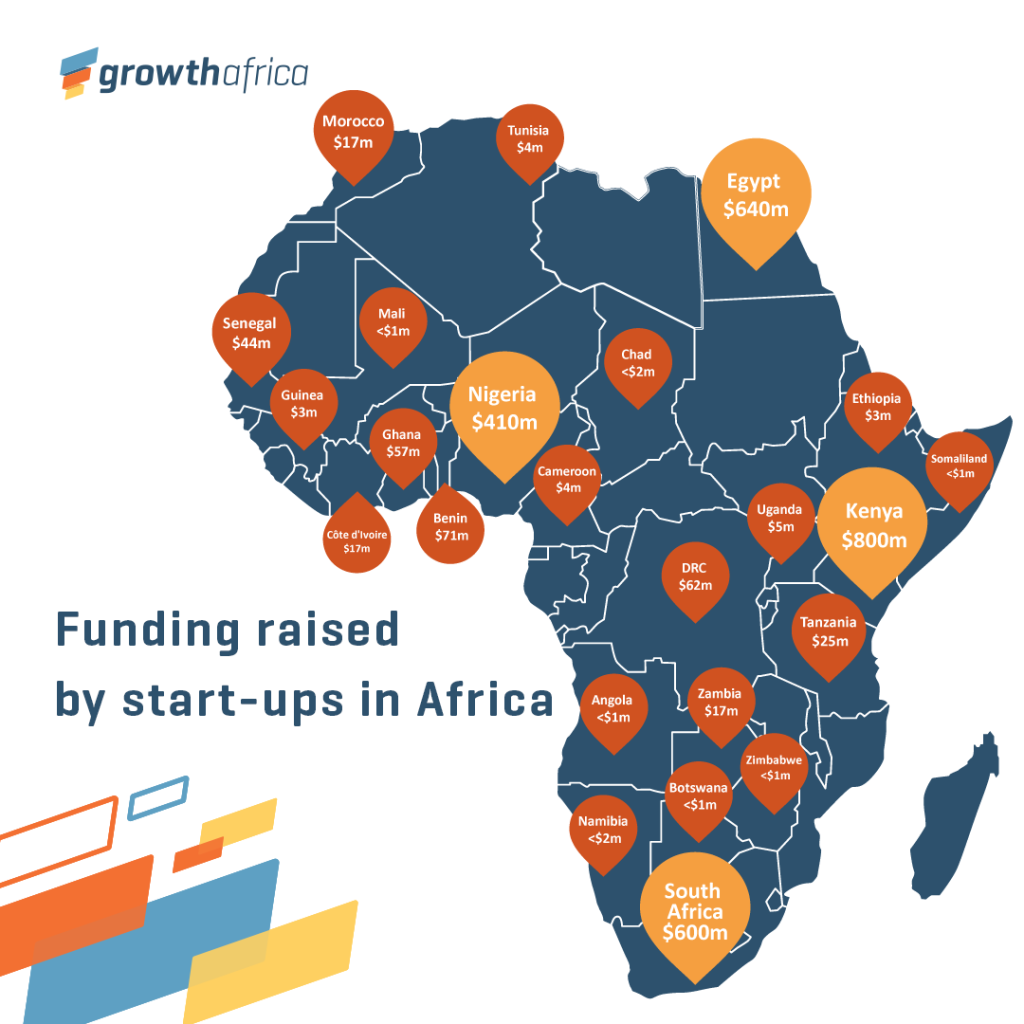
Africa’s startup ecosystem isn’t just growing anymore, it’s getting real. After years of explosive expansion that saw record funding rounds, investors are finally asking the tough questions: where’s the profit? This shift in tone has led to some painful adjustments across the continent. Companies like Vendease and Flutterwave have announced significant layoffs as they refocus on cost optimization, a trend documented by TechCabal’s workforce analysis. Others including Sabi and Jumia have trimmed staff during strategic pivots. It’s a clear signal that the era of betting on future scale at any cost is over. Yet money still flows to those who can prove their worth, with investors backing startups that demonstrate durable growth and solid unit economics. The question isn’t whether capital is available, but who can meet these new, stricter conditions.
Geopolitics Meets Green Trade Rules
The pressure isn’t just coming from investors. Geopolitical shifts and new environmental regulations are reshaping the playing field entirely. The United States has signaled renewed interest in African infrastructure, with Congress extending the African Growth and Opportunity Act to influence export strategies. Meanwhile, the European Union’s proposed carbon border tax threatens to alter the calculus for African exporters, potentially making low-value, high-emissions products less competitive. These twin forces are accelerating a push toward production sovereignty, creating opportunities for startups that enable manufacturing, logistics, and agricultural innovation. Climate tech firms are stepping up, with initiatives like Flux’s mineral rock soil trials helping smallholder farmers increase yields while reducing emissions. As African Business reports, this geopolitical and environmental landscape is forcing startups to align their roadmaps with both trade rules and climate realities.
The New Discipline and Cautious Optimism
So what does the future hold for African innovation? The next chapter will favor teams that can marry capital efficiency with regulatory savvy and operational rigor, continuing the continent’s tech renaissance. Founders who demonstrate realistic paths to profit, and who understand how to navigate this complex new environment, will win what’s becoming increasingly patient but demanding capital. Technology trends like artificial intelligence are being woven into customer service and operations, potentially lowering costs but also changing workforce needs. There’s reason for cautious optimism though, as funding continues to surge for companies solving clear, hard problems with repeatable economics. Firms enabling supply chain transparency, digital finance for underbanked segments, and climate-resilient agriculture are particularly well-positioned. The message is clear: the easy growth era has ended, and a more disciplined, strategic approach will determine who leads Africa’s next wave of tech-driven transformation, as highlighted in Techpoint Africa’s 2026 watchlist.