Africa’s Startup Landscape in 2025: Building the Digital and Physical Rails for a New Economy
From Hype to Hard Infrastructure
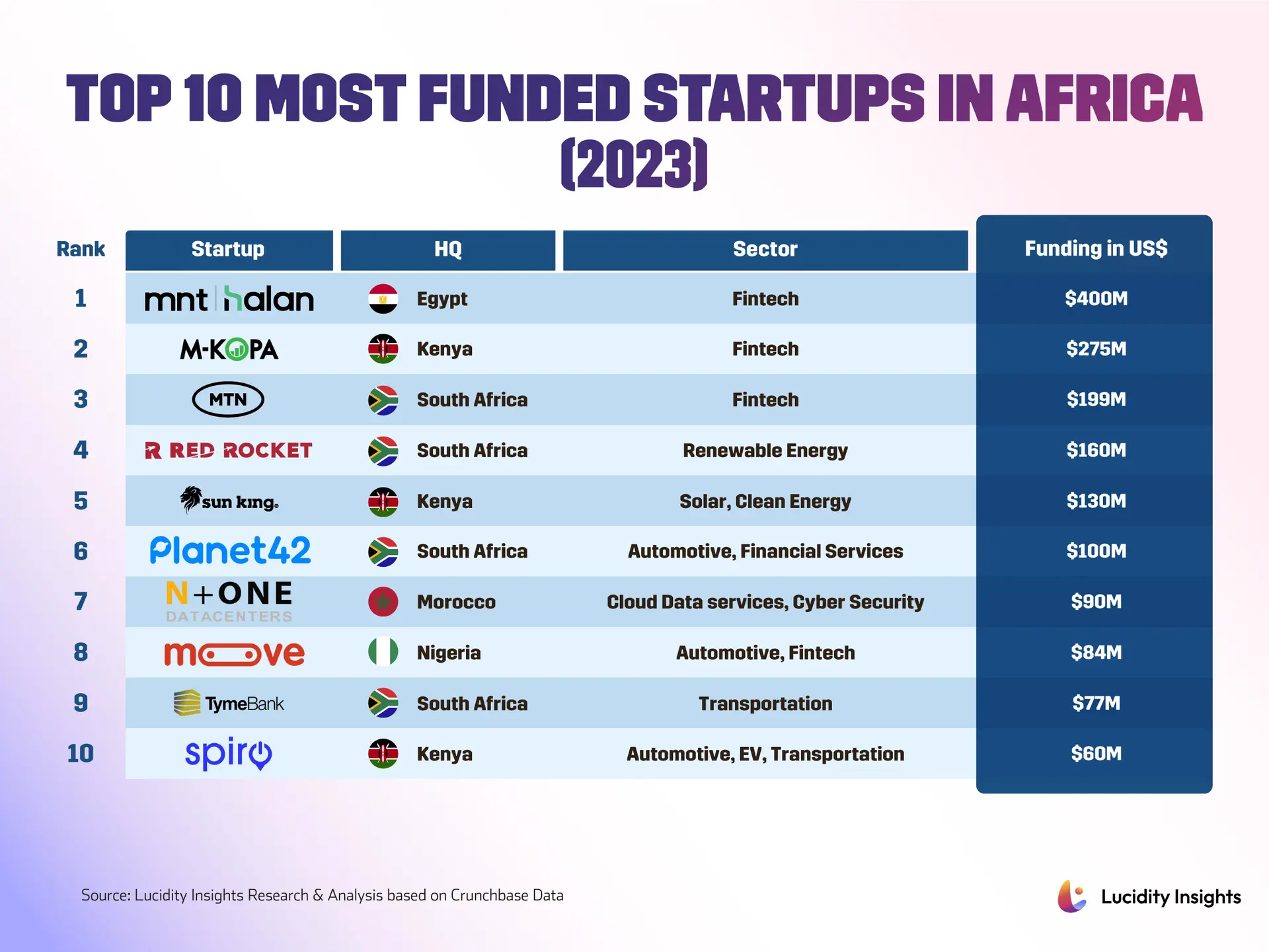
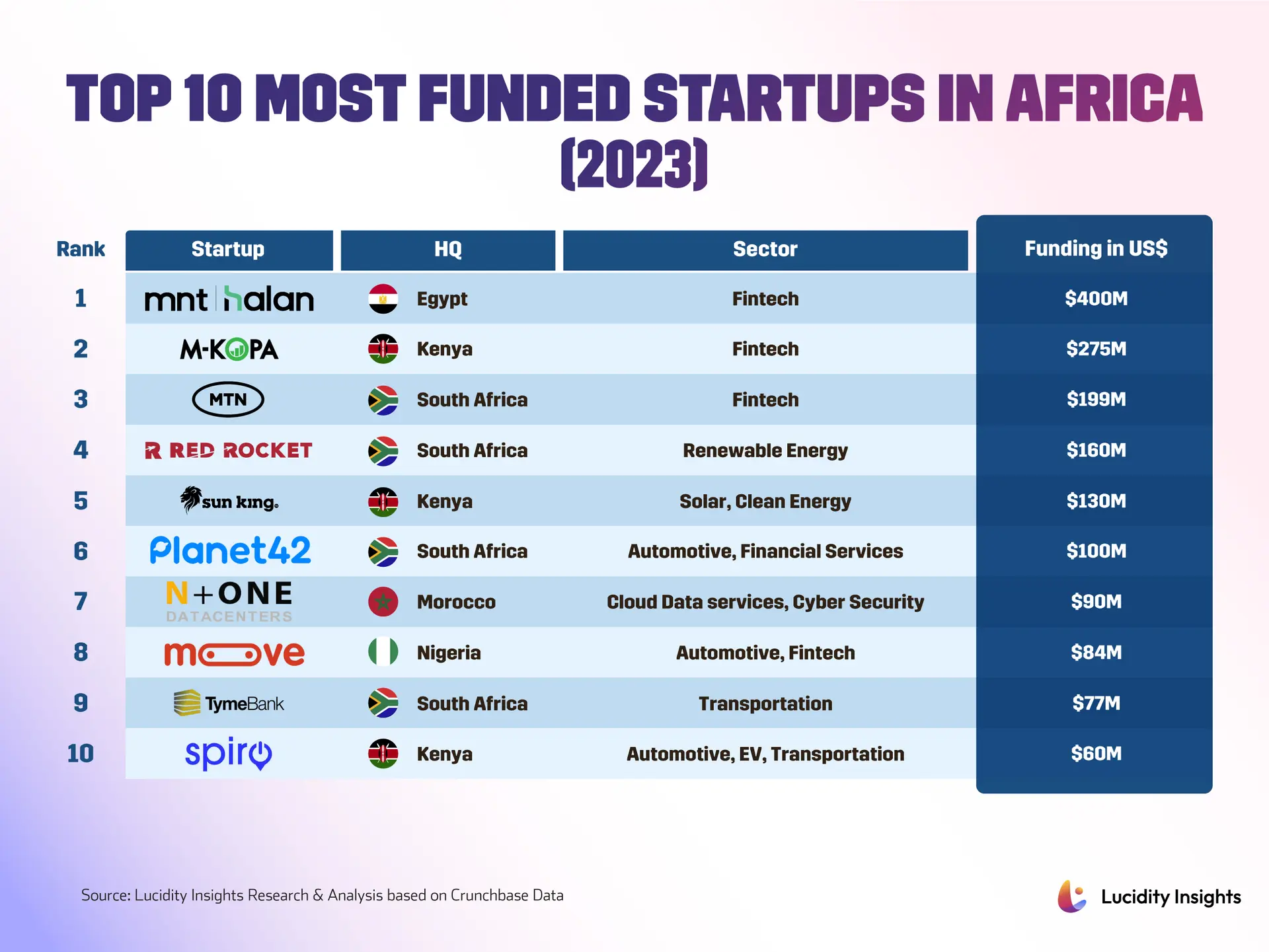
Across major hubs like Lagos, Nairobi, and Lusaka, the defining theme of 2025 is a decisive shift away from superficial disruption toward building the critical infrastructure that allows real economies to function. We are no longer seeing a market obsessed with the next flashy consumer app but rather one focused on the “rails” of commerce—foundational layers like payments, logistics, and energy upon which other businesses can scale. This maturation is most visible in fintech where companies are evolving from niche service providers into regulated financial institutions. Flutterwave has exemplified this transition by securing a payment service provider license in Cameroon and a Payment Institution license in Senegal, moves that allow it to operate with the formal authority of a bank in these complex regulatory environments. Simultaneously, Zambia’s eShandi has reported a massive compound annual growth rate of 276.4 percent, a figure that places it among the fastest growing companies on the continent. These successes signal that locally rooted firms solving boring but essential problems like payroll and last-mile payouts are winning the day. Beyond finance, this trend of innovation driving growth is reshaping sectors like logistics and energy, where startups such as Leta and Neogia Energies are using technology to fix broken supply chains and power grids, creating a stable base for future economic expansion.
While the commercial focus has sharpened, the broader ecosystem is navigating a complex mix of new incentives and persistent hurdles. Governments are beginning to catch up with the pace of innovation, with countries like Egypt introducing tax-free zones specifically designed to retain tech talent and prevent the brain drain that has plagued the sector for years. However, the path to liquidity remains difficult for many founders. Although 2025 has seen an uptick in activity with 37 reported exits, the gap between ambitious startups and the patient capital required to scale them is still evident. This environment heavily favors companies that can demonstrate early profitability or those that secure strategic partnerships to navigate the fragmented reality of African markets. Success in a Francophone market like Senegal rarely guarantees an easy entry into an Anglophone neighbor, which is why we are seeing a premium placed on local expertise and regional compliance. Amidst these challenges, a quiet revolution in trust is taking place. Firms like Smile ID and various blockchain-enabled platforms are fusing identity verification with low-cost crypto rails to solve cross-border friction. These are not just technical upgrades but essential tools for ecosystem growth that promise to bring millions of underserved users into the formal economy by making identity and value transfer cheaper and more reliable than ever before.
The implications of these structural shifts are perhaps most tangible in places like Burkina Faso, where the abstraction of “fintech” translates into a merchant in Ouagadougou finally being able to accept digital payments without technical failures. When logistics platforms lower the cost of transport and distributed energy keeps the lights on for small factories, the local economy becomes predictable enough to attract long-term investment. Looking ahead, the startups that will define the next decade are those prioritizing regulatory compliance and treating it as an asset rather than a hurdle. We can expect investors to double down on businesses that bridge the digital and physical worlds, favoring those that can prove their unit economics in tough conditions over those with mere growth potential. As regional forums drive conversations around harmonized rules, the continent is moving toward a future where its tech sector functions less like a collection of isolated successes and more like a unified operating system. For those following startup news, the message is clear: the next wave of unicorns will be the companies that provide the essential rails for everyone else, driving clean energy and regional trade to new heights. 2025 is not just another year of growth; it is the year Africa’s digital economy began to pour its own concrete.