African Startups Pivot to Infrastructure Solutions, Attracting Global Investors and Fresh Capital
Something fundamental is changing in Africa’s tech landscape, and you can see it clearly in Nairobi this month. Instead of chasing the next lifestyle app or flashy marketplace, entrepreneurs are digging deeper. They’re building the digital plumbing that keeps economies running. Twelve companies from across the continent will take the stage at the Africa Tech Summit Investment Showcase, and their focus tells a story. These aren’t consumer fads. They’re practical solutions tackling real bottlenecks in supply chains, healthcare, payments, and waste management. From Egypt to Zambia, Kenya to Nigeria, founders are betting that Africa’s future depends less on viral apps and more on durable infrastructure.
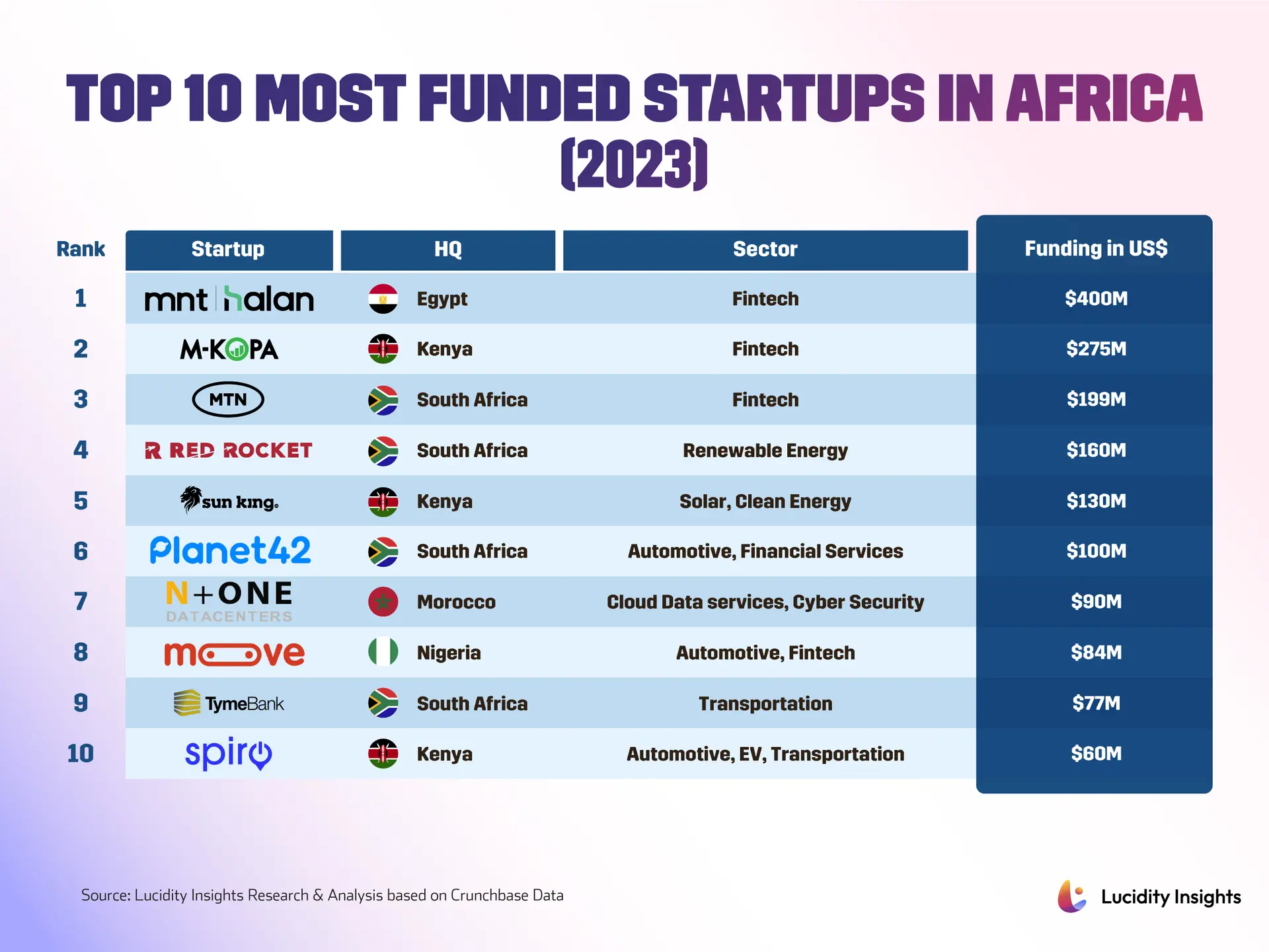
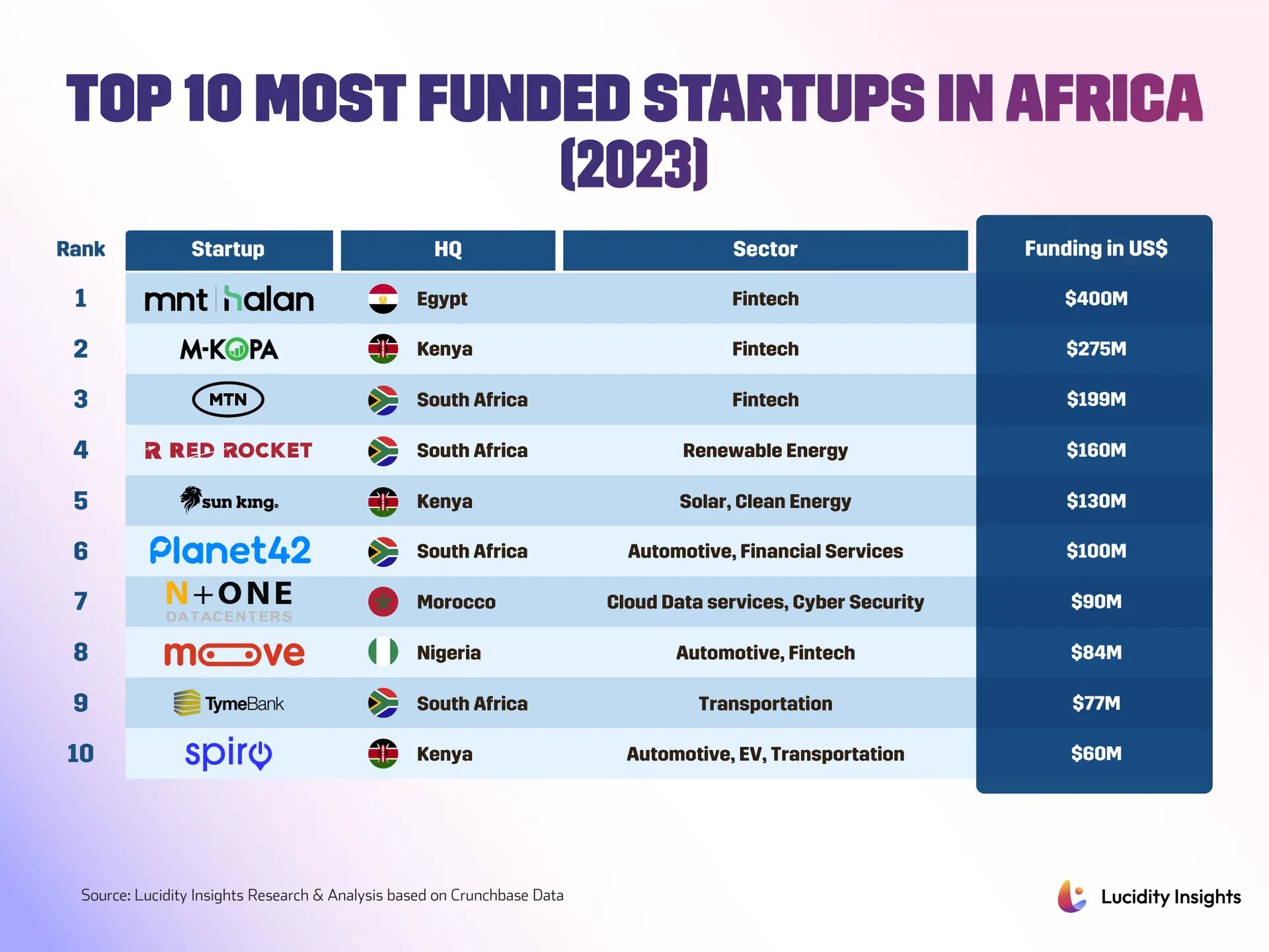
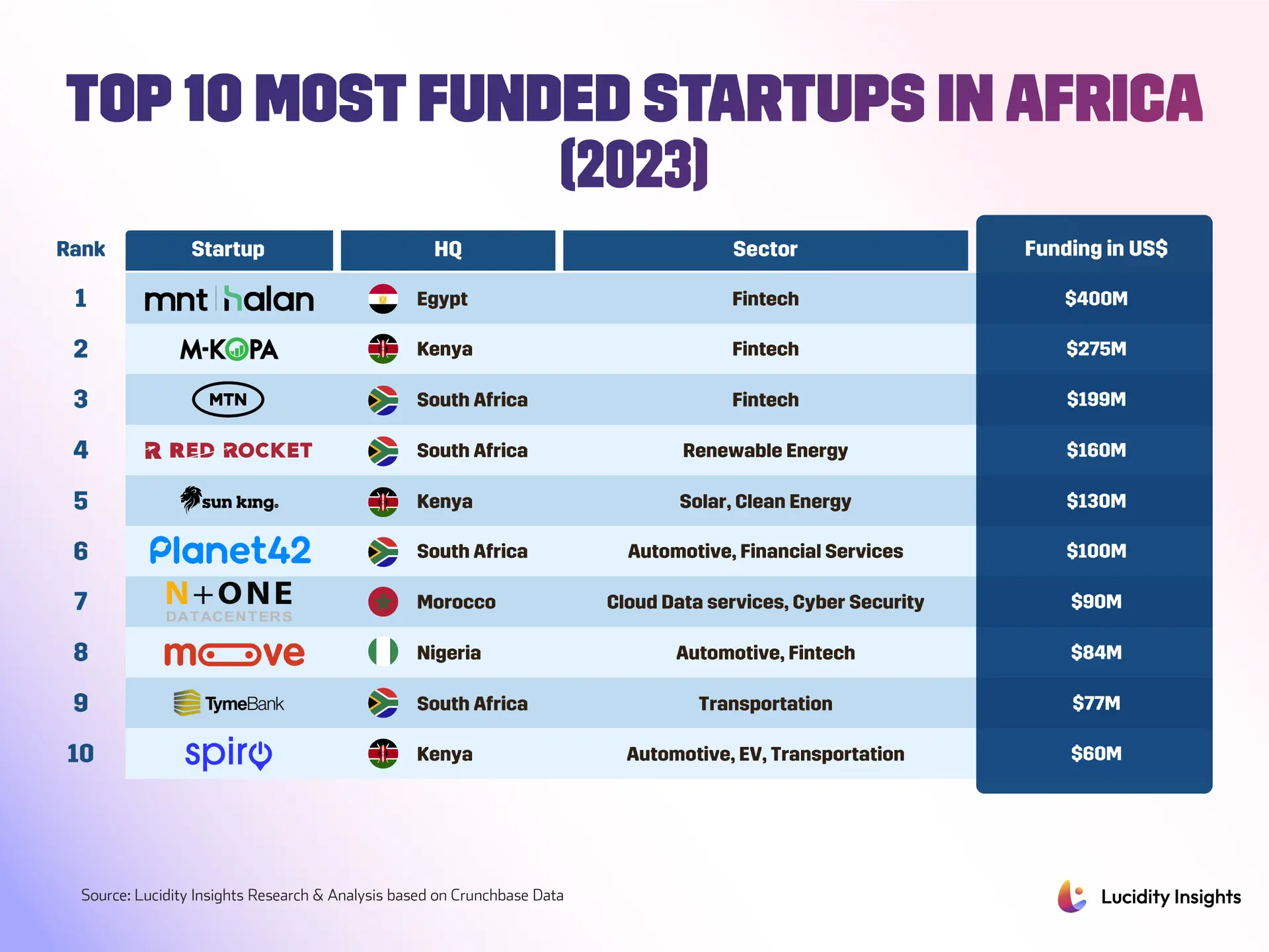
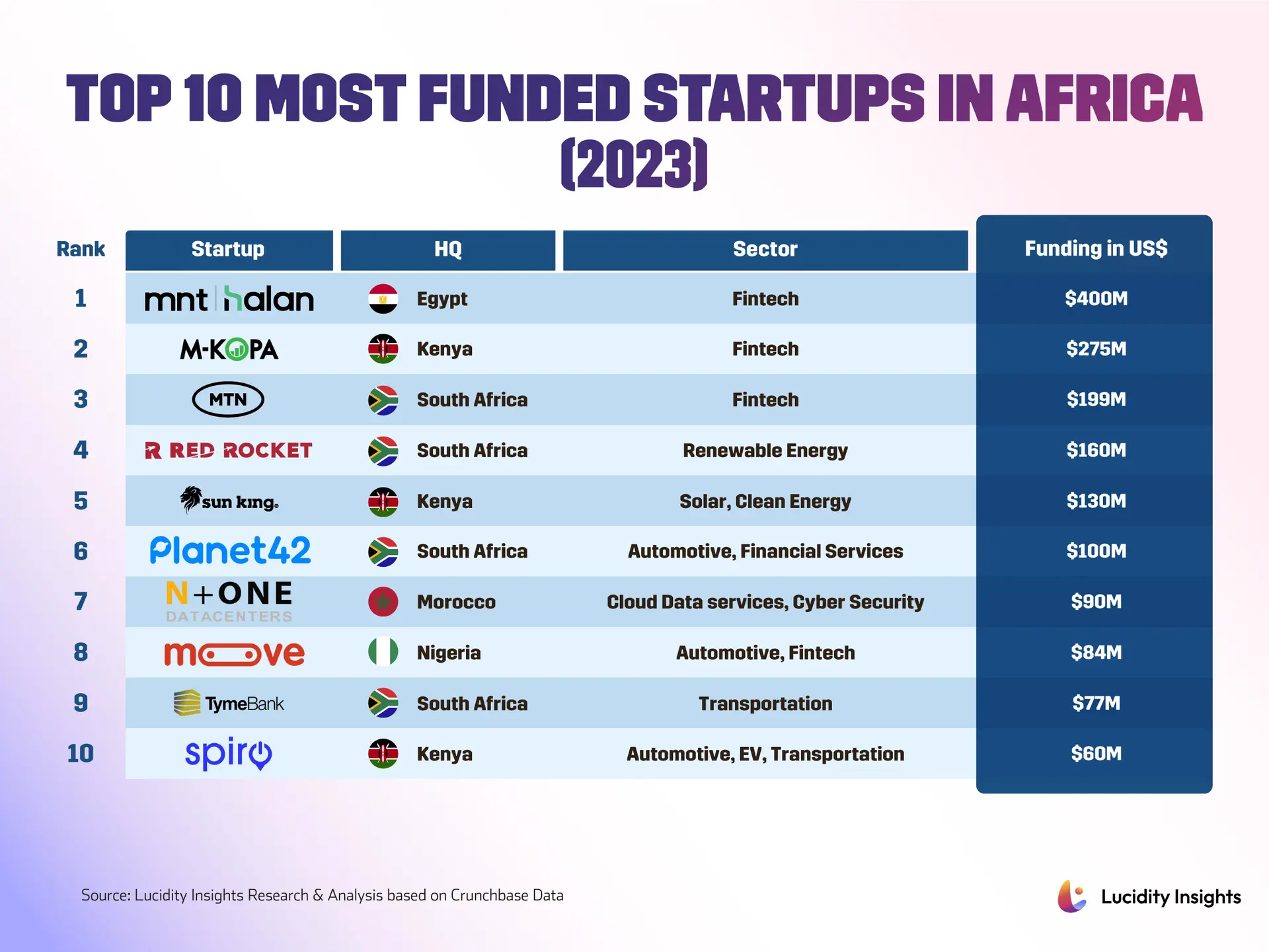
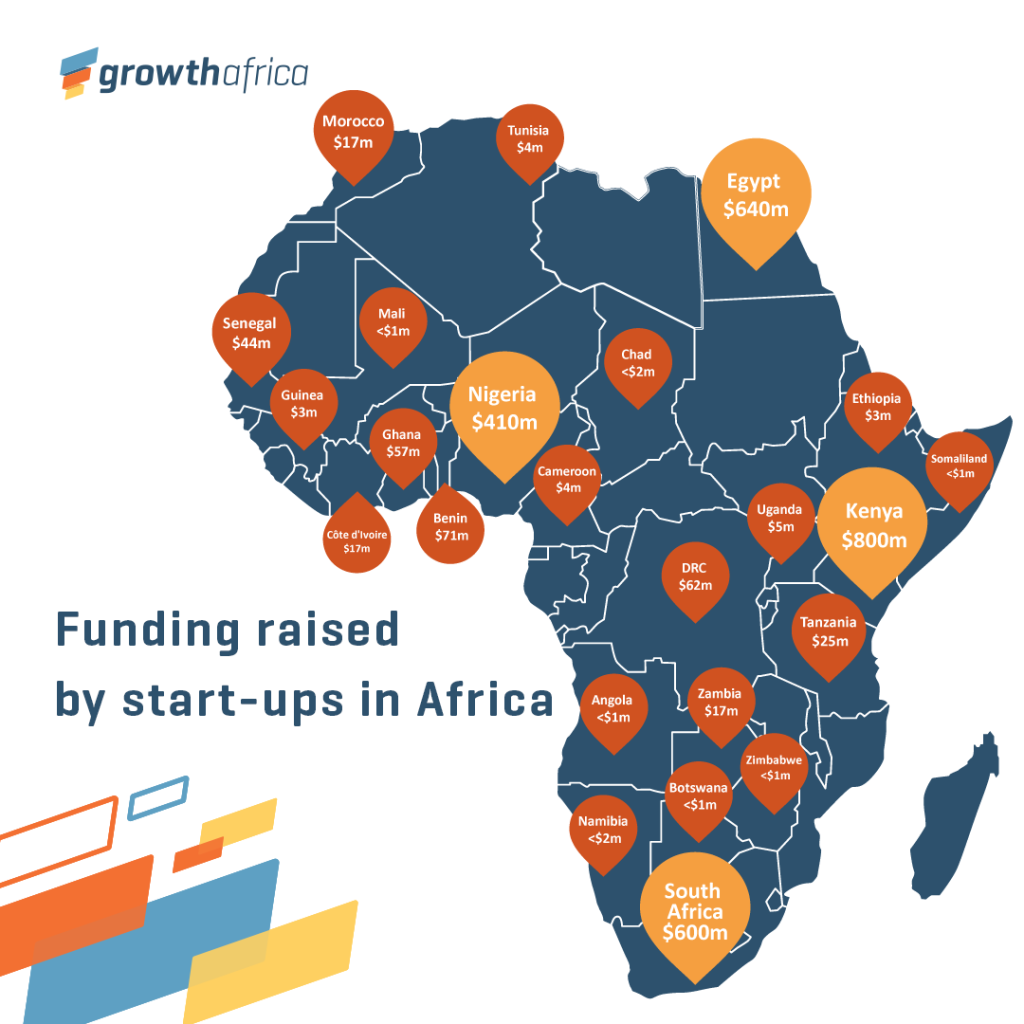
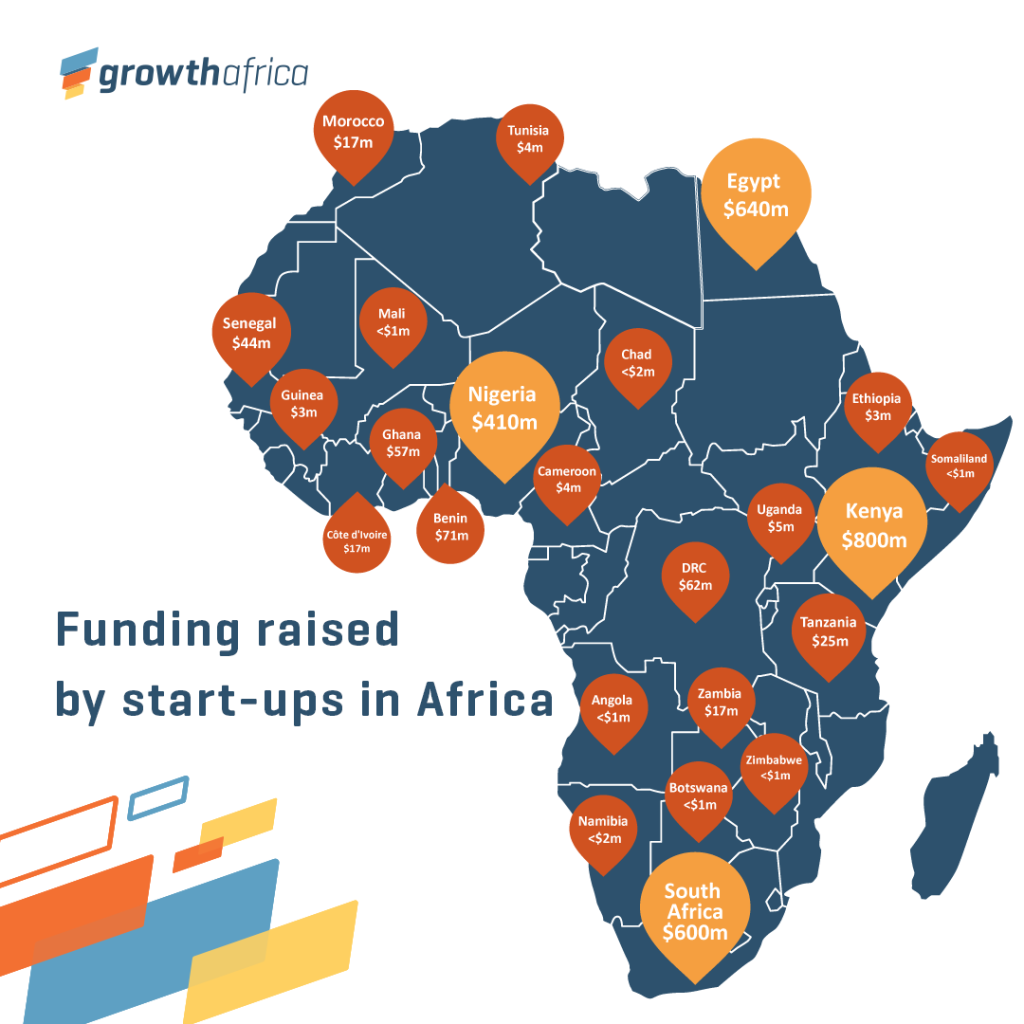
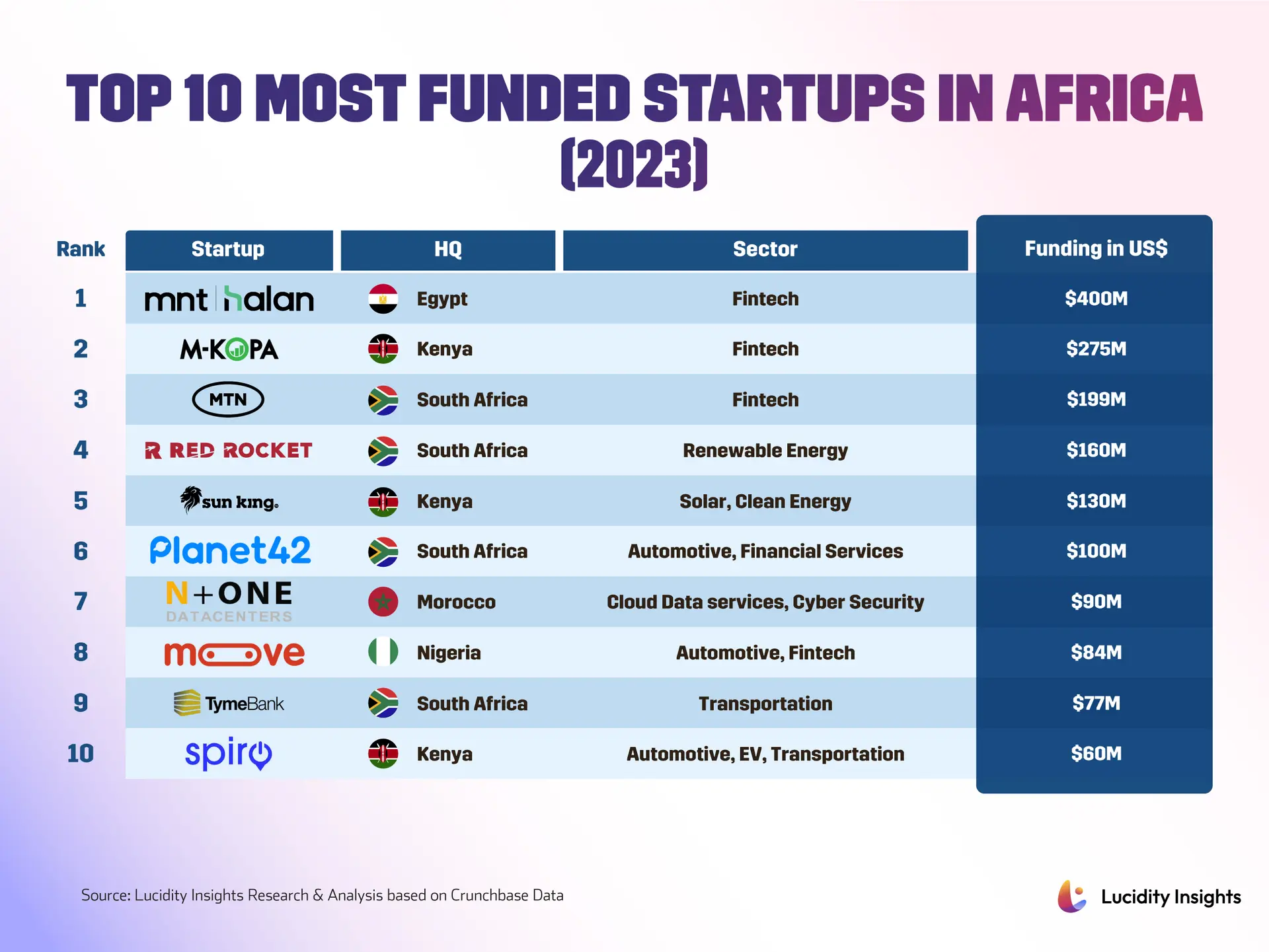
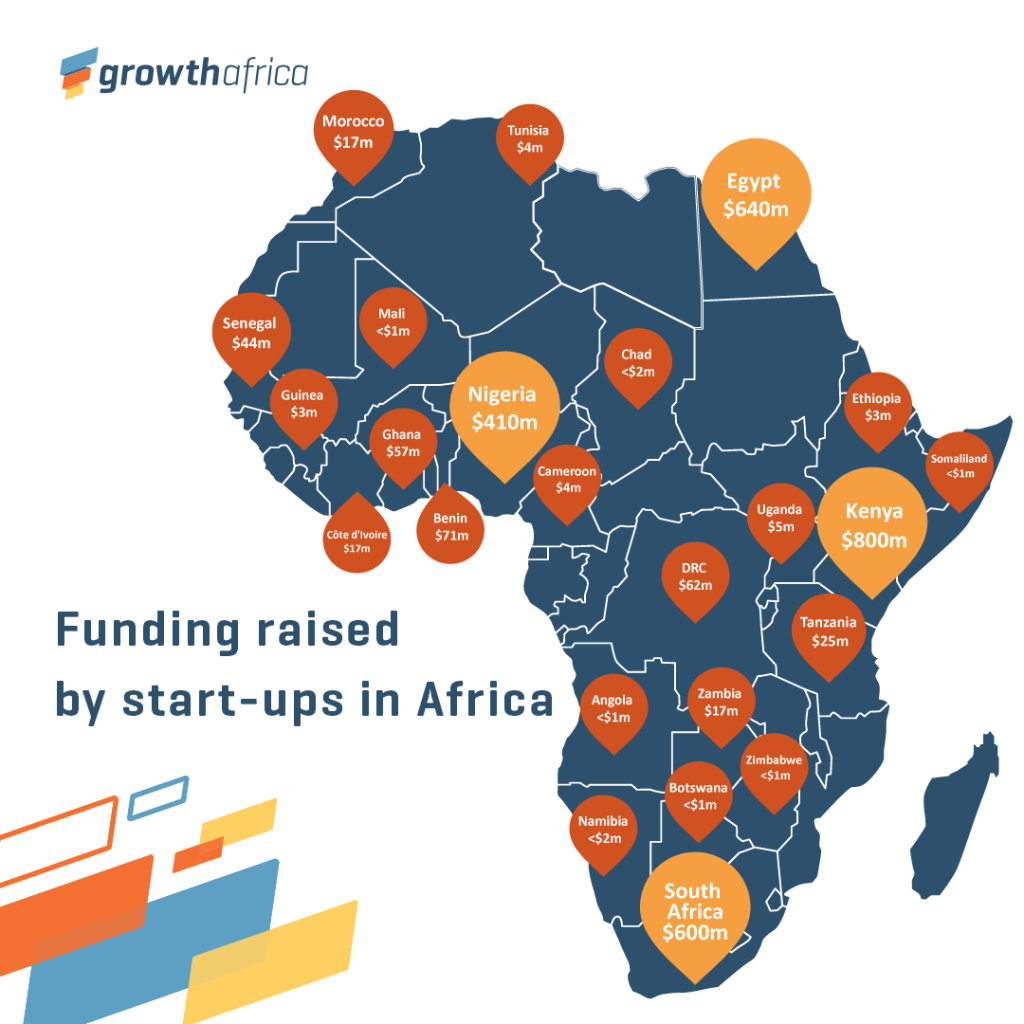
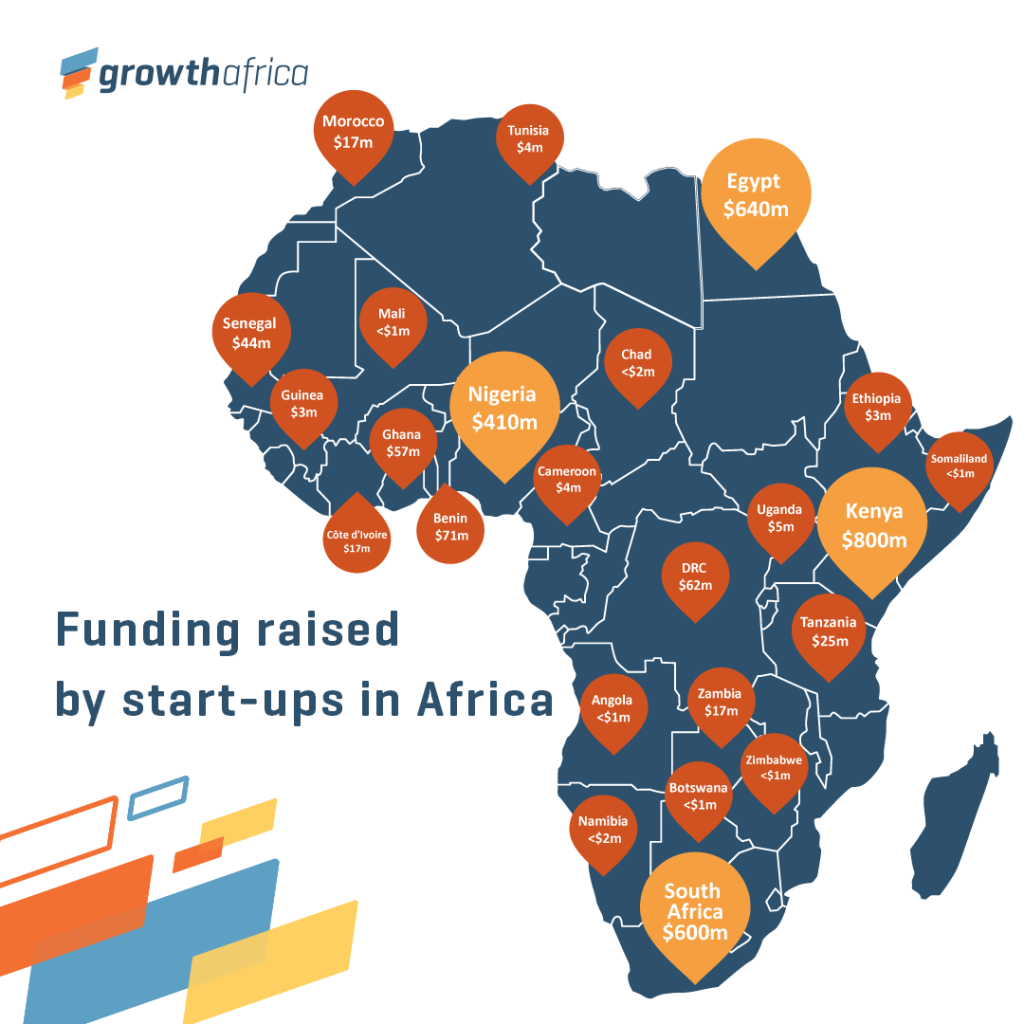
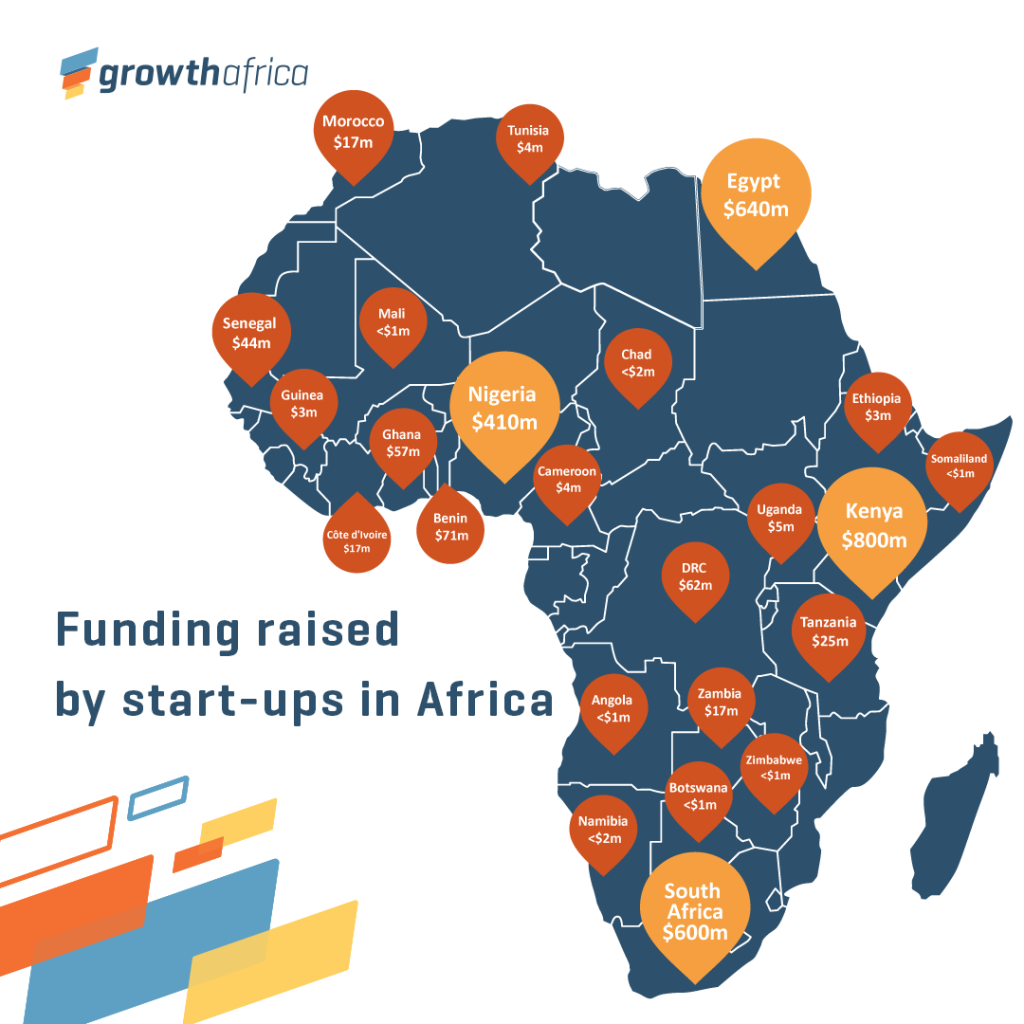
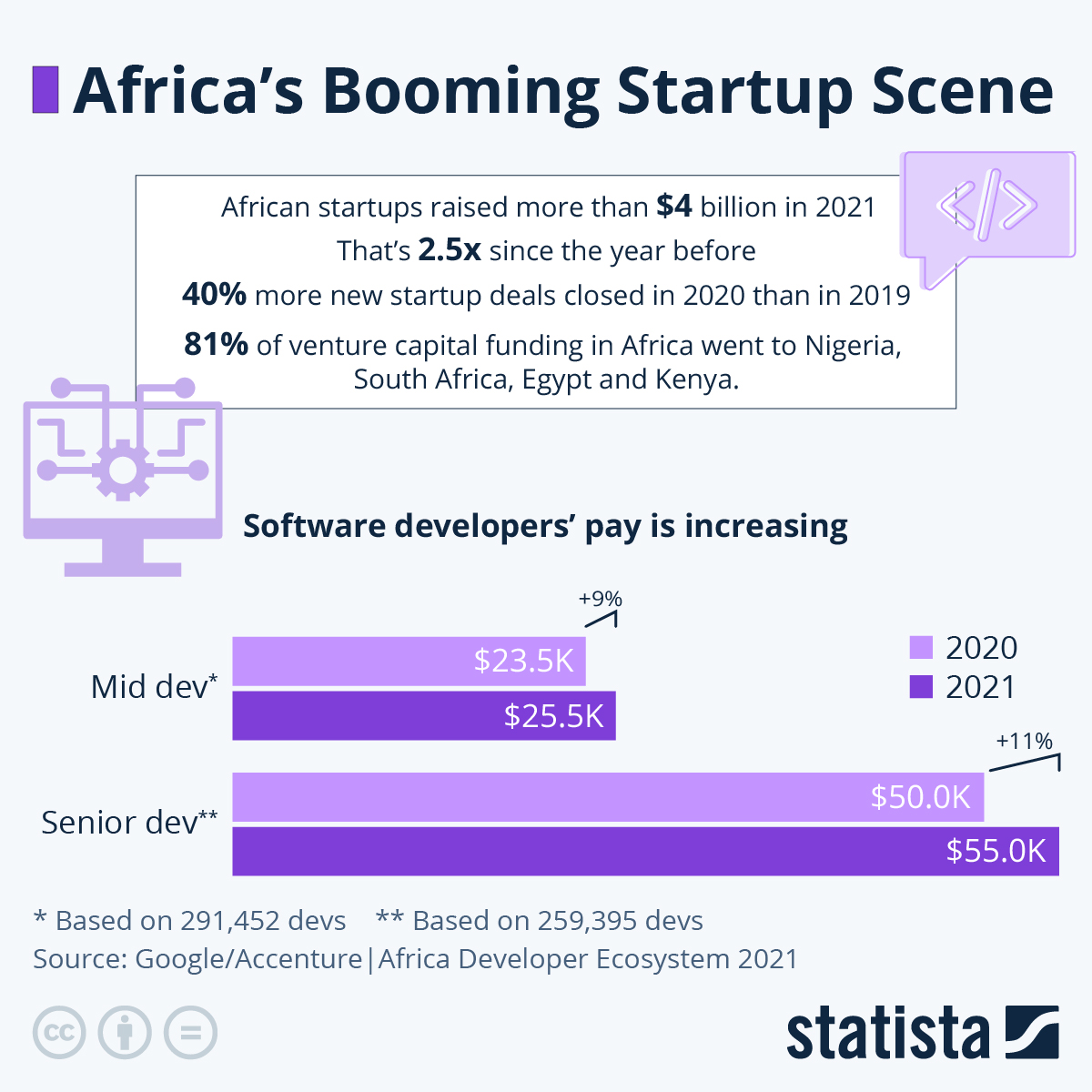
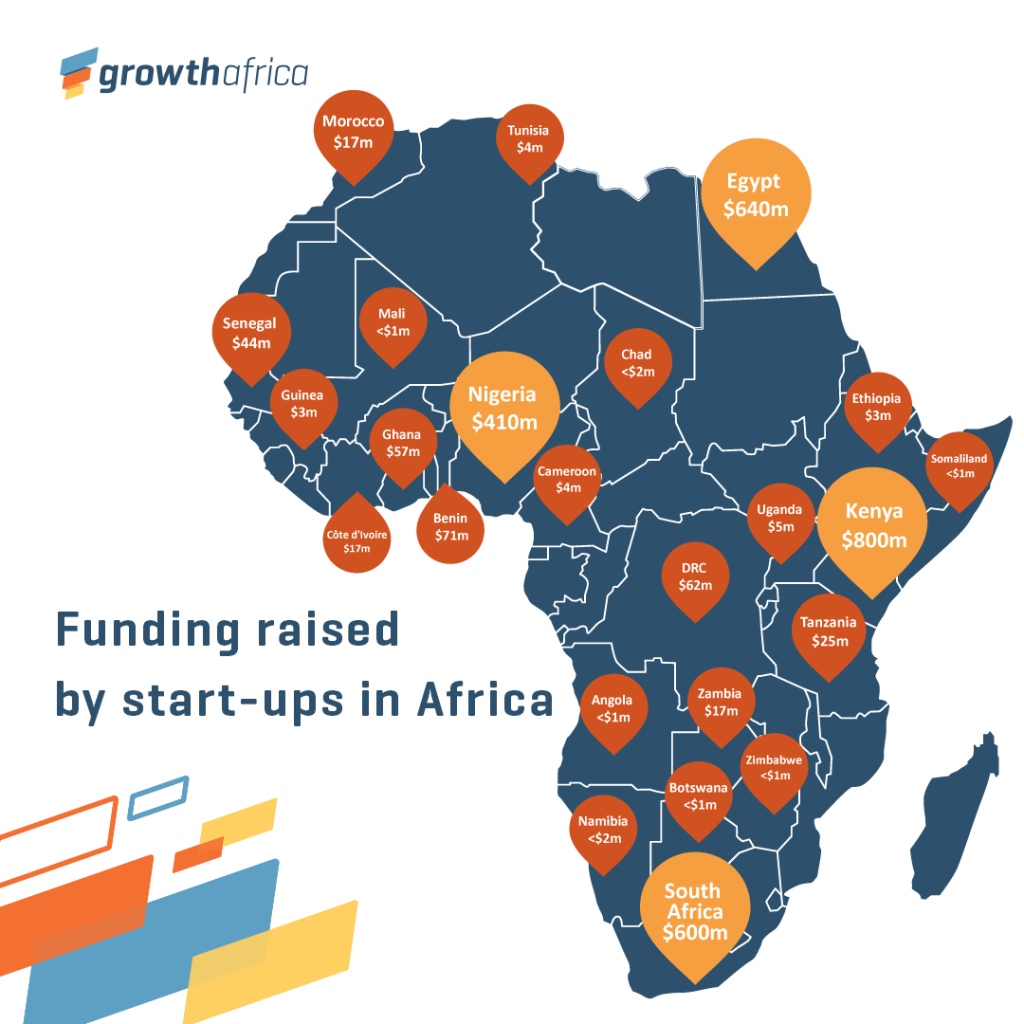
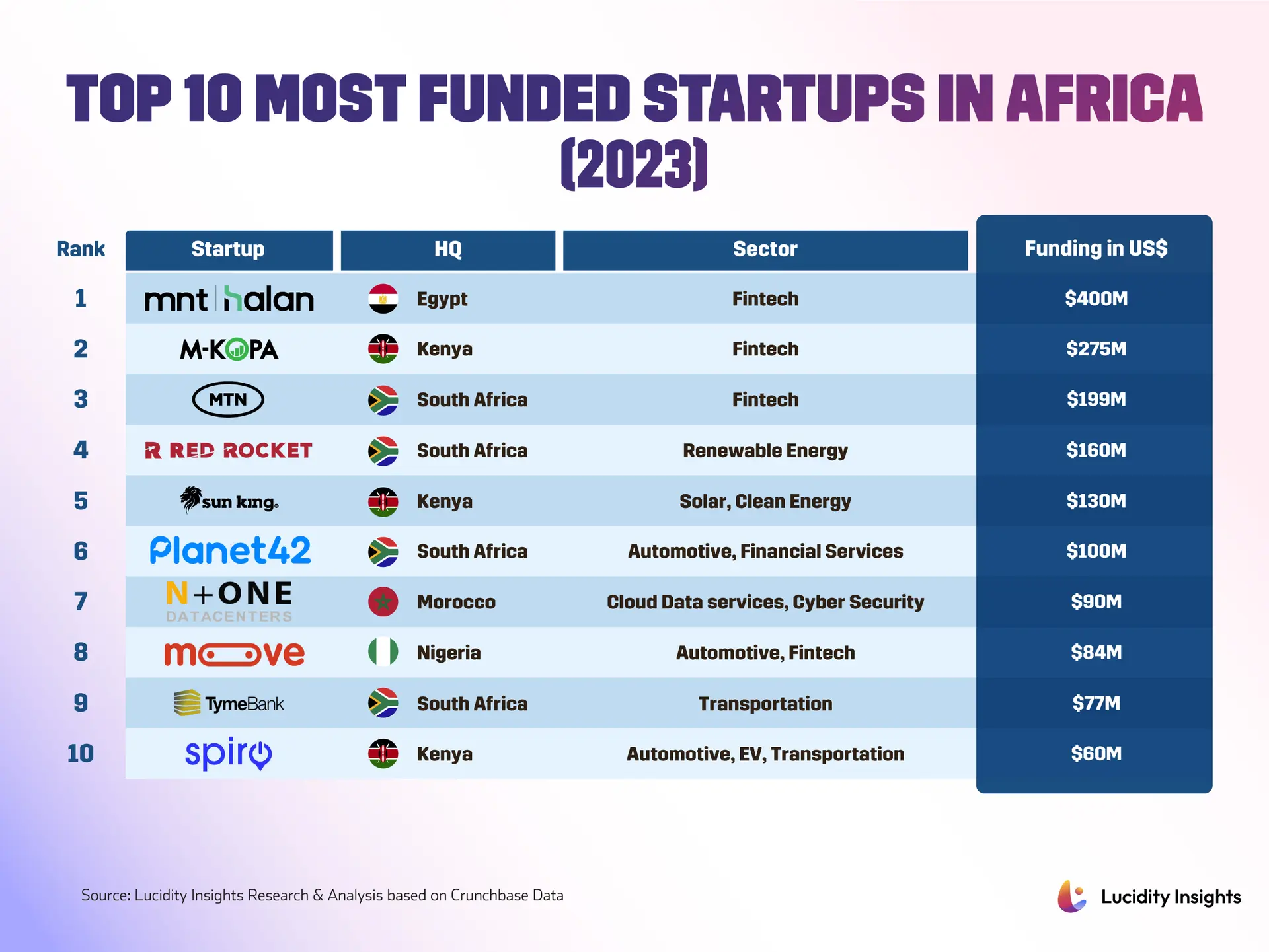
Look at the companies pitching. Bekia turns Cairo’s chaotic waste collection into a trackable recycling supply chain. Chefaa simplifies prescription access in fragmented pharmacy markets. Hizo works on cross-border payments to make African trade cheaper and faster. Kenyan startup Pretium links traditional payment rails to blockchain, while Zerobionic transforms discarded plastic into AI-powered robots that translate speech to sign language. This shift matters because the money is following. Investors poured $180 billion into African tech from Gulf and Asian sources recently, and funding data shows a 33 percent year-on-year rise in 2025. That’s a rebound after two tough years. Backers aren’t just writing seed checks for consumer marketplaces anymore. They’re funding supply-chain platforms, cross-border payment rails, and enterprise AI services. It’s part of a broader tech renaissance transforming the continent’s economic potential.
Sure, challenges remain. Regulatory fragmentation complicates cross-border experiments. Physical logistics still depend on fragile transport networks in many regions. And infrastructure businesses take longer to monetize than consumer apps, requiring investor patience. But that’s precisely why global financiers are intrigued. Building interoperable payment rails, transparent procurement systems, and circular waste markets could unlock higher GDP growth and formalize large swaths of the informal economy. As startups to watch lists highlight, the contest for Africa’s future will be won by teams that translate local operational savvy into scalable tech. The headline for 2026 isn’t that Africa is a hotbed of youthful consumer apps. It’s that entrepreneurs are targeting the backbone of trade, health, and public services. The capital is following, and this startup ecosystem shift signals a more mature, sustainable phase in Africa’s digital renaissance. For anyone watching from Ouagadougou to Lagos, that’s cause for both excitement and a serious rethink of how value gets created on the continent.