
After the Funding Chill, Africa’s Startup Scene Finds Its Footing with Practical Tech and Fresh Energy Focus
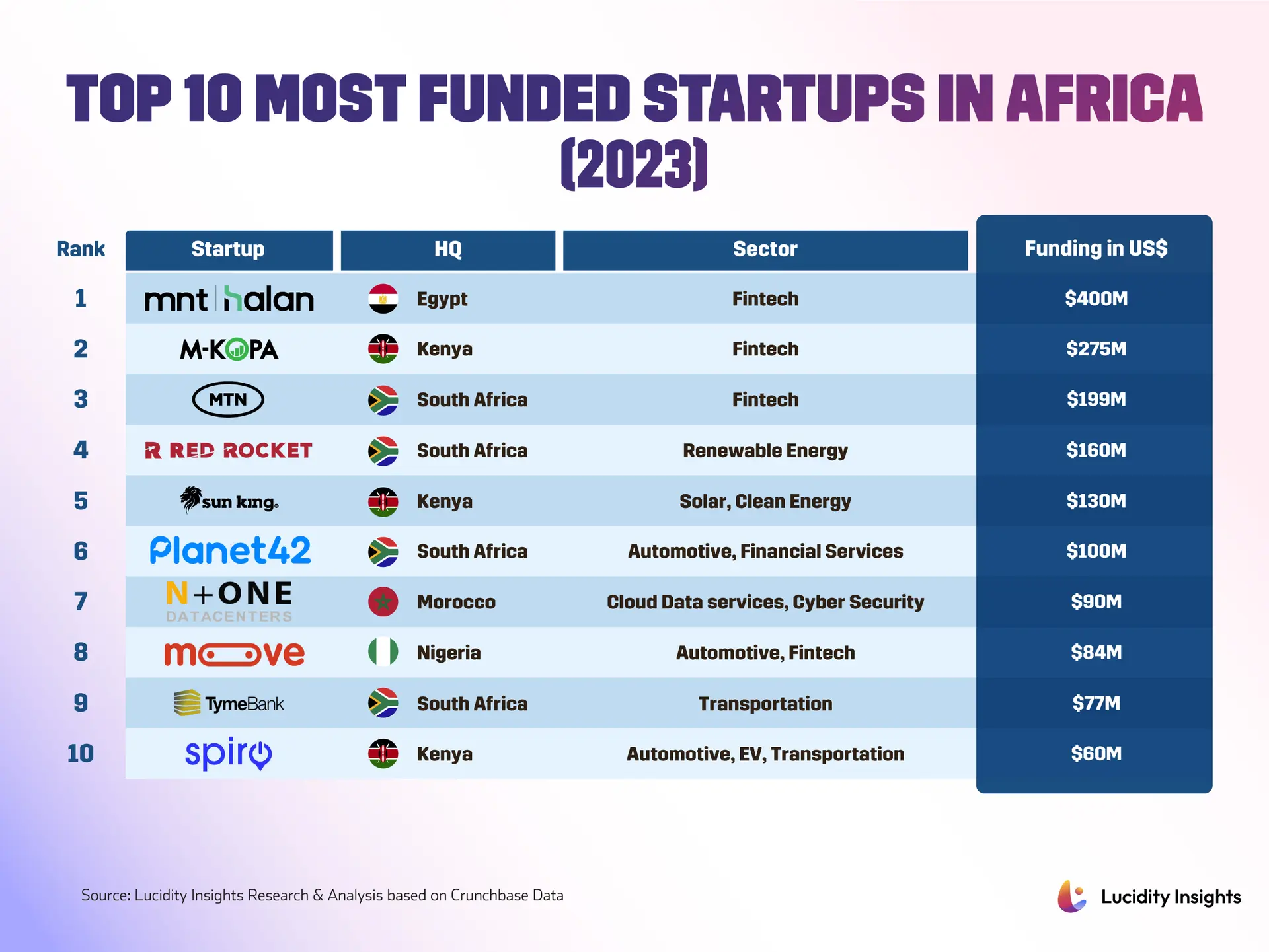
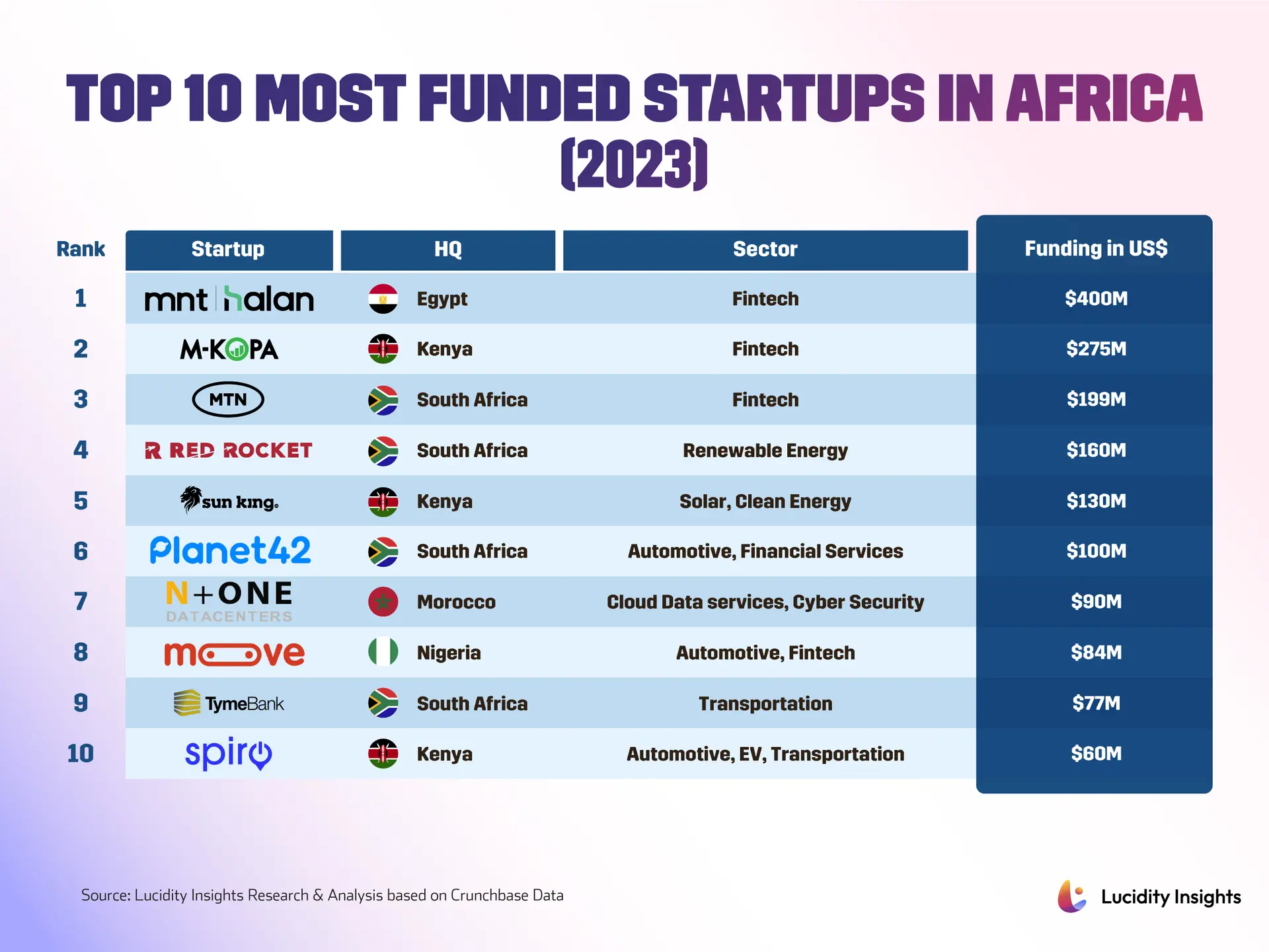
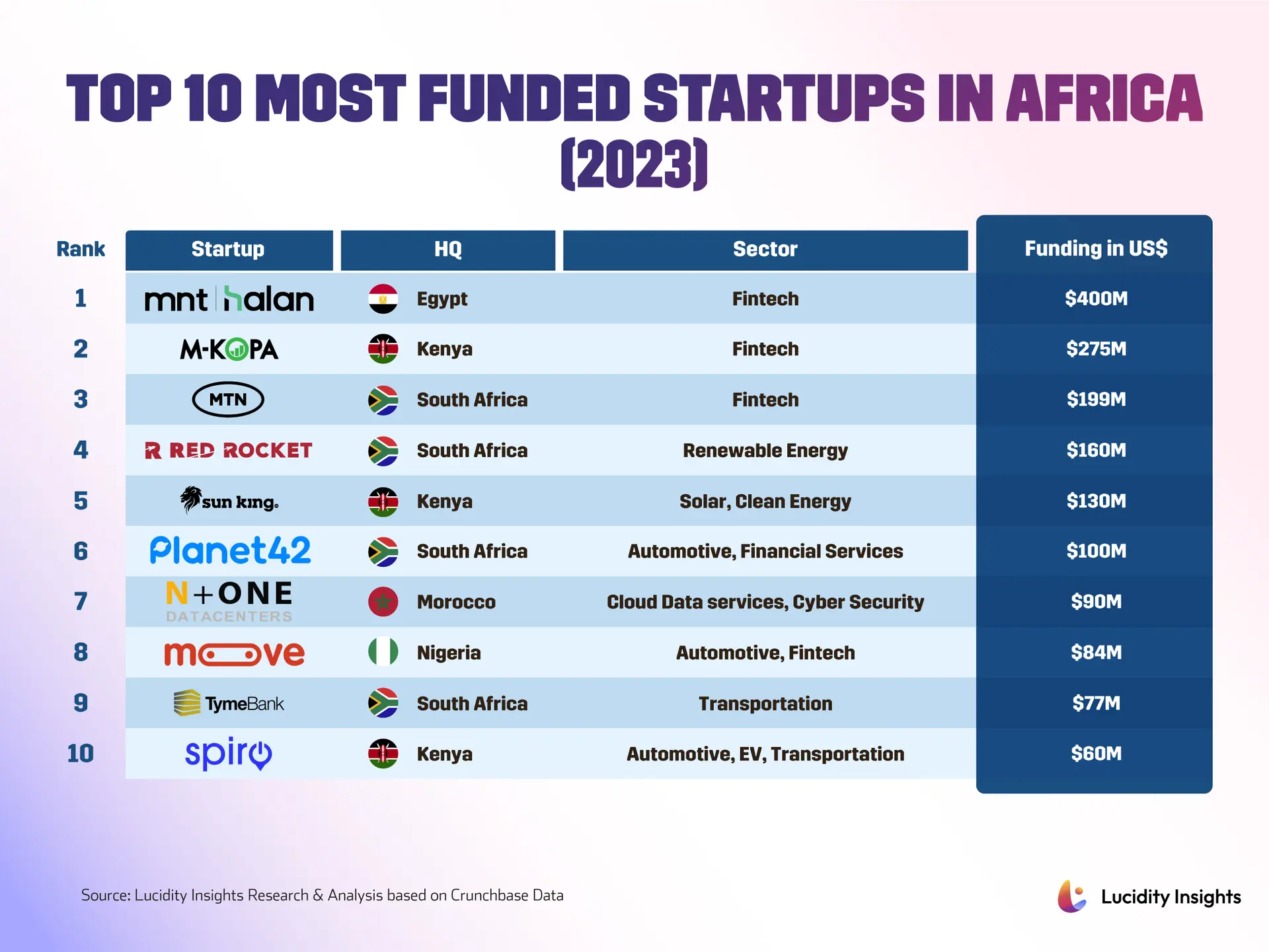
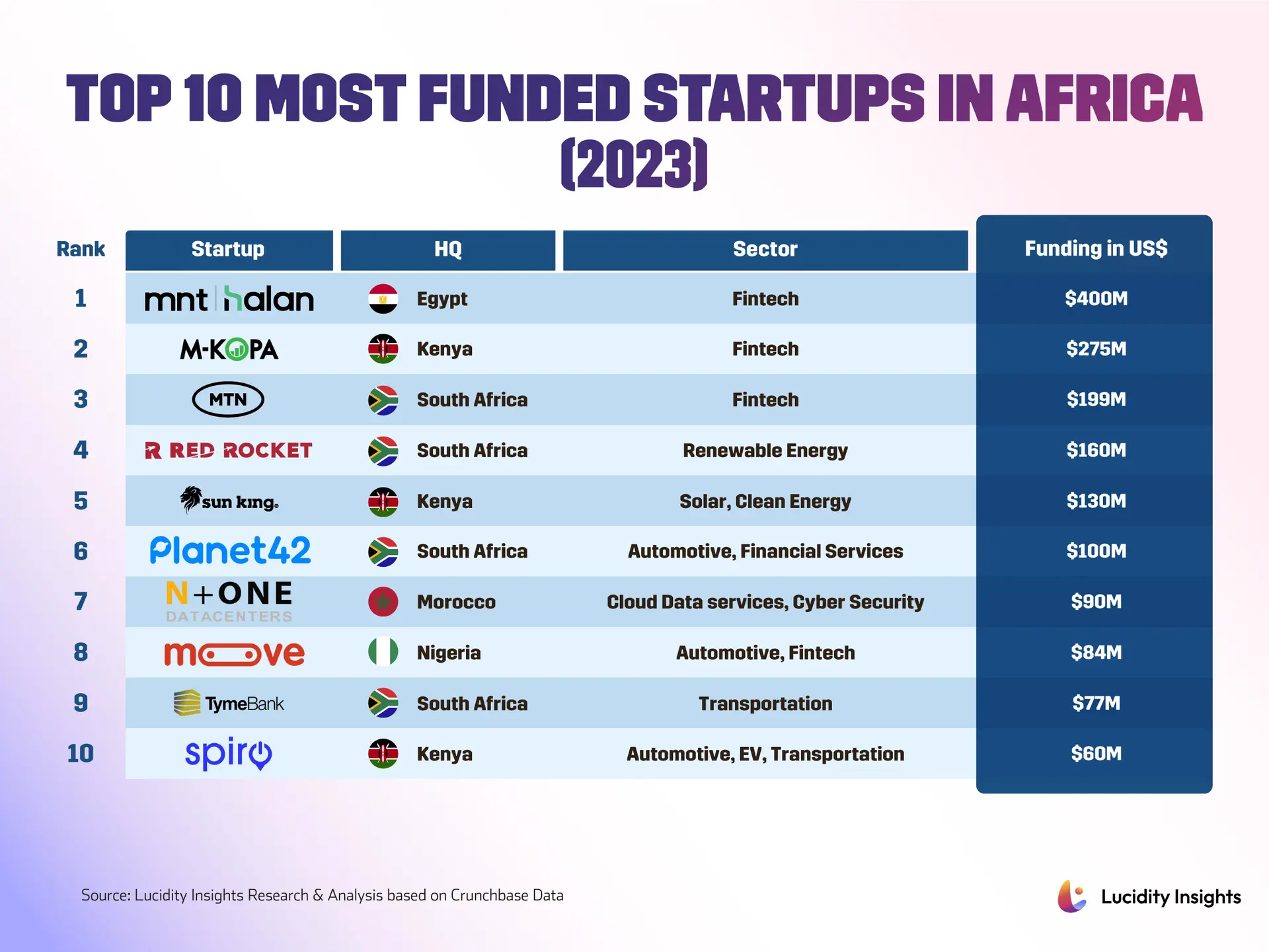
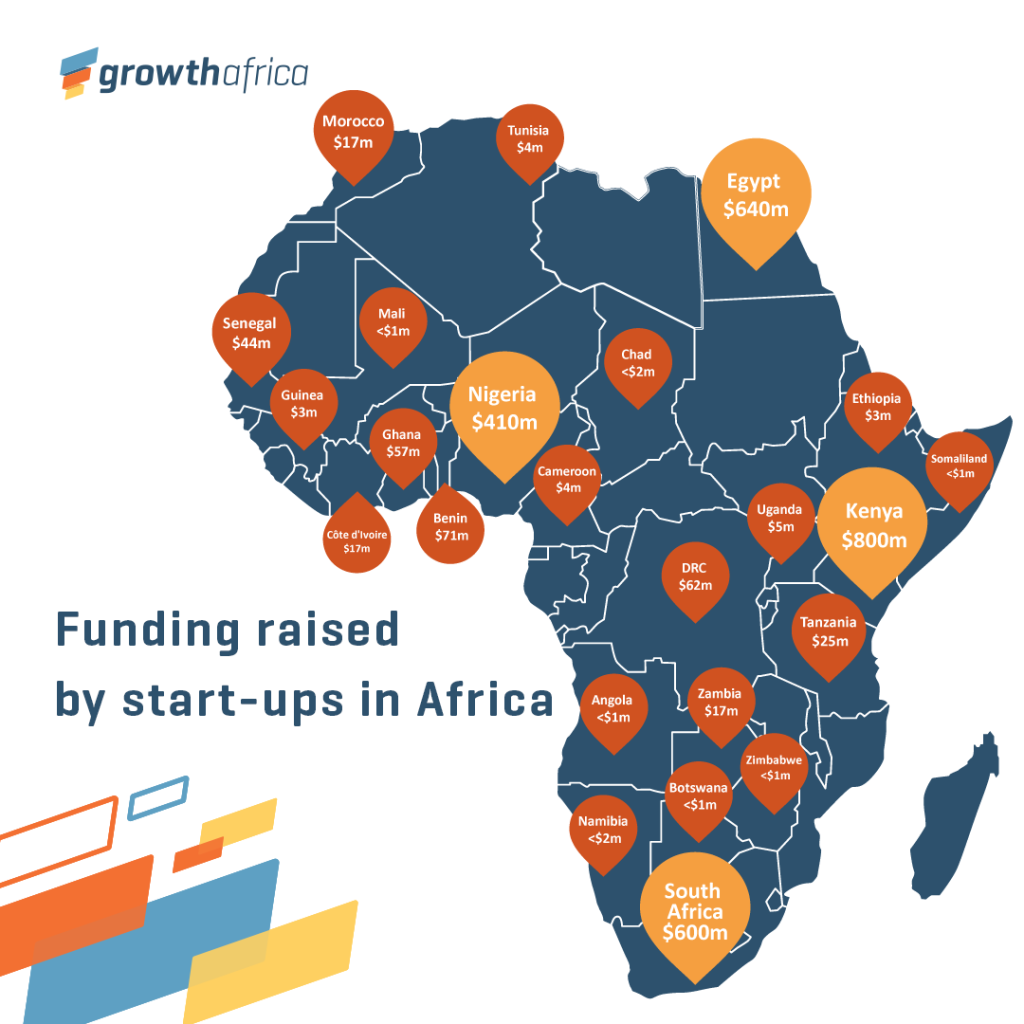
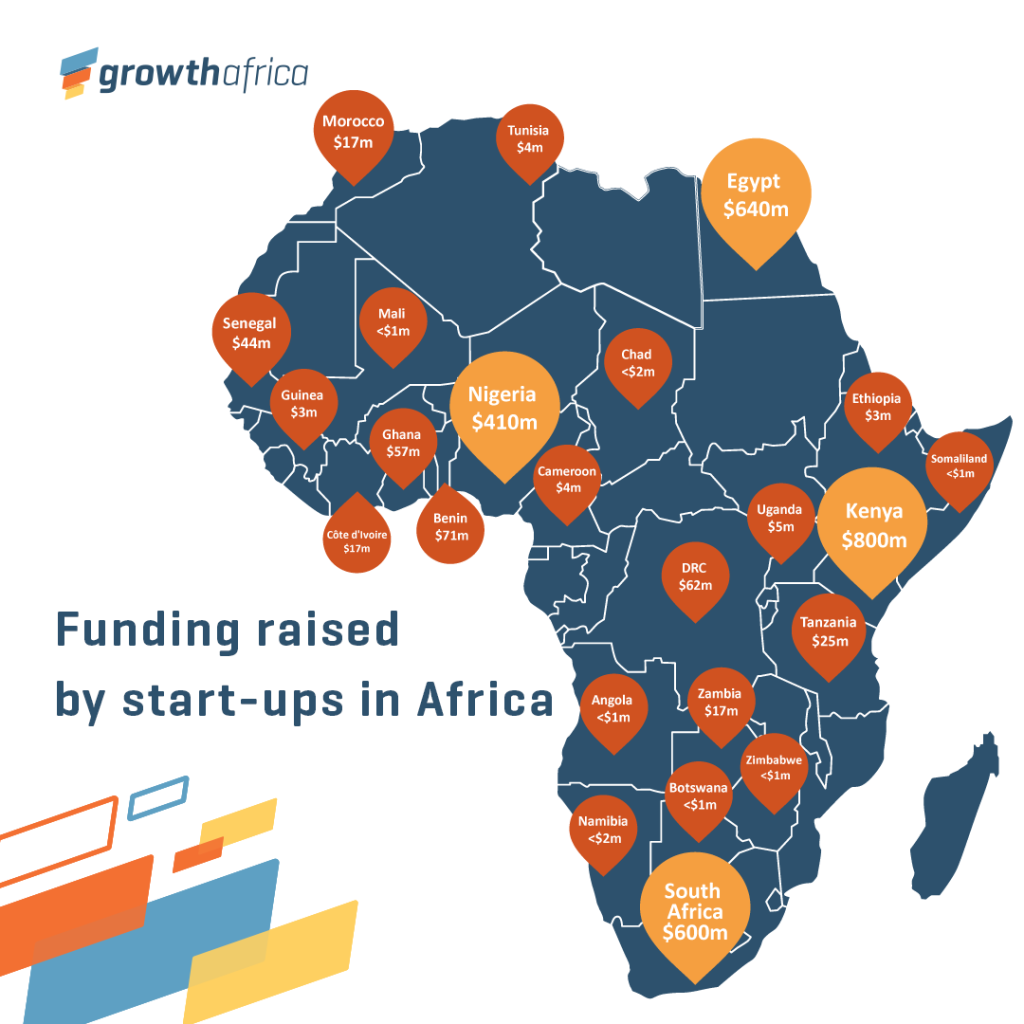
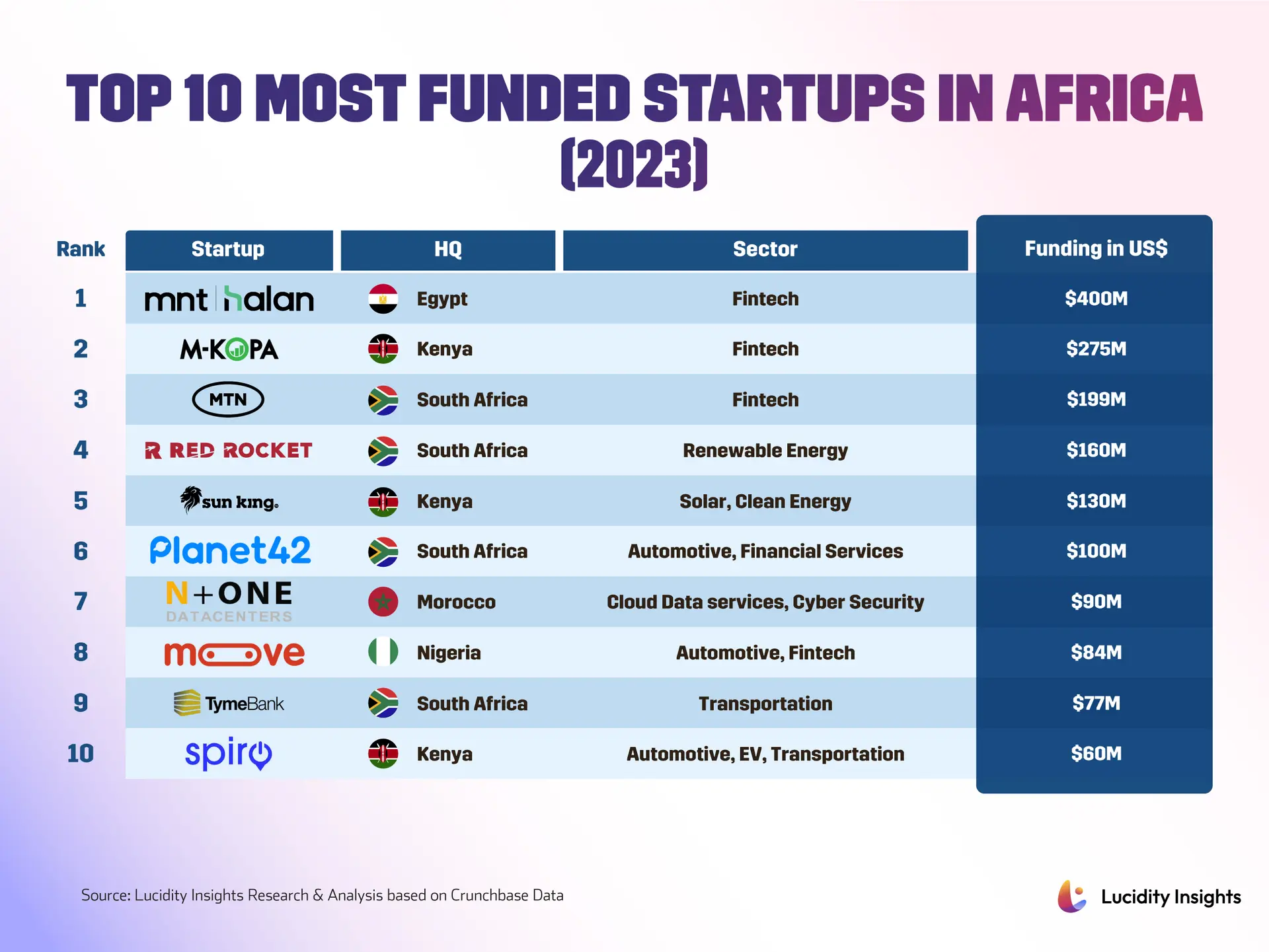
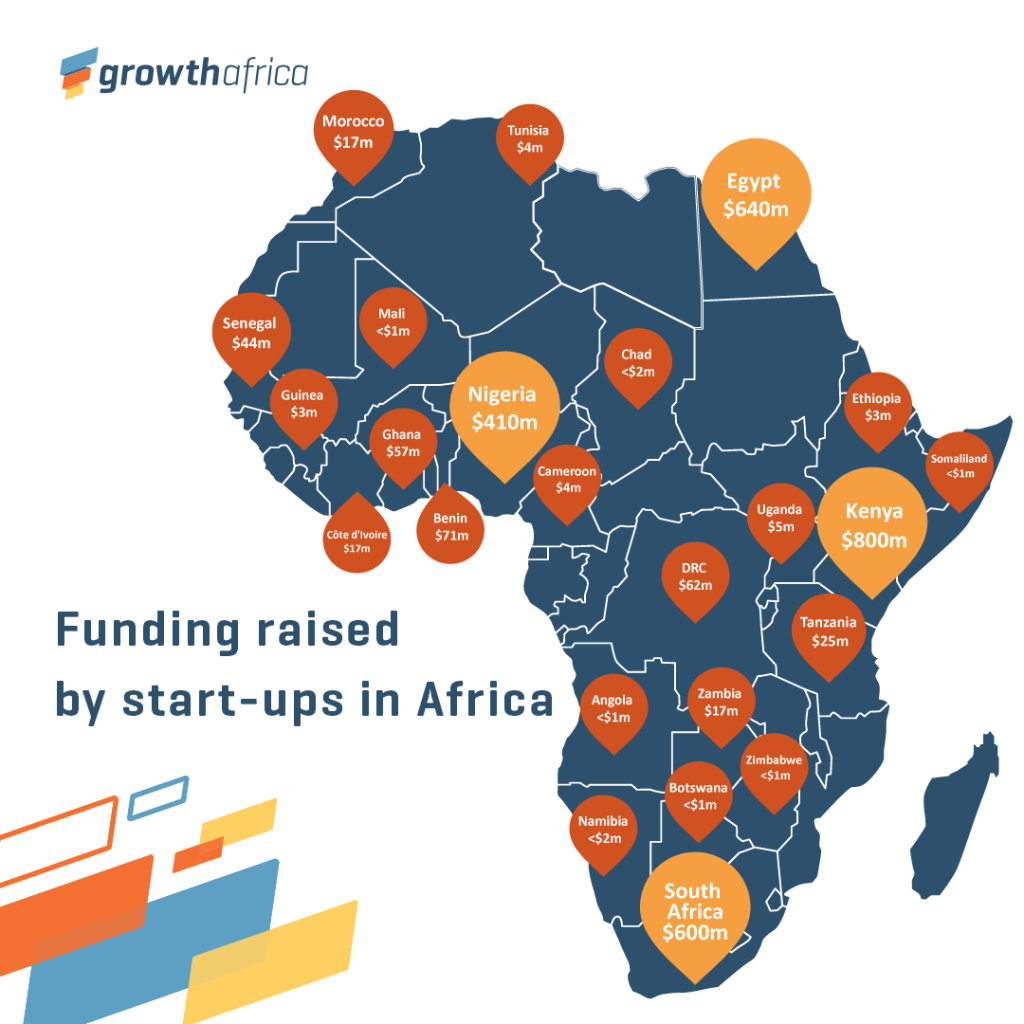
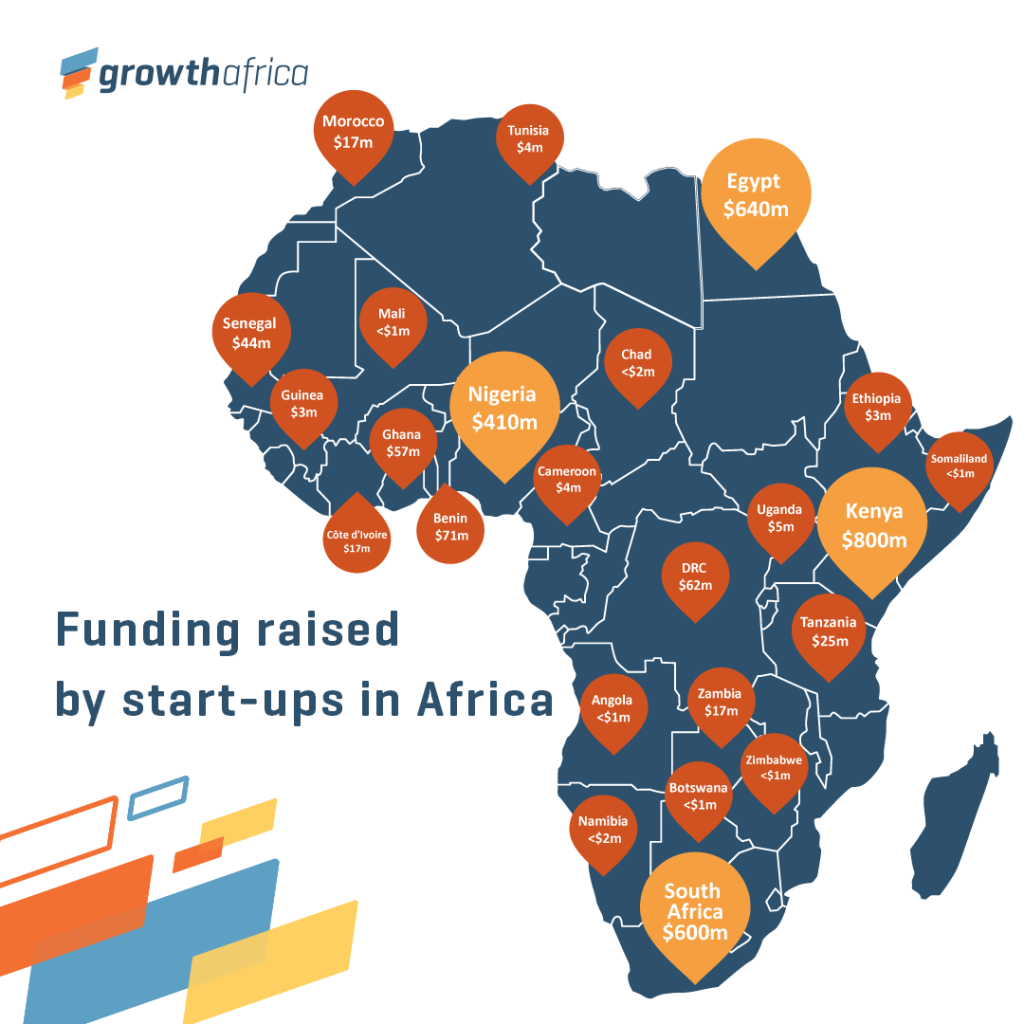
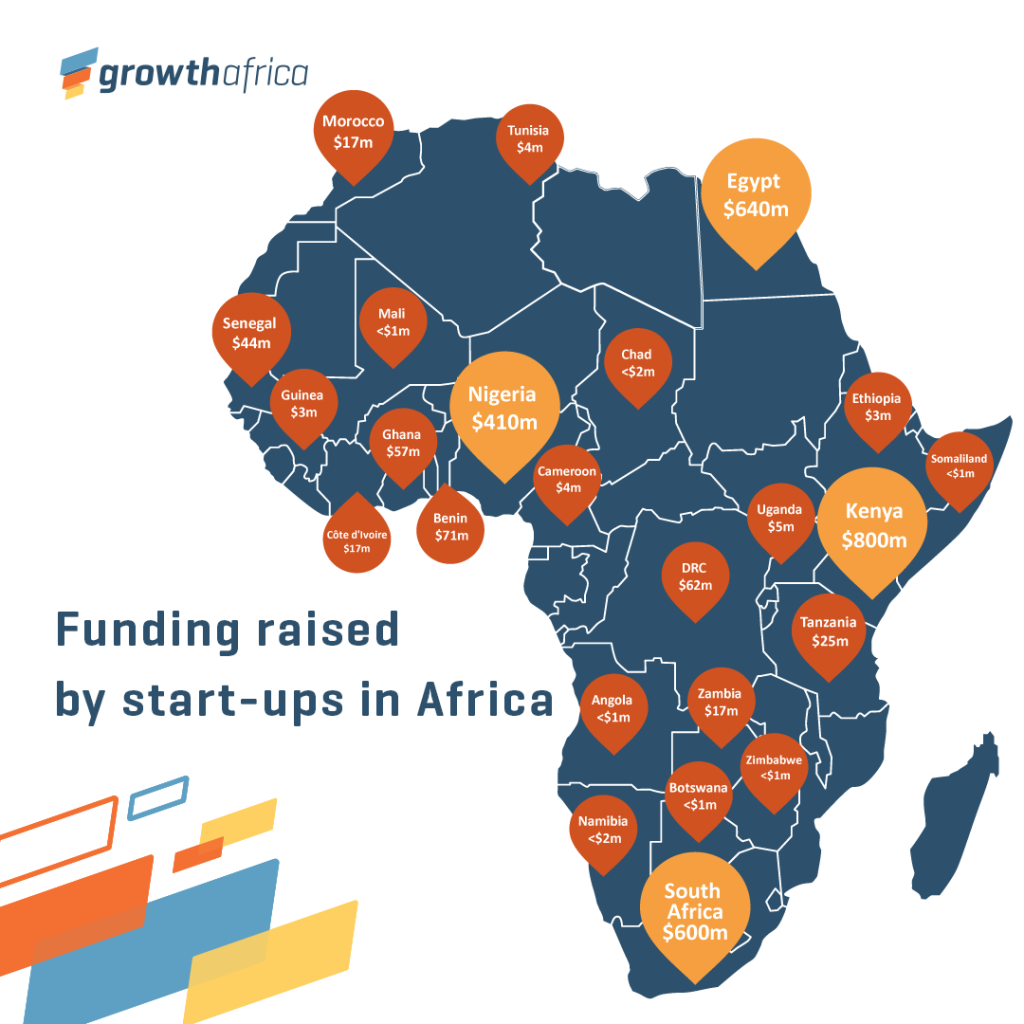
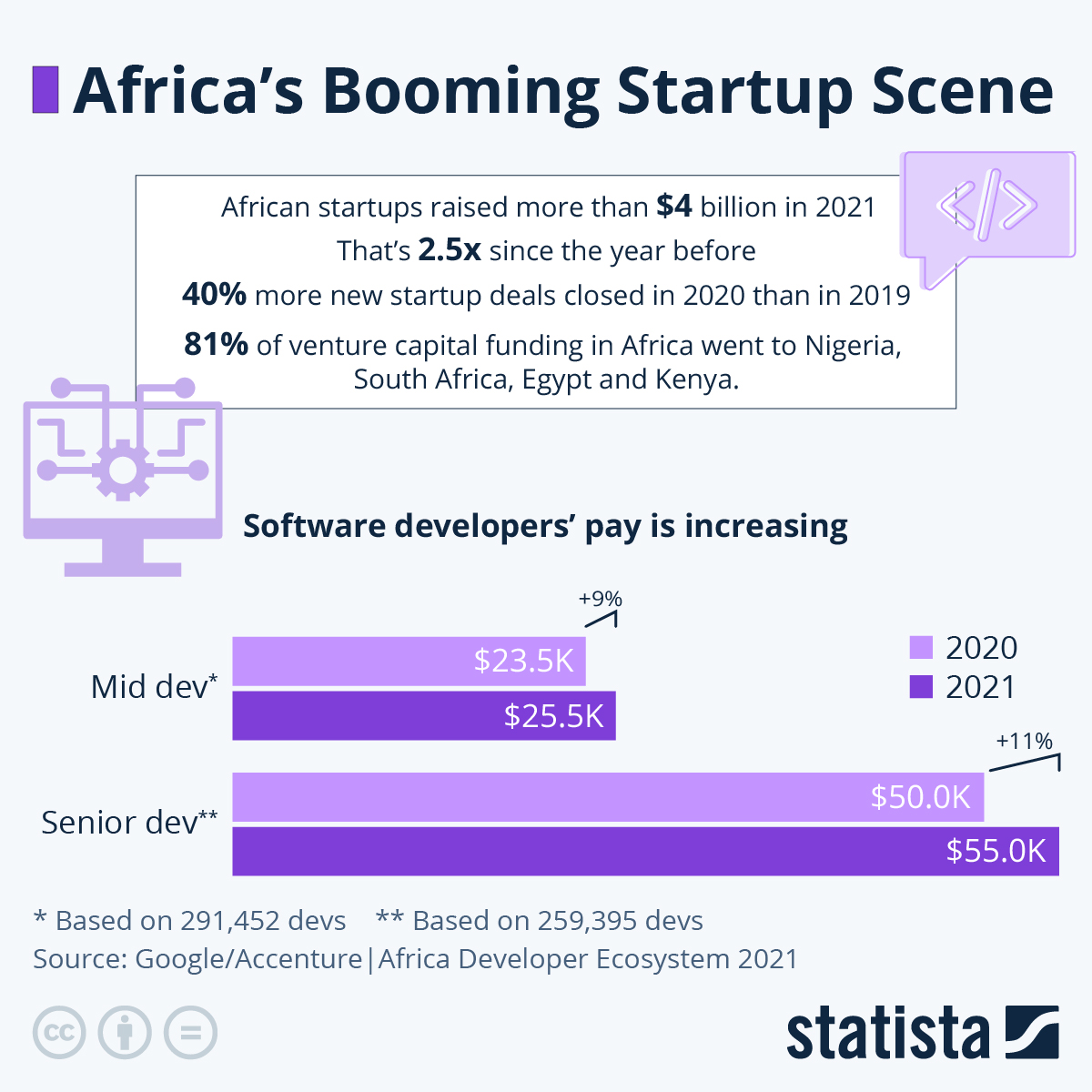
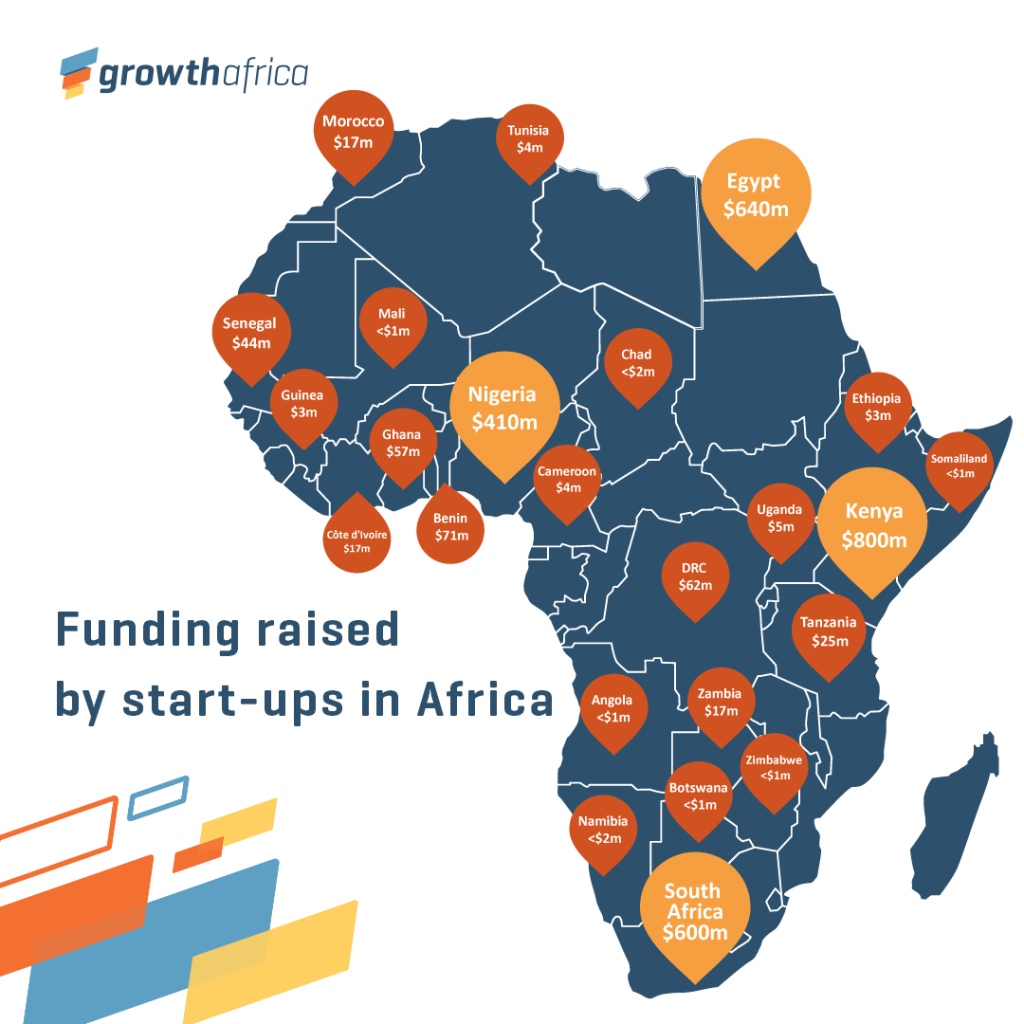
If you’re watching Africa’s tech landscape in 2026, you can’t help but notice something’s changed. The distant promises of a digital revolution have given way to something more tangible, more grounded. After a frosty 2024 that saw venture funding tighten across the continent, entrepreneurs have emerged with a renewed sense of purpose and pragmatism. The numbers tell part of the story: startups raised roughly $3.1 billion in 2025, a significant jump from $2.2 billion the year before. But what’s really interesting isn’t just the amount of money flowing in, it’s where it’s going and what it’s building. Investors have shifted their gaze from flashy consumer apps to companies solving foundational problems that actually matter in daily African life. We’re talking about energy and mobility solutions, deep-tech training, financial infrastructure, logistics networks, and sector-specific analytics. This practical bent is reshaping the geography of innovation too. While Kenya climbed to the top with $933.6 million in funding, much of it driven by energy and electric mobility startups, and South Africa remains a steady second with its mature finance markets, the real excitement comes from places like Senegal, Angola, and Gabon. These countries logged their first major venture rounds in 2025, signaling that entrepreneurship is spreading well beyond the traditional Big Four hubs of Lagos, Nairobi, Cape Town, and Accra. It’s a diversification that suggests Africa’s tech story is becoming more inclusive, more distributed, and ultimately more resilient.
These practical solutions are winning trust because they’re tackling Africa’s most pressing infrastructure realities head-on. Take energy poverty, which remains the single largest drag on small business productivity across the continent. Frequent power outages can inflate operating costs by up to 25 percent for micro and small enterprises, creating a hidden tax on growth that many businesses simply can’t afford. While solar campaigns and clean energy initiatives are making inroads, experts warn that public investment in grid stability will be essential if this growth is to scale sustainably. Digital penetration is improving and expected to reach 67 percent by late 2026, but the high cost of data still limits digital services in many communities, especially in landlocked and Sahelian countries where connectivity and power are especially fragile. Against this backdrop, companies like BAC Intelligence are consolidating fragmentary aviation data, providing airlines, lessors, regulators, and investors with analytics that turn guesswork into evidence. In finance, Honeycoin tackles slow and expensive cross-border payments by using stablecoins to move money faster and cheaper, processing $150 million monthly for about 300,000 users and 300 businesses. Its recent $4.9 million seed round shows investor appetite for payment infrastructure that actually moves commerce. Other ventures highlight the breadth of this new wave: Carschek builds trust in used car markets that underpin mobility for millions, ChipMango trains chip designers to help close the global semiconductor talent gap, LevvyBox turns ride-hailing vehicles into advertising assets for driver income, and Midiarack centralizes media buying to navigate fragmented offline and online inventory. These aren’t flashy consumer gimmicks, they’re building blocks for more resilient economies. Market dynamics are shifting too, with investors seeking clearer return pathlines and startups answering by tightening unit economics and focusing on deployable products. This discipline could seed a healthier ecosystem less dependent on frothy valuations and more grounded in measurable impact, as detailed in recent market analysis and highlighted among the most promising startups to watch.
Looking ahead, the next phase of African entrepreneurship will depend on several interconnected factors. Reliable energy and more affordable connectivity must be scaled so digital businesses can operate without the hidden tax of outages and slow networks. Capital needs to continue following substance over spectacle, funding companies that build long-term infrastructure and generate measurable revenue. Skills development for deep tech and manufacturing must keep pace with ambition, turning early-stage promise into industrial capability. The policy and geopolitical backdrop matters immensely here too. Energy debates are moving to the center of business strategy, with renewables and gas vying for investment priority across the continent. External actors like Gulf states are increasingly involved in African renewables, and infrastructure projects like the 2Africa subsea cable reshape connectivity prospects for coastal hubs. At the same time, regulatory shifts such as proposed carbon taxes in major markets force businesses to plan for different commercial realities. For entrepreneurs in countries facing particular challenges, these trends present both obstacles and opportunities. Energy instability and high data costs are immediate hurdles, but the growing focus on practical, infrastructure-oriented startups opens new pathways for local solutions. Regional hubs moving up the ladder means more potential partners, investors, and talent flows within the continent, reducing dependence on distant capital centers. If 2025 was the year of recovery, 2026 is shaping up to be the year of institution building. The players to watch are those creating the scaffolding of an economy, from aviation analytics to semiconductor education, from payments rails to solar microgrids. That work might be less glamorous than headlines, but it’s the work that will decide whether Africa’s entrepreneurial moment becomes a durable economic transformation, and whether innovators from Ouagadougou to Dakar can compete on their own terms in a fast-changing world. As highlighted in the comprehensive State of Entrepreneurship in Africa 2026 report, this shift toward practical infrastructure represents a maturation of the continent’s startup ecosystem that could have lasting implications for economic development across diverse markets and communities.