
Africa’s Next Phase: Pragmatic Scale and New Infrastructure for a Growing Tech Continent
The Quiet Shift from Headline Chasing to Foundation Building
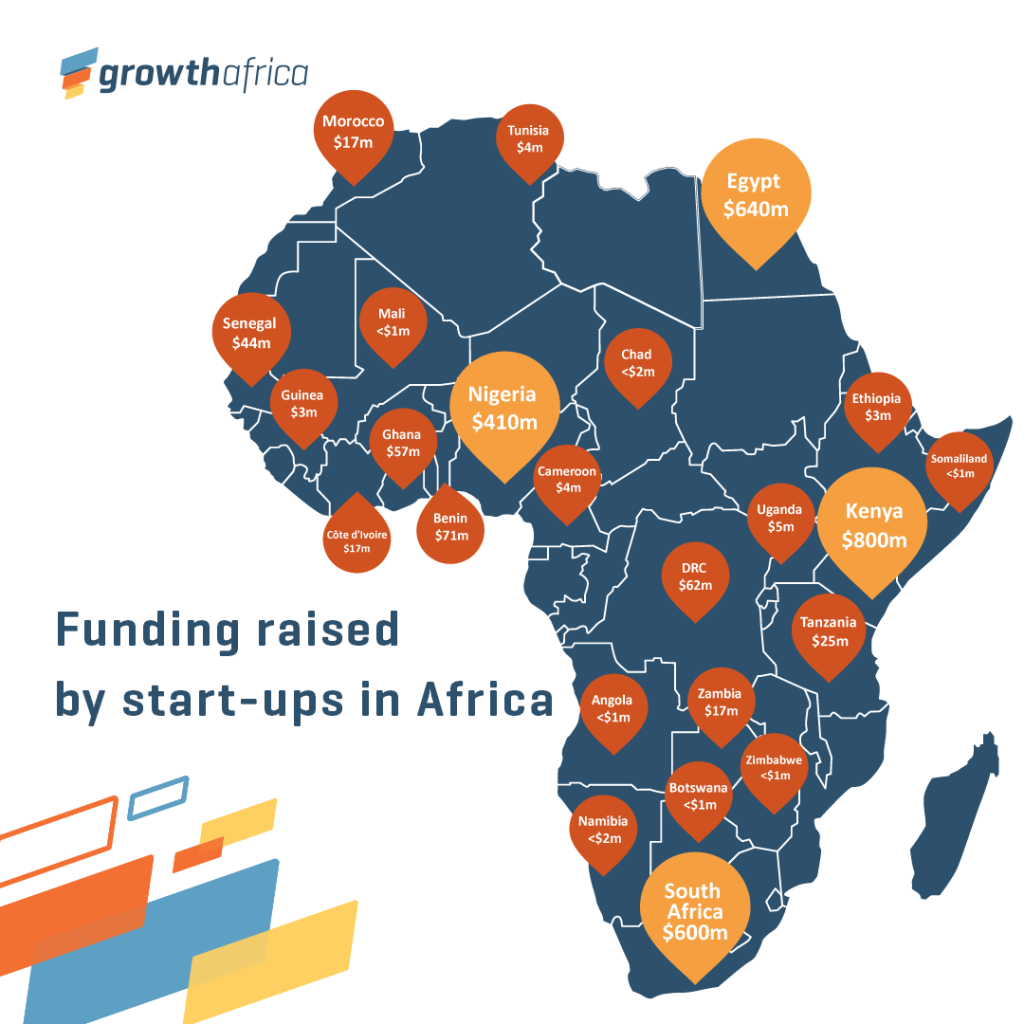
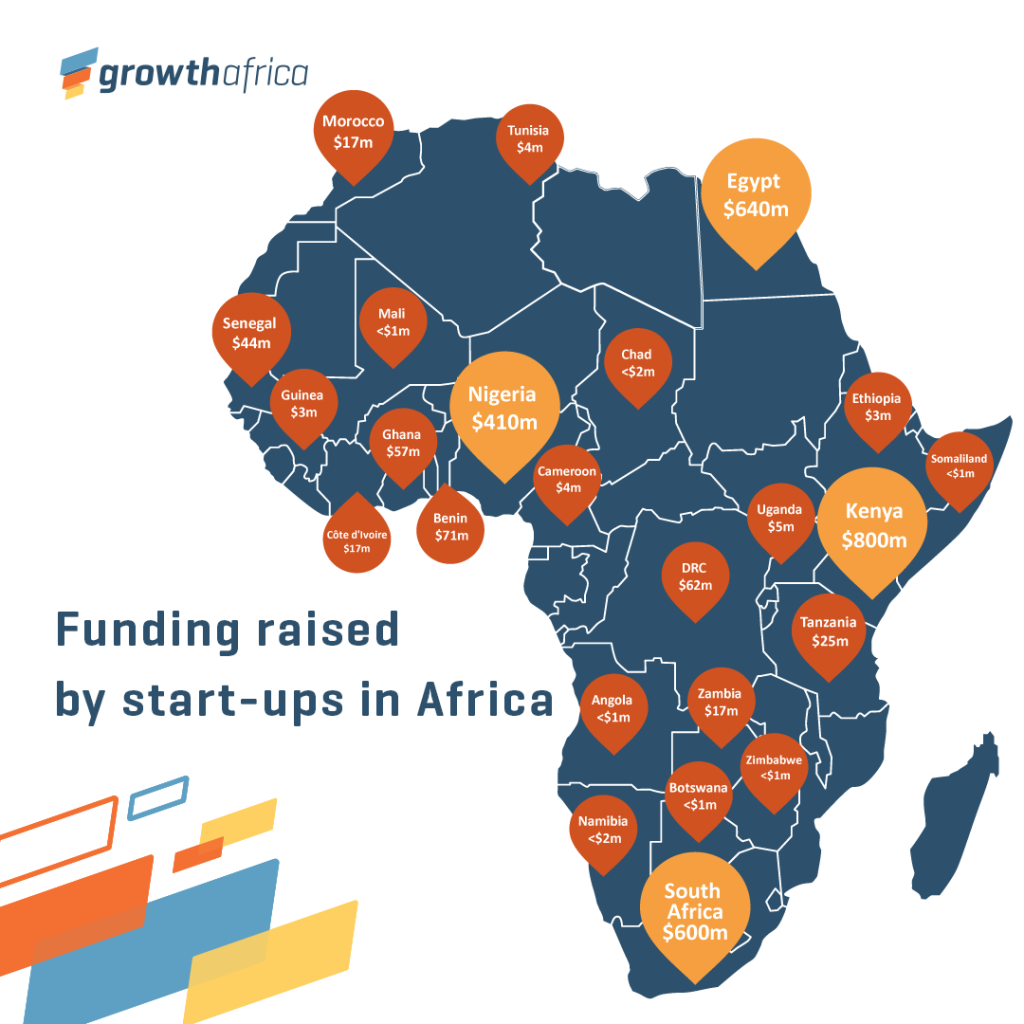
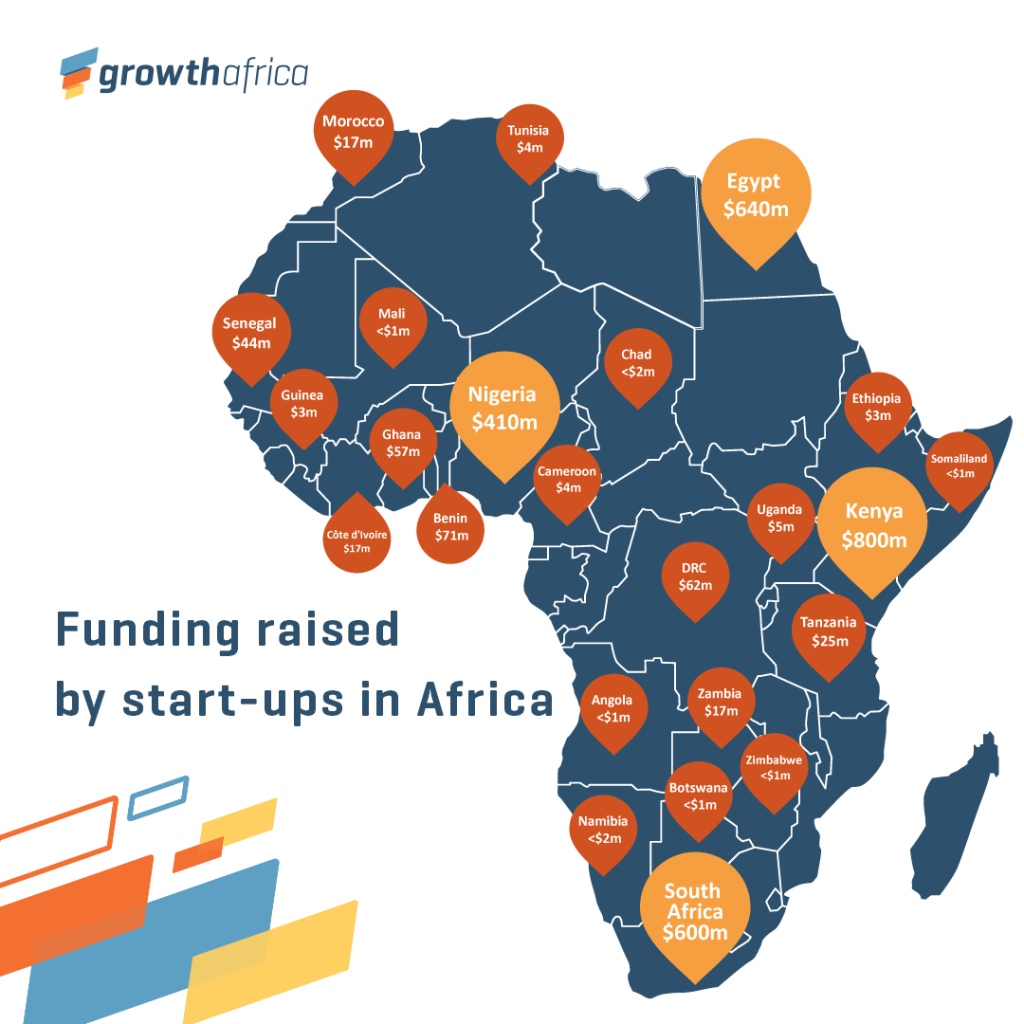
Across Africa’s bustling markets, from Abidjan to Nairobi, something important is happening. The tech scene isn’t just chasing flashy valuations anymore. It’s building the essential infrastructure that makes digital commerce actually work for everyday people. Take small and medium enterprises, for instance. In Francophone Africa, SMEs make up over 90 percent of businesses, but fewer than half sell online. That’s a massive gap, and startups like Yelen are tackling it head on. Founded in June 2025 by Ibrahima Sylla, Yelen creates e-commerce ecosystems designed for local realities. Global platforms often stumble on mobile money integration and local logistics, forcing merchants to patch together solutions. Yelen’s approach is practical, integrating payment methods people actually use and smoothing out delivery headaches so small businesses can focus on what they do best. This shift toward tailored tech solutions reflects a broader trend where companies fix the seams that make digital commerce durable.
Fintech, Logistics and AI: The Practical Tools of Progress
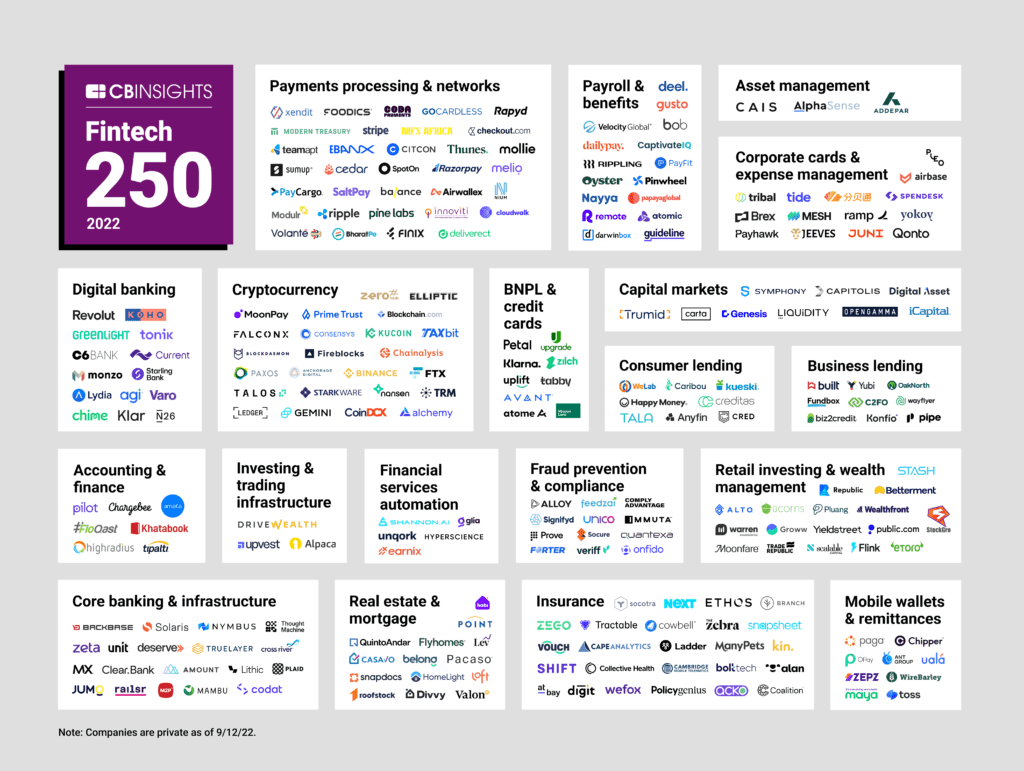
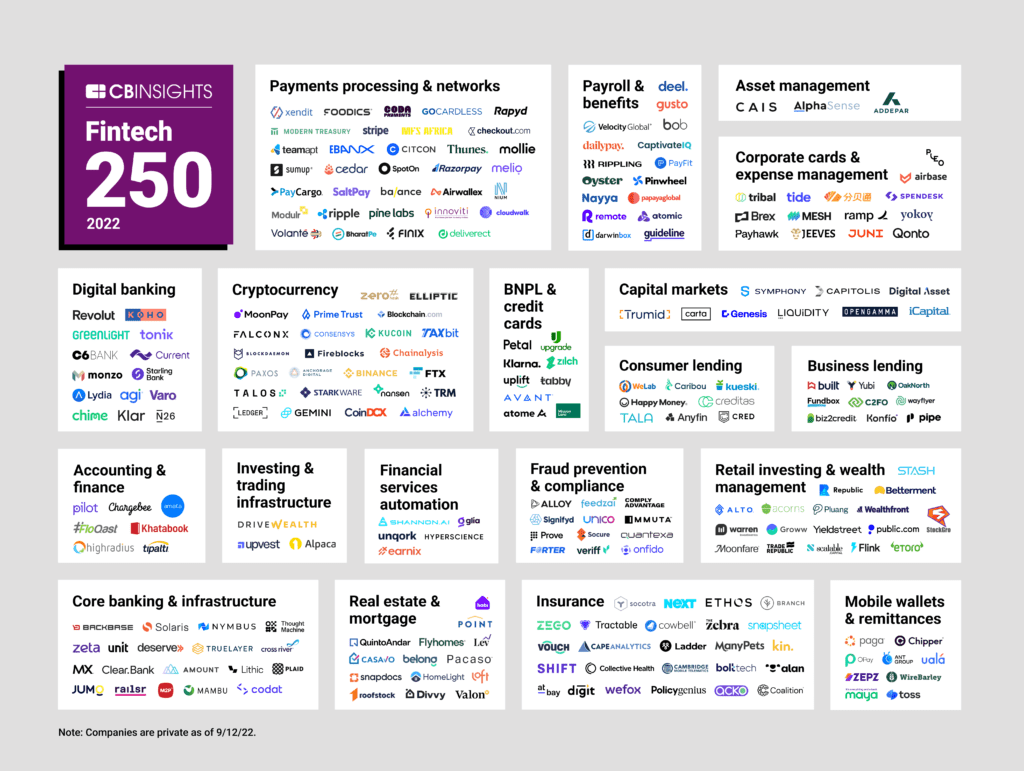
The infrastructure narrative extends well beyond e-commerce. Fintech firms are refining their models to serve underserved populations with reliable, low fee services that integrate with local payment systems. Companies like Djamo and Munify, which grew from global accelerator programs, are prioritizing unit economics over rapid expansion. In logistics, startups use artificial intelligence to optimize routes and cut costs, experimenting with new vehicle financing models to keep fleets moving. The payoff is tangible, with lower delivery times and cheaper goods that benefit everyone. Artificial intelligence plays a dual role here. It automates repetitive tasks like document search and fraud detection, acting as a productivity booster for banks and enterprises. Data analytics firms also turn operational data into performance improvements for retailers and logistics providers. This isn’t abstract tech talk, it’s about tightening margins and predicting demand in real world conditions. Recent coverage from TechCabal and TechCrunch highlights how this practical approach is driving what many call Africa’s tech renaissance.
Investor Discipline and the Road Ahead
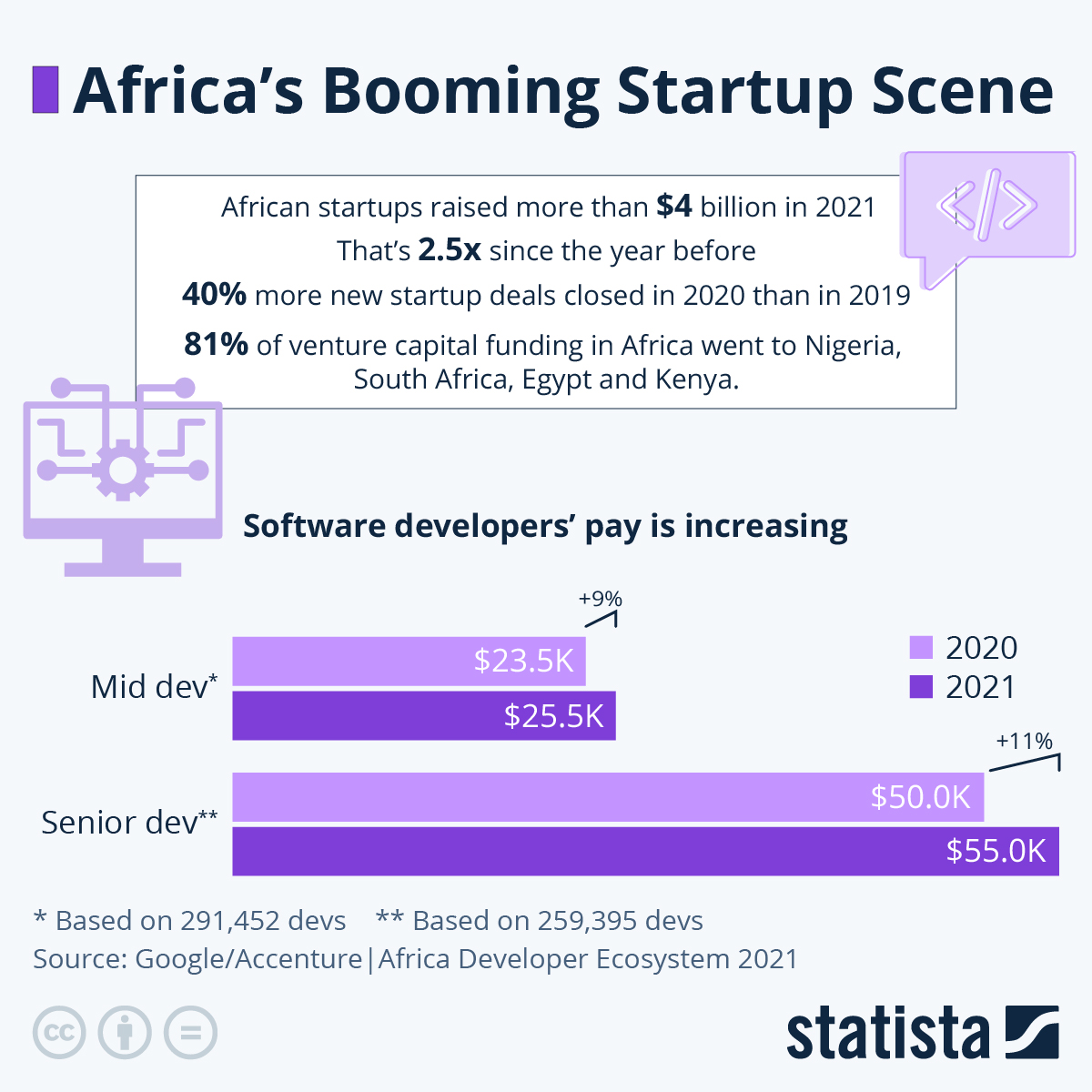
Investors are taking notice, but they’re bringing a clearer focus on returns. Funding increasingly depends on demonstrable value to the small businesses that form Africa’s economic backbone. Venture funds active in the region are raising new vehicles and participating in later stage rounds that reward resilient unit economics. For governments and regulators, these infrastructure focused startups present both opportunity and responsibility. Well calibrated policy can multiply private investment impact by standardizing data practices, supporting interoperable payment systems, and investing in reliable transport corridors. Looking forward, the most important metric may not be unicorn counts, but indispensability. Startups that stitch together payments, logistics, compliance, and user experience into reliable products will outlast those chasing scale without durable business models. As Disrupt Africa reports, the companies to watch will be those making digital commerce mundane in the best way possible, meaning it just works for shopkeepers, drivers, and consumers across the continent. This evolution signals a mature startup ecosystem focused on sustainable growth rather than fleeting headlines.