Africa’s Tech Moment Recalibrates as Investors Tighten Purse Strings, Startups Scale Up
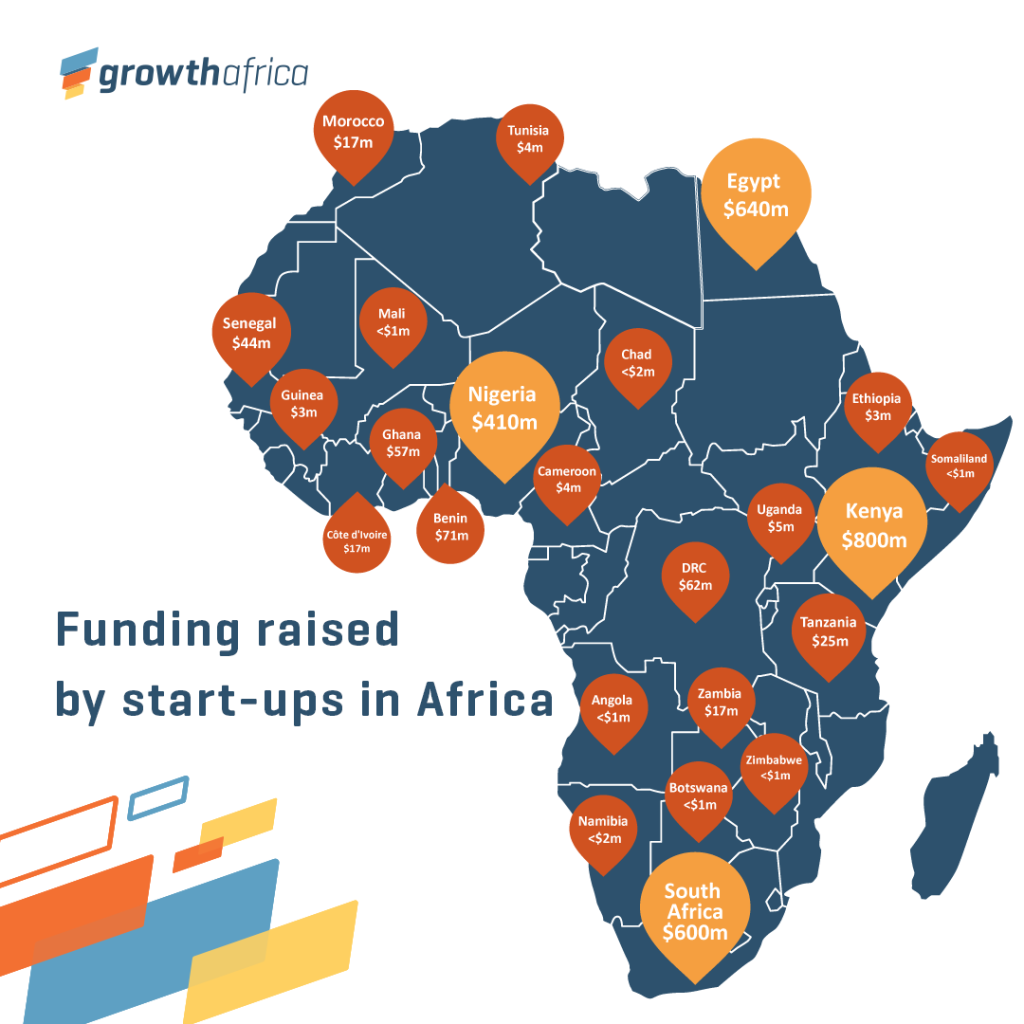
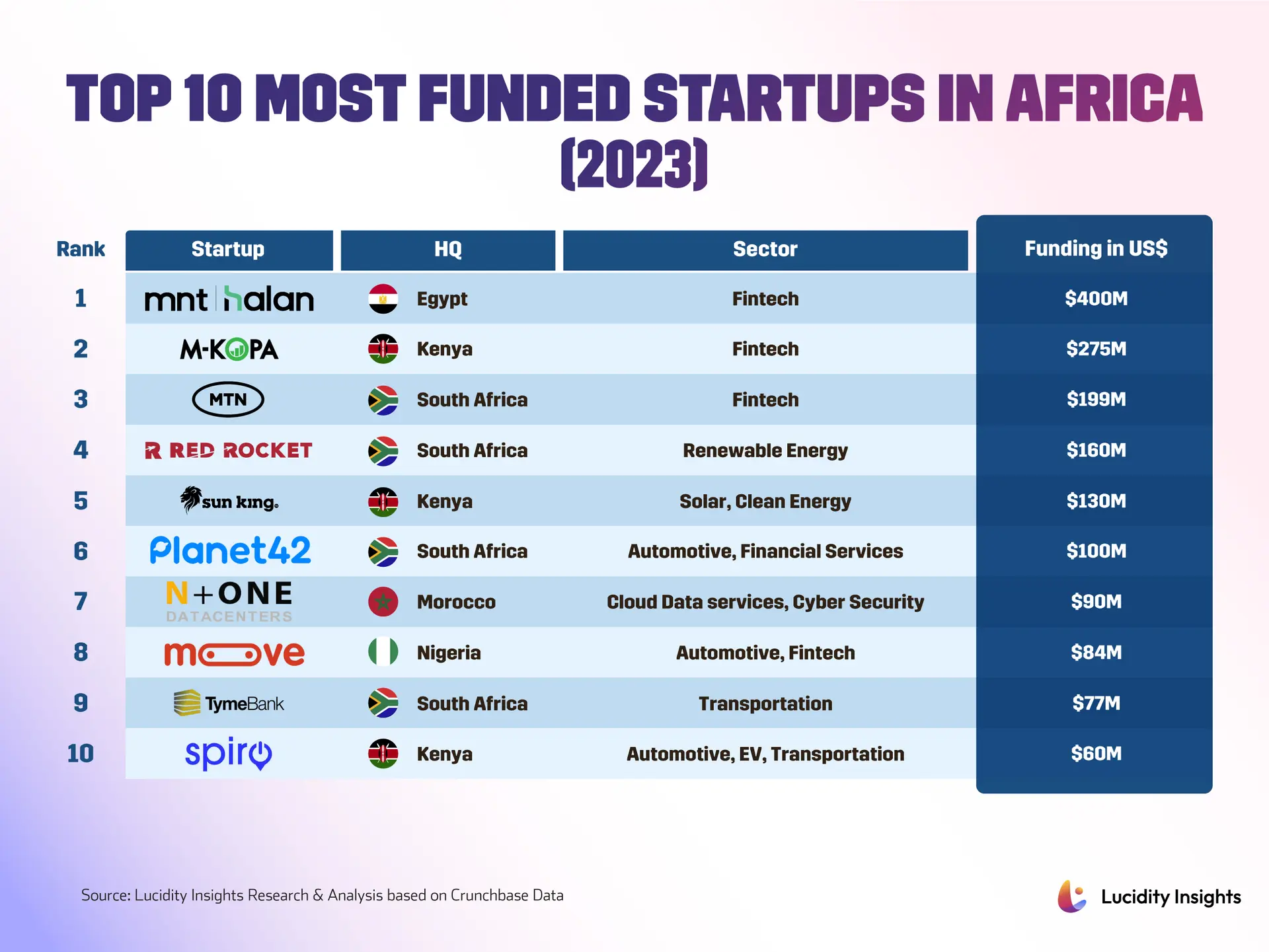
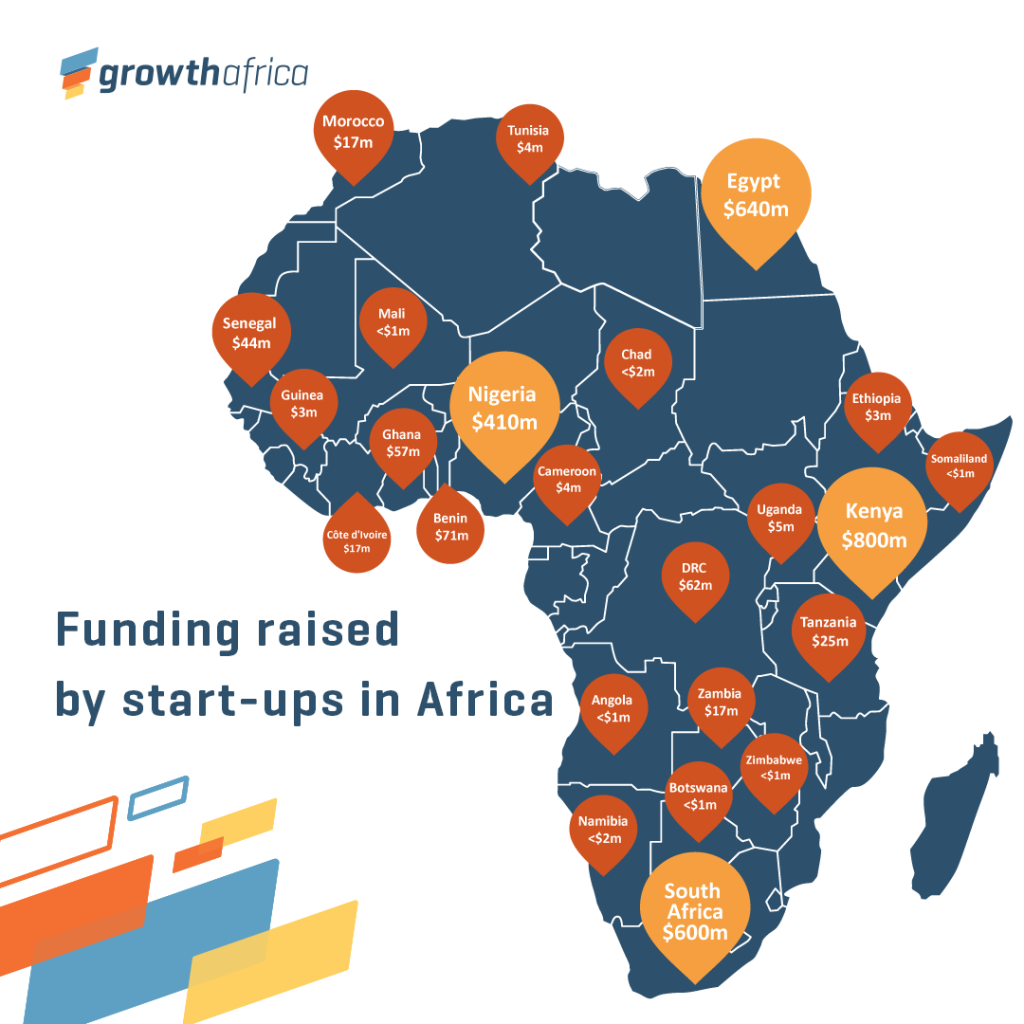
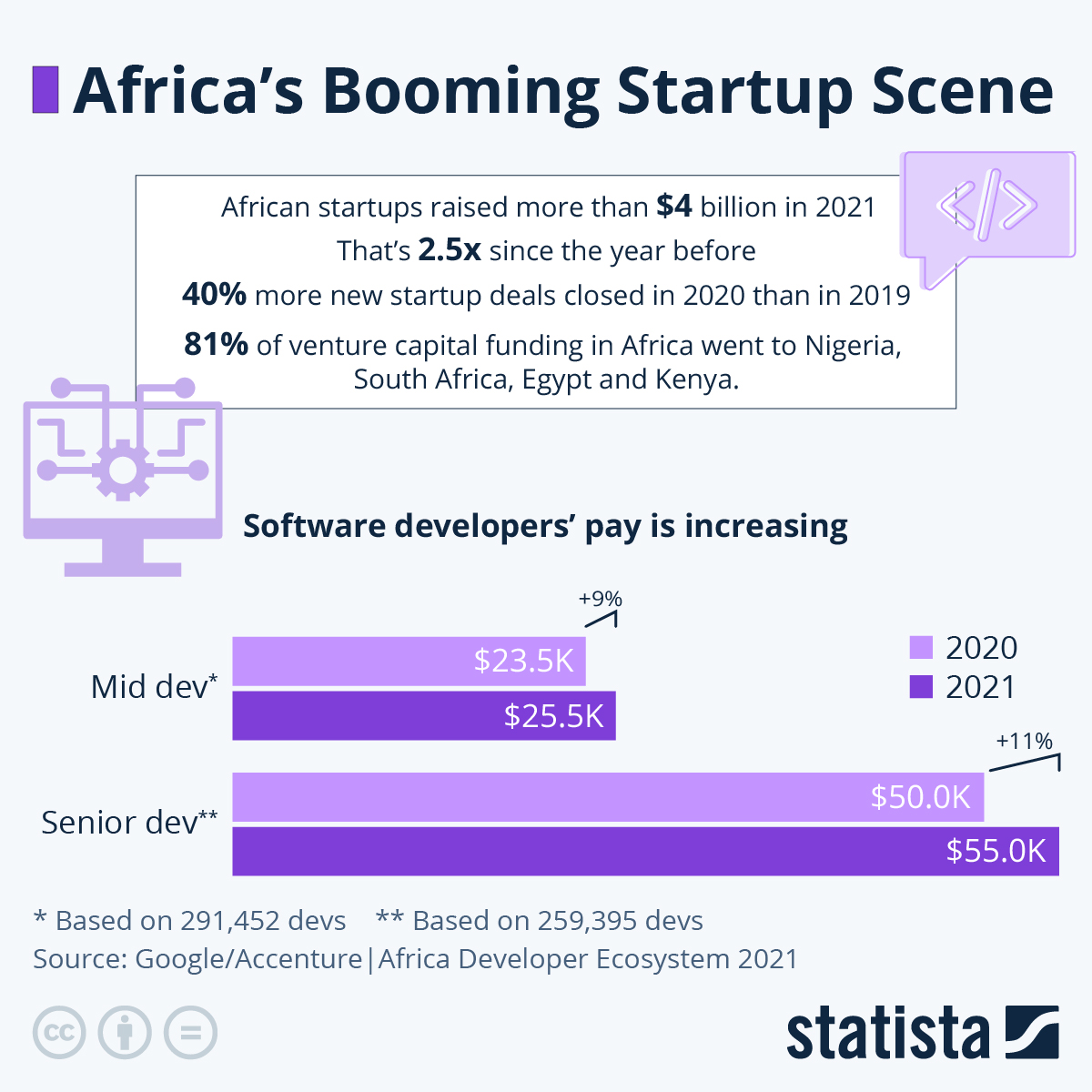
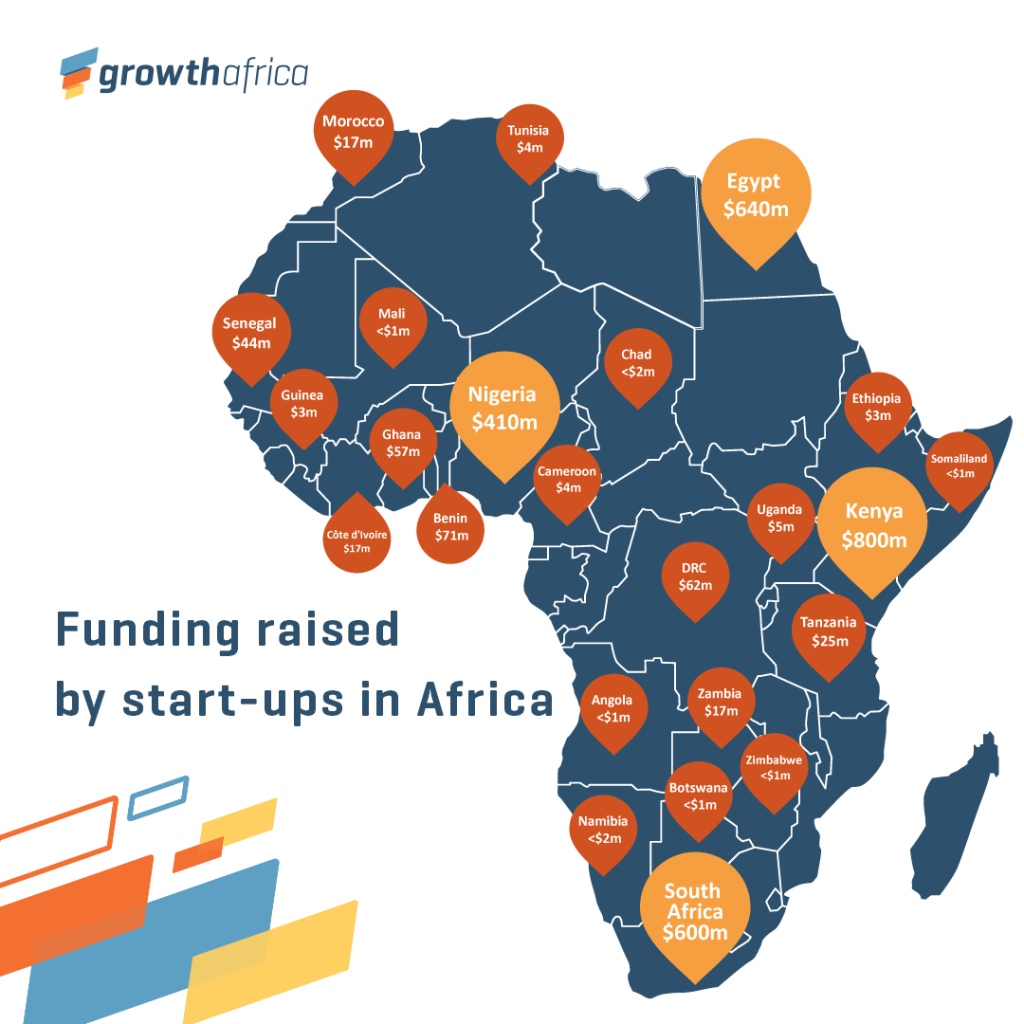
Africa’s tech and entrepreneurship scene is entering what feels like a new chapter, one where realism is replacing hype and discipline is becoming the new currency. After years of rapid growth and eye catching fundraises, 2025 closed with a clear message from investors: show us the money, or at least a clear path to it. Venture committees aren’t just asking about potential anymore, they’re digging into margins, regulatory risks, and whether a business can actually scale profitably, a trend highlighted in recent coverage of investor scrutiny. This tougher scrutiny has forced founders to make some hard choices, trimming workforces and reworking cost structures not as temporary fixes but as fundamental recalibrations toward sustainable unit economics. The market is moving through acquisitions too, with stronger players snapping up strategic assets to reshape product stacks and distribution channels. It’s a painful but necessary shakeout that’s weeding out unsustainable models and elevating companies that can grow with discipline. As Africa’s startup ecosystem continues to boom, this investor discipline might just be what the sector needs to build lasting value, especially as funding reaches new heights.
Biotech, Climate Tech Step Into the Spotlight
Amid this investor scrutiny, certain sectors are emerging as durable bets precisely because they tackle essential needs. Take biotech for food security. Tanzanian startup NovFeed has been turning heads and winning awards for its sustainable animal feed technology, showcasing how African innovators are leading in biotech. Health tech and climate tech are following similar logic, with startups pairing hardware, sensors, and data science to tackle entrenched problems. One company is using drones and artificial intelligence to fight malaria, while climate oriented ventures from carbon accounting platforms to low carbon inputs are finding relevance as global buyers shift their calculus. But it’s not just market forces shaping opportunity. Regulatory changes are playing a huge role too. The European Union’s planned carbon border adjustment mechanism is prompting African exporters to rethink production processes, since the policy will effectively price the carbon content of imported goods. This could increase costs for carbon intensive products, but it also opens a window for suppliers who can adopt cleaner inputs and win market access. The challenge, of course, is the upfront investment and technical know how needed to meet those standards. Meanwhile, geopolitics is back in play, with fresh US support for large scale projects in East Africa signaling renewed external interest in African growth trajectories. This engagement brings capital and expertise, but also heightened attention to the politics of big projects and who actually benefits from them.
The Road to 2026: Practical Imperatives and Mature Growth
Looking ahead to 2026, Africa’s tech scene seems poised for what you might call a more mature kind of growth. The era of unabated hype is ending, replaced by a market where longevity actually matters. For entrepreneurs, the immediate imperative is painfully practical: prove revenue sustainability, tighten customer acquisition costs, and show climate and regulatory readiness where it counts. For investors, the task is to balance near term discipline with patience for capital intensive but high impact bets in biotech, climate, and health. Development finance institutions are mobilizing larger replenishments too, seeking billions to support infrastructure and growth, while multilateral and national development banks remain pivotal for de risking private investment into harder to finance sectors like green industry and transport. Not every development is rosy, of course. Media and tech publishers have felt pressure as advertising shifted and revenues declined, leading to strategically consequential layoffs that reflect broader sector adjustments. These media changes matter because they influence storytelling, investor sentiment, and local visibility for founders. The ecosystem’s narrative is now more contingent on demonstrable outcomes, not just potential. If founders can convert discipline into durable businesses, and if governments and financiers can align incentives, Africa’s next chapter in innovation could be its most consequential yet. As Africa’s tech renaissance continues to drive innovation, this recalibrated moment might just be the foundation for sustainable, impactful growth that benefits everyone.