Africa’s Tech Comeback in 2025: Investors Get Tough, Corporates Step Up, and Policy Matters More
A Cautious Rebound with Money That Actually Cares About Returns
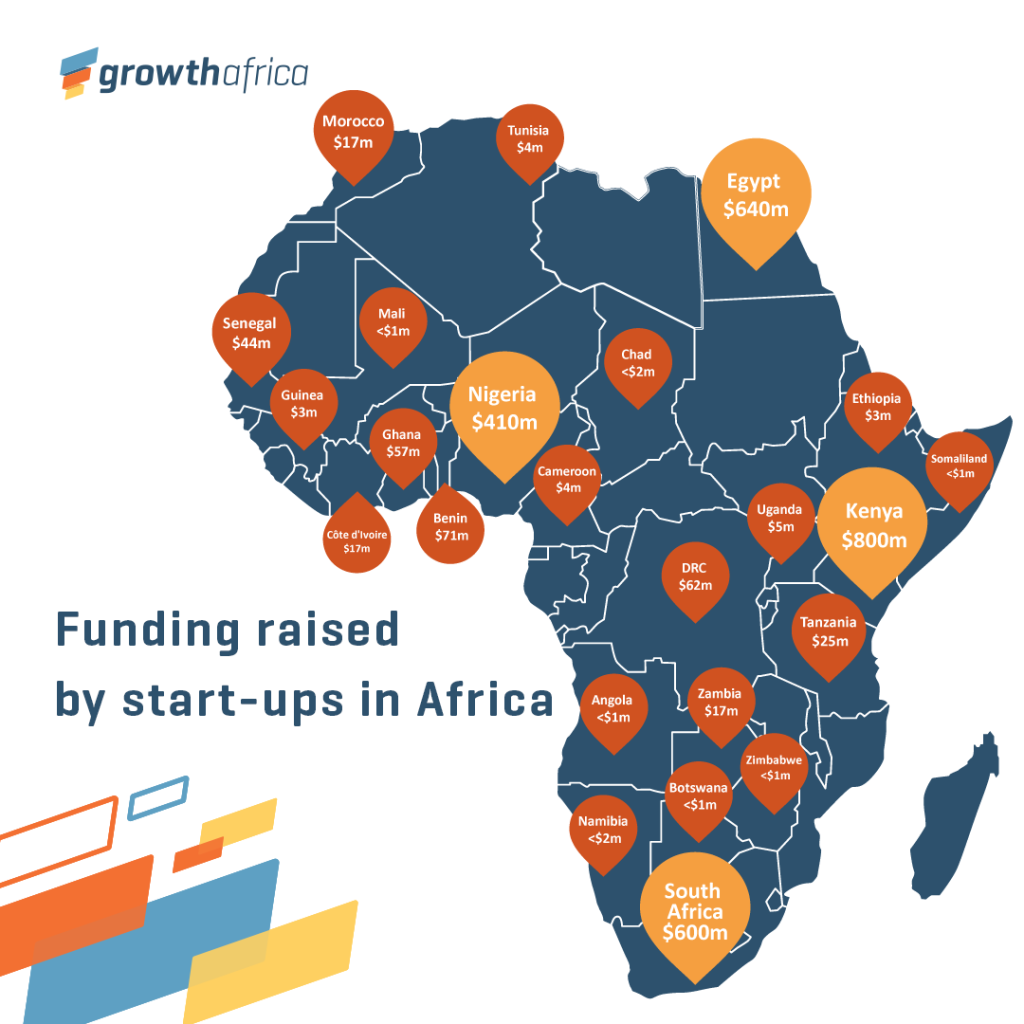
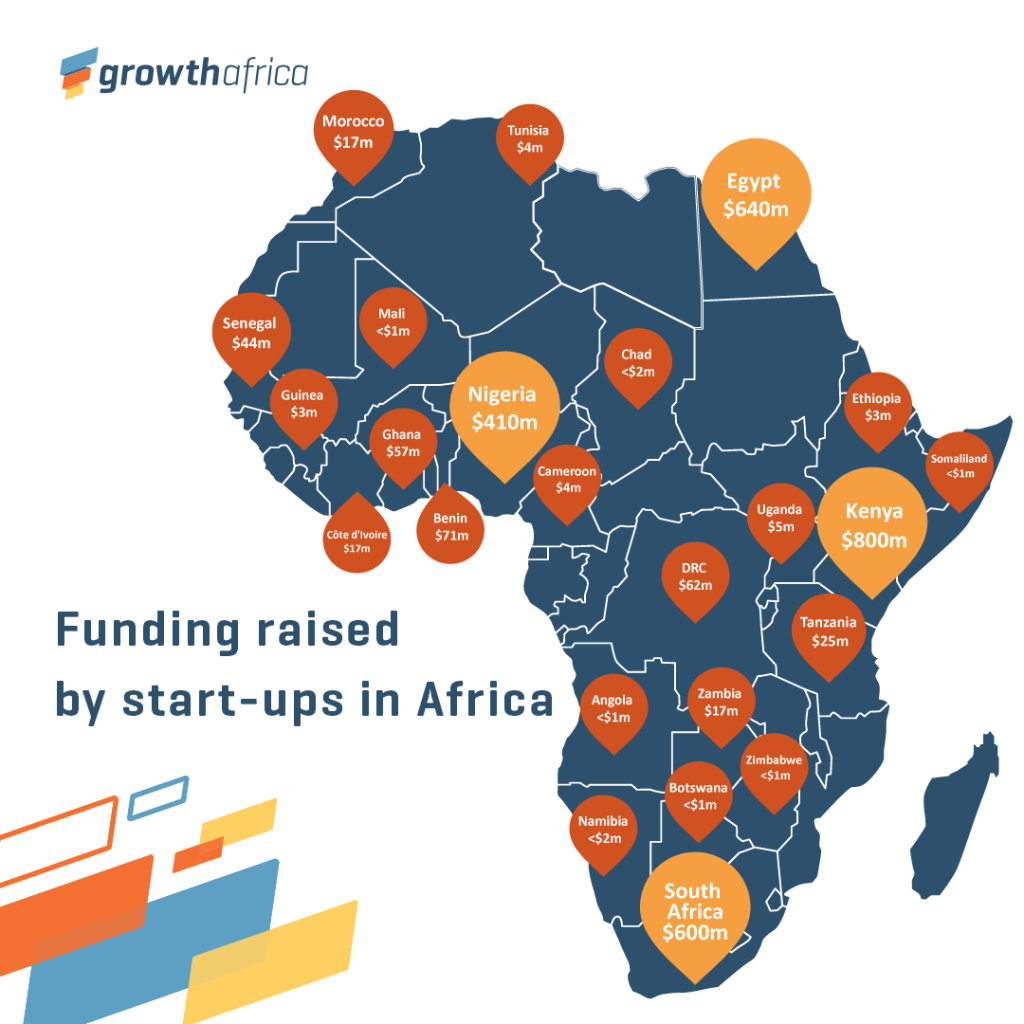
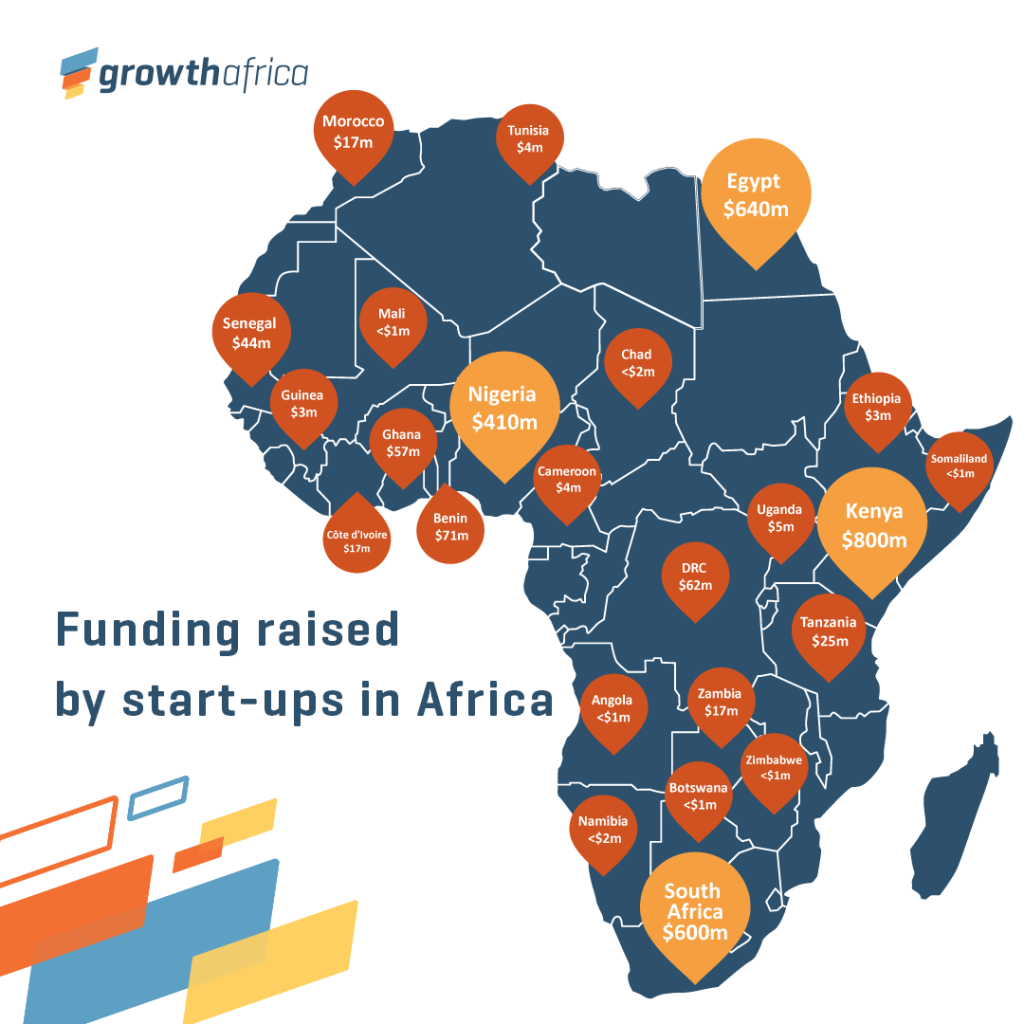
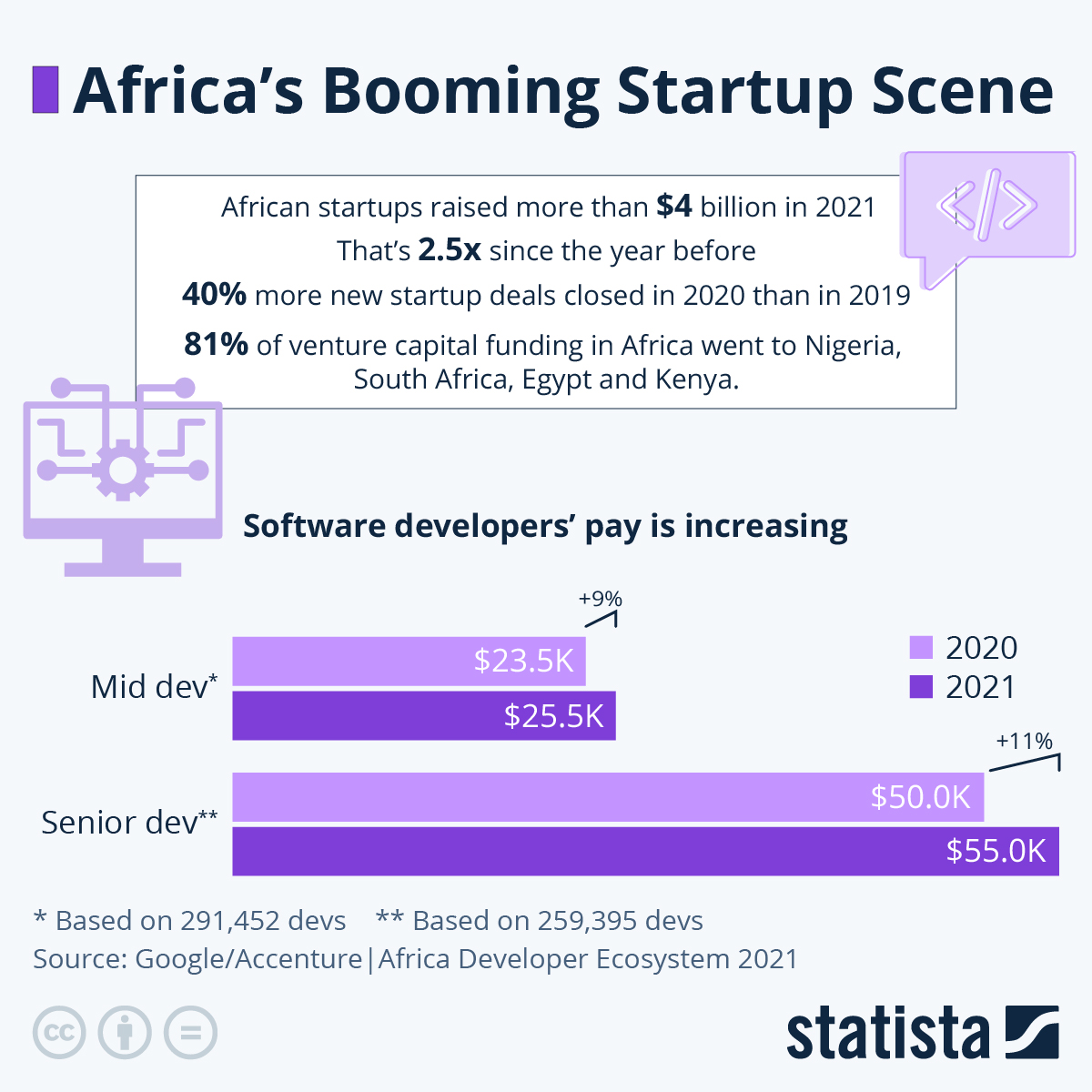
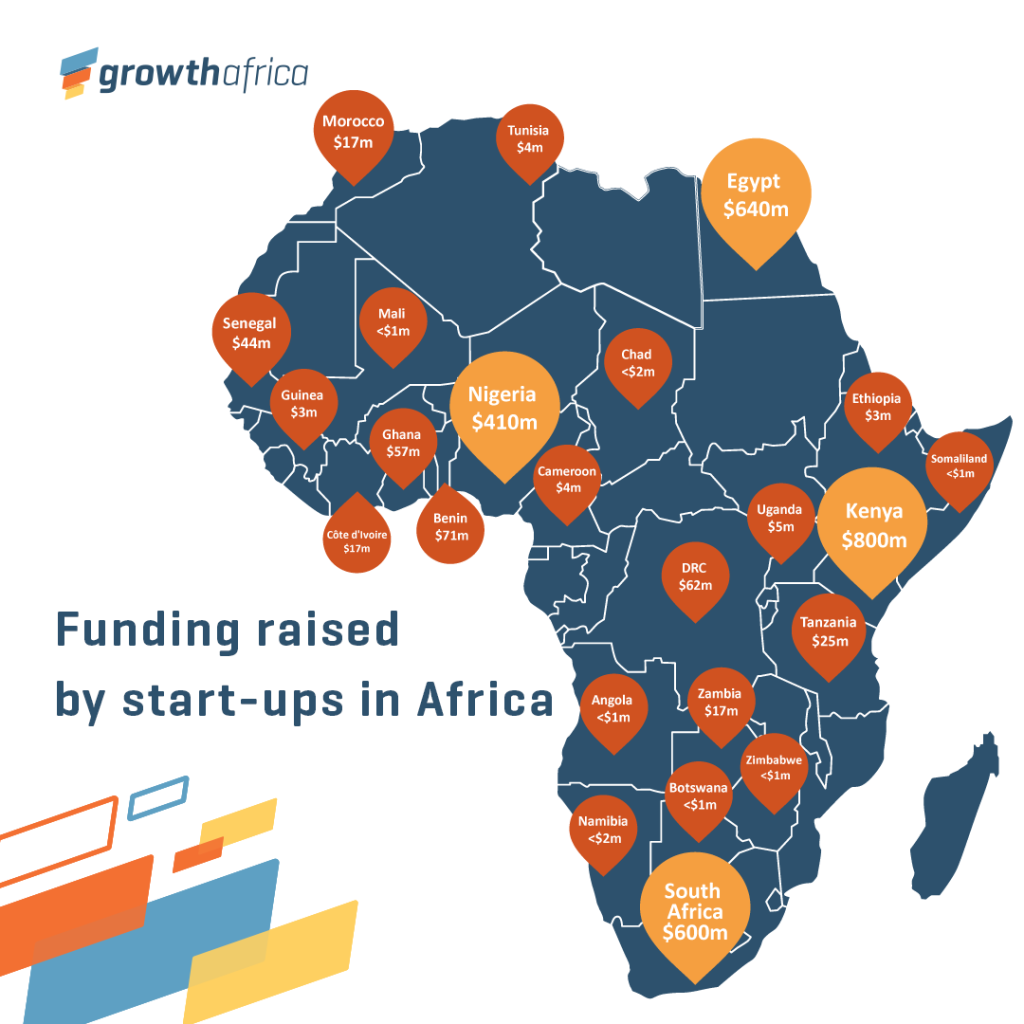
Africa’s tech scene isn’t just bouncing back in 2025, it’s growing up. After a few lean years where investors held their wallets tight, funding has returned to the continent, hitting roughly three billion dollars. That’s the strongest result since the easy money era ended back in 2022. But don’t mistake this for a return to the wild spending of the past. The money flowing in now comes with strings attached, and investors who survived recent market shakes are asking hard questions. They want to see real revenue, disciplined spending, and a clear path to turning a profit. This shift has real consequences on the ground. Some high burn rate companies are trimming staff or completely pivoting their business models to reach positive cash flow faster. It’s a new reality where sustainable scaling beats chasing top line growth at any cost, a trend explored in our look at the broader tech renaissance across the continent.
Corporate Cash Floods In and Winners Get Picked
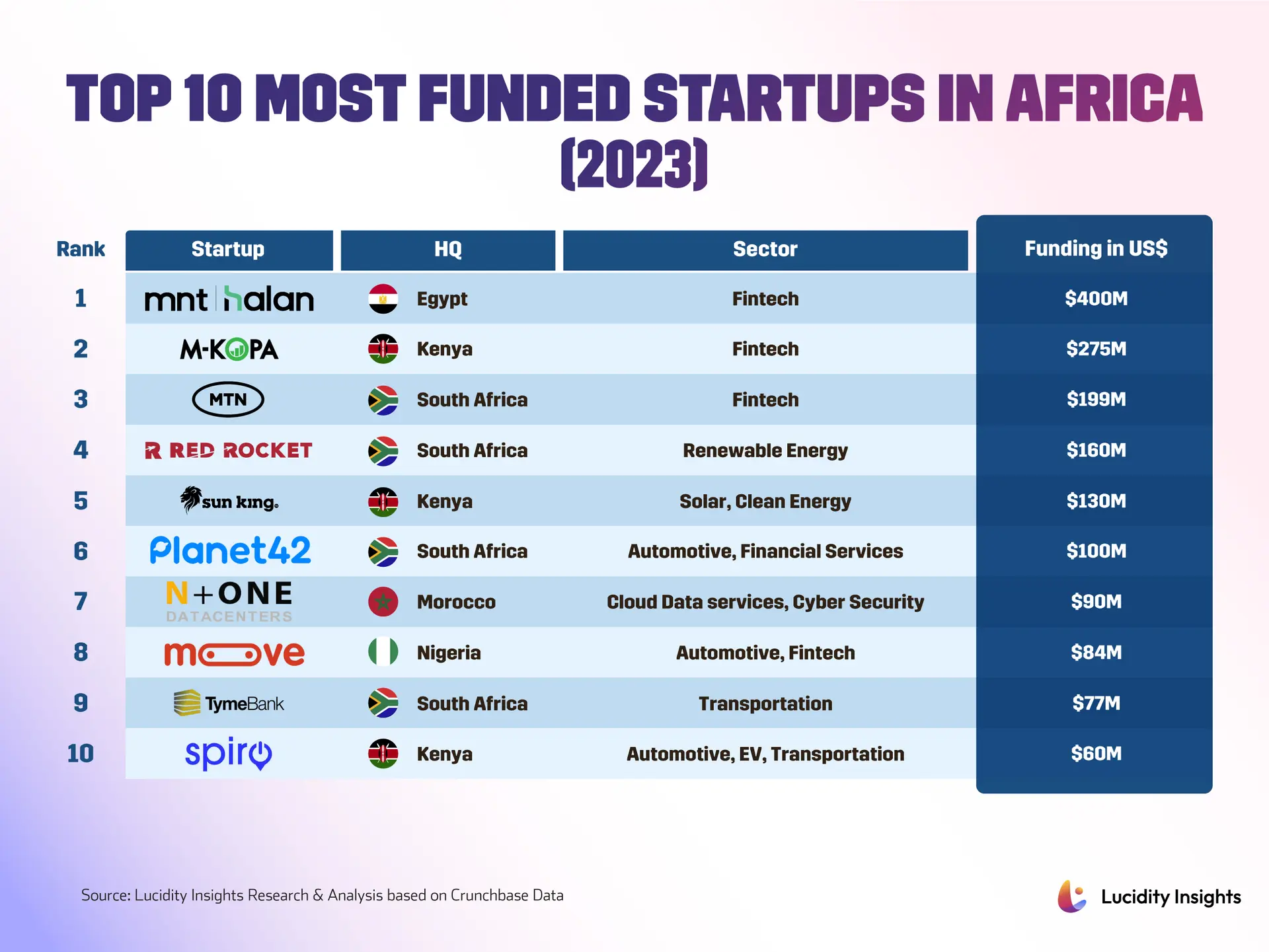
One of the biggest stories of the year is who’s writing the checks. Corporate venture activity has exploded, with a 44 percent jump in the number of corporate backed deals in the first half of 2025 compared to previous periods. Local industrial groups, banks, and global manufacturers are all jumping in, seeing startups as a way to accelerate their own digital transformation while potentially scoring a financial return. This capital favors startups that can prove their worth. Fintech, payment systems, and climate focused infrastructure like electric mobility are drawing massive checks, including a notable hundred million dollar deal in the e mobility space. Even B2B commerce, proptech, and logistics platforms are getting funded, but only if they can show solid unit economics. Meanwhile, the regulatory landscape is becoming just as important as the product. Startups are hustling for crucial central bank licenses to expand, and new policies like Europe’s looming carbon border tax are creating both risks and opportunities for tech companies in trade and supply chains. This selective, disciplined environment is shaping the record growth of Africa’s startup ecosystem, as detailed in coverage from TechCrunch.
Building for the Long Haul in a Complex World
So what does this new, more mature market mean for everyone involved? For founders, the message is pragmatic: build repeatable revenue, nail your unit economics, and solve clear business or regulatory problems. Partnering with corporations can offer distribution and credibility, but you have to negotiate terms that keep your strategic agility. For policymakers, the job is to provide predictable rules, streamline digital payment licensing, and invest in the transport and energy infrastructure that makes scaling possible. Development finance institutions still play a critical role, especially in bridging gaps in landlocked or lower income markets where basic logistics raise the bar for business models. The coming year will test whether this momentum can be turned into a new class of profitable, regionally integrated companies. Africa’s 2025 tech story isn’t about a simple rebound. It’s about accelerated maturation, where commercial discipline, strategic partnerships, and a sharp eye on policy will separate the winners from the rest. This evolution builds on the foundation laid by the transformative growth seen in 2024, a shift also noted in analyses from African Business and GlobalVenturing’s report on corporate investment.