
Africa’s Tech Rebound: $1.4 Billion, Strategic Scale-ups, and a New Wave Ready to Compete
A Measured Comeback with Real Substance
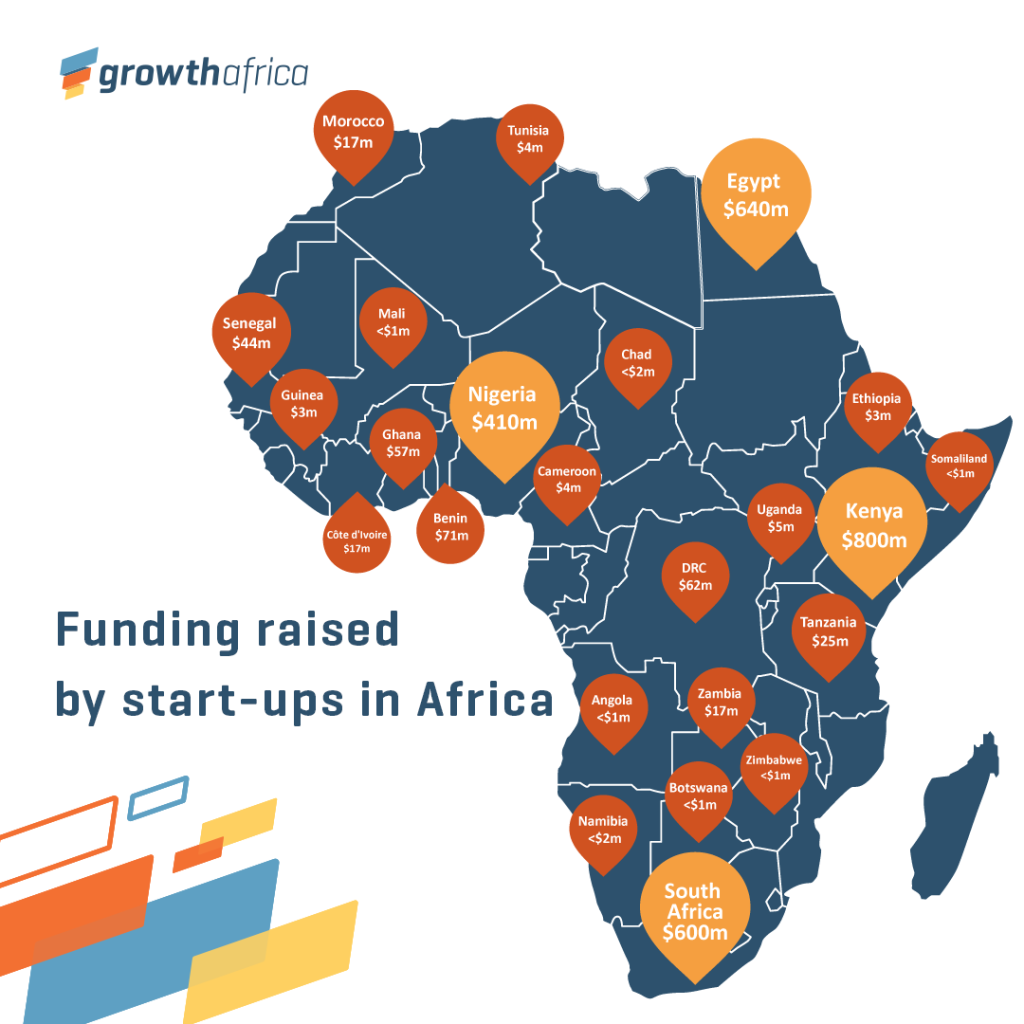
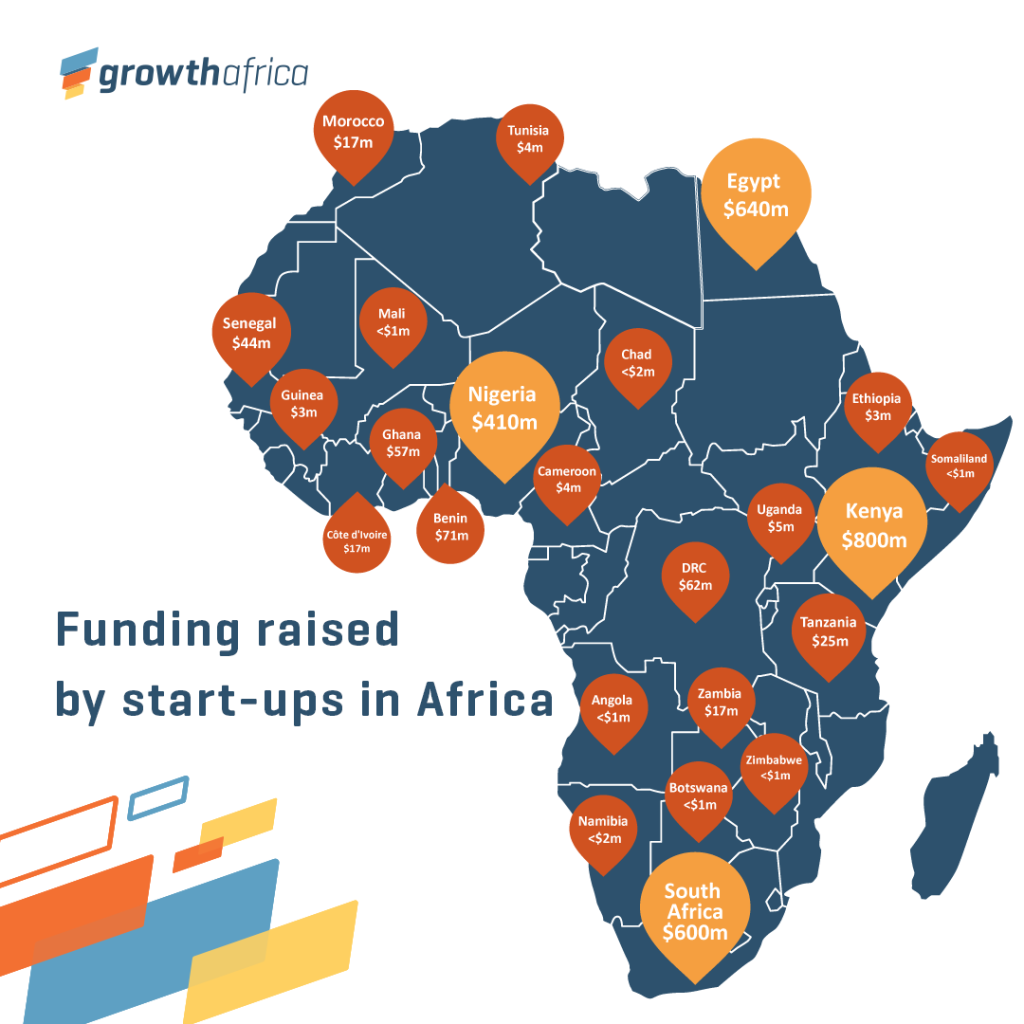
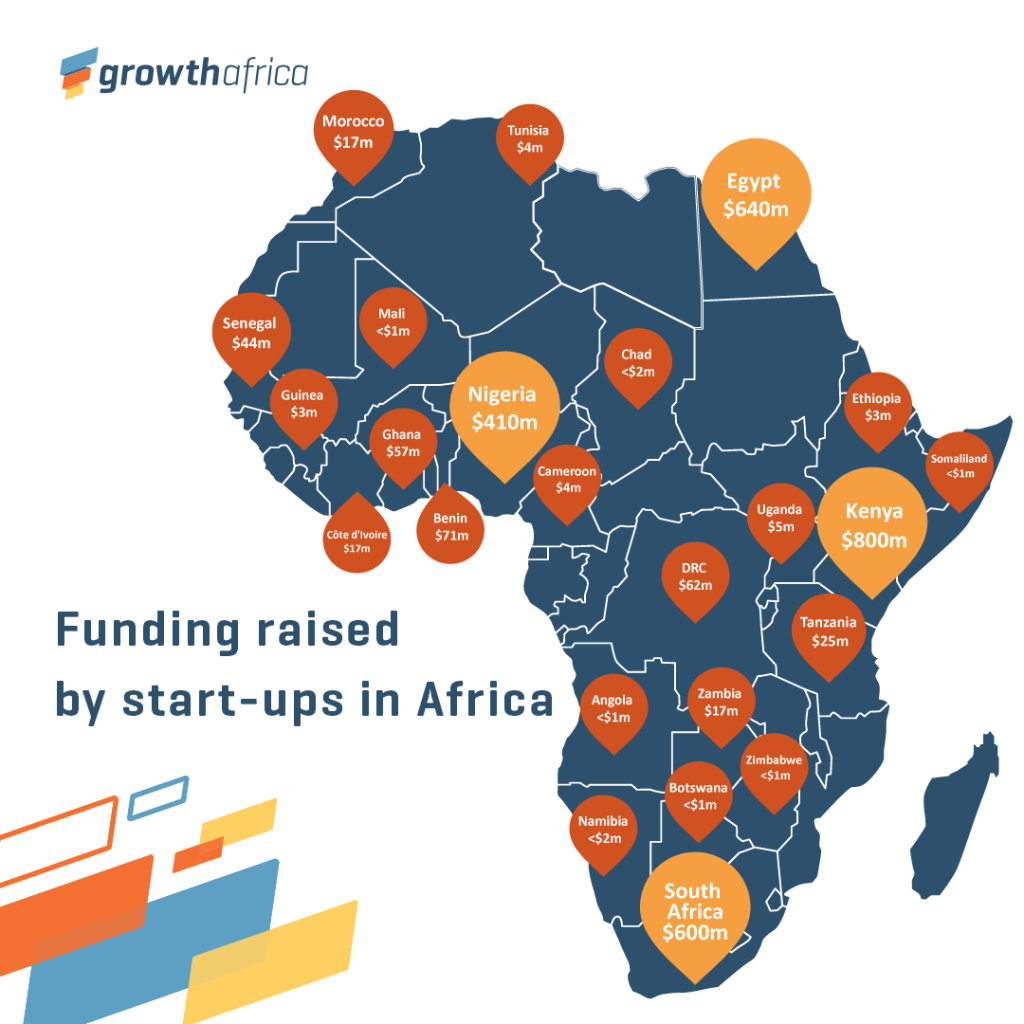
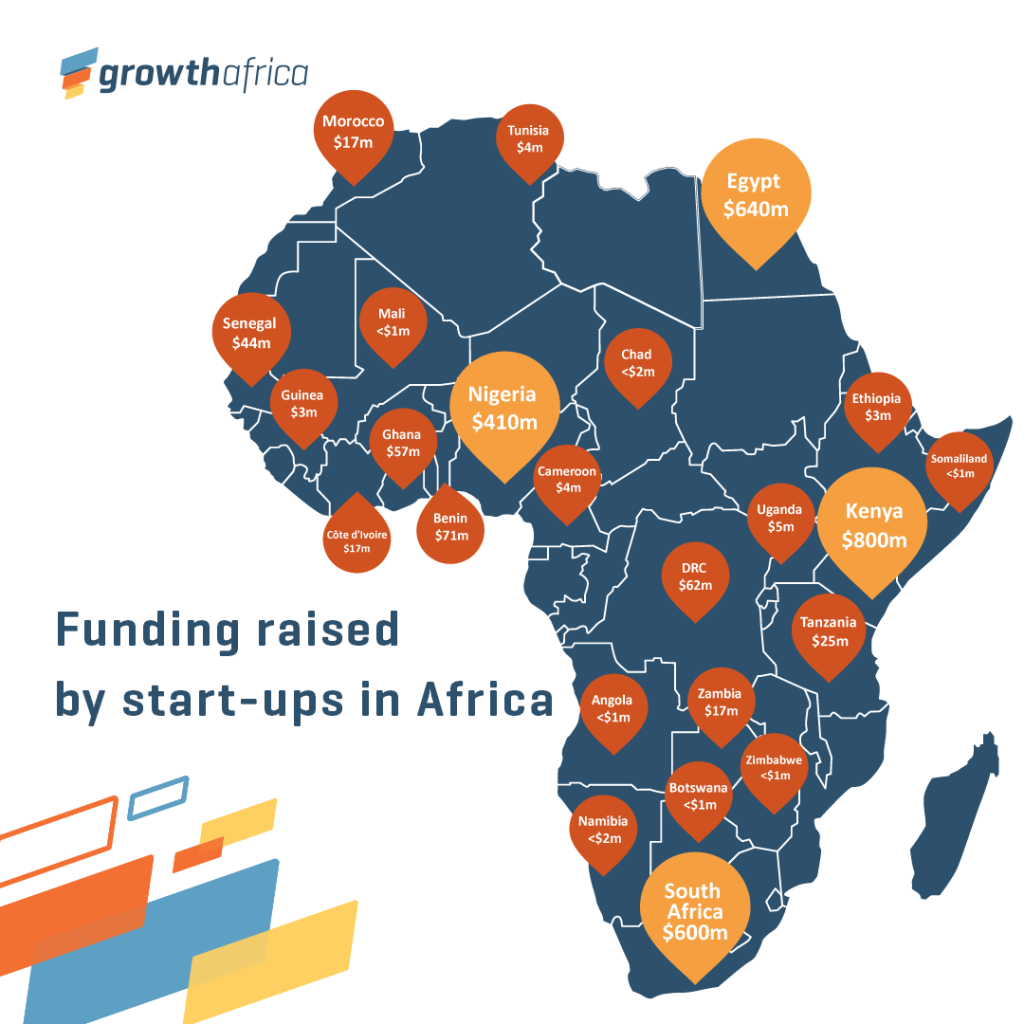
Africa’s tech scene isn’t just bouncing back, it’s growing up. Startups across the continent pulled in about $1.42 billion during the first half of 2025, according to a midyear review. That’s nearly 80 percent more than they raised in the same period last year. But the real story isn’t just the bigger checks. It’s how the money’s being spent. Investors are getting pickier, backing companies that solve real problems in finance, health, logistics, and energy. Founders are responding by building software on top of physical systems, like off-grid solar tied to pay-as-you-go plans or logistics networks with payments baked right in. This infrastructure-first approach creates businesses that are tougher to scale but much more likely to last.
Deals That Show the Shift
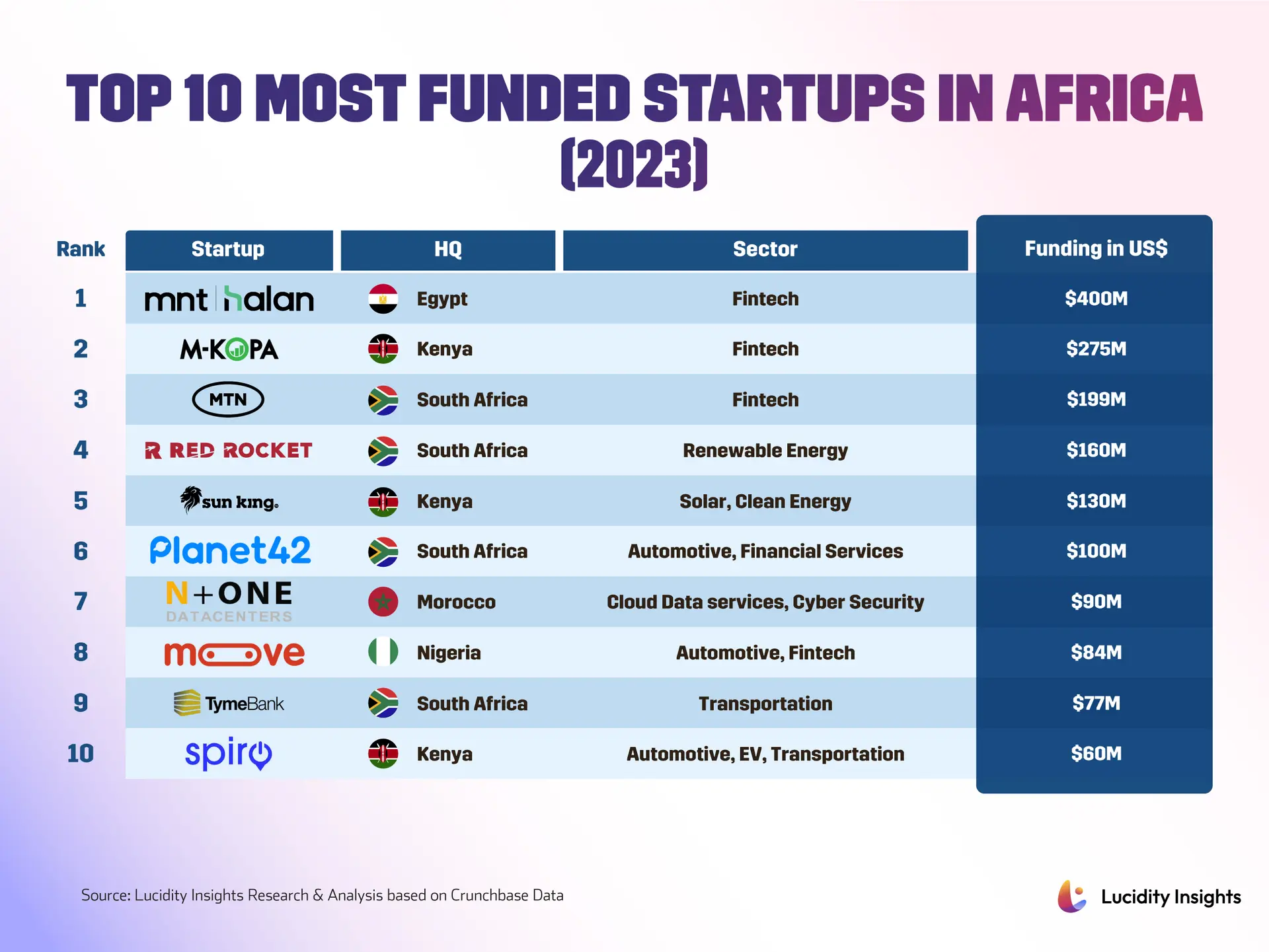
You can see this new pragmatism in the deals getting done. Off-grid solar provider Sun King secured $40 million to expand across Africa, proving investors still love companies that mix social impact with solid economics. In fintech, South Africa’s Ezeebit raised a $2.05 million seed round for stablecoin payments, while Walletdoc was bought by Capitec in a deal worth up to $23.8 million. That acquisition shows how early exits through strategic consolidation are becoming a real path. An AI startup called Ageiro even landed $3 million to build autonomous apps for businesses, moving artificial intelligence beyond hype into actual use. This trend toward mergers and partnerships is creating the scale many founders now see as their best shot at profitability. It’s part of a broader ecosystem maturation where failing quietly beats burning out loudly, with startup closures actually dropping from nine in last year’s first half to just six this year.
Looking Beyond Borders and Ahead to Global Competition
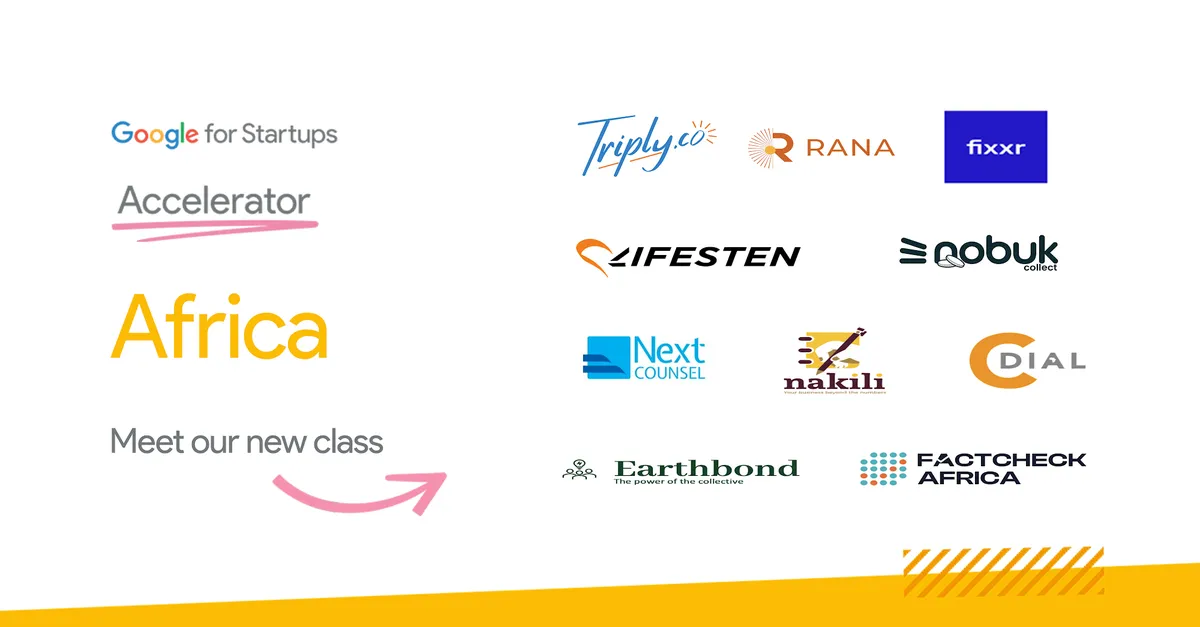
So where does this leave African tech? At least twenty companies have already pushed beyond their home markets, expanding deliberately into regions where regulations and customer needs align. They’re starting with language and infrastructure overlaps, then building cross-border partnerships to grow without overextending. The big question everyone’s asking is whether this measured build can position African startups to challenge global giants. The answer is a cautious yes. These companies aren’t trying to outspend incumbents. They’re carving niches by solving local problems, from unreliable power to fragmented identity systems. That deep local knowledge, combined with growing regional scale, gives them unique staying power. But to truly compete globally, they’ll need deeper capital pools, harmonized regulations, and continued investment in talent. Investors today expect returns and have little patience for endless cash burn, while regulatory uncertainty around crypto and data flows could slow scaling. Still, the most likely path forward is steady, pragmatic growth, with more strategic partnerships and sector-focused funds. For anyone tracking this space, the companies to watch are those solving hard, physical problems and showing repeatable revenue, like the twenty most promising startups highlighted recently. They’re not just attracting investment today. They’re building the foundation that could let African technology stand toe-to-toe on the world stage in the coming years, as explored in a recent analysis of Africa’s global tech ambitions. This evolution is part of a larger funding surge transforming the continent’s digital landscape.