Alleged Nigerian Coup Plot Triggers Death Penalty Threat Amid Security Crisis
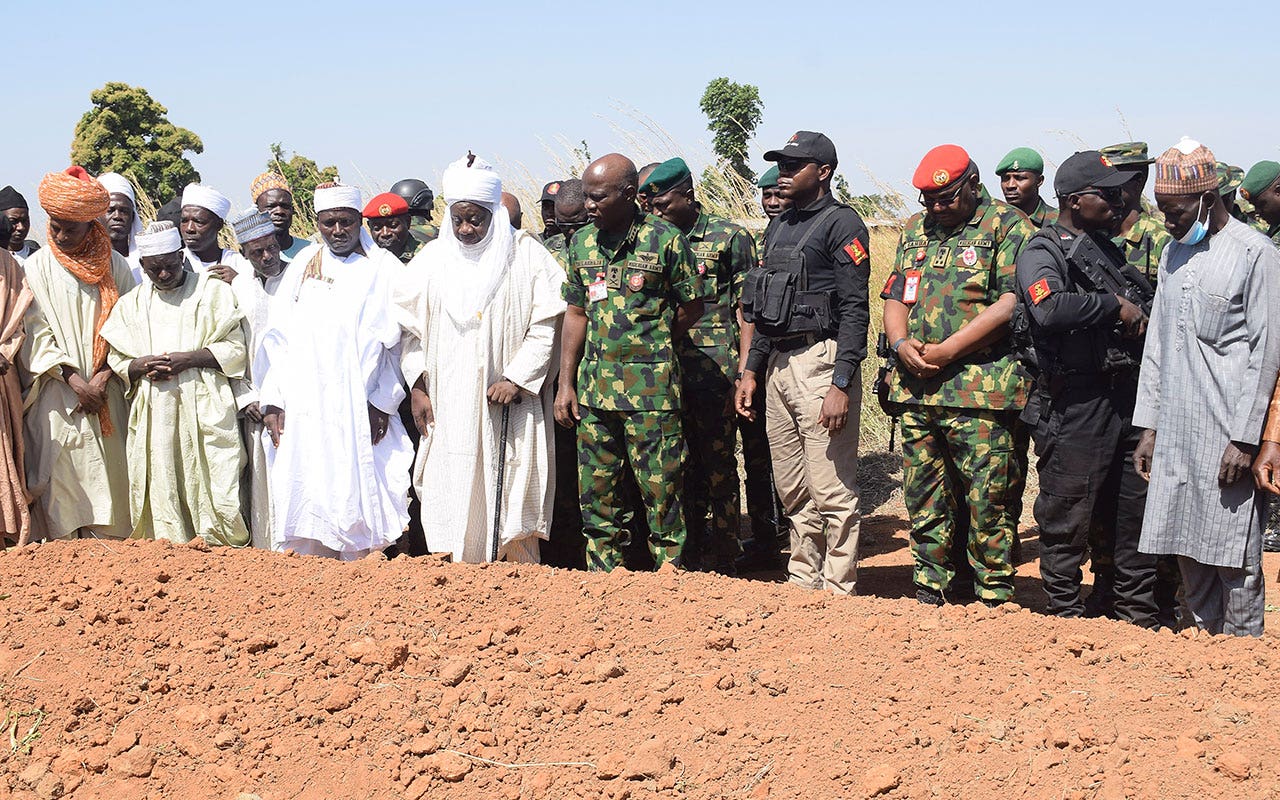
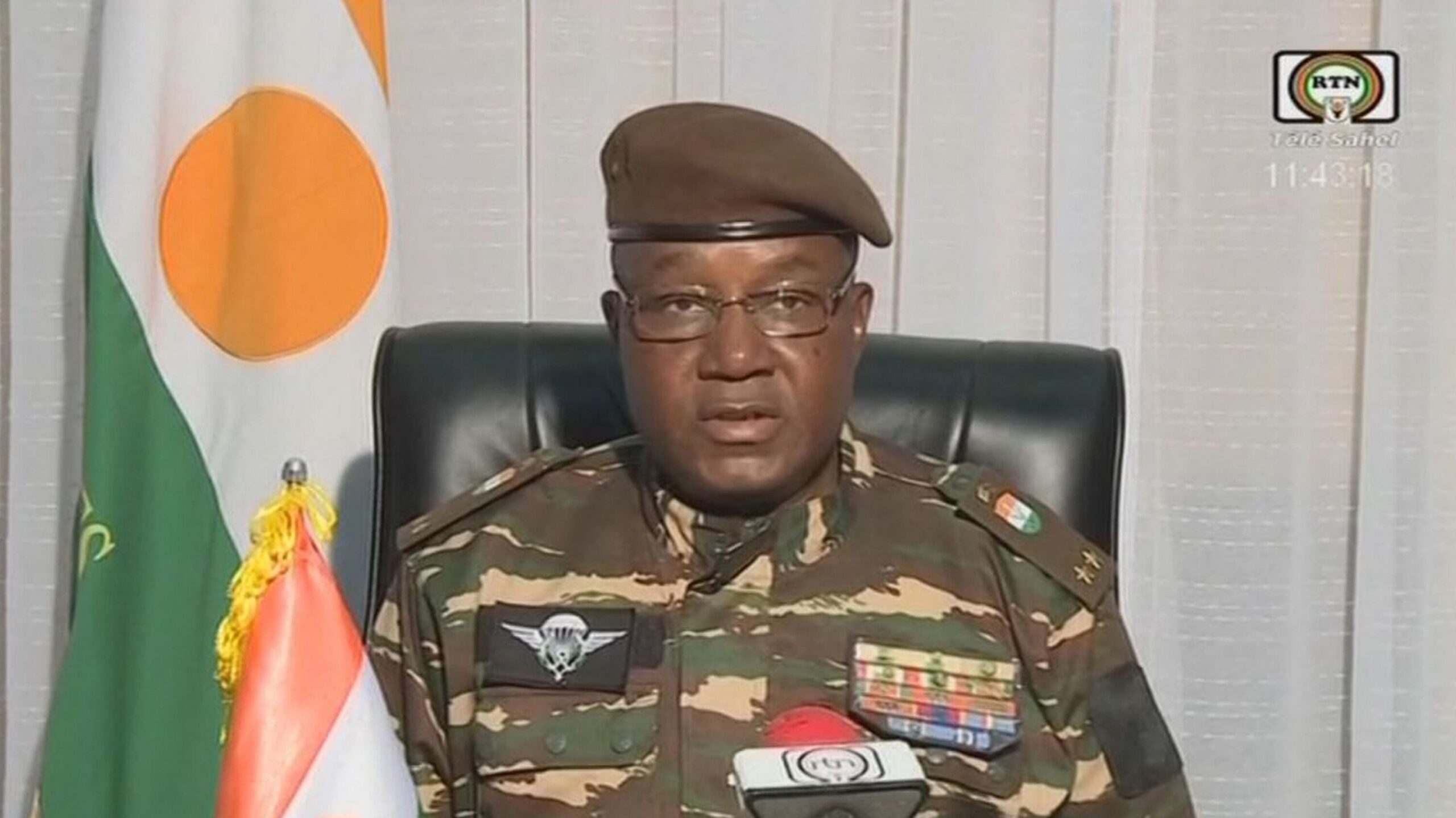
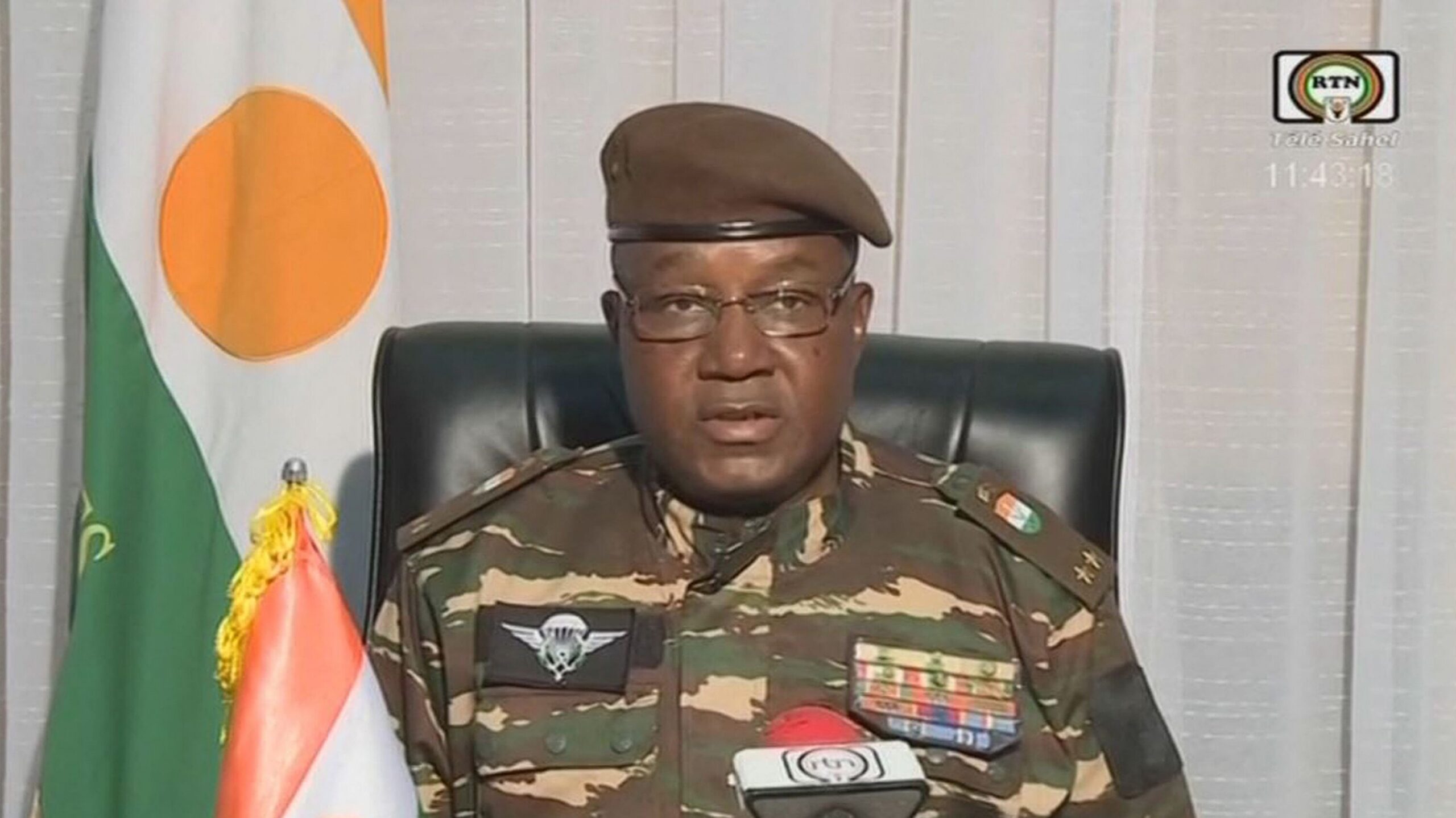
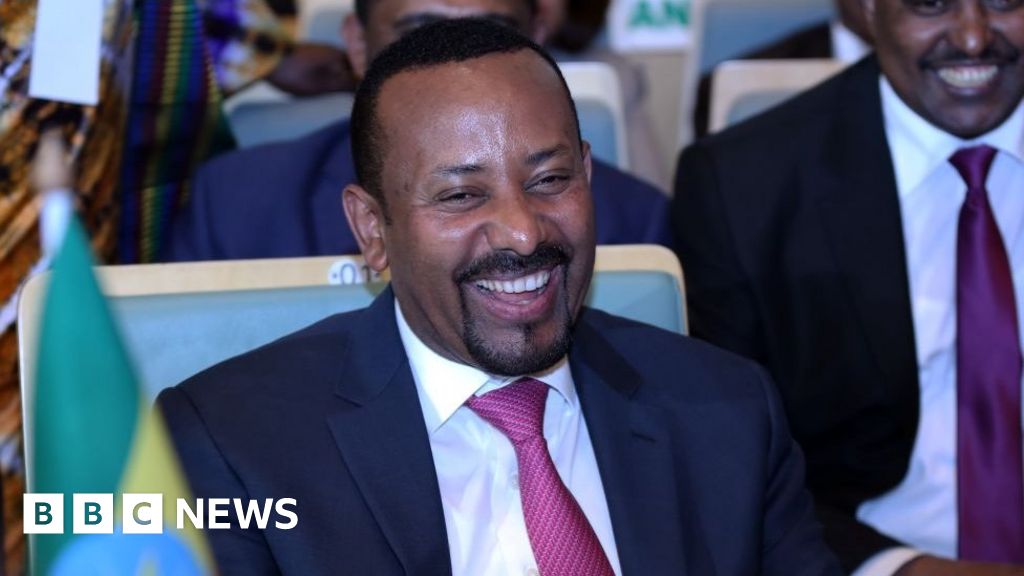
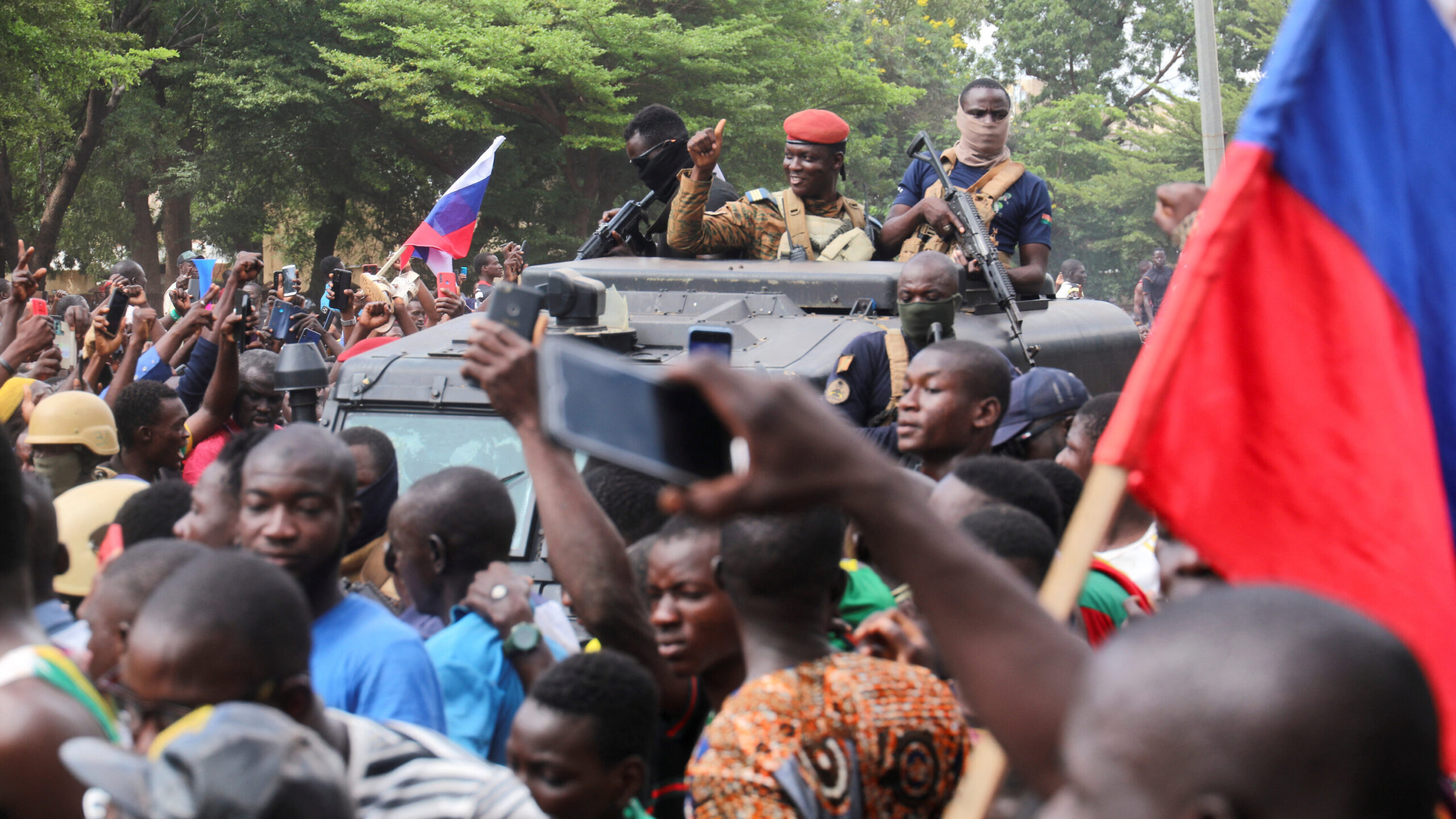
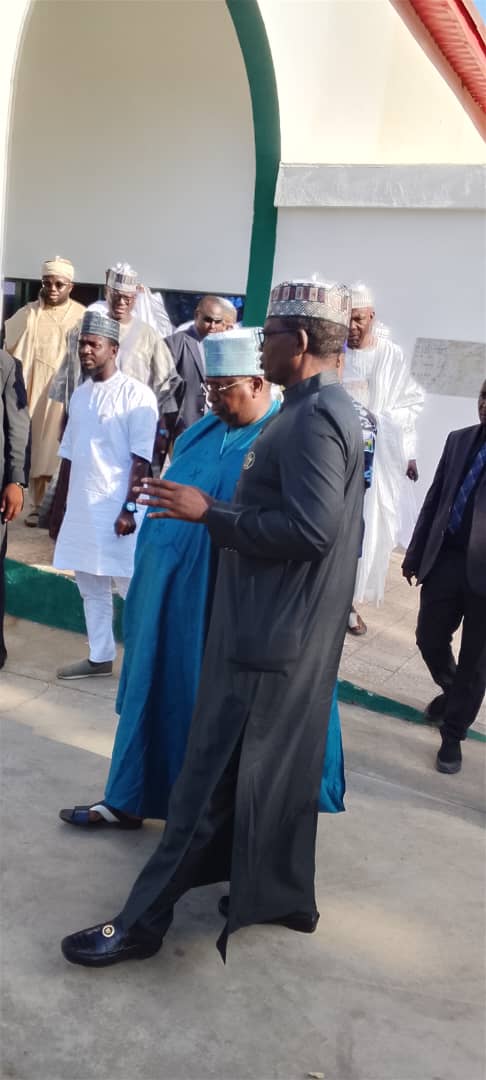
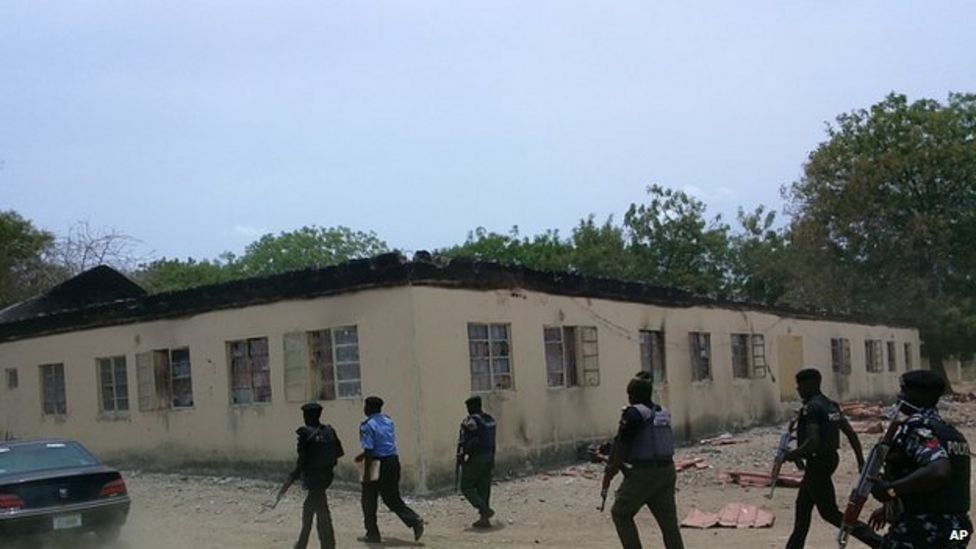
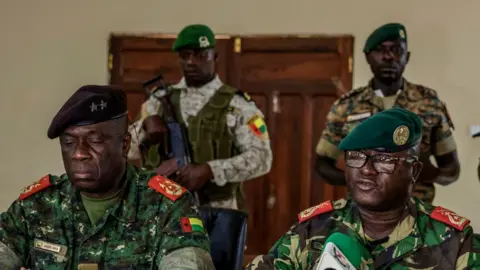
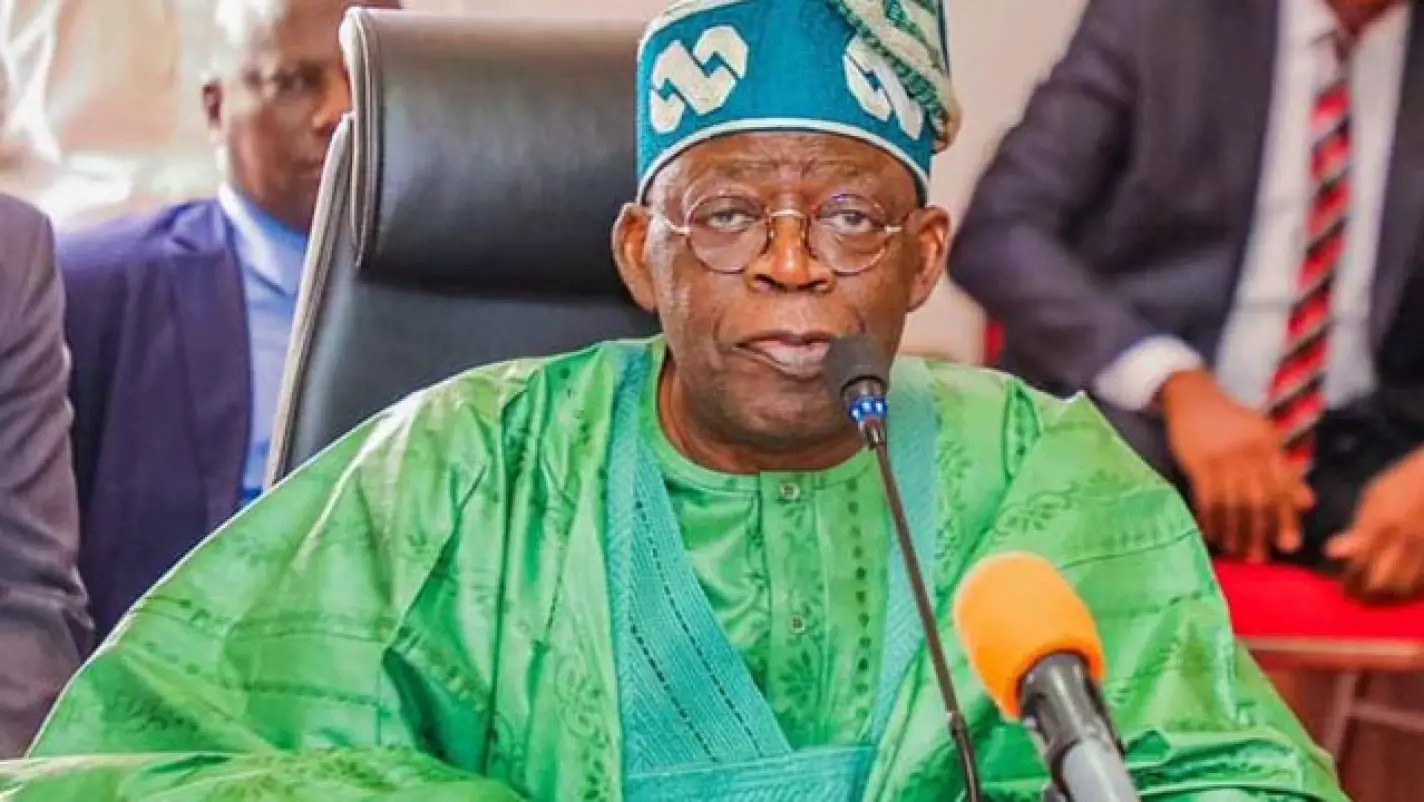
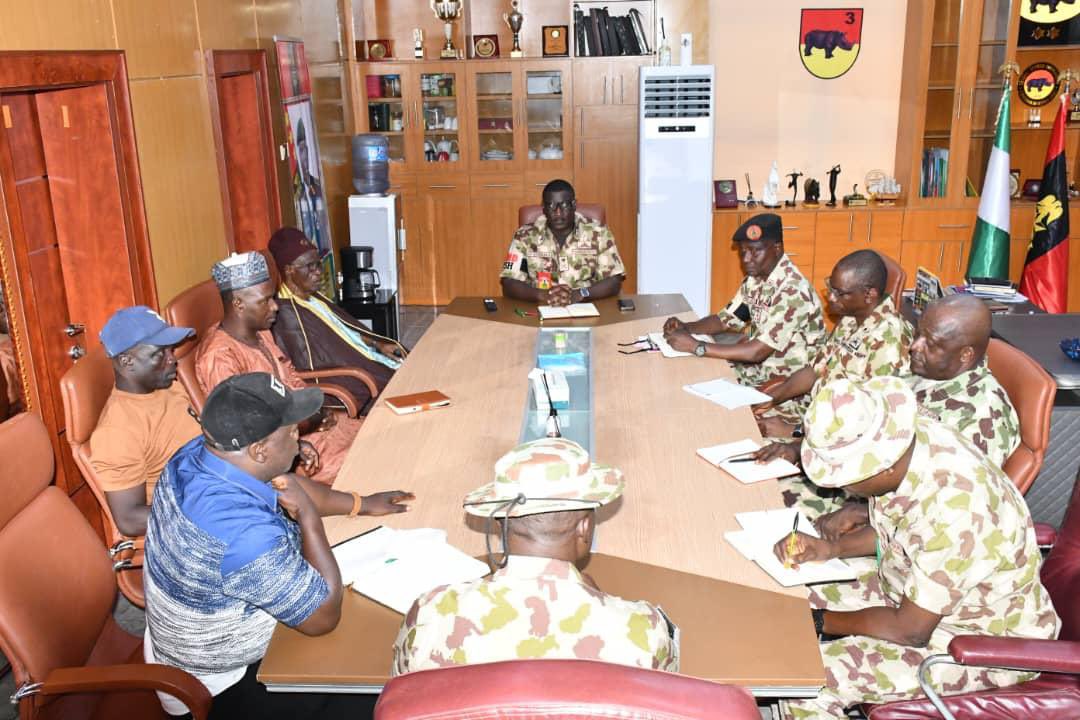
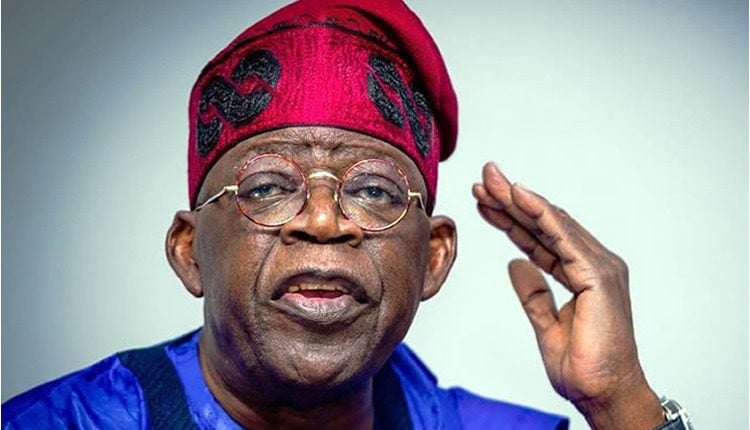
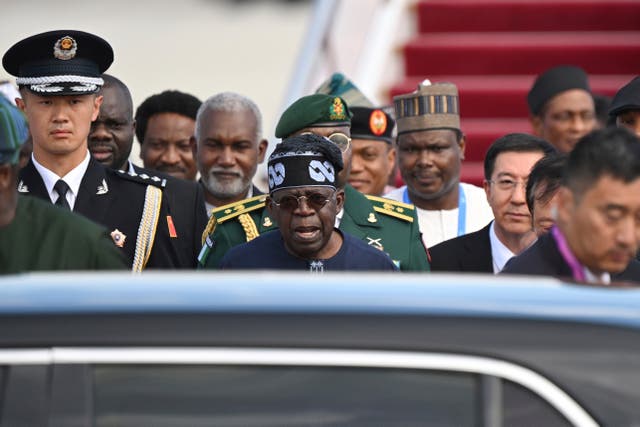
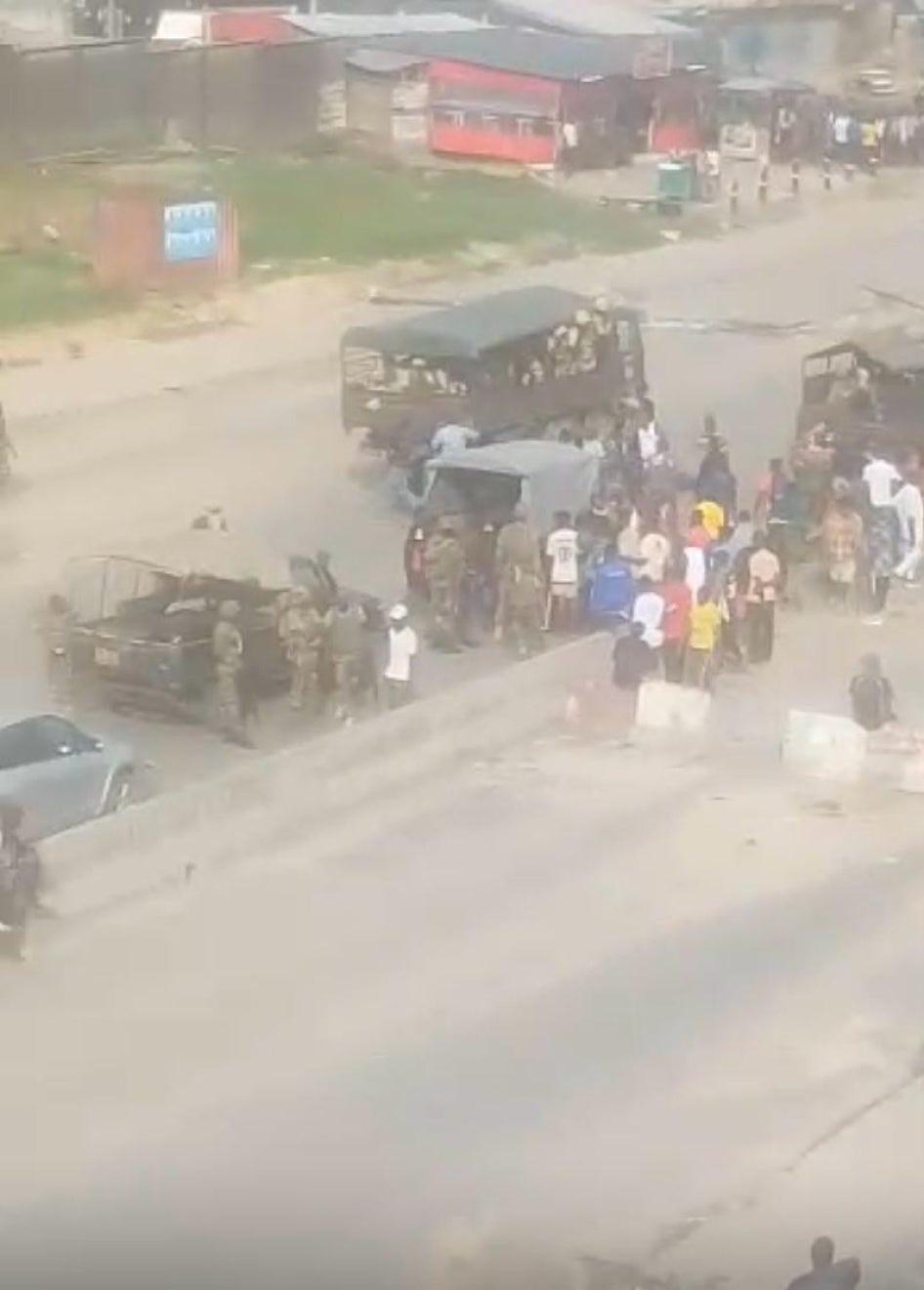
Nigeria finds itself reeling from an alleged coup plot, with military officers now under investigation for efforts to destabilize President Bola Ahmed Tinubu’s administration. This isn’t a minor infraction; official disclosures confirm their alleged involvement, placing those implicated squarely in the crosshairs of severe legal repercussions. They could face the death penalty or life imprisonment, punishments aligned with stringent military and civilian laws against treason. The Armed Forces Act, designed for military discipline, empowers court-martial proceedings with essential civilian oversight. Even after initial official denials, a thorough investigative report reportedly substantiated the officers’ schemes, making it clear their conduct starkly contradicts the professional standards expected within the Nigerian Armed Forces.
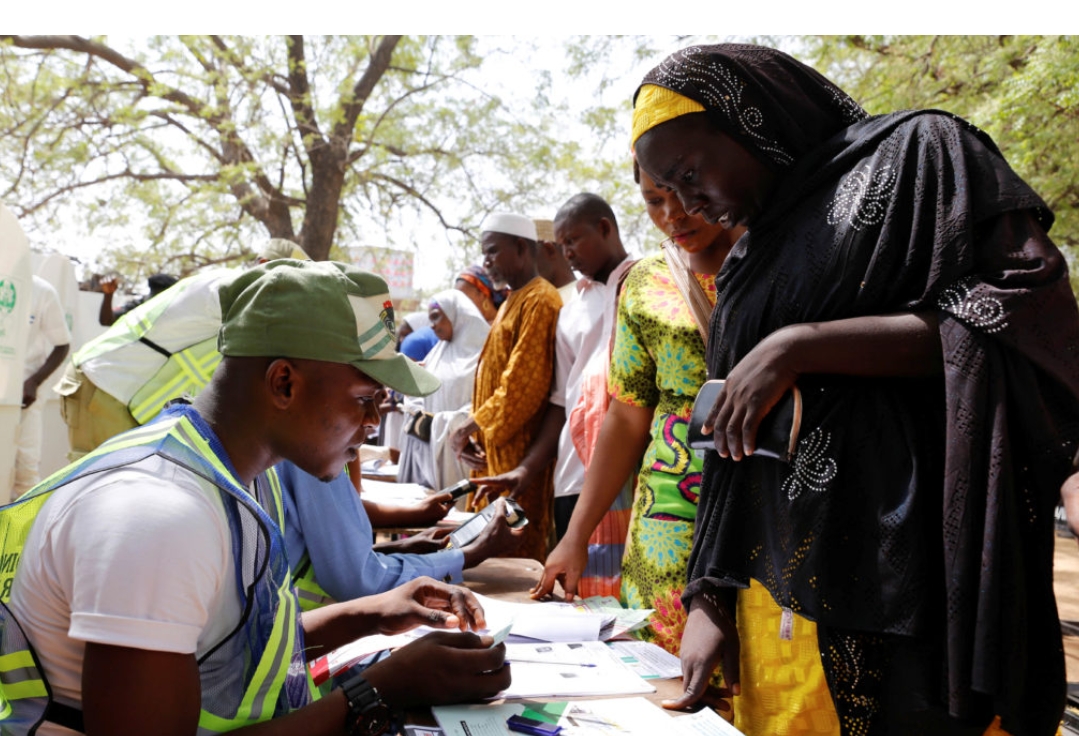
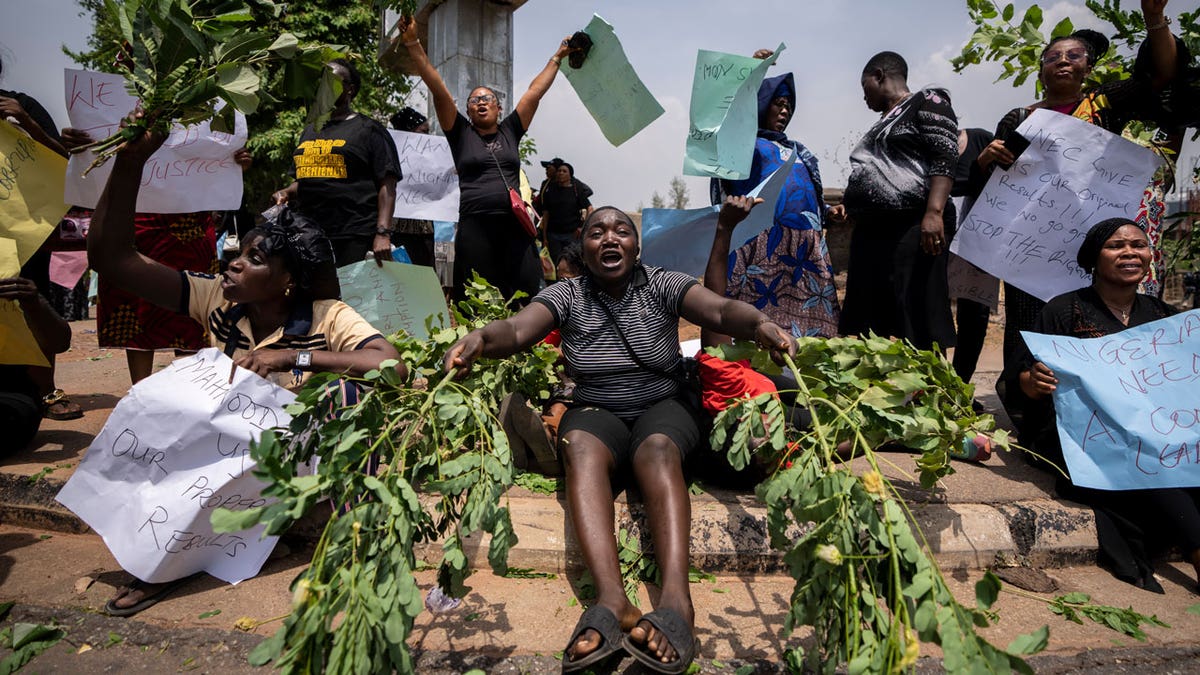
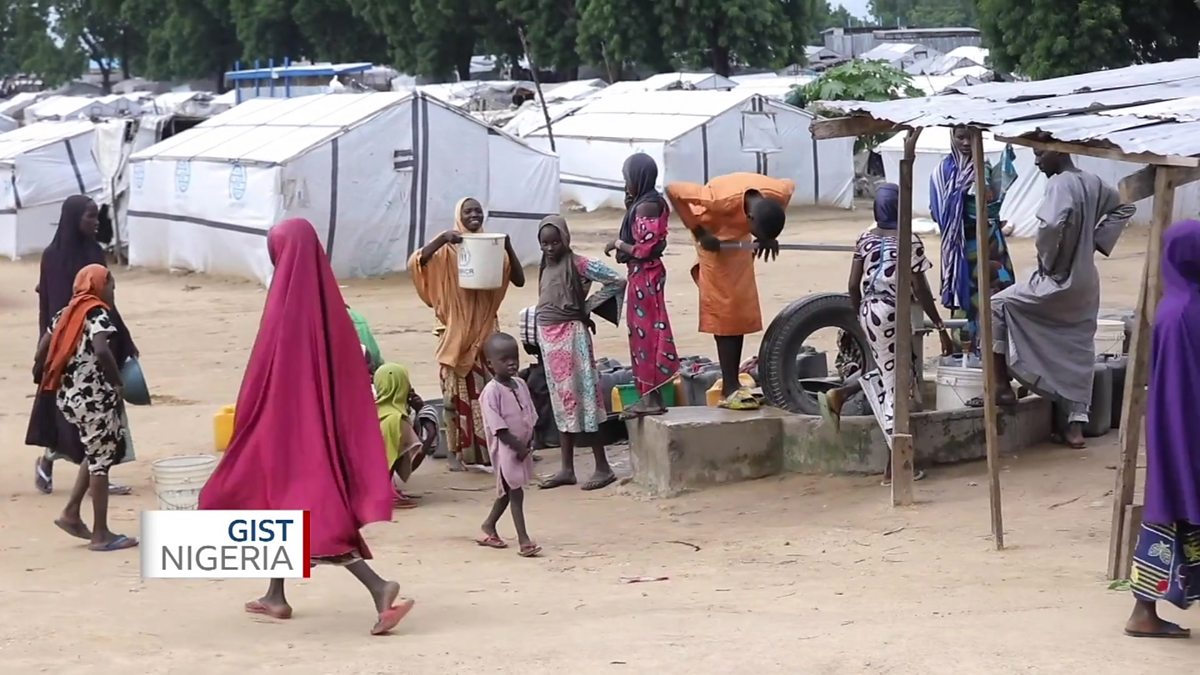
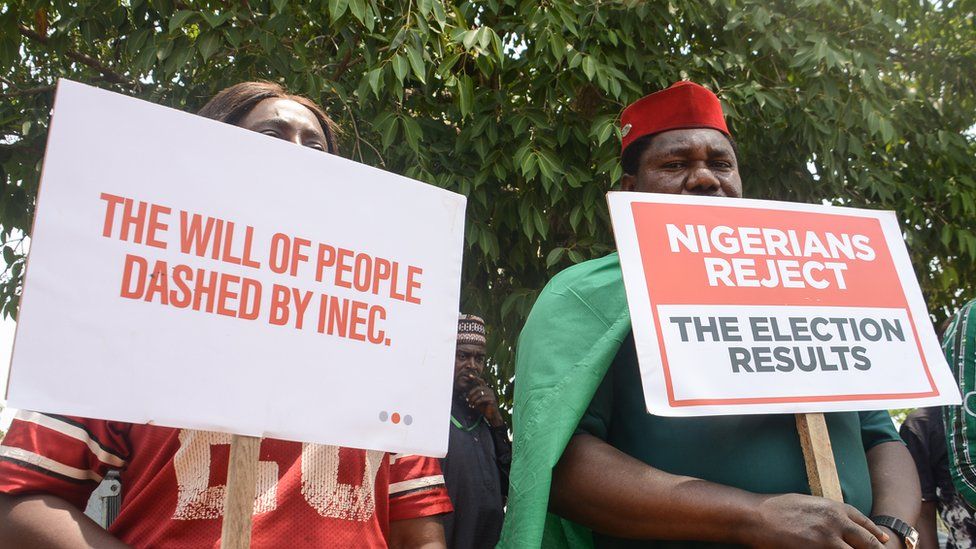
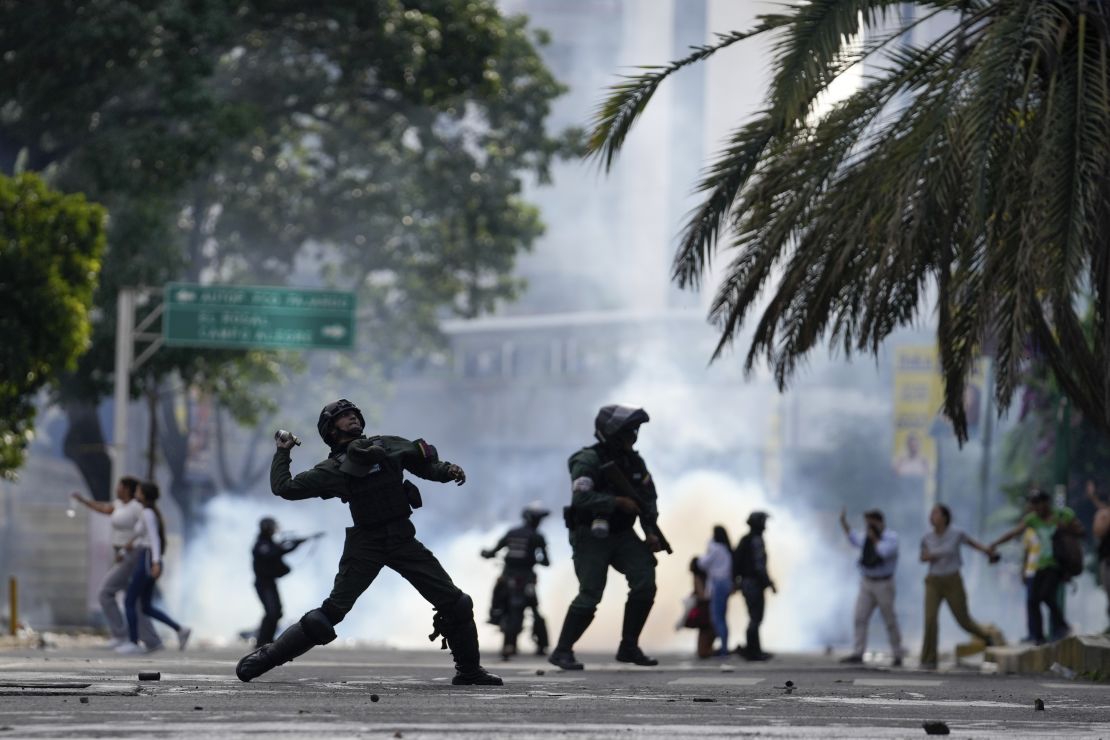
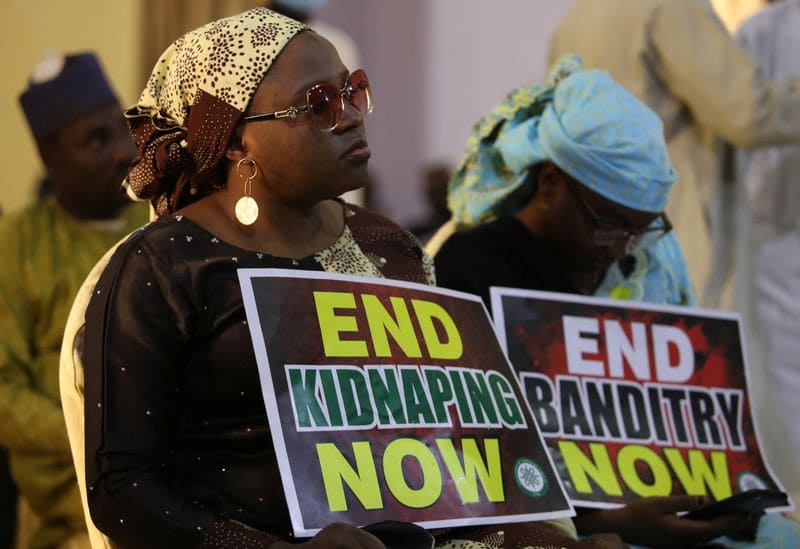
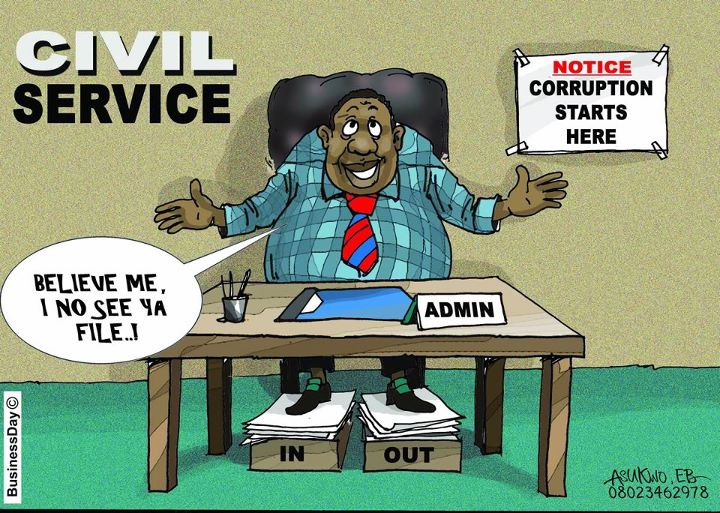
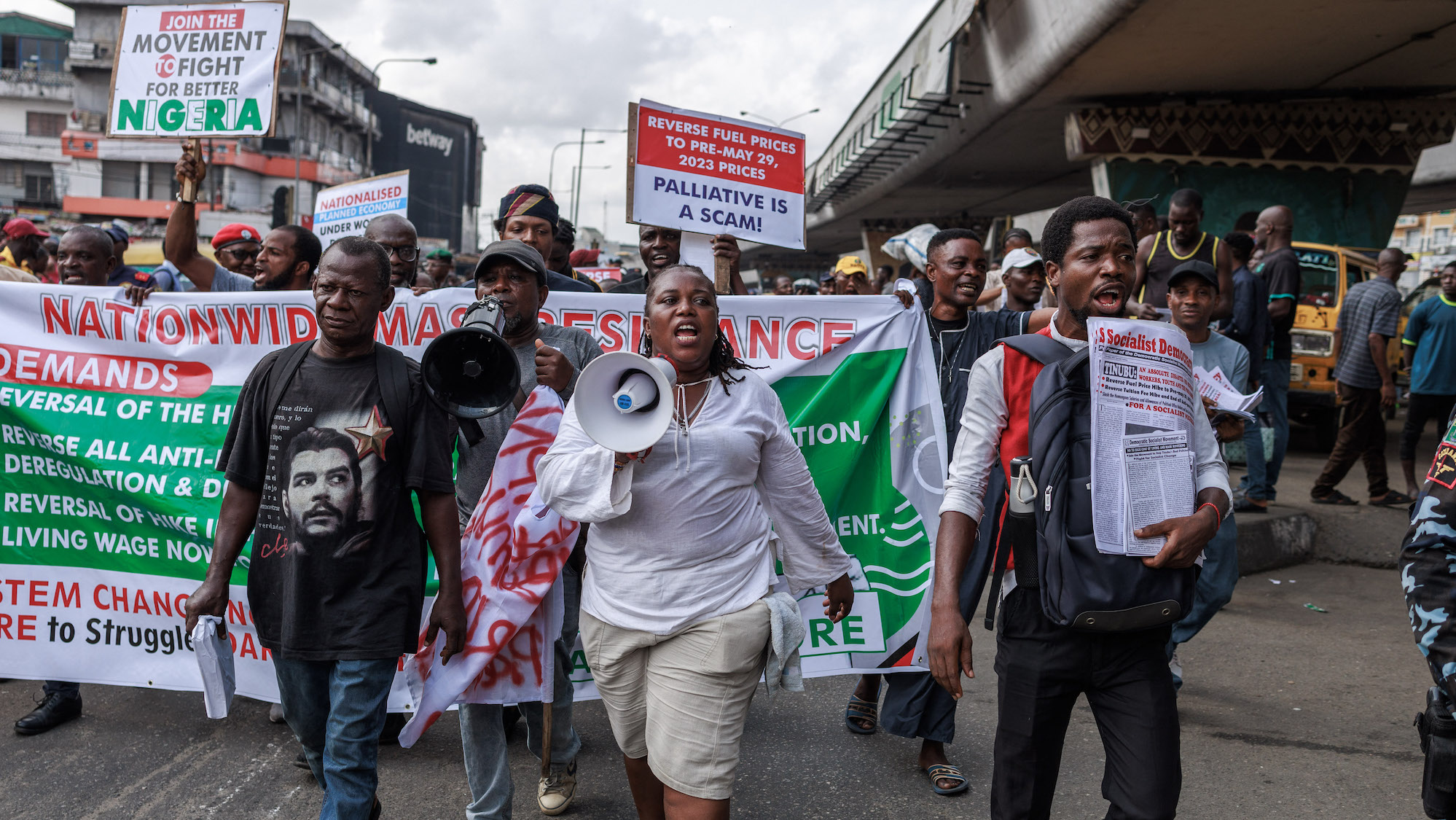
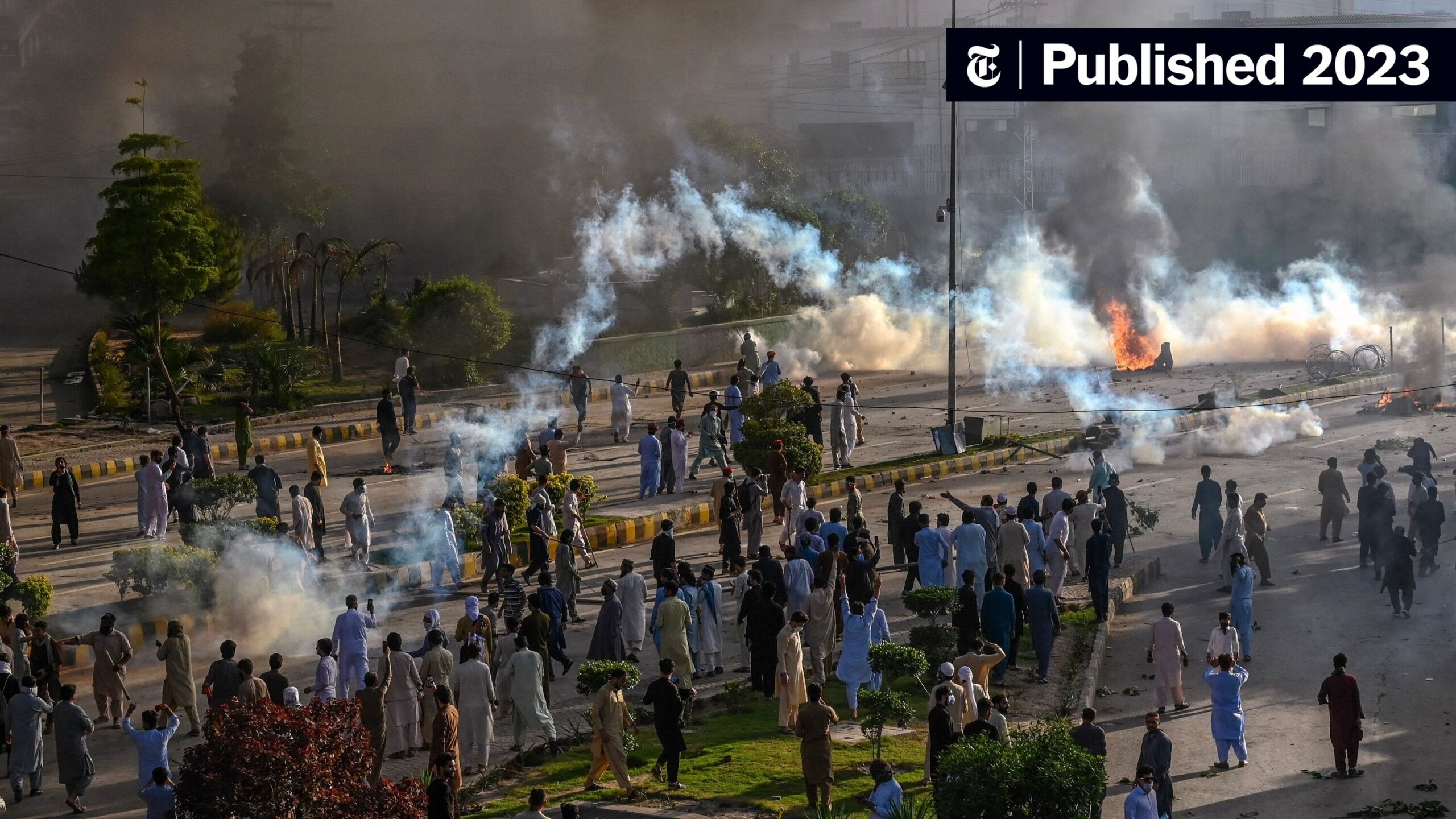
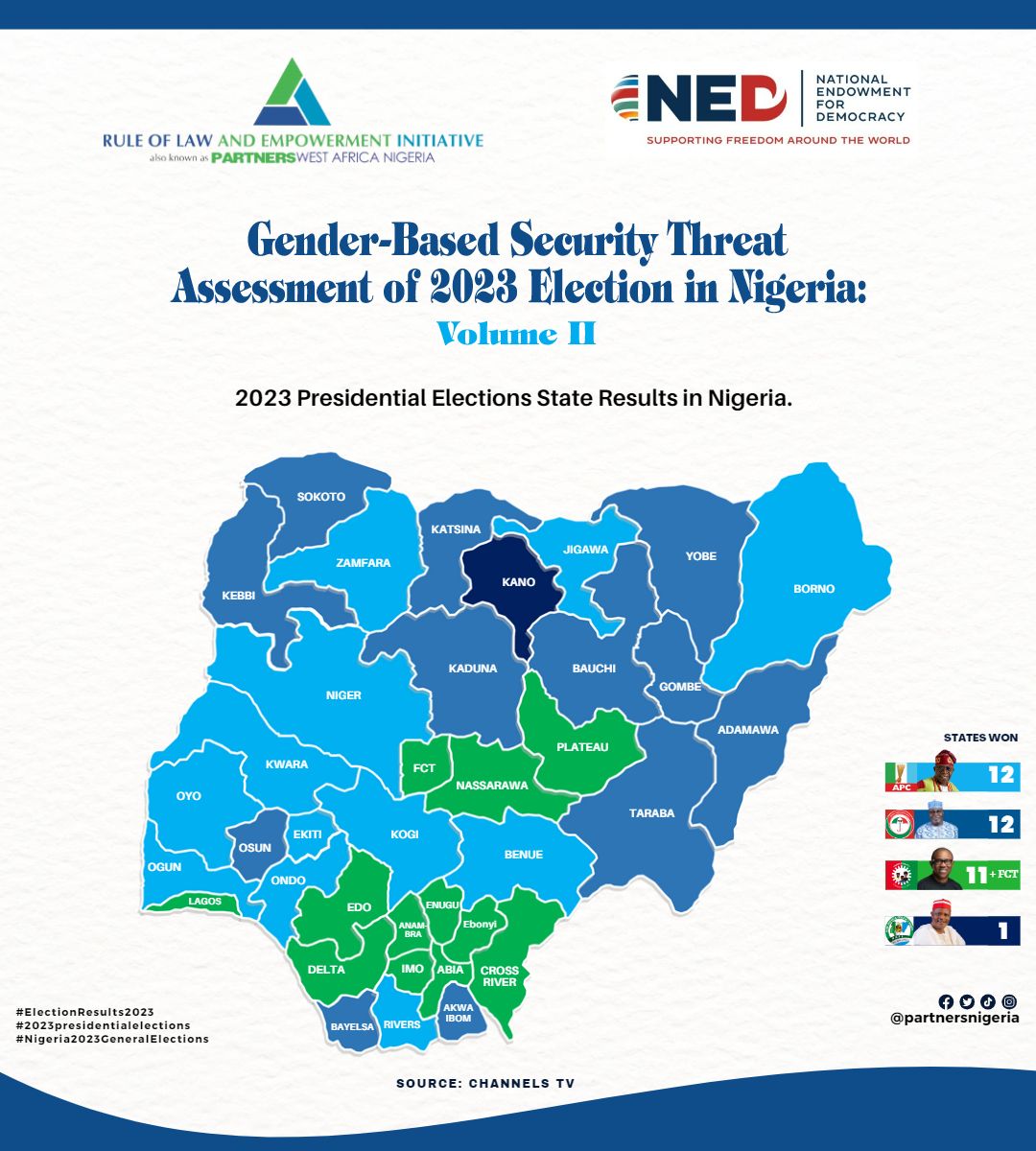
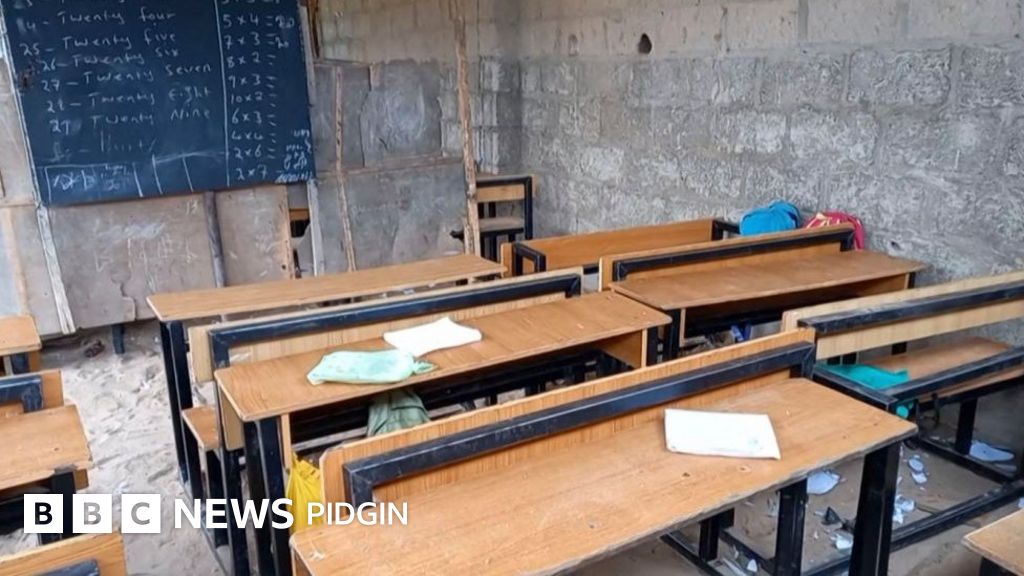
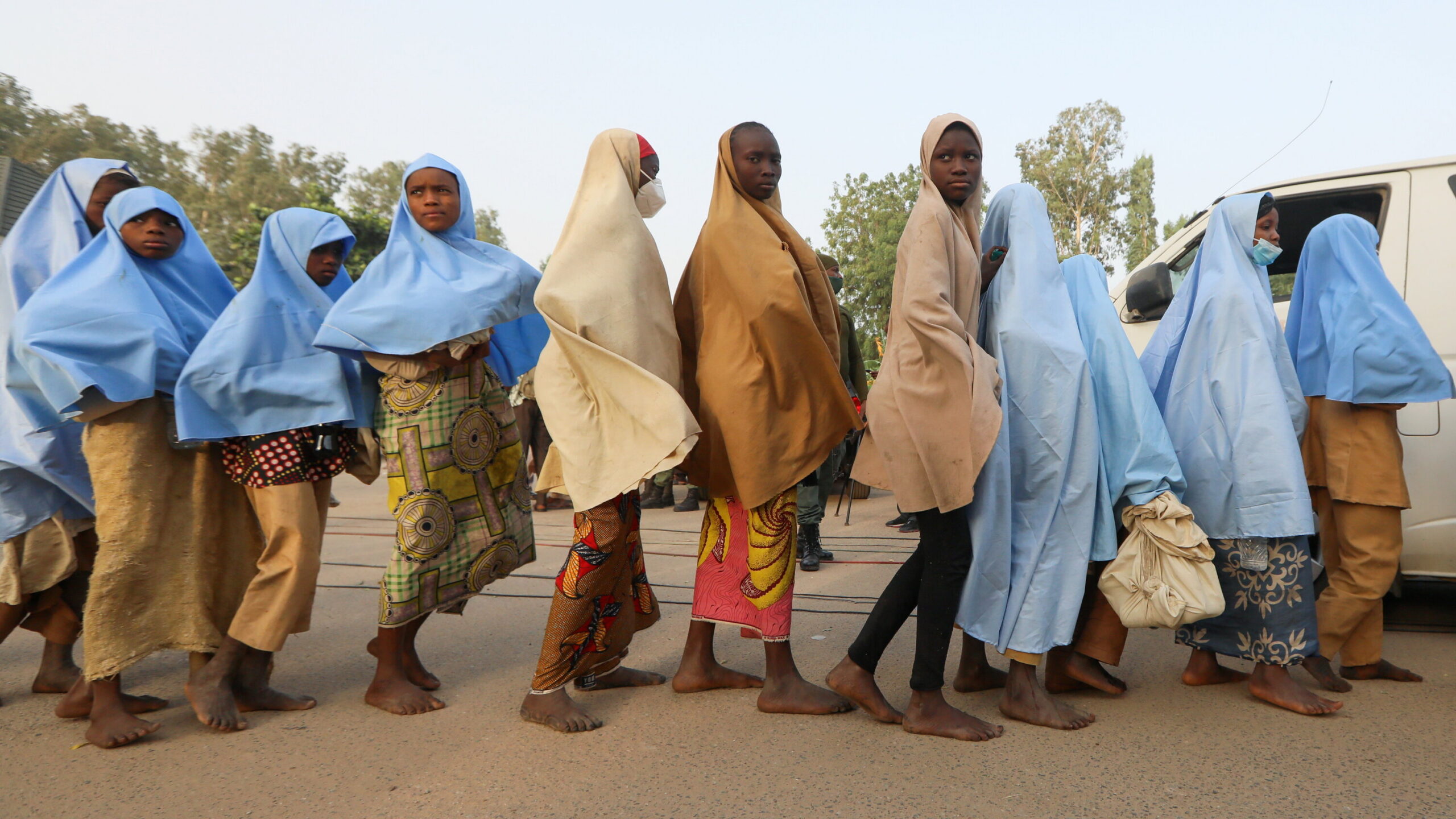
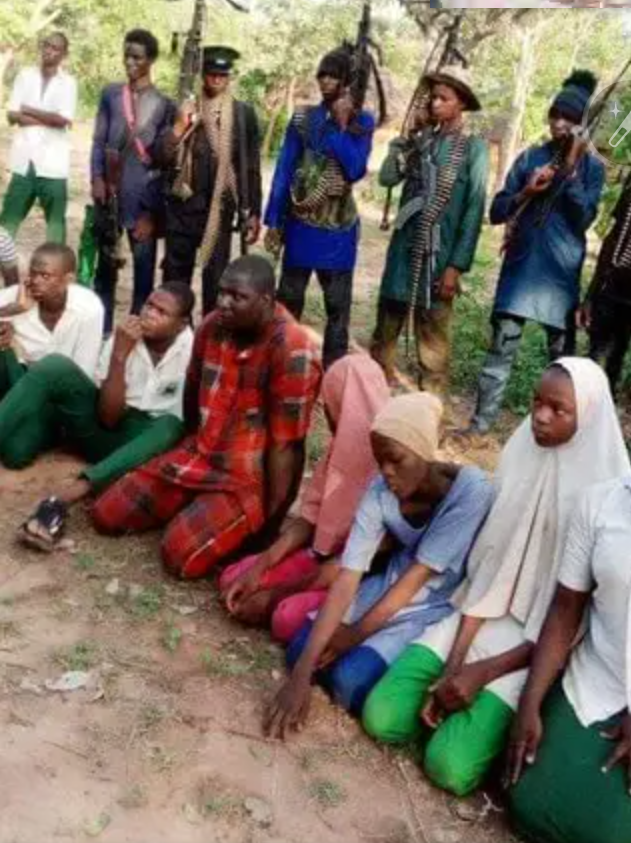
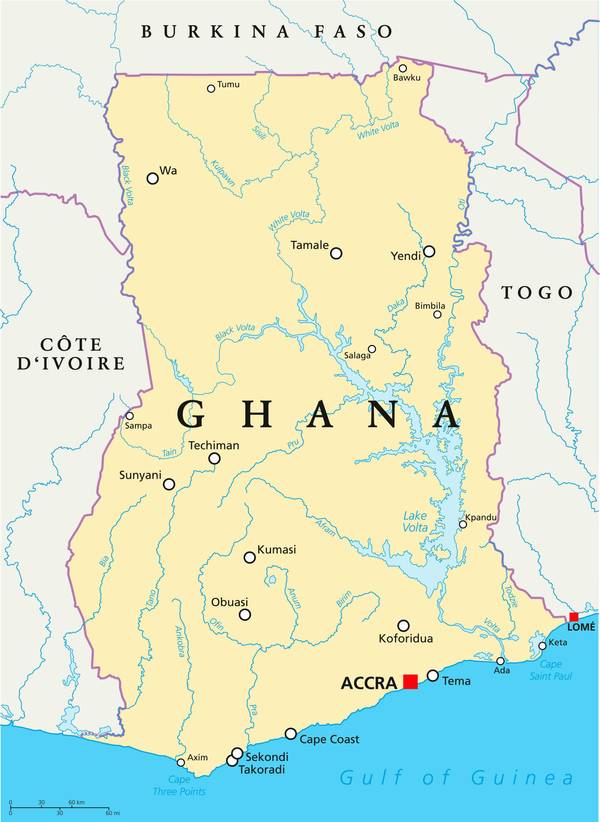
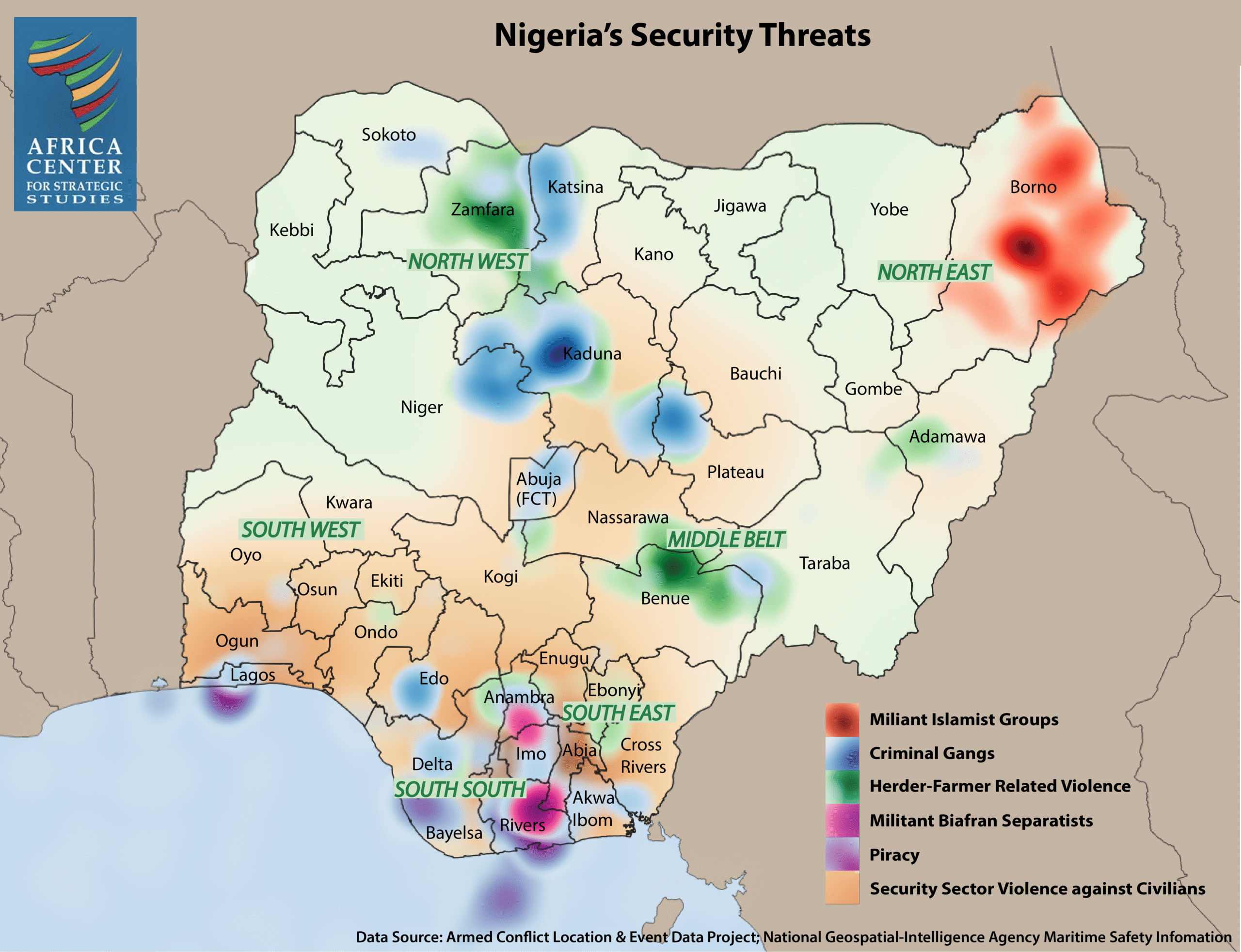
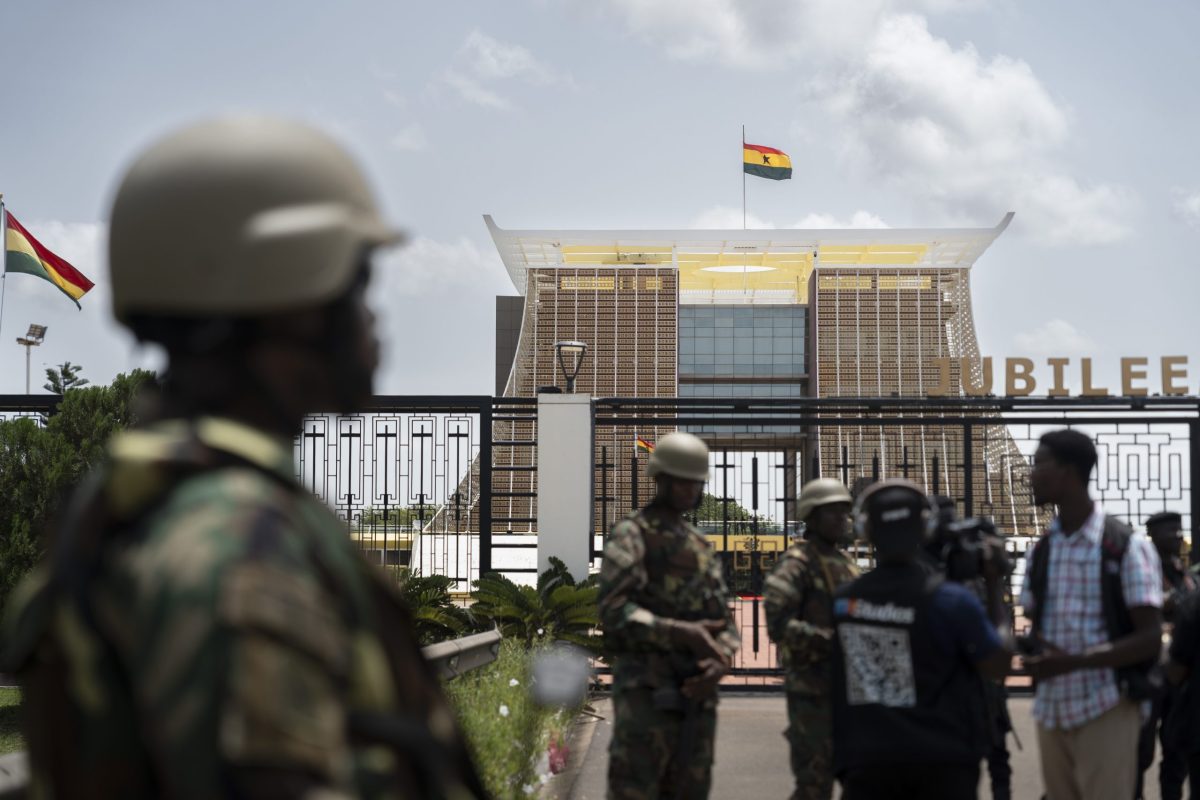
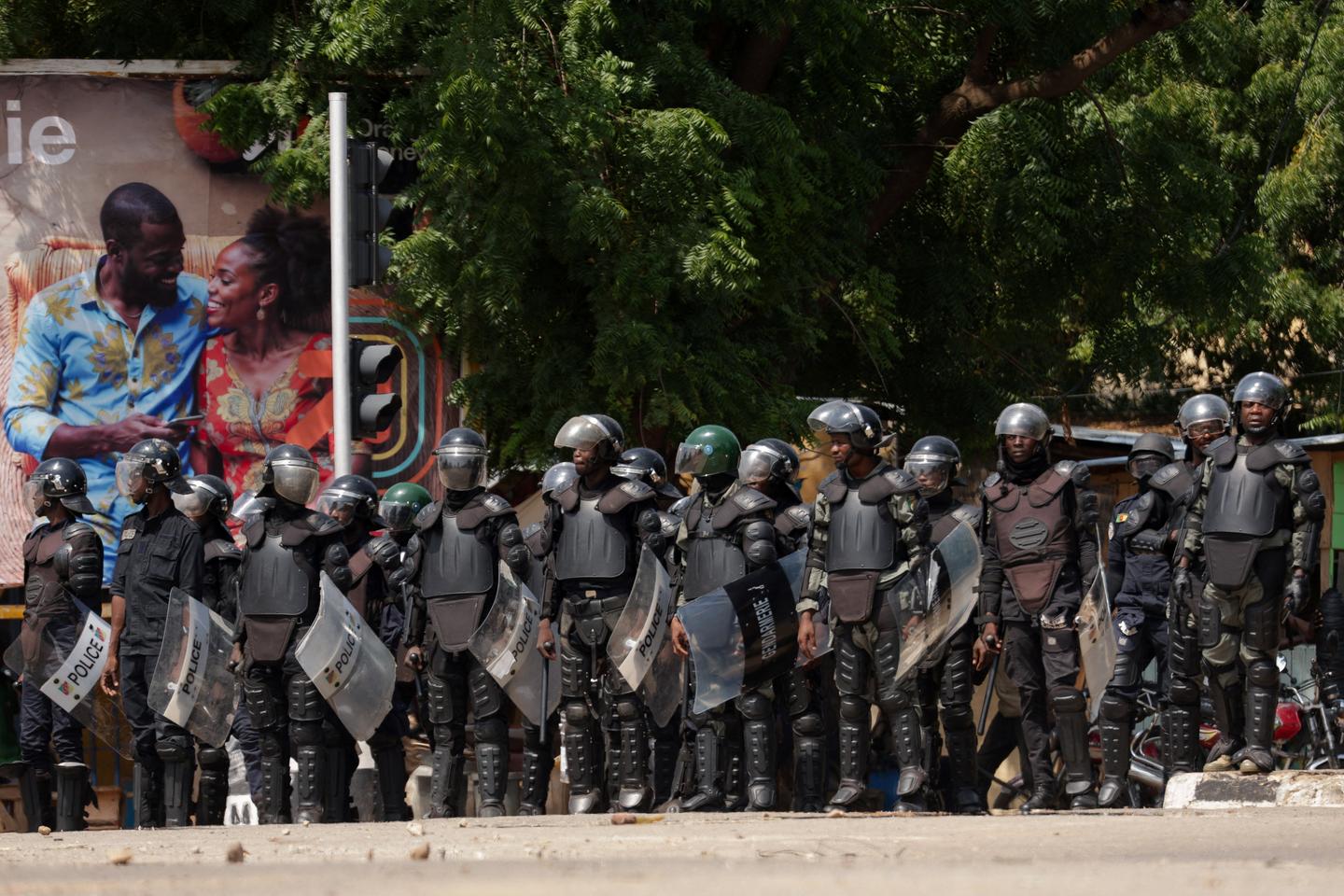
This alleged coup isn’t an isolated incident; it’s a symptom of deeper governance challenges and persistent security issues plaguing Nigeria. Human rights organizations and investigative journalists consistently expose problems affecting both civilians and governmental bodies. We’ve seen troubling patterns of military and police aggression across West Africa, including more than 30 Ghanaian journalists attacked since 2019 alone, highlighting regional vulnerabilities that resonate here. A stark National Bureau of Statistics report reveals over two million Nigerians have been abducted since President Tinubu took office, with a shocking 2.2 trillion naira reportedly paid in ransom. These aren’t just statistics; they underscore the profound insecurity and economic strain ordinary citizens endure, compounded by electoral distrust and allegations of corruption.
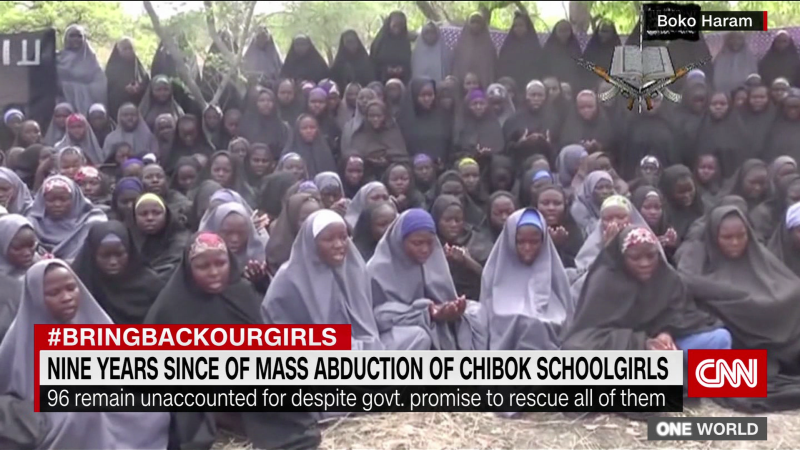
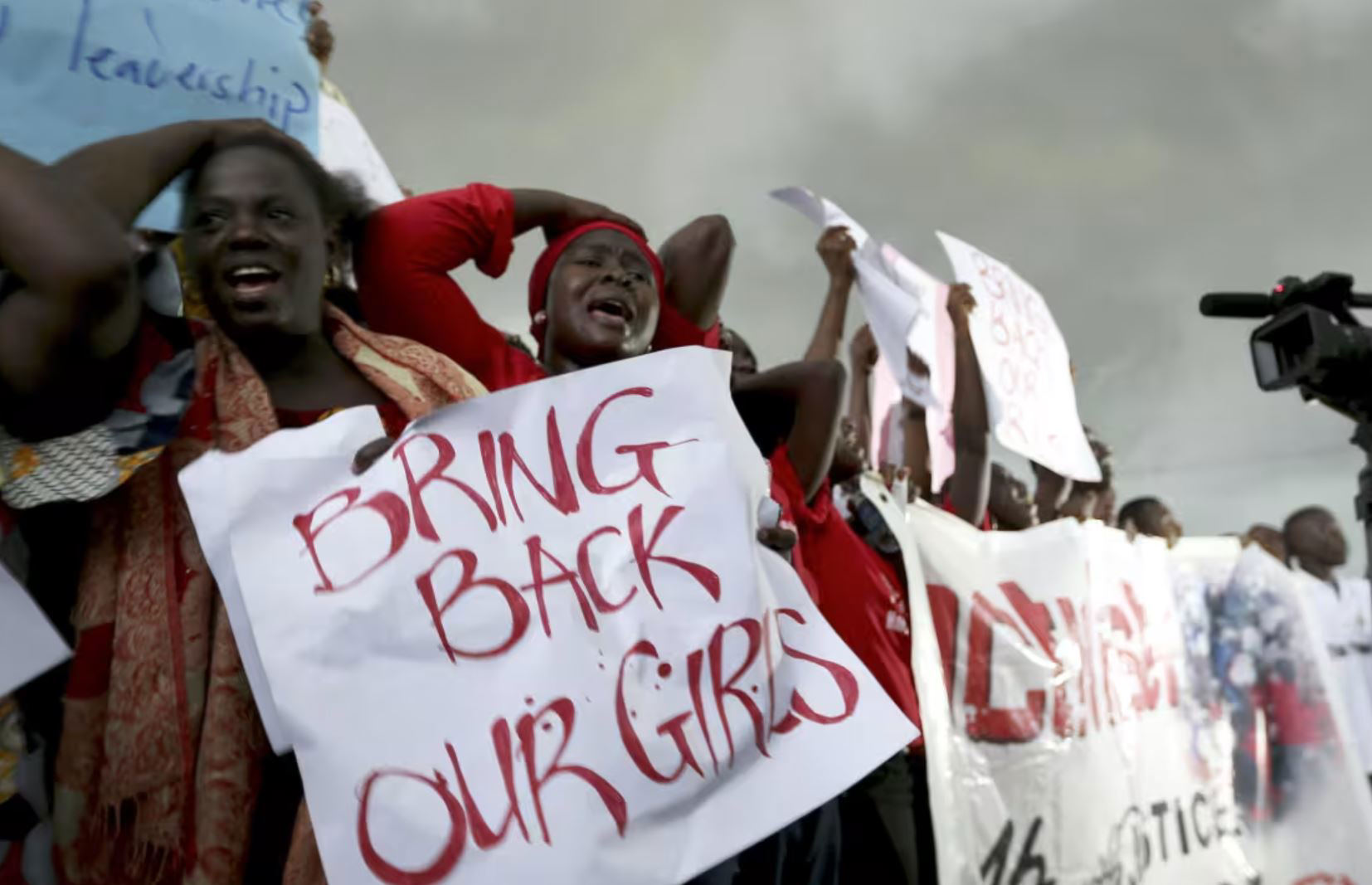
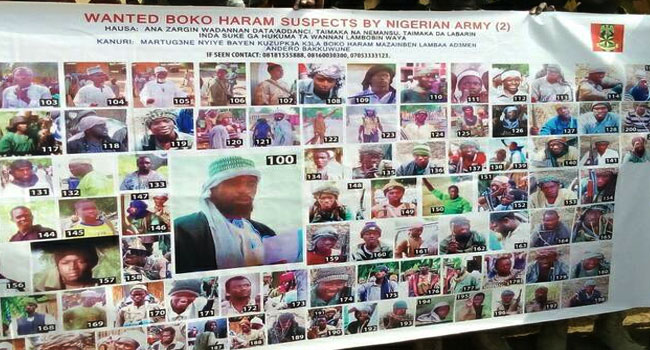
In response to these multifaceted crises, legal measures are being amplified. Zamfara State, for example, has enacted new laws imposing the death penalty for terrorists, informants, and kidnappers, signaling a firm stance against violent insurgency. However, such approaches inevitably spark vigorous debates about human rights and the pursuit of justice. Troublingly, within the military itself, allegations of clandestine abortions for girls and women raped by Boko Haram terrorists have surfaced, raising complex ethical and accountability questions. The government’s handling of this alleged coup plot, therefore, represents more than just a defense of constitutional order. It’s a crucial battle to restore stability, transparency, and public confidence in the rule of law. Thorough, transparent trials, overseen by civilians, are essential not just for justice, but for charting Nigeria’s future trajectory. Both domestic and international observers will be closely watching how the administration navigates these turbulent waters, hoping to transform these challenges into opportunities for genuine national renewal.
Sources:
Alleged Coup Plot: Suspects Face Death Penalty Or Life Imprisonment Under Nigerian Law, AriseNews, 3 February 2026
NBS Report: Over 2million Nigerians Abducted Under Tinubu’s Government With N2.2trillion Paid As Ransoms, AriseNews, 18 December 2024
Nigerian Military Secretly, Illegally Aborts Over 10,000 Pregnancies Of Girls, Women Raped By Boko Haram Terrorists, AriseNews, 7 December 2022
Nigeria Faces Political Turmoil, Security Crises, and Governance Scandals Amid Rising Tensions
Corruption Scandals, Security Challenges Fuel Social Unrest in Nigeria 2026
West Africa Unites Against Sahel Turmoil with Resilience and Strength