
Sahel’s New Power Bloc: Mali, Niger, and Burkina Faso Forge an Alliance Amidst Regional Upheaval
A New Regional Dynamic
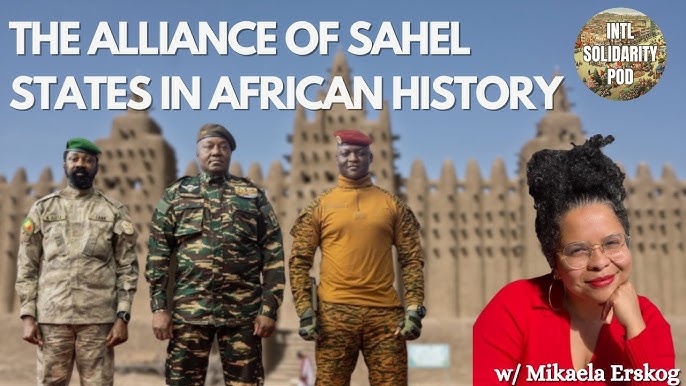
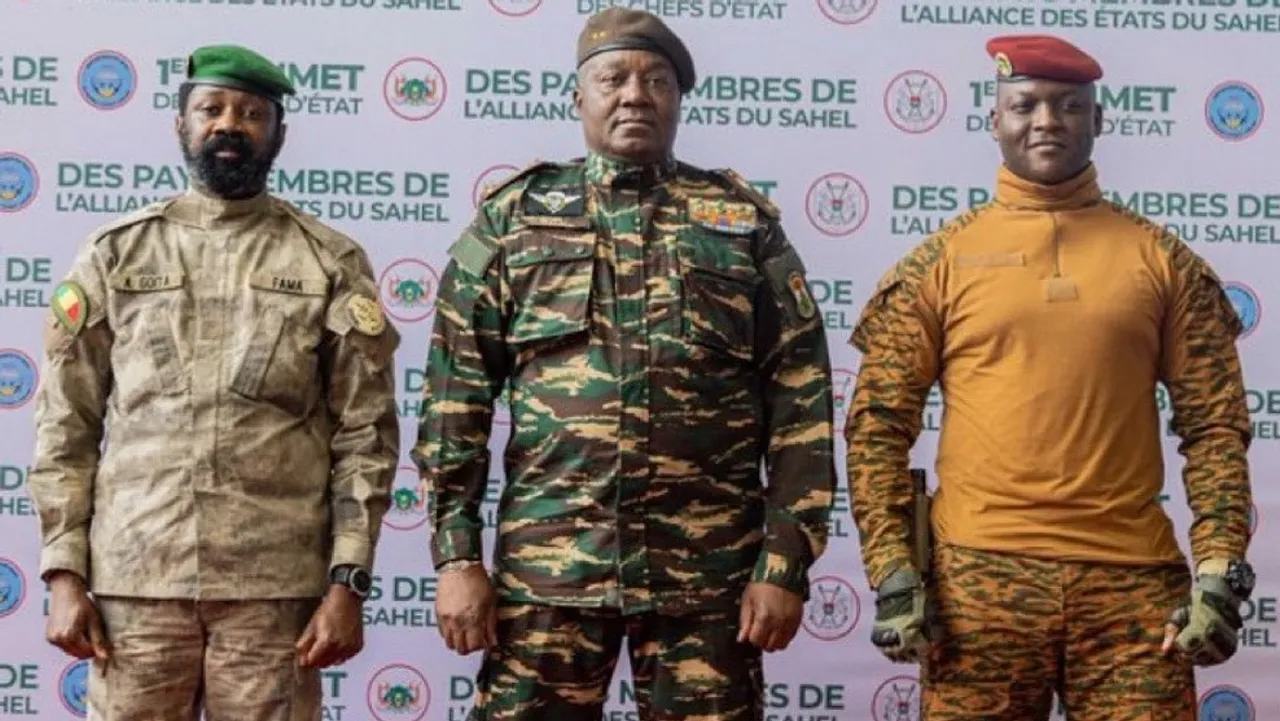
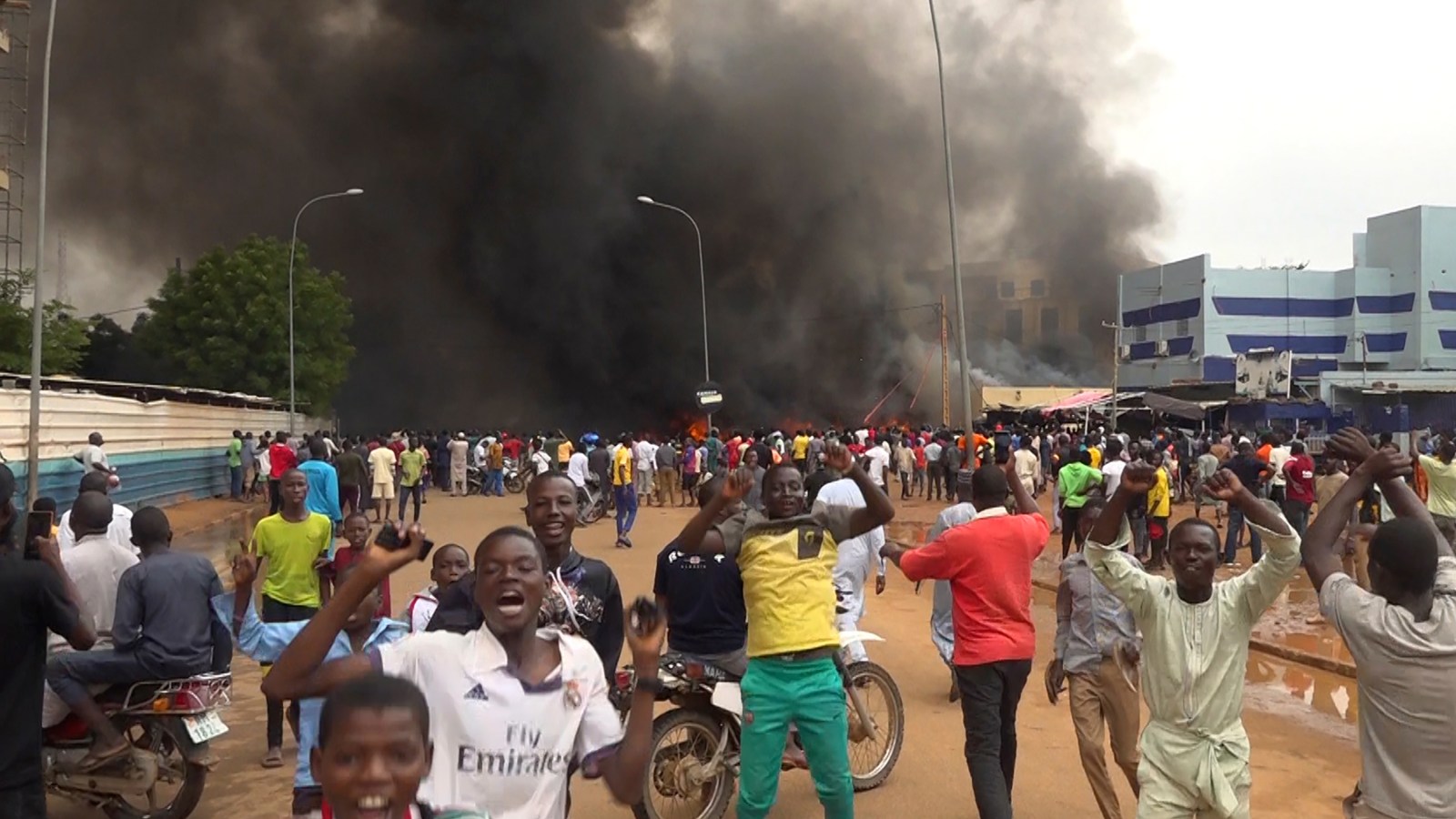
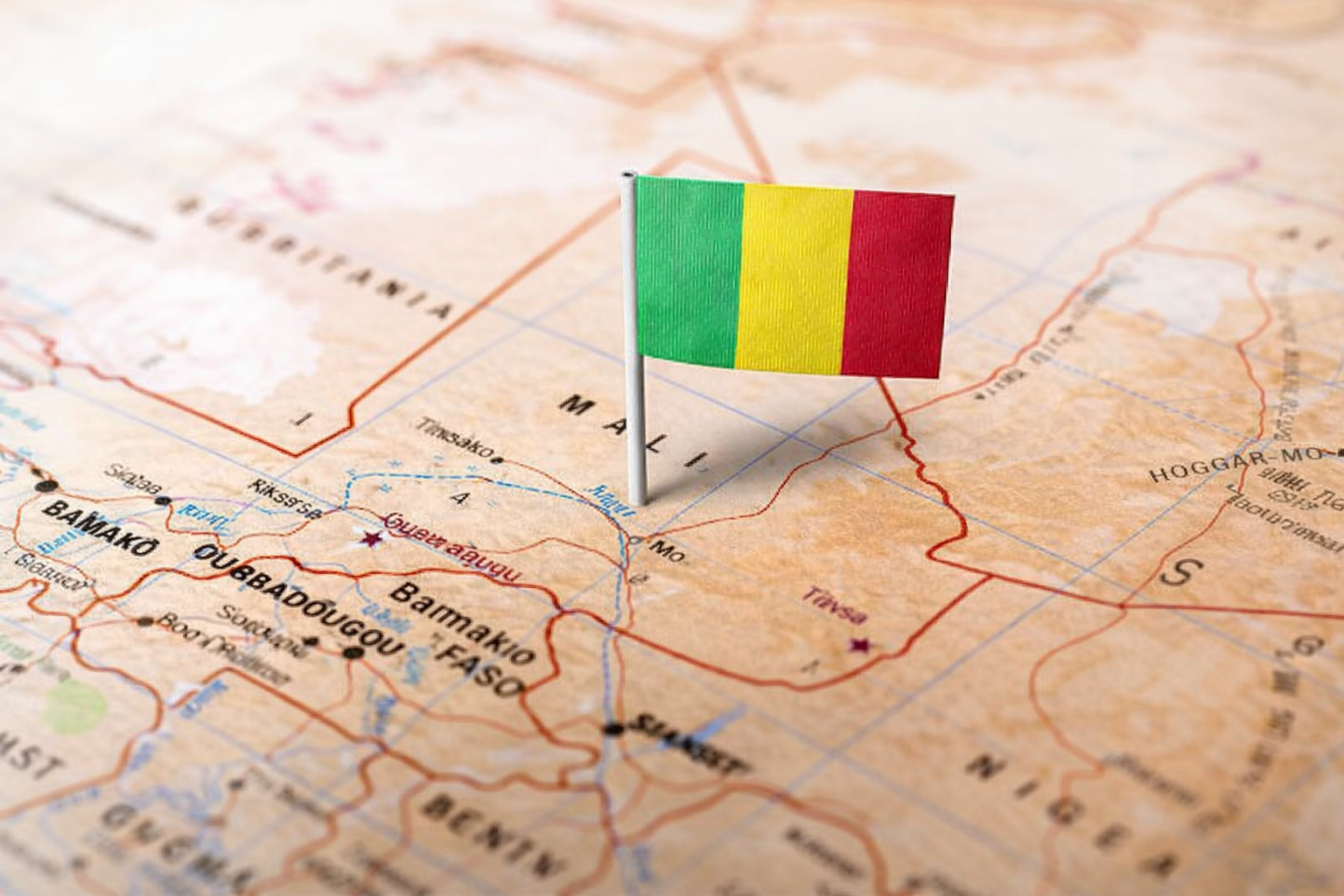
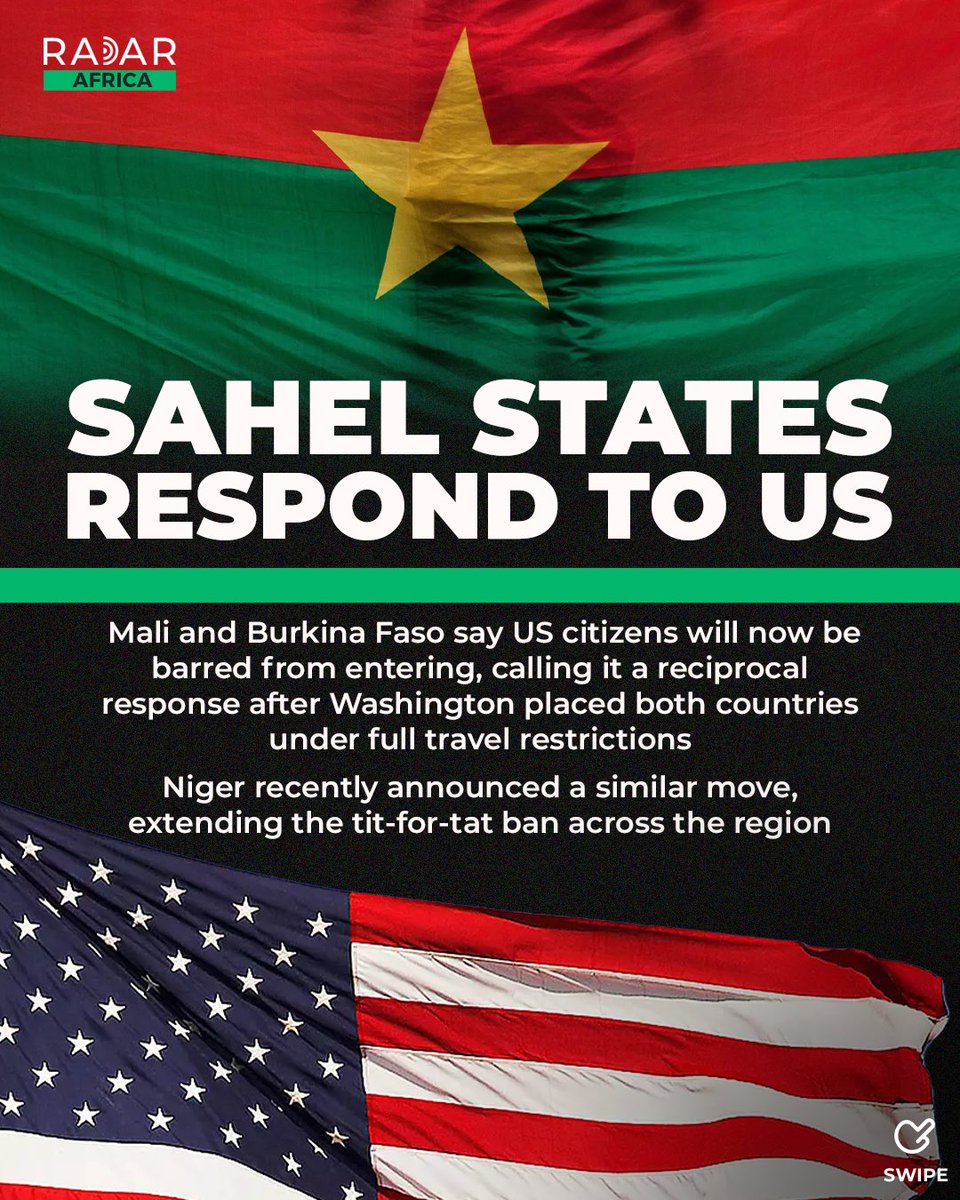
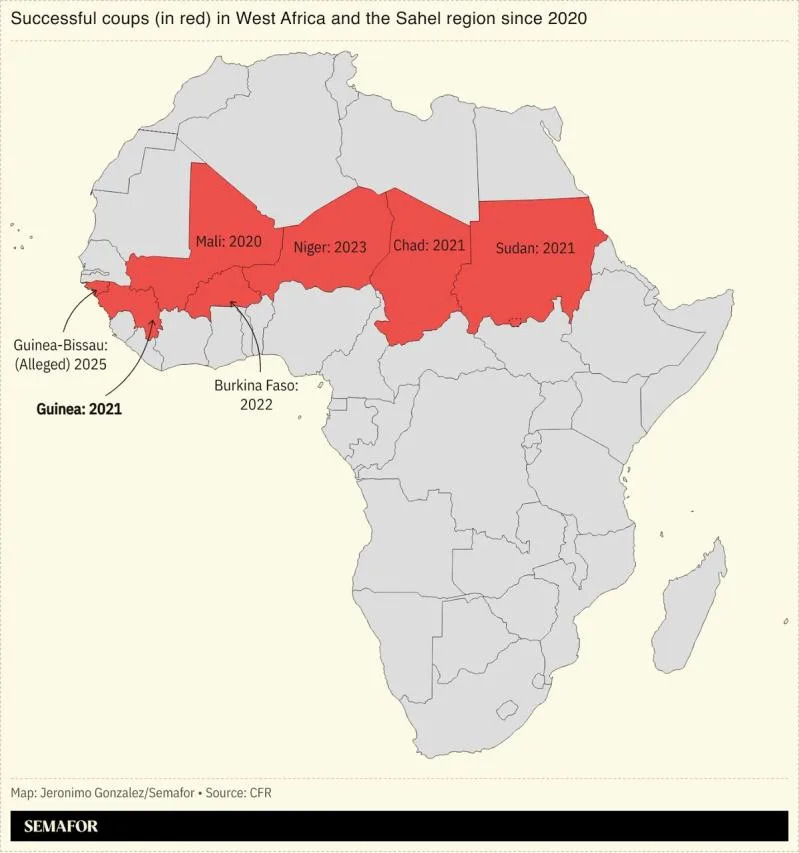
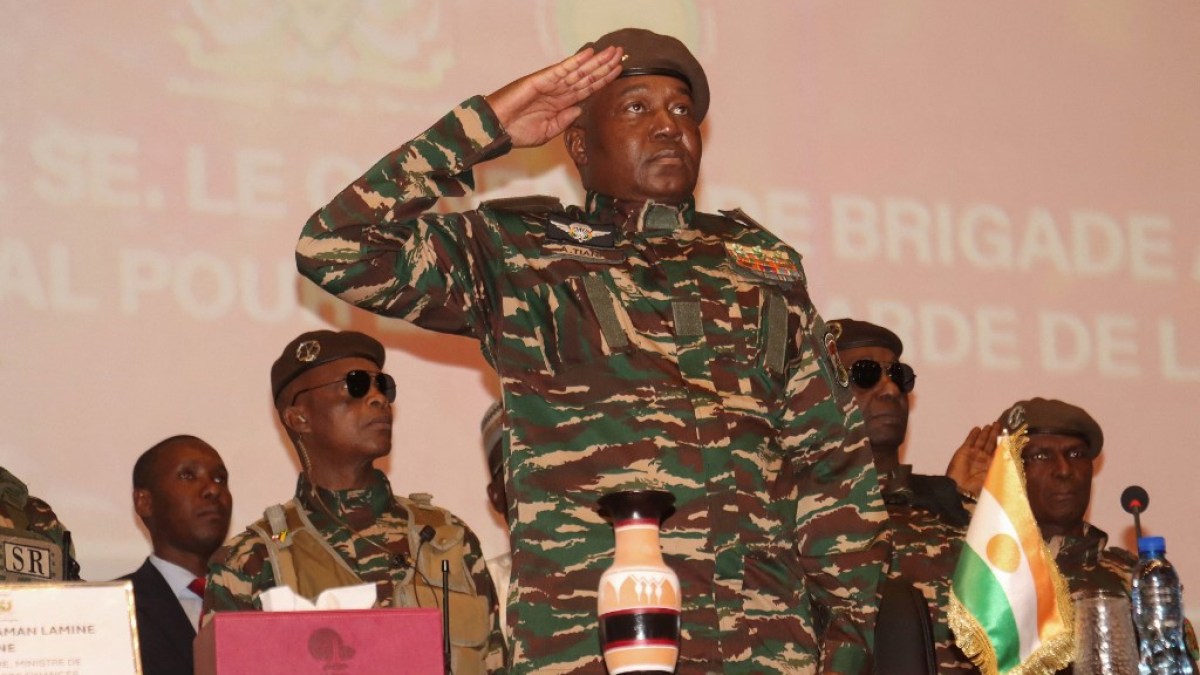
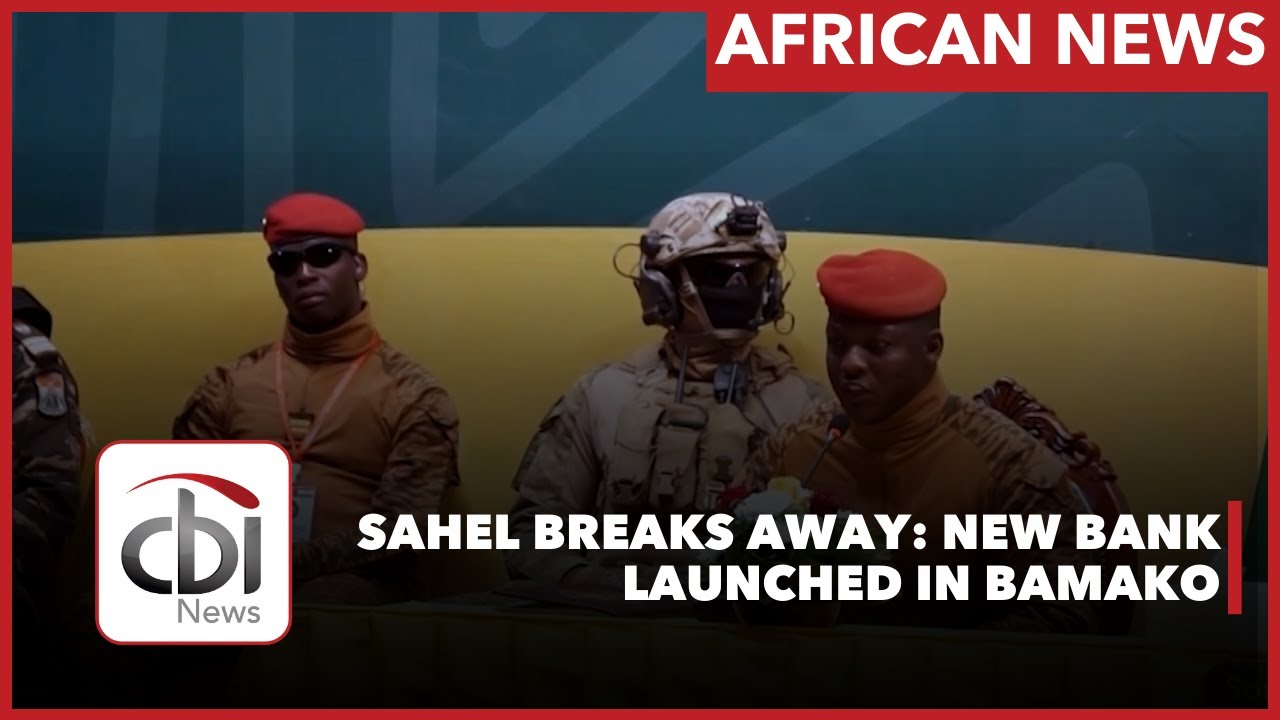
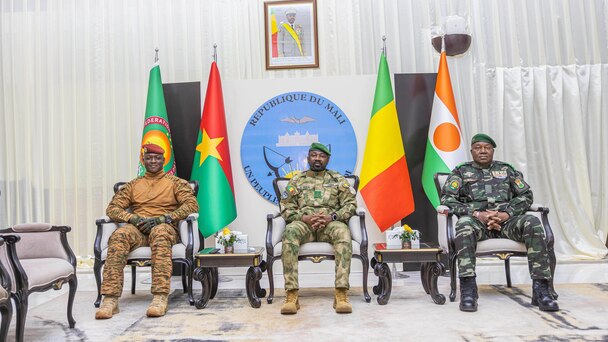
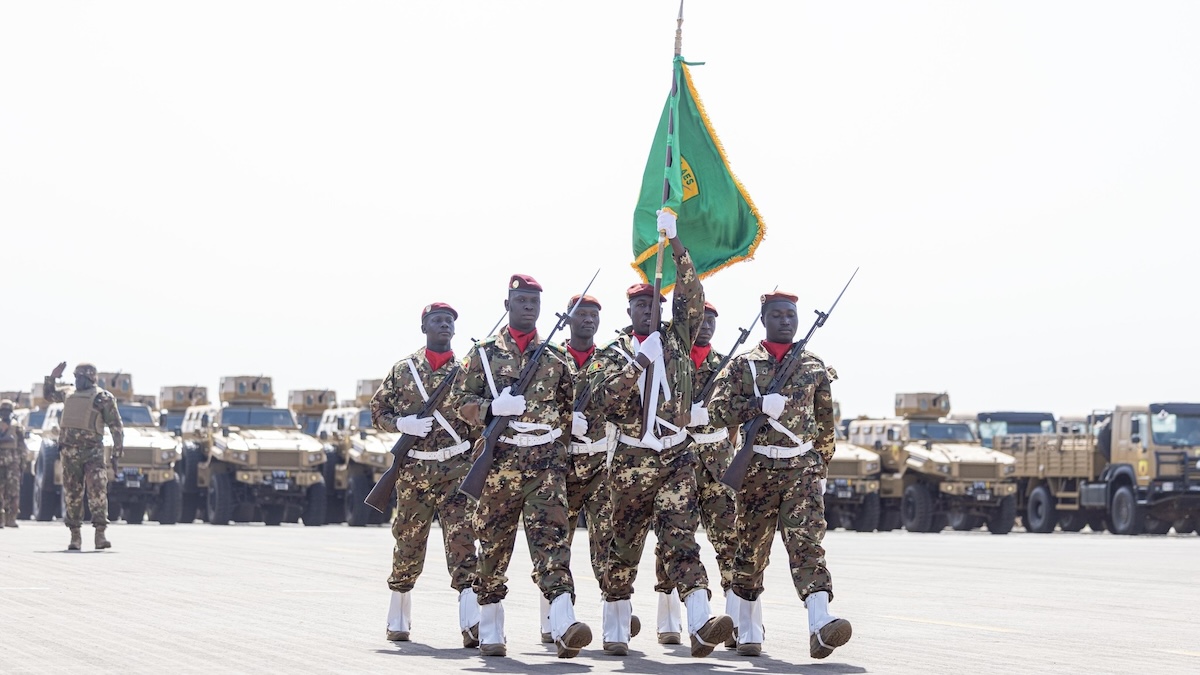
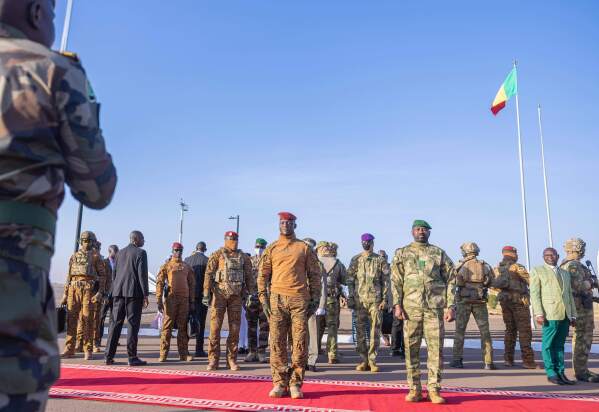
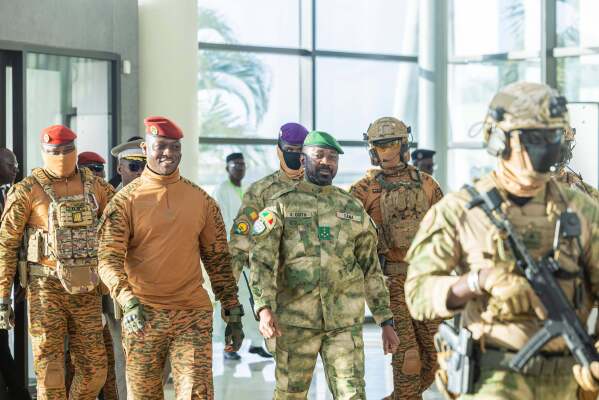
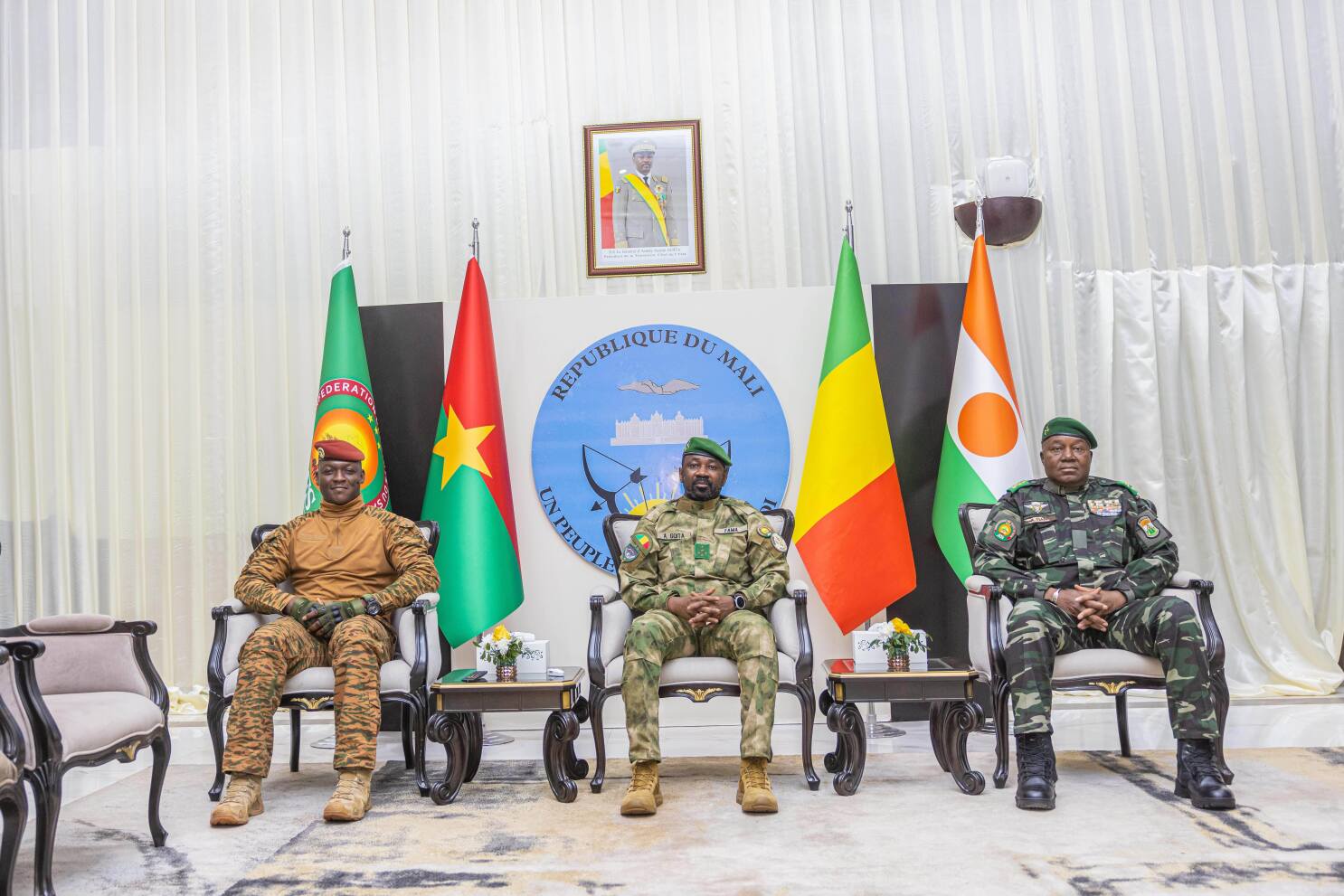
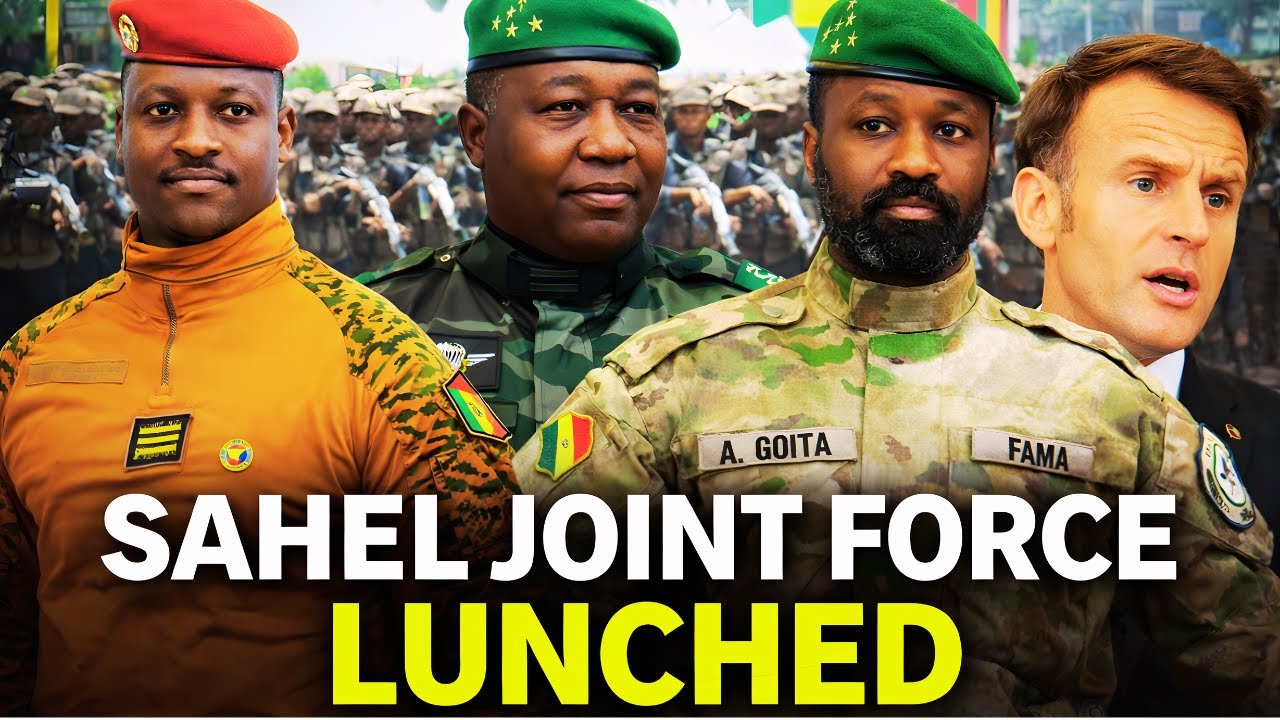
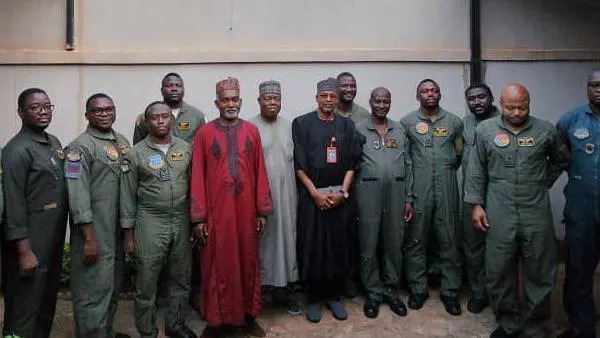
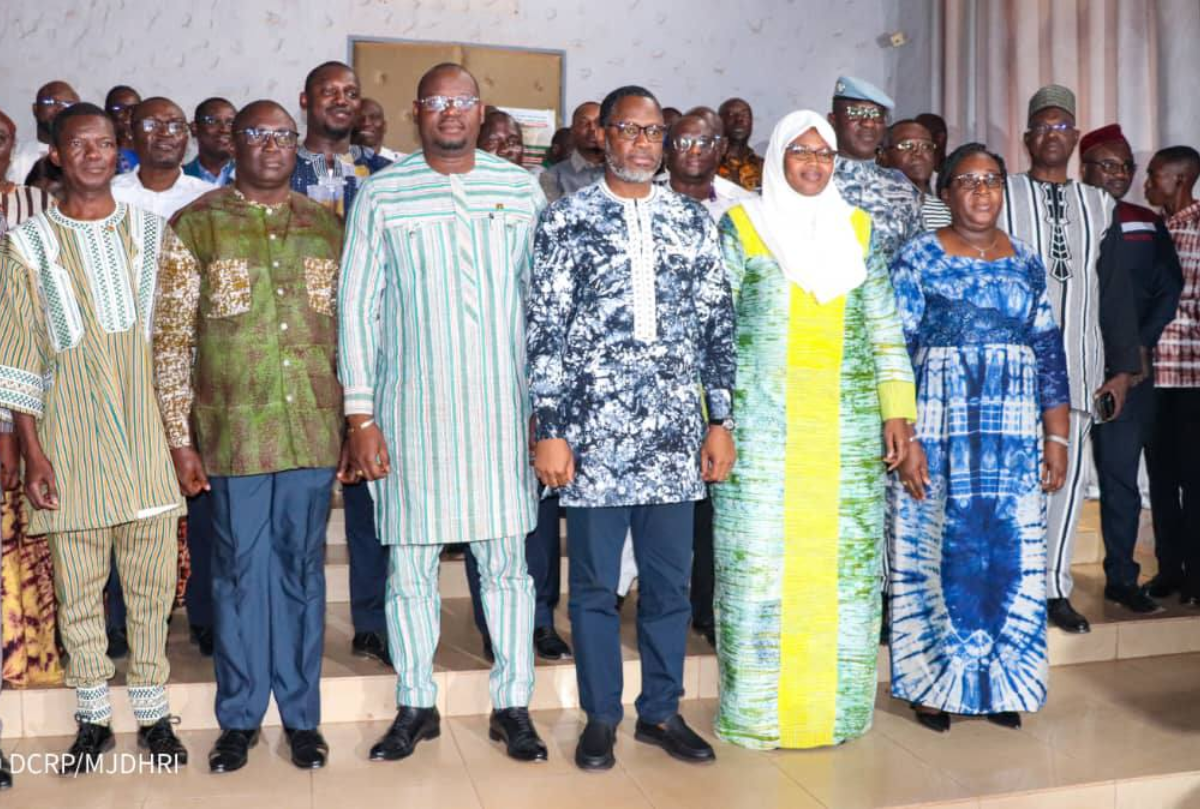
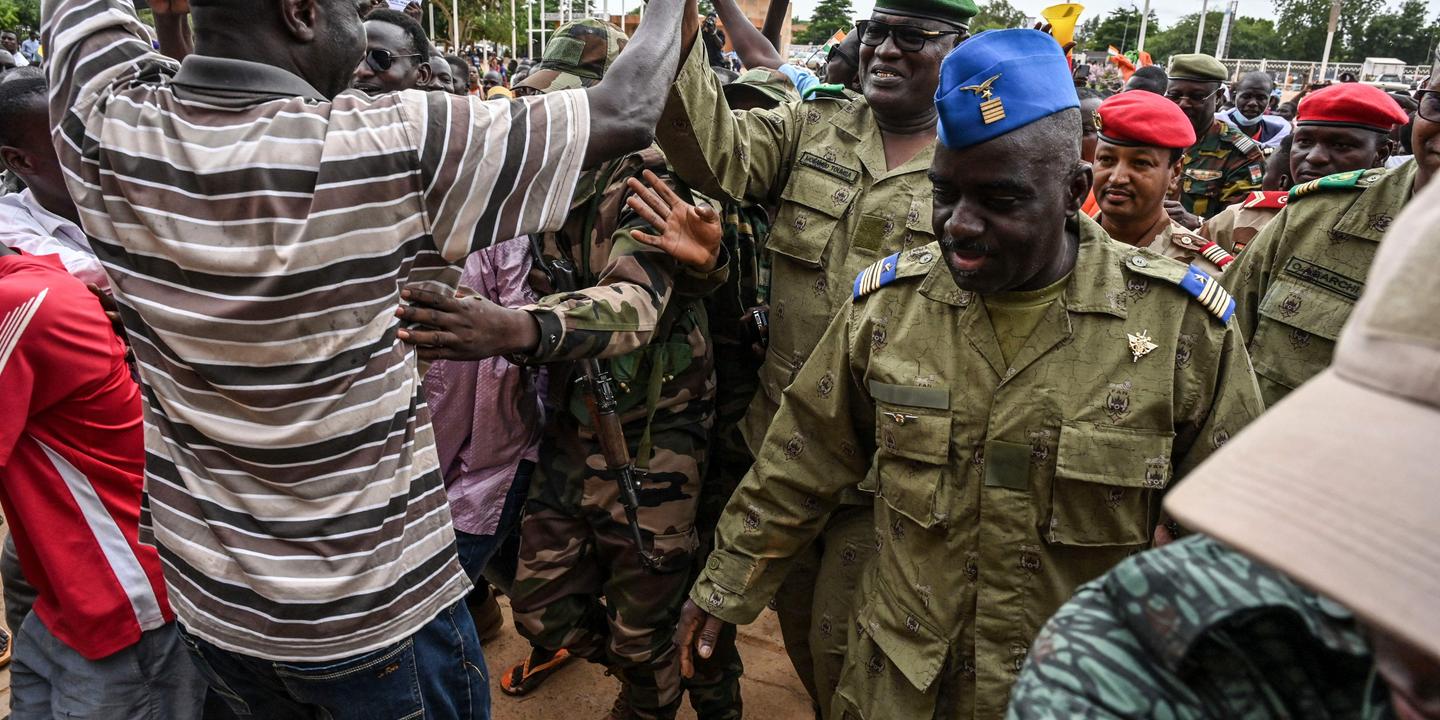
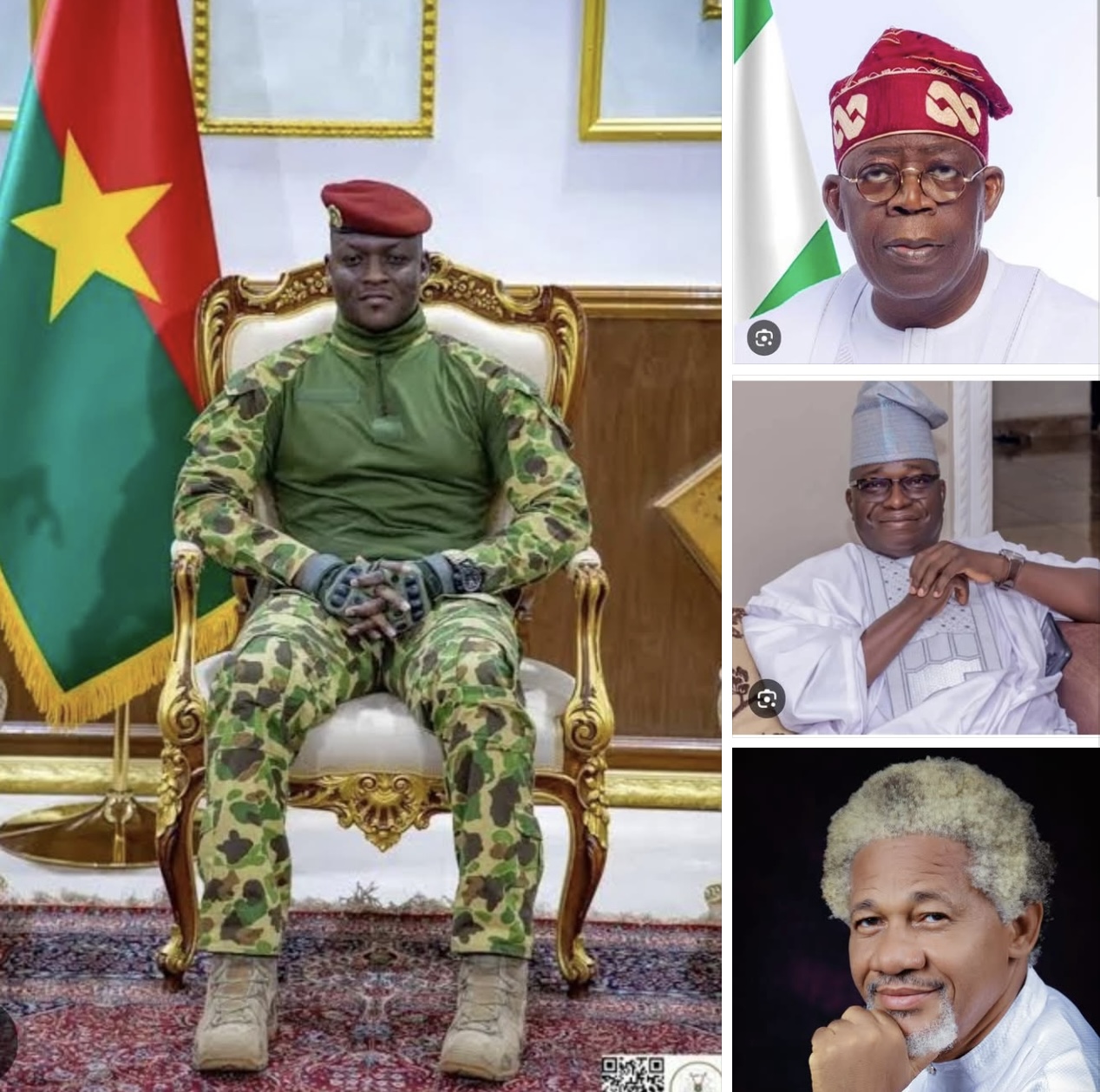
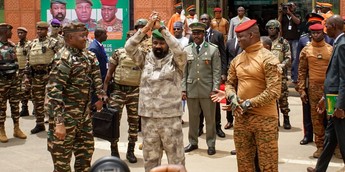
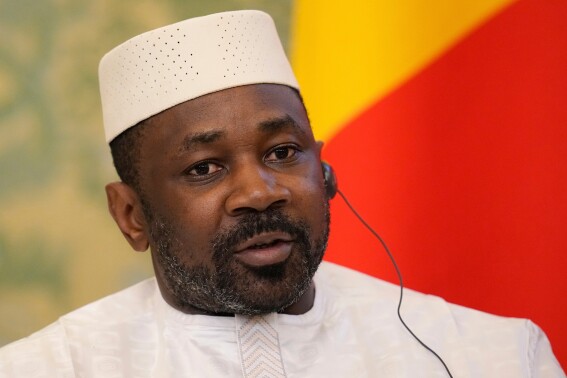
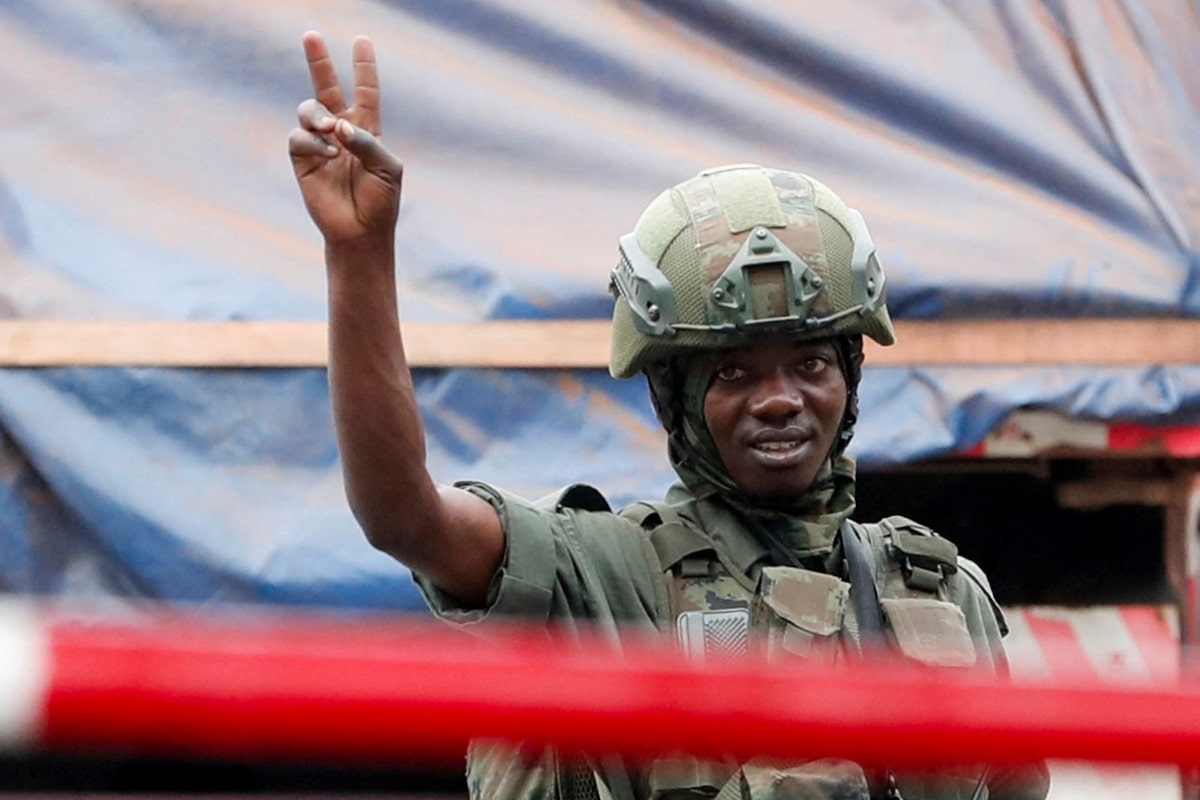
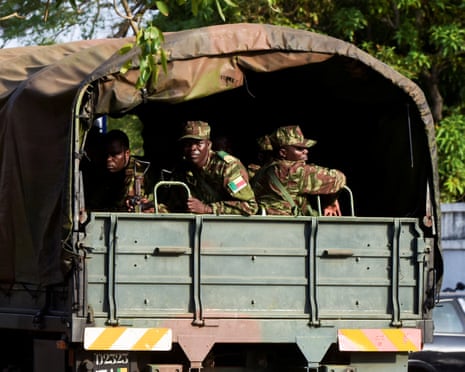
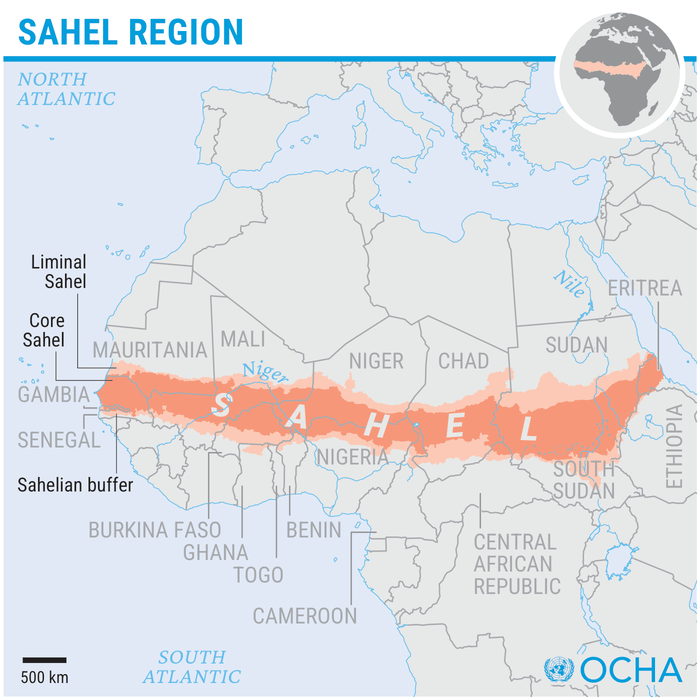
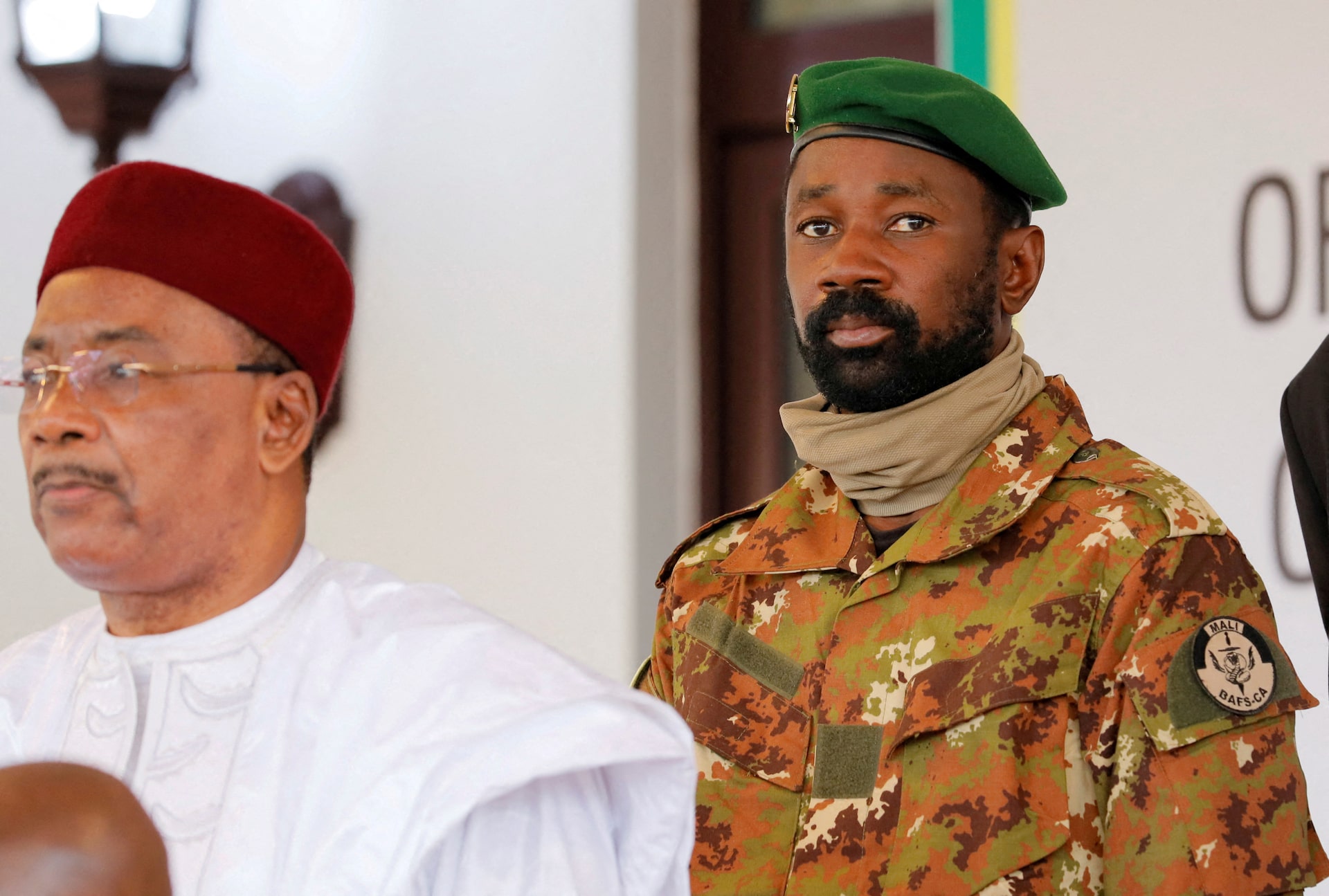
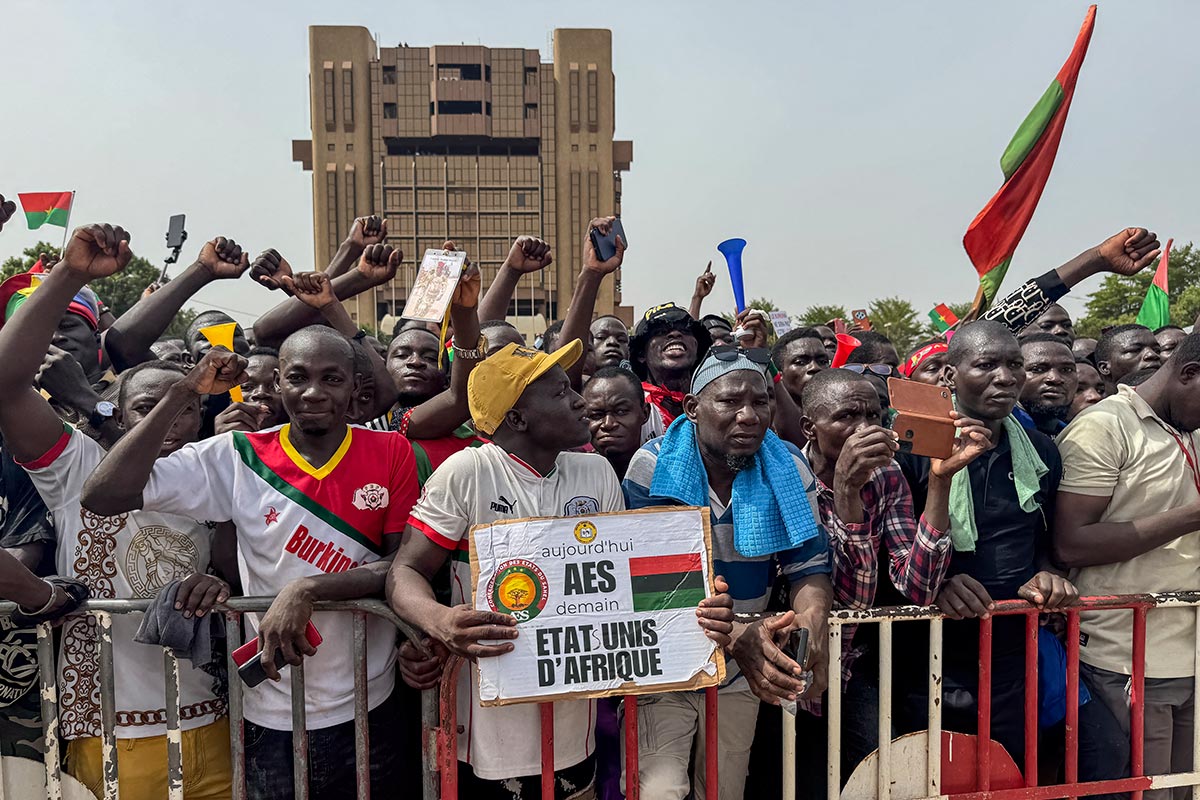
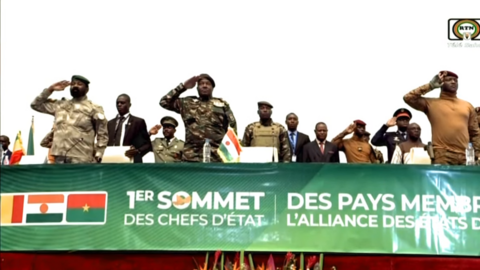
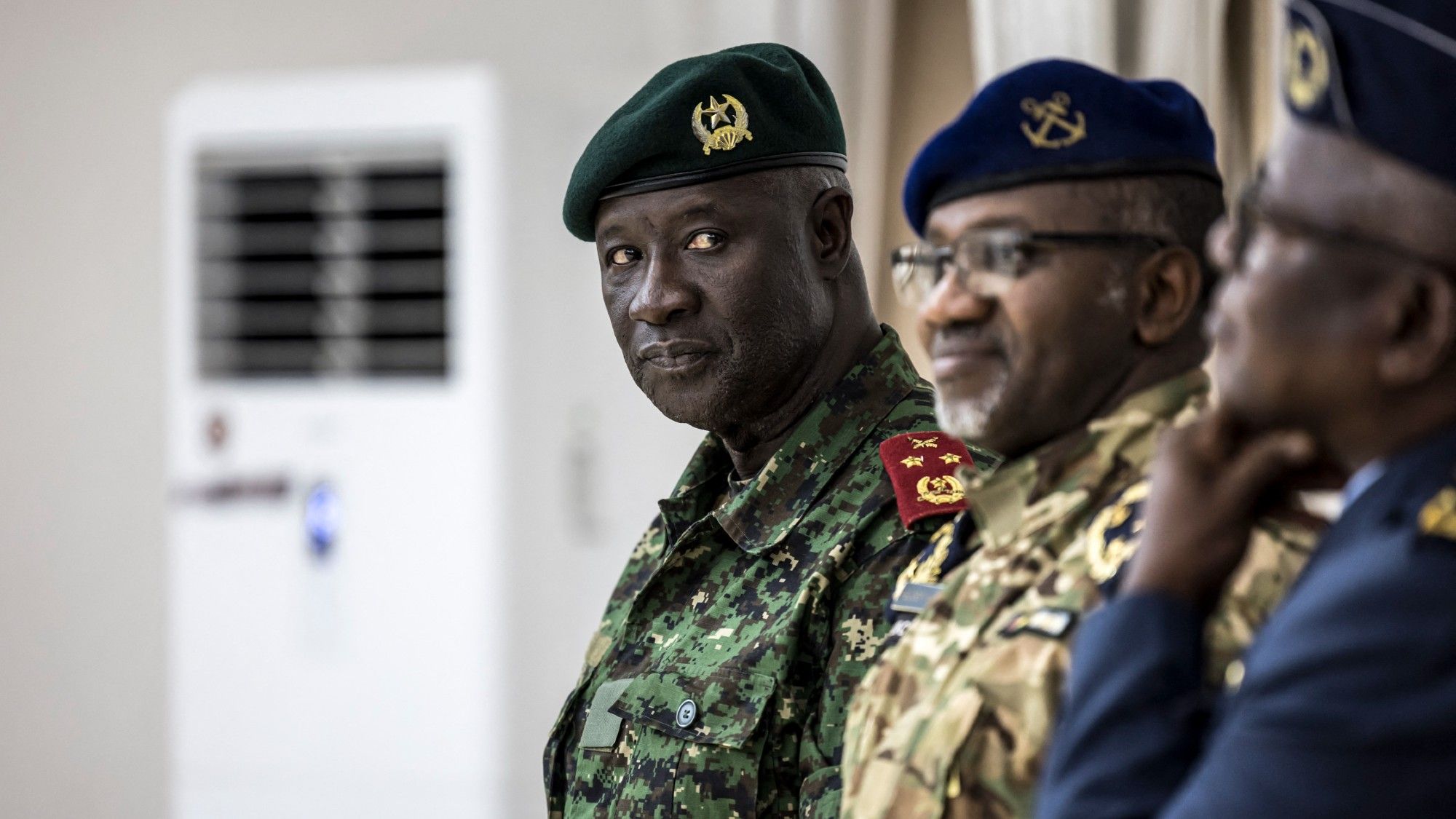
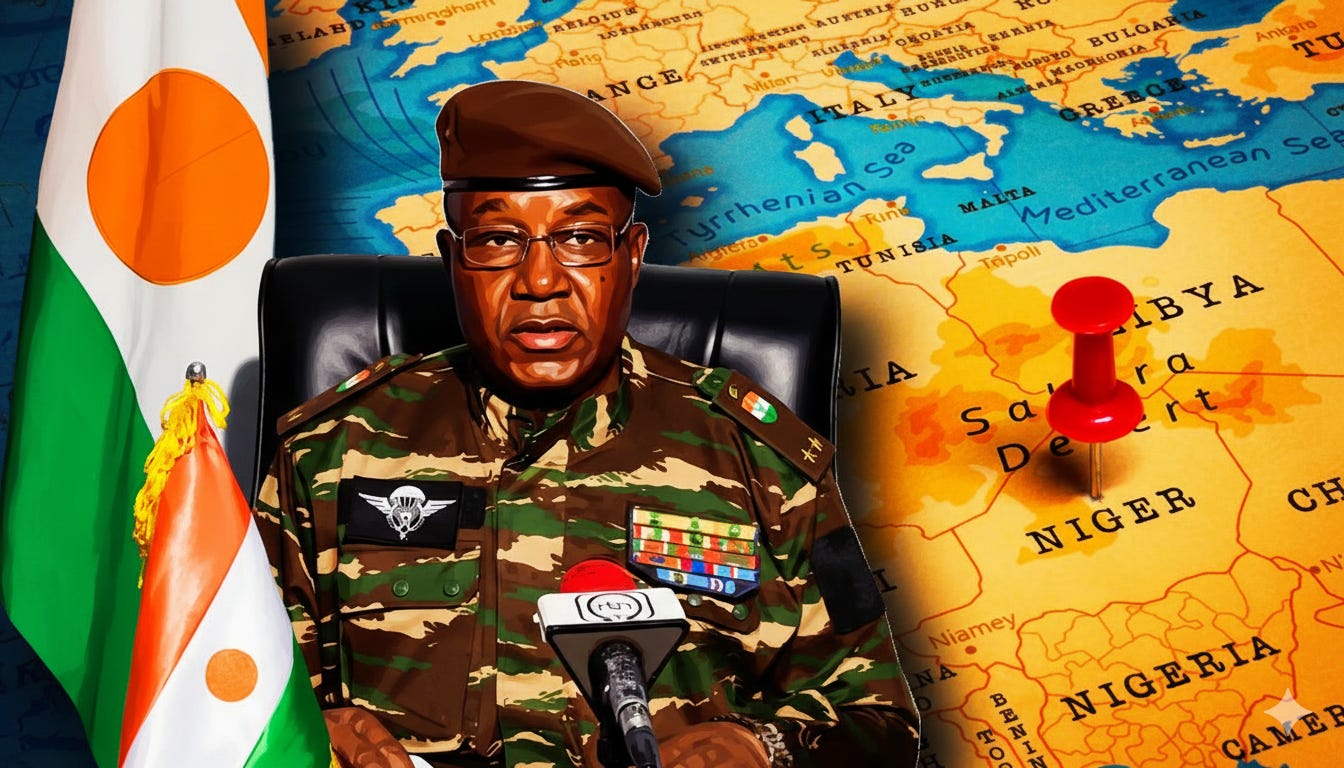
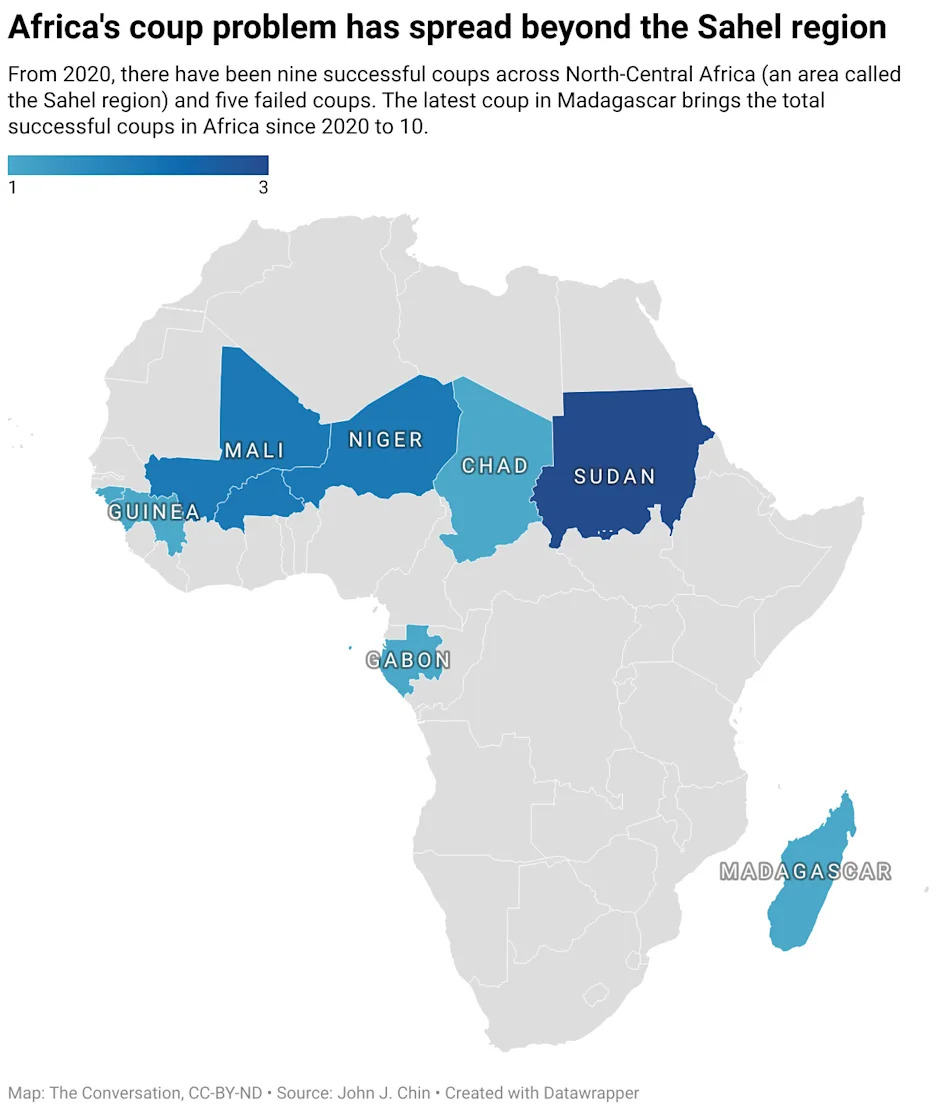
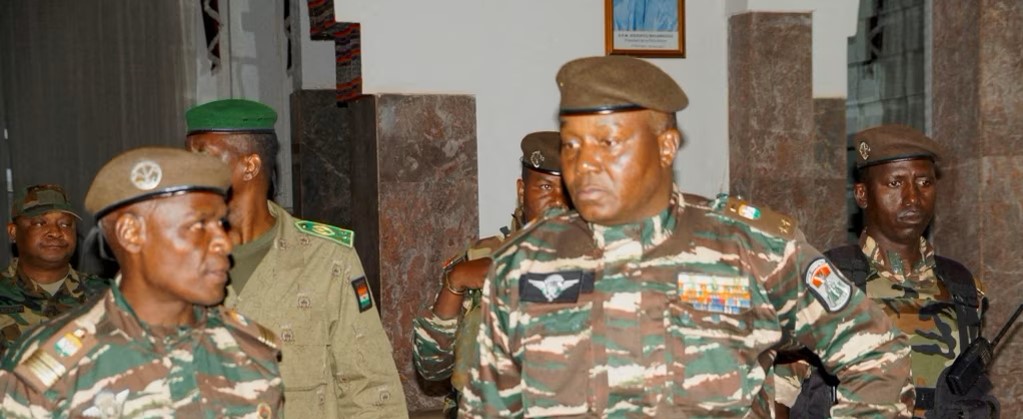
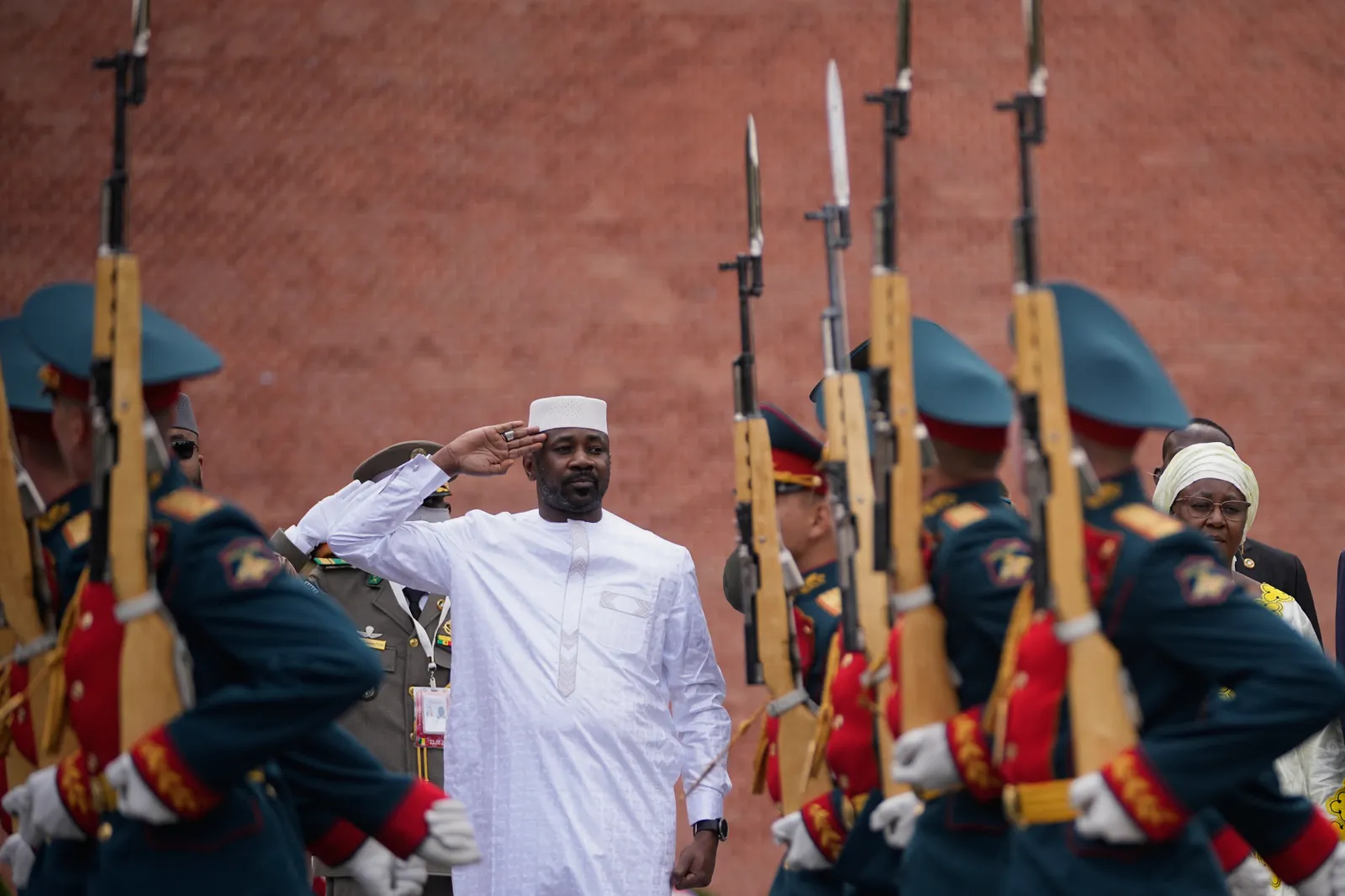
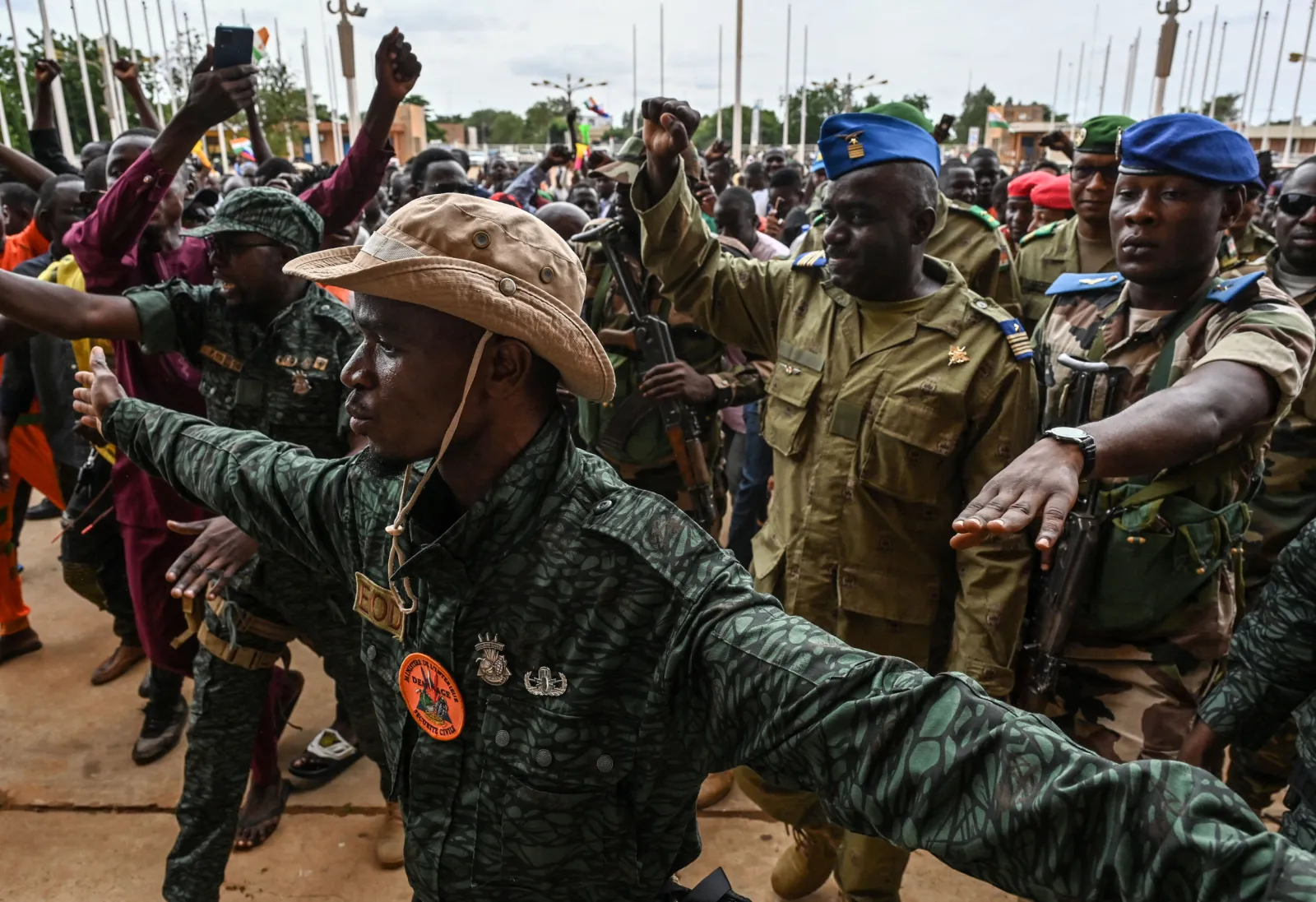
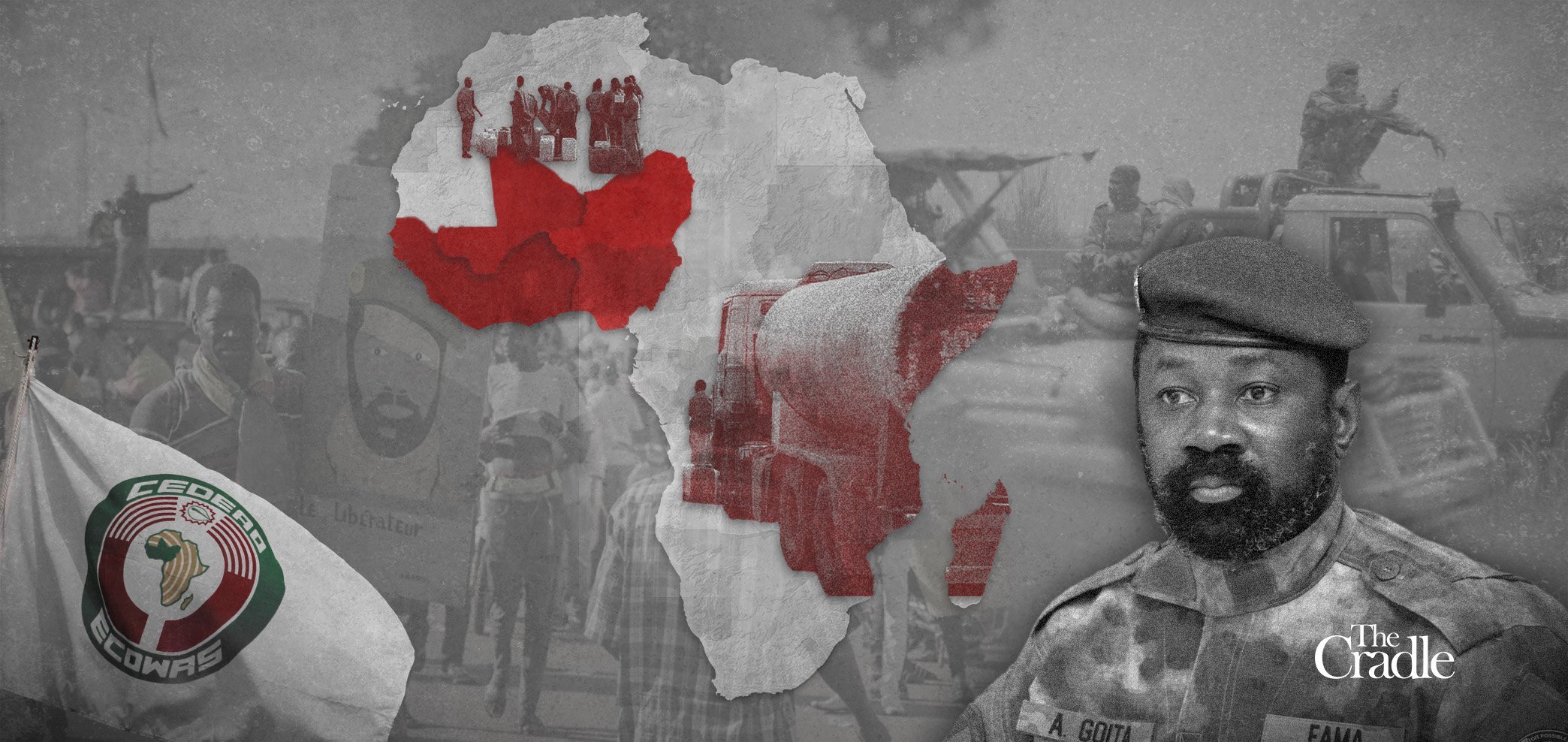
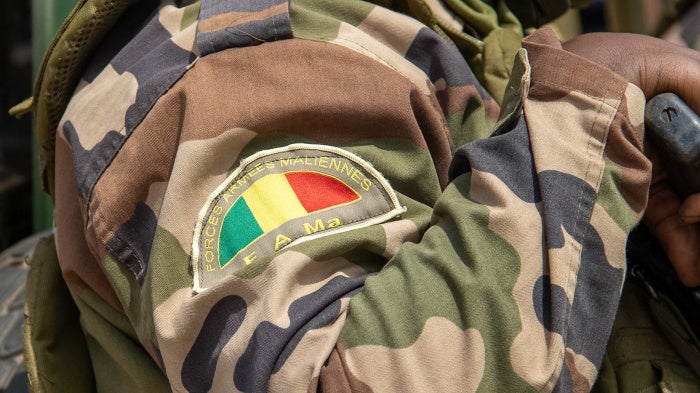
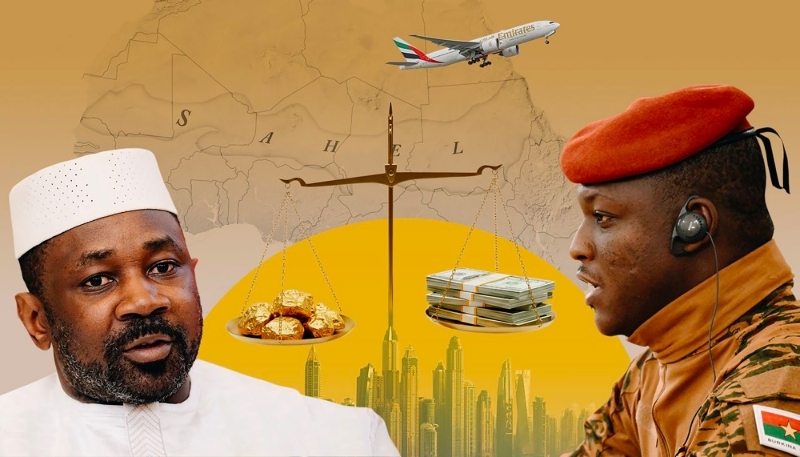
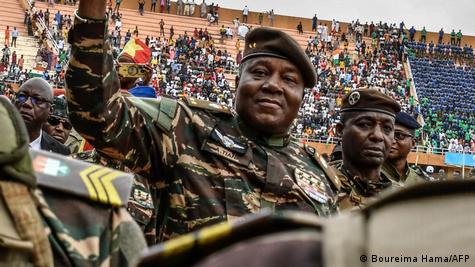
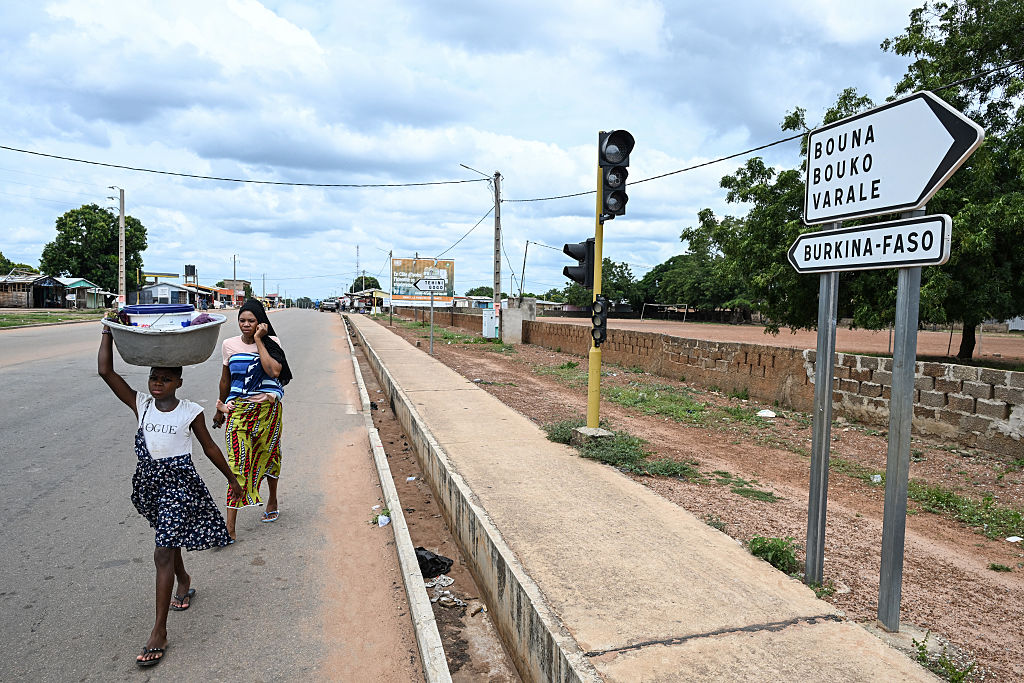
Something big is happening in the heart of the Sahel. Mali, Niger, and Burkina Faso, three West African nations, have joined forces to create the Alliance of Sahel States (AES). This new bloc, largely driven by military governments in each country, isn’t just reshaping the political and security landscape; it’s redefining regional dynamics across Africa’s western edge. This union comes at a truly turbulent time, marked by escalating jihadist insurgencies, weak state institutions, and constantly shifting international alliances. While their partnership aims to tackle immense security threats and fuel economic growth, it also brings along complex geopolitical challenges and raises serious questions about the future of regional governance and how these nations will integrate.
Tackling Security and Economic Hurdles
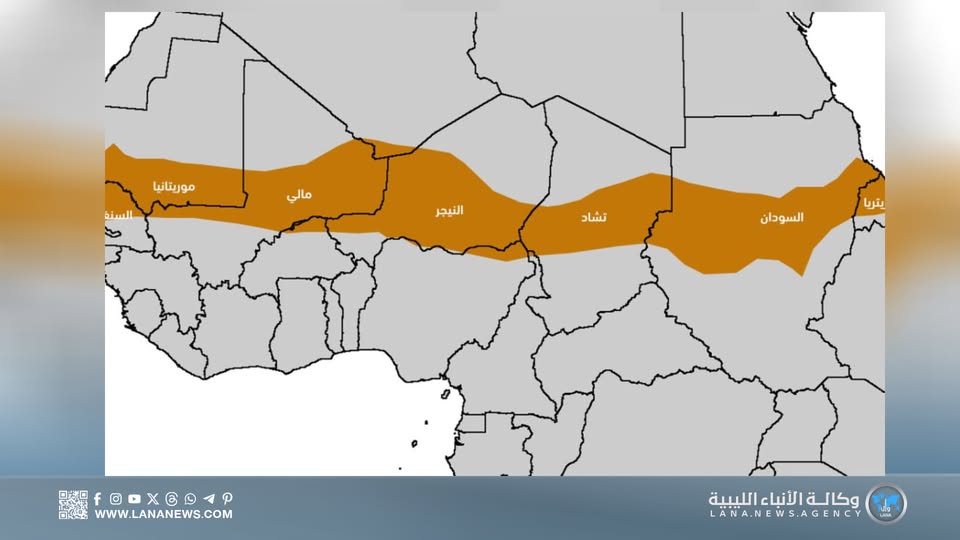
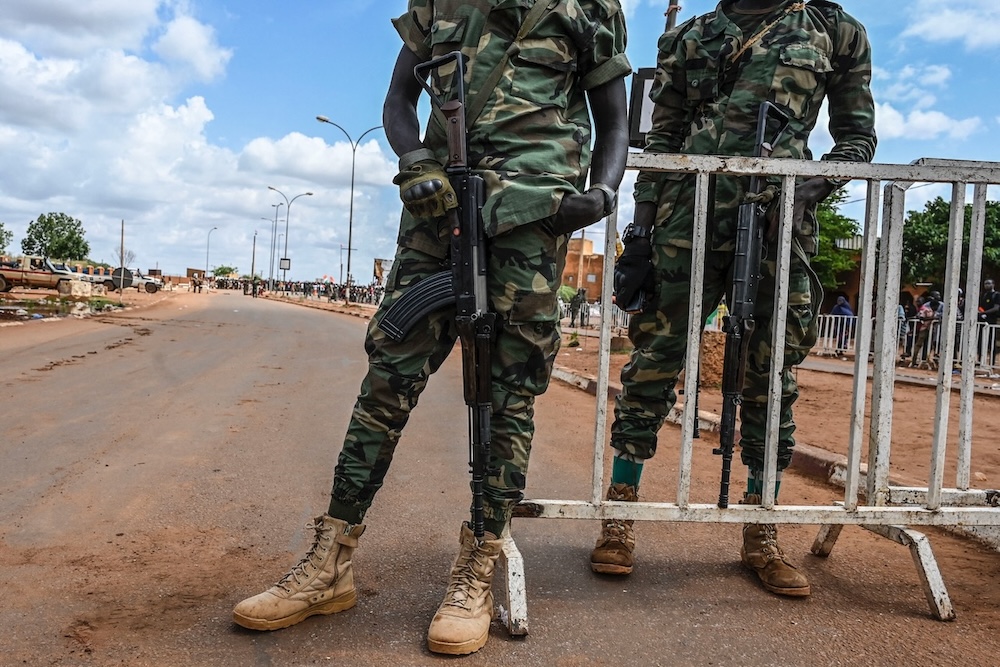
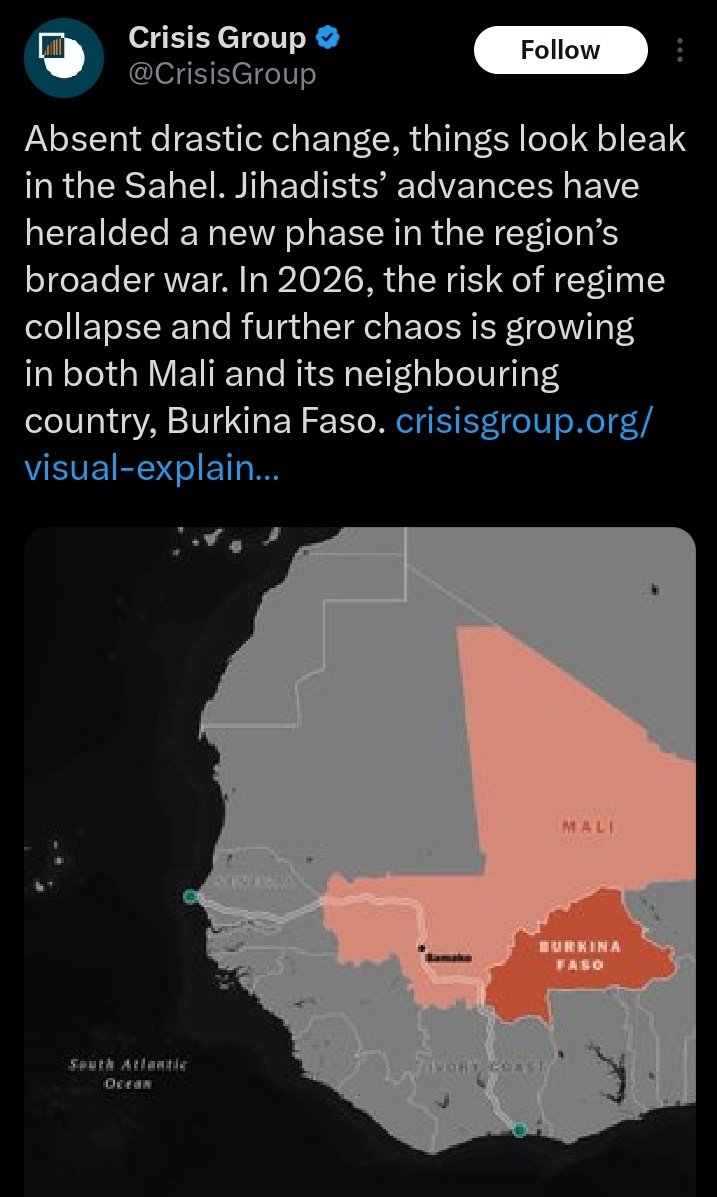
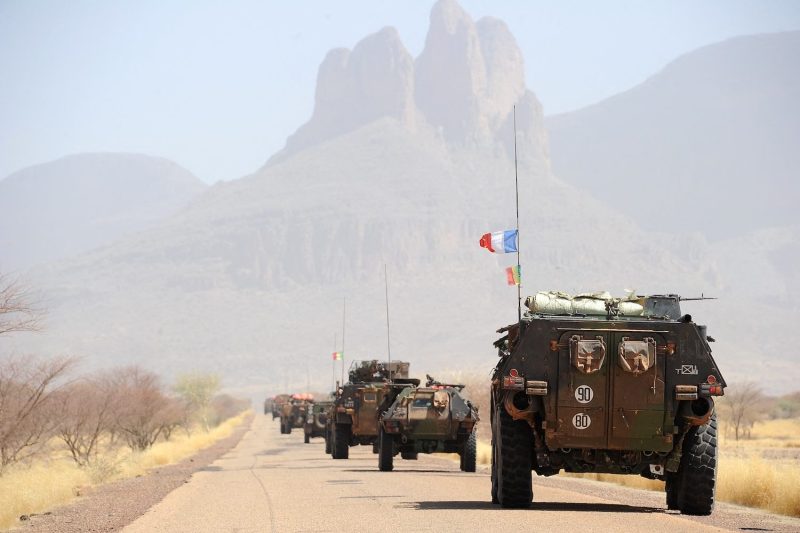
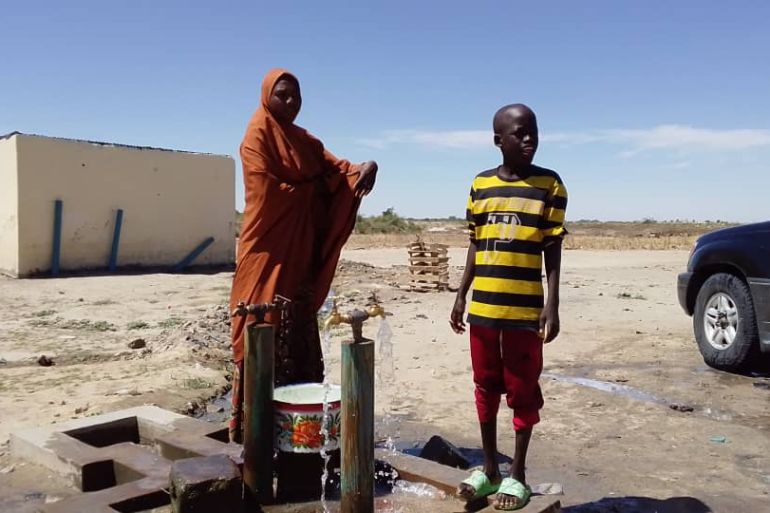
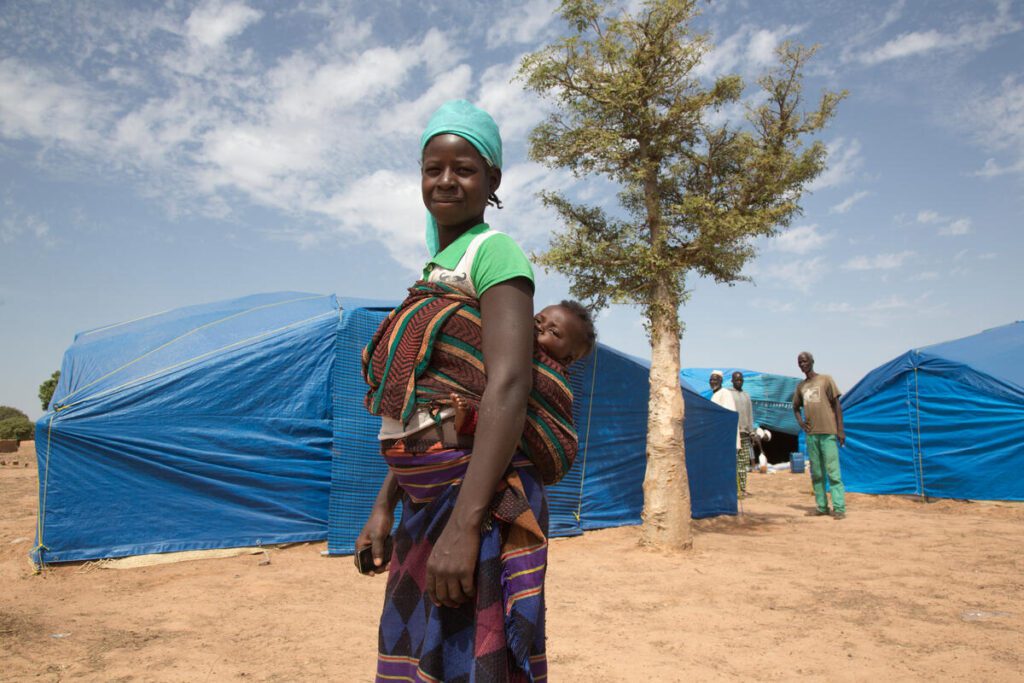
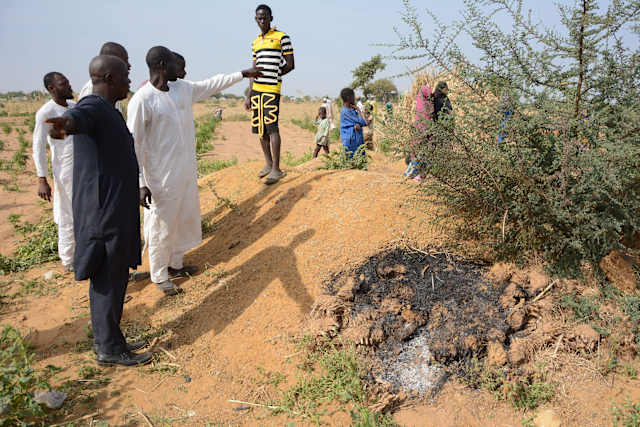
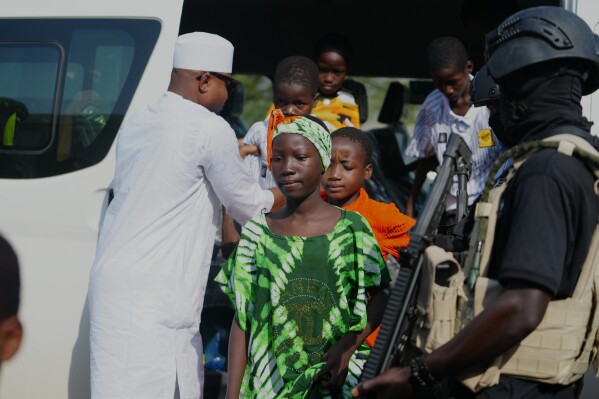
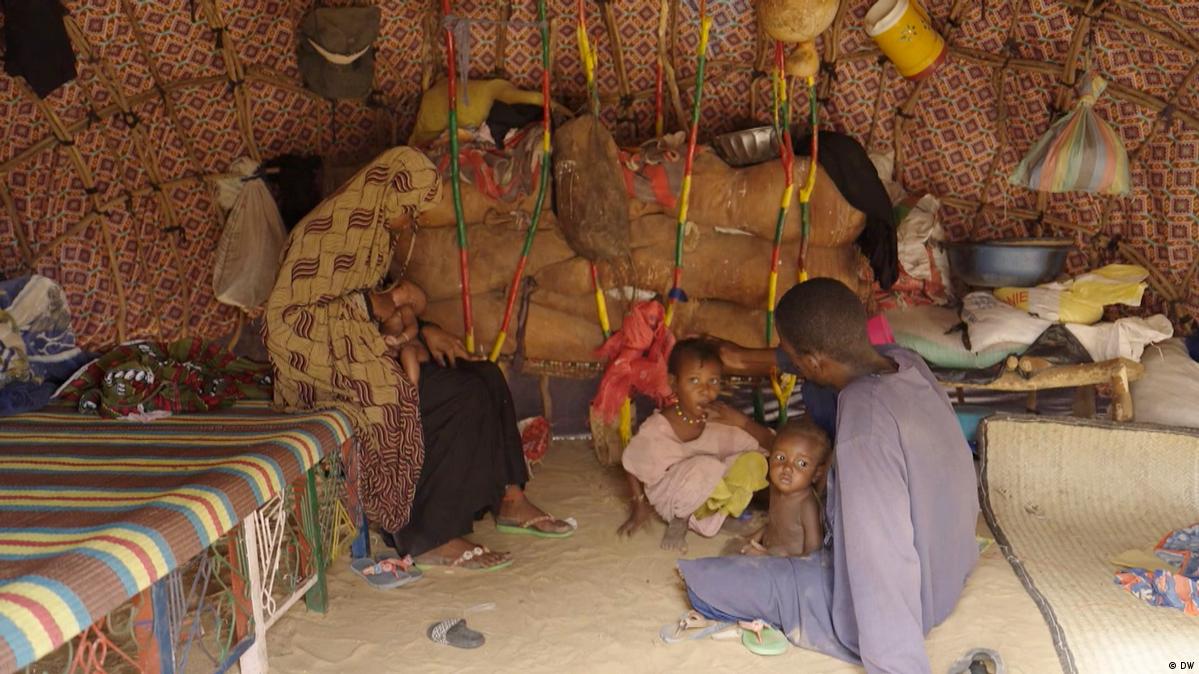
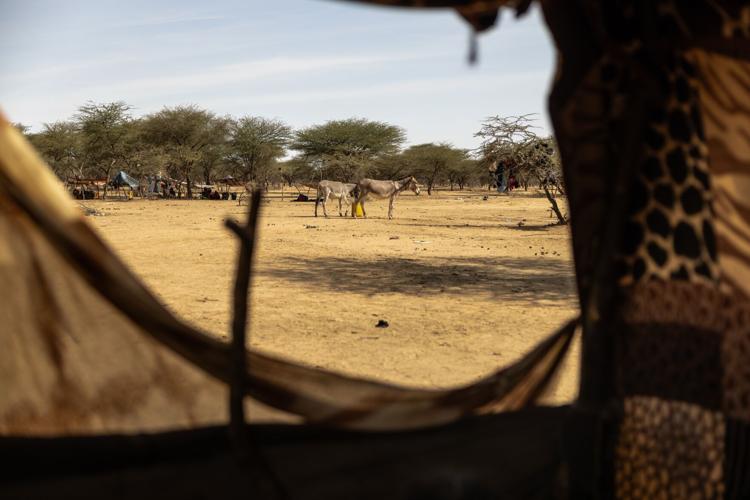
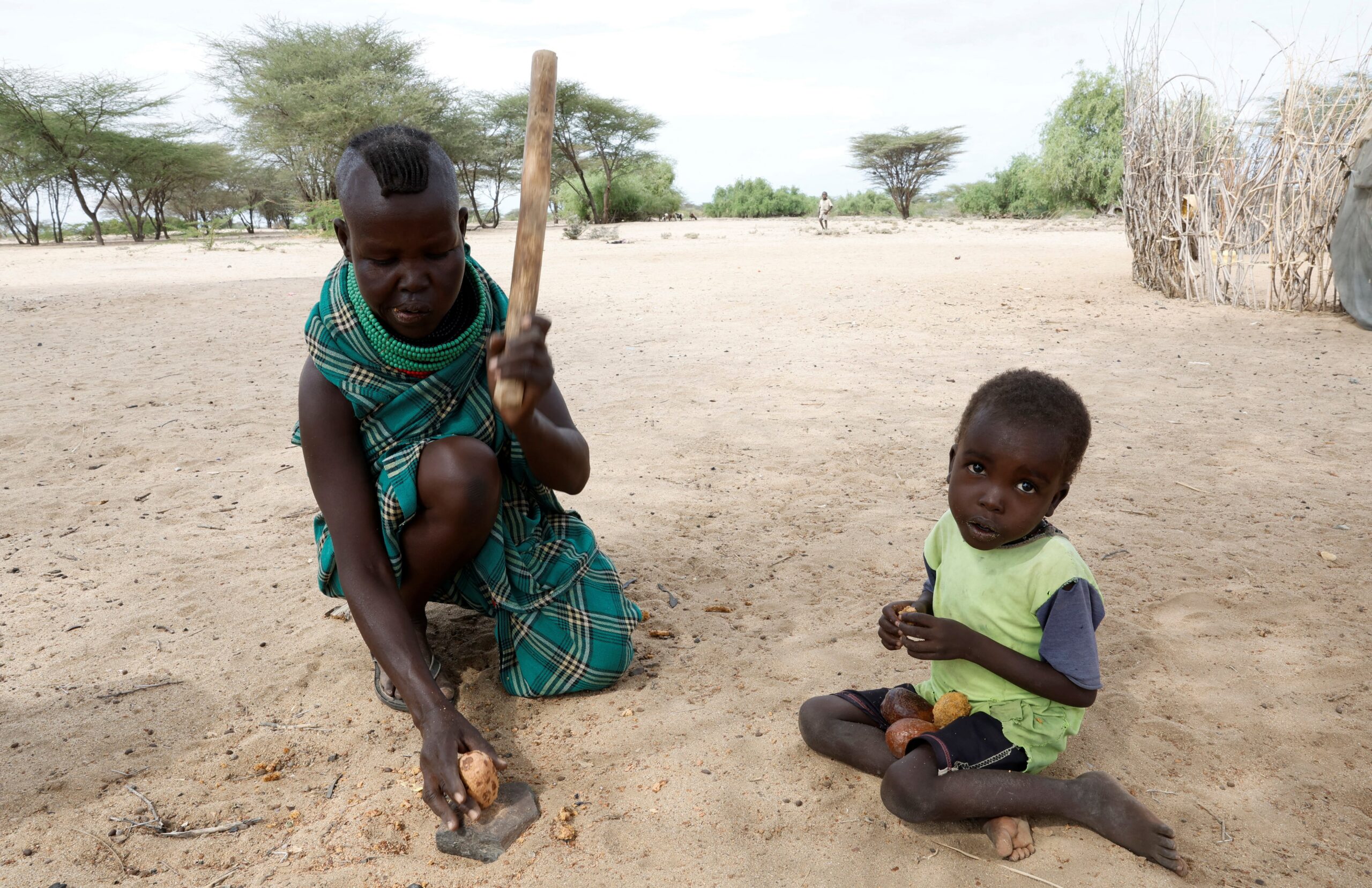
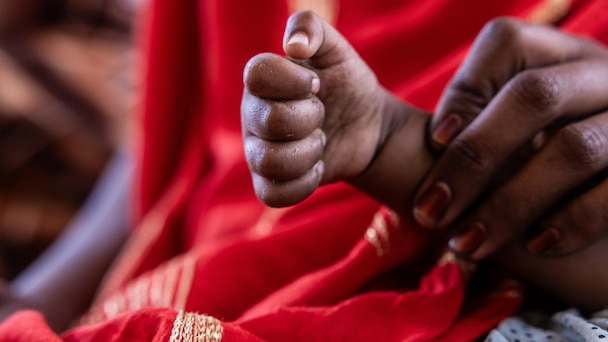
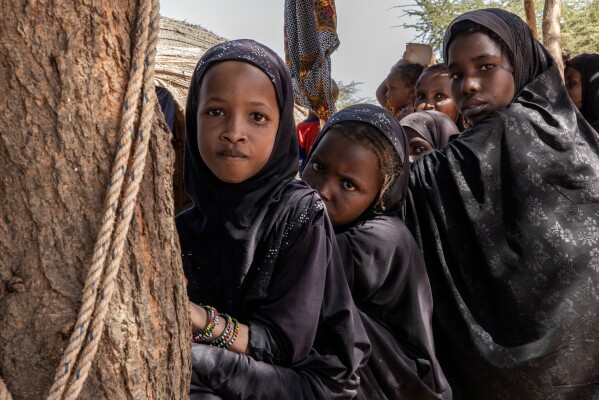
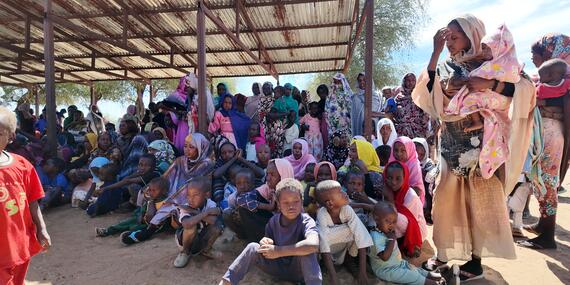
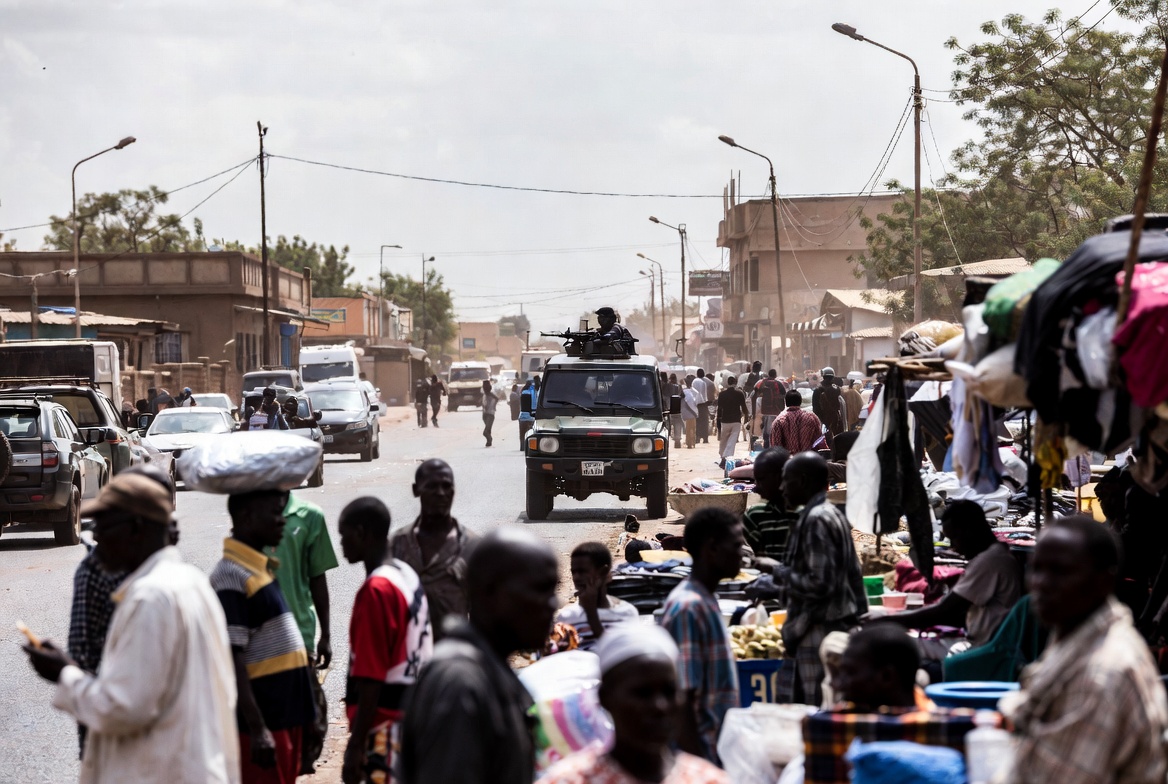
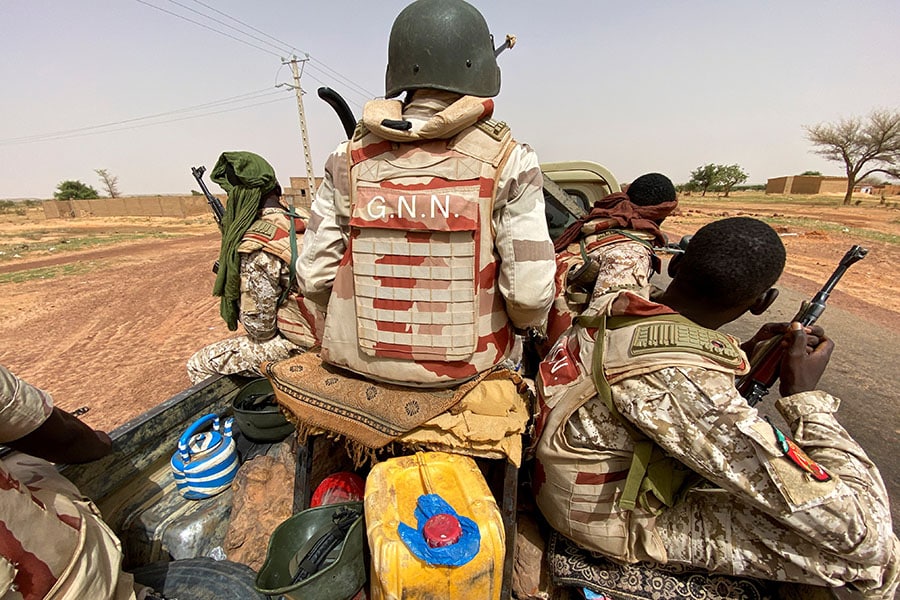
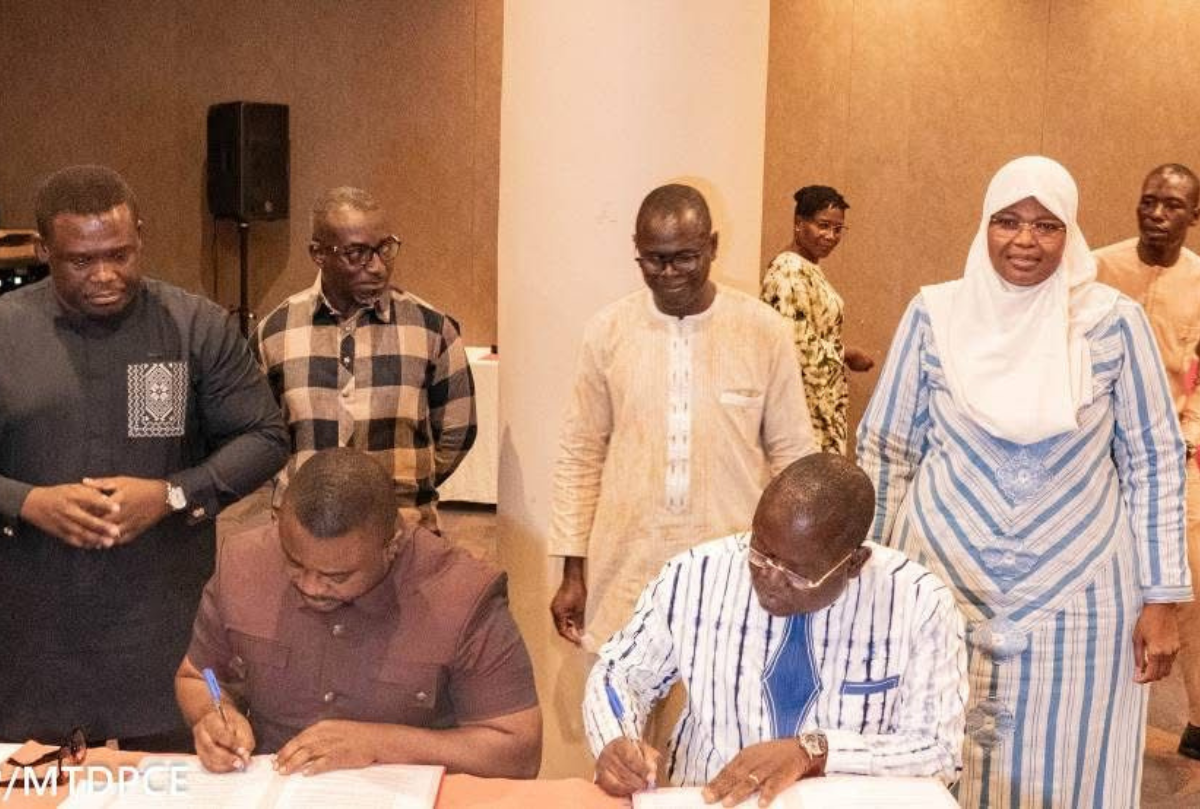
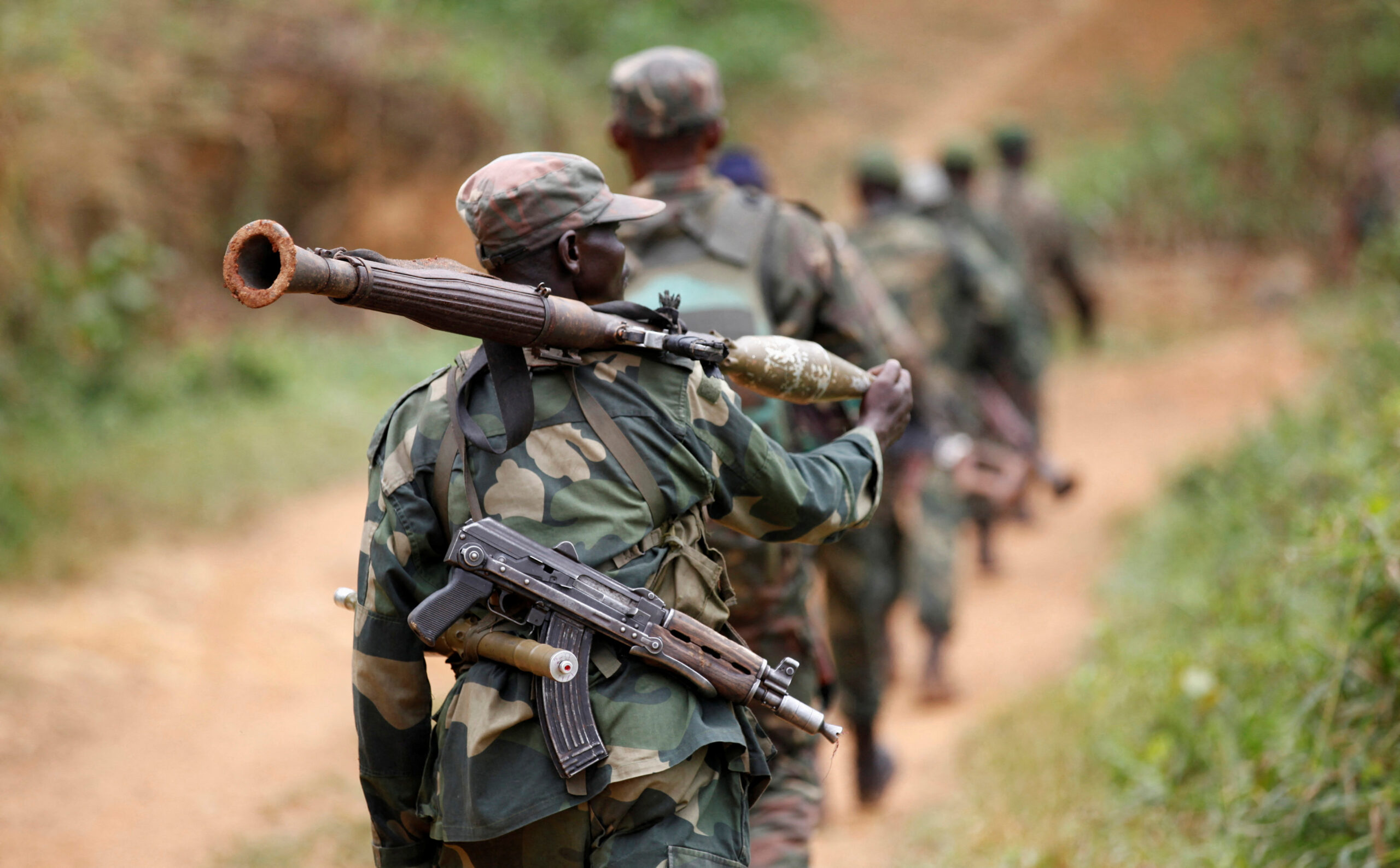
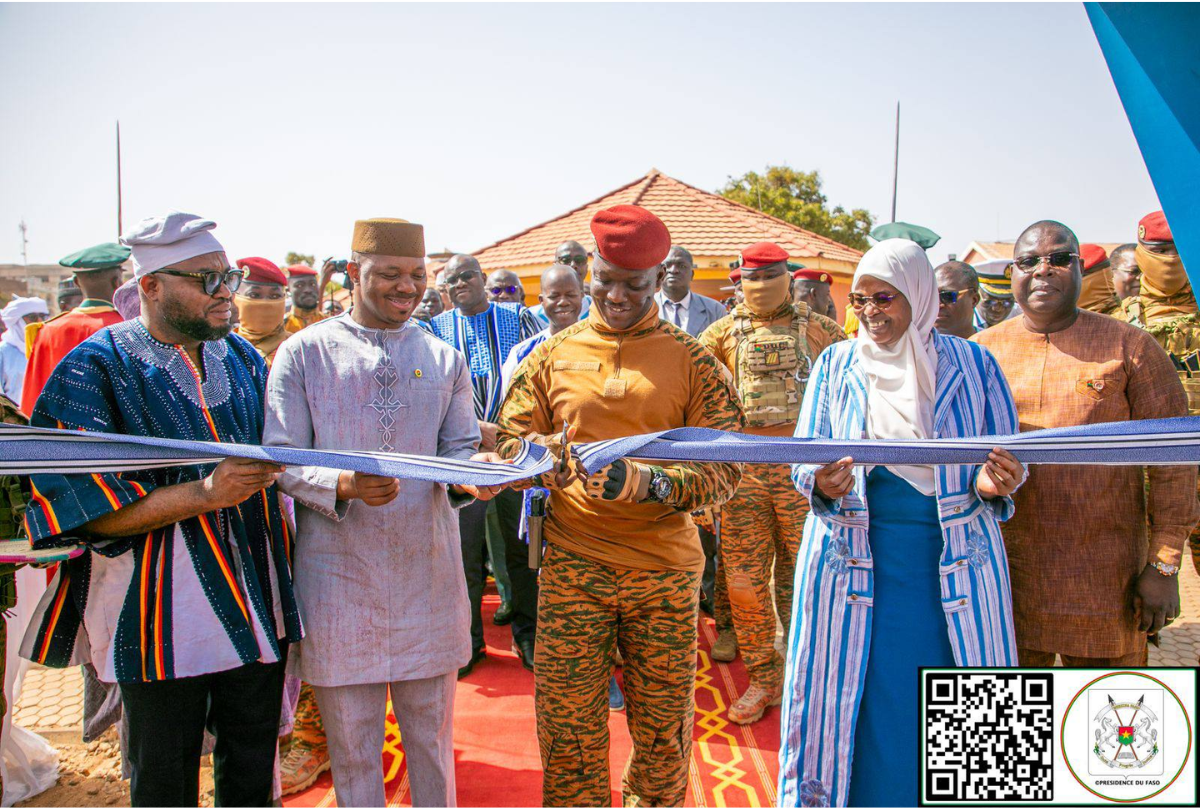
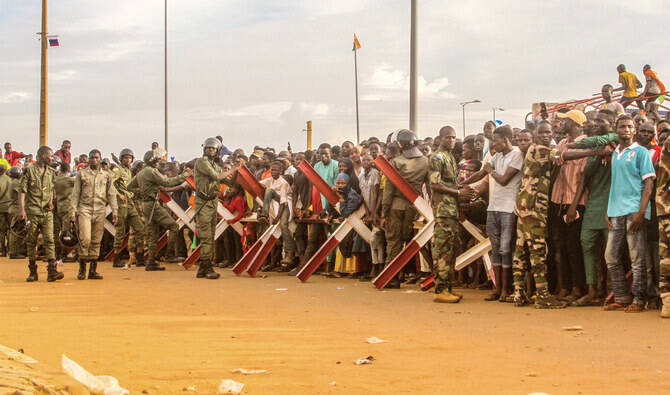
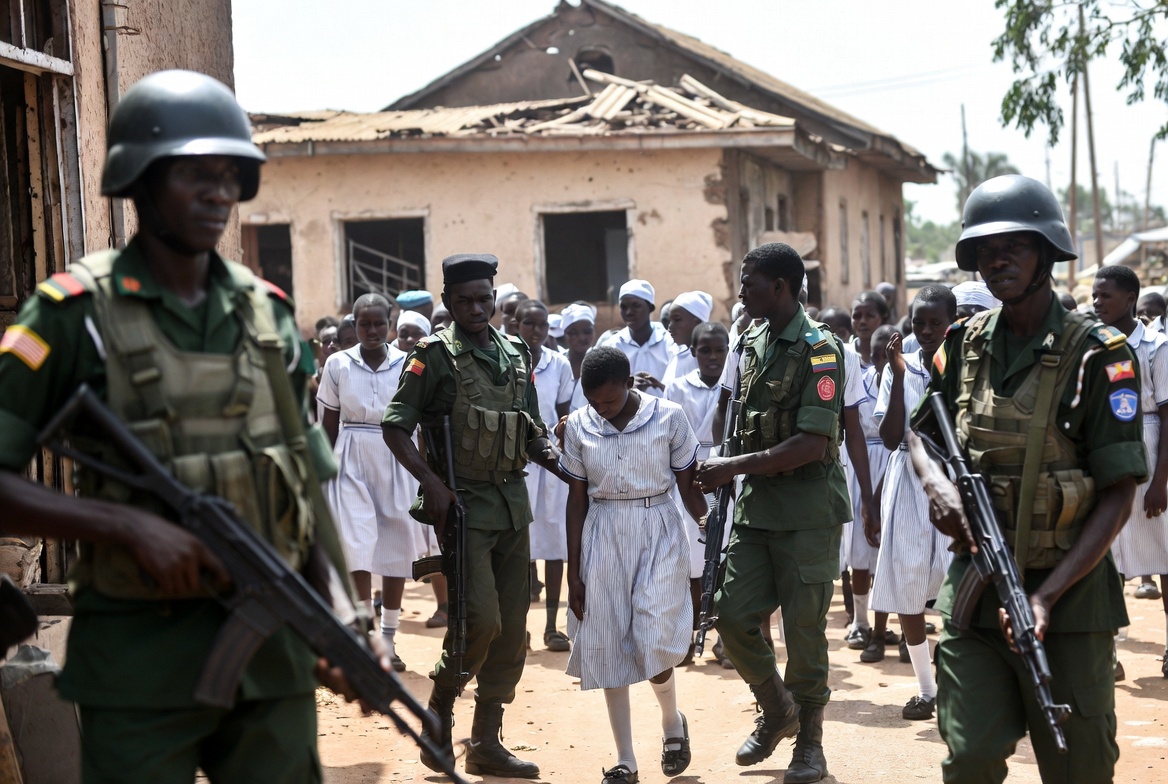
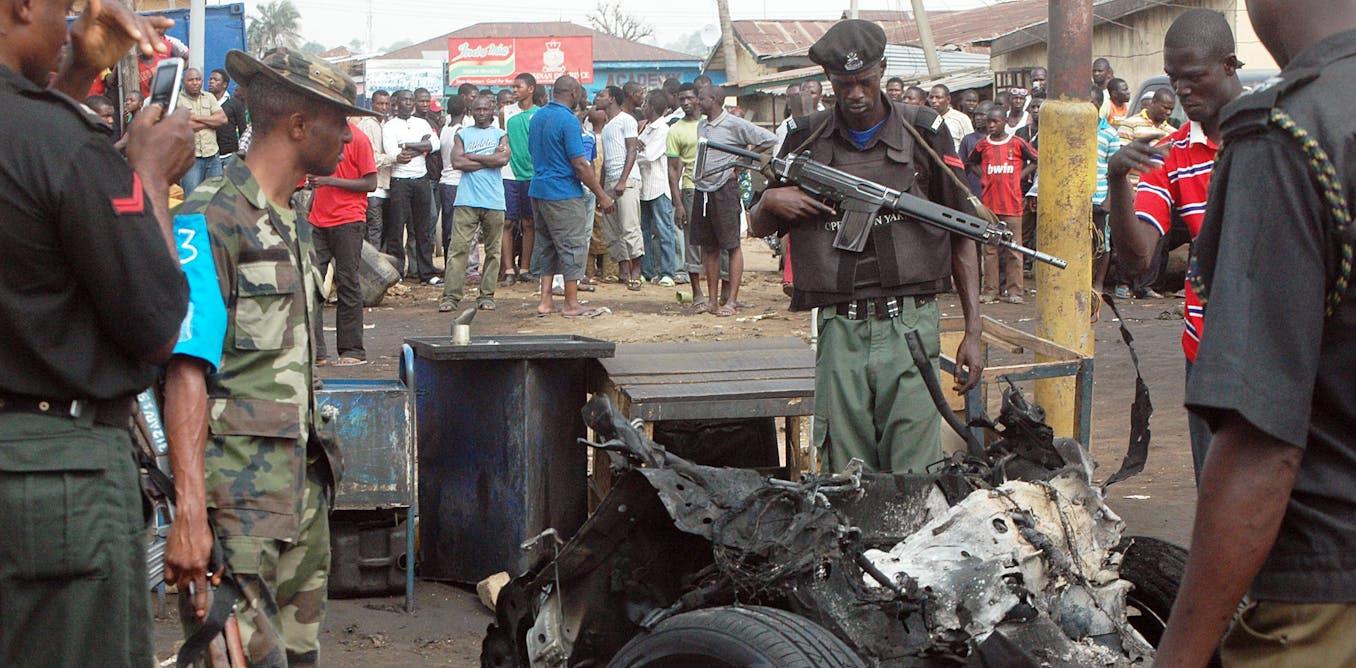
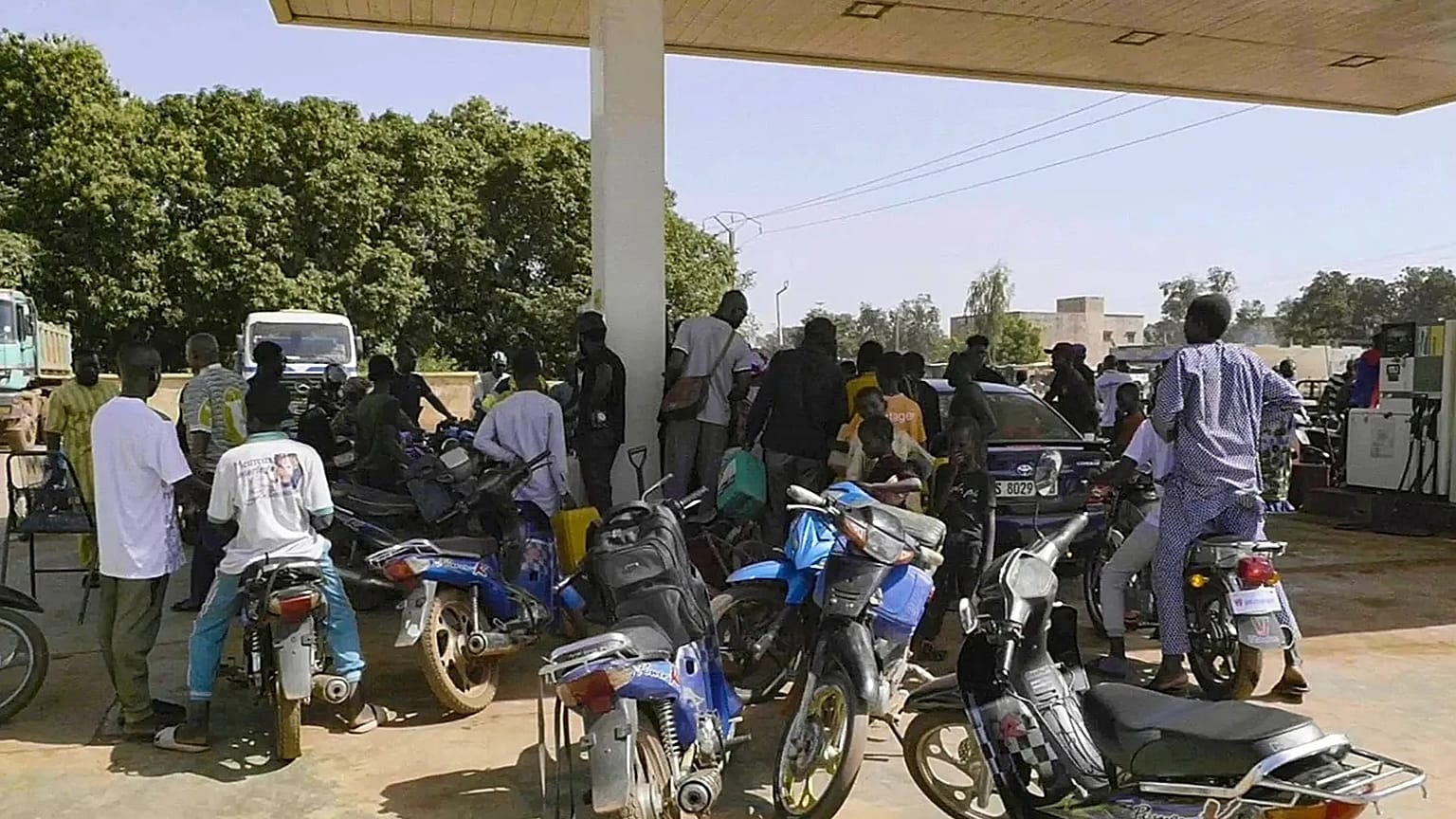
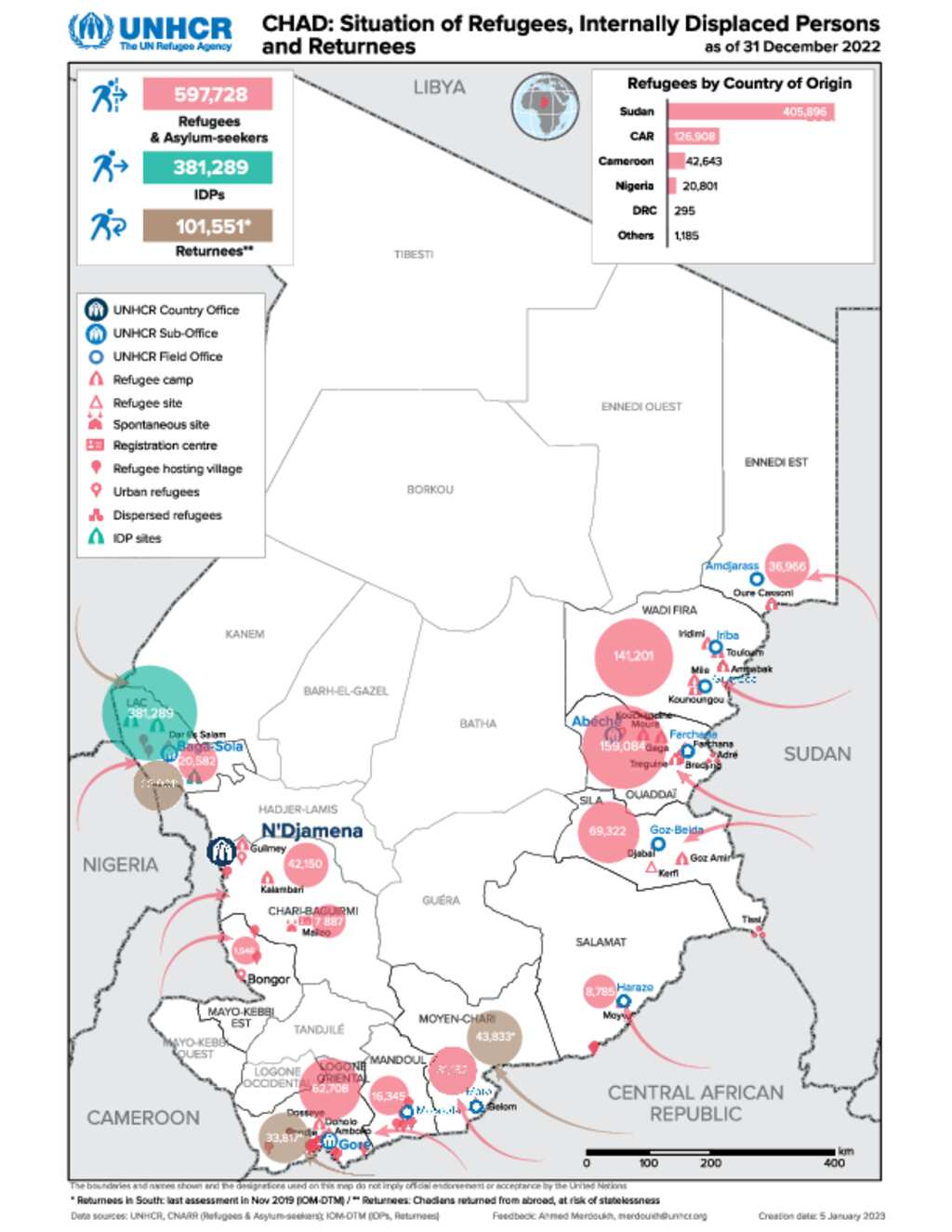
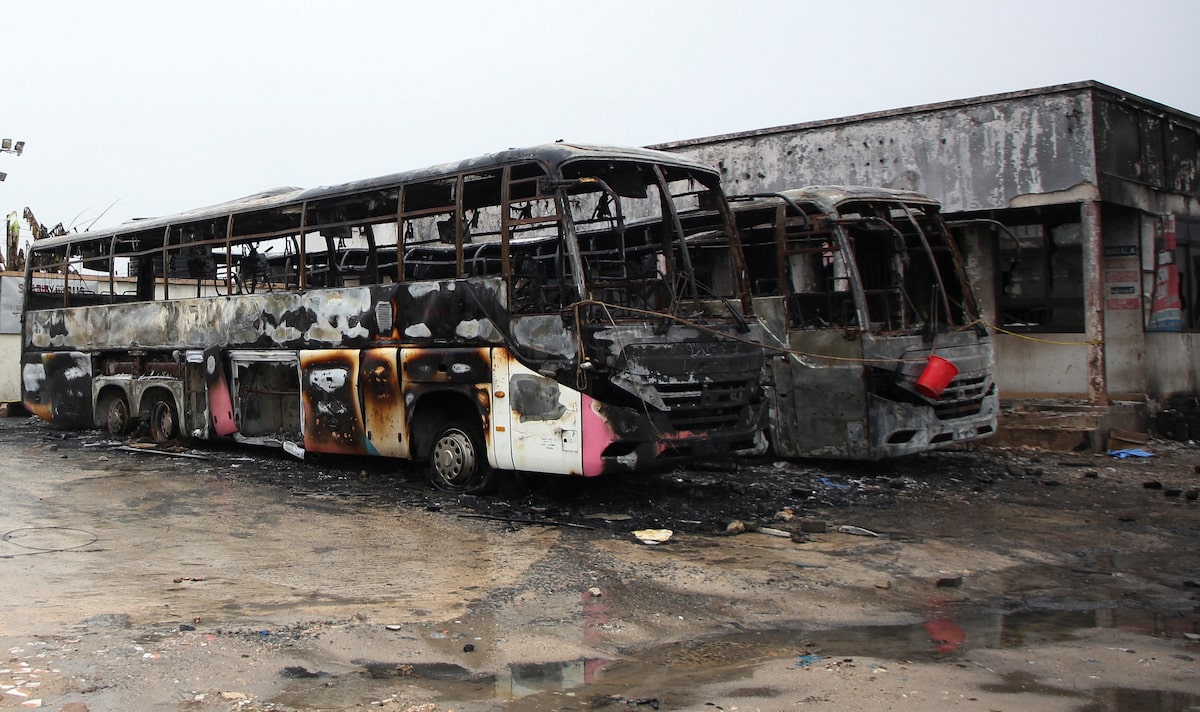
Security remains paramount, doesn’t it? The Sahel has been notoriously plagued by escalating violence, with Mali, Burkina Faso, and Niger standing out as some of the continent’s hardest-hit nations. In fact, the latest Global Terrorism Index calls the Sahel the worst-affected region for jihadist activity and instability. Groups like Jama’at Nasr al-Islam wal Muslimin (JNIM) have only made things worse, sparking humanitarian crises and widespread displacement. This alliance isn’t just about defense, though. We’re also seeing ambitious economic integration plans. Malian authorities, for instance, were reviewing progress on economic development projects for the Confederation of the Sahel States in January 2026. These initiatives aim to boost infrastructure, trade, and shared resource management, aiming to transform the economic landscape despite immense challenges. However, early signs suggest some teething problems are complicating cooperation, as political instability and differing national interests come into play. On the diplomatic front, the AES isn’t shy. They recently condemned what they described as the United States’ act of aggression against Venezuela, clearly asserting an independent foreign policy that challenges global powers.
The Path Ahead
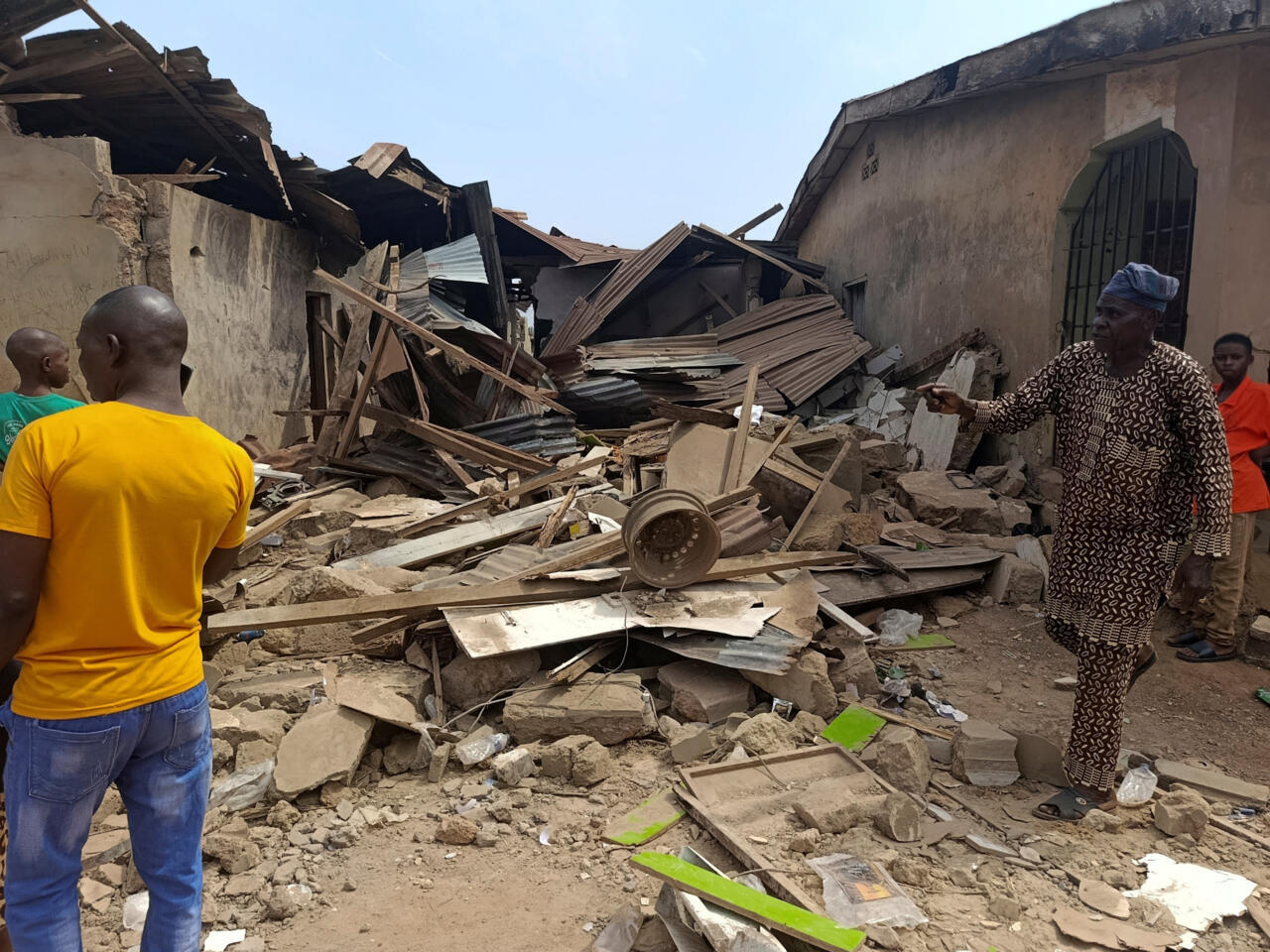
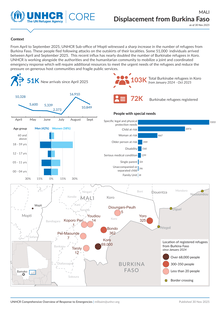
Yet, despite their bold intentions, the alliance faces significant hurdles. Security is still the biggest concern. Jihadist insurgencies continue to destabilize vast areas, eroding state authority and development efforts. The human cost is sobering, with countless people displaced and immense pressure on humanitarian agencies. Can the AES really restore order and stability in such a complex environment? The potential for this bloc to reshape Sahelian politics, foster economic resilience, and present a unified front against terrorism is huge. But achieving true cohesion and sustainable progress will demand overcoming internal political disputes, smoothing out economic integration kinks, and boosting security cooperation without alienating crucial regional and international partners. The next few years are going to be critical. Observers worldwide will be watching closely to see if Burkina Faso, Niger, and Mali can truly pioneer a new era of stability and development in a region too often marked by fragmentation and insecurity. This Alliance of Sahel States really is both a hopeful symbol and a crucial test case for regional self-determination.