Benin Coup Attempt Foiled: A Glimpse into West Africa’s Shifting Sands
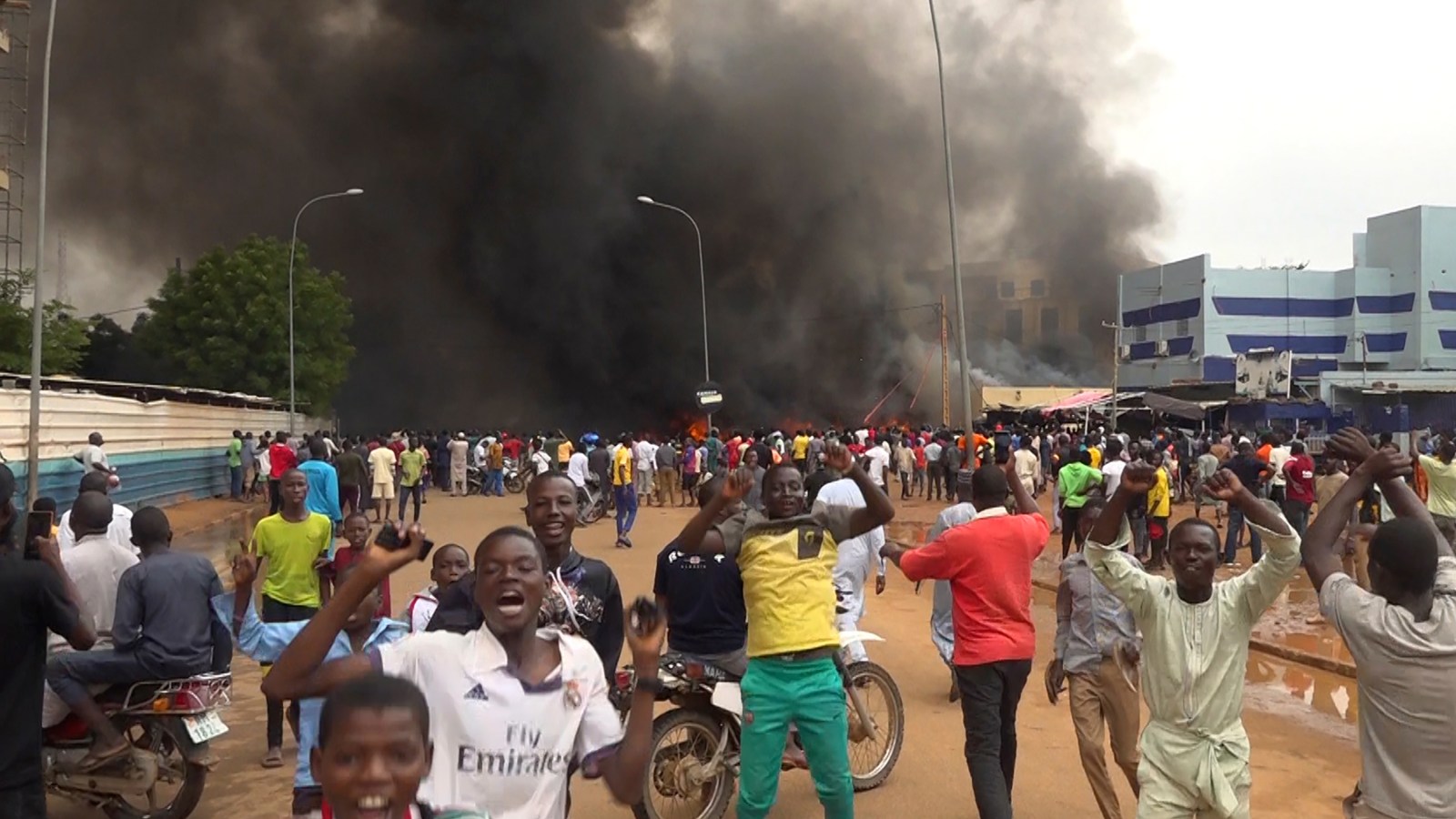
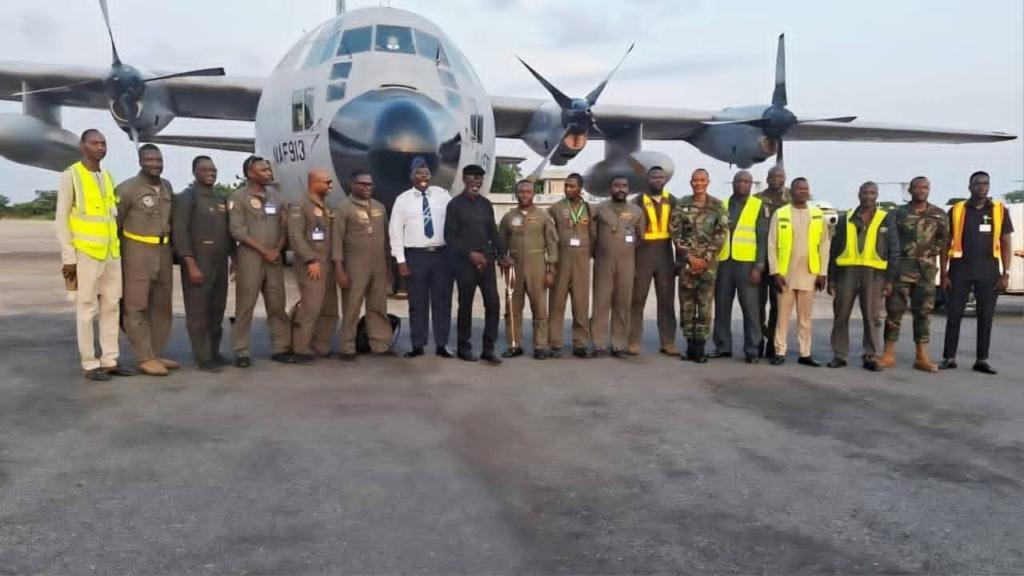
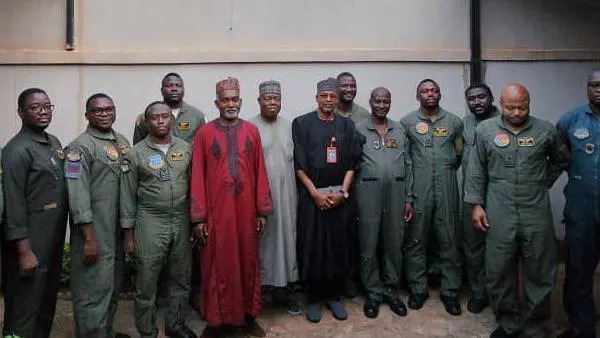
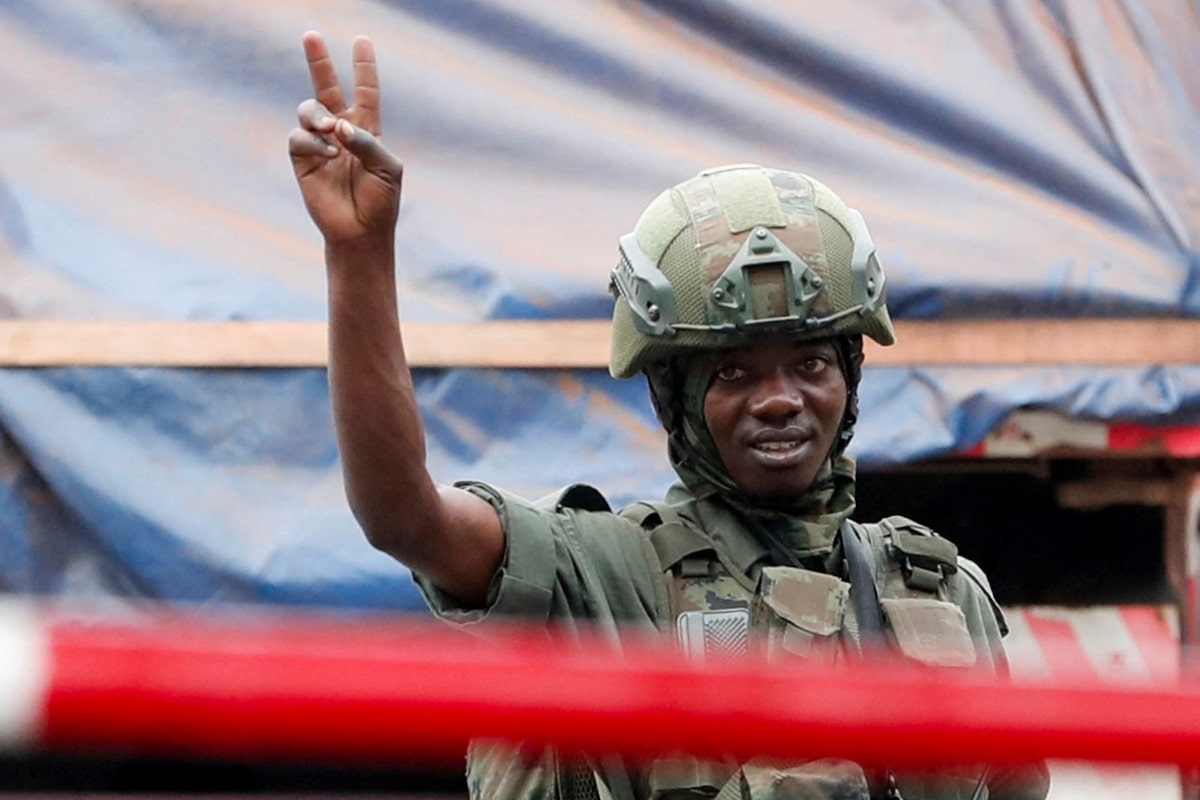
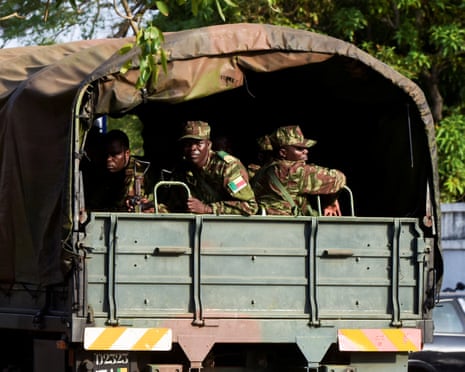
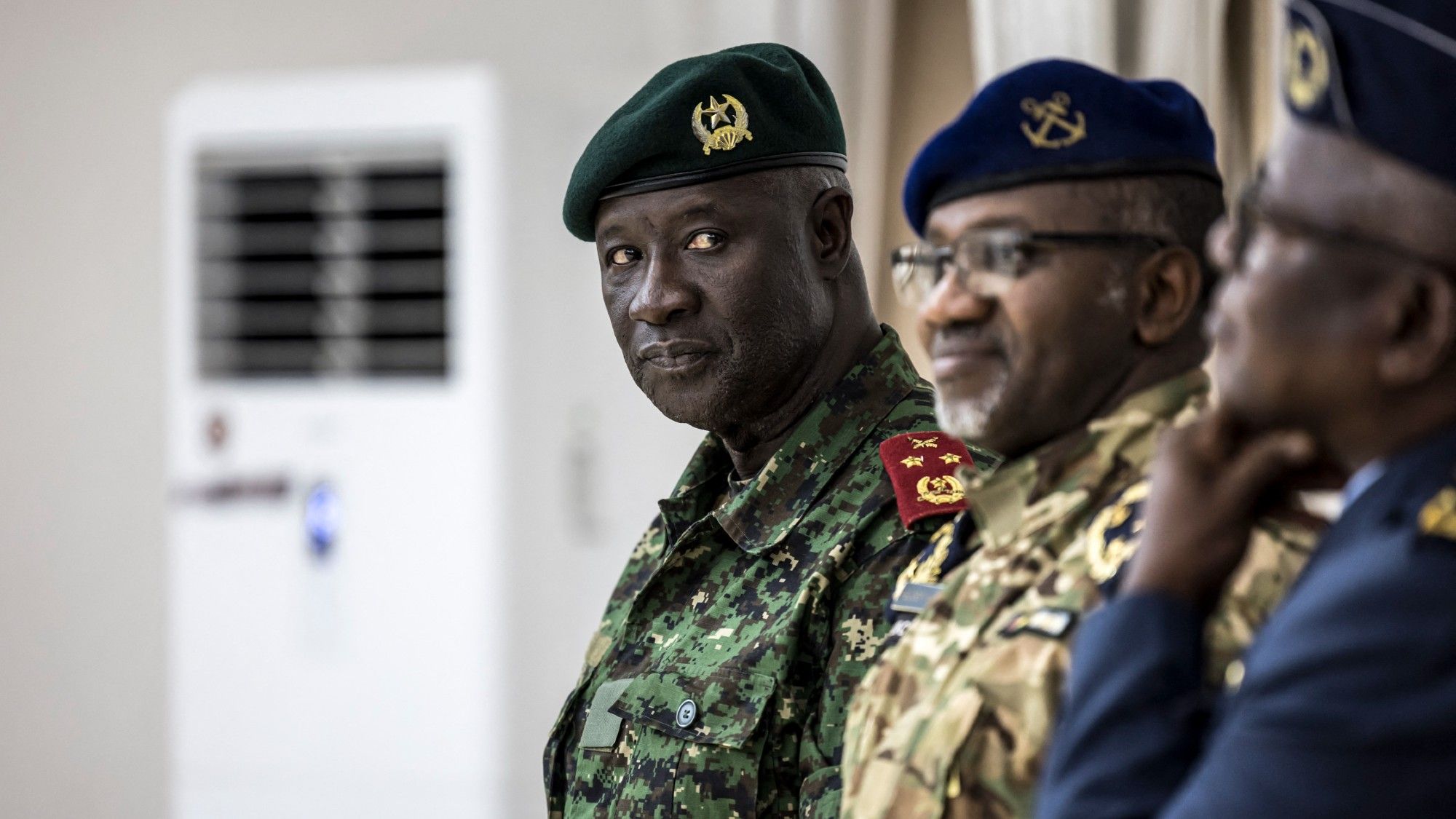
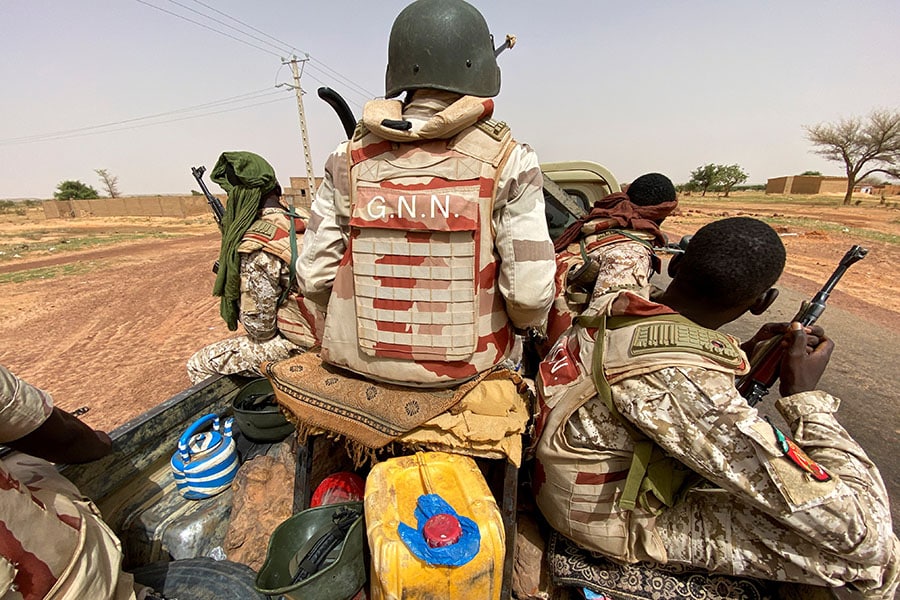
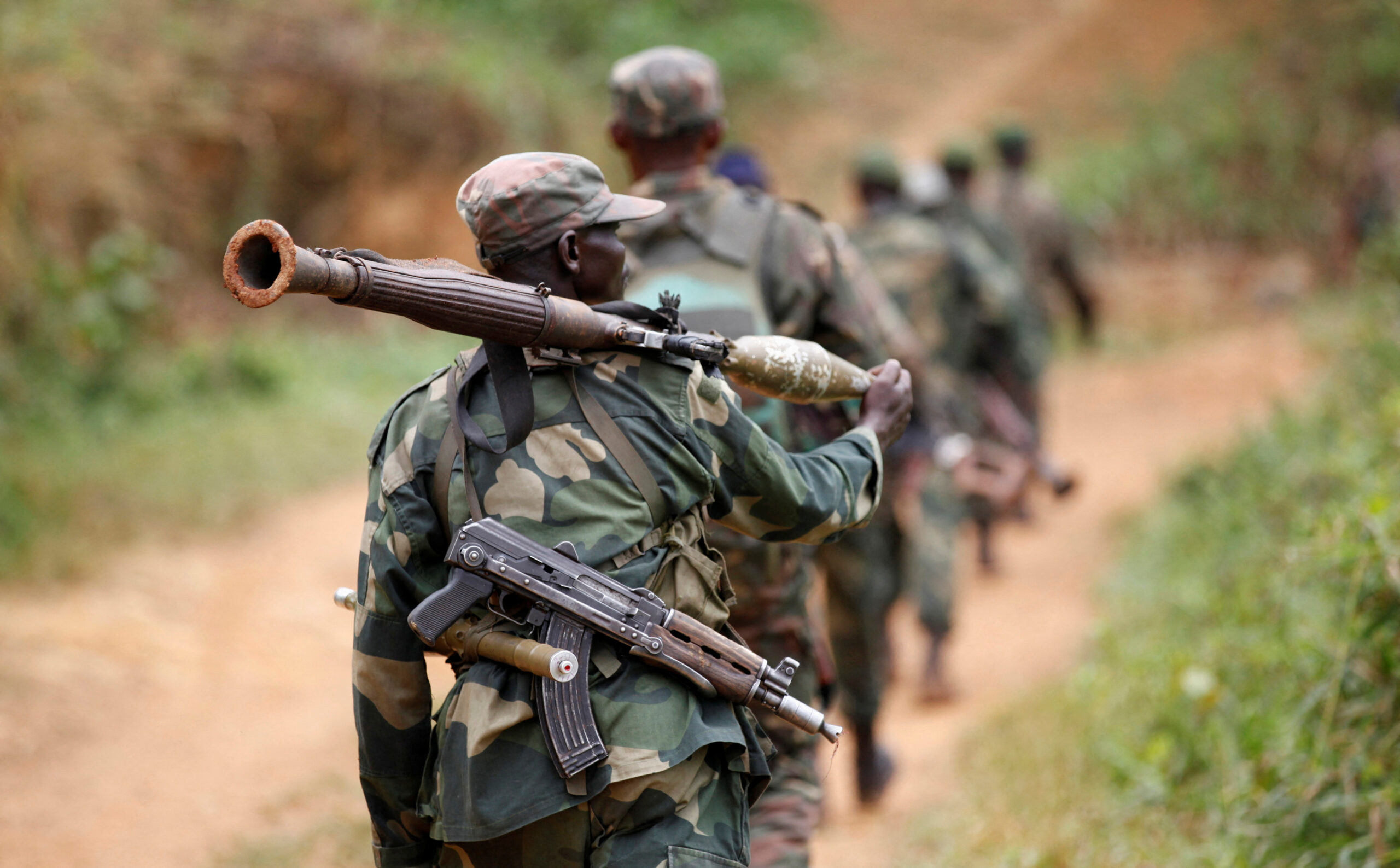
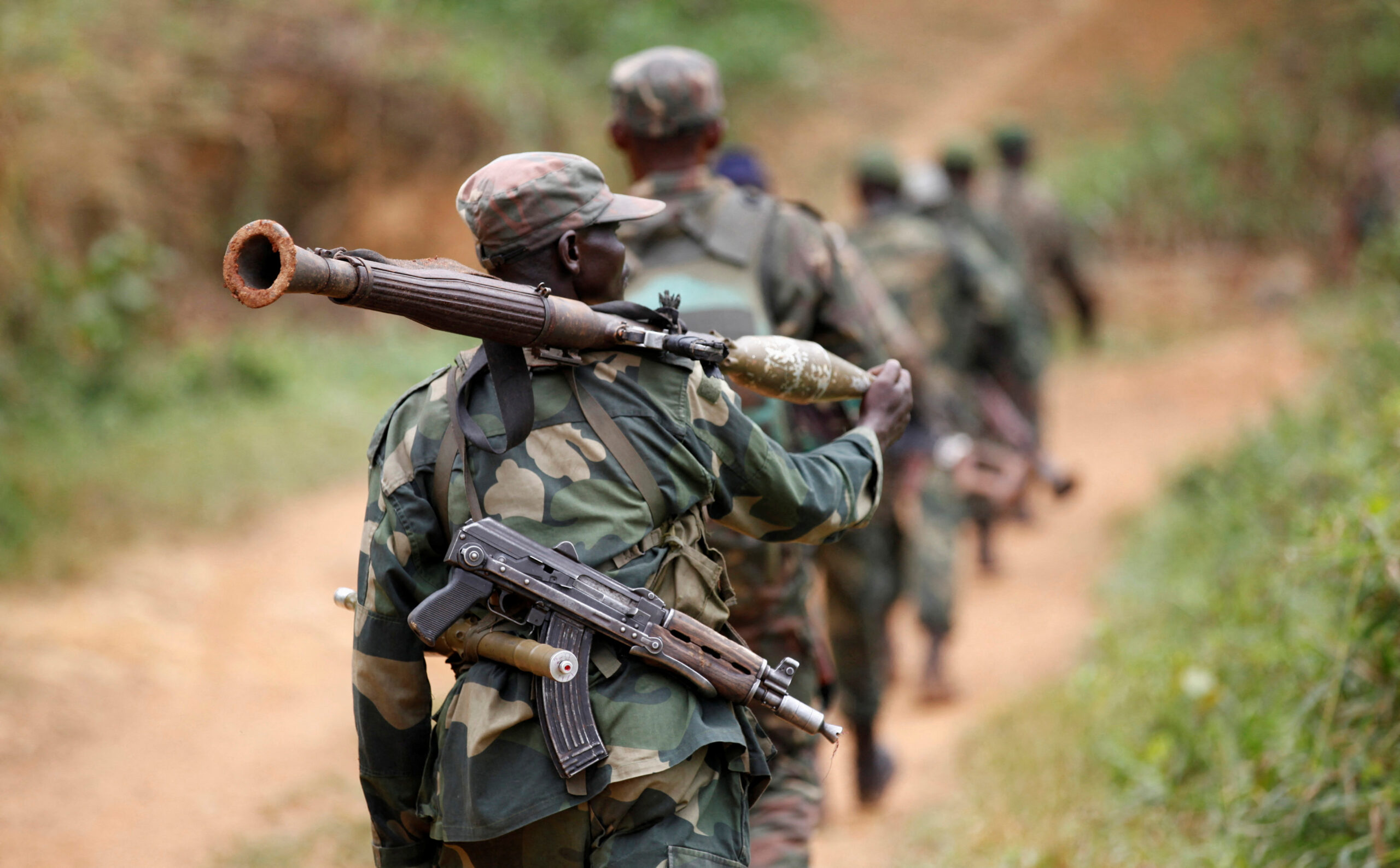
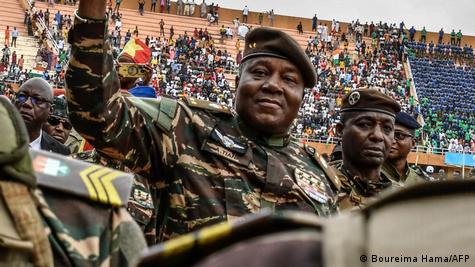
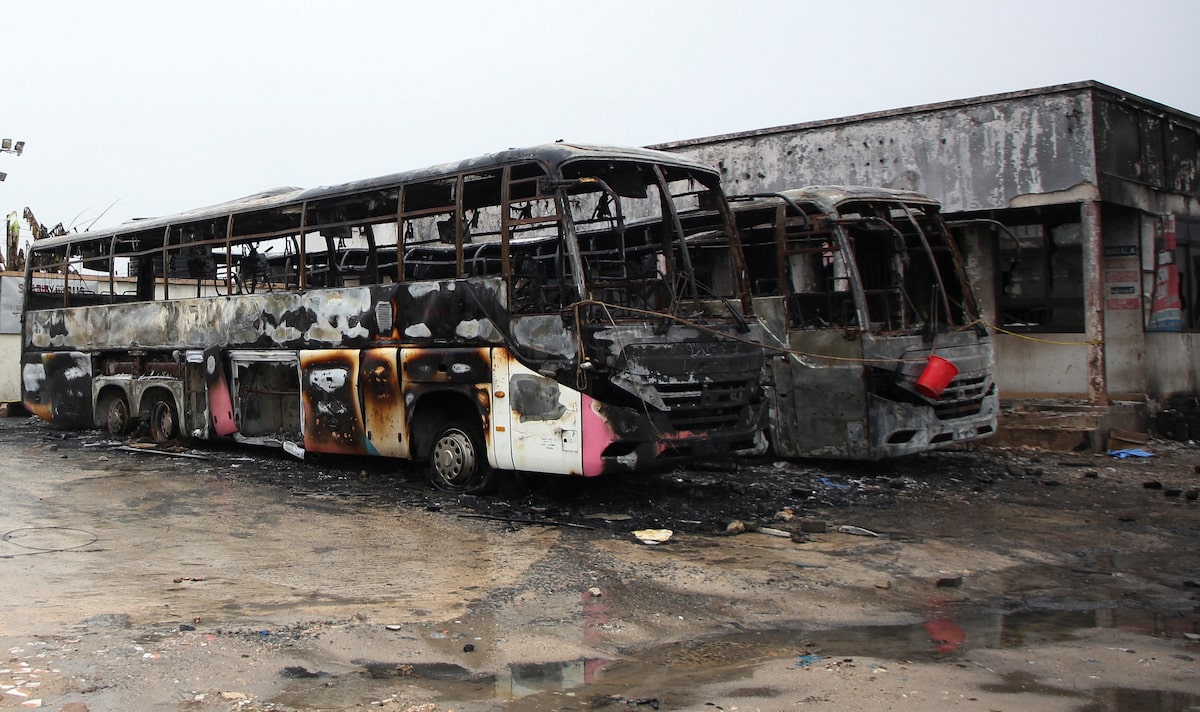
Sunday brought a sharp jolt to West Africa as Benin’s government announced it had decisively thwarted a coup attempt against President Patrice Talon. This wasn’t a solo effort, though. Crucial backing from Nigerian air and ground forces played a crucial role, marking another intense moment in the region’s increasingly turbulent political landscape. The attempted takeover unfolded near the government seat in Cotonou, Benin’s vibrant administrative heart. Reports spoke of gunfire close to the president’s residence, with insurgent soldiers briefly seizing state television to declare President Talon removed and the government dissolved. But loyalist troops, quickly regrouping, regained control. They weren’t alone in this fight; Nigerian fighter jets dominated the airspace while ground forces helped dislodge the plotters from key installations, including the national broadcast station. This swift action, a direct response to urgent requests from Benin’s government, underscores the fragile balance of power and the immediate need for regional cooperation when stability is threatened.
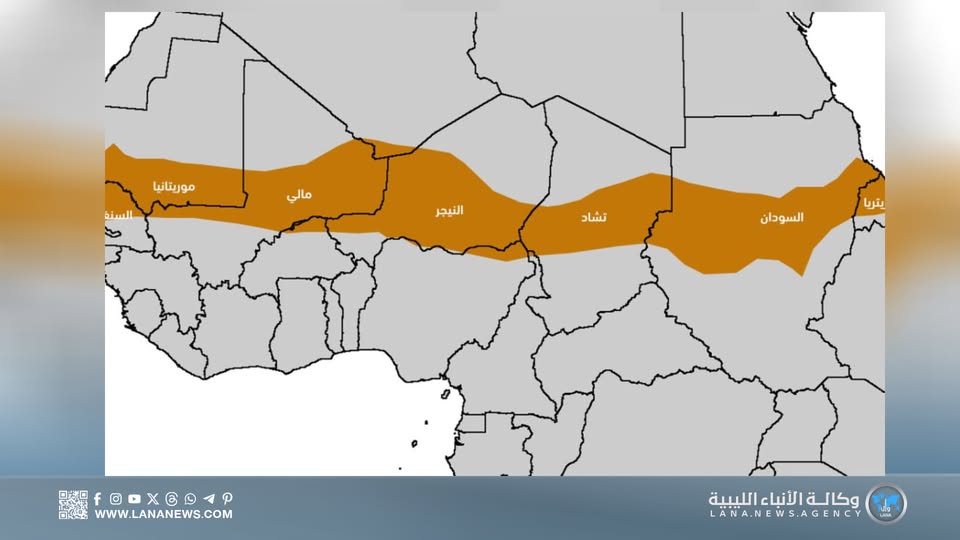
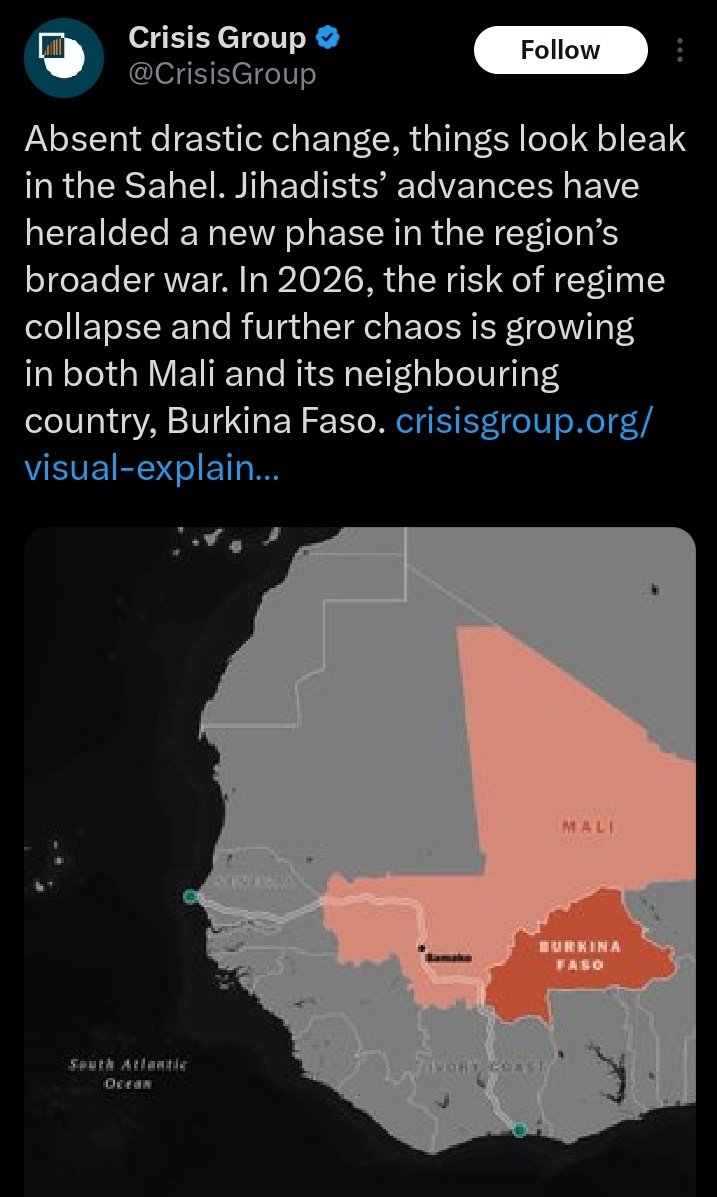
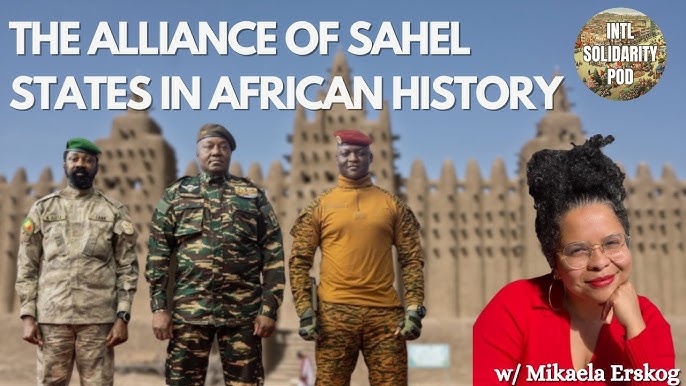
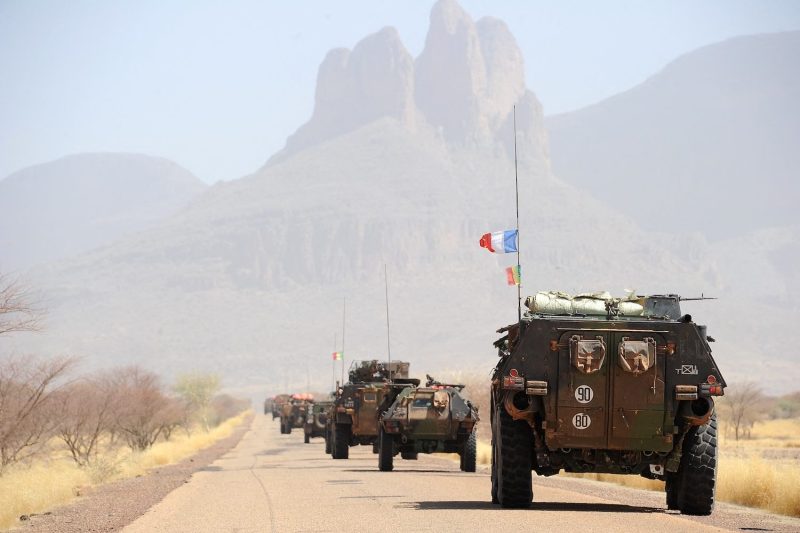
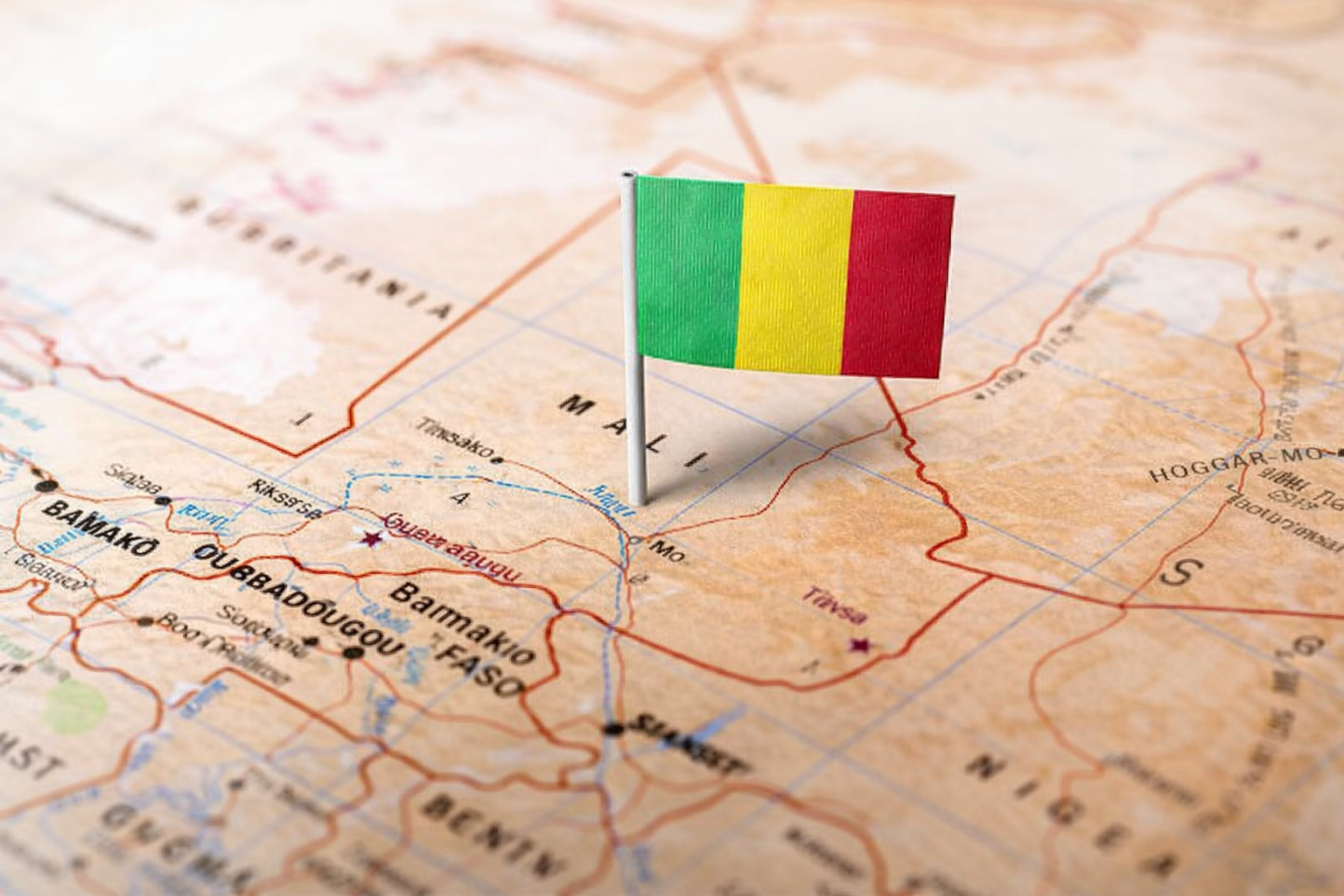
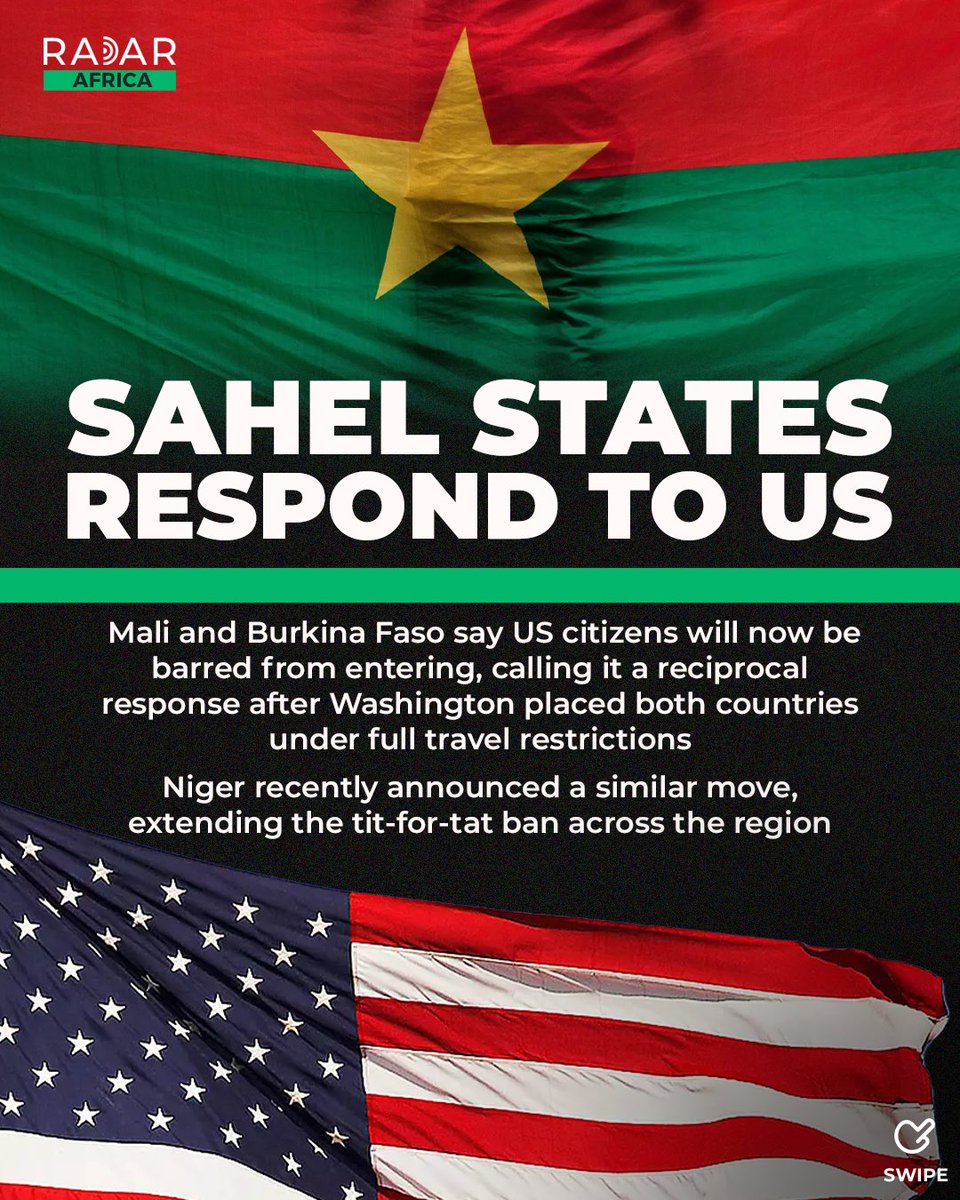
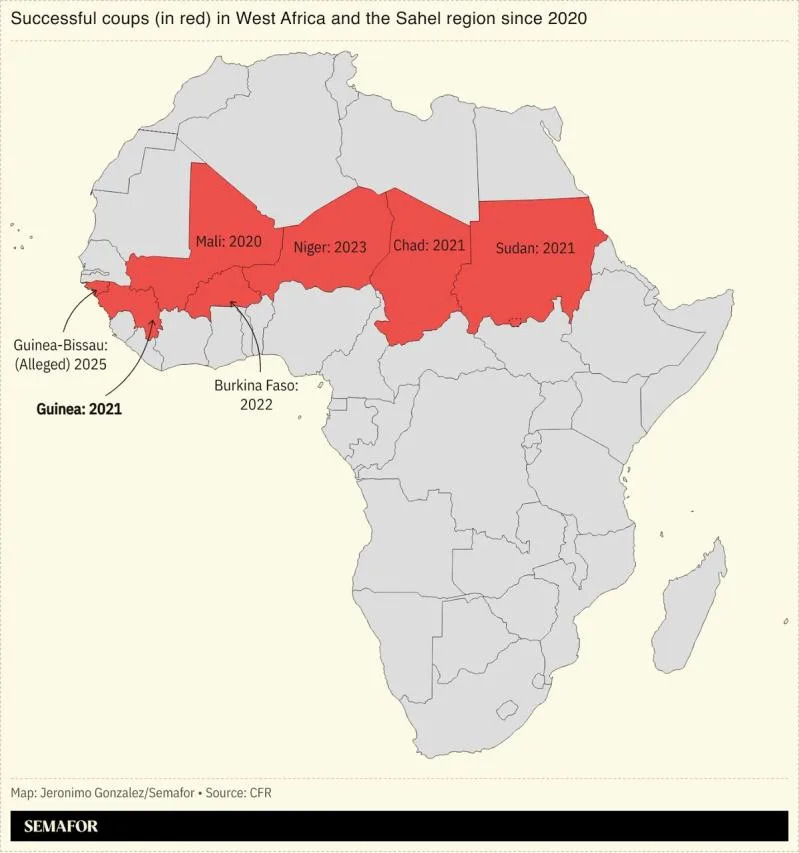
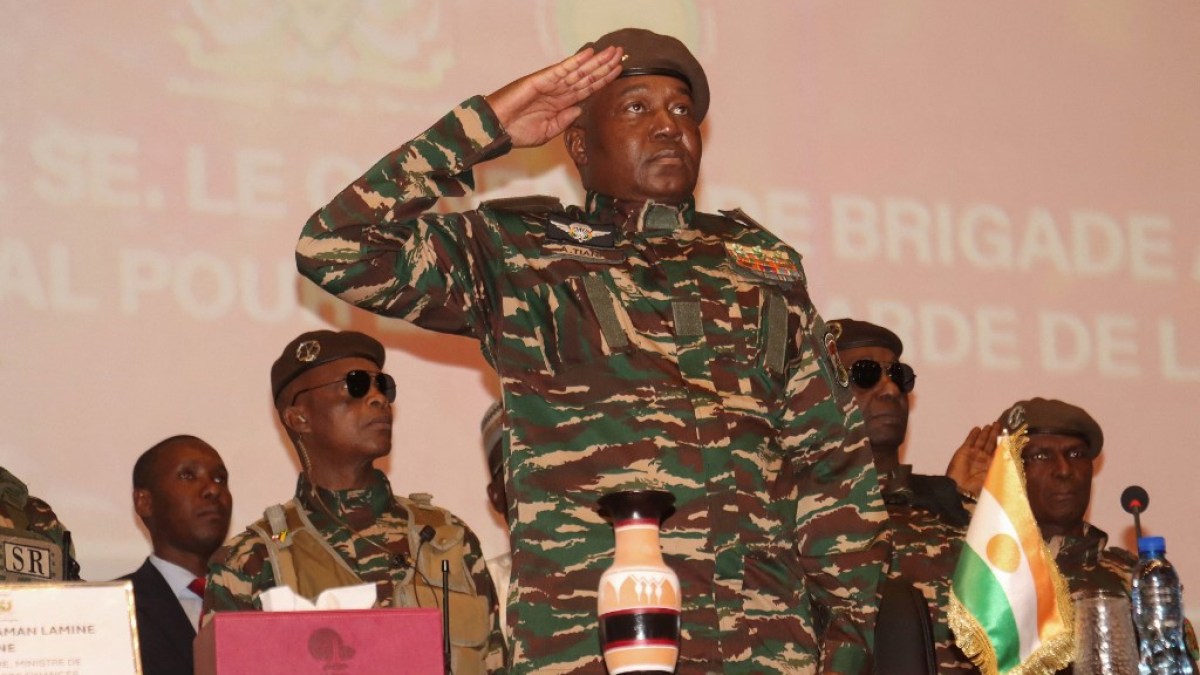
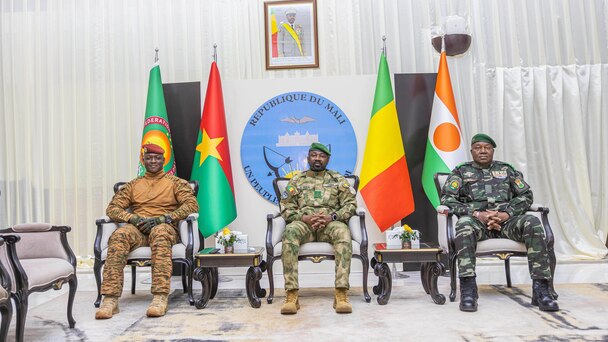
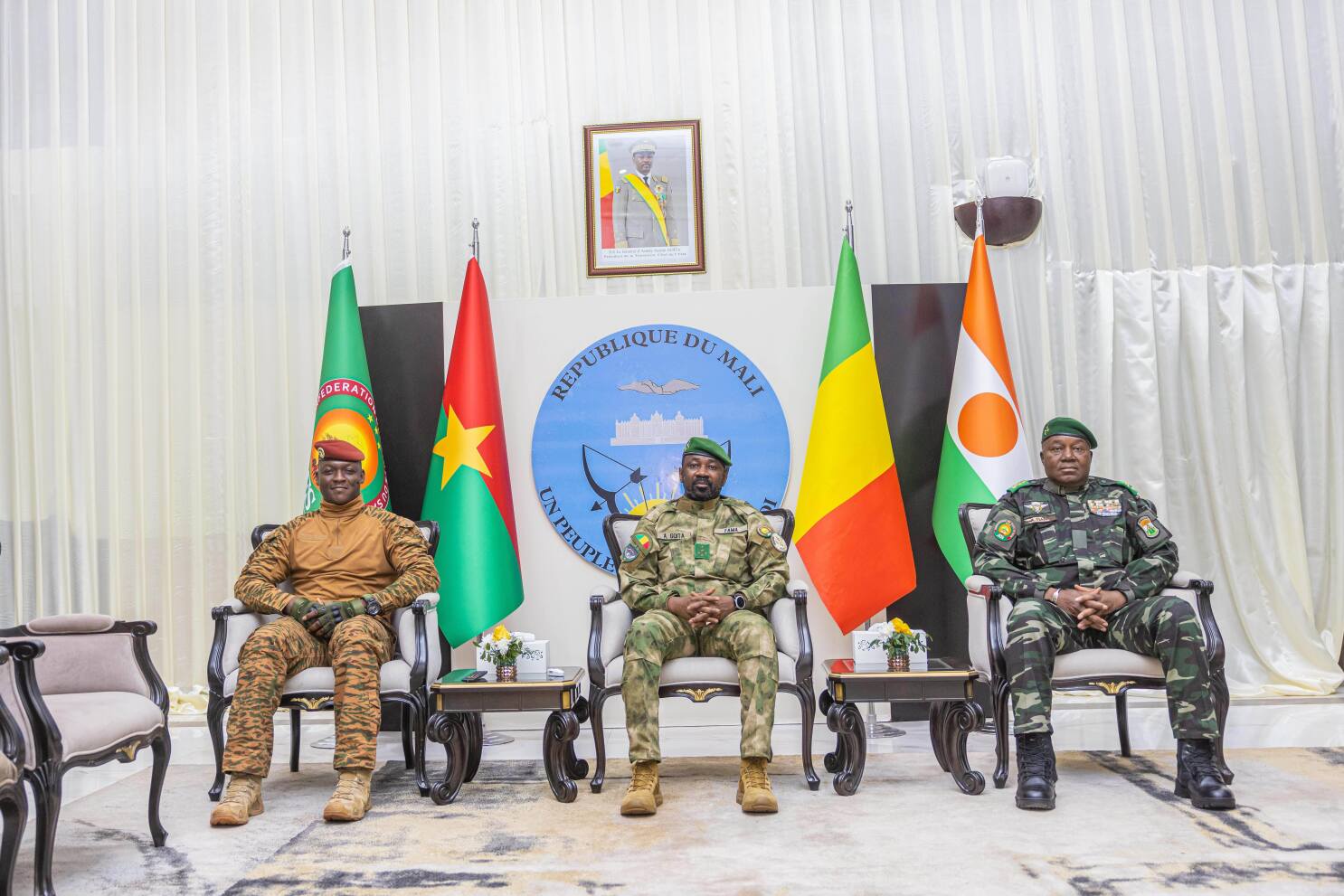
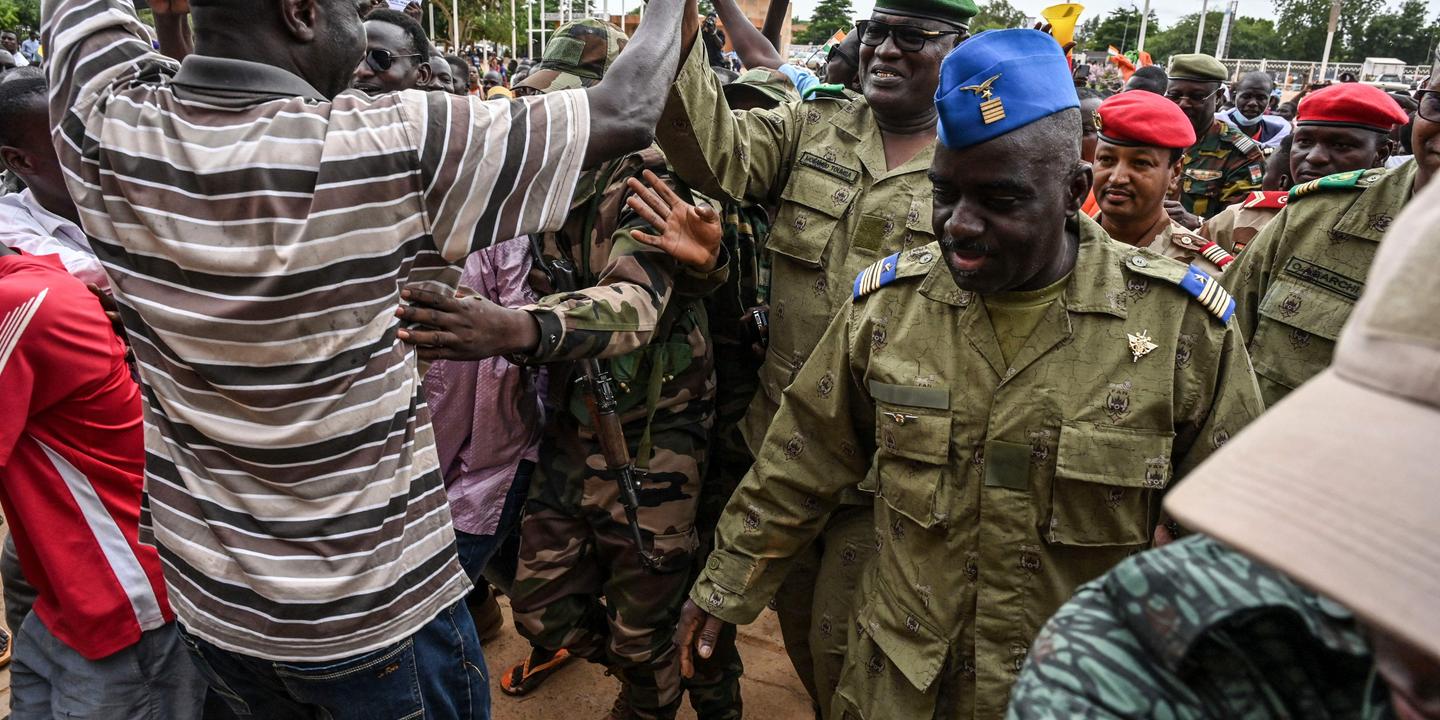
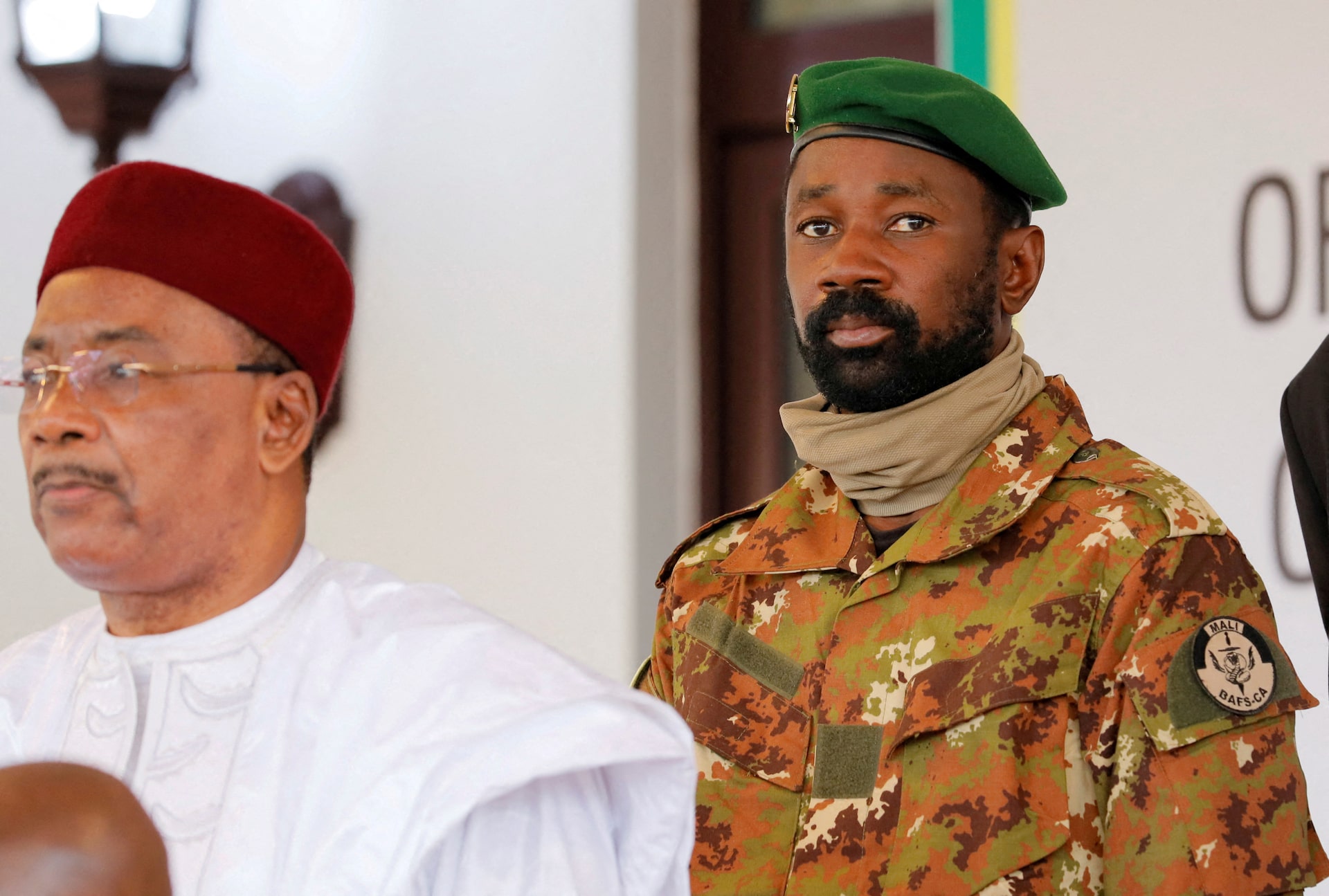
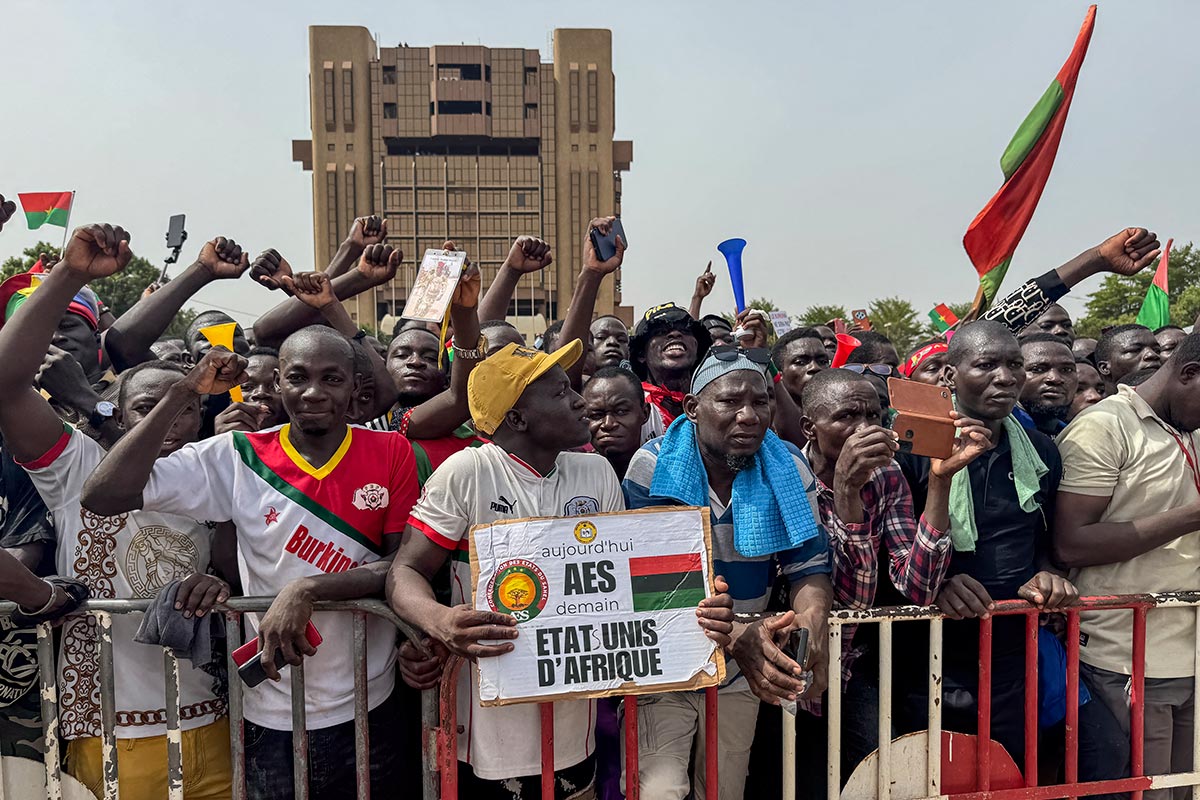
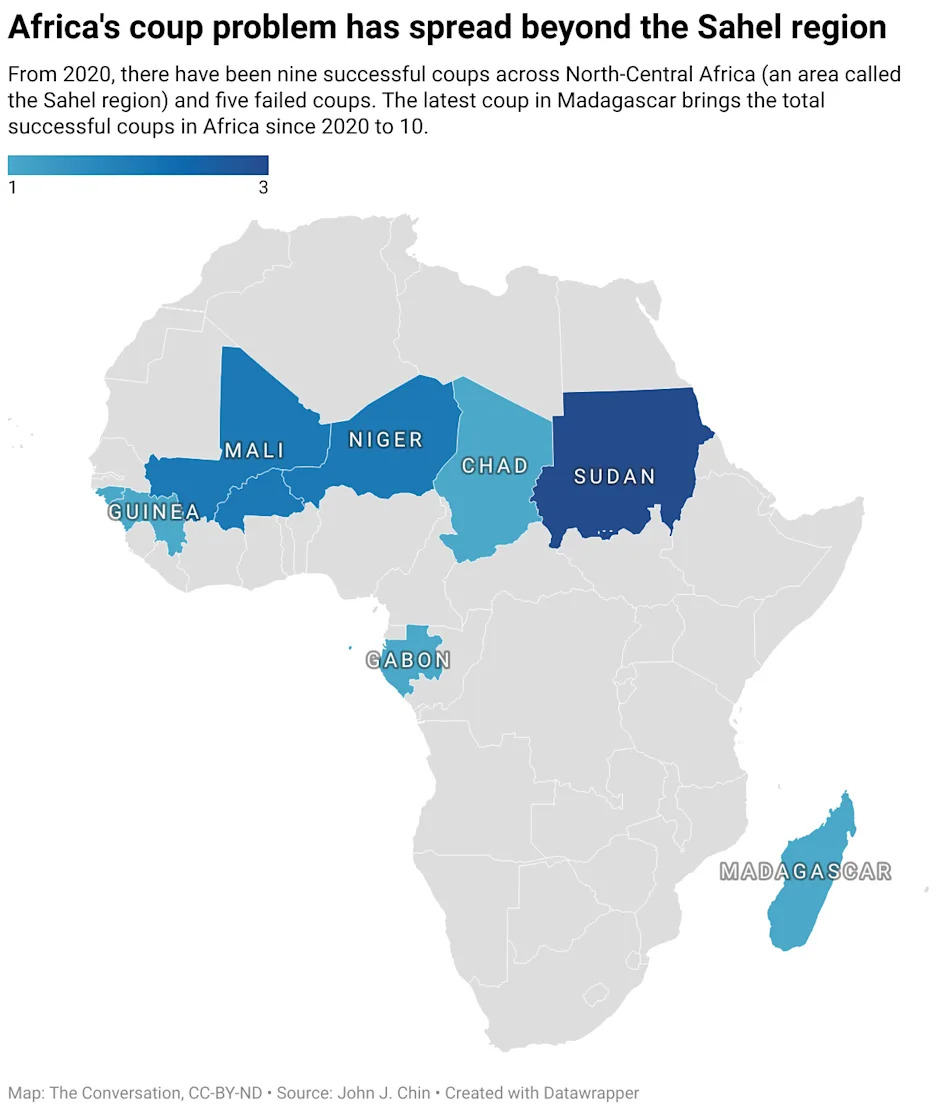
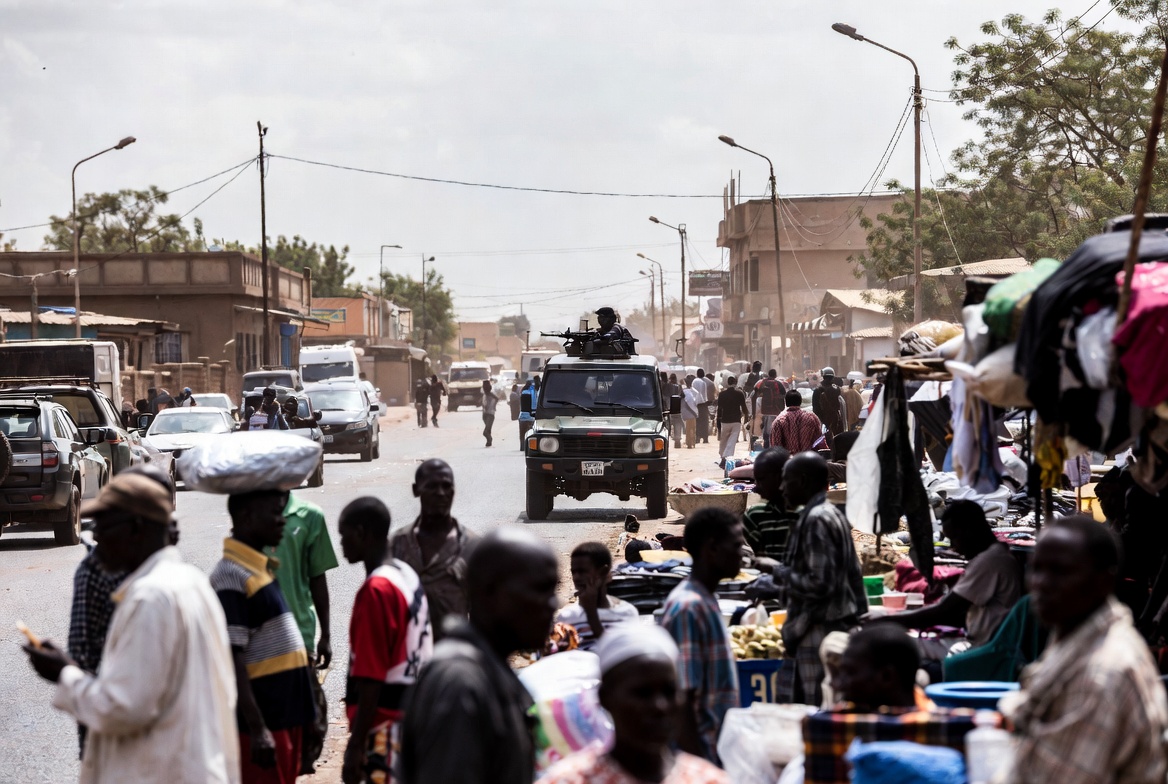
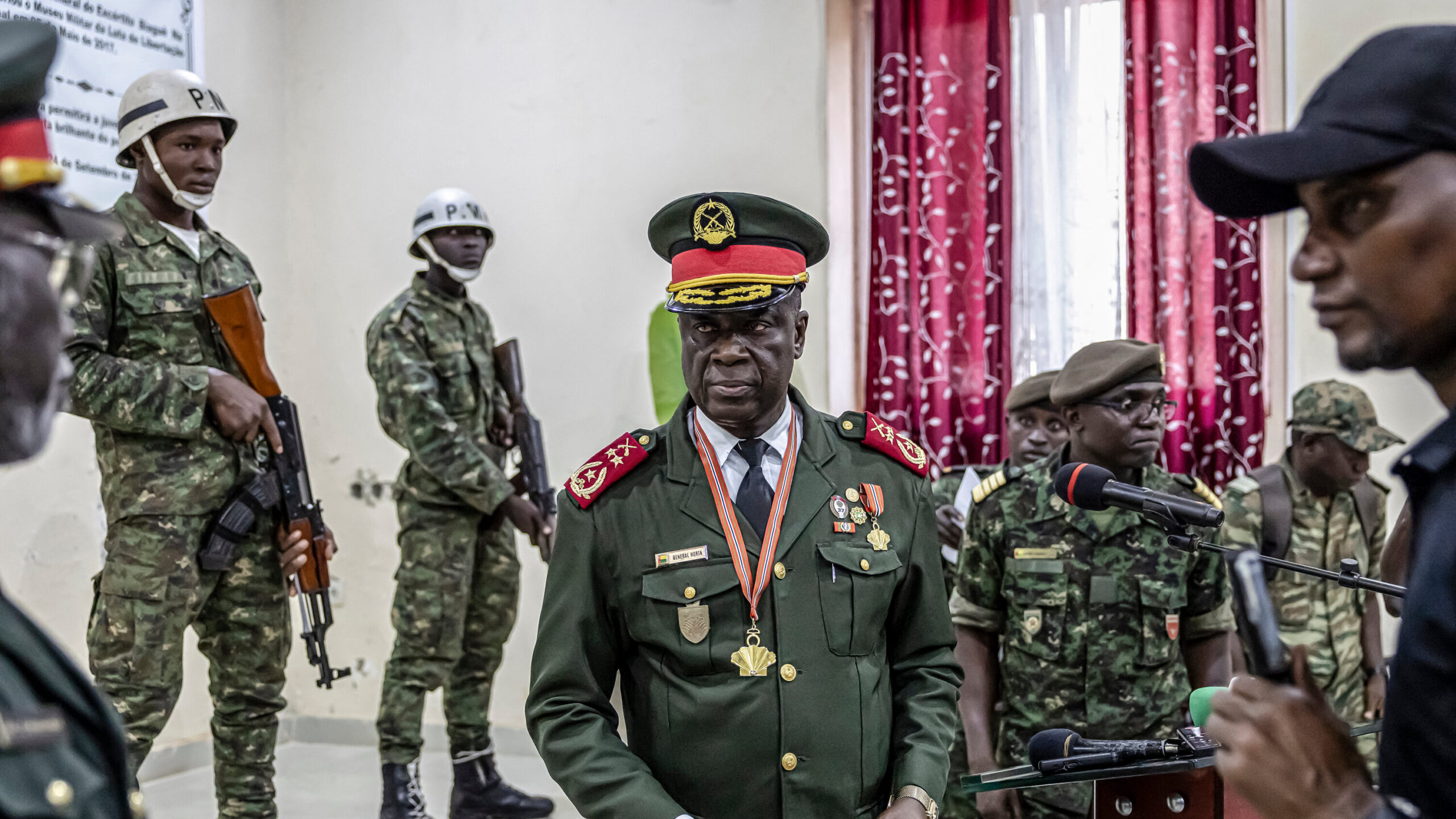
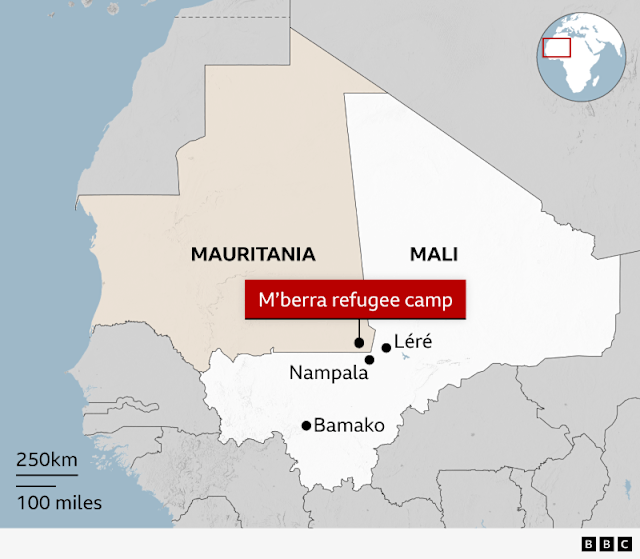
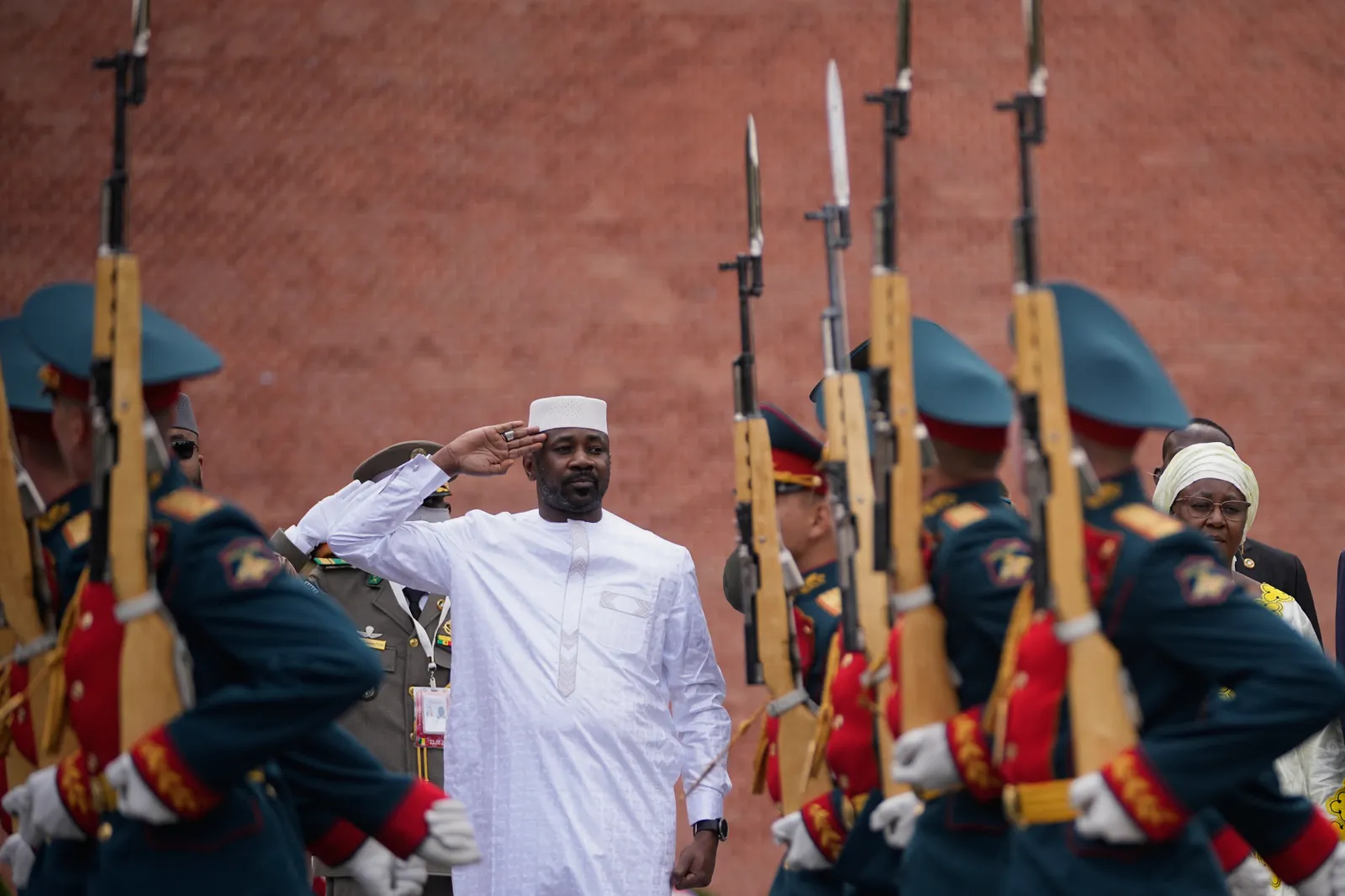
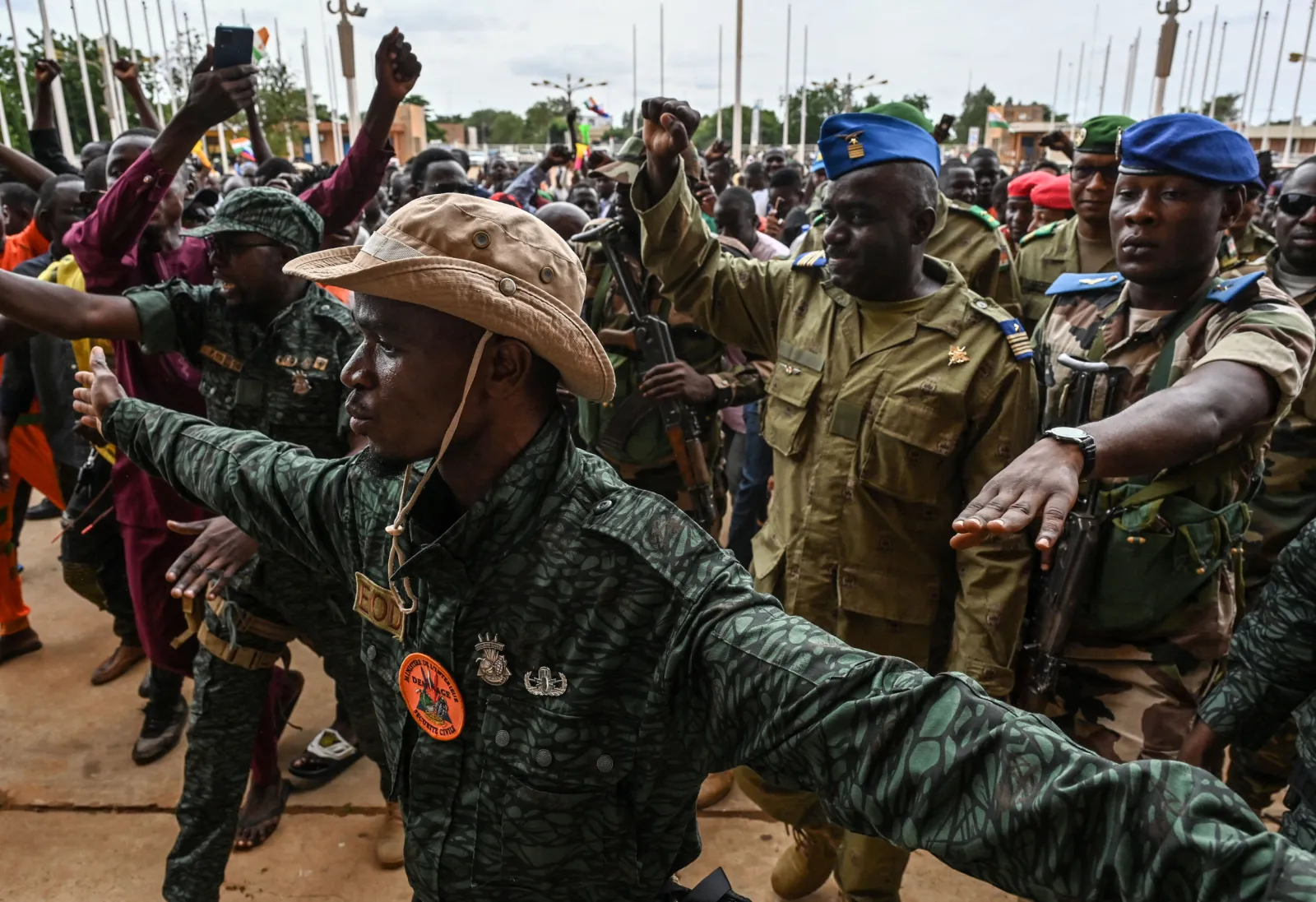
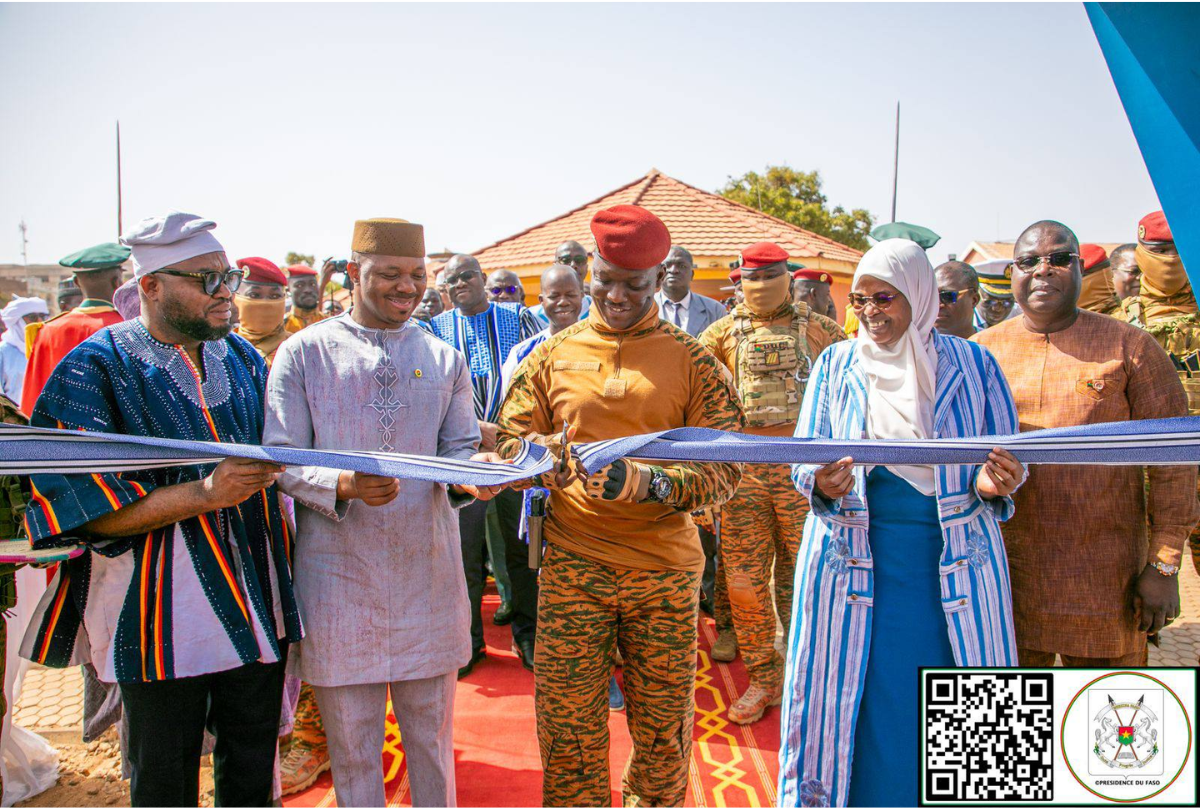
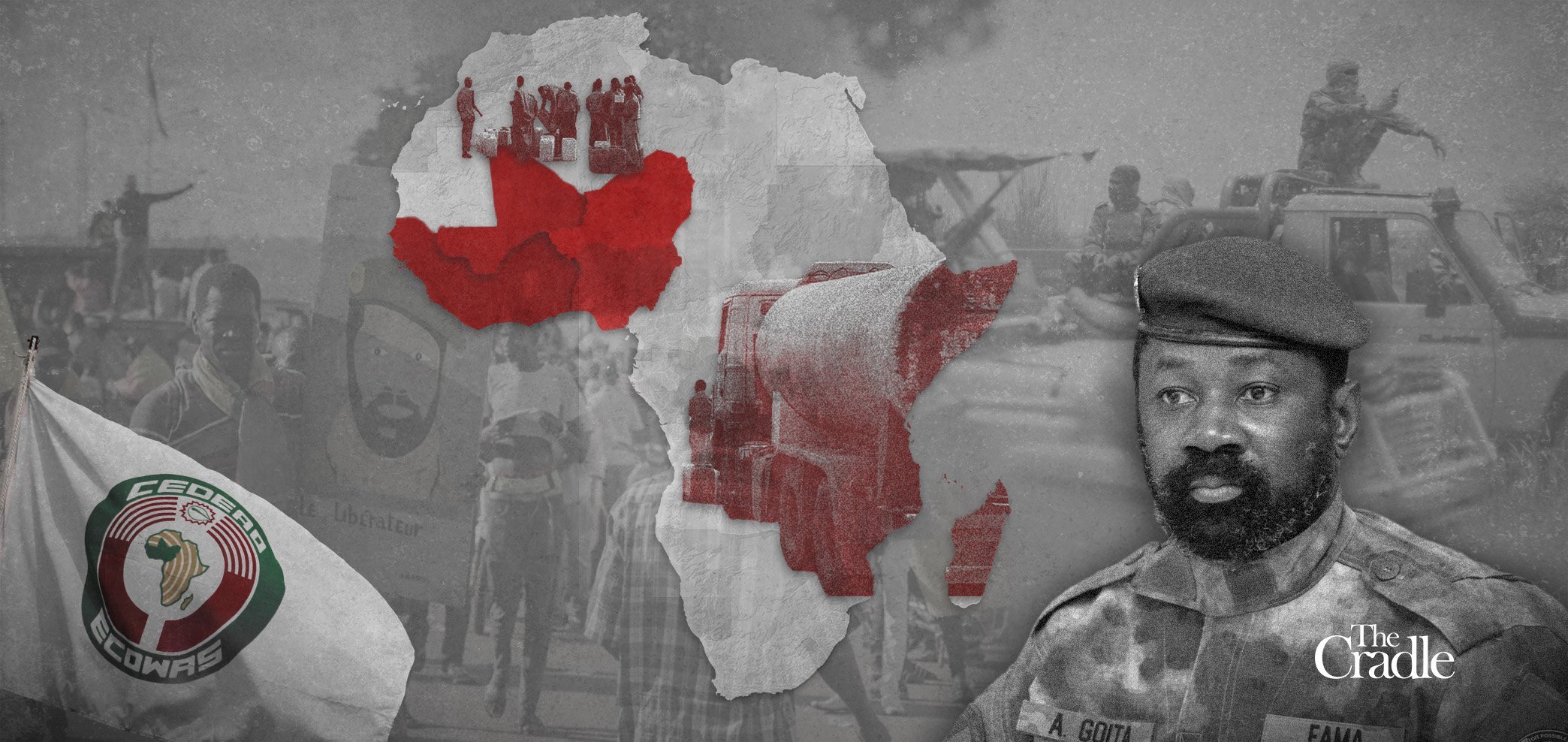
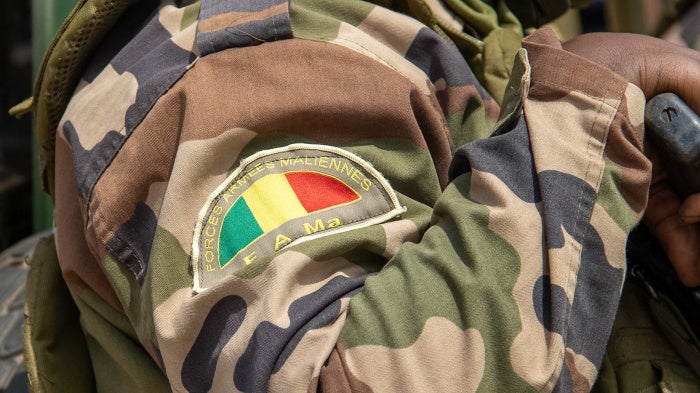
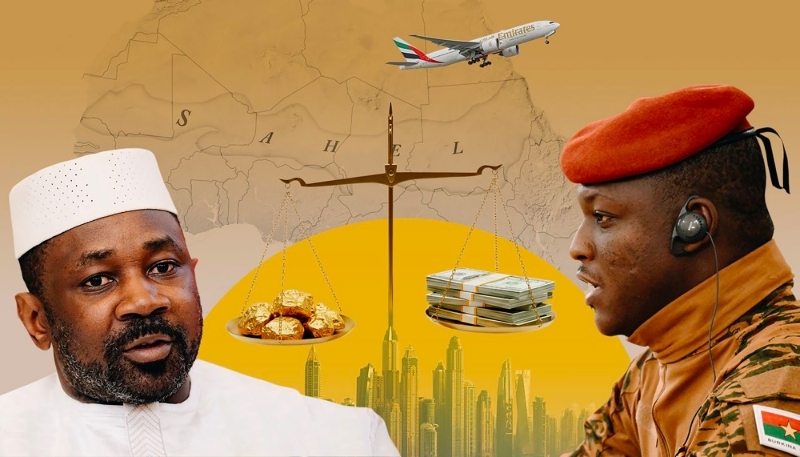
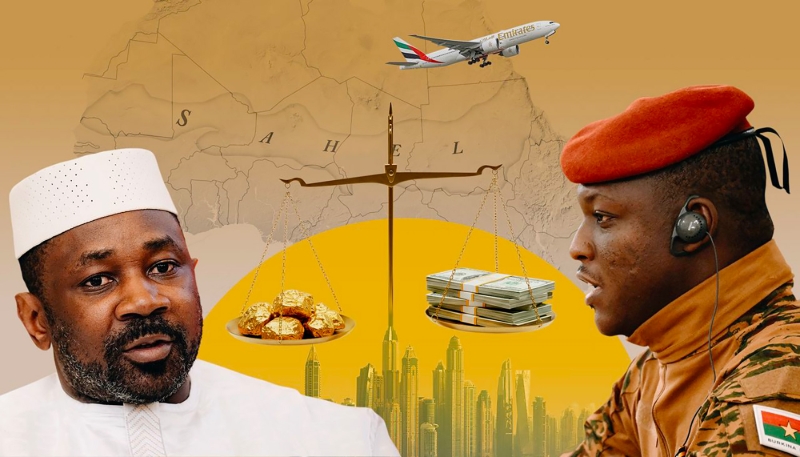
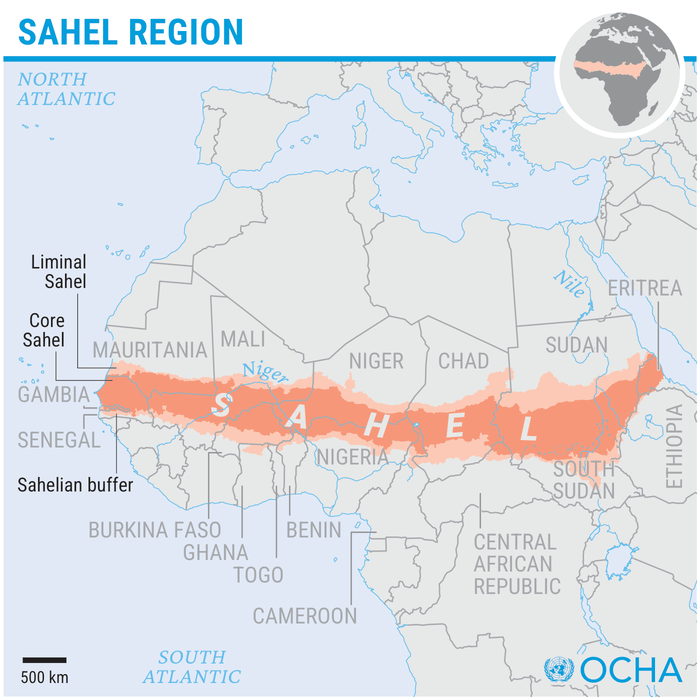
This isn’t an isolated incident, is it? We’re seeing a worrying pattern of military coups and attempted takeovers sweeping across West Africa. Just last week, President Umaro Sissoco Embaló was overthrown in Guinea-Bissau, echoing similar unrest. Countries like Burkina Faso, Mali, Guinea, and Niger have all faced coups or continued military dominance, challenging their democratic foundations and shaking regional stability to its core. These nations, particularly the landlocked ones of Mali, Burkina Faso, and Niger, have even pulled out of the Economic Community of West African States, ECOWAS, to form the Alliance of Sahel States. This new bloc openly questions and resists a return to democratic governance, deepening geopolitical fault lines. Meanwhile, global players like Russia are visibly increasing their influence in the Sahel, further complicating the already strenuous efforts by Western and regional bodies to restore order and nurture democracy in these vulnerable states. The Benin coup attempt simply highlights a persistent regional insecurity: fragile governments susceptible to military intervention, growing dissatisfaction within armed forces, and external influences vying for strategic footholds. This intricate web of internal pressures and outside interests makes navigating the region incredibly complex, doesn’t it?
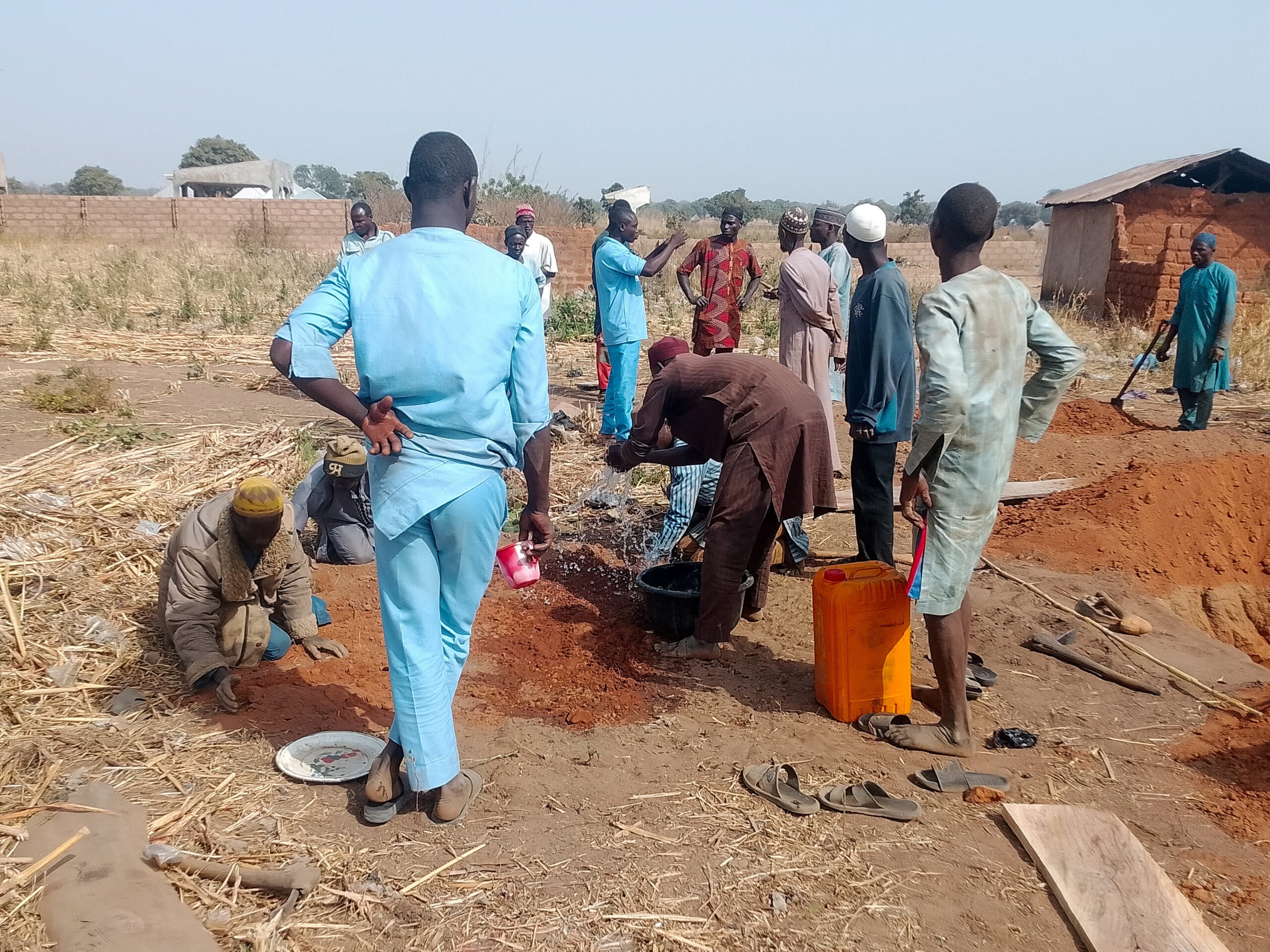
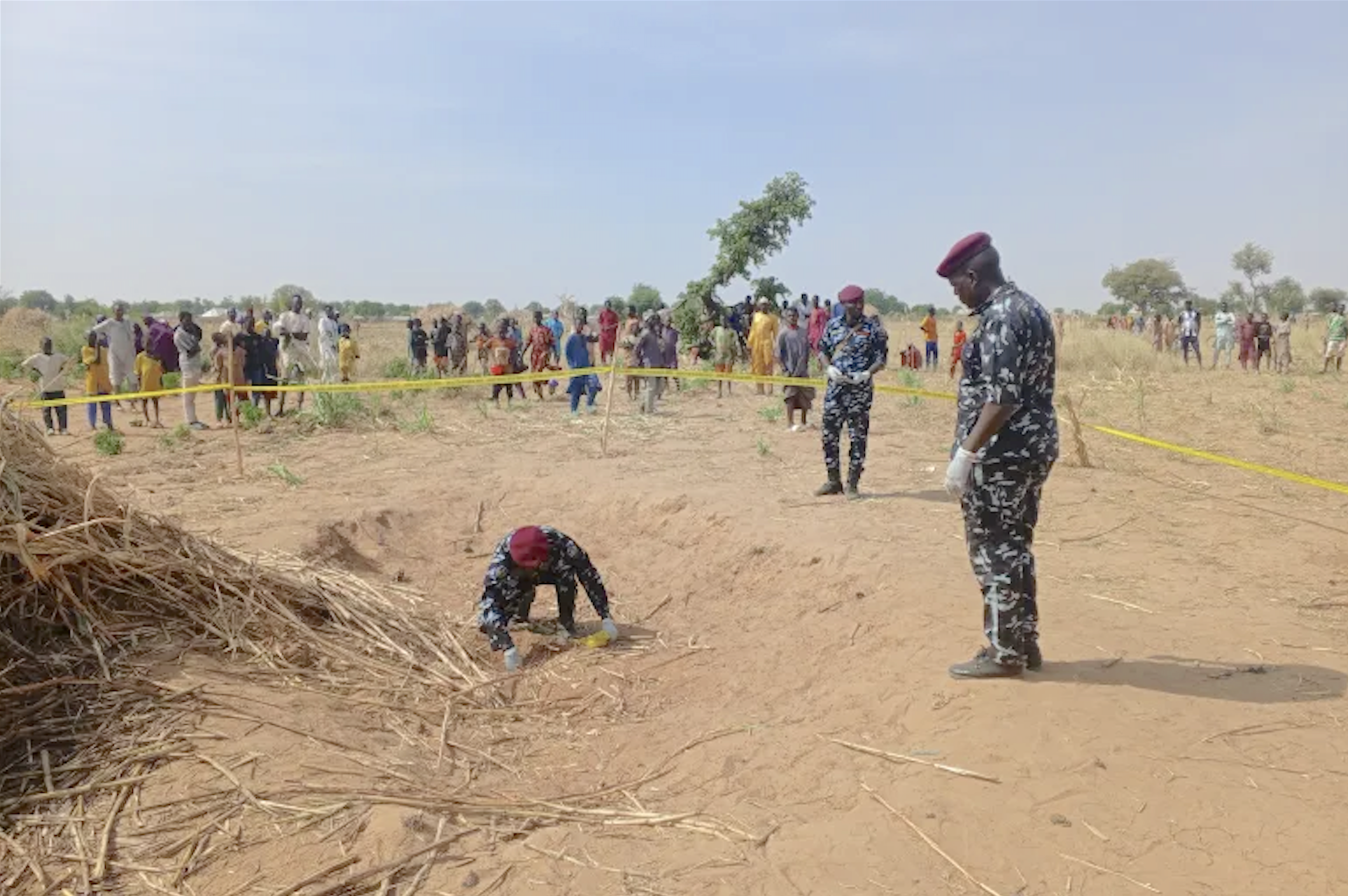
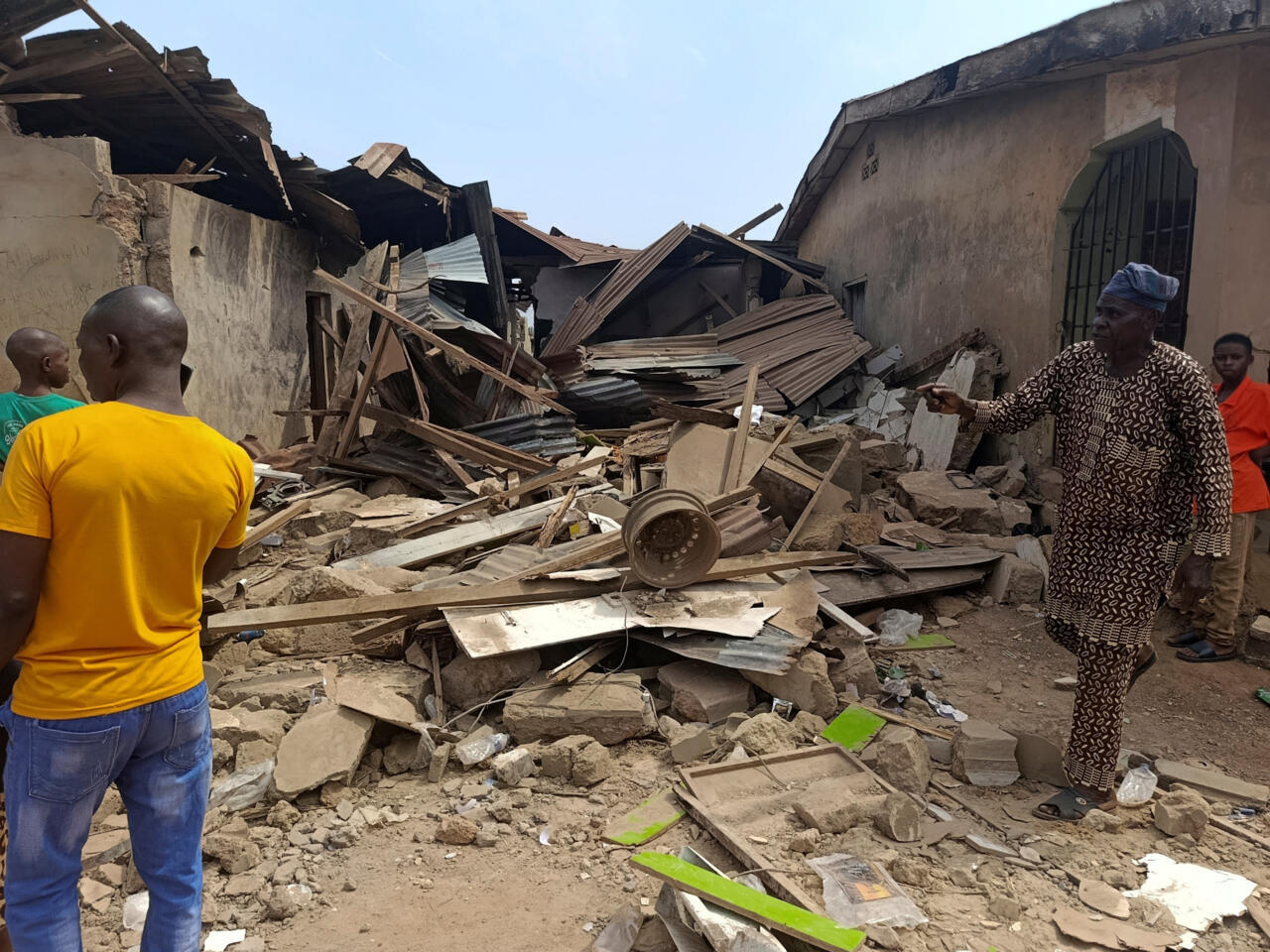
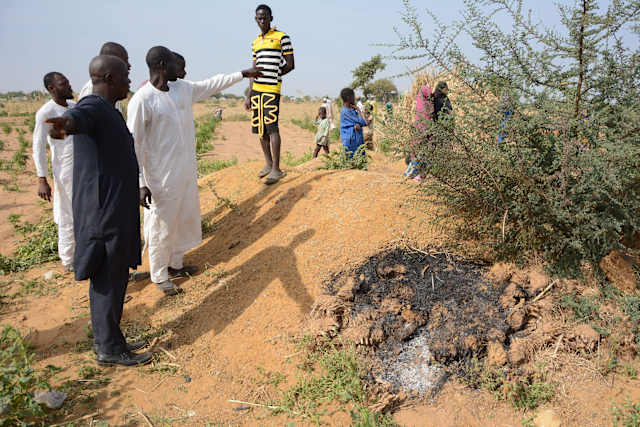
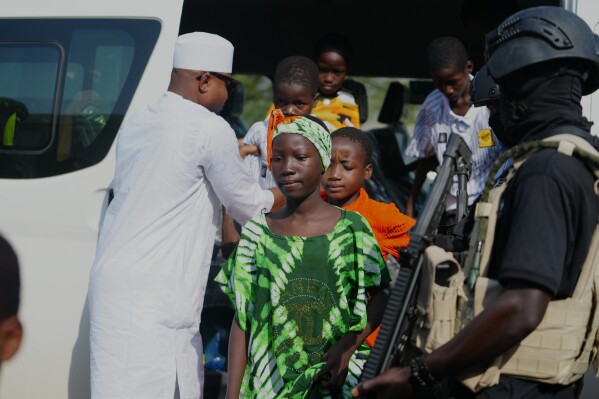
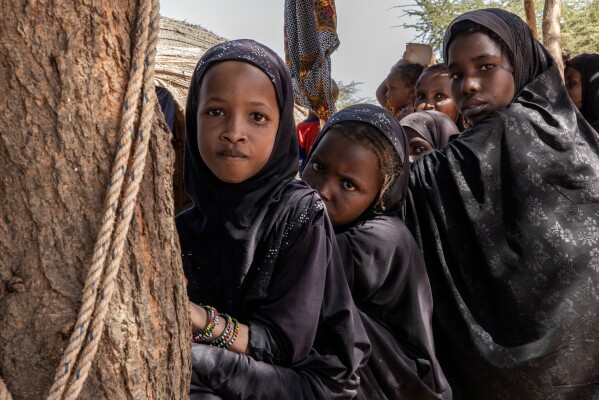
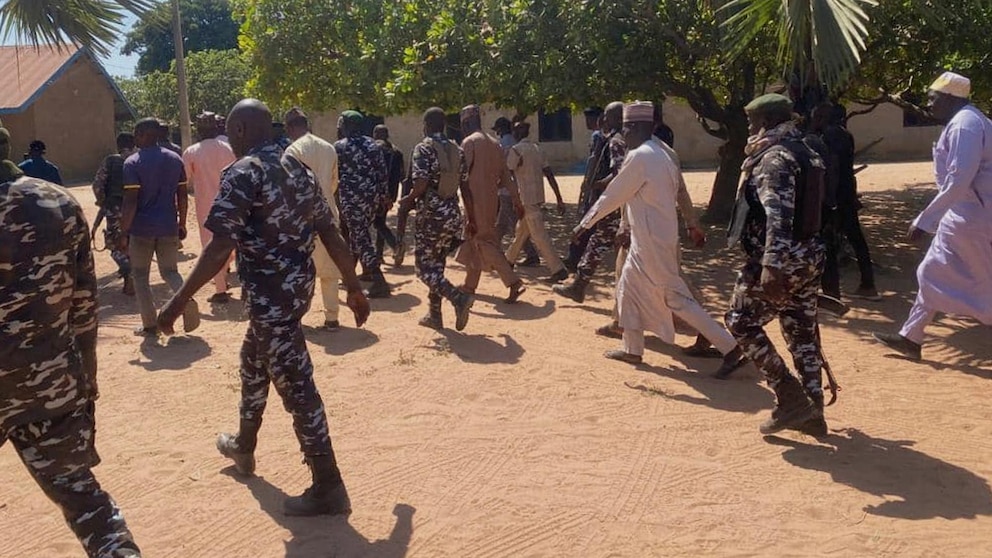
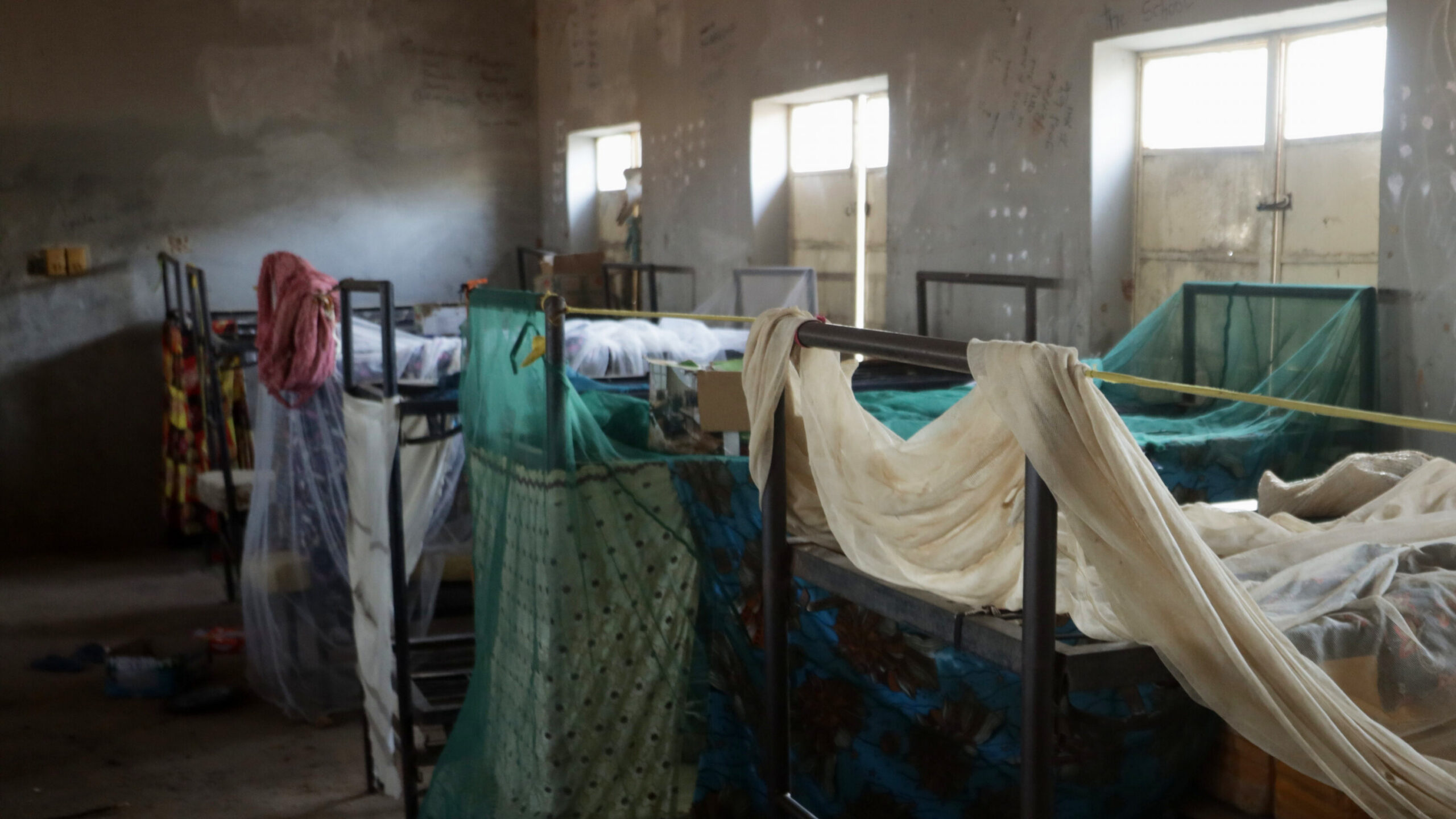
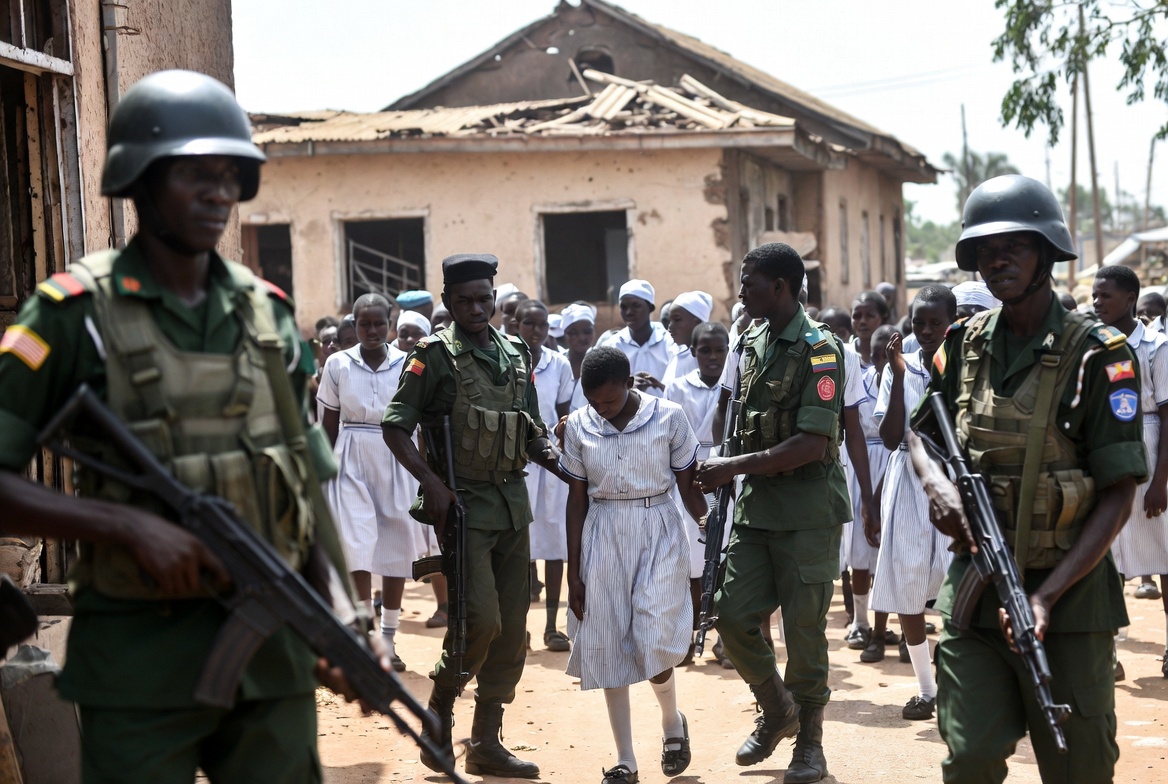
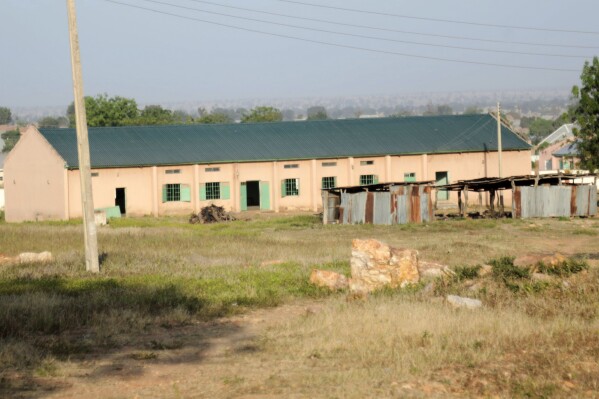
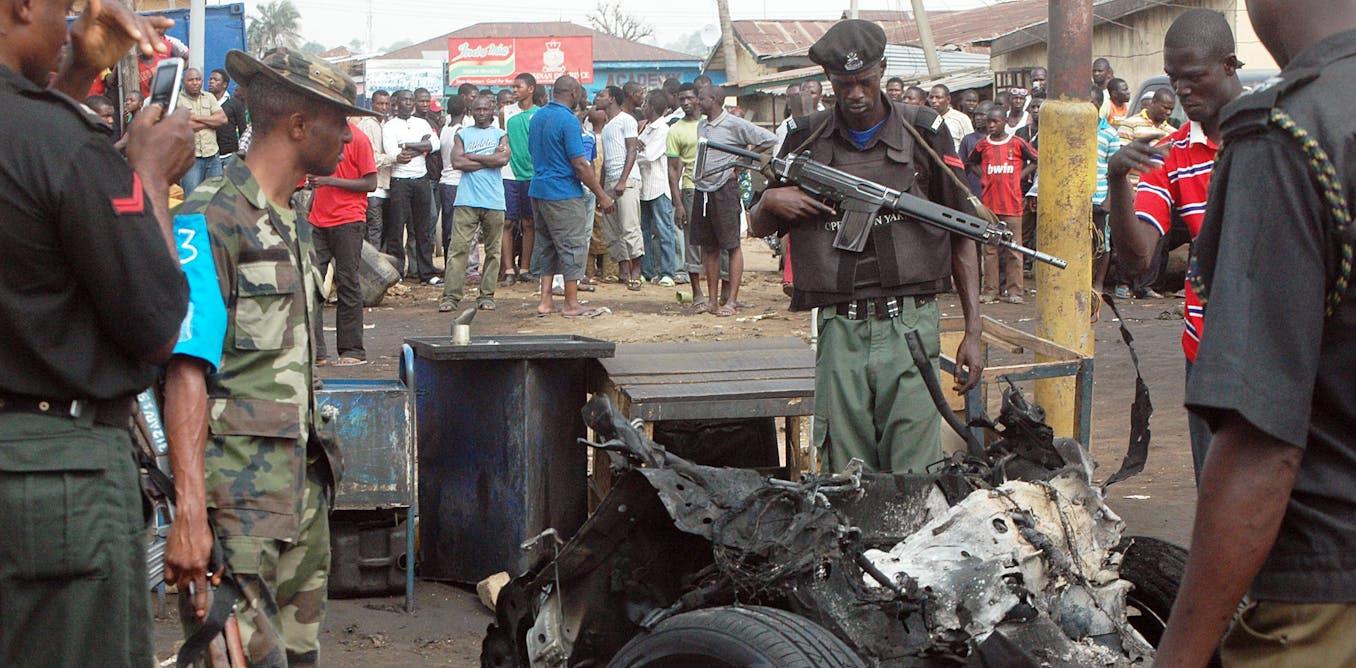
The interconnectedness of these crises becomes even clearer when we look at Nigeria. While playing a pivotal role in stabilizing its neighbor, Nigeria faces its own internal security crises. Last month, Nigerian authorities secured the release of 100 schoolchildren who’d been abducted from St. Mary’s Catholic boarding school in Niger state, one of the country’s most significant mass kidnappings. The Christian Association of Nigeria reported over 300 children and staff were initially taken by armed gunmen. Although community leaders haven’t officially confirmed the government’s statements about the release, this event spotlights the ongoing challenges Nigeria grapples with, from security issues to religious-based violence. These brutal attacks, especially those targeting Christian communities, have led some international observers to designate Nigeria a “country of particular concern” due to religious persecution. This places immense strain on Nigeria’s resources and authorities, even as it steps up to support Benin during its political turmoil. As West Africa’s tumultuous political climate navigates the aftermath of Benin’s failed coup, there’s cautious optimism for the region’s future. Nigeria and its allies must focus on rebuilding trust and safeguarding democratic institutions. At the same time, the broader West African community urgently needs to address the root causes of discontent, enhance security cooperation, and recommit to democratic governance. The coming months will surely be a vital test of resilience for a region truly at a crossroads, presenting both challenges and real opportunities to redefine stability in this pivotal part of Africa.