Burkina Faso and Mali Escalate Tensions with US Amid Intensified Military Actions Against Radical Groups
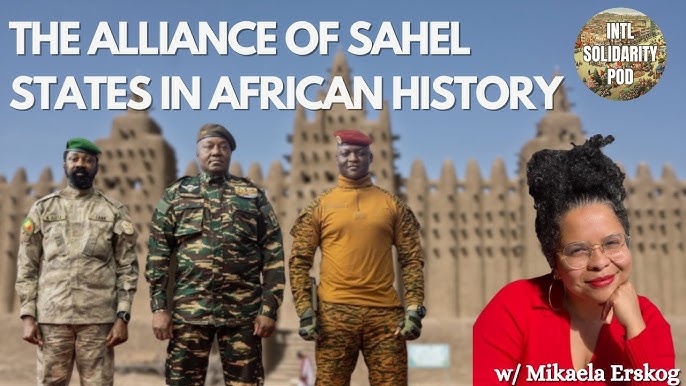
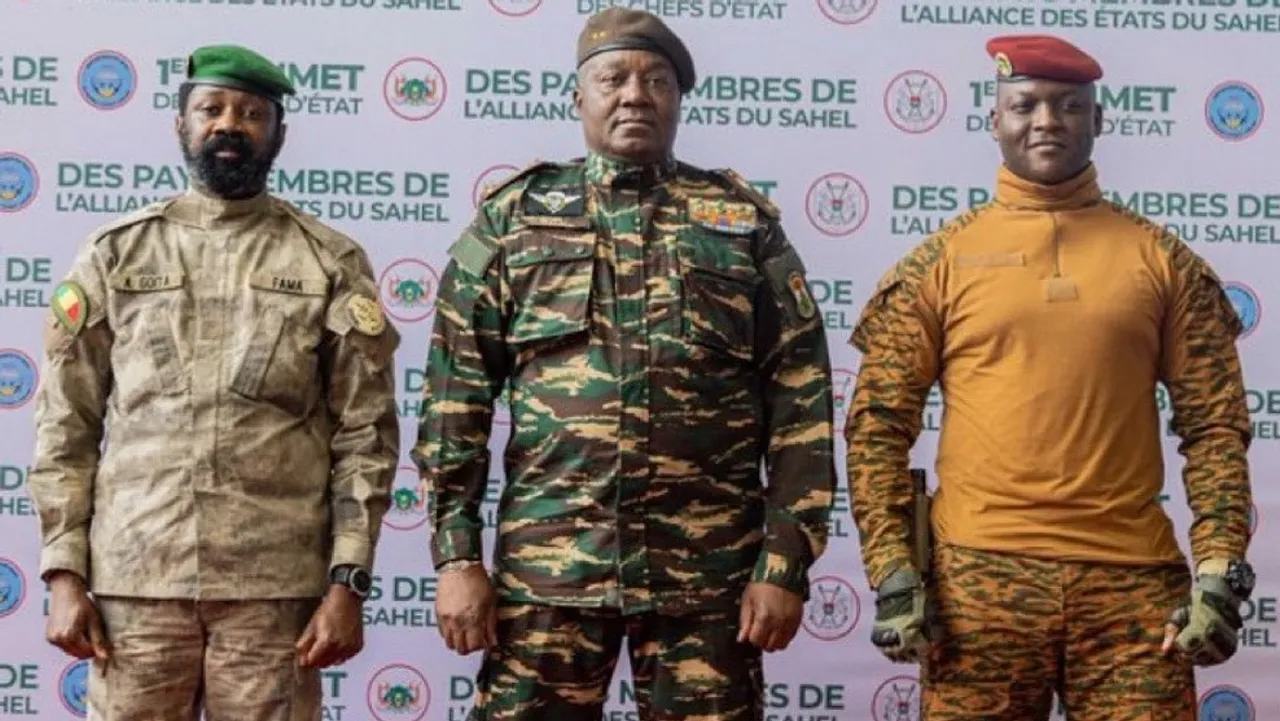
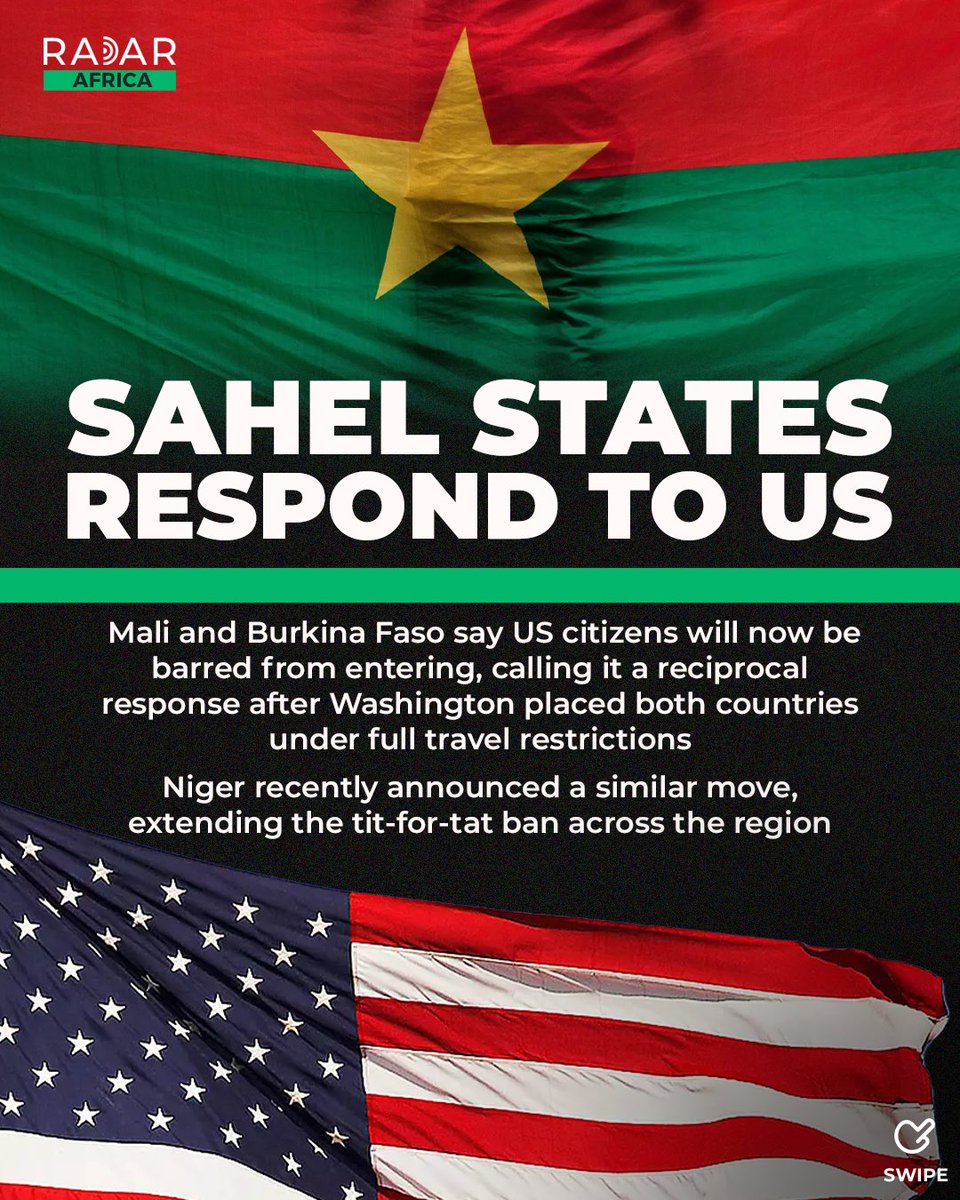
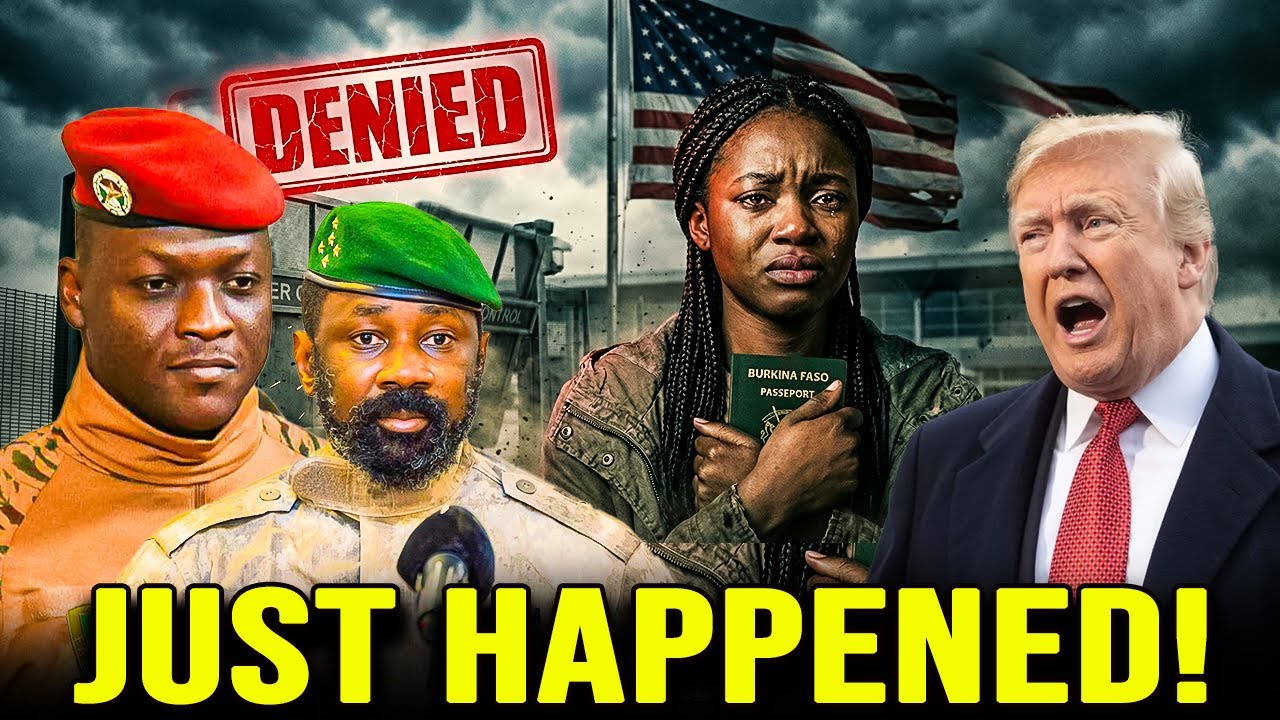
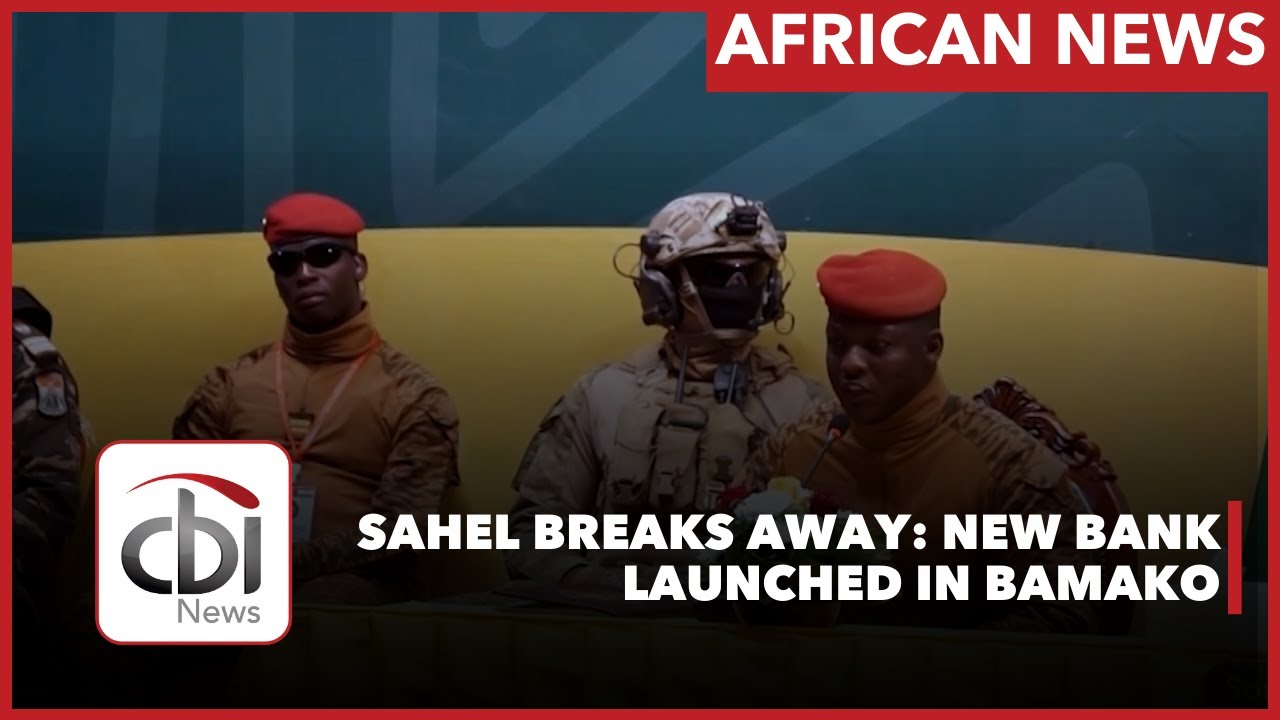
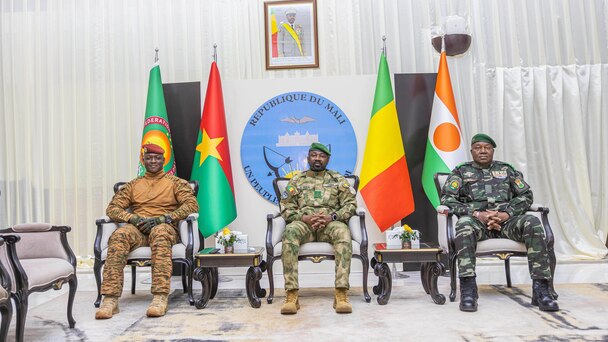
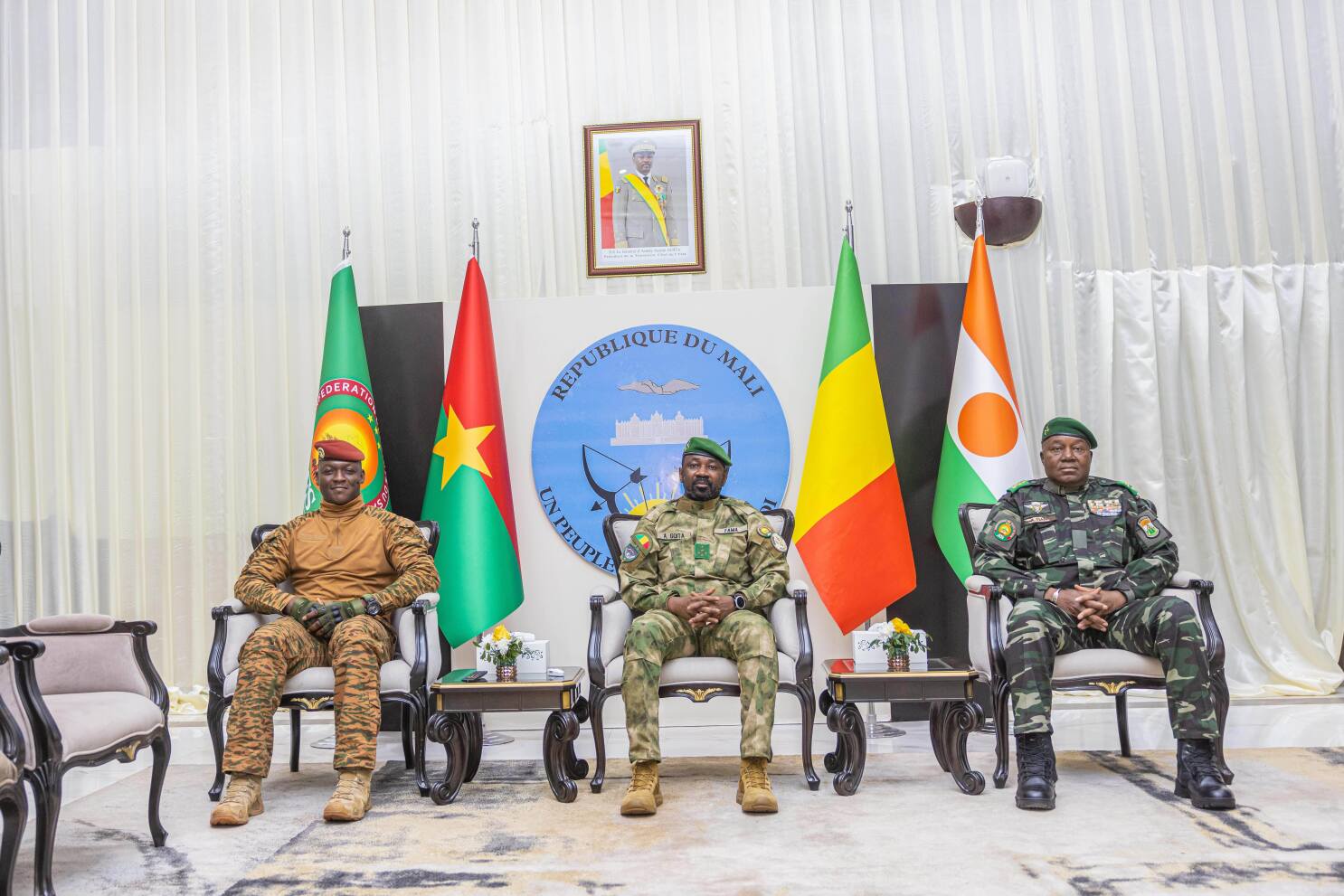
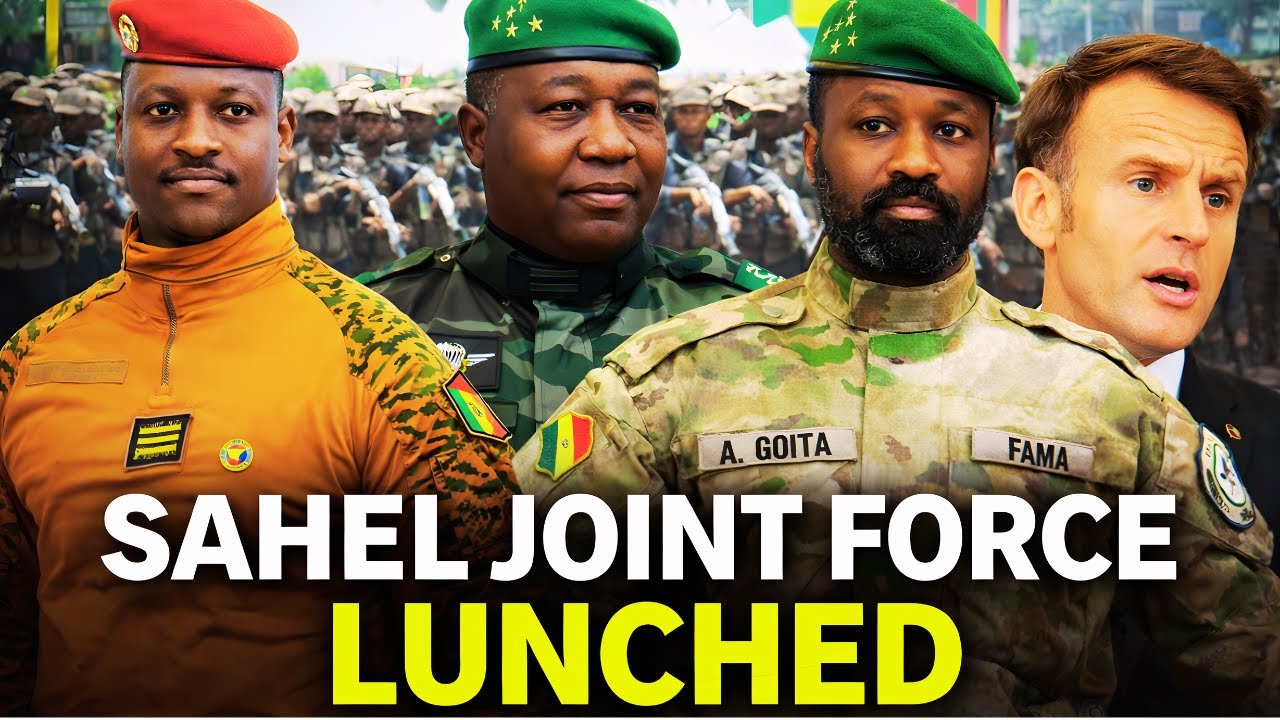
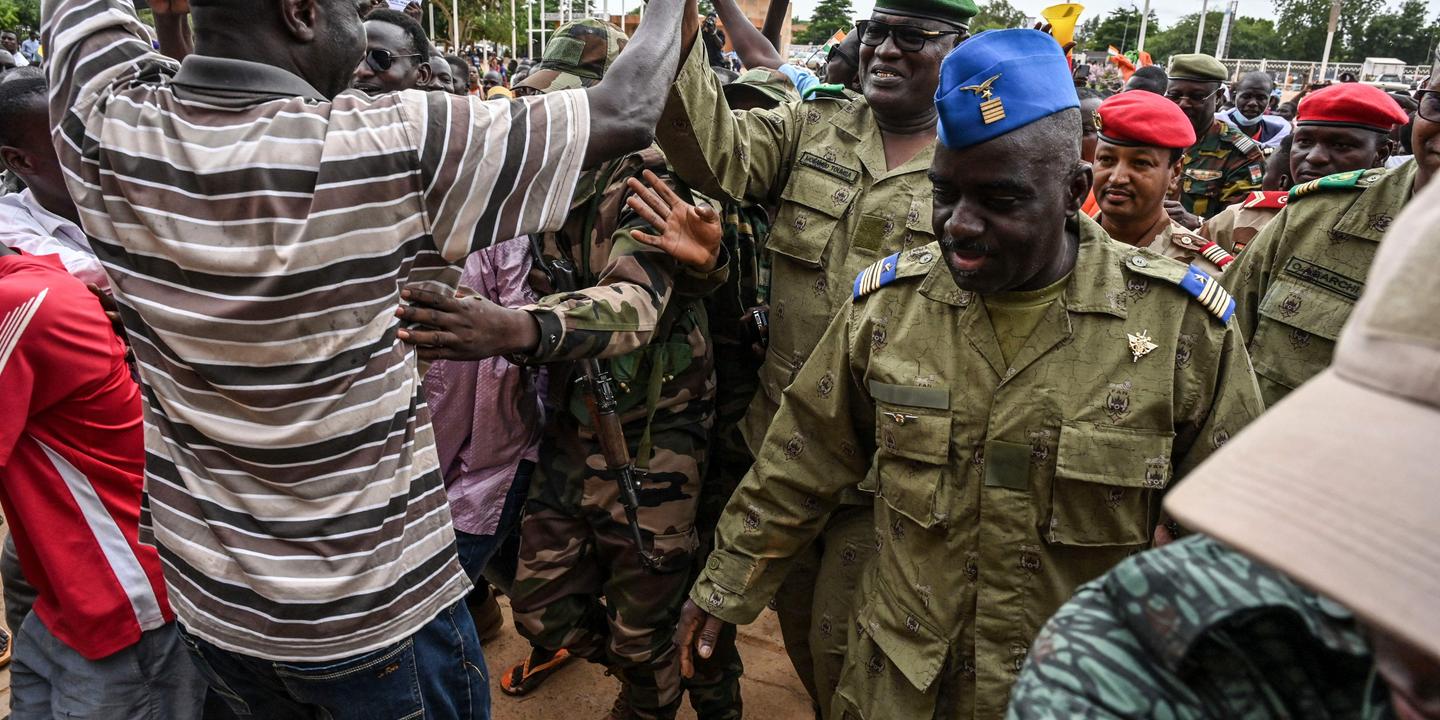
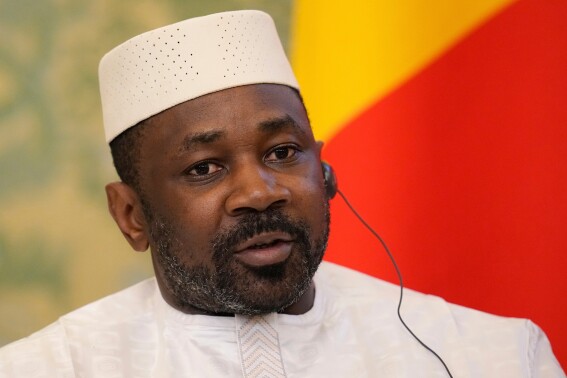
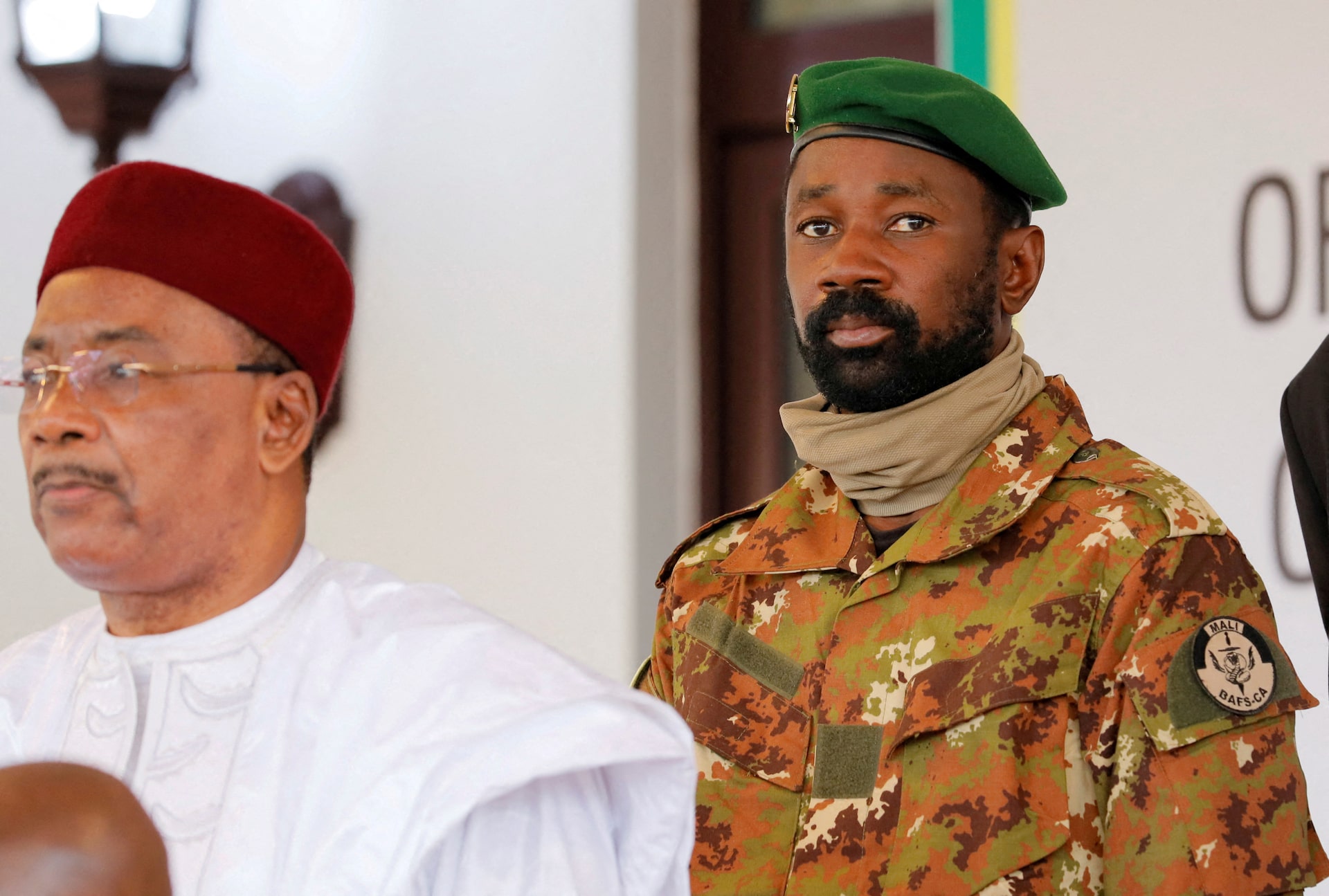
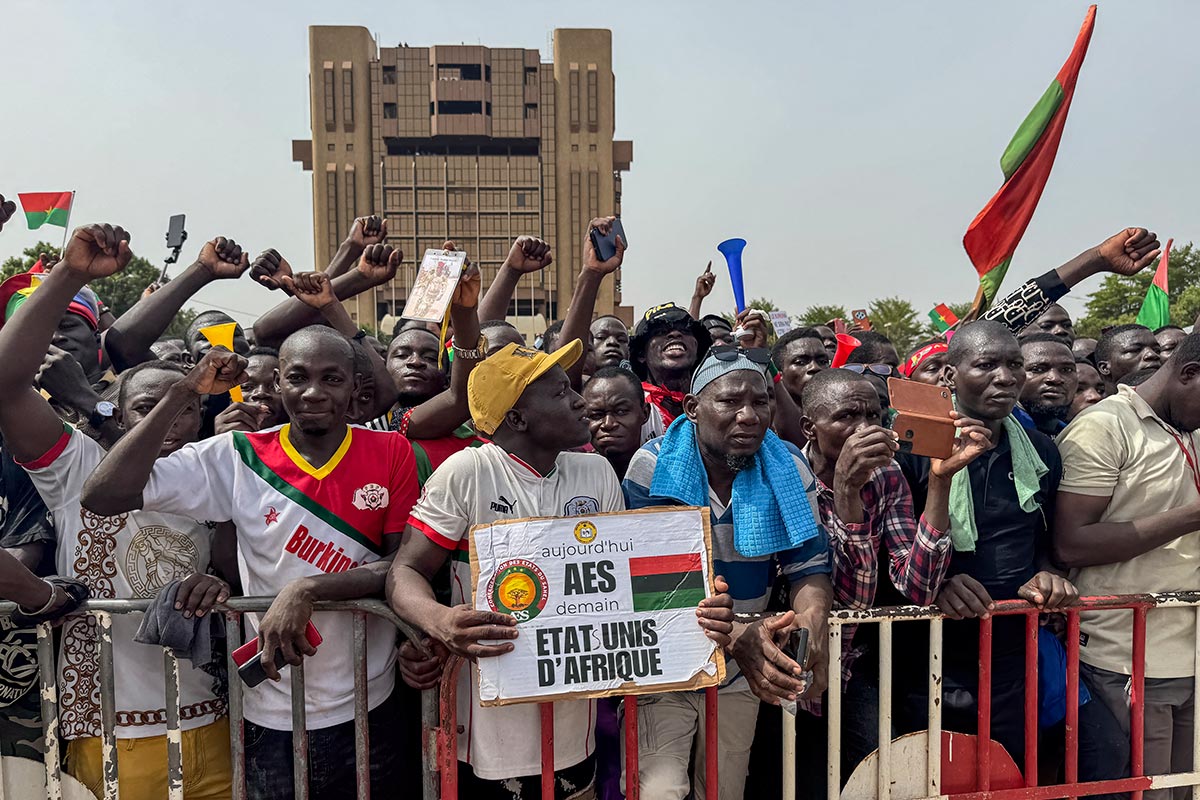
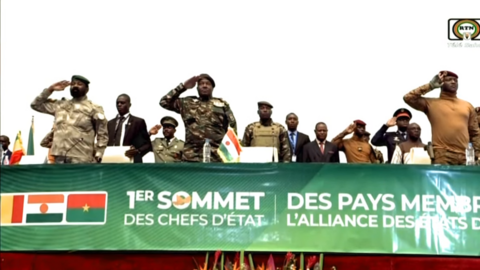
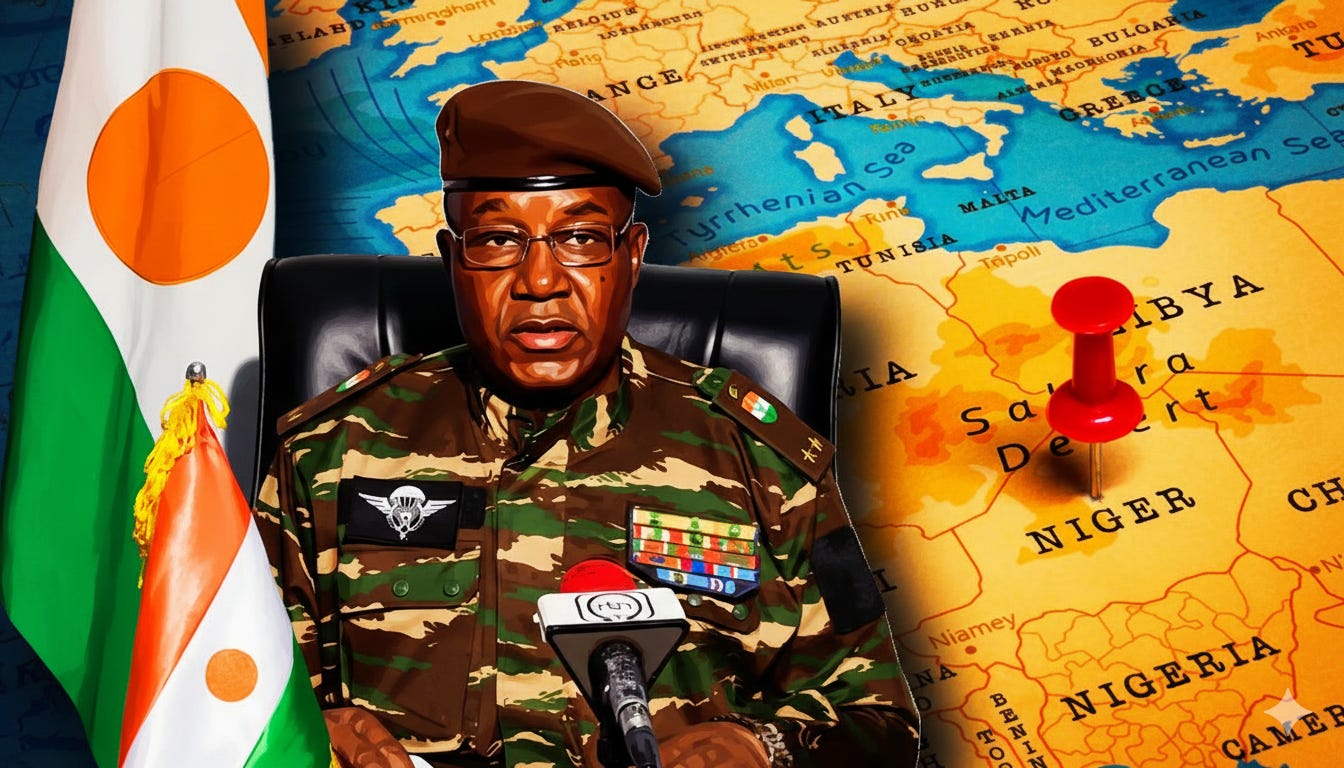
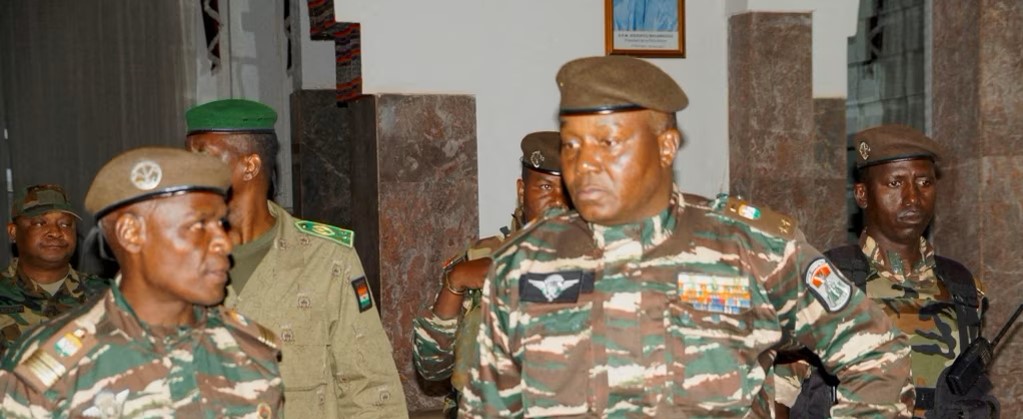
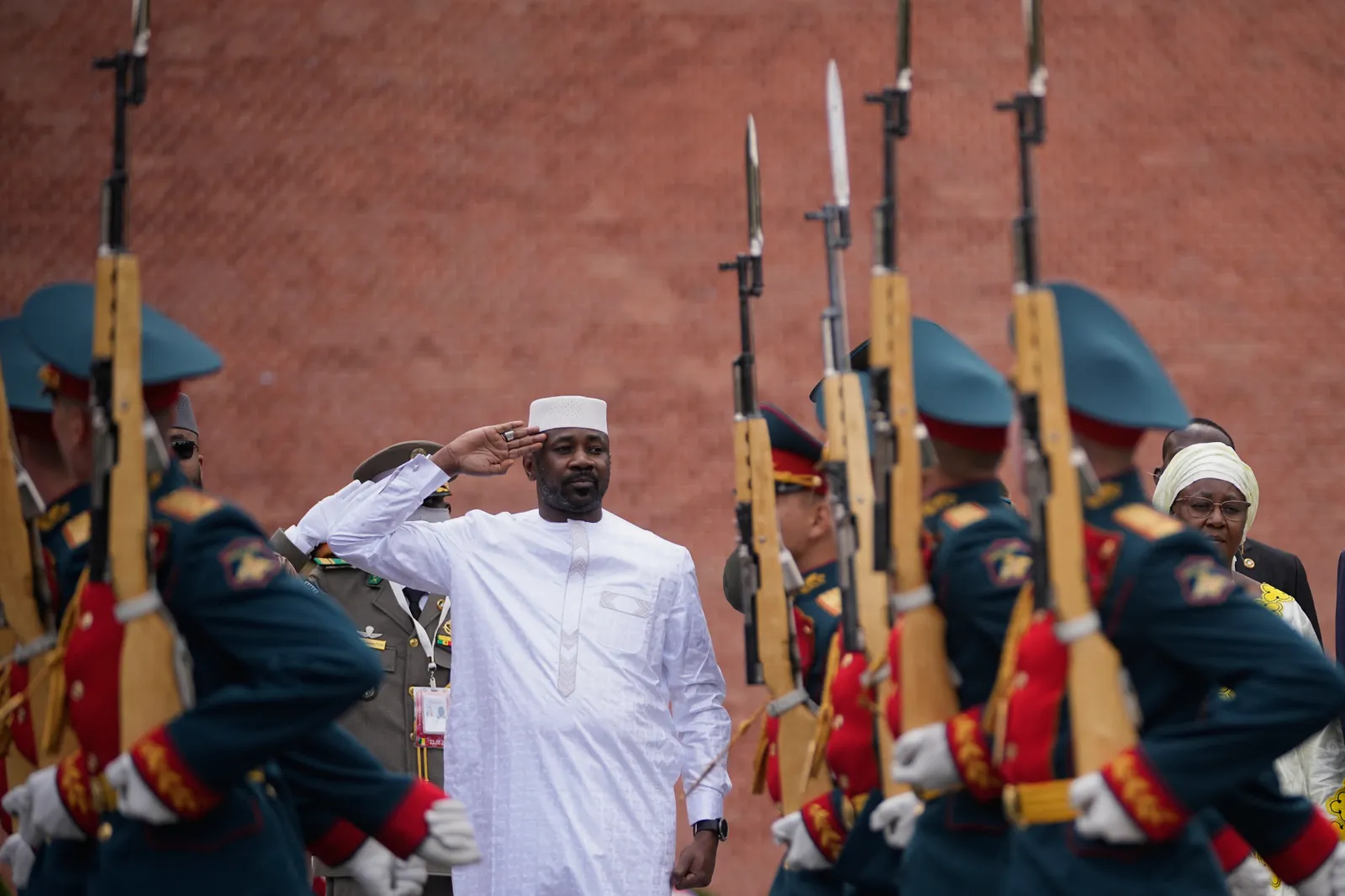
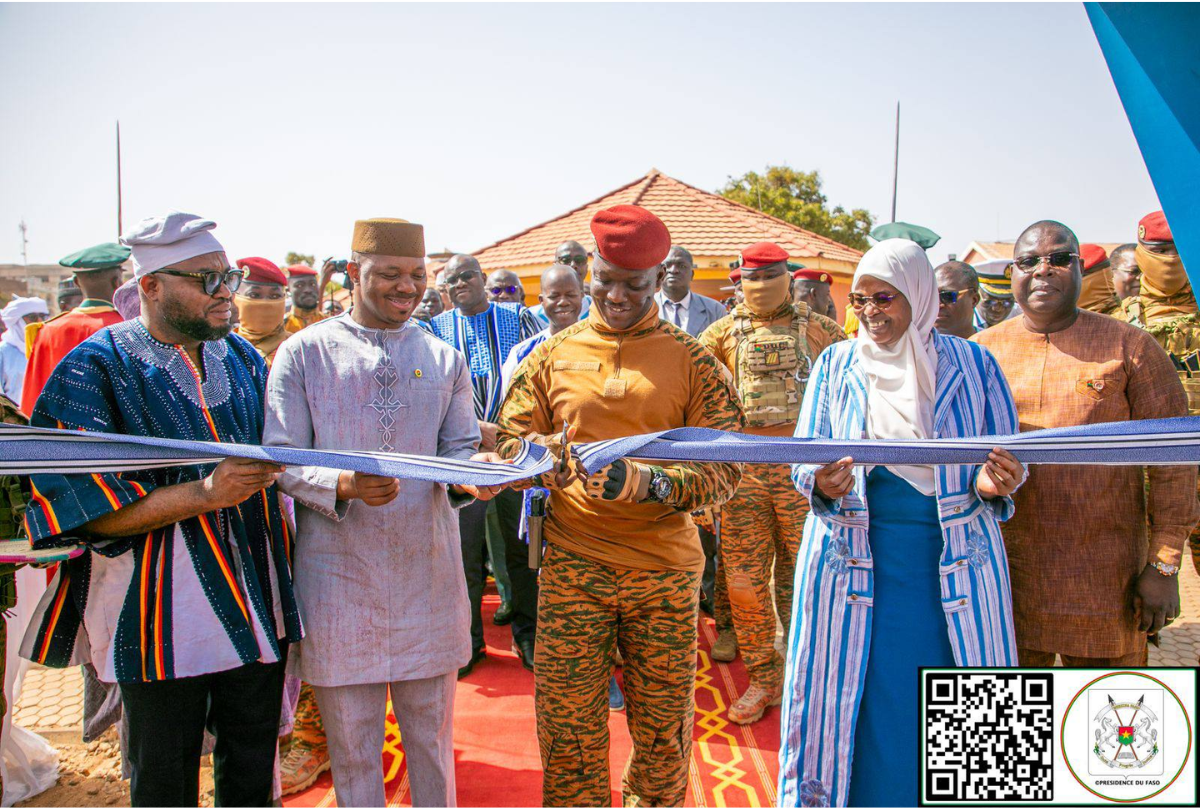
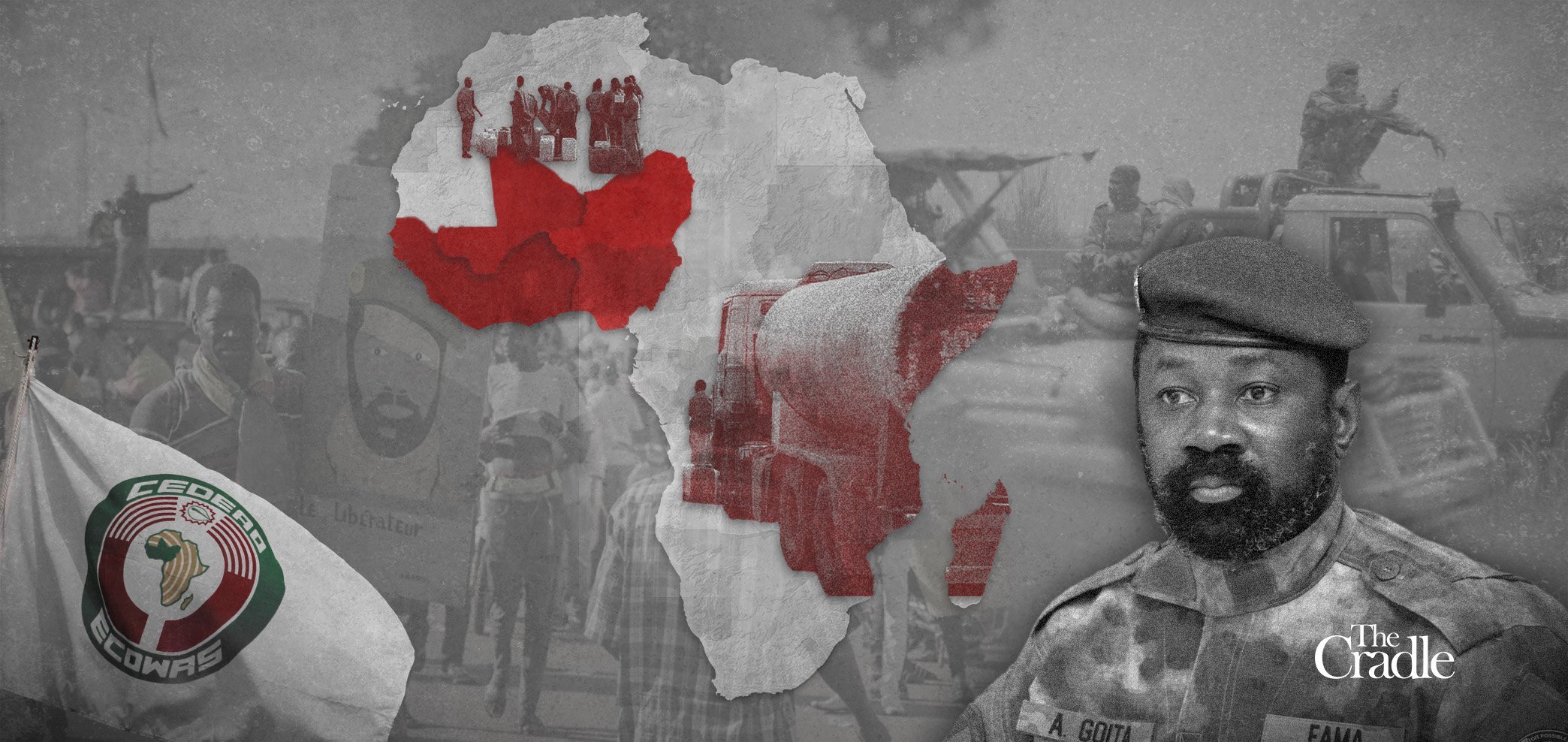
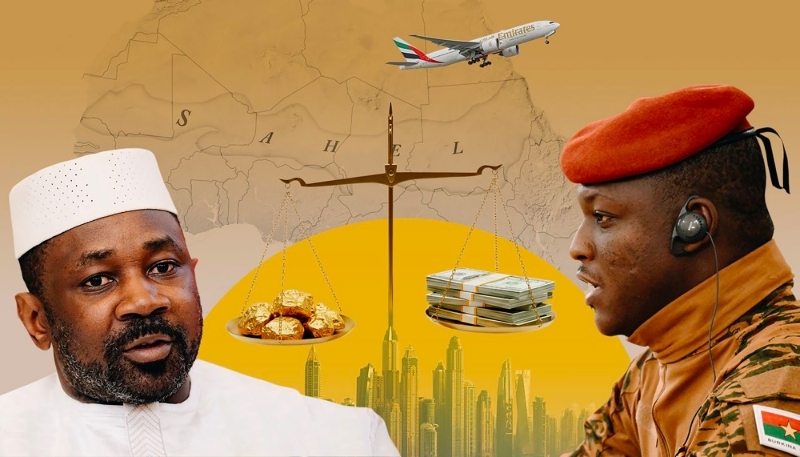
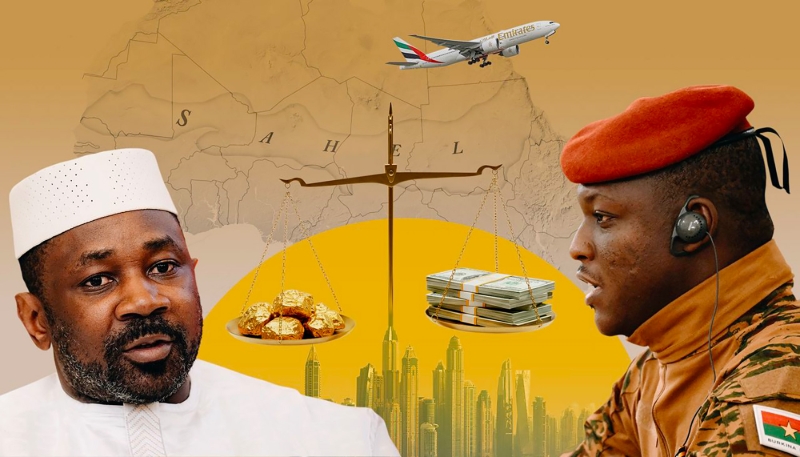
In a dramatic escalation of diplomatic tensions in West Africa, the military-led governments of Burkina Faso and Mali have jointly announced a retaliatory travel ban on United States nationals. This isn’t just a minor spat, it’s the latest sign of a deeply frosty relationship between these nations and the United States, which has grown increasingly strained. The announcement, coming after a series of diplomatic disagreements, really reflects broader geopolitical fault lines across the region. It’s a region grappling with severe internal security challenges, like the persistent threat of radical groups, and navigating increasingly complicated foreign relations simultaneously.
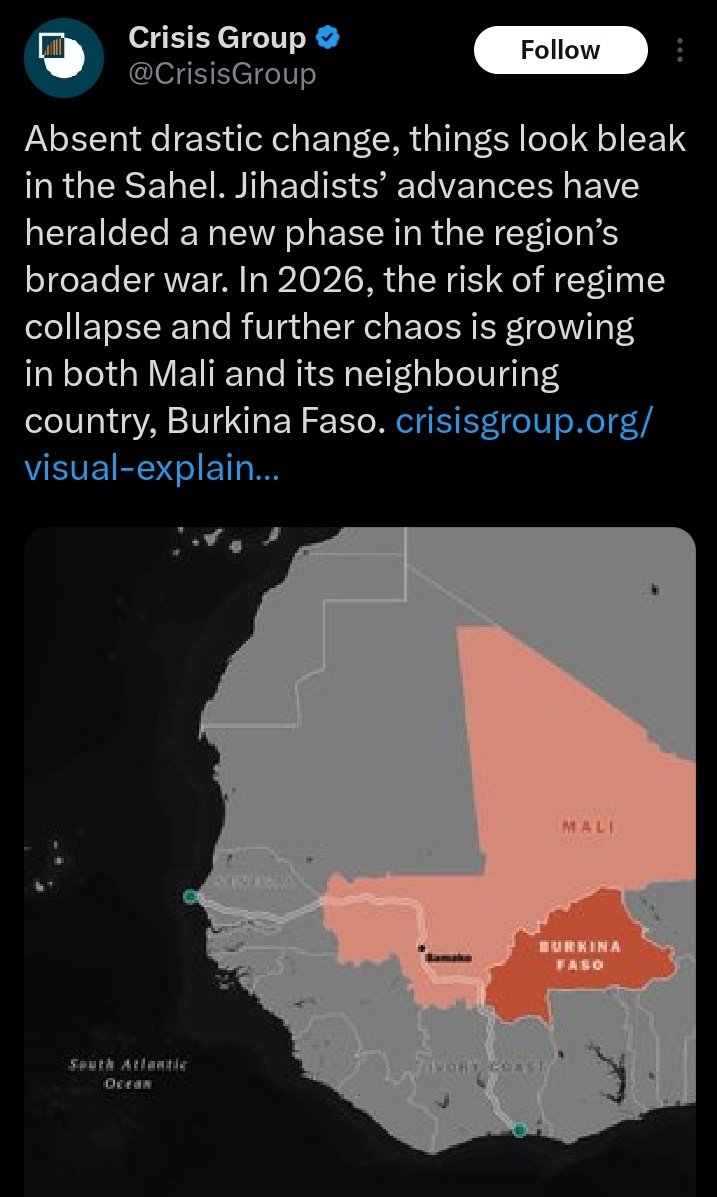
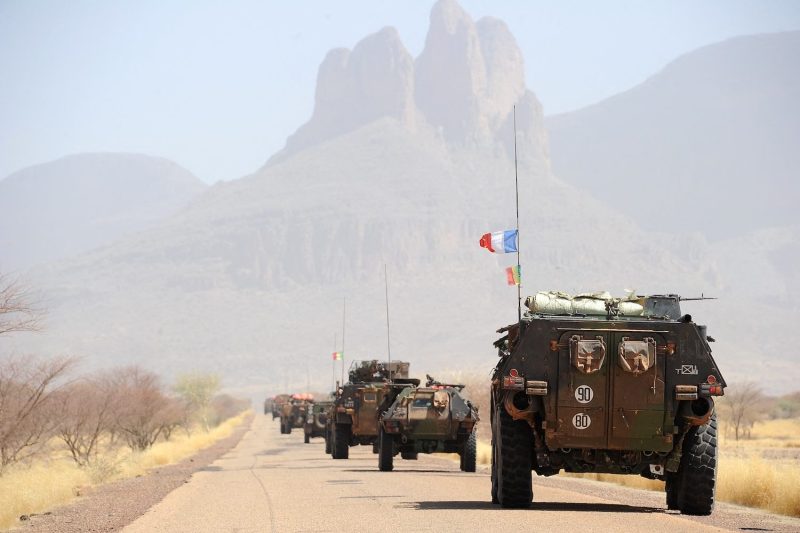
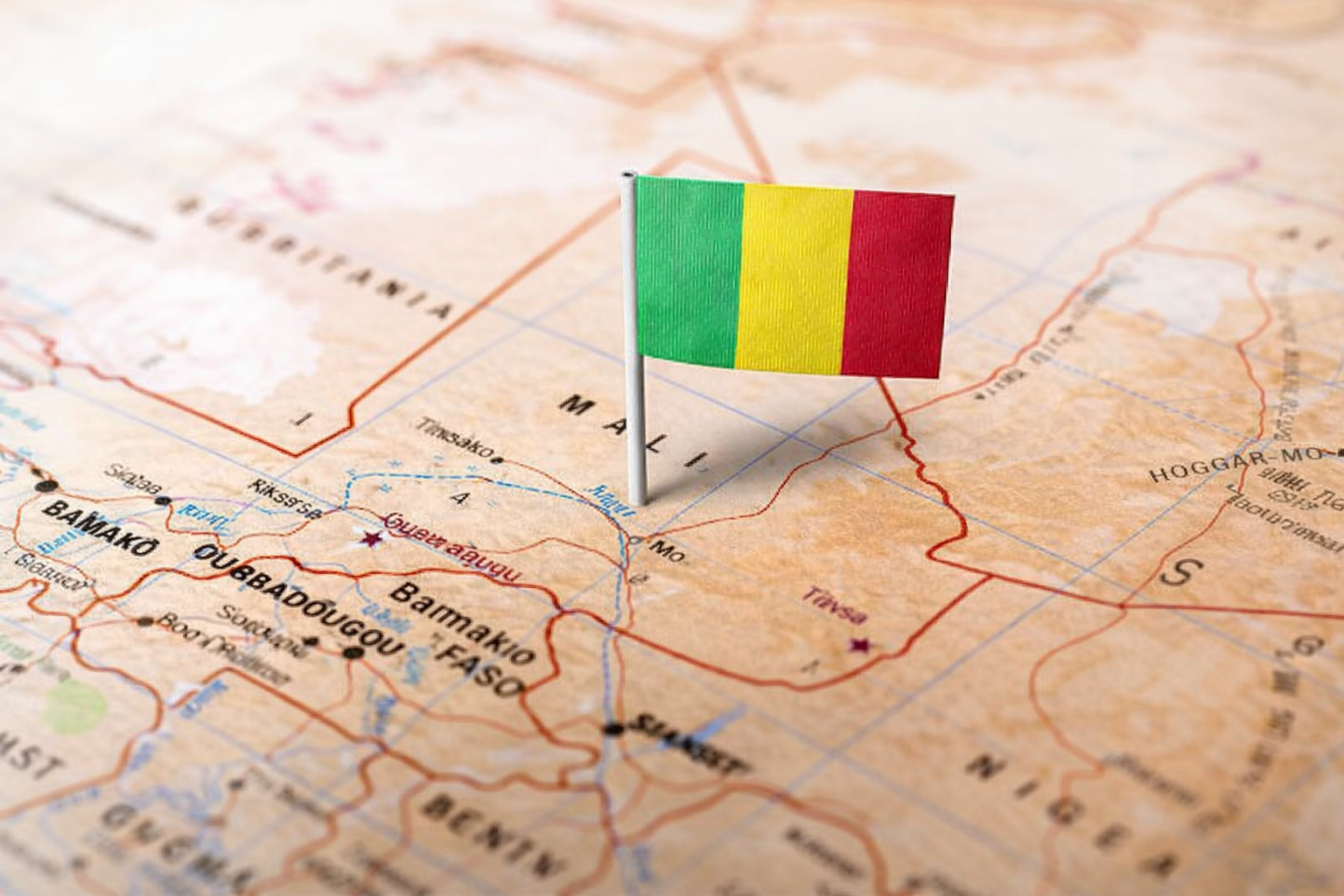
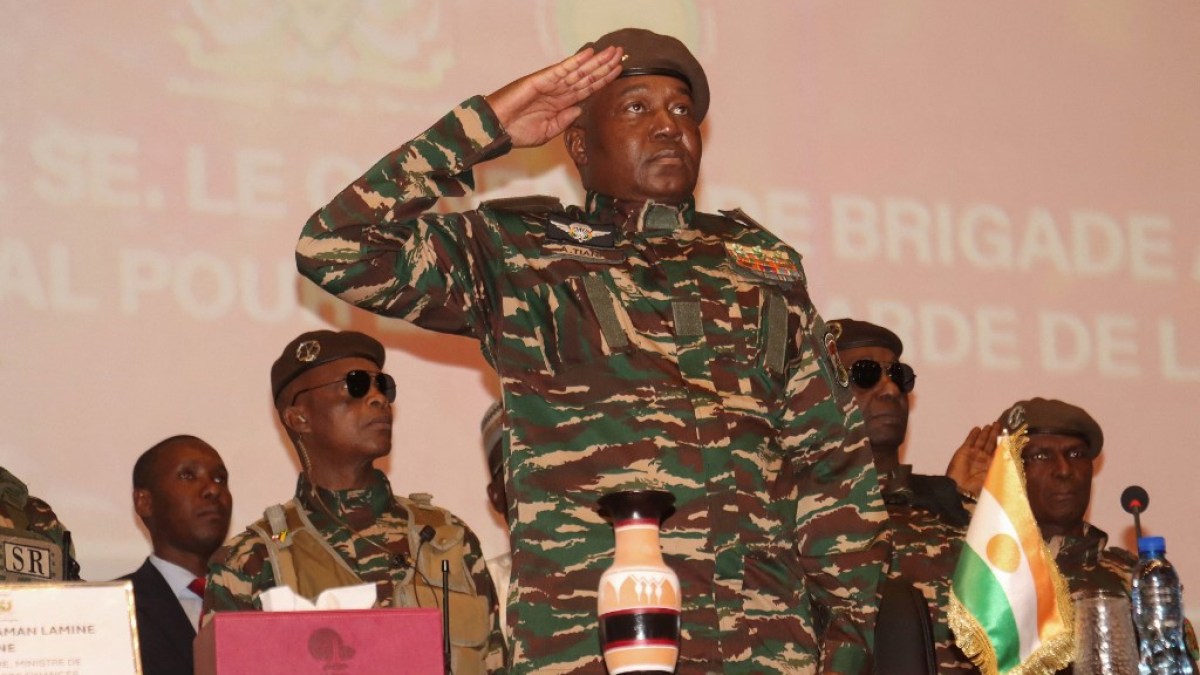
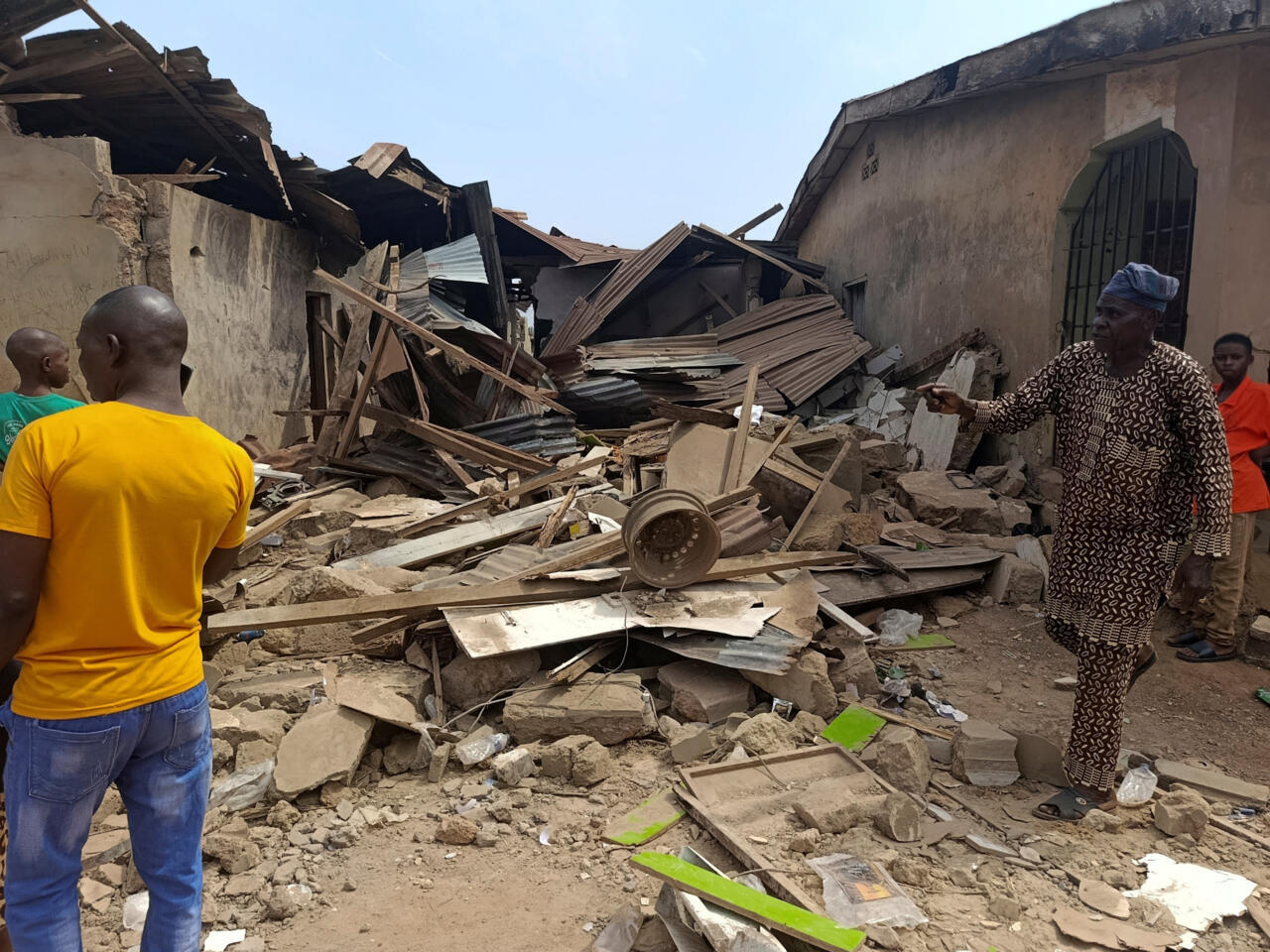
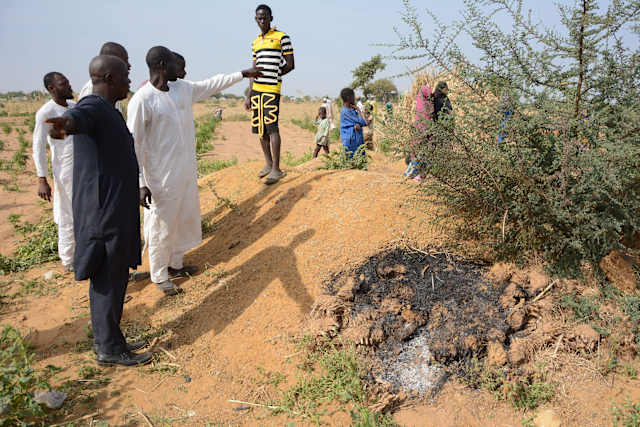
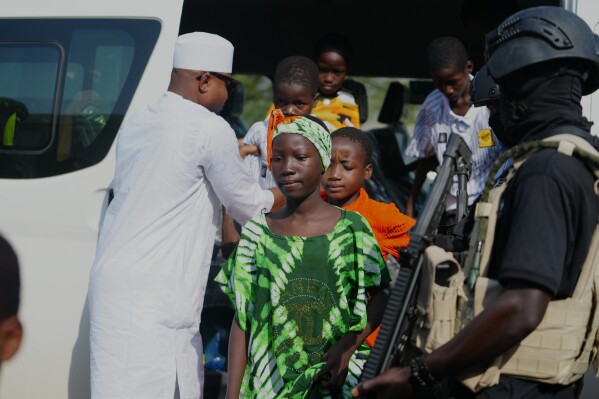
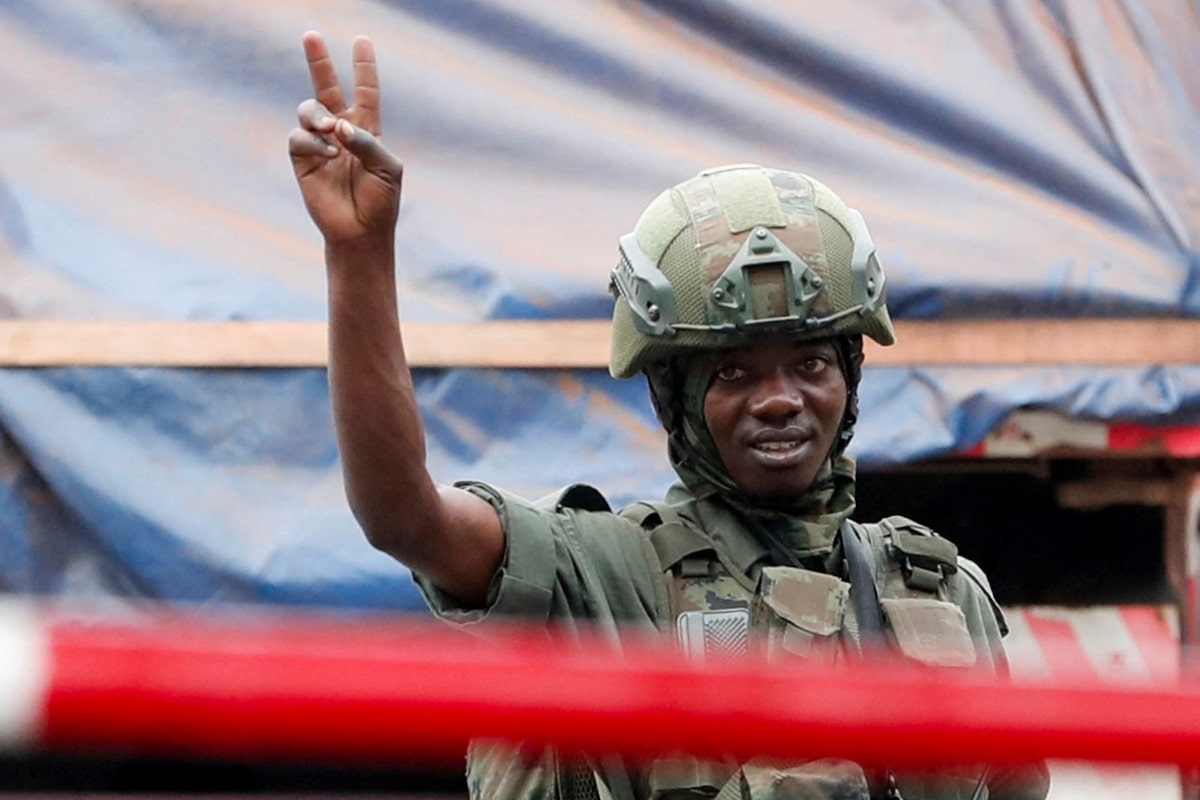
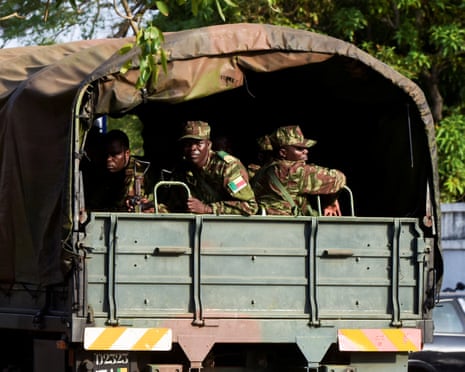
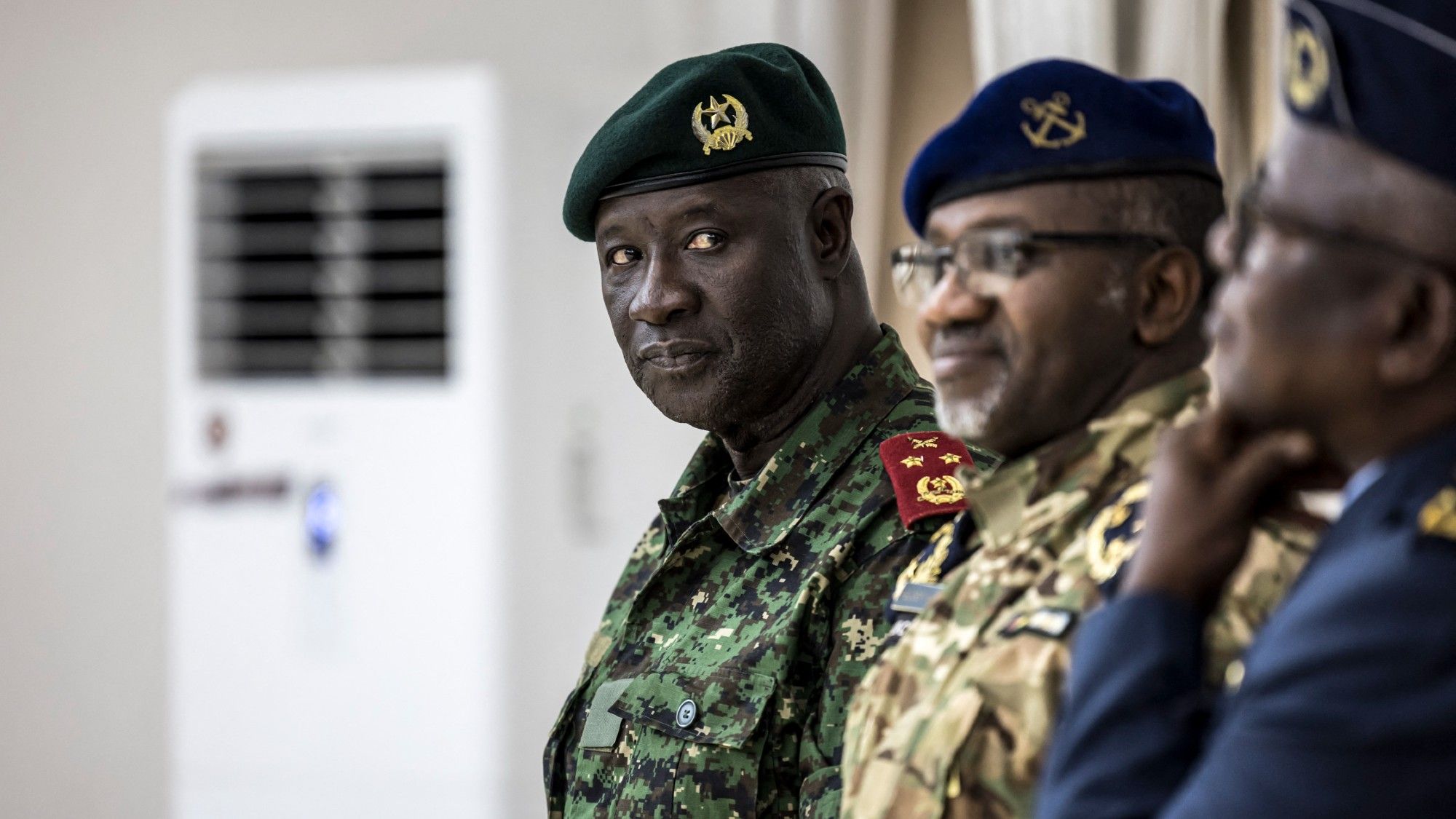
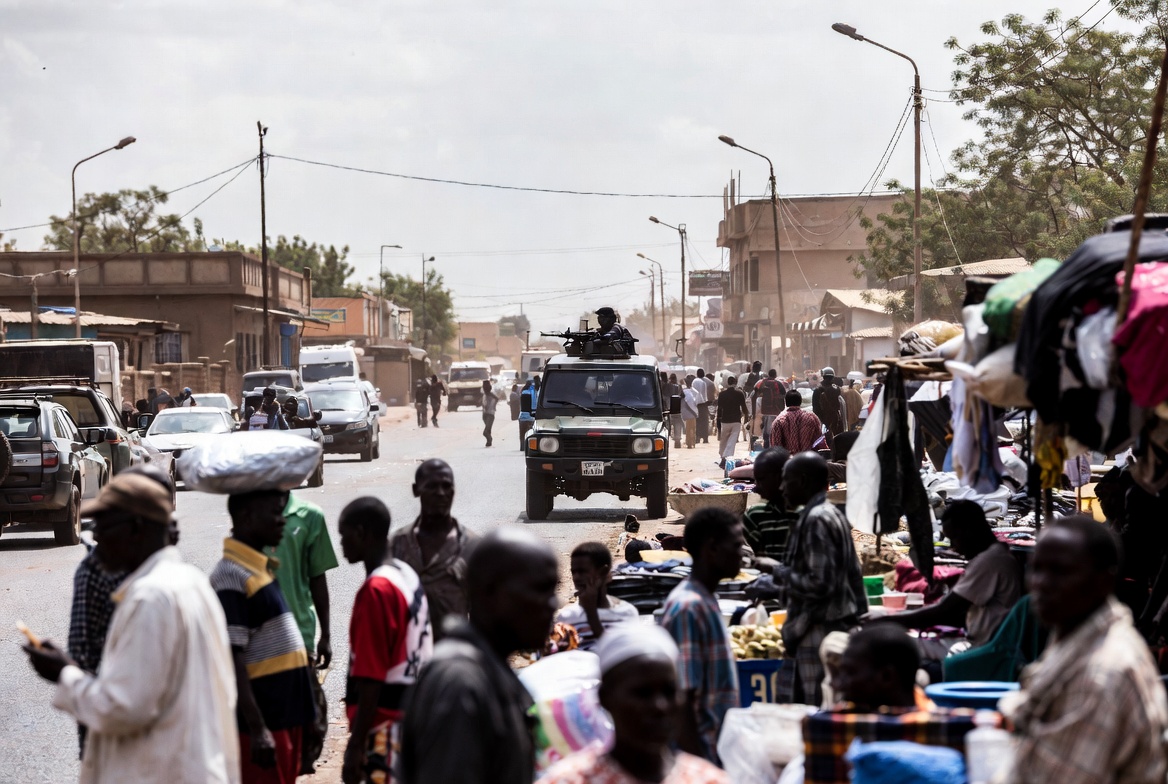
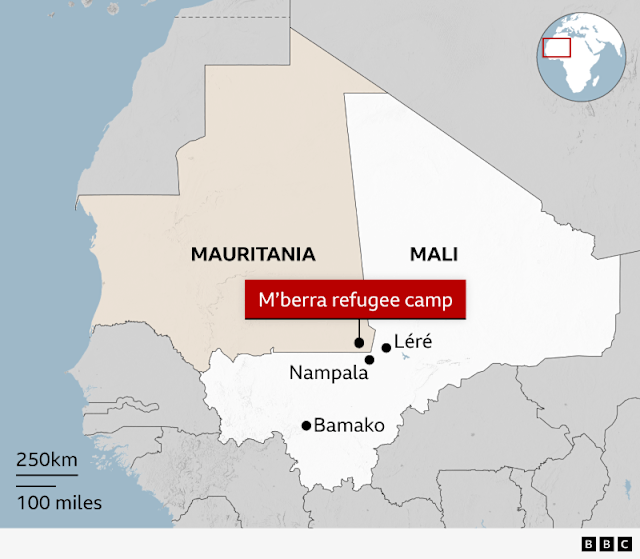
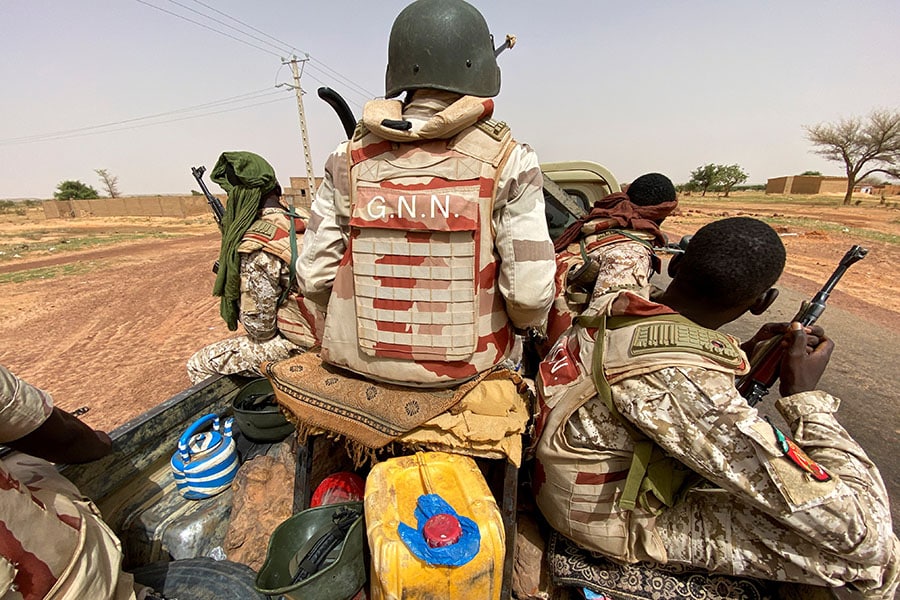
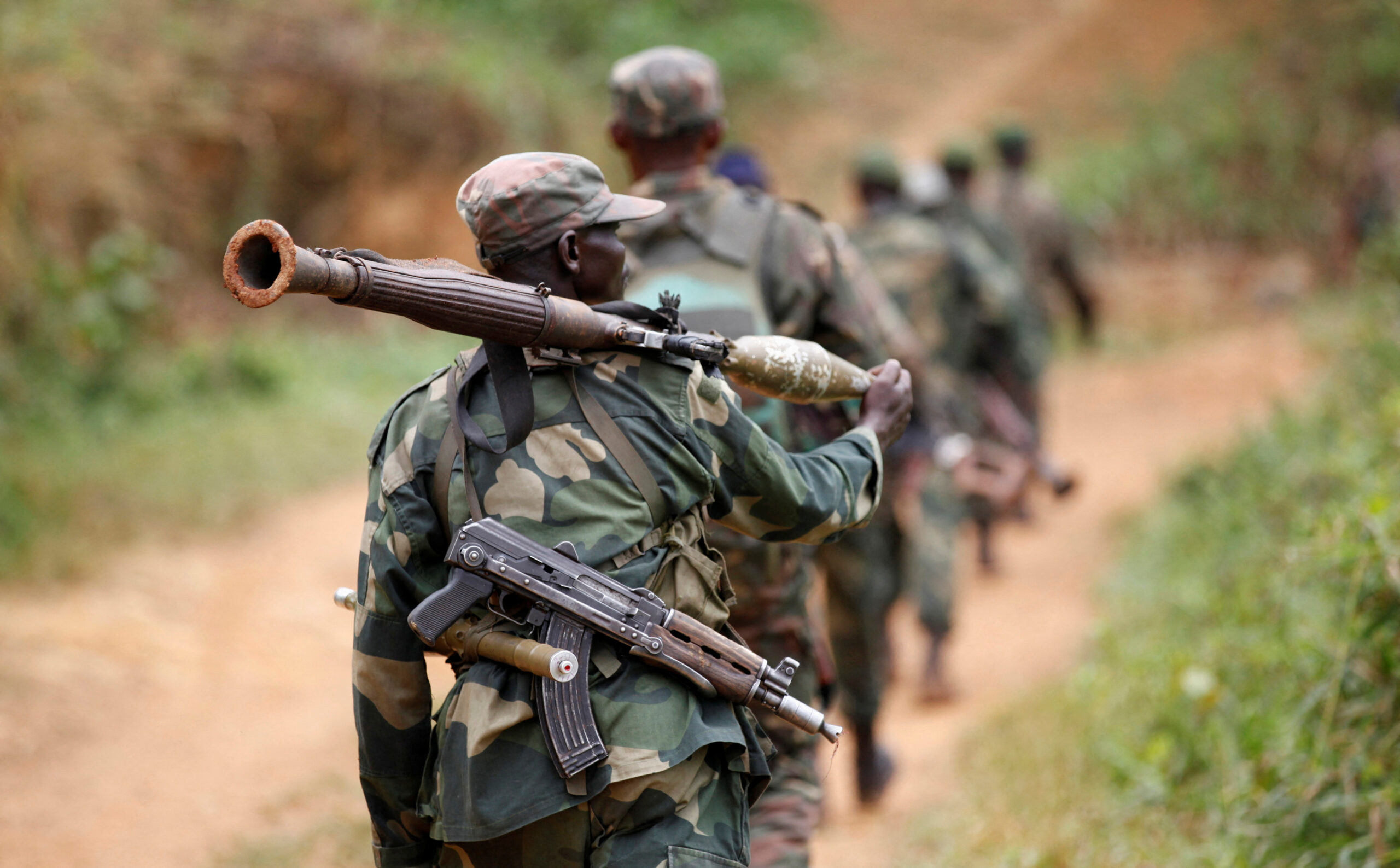
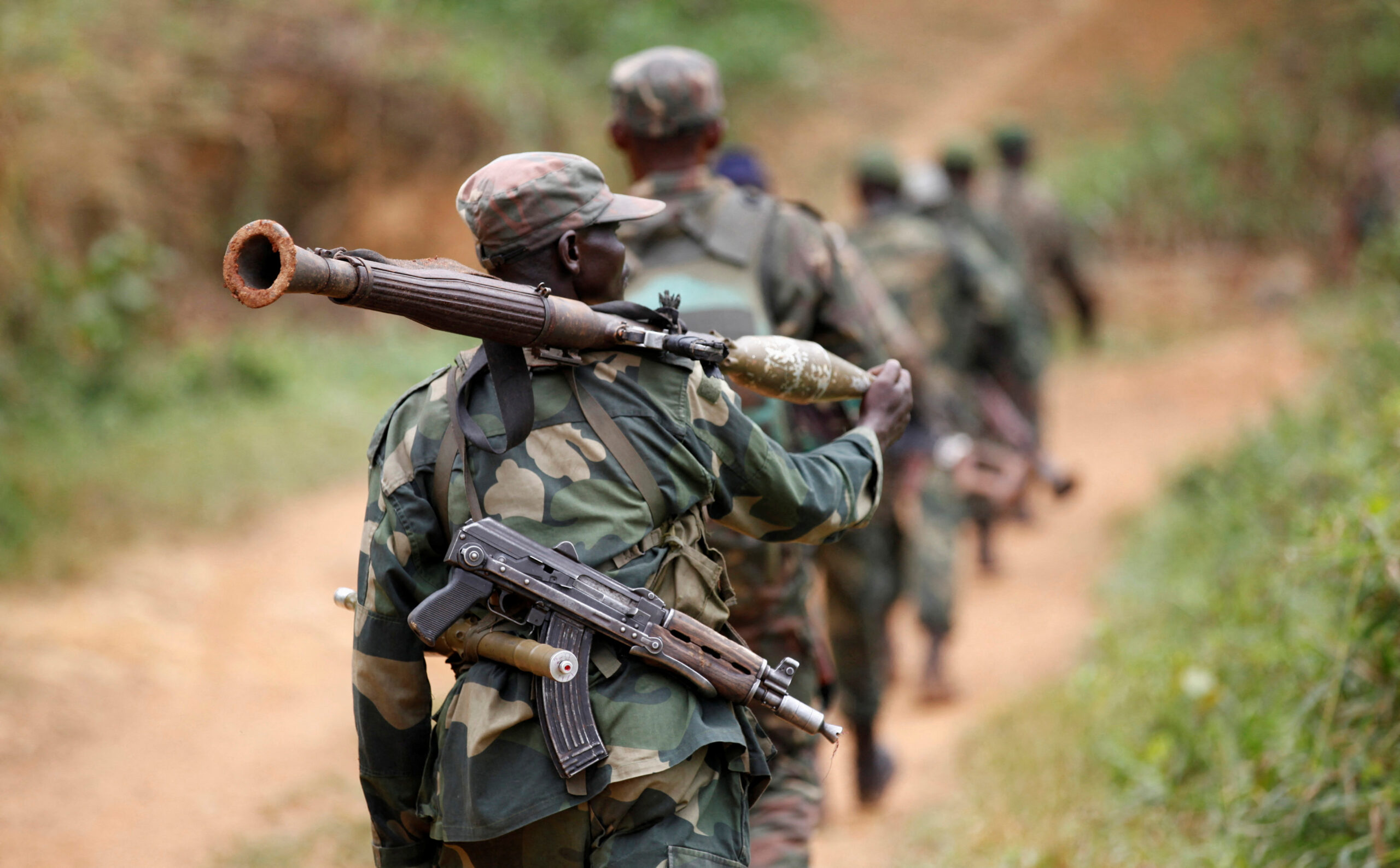
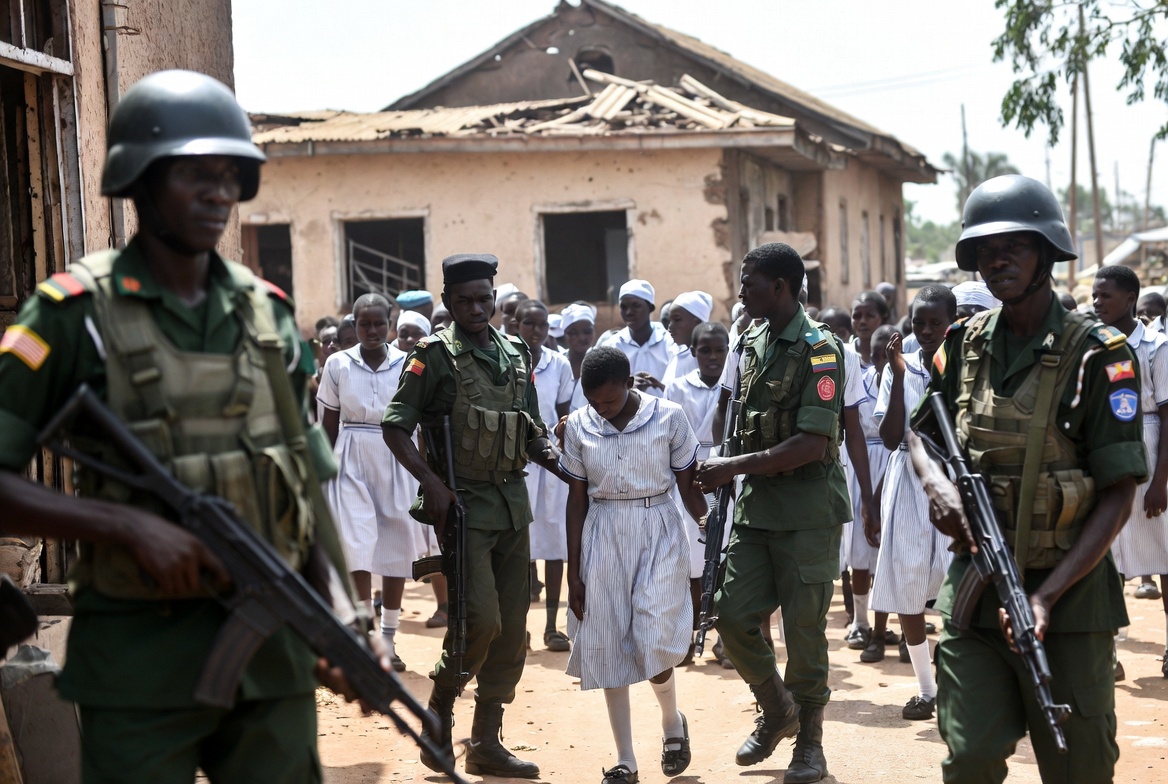
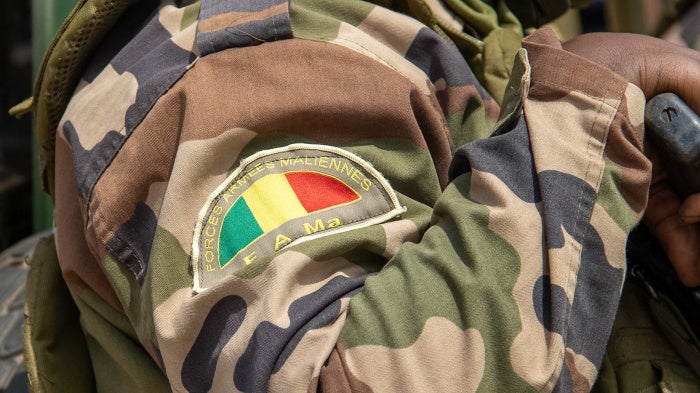
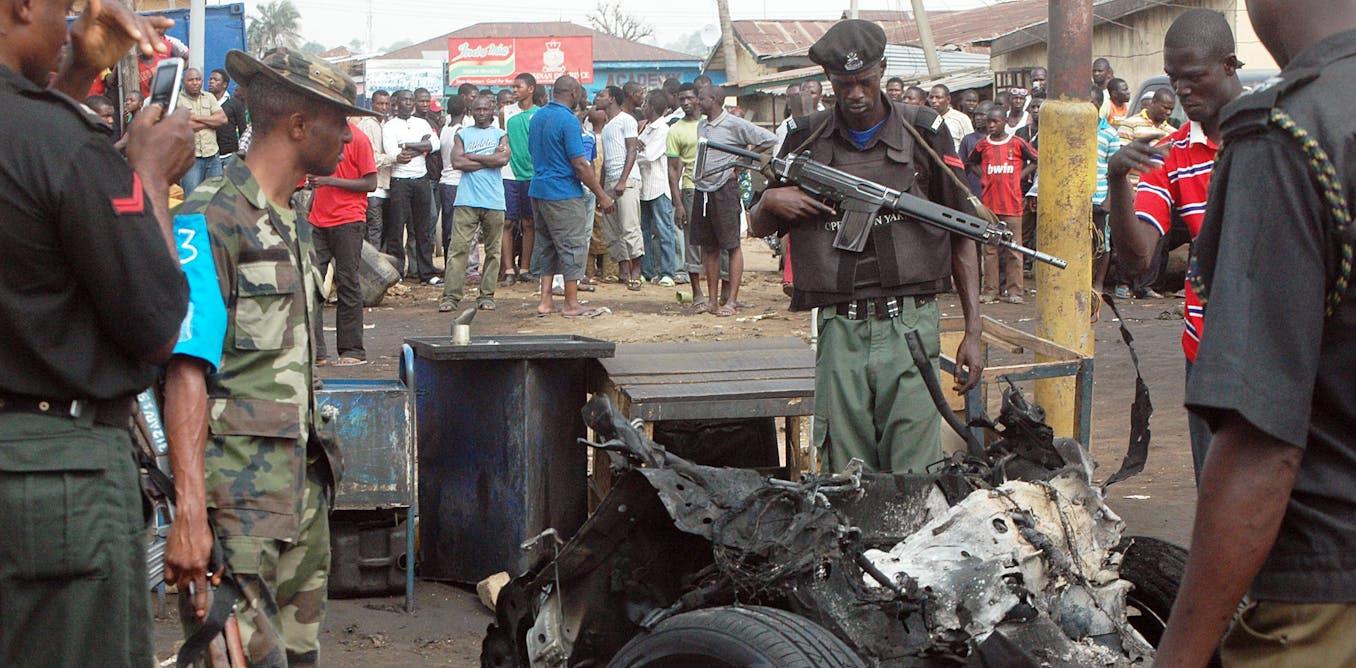
This decision to ban US nationals has sent ripples far beyond diplomatic offices. It signals a hardening stance by Burkina Faso and Mali’s military juntas, who clearly perceive external interference at play. Many analysts worry this move could seriously complicate ongoing counterterrorism cooperation with Western nations. Remember, both countries are deep in the trenches, battling violent extremist groups that have destabilized much of the Sahel region over recent years. Take Mali, for instance. Its army has reportedly intensified its military offensive against these radical groups, underscoring a brutal and years-long conflict. Recent Prensa Latina reports indicate the Malian Air Force launched targeted air strikes against terrorist factions south of Bamako. This operation truly reflects the army’s renewed commitment to regaining control over insurgent-held territories that threaten national and regional security. Yet, these intense military efforts cast a long shadow from the recently strained diplomatic ties. The retaliatory travel ban, though details remain somewhat scant, seems a clear response to perceived hostile actions or sanctions imposed by the United States. It’s a warning of deeper dissatisfaction and mistrust, which in turn impacts aid, intelligence sharing, and military collaboration from traditional Western partners.
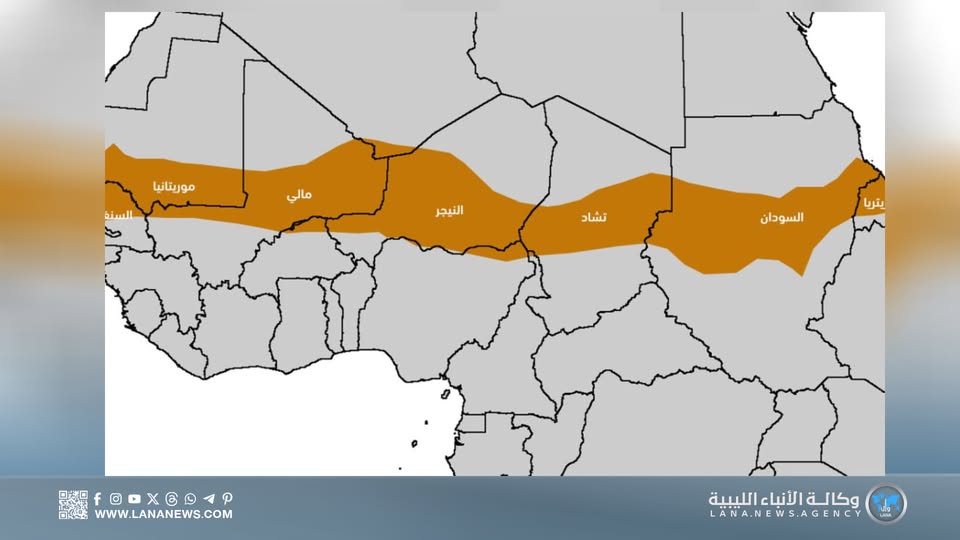
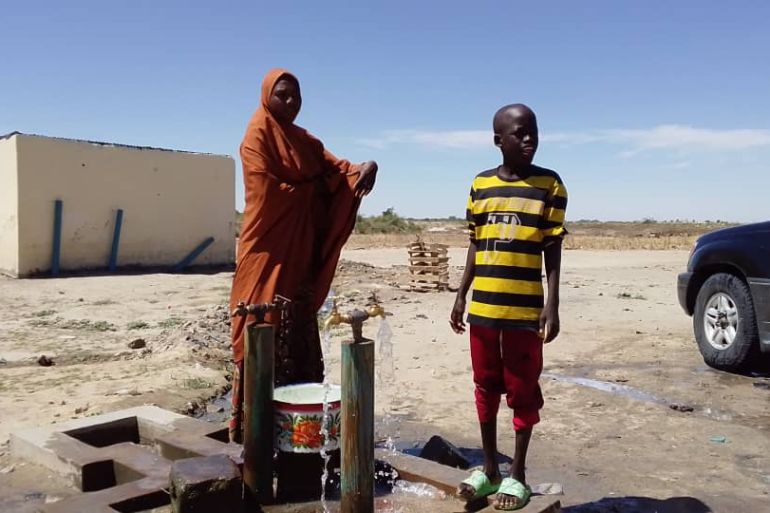
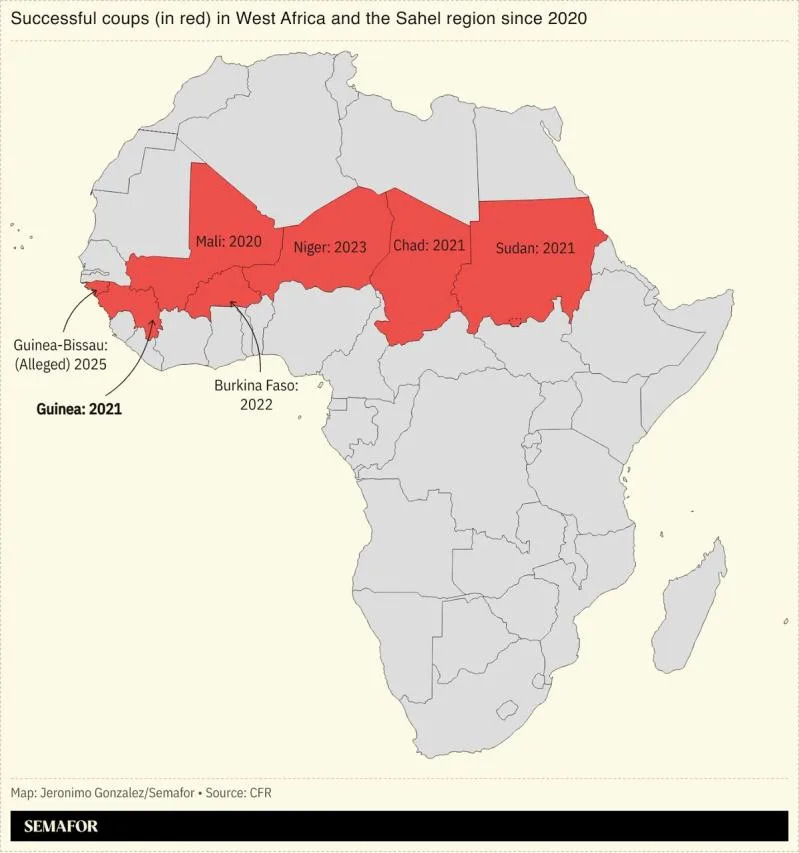
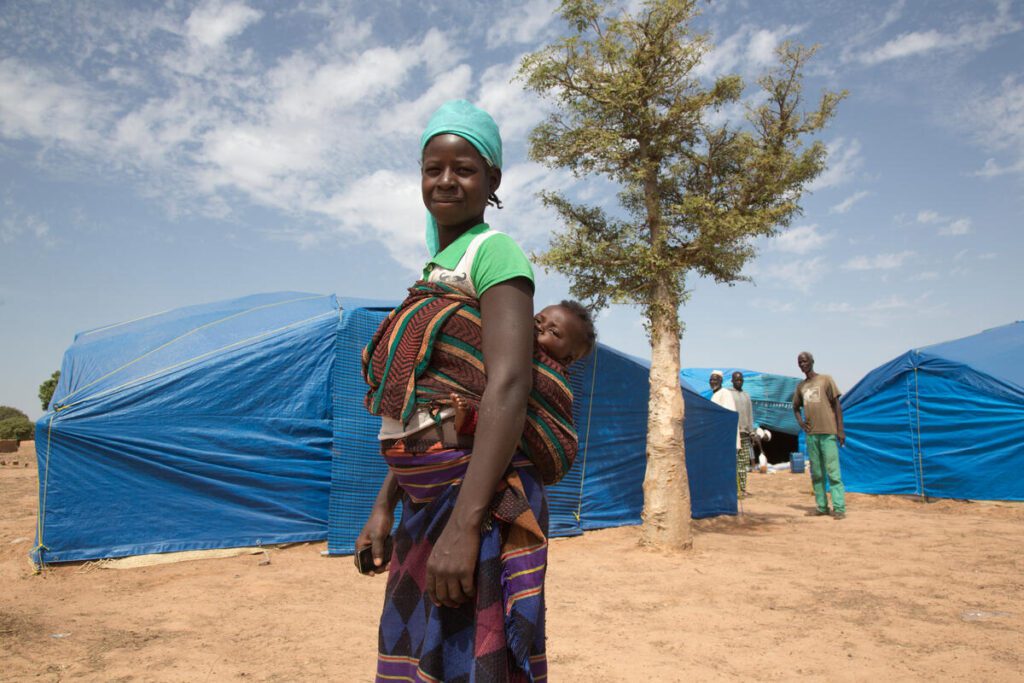
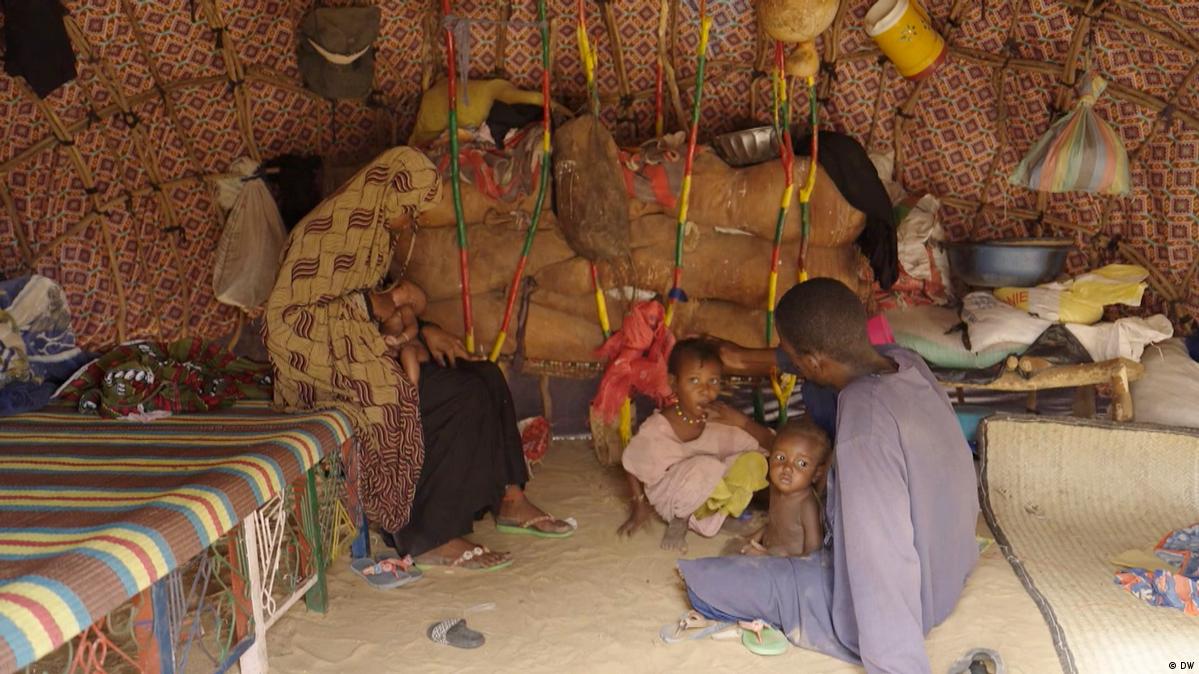
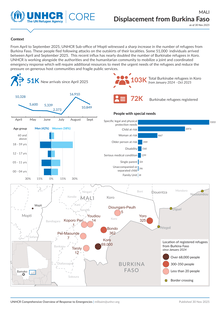
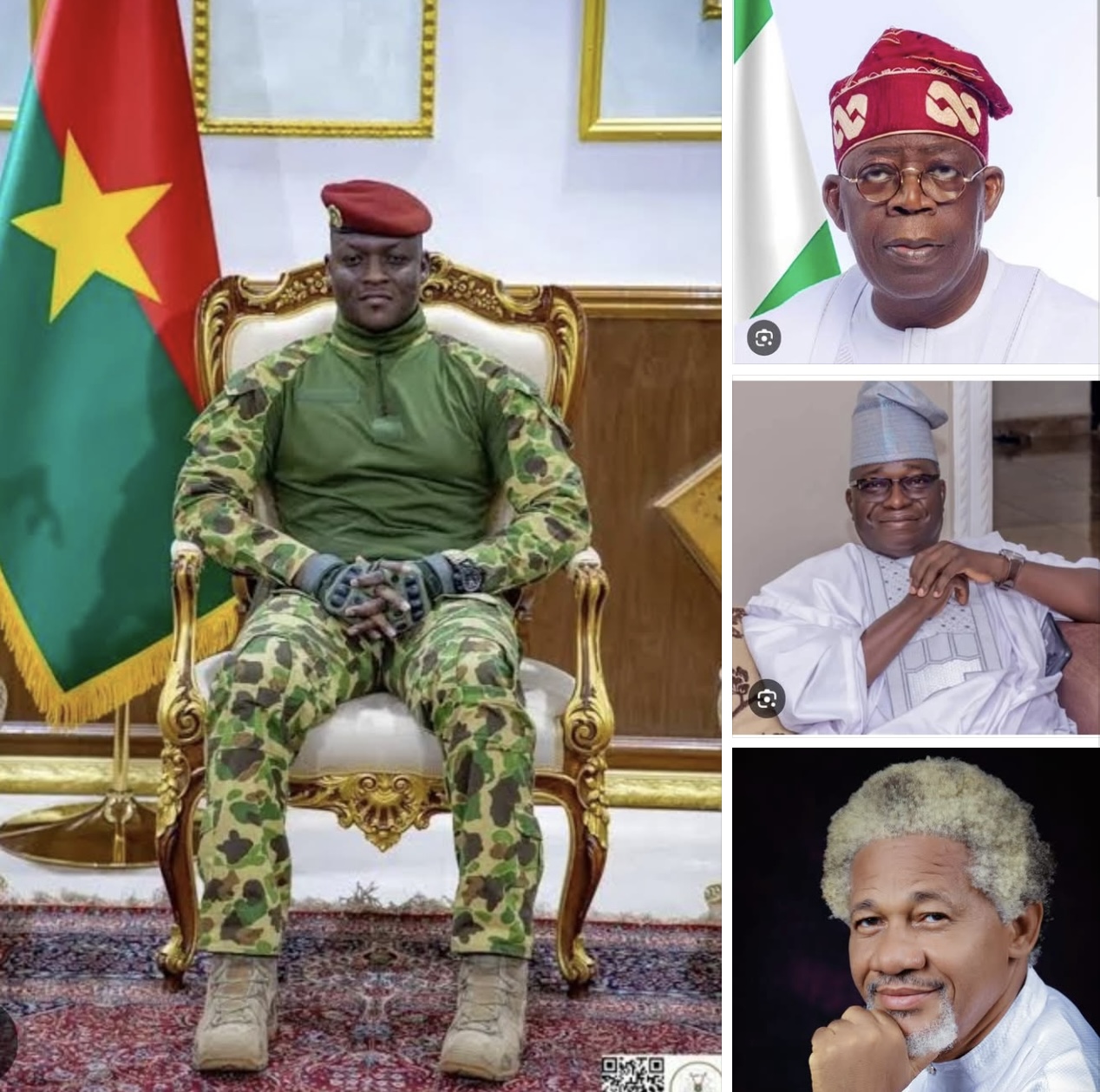
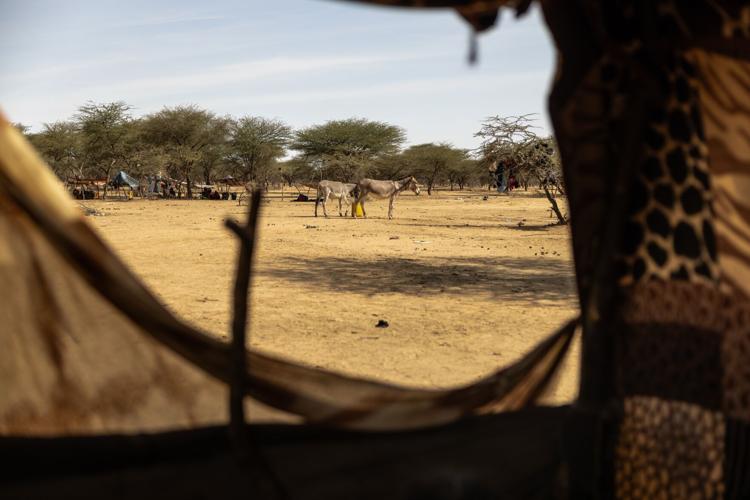
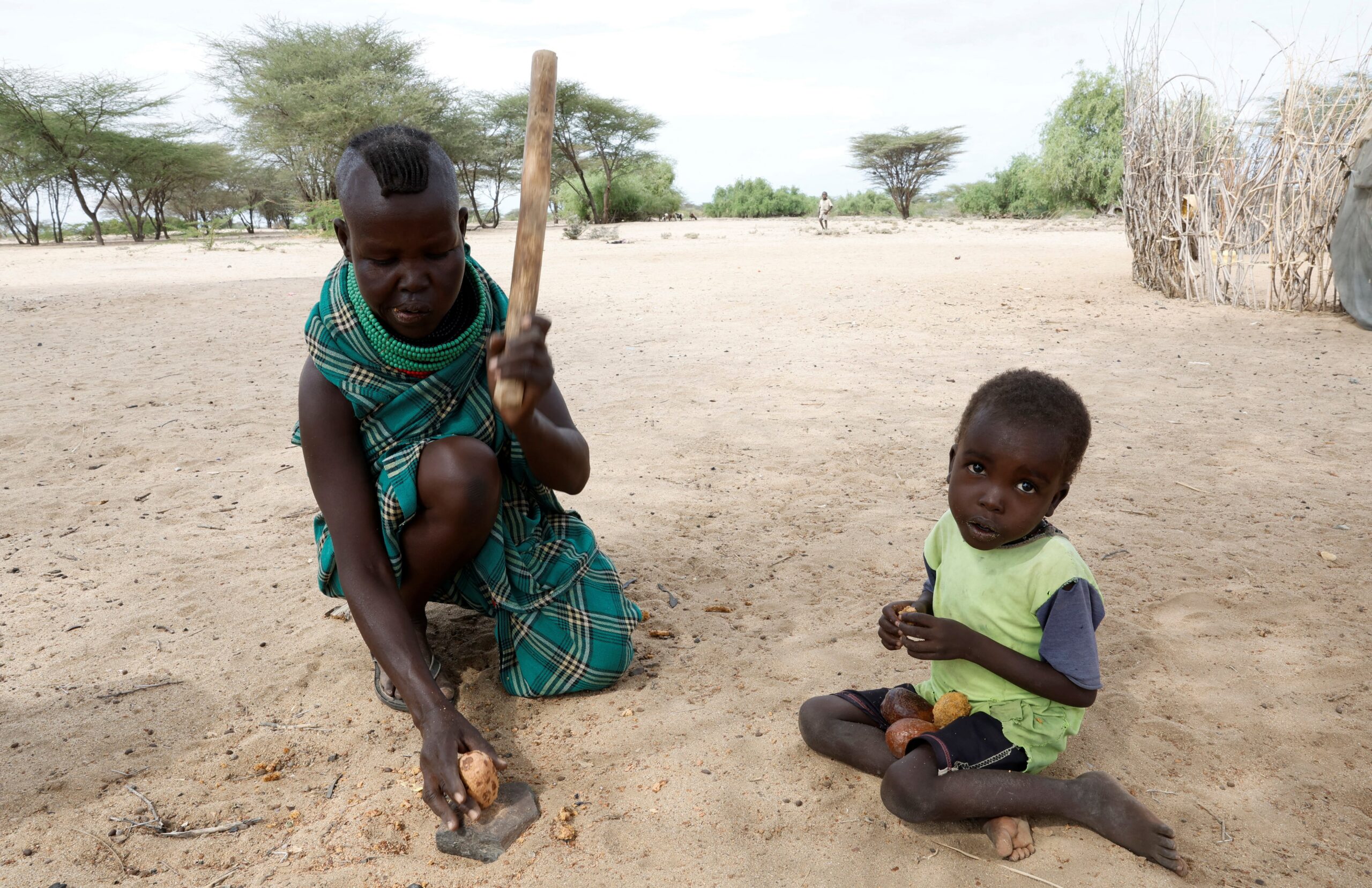
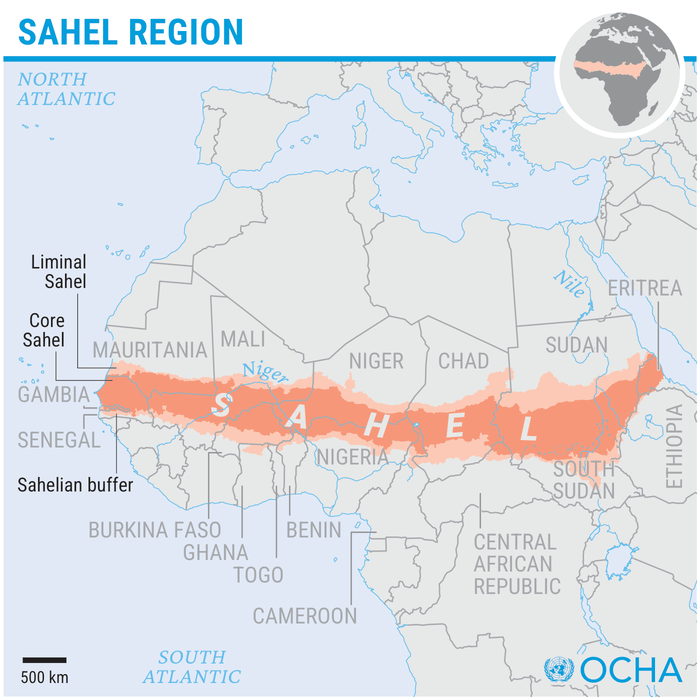
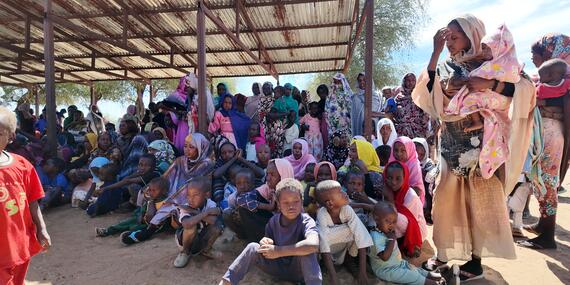
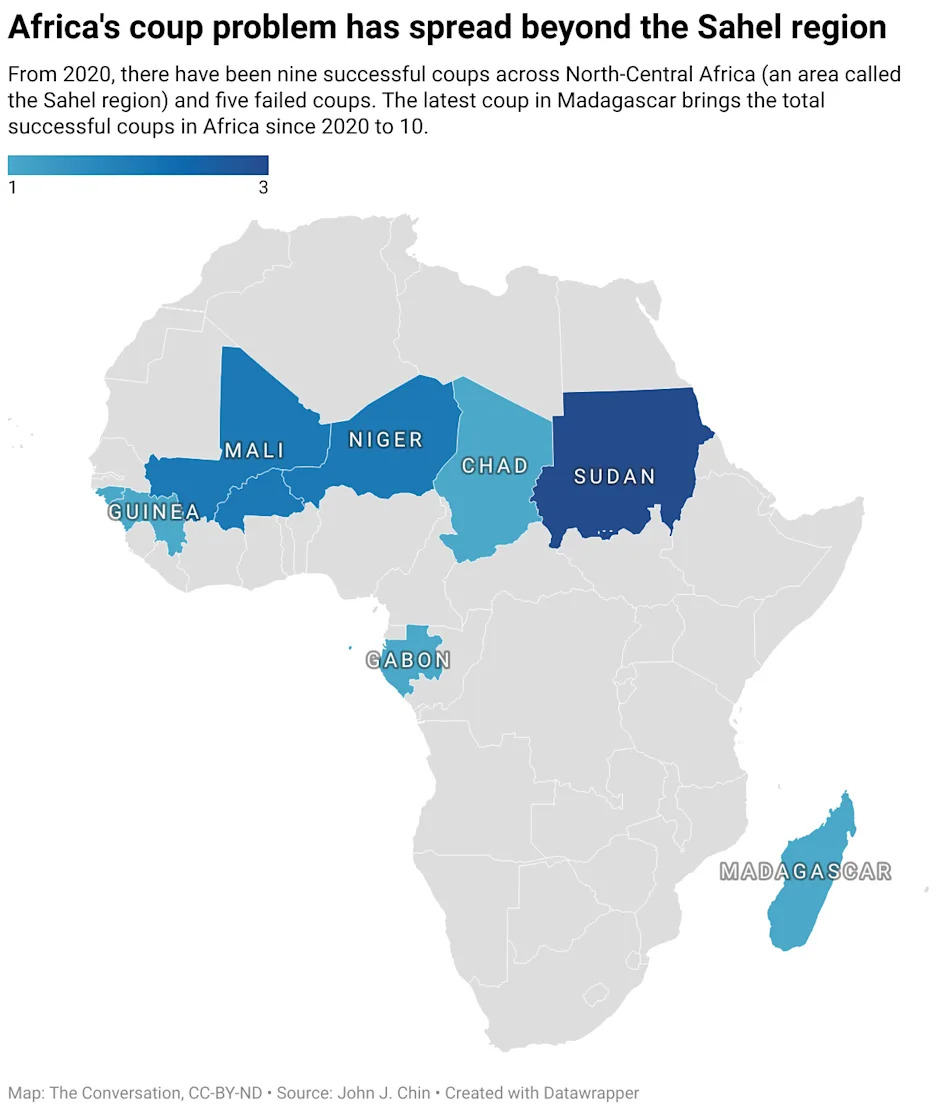
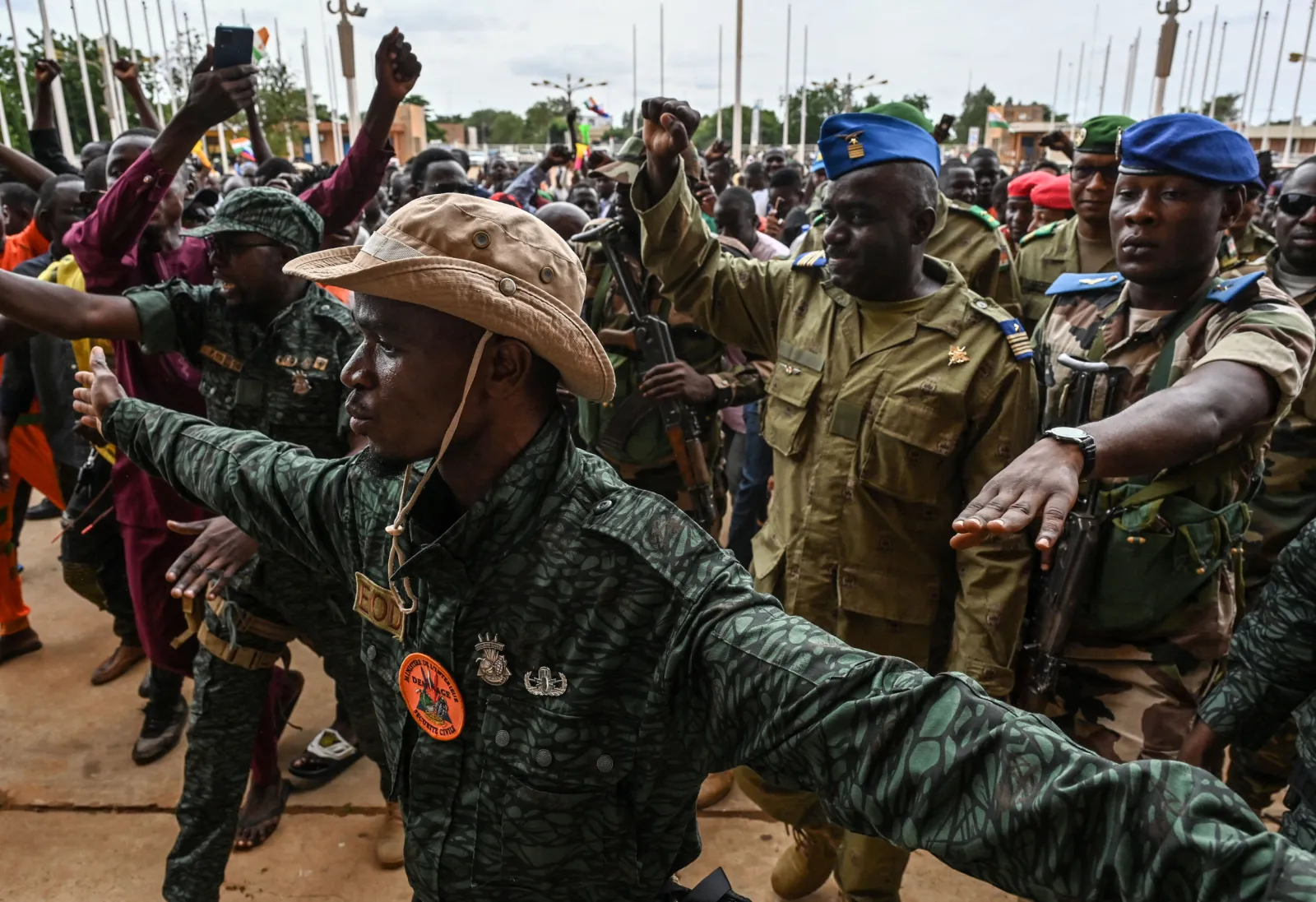
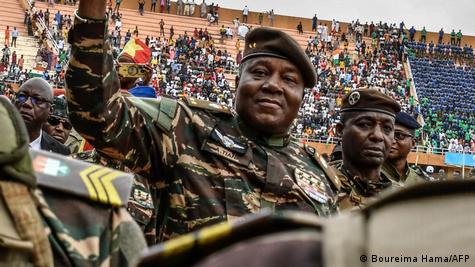
The evolving situation in Burkina Faso and Mali is really emblematic of the greater challenges West Africa faces today. Both nations have seen coups bring military governments to power, complicating their interactions with traditional Western allies. Simultaneously, extremist groups, including Al-Qaeda affiliates and other violent militias, continue to operate with alarming impunity, worsening humanitarian crises and forcing mass displacements throughout the Sahel belt. The world is certainly paying attention, with news agencies, including The Guardian reporting on the retaliatory travel ban, offering continuous coverage of these unfolding events. These reports don’t just highlight the security aspects, but also the significant political and diplomatic shifts happening regionally, with Africa Center’s daily media reviews offering additional insights. Going forward, the interplay between escalating military campaigns and these diplomatic standoffs will be absolutely crucial. On one hand, intensified offensives against radical groups might deliver tactical victories and restore some stability. But, on the other hand, letting relations deteriorate with key external actors like the US could severely undermine international support. That support, often vital for logistics, funding, and intelligence, is truly critical for robust counterterrorism operations. While Burkina Faso and Mali appear steadfast in asserting their sovereignty and resisting what they view as external political pressure, they also face the urgent need to manage domestic security threats, which carry profound consequences for their people and the wider Sahel. The coming months will undeniably be critical in figuring out if these countries can effectively navigate this complex landscape of military action, diplomatic tension, and international engagement. How they balance their assertive nationalistic postures with the practical needs of regional cooperation will have lasting implications for West Africa’s future peace and stability.🟡,