Burkina Faso Confronts Security Crisis and Economic Challenges Amid Political Turmoil
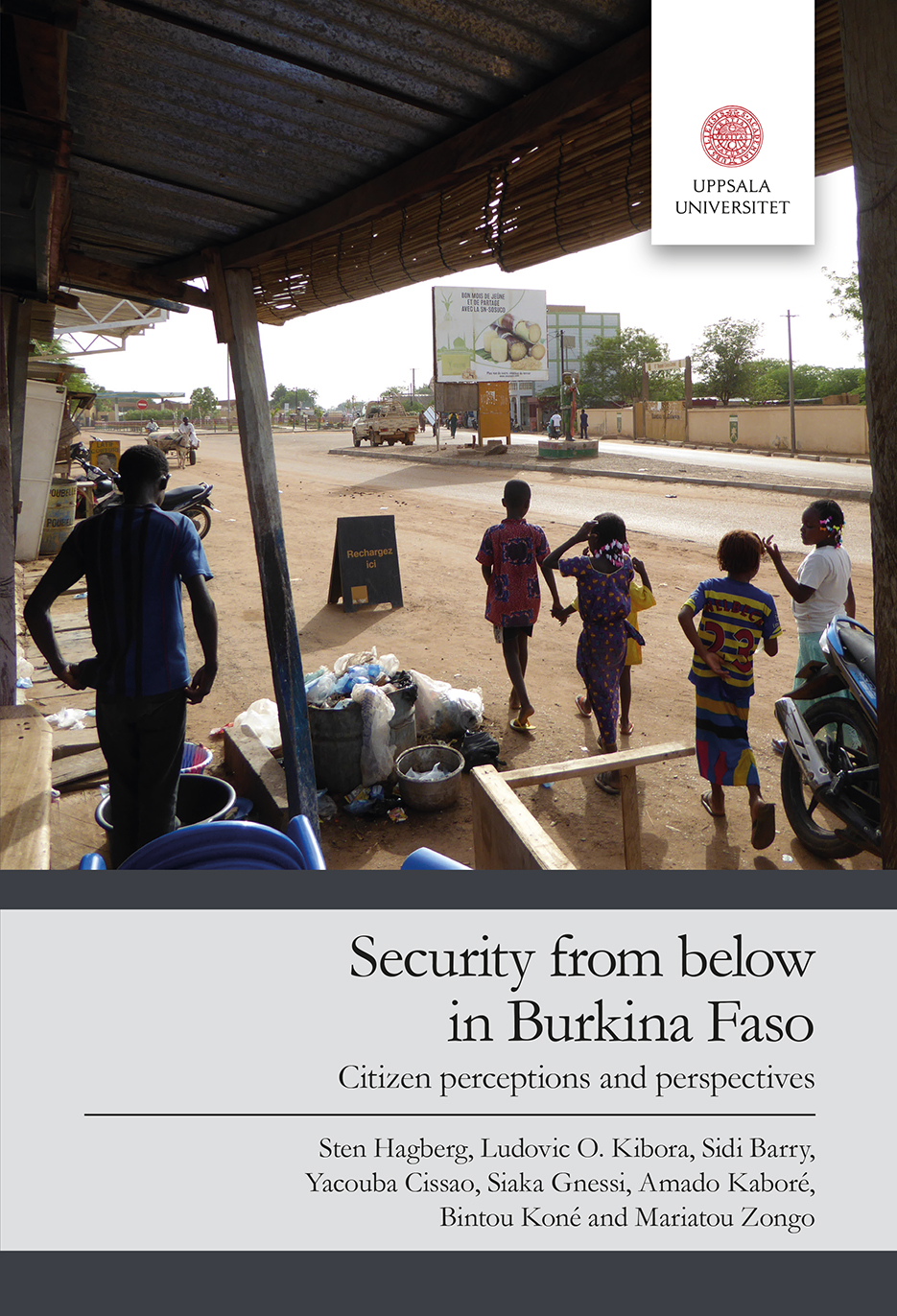
Burkina Faso, a West African nation once celebrated for its democratic progress, now finds itself at a critical juncture. It’s grappling with a complex mix of escalating security threats, significant political unrest, and deep economic uncertainty. What exactly is happening in this country, and what does it mean for its future? Understanding these intertwined challenges is key to grasping Burkina Faso’s current struggles and imagining its path ahead.
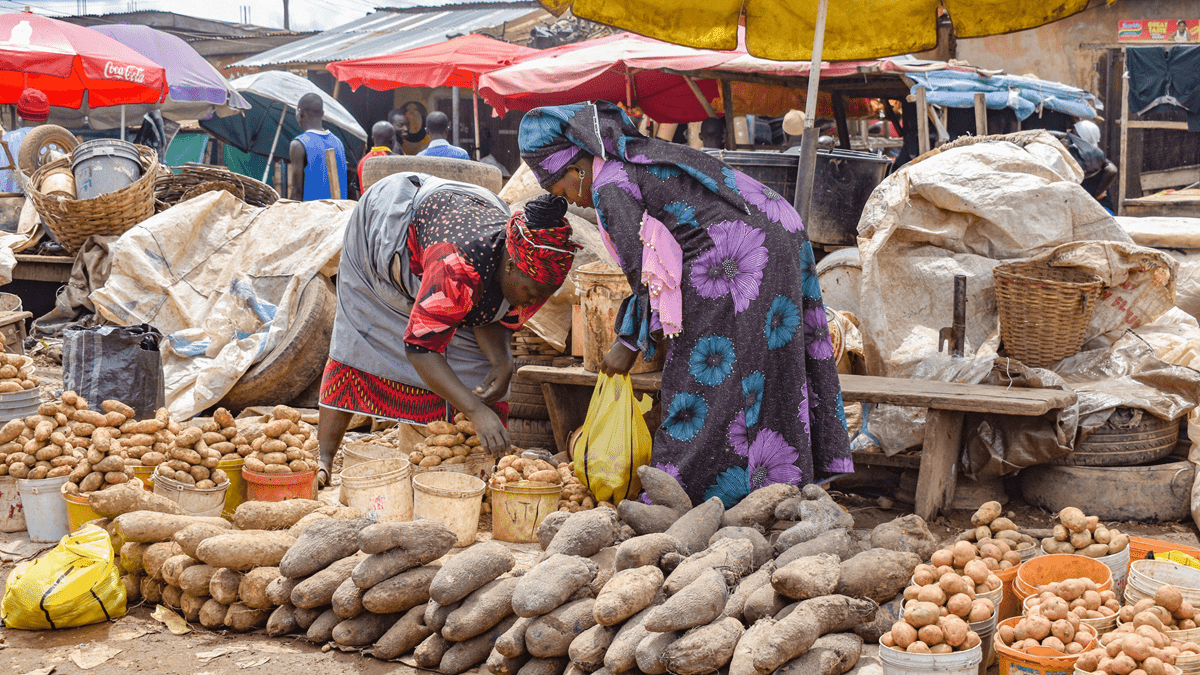
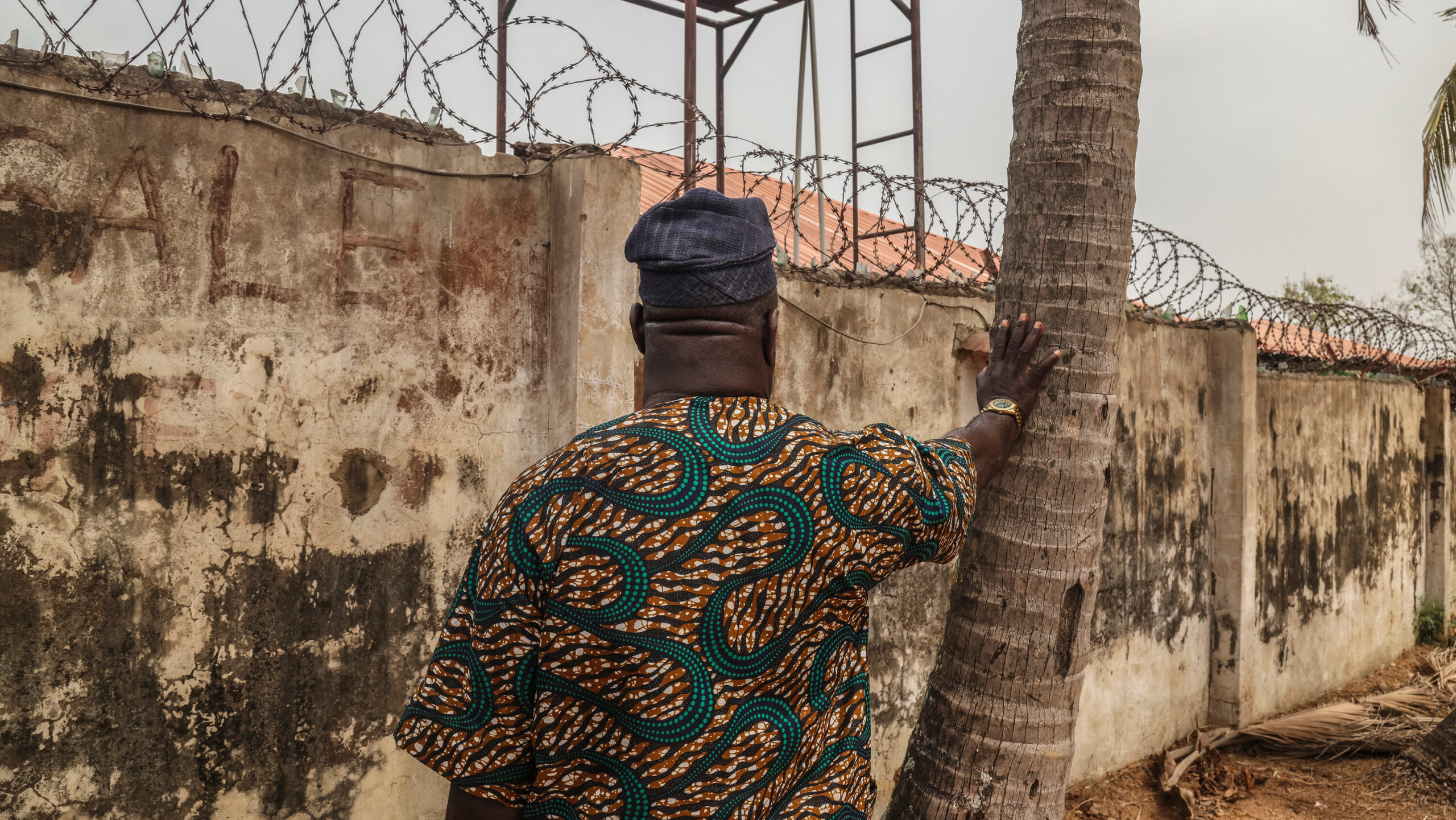
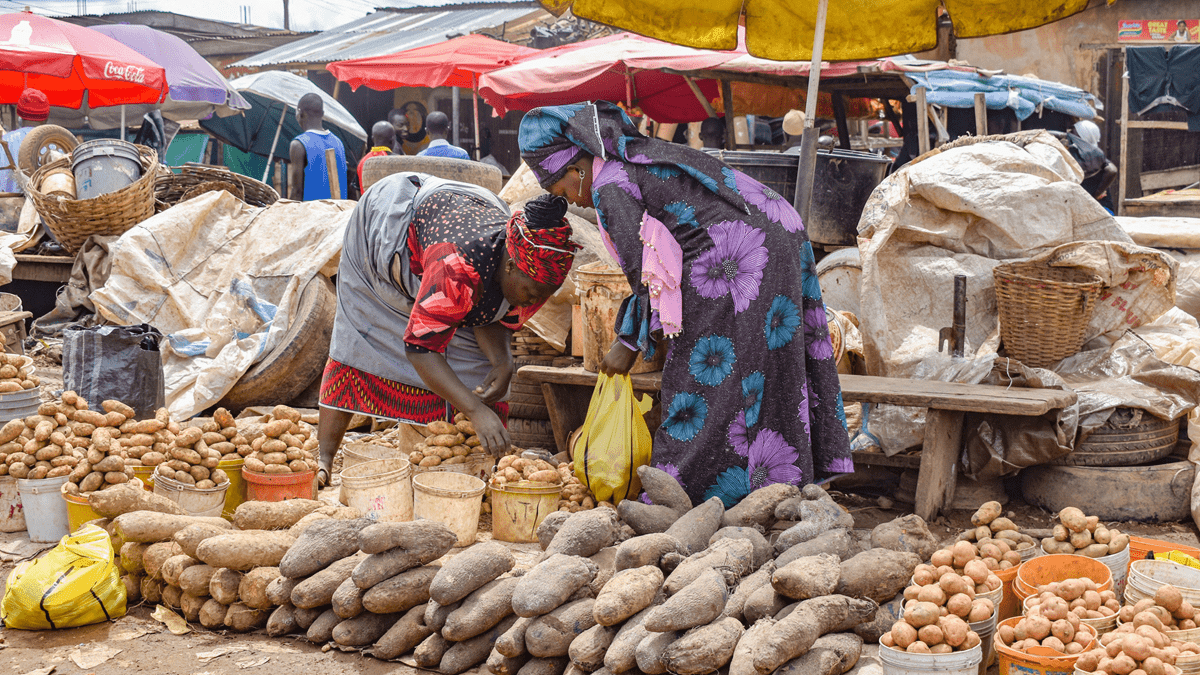
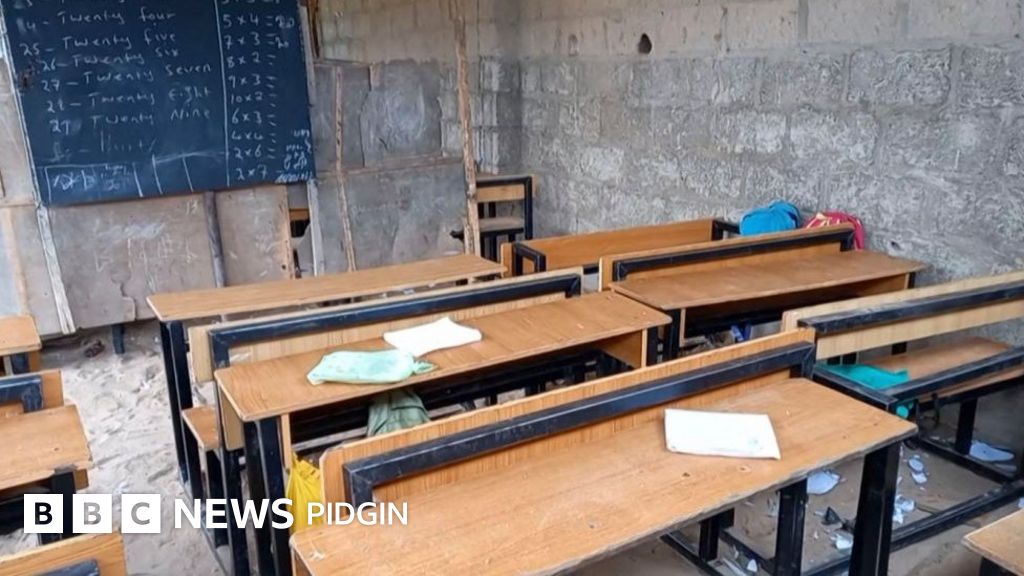
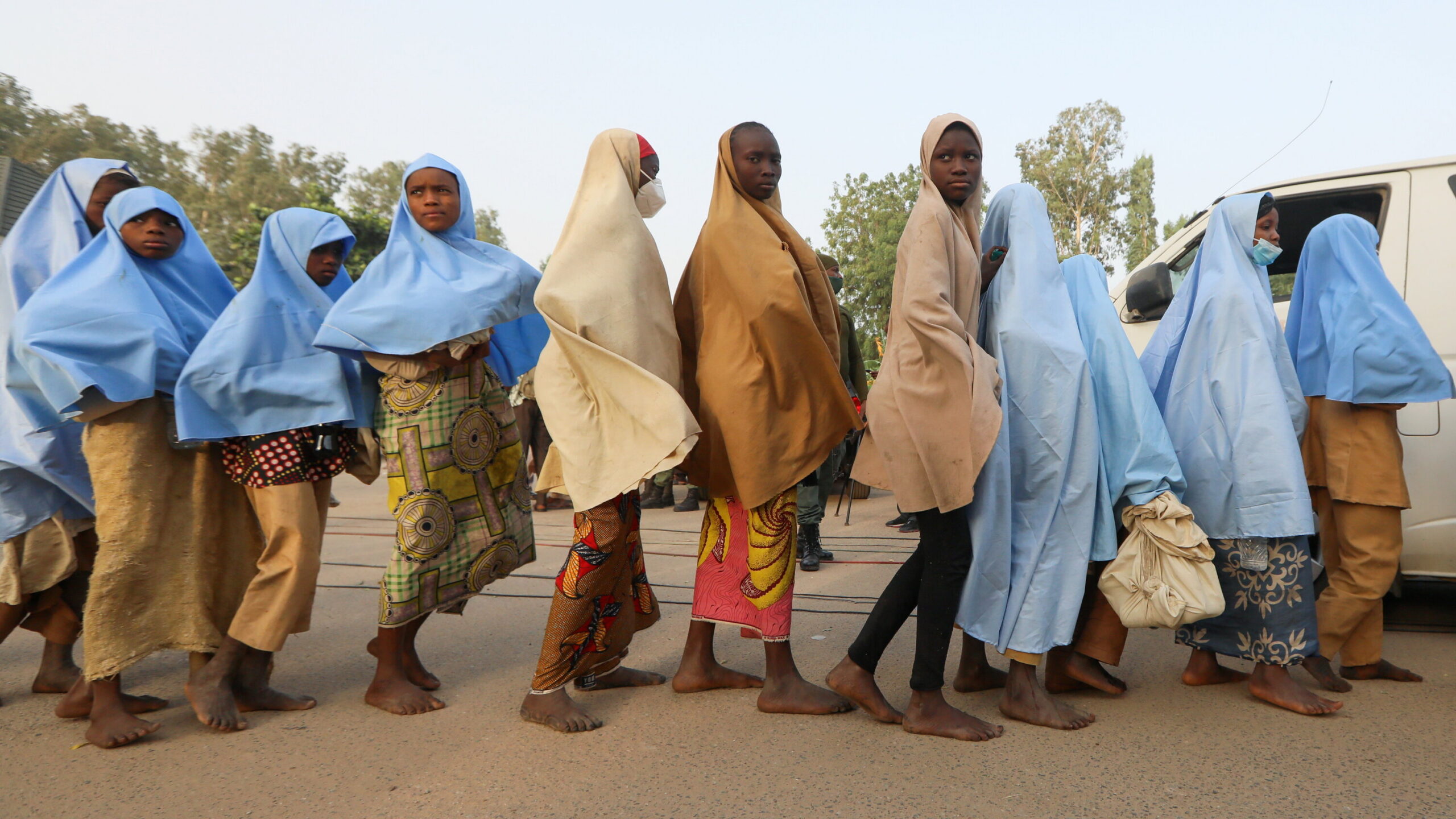
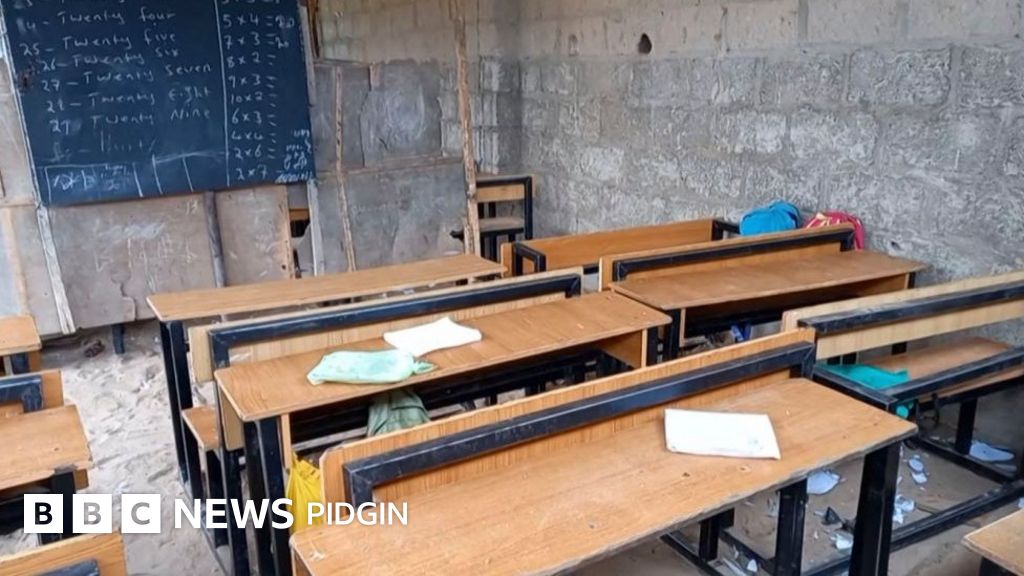
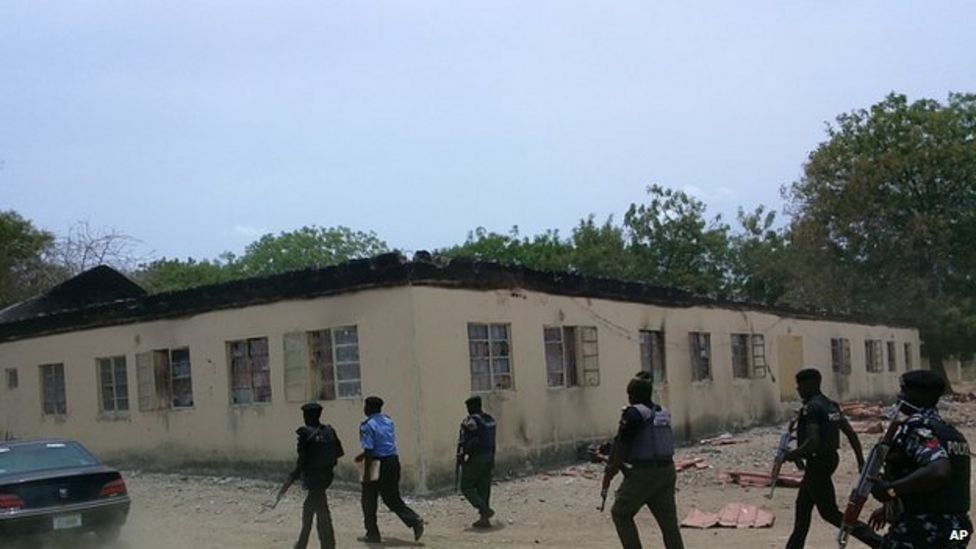
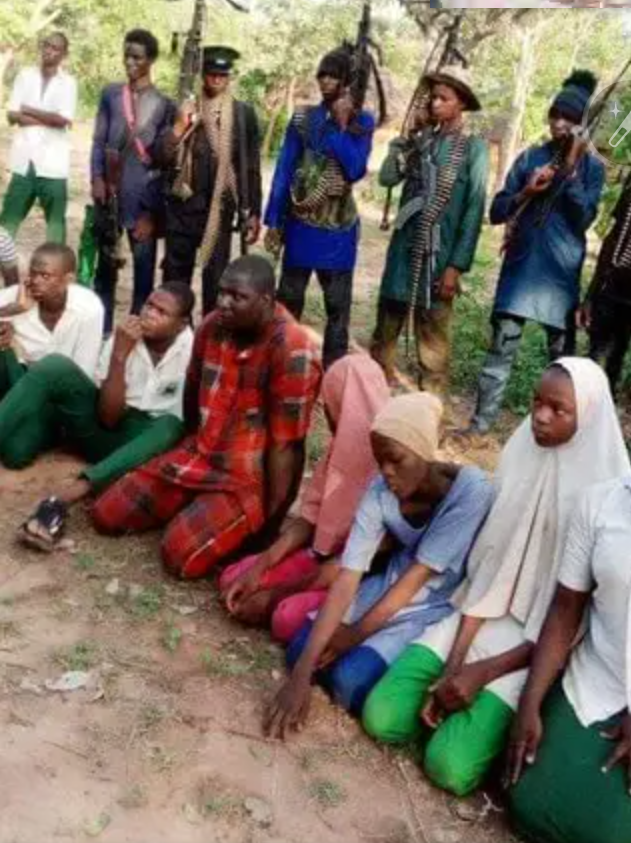
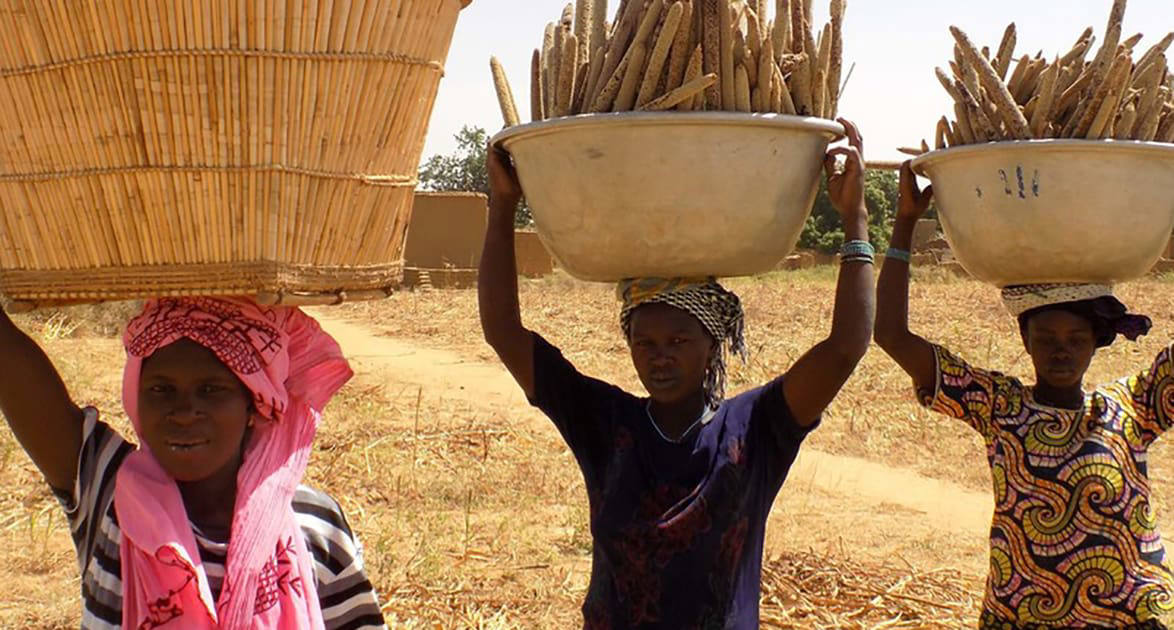
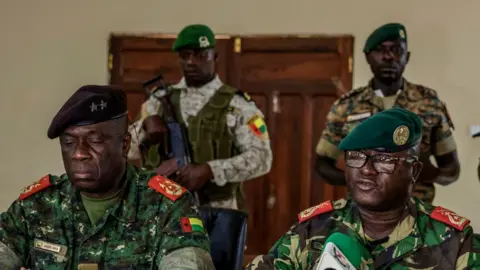
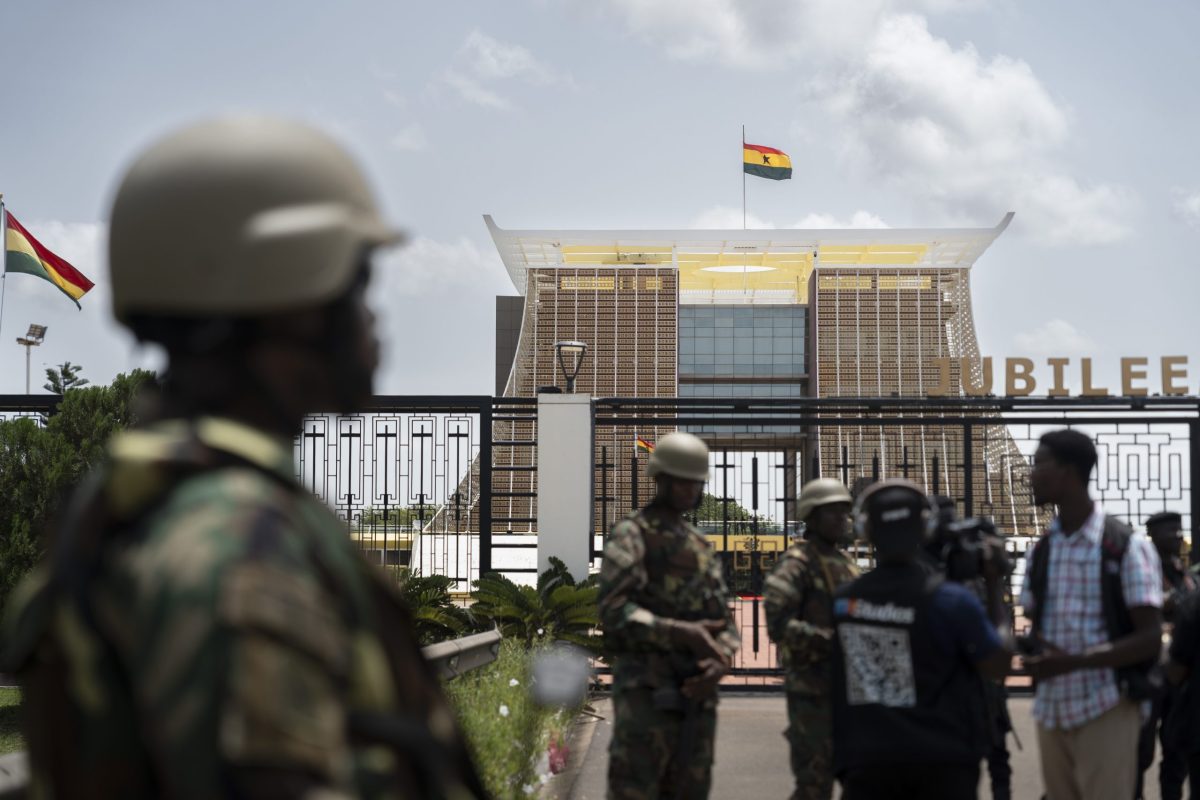
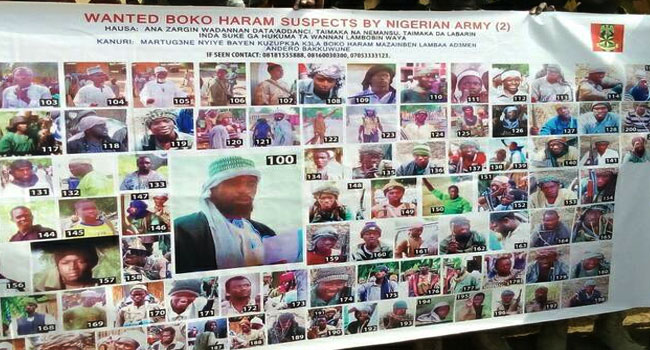
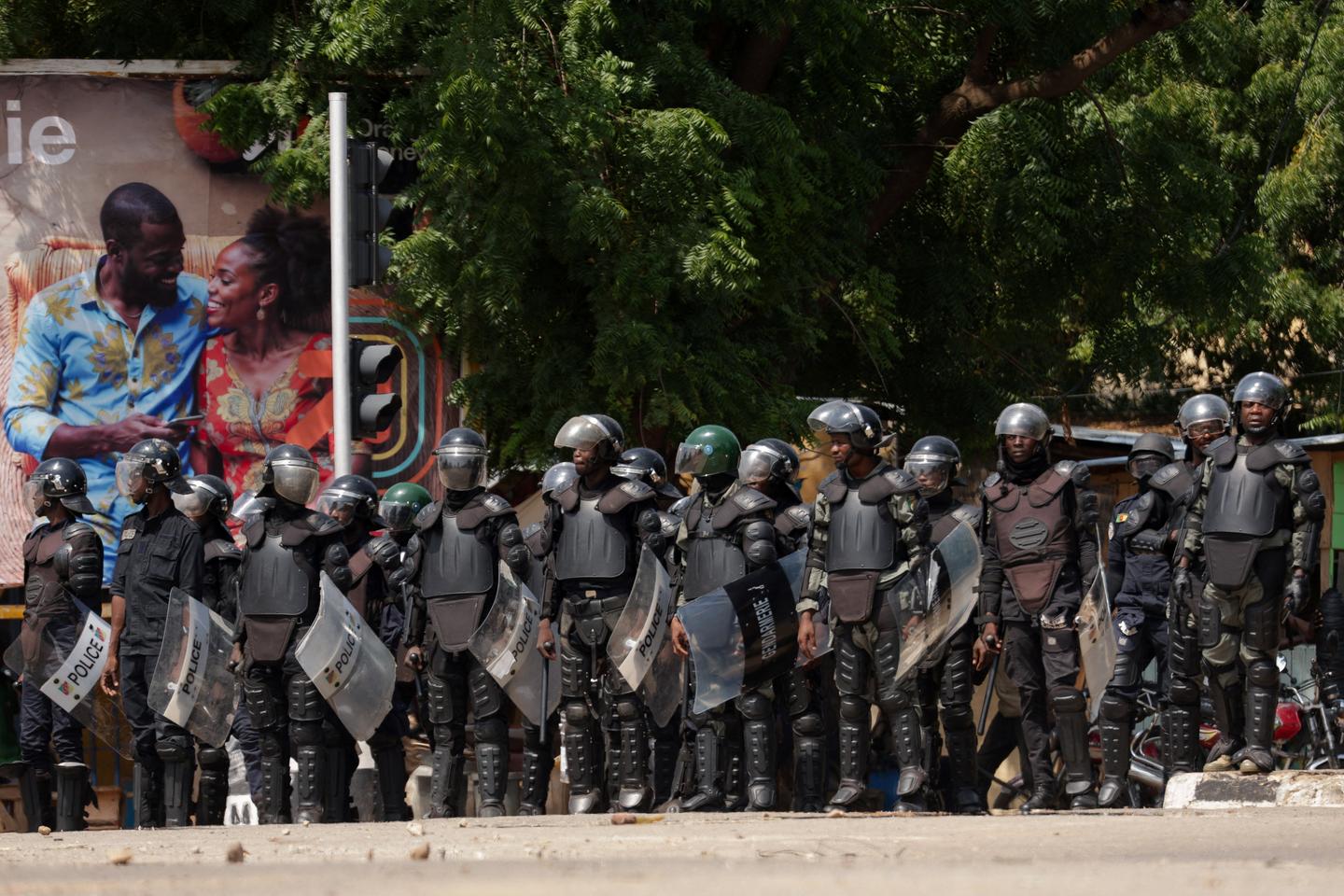
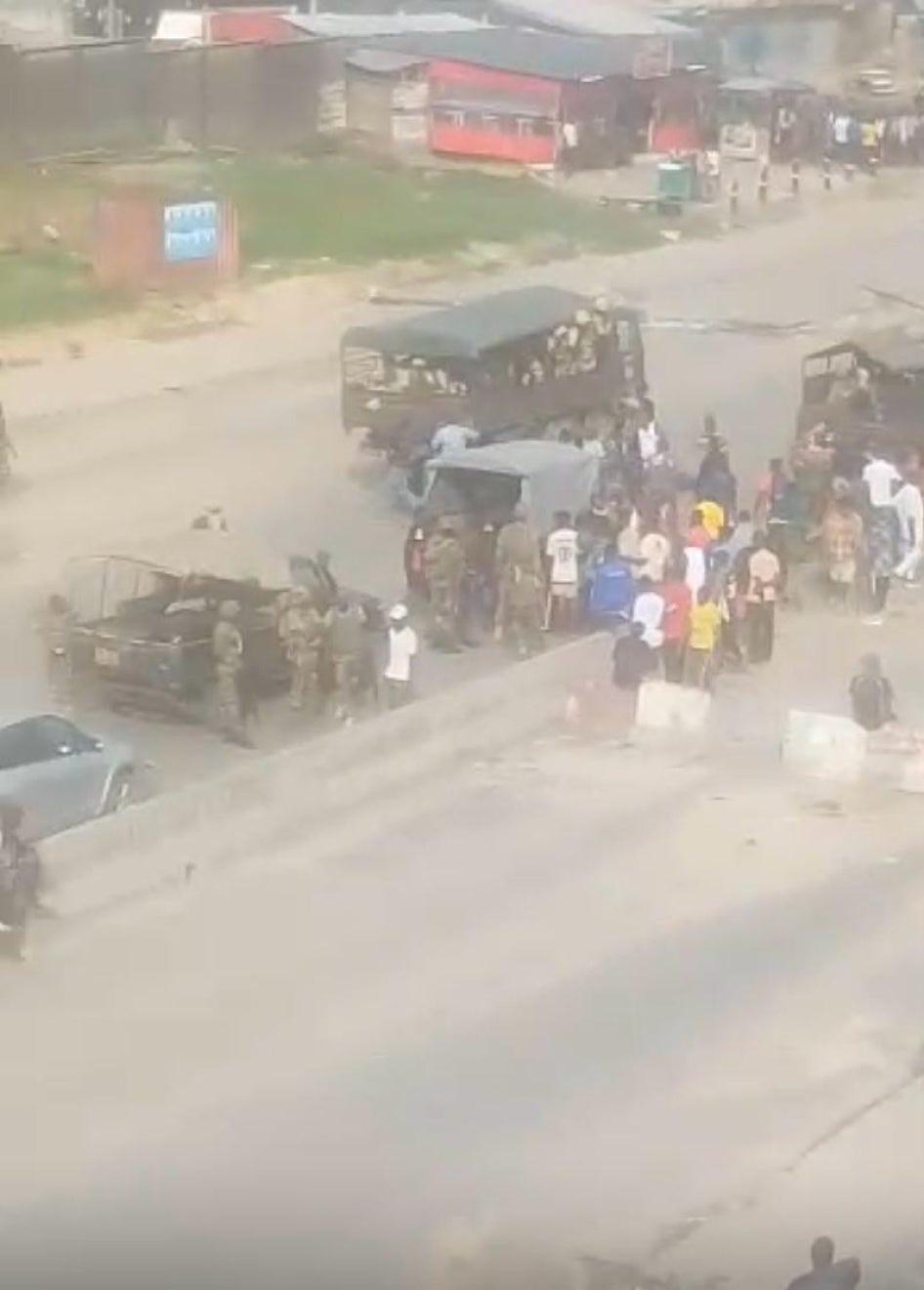
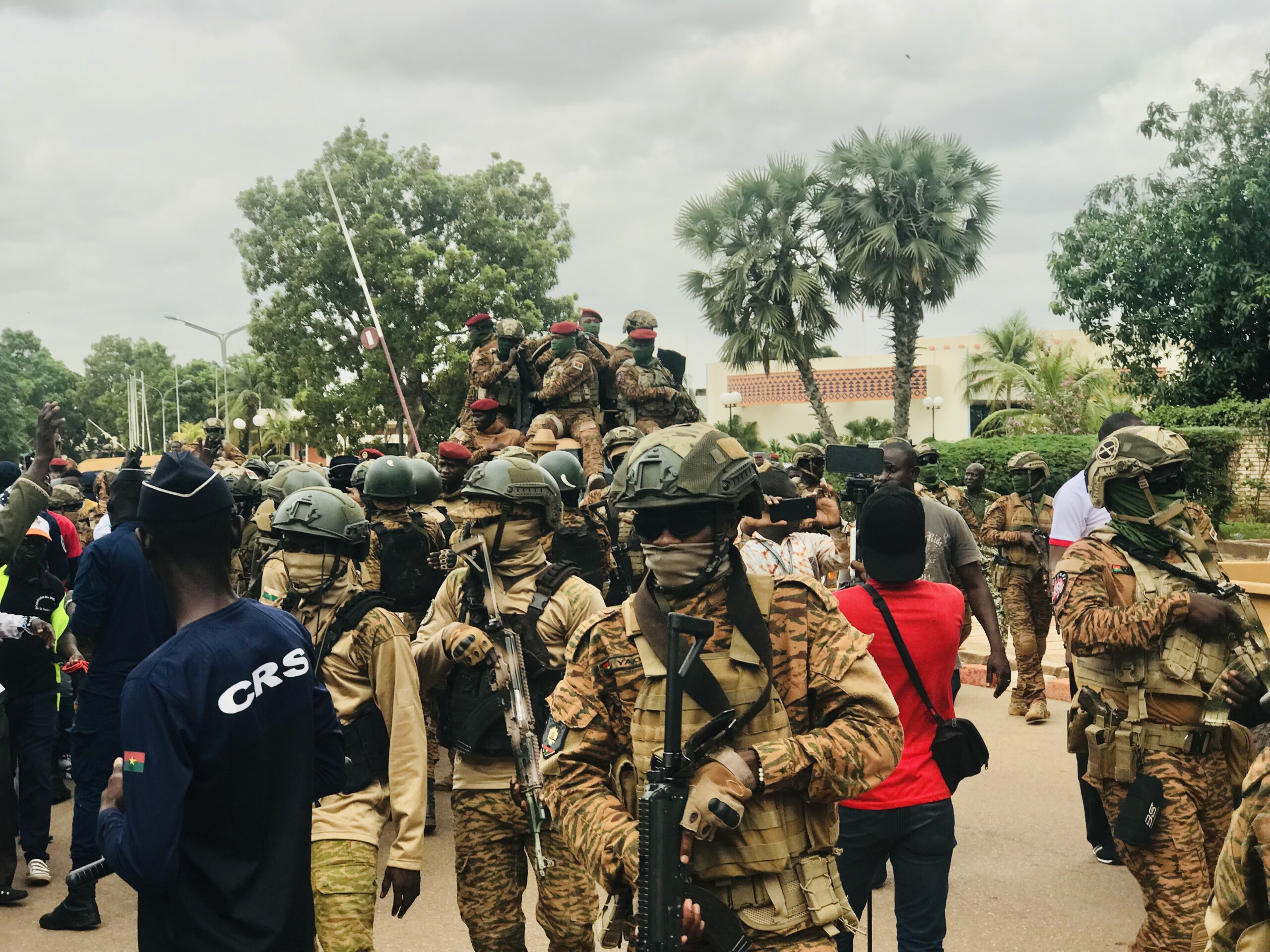
The most pressing concern remains the relentless jihadist insurgencies. Since 2015, these groups, linked to Al-Qaeda and the Islamic State, have intensified their control over large portions of the country’s northern and eastern regions. Their frequent attacks on civilians, security forces, and infrastructure have fueled a severe humanitarian crisis, forcing nearly two million Burkinabe to flee their homes and creating one of the world’s fastest-growing internally displaced populations. Schools are closing, agricultural activities are dwindling, and health services struggle to reach vulnerable communities, profoundly affecting social cohesion and economic productivity. This turbulent security situation has led to significant political repercussions. Mounting dissatisfaction with the government’s inability to curb the violence culminated in a military coup in January 2022, with Lieutenant Colonel Paul-Henri Sandaogo Damiba deposing President Roch Marc Christian Kaboré. However, challenges persisted, leading to a second coup in September 2022, where Captain Ibrahim Traoré took power, signaling a more aggressive approach to the jihadist threat. These rapid leadership changes have introduced both uncertainty and a cautious hope for more effective responses. Underlying this political instability is severe economic hardship. Burkina Faso, one of the world’s poorest nations, relies heavily on subsistence agriculture and gold mining. The insurgency has disrupted farming cycles and markets, impeding food production and driving up prices. Soaring inflation and unemployment rates exacerbate the daily struggles of ordinary citizens. Moreover, international investment and development aid are hindered by governance disruptions and security concerns, limiting opportunities for recovery and growth.
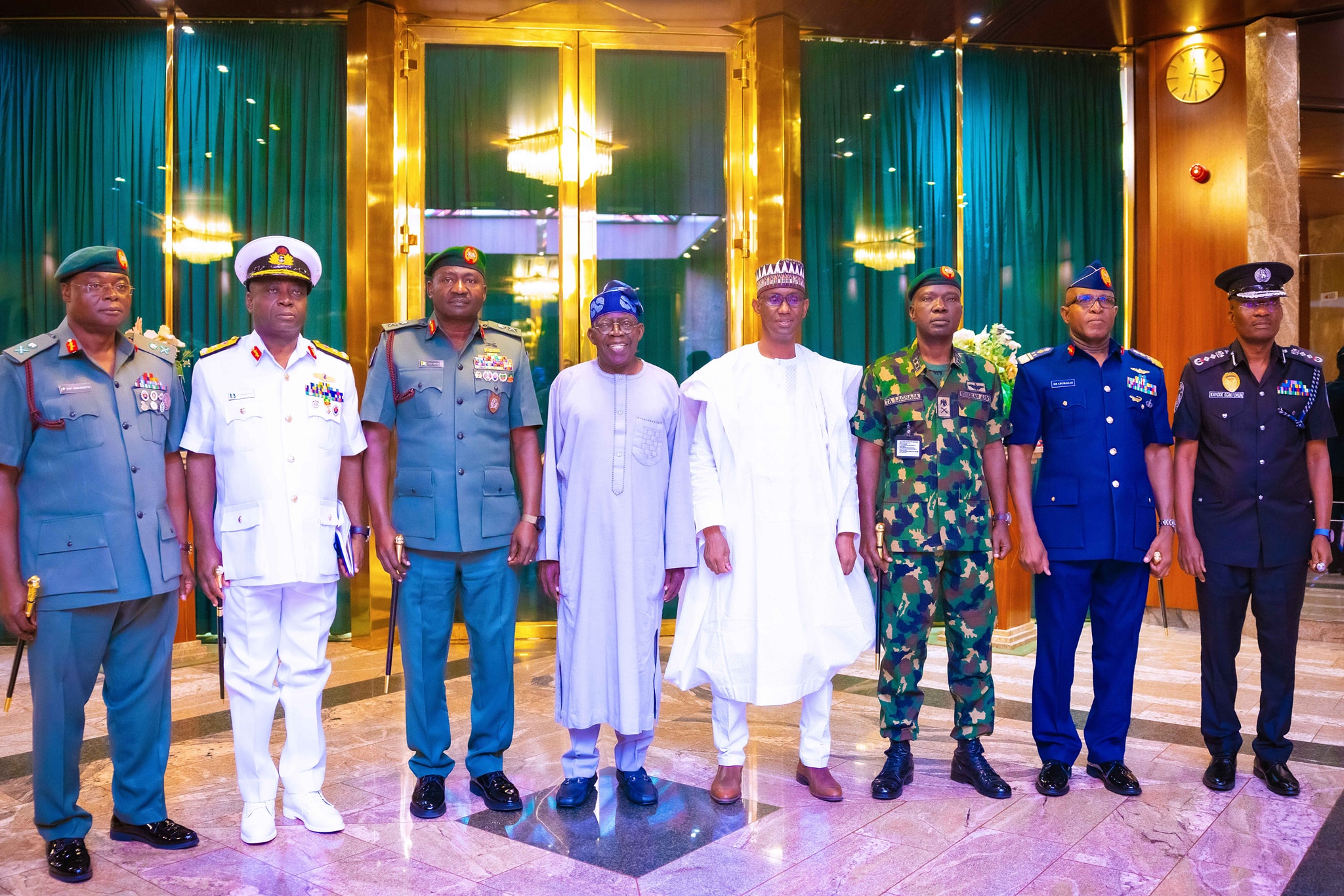
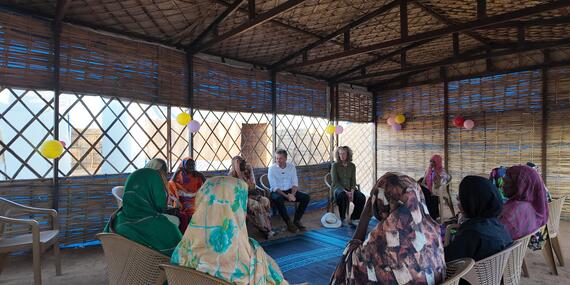
Yet, amidst these grim realities, the Burkinabe people and their leaders demonstrate remarkable determination. Captain Traoré’s transitional government is actively engaging in regional diplomacy, forging partnerships with neighboring states and multilateral organizations to boost security cooperation in the Sahel region. They’re working on improving intelligence sharing, strengthening military capabilities, and implementing community-based programs to counter violent extremism. These efforts recognize that military actions alone won’t solve the problem; addressing the socioeconomic roots of radicalization is equally vital. Humanitarian agencies, too, are stepping up, providing crucial aid like emergency food, healthcare, education access, and protection for displaced families. Meanwhile, civil society groups and local leaders are championing dialogue and reconciliation to mend fractured communities. Moving forward, Burkina Faso’s journey toward peace and prosperity demands a comprehensive approach: robust security, political inclusivity, and sustainable socioeconomic development. The global community must continue its essential role in supporting this delicate transition, always respecting the sovereignty of the Burkinabe people. There’s cautious optimism that, through their resilience and collaborative efforts, Burkina Faso can emerge from this crisis stronger and more united.
Sources:
- “Burkina Faso’s Fight Against Jihadist Insurgency,” Al Jazeera, February 2023. https://www.aljazeera.com/news/2023/2/15/burkina-fasos-fight-against-jihadist-insurgency
- “Burkina Faso’s Political Upheaval: A Nation in Flux,” BBC News, October 2022. https://www.bbc.com/news/world-africa-63121878
- “Economic Impact of Violence in Burkina Faso,” World Bank Report, April 2023. https://www.worldbank.org/en/country/burkinafaso/publication/economic-impact-of-violence
- “Humanitarian Crisis in Burkina Faso,” United Nations Office for the Coordination of Humanitarian Affairs, March 2023. https://www.unocha.org/burkinafaso
- “Burkina Faso’s Response to Instability,” African Union Press Release, May 2023. https://au.int/en/pressreleases/20230512/burkina-fasos-response-instability