Burkina Faso Navigates a Tightrope Walk: Regional Unity Meets Domestic Turmoil
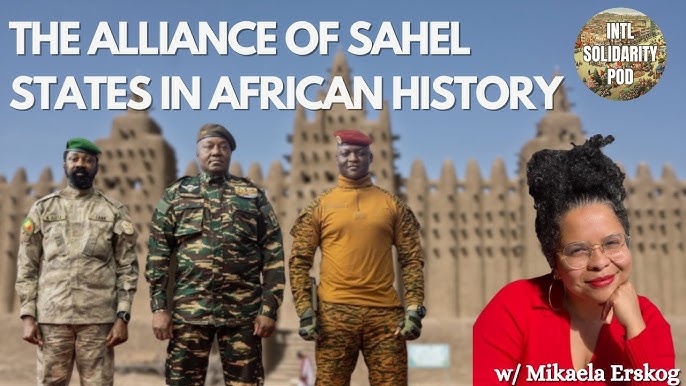
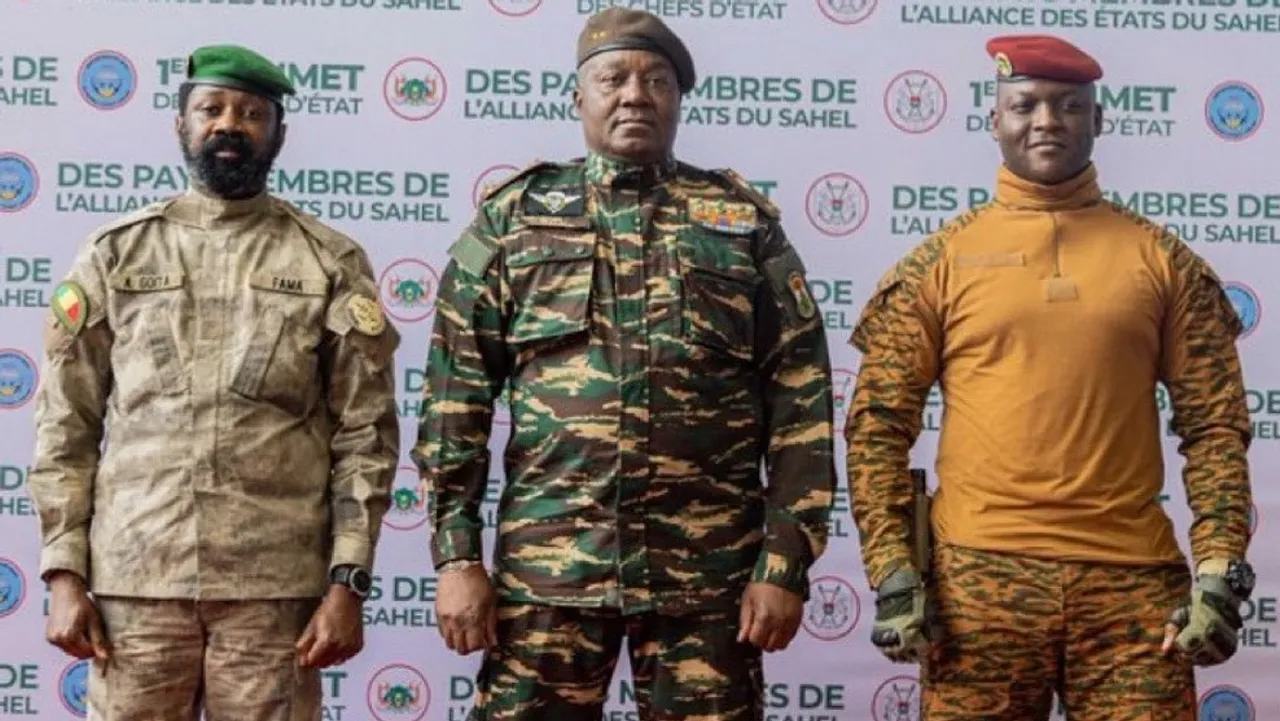
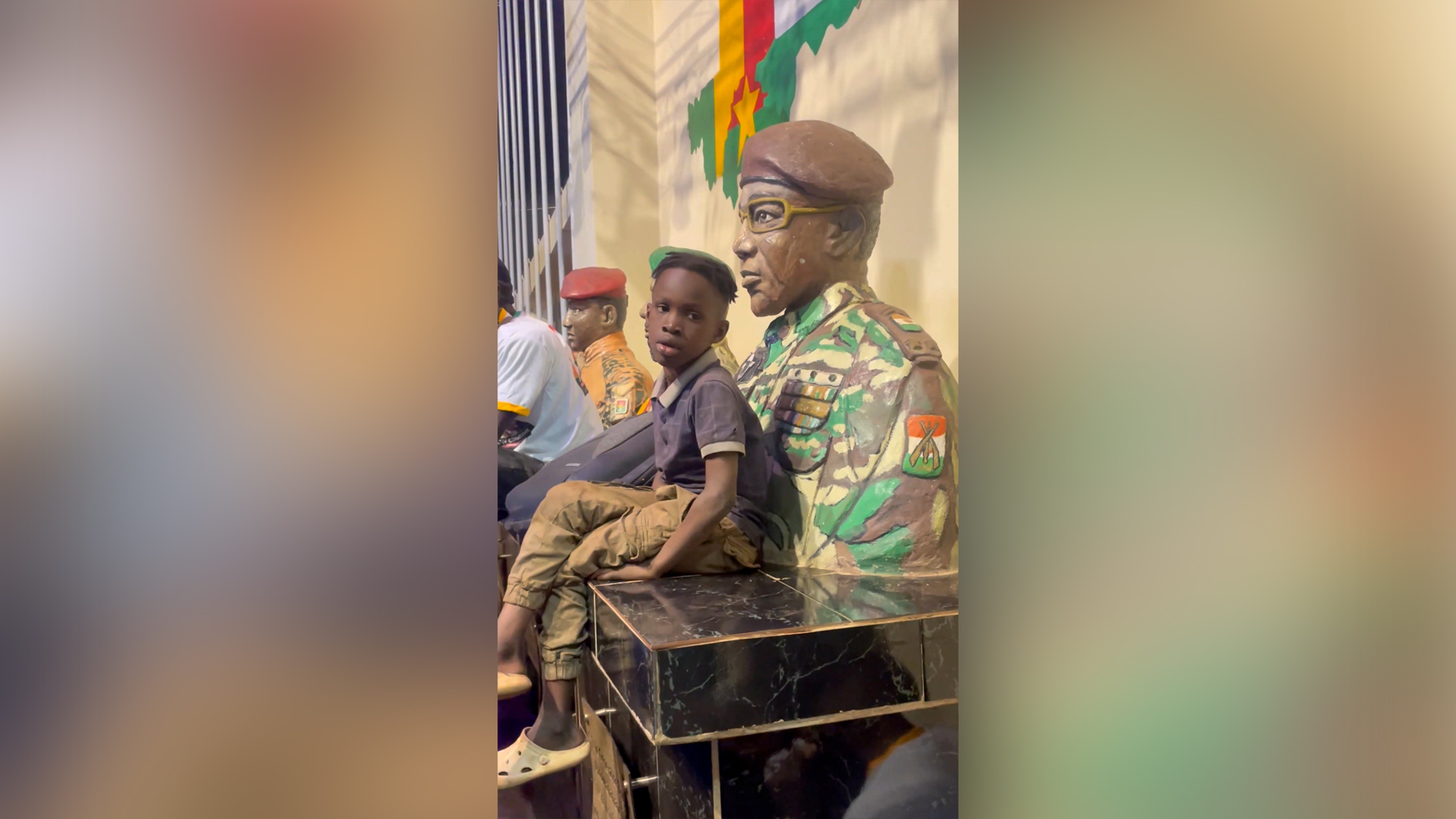
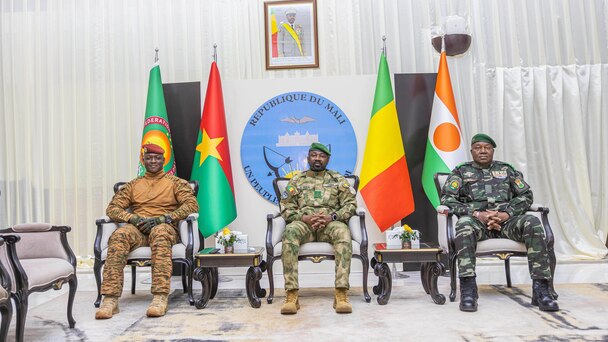
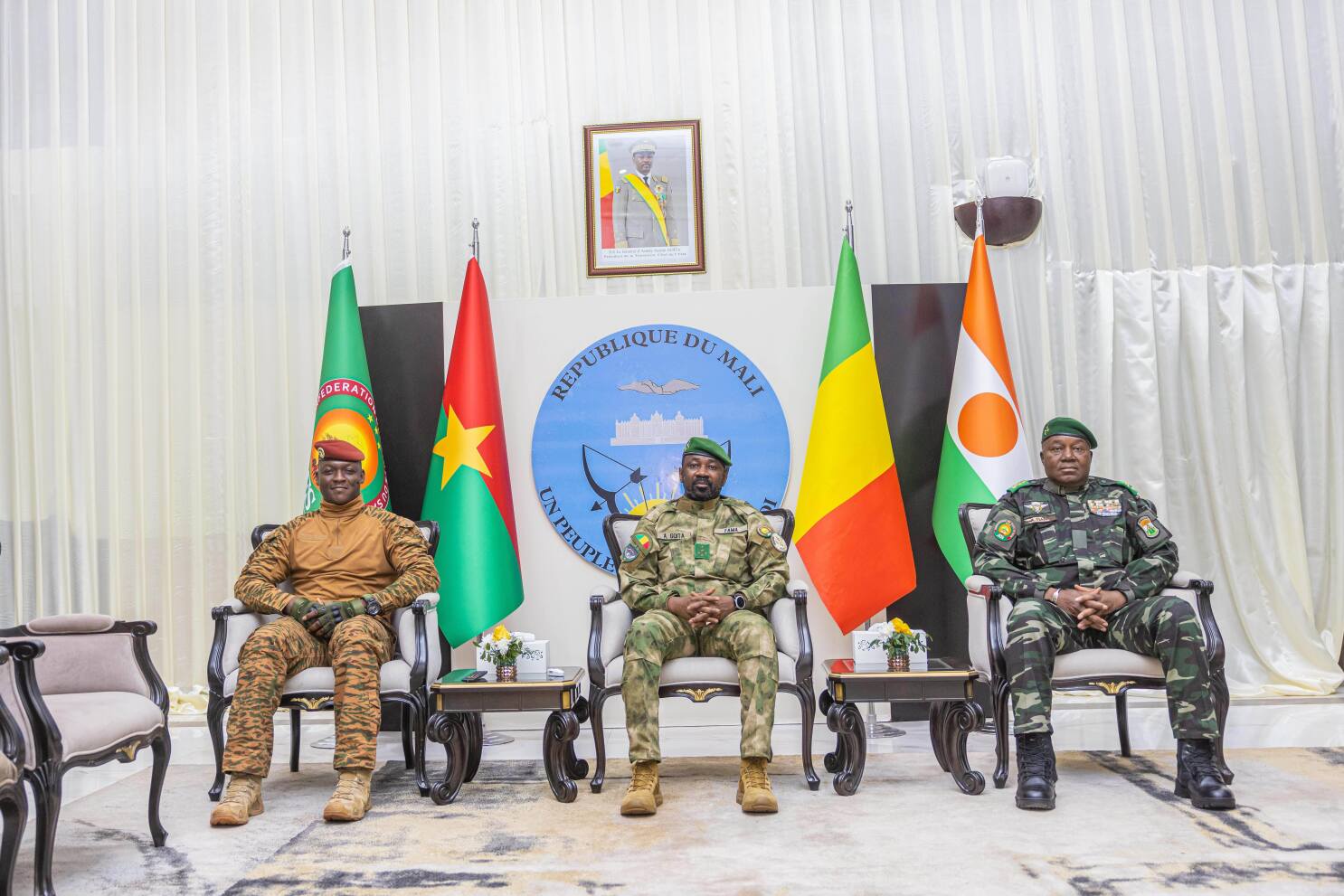
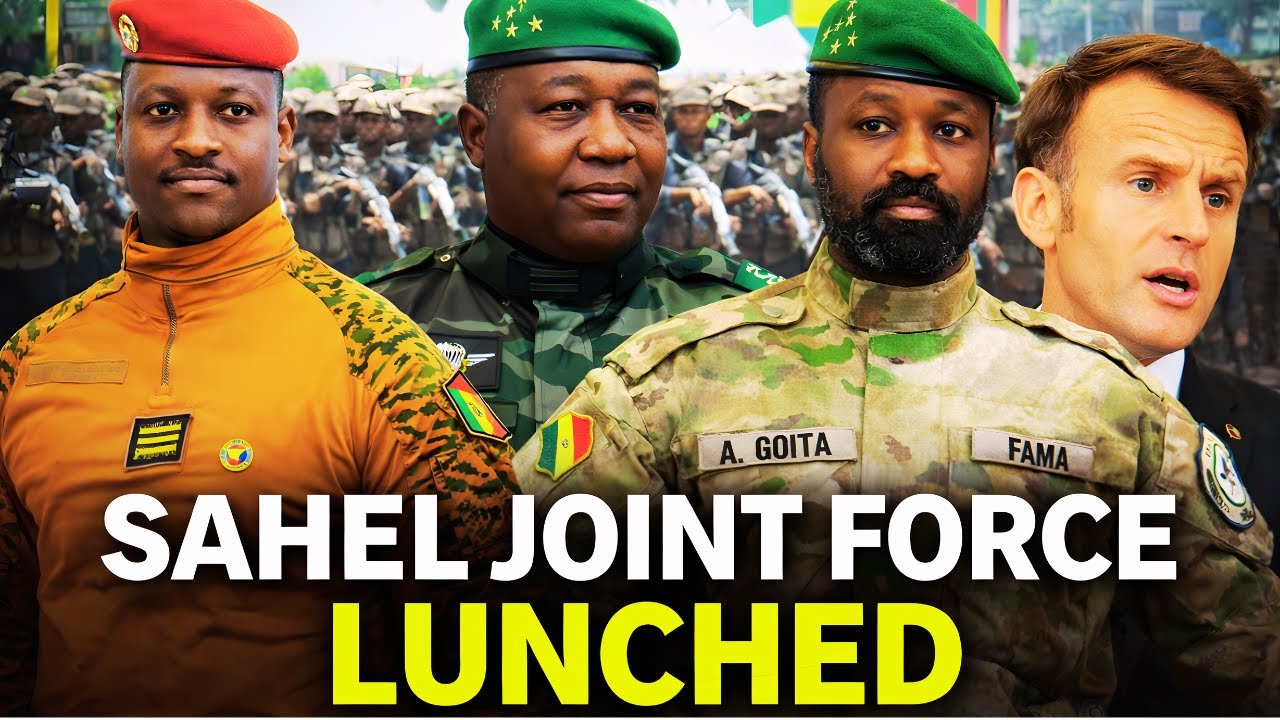
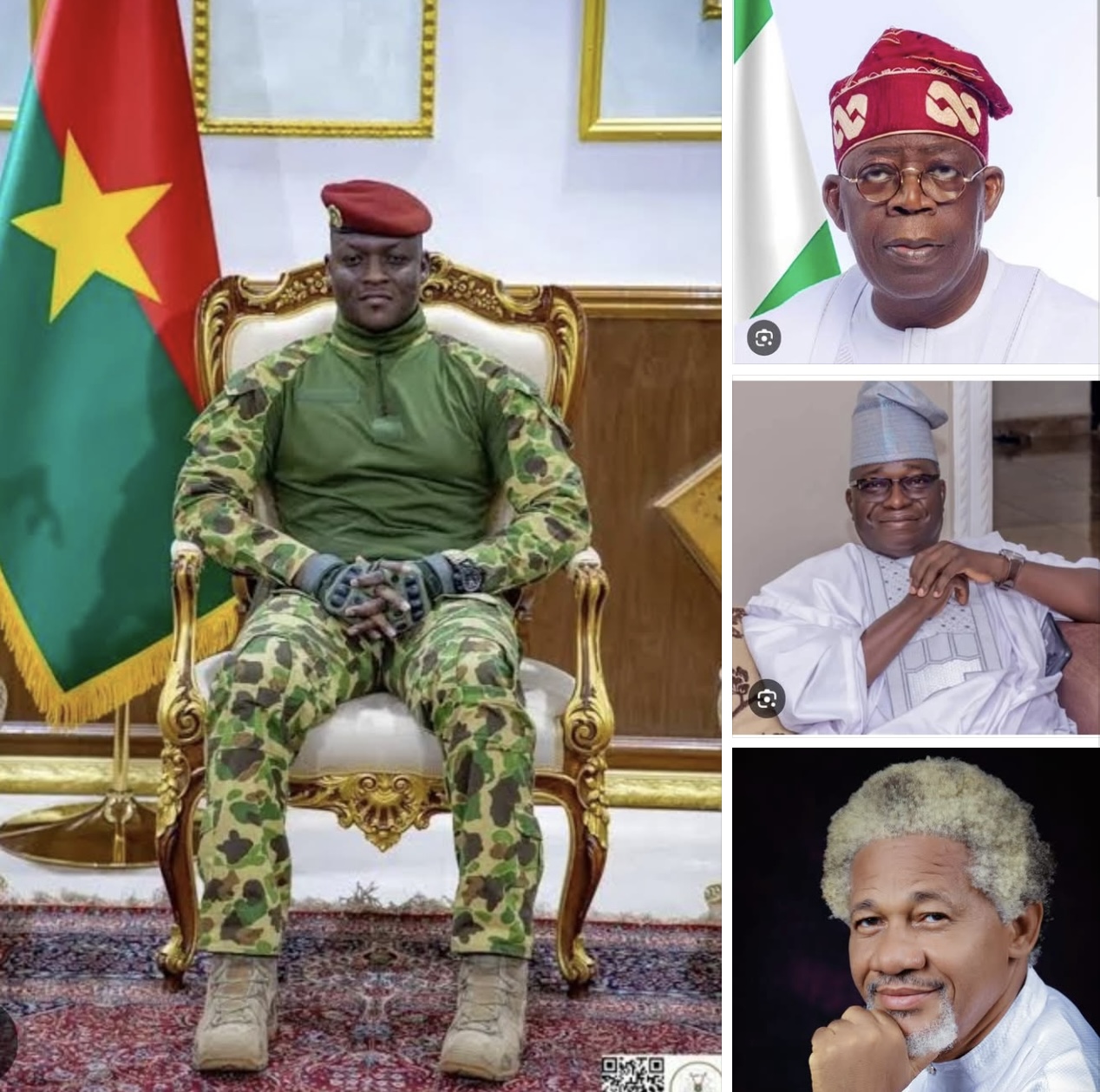
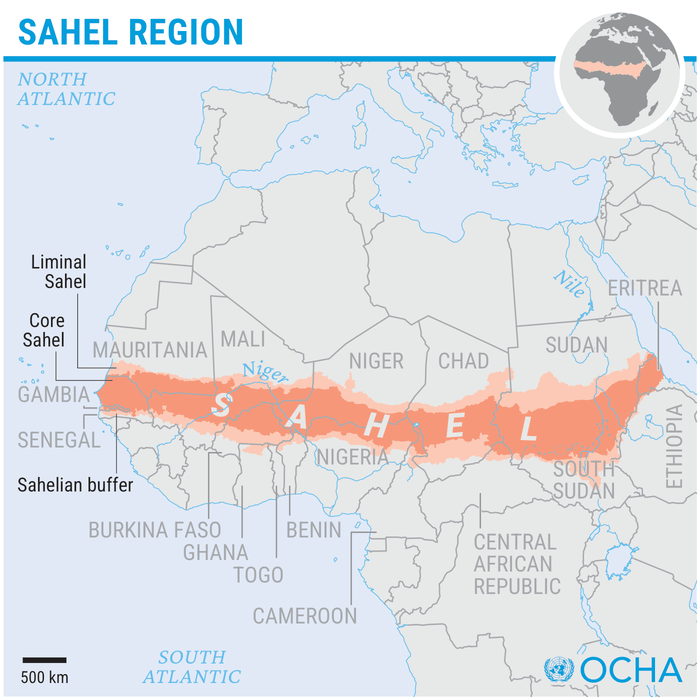
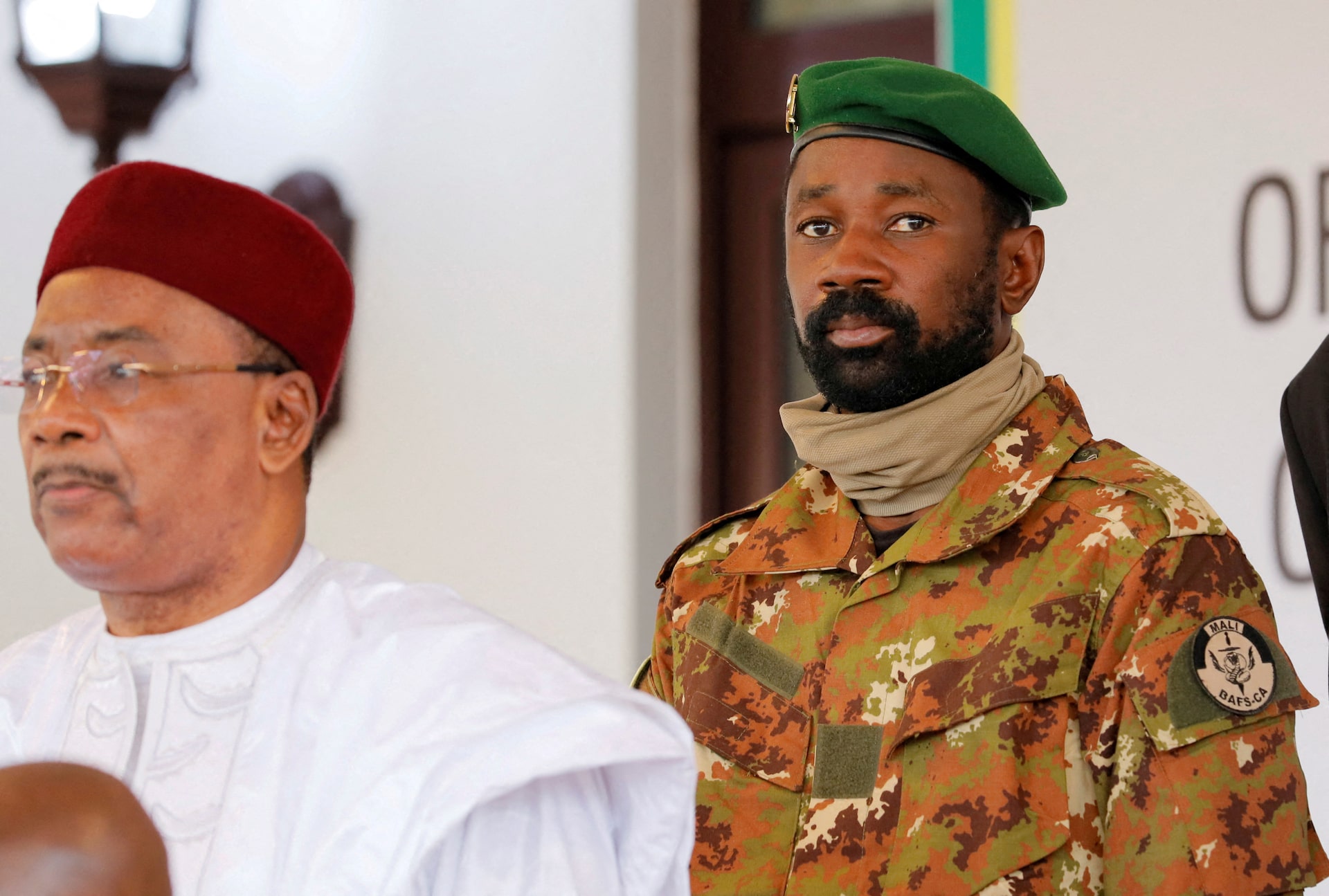
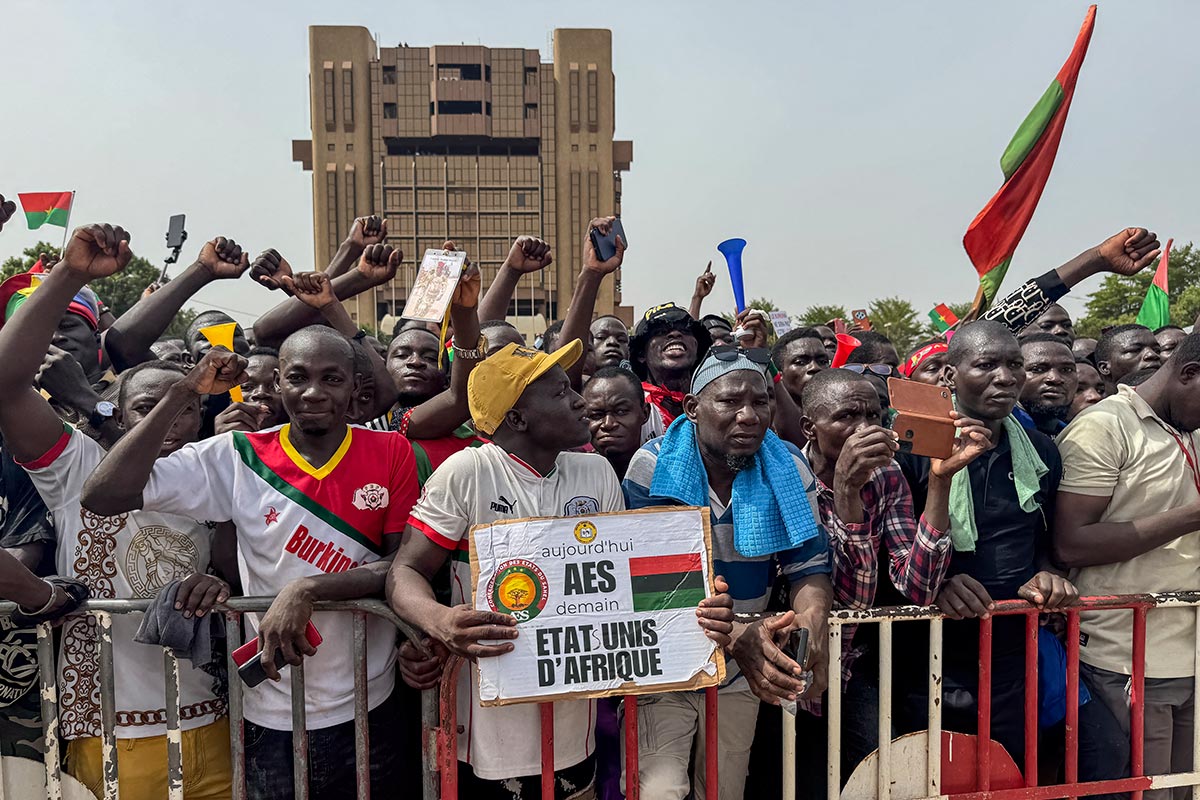
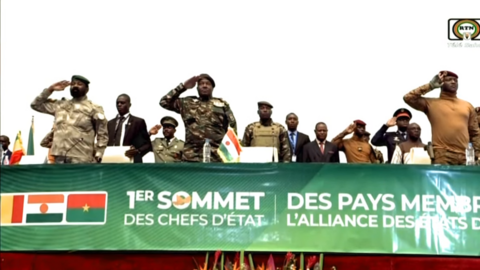
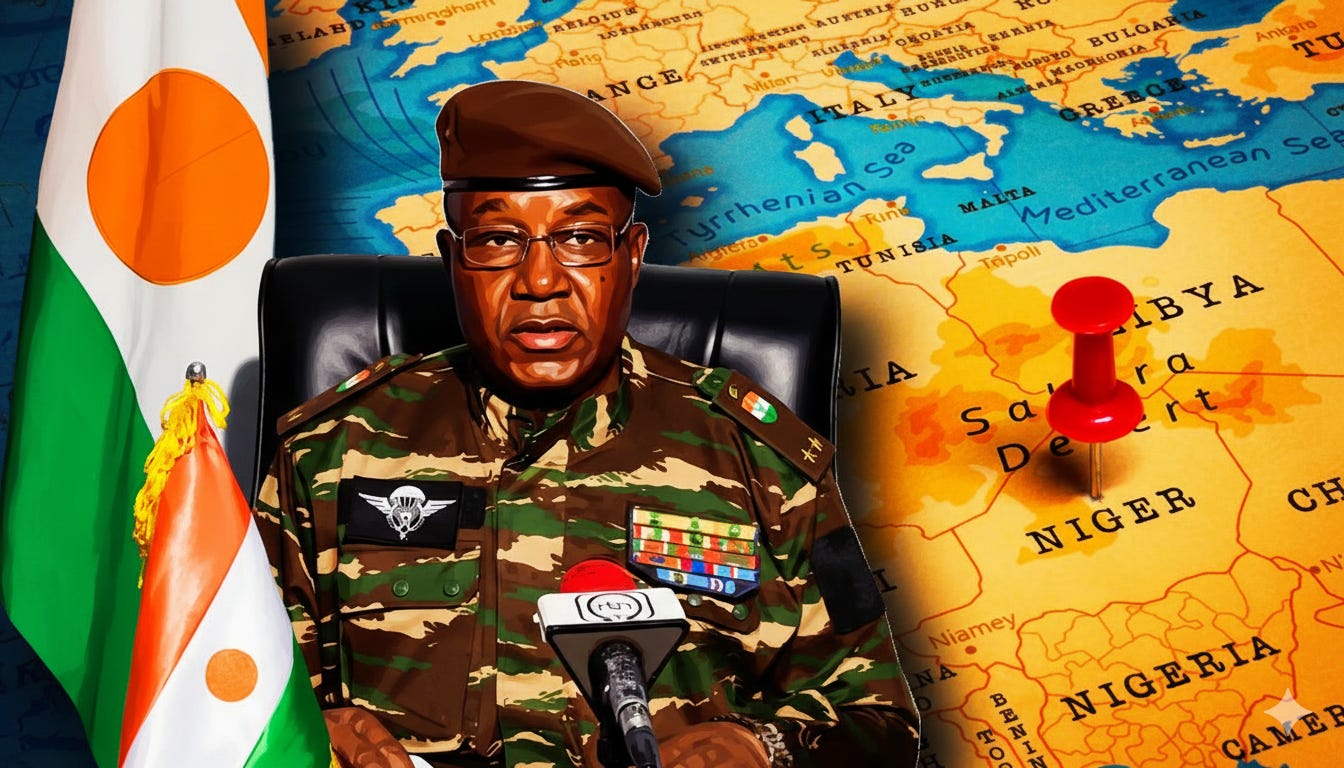
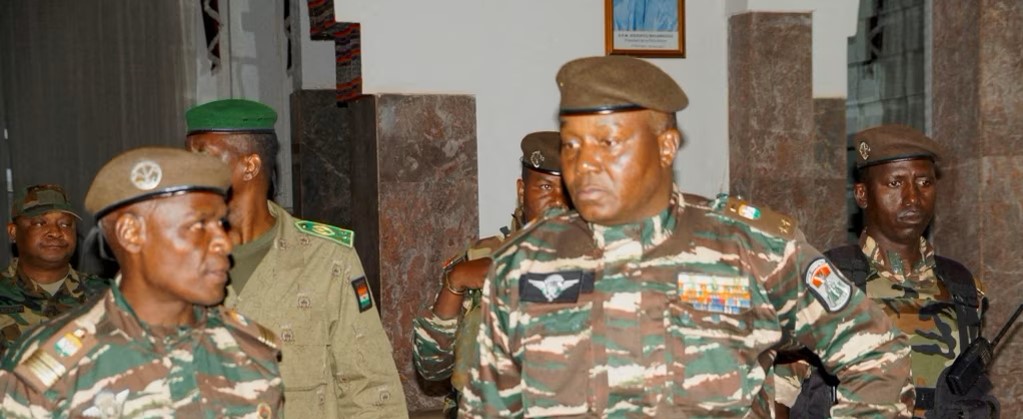
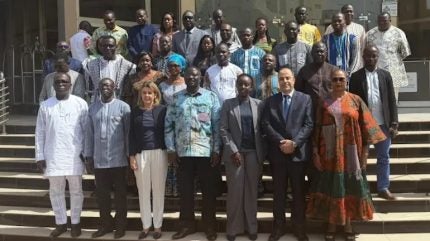
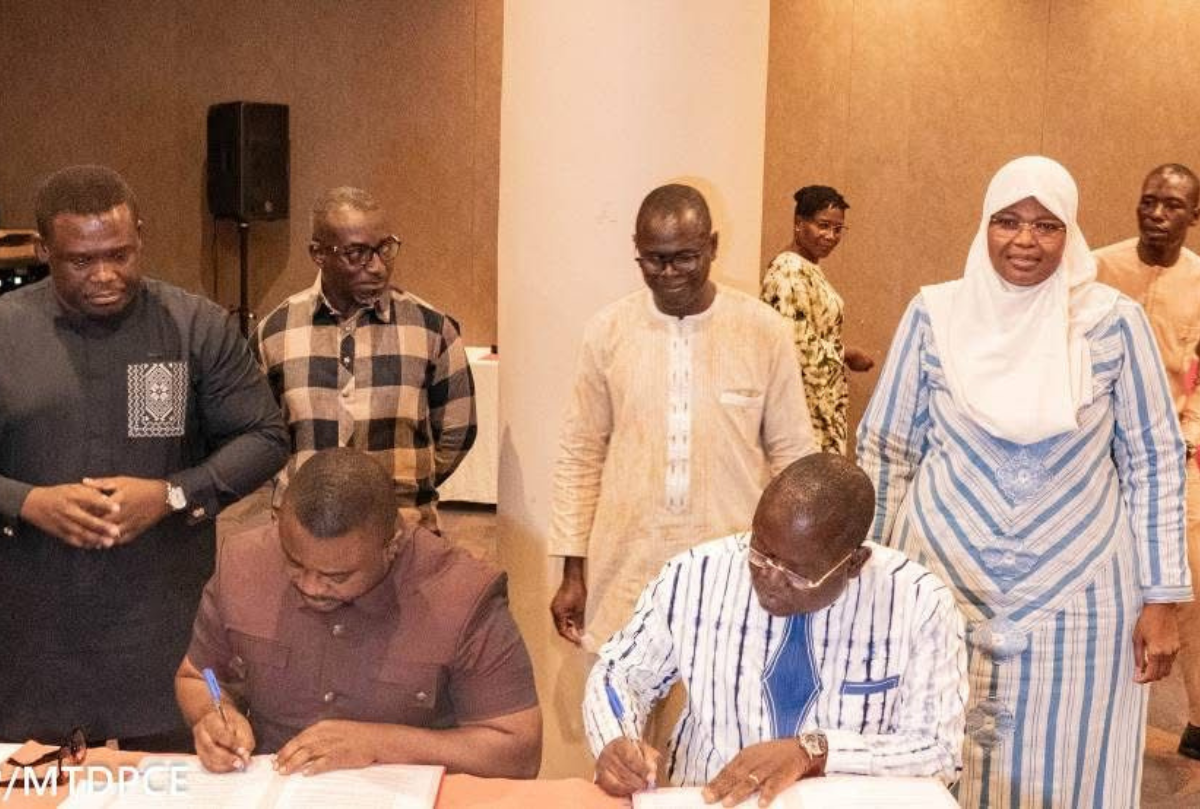
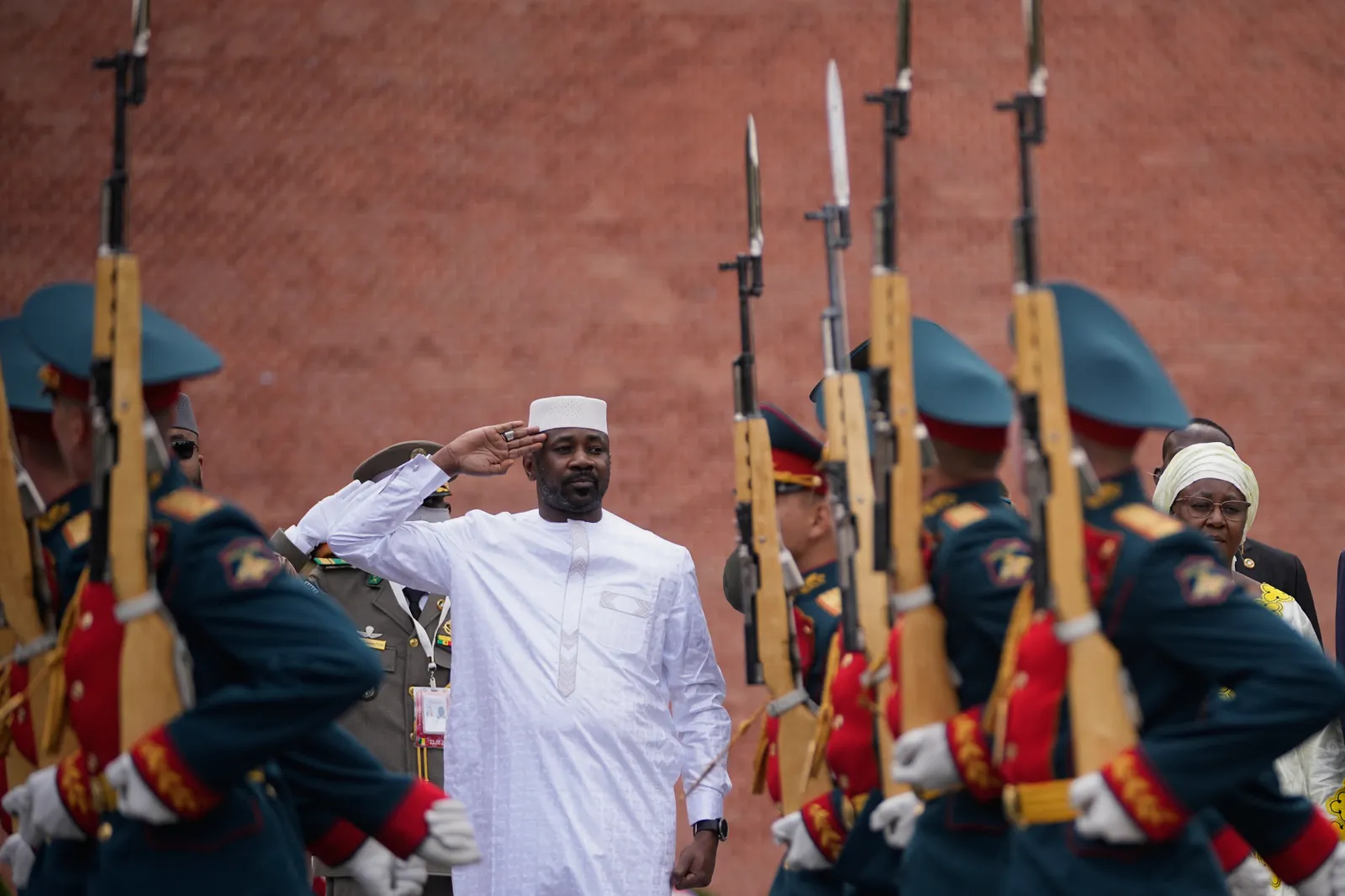
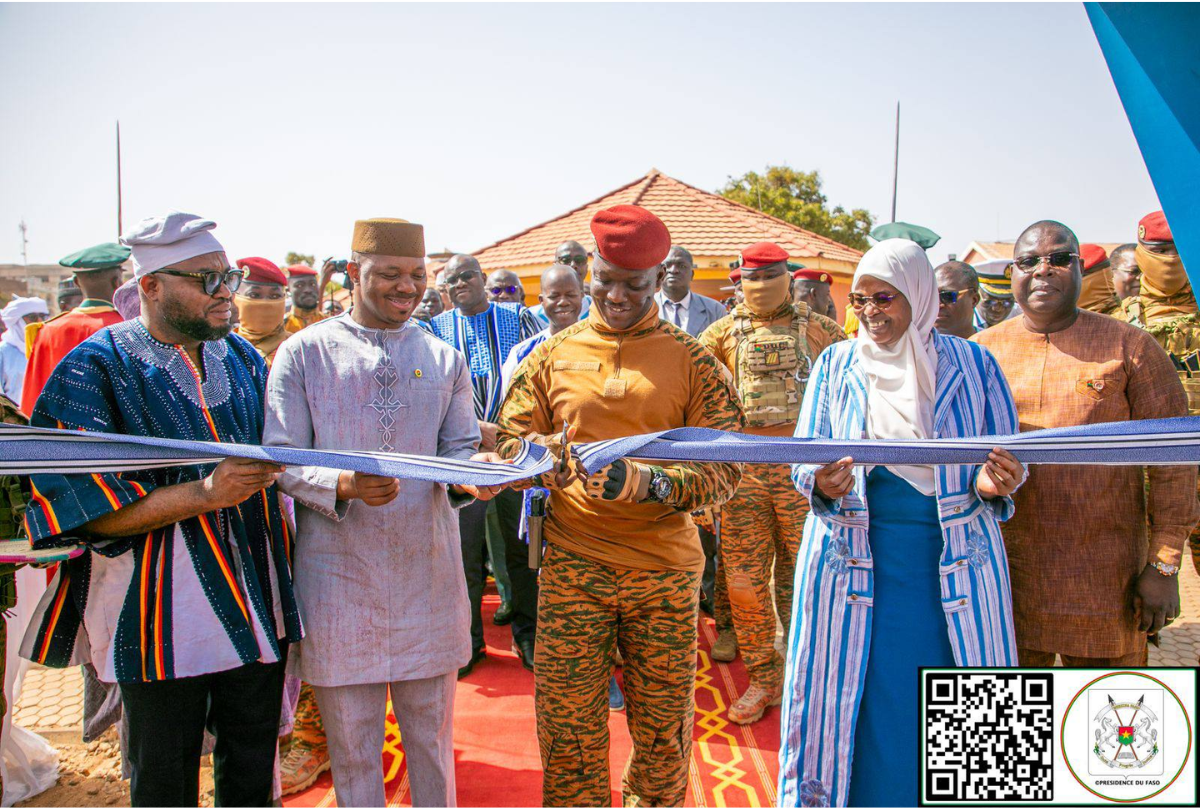
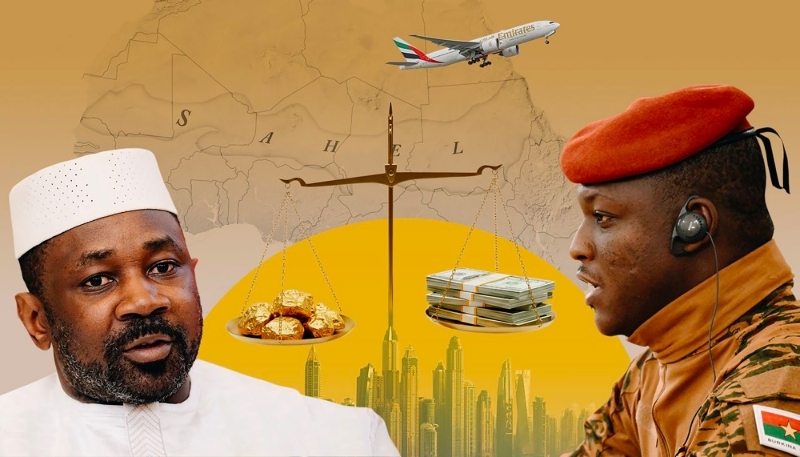
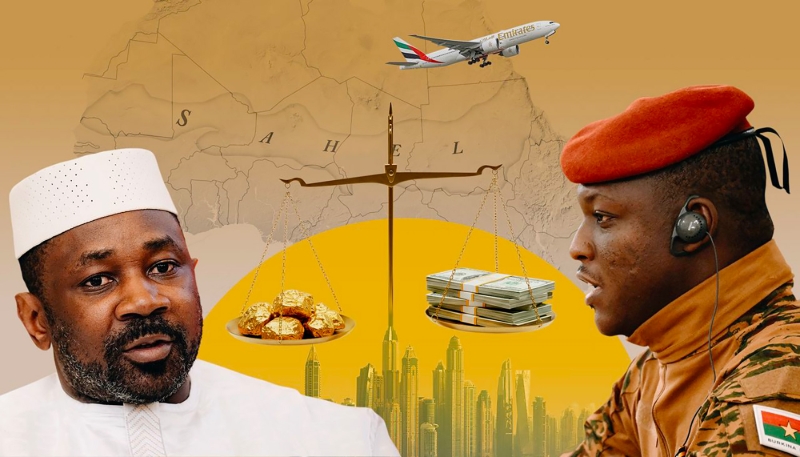
Burkina Faso is currently navigating a truly complex chapter, marked by significant political developments, persistent security challenges, and heated debates over human rights. These aren’t just local issues; they’re shaping regional stability and highlighting the nation’s ongoing efforts to balance governance, safety, and civil liberties. How will they manage it? In a move that really shows regional cooperation in action, President Ibrahim Traoré has distinguished himself as the first head of state within the Alliance of Sahel States (AES) to receive the bloc’s newly launched regional identity card. This isn’t merely a symbolic gesture, is it? It clearly showcases Burkina Faso’s leadership within the Sahel region and represents a concrete step towards enhanced regional integration, aiming to facilitate smoother movement and cooperation among member countries. The AES, a coalition formed to address shared security and economic issues, absolutely envisions such initiatives as foundational to greater unity and collective action across its member states. This kind of progress in diplomacy might just be what the region needs.
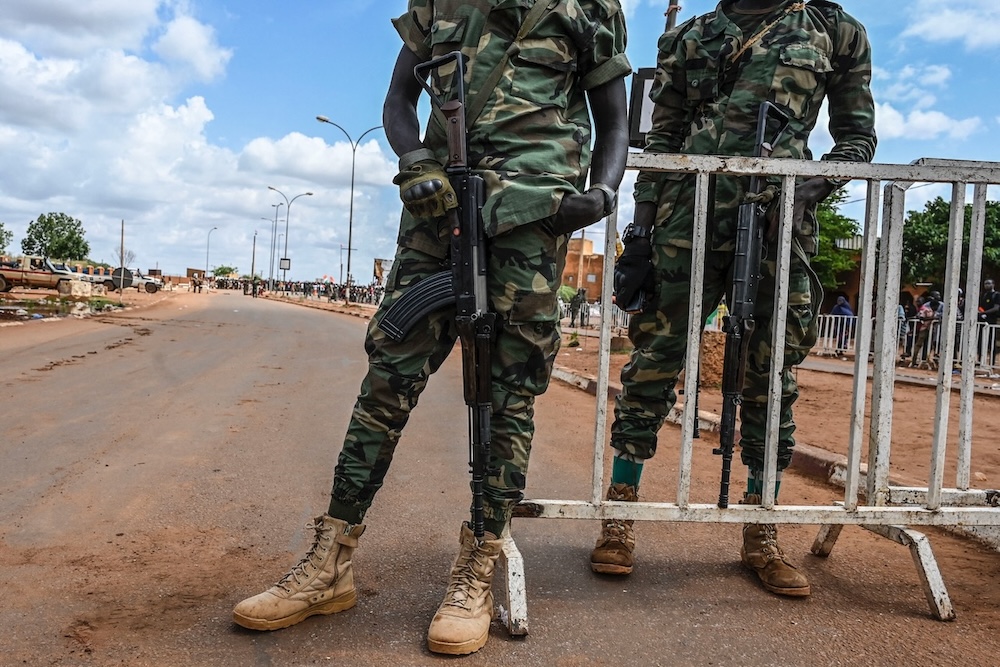
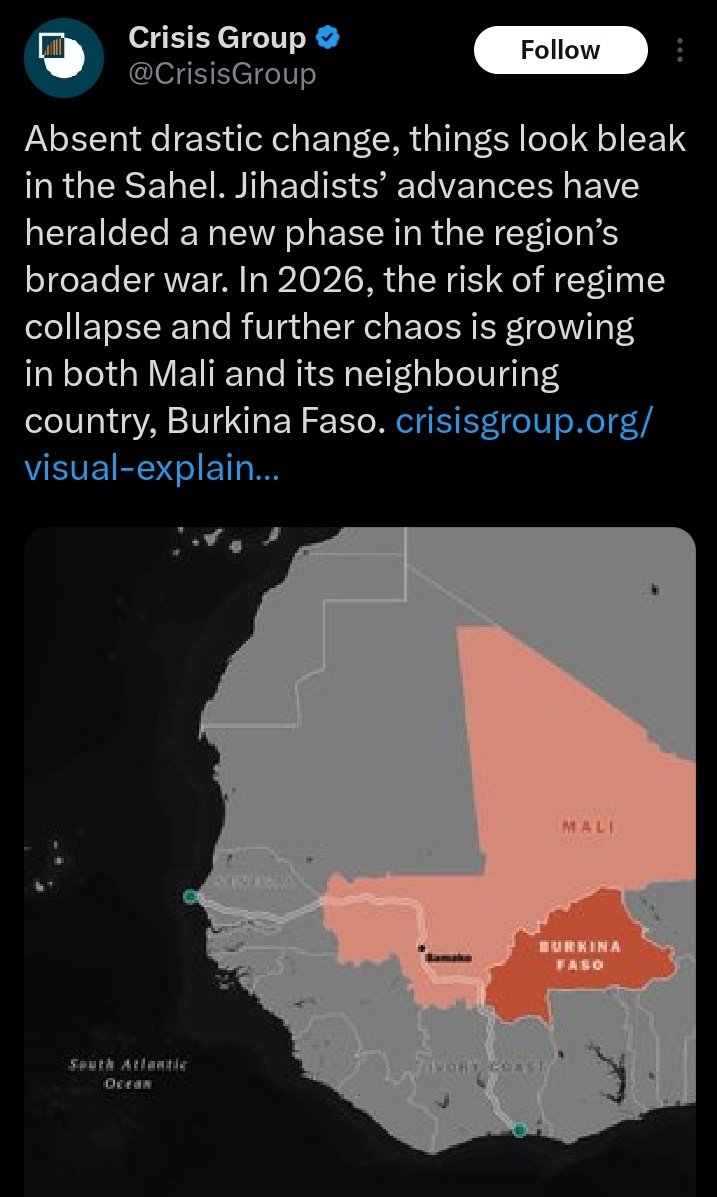
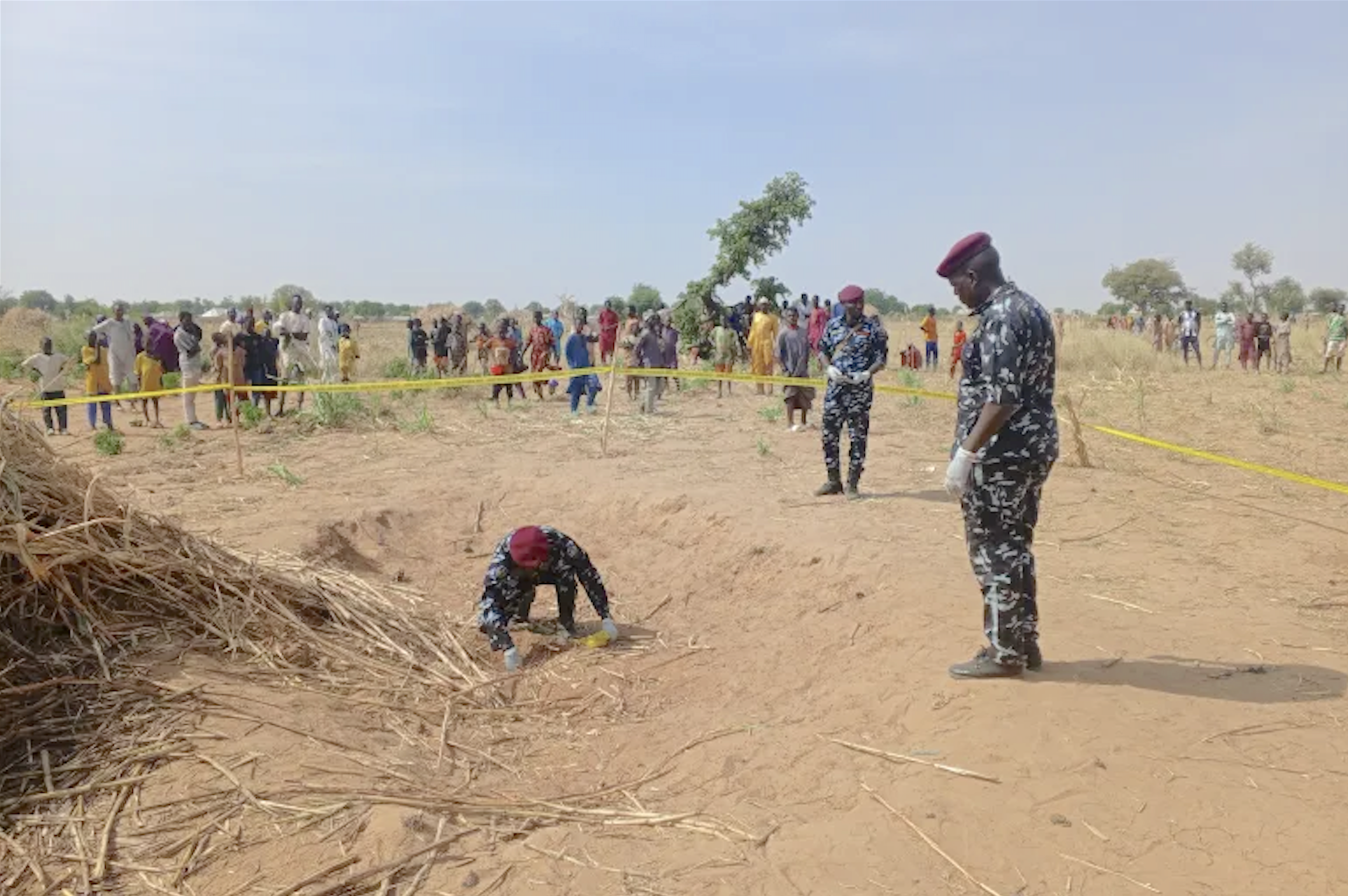
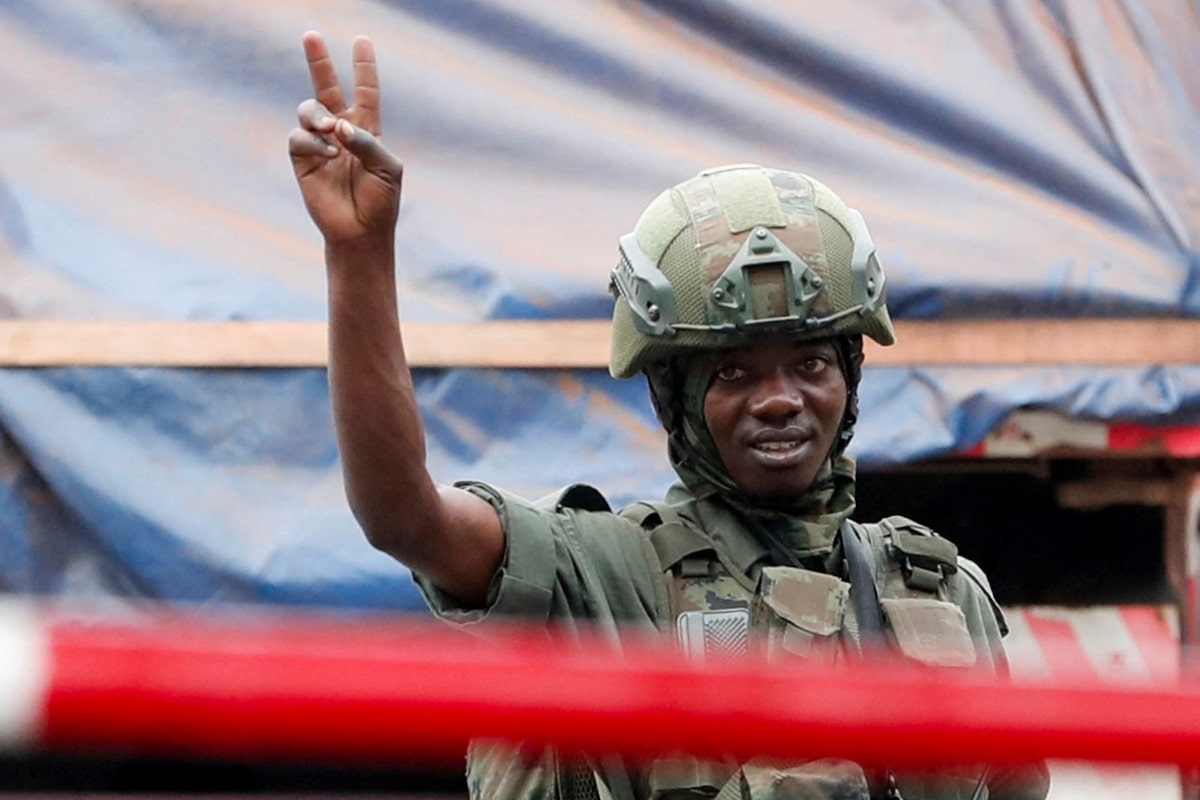
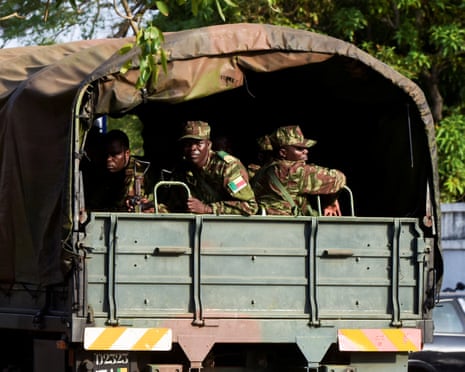
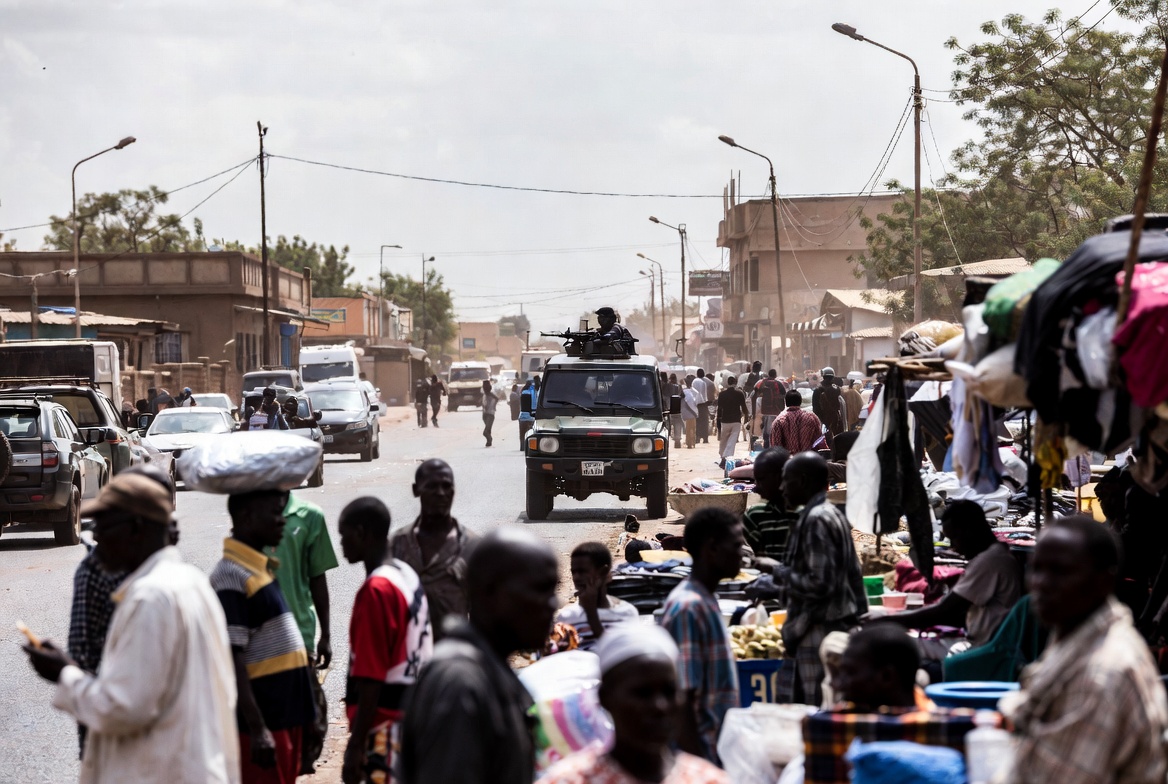
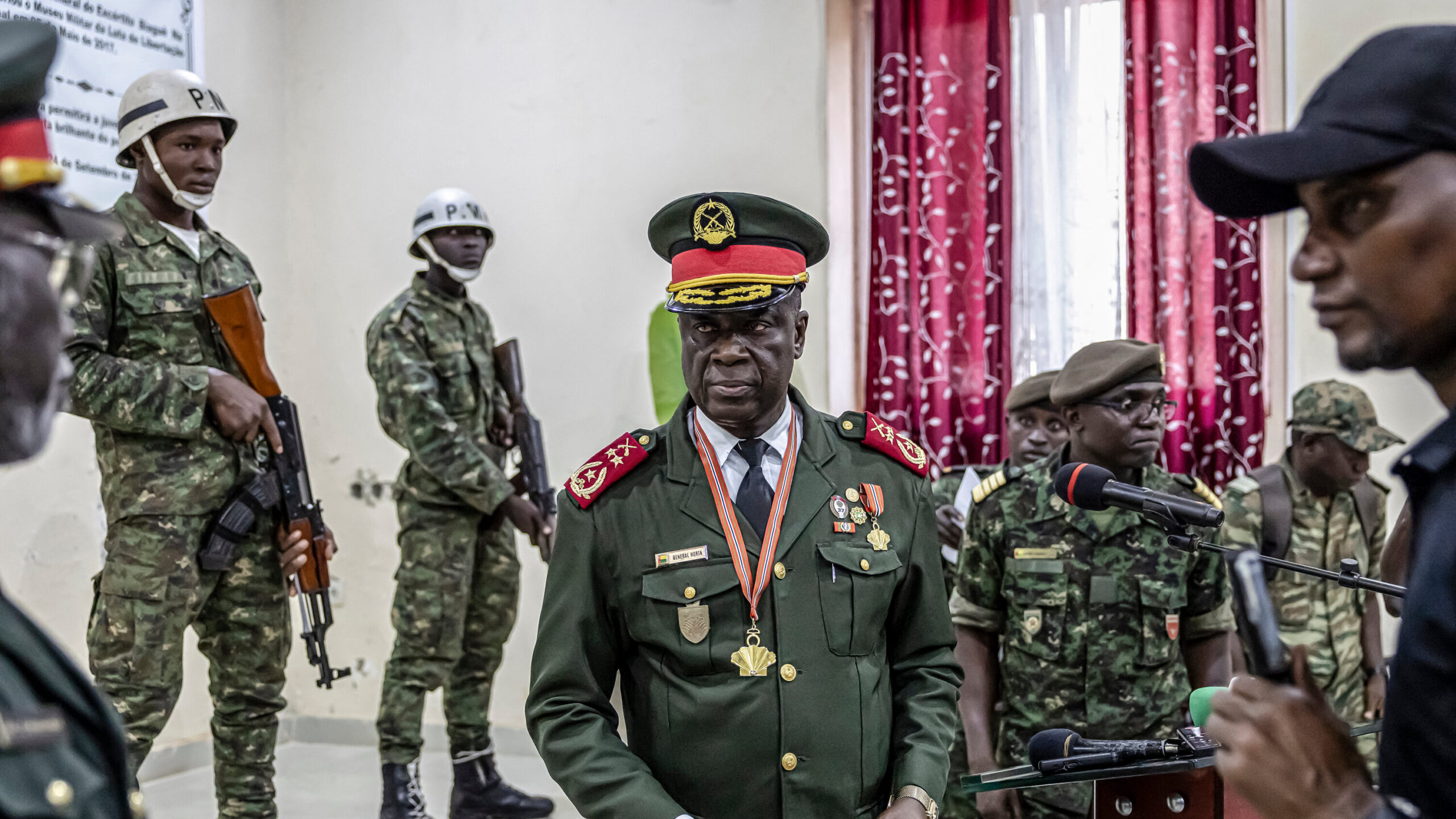
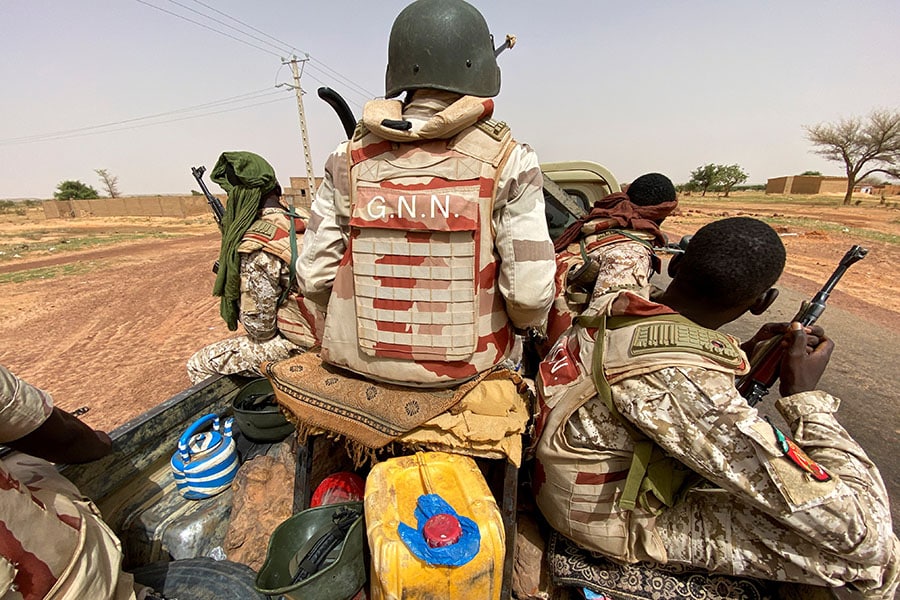
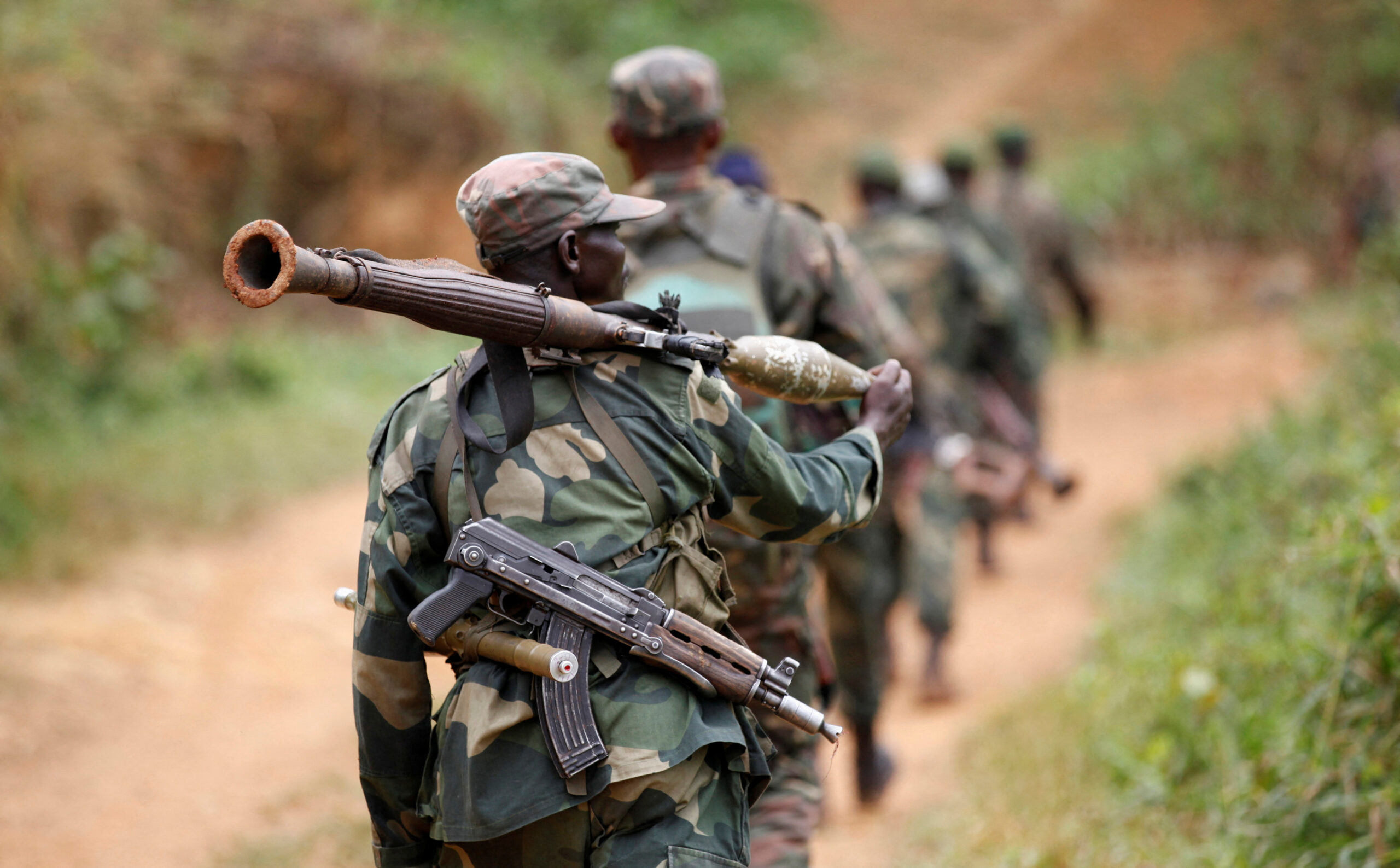
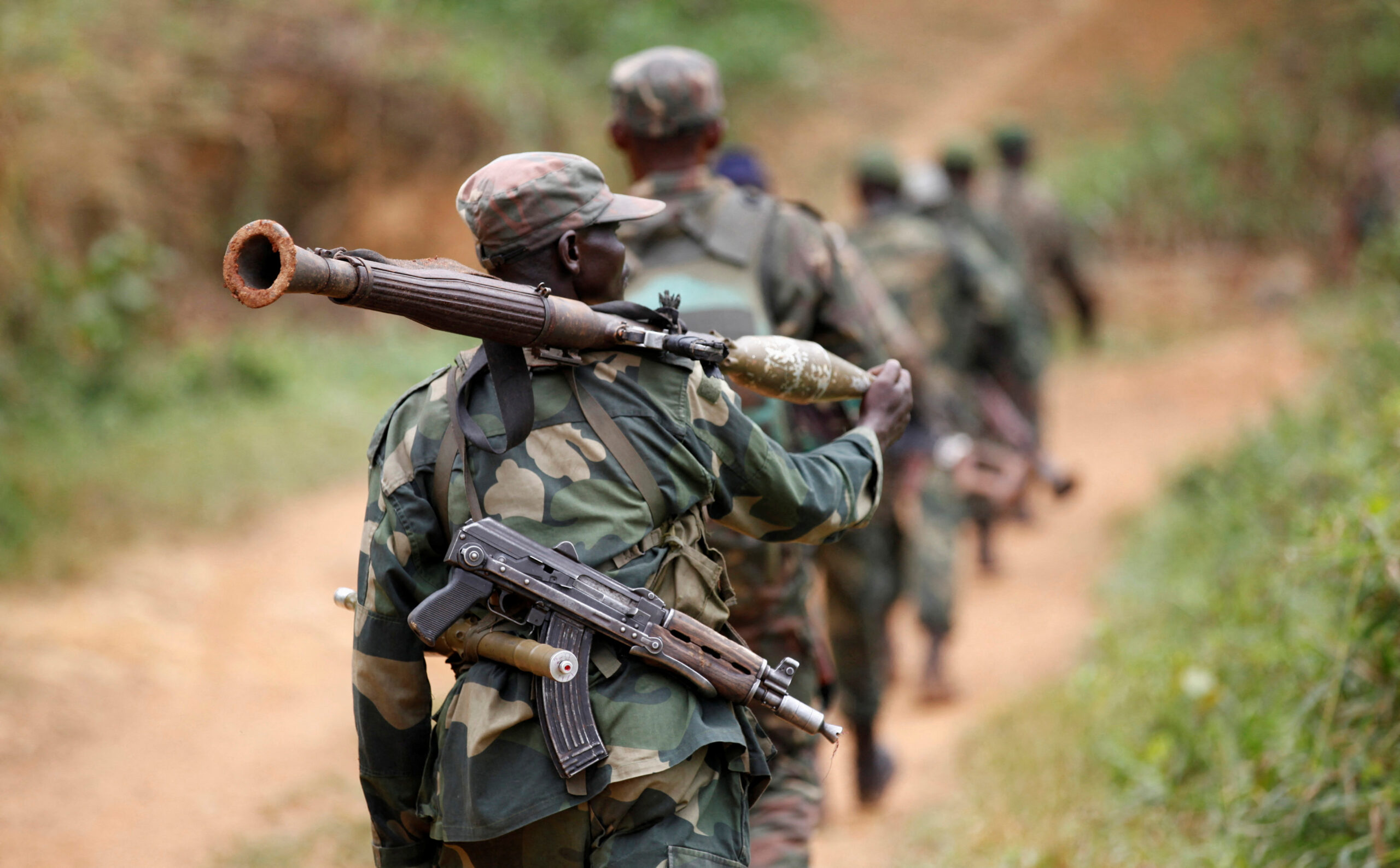
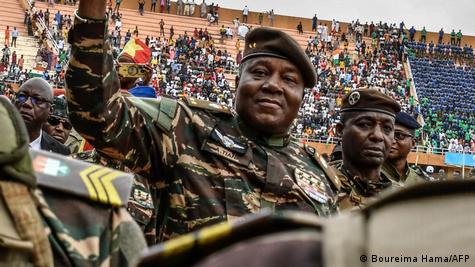
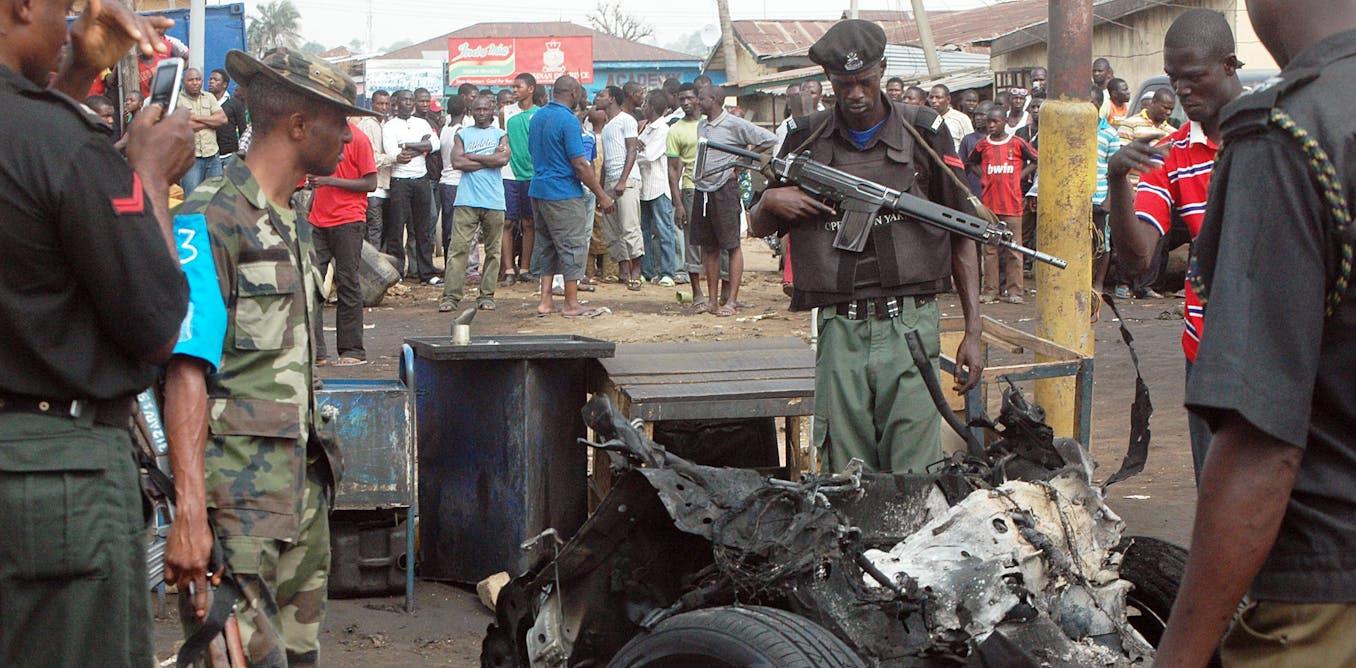
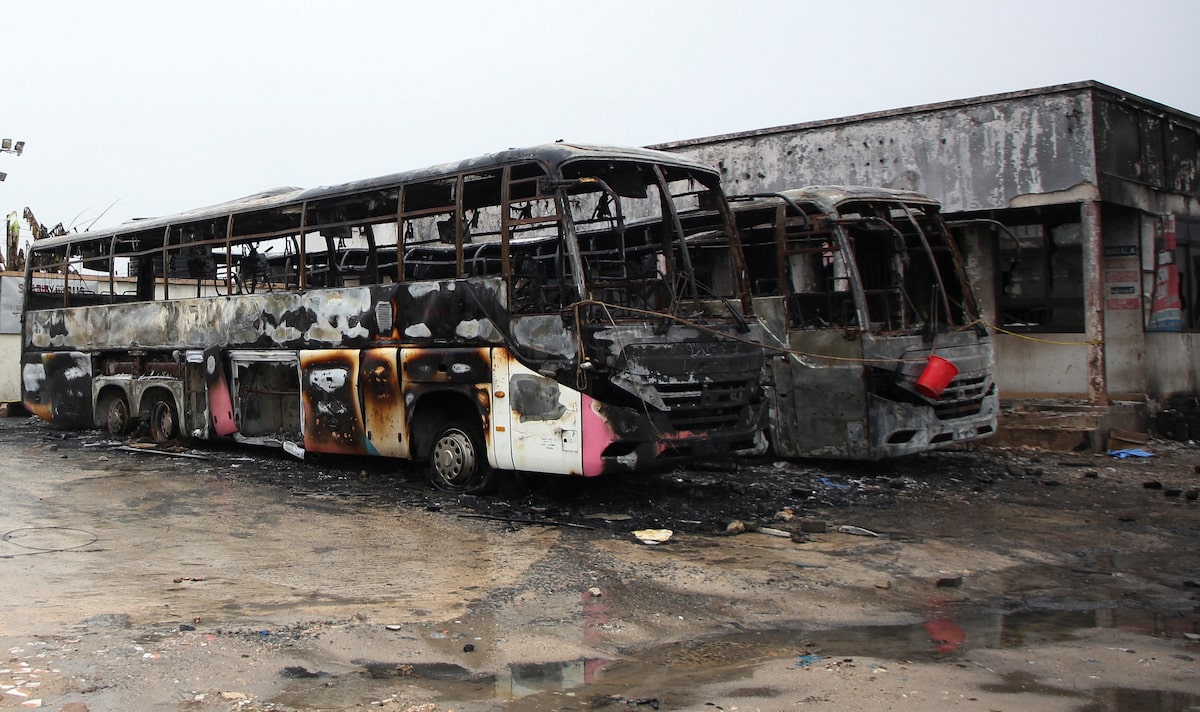
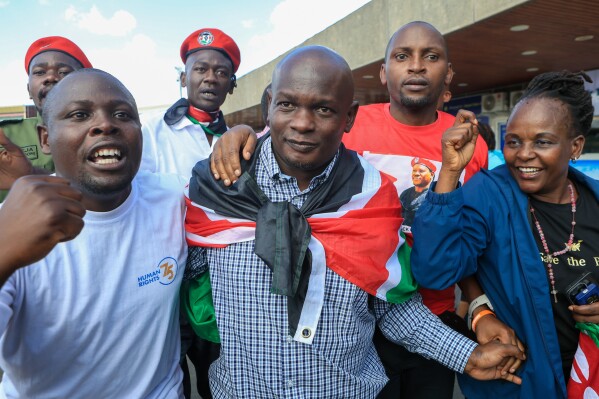
Yet, while regional diplomacy grabs headlines, don’t think domestic affairs in Burkina Faso are without their tensions. The country is still wrestling with mounting security threats from extremist groups, compelling its government and military to respond with decisive force. You’ve got to acknowledge their efforts: recent reports indicate that Burkina Faso’s forces have successfully neutralized terror suspects and dismantled several militant bases, operations that likely contributed to averting larger-scale violence. Still, the human cost of instability remains terribly high. Incidents like tragic road accidents, occurring amid uncertain conditions, continue to cause casualties and further strain national resources. Parallel to these security concerns, Burkina Faso’s military-led government has stirred up quite a controversy by advancing legislation to reinstate the death penalty. They abolished it just seven years ago, so this move is a significant reversal. The death penalty is now poised for a comeback, with targets including treason, terrorism, and other severe offenses. This policy shift has understandably alarmed human rights advocates globally. Amnesty International, among others, has urgently called on Burkina Faso’s junta to reconsider, arguing that restoring capital punishment severely undermines international human rights standards. They worry it could even exacerbate existing tensions rather than genuinely contribute to lasting security solutions. And let’s not overlook another crucial event: the arrest of eight members of an international non-governmental organization on charges of espionage. Their detention, extended over several months, sparked widespread outcry from civil society and foreign observers who genuinely feared a crackdown on humanitarian and watchdog efforts within the country. Thankfully, the release of these NGO members has signaled a possible easing of restrictions, though it certainly raises important questions about the space for independent organizations operating amid ongoing insecurity and political uncertainty.
This intense debate on the death penalty really serves as a powerful symbol of the broader challenges confronting Burkina Faso’s political landscape, where governance decisions are inextricably intertwined with pressing civil rights concerns. It’s a tightrope walk for sure. Beyond that, the nation has also tightened its guidelines for donor funding. This reflects a cautious, perhaps even self-protective, approach to external assistance. Officials are likely concerned about transparency and ensuring foreign aid truly aligns with national priorities. This decision is expected to impact the flow and management of aid, emphasizing accountability while potentially complicating relationships between Burkina Faso and its international partners, who are often absolutely crucial for development and humanitarian support. As Burkina Faso stands at this crossroads, its path forward holds significant consequences not just for its own citizens, but also for the broader stability of the West Africa region. The nation’s leadership role in the AES clearly defines a commitment to collective progress, even as these internal decisions test the delicate balance between robust security measures and fundamental human rights. The international community watches closely, hopeful that Burkina Faso’s government will harness both cooperation and reform – not just on paper, but in practice – to foster true resilience against threats while unequivocally respecting fundamental freedoms. Looking ahead, the trajectory Burkina Faso chooses will undeniably influence patterns of governance and security across the entire Sahel. With renewed regional identity efforts, a government grappling with existential threats, and vibrant civic concerns demanding attention, Burkina Faso’s story is absolutely pivotal for observers invested in peace, justice, and sustainable development in this vital African nation and beyond.