Burkina Faso: A Nation’s Fight for Stability Amidst Dual Challenges
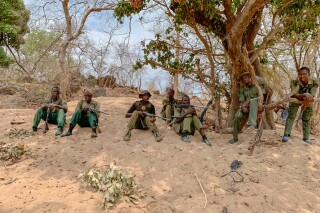
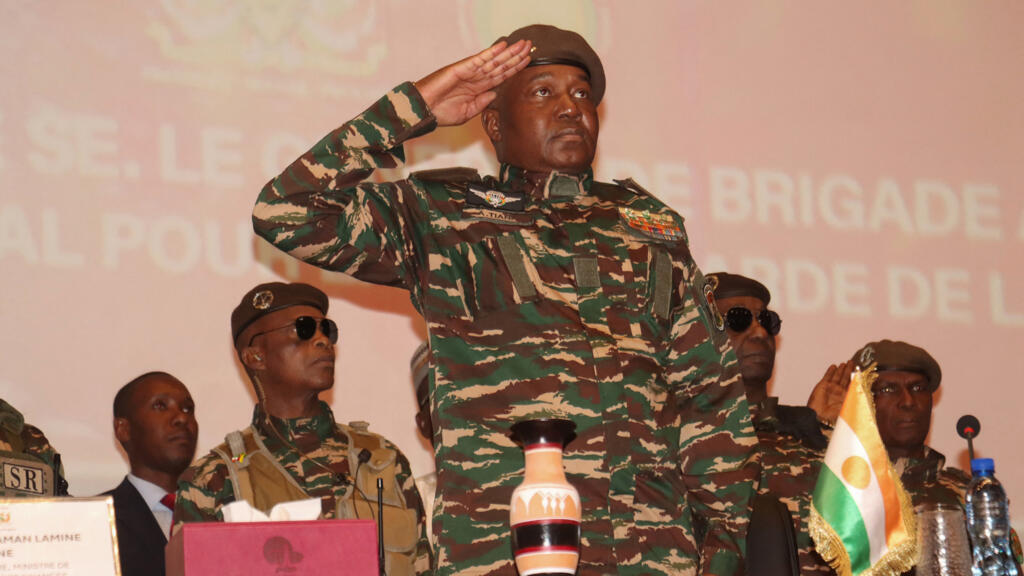
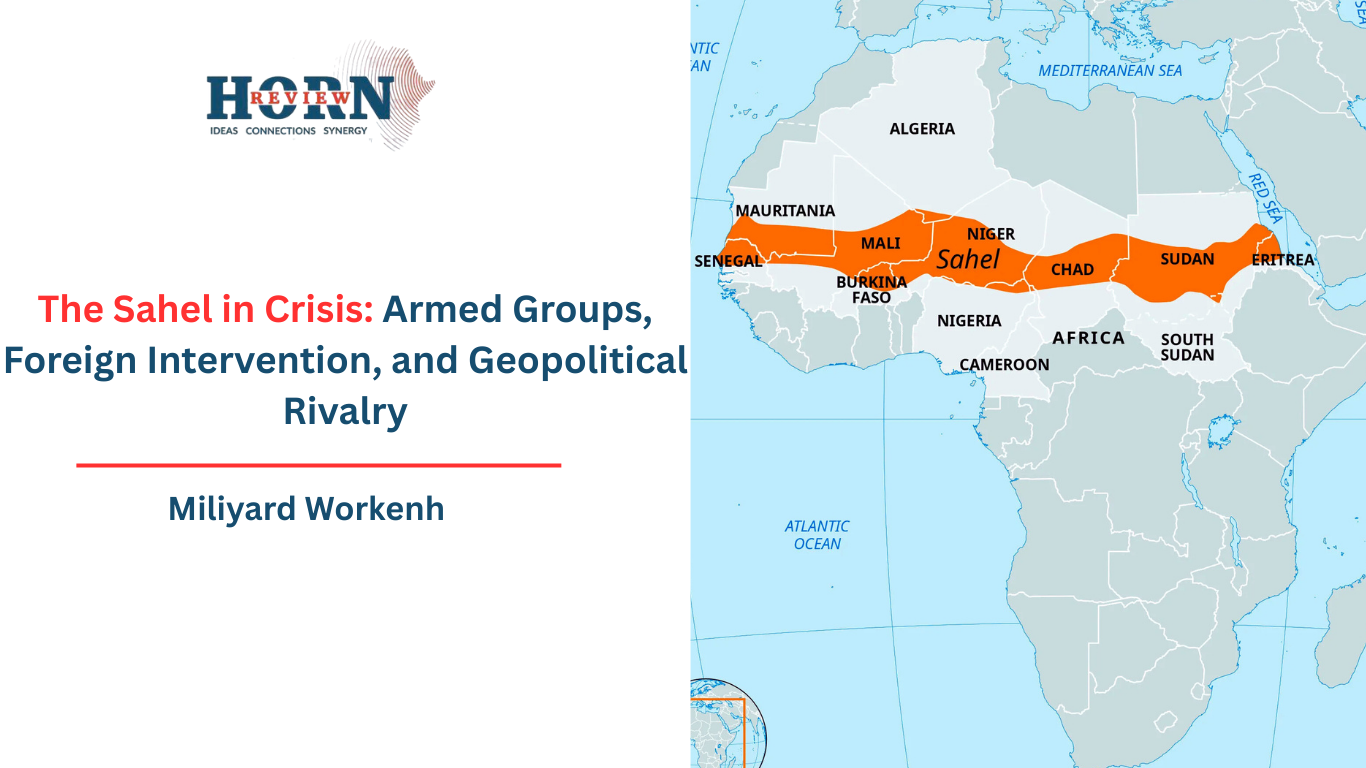
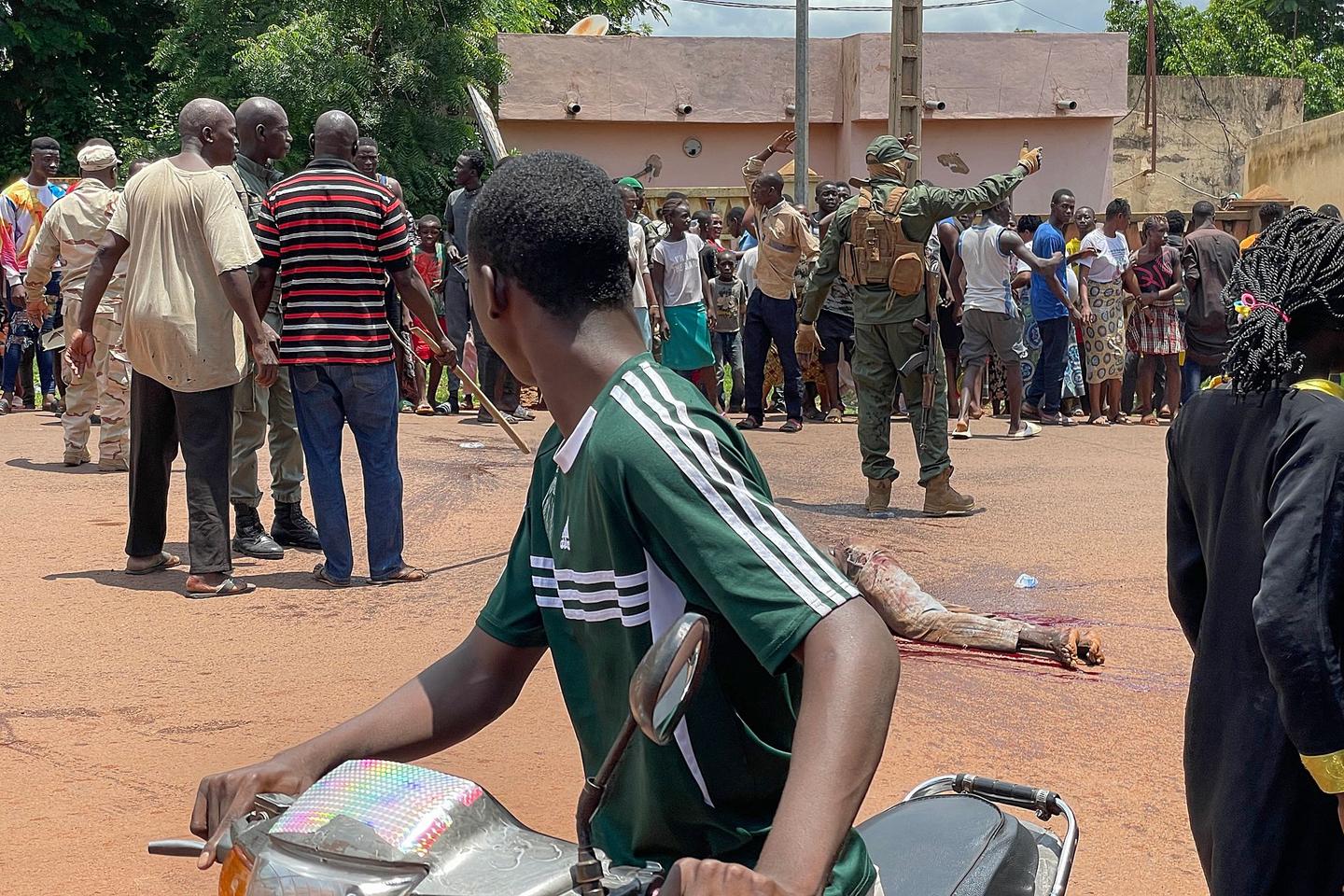
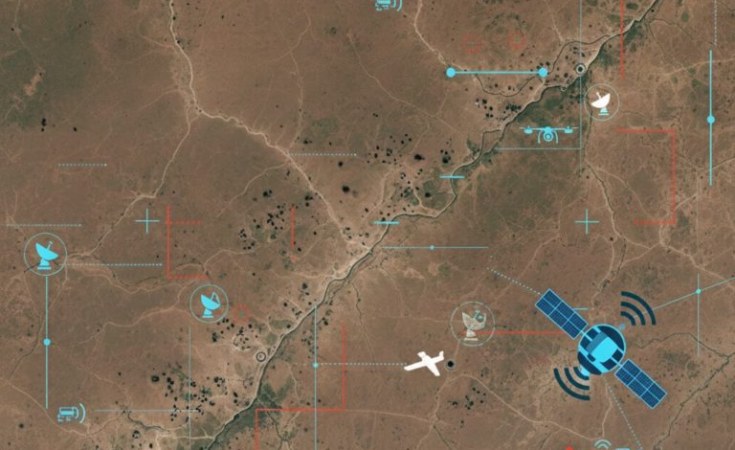
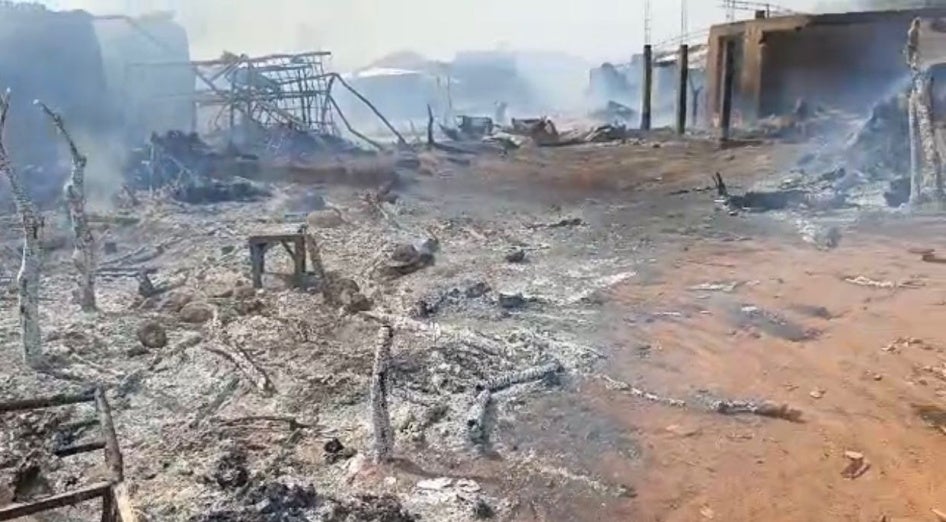
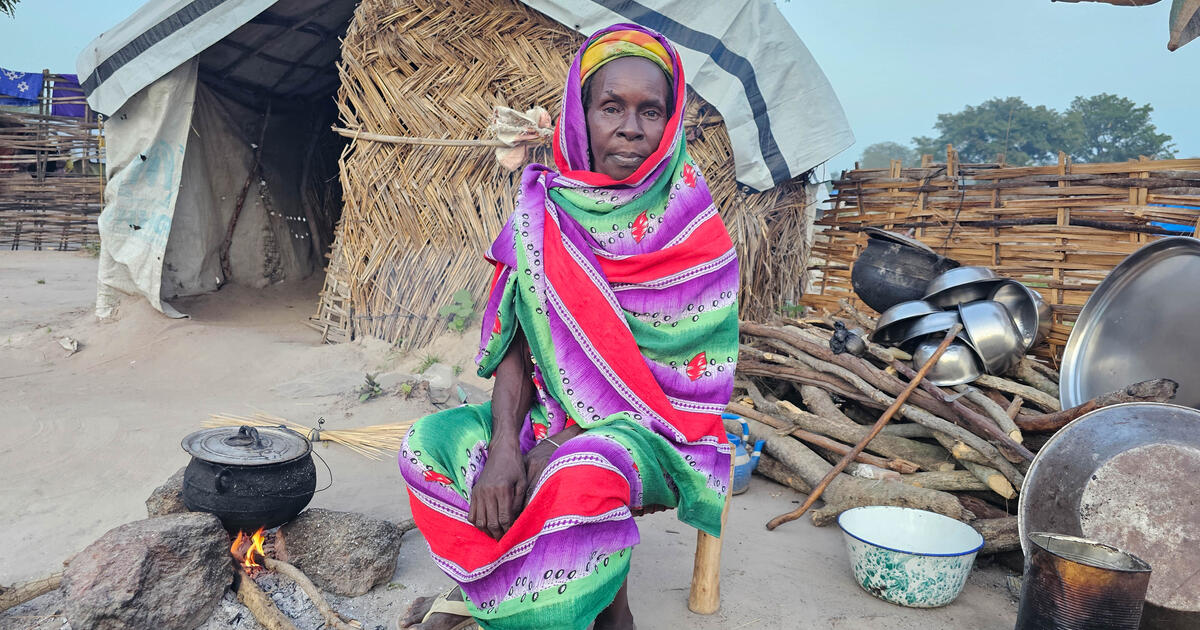
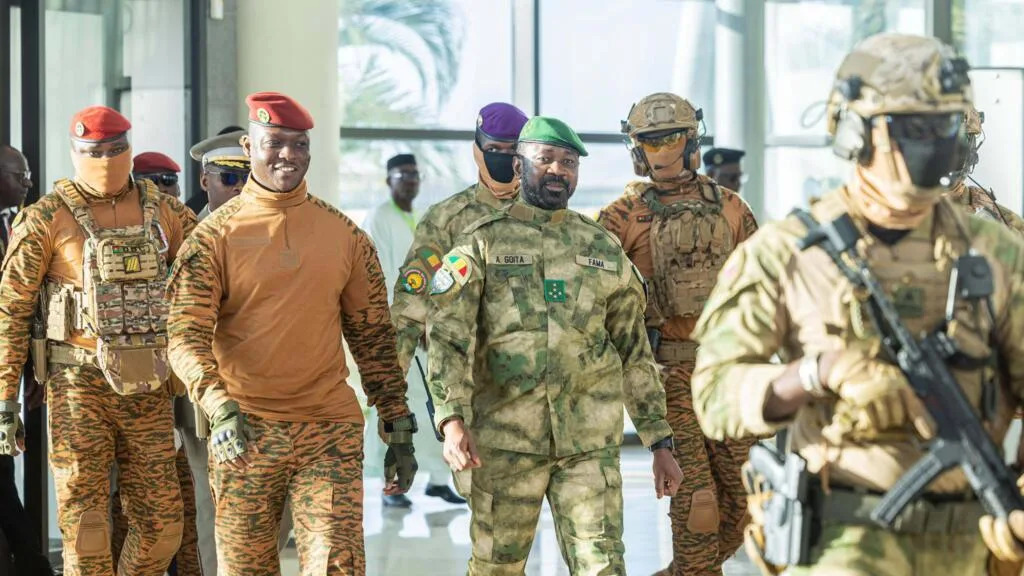
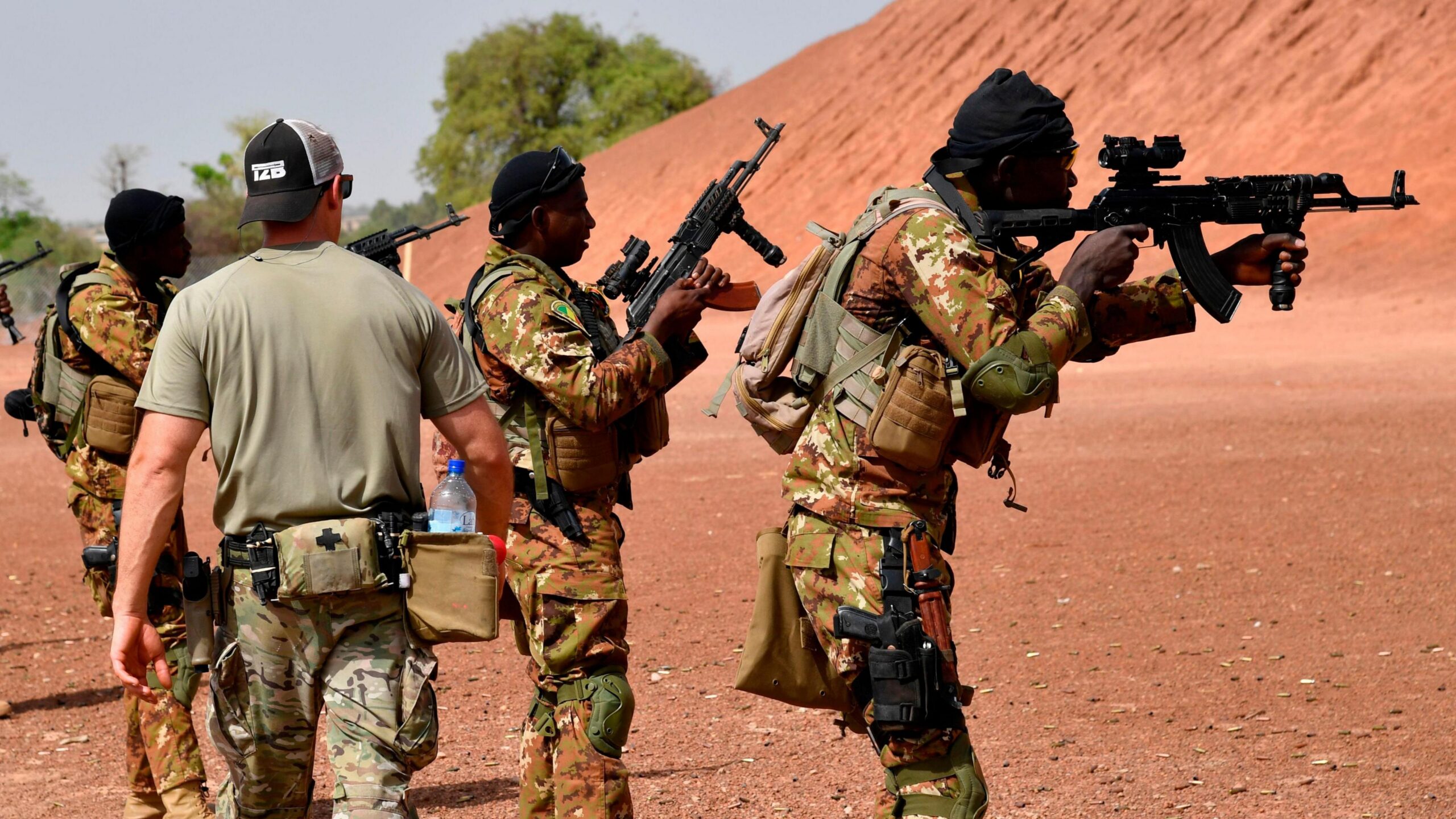
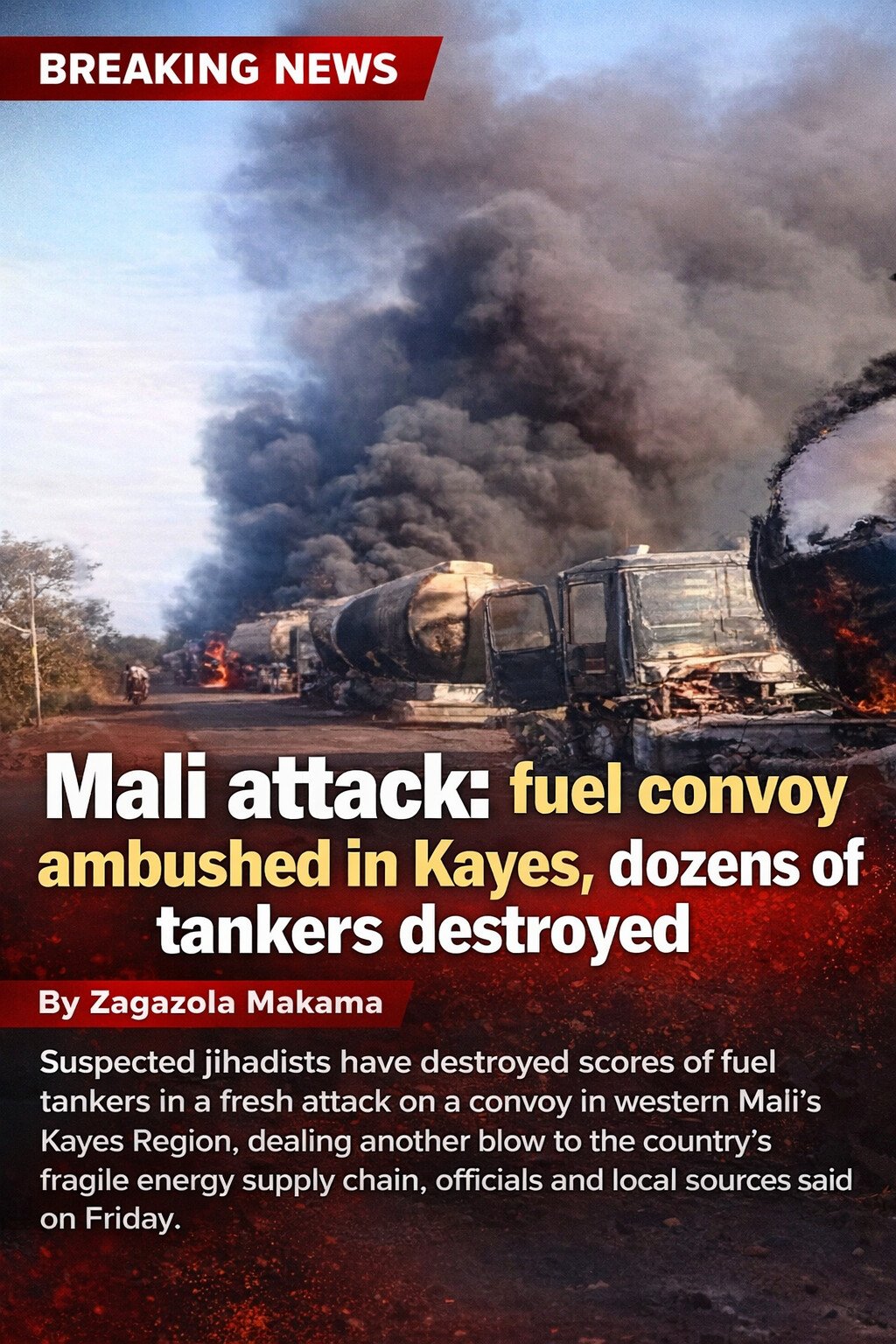
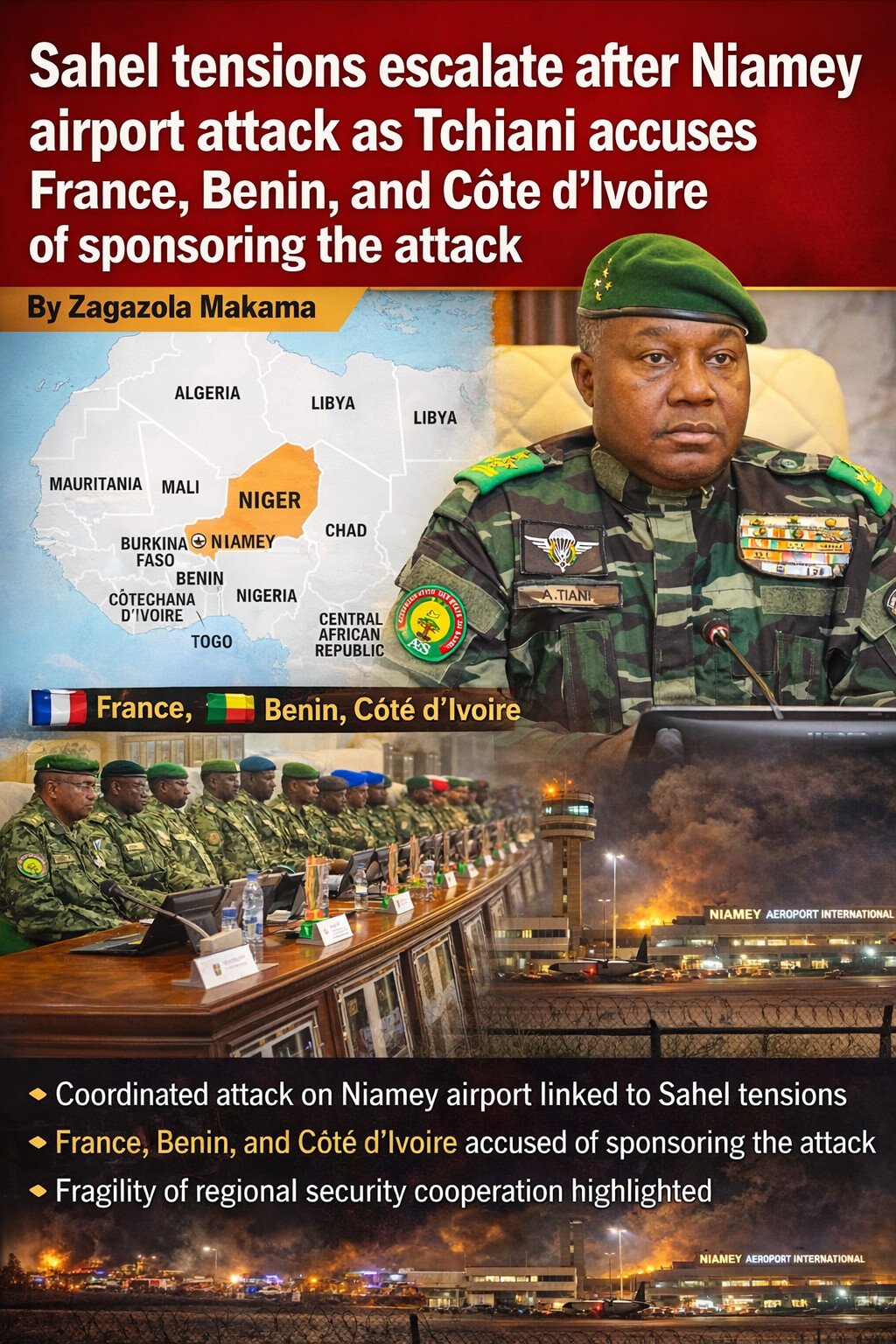
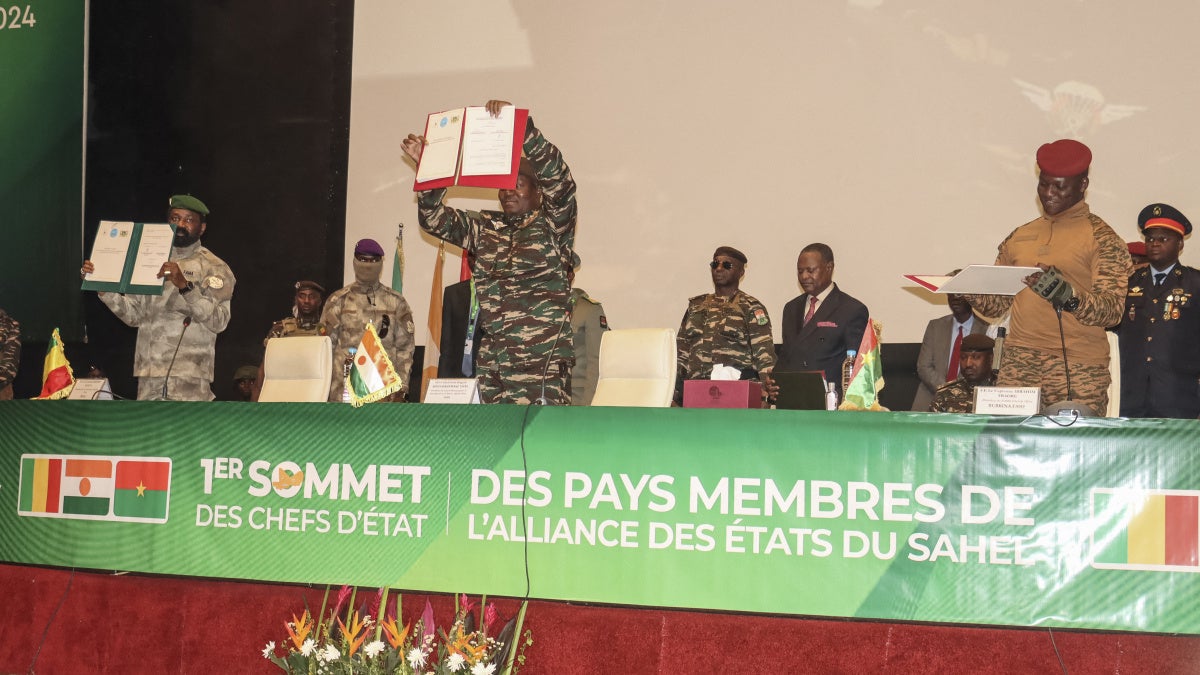
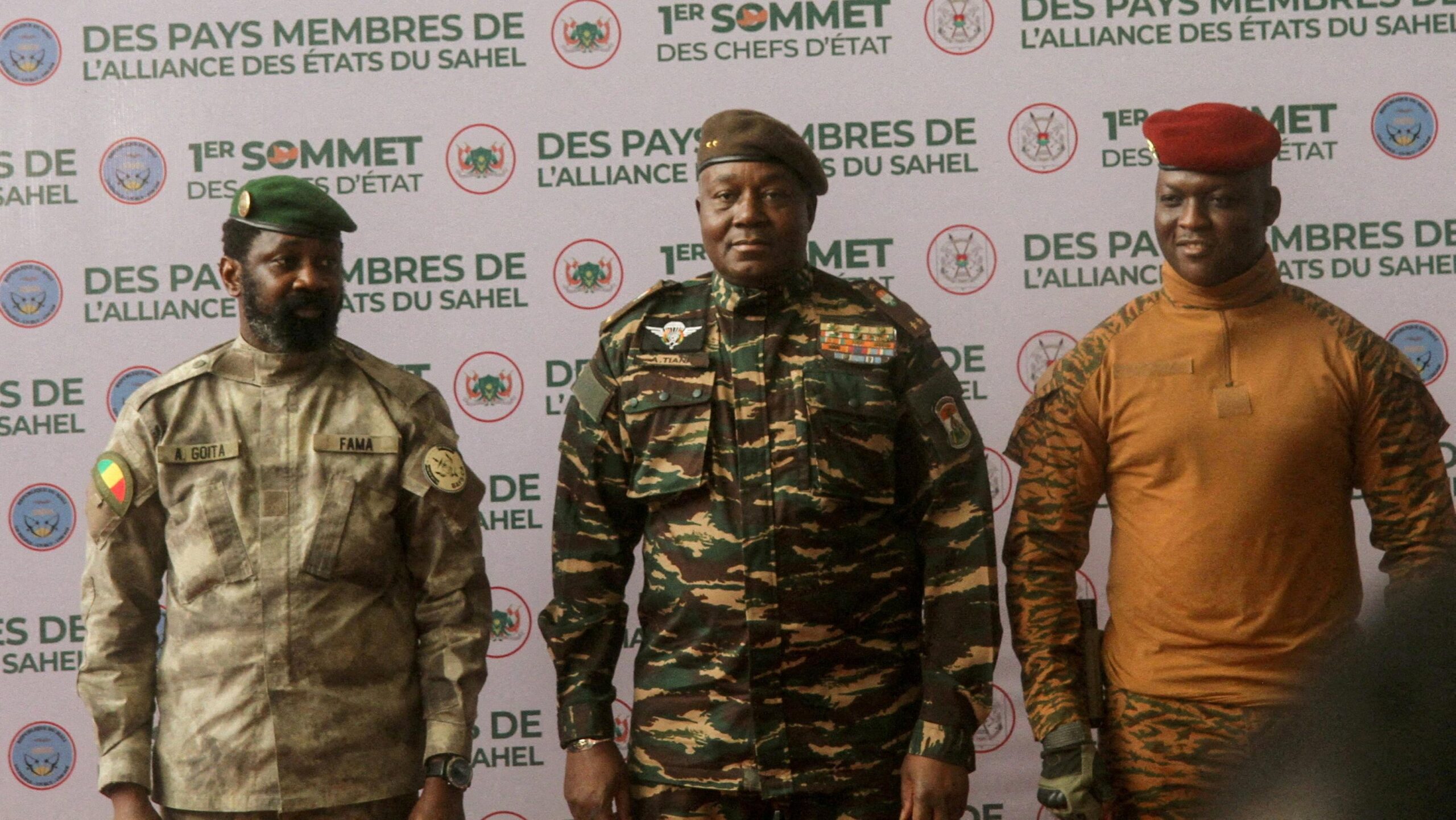
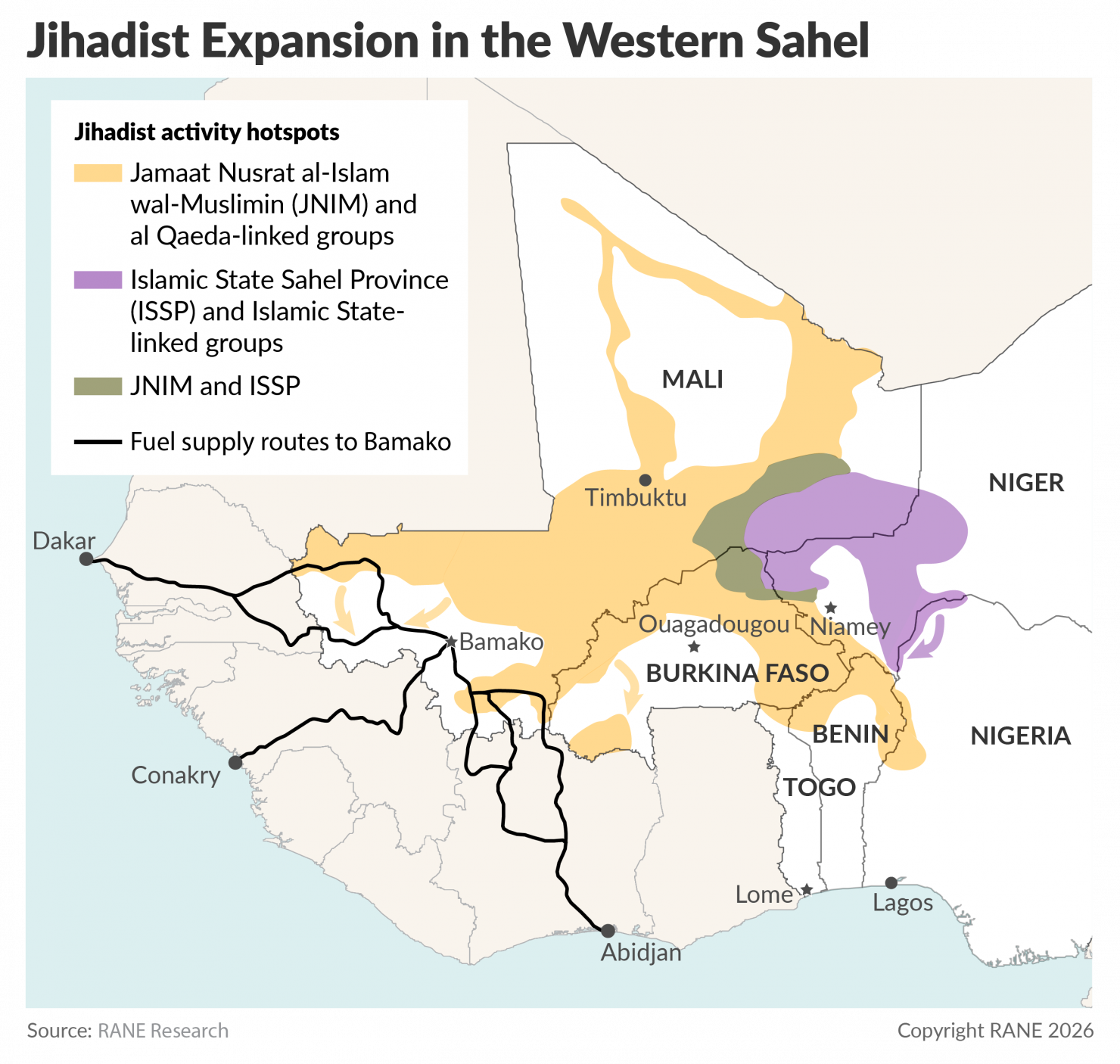
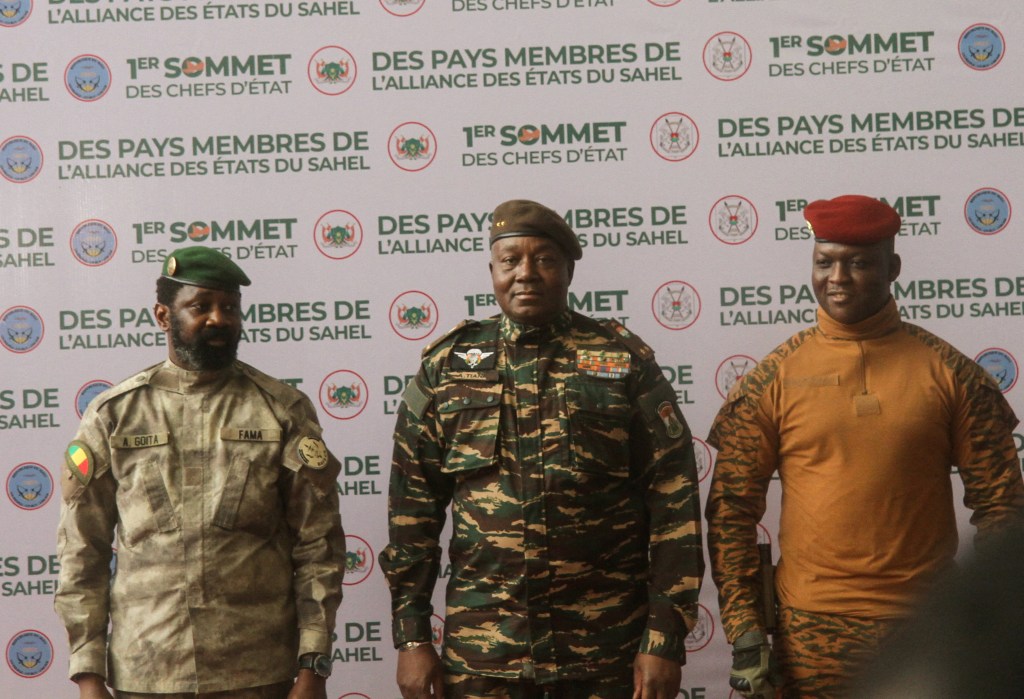
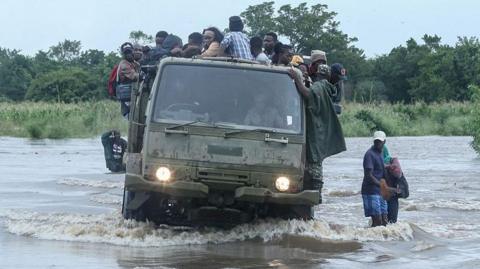
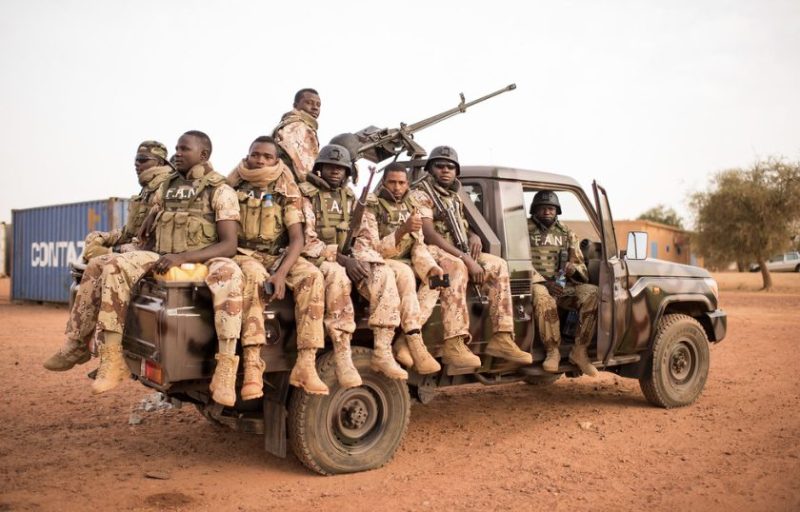
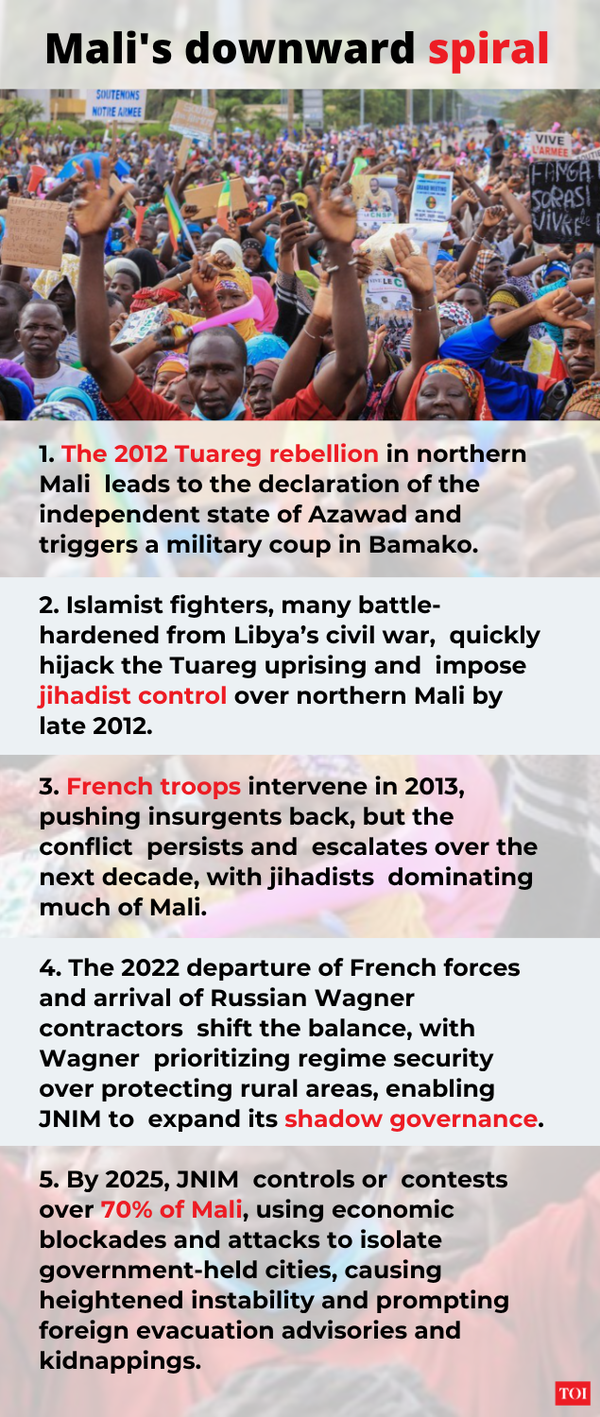
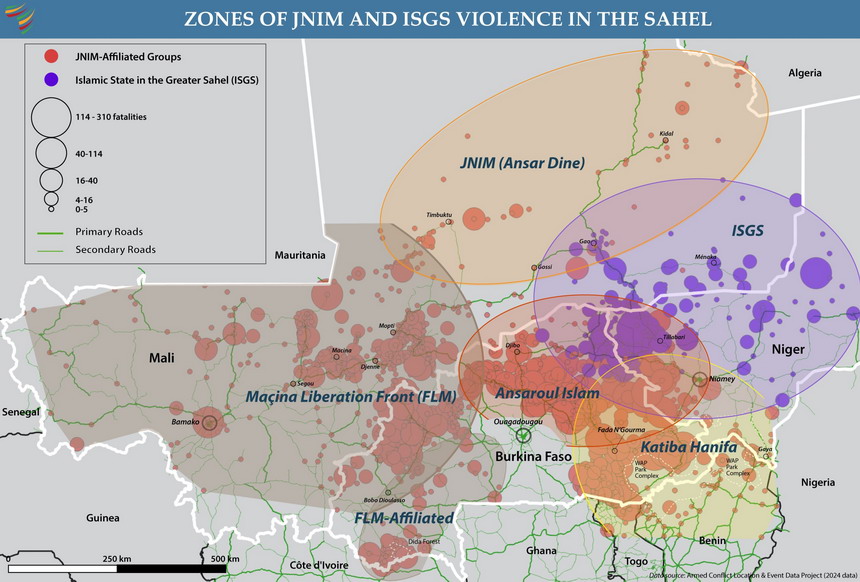
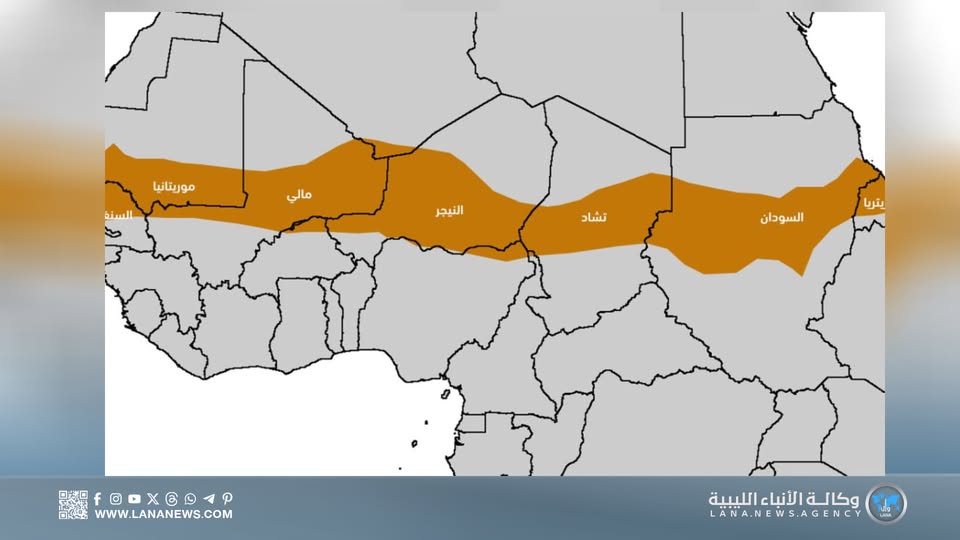
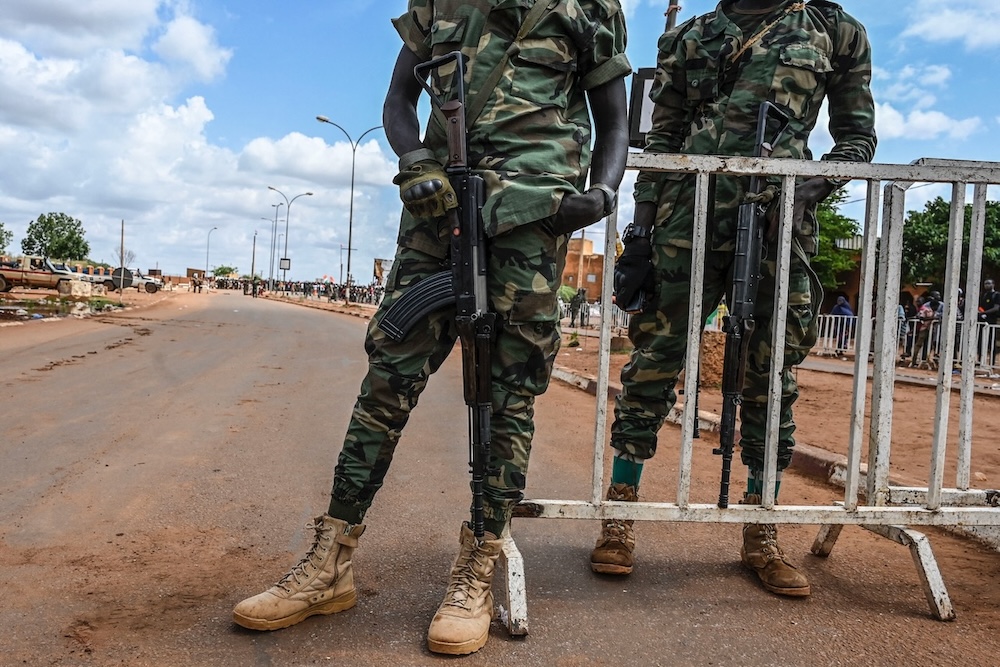
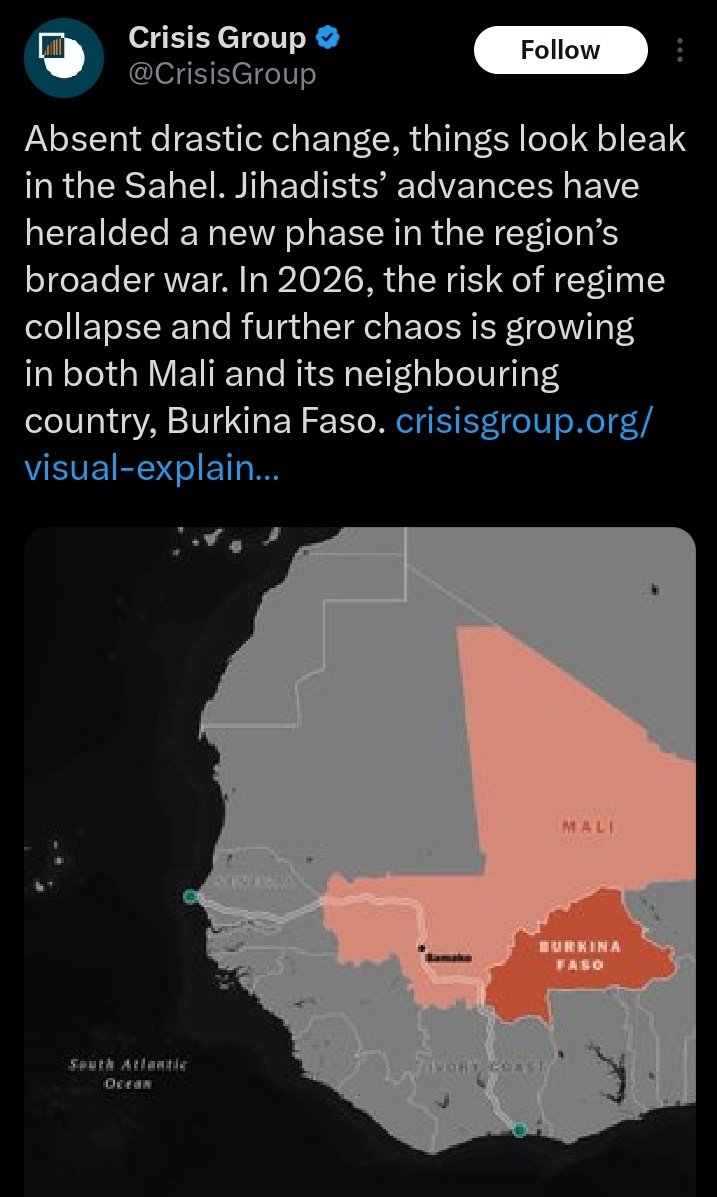
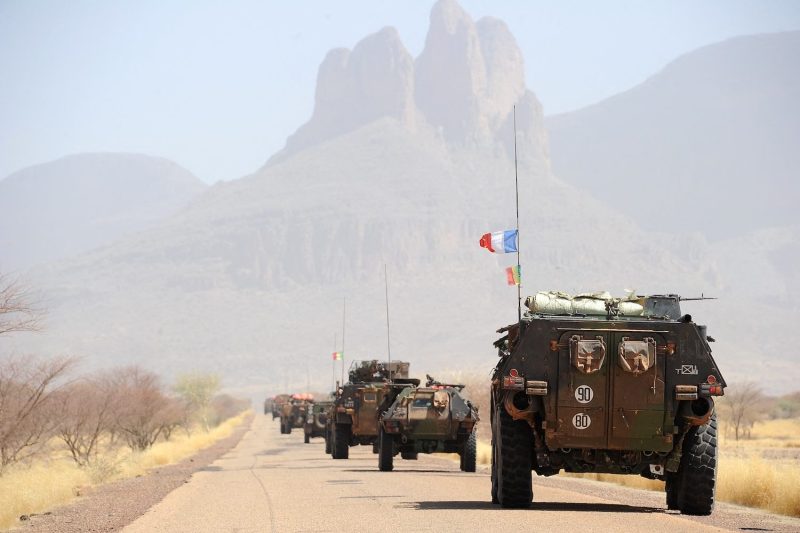
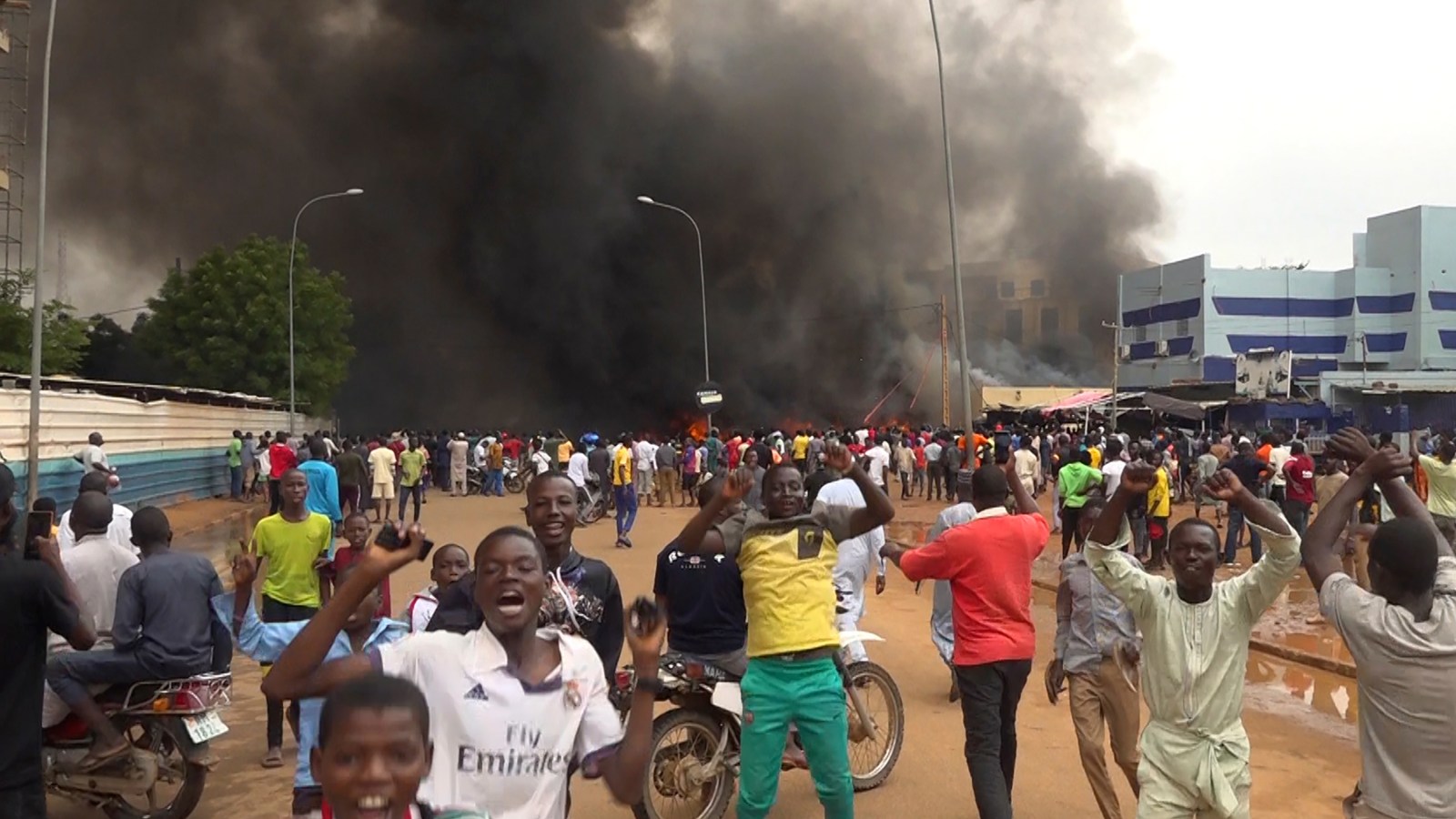
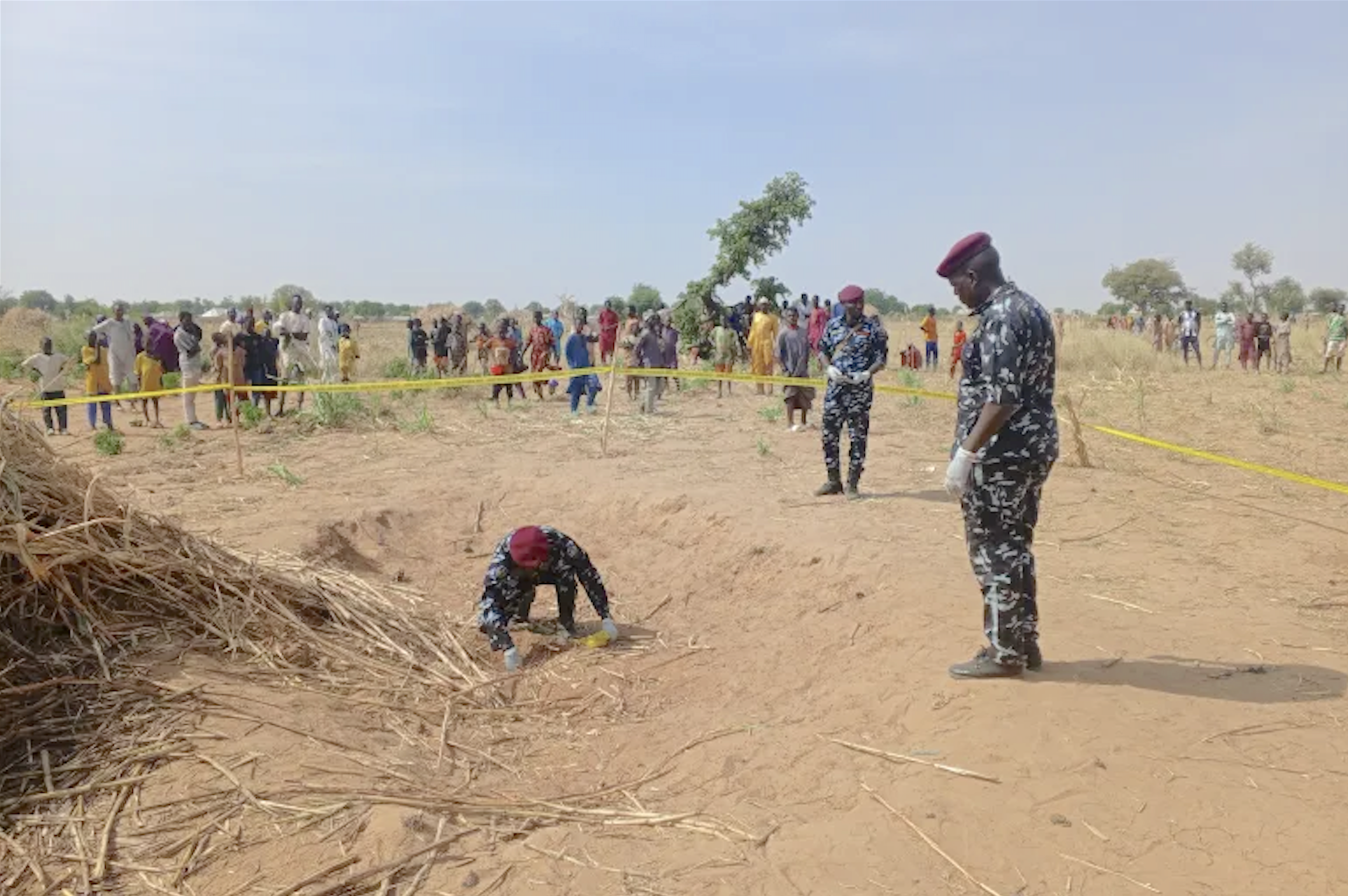
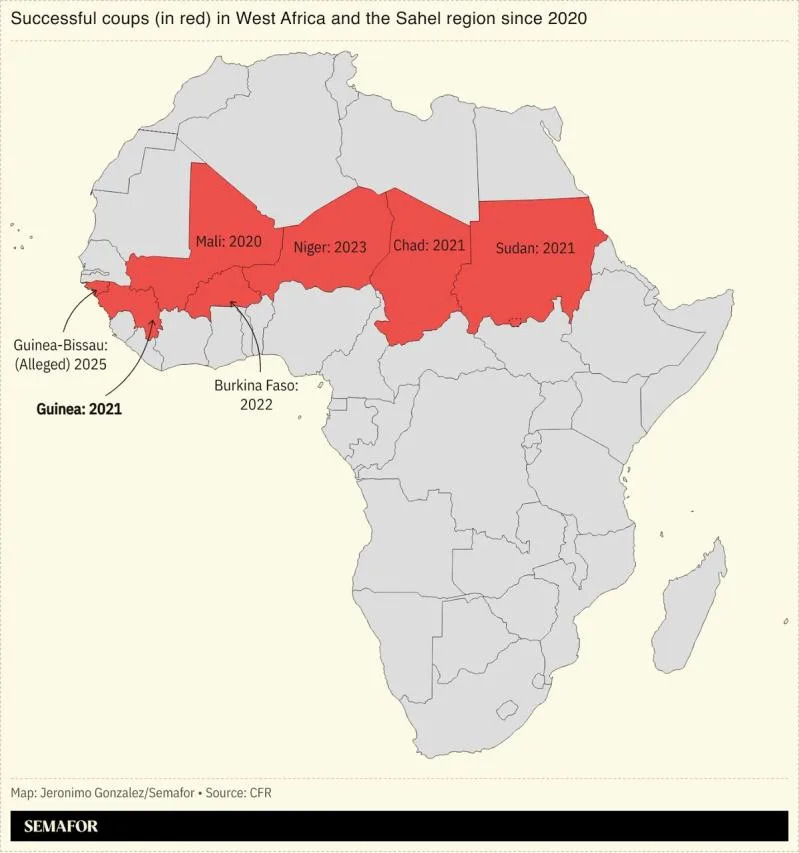
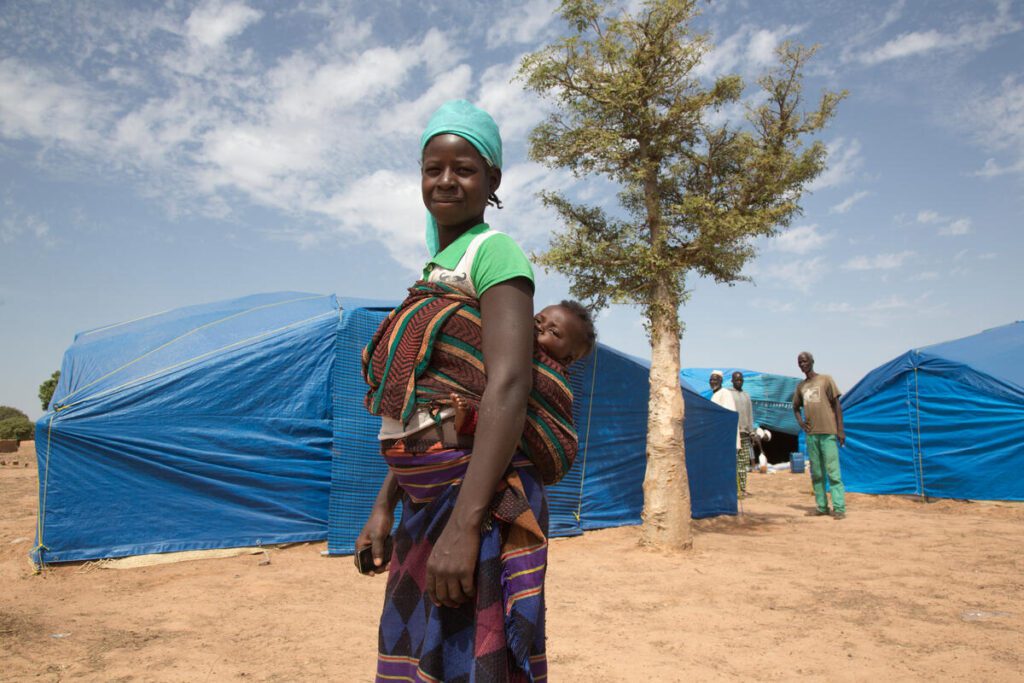
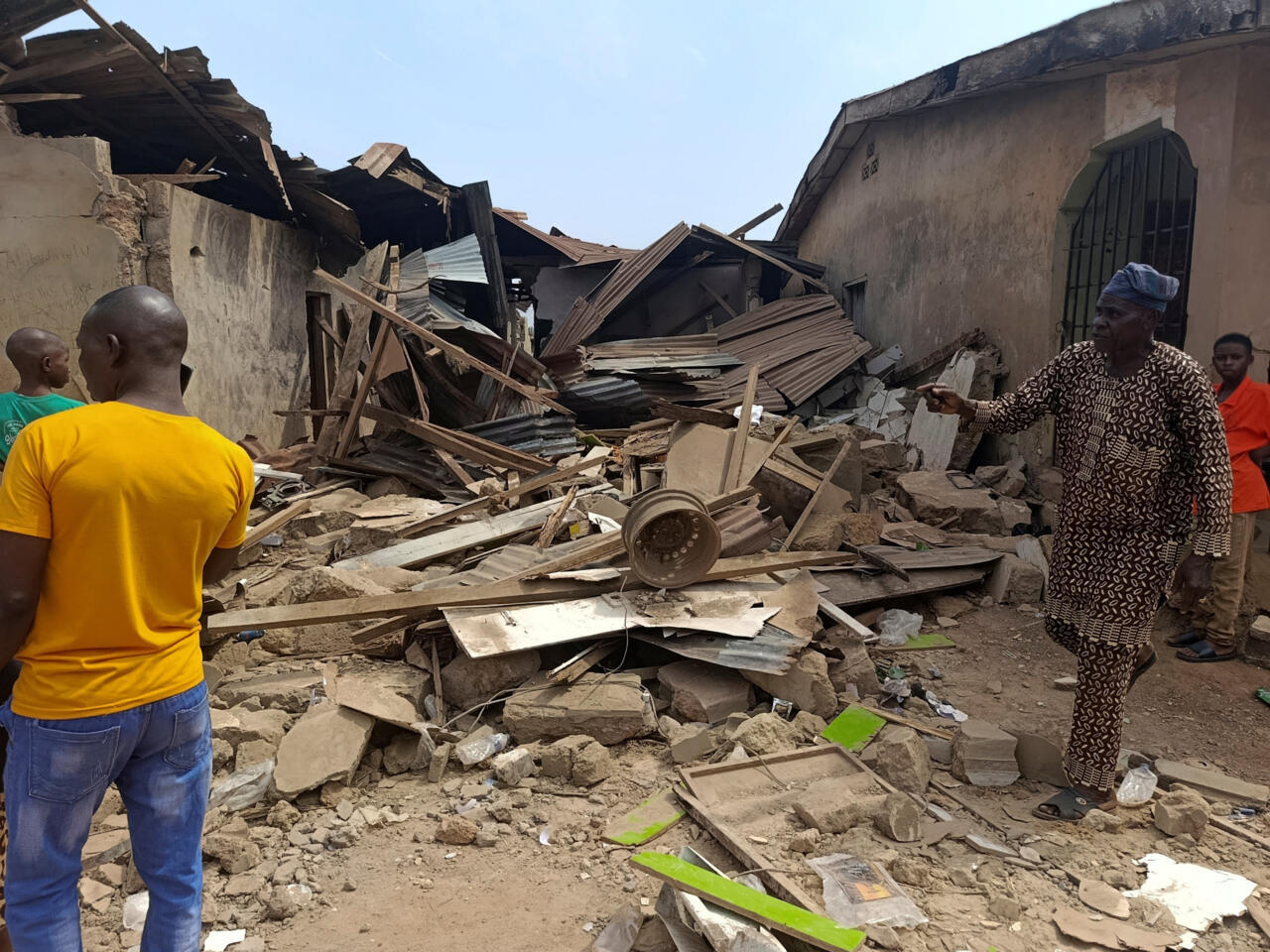
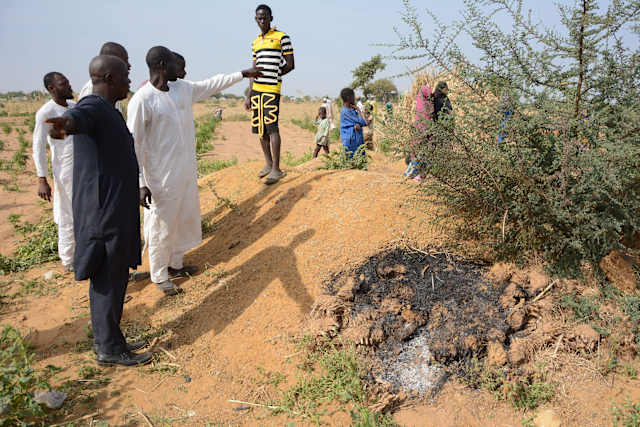
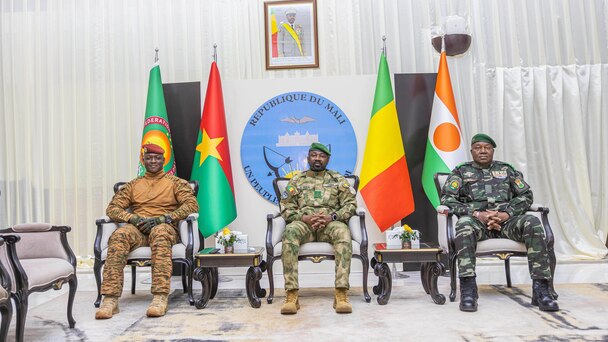
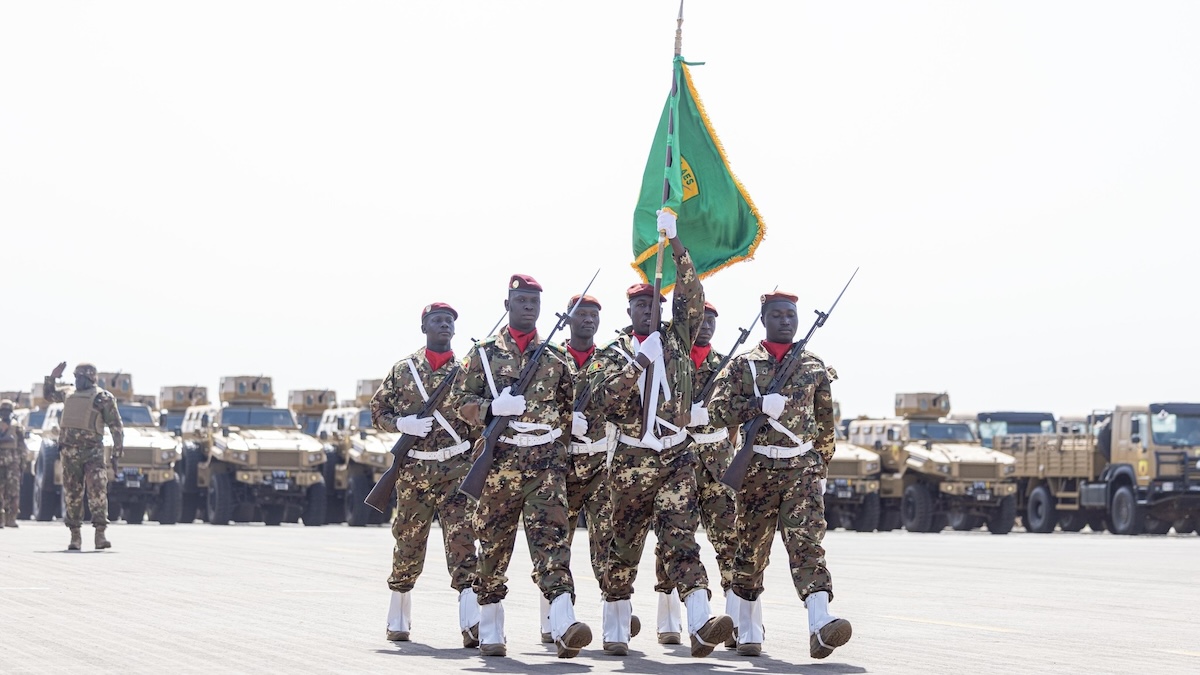
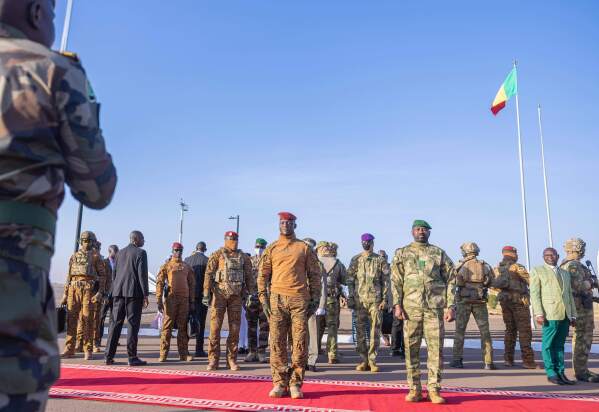
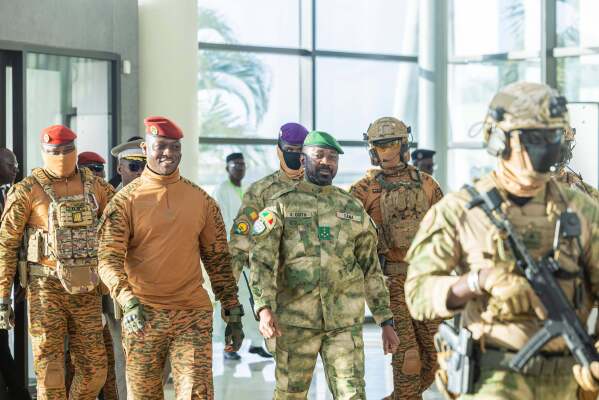
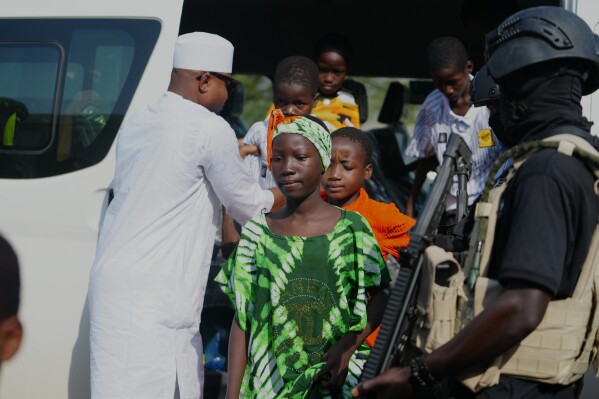
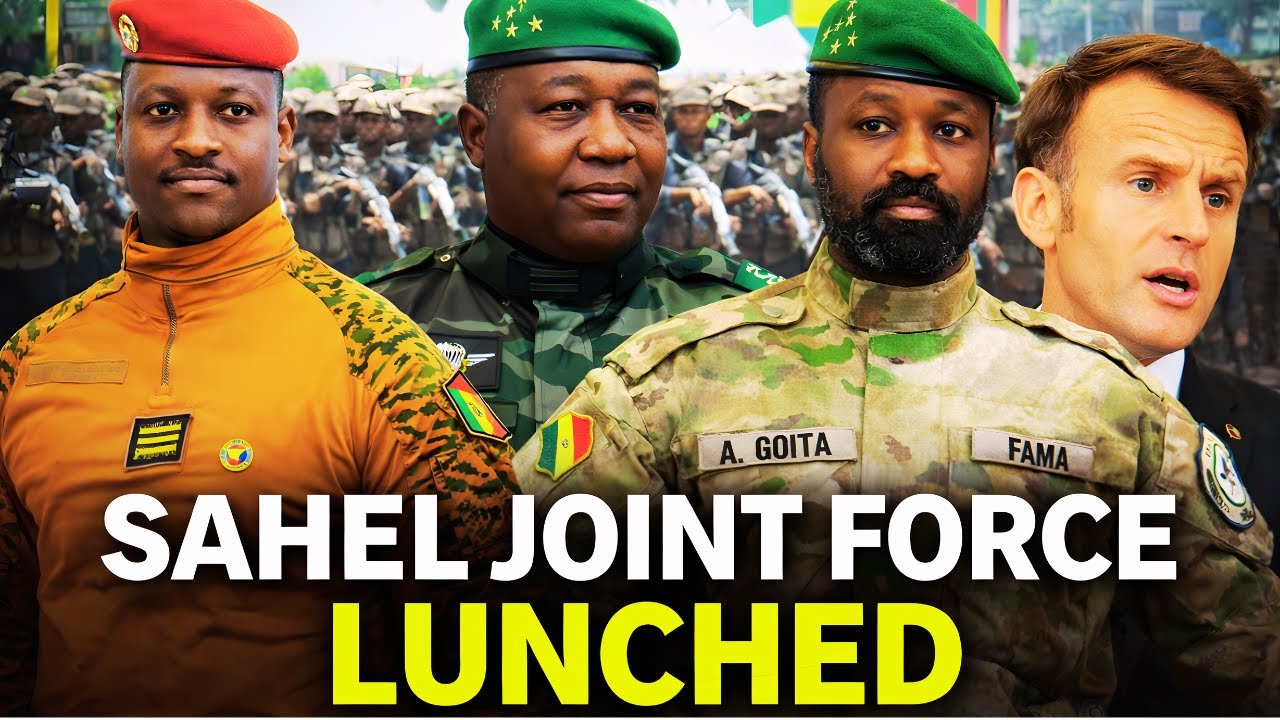
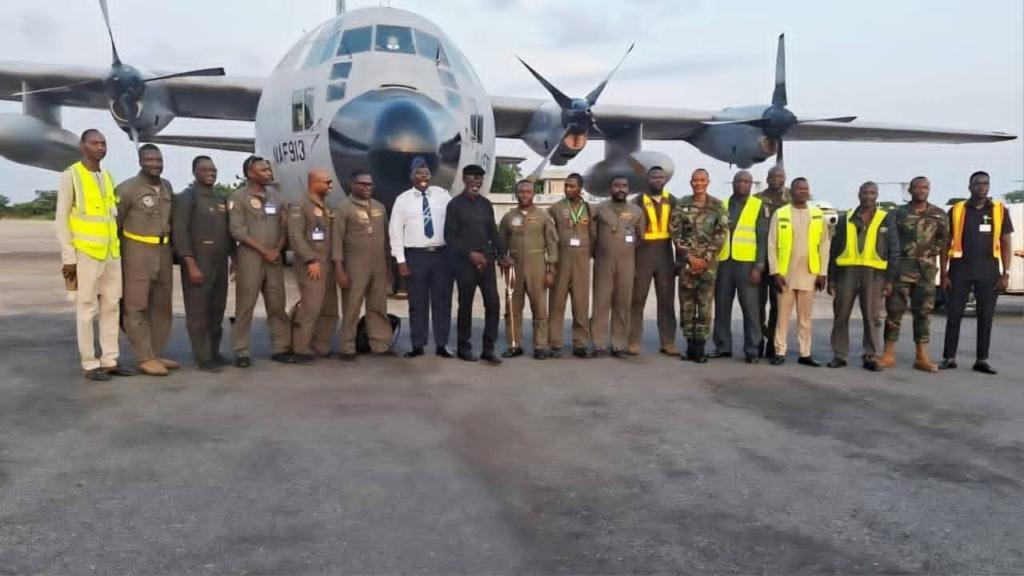
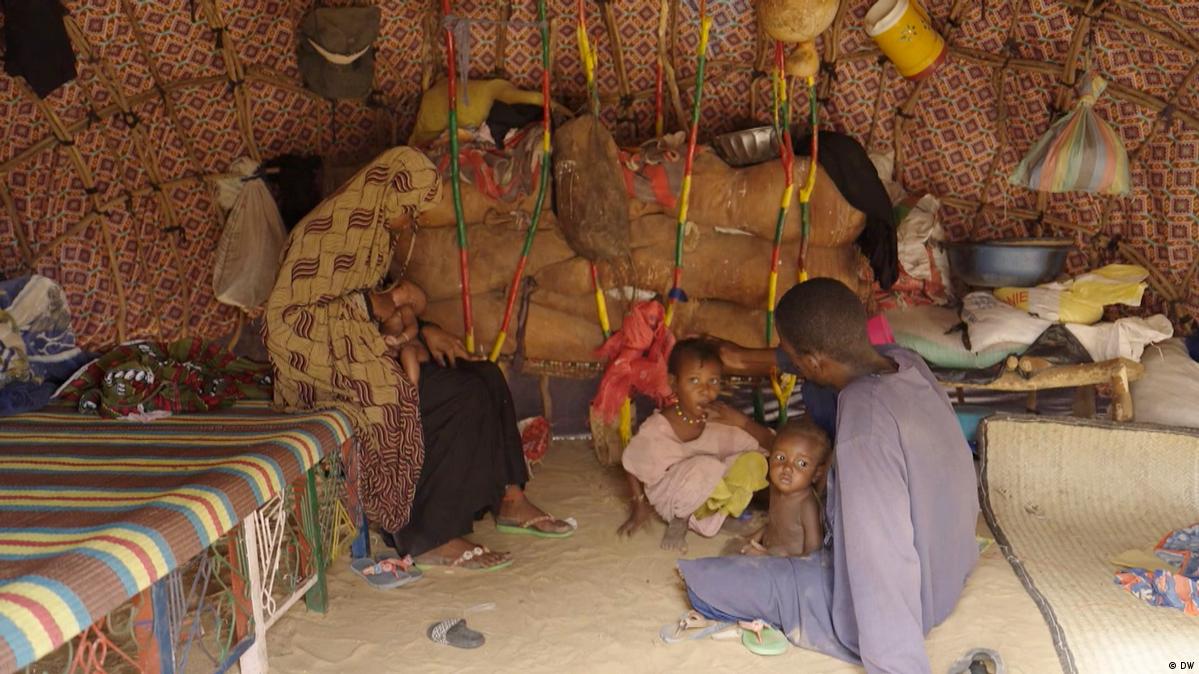
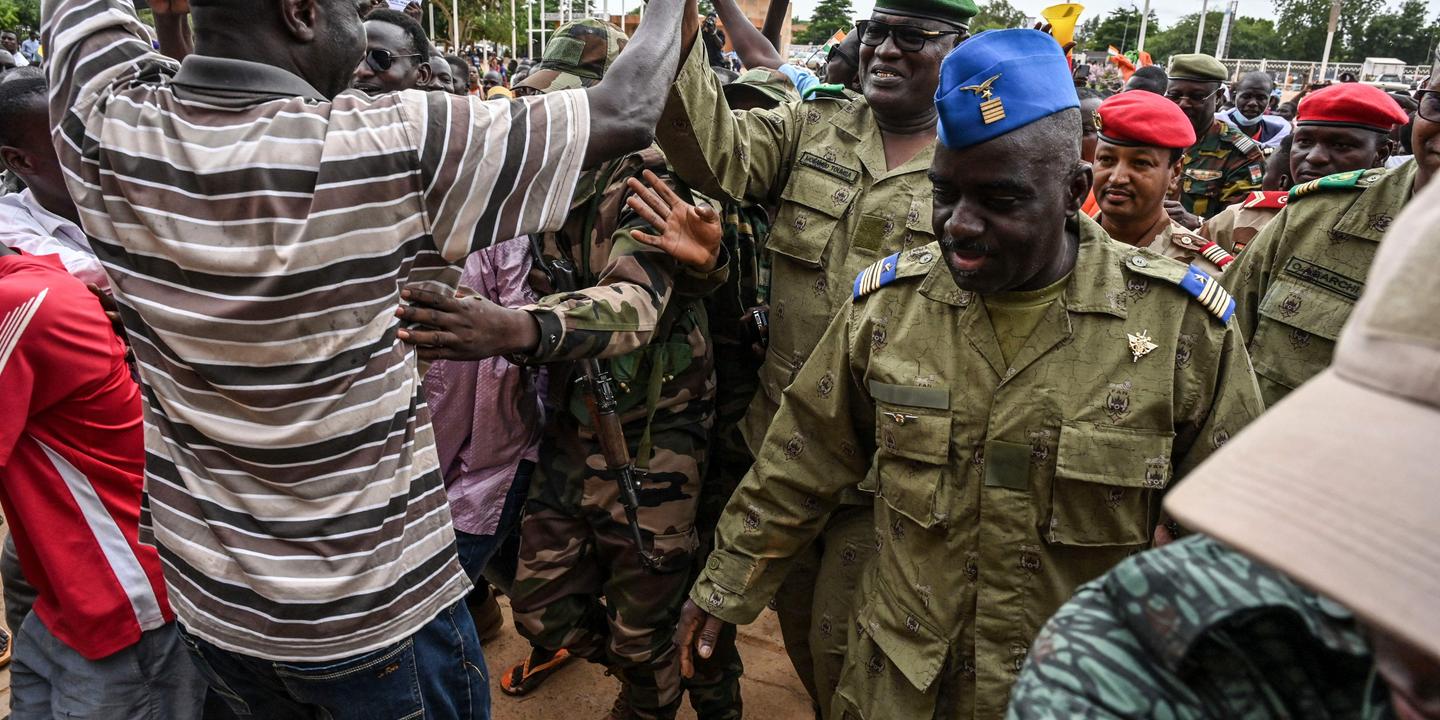
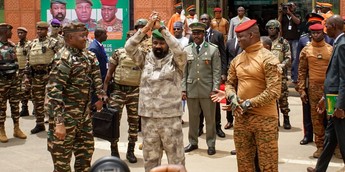
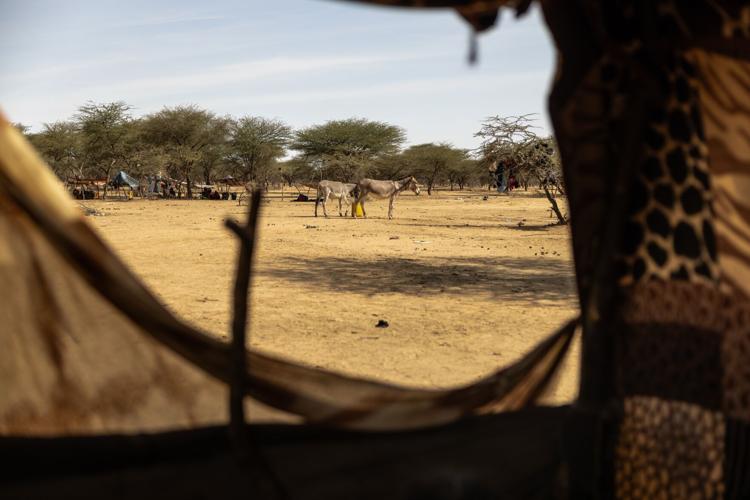
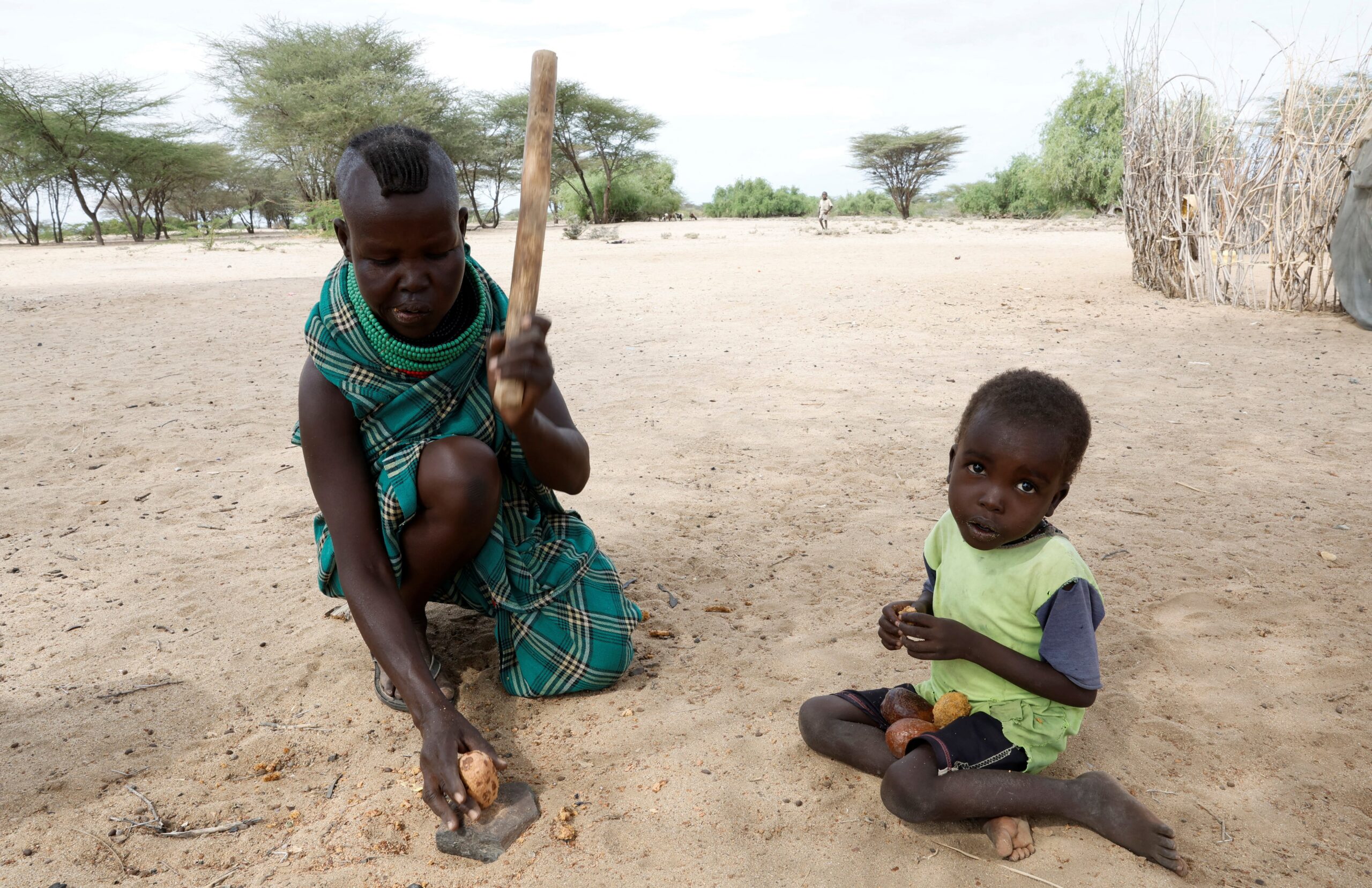
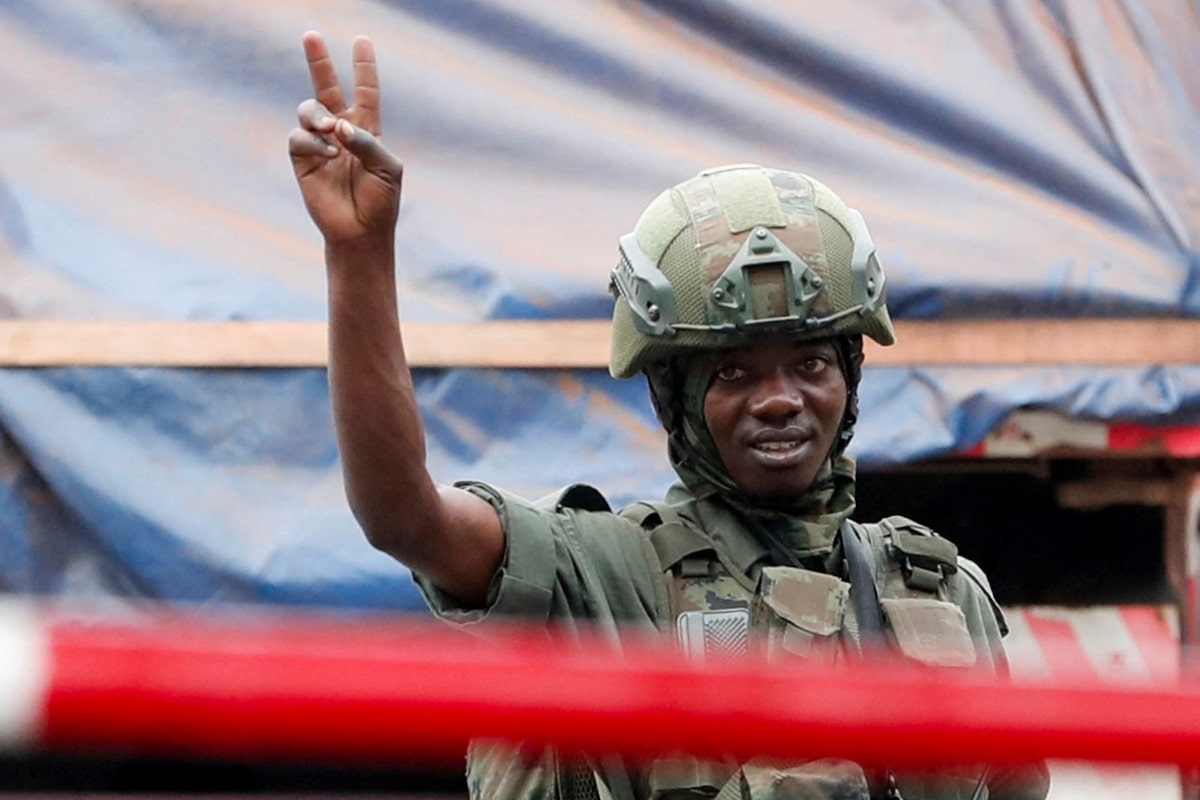
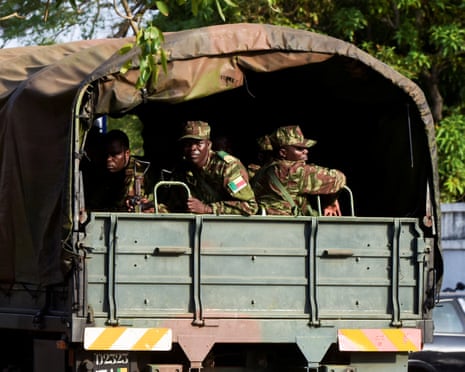
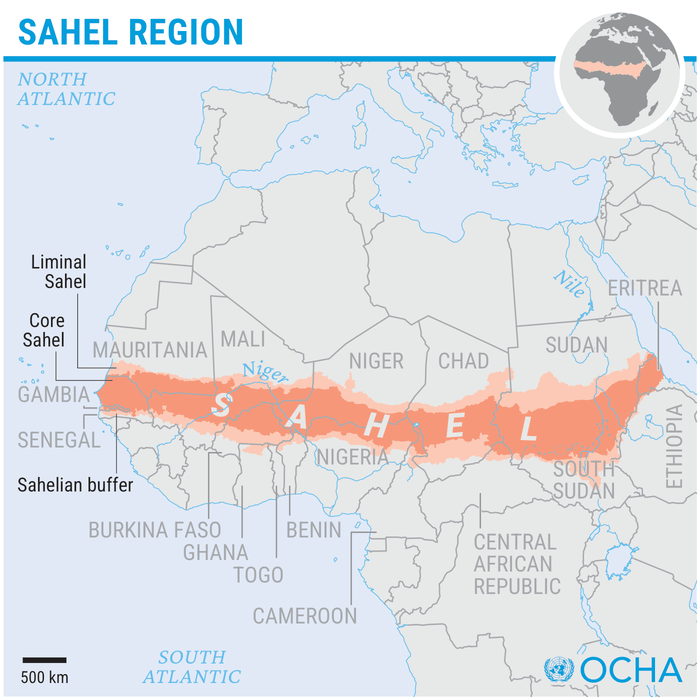
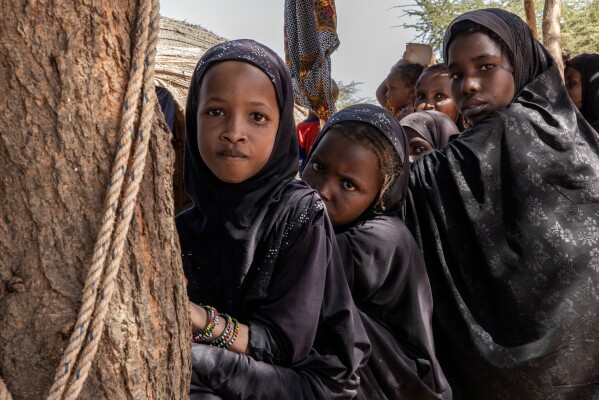
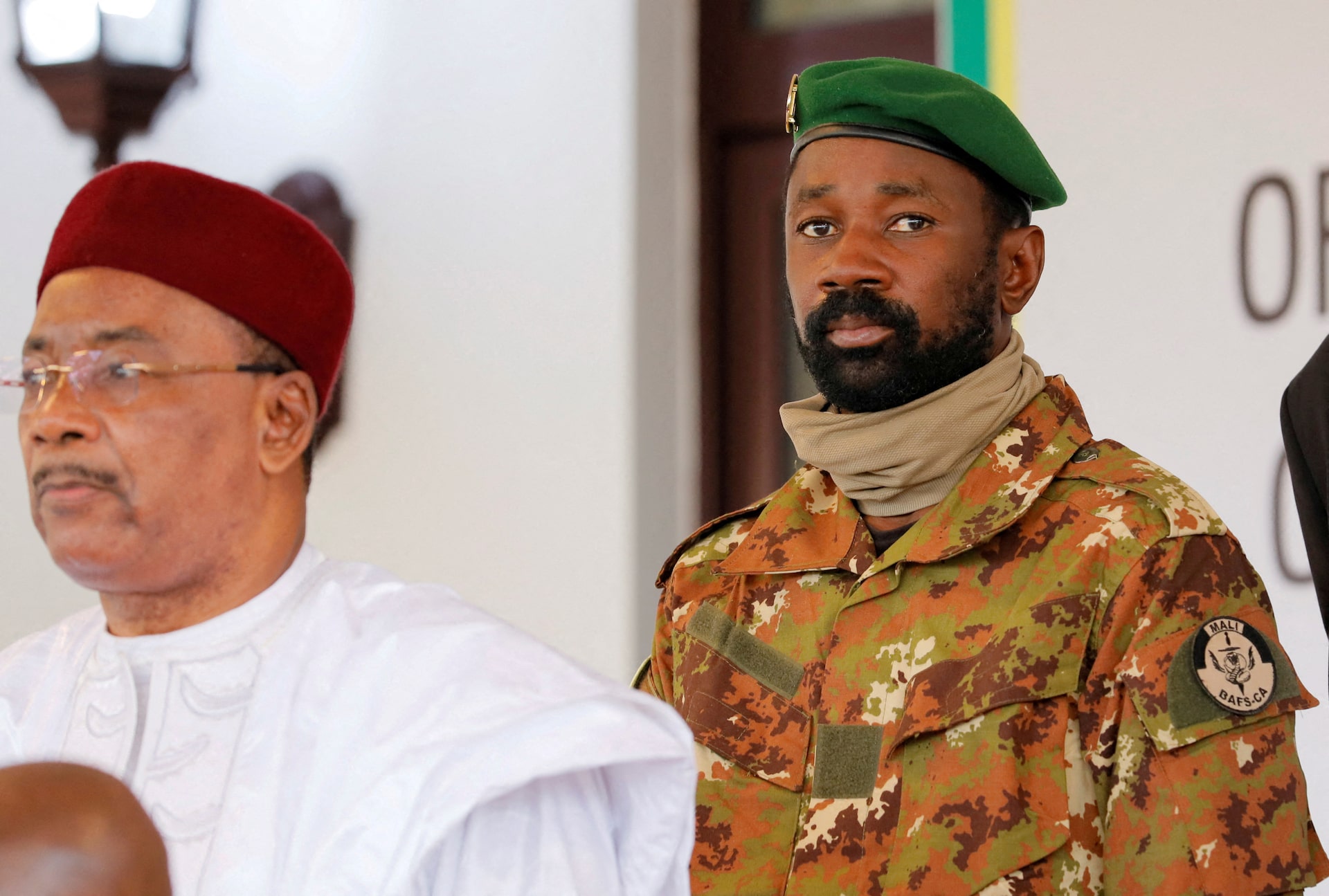
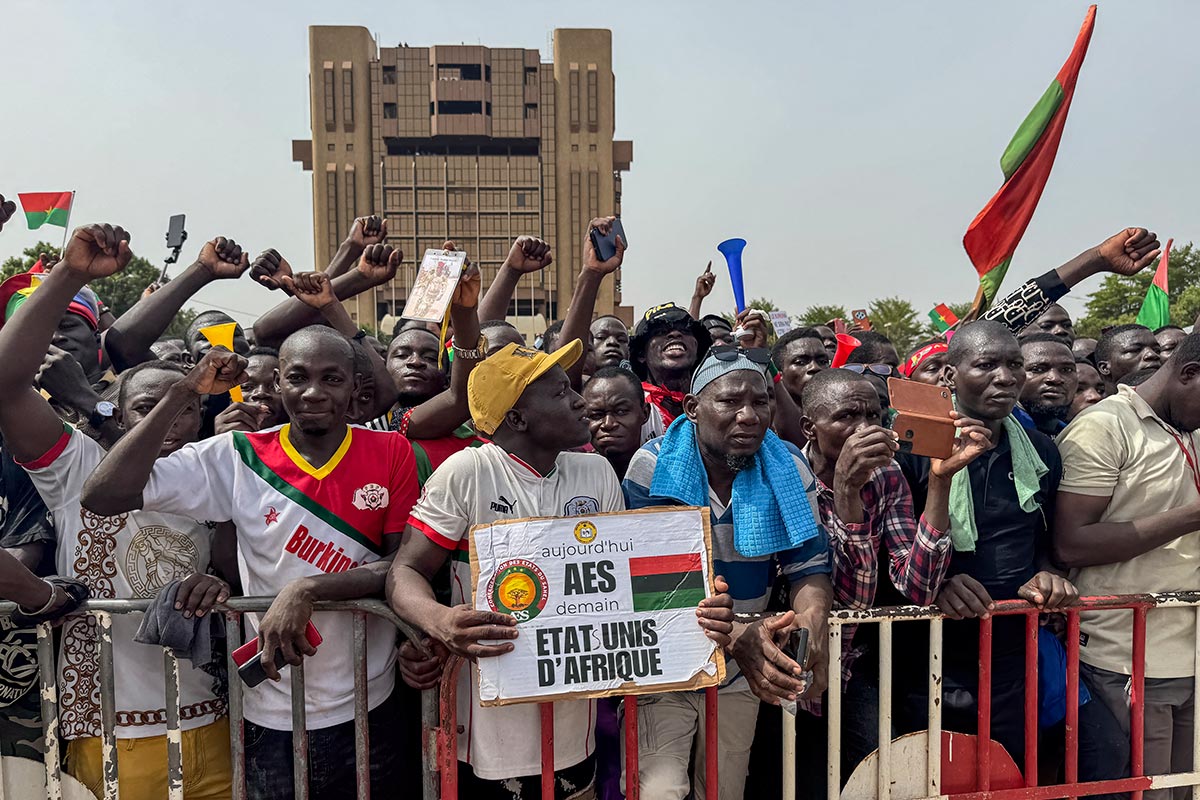
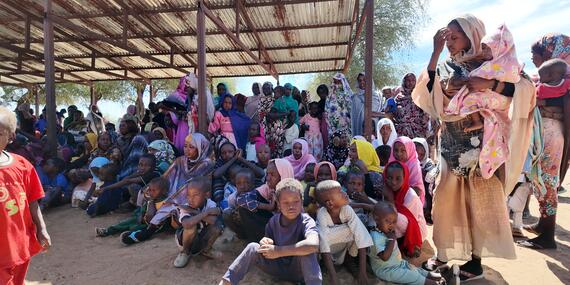
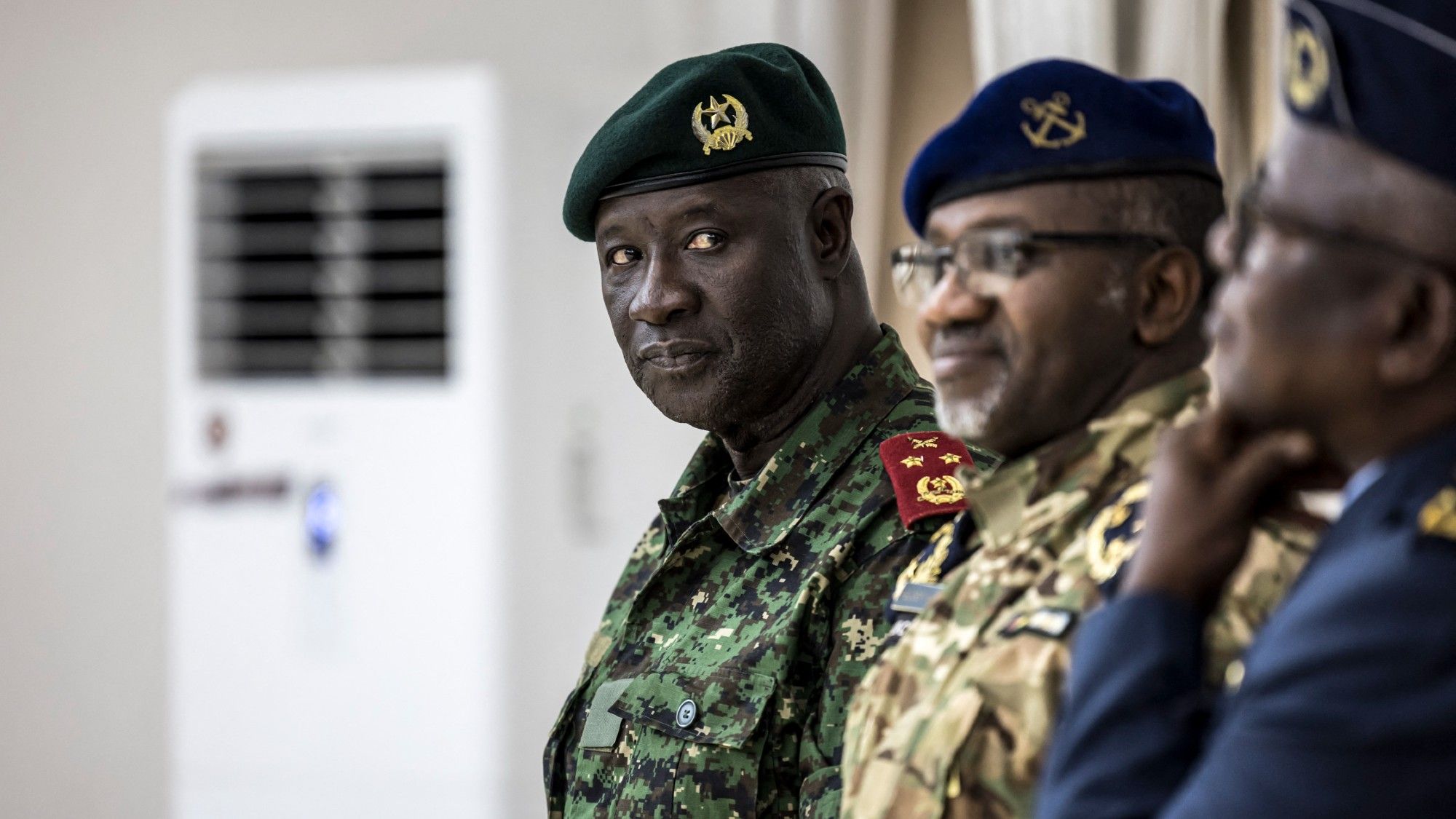
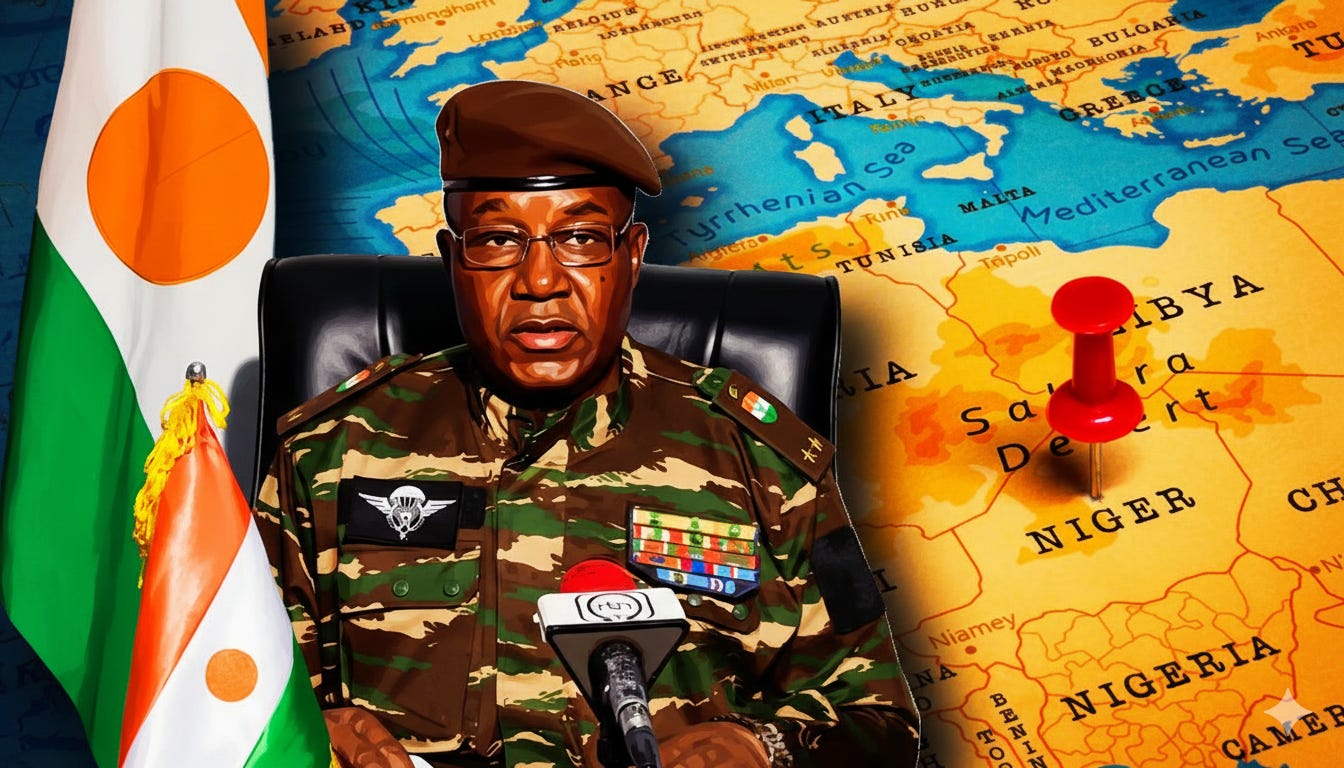
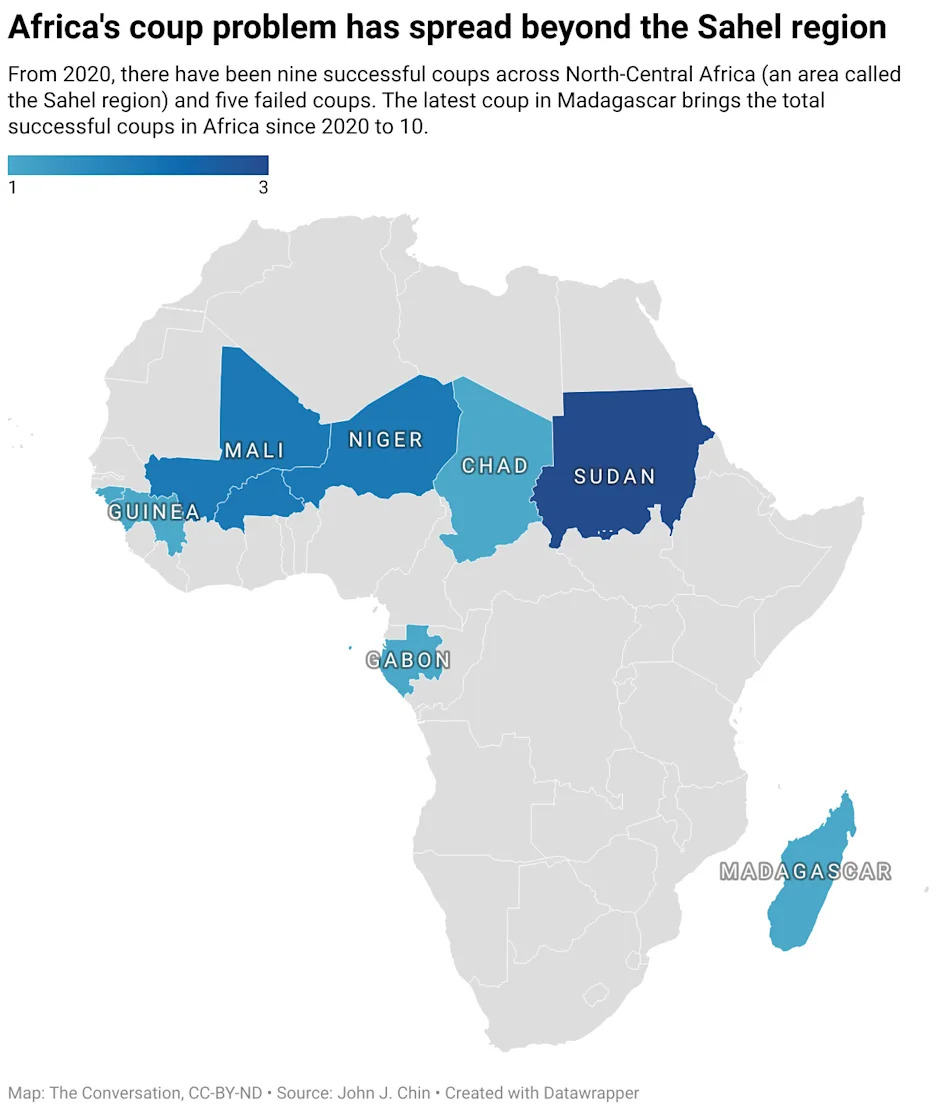
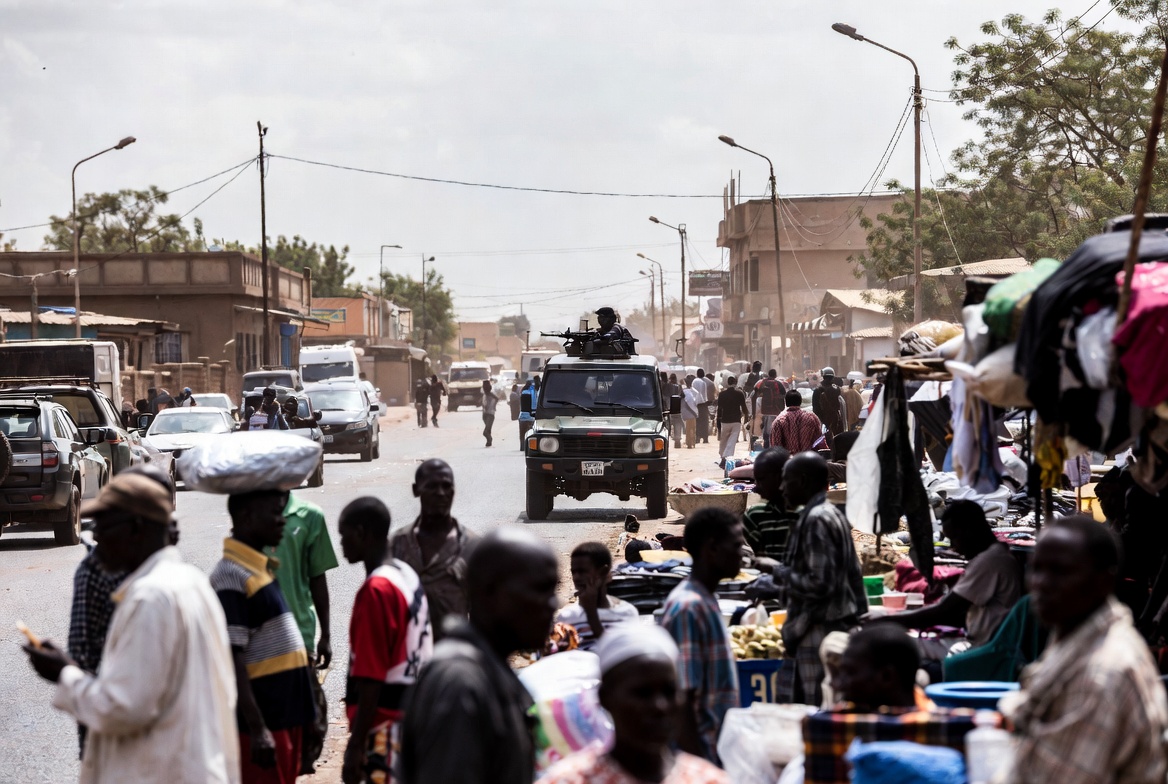
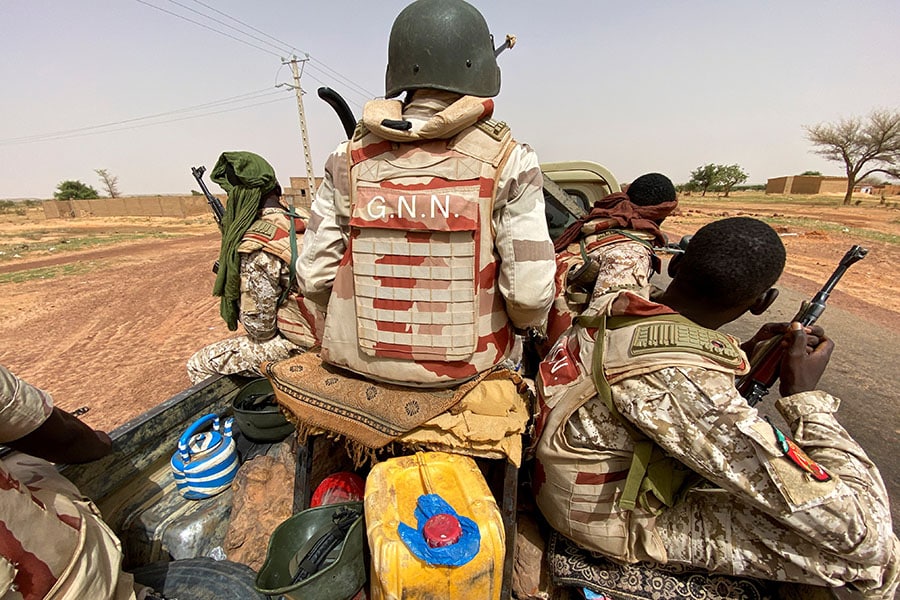
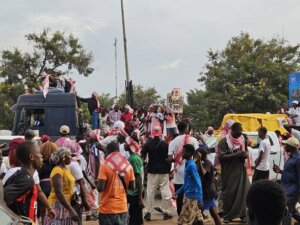
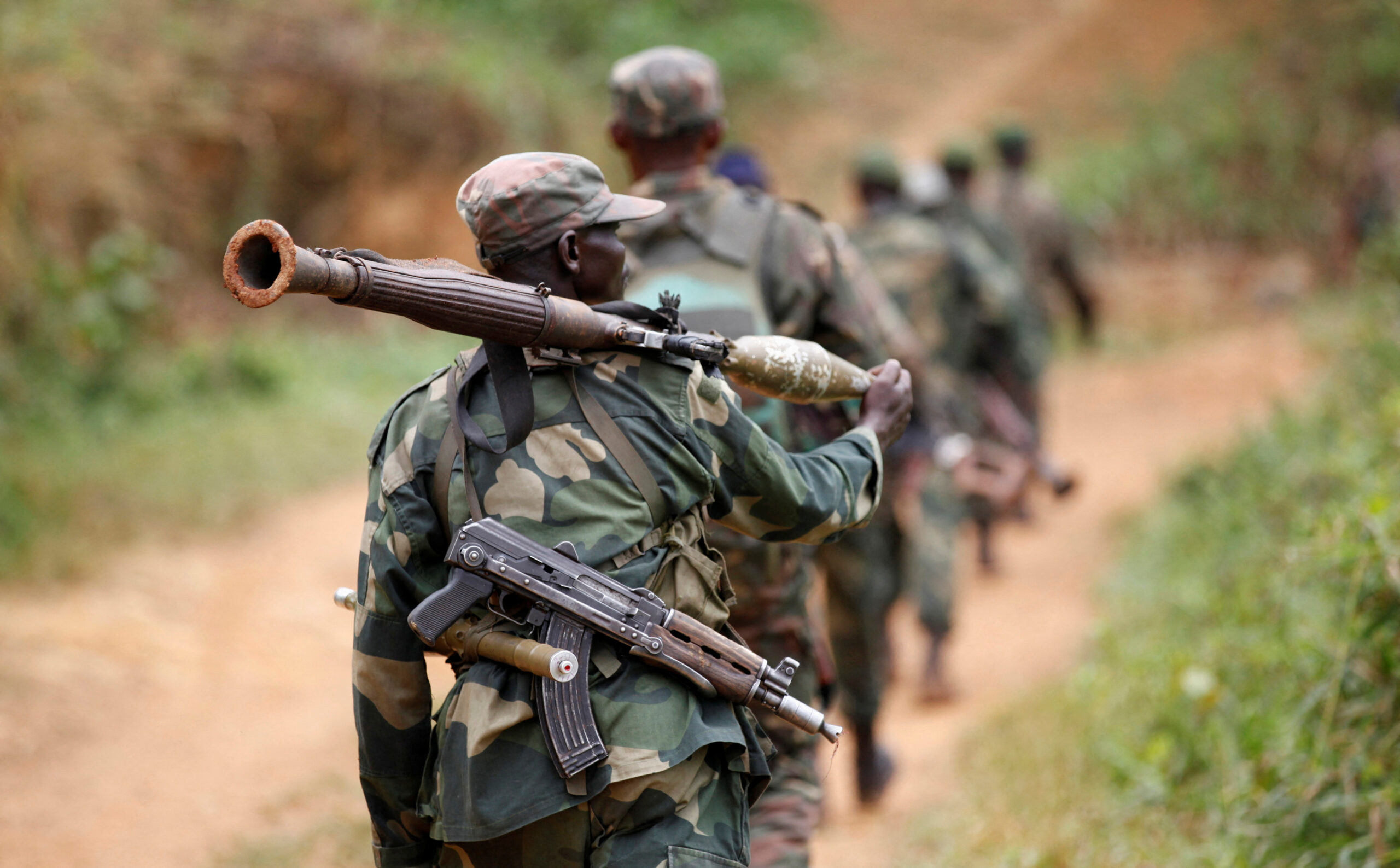
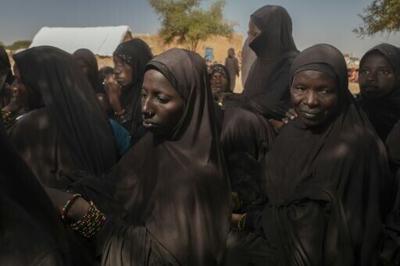
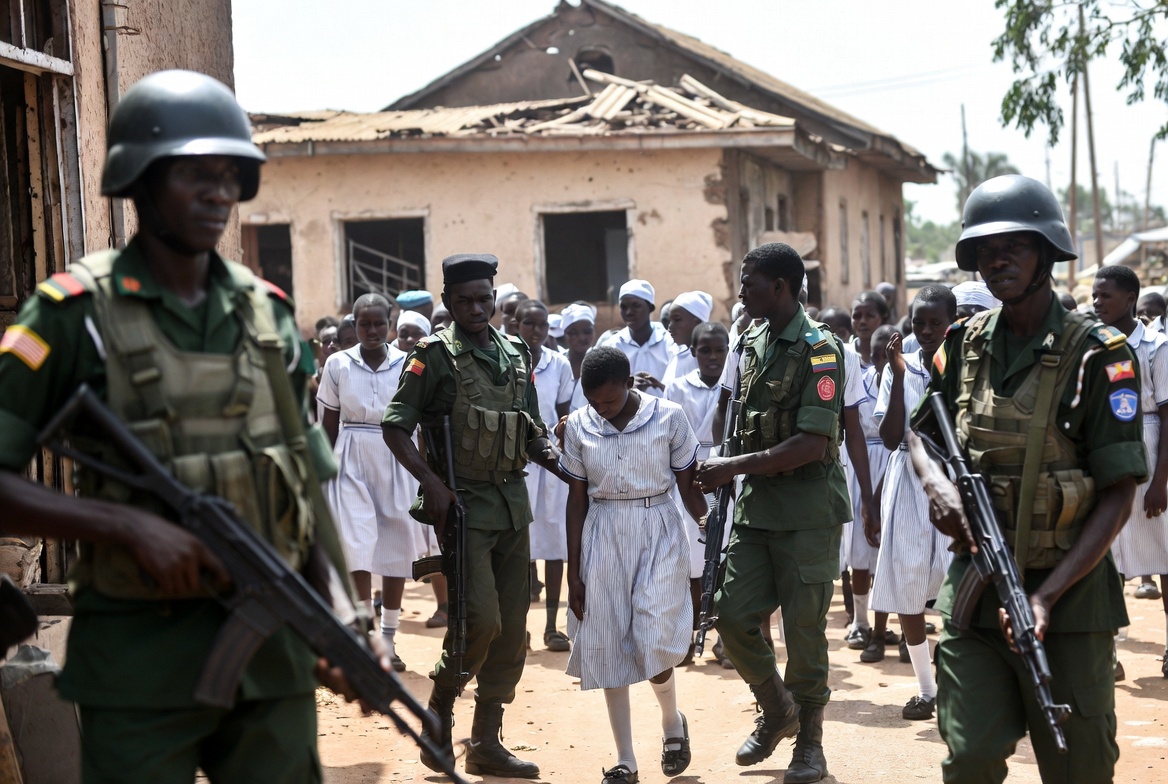
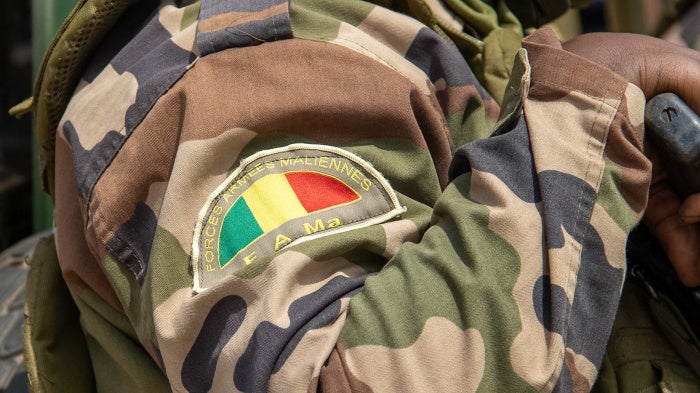
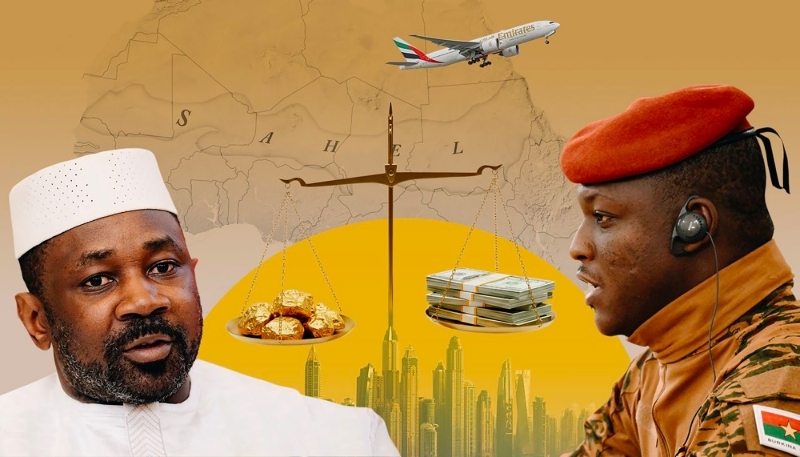
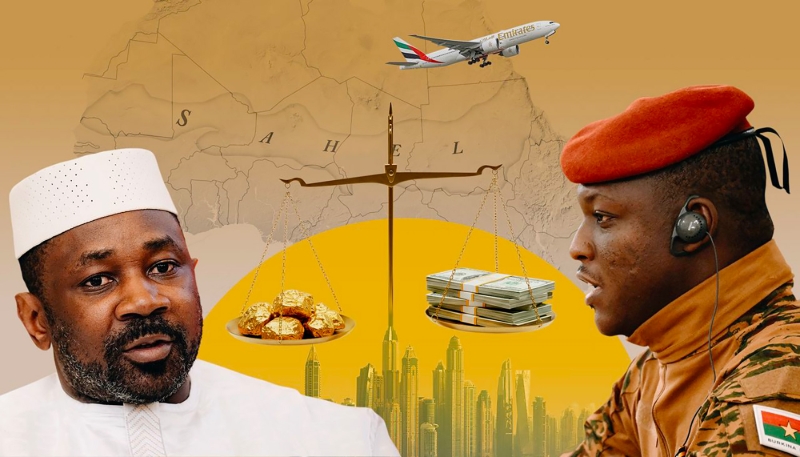
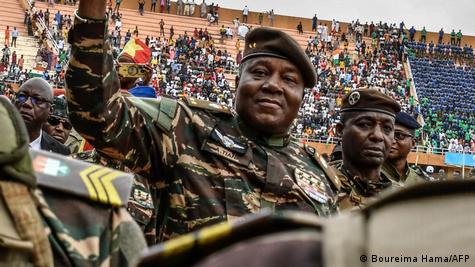
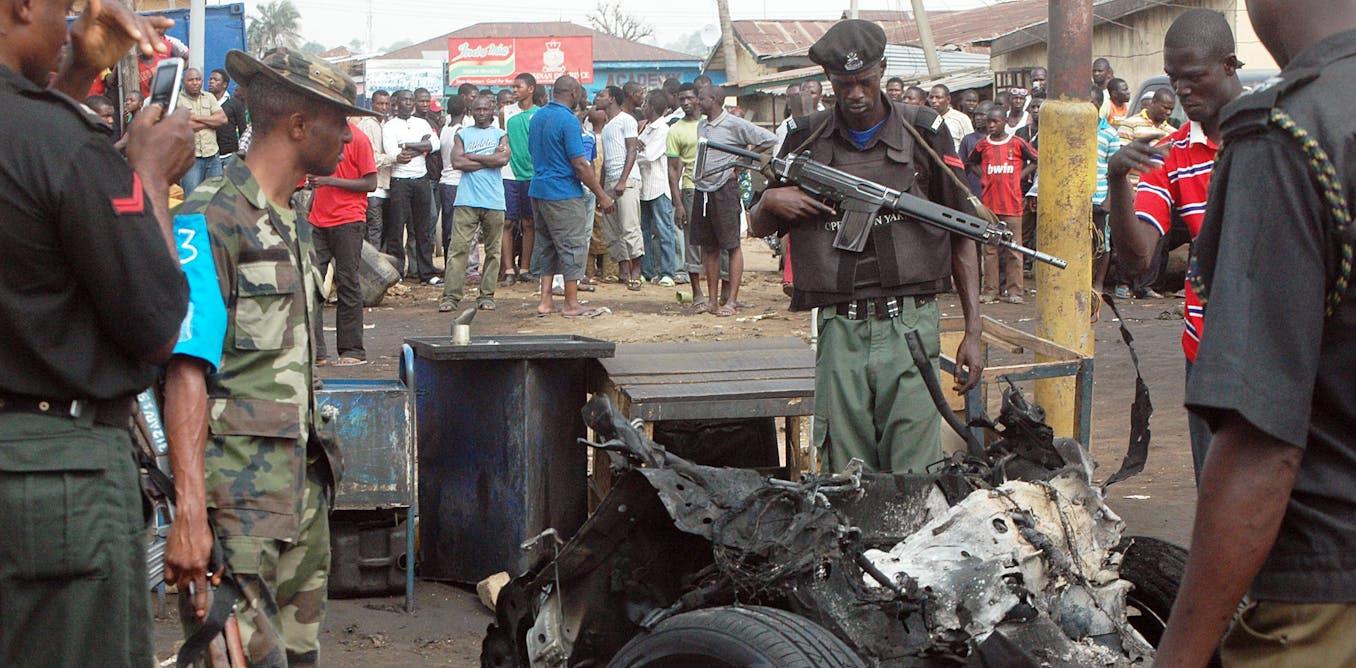
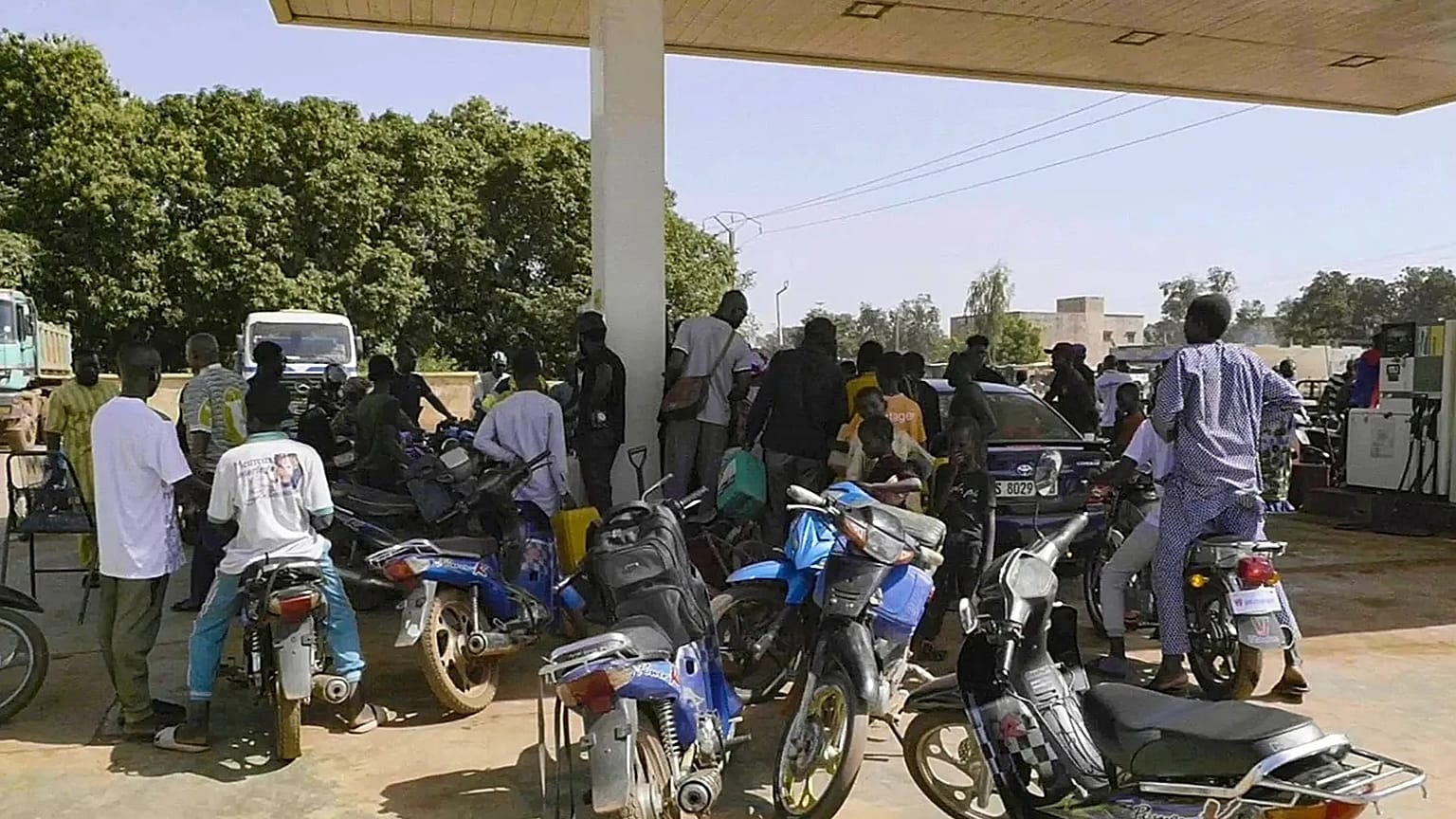
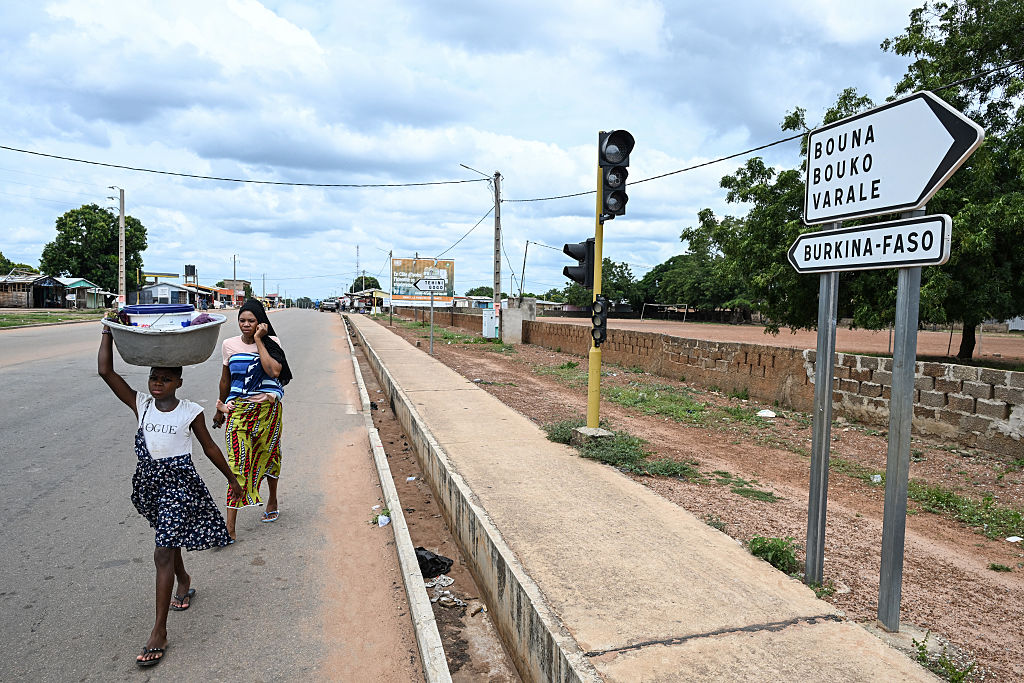
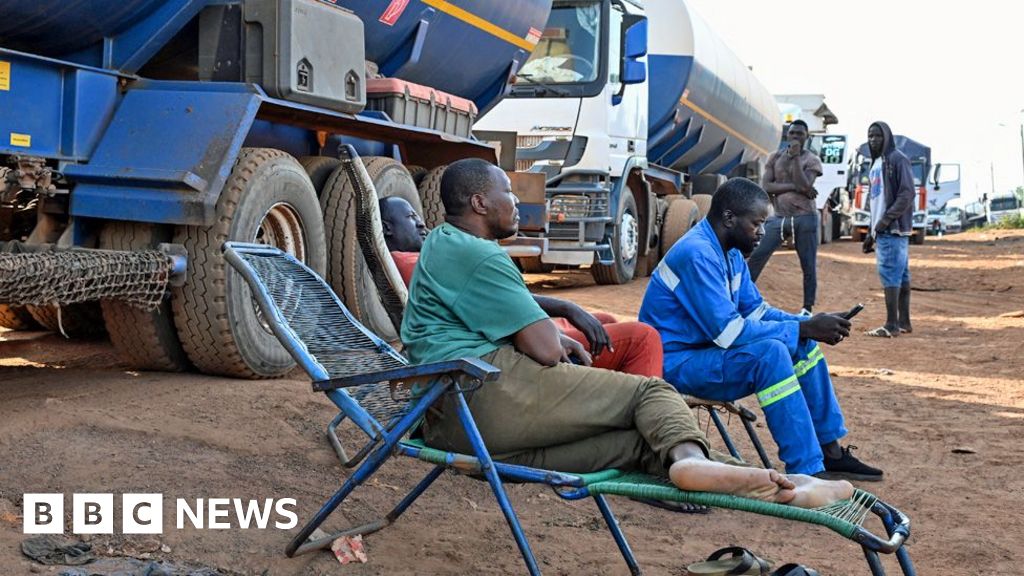
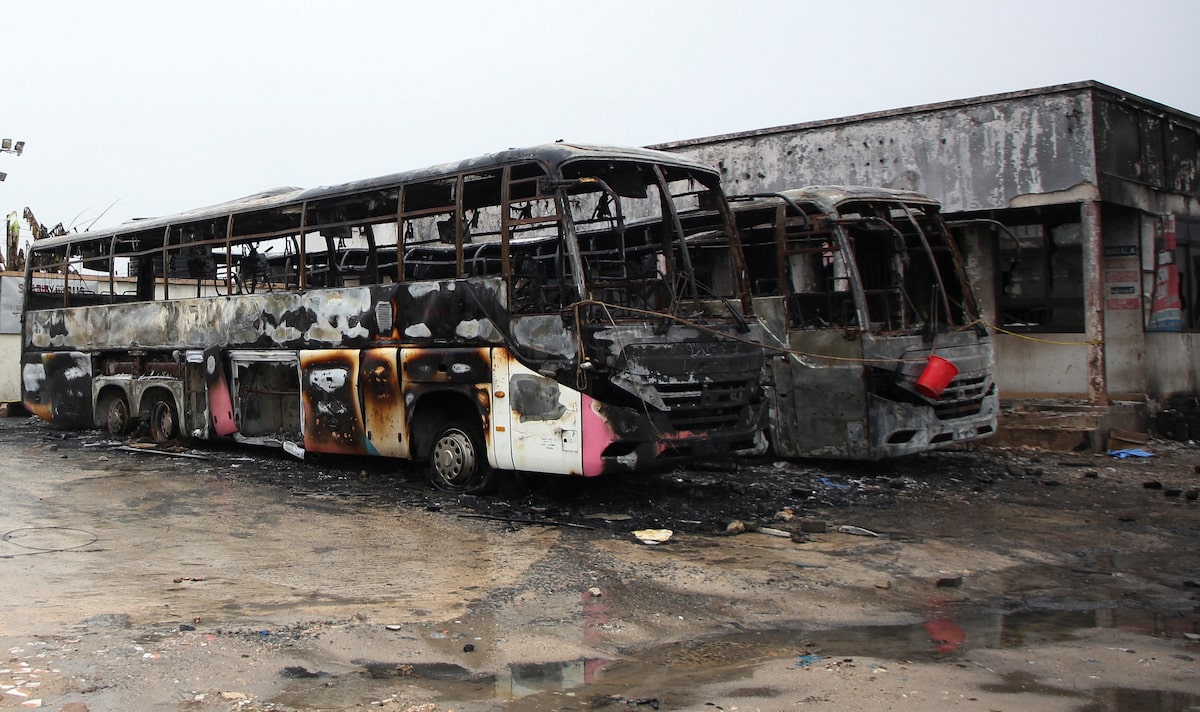
Ouagadougou, Burkina Faso – Here in West Africa, Burkina Faso stands at a critical juncture. It’s grappling with escalating security threats and a complex socio-political landscape, while simultaneously striving for economic growth and stability. This isn’t an easy balance, is it? The nation faces a relentless battle against militant violence, particularly in its northern and eastern regions bordering Mali and Niger. Over recent years, we’ve seen a surge in attacks by armed groups, causing widespread displacement and tragic loss of life for both civilians and government forces. These extremist-linked groups skillfully exploit porous borders and local grievances, weakening state authority and security efforts. The military, supported by international partners, works hard to retake control and restore order. However, they’re up against tough odds: difficult terrain, limited infrastructure, and challenges with regional intelligence sharing. Locals, while desperate for peace, can’t help but worry about constant violence disrupting daily life, threatening their food security, and halting essential development. It’s clear the Sahel’s security crisis isn’t just a regional issue, it impacts everyone. This constant state of flux has truly put Burkina Faso at a crossroads.
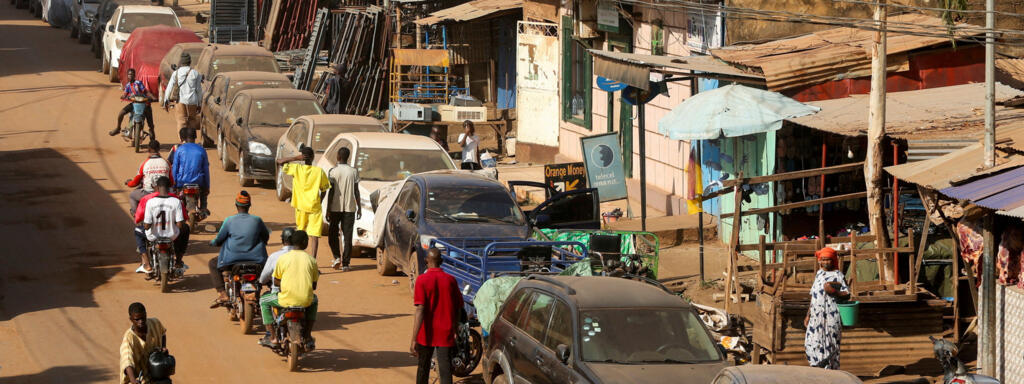
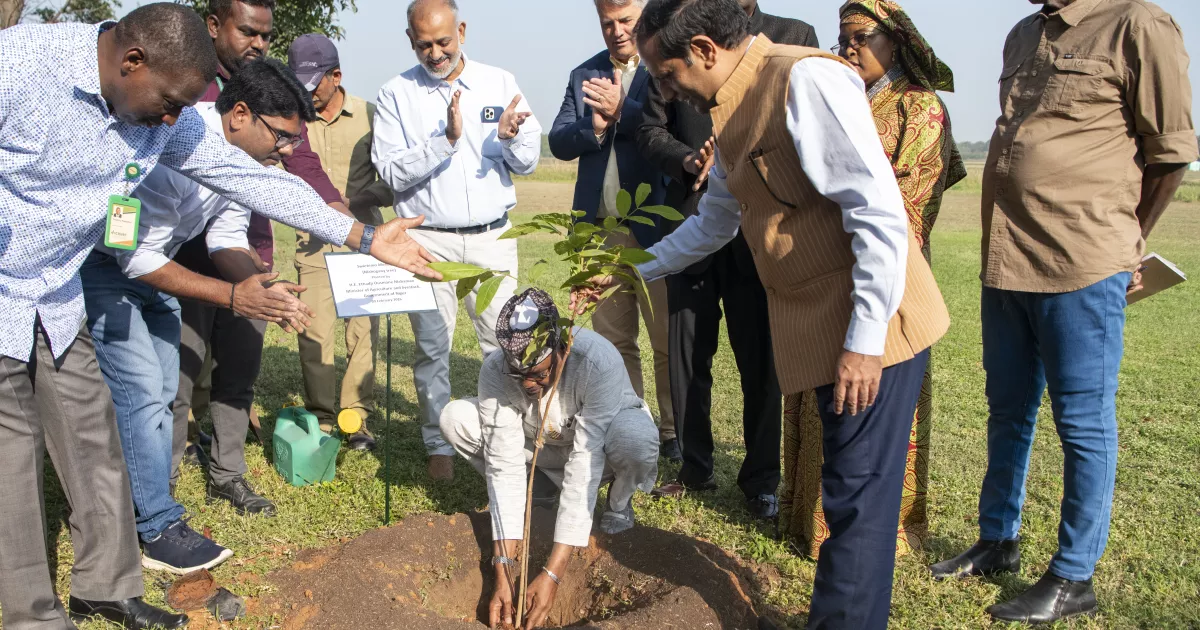
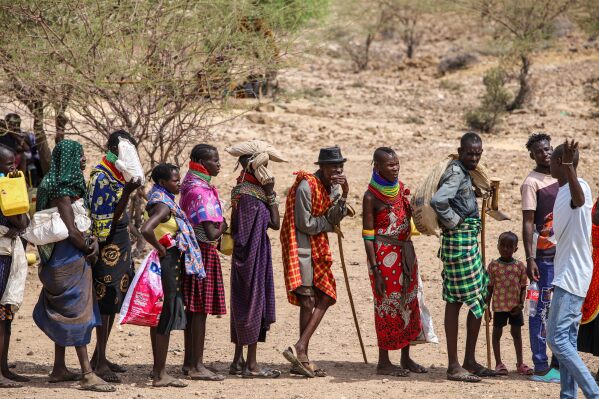
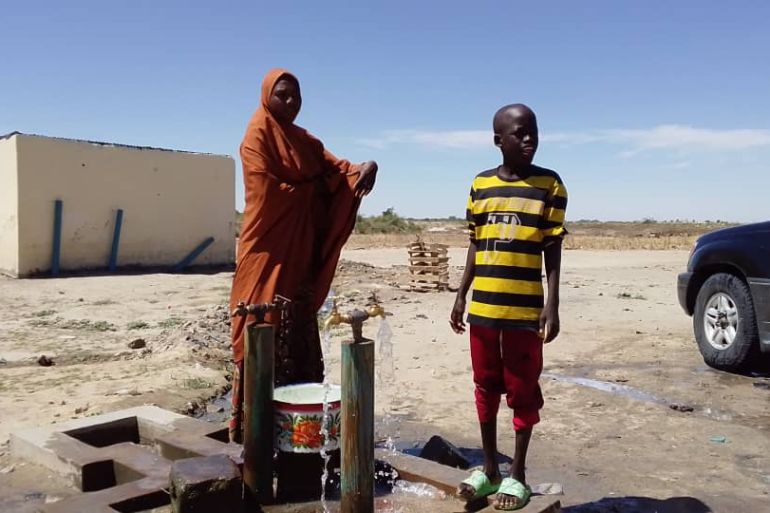
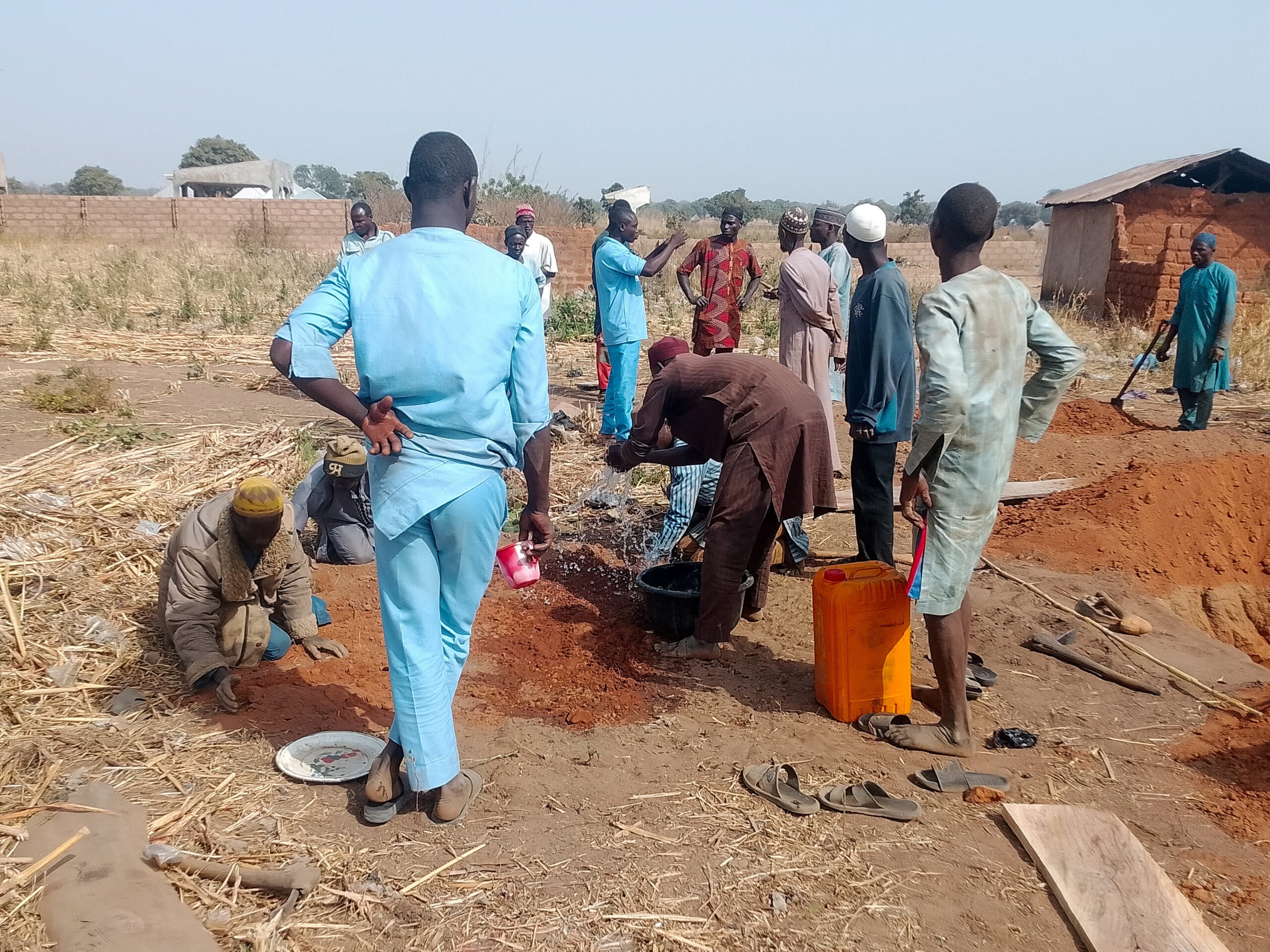
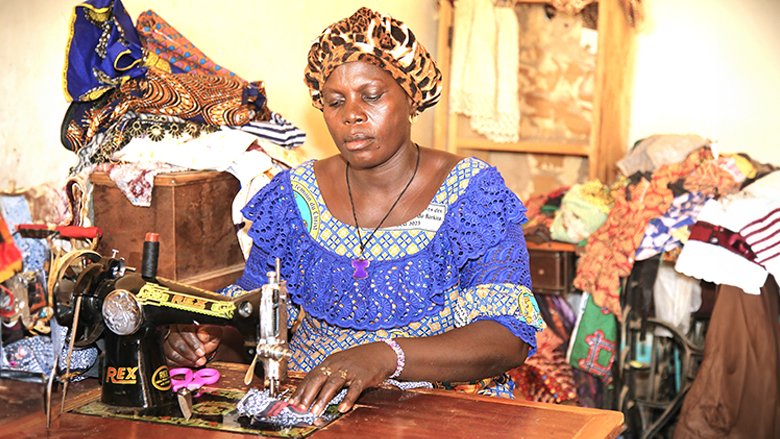
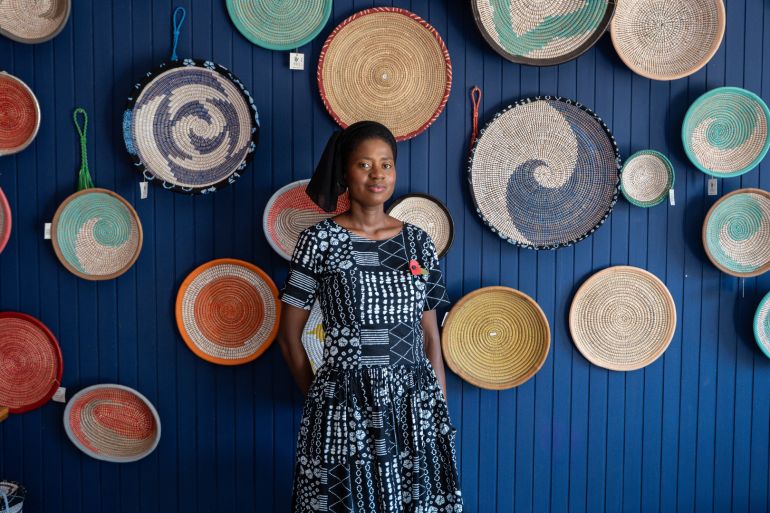
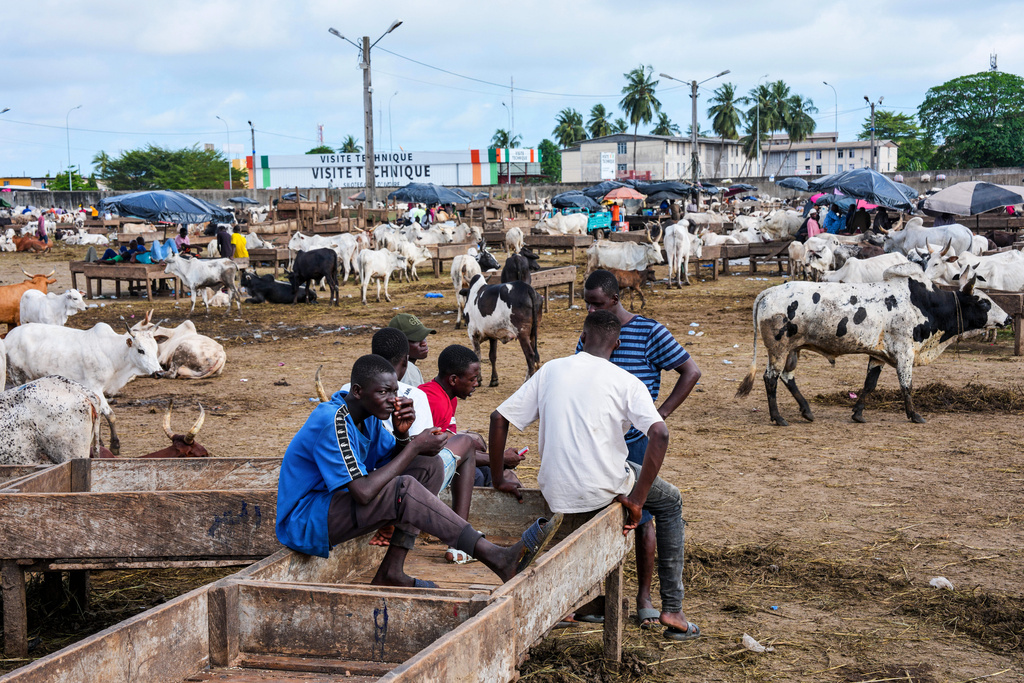
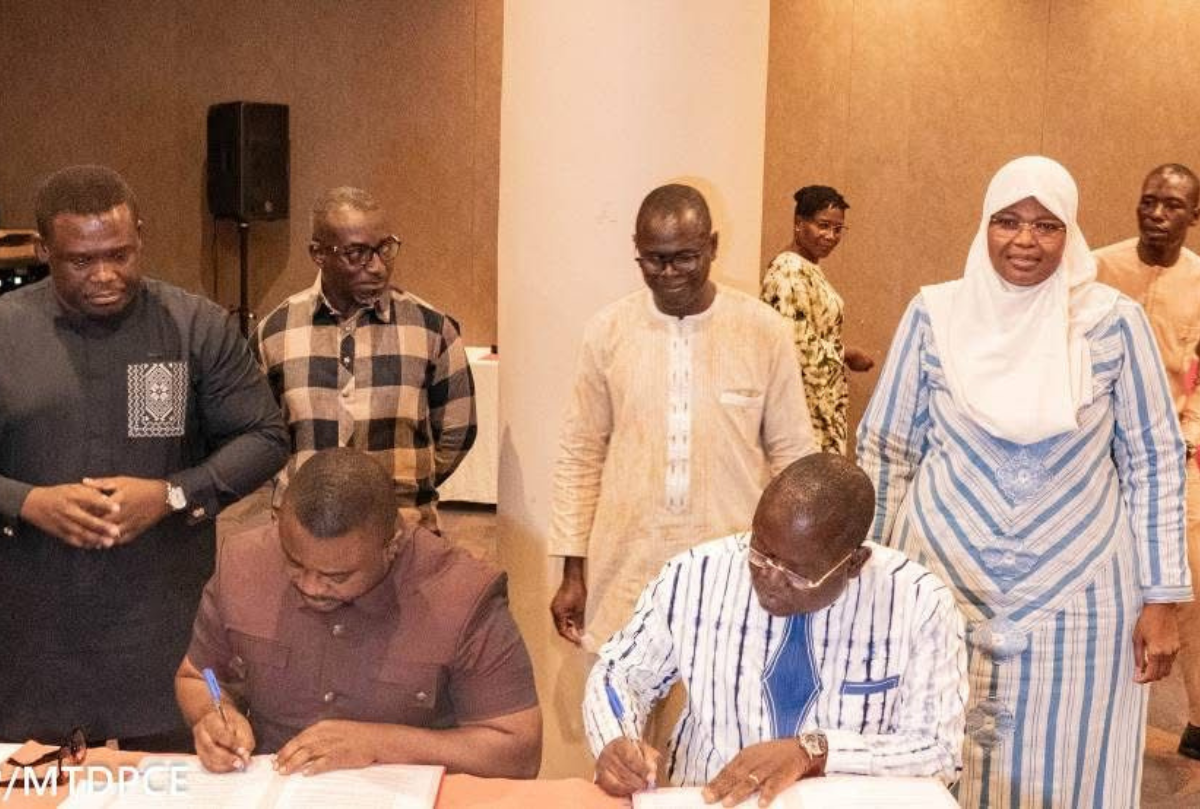
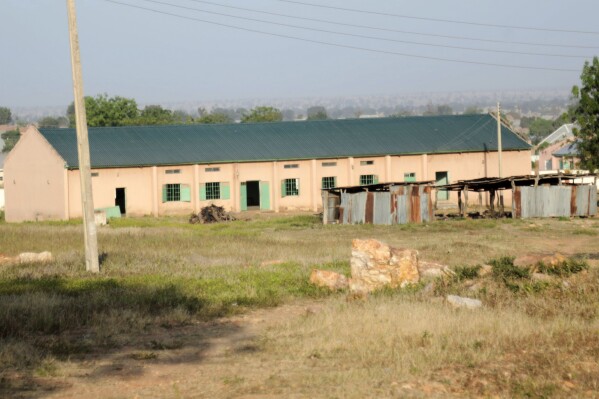
Yet, despite these daunting hurdles, Burkina Faso’s government hasn’t given up on its economic and social development goals. They’re making significant investments in infrastructure, education, and healthcare, all aimed at building resilience within communities most affected by insecurity. We’re also seeing cool innovations in agriculture, like improved irrigation and sustainable farming, designed to boost food production and lessen the country’s reliance on imports. Plus, they’re working hard to diversify the economy, recognizing that lasting security really does depend on economic opportunity and solid governance. Civil society organizations are stepping up too, playing a crucial role in mediating conflicts and fostering dialogue among different ethnic groups and communities. This vital work complements government initiatives, especially those focused on decentralization, which empowers local authorities to better meet their people’s needs. International aid and development agencies are pitching in with funding and expertise, focusing on both humanitarian relief and strengthening local institutions. It’s a multi-pronged approach, aiming to lift communities even as they face adversity. For example, recent urban reforms show a commitment to improving lives from the ground up.
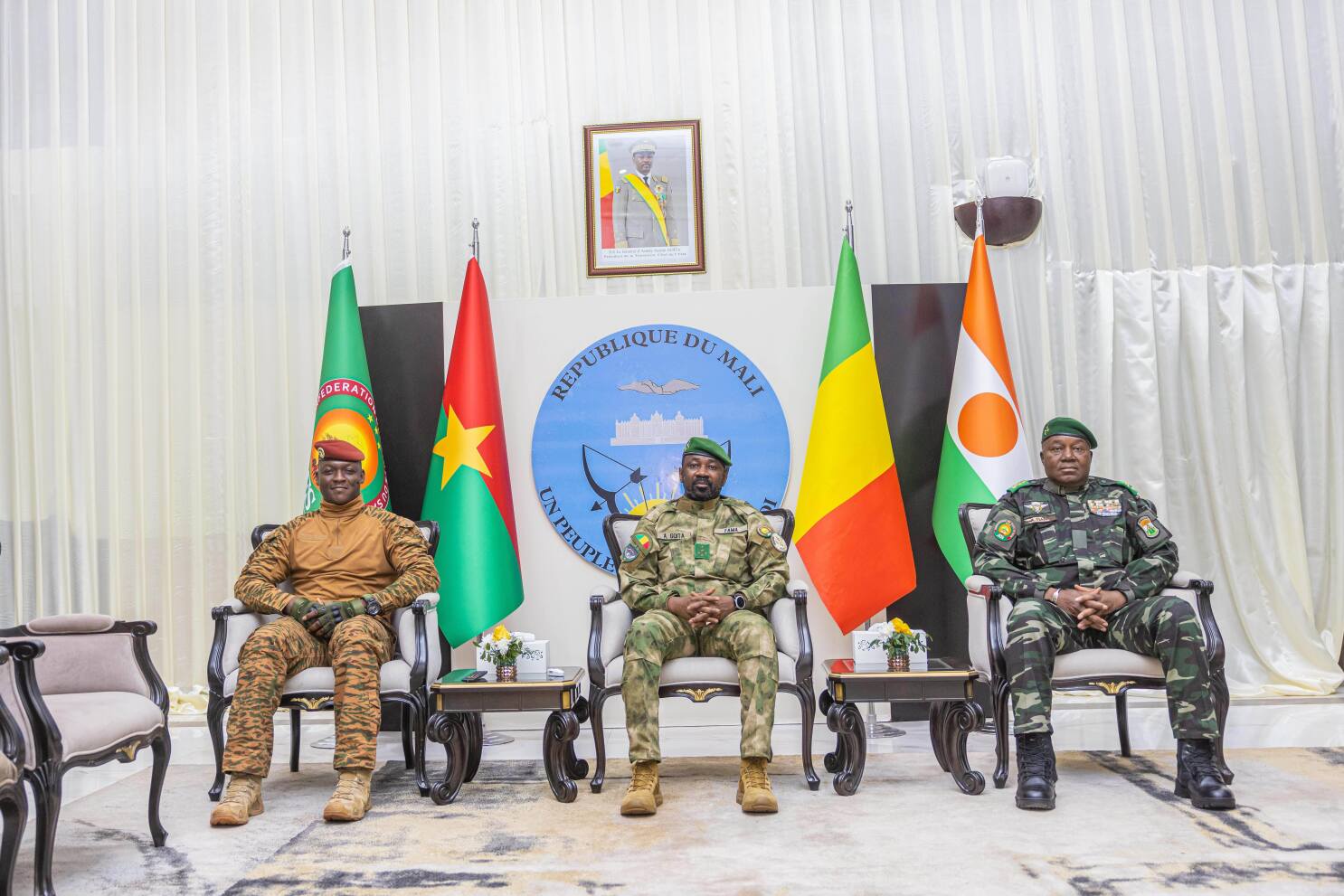
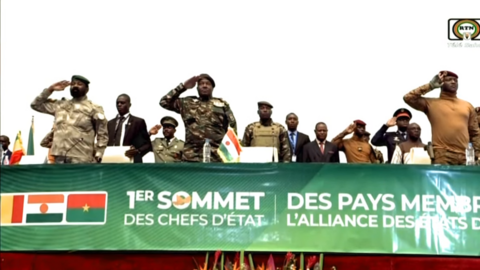
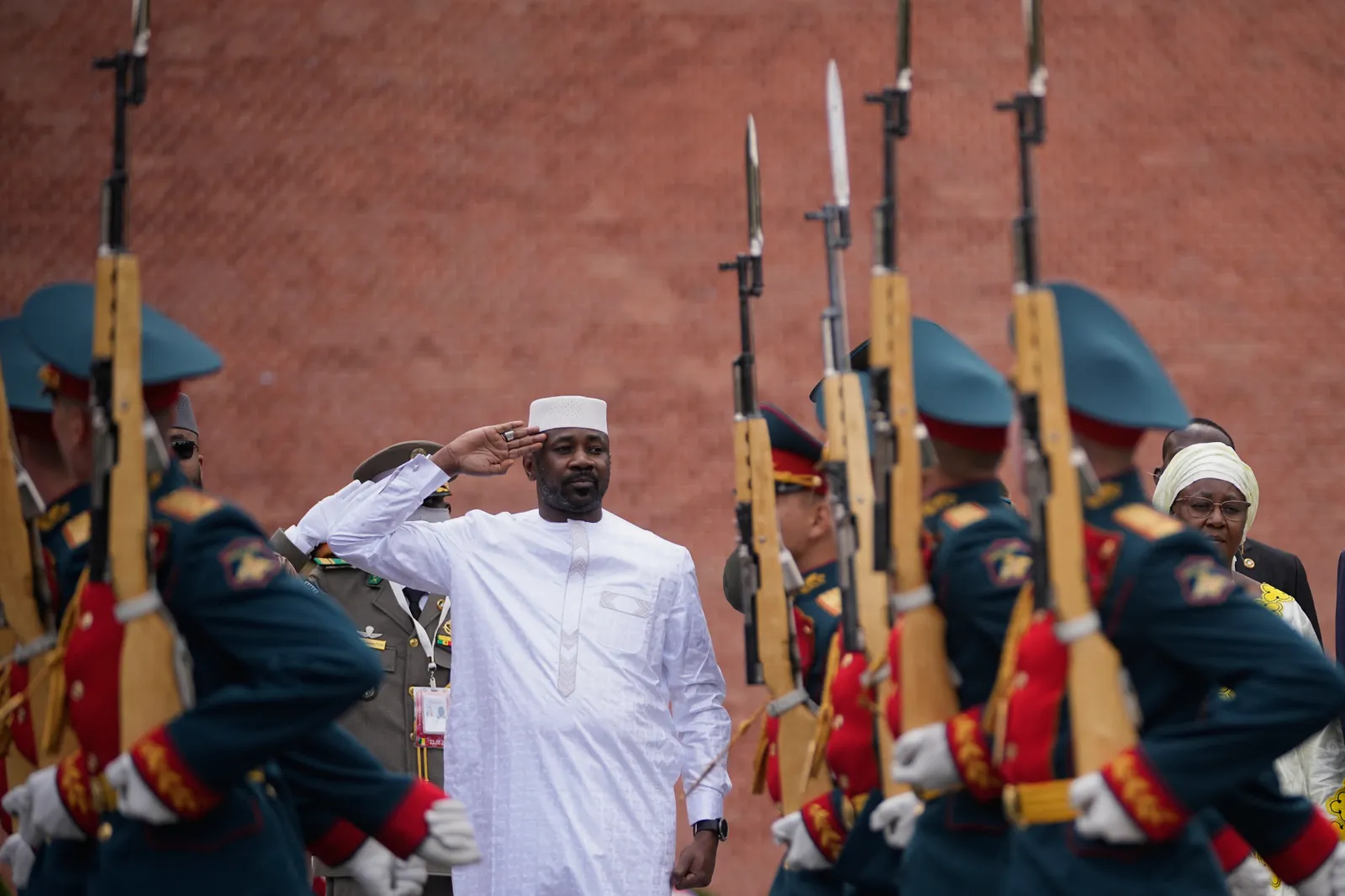
So, what’s next for Burkina Faso? It’s clear that tackling this security crisis needs more than just military action. It requires a smart, integrated strategy that includes grassroots peacebuilding and strong regional cooperation. Equally important is keeping up the momentum on development. Economic inclusion and social services aren’t just nice-to-haves; they’re fundamental to addressing the very root causes of conflict. By building on current partnerships and using its key position in West Africa, Burkina Faso has the potential to turn its present challenges into a powerful story of resilience and renewal. The world, particularly across Africa, is watching closely as this nation works tirelessly for stability and progress. It’s a path that demands both courage and collaboration, offering real hope that Burkina Faso can emerge stronger, securing a safer, more prosperous future for everyone who calls it home. As one report put it, community resilience and peacebuilding are key.