Burkina Faso Navigates Regional Security, Diplomatic Hurdles, and Sporting Spirit
A Nation at a Crossroads: Diplomacy and Discontent
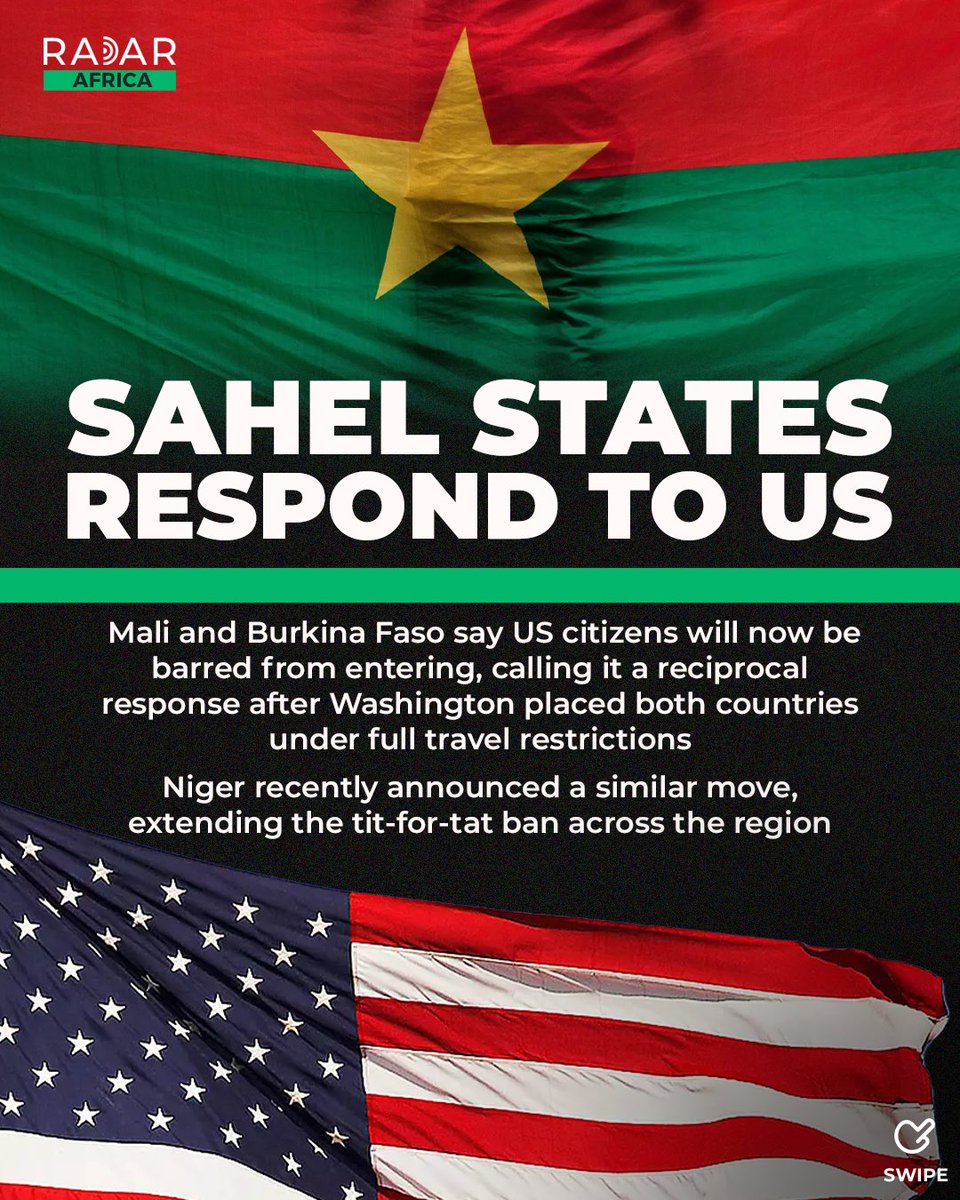
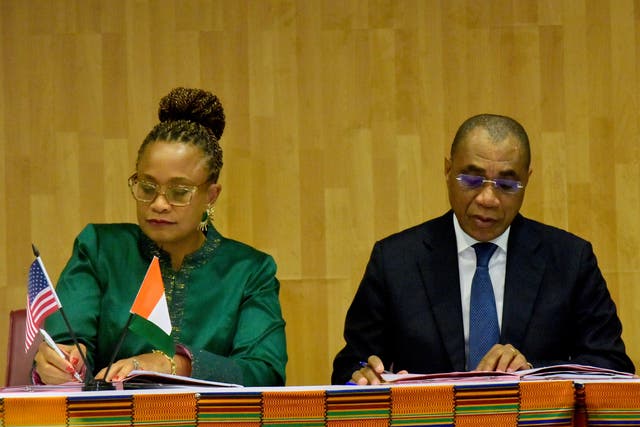
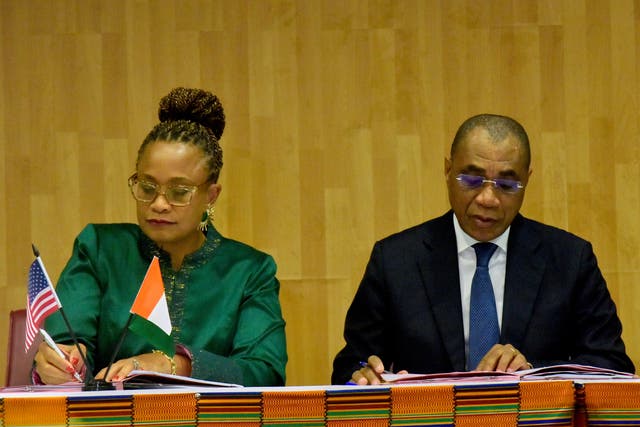
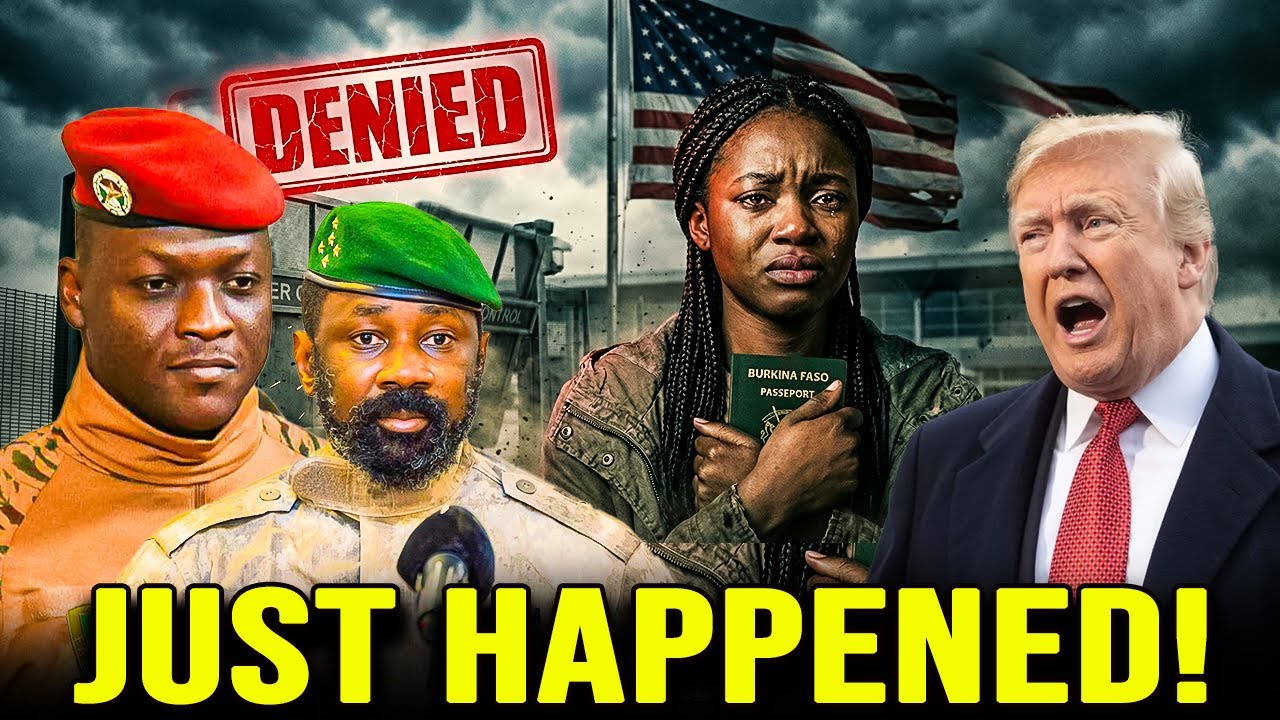
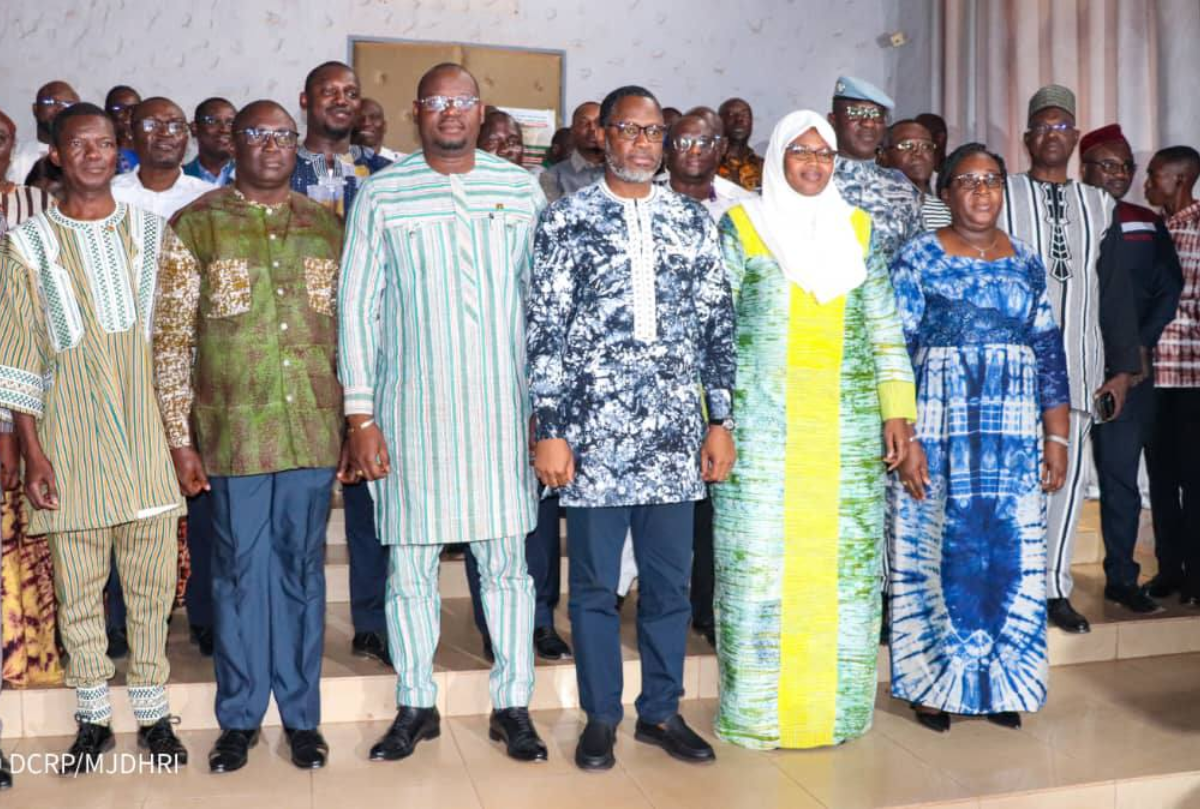
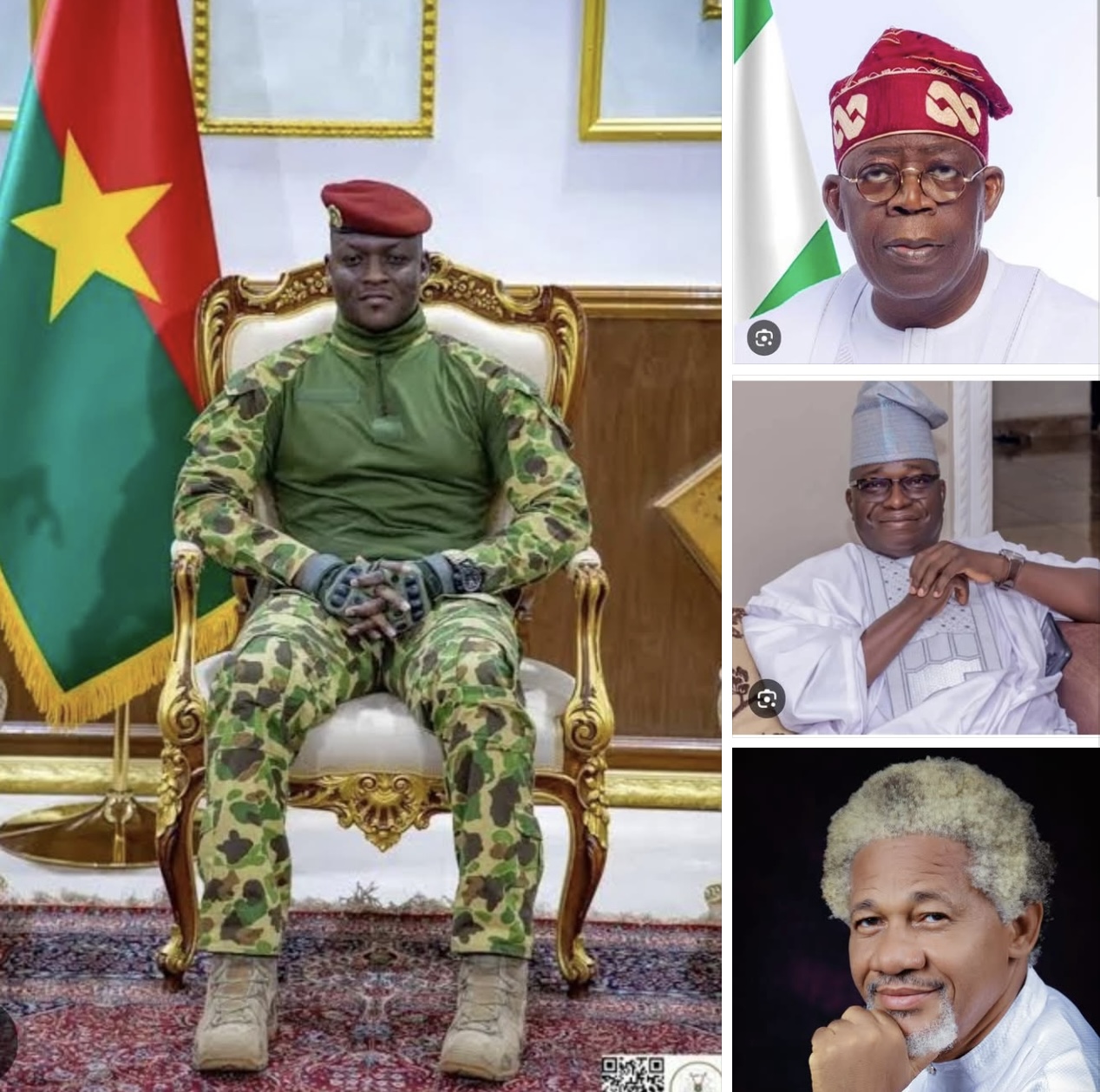
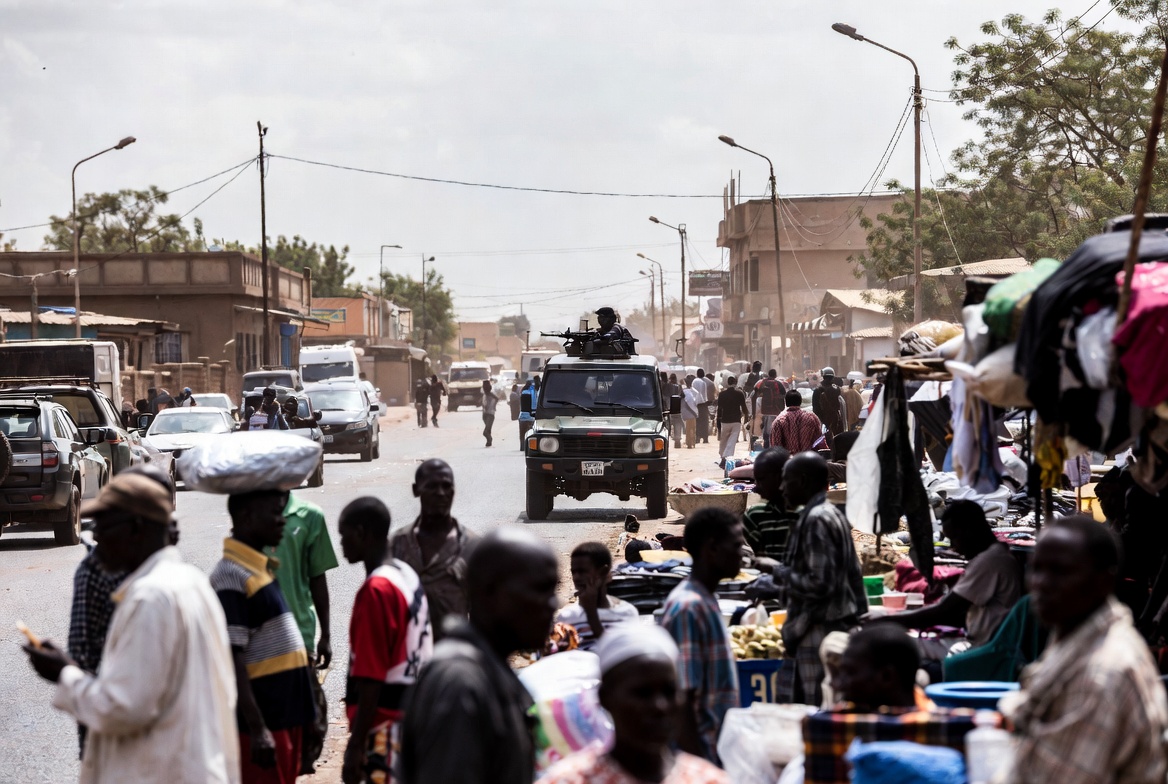
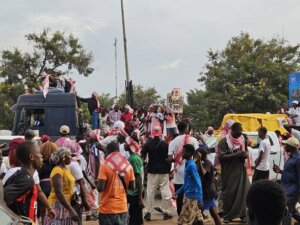
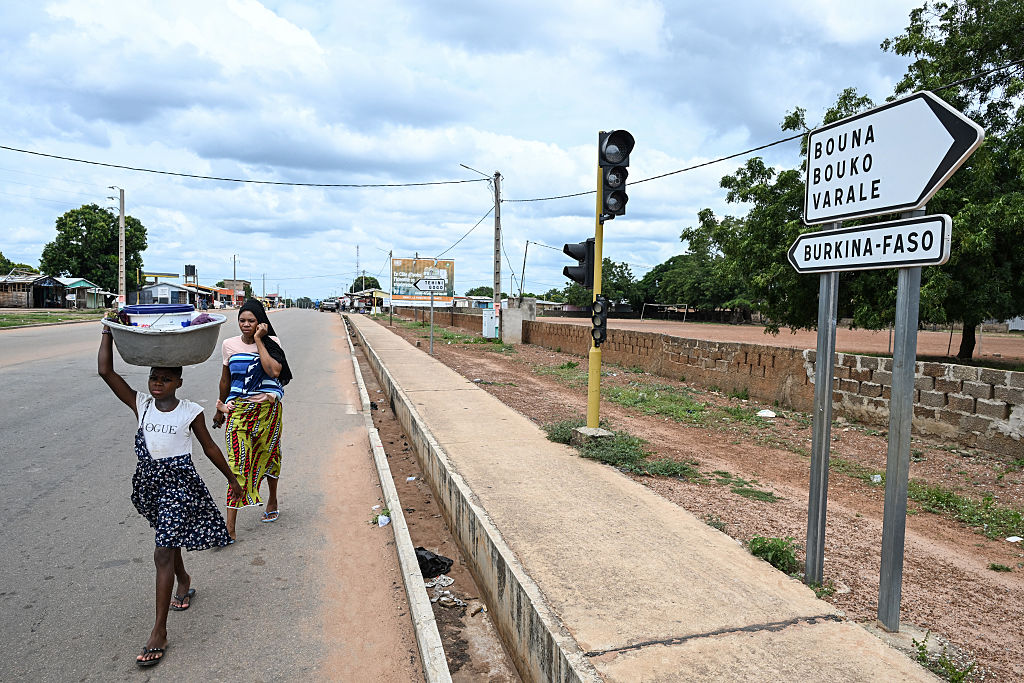
Ouagadougou, Burkina Faso, finds itself at a pivotal moment, skillfully navigating complex diplomatic tensions, a pressing regional fight against ruthless insurgency, and the spirited aspirations of its national football team on the continental stage. The echoes of a full travel ban imposed by former US President Donald Trump, though dating back years, continue to resonate deeply, sparking considerable debate and understandable dissatisfaction among Burkinabé communities. Many residents voiced anger and frustration, viewing these restrictions as a disproportionate response that unfairly overshadowed Burkina Faso’s persistent efforts to stabilize and secure the nation amid profound regional instability. The ban’s enduring impact isn’t just theoretical; it actively complicates the free movement of citizens, hinders crucial people-to-people exchanges, and strains vital economic engagements with the United States. This situation leaves many wondering about its long-term effects on bilateral relations and public sentiment. Yet, even as these international diplomatic challenges linger, the country’s immediate and more urgent focus has shifted inward, towards solidifying a united front with its neighbors against a shared and escalating threat: Islamist insurgency.
United Against Insurgency: The Sahel’s Collective Stand
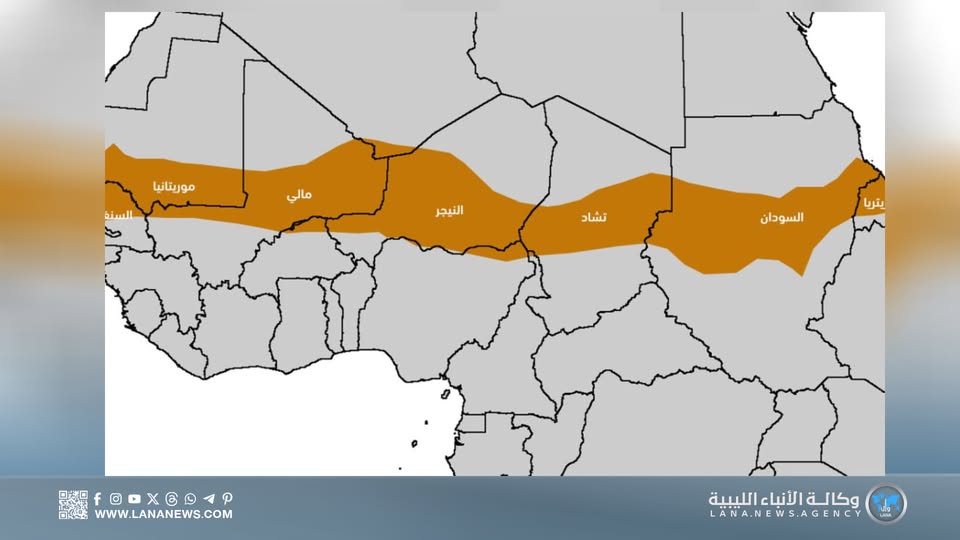
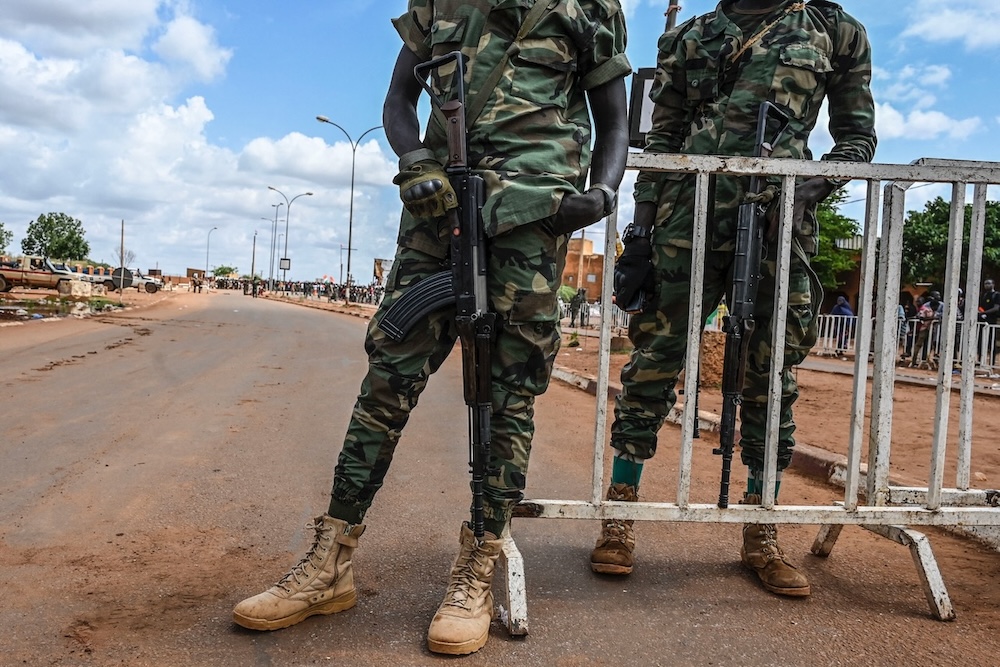
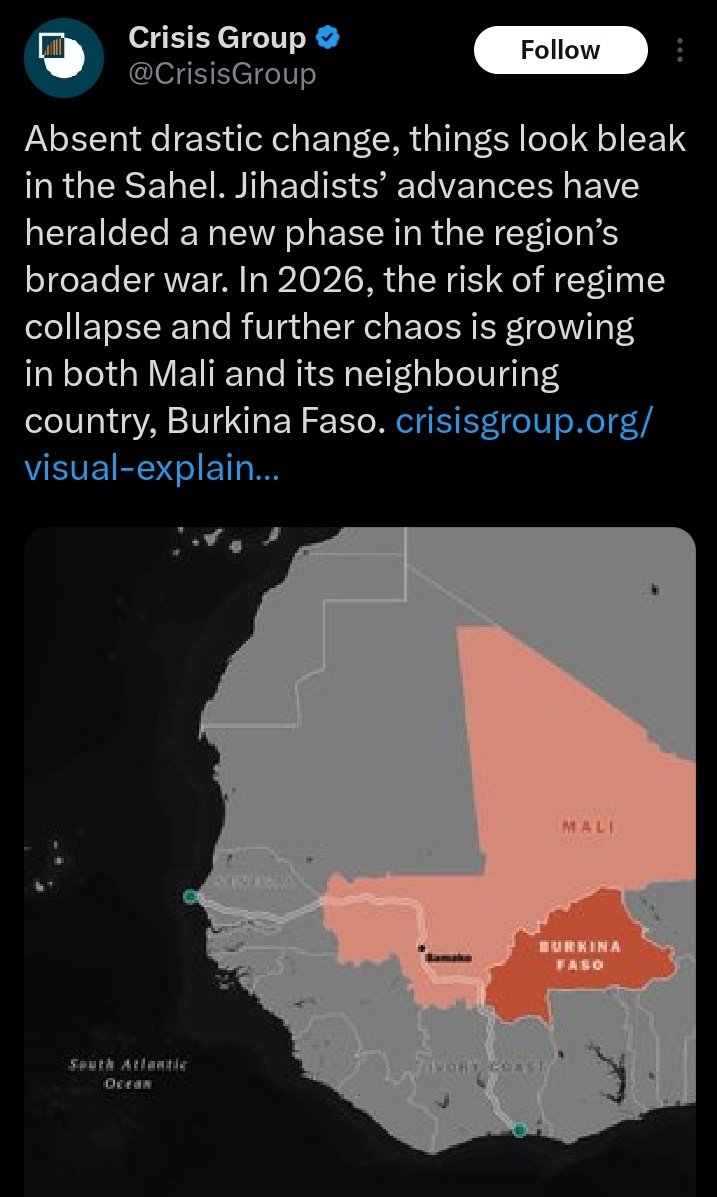
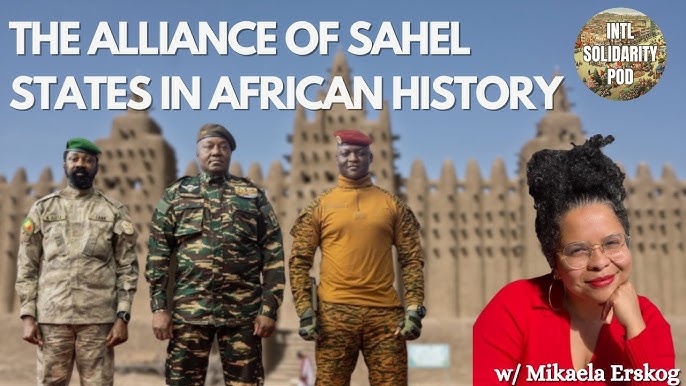
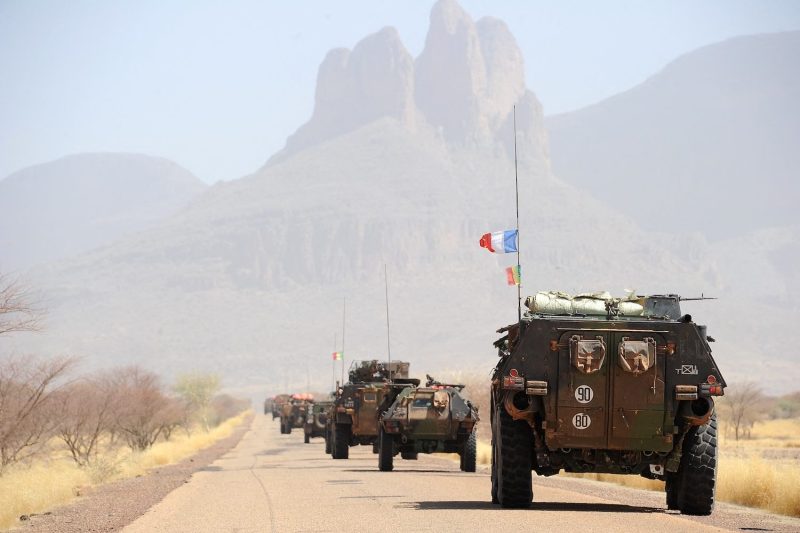
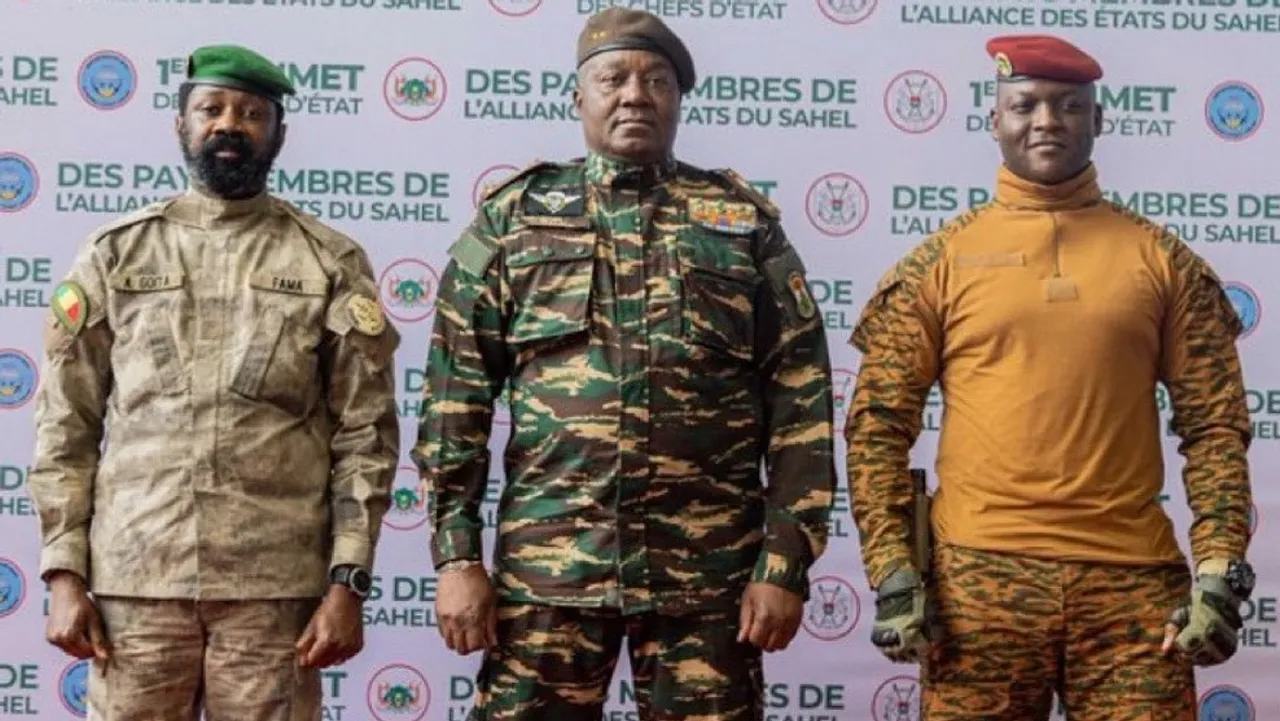
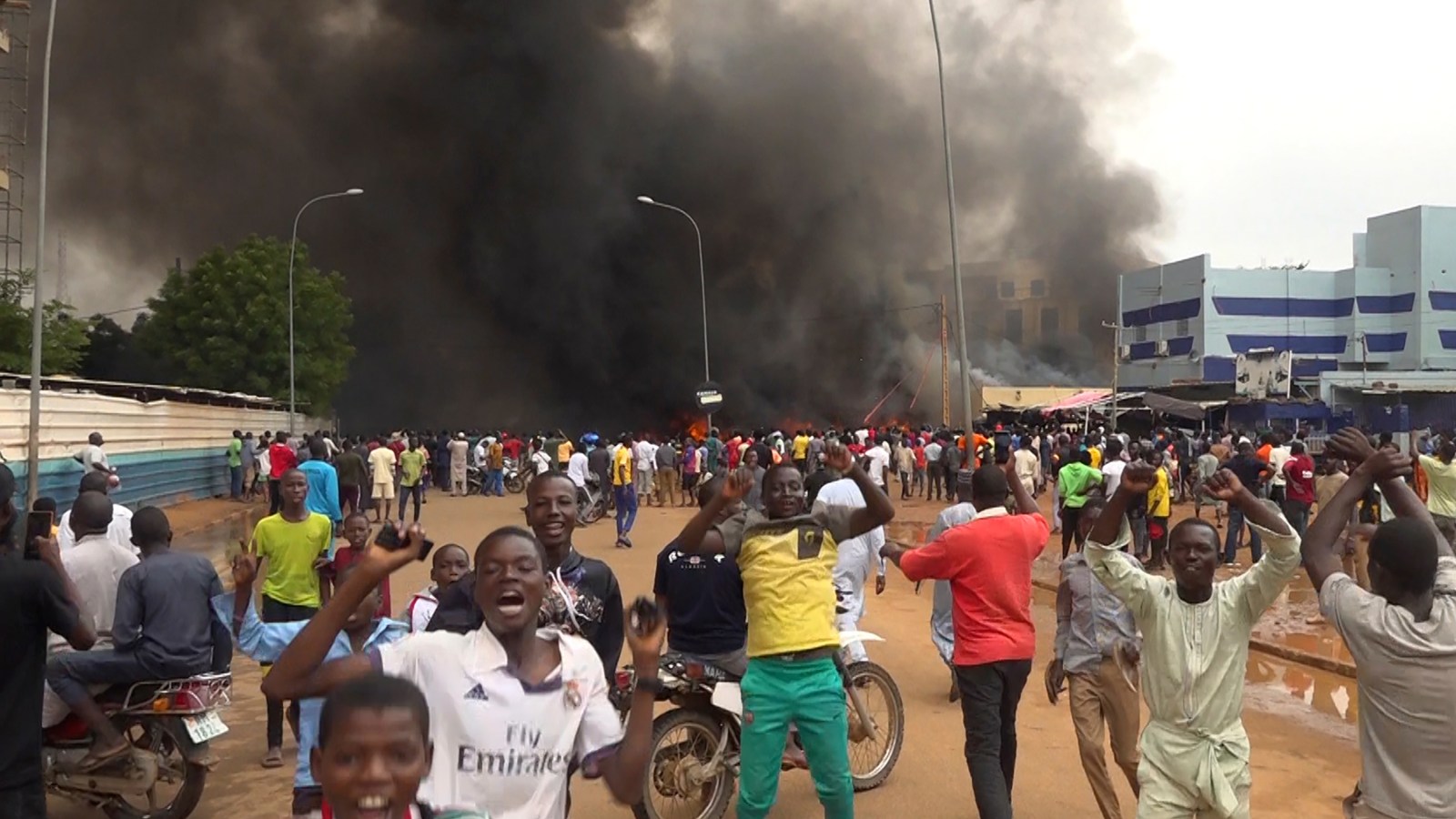
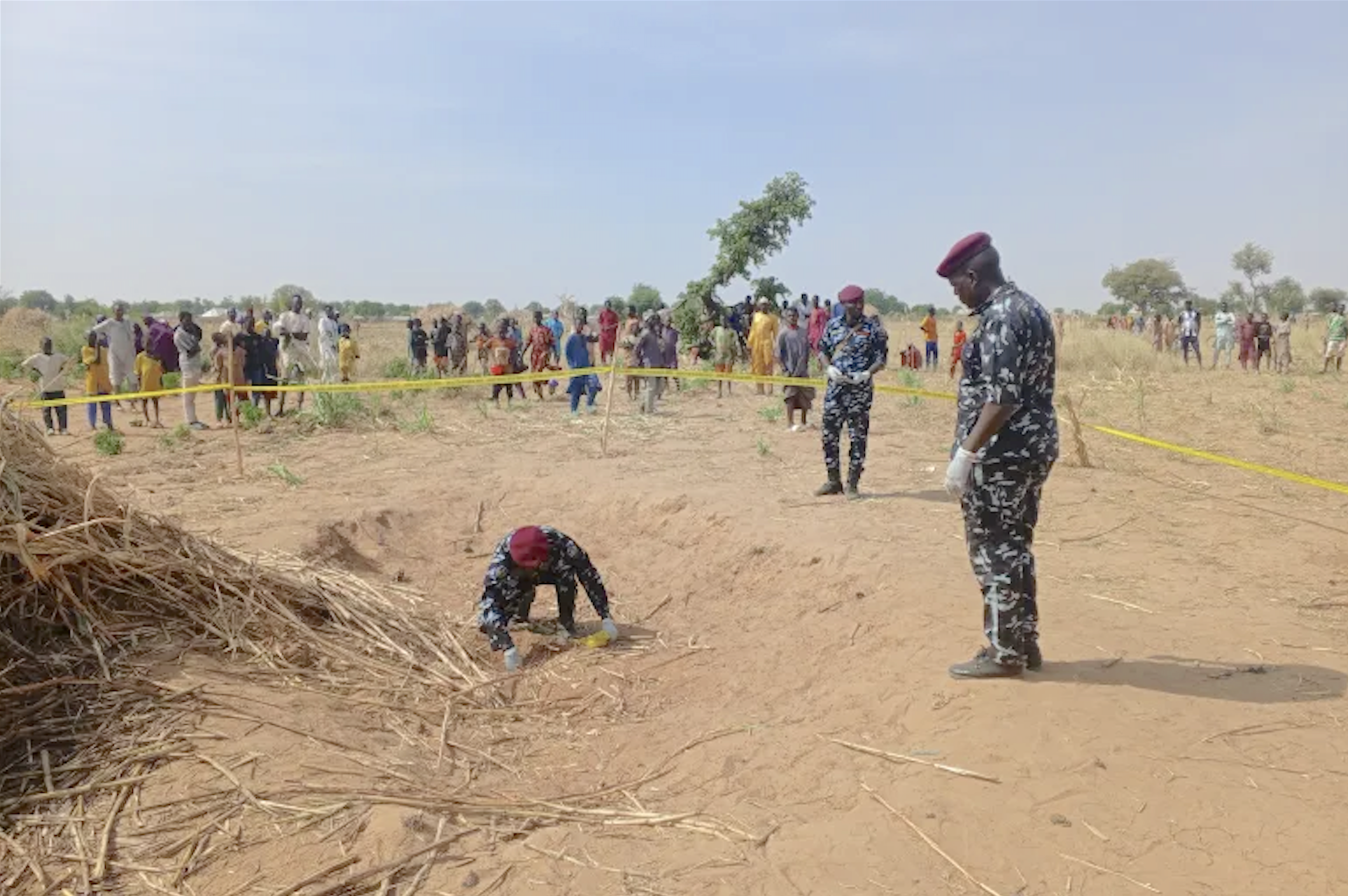
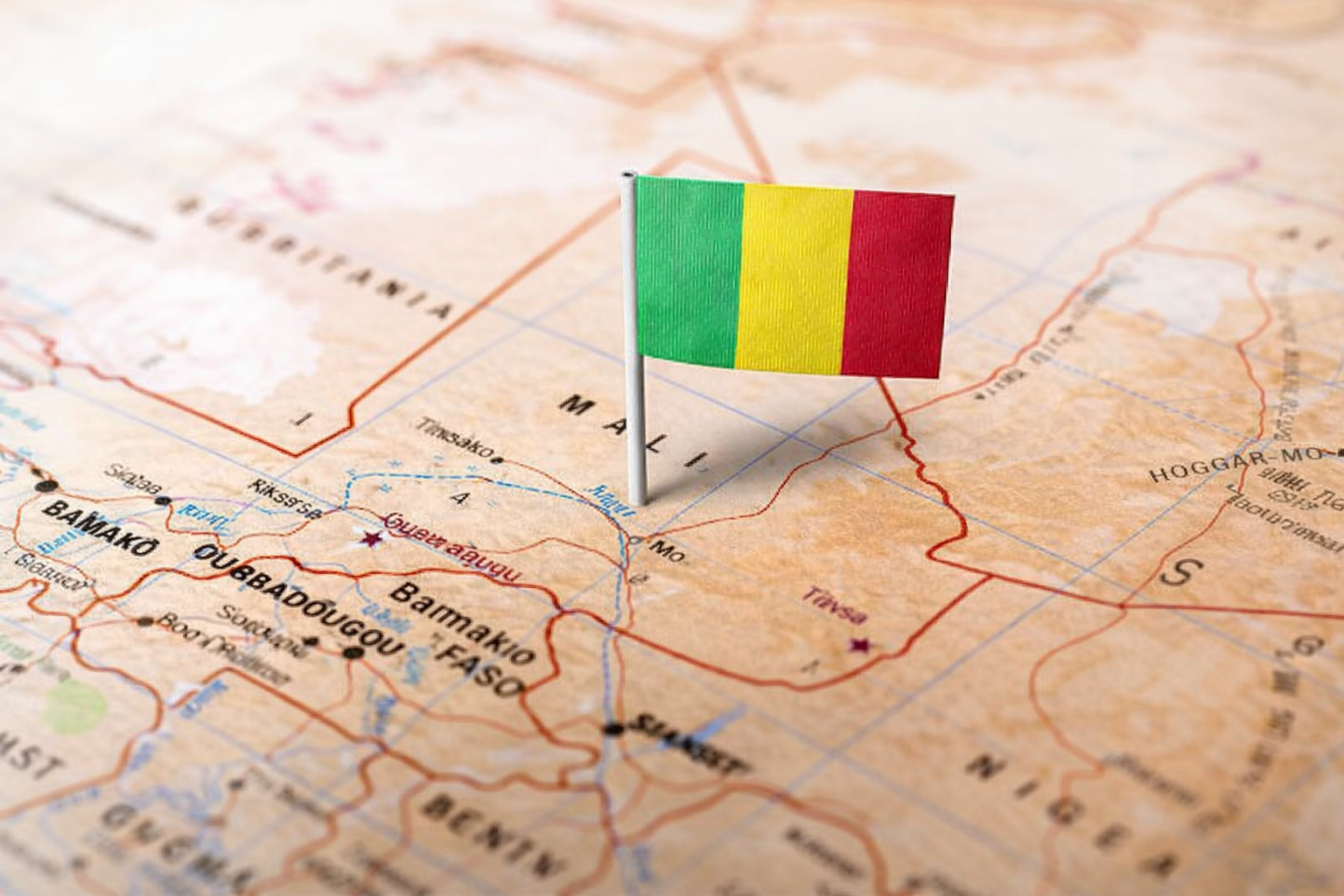
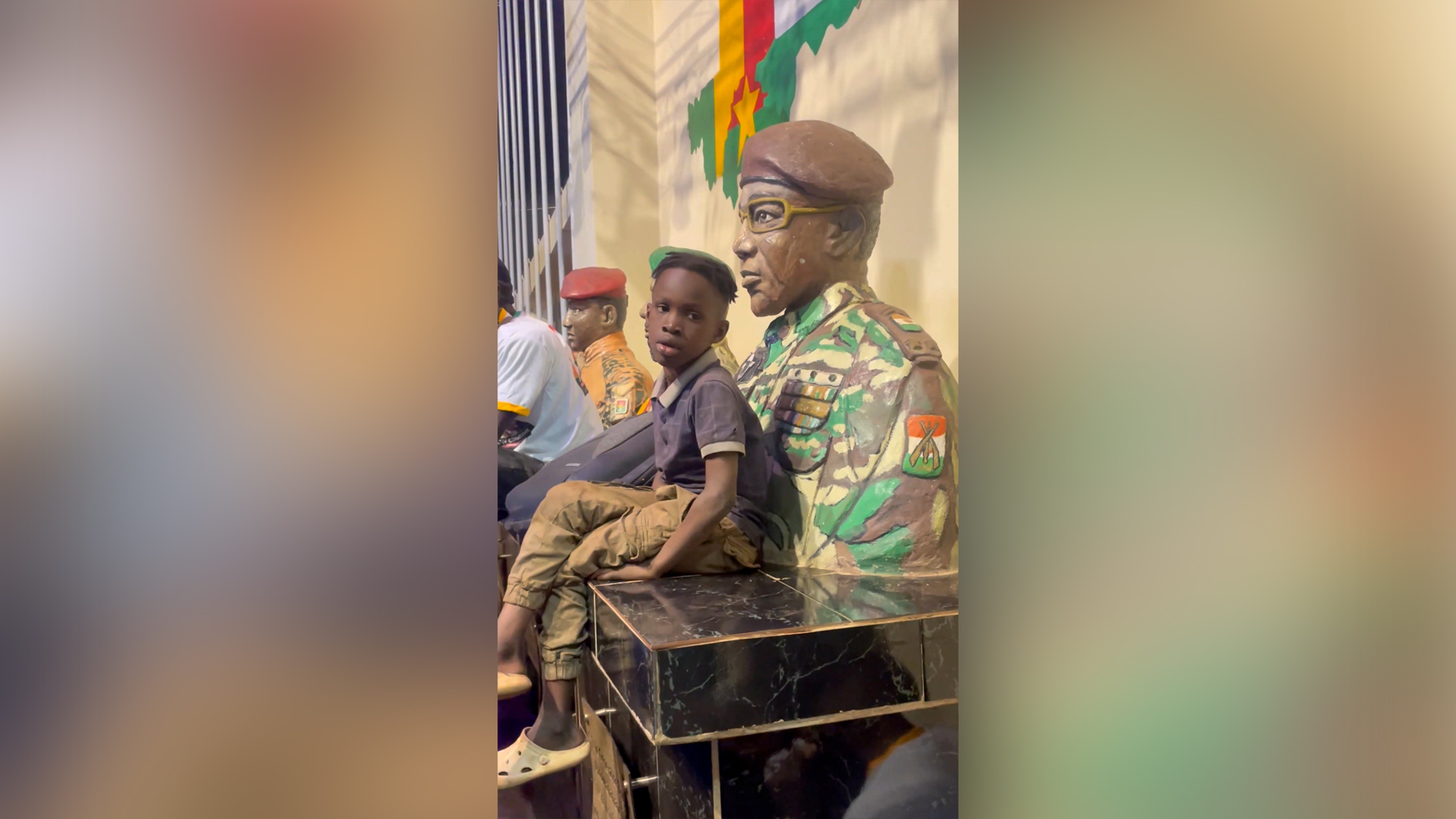
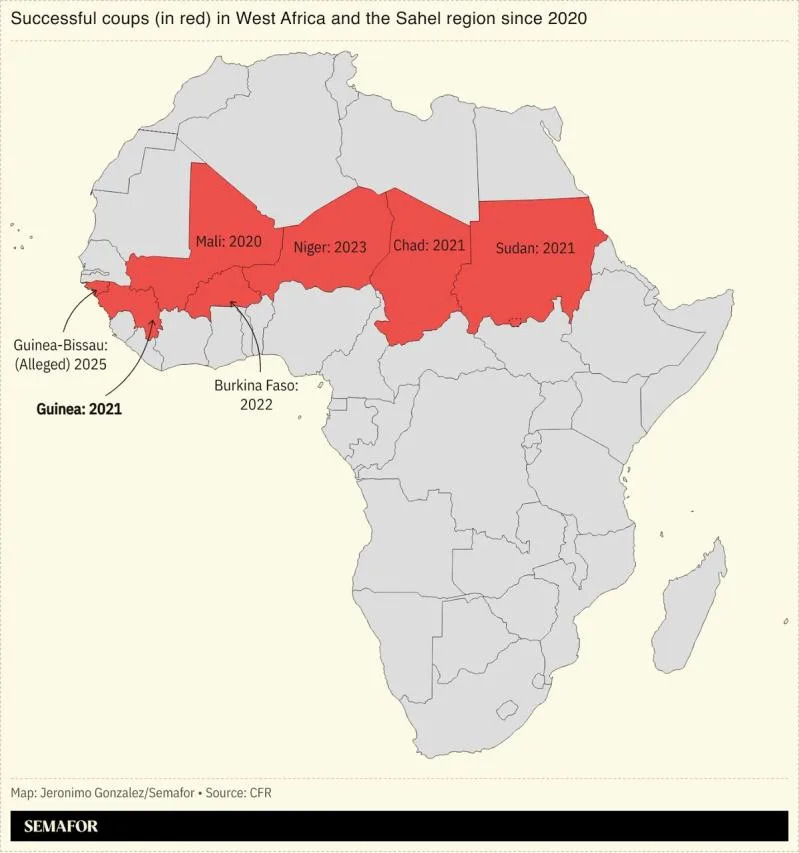
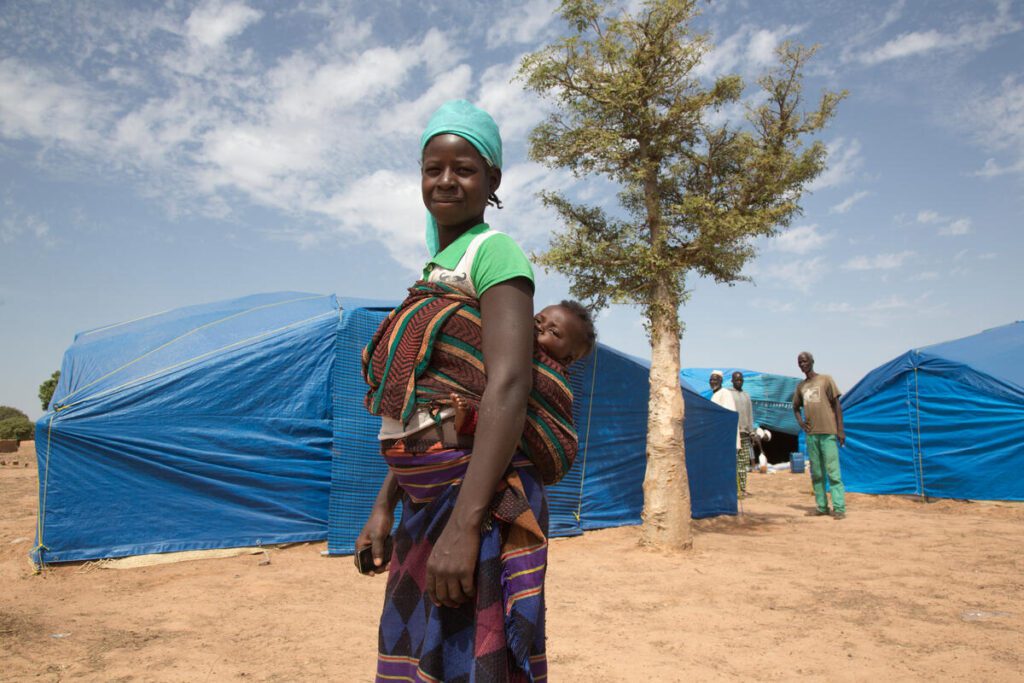
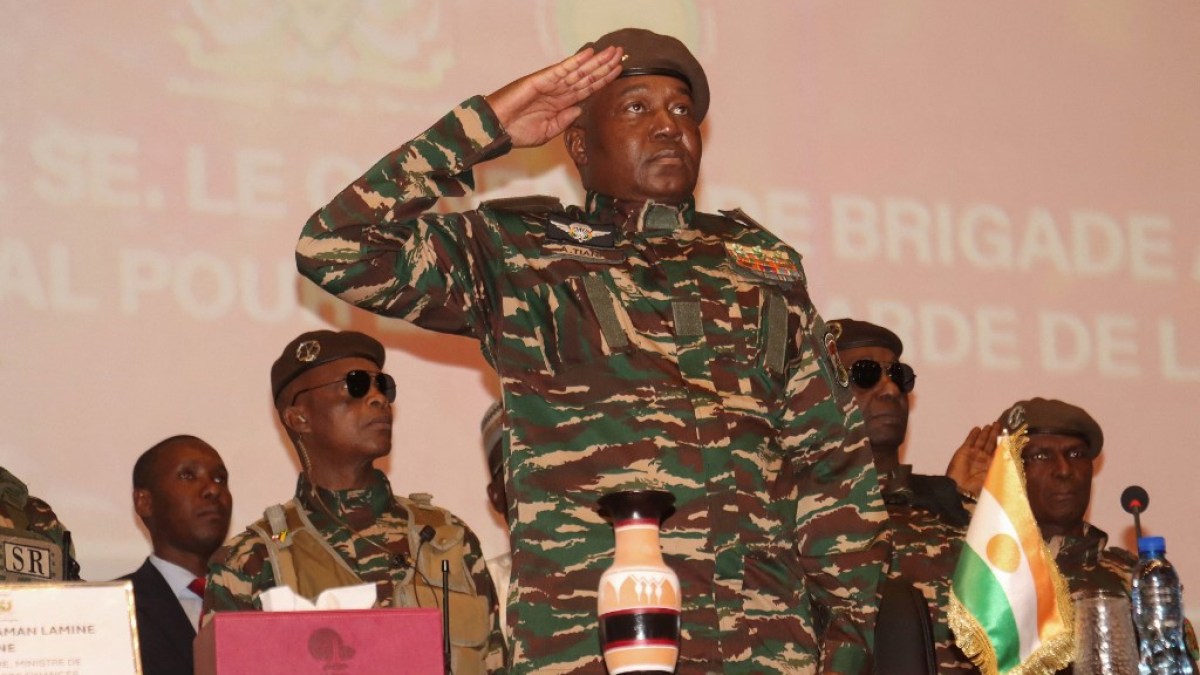
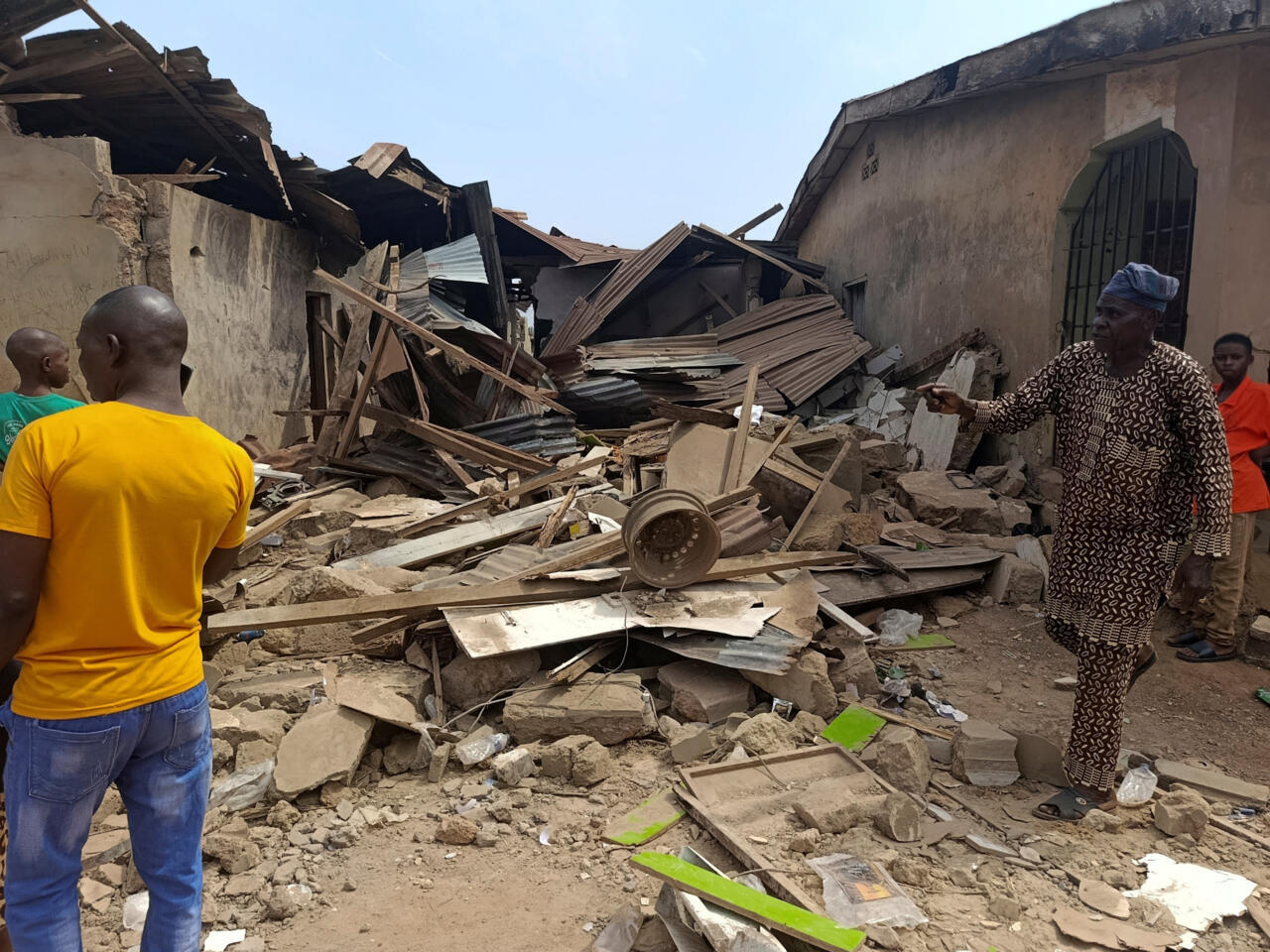
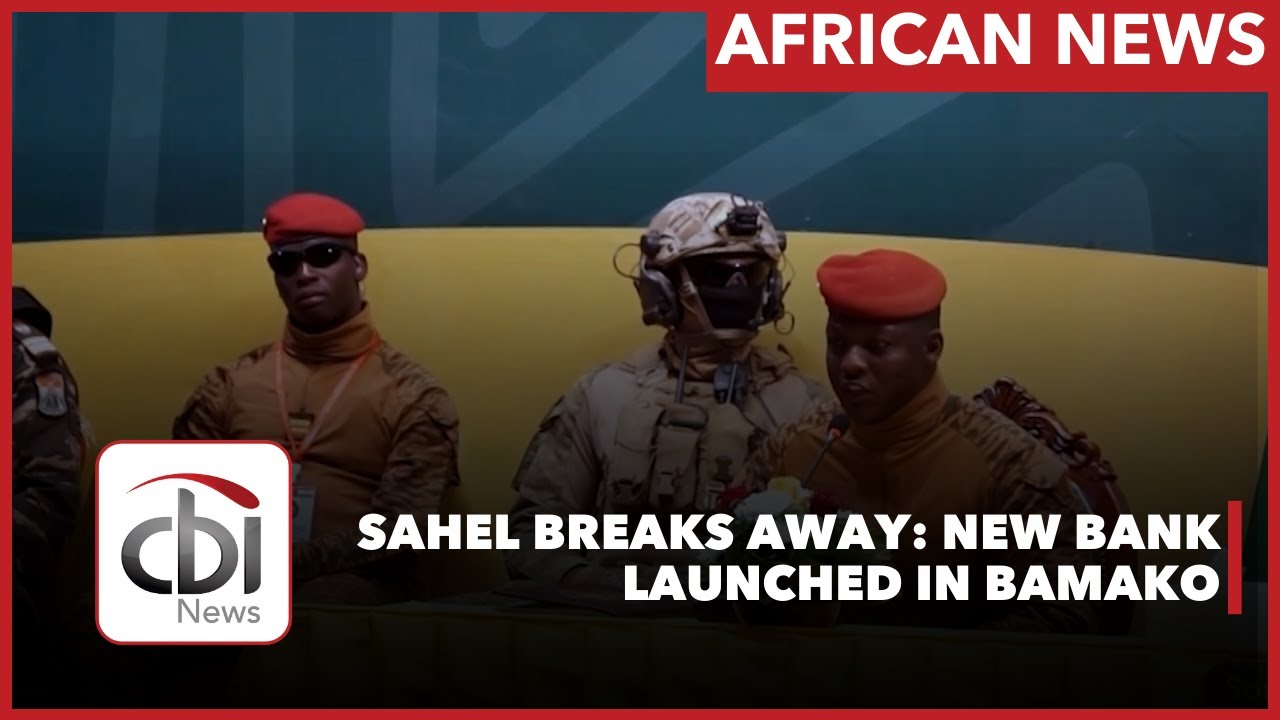
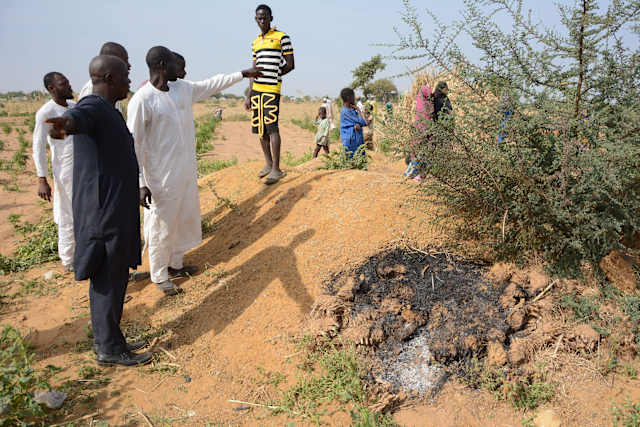
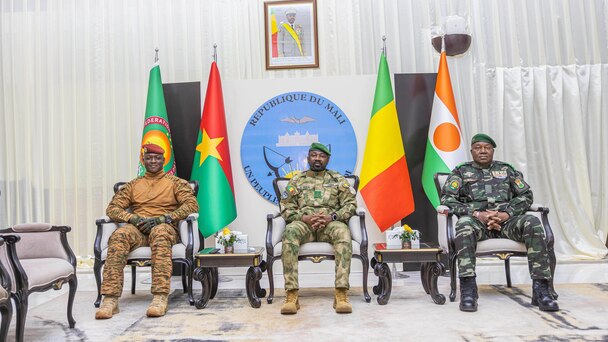
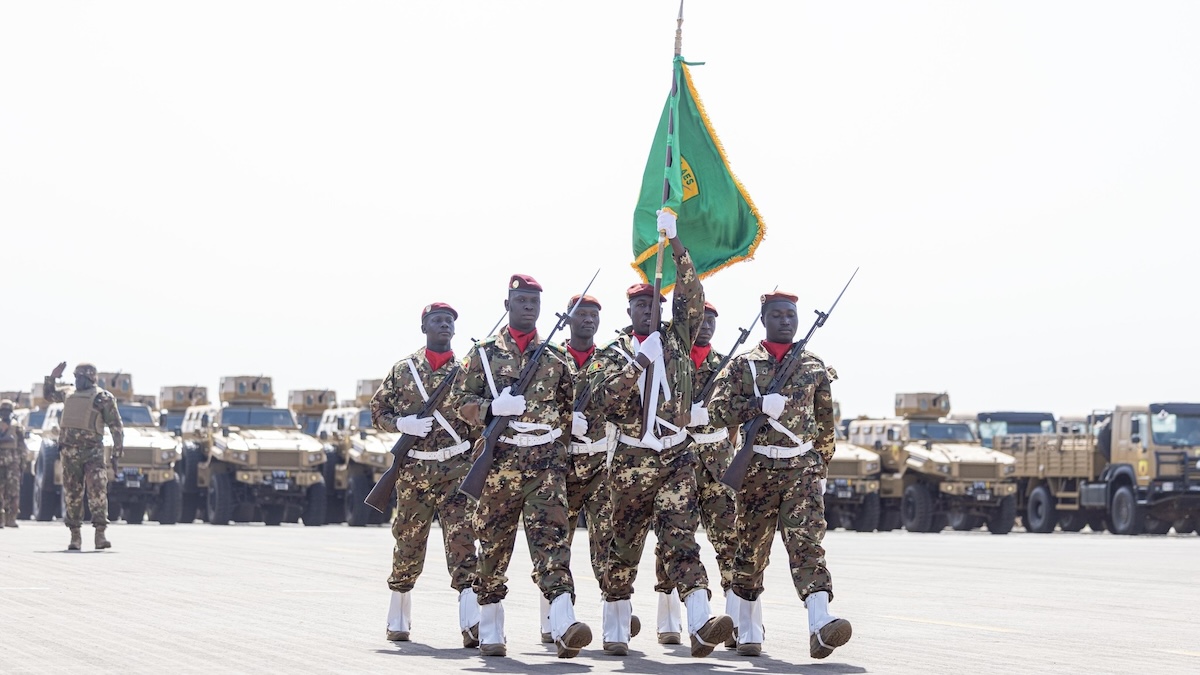
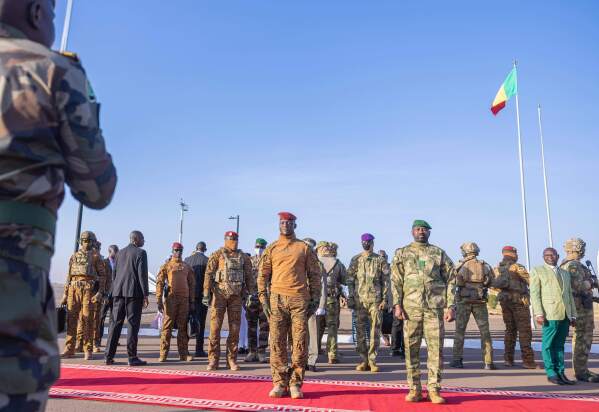
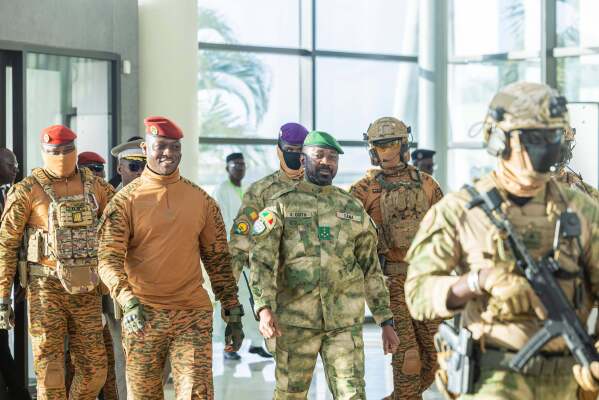
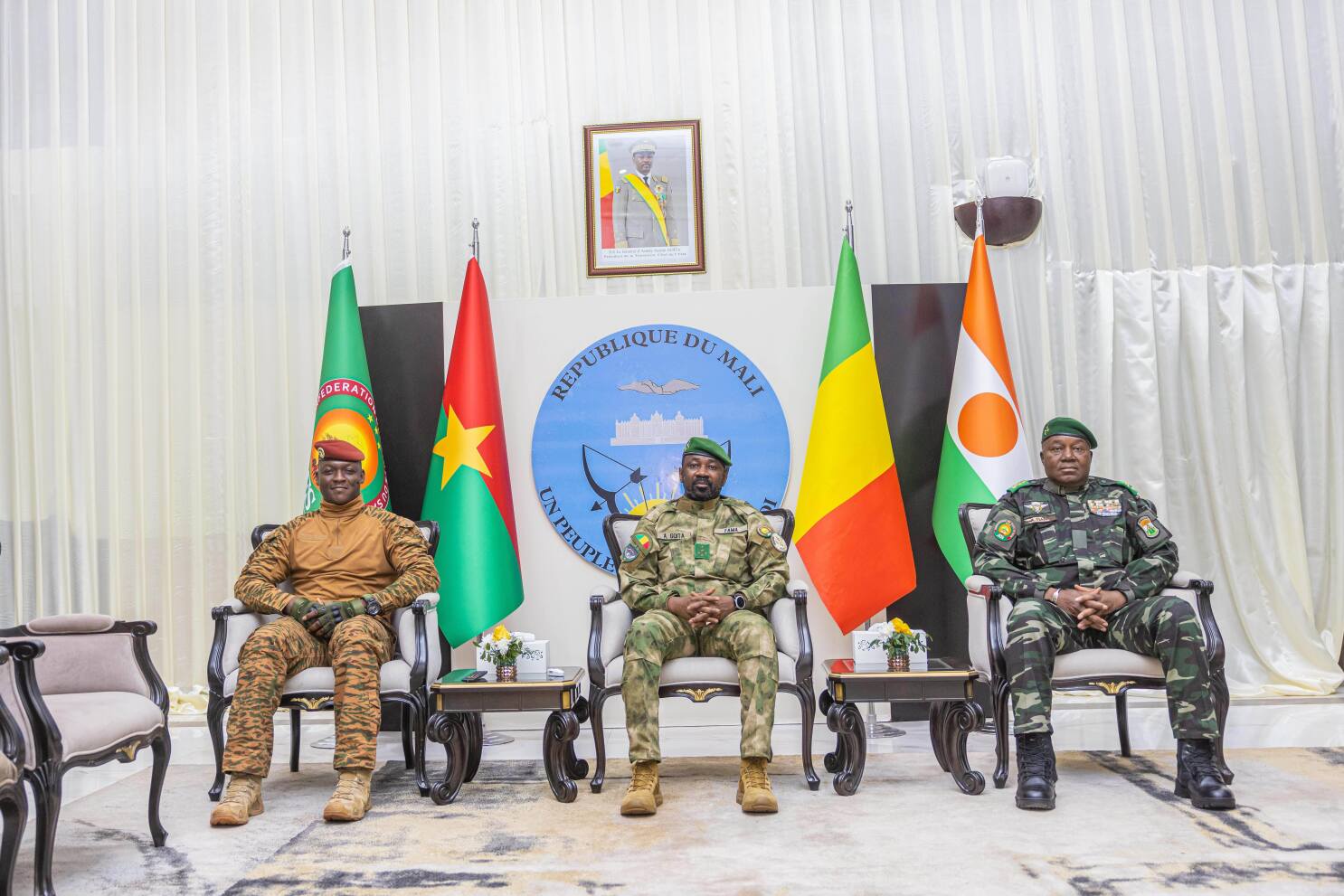
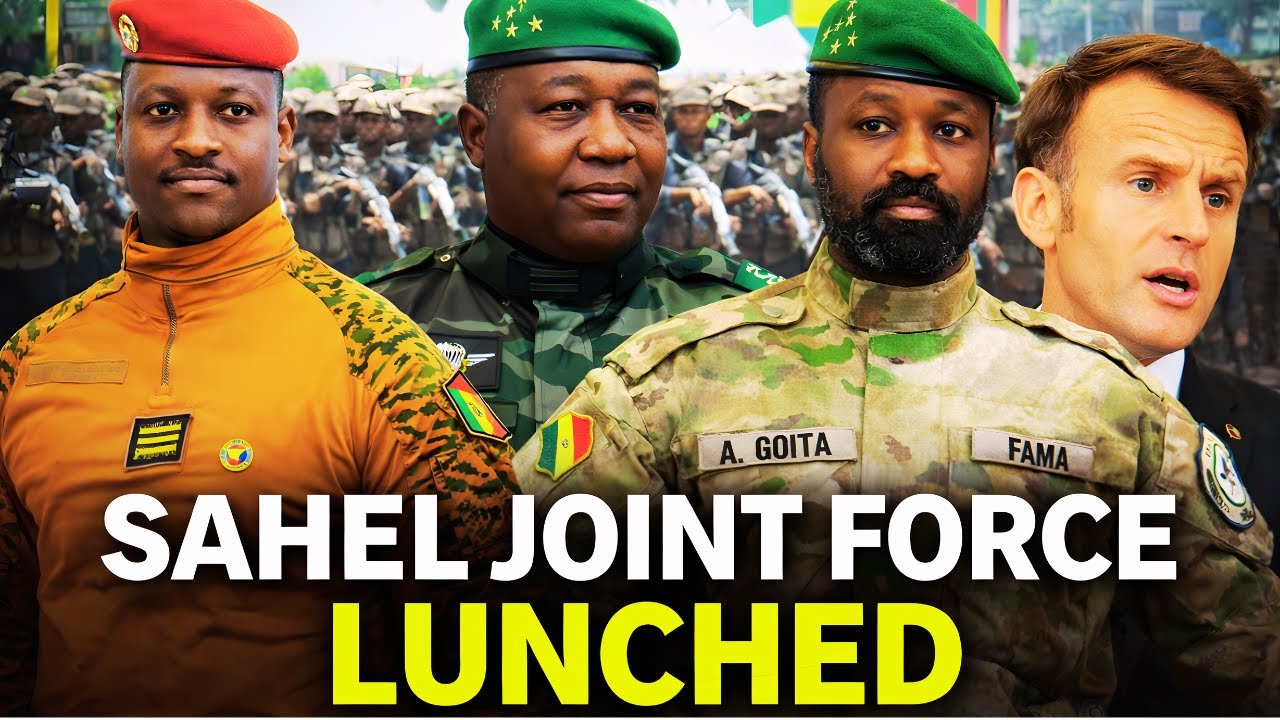
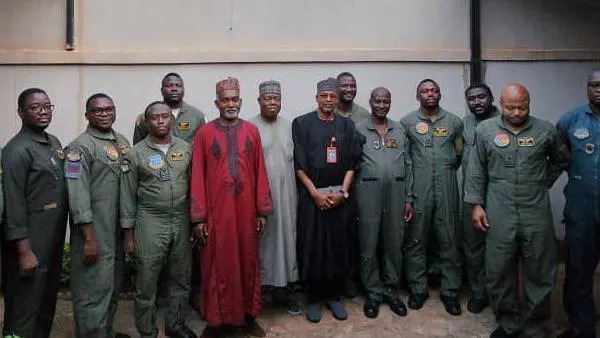
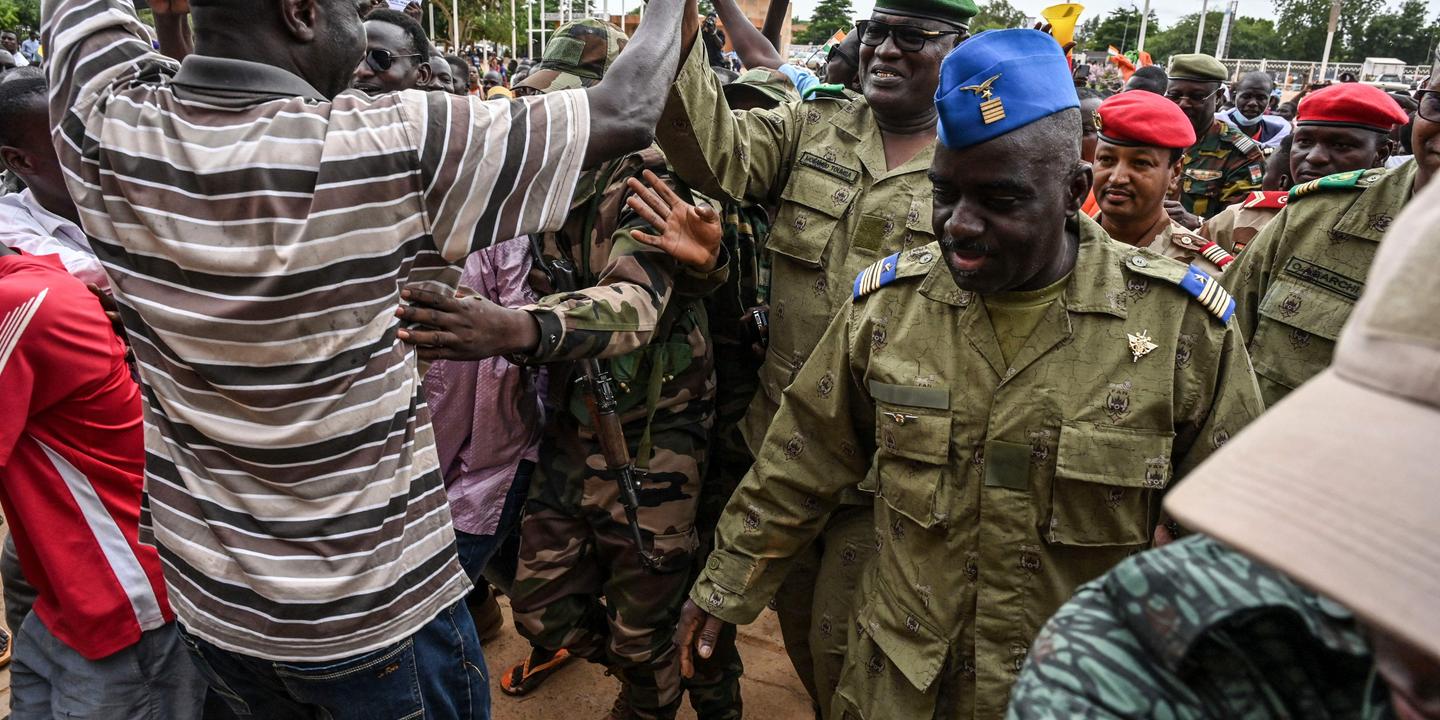
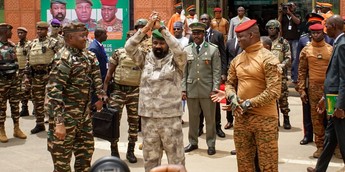
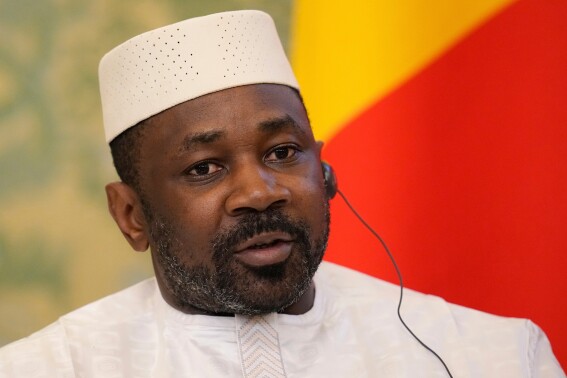
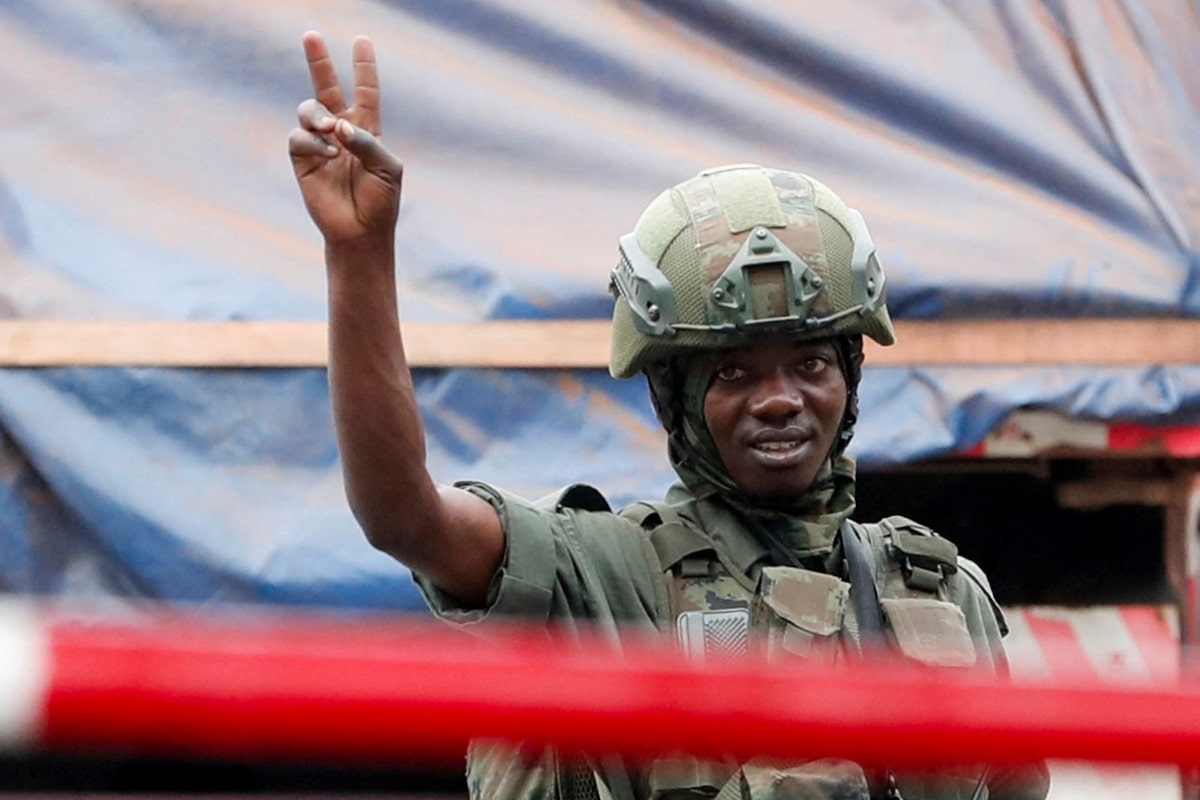
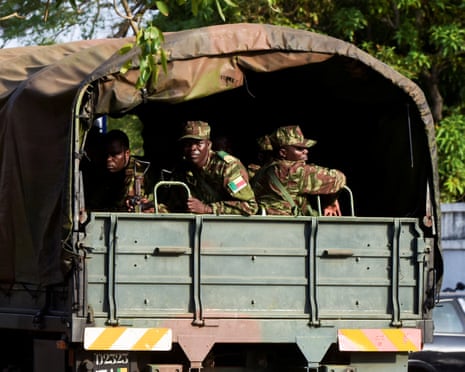
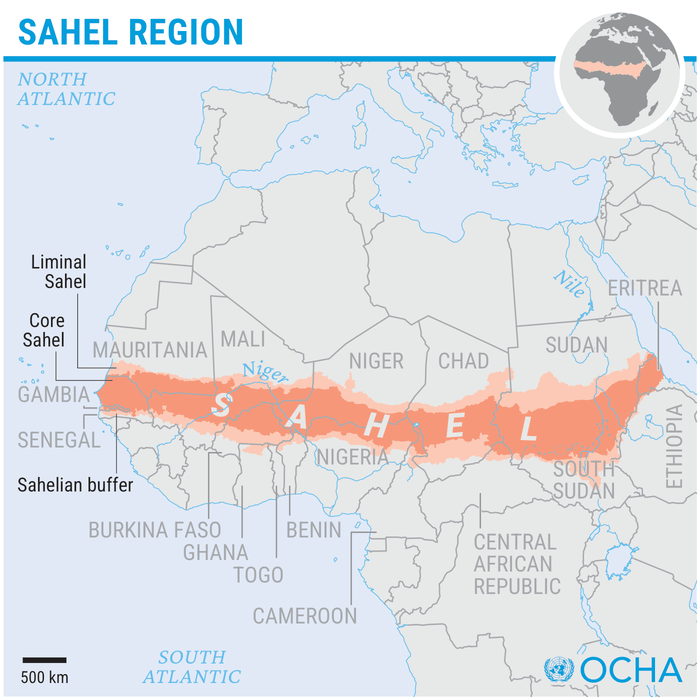
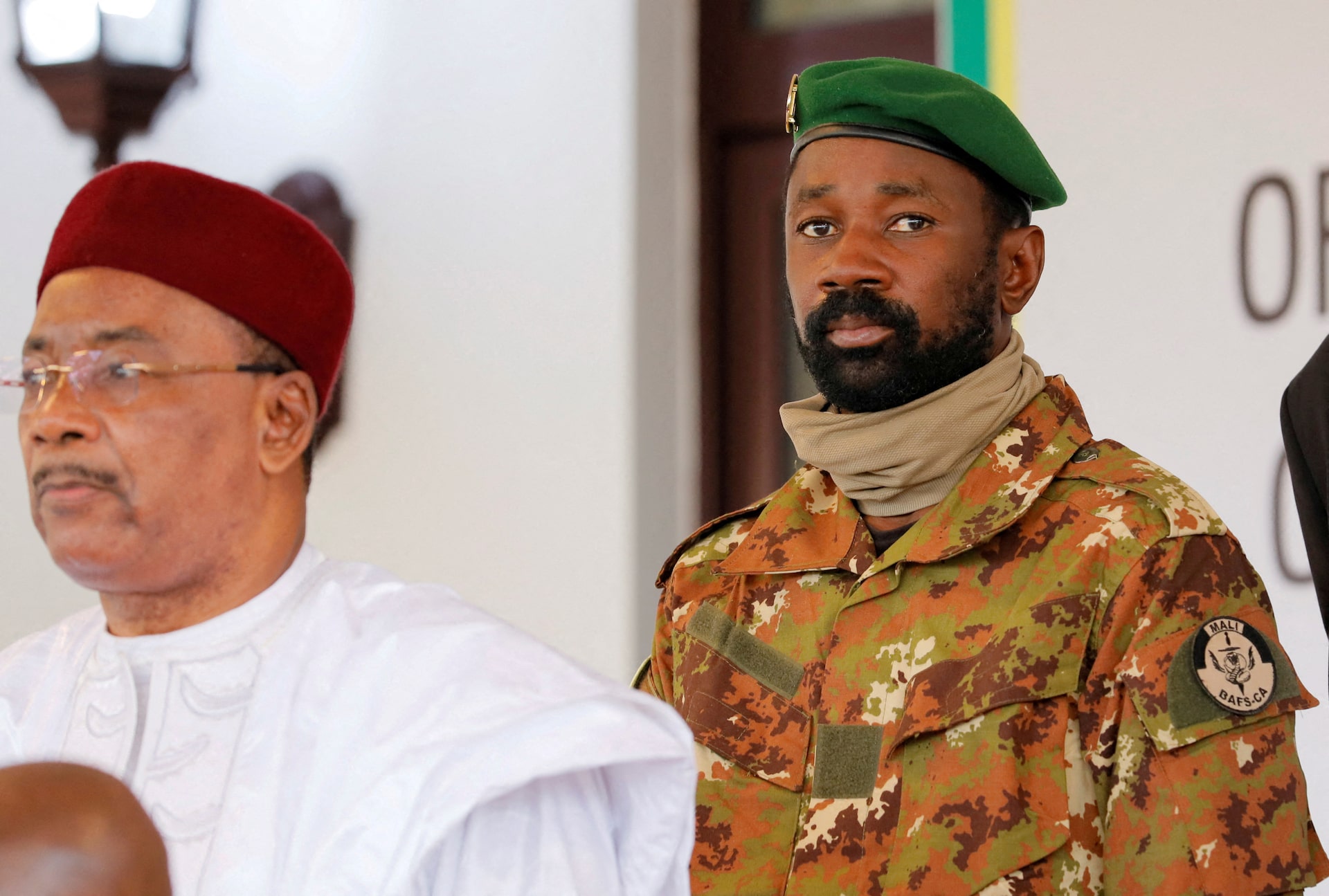
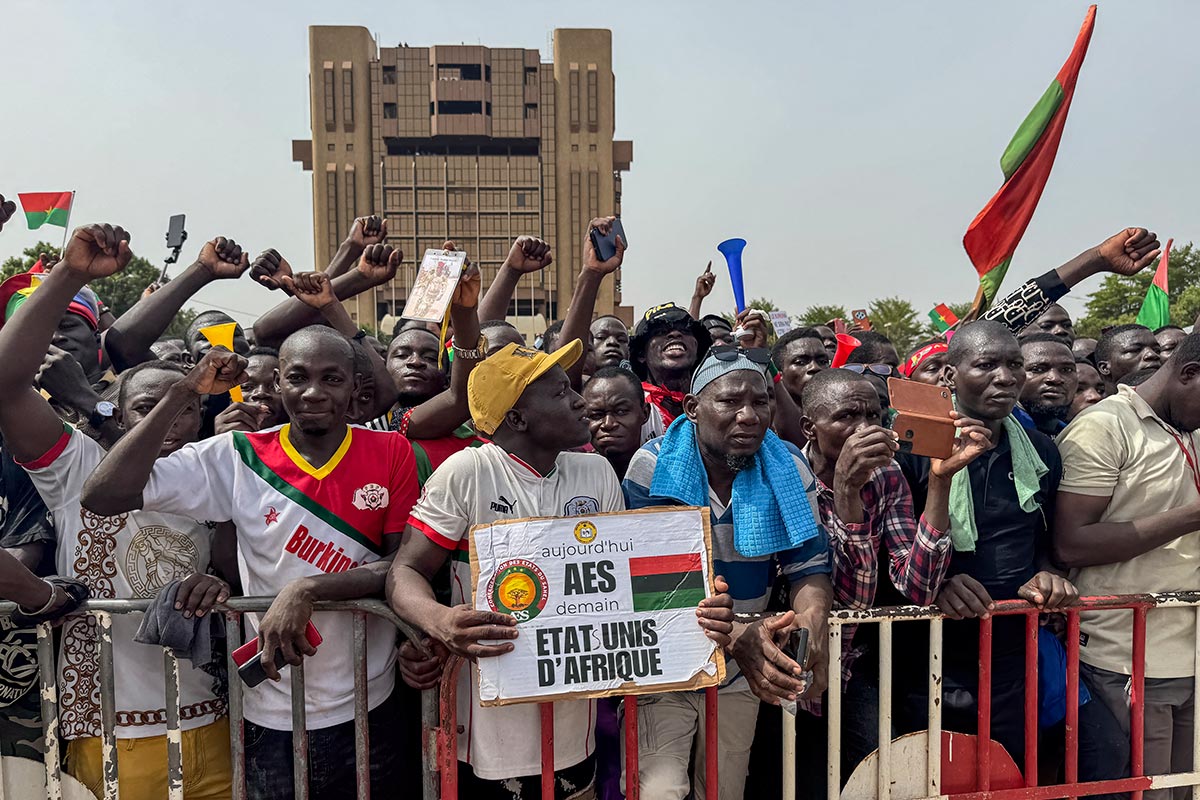
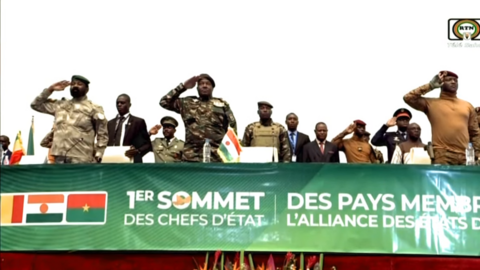
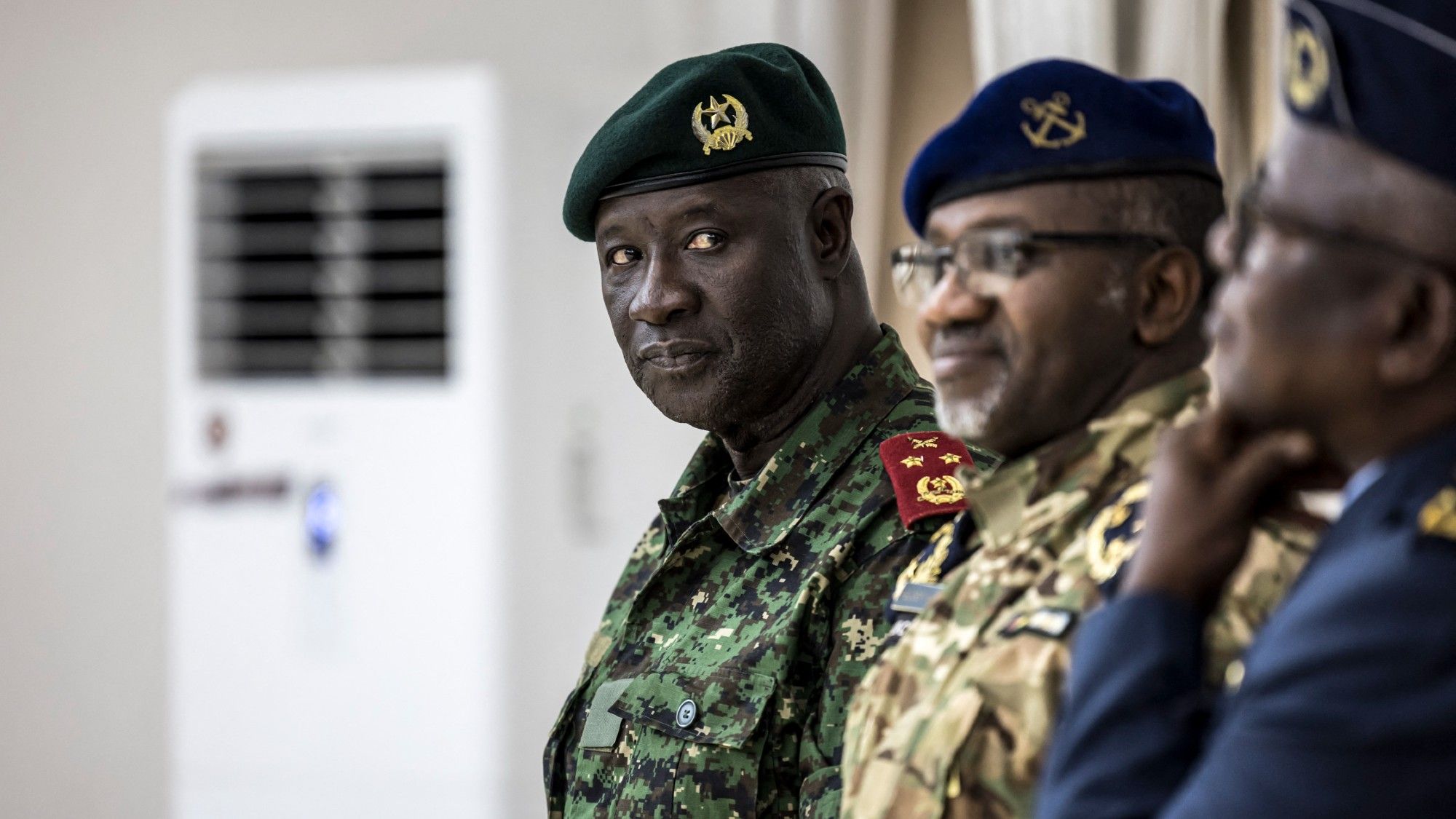
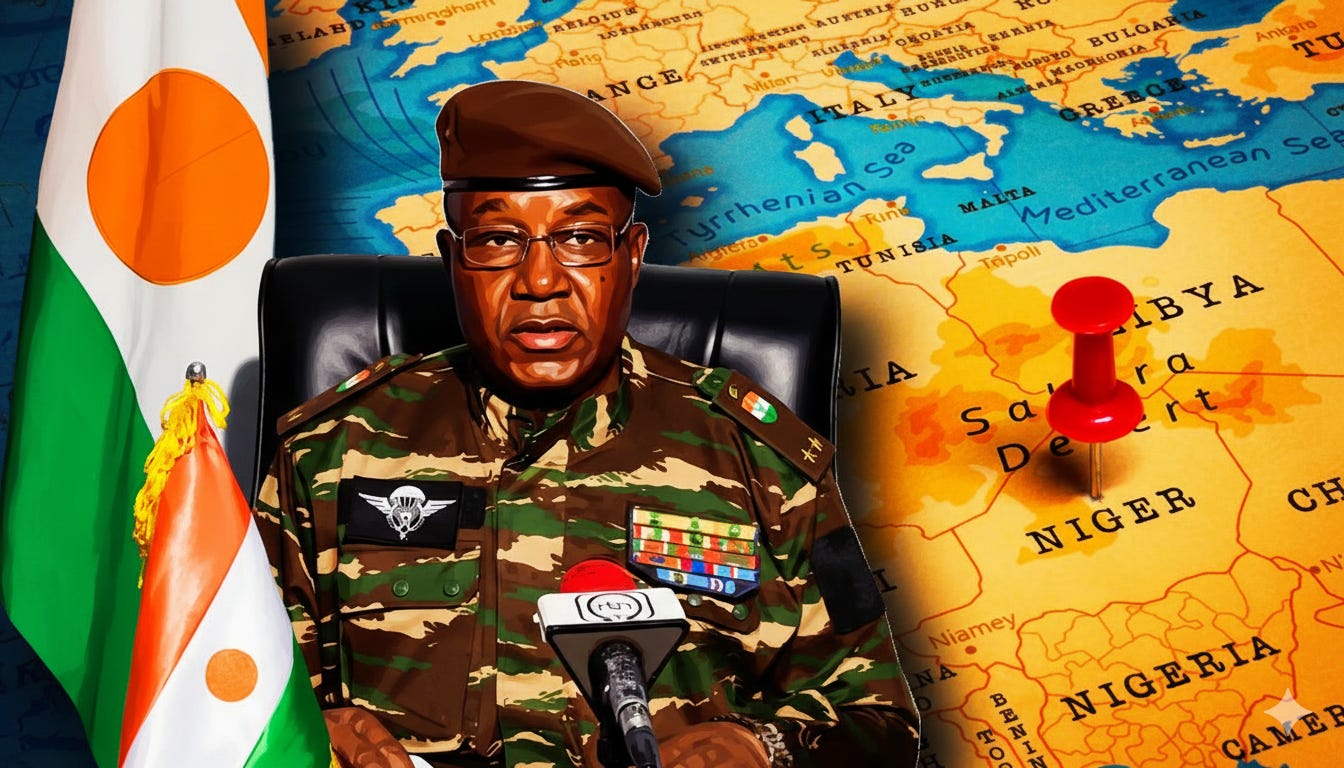
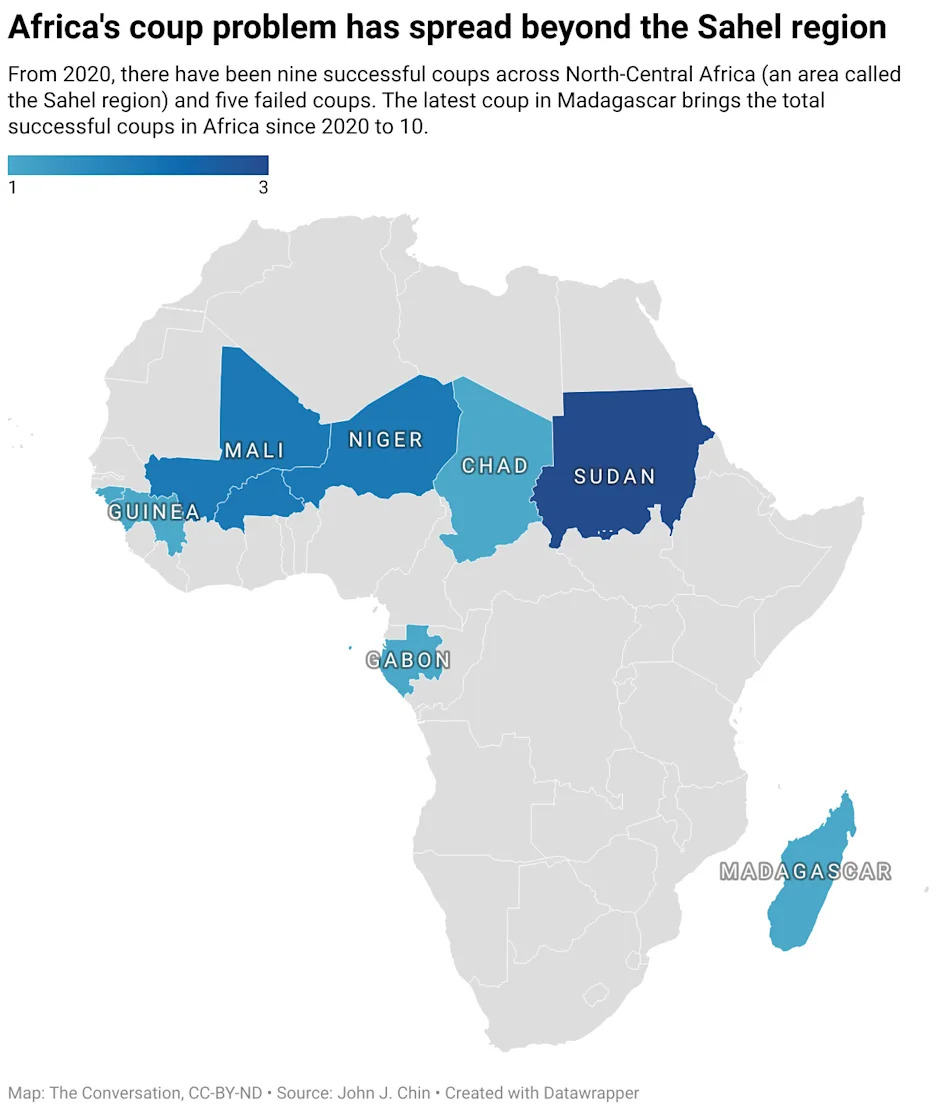
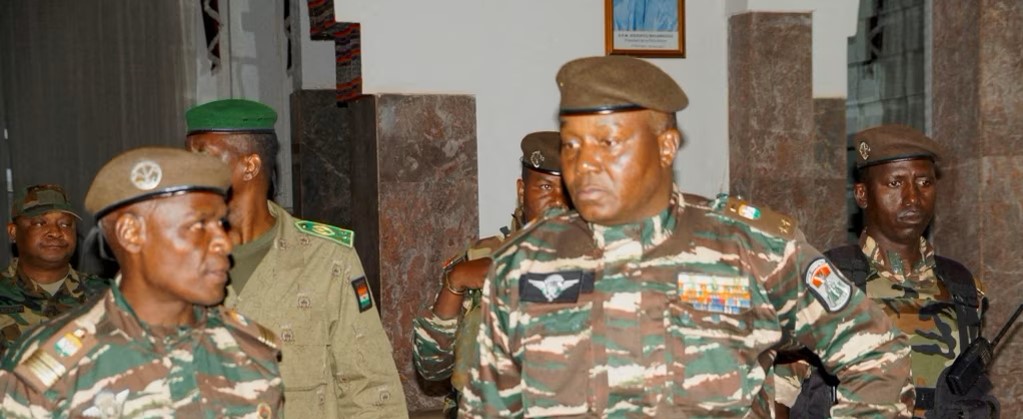
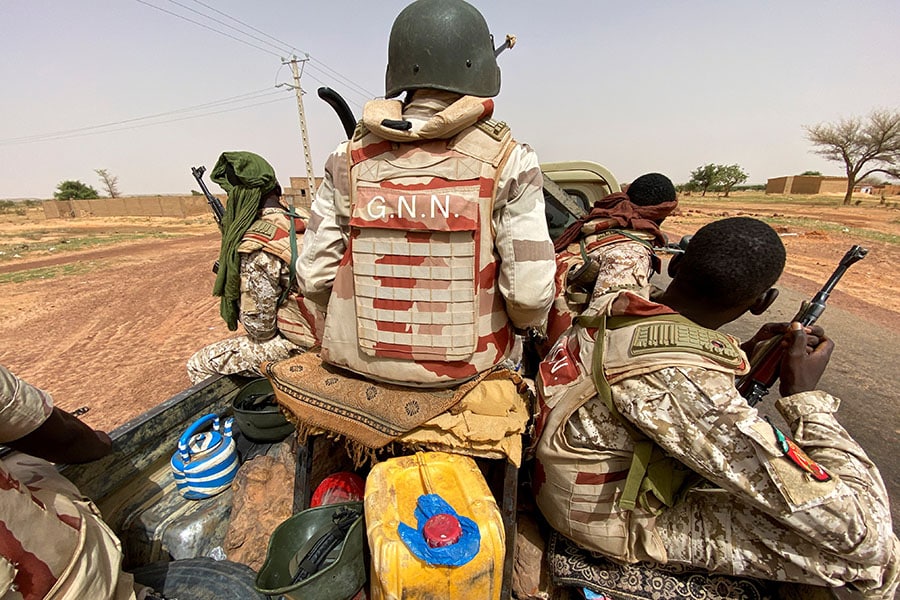
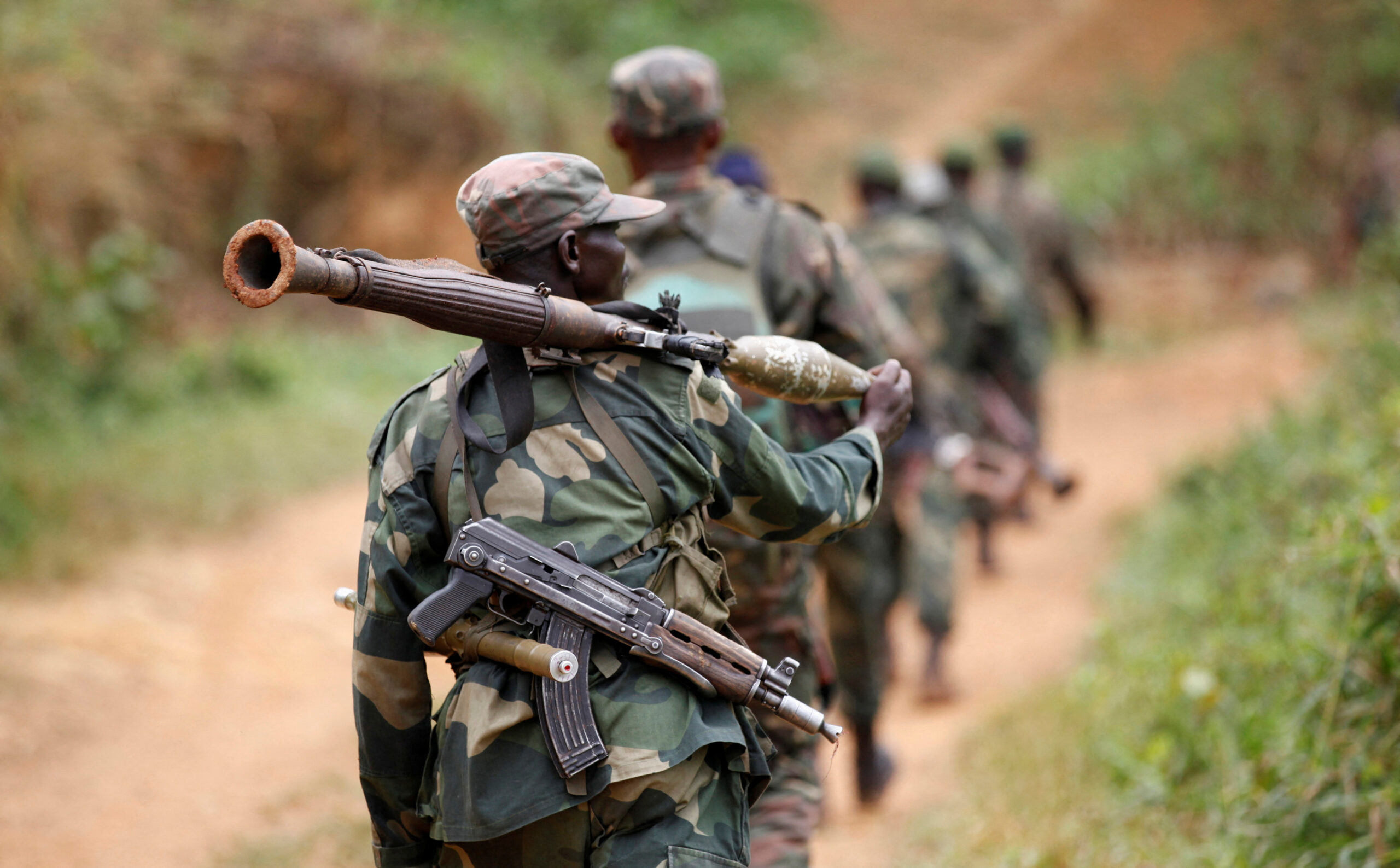
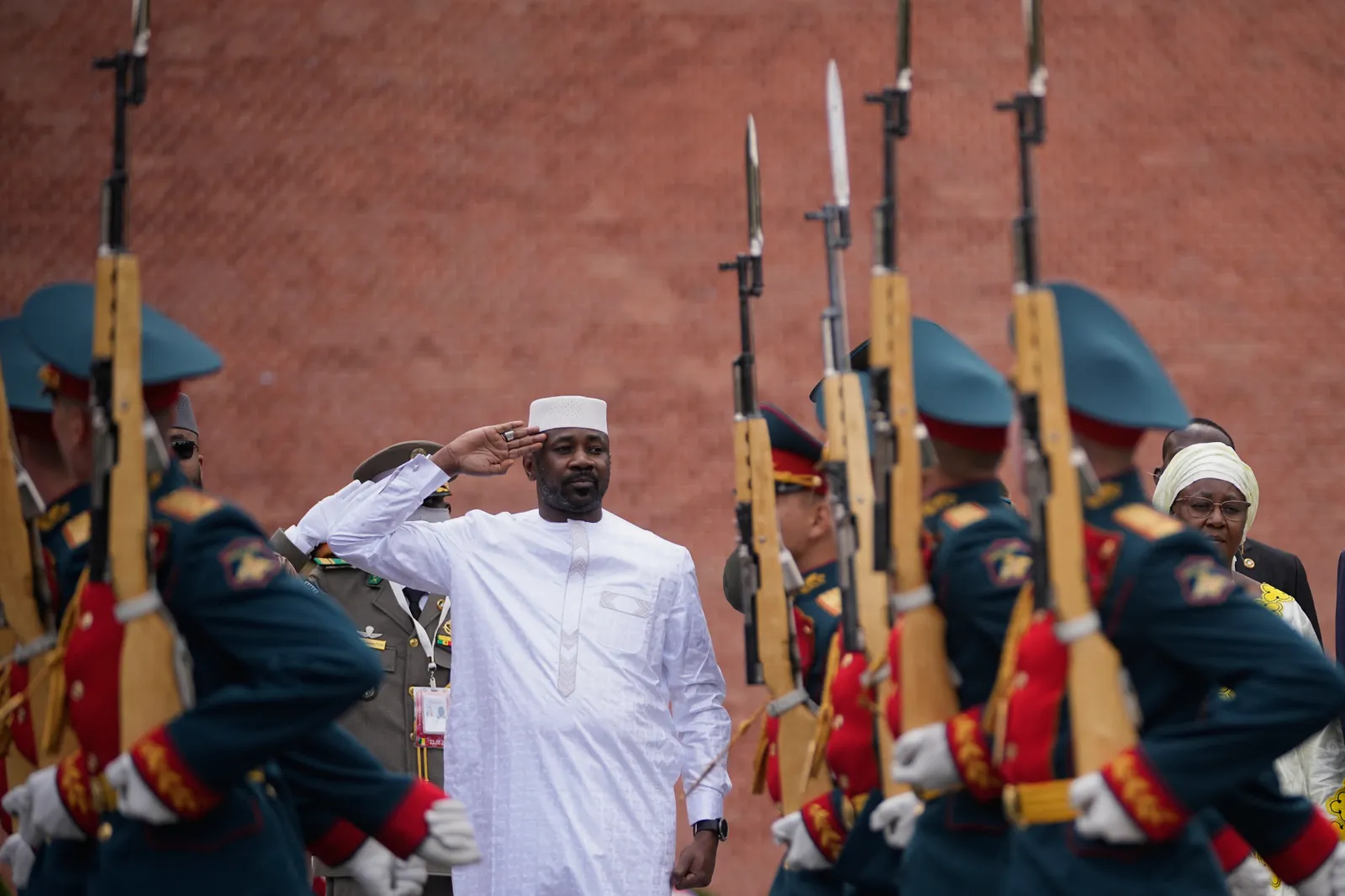
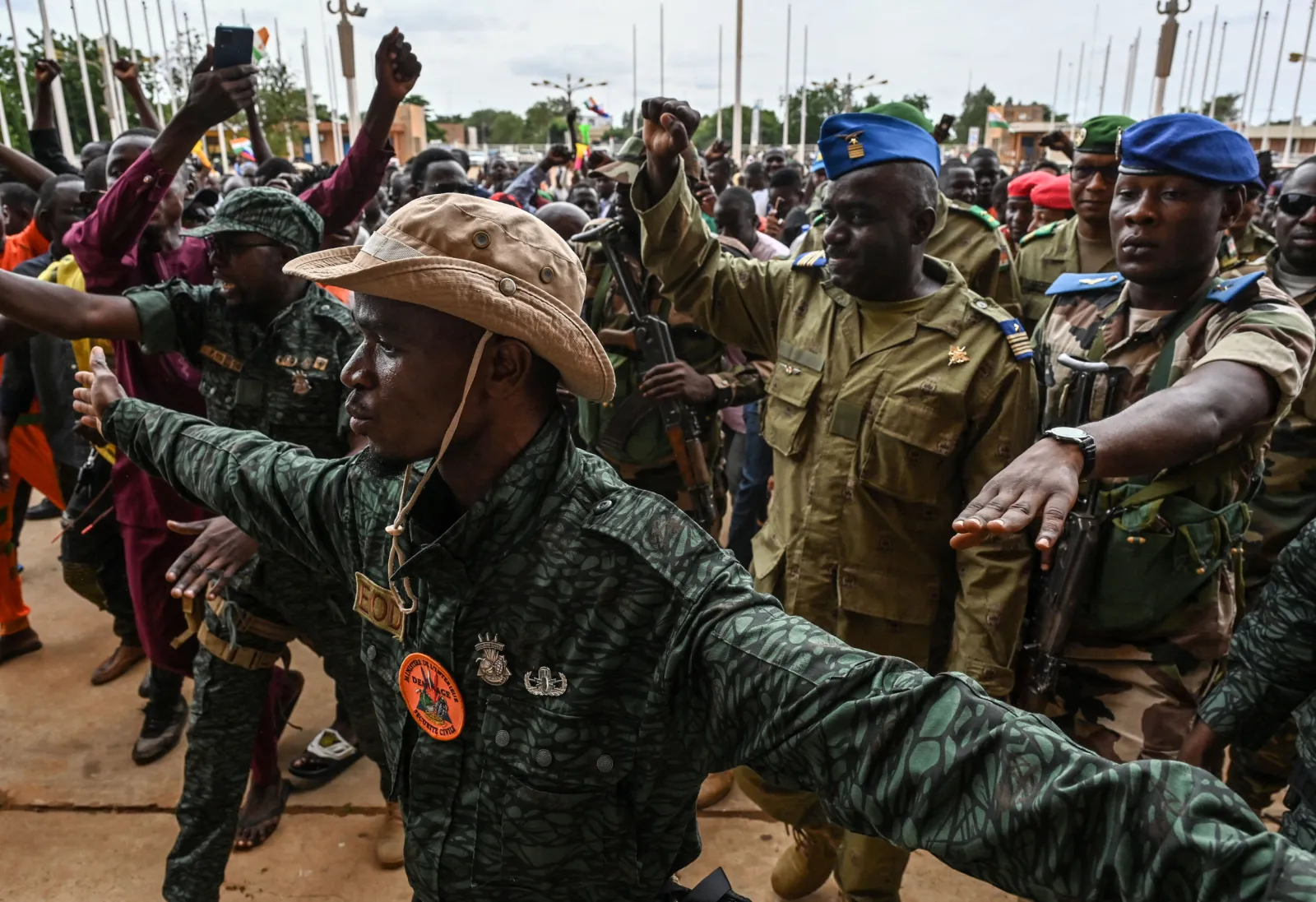
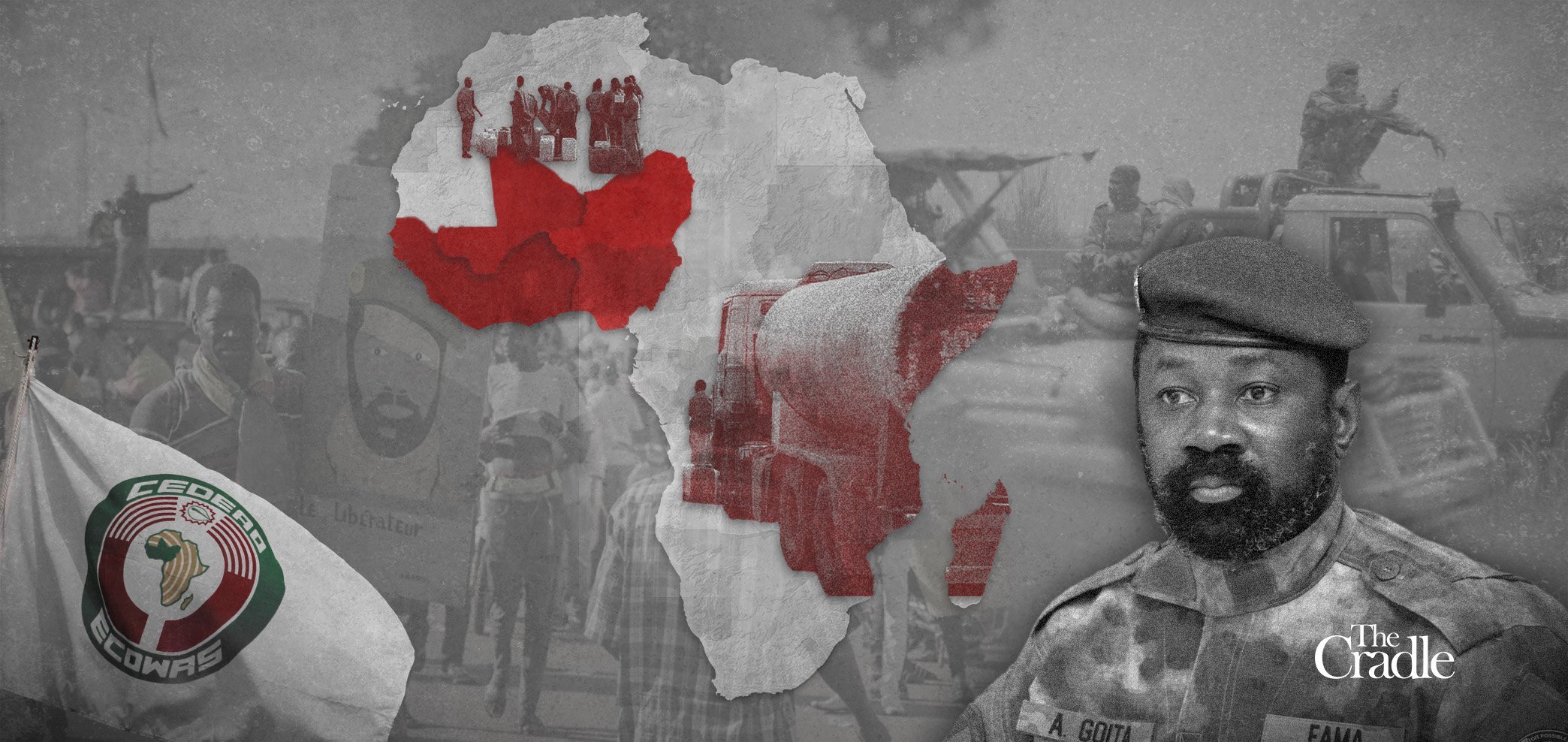
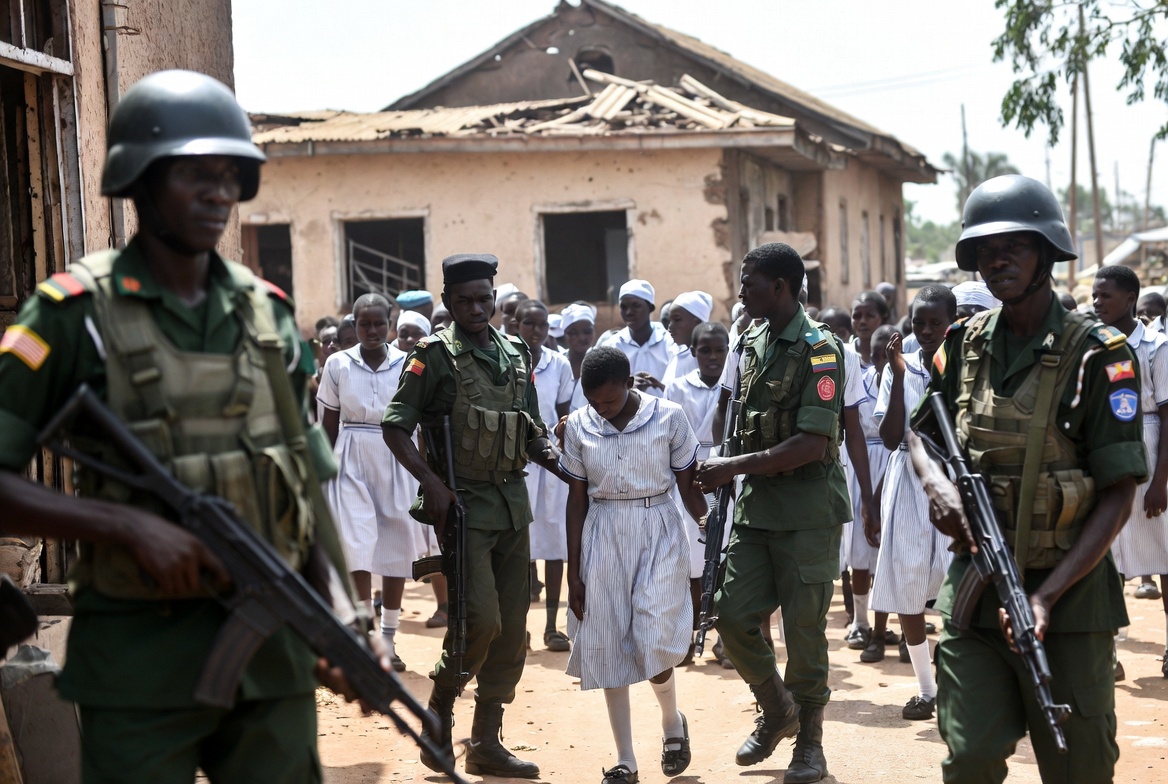
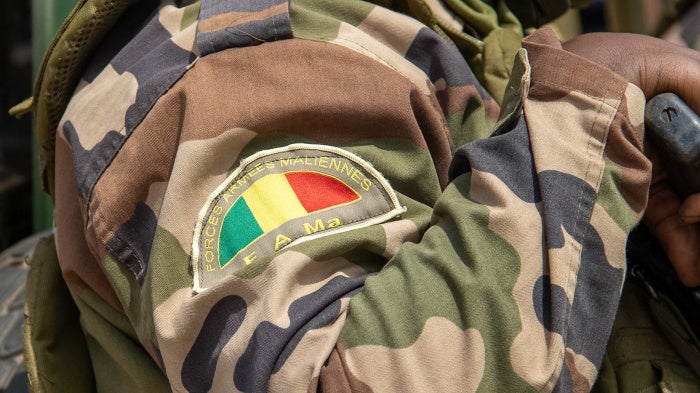
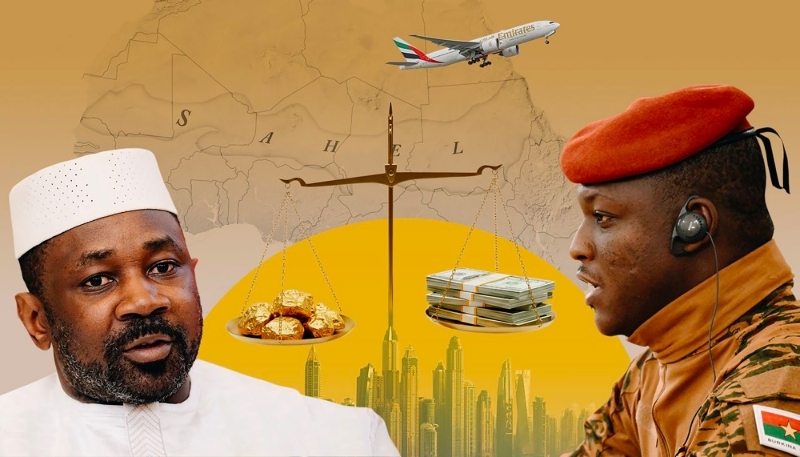
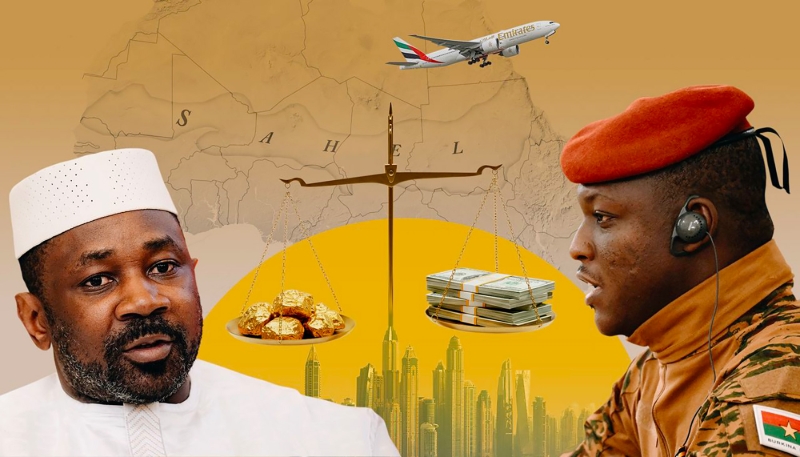
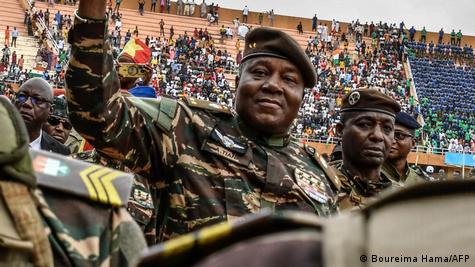
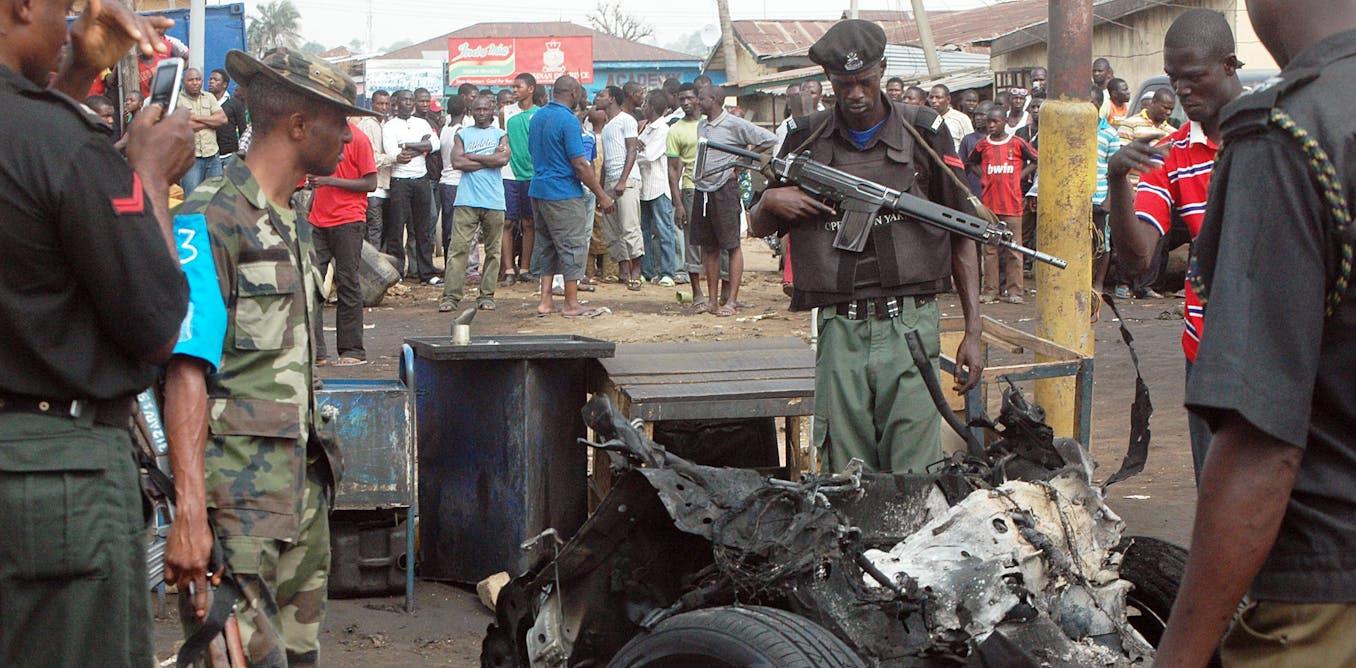
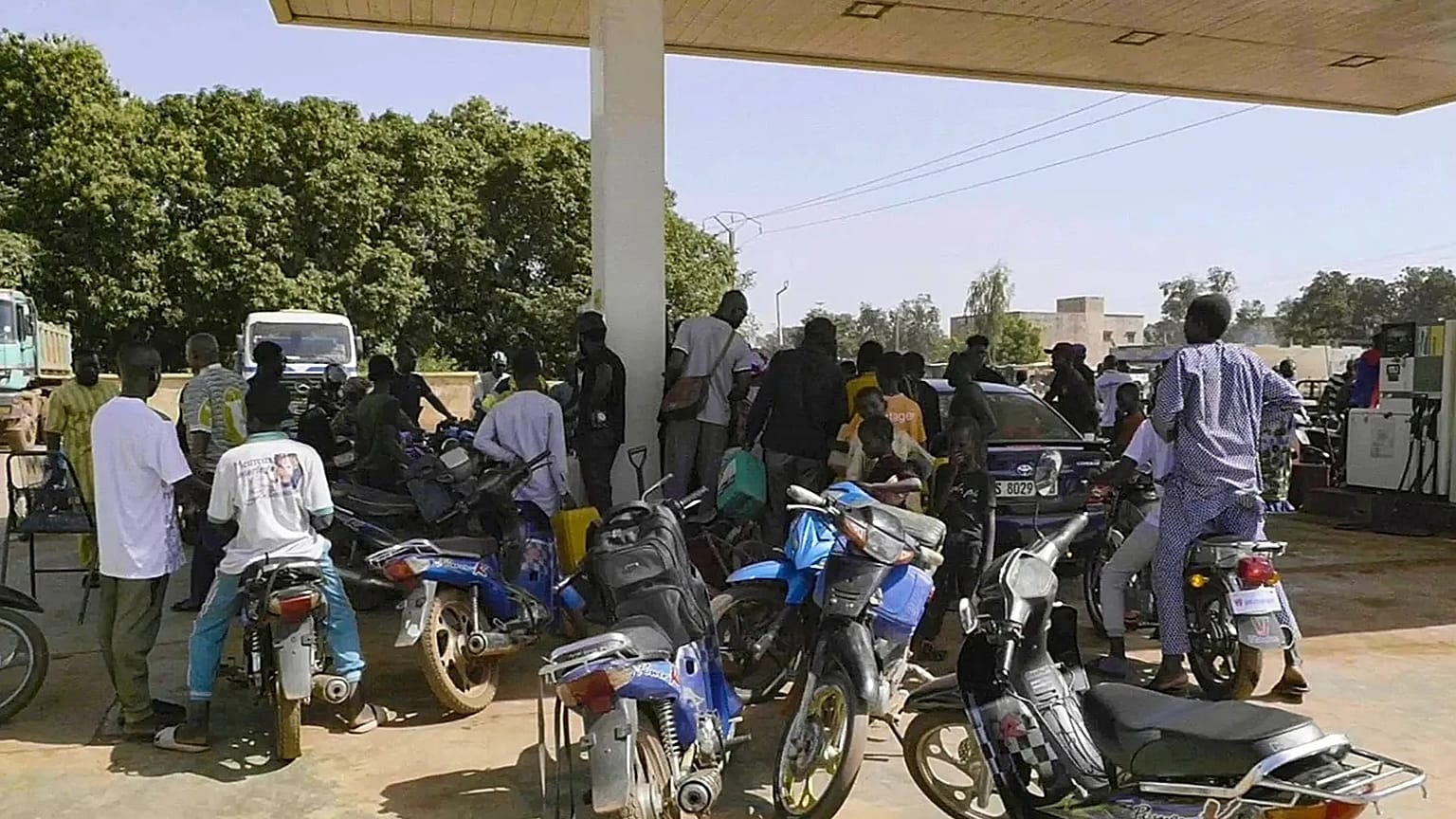
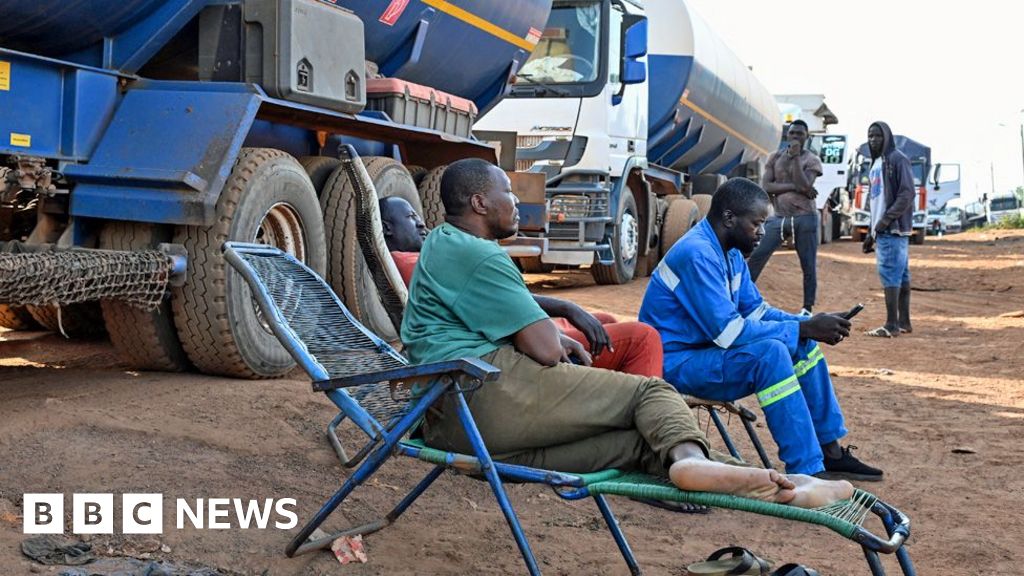
In a landmark display of regional solidarity, Burkina Faso has joined forces with Mali and Niger, launching a formidable 5,000-strong unified Sahelian force. This isn’t merely a show of strength; it’s a direct and critical response designed to tackle the militant groups, including dangerous factions linked to al-Qaeda, which have intensified their brutal attacks across the vulnerable tri-border area. These insurgents aren’t just targeting military installations; they’re actively disrupting everyday life and threatening the very fabric of the region’s economy. They’ve attacked fuel tankers and other essential infrastructure, severely impacting vital economic activities and jeopardizing the livelihoods of millions who depend on these supply chains. Leaders from these three nations are mounting coordinated efforts, determined to repulse the advances of these armed groups and ultimately restore much-needed stability to their respective countries. This alliance represents a pivotal step toward amplifying military cooperation and improving intelligence sharing in a region where porous borders and vast, often ungoverned spaces provide fertile ground for insurgent activity to flourish. However, the path ahead remains fraught with difficulties. Experts caution that relying solely on military power isn’t enough. Sustainable solutions must involve comprehensive socio-economic and political reforms aimed at addressing the root causes of instability, such as governance deficits and the economic marginalization that can make extremist ideologies appealing to disenfranchised populations. What’s more, ongoing dialogue and robust collaboration with international partners will be absolutely crucial to marshal the necessary resources and support for enduring peacebuilding initiatives, creating a more secure future for the Sahel.
Finding Unity and Hope on the Field and Beyond
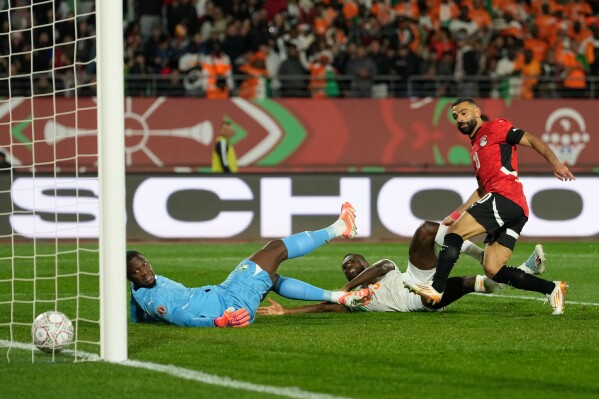
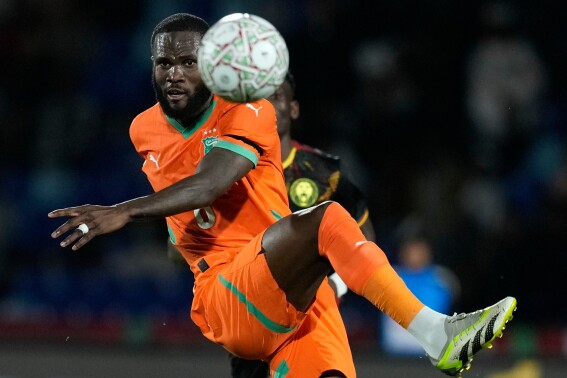
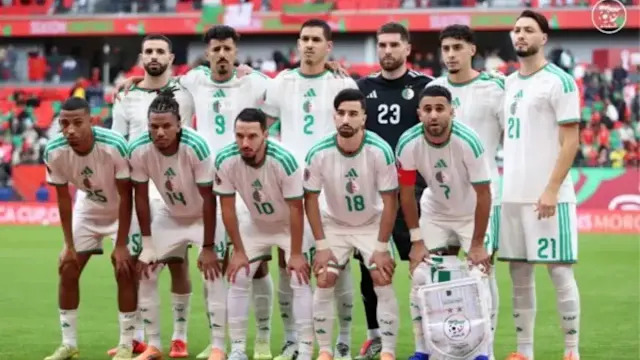
Amidst these weighty security and diplomatic challenges, a different kind of national spirit is emerging and unifying the populace: the exhilarating world of football. Burkina Faso’s national football team has been meticulously preparing to make its mark at the TotalEnergies CAF Africa Cup of Nations Morocco 2025 tournament. More than just a game, the team embodies national pride and offers a powerful beacon of hope, providing a positive narrative and a momentary, yet profound, respite from the daily difficulties caused by persistent insecurity and pressing economic challenges. The team’s participation significantly reinforces Burkina Faso’s image on the continental stage and provides its citizens with a collective cause for celebration, fostering a strong sense of national solidarity. As the country tackles the complexities of travel restrictions, formidable regional security threats, and its vibrant aspirations for sporting excellence, its future undoubtedly hinges on the delicate interplay between these diverse dynamics. The nation’s leadership and civil society must continue their vital work of fostering internal cohesion while simultaneously strengthening external partnerships. The unified Sahel force initiative, for example, offers a tangible blueprint for regional solidarity. Yet, its ultimate success depends on sustained commitment and inclusive governance that genuinely addresses socio-political grievances across the board. The national football team’s performance will surely inspire greater unity and optimism among the populace, serving as a powerful reminder of Burkina Faso’s rich potential that extends far beyond current hardships. Together, these elements paint a vivid picture of a nation at a critical crossroads, facing daunting tests but also demonstrating an unwavering capacity to leverage cooperation, resilience, and its inherent talent to carve a more hopeful and prosperous path forward. This is a story of a nation determined to build resilience and strategic vision.