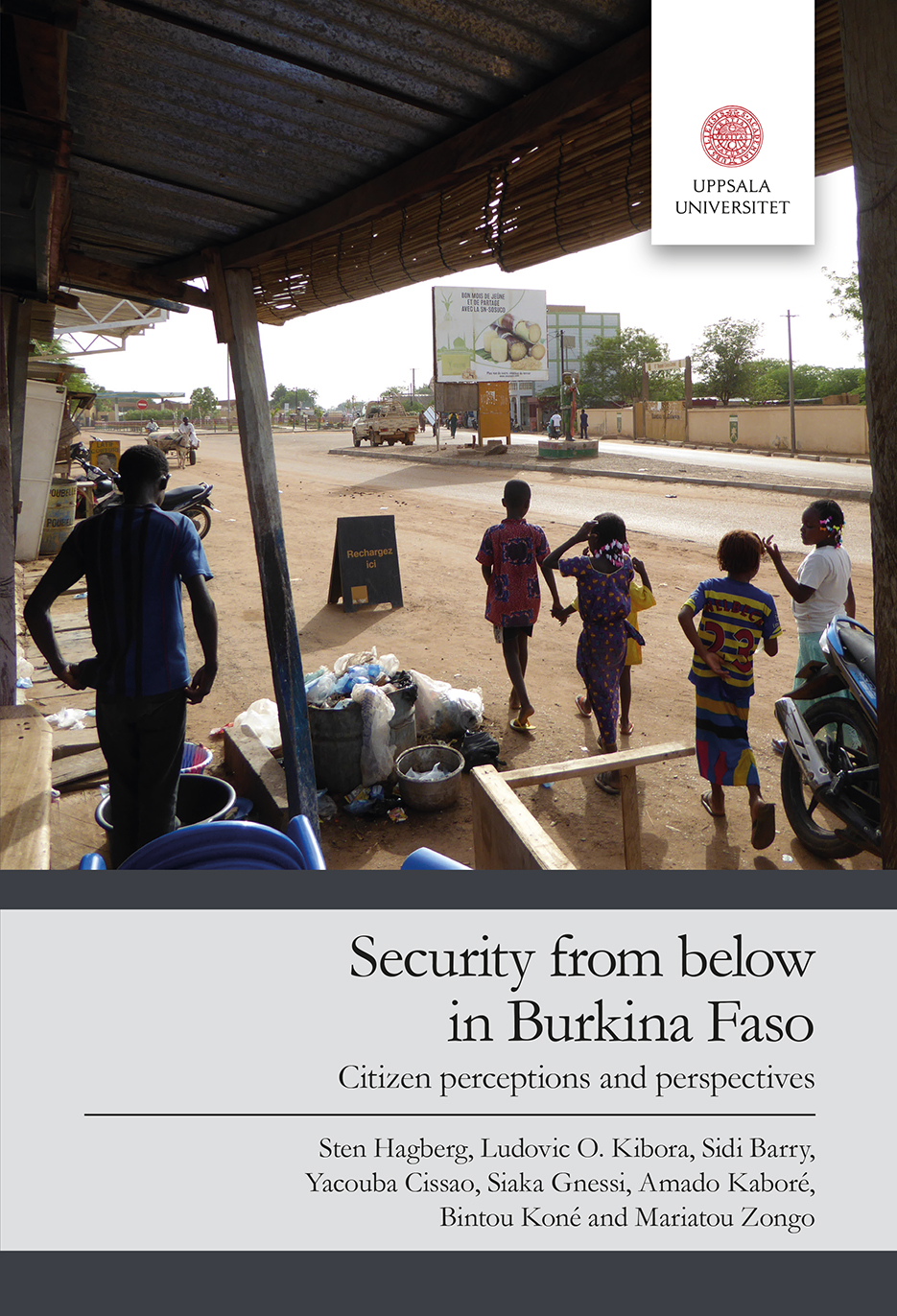
Burkina Faso Navigates a Tightrope: Security, Politics, and Hope in the Sahel
Burkina Faso, a nation at the heart of West Africa, is currently navigating an incredibly complex period. It’s wrestling with a tough mix of escalating security challenges and deep political uncertainty. Over recent years, the country has seen a troubling surge in violent extremist attacks and insurgencies. This has significantly destabilized its social fabric and government, leaving many wondering: what’s next for this vibrant nation? While the government and international partners are striving to bring back stability, the path ahead isn’t easy. It demands truly coordinated efforts and sharp strategic thinking.
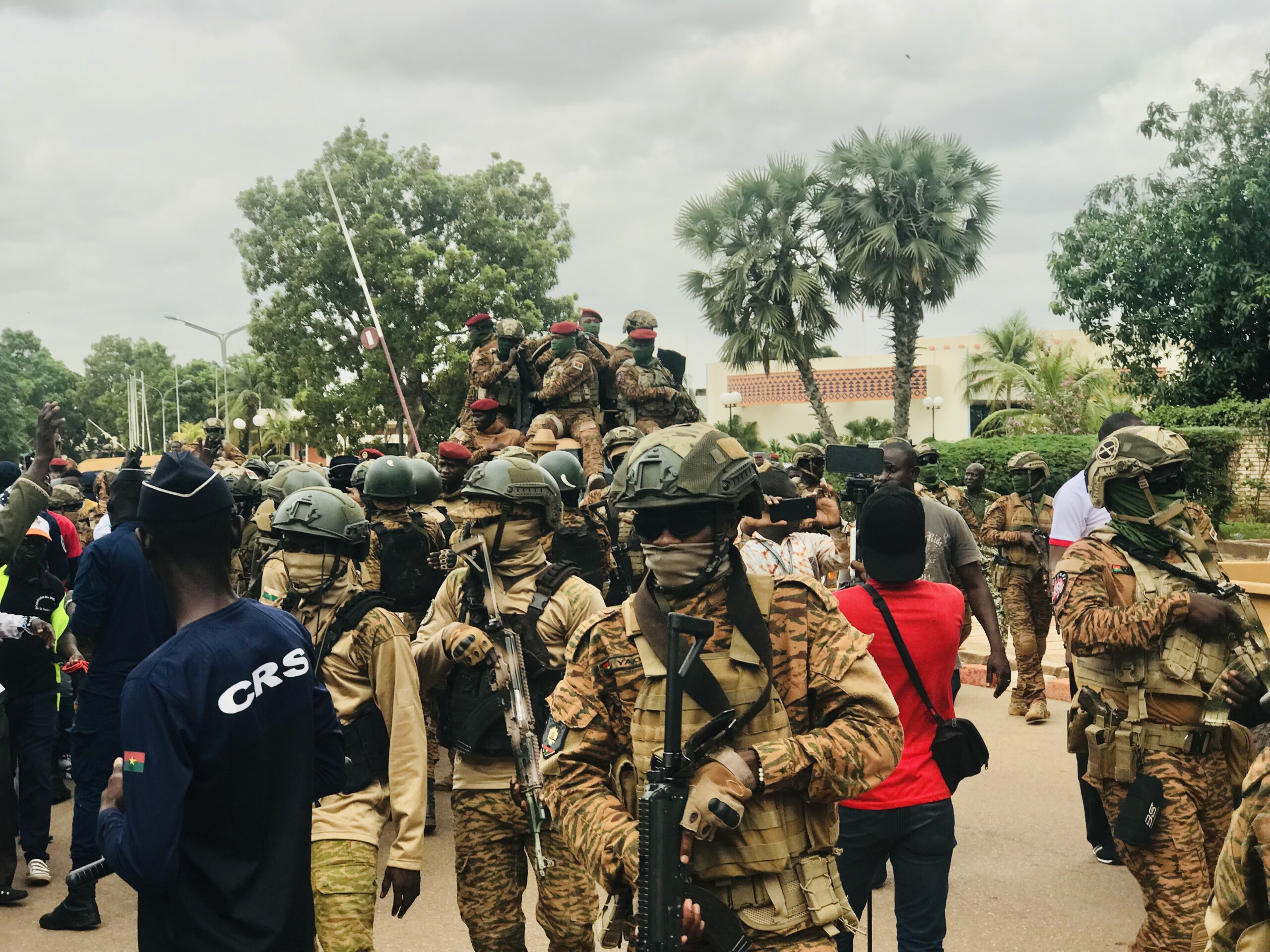
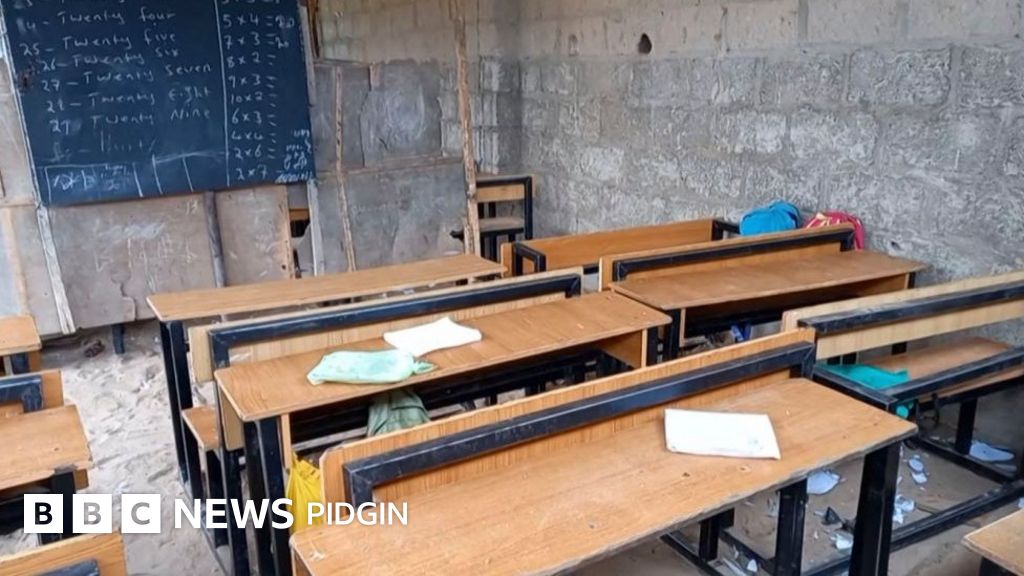
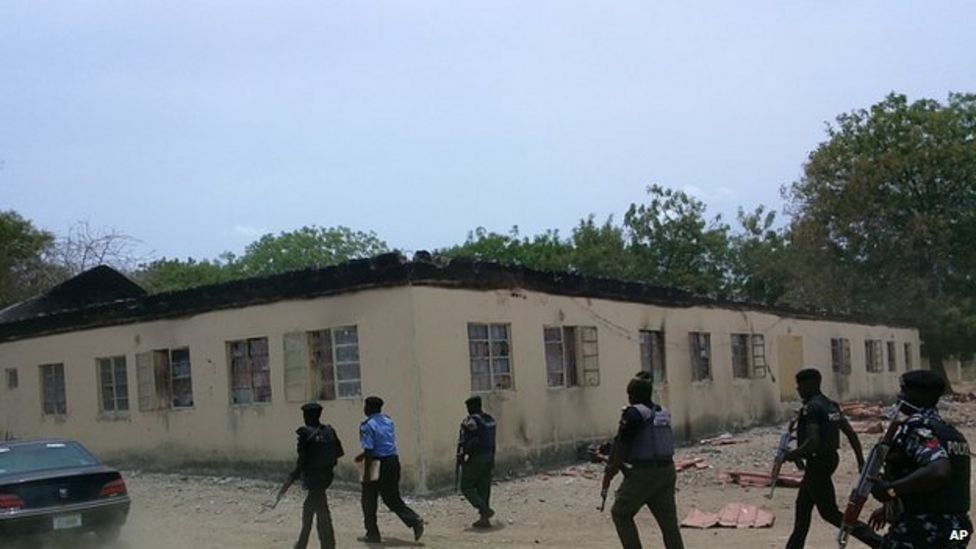
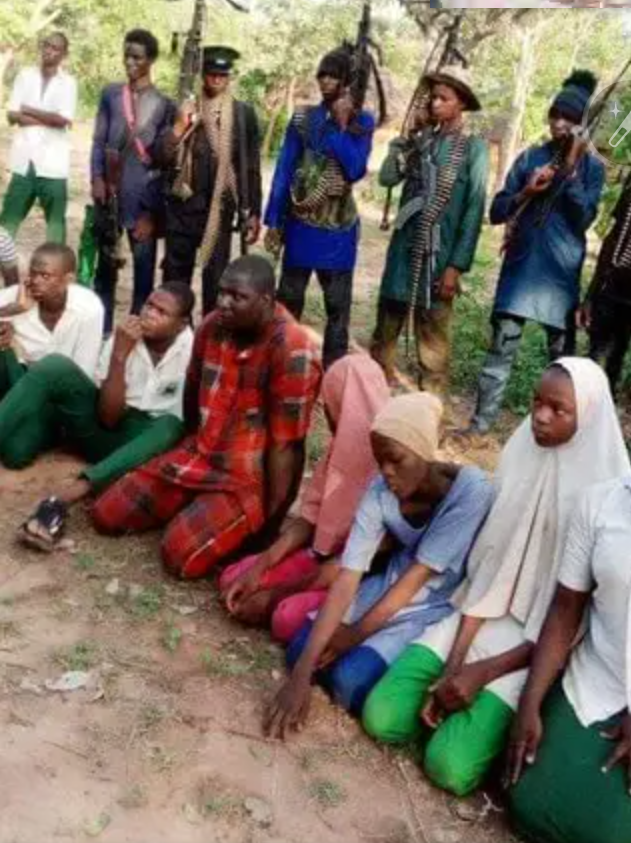
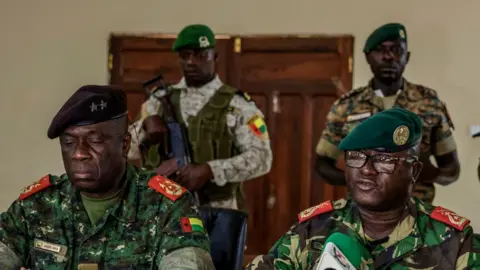
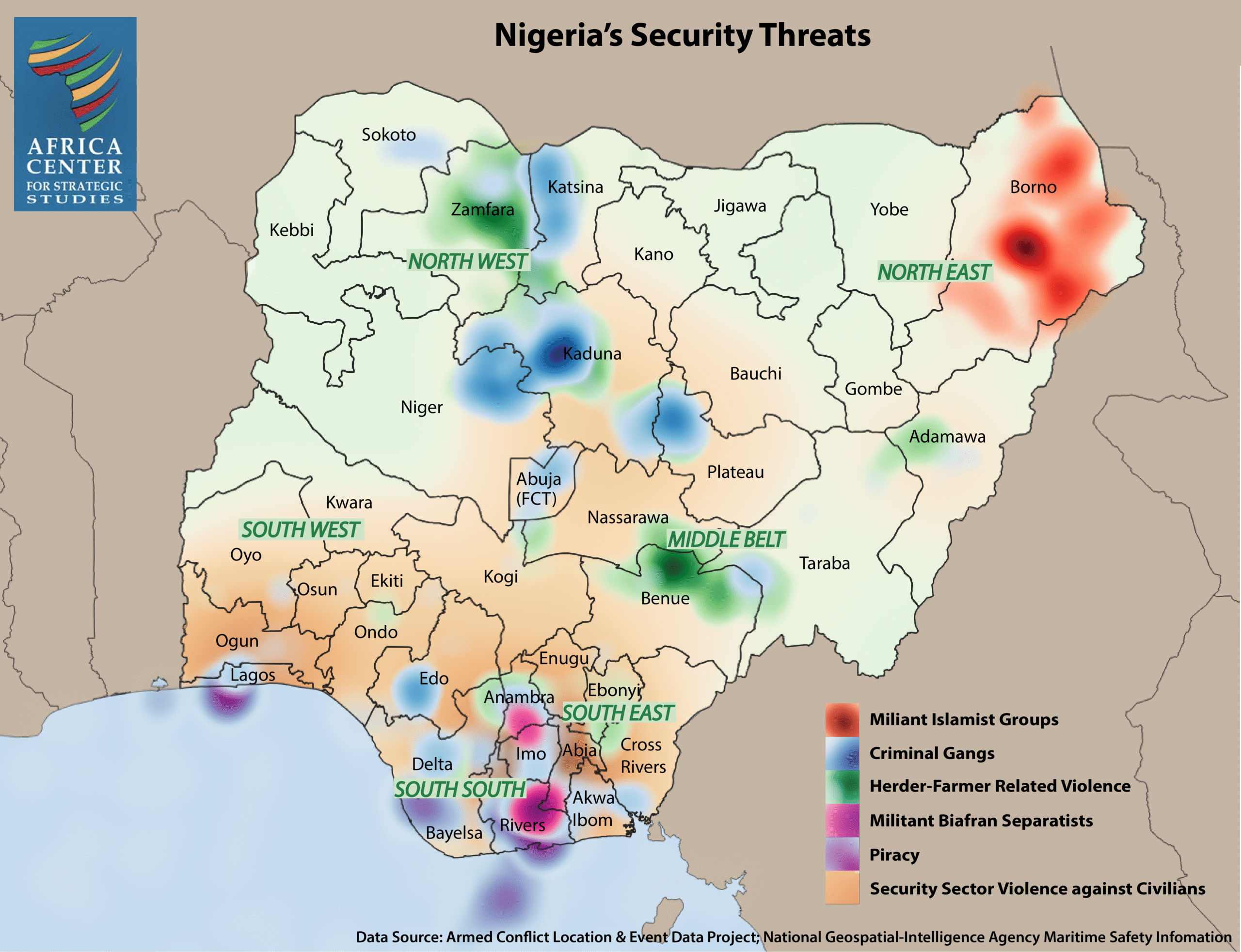
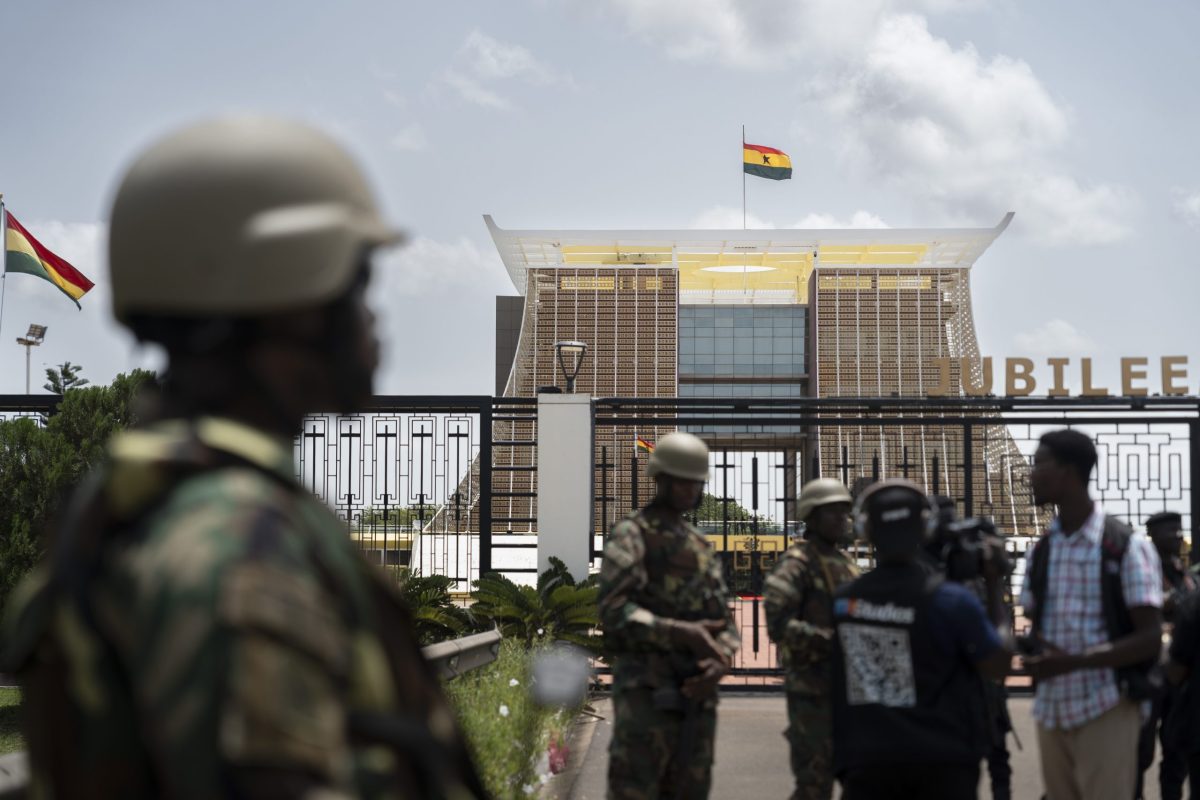
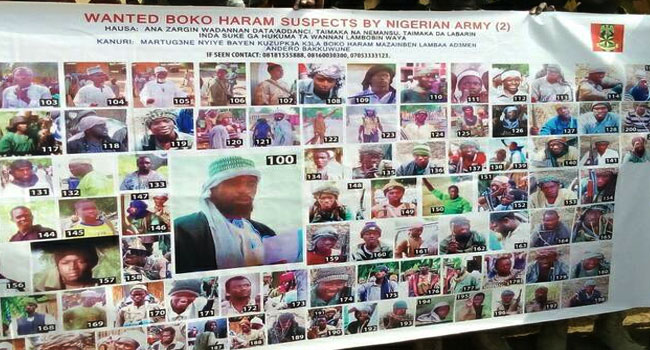
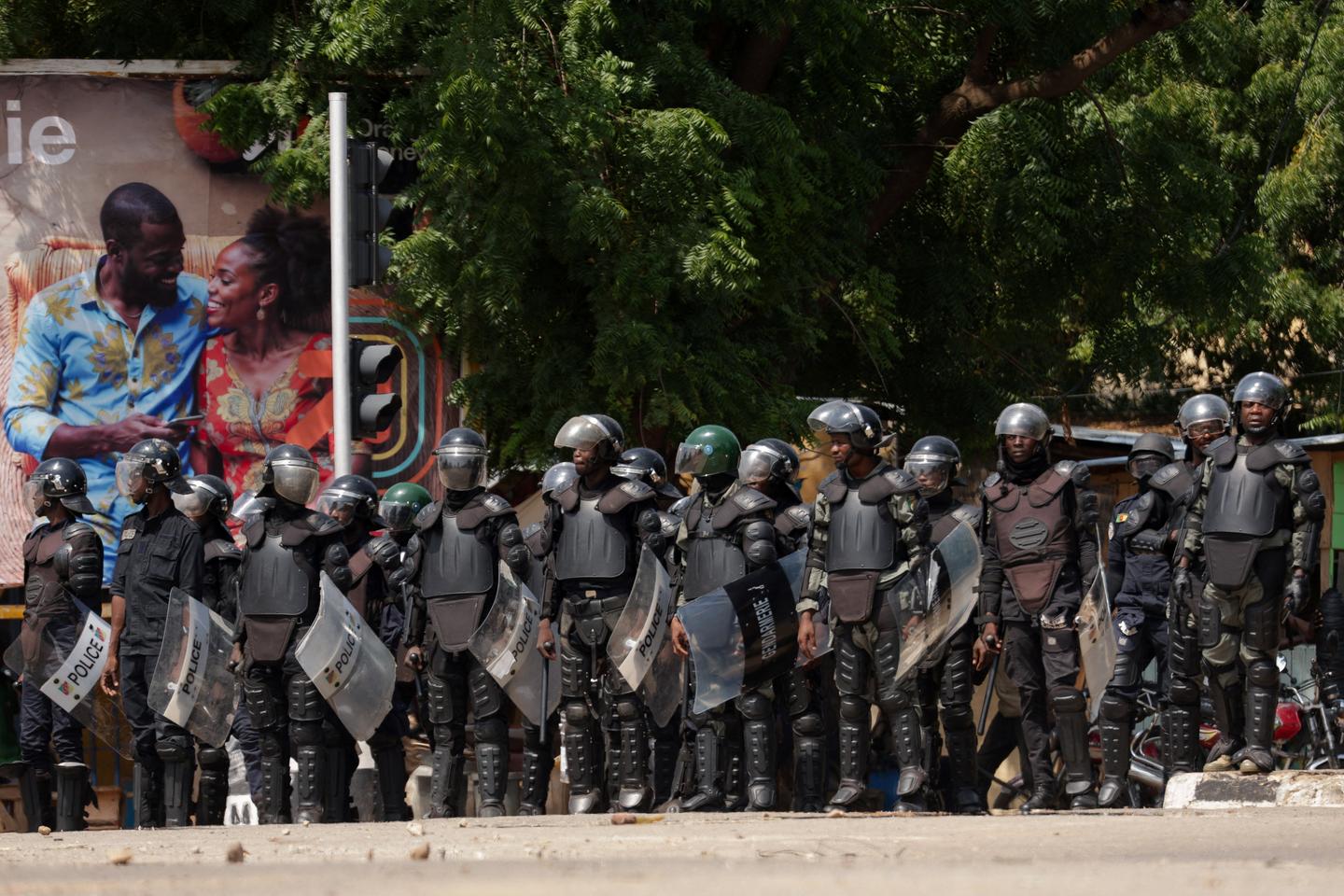
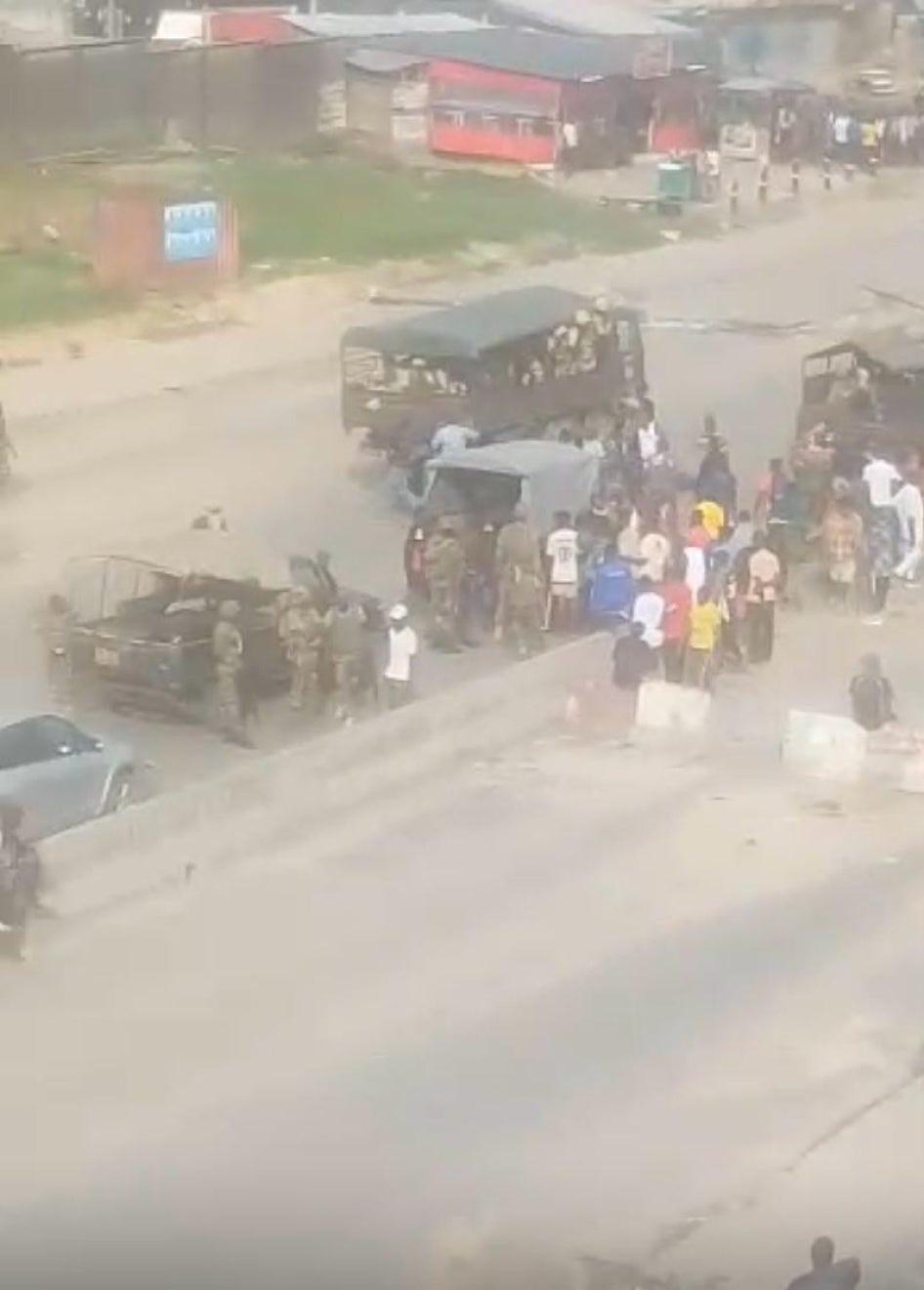
One of the most pressing issues we’re seeing is the explosion of jihadist violence across Burkina Faso’s northern and eastern regions. Armed groups, often linked to Al-Qaeda and the Islamic State, have taken advantage of porous borders and local frustrations. They’re launching deadly raids on villages, sabotaging essential infrastructure, and forcing hundreds of thousands to flee their homes. This isn’t just eroding security; it’s crippling agricultural production and pushing humanitarian needs to critical levels as families desperately escape conflict zones. Towns that were once peaceful have become brutal flashpoints, with civilians caught in the crossfire or targeted directly. In response, the Burkina Faso military, backed by regional forces like the G5 Sahel coalition, has stepped up its counterterrorism operations, aiming to reclaim territory and protect communities. However, these efforts haven’t had consistent success. Logistical hurdles, challenging terrain, and the insurgents’ hit-and-run tactics certainly don’t make it easy. We’ve also heard allegations of human rights abuses by security forces, which complicates efforts to win hearts and minds, undermining public trust in a critical time. Politically, things are just as complicated. A military coup earlier this year shook up the democratic process, with the Transitional Government pledging to restore civilian rule. Yet, there’s a lot of skepticism about their commitment and timeline. Political opponents, civil society groups, and international observers are all watching this political transition closely, particularly amidst such widespread insecurity. The new leadership has to delicately balance immediate security imperatives with bigger goals of governance reform and national reconciliation. Amidst all this turmoil, Burkina Faso’s economy is suffering. Instability makes market access tough, deters investment, and forces the government to divert precious resources to security spending. This economic strain fuels public discontent and complicates humanitarian responses, with food insecurity risks potentially escalating in affected regions.
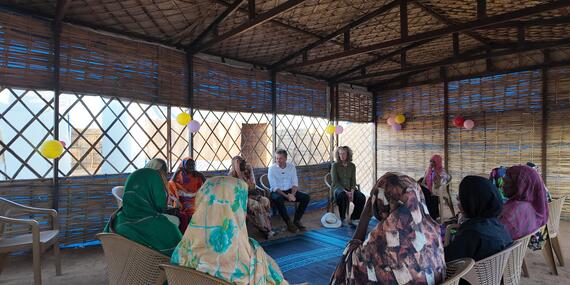
Thankfully, international partners are still playing vital roles. France, for instance, has reduced its military footprint but remains involved through training and intelligence sharing. Meanwhile, the United Nations and other humanitarian agencies are delivering crucial aid, including food, healthcare, and shelter, to displaced populations. Regional bodies like the African Union and ECOWAS are actively mediating political dialogue and supporting peacebuilding initiatives. Despite these daunting challenges, we’re seeing glimmers of resilience and hope. Local communities have formed self-defense groups, a powerful sign of grassroots commitment to their own security. Ongoing peace talks and community dialogues suggest an openness to resolution, even as violence persists. The Transitional Government has also highlighted plans for security sector reform and socio-economic development, aiming to address the very root causes of this instability. Looking ahead, Burkina Faso’s journey will largely hinge on how effectively it can integrate its security, political, and development strategies. Success won’t just come from military muscle; it demands inclusive governance, genuine respect for human rights, and sustainable economic policies that truly uplift vulnerable populations. The international community’s continued partnership, thoughtfully tailored to Burkina Faso’s unique context, will be essential for building a lasting peace. As the country navigates this precarious moment, its story shines a light on broader regional struggles with extremism and governance across the Sahel. Burkina Faso’s experience underscores the urgent need for multifaceted approaches, combining strong state capacity building, deep community engagement, and robust regional cooperation. In the coming months, all eyes will certainly be on Burkina Faso’s leadership and its people. Can they steer through this turmoil toward stability and prosperity? If they succeed, this nation could become a powerful blueprint for resilience in an era of rising security threats and political challenges right here in Africa.
Sources
- “Burkina Faso Faces Rising Jihadist Insurgency Amid Political Unrest,” Al Jazeera, 2024
- “The Security Crisis in Burkina Faso: Causes and Responses,” International Crisis Group, March 2024
- “Burkina Faso’s Political Transition: Challenges and Prospects,” African Union Report, April 2024
- “Humanitarian Impact of Conflict in Burkina Faso,” United Nations OCHA, 2024
- “Regional Efforts Against Jihadism in the Sahel,” ECOWAS Communiqué, June 2024