Burkina Faso Frees Nigerian Air Force Crew and Highlights Agricultural Focus Amid Regional Challenges
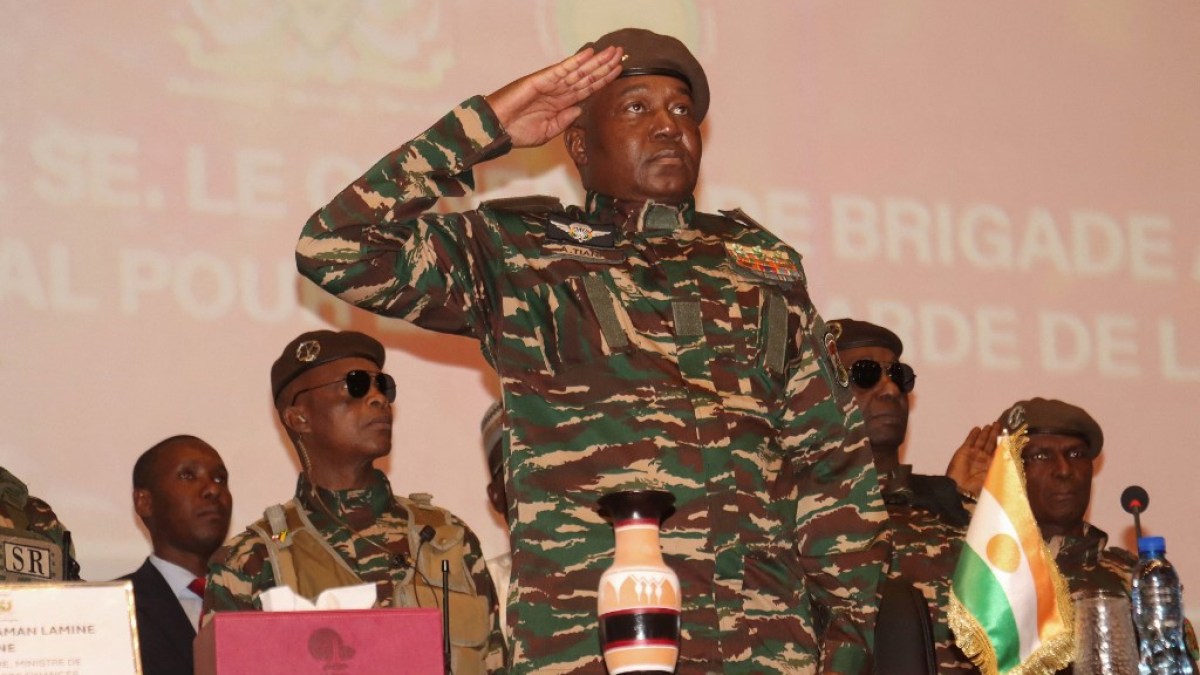
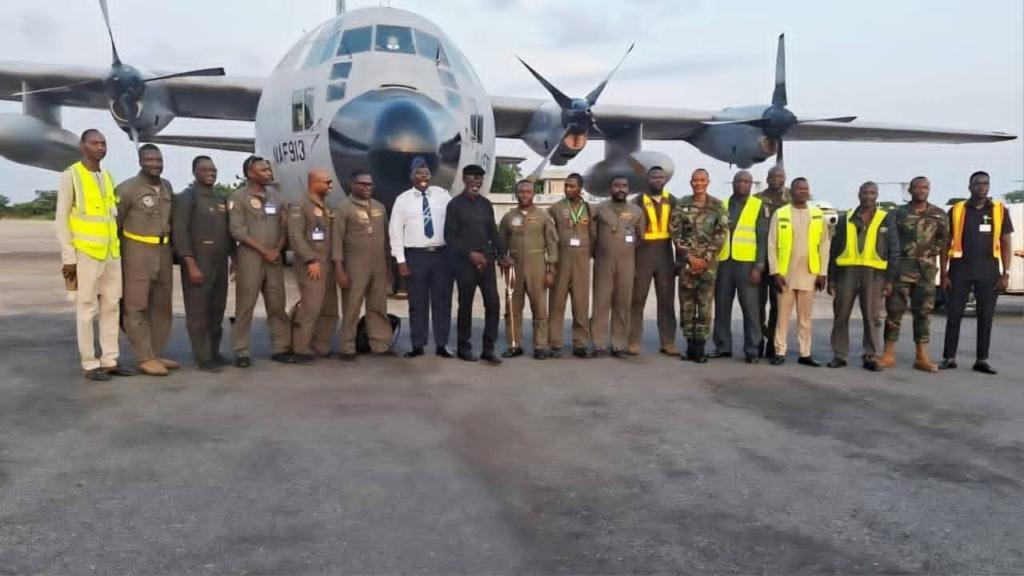
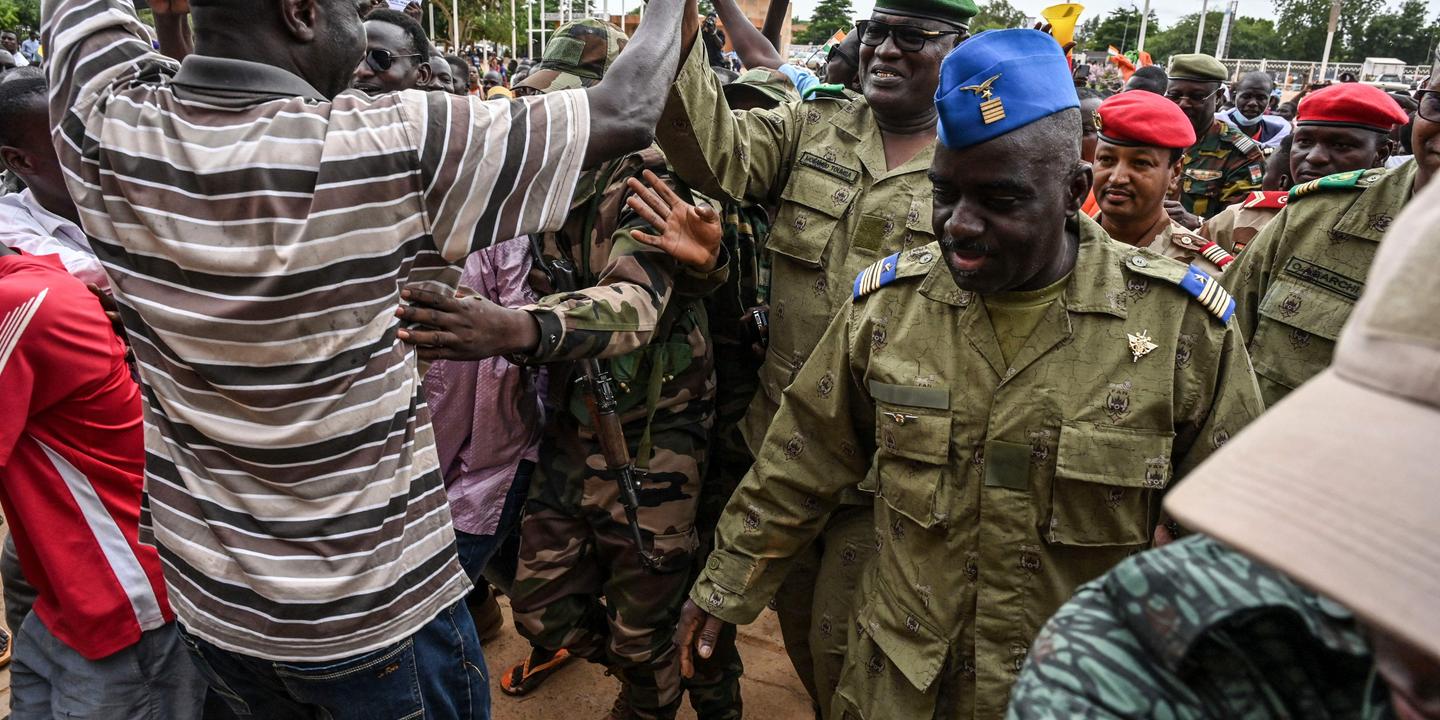
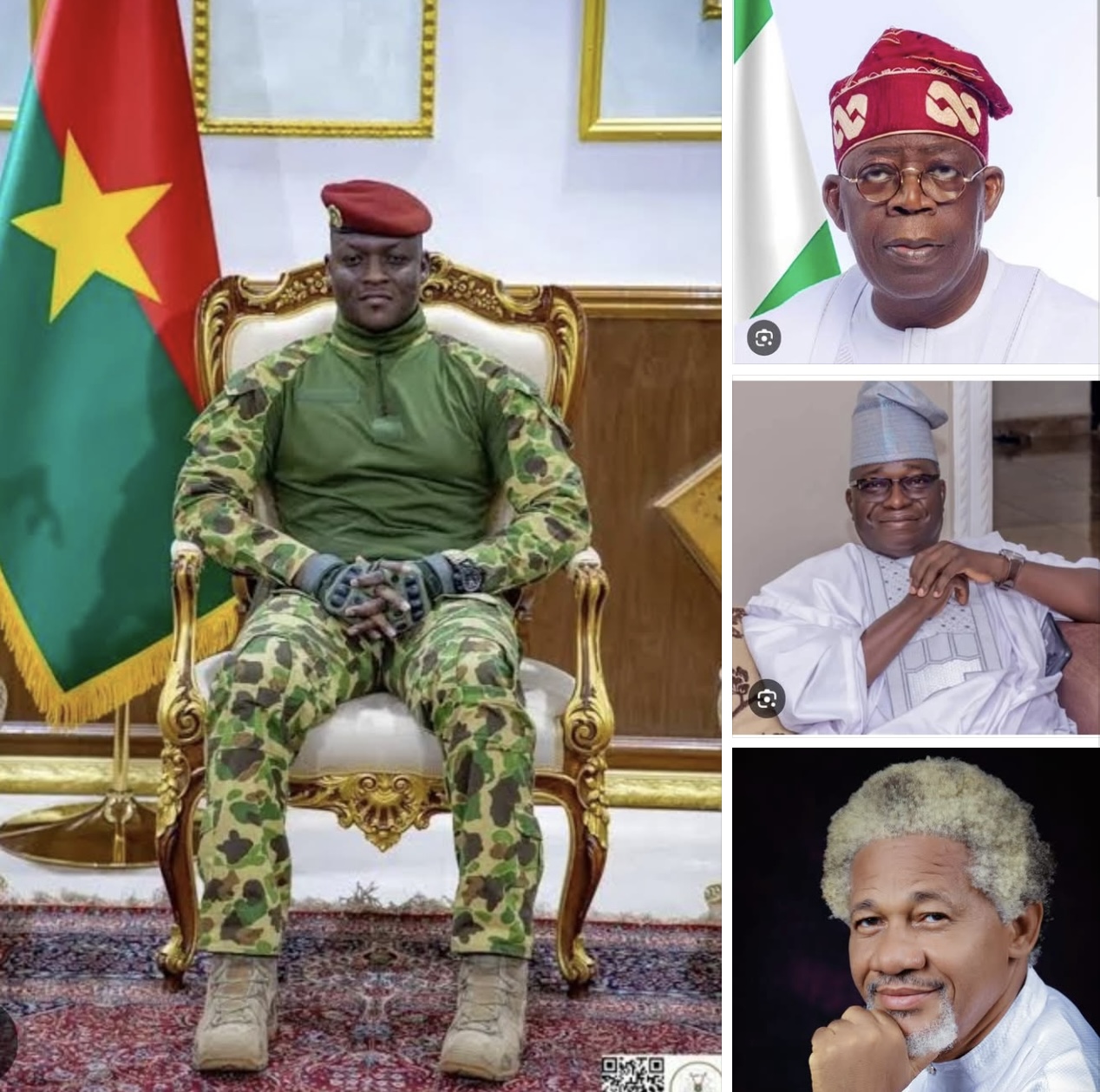
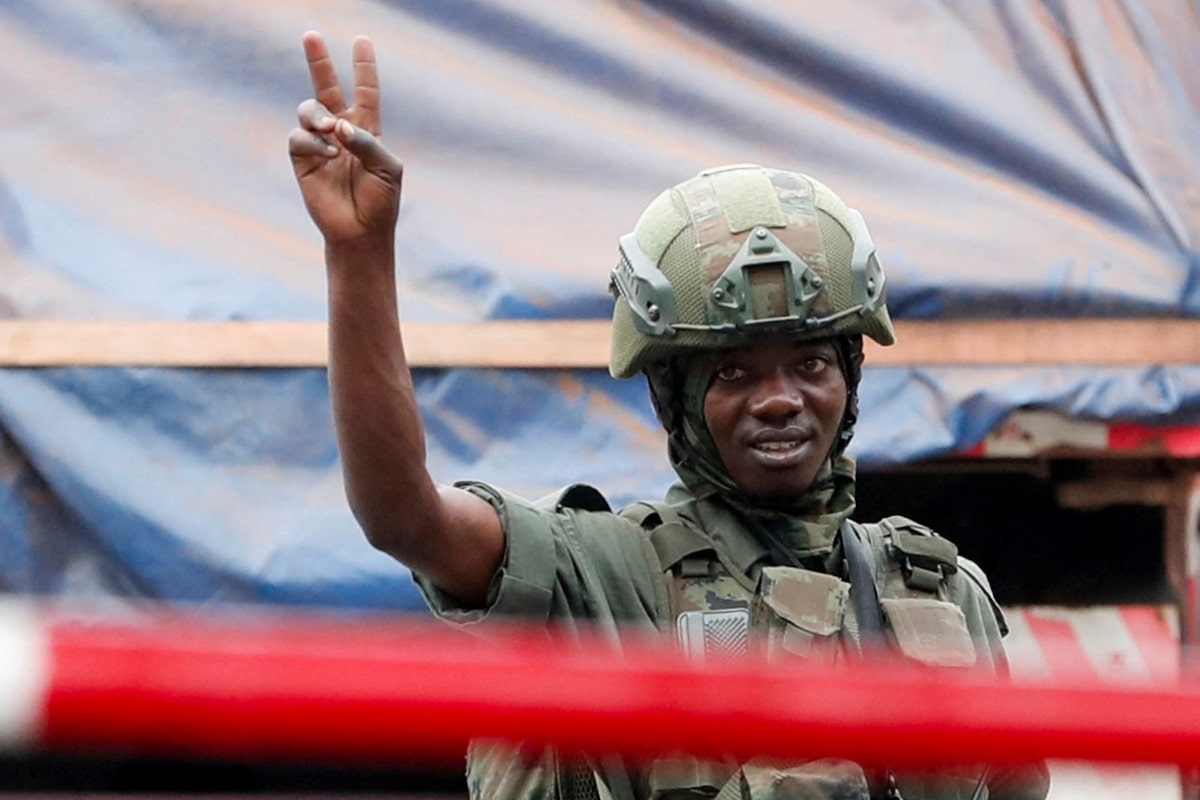
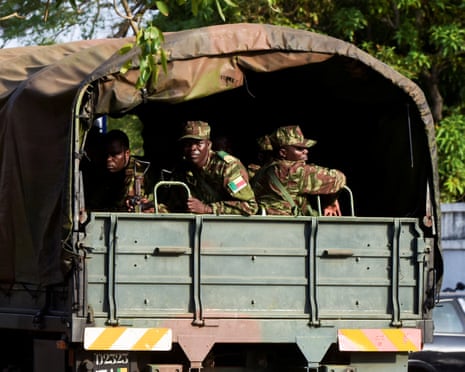
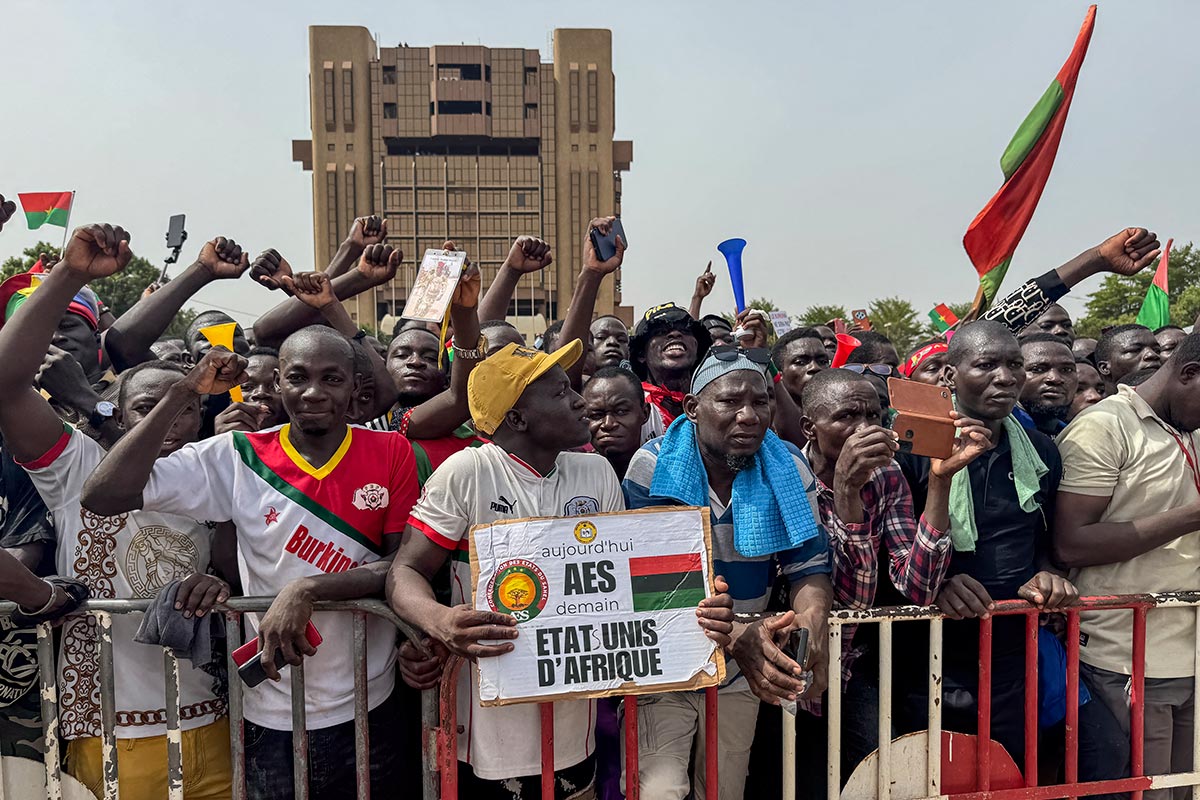
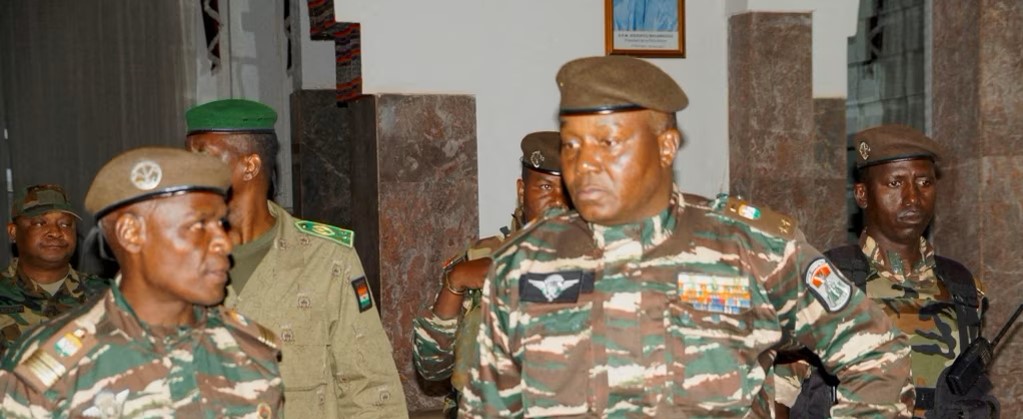
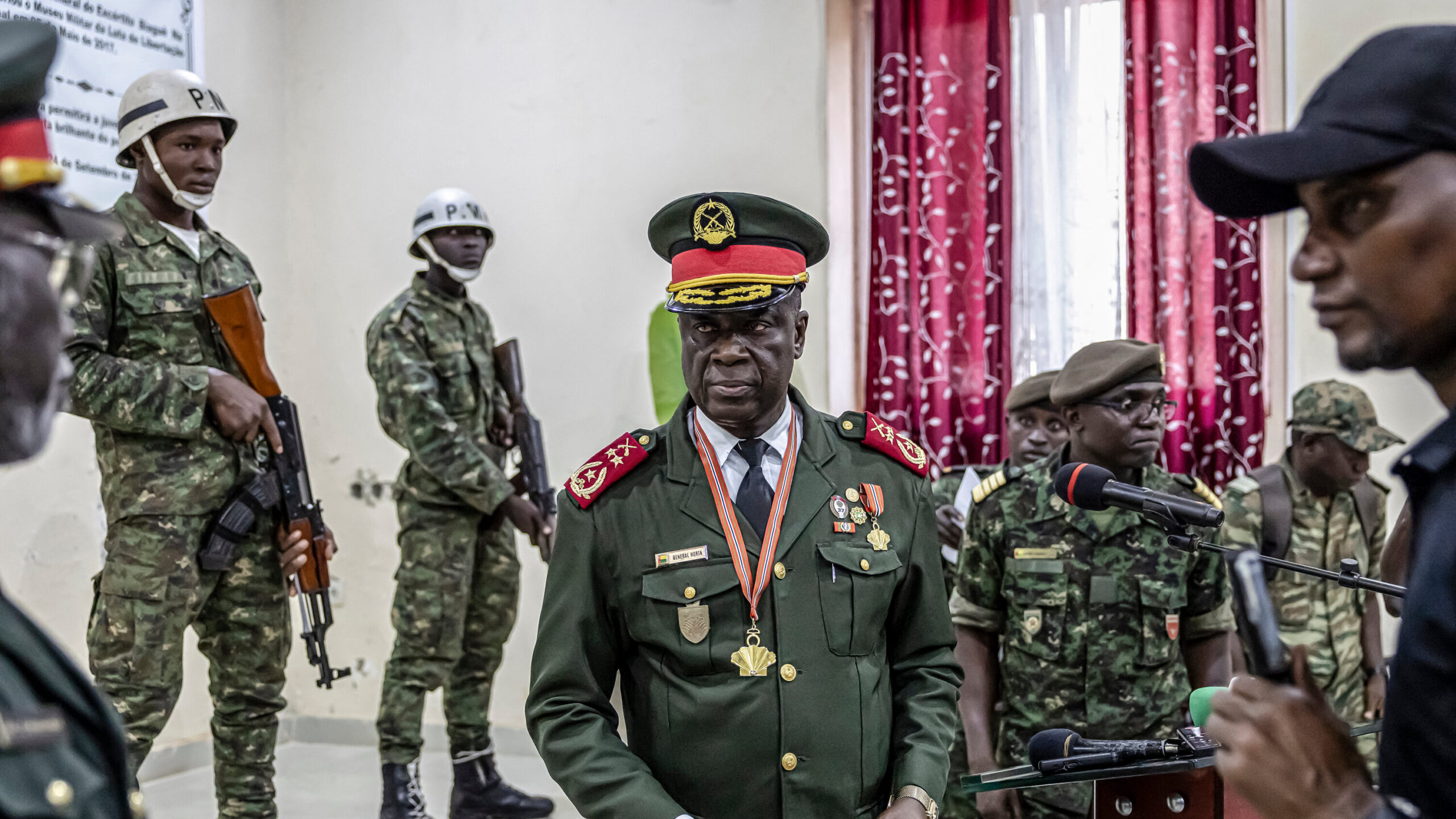
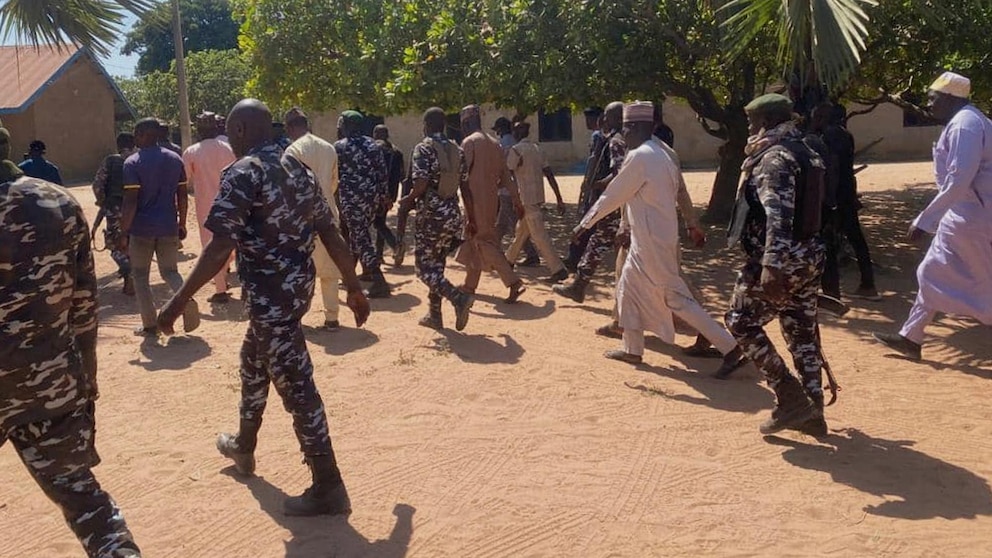
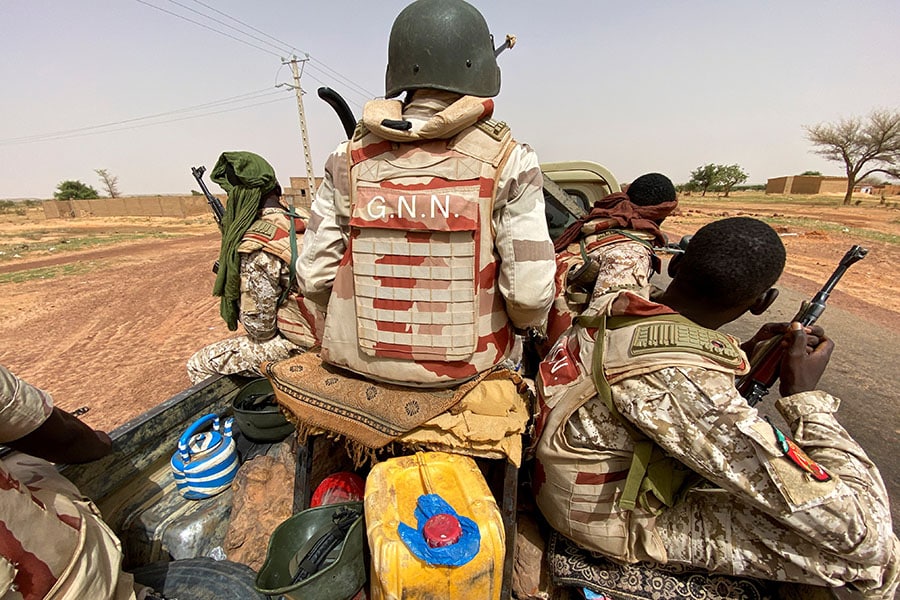
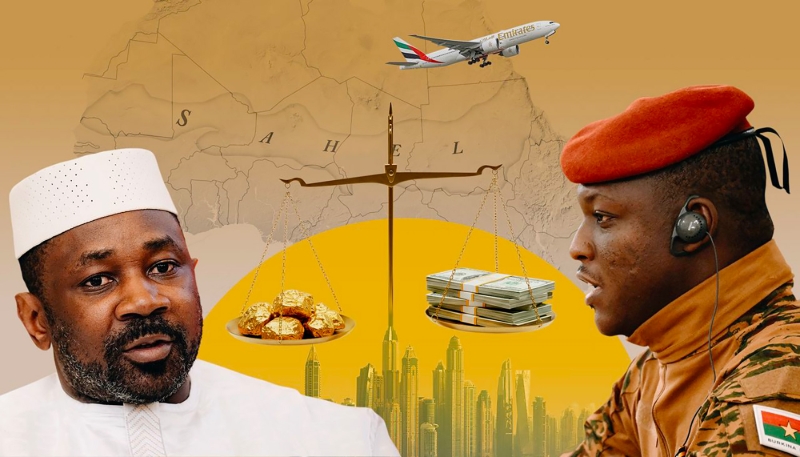
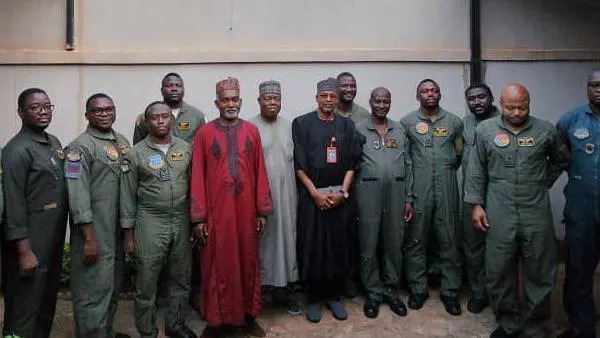
Burkina Faso has deftly navigated a delicate diplomatic incident, releasing 11 Nigerian Air Force personnel who found themselves detained after their aircraft made an emergency landing on December 8. This incident, caused by unspecified technical difficulties, had the potential to significantly heighten tensions between the two West African nations. However, the swift resolution and the crew’s release on Wednesday underscore a measured and pragmatic approach by Burkina Faso’s youthful military leadership. It’s a clear signal of their intent to de-escalate potential international flashpoints, especially at a time when they are deeply focused on domestic revitalization. The release of the personnel was a welcomed development, with Nigerian officials emphasizing just how crucial cooperative relations are for maintaining regional peace and security. This peaceful resolution begs the question: how will Burkina Faso continue to balance pressing internal needs with the complexities of regional diplomacy?
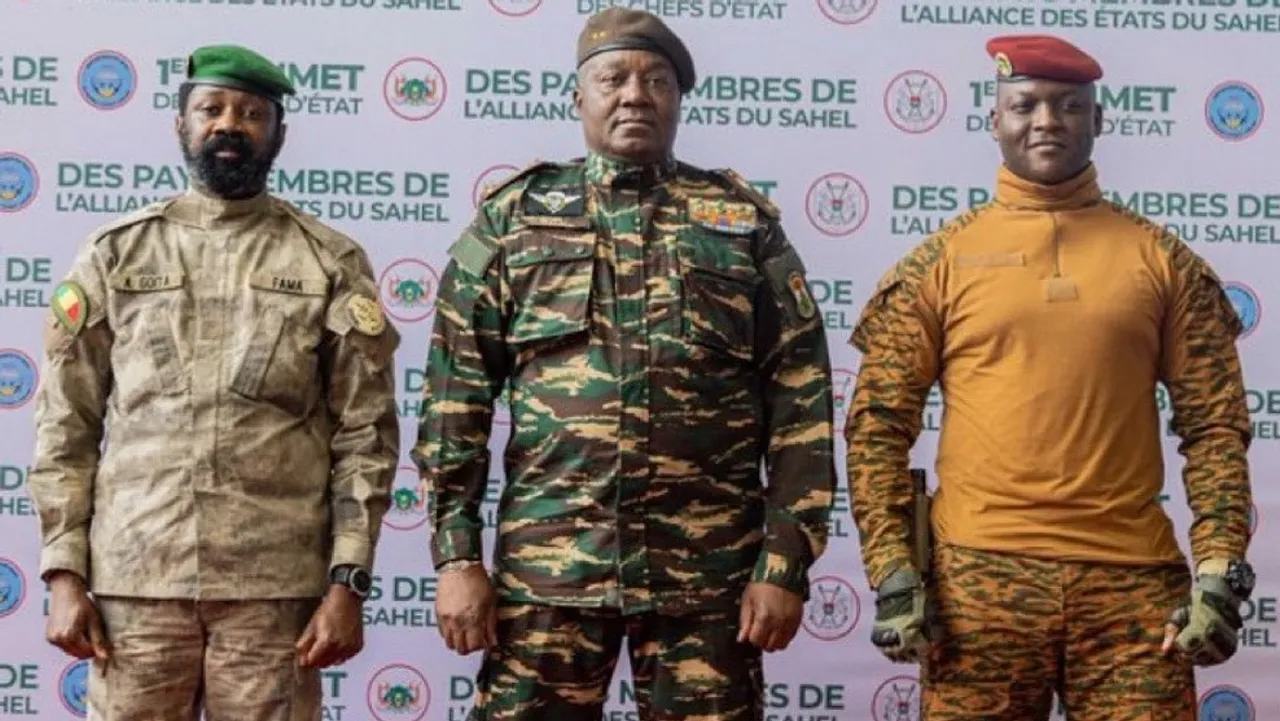
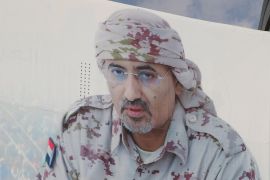
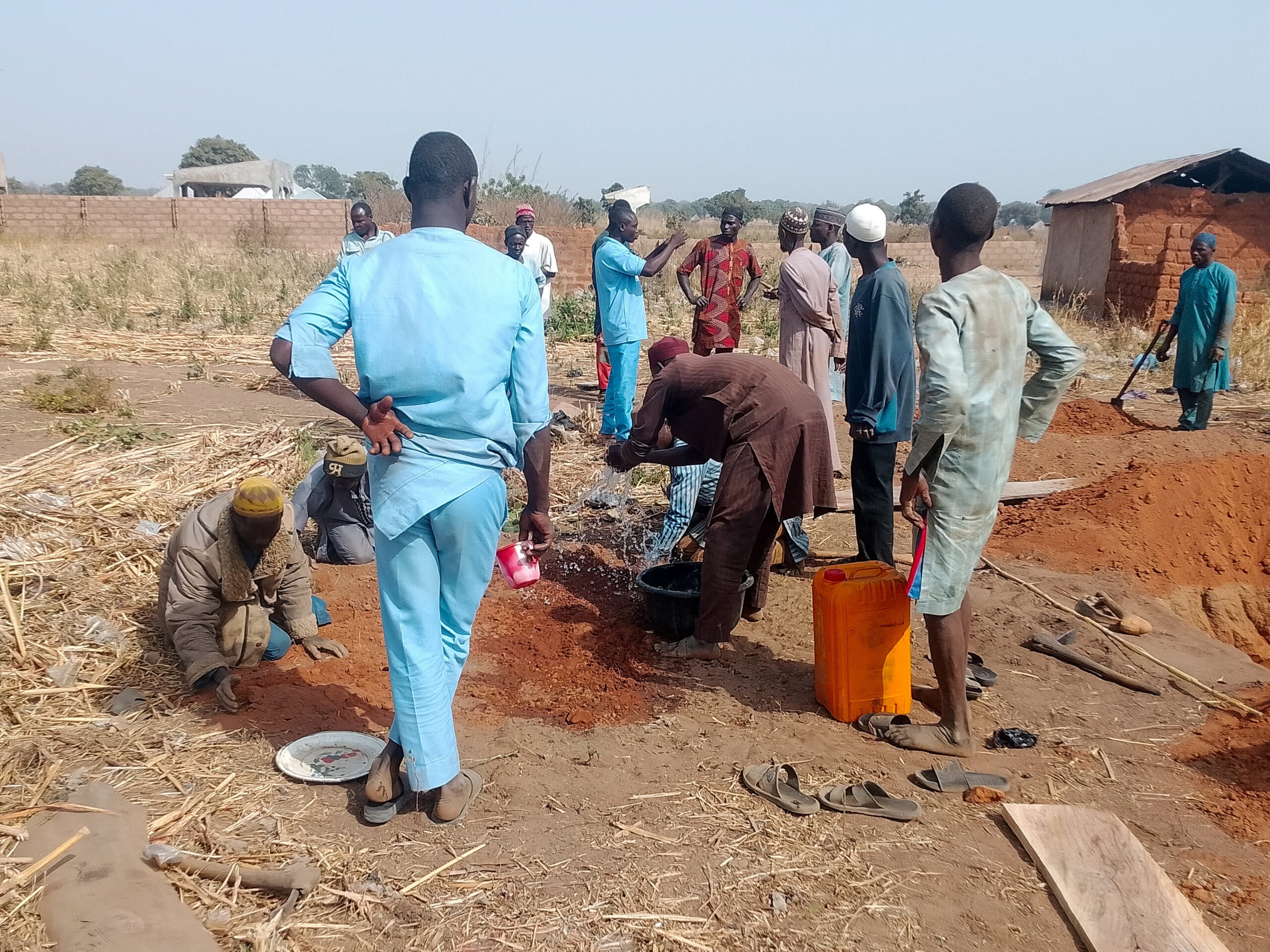
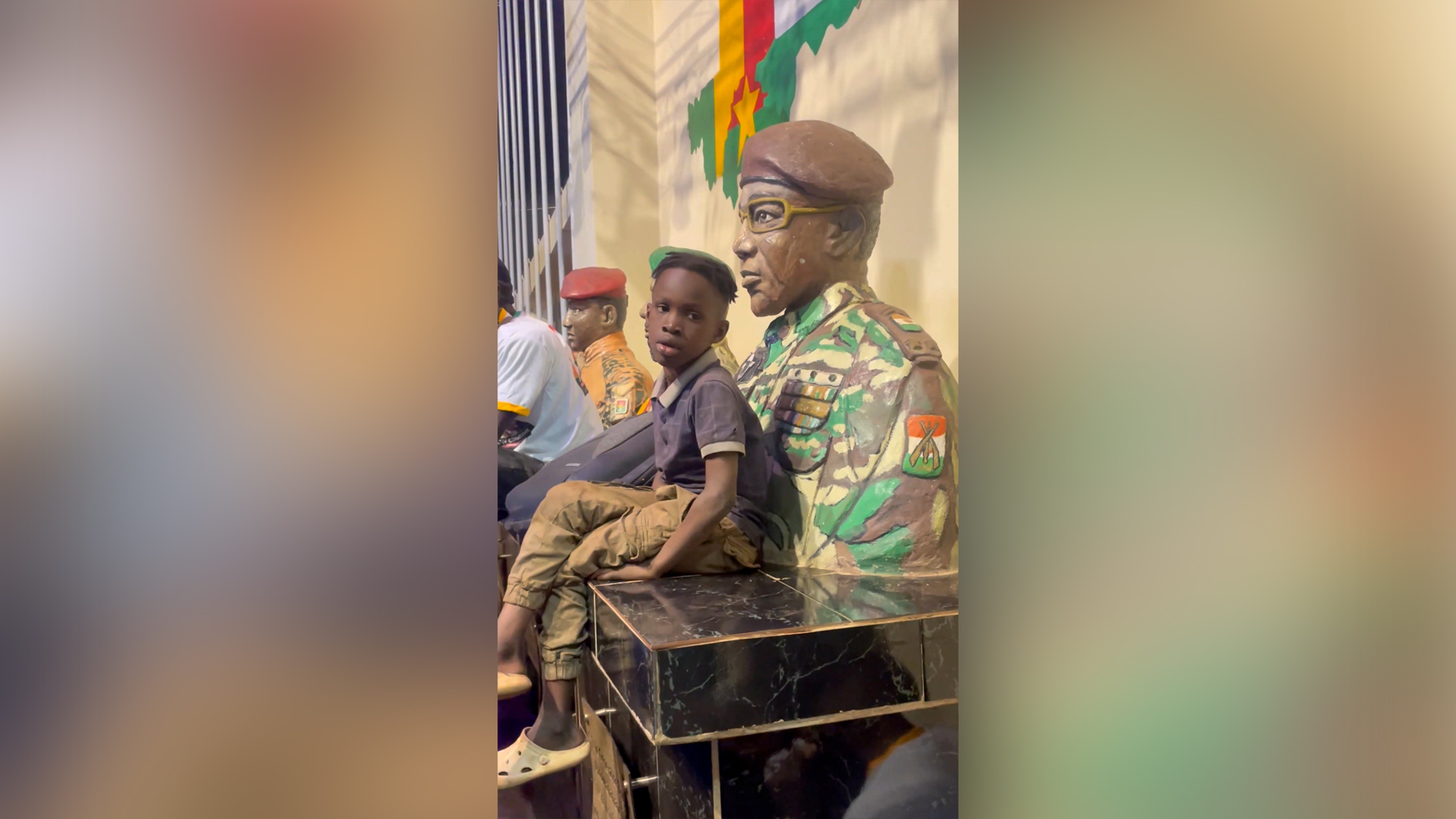
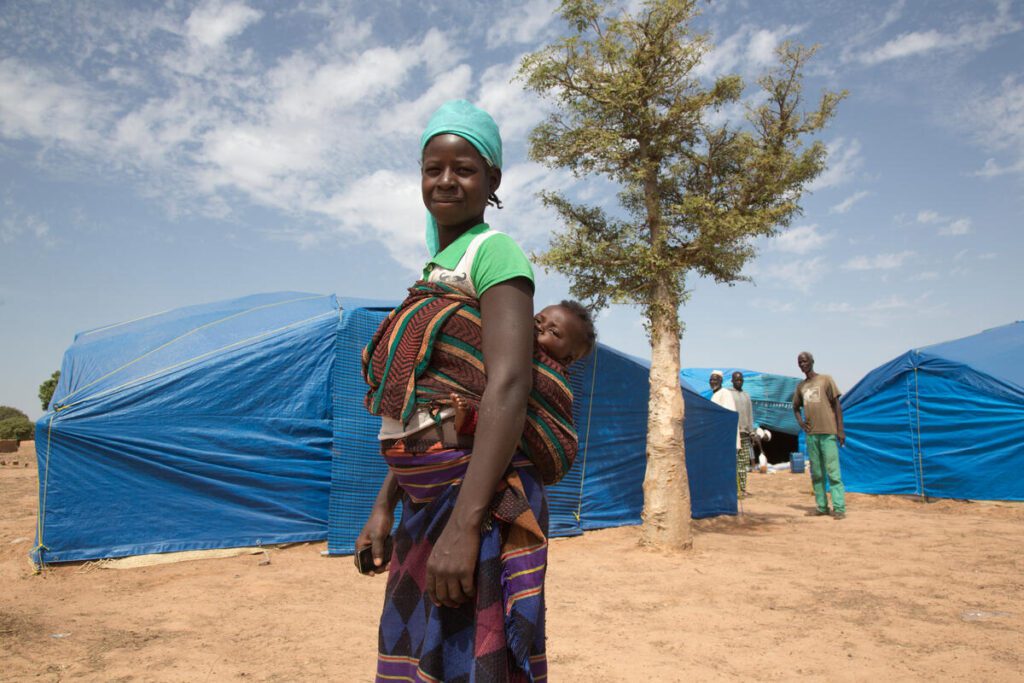
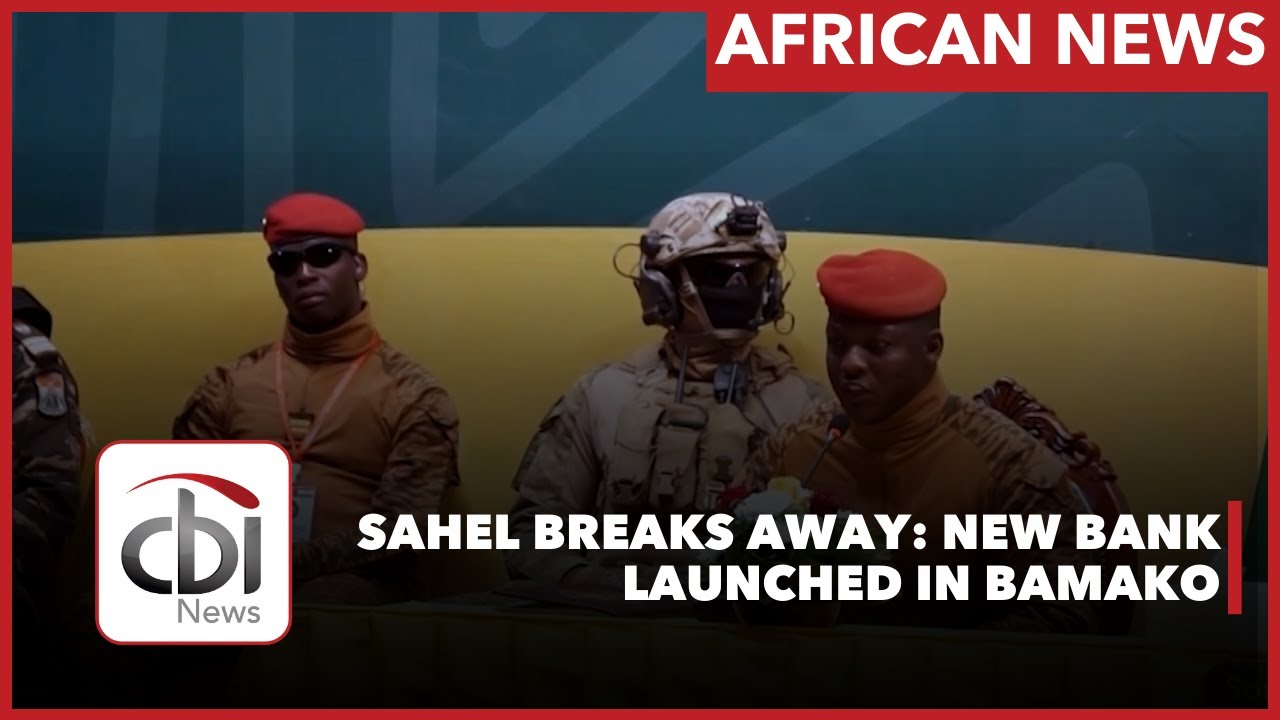
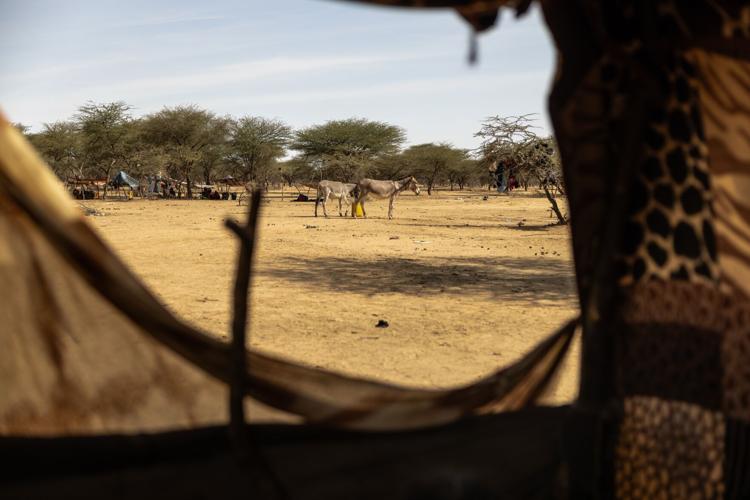
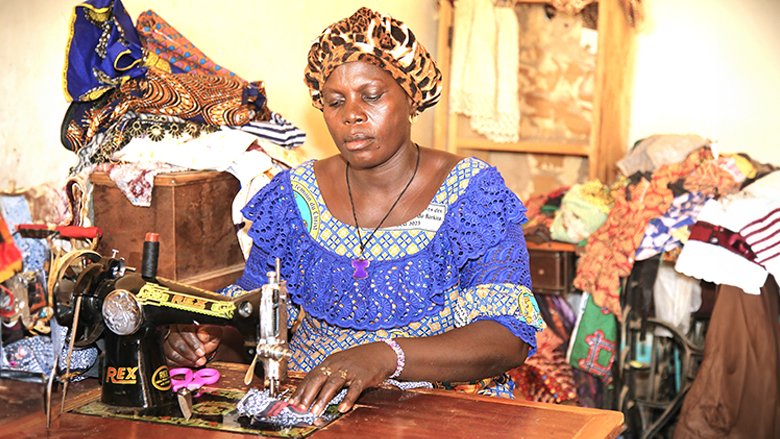
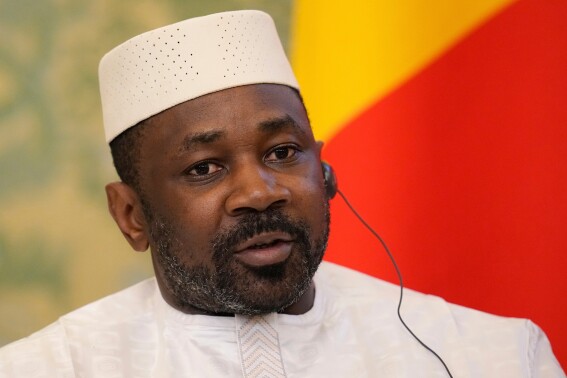
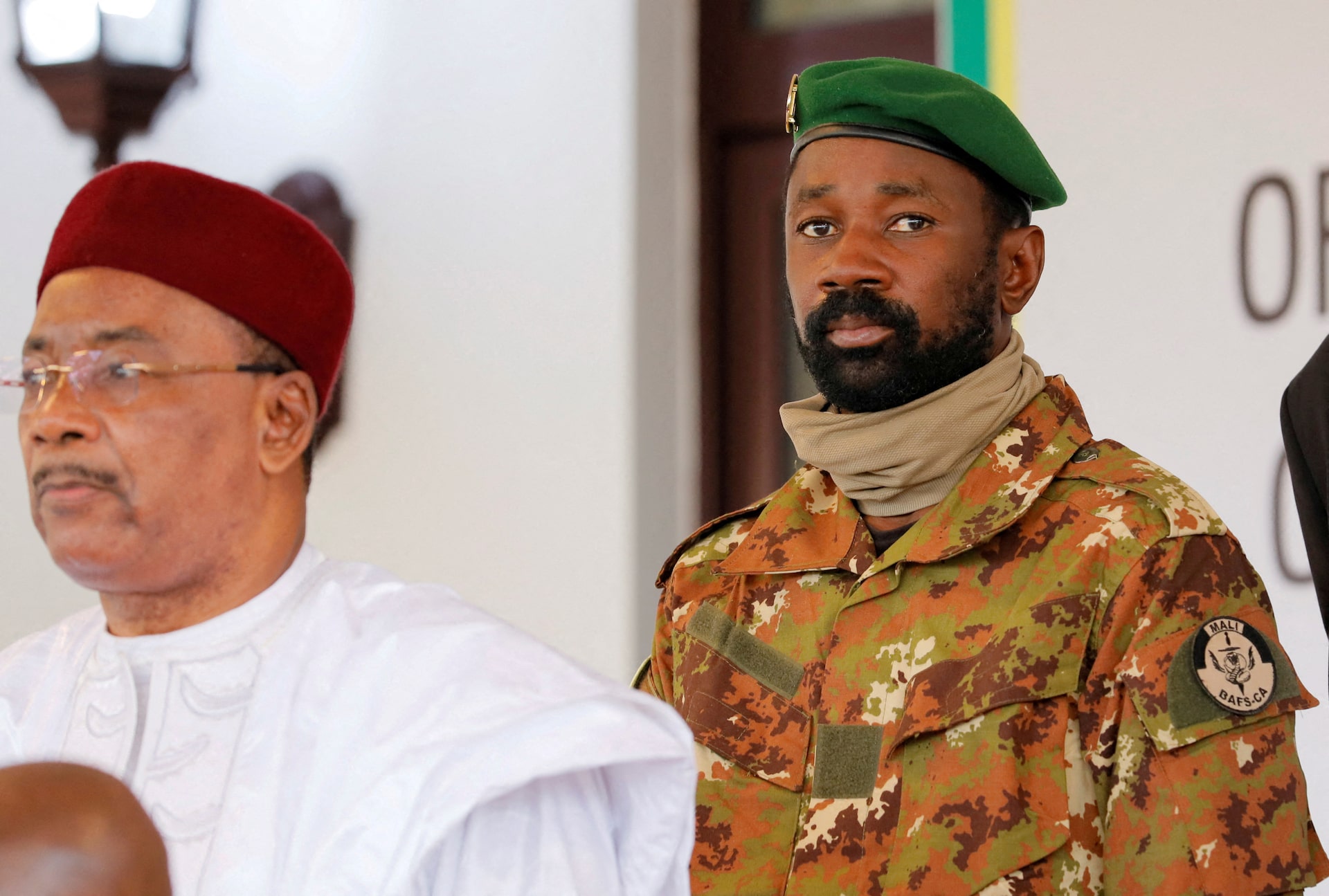
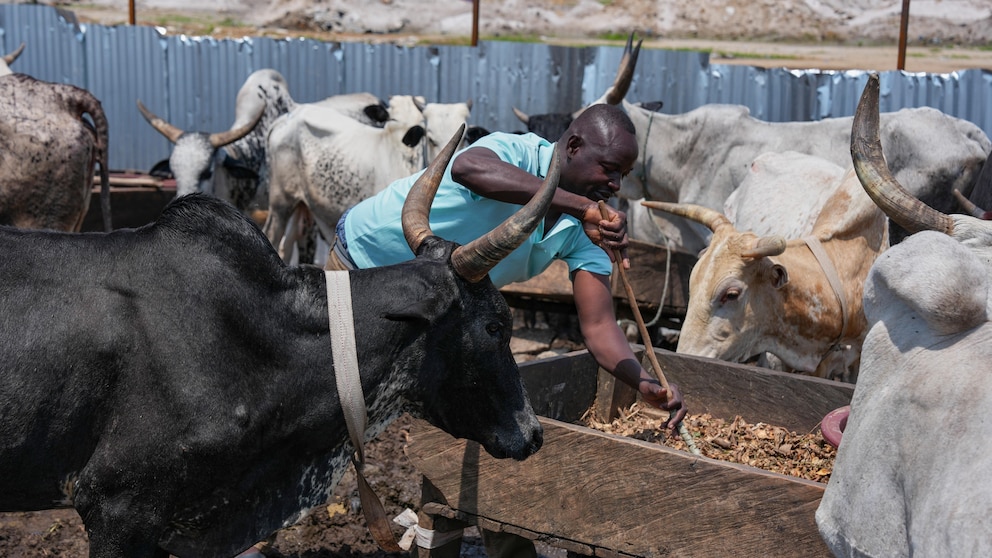
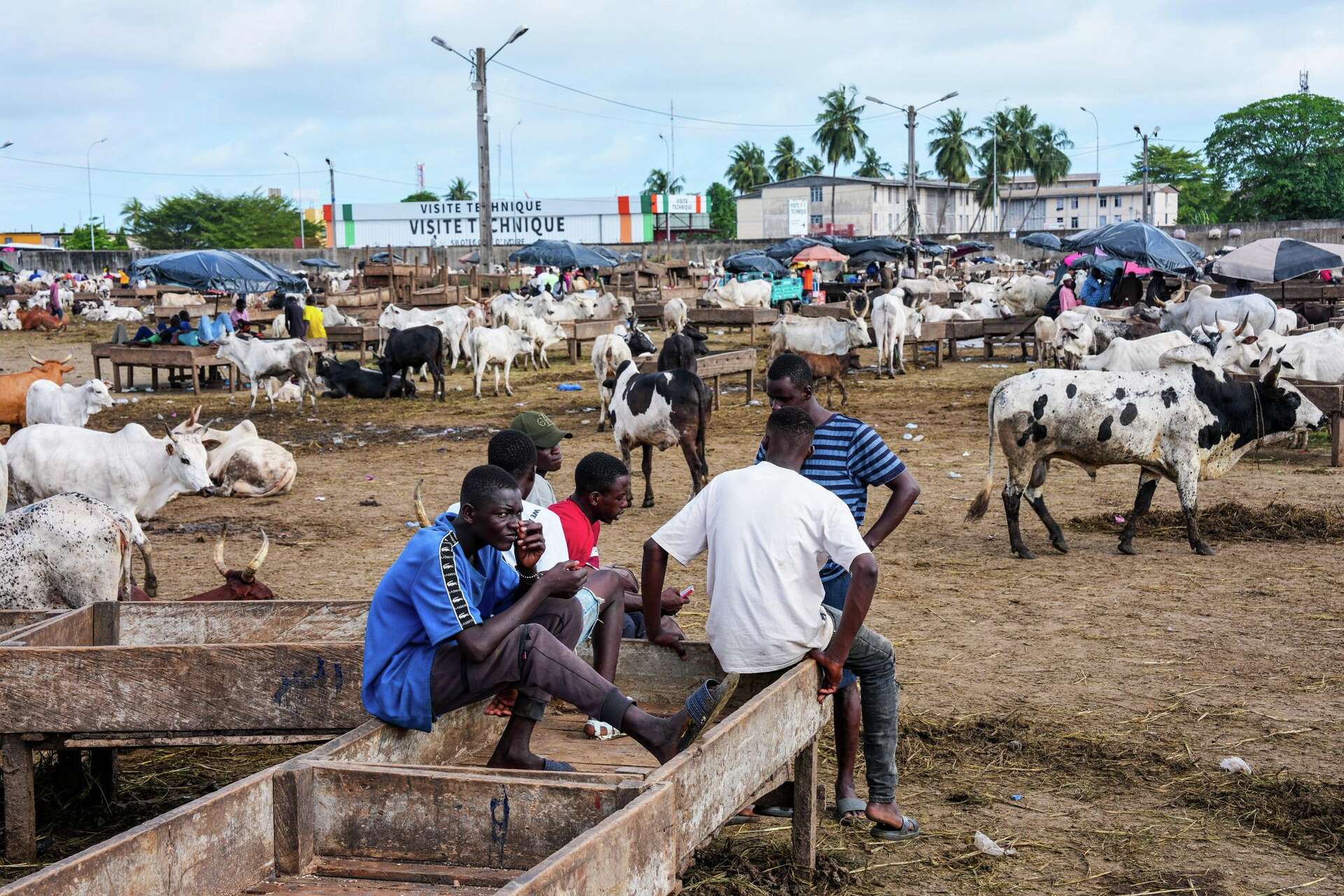
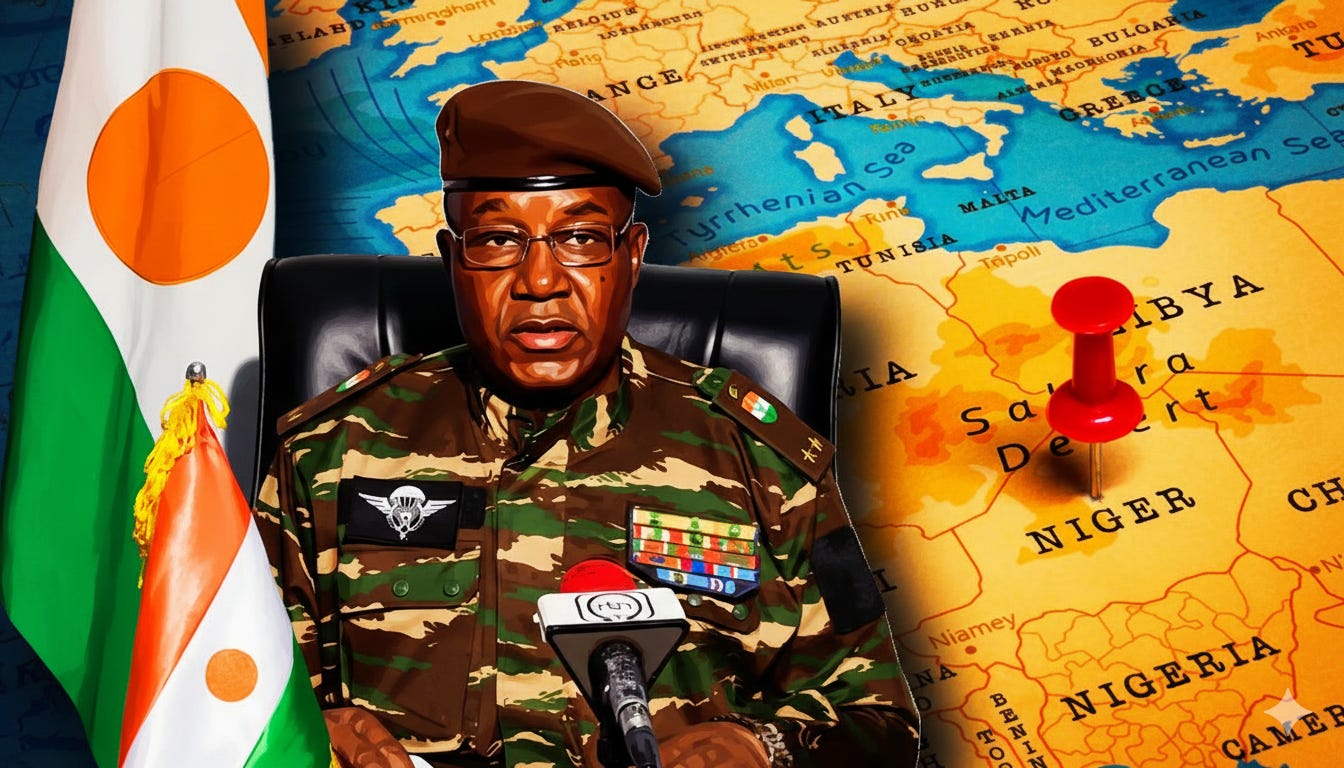
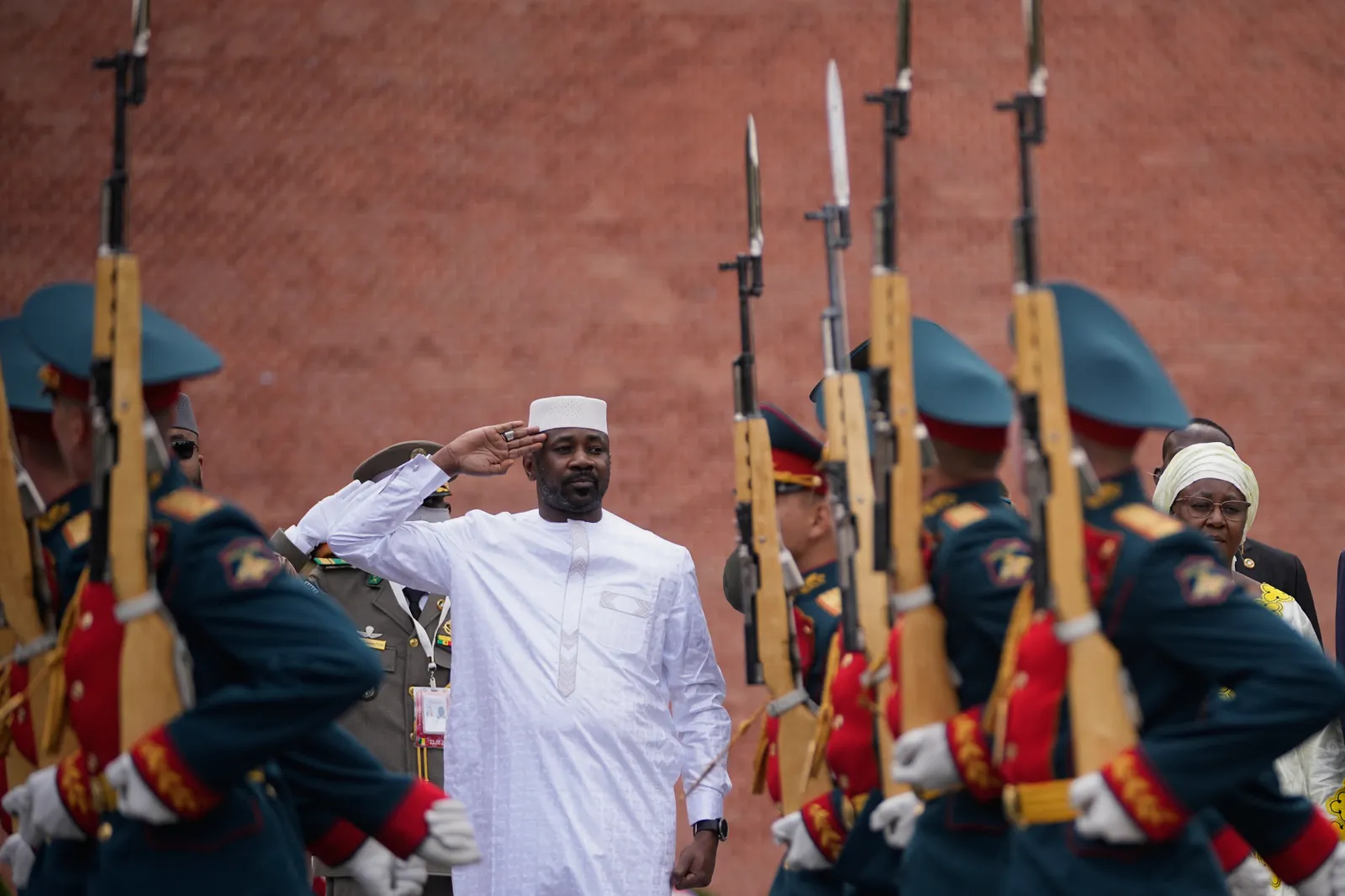
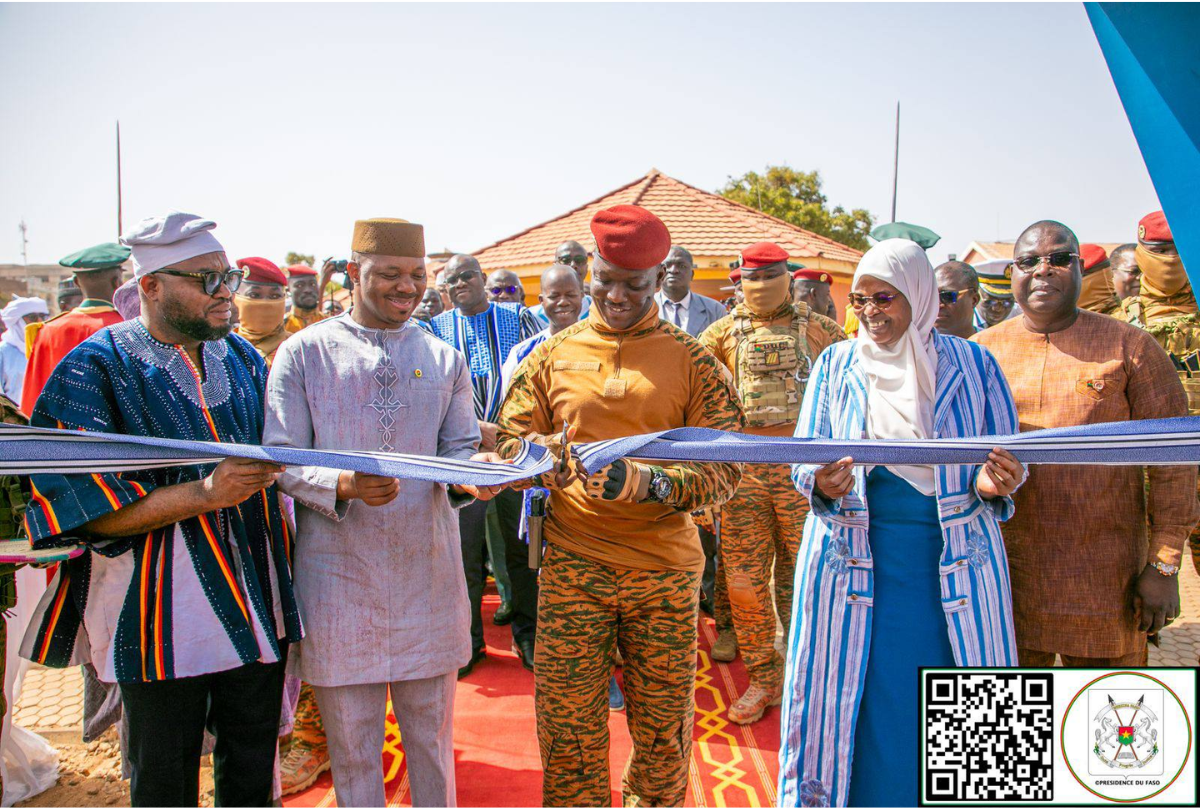
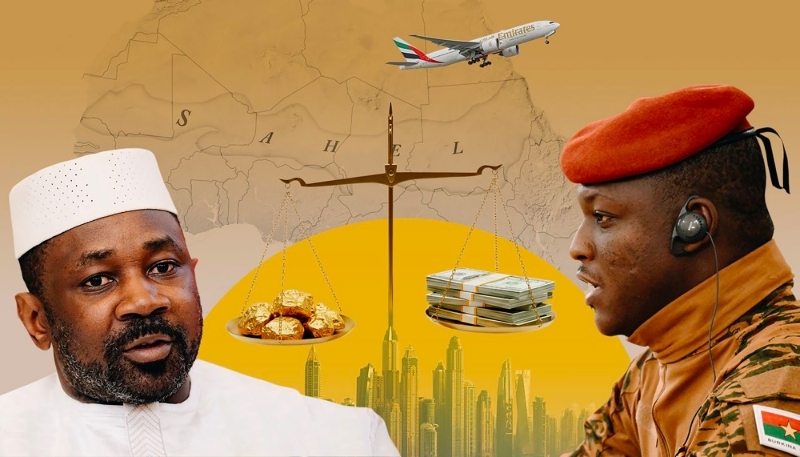
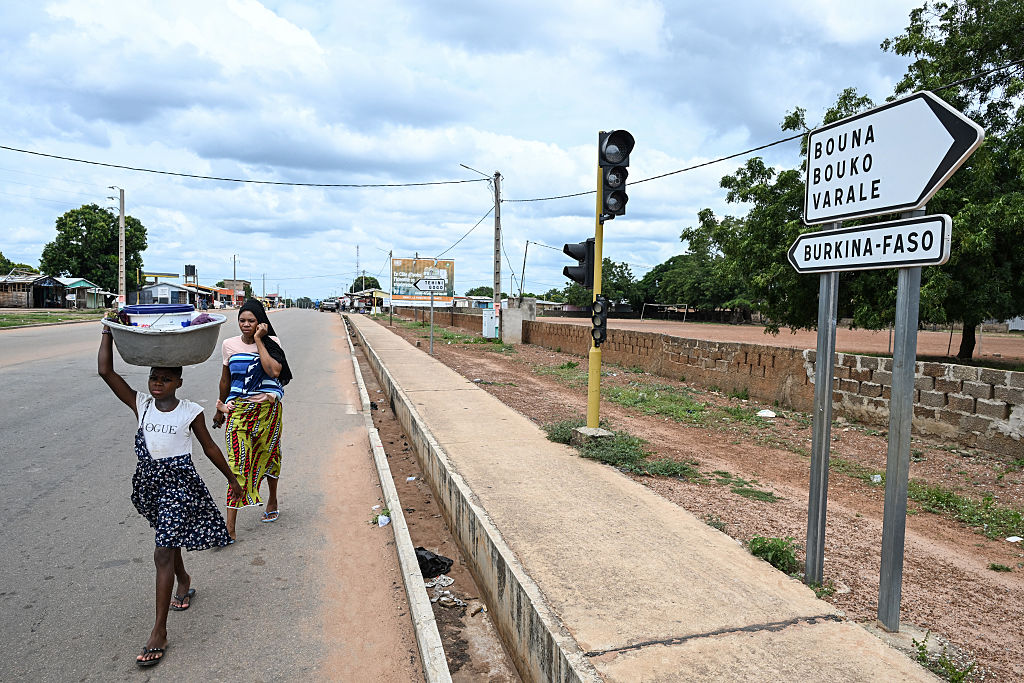
Beyond managing international affairs, Burkina Faso is making headlines for a more foundational reason: a robust and direct focus on strengthening its agricultural sector. The nation’s 37-year-old military president, Captain Ibrahim Traore, has adopted a remarkably hands-on style, personally visiting farmlands on a monthly basis. This isn’t merely symbolic; it reflects a deep-seated commitment to leveraging agriculture as a pillar of economic stability and food security for the entire country. Why is this so significant for ordinary citizens and the nation’s future? Given Burkina Faso’s predominantly agrarian population, enhancing farming productivity directly addresses pervasive issues like unemployment and poverty, which are often inextricably linked to broader security concerns. This strategic attention on the land and its cultivation represents a deliberate choice to build resilience from within, starkly contrasting with the instability and challenges sometimes experienced in the wider region. Traore’s intensive engagement in agricultural reform aims to transform everyday lives, fostering a more secure and prosperous future. Indeed, one might ask: could this ground-up development model inspire similar efforts across Africa? More details on Captain Traore’s direct engagement can be found here.
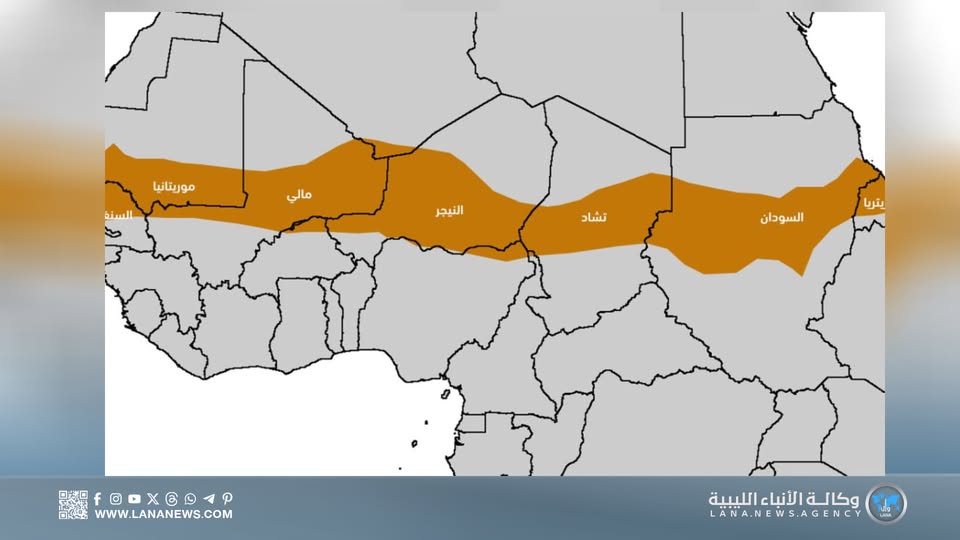
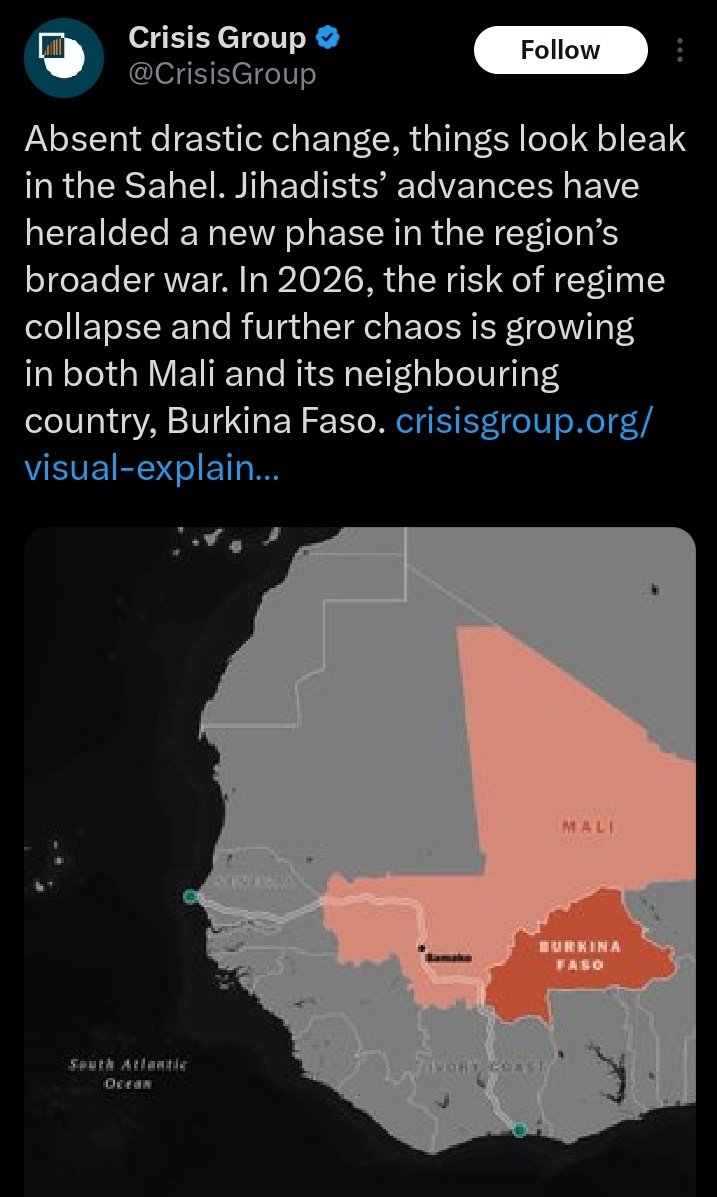
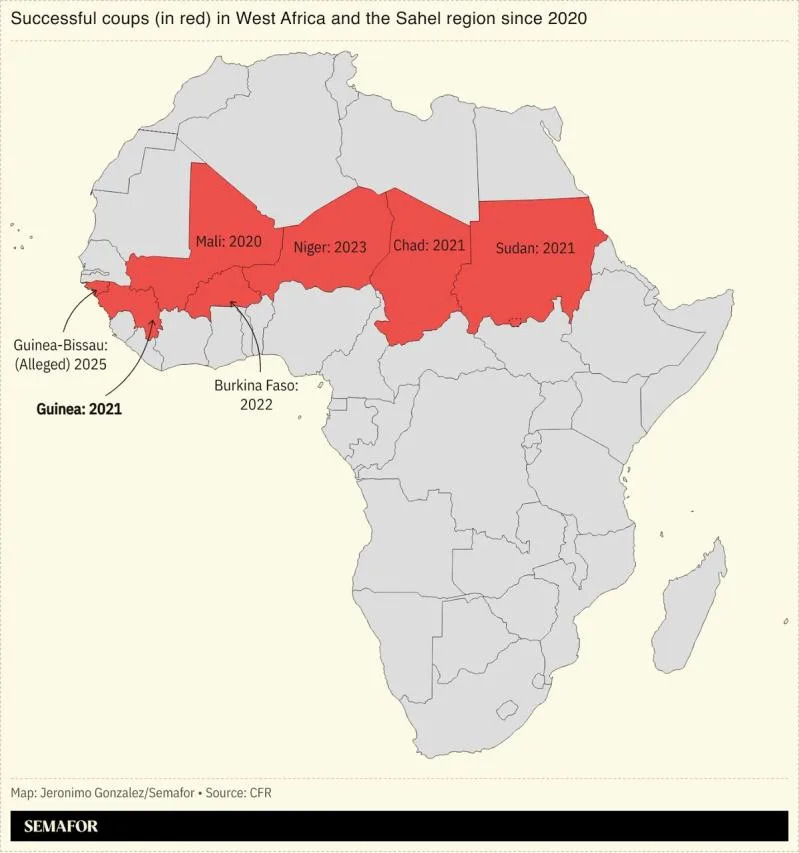
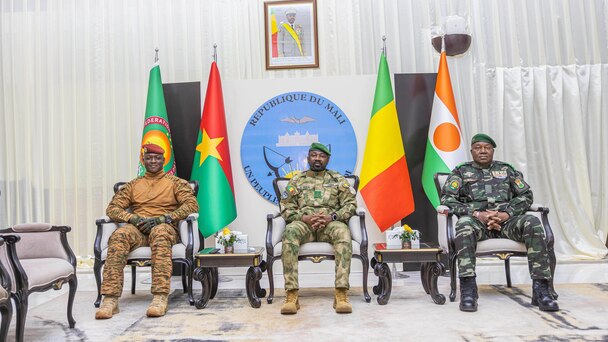
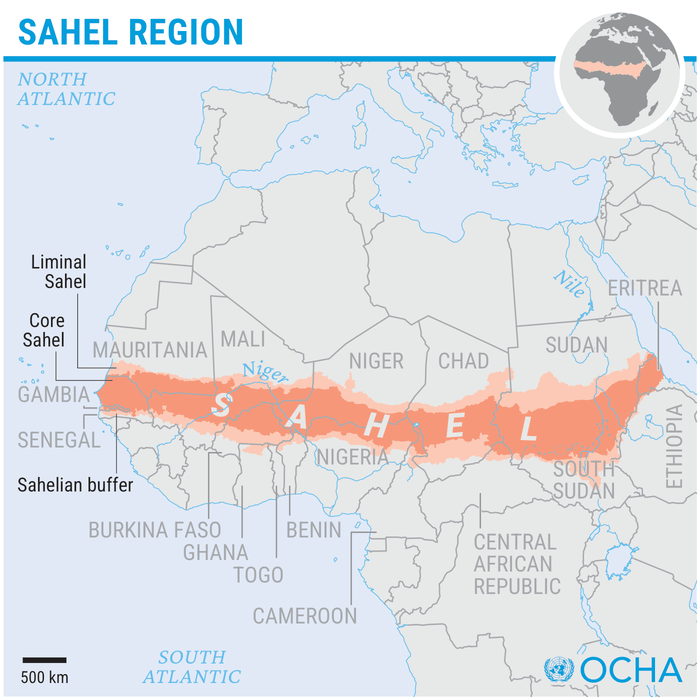
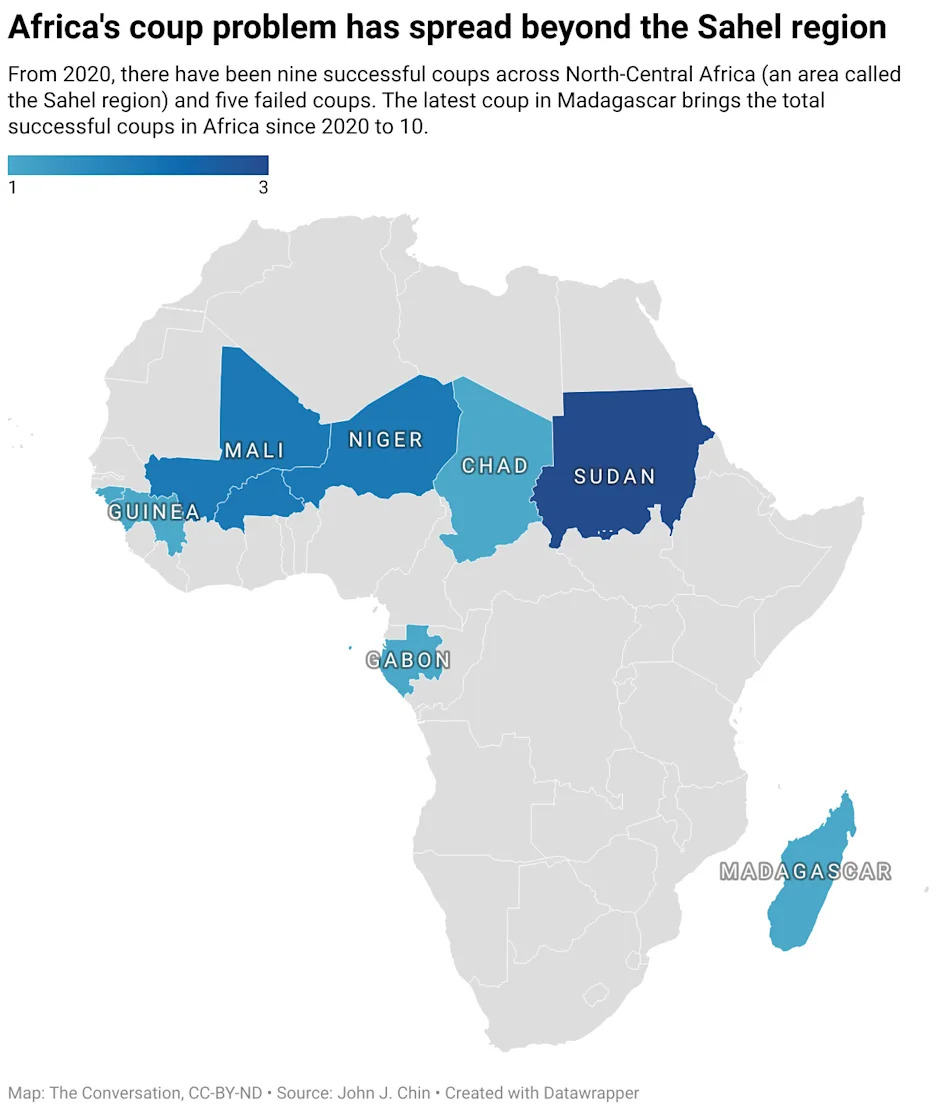
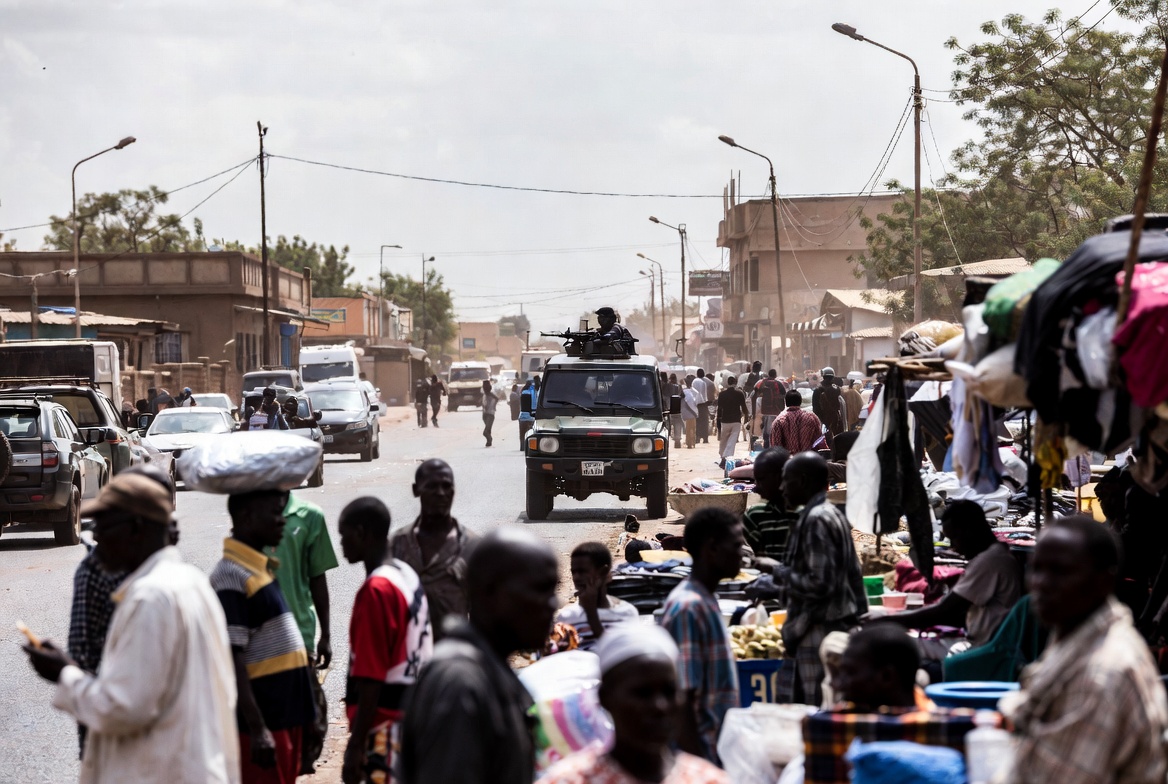
This dual approach of careful diplomacy and intensive domestic development unfolds against a backdrop of a complex and evolving security landscape in the Sahel. While the region faces ongoing challenges, Burkina Faso’s proactive combination of sensitive international relations and foundational internal policy offers a compelling example of layered governance. By swiftly and delicately handling potentially volatile incidents like the detention of foreign military personnel, and simultaneously nurturing its vital economic sectors at home, the country positions itself as a pragmatic leader. Moving forward, Burkina Faso’s trajectory will undoubtedly depend on maintaining sustained stability within its borders and the verifiable efficacy of its ambitious agricultural reforms. Crucially, continued diplomatic dialogue and robust collaboration with neighboring nations, including Nigeria, remain indispensable for cultivating lasting peace and fostering cooperative development across West Africa. As this West African nation continues to assert itself on both domestic and international stages, analysts and its own citizens will be keenly observing how these interwoven priorities play out. The delicate balance of managing emergent international incidents while fostering agricultural prosperity under youthful military leadership paints a hopeful, if challenging, picture for a country at a pivotal moment in its contemporary history.