
Burkina Faso’s Shifting Security Landscape: A Nation Navigating Complex Challenges
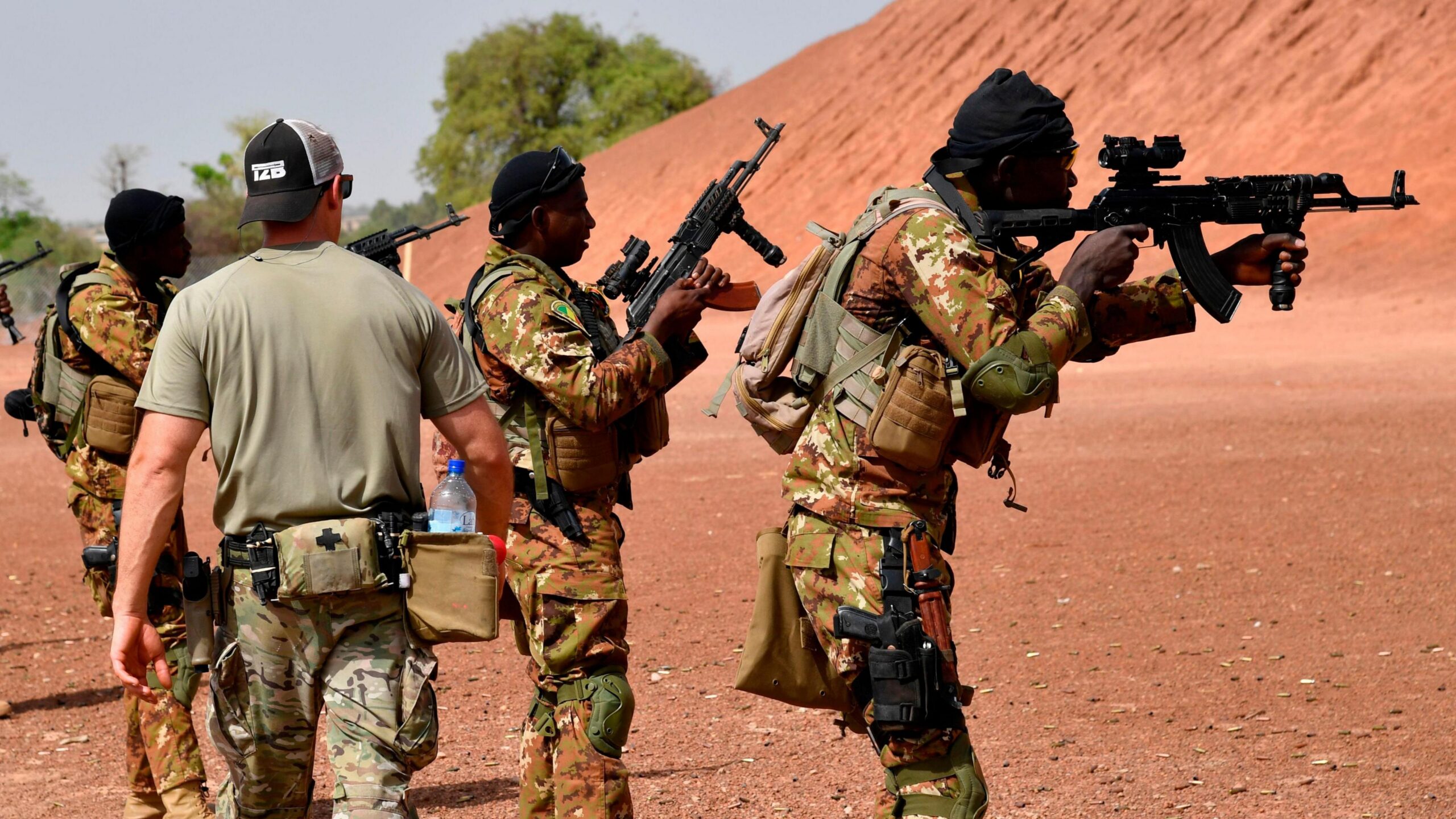
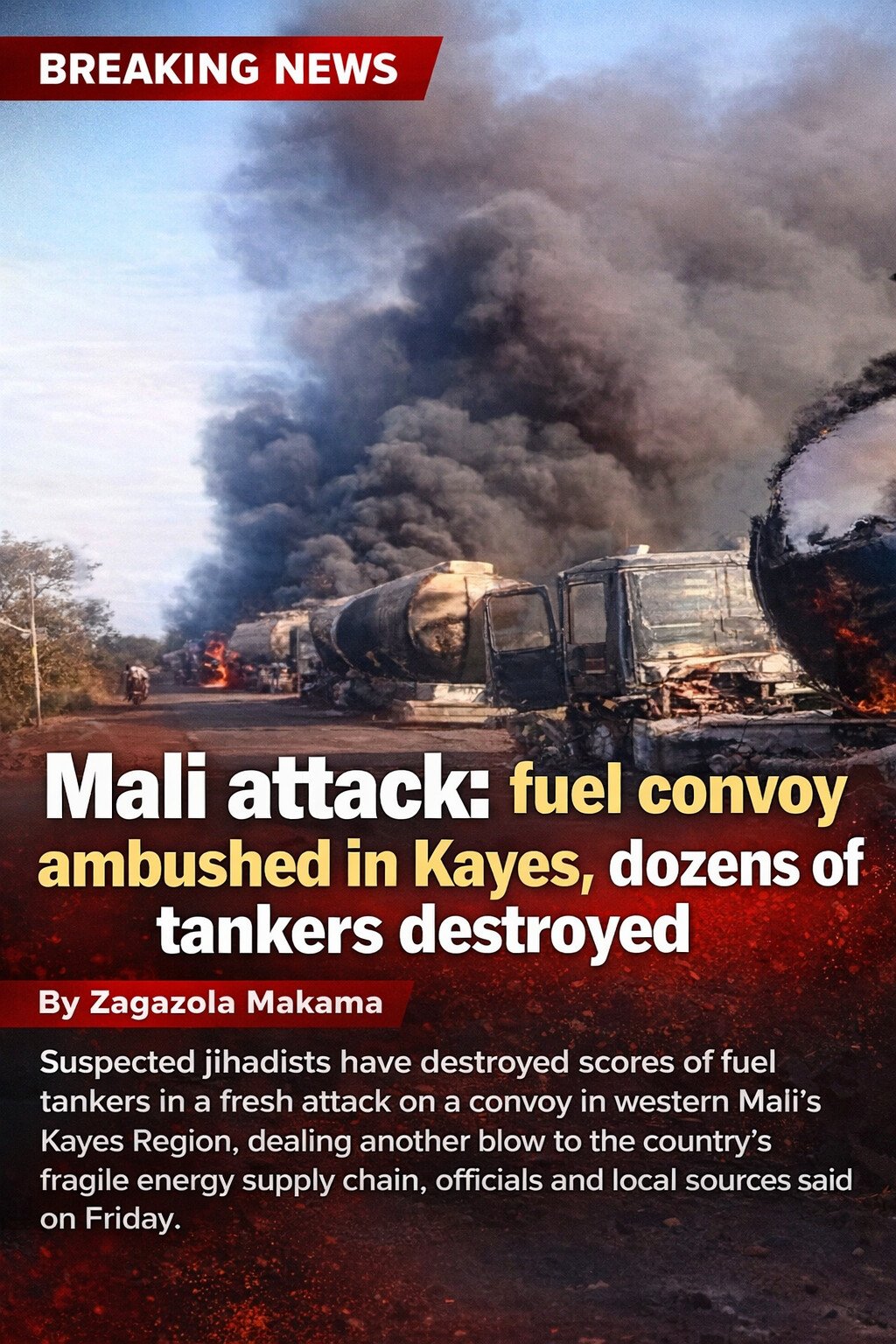
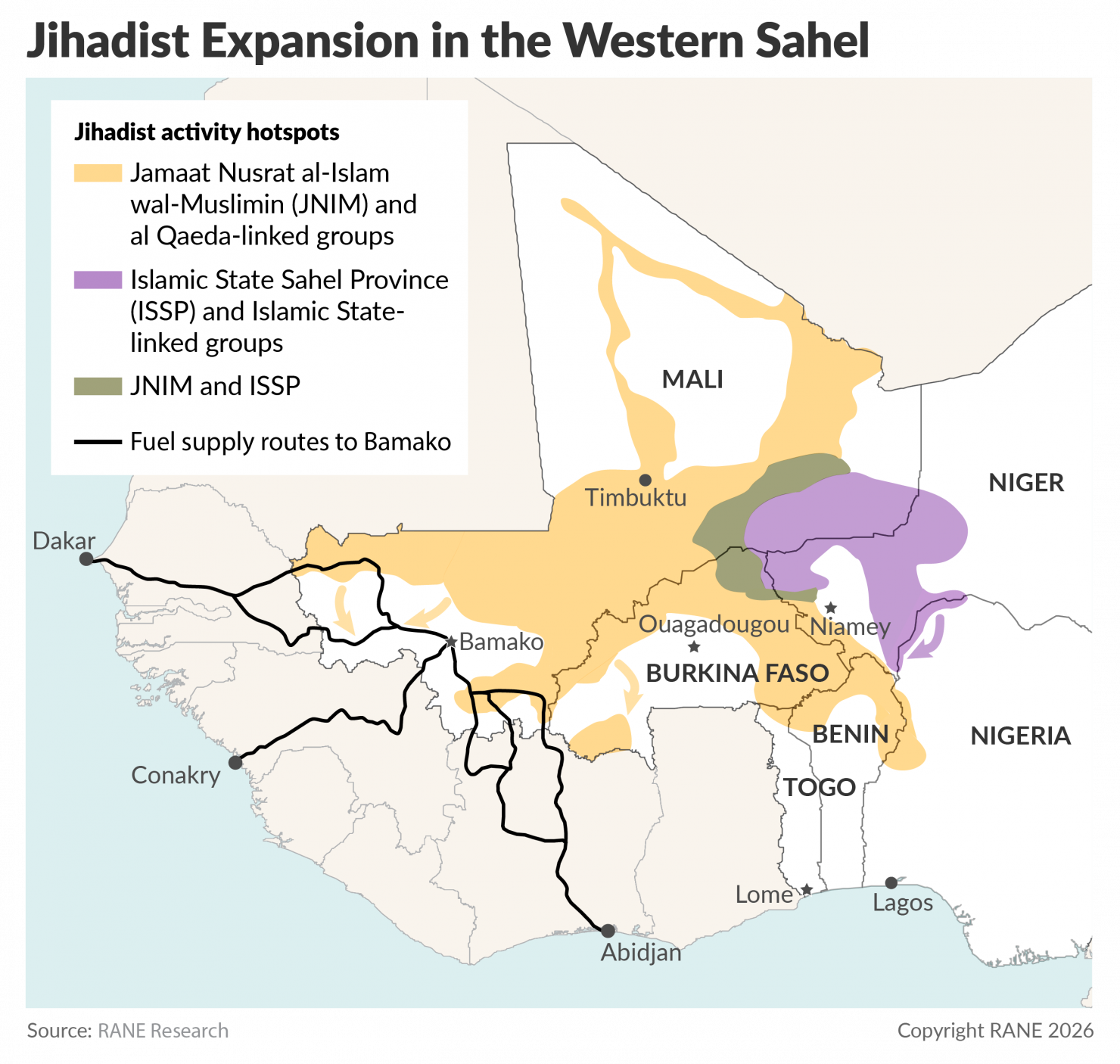
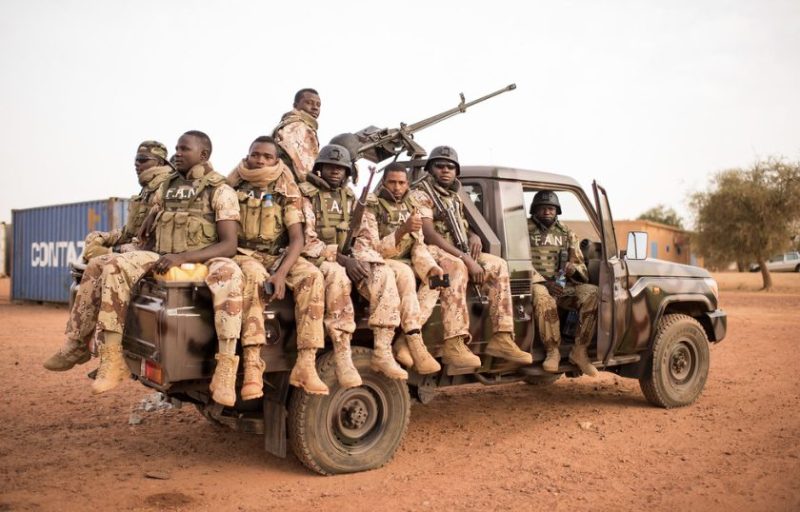
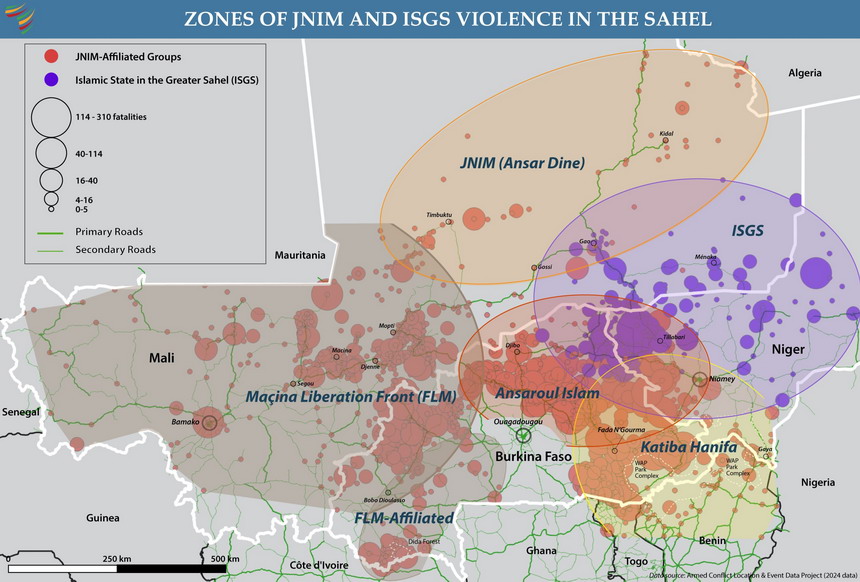
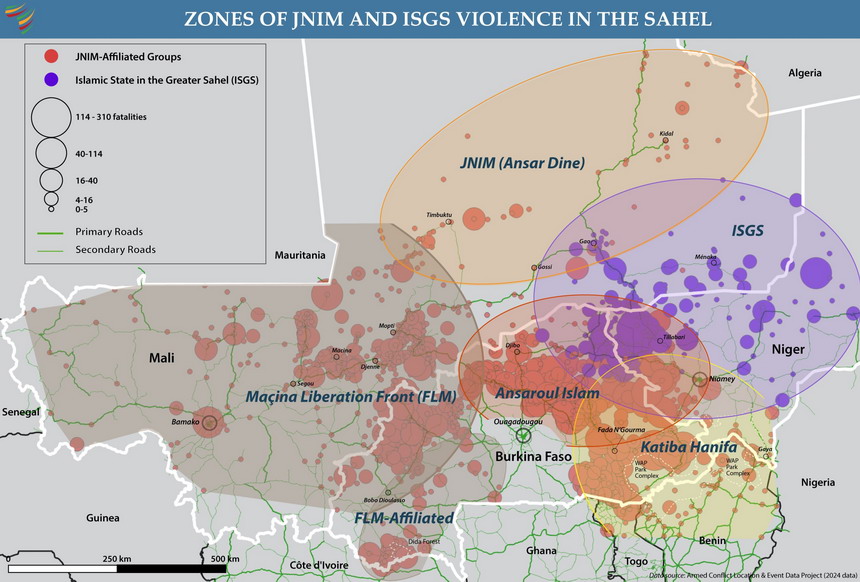
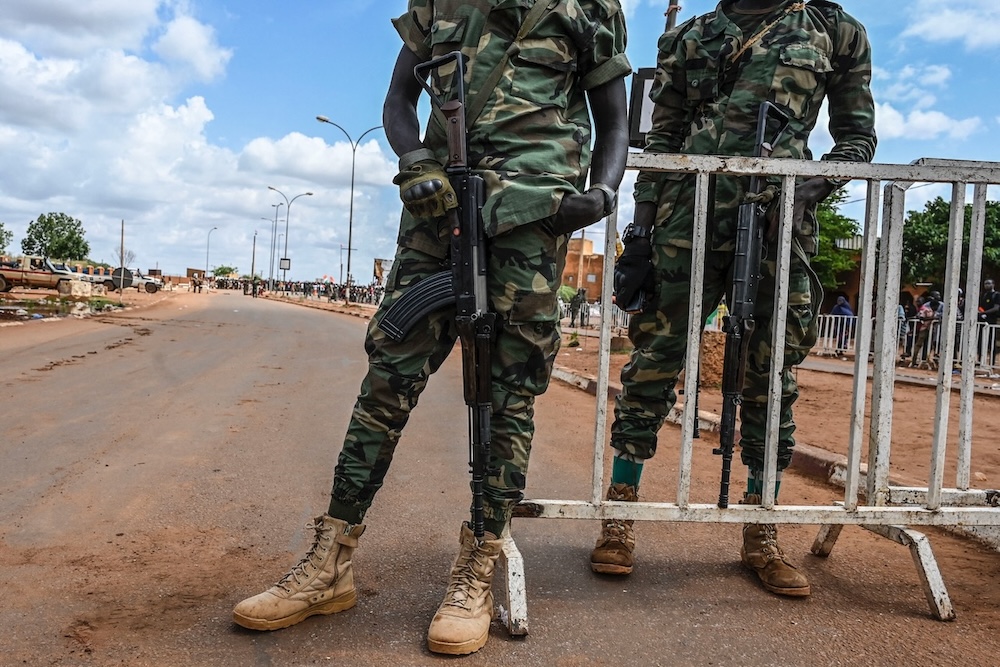
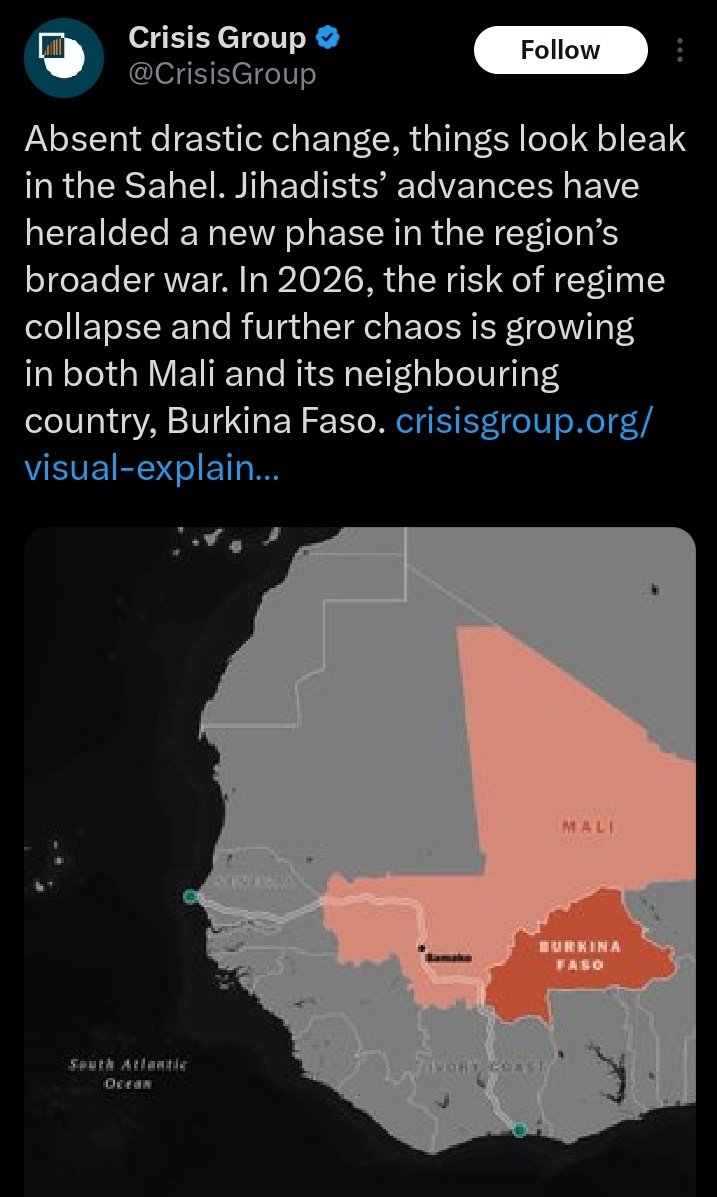
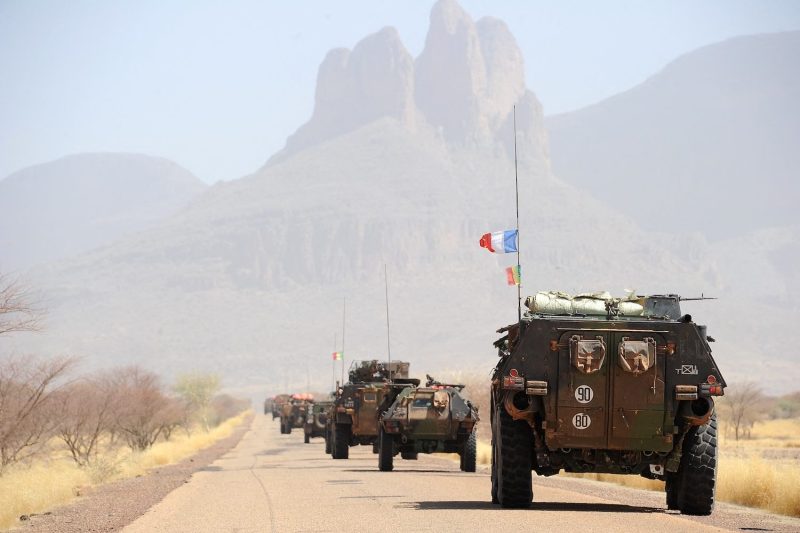
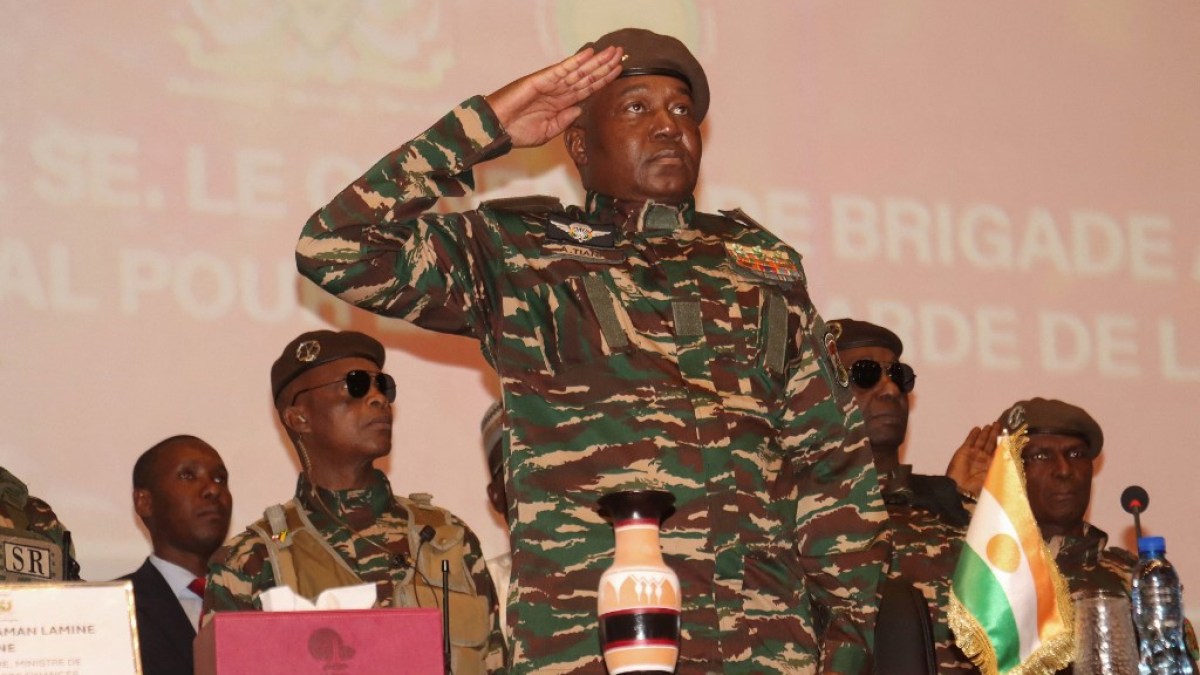
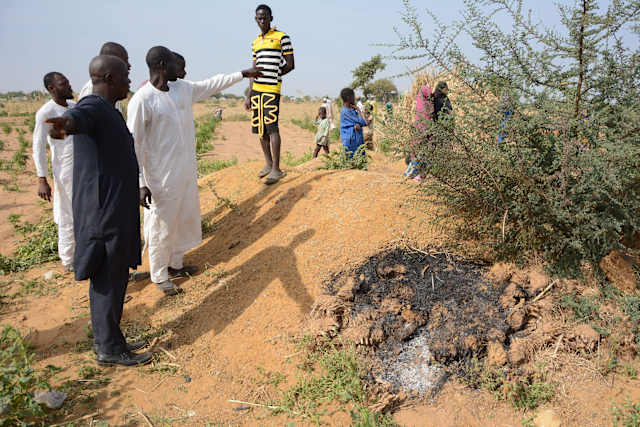
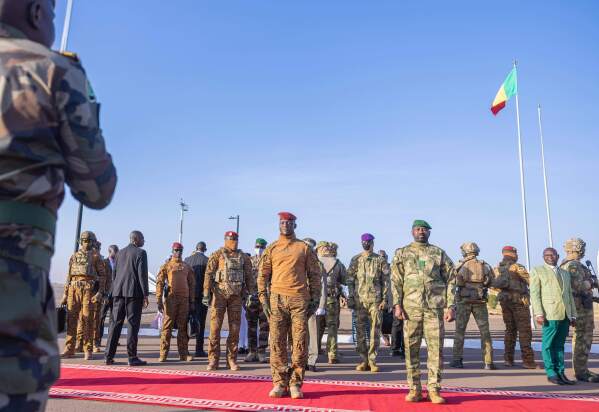
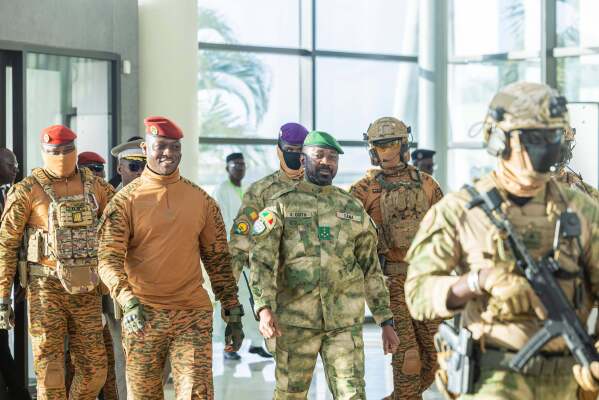
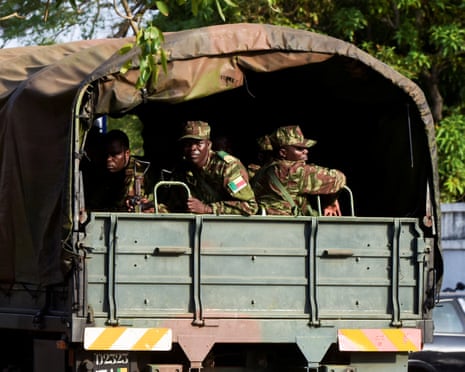
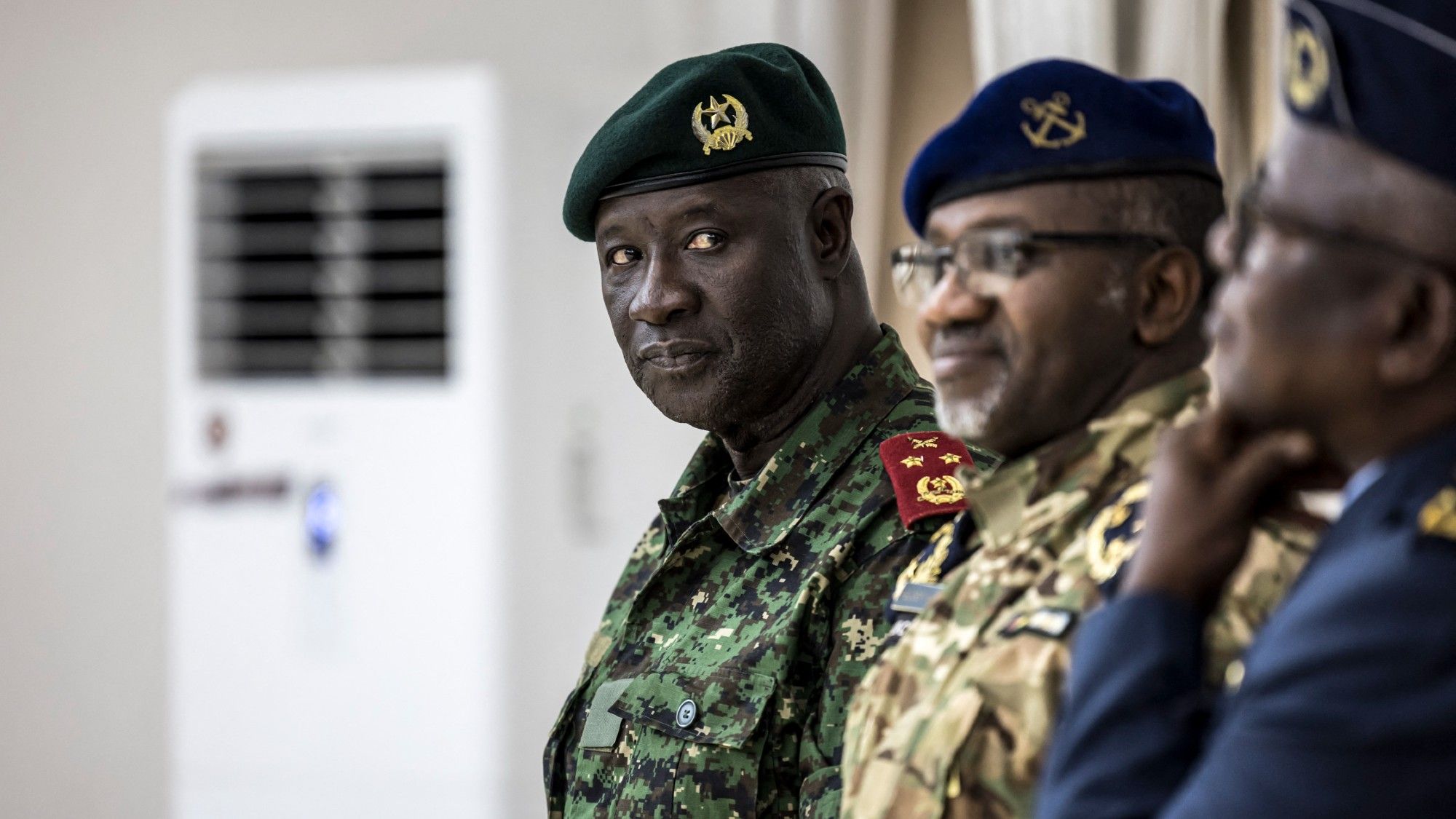
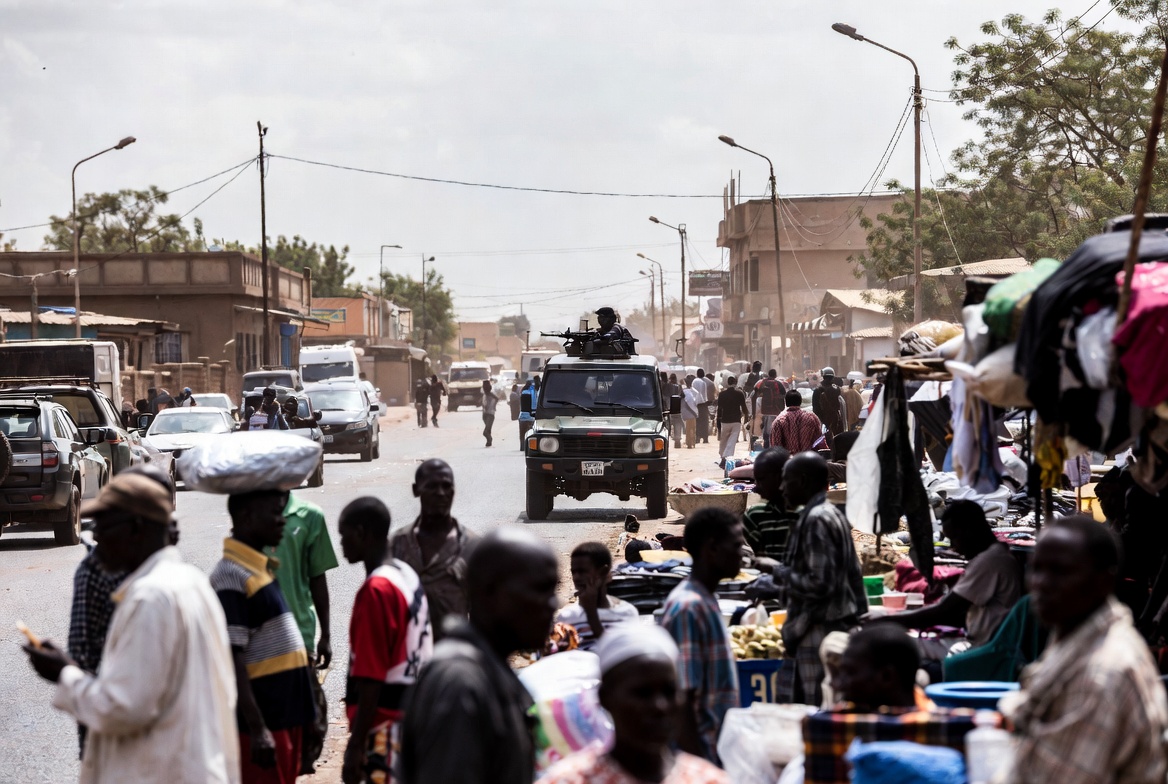
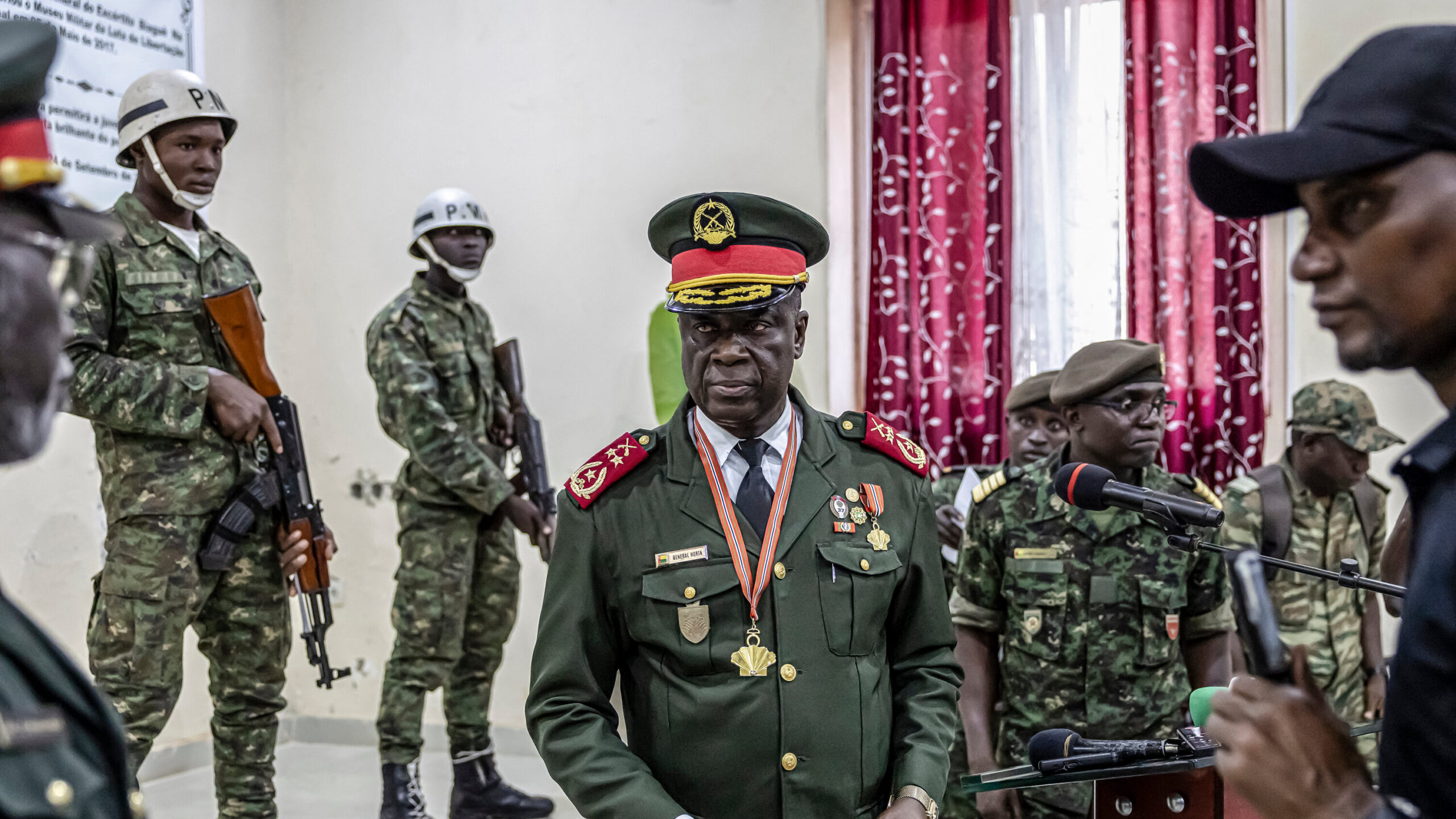
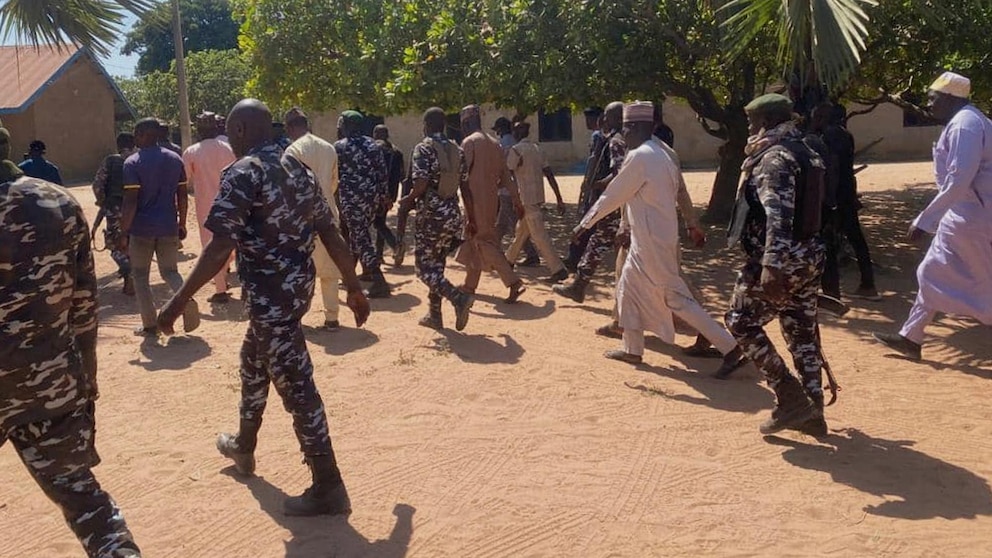
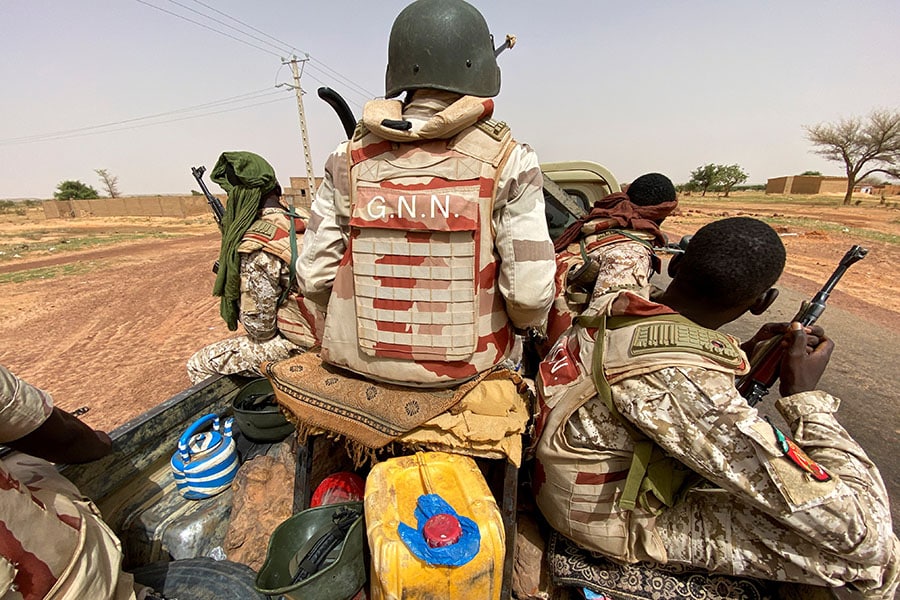
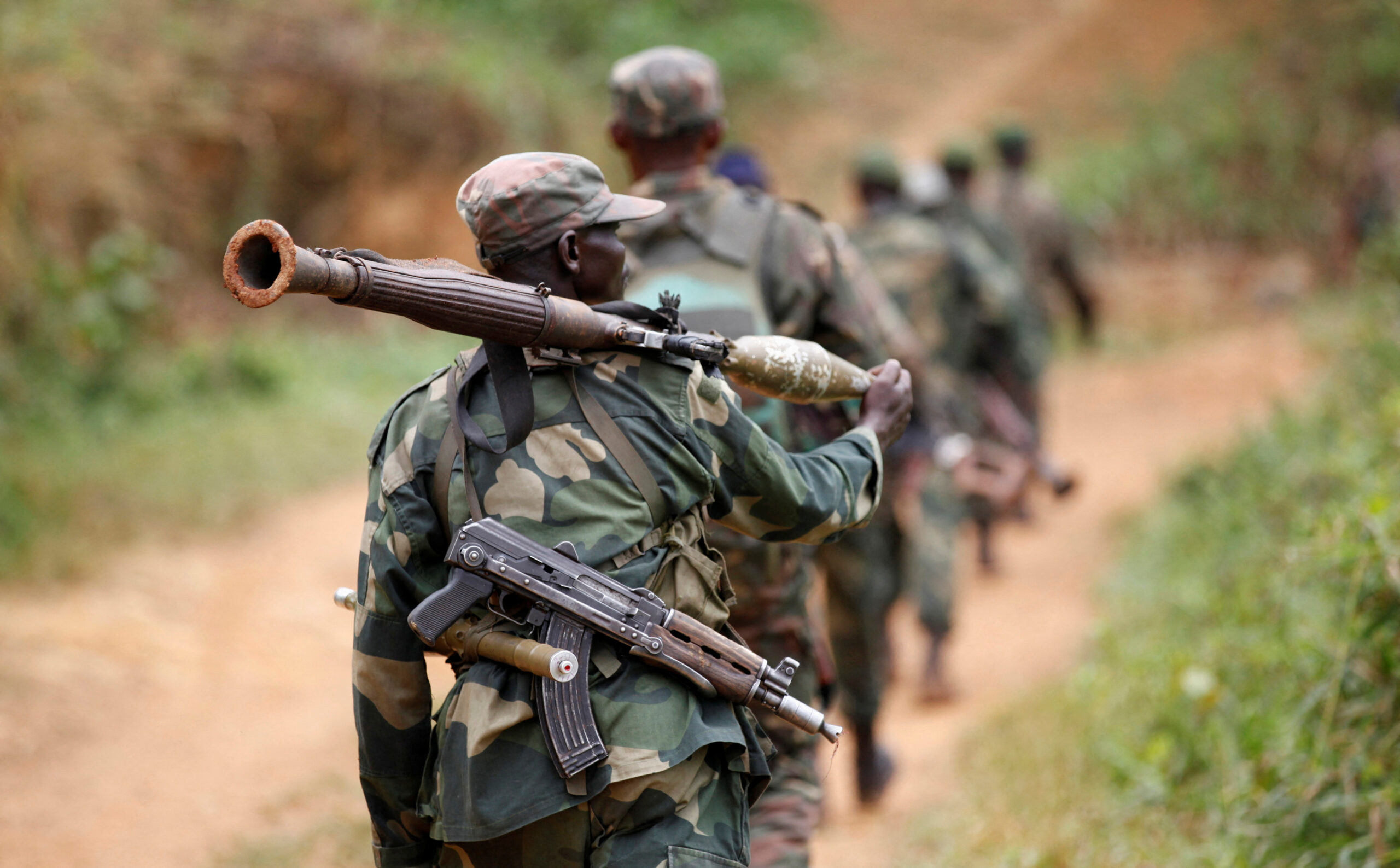
Burkina Faso finds itself at a truly pivotal moment, grappling with security challenges and regional dynamics that are reshaping its very future. For too long, this West African nation has wrestled with insurgencies and political uncertainties. Now, we’re witnessing an intensified landscape that demands coordinated efforts both inside and beyond its borders. Just look at recent years: militant activities have surged, particularly across its northern and eastern regions. Armed groups, often linked to broader extremist movements, don’t just destabilize communities, they’re really pushing the country’s security apparatus to its breaking point. While the government’s stepped up military operations and backed local defense initiatives, the sheer complexity of these threats means national action alone simply isn’t enough. It’s a dire situation, signaling a deeper Sahel security crisis that demands more from everyone involved. Indeed, the challenges in fighting insurgency are proving to be formidable, as outlined by West Africa Insight in April 2024.
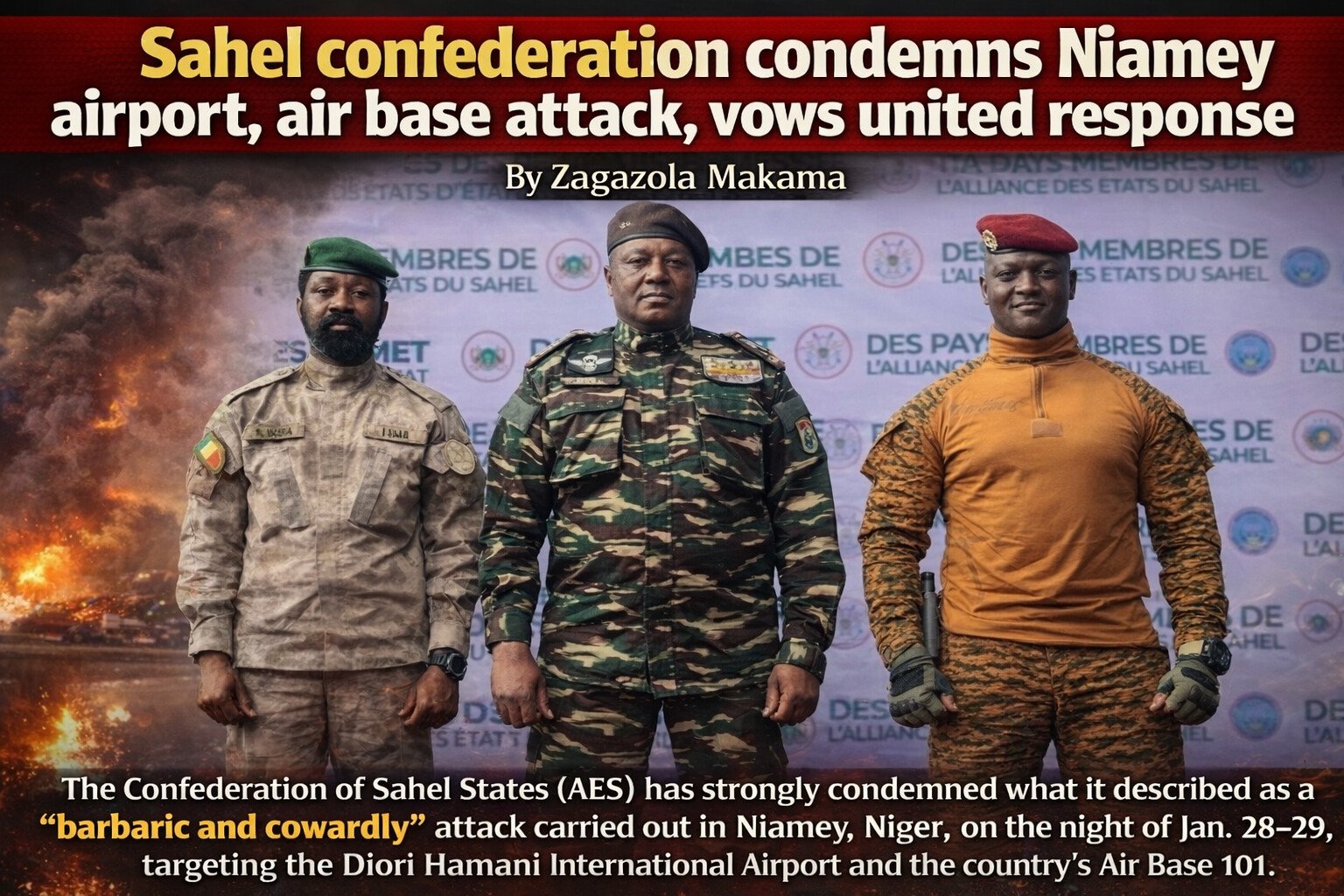
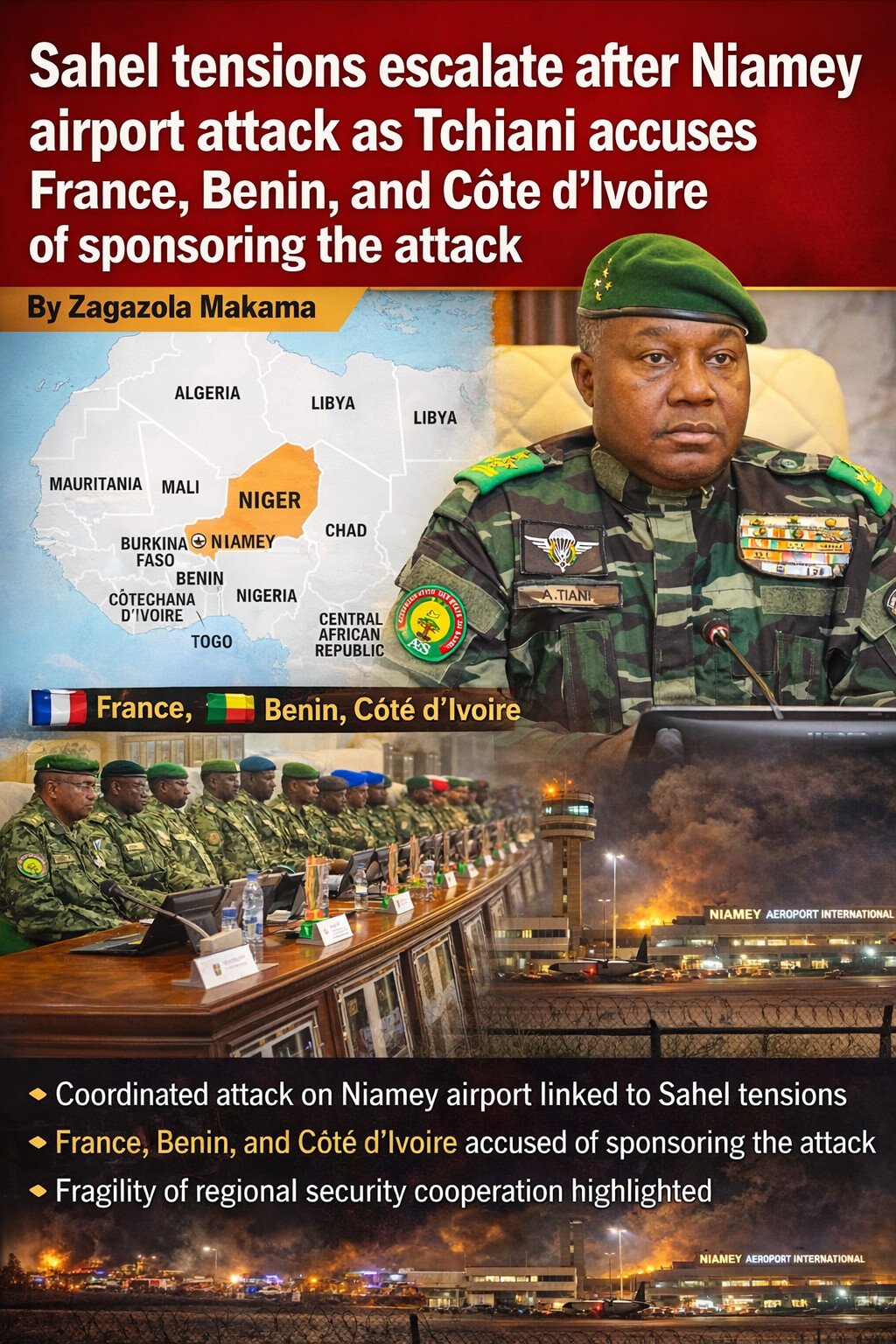
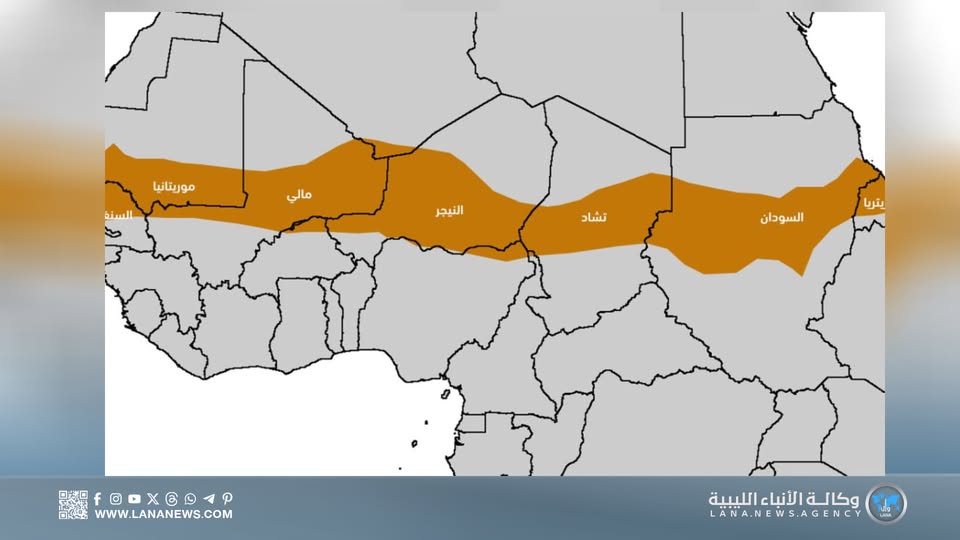
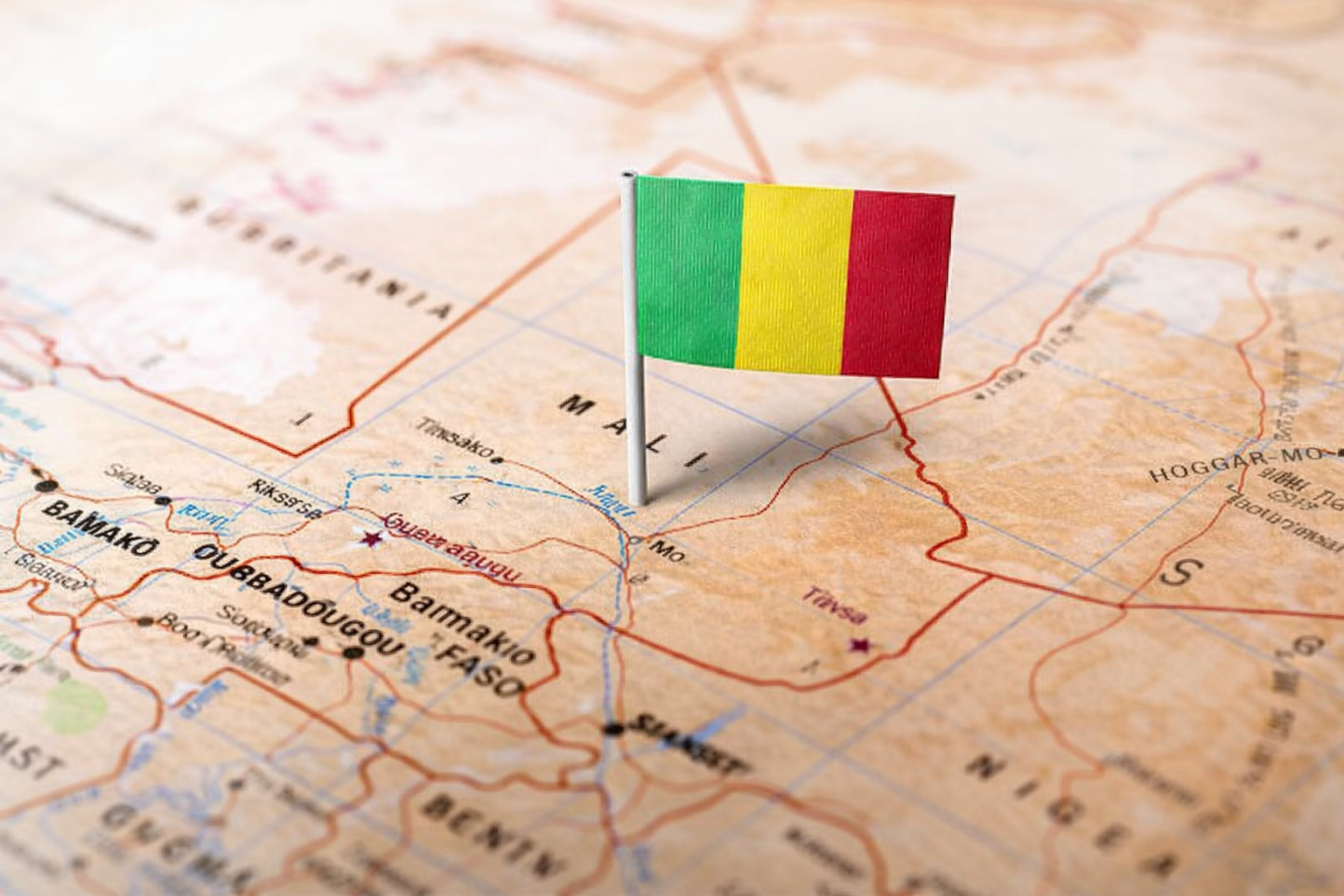
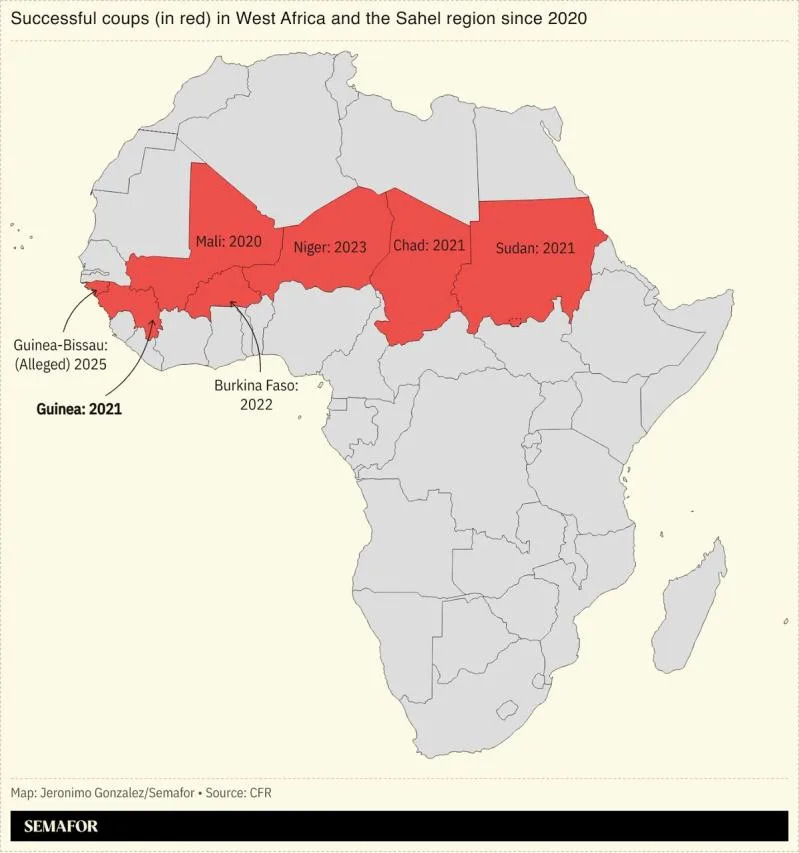
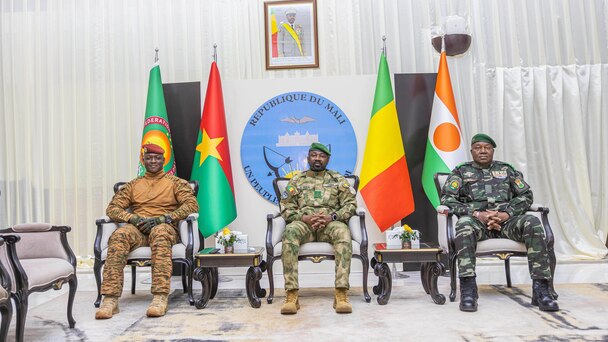
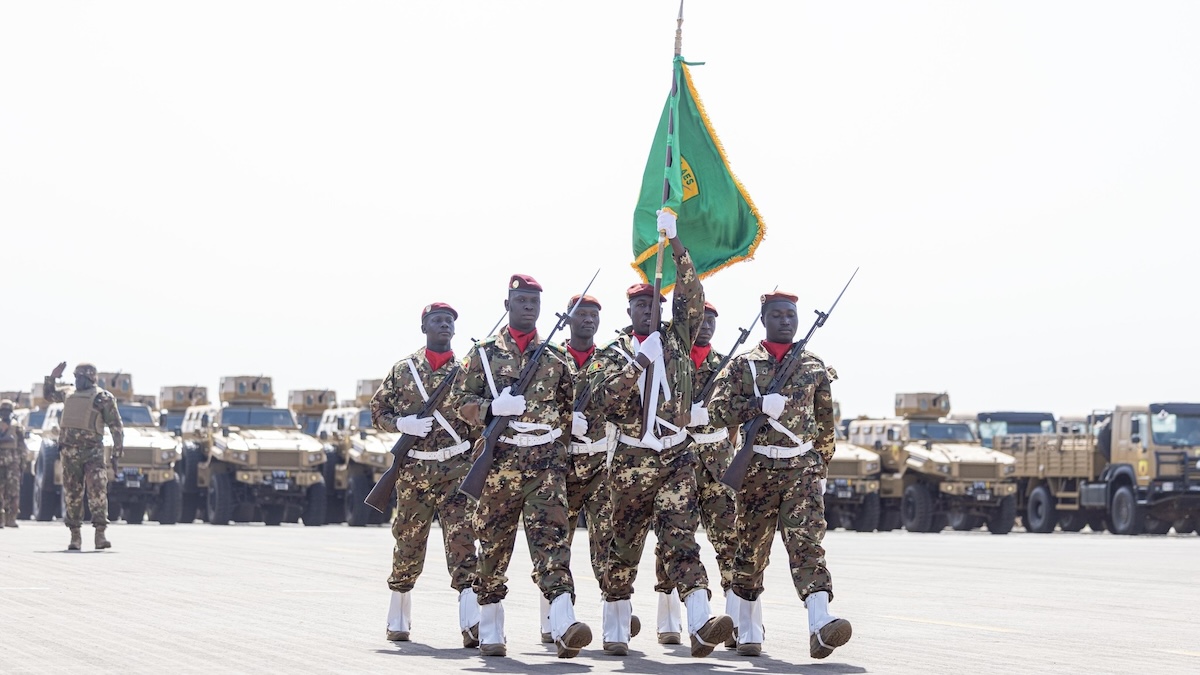
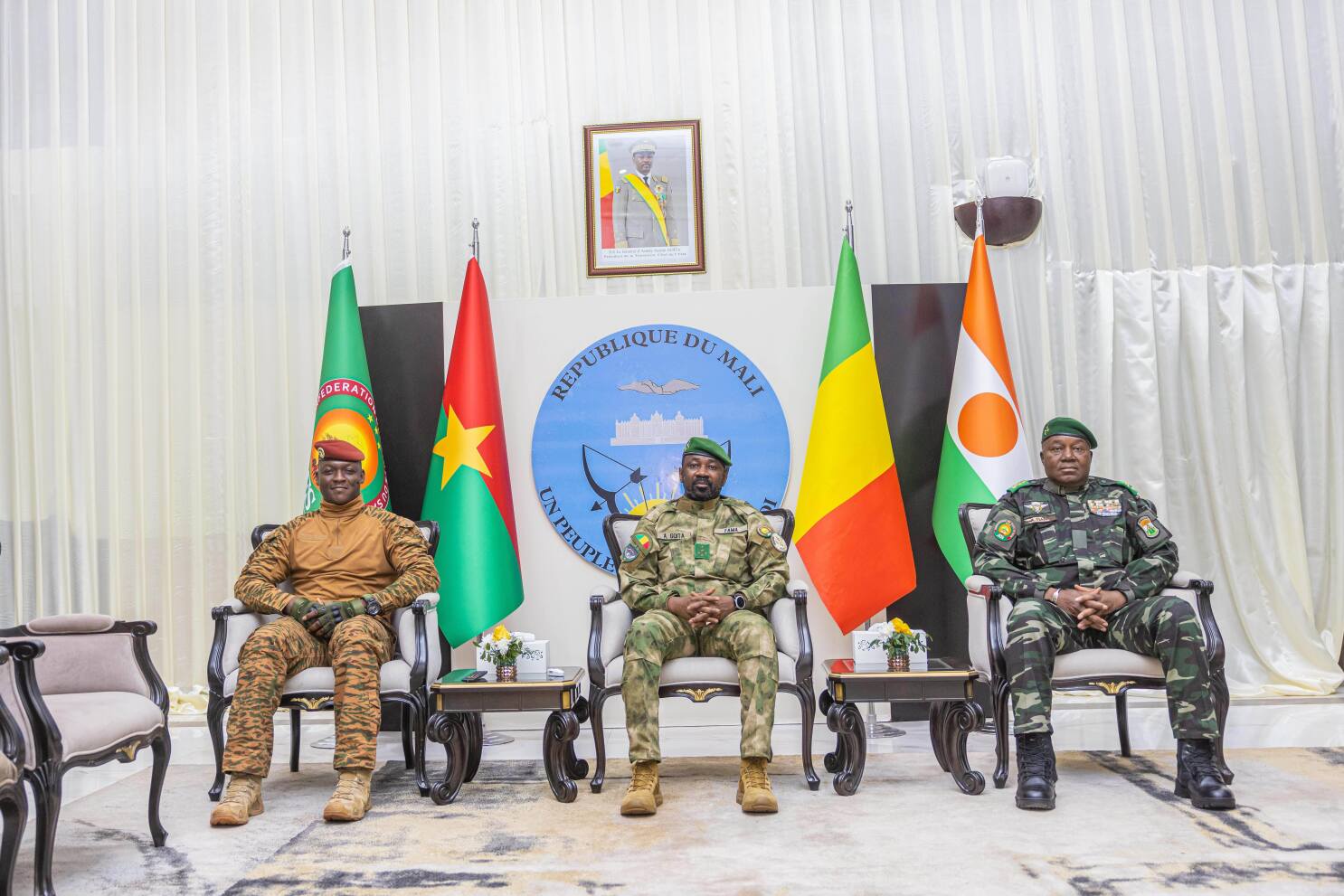
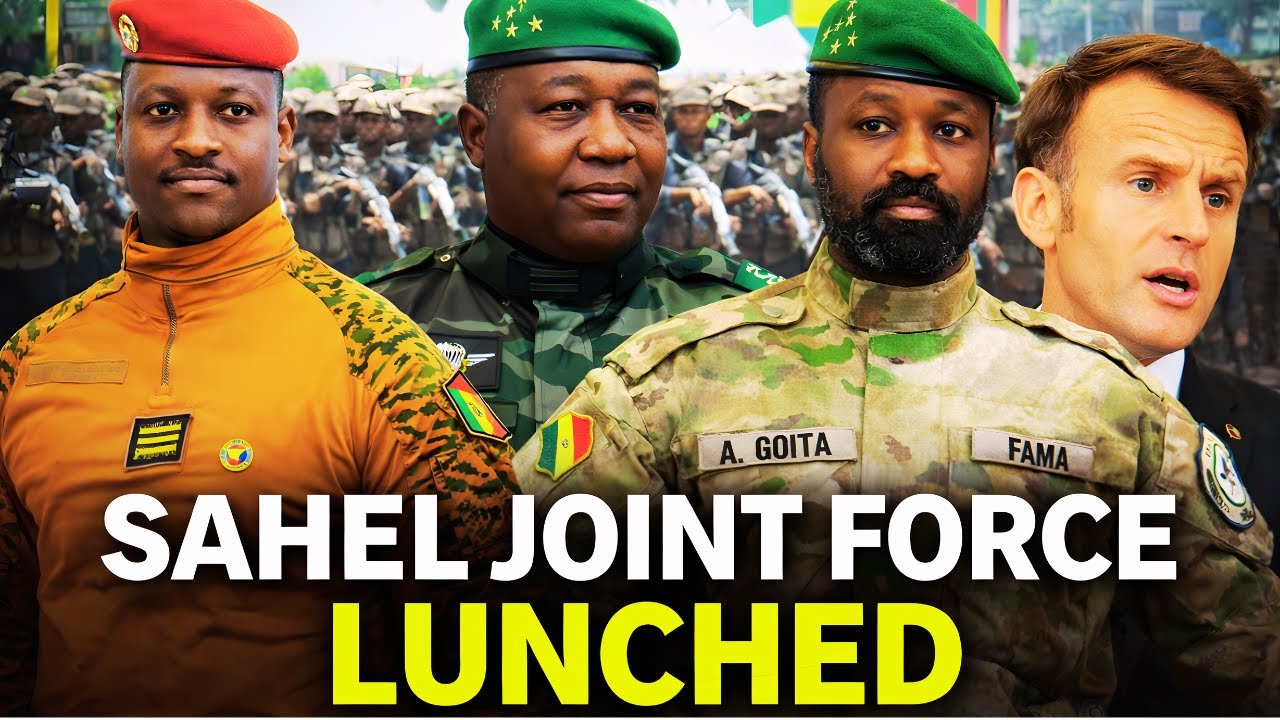
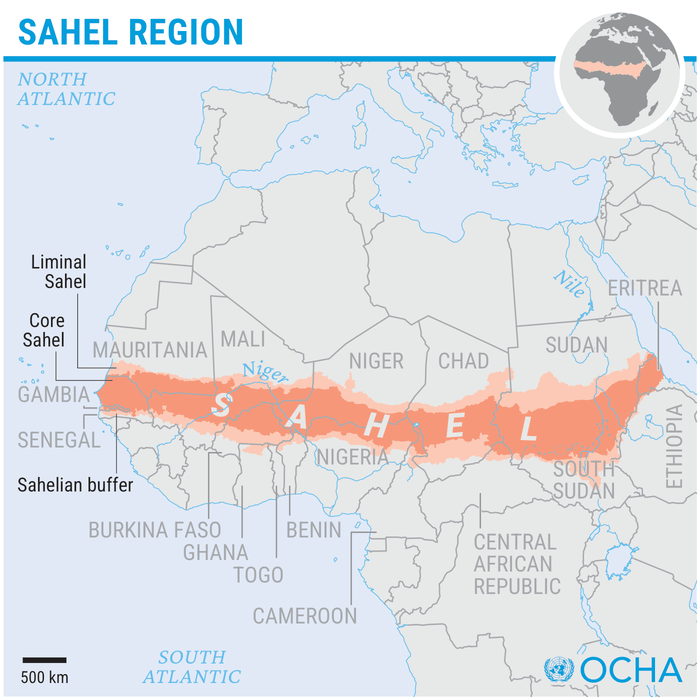
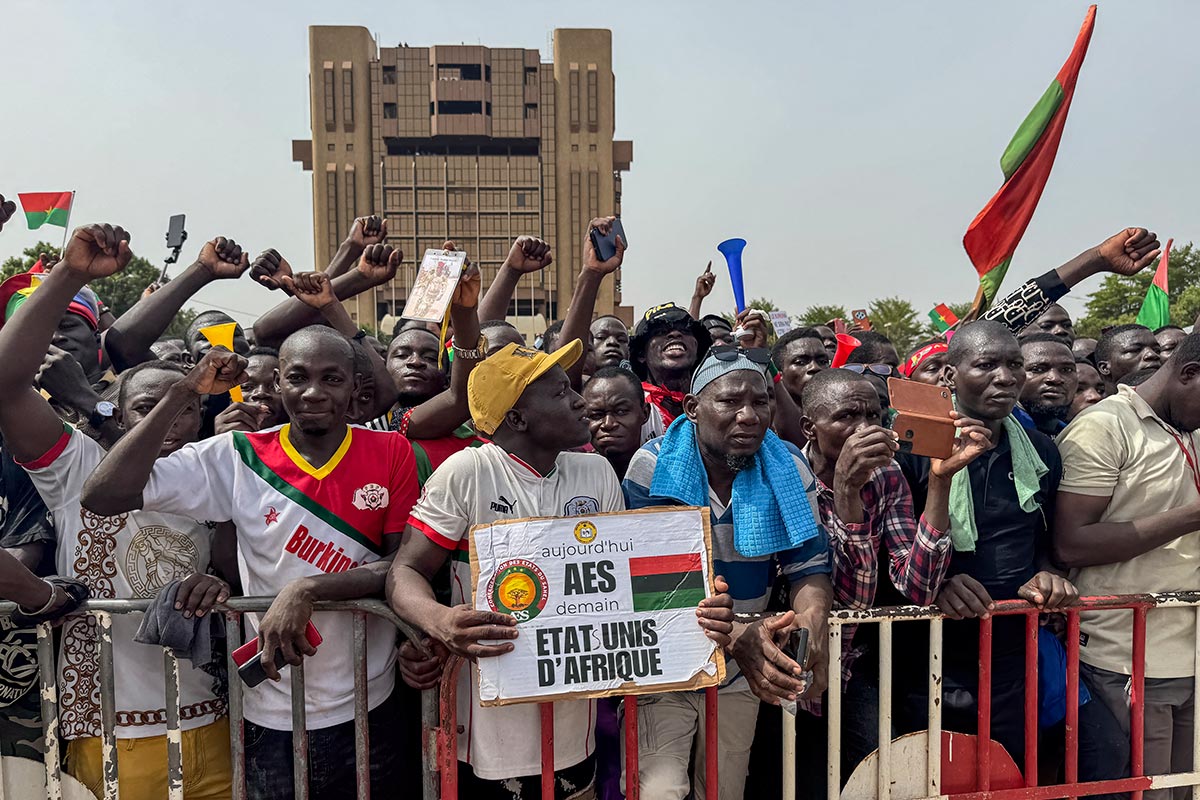
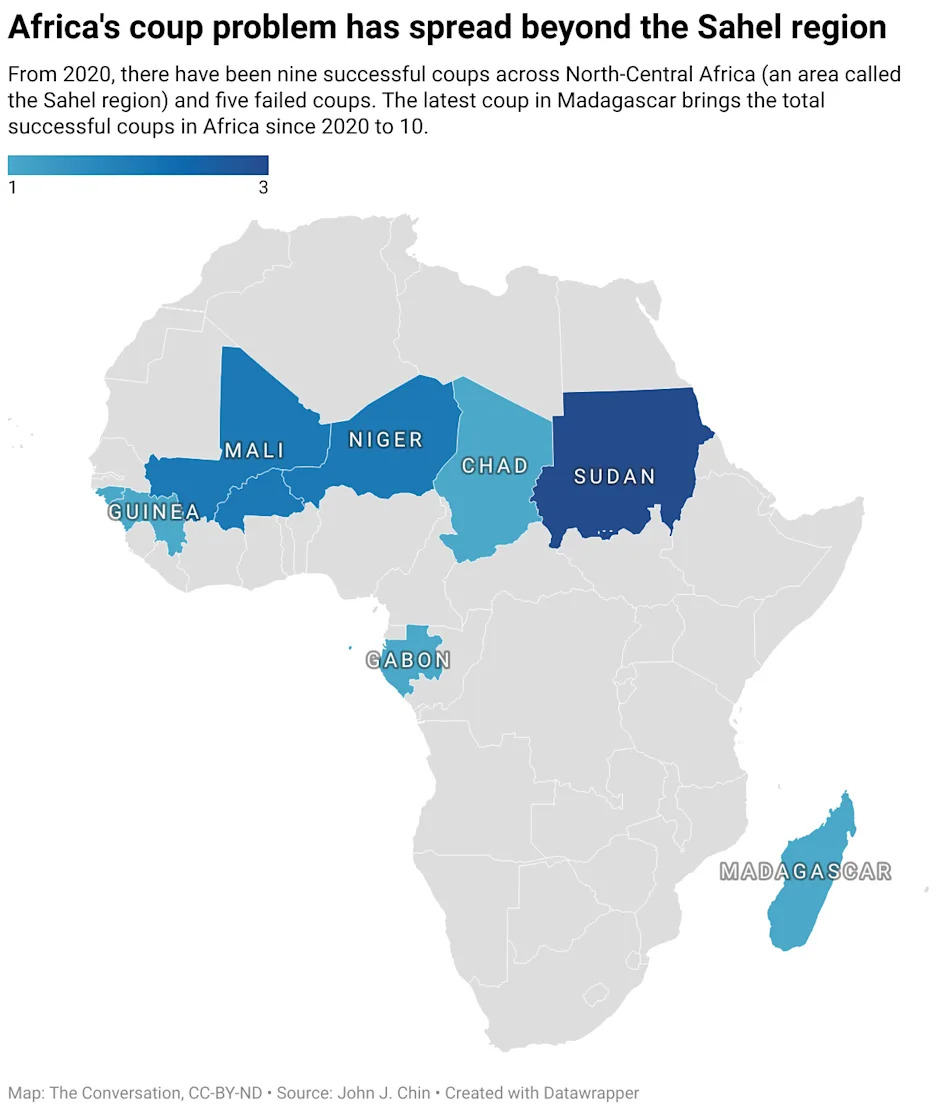
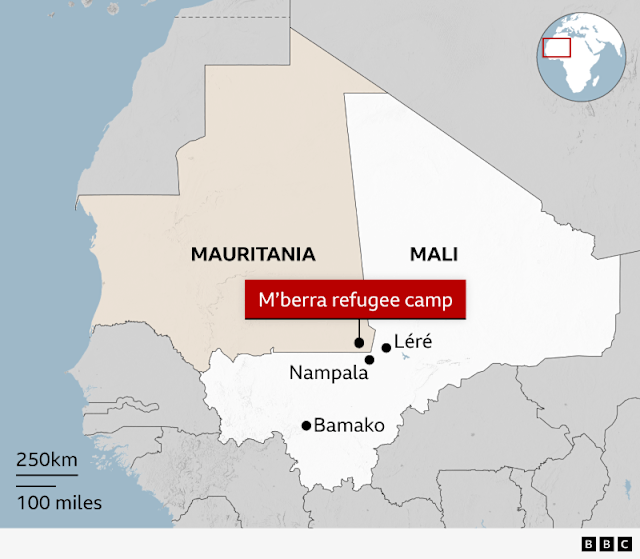
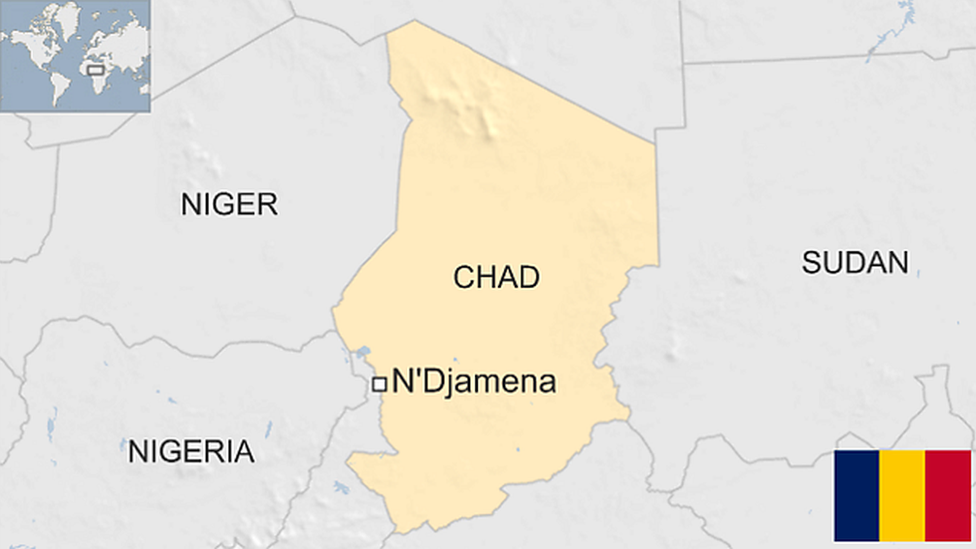
The regional dimension of this crisis can’t be overstated. Burkina Faso’s increasingly visible role within regional security frameworks, like the G5 Sahel, underscores this fact. As a key member of this coalition, which unites Mali, Niger, Chad, and Mauritania in confronting terrorism and organized crime, Burkina Faso’s commitment signals both its reliance on and contribution to multilateral strategies for stabilizing the Sahel. You might ask, “How effective can these coalitions be?” Despite operational setbacks and political upheavals, including recent coups in some member states, the G5 Sahel remains a vital platform. After all, insurgent groups operate across porous borders, exploiting vast and often ungoverned spaces. This reality compels Burkina Faso and its neighbors to intensify intelligence sharing and joint operations, truly enhancing their collective capacity to respond effectively. However, challenges persist, notably in ensuring these efforts respect human rights and maintain civilian trust, which are absolutely crucial for lasting peace. Burkina Faso is actively strengthening its security with regional partnerships and military readiness, reflecting its pivotal role in the region’s security posture, as explored in Africa Security Review, March 2024.
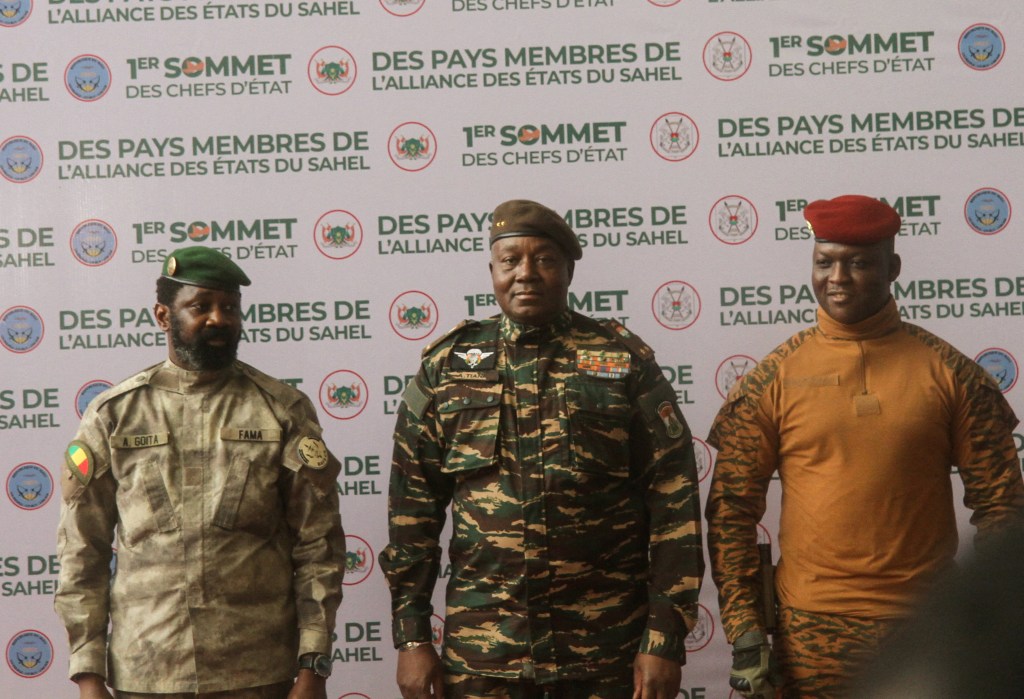
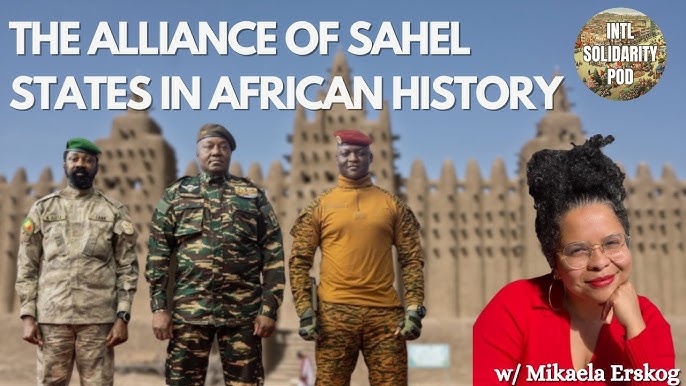
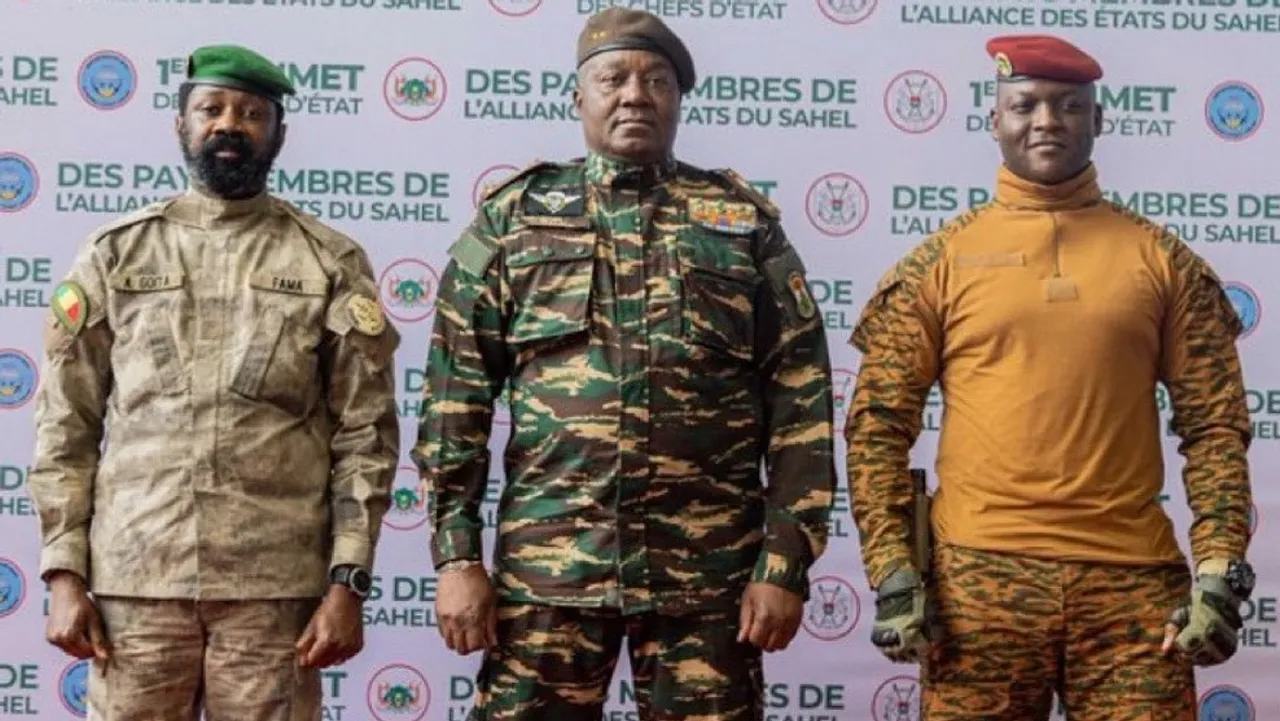
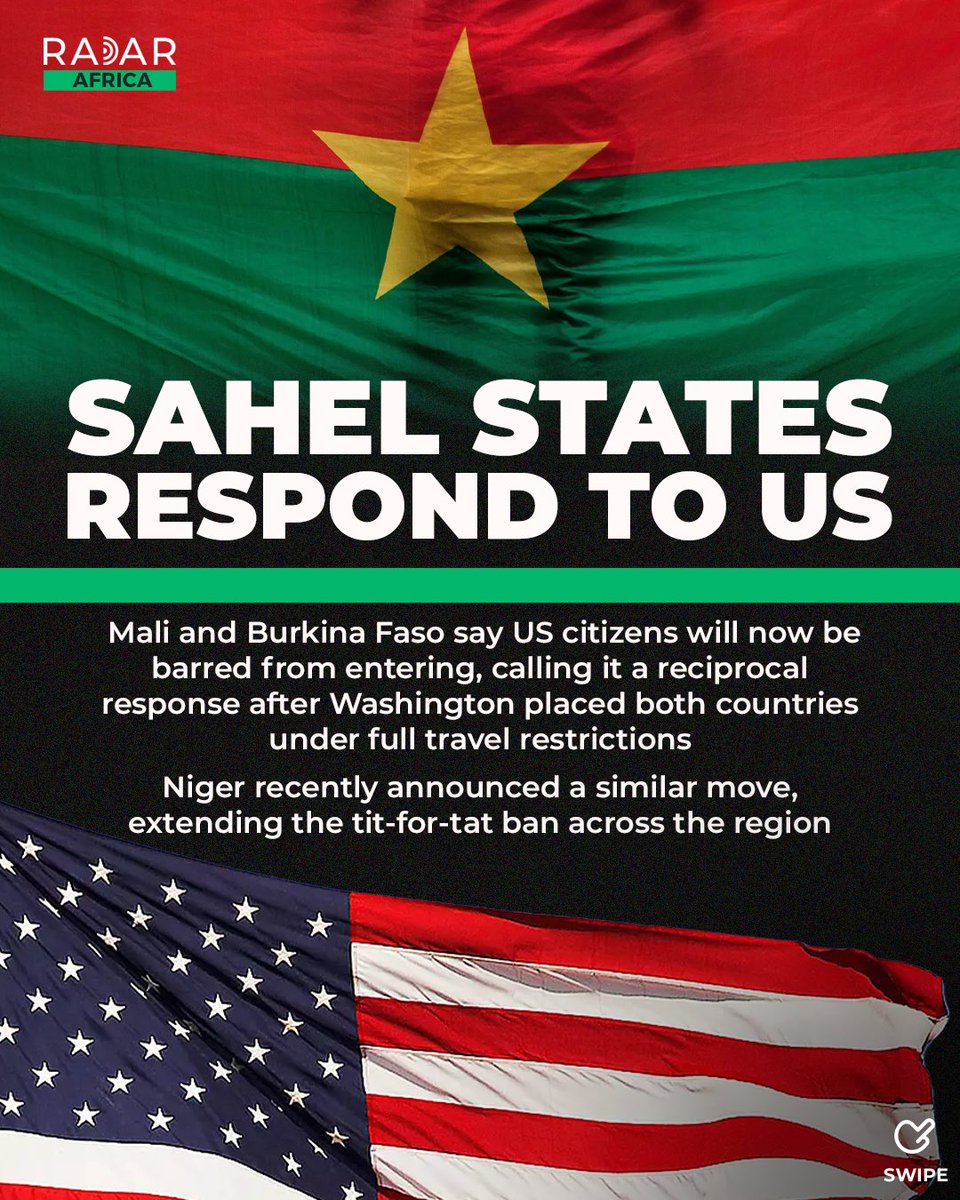
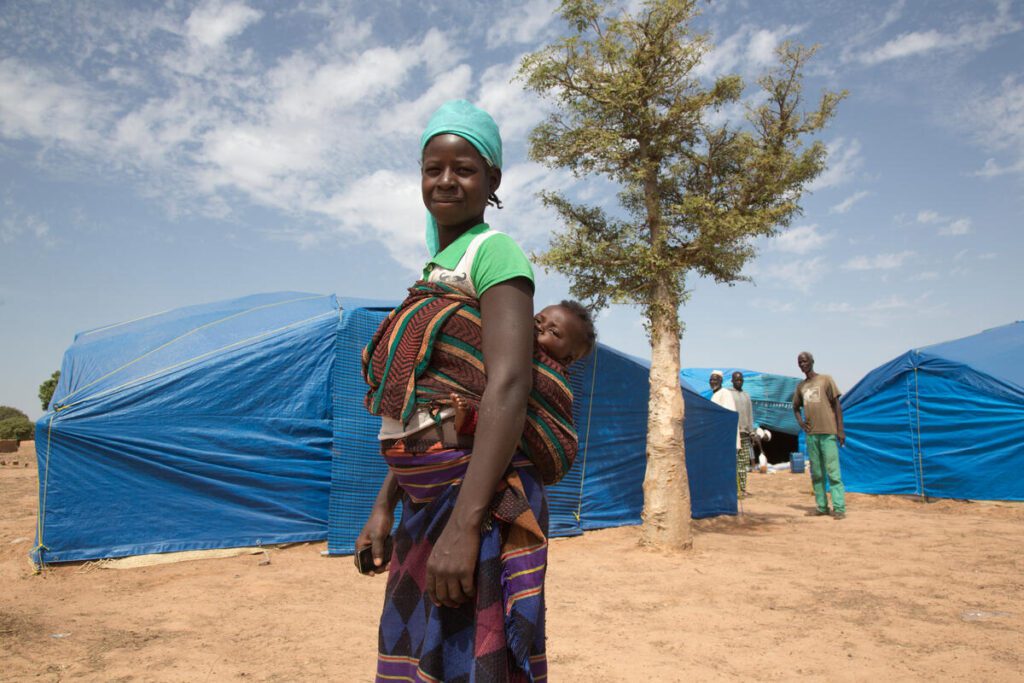
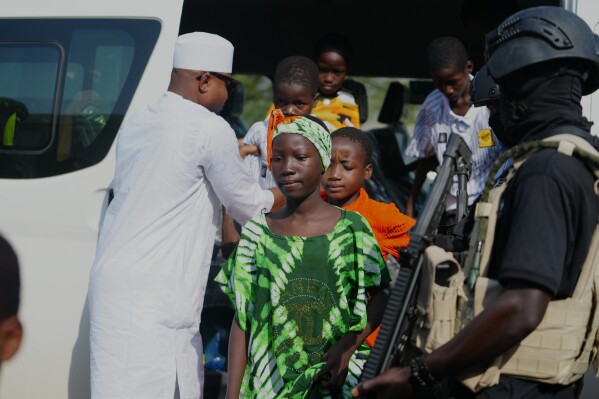
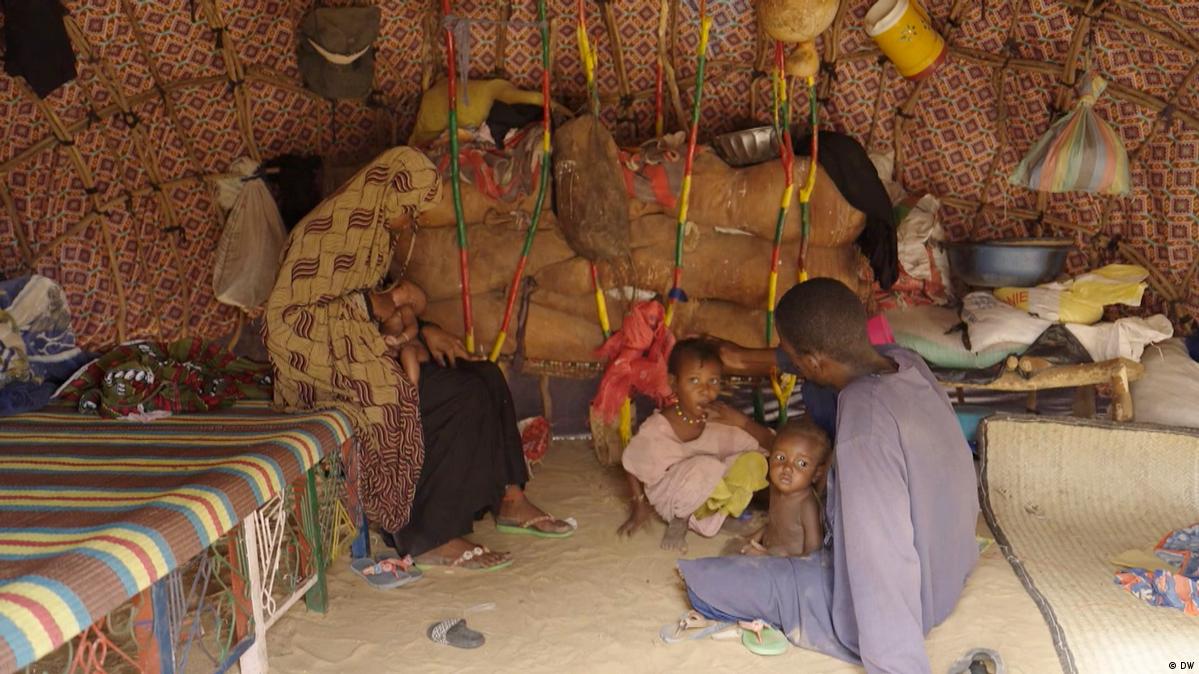
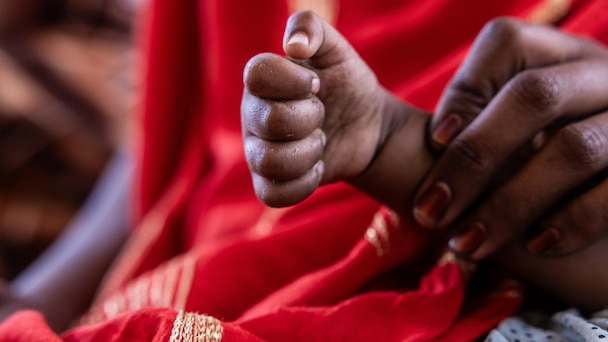
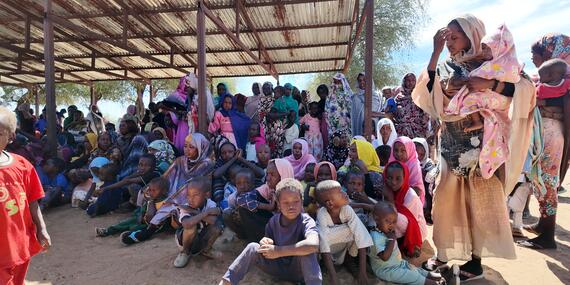
Beyond military actions, Burkina Faso is also smartly prioritizing developmental approaches to tackle the very root causes of insecurity. Things like poverty, unemployment, and governance deficits, particularly in remote areas, create fertile ground for extremism. That’s why the government and its international partners are investing heavily in education, infrastructure, and social programs. The goal? To strengthen resilience among vulnerable populations and give them viable alternatives to joining armed groups. Political stability, of course, is a prerequisite for these initiatives to truly succeed. Burkina Faso’s recent political transitions have certainly stirred both hopes and concerns. On one hand, a renewed focus on governance reforms promises a more inclusive and accountable government. On the other, lingering tensions and the risk of renewed turmoil definitely inject uncertainty into the country’s trajectory. The coming months will be decisive. And let’s not forget the international community, which plays a critical role. Beyond the Sahel coalition, organizations like the African Union, the United Nations, and key bilateral partners are involved, providing support ranging from training security forces to humanitarian aid. Their engagement highlights a recognition that Burkina Faso’s stability has wider implications for West Africa and beyond, influencing migration patterns, economic prospects, and regional peace. Ultimately, Burkina Faso’s path forward hinges on a multifaceted approach that integrates military resilience, economic development, and political inclusiveness. Addressing these complex security challenges requires fortifying institutions, building community trust, and enhancing regional cooperation. Many Sahel states are forming alliances to enhance security and empower communities, a promising trend. Despite formidable obstacles, the country’s evolving efforts and partnerships offer a real foundation for hope. As Burkina Faso navigates this critical period, its experiences will provide invaluable lessons on managing insecurity in the Sahel and fostering durable peace in a fast-changing Africa, as discussed in Global Peace Monitor, February 2024.