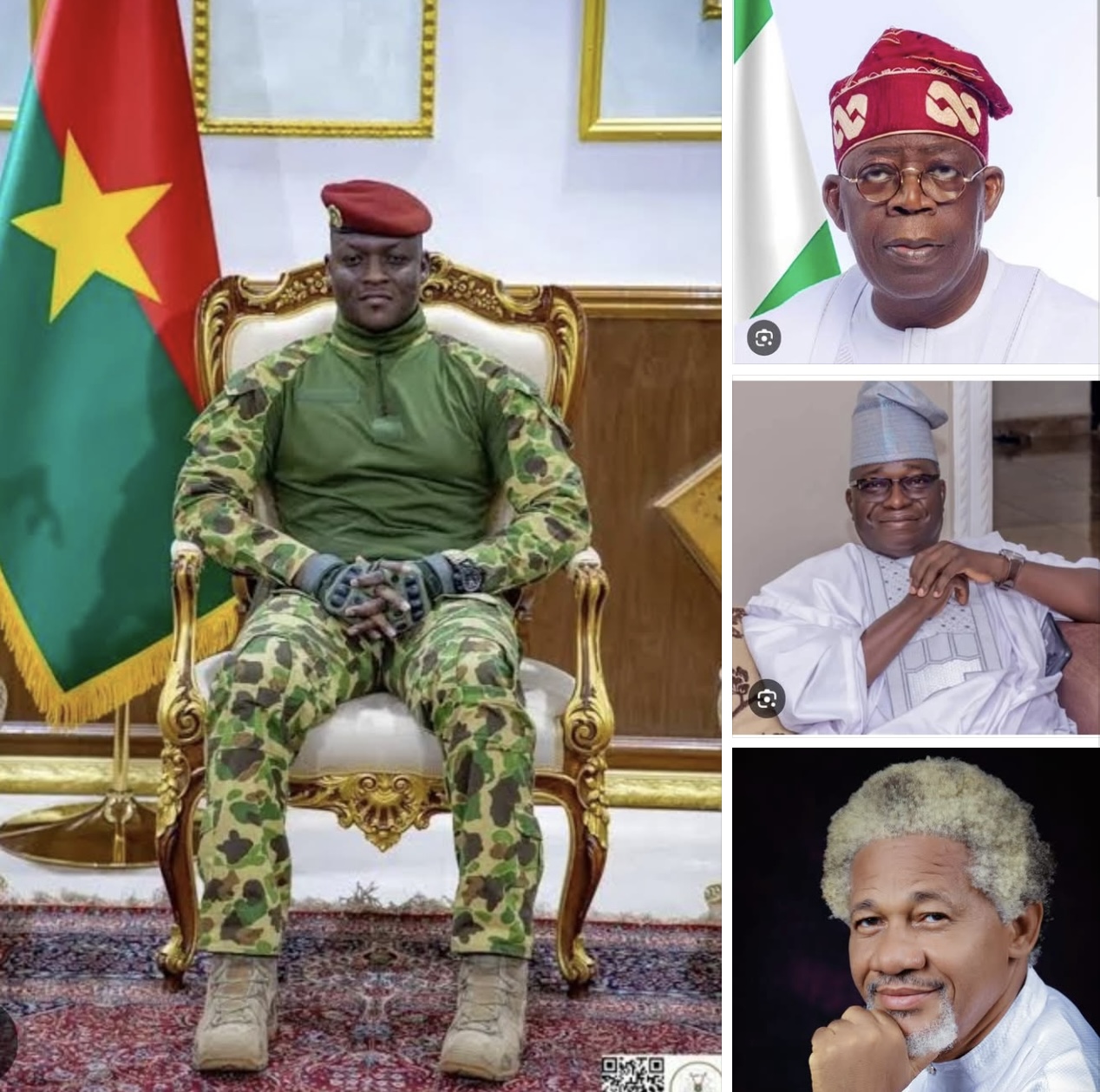
Burkina Faso Redefines Its Stance on Sovereignty and Regional Ties
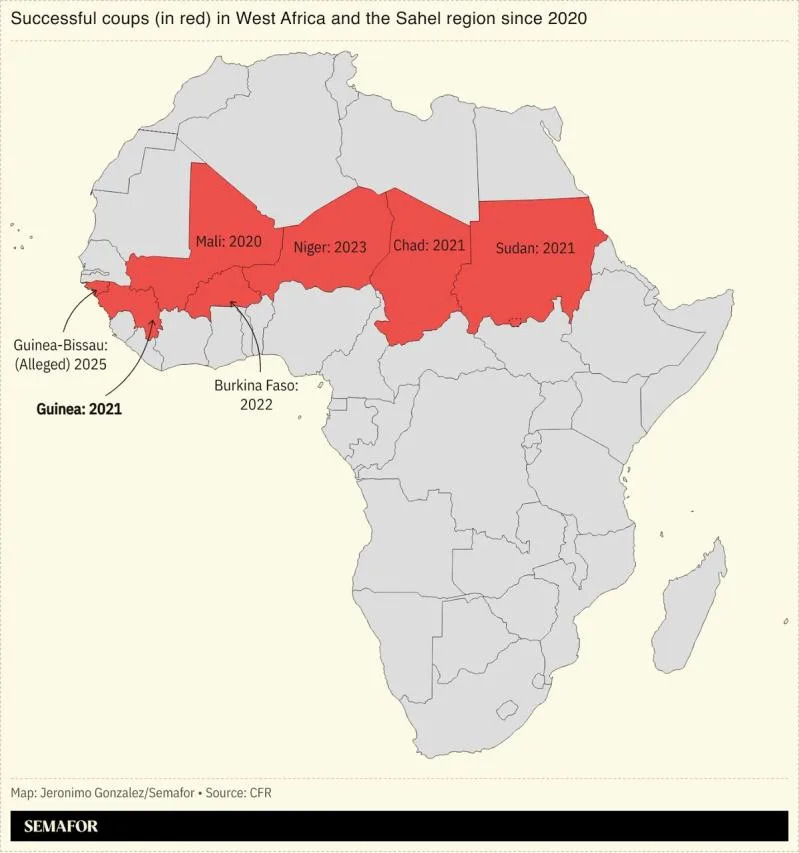
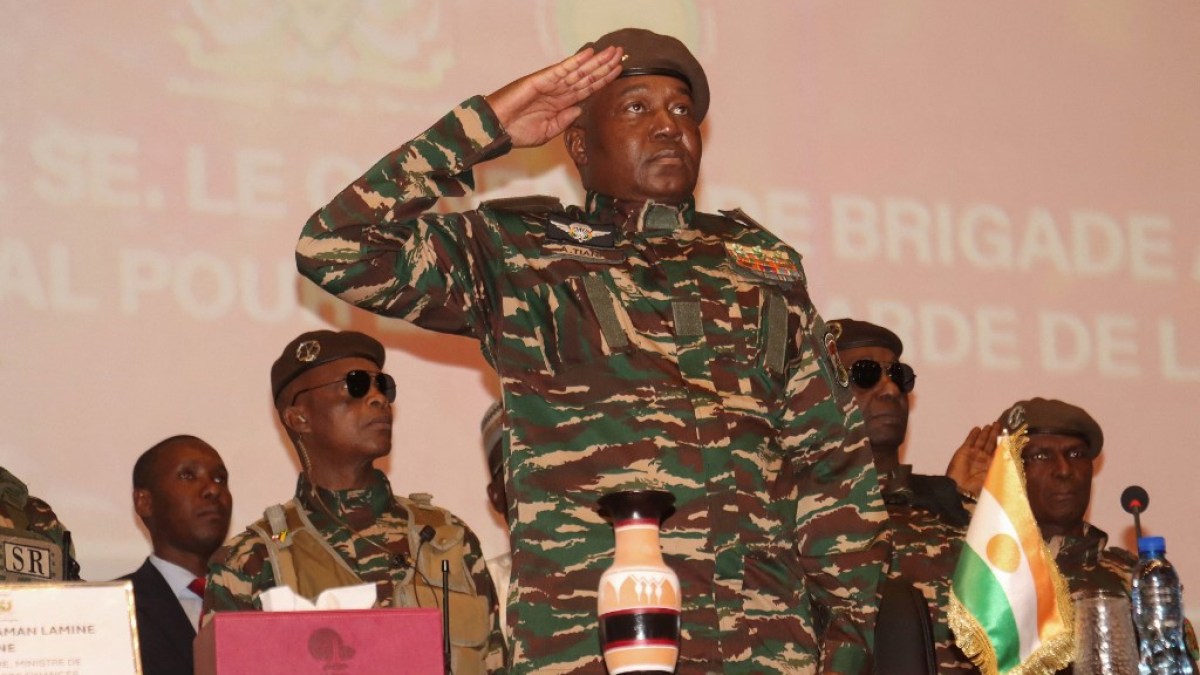
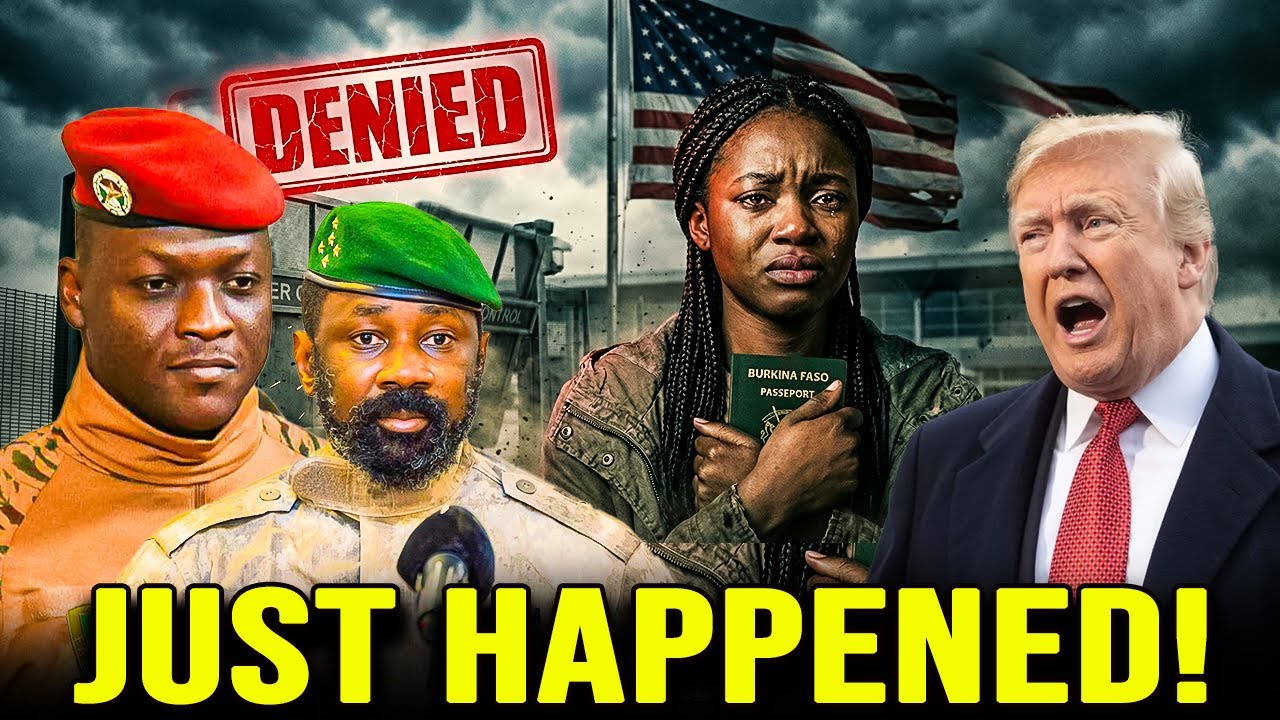
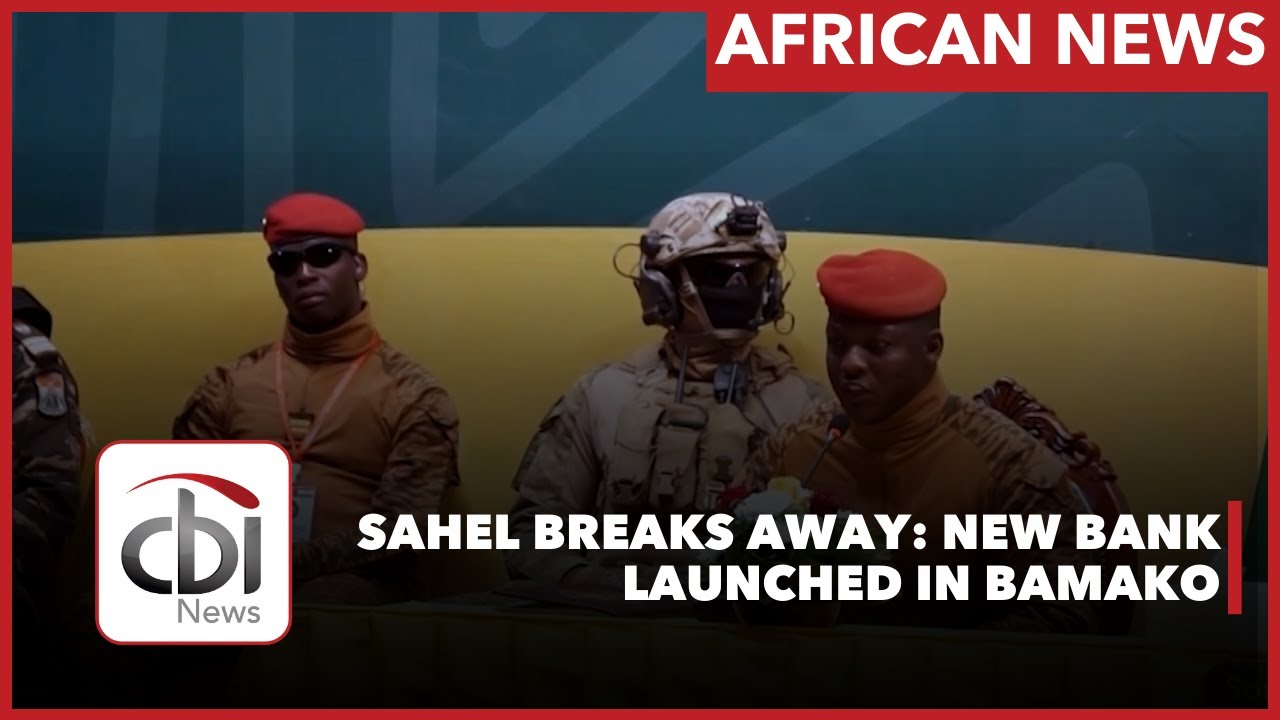
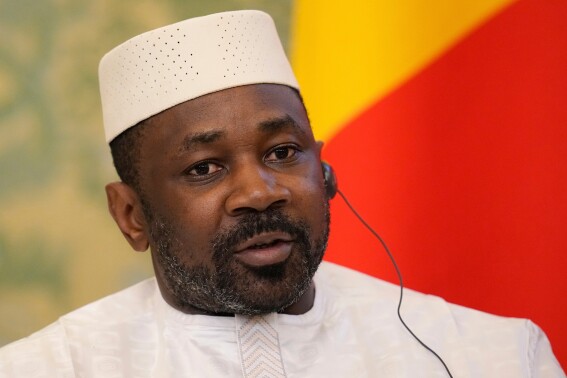
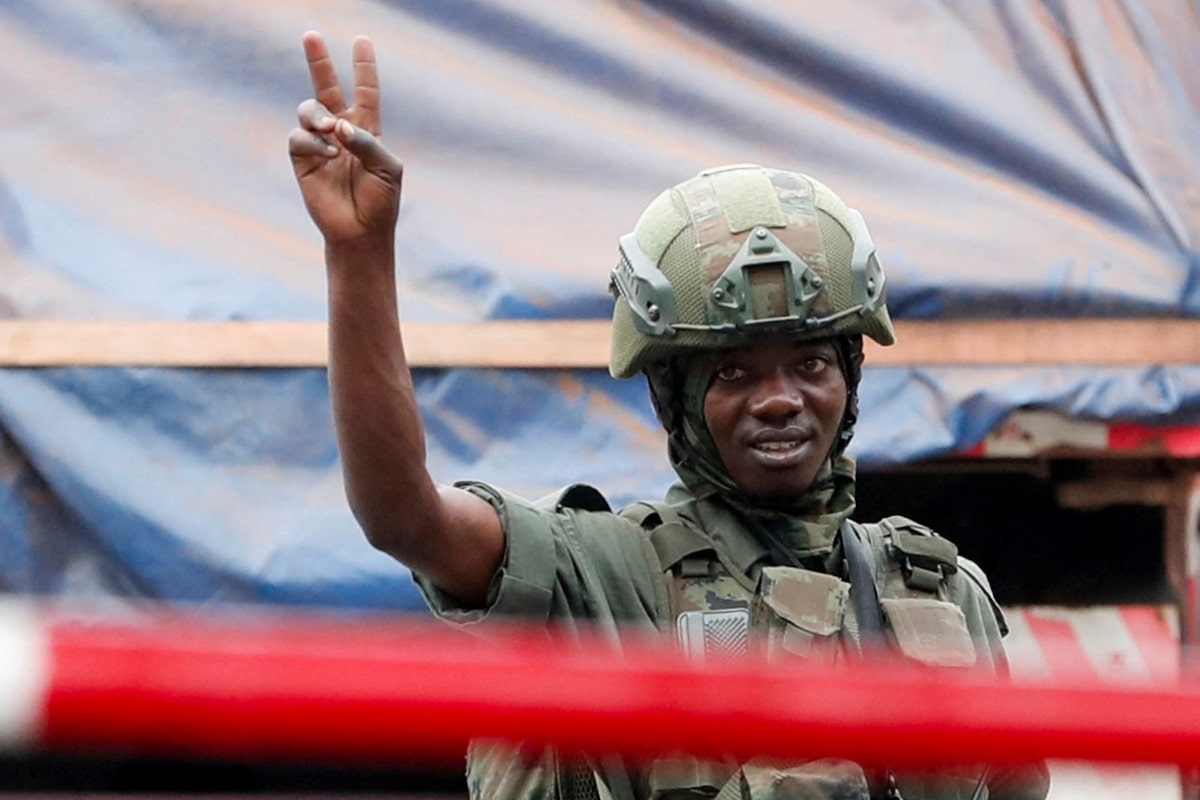
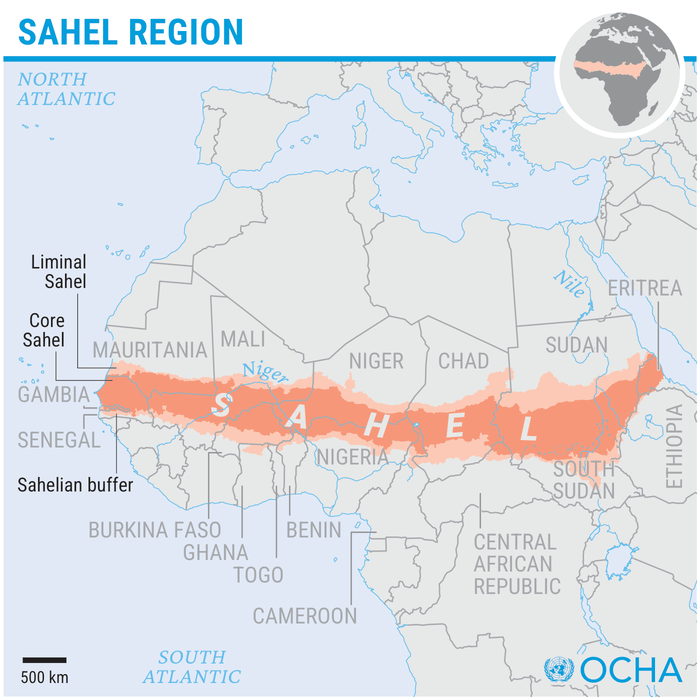
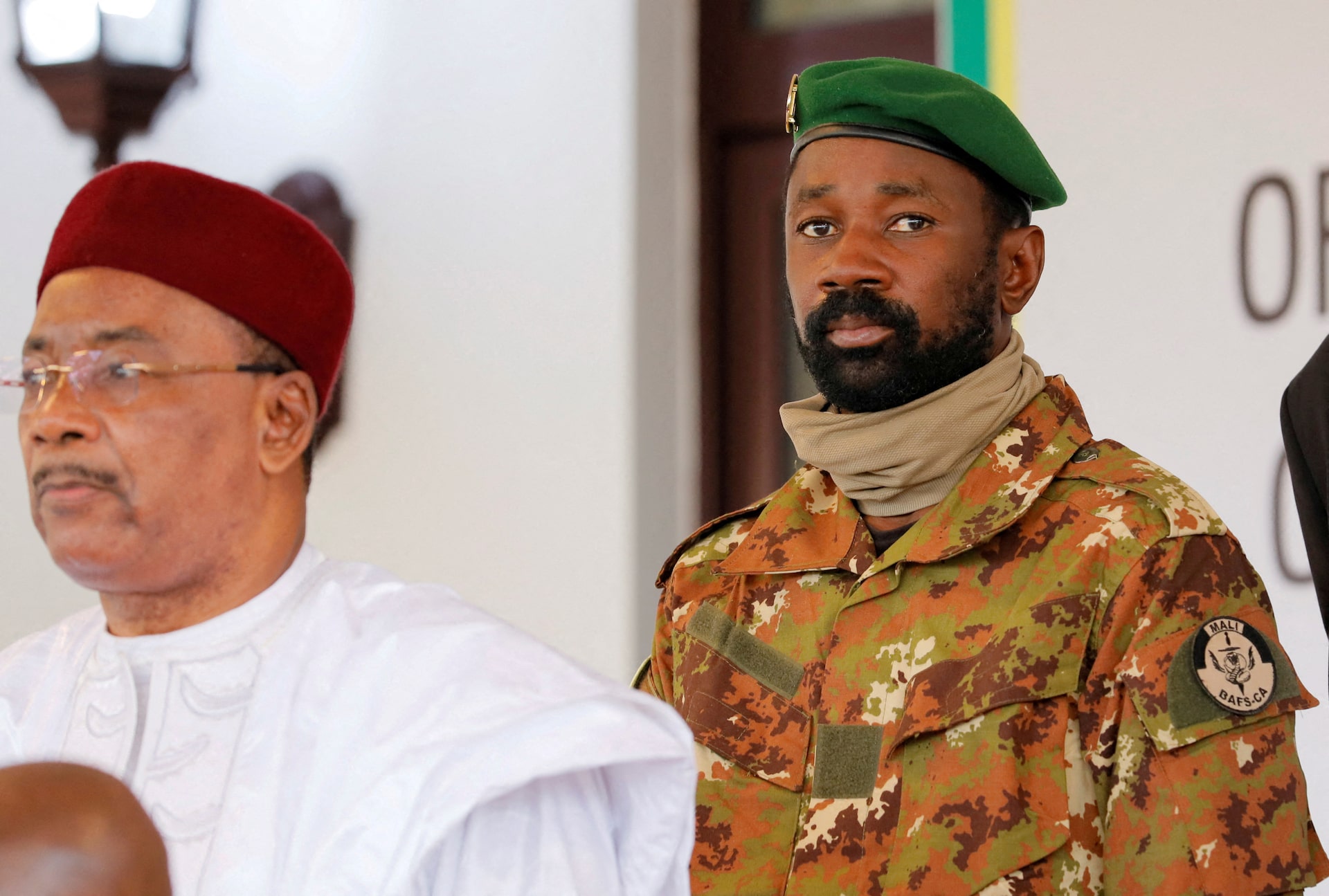
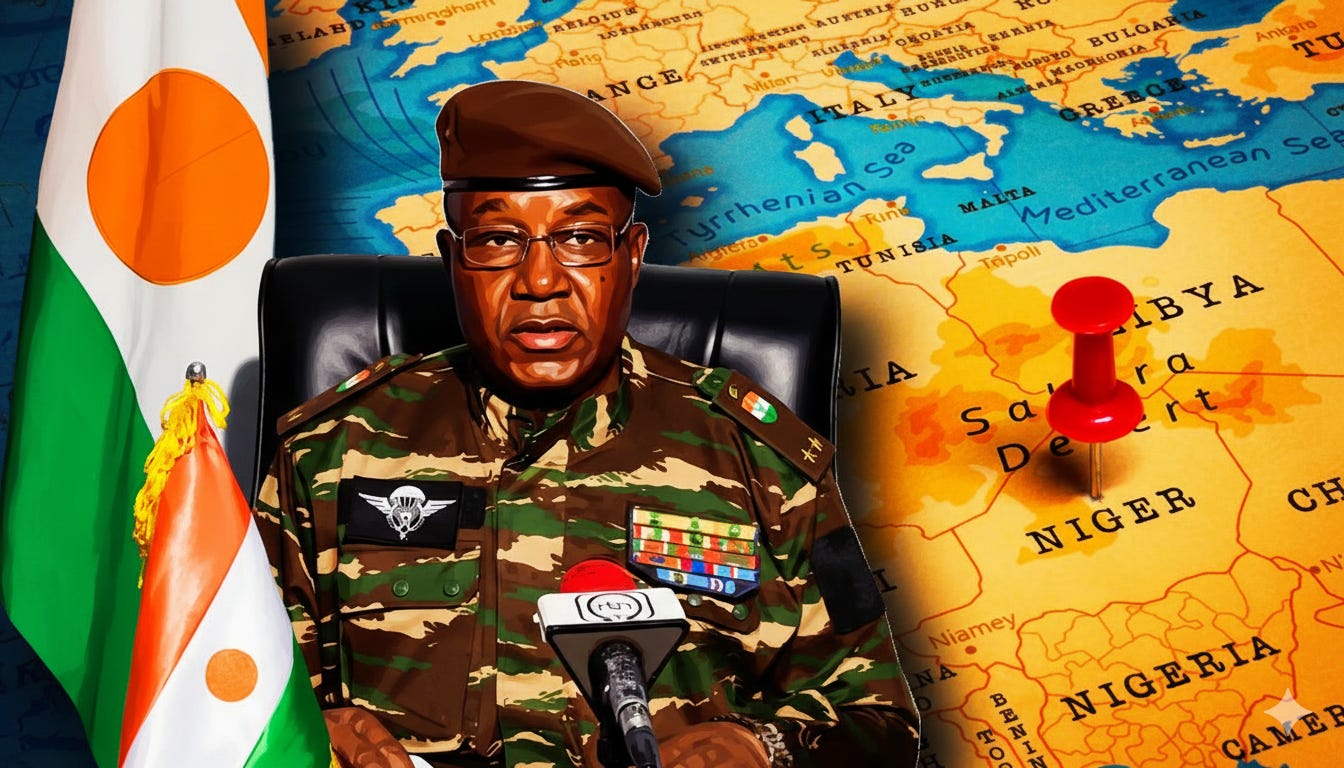
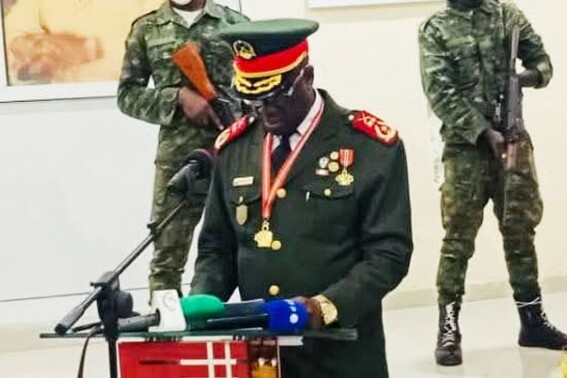
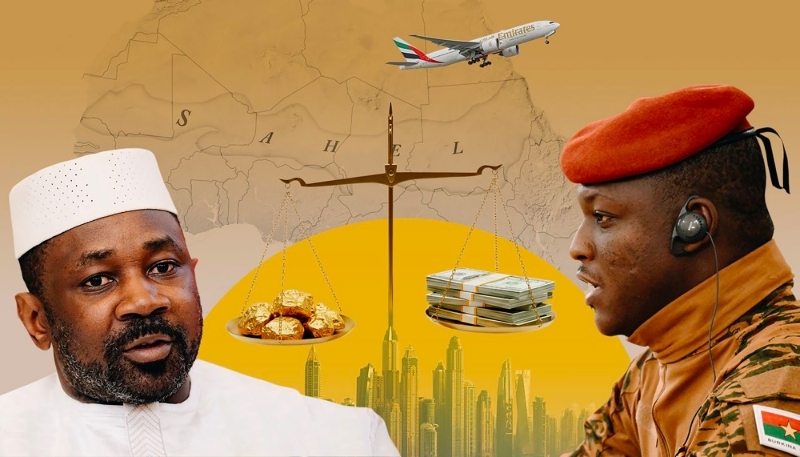
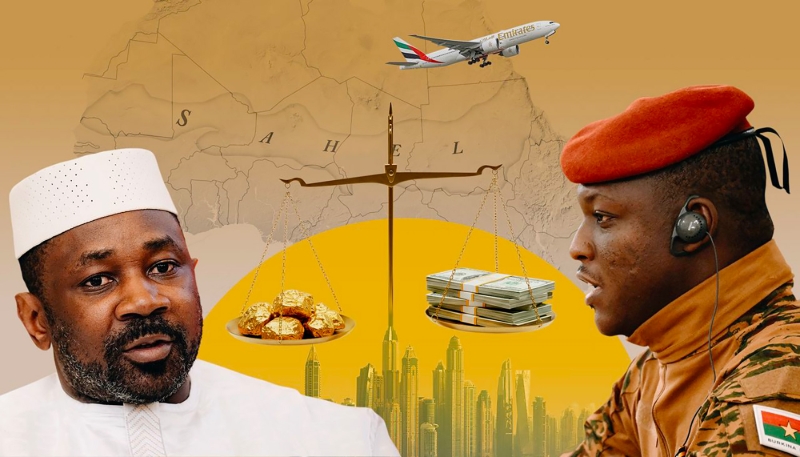
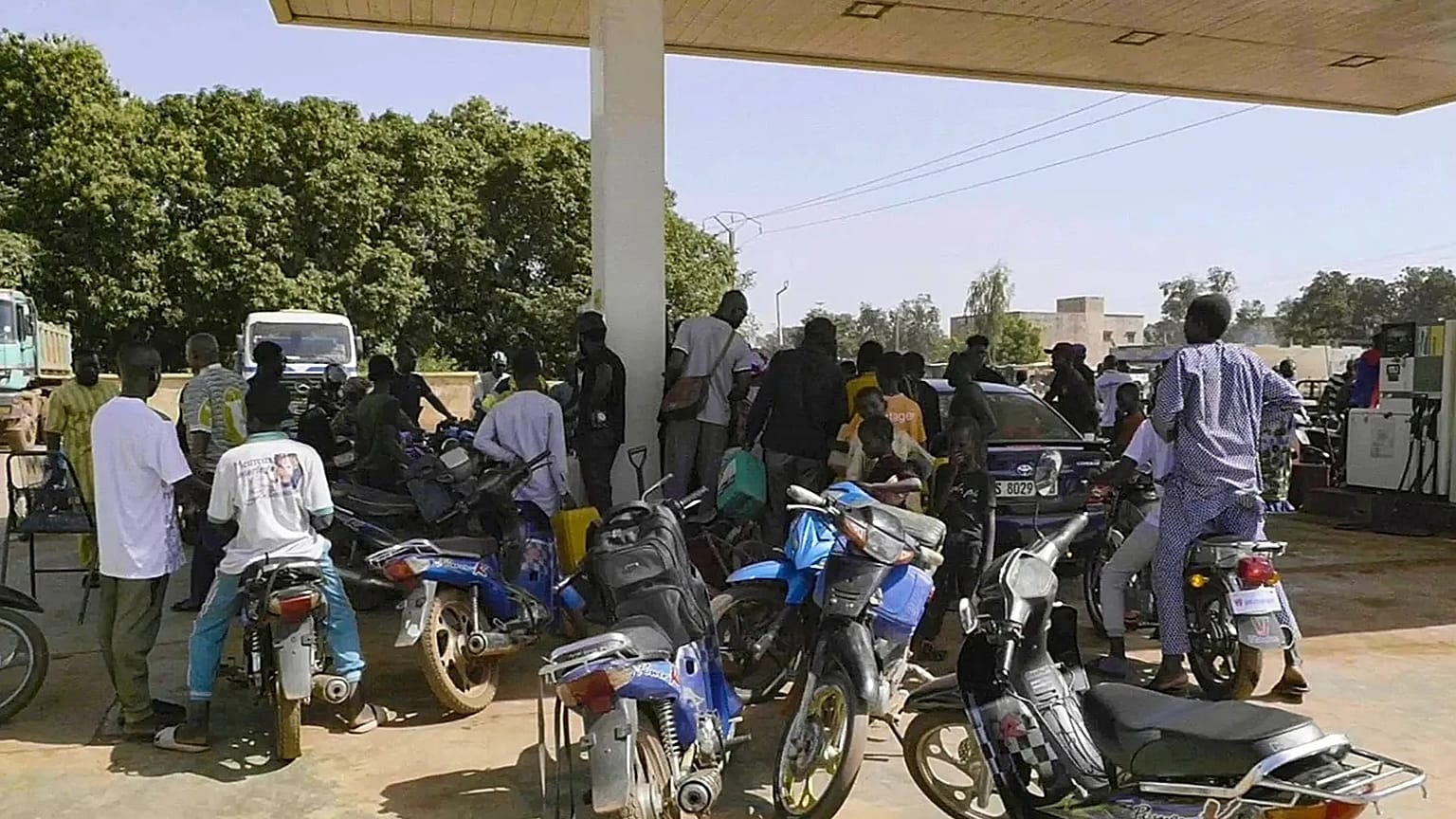
Burkina Faso is making headlines, confidently asserting its independence and recalibrating its global relationships. Under President Ibrahim Traoré’s leadership, the nation has vigorously moved to reclaim its vast gold resources, a strategic shift that could transform it into a significant force in the global gold market. This bold economic maneuver coincides with a tense diplomatic standoff involving Nigeria over the detention of military personnel, underscoring Burkina Faso’s unwavering commitment to national security and territorial integrity. What do these actions mean for West Africa and beyond? The government’s drive to control its mineral wealth, particularly gold, is a clear signal that the days of external exploitation are over. Experts even suggest this initiative could reshape the international commodity landscape, challenging traditional Western dominance. It’s a powerful statement of economic independence, aiming to channel profits back into the nation for development, a move that resonates with the broader desire for self-determination across the continent. For more on similar regional dynamics, you can read about Sahel conflict and regional alliances.
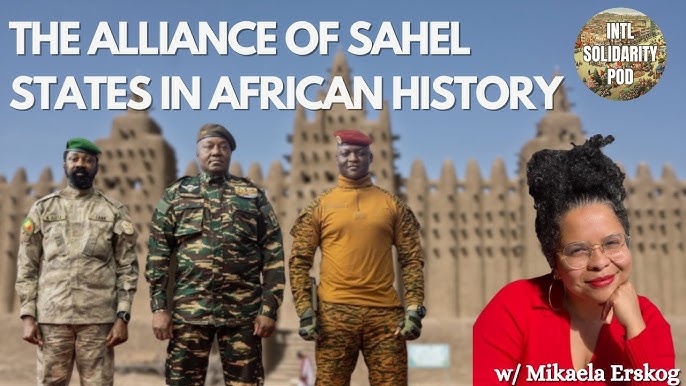
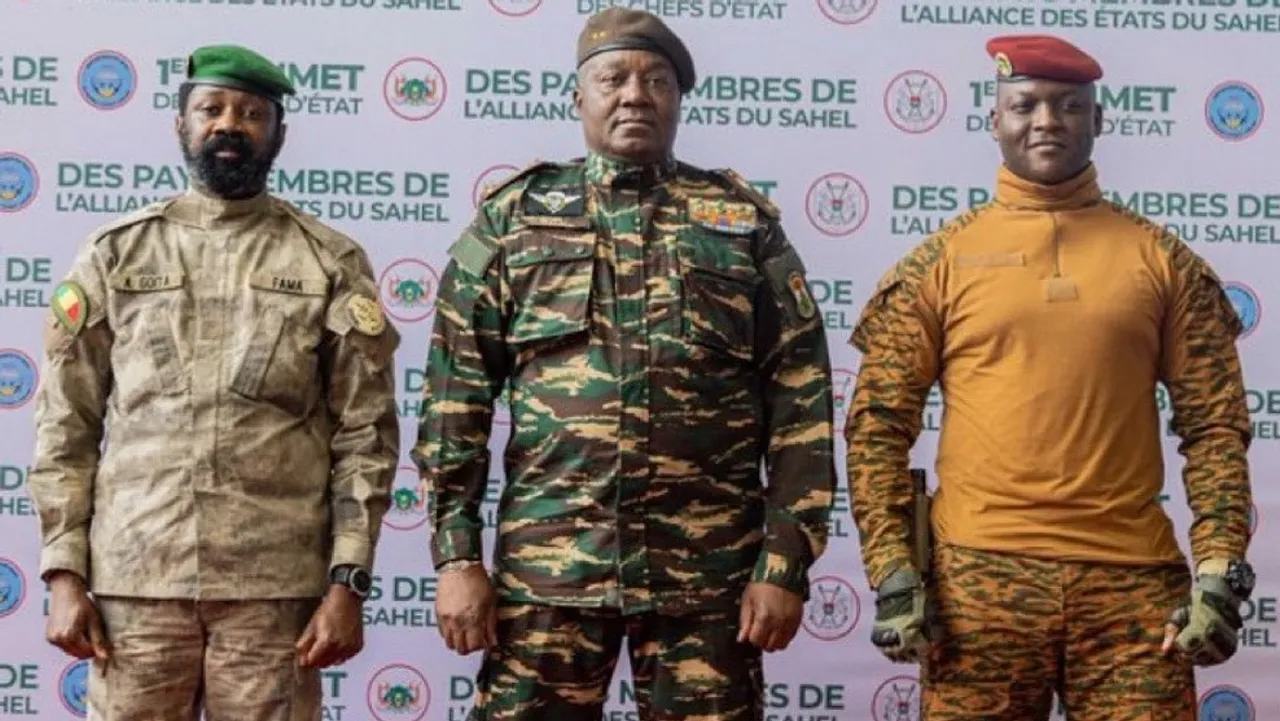
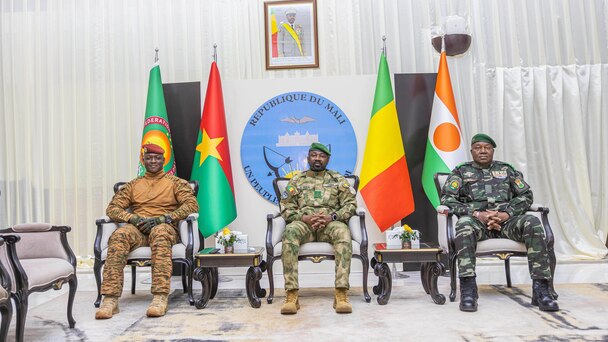
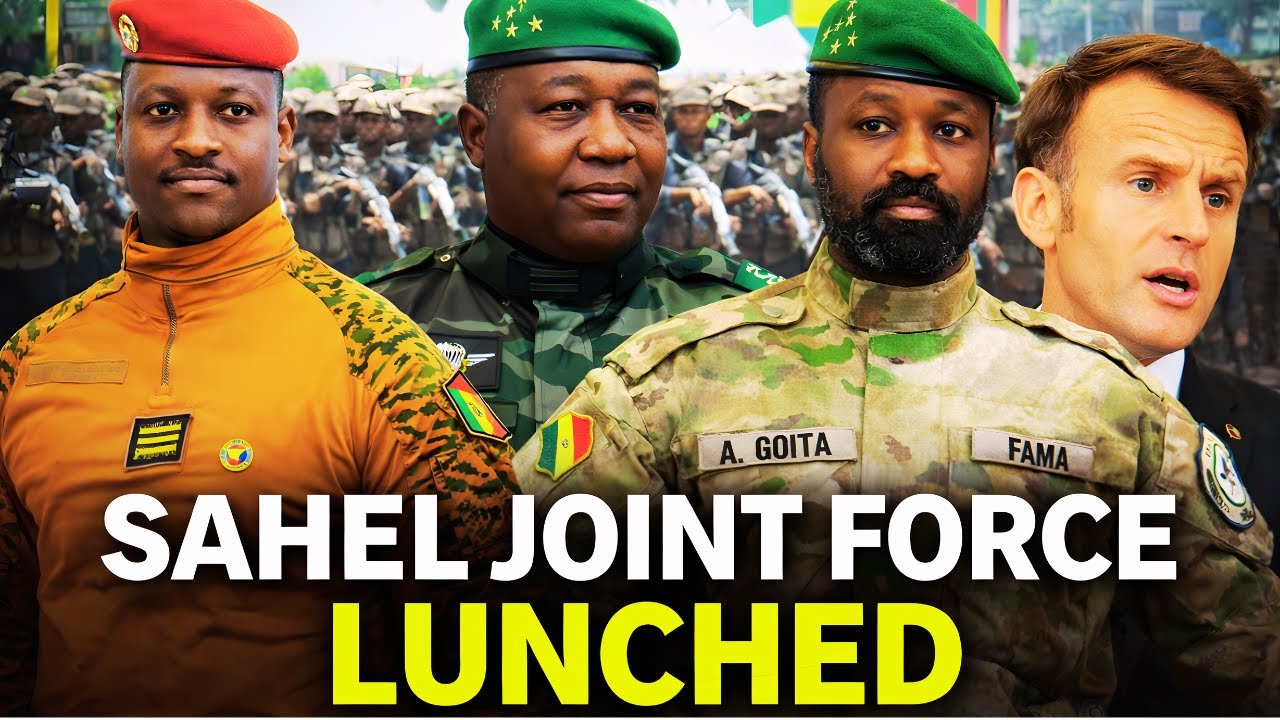
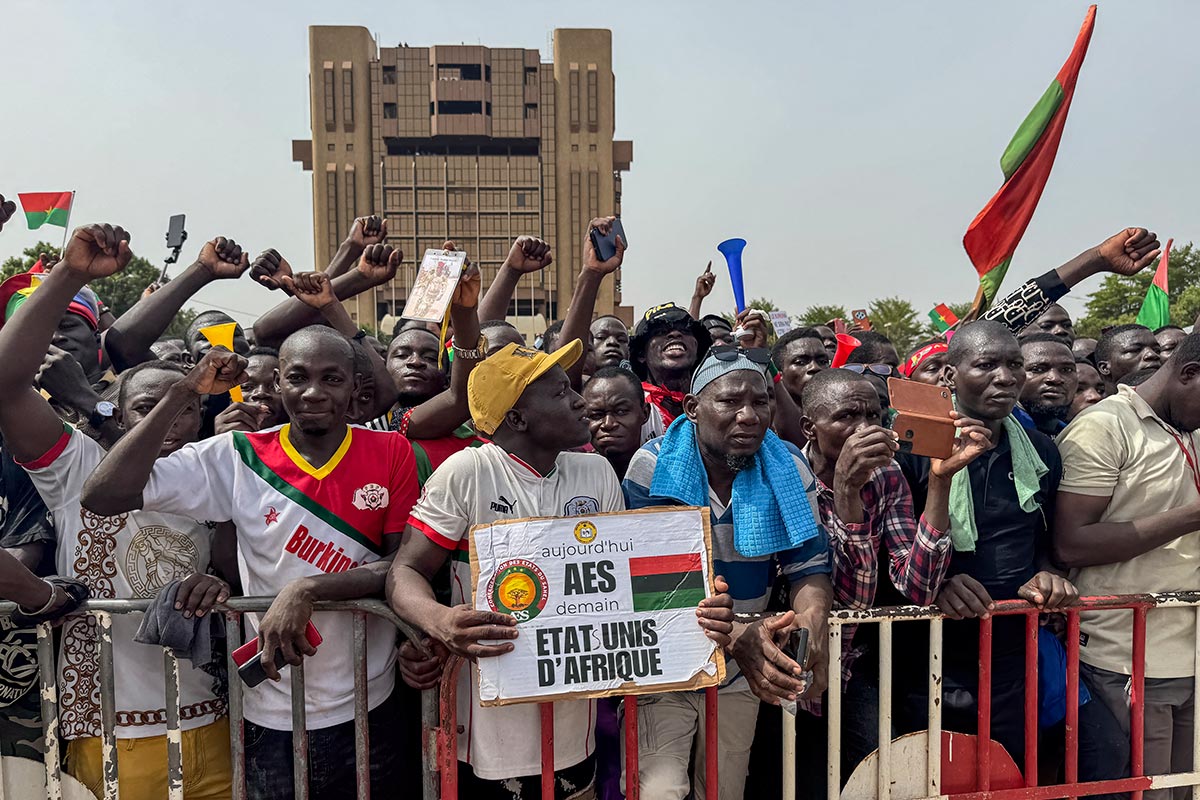
This economic push isn’t happening in isolation. Burkina Faso’s diplomatic compass is also pointing in new directions. Countries like Russia, Cuba, Venezuela, and Iran have openly supported the nation’s pivot towards independence, encouraging a foreign policy that prioritizes sovereignty over older, Western-centric partnerships. This geopolitical re-alignment reflects a powerful internal desire within Burkina Faso to shed perceived neo-colonial influences and chart an autonomous course. It’s a dynamic period, where new alliances are forged and old dependencies are questioned. The situation highlights how African nations are increasingly taking charge of their destinies, influencing regional and global power structures. The ongoing shift in diplomatic allegiances certainly adds a fascinating layer to West African politics.
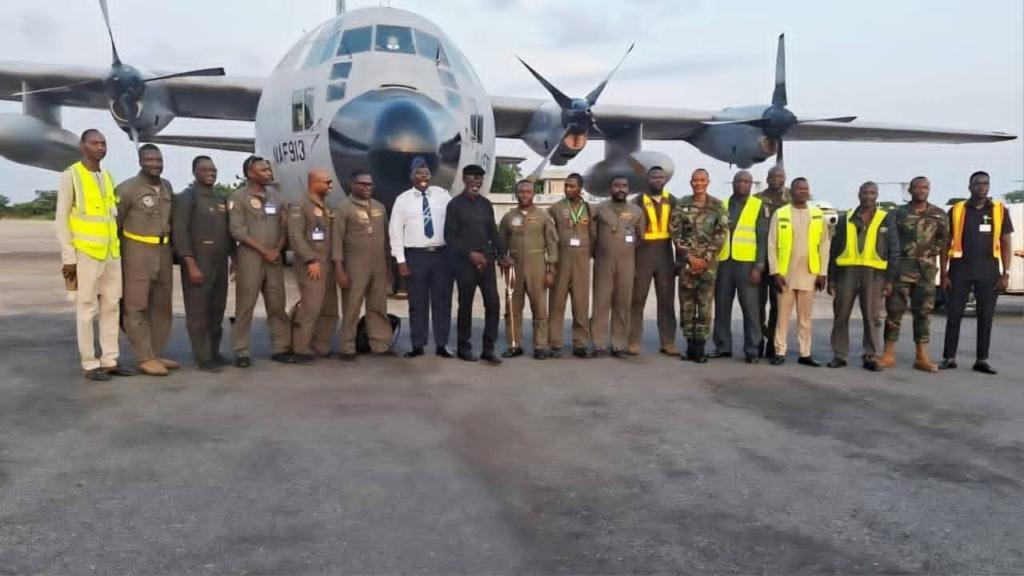
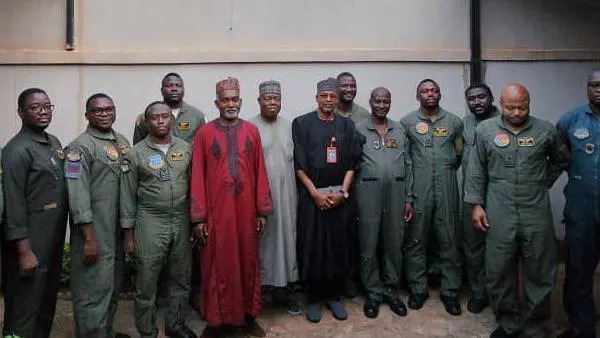
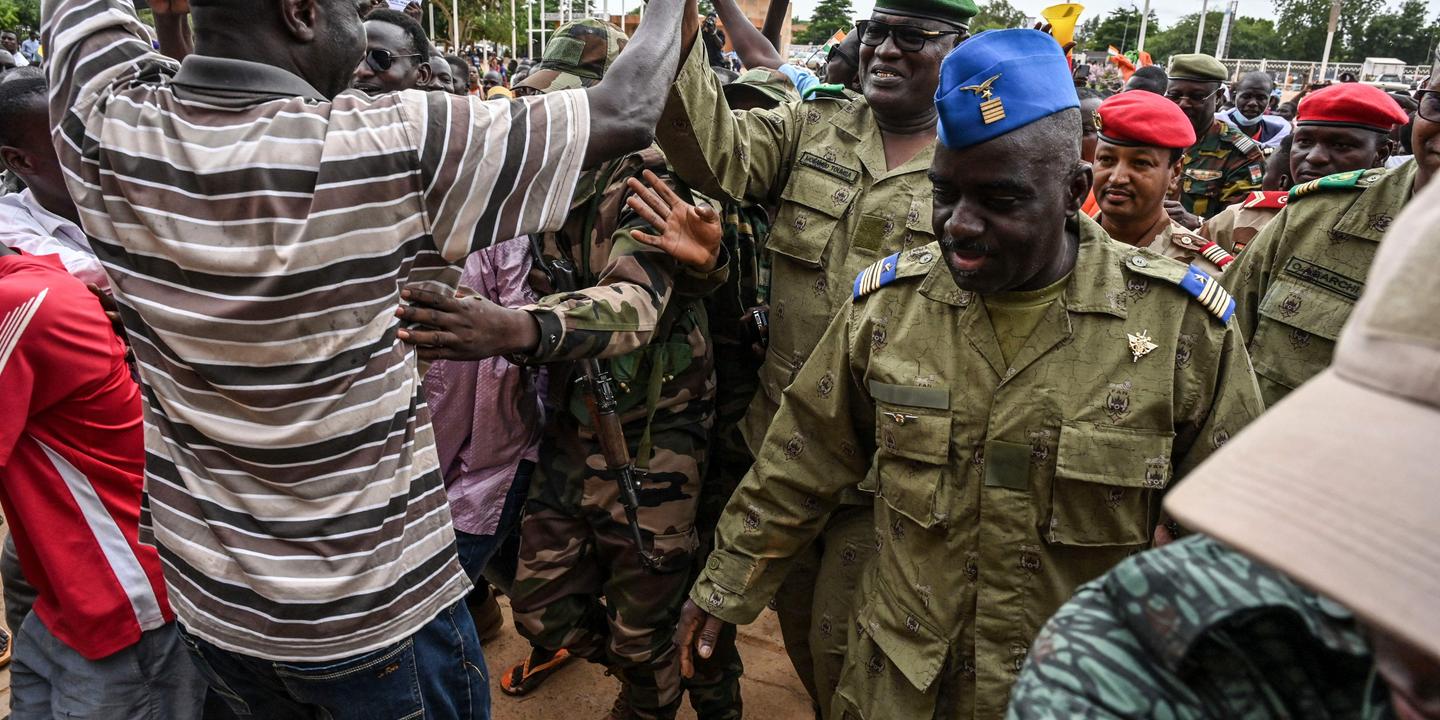
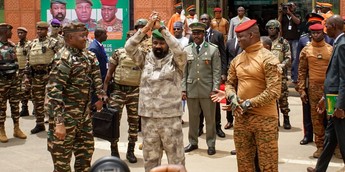
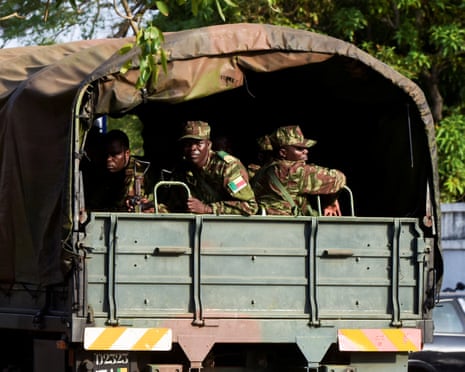
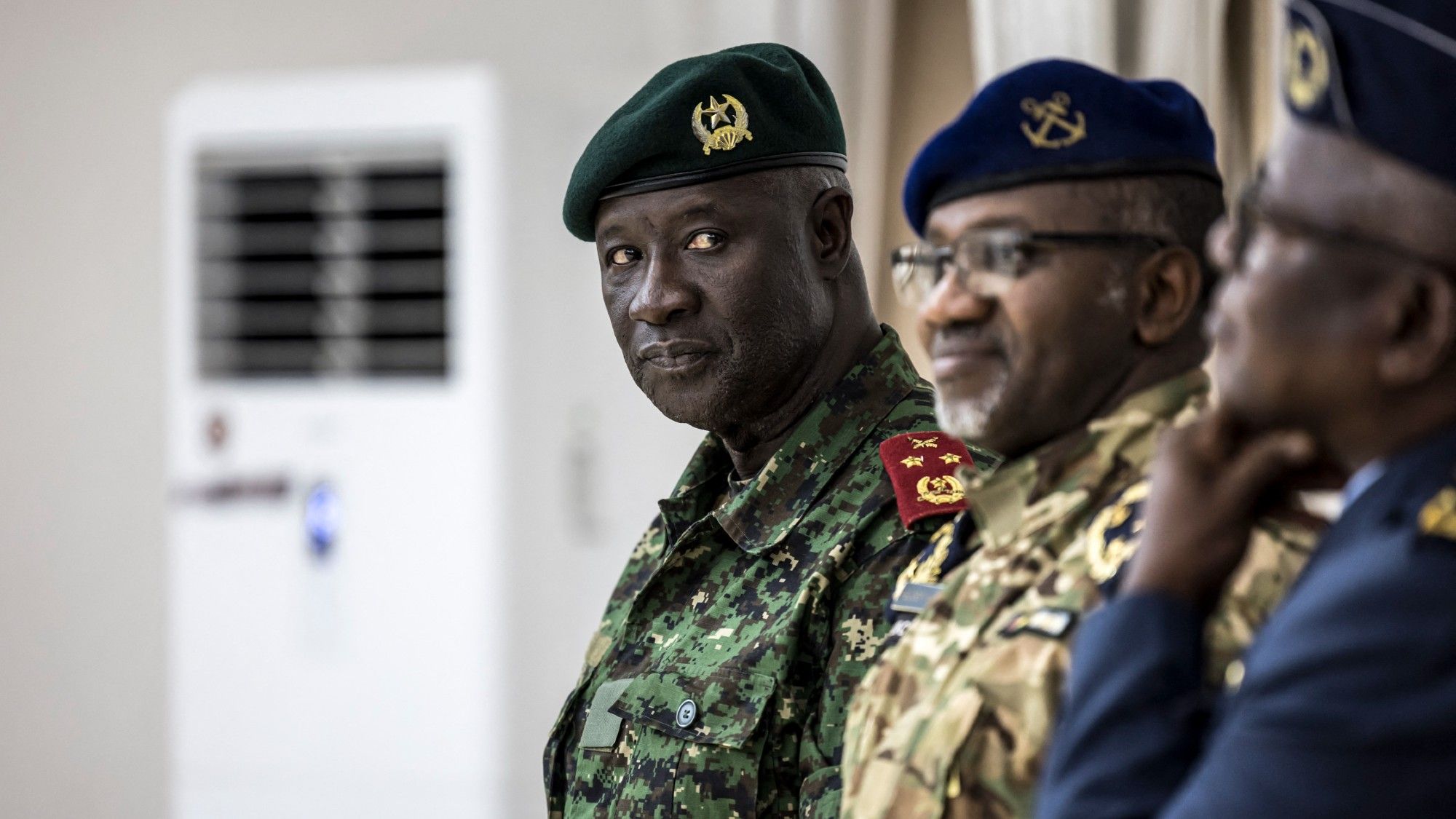
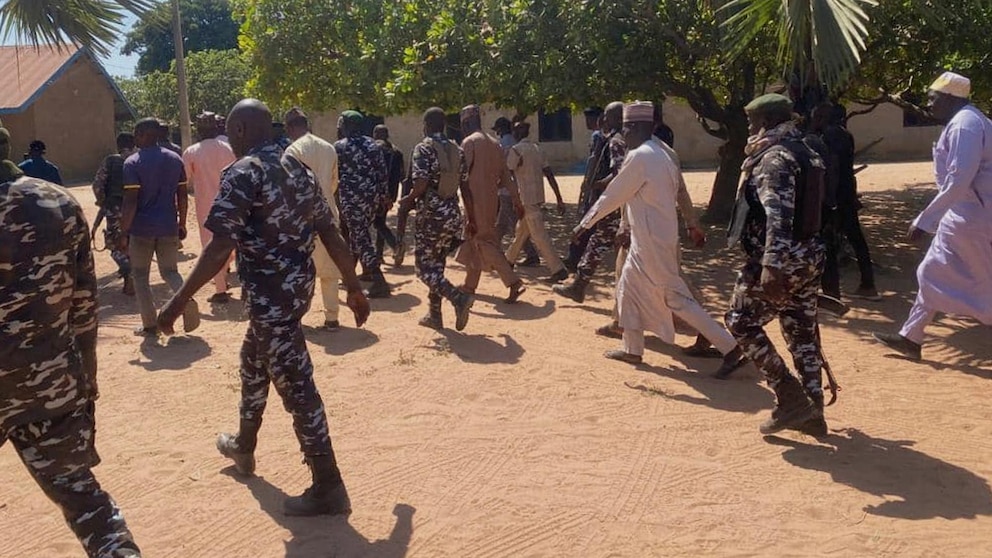
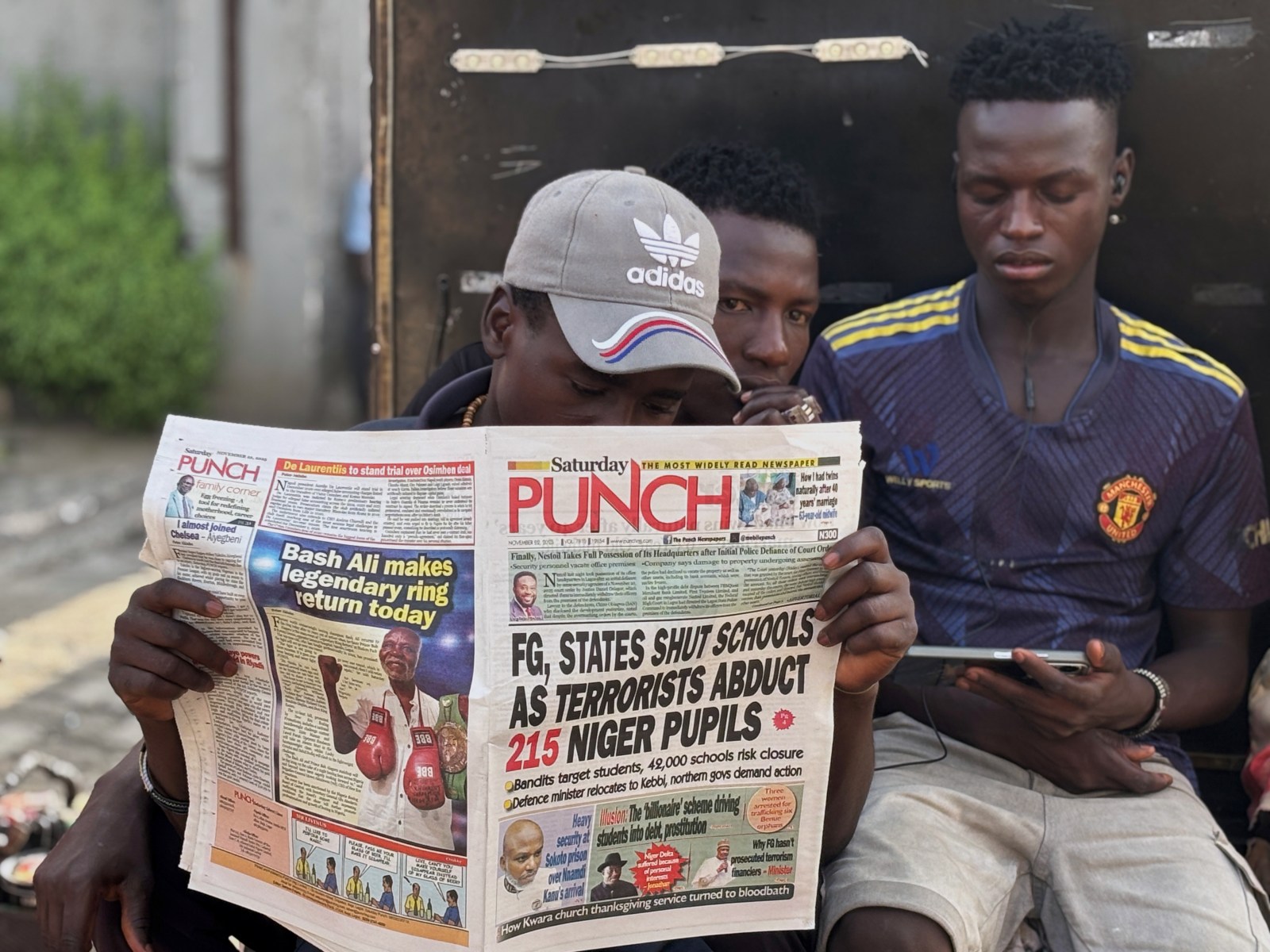
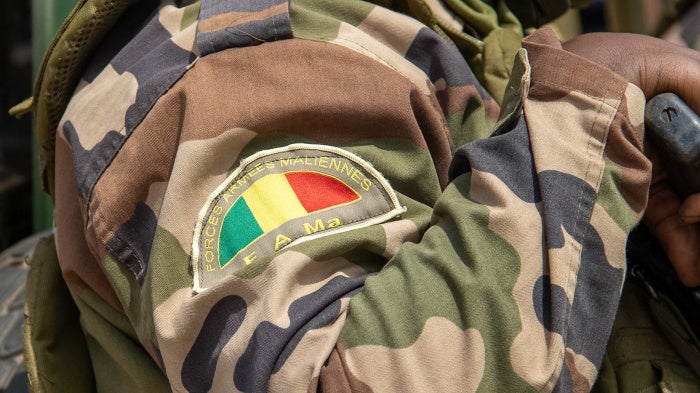
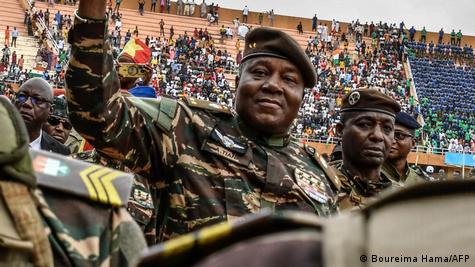
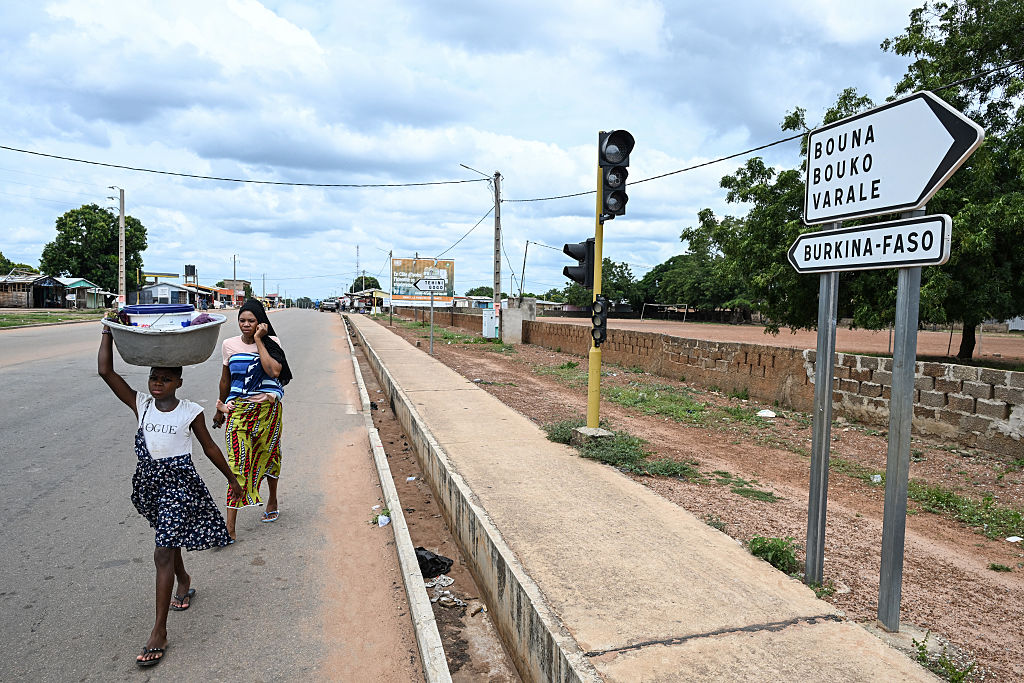
The recent detention of eleven Nigerian military personnel, after their C-130 aircraft made an unauthorized landing on Burkinabe soil, serves as a stark example of Burkina Faso’s firm stance. The incident quickly became a diplomatic flashpoint, with Nigeria calling for the immediate release of its soldiers and President Traoré issuing a defiant warning, demanding respect for Burkina Faso’s borders. For six days, the soldiers remained held, a testament to the country’s resolve. This event underscores the delicate balance regional countries must strike between cooperation and national defense, especially as they face complex challenges from internal insurgencies to external pressures. As global powers continue to observe, Burkina Faso’s assertive moves on both economic and diplomatic fronts indicate a clear intention to redefine its role within Africa and the world. It’s not just about gold; it’s about a nation forging a new narrative of empowerment, eager to break dependency cycles and seeking allies aligned with its vision for sustainable growth and independence. The Punch newspaper reported on the soldiers’ detention. Similarly, the Guardian Nigeria also covered the ongoing diplomatic talks. These events contribute to the broader picture of West Africa’s security challenges. You can also find more information on Burkina Faso’s new leadership. The international community watches closely, anticipating how Burkina Faso manages these transformations and pressures to ensure future stability and prosperity.