Captain Ibrahim Traoré Steps Up to Lead Sahel Alliance Amid Tightening Regional Security
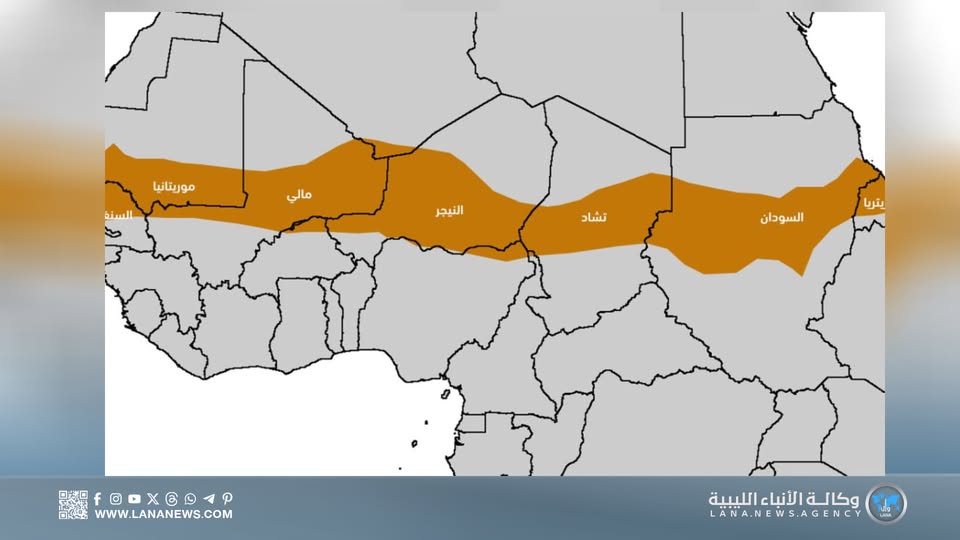
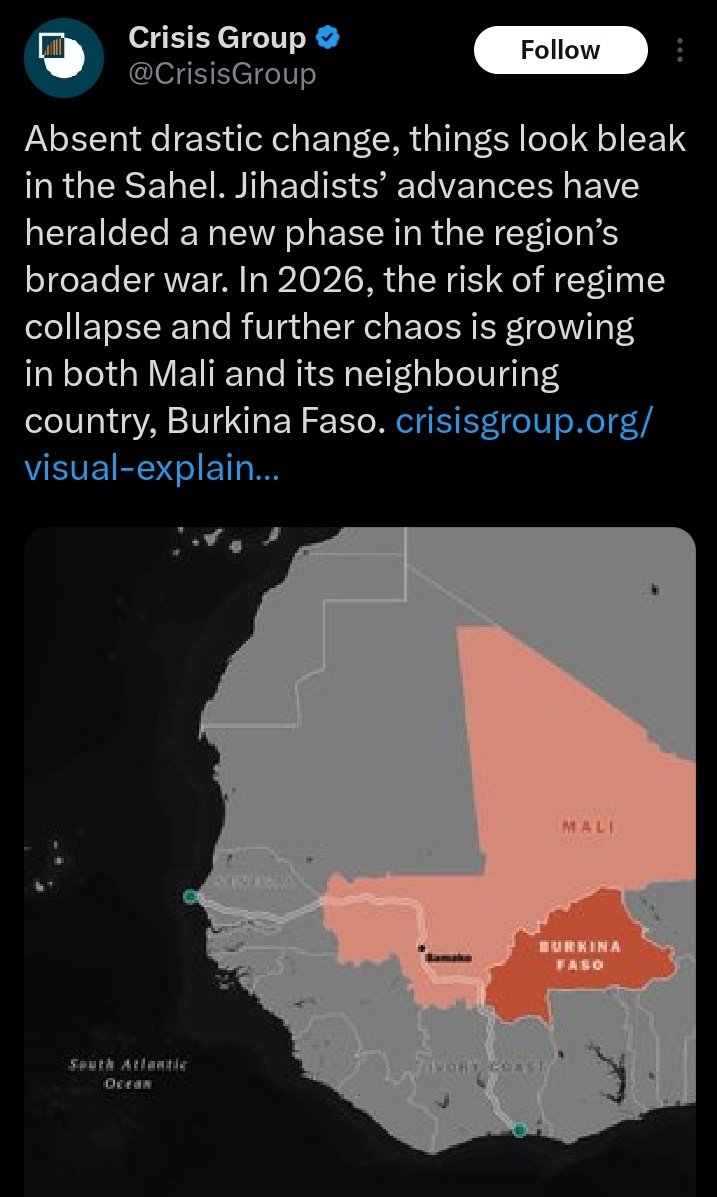
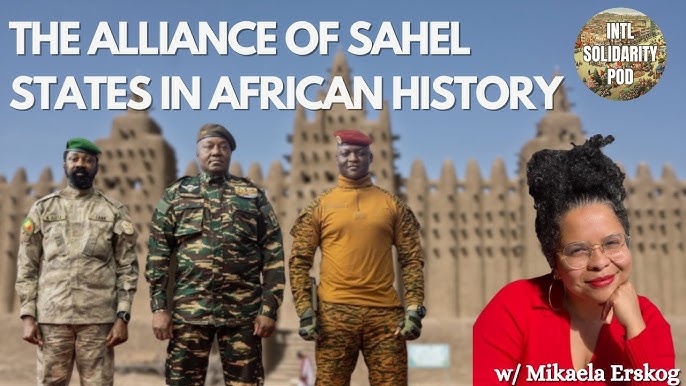
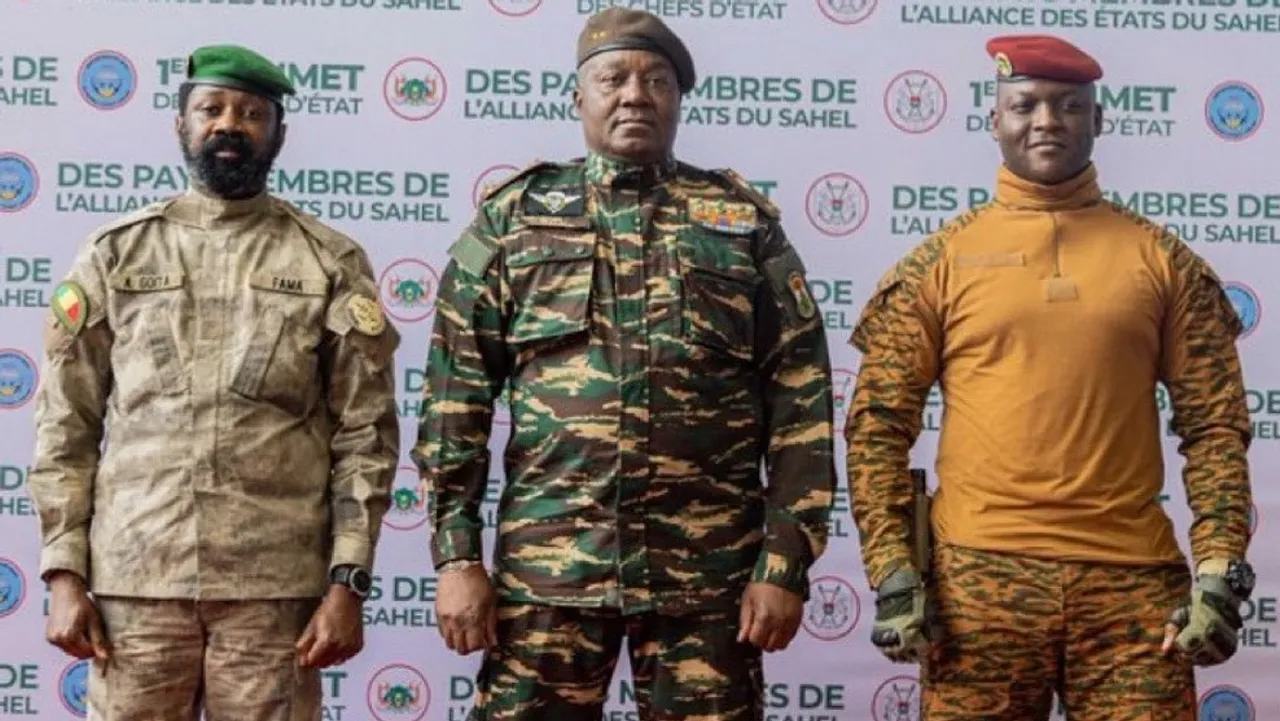
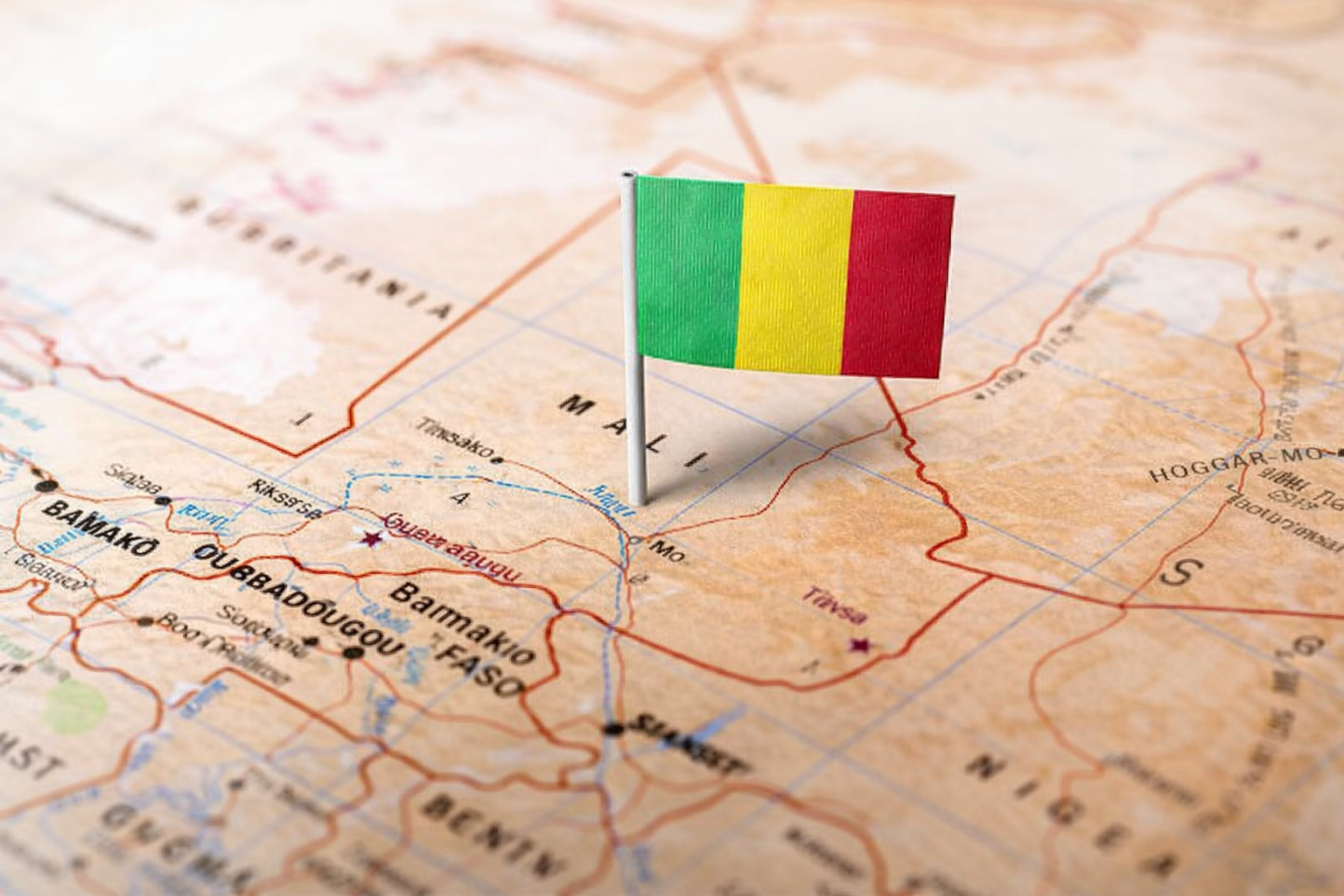
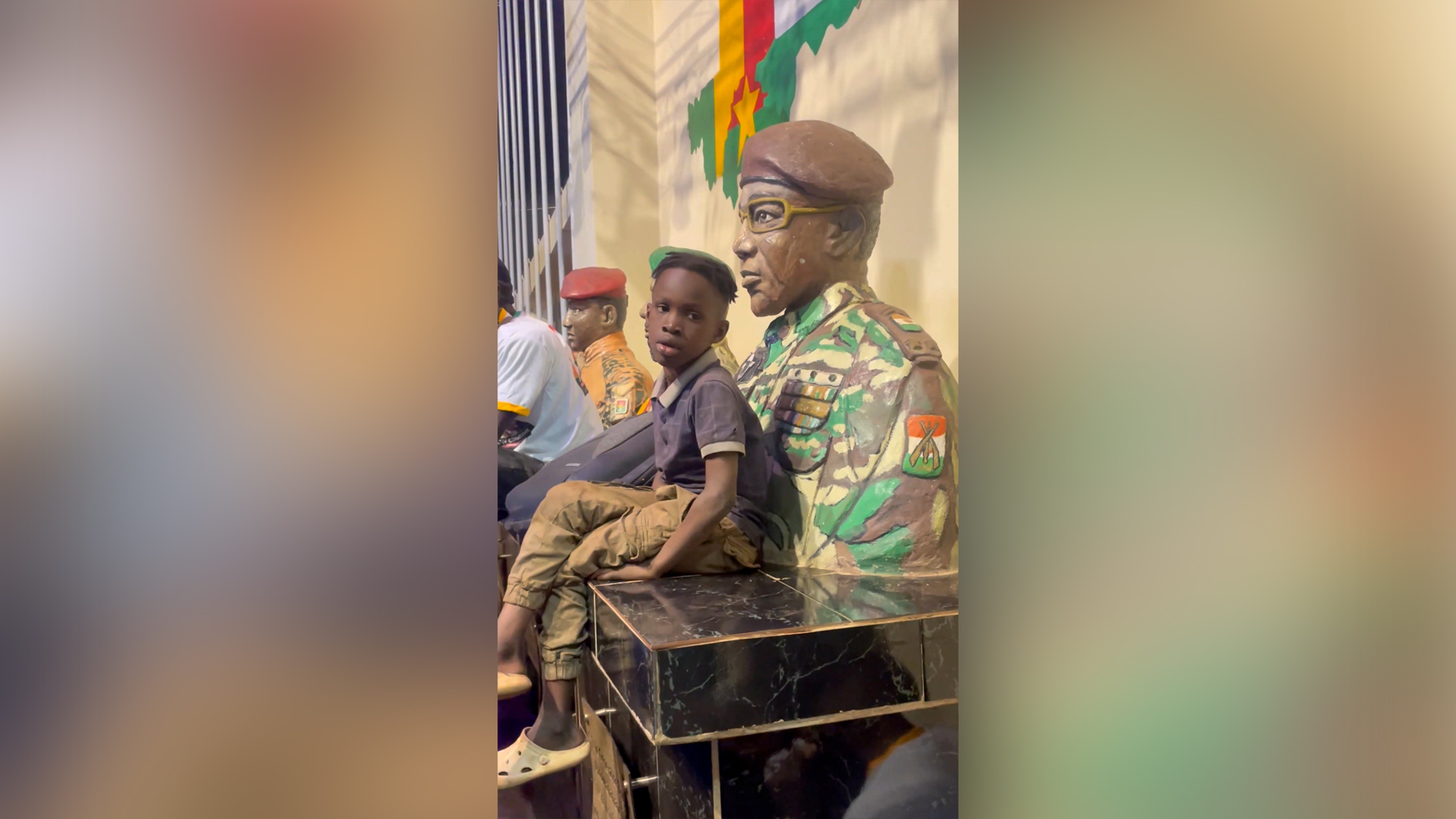
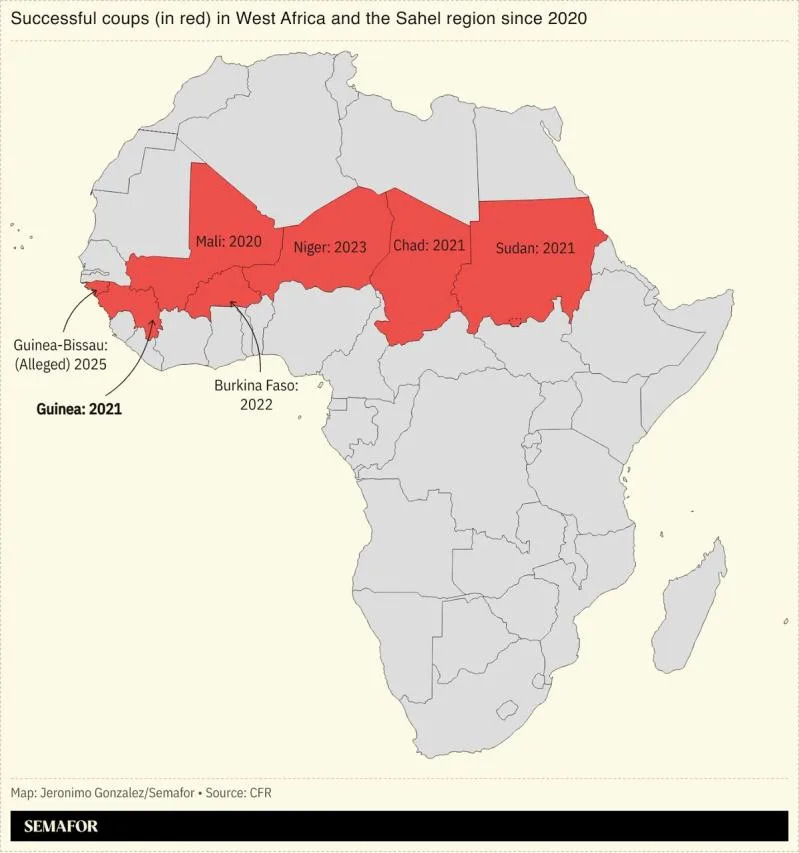
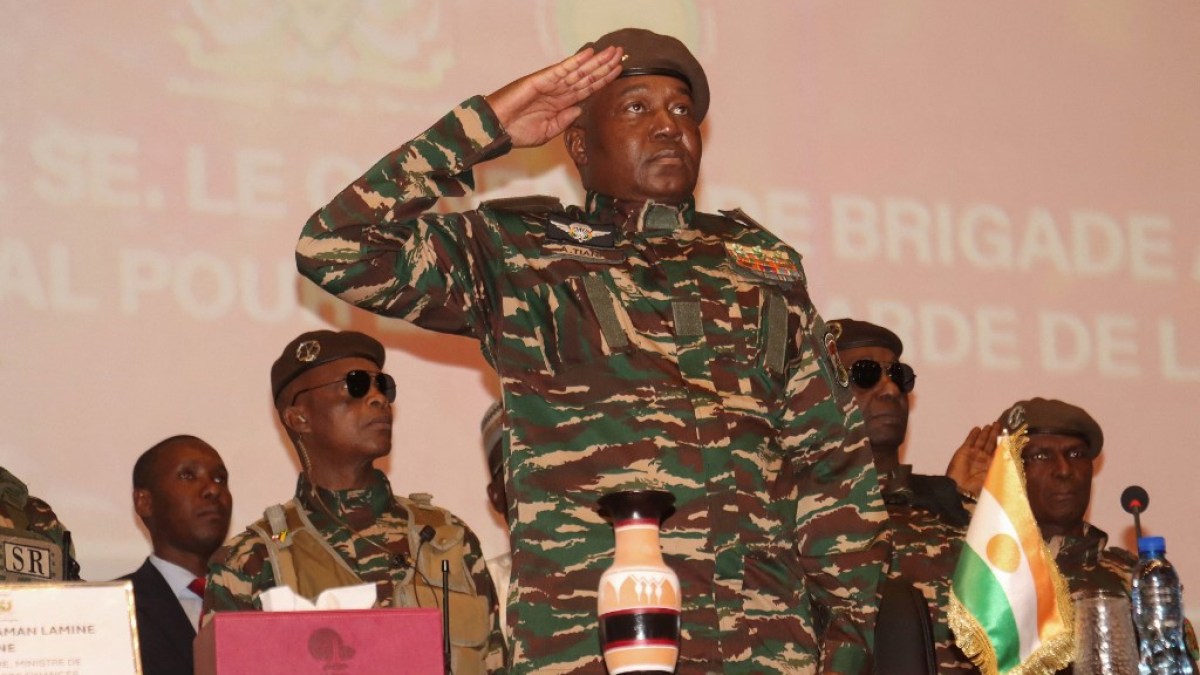
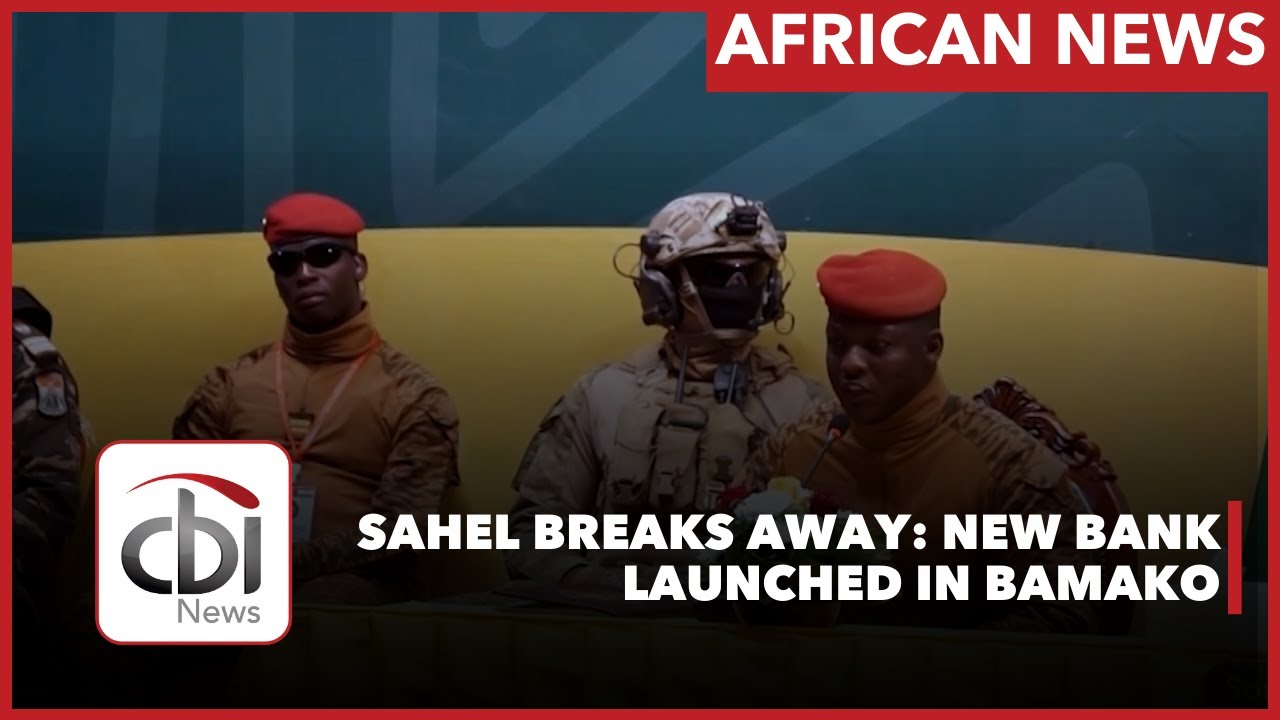
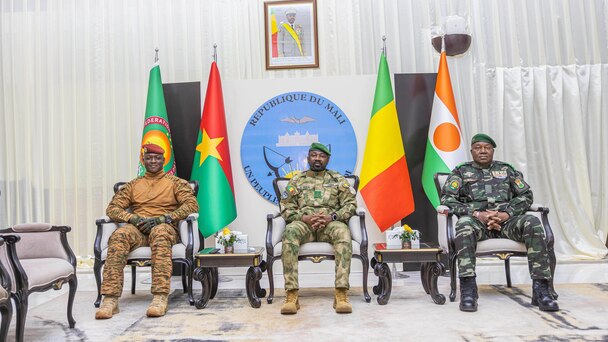
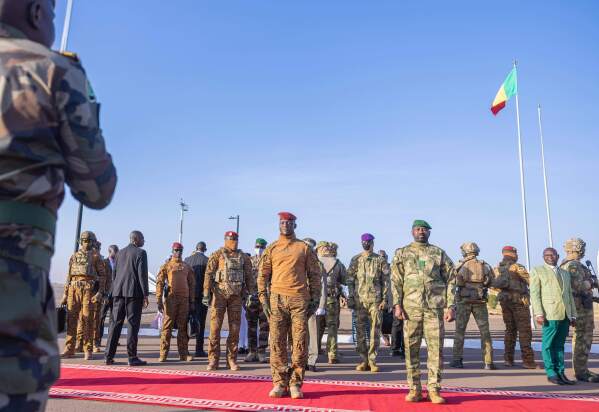
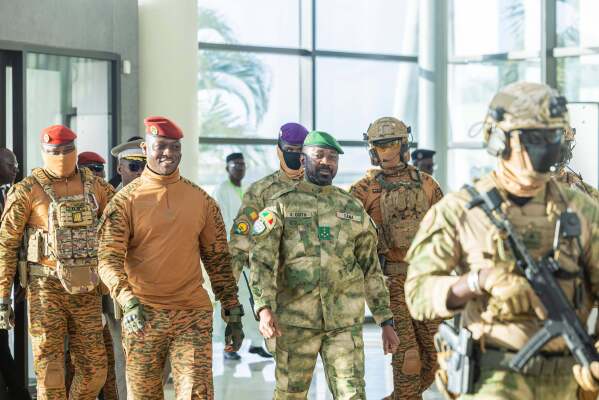
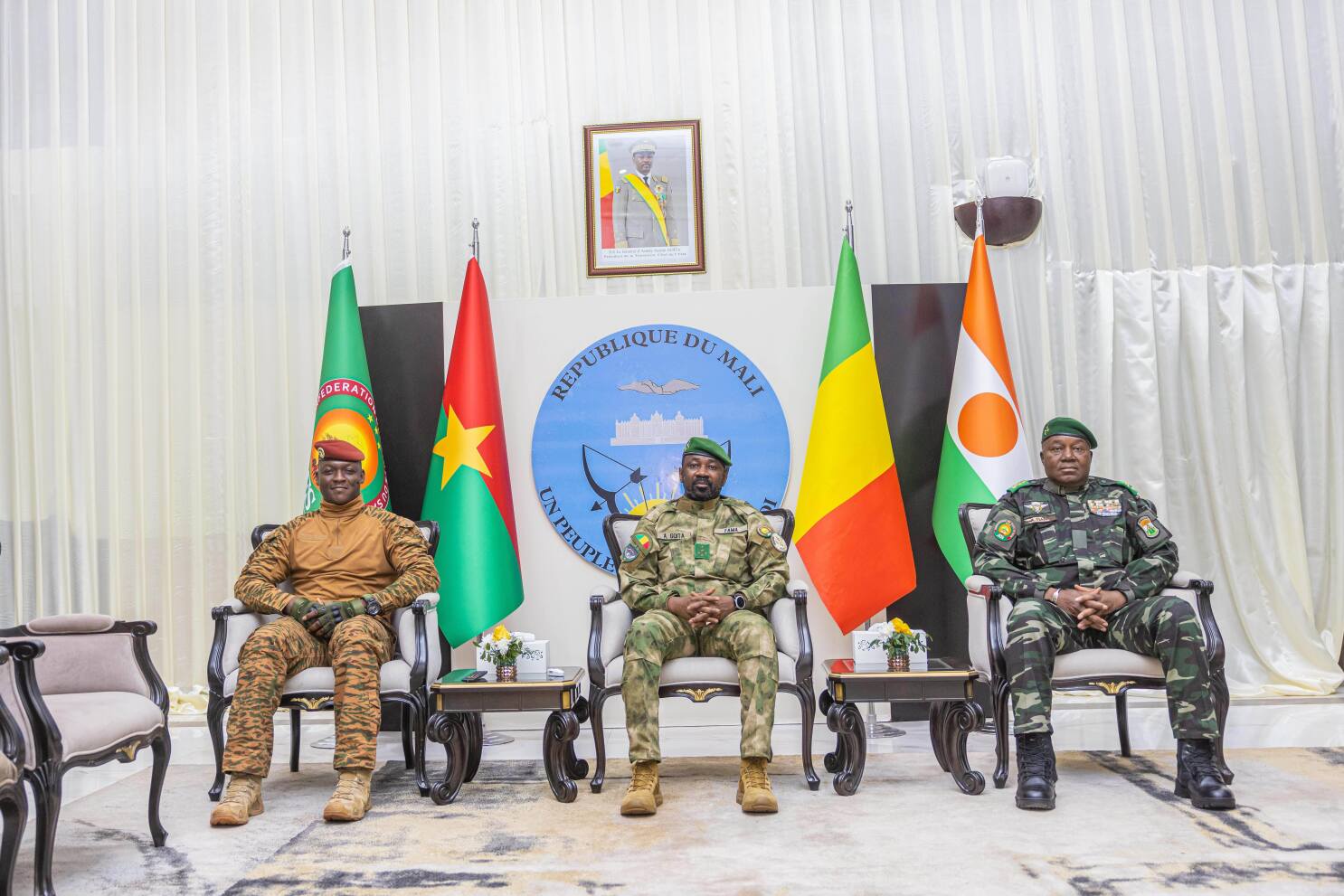
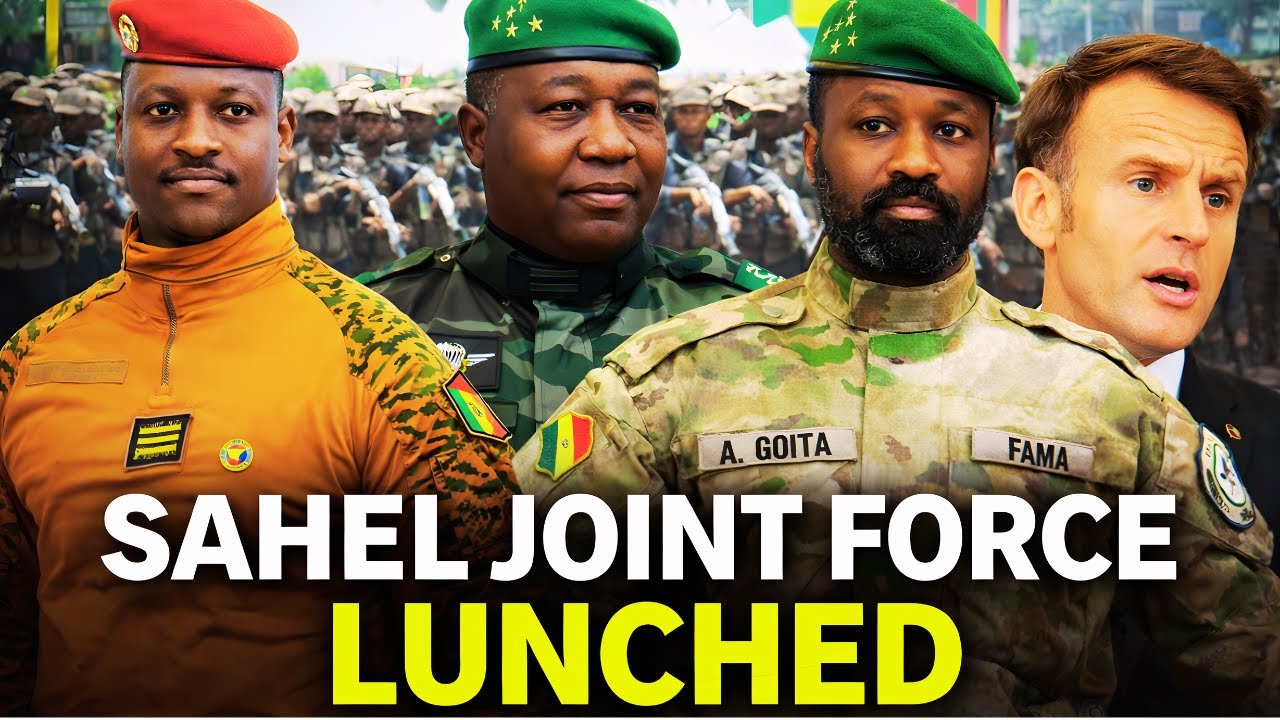
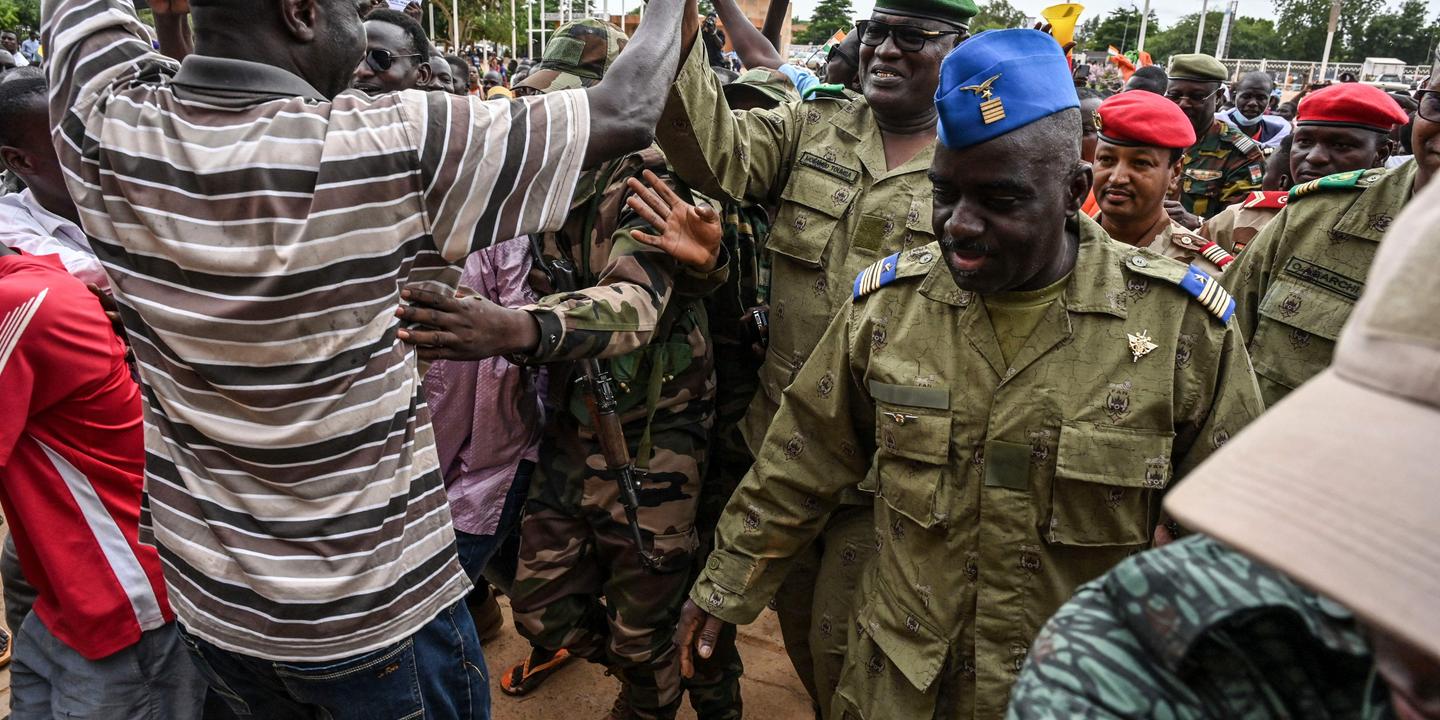
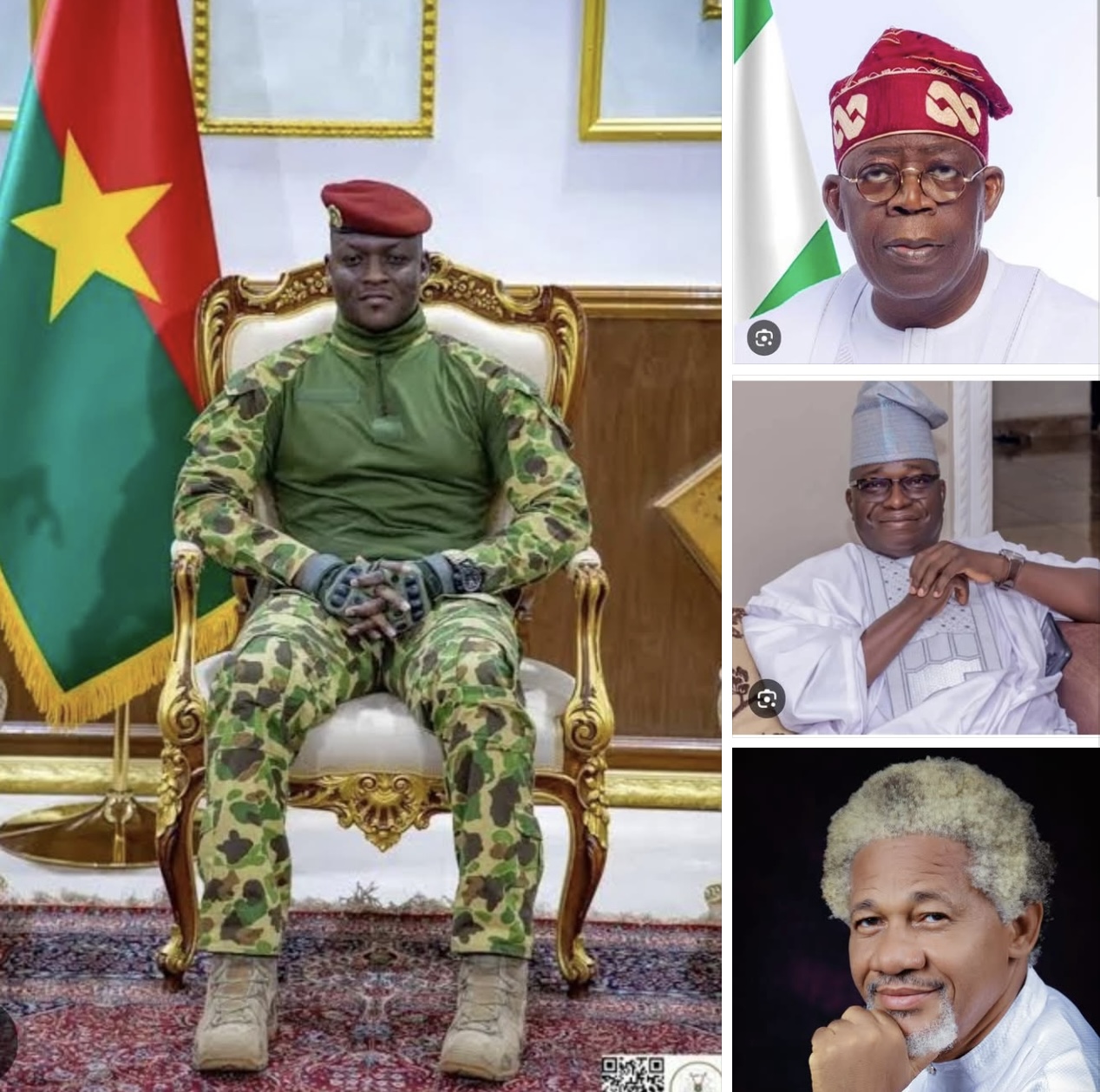
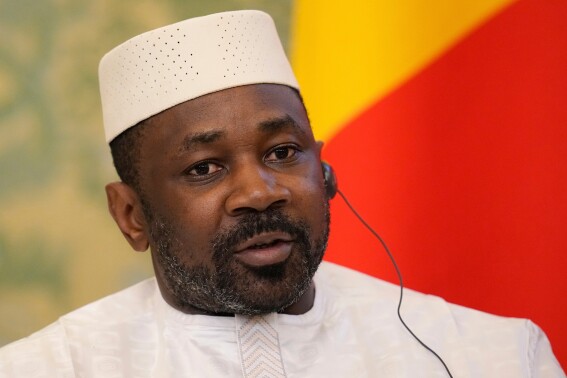
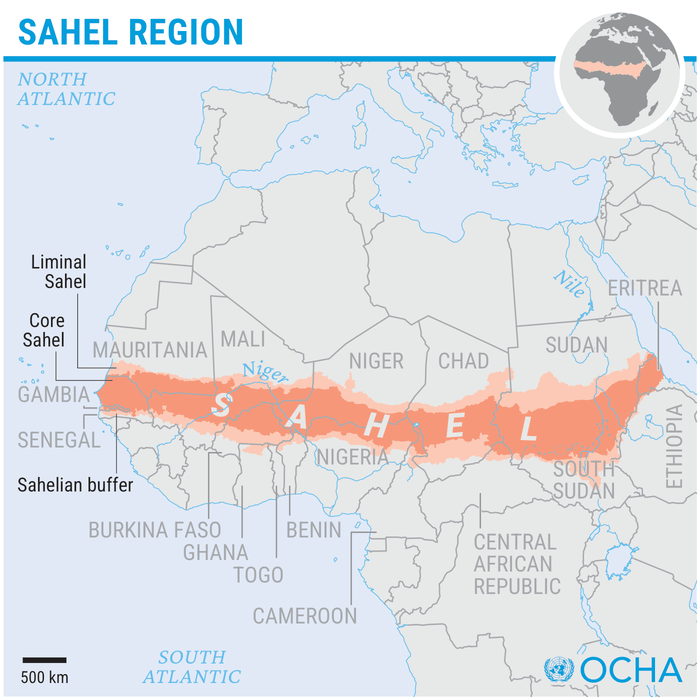
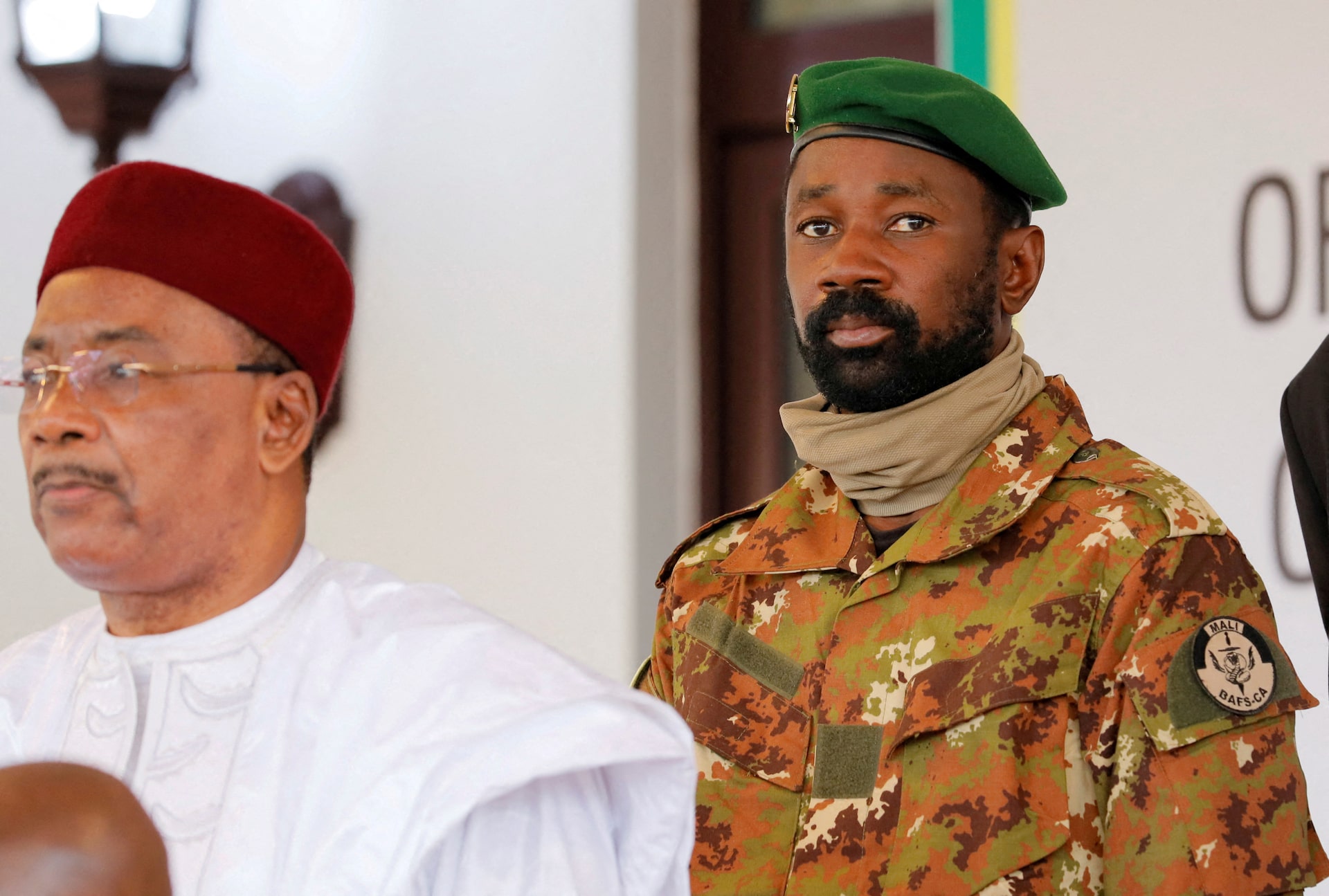
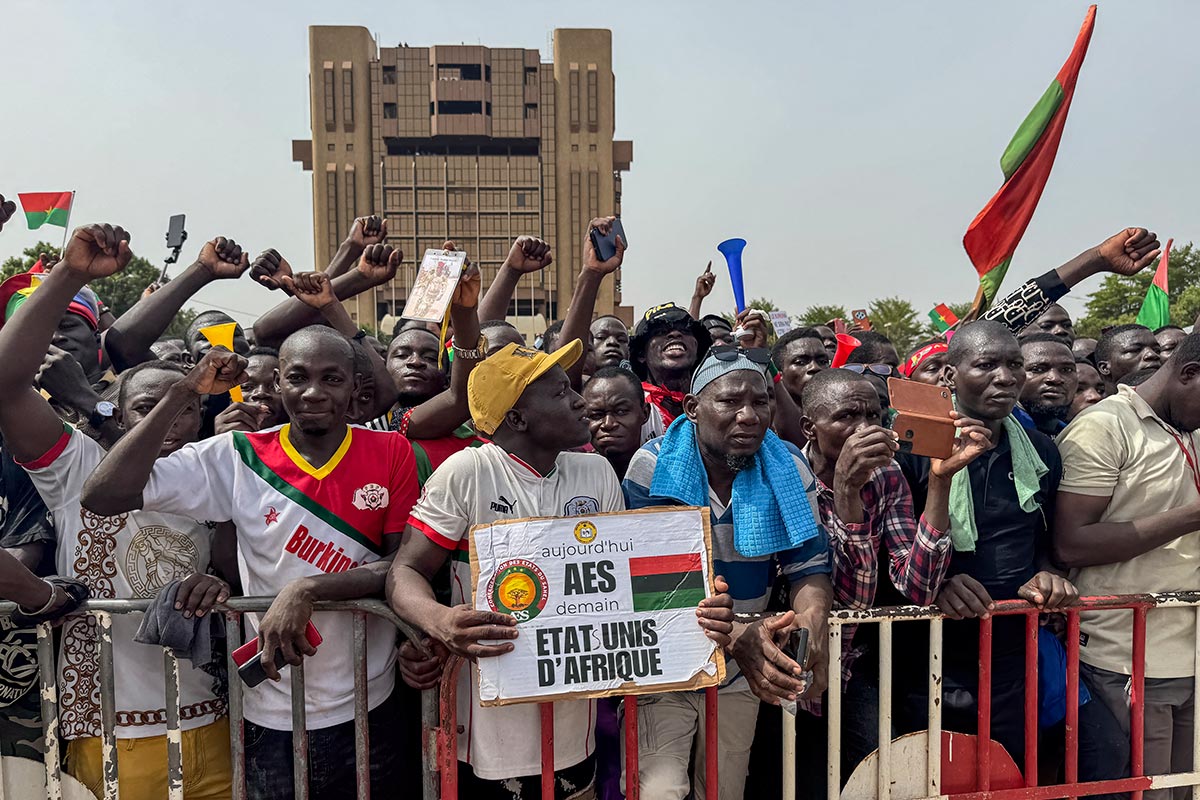
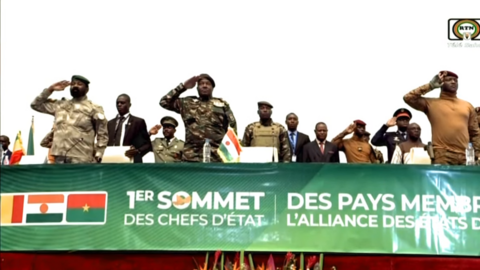
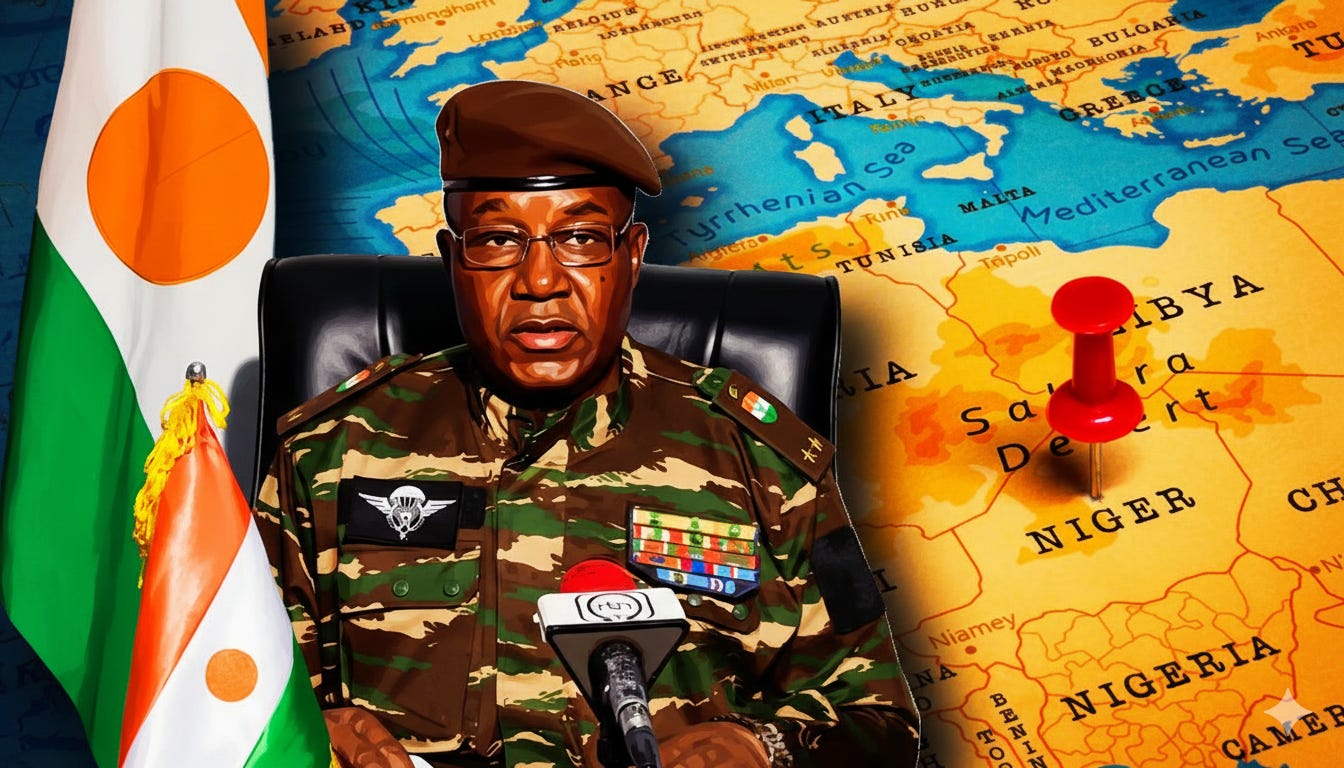
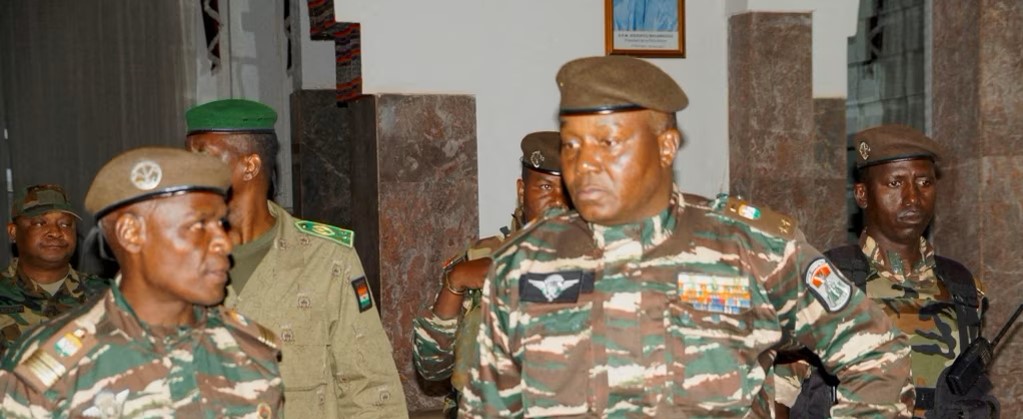
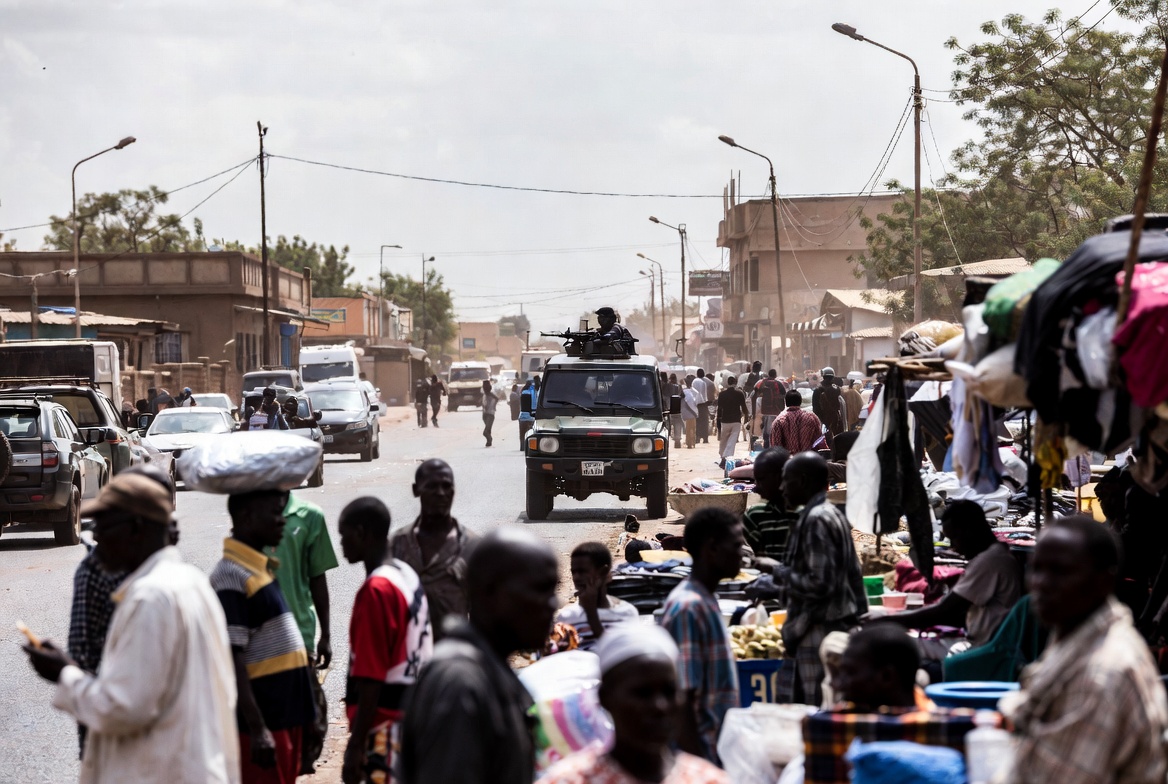
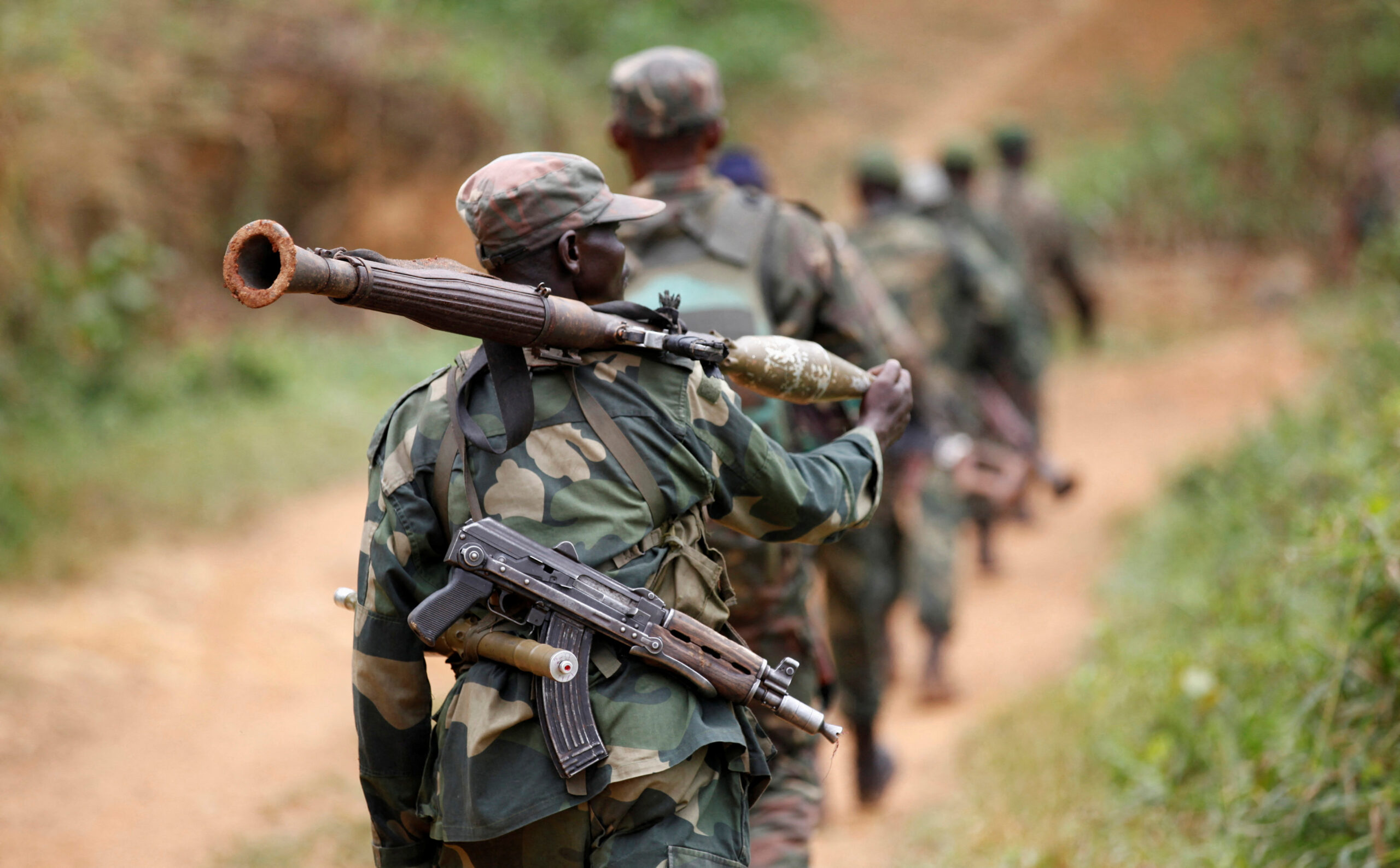
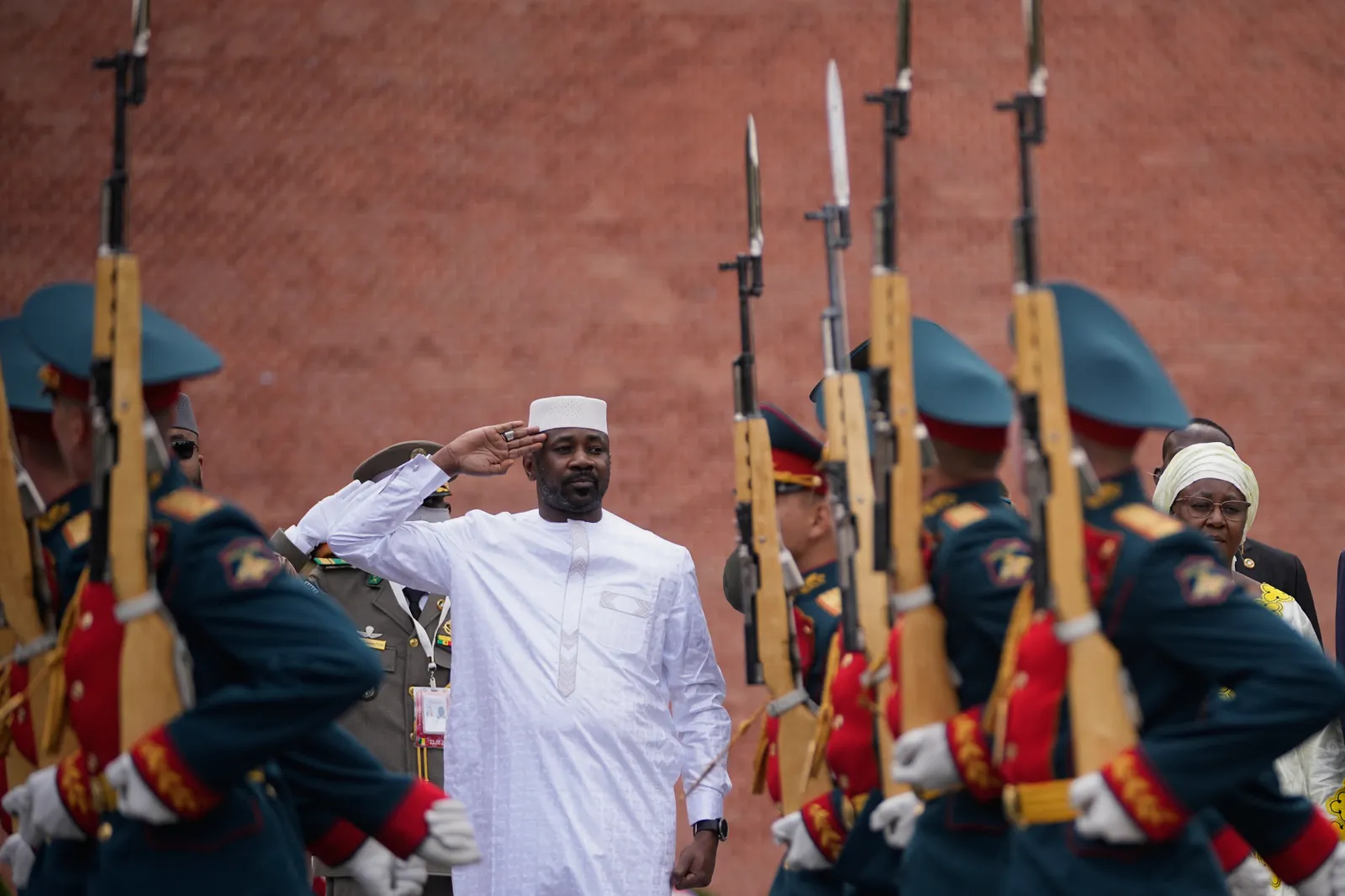
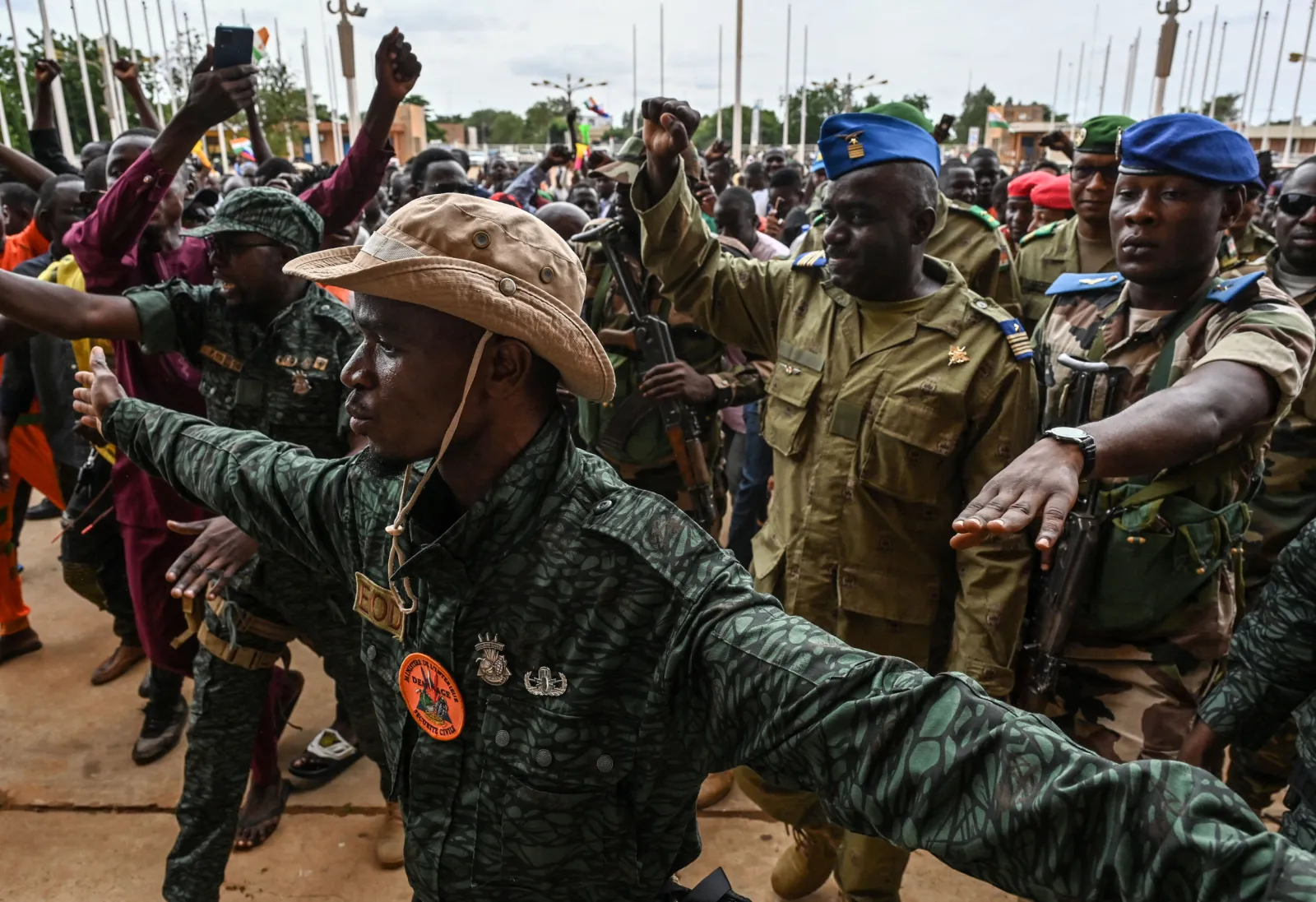
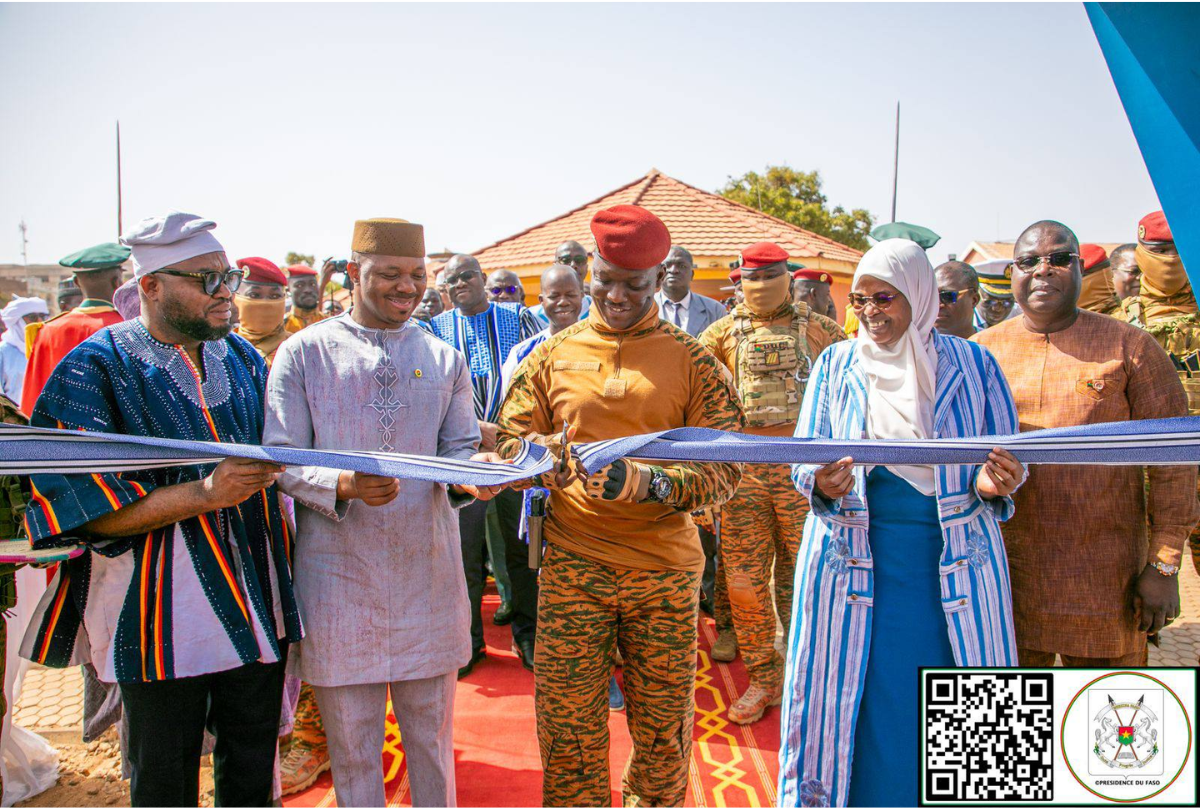
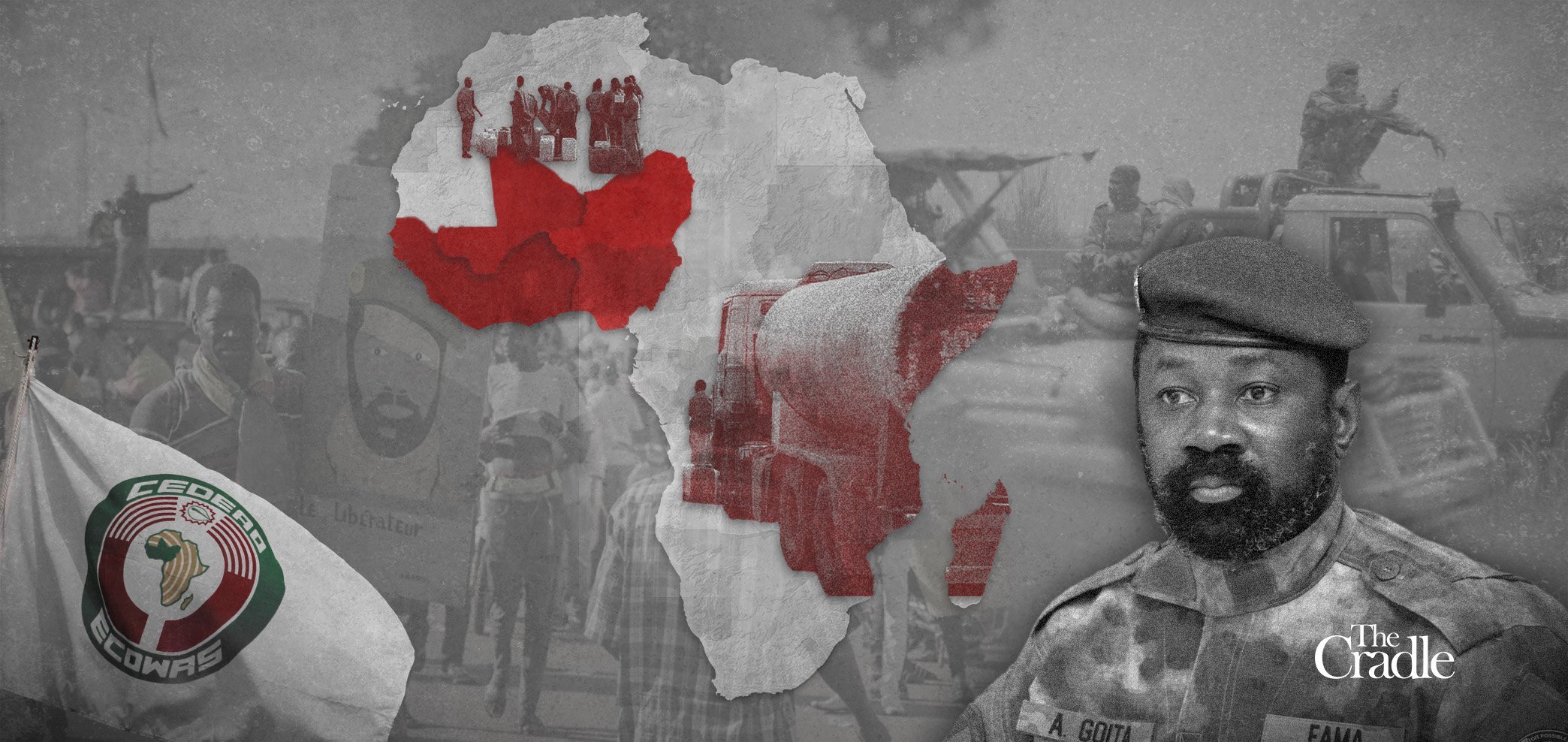
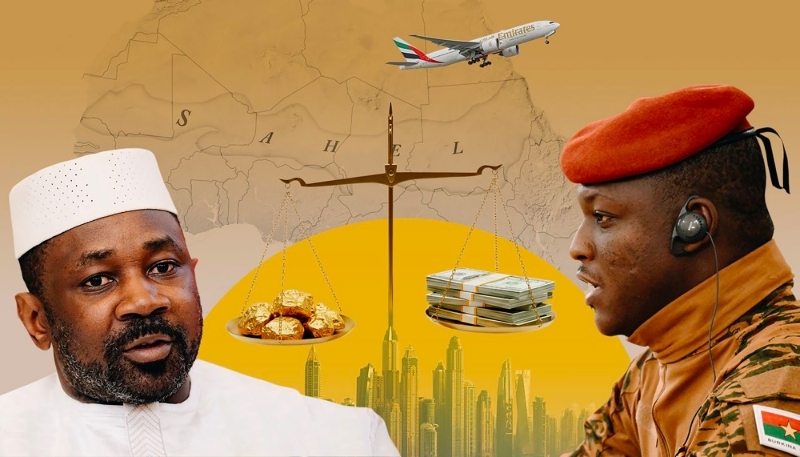
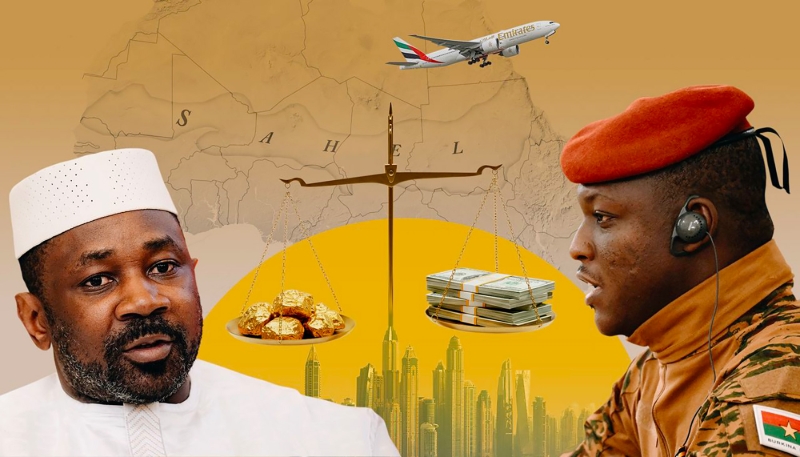
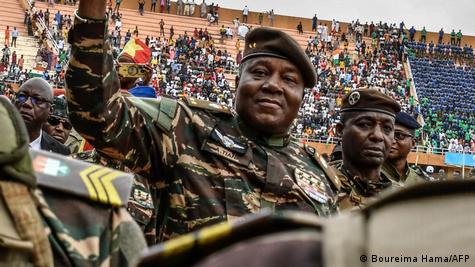
Burkina Faso’s transitional president, Captain Ibrahim Traoré, just took the reins as the rotating president of the Alliance of Sahel States (AES), a move that puts his nation right at the center of critical regional security efforts. This appointment makes Traoré the new key figure coordinating the combined military might of Burkina Faso, Niger, and Mali in their ongoing fight against terrorism and instability. What does this mean for the Sahel region, a place constantly grappling with threats from jihadist groups and tricky cross-border challenges? It’s a crucial moment, and Traoré, the alliance’s youngest leader, really signals a fresh chapter. We’re likely to see an even sharper focus on collaborative defense strategies and intelligence sharing across these member states, aiming to stabilize the area.
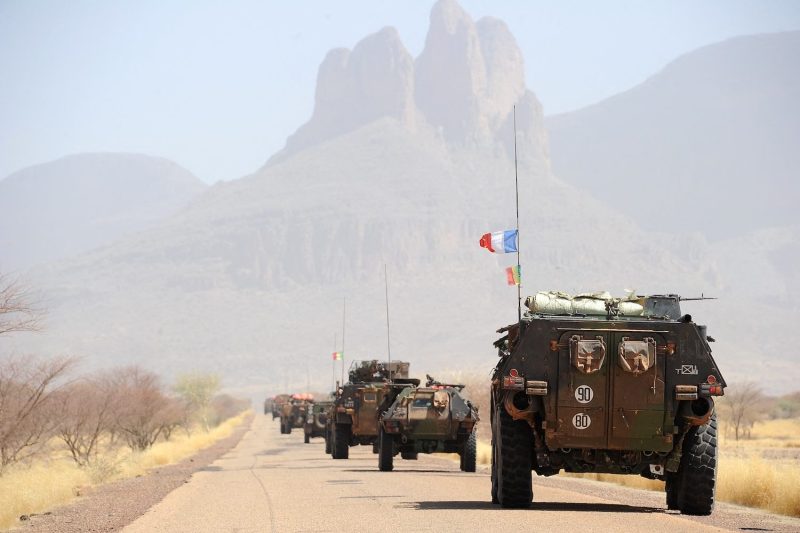
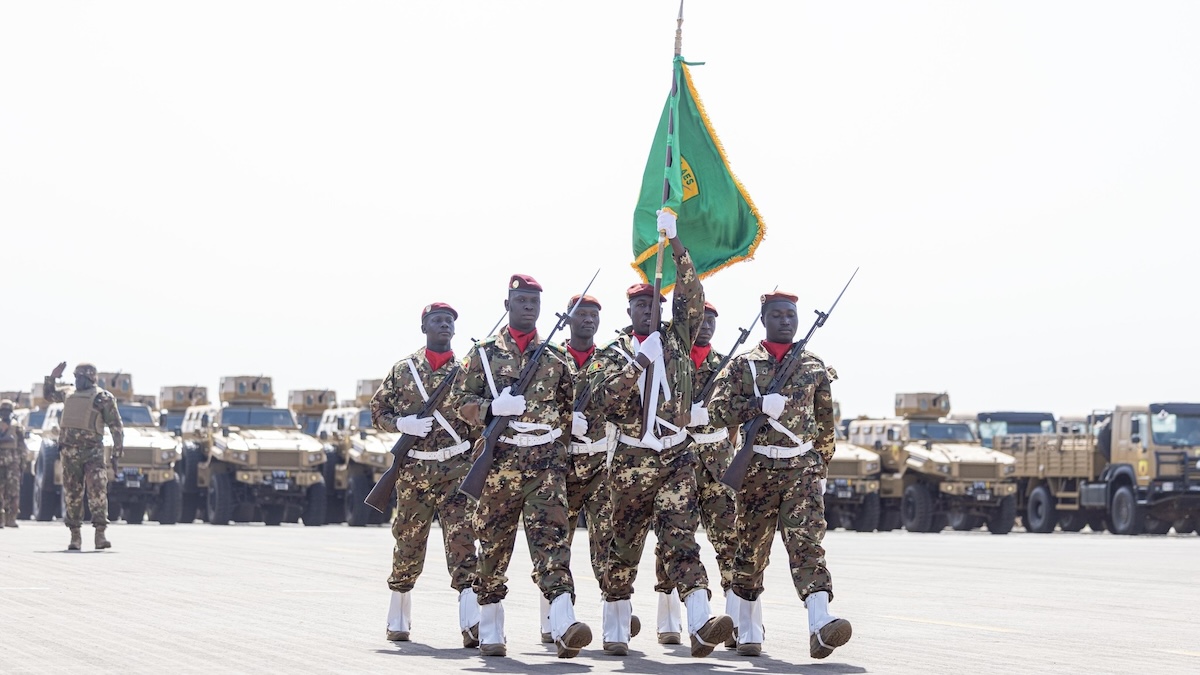
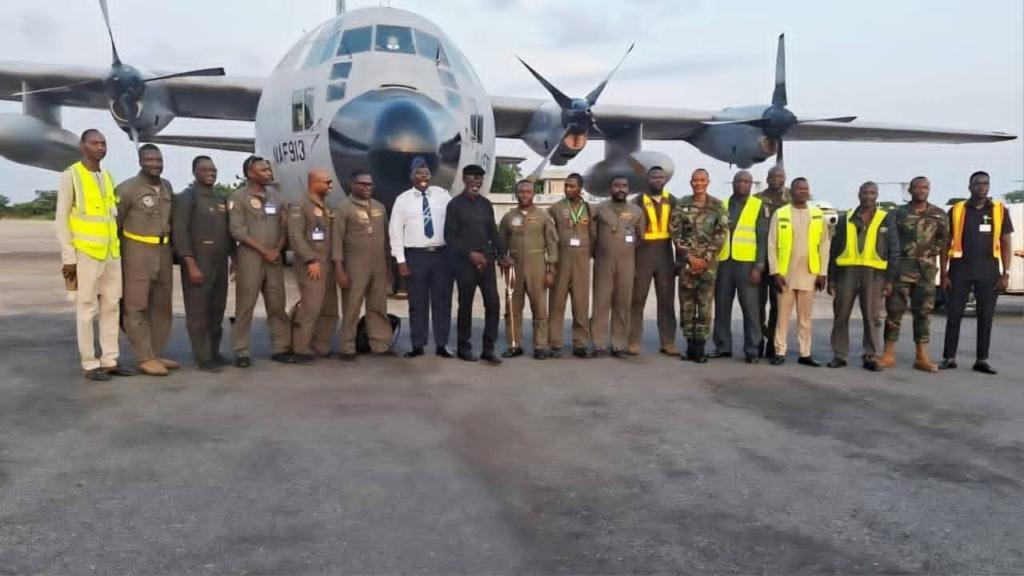
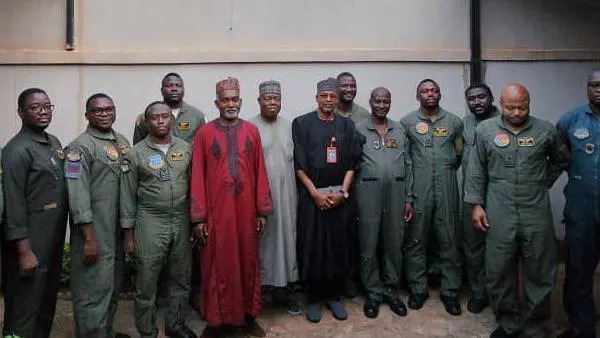
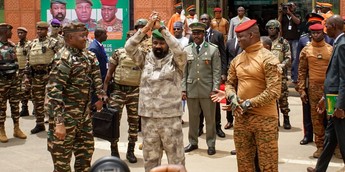
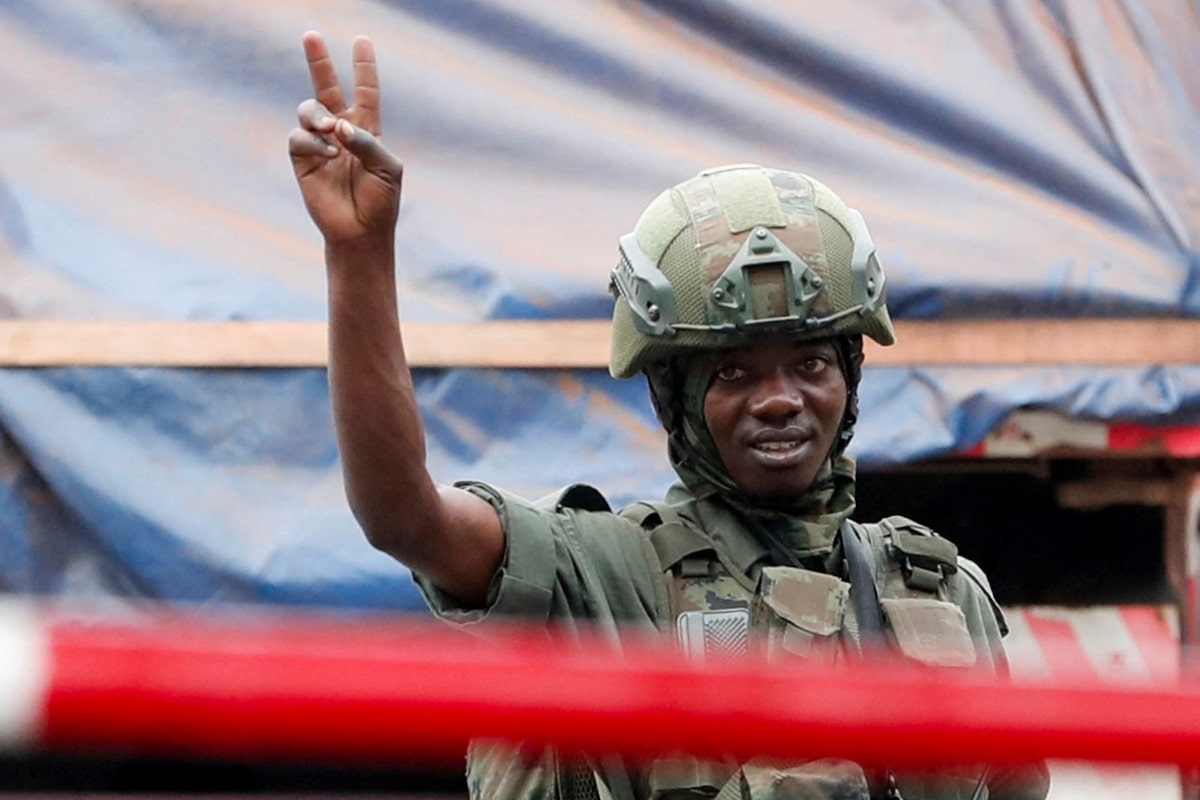
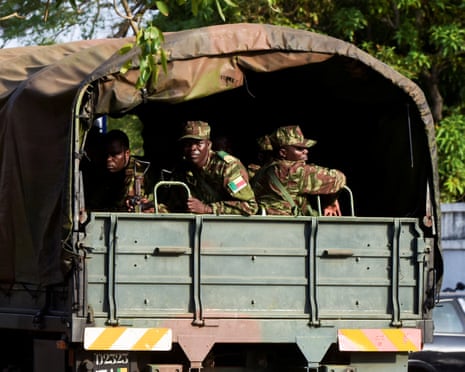
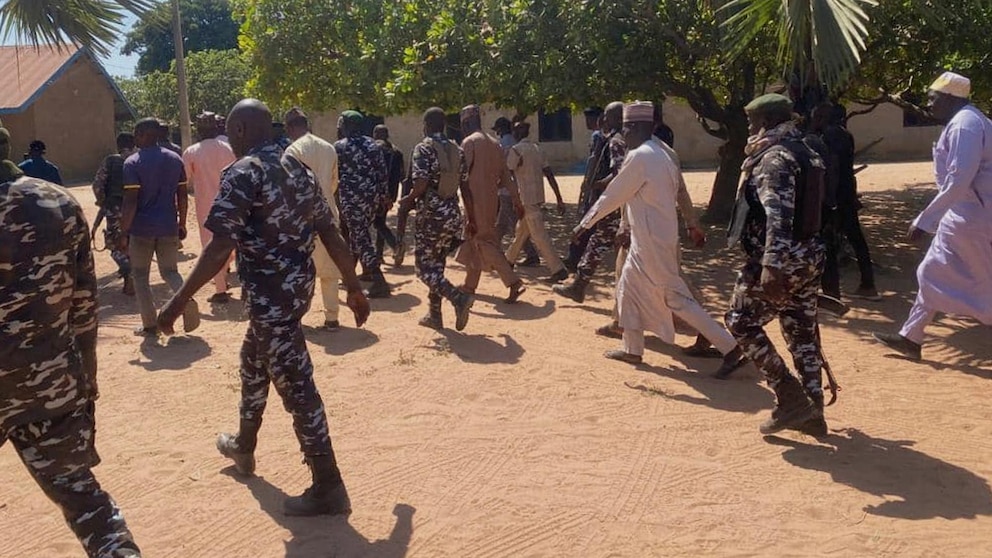
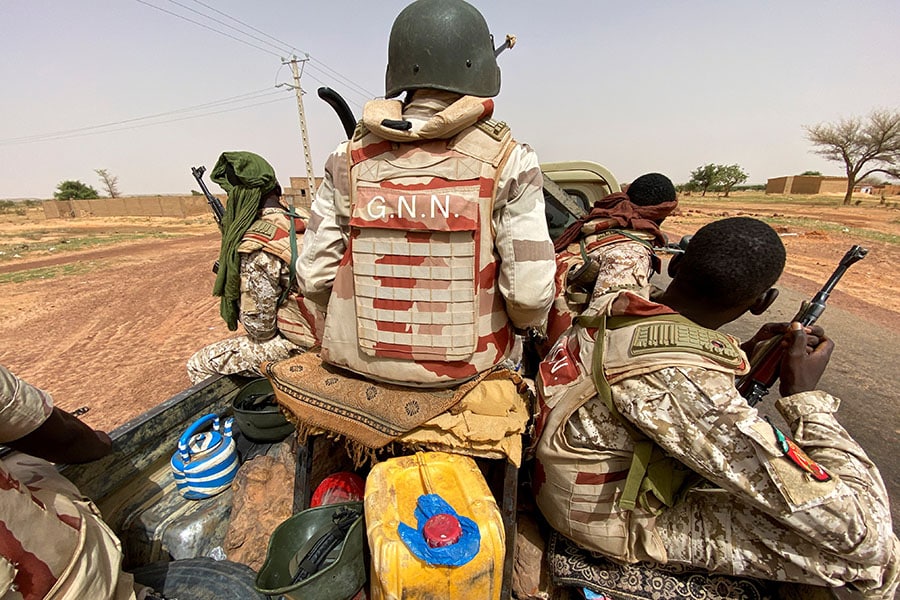
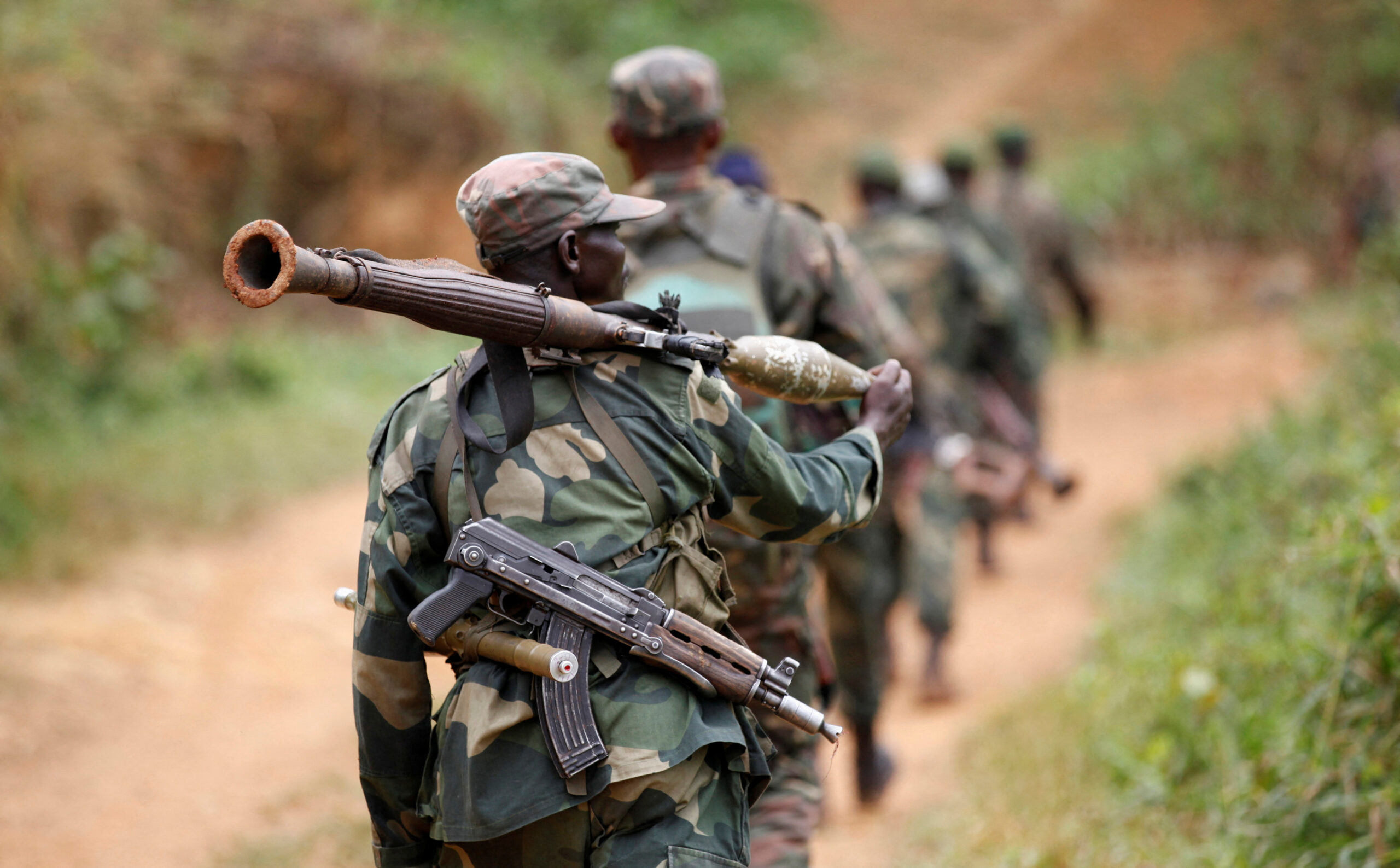
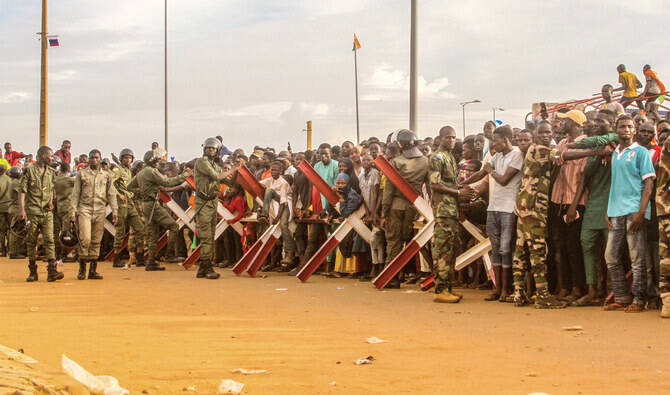
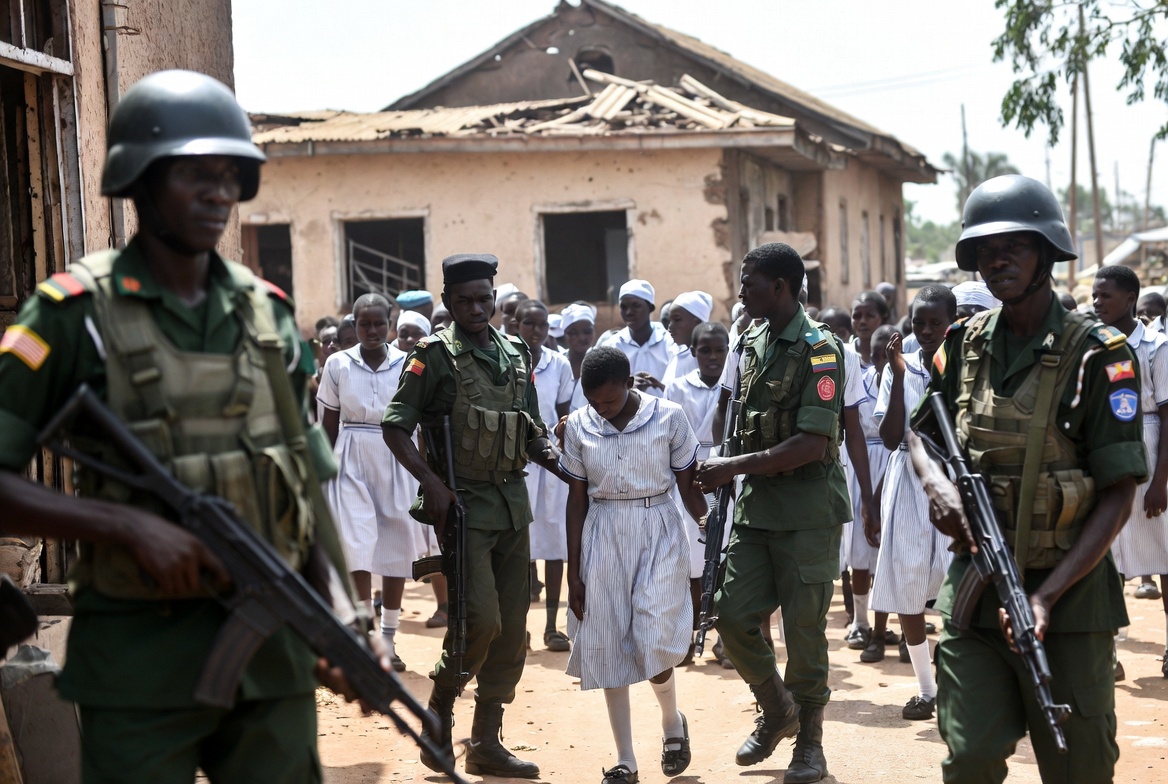
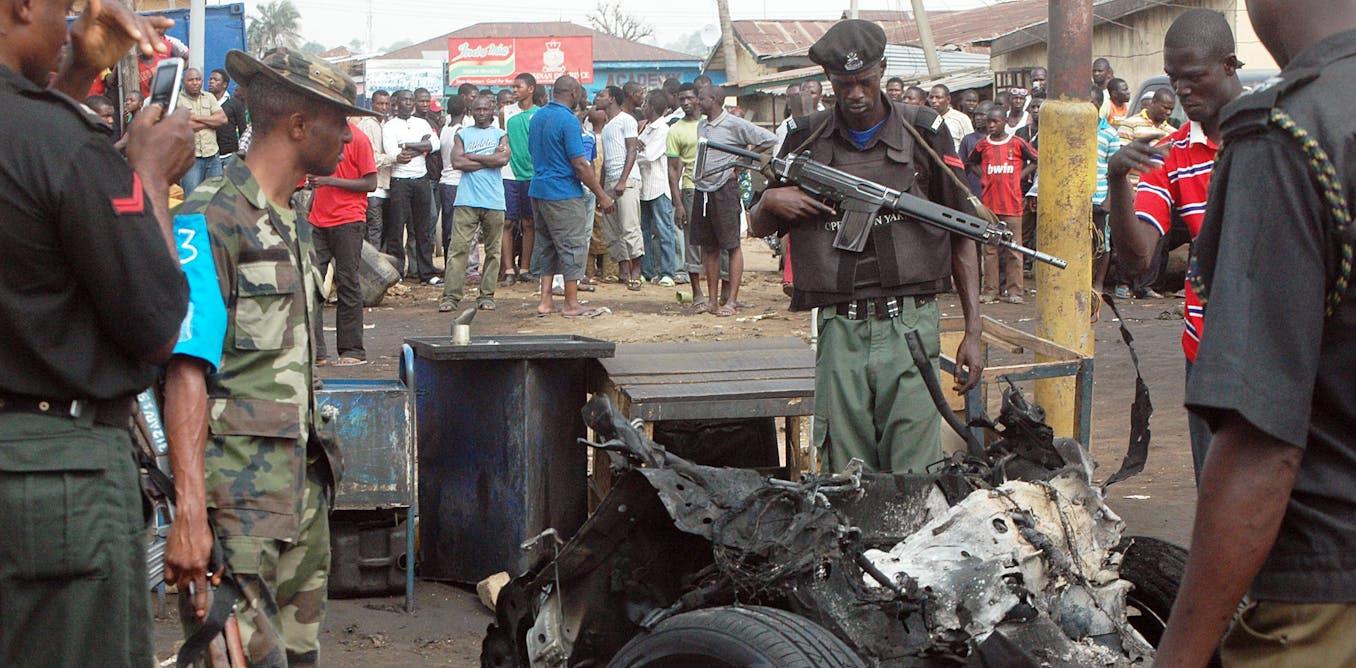
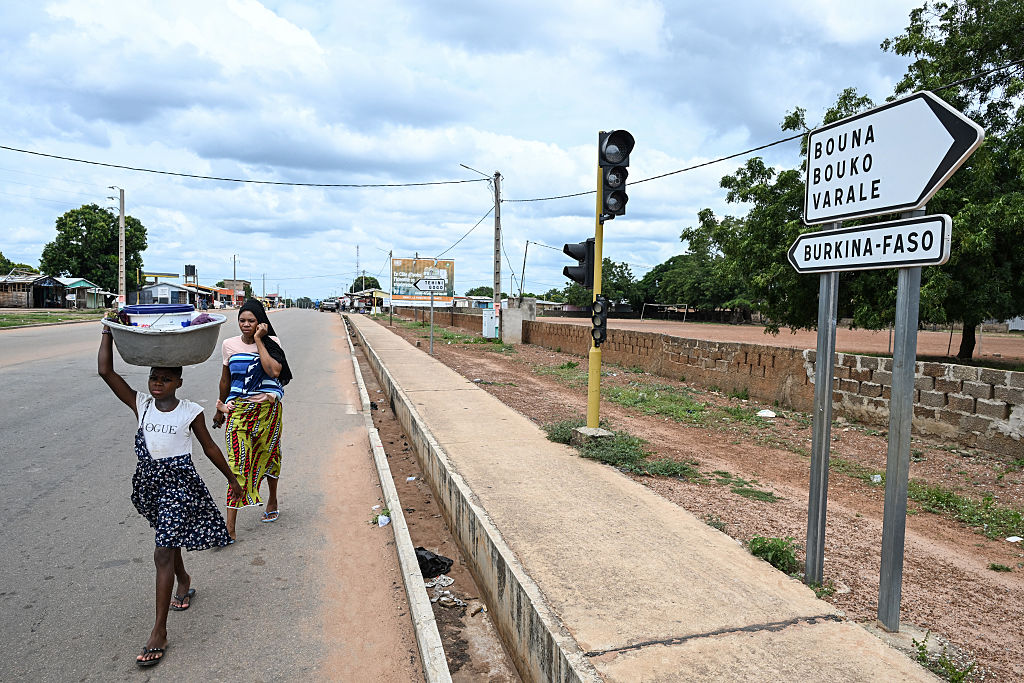
While Captain Traoré hasn’t spilled all the details about his agenda, security analysts are betting on a push for stronger joint military operations. Just look at the new anti-terror battalion under the AES umbrella, ready to operate across all member territories. That’s a clear commitment to a united front against insurgent groups. It’s designed to boost rapid deployment, make sharing resources easier, and generally supercharge the alliance’s ability to tackle terrorism head-on, as reported by LN24 International. Yet, Traoré’s leadership also arrives with its share of diplomatic tightropes. We recently saw 11 Nigerian soldiers, held by Burkinabe forces after an unauthorized border crossing, released. This incident, swiftly resolved, underscores how vital clear communication and cooperation are between neighboring militaries, even as they ramp up their military coordination. Meanwhile, instability continues to draw serious attention far beyond the Sahel. Nigeria’s President Bola Tinubu, for instance, reportedly ordered his troops to get ready for a possible large-scale operation into Burkina Faso, according to a December 2025 Facebook report. This directive points to concerns about insurgent activity spilling over and reflects broader efforts by West African powers to contain militant threats. It’s a volatile situation that could deepen regional military ties, or if mishandled, complicate intra-state relations.
Captain Ibrahim Traoré, known for his firm stand against terrorism within Burkina Faso, now has the immense task of steering the Sahel Alliance through these complex waters. His leadership will definitely be tested as he navigates assertive military action while maintaining crucial diplomatic engagement with bordering nations. With Burkina Faso in such a central role and Traoré at the helm, the AES could really grow into a powerhouse for designing joint counterterrorism strategies, promoting stability, and forming a united front against extremist groups. Looking ahead, this leadership transition could very well be a turning point for the Sahel’s security. With a renewed focus on integrated military cooperation and regional solidarity, we can cautiously hope the alliance becomes more effective against the insurgencies that have drained economic growth and social cohesion. But don’t get it twisted, ongoing vigilance and deft diplomacy will be essential to manage the intertwined security and political dynamics that shape the region’s future. As Captain Traoré steps up, everyone’s watching to see how he balances offensive measures against terror groups while keeping those critical ties with neighboring states intact. The coming months will likely show whether this historic appointment translates into real gains in peace and security for Burkina Faso and its Sahelian partners, as highlighted by Trends in Africa.