Deadly Attack in Niger State Deepens Nigeria’s Security Crisis
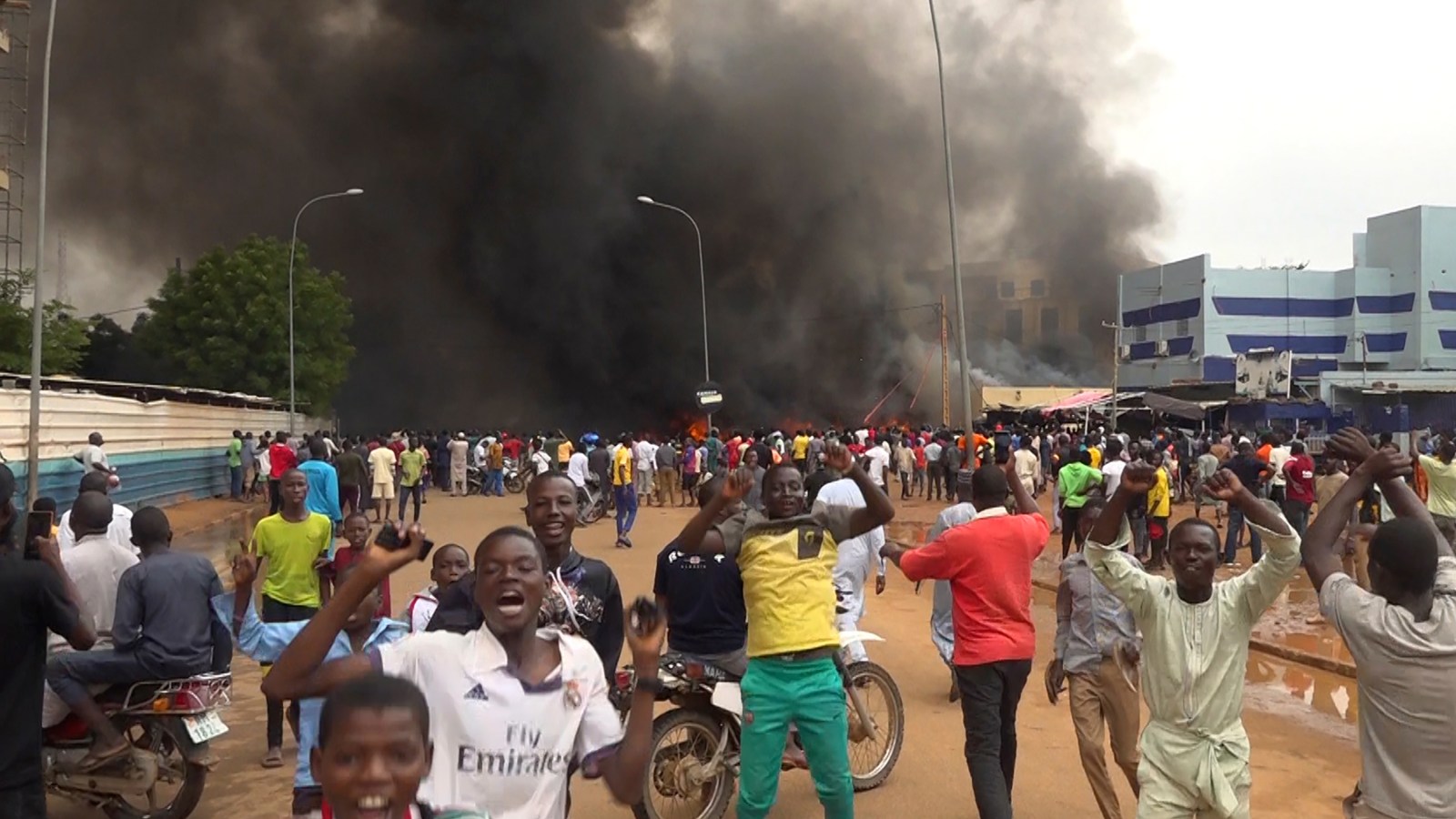
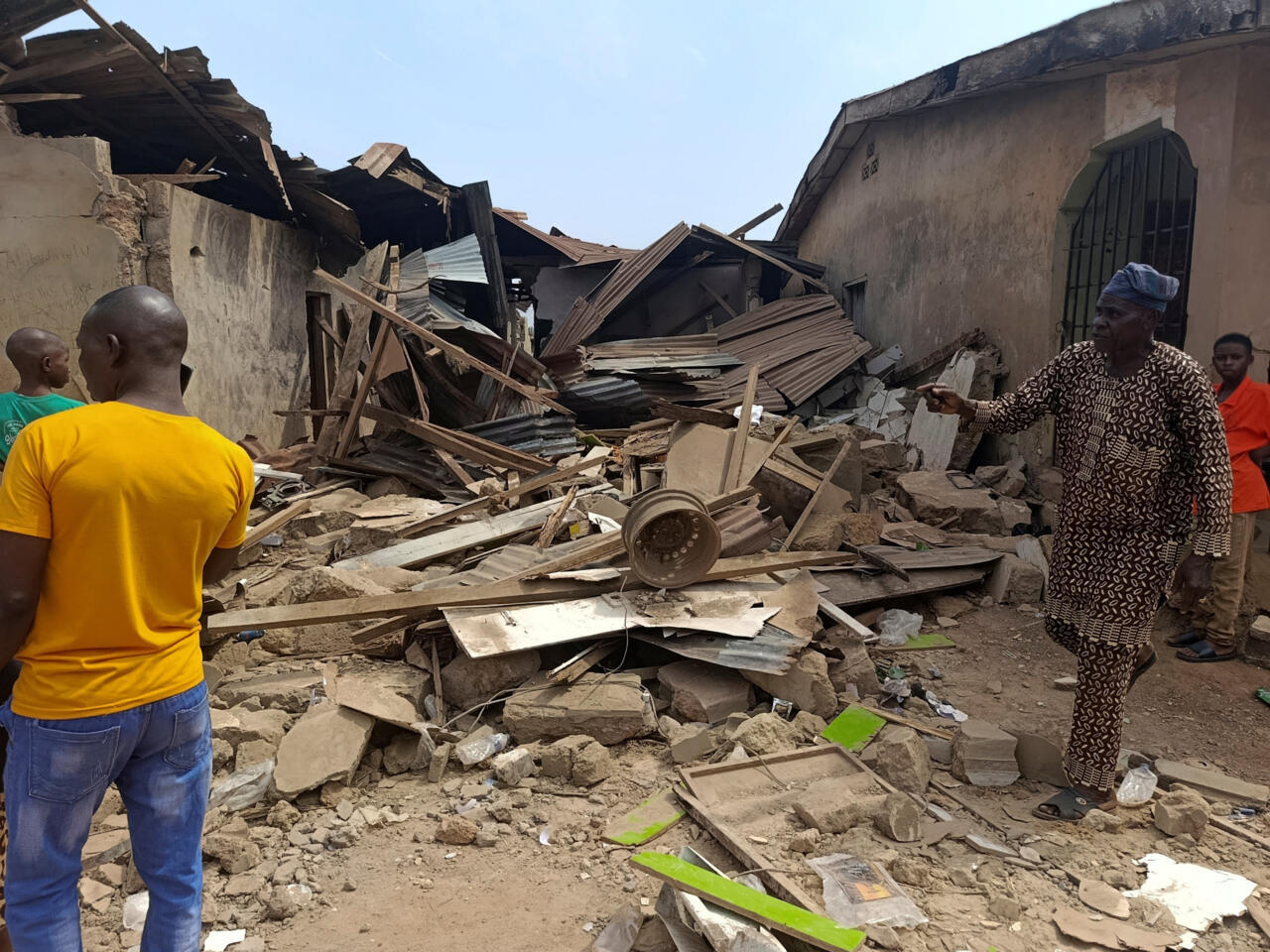
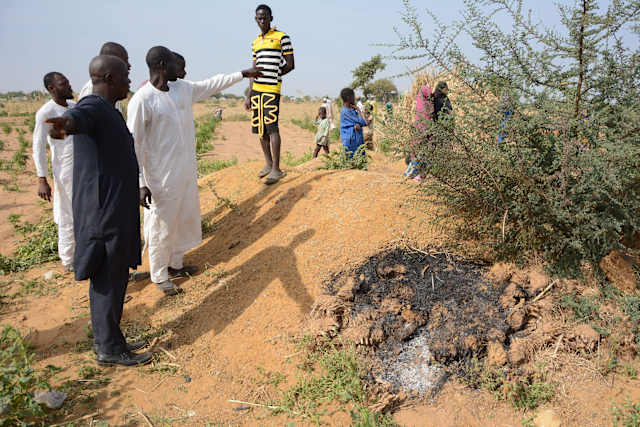
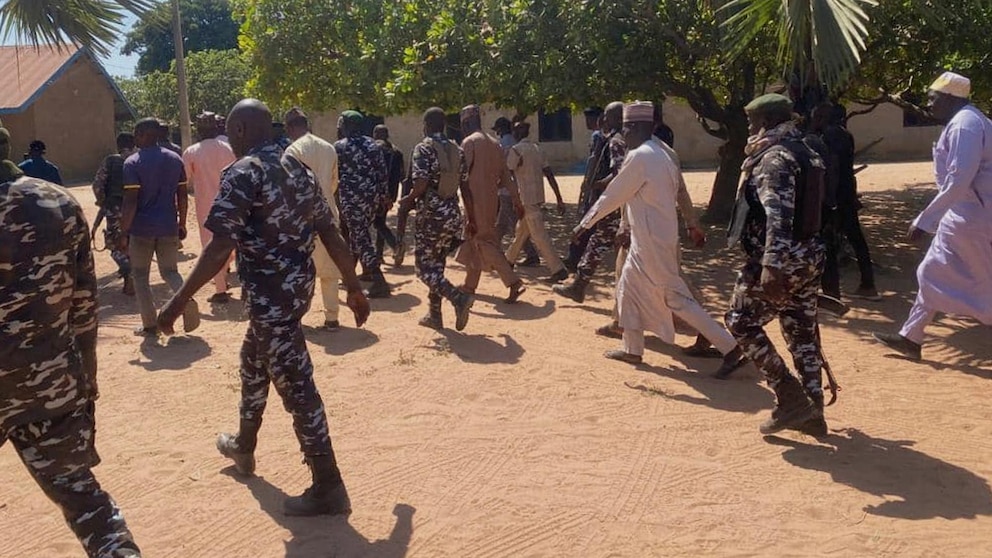
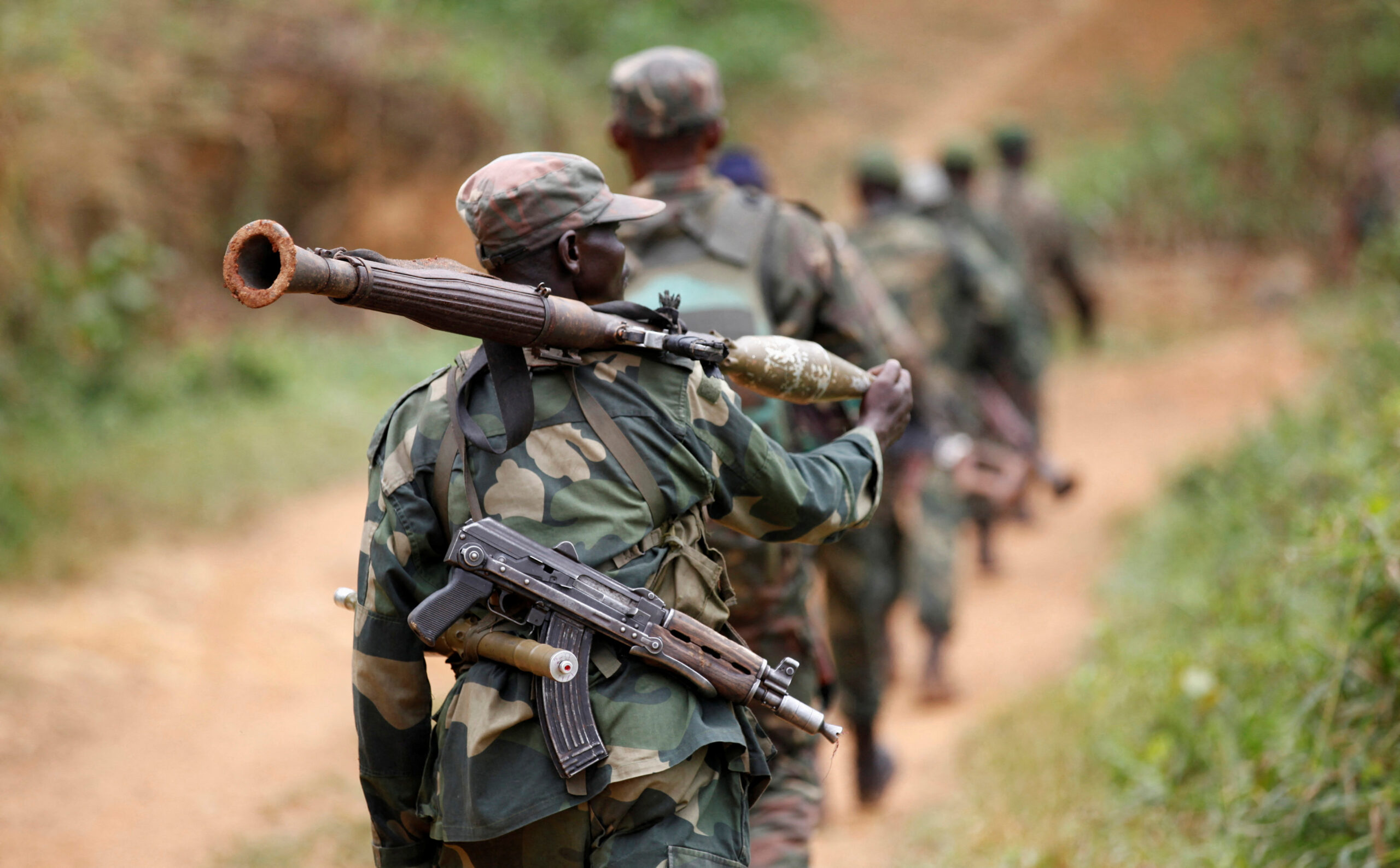
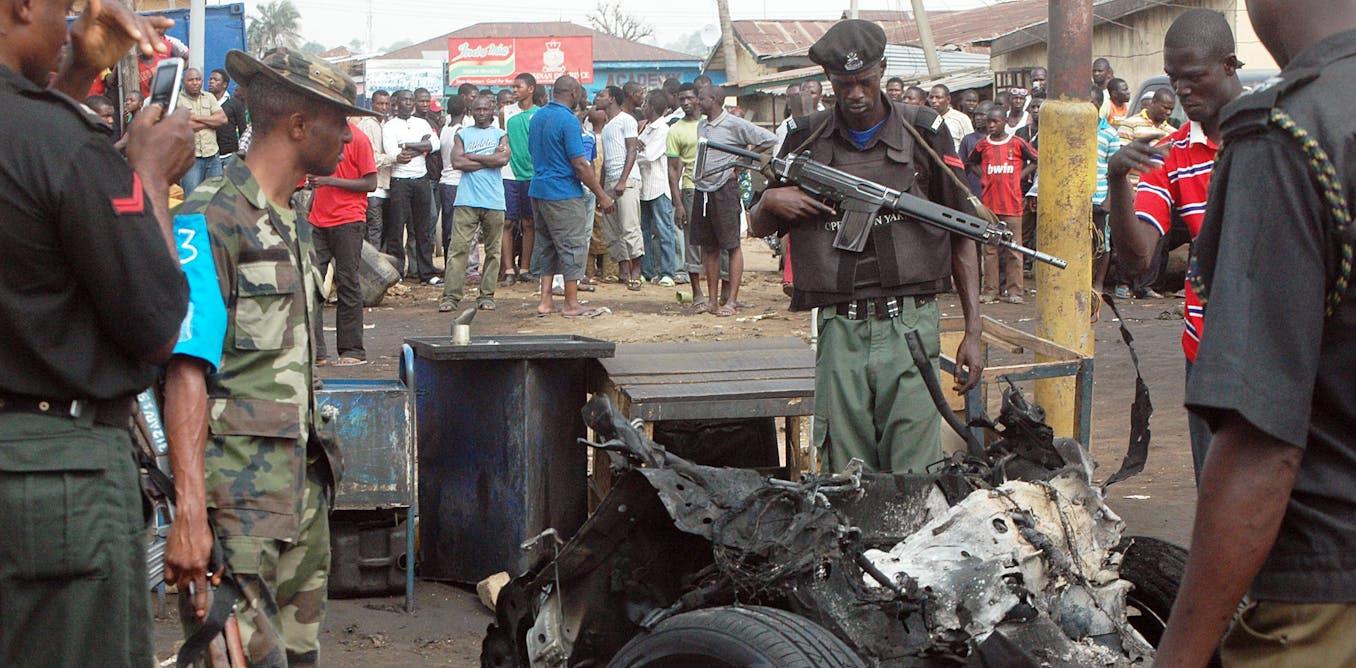
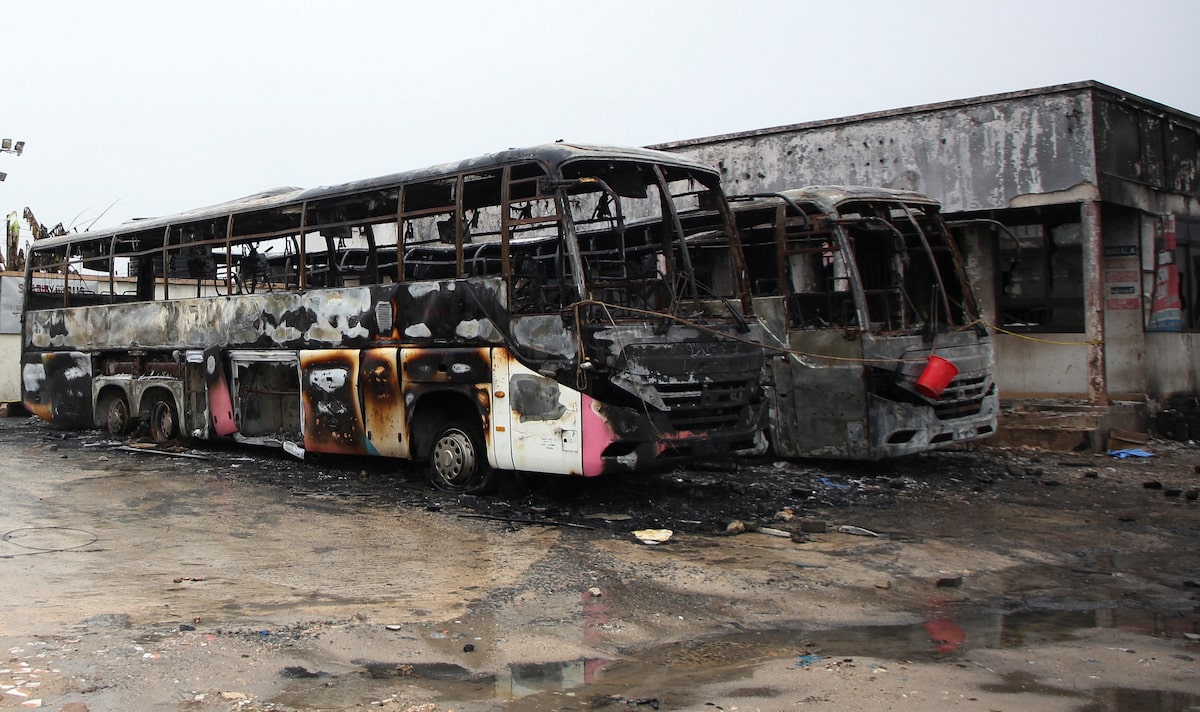
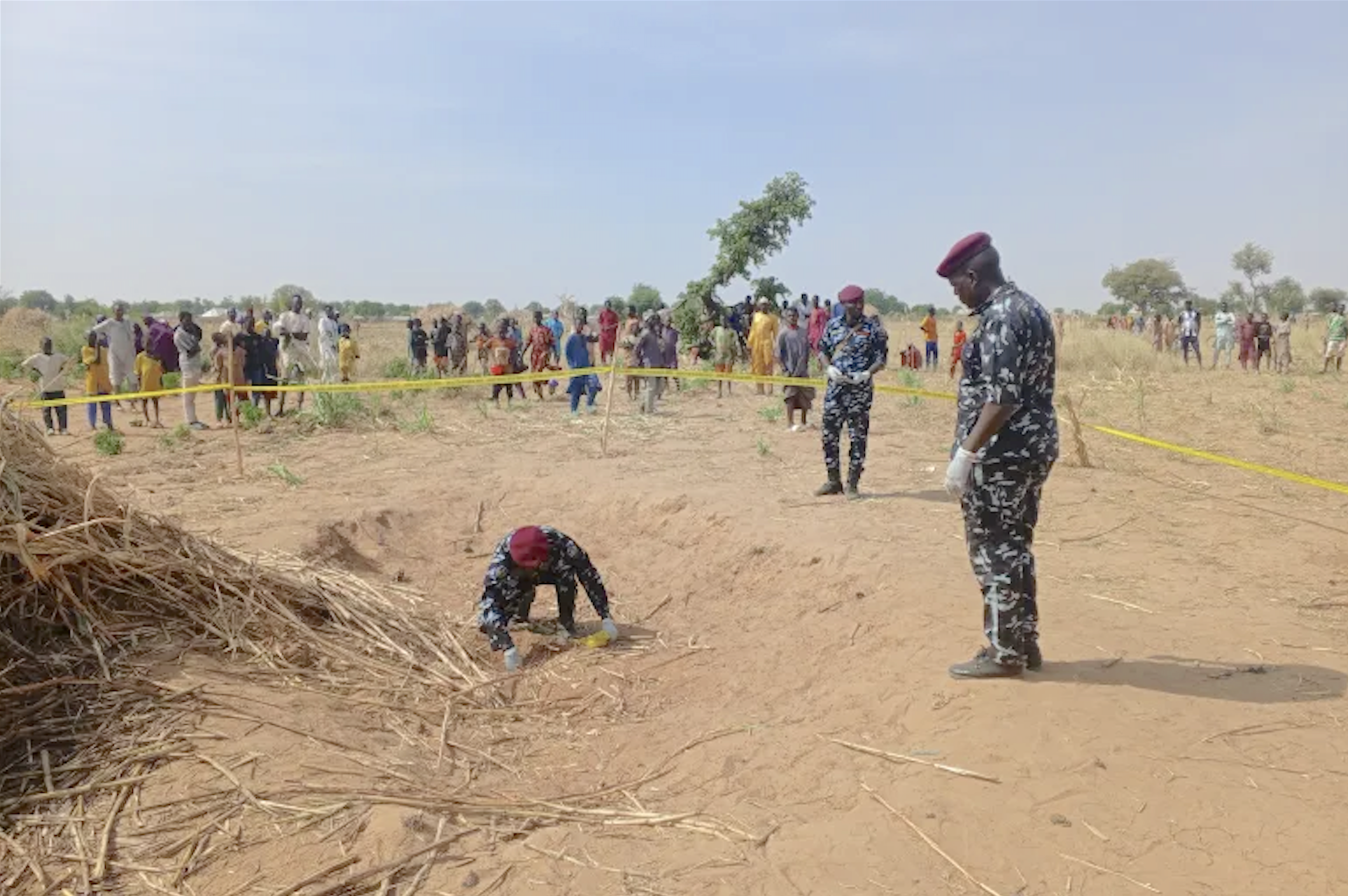
A brutal assault on Kasuwan-Daji village in Niger State, Nigeria, left over 30 people dead and several others abducted on the evening of January 3, 2026. This tragic event isn’t just another headline; it spotlights the persistent, terrifying insecurity plaguing northern Nigeria. Eyewitnesses describe armed assailants emerging from nearby forests, sweeping through Kasuwan-Daji, located in the Borgu local government area, and opening fire indiscriminately on residents. The death toll is estimated to be between 30 and over 40, with some reports indicating children were among those kidnapped, intensifying fears for their safety. The attackers didn’t stop at violence against people; they torched the local market and numerous homes, obliterating vital infrastructure and livelihoods. Was this merely an act of brutality, or a calculated effort to terrorize and destabilize the community? Looting under the veil of chaos further magnified the devastation, pushing an already vulnerable population deeper into distress. Local authorities, including Niger State Police spokesperson Wasiu Abiodun, quickly confirmed emergency teams were dispatched to aid the injured and initiate rescue efforts. An official from the Niger State Emergency Management Agency tragically verified the mass killing, detailing how villagers were rounded up and slain in cold blood.
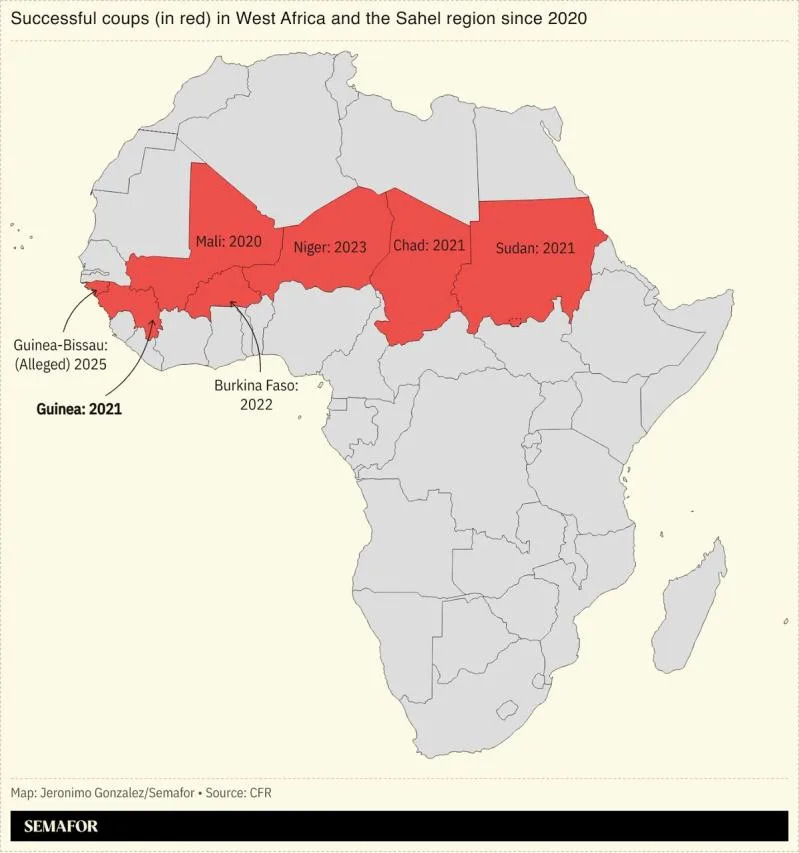
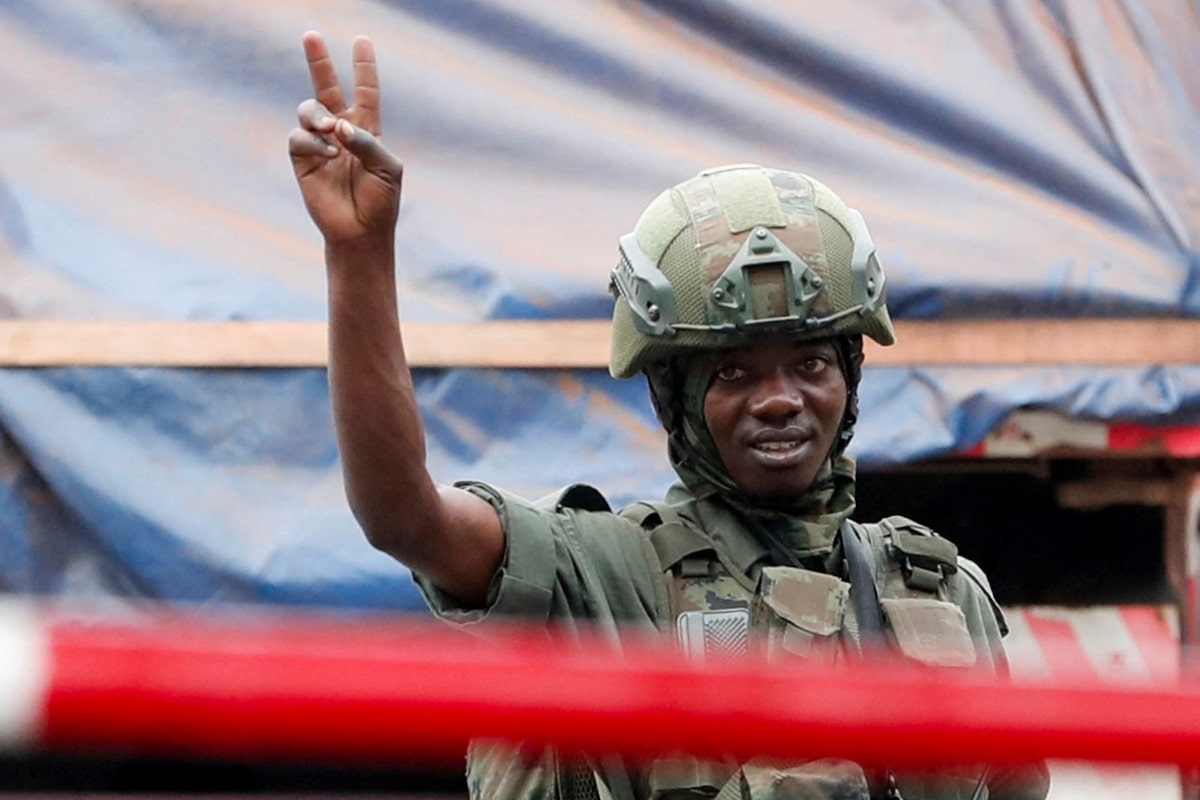
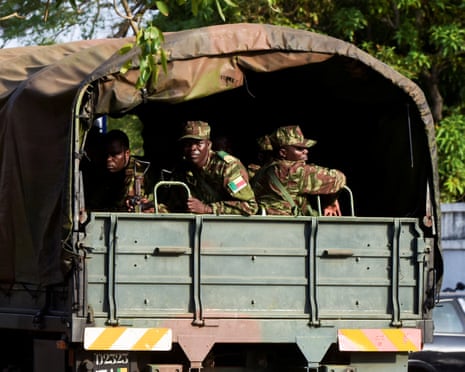
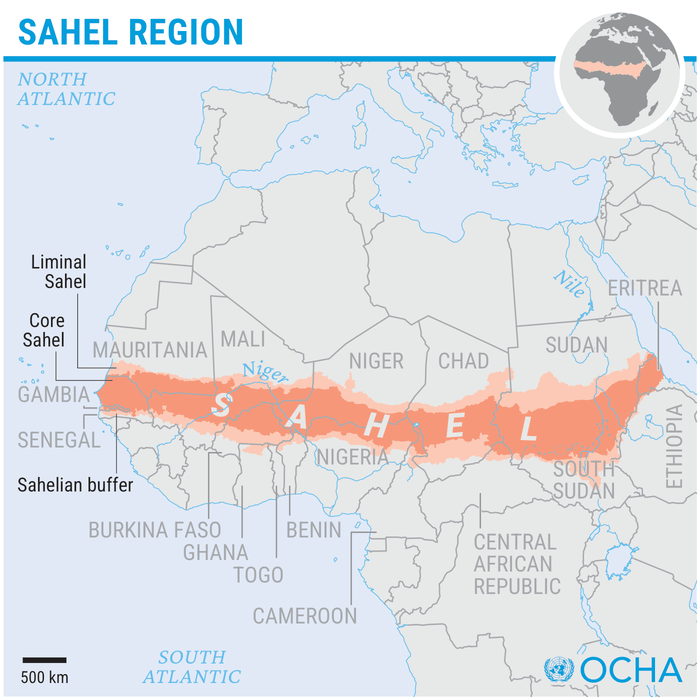
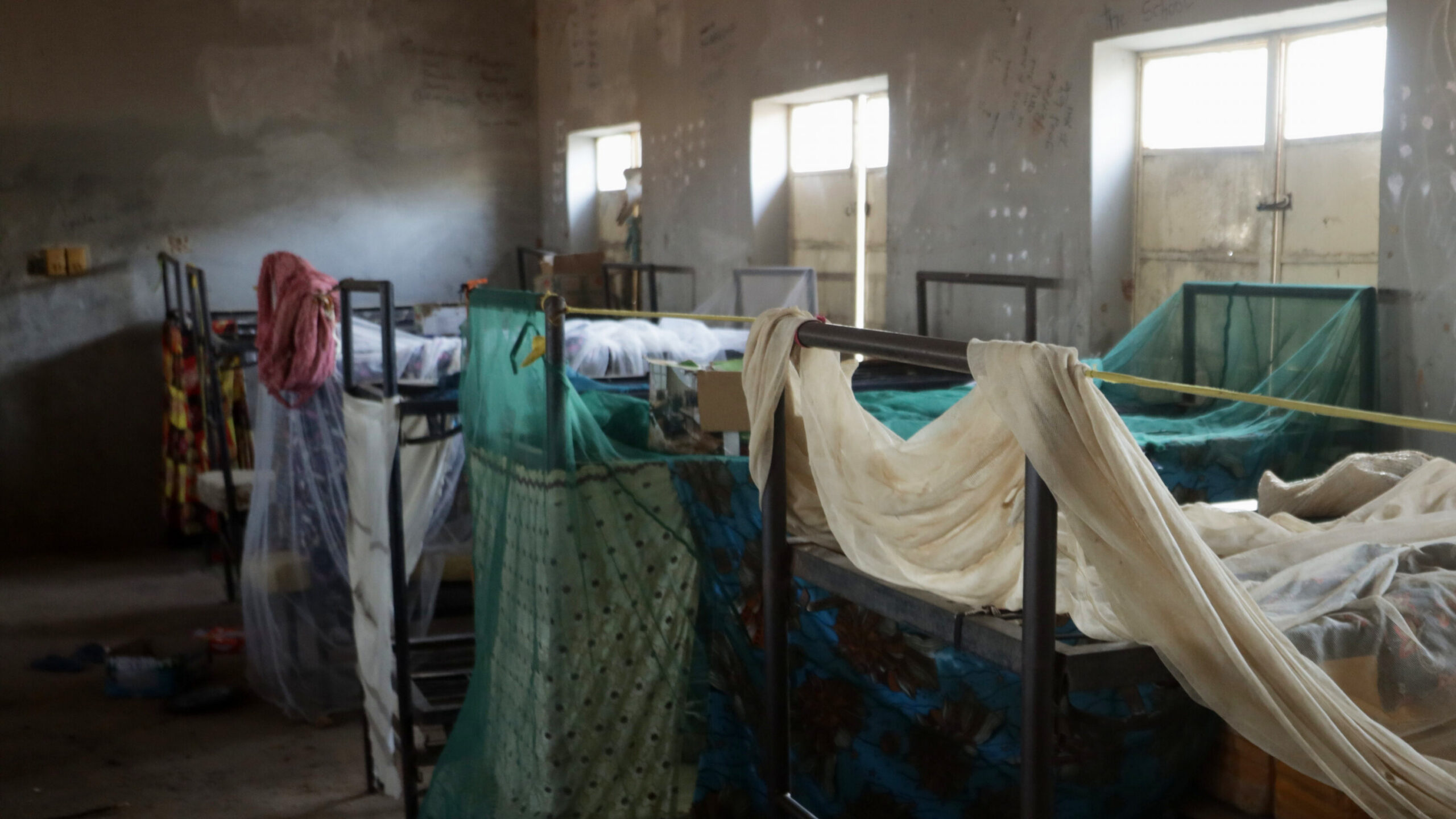
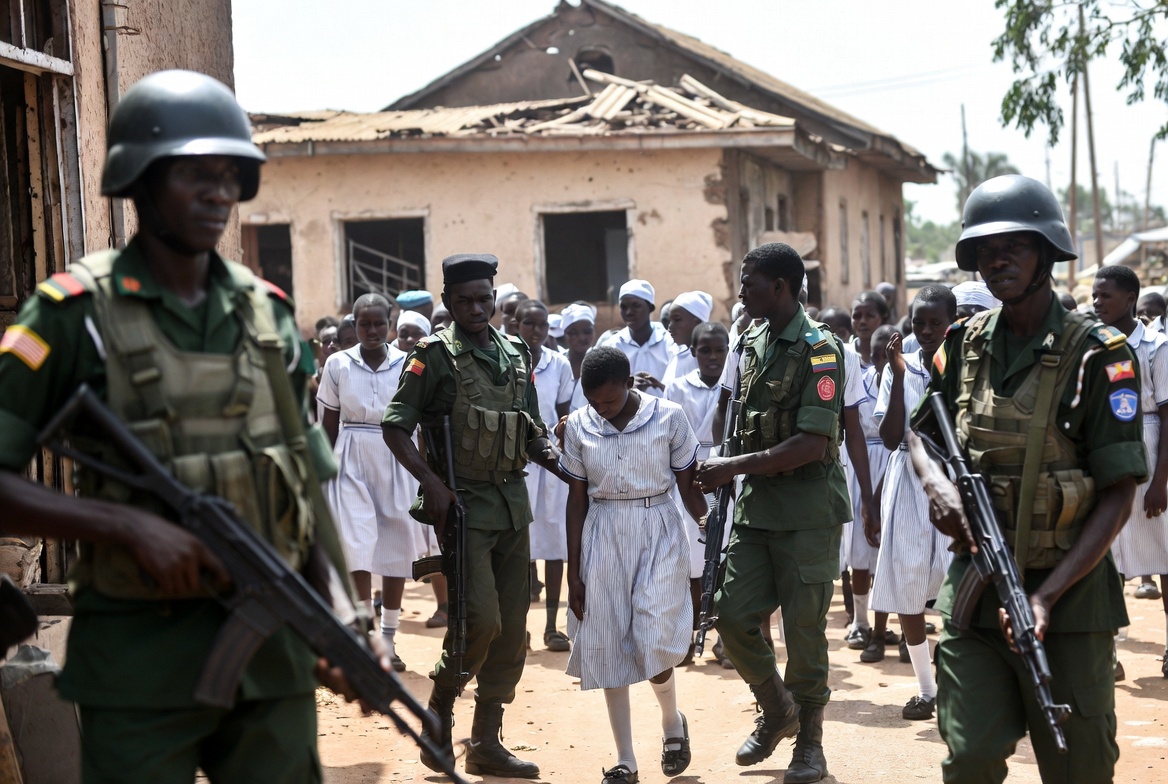
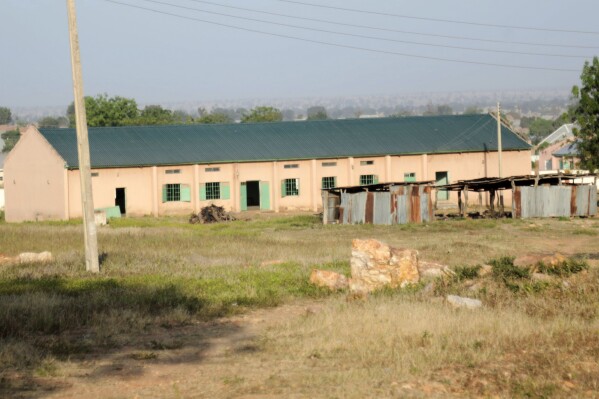
This latest atrocity compounds an already dire situation for Nigeria’s security landscape. Just a day before the Kasuwan-Daji raid, officials had announced the phased reopening of schools in Niger State, a move seen as a hopeful step towards normalcy after a previous mass kidnapping. That incident saw over 300 schoolchildren and teachers abducted from a Catholic school near the Papiri community. The chilling proximity of these attacks suggests a frightening pattern of unchecked violence from armed groups operating with what seems like impunity. Residents lament the alarming lack of security presence in these rural areas, creating a critical vacuum that allows such raids to happen unchallenged. Abraham Peter, a local, expressed profound frustration, noting how gunmen regularly emerge from the forests of northern Nigeria and Niger, attacking communities at will, emboldened by a fragile security environment. While no group has claimed responsibility, security analysts often point to the Lakurawa, an armed faction active in the border region between Nigeria and Niger. These groups, often targeted by U.S. military strikes aimed at curbing their cross-border raids and arms trafficking, continue to demonstrate that current measures haven’t yet stemmed the tide of violence across the Sahel region. For more on the previous school abduction, read about when over 300 pupils and staff were kidnapped.
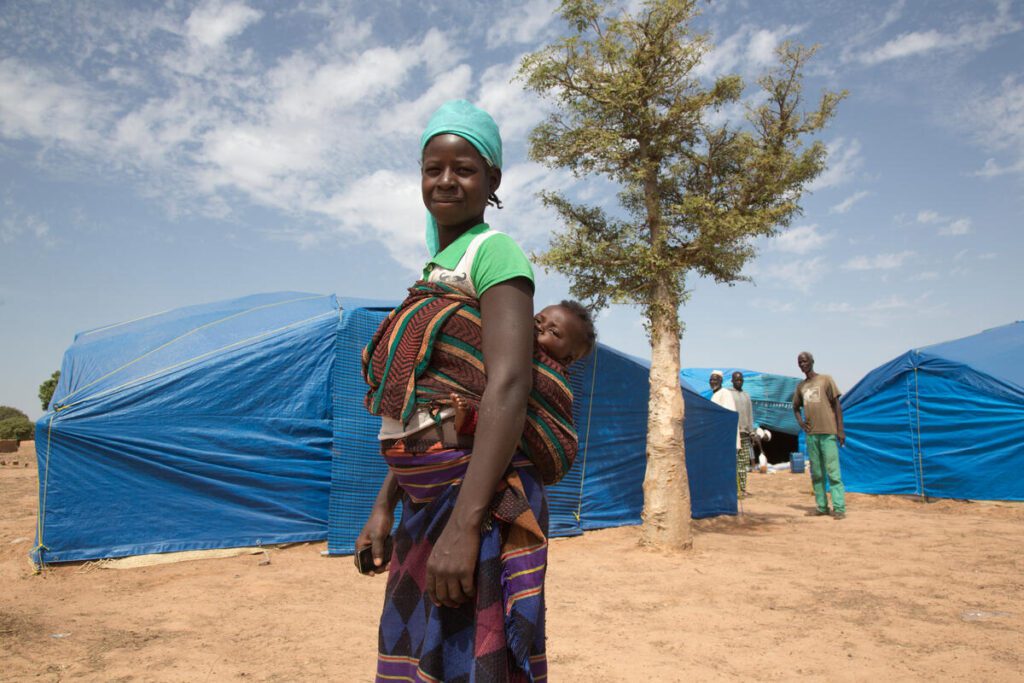
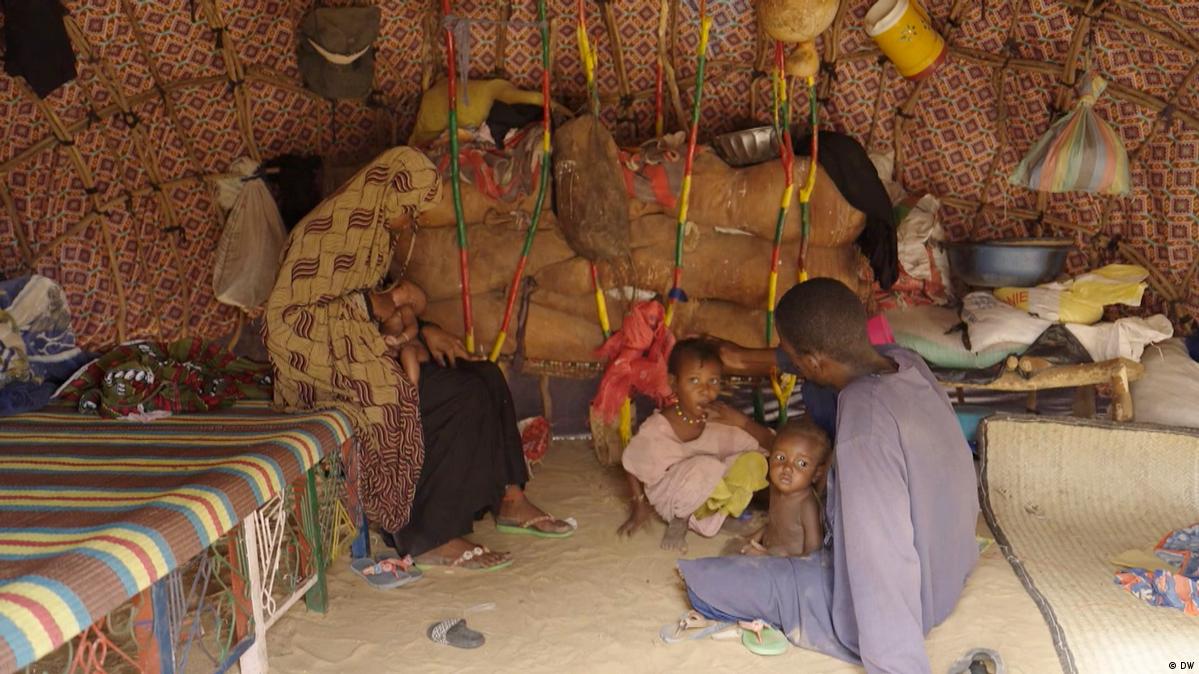
The raid’s profound humanitarian consequences can’t be overstated. Mass abductions, alongside the destruction of homes and marketplaces, will undoubtedly deepen distress and displacement in an area already struggling with poverty and instability. Local civil society organizations and church representatives are urgently calling for increased aid and enhanced security to protect vulnerable populations and prevent further loss of life. This incident also raises pressing questions about the Nigerian government’s capacity to safeguard its rural communities against relentless armed militias and criminal gangs. After years of escalating insecurity across northern Nigeria, marked by repeated kidnappings, village raids, and clashes, the need for a coordinated, sustained security response is critical. Looking ahead, the evolving security crisis in Niger State demands a multifaceted strategy: enhanced military operations, intelligence sharing with neighboring countries like Niger and Benin, and robust community engagement to tackle the underlying grievances fueling armed conflict. International cooperation might also prove instrumental in curbing the flow of weapons and disrupting illicit networks sustaining these groups. Immediately, the plight of those abducted in Kasuwan-Daji requires urgent attention. Rescue operations are underway, but the persistent risk to civilians underscores just how fragile peace remains here. As Niger State reels from this latest atrocity, its people’s resilience is being profoundly tested. The broader West African region watches closely, hoping for stability but preparing for the complex challenges that undoubtedly lie ahead. You can read more about this tragedy from AP News, The Washington Post, and The New York Times.