France’s Strategic Shift in Africa Amid Rising Security Challenges and Health Crises
Africa Navigates a Complex Crossroads: Health, Security, and Shifting Global Alliances
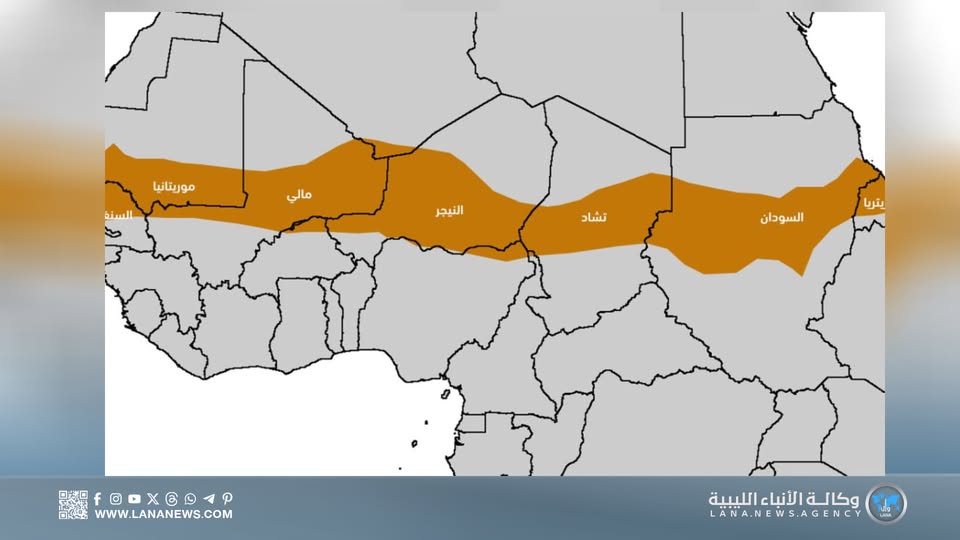
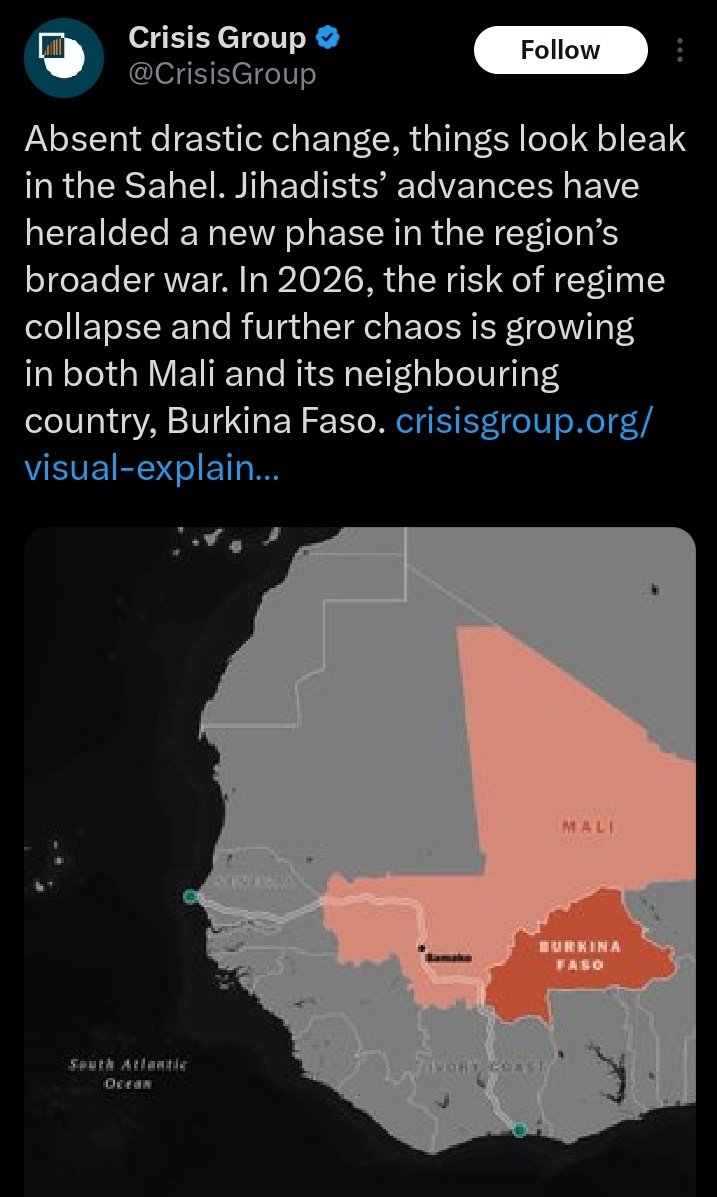
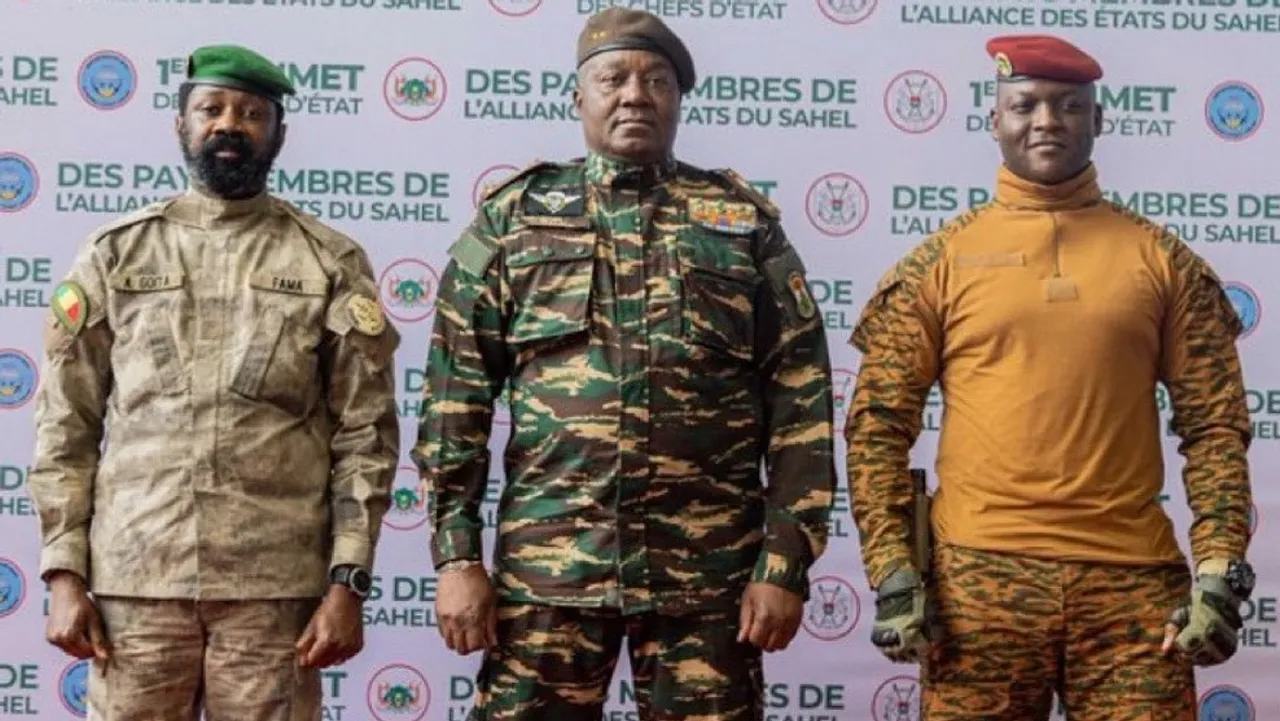
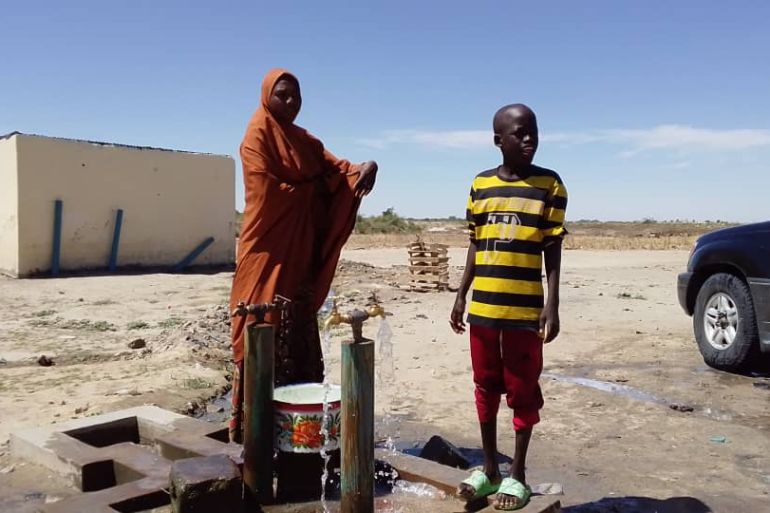
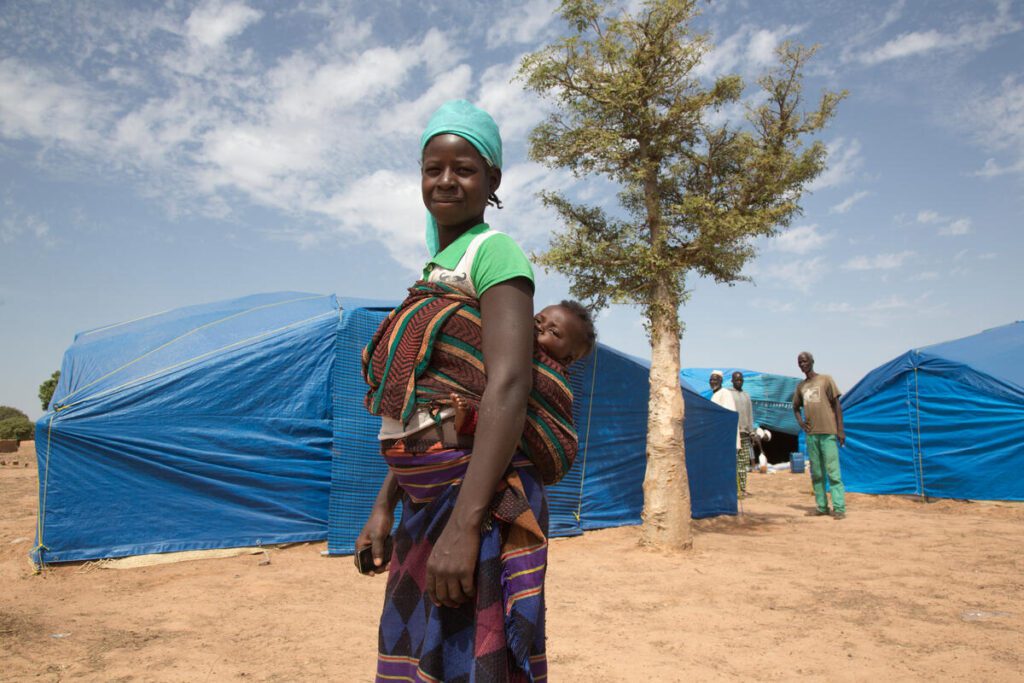
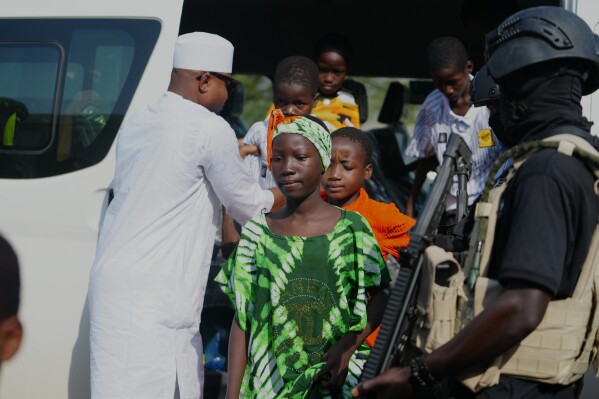
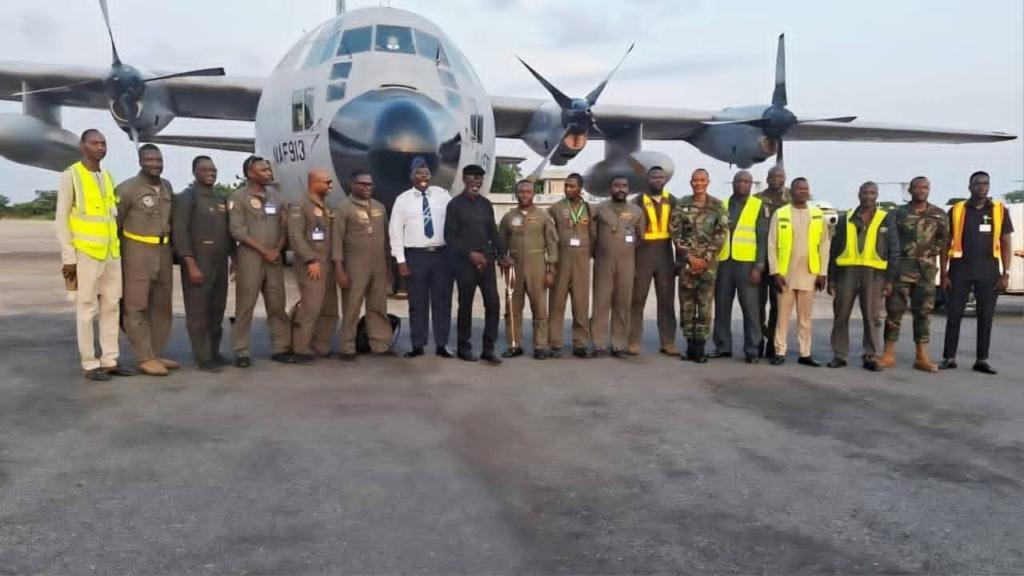
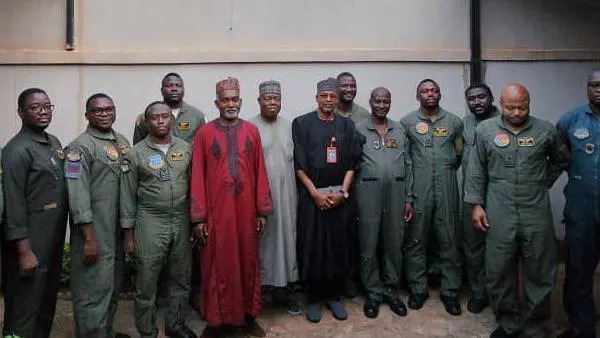
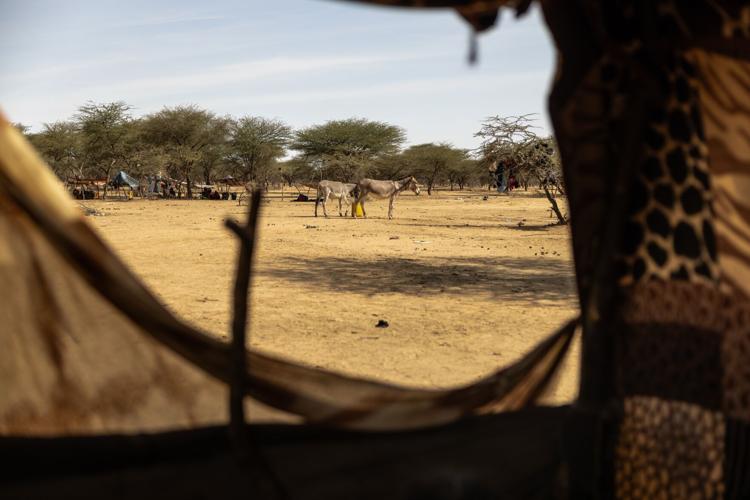
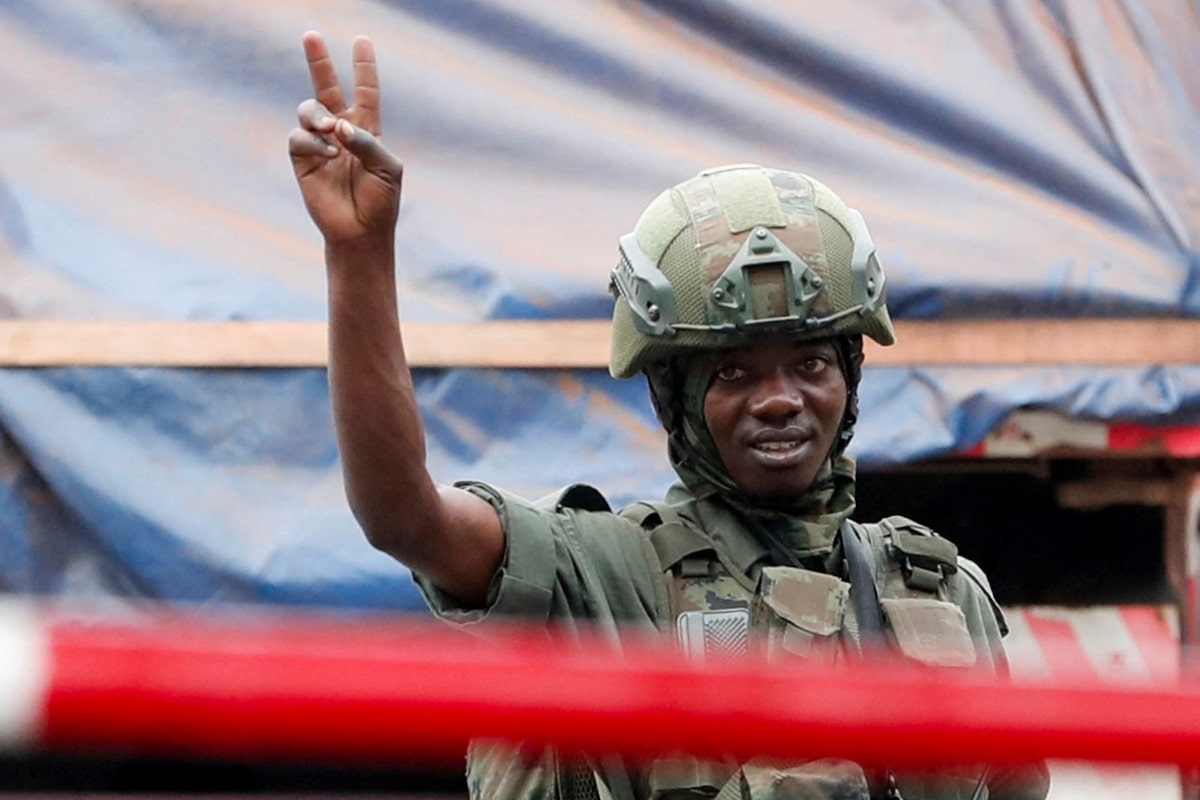
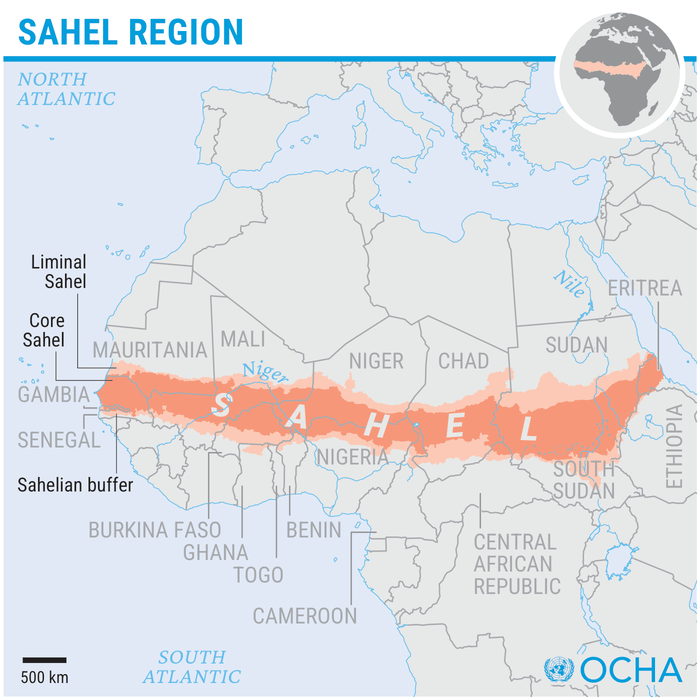
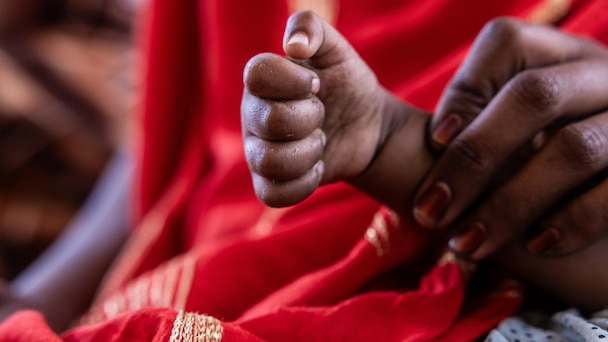
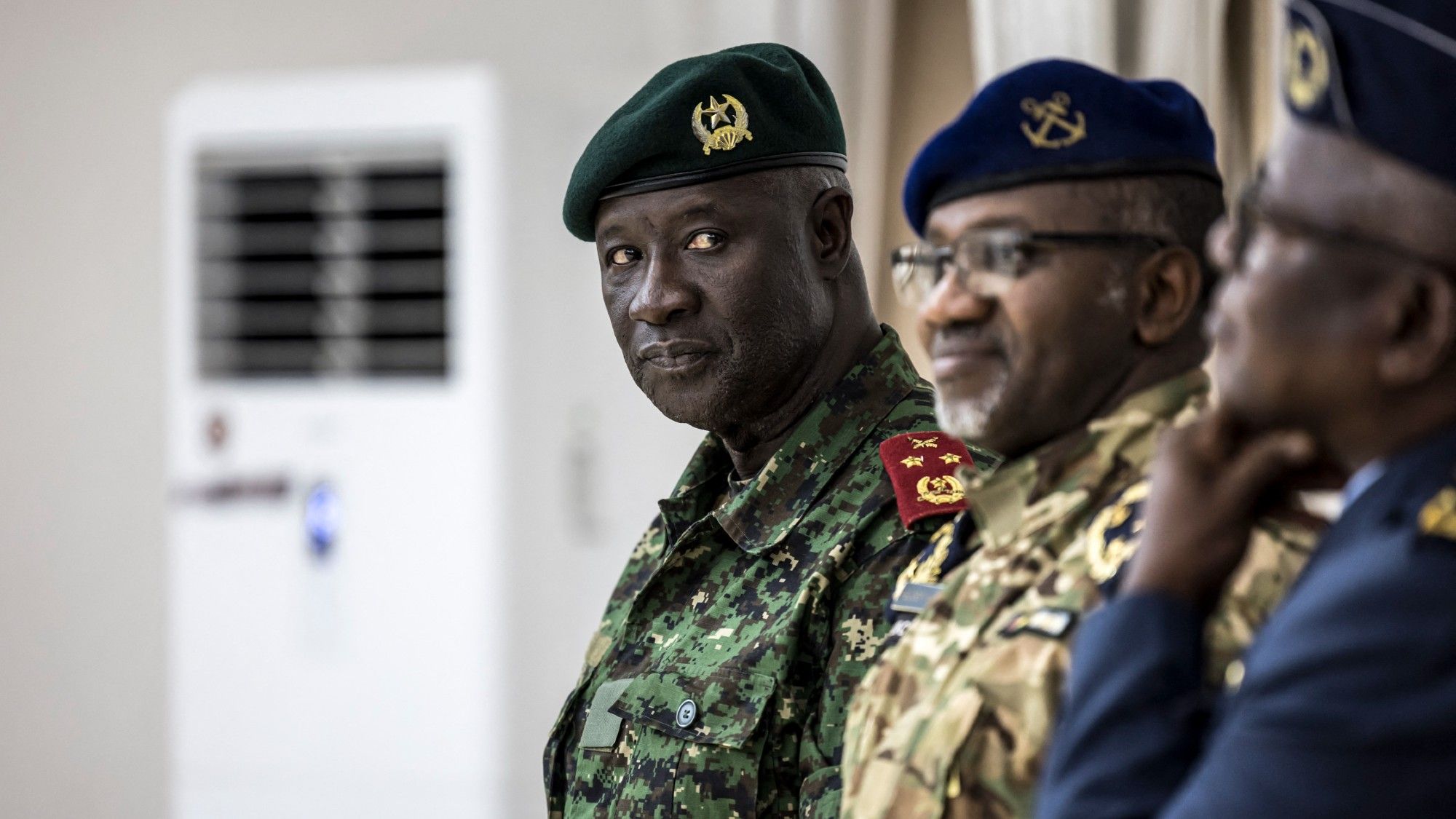
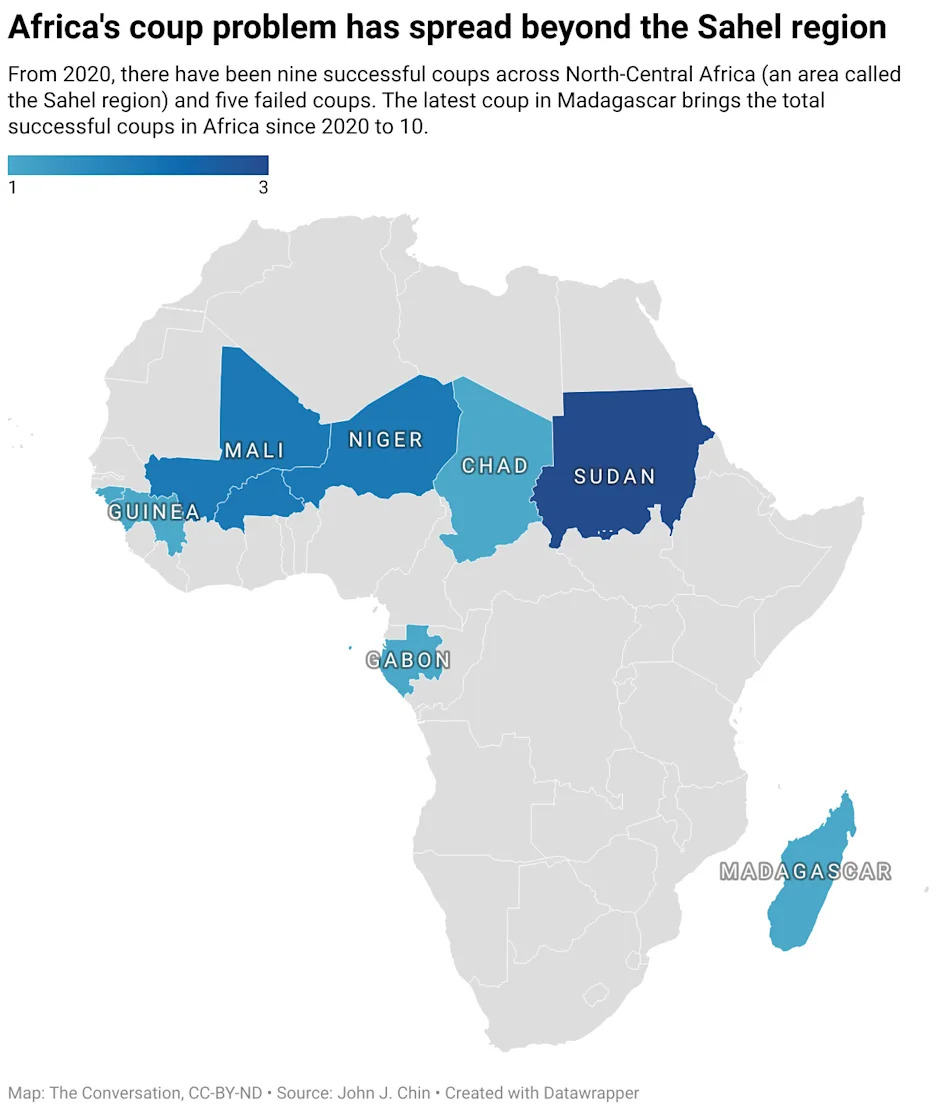
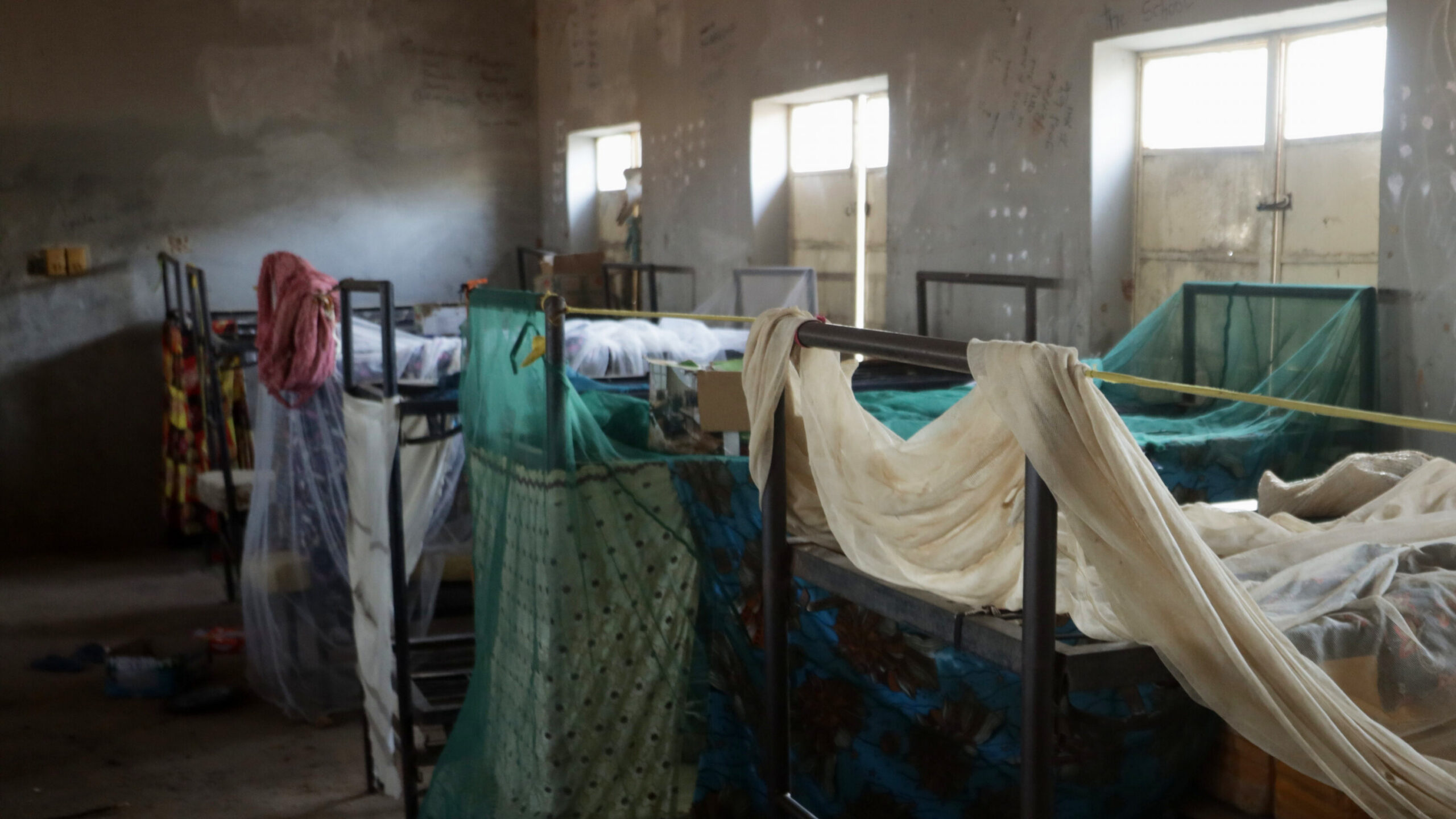
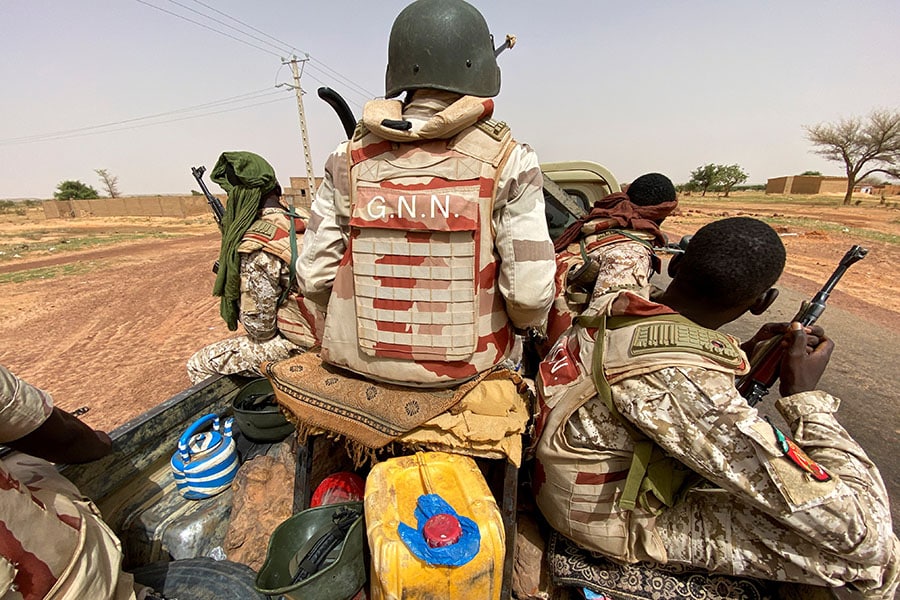
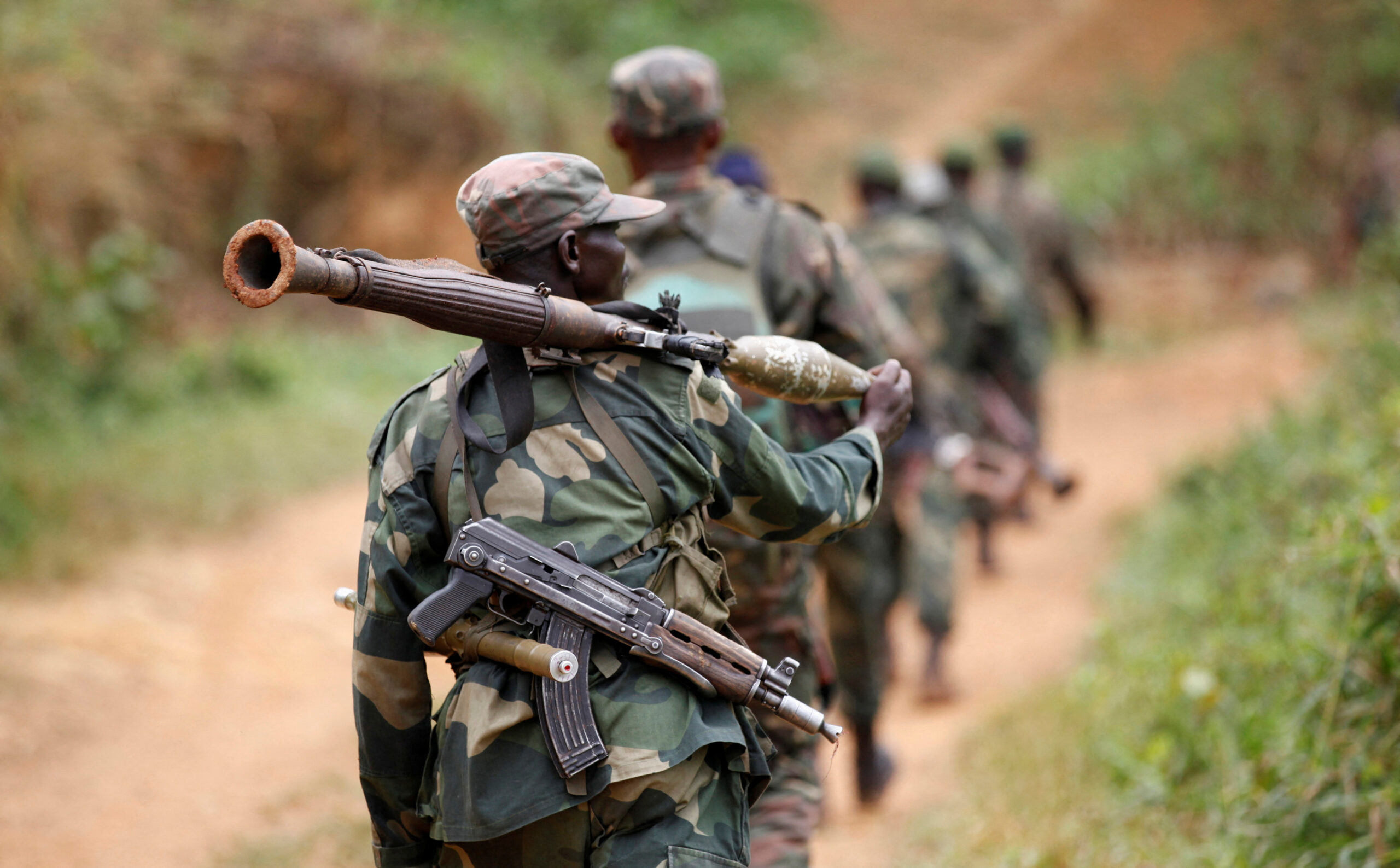
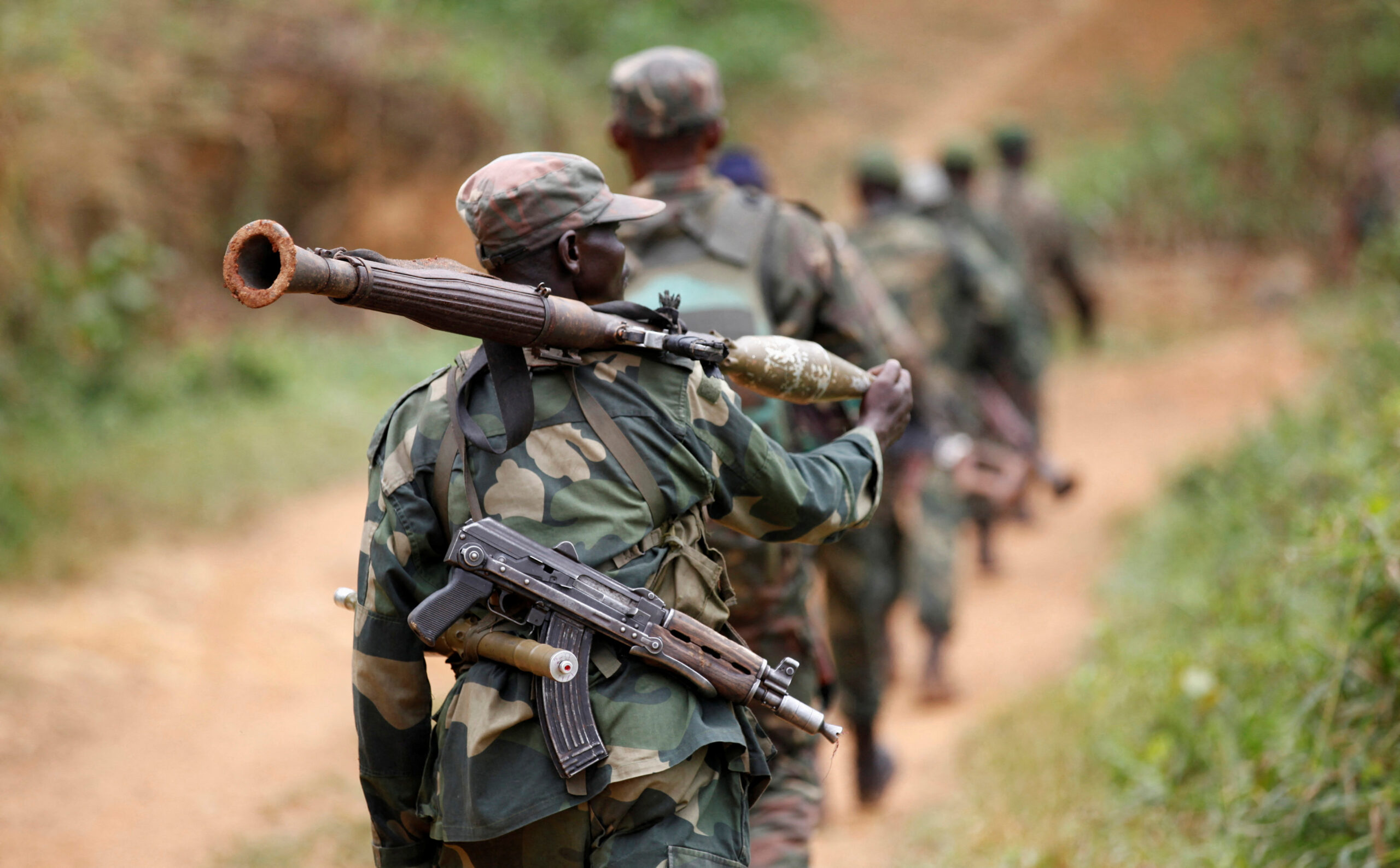
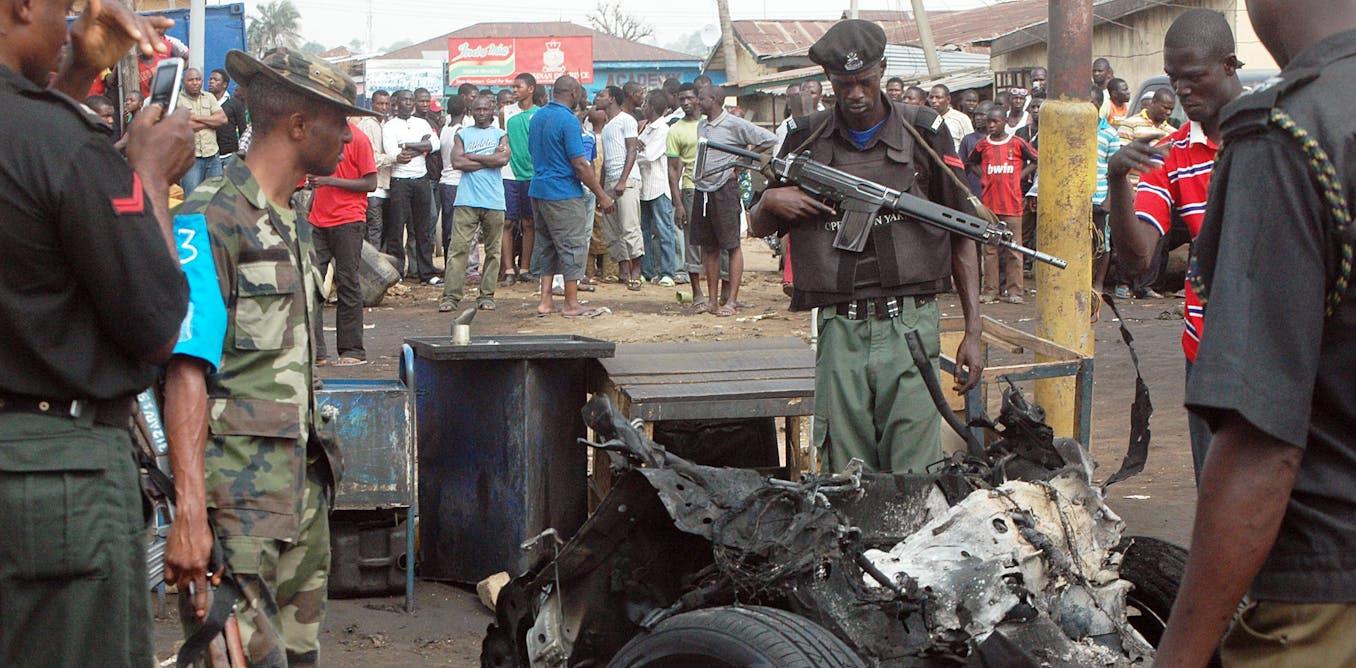
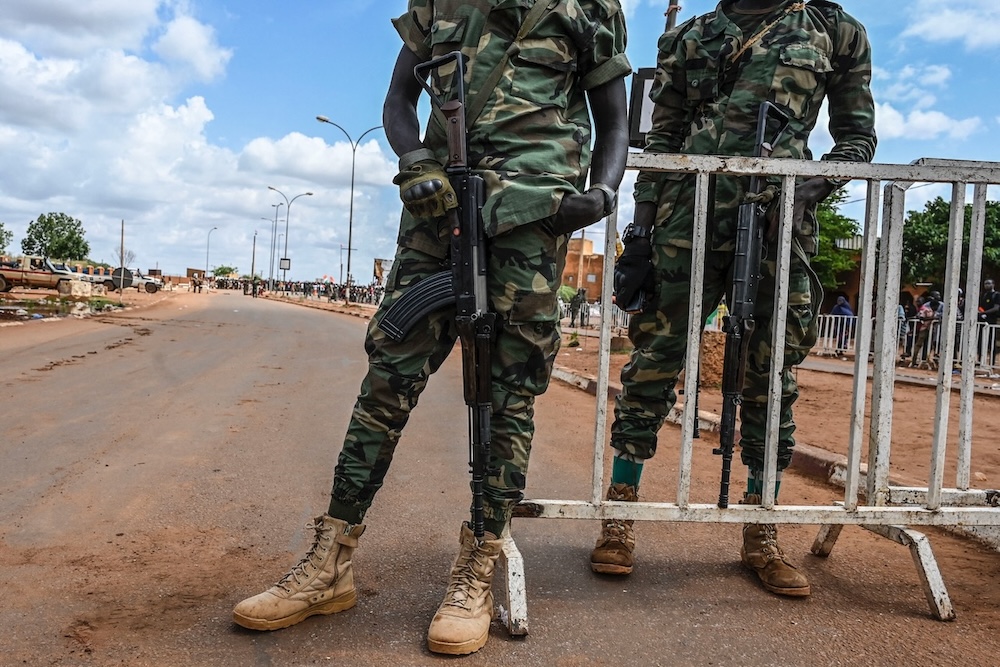
Africa finds itself at a pivotal moment, navigating a complex web of health crises and security threats, even as it experiences dynamic shifts in international economic engagement and remarkable homegrown technological innovation. France, long a key player on the continent, is now looking to reinvigorate its influence, which has seen some decline recently. It’s launching a fresh strategy aimed at boosting trade and investment. Yet, the continent isn’t waiting for external solutions; African nations are actively confronting pressing public health challenges, like the relentless grip of malaria, which tragically claims hundreds of thousands of lives each year. They’re also pioneering smart, localized solutions to persistent security threats, often through cutting edge technology. This interplay of urgent health needs, evolving security landscapes, and significant economic realignments paints a vivid picture of Africa’s multifaceted reality, underscoring its undeniable and growing importance in global affairs. Take malaria, for instance, a public health menace that continues to disproportionately devastate several nations. In 2024, Nigeria, the Democratic Republic of Congo (DRC), Niger, and Tanzania together bore the brunt, accounting for over half of global malaria deaths. Nigeria alone was responsible for more than 30 percent of these fatalities. With estimates suggesting over 280 million malaria cases worldwide last year, and more than 600,000 deaths predominantly in conflict-affected and climate-vulnerable African regions, the sheer scale of this crisis strains already fragile healthcare systems and actively hinders economic progress. It’s a stark reminder that sustained attention from both governments and international health organizations isn’t just desirable, it’s absolutely vital. Meanwhile, security in parts of Africa, especially near the Sahel region’s mounting challenges, remains complicated by localized conflicts and extremist activities. But here’s where African ingenuity truly shines. Ghana’s response offers a compelling example of adaptation and innovation. Its military recently deployed a domestically developed unmanned aerial vehicle (UAV), the AeriusPro, for surveillance in the often-volatile northern regions of Bawku and Binduri. These homegrown drones are more than just gadgets; they’re significantly enhancing the military’s capacity to monitor threats effectively and address complex community tensions, marking a truly significant step forward in leveraging technology to maintain peace and stability. Ghana’s commitment to self-reliance through initiatives like these shows its innovative technology bolstering security and setting a regional example.
France’s Renewed Commitment: Beyond Old Ties to New Economic Futures
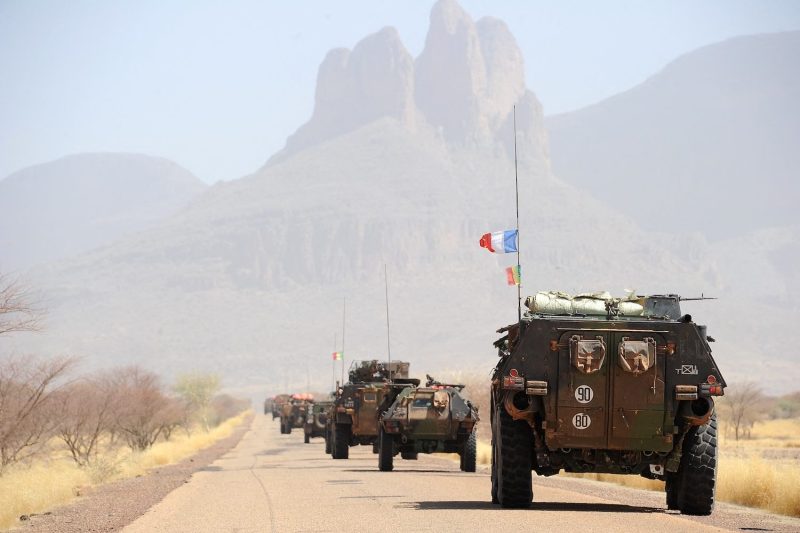
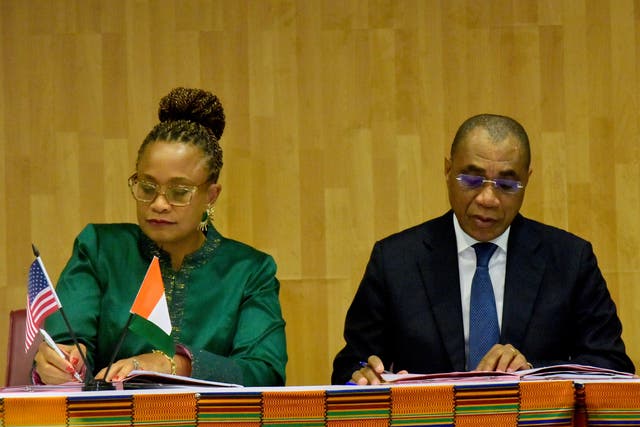
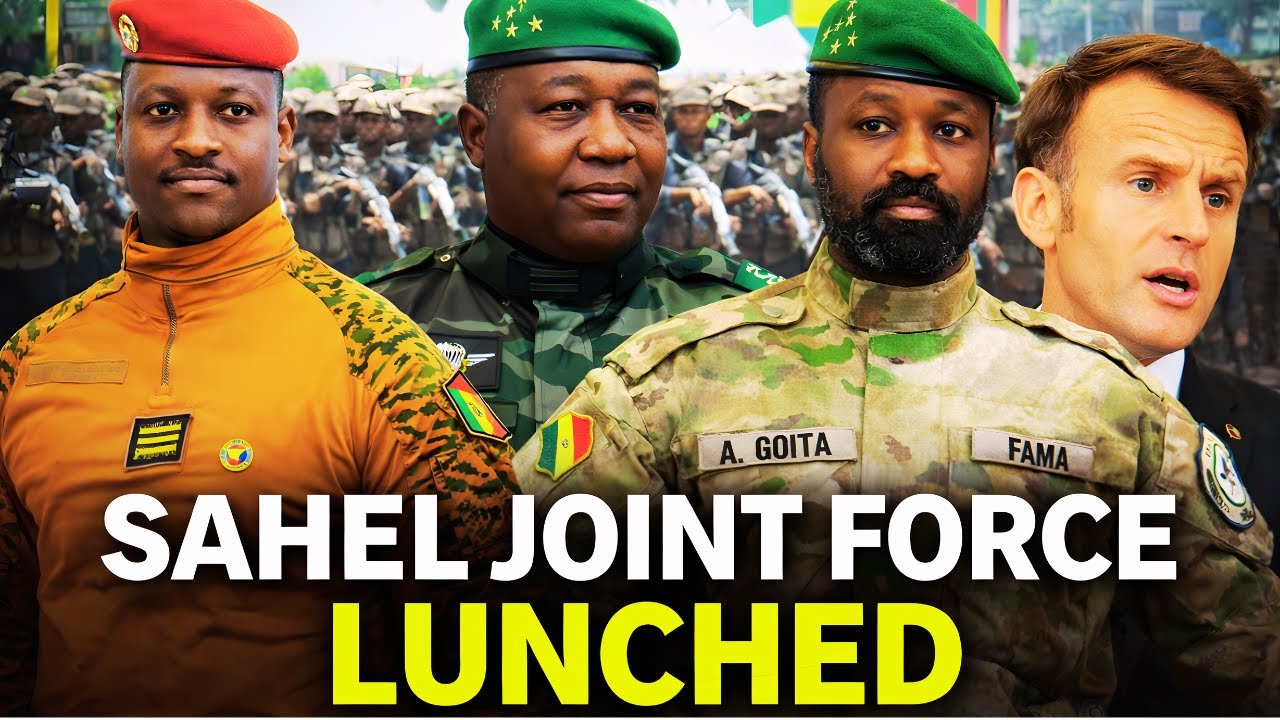
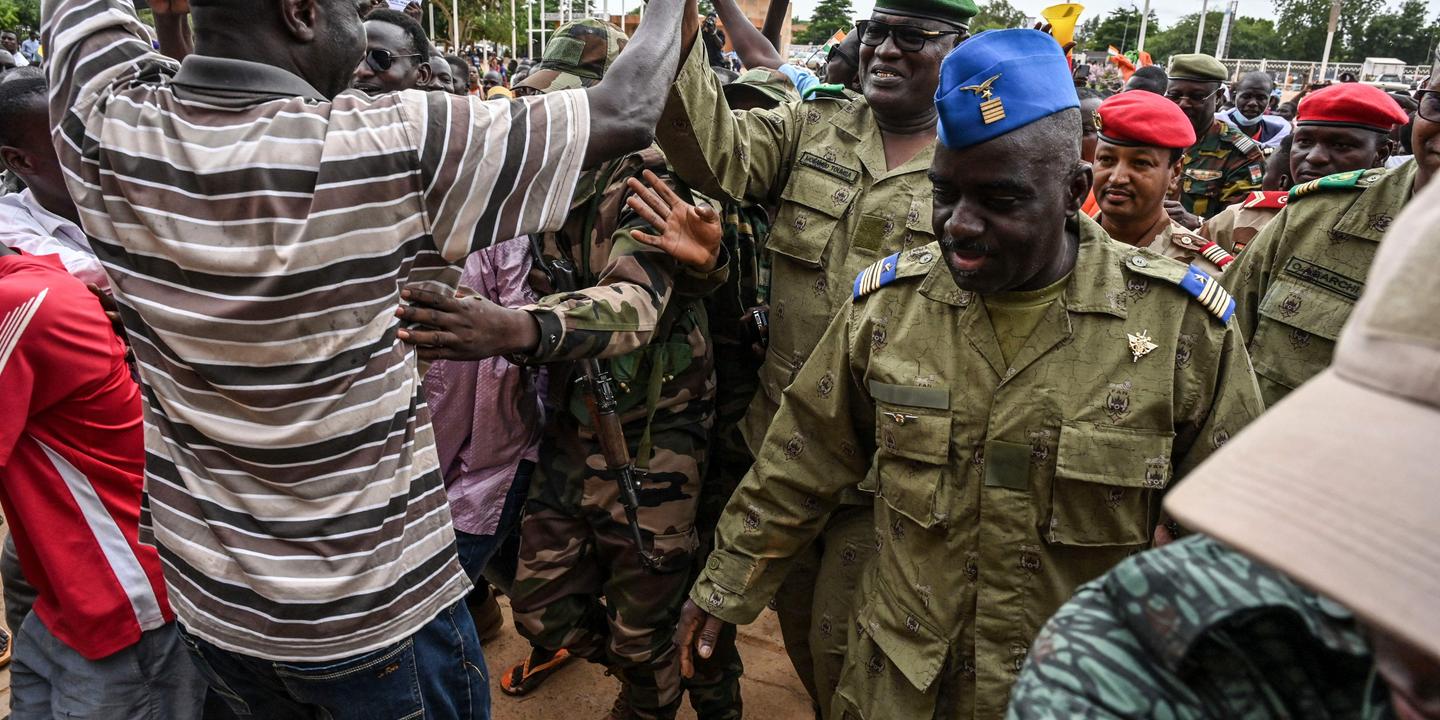
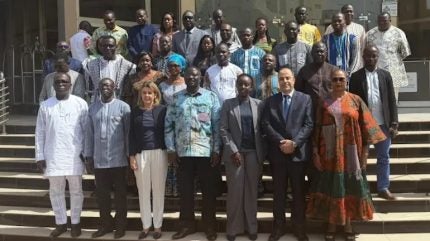
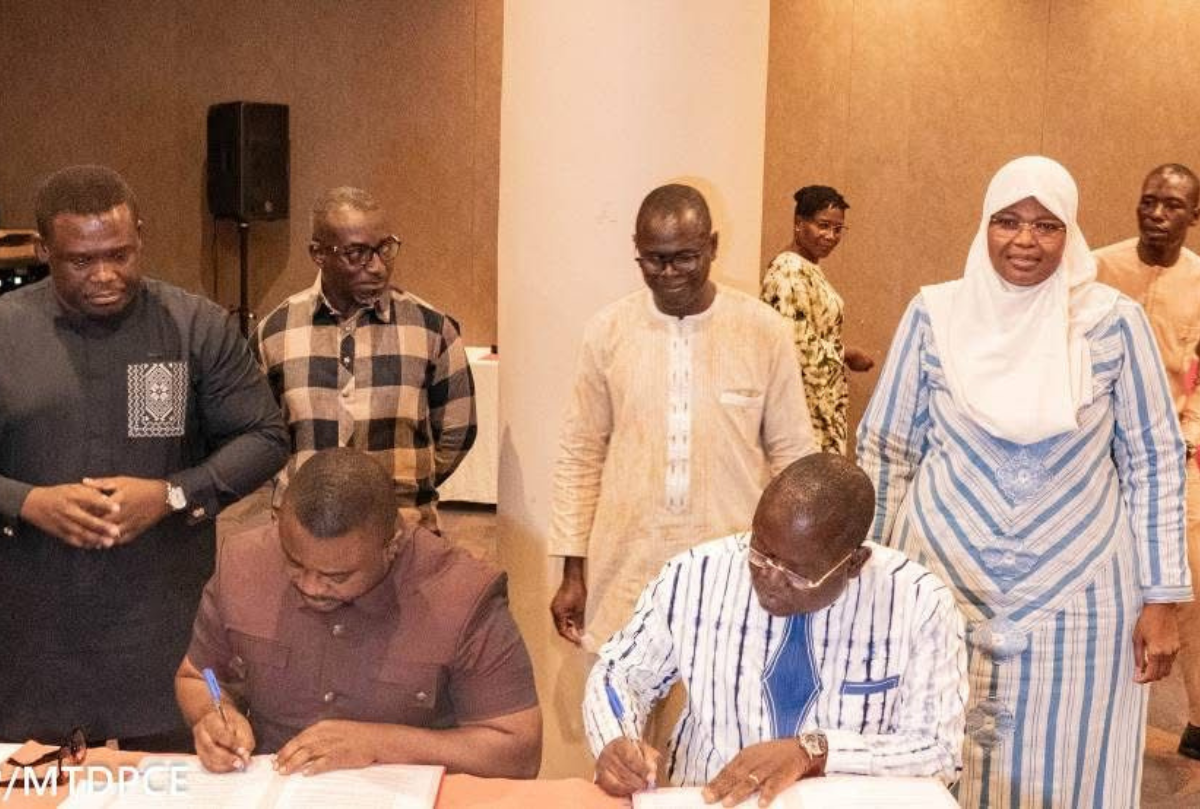
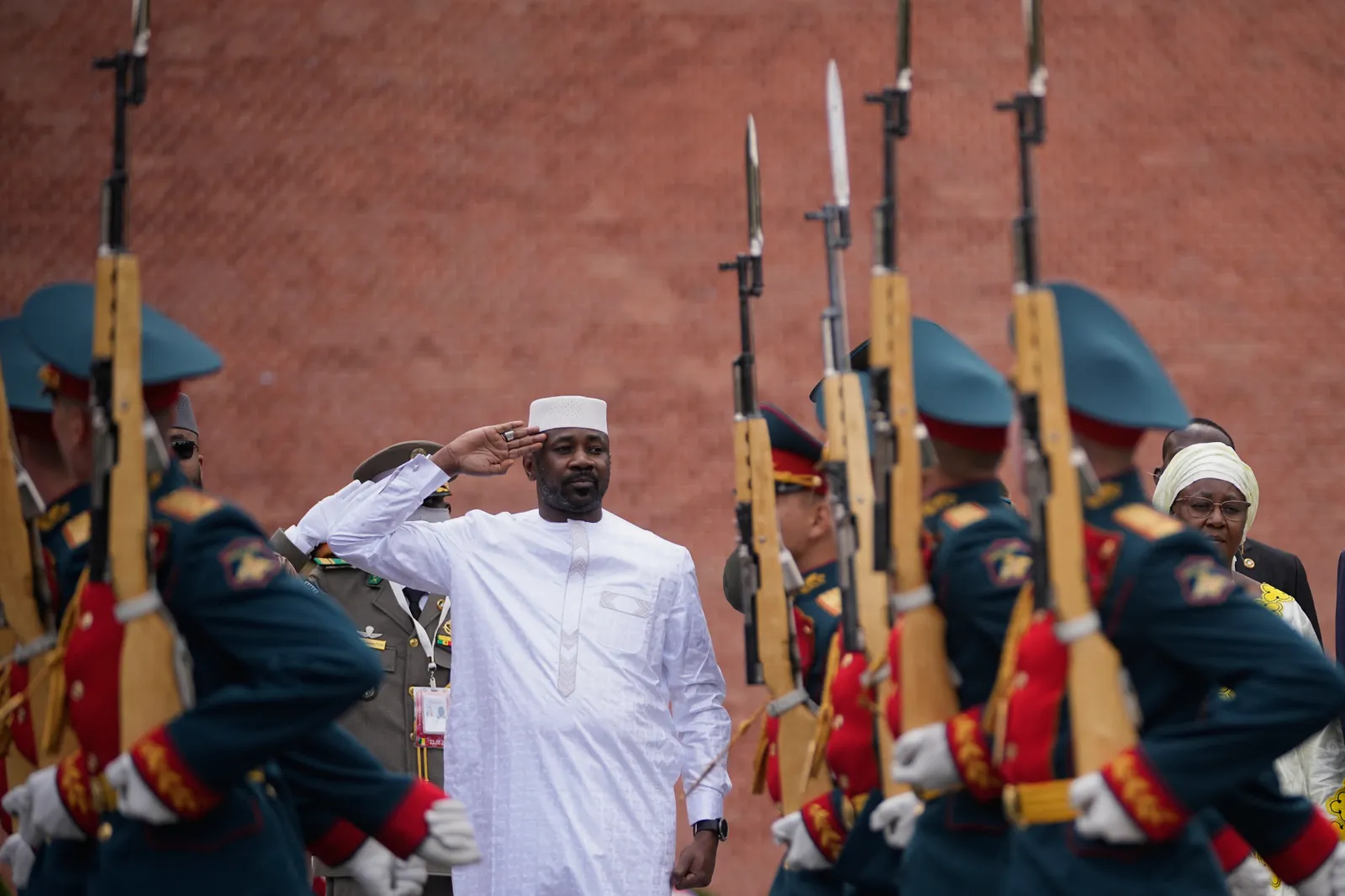
Against this backdrop of challenges and burgeoning innovation, France is actively recalibrating its long-standing approach to Africa. President Emmanuel Macron has been quite vocal, urging French companies and financiers to deepen their engagement in African markets. This directive signals a clear departure from the past decade, which saw France’s military involvement wane, particularly after its withdrawal from the Sahel. Now, the French government emphasizes economic partnerships built on trade, finance, and entrepreneurship. Macron’s strategic pivot isn’t just about economics; it’s a shrewd recognition that France’s previous disengagement opened doors for other global powers, including China, Gulf states, India, and Russia, to expand their influence. The move also acknowledges a significant shift in perception within Francophone Africa. Public and elite opinion there has grown increasingly critical of France’s historical post-colonial role. By anchoring France’s Africa policy more firmly in genuine economic collaboration and actively engaging with African diasporas, the nation aims to forge new, mutually beneficial relationships that transcend traditional security concerns. This isn’t simply a policy adjustment; it’s an evolution, signaling a broader understanding that sustainable engagement with Africa demands a multifaceted approach, integrating cultural, financial, and entrepreneurial ties. It’s an acknowledgement, as France reclaims African market share, that the future demands more than past legacies.
Forging Ahead: Opportunities, Sovereignty, and Africa’s Global Ascent
So, what does this intricate interplay of health crises, security challenges, and economic realignment ultimately mean for Africa and its global partners? It paints a vivid, albeit complex, picture of the continent’s current trajectory. Malaria’s stubborn persistence highlights the critical and ongoing need for enhanced healthcare infrastructure and robust international support. Simultaneously, Ghana’s innovative spirit, exemplified by its AeriusPro drones, shows us how local ingenuity can effectively tackle pressing security issues, offering new and adaptable tools for managing regional instability. From a geopolitical perspective, France’s determined effort to regain market share and influence through refreshed economic engagement speaks volumes about Africa’s increasing weight in global affairs. The continent isn’t a passive recipient of global decisions; it’s a dynamic arena where competing powers actively seek strategic footholds. France’s recalibrated policy attempts to strike a delicate balance between historical ties and contemporary realities. Its future role in Africa, without a doubt, will hinge on its ability to align its interests with the genuine aspirations of African nations. Looking ahead, as Africa confronts these intertwined challenges, the path forward clearly demands comprehensive strategies that seamlessly integrate public health, security, and economic development. Continued efforts to combat malaria must be bolstered by significant investments in healthcare innovations and climate resilience. The expansion of indigenous technologies, like Ghana’s drones, could well serve as a powerful model for other countries grappling with security threats. Crucially, partnerships such as France’s renewed economic outreach must unequivocally respect Africa’s sovereignty and genuinely foster collaborative growth. Africa’s story isn’t just one of challenges; it’s a profound narrative of resilience, innovation, and transformation. With coordinated action across sectors and sustained global partnership, the continent holds immense potential not only to overcome its most pressing issues but also to confidently assert itself as a powerhouse of innovation, economic vitality, and undeniable strategic importance on the world stage. Africa’s booming digital economy and its overall trajectory suggest a future brimming with possibility.