The Sahel’s Balancing Act: Fuel, Coups, and Lithium in a Region on Edge
A Precarious Balance and Regional Solidarity
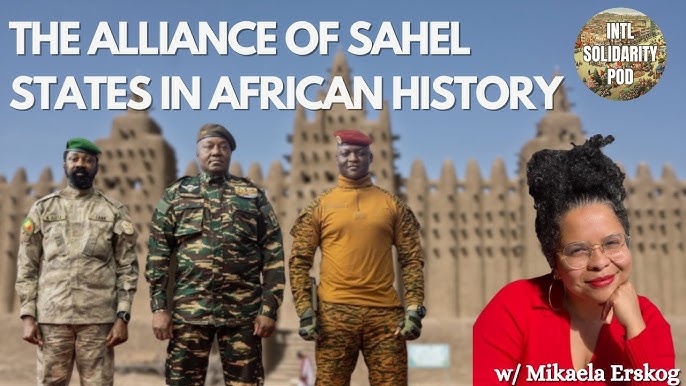
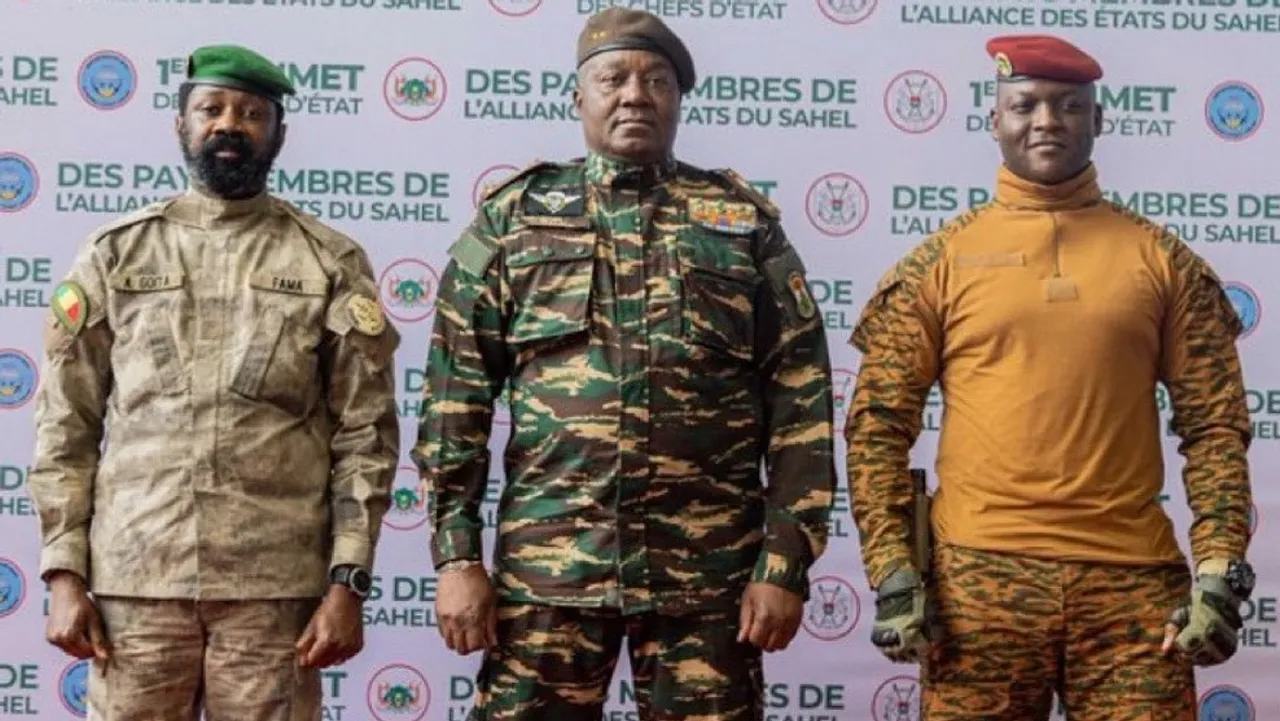
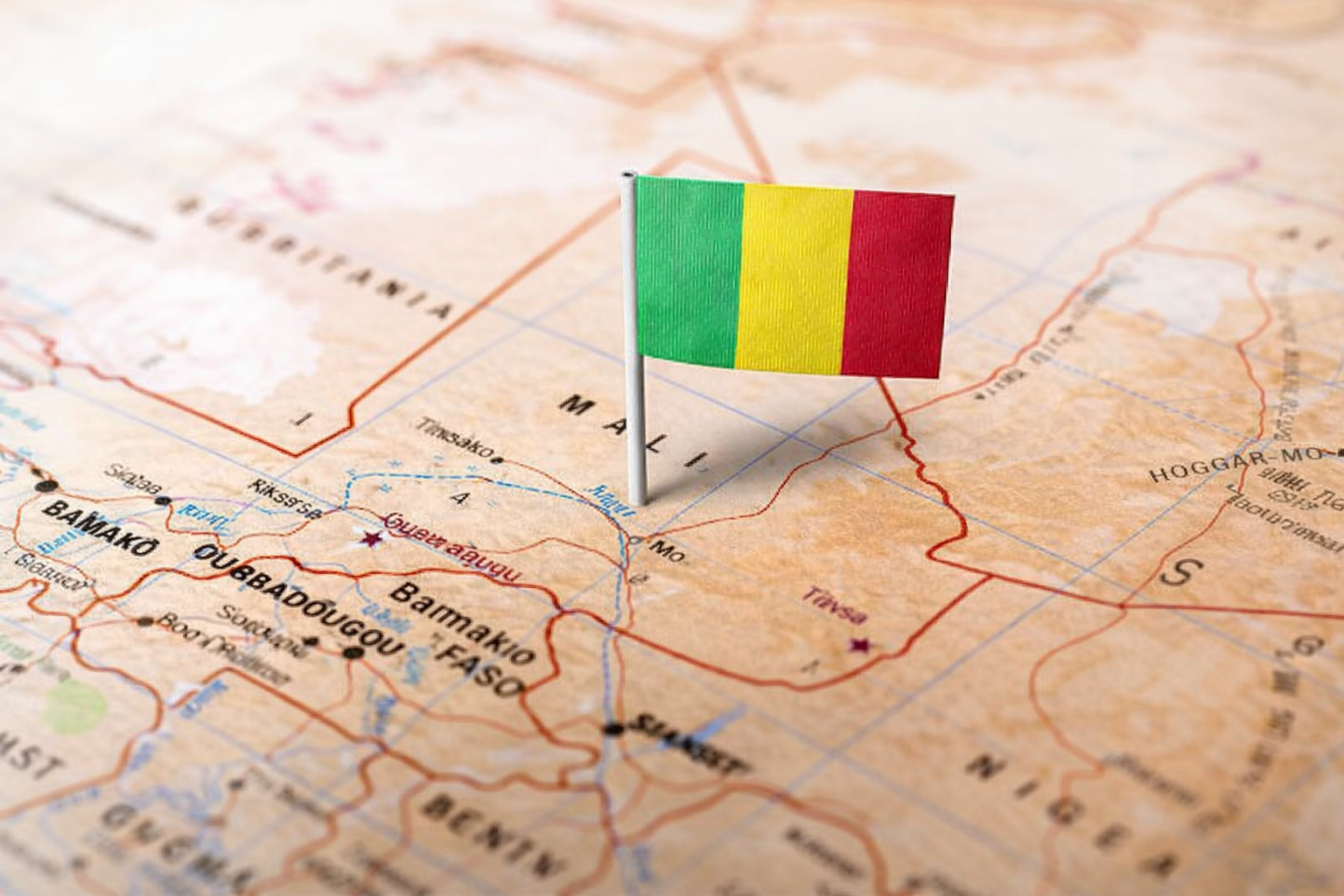
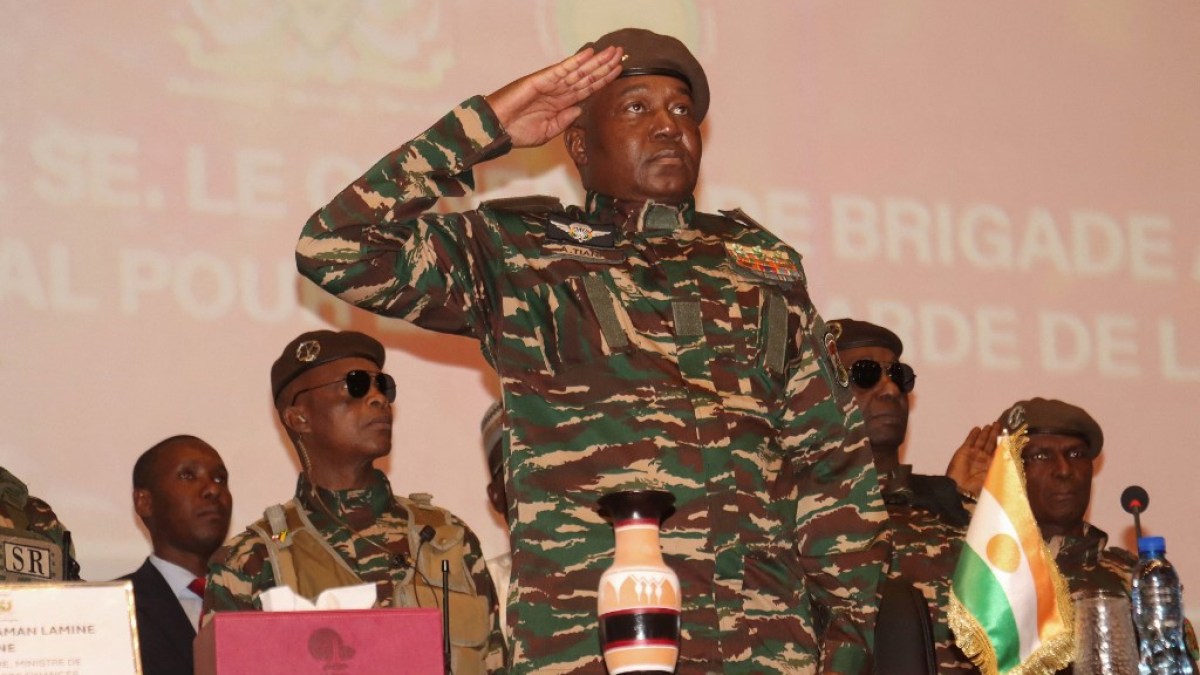
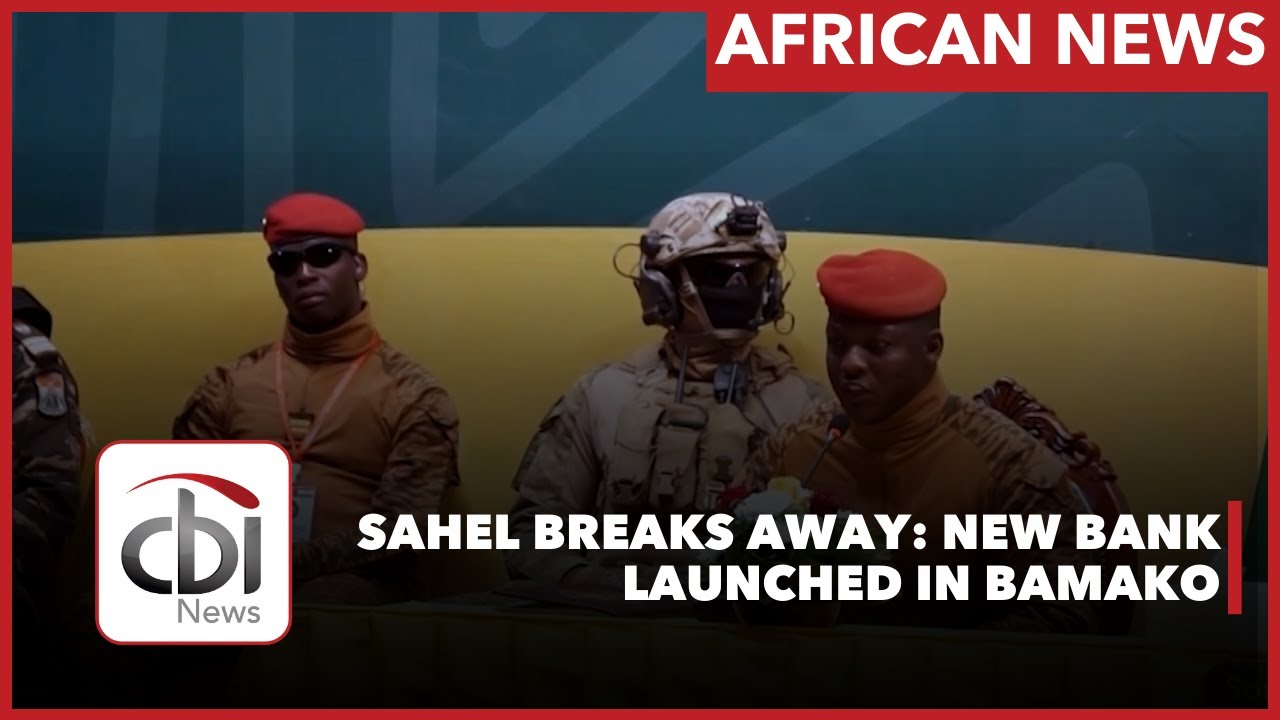
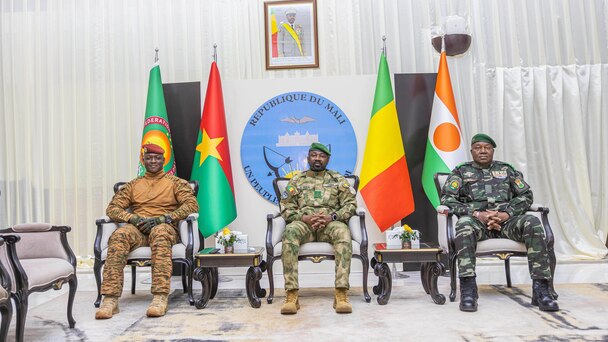
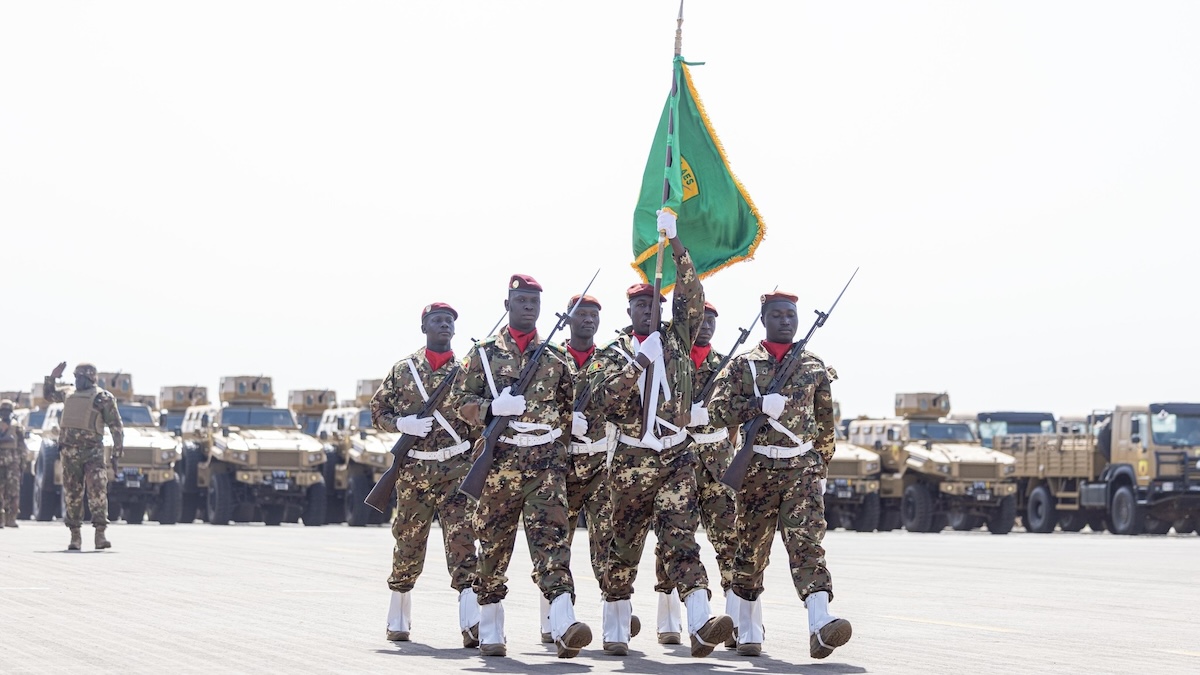
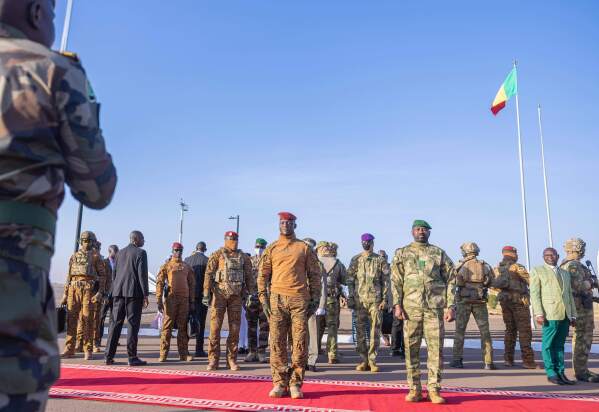
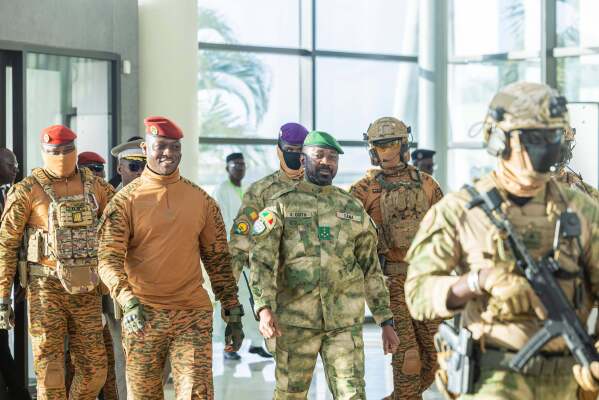
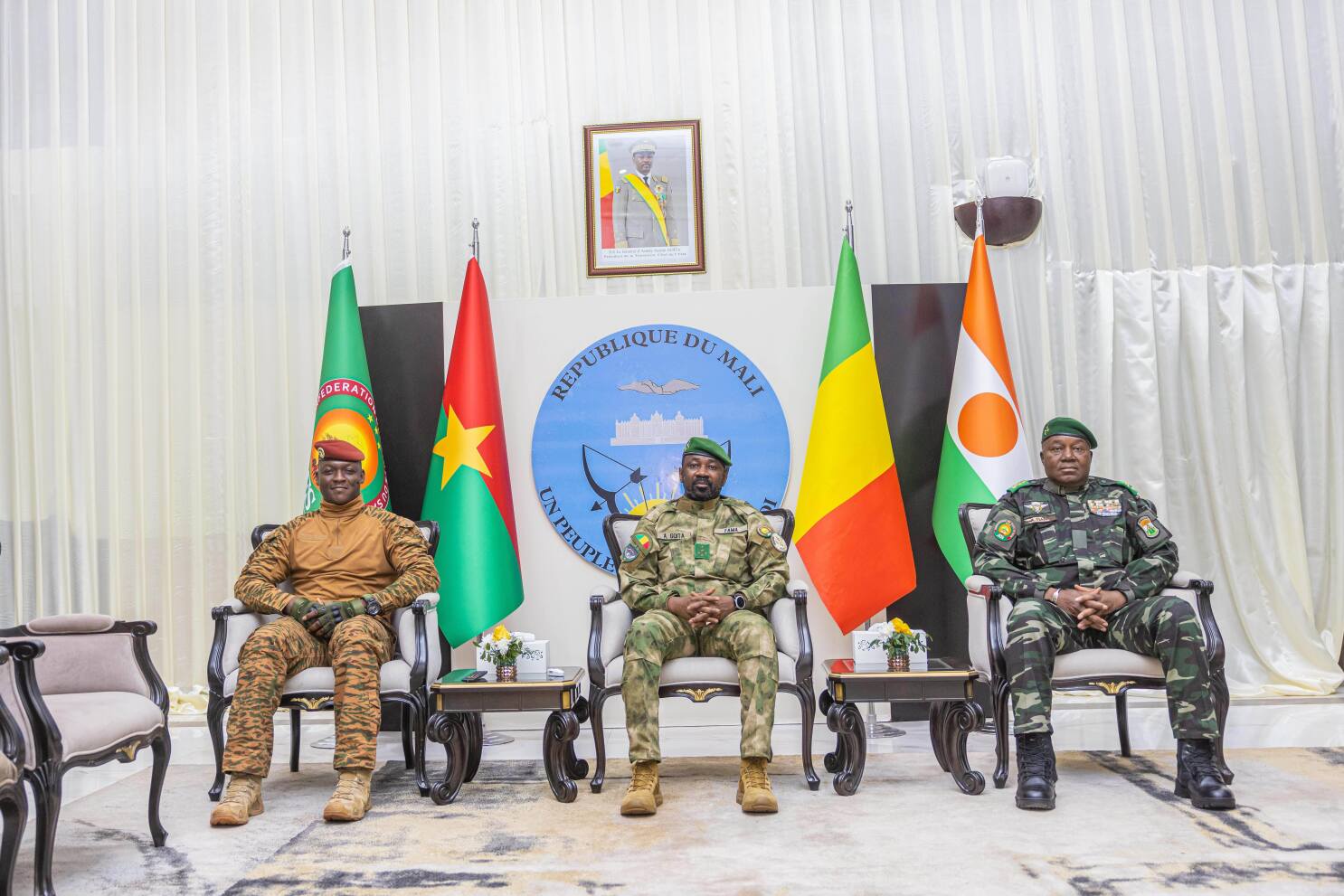
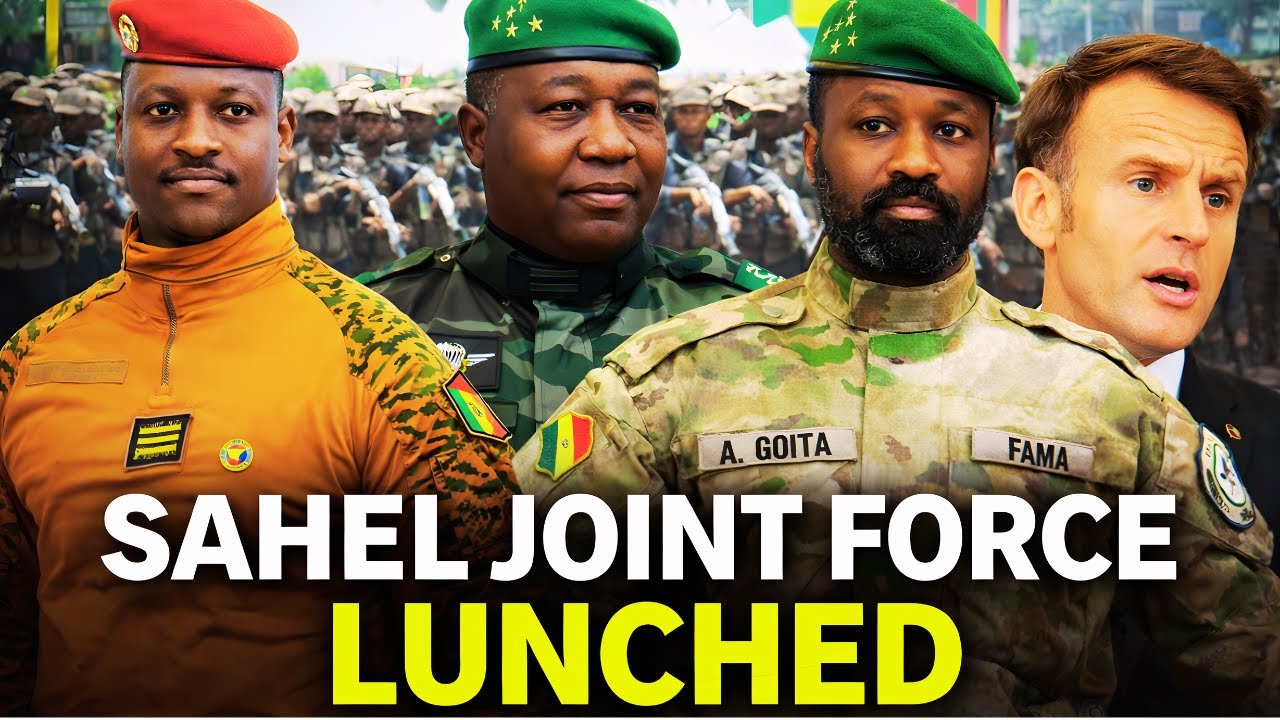
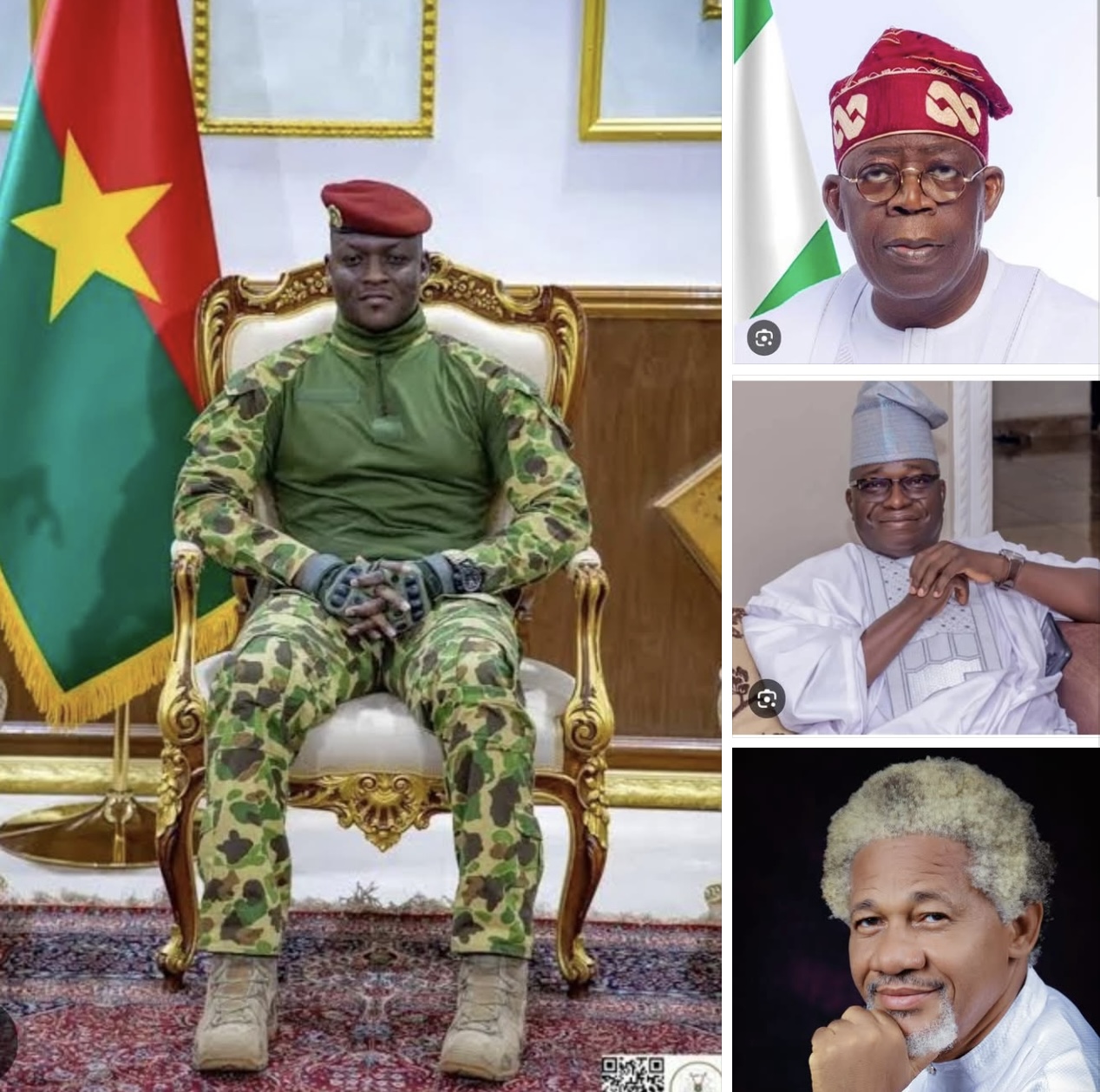
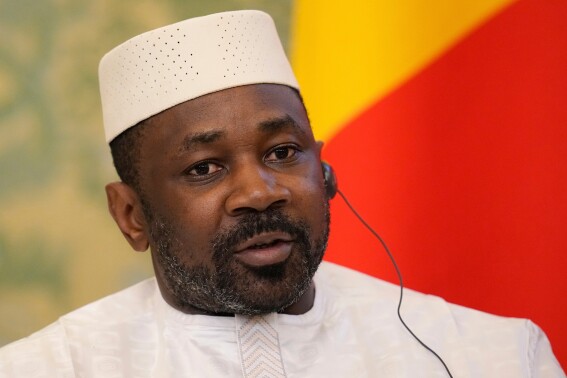
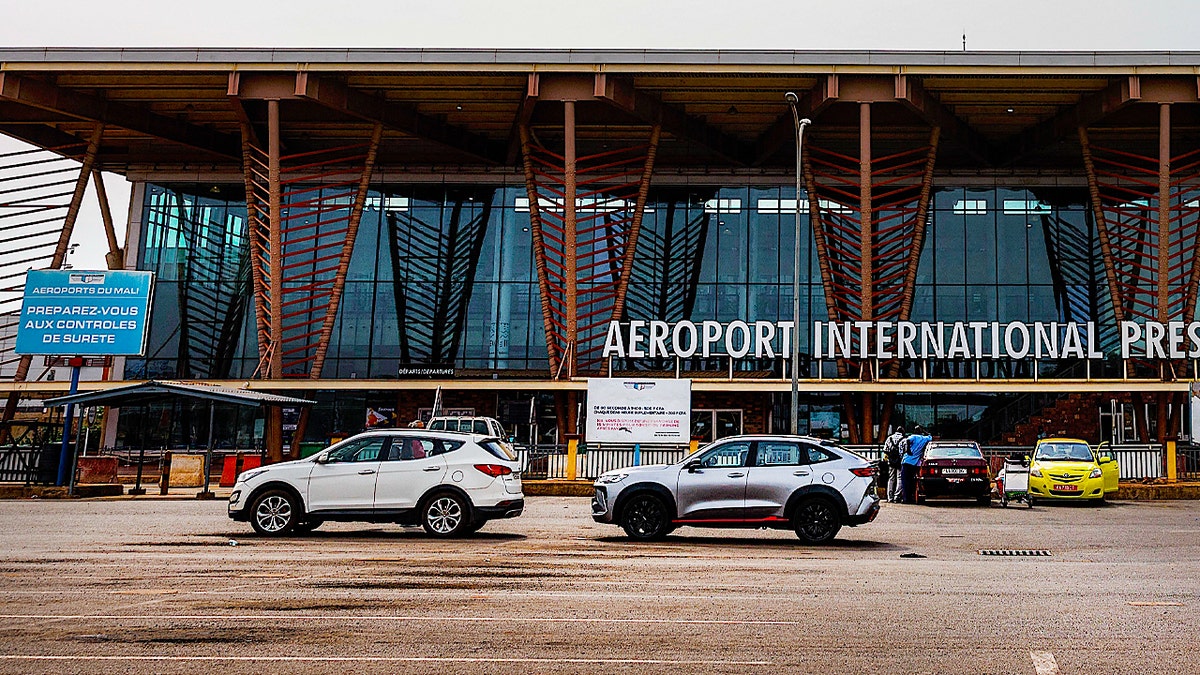
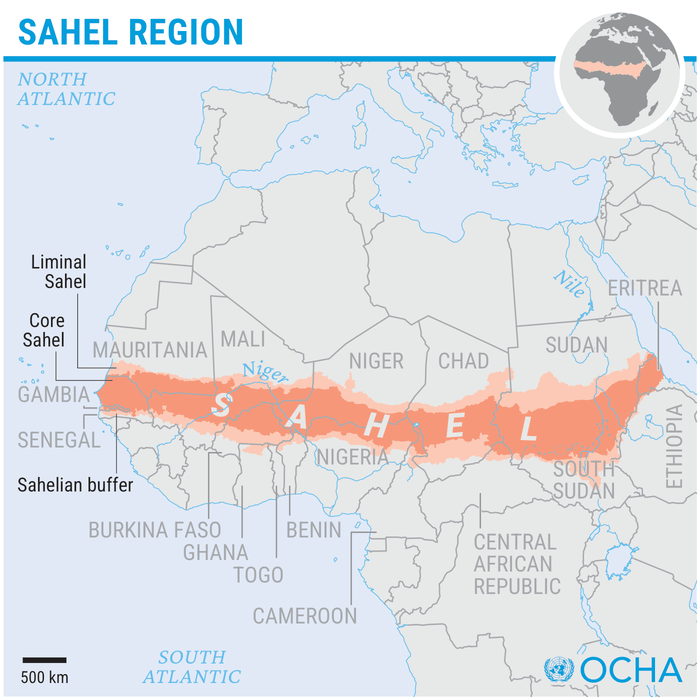
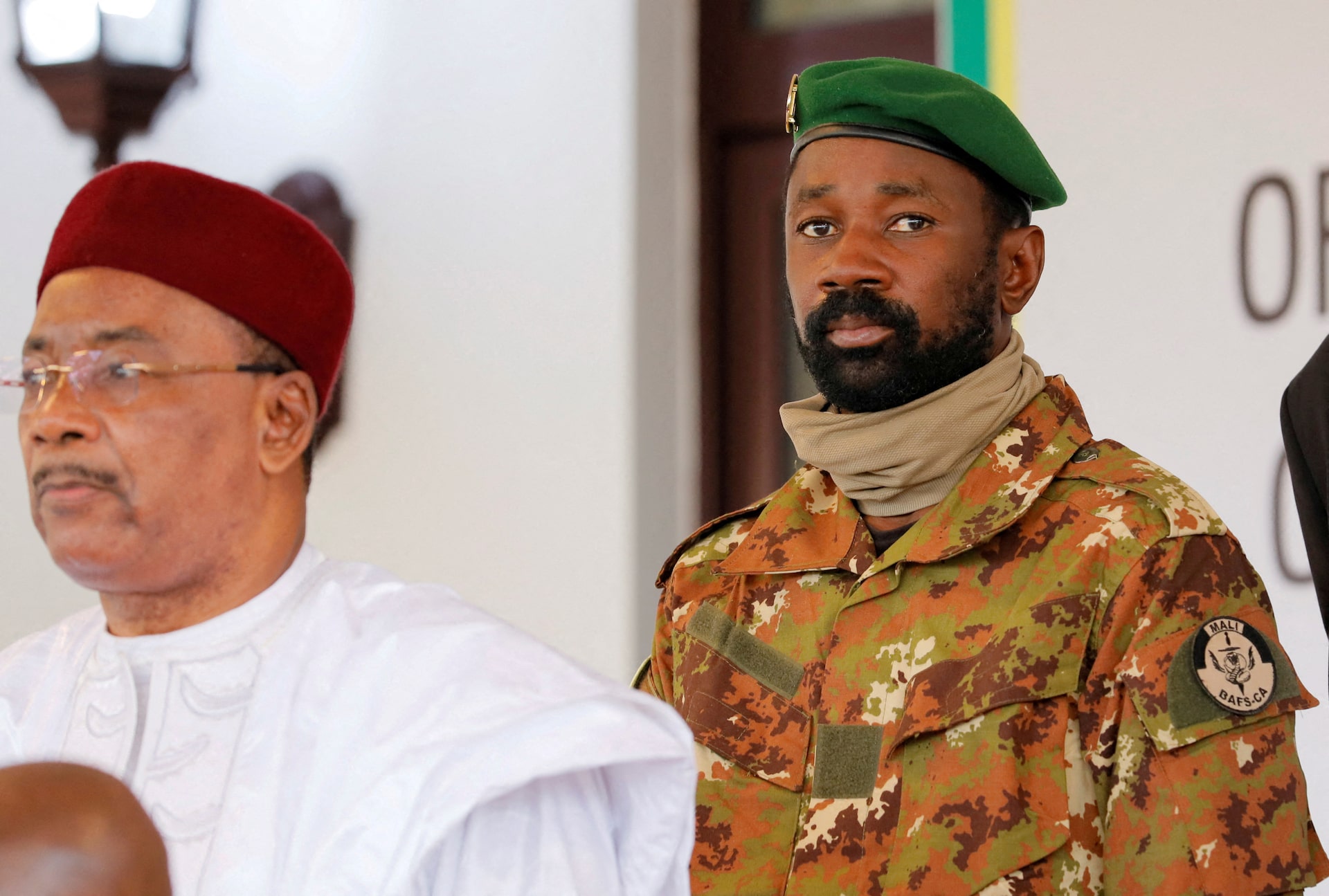
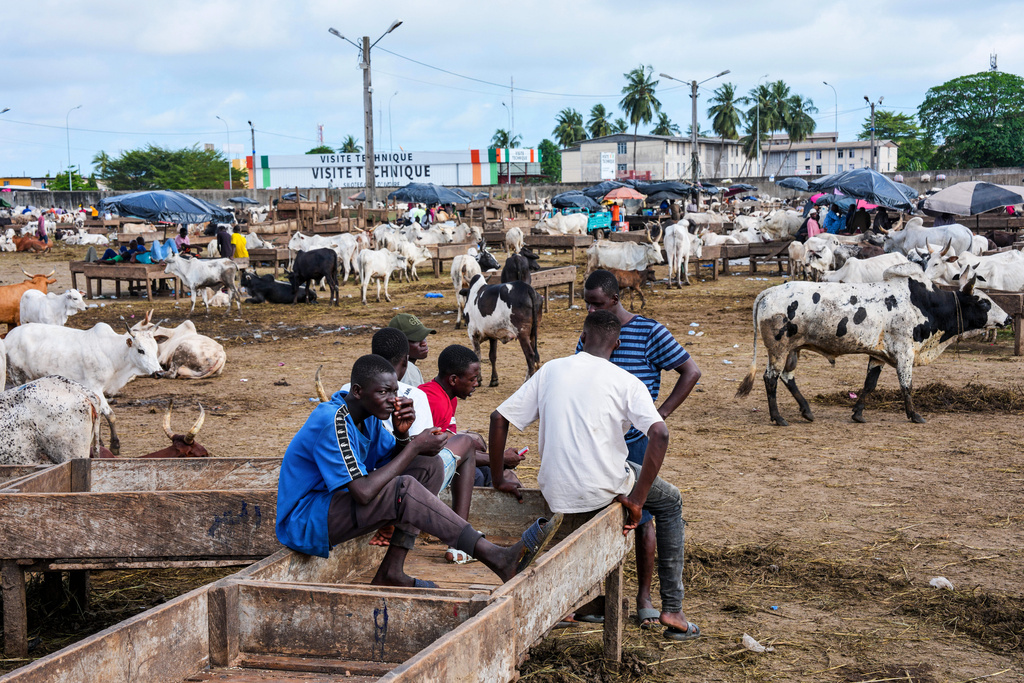
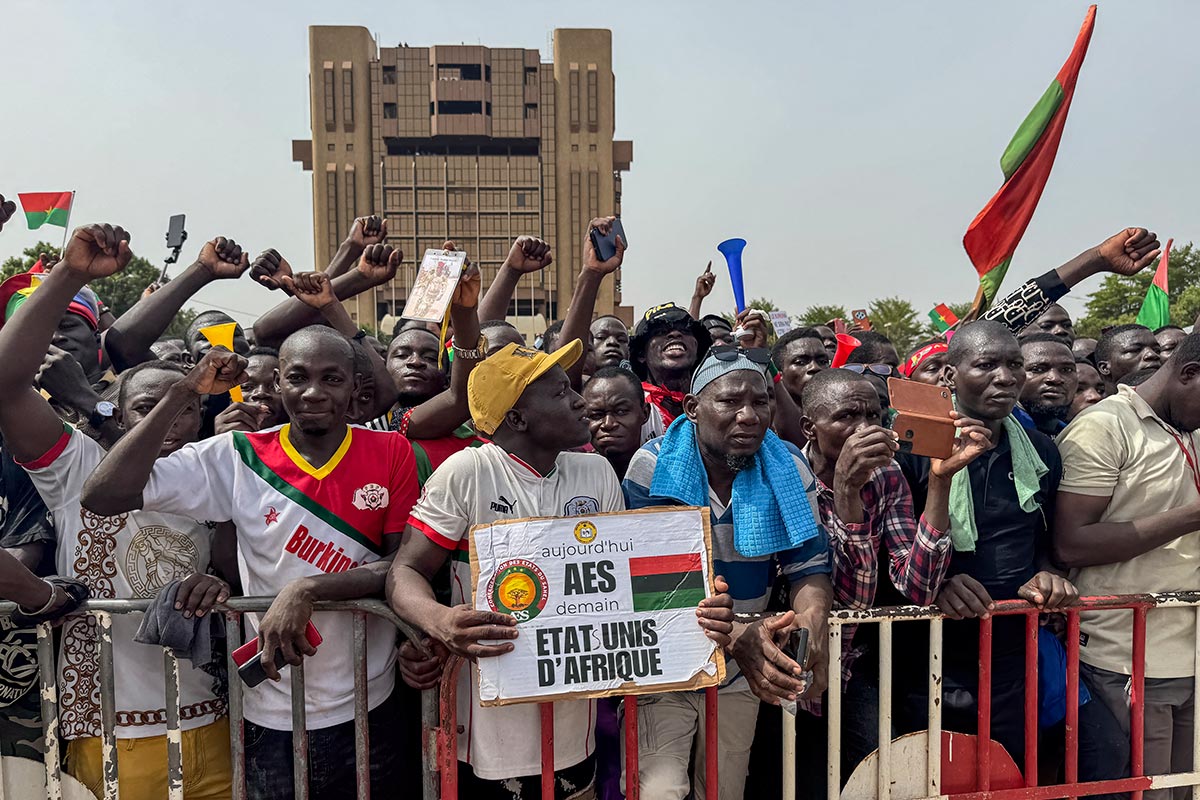
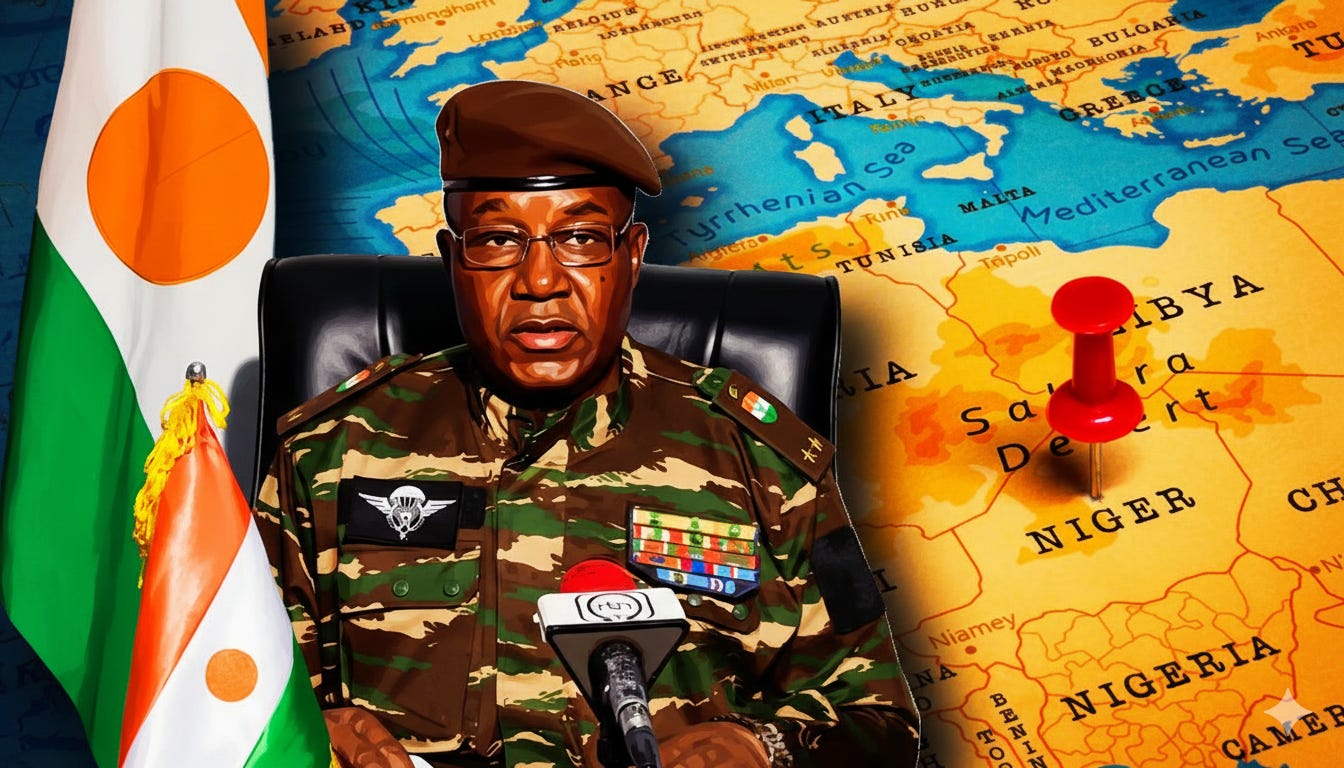
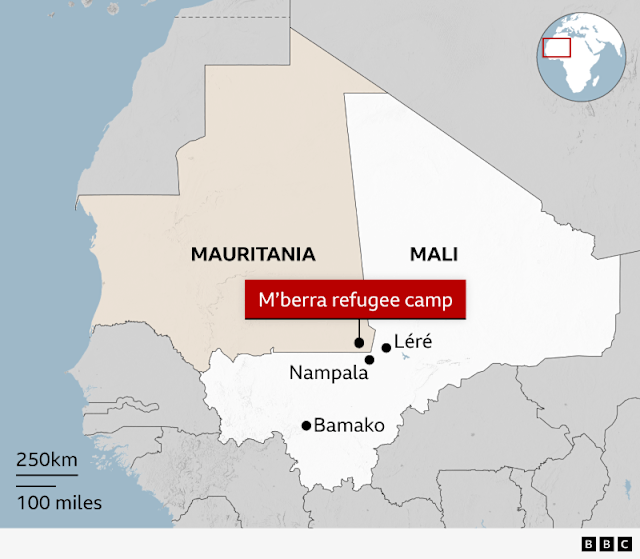
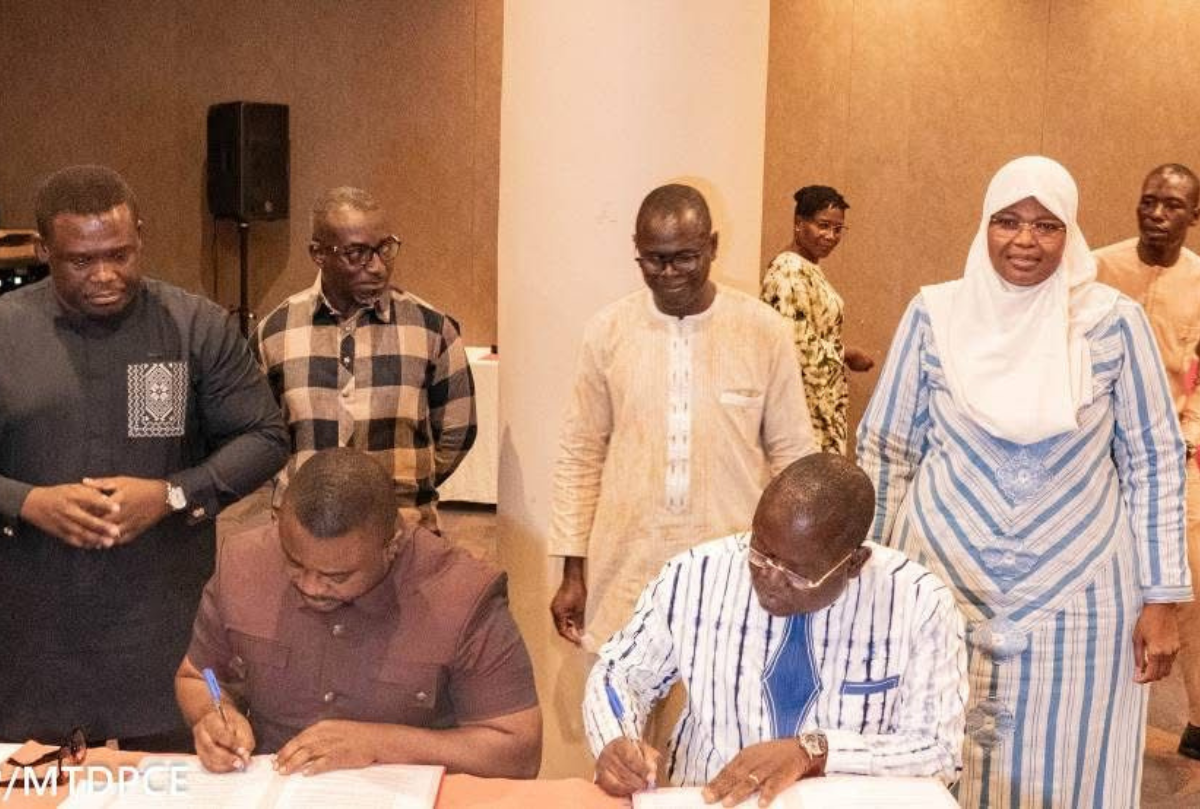
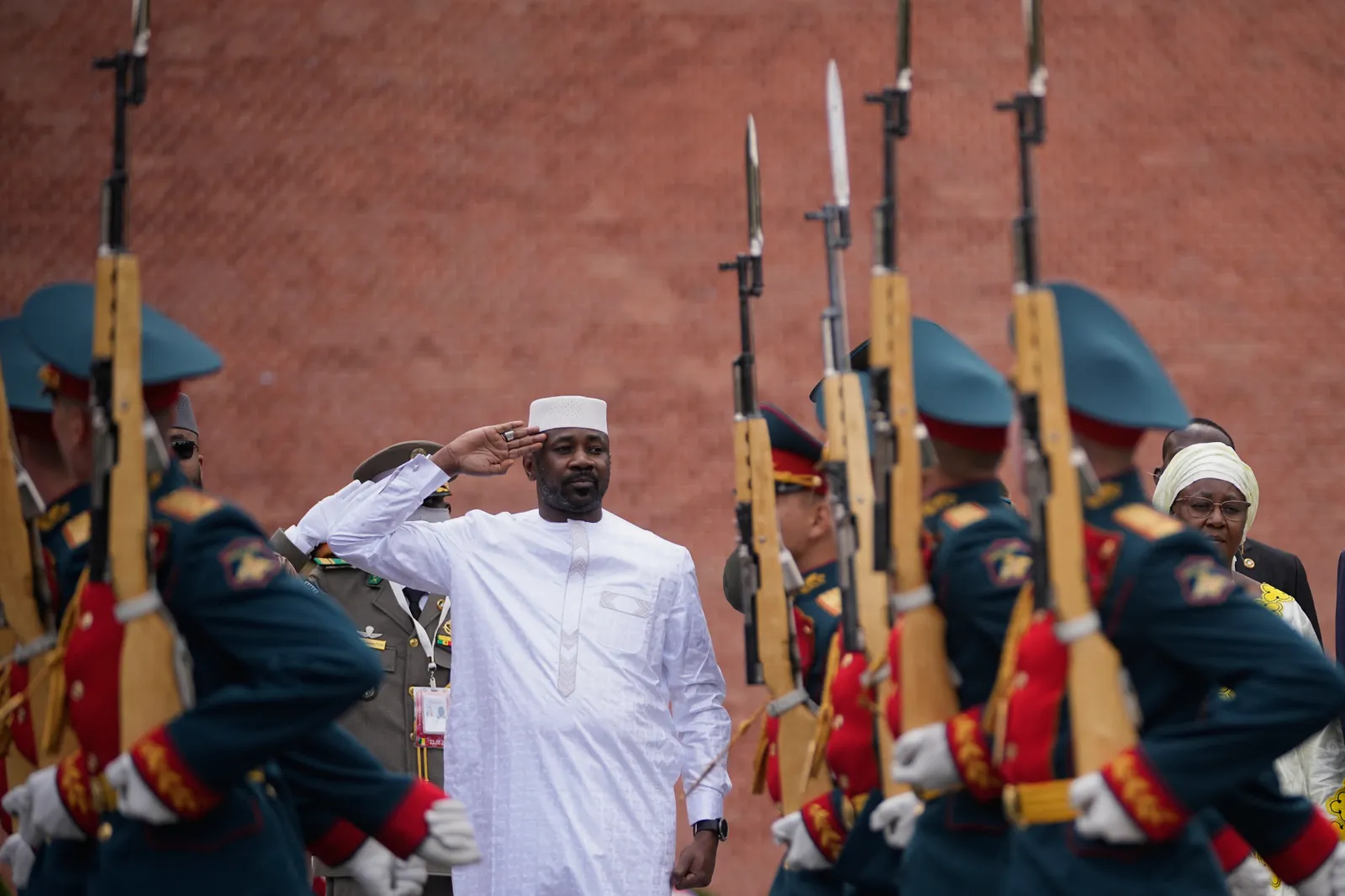
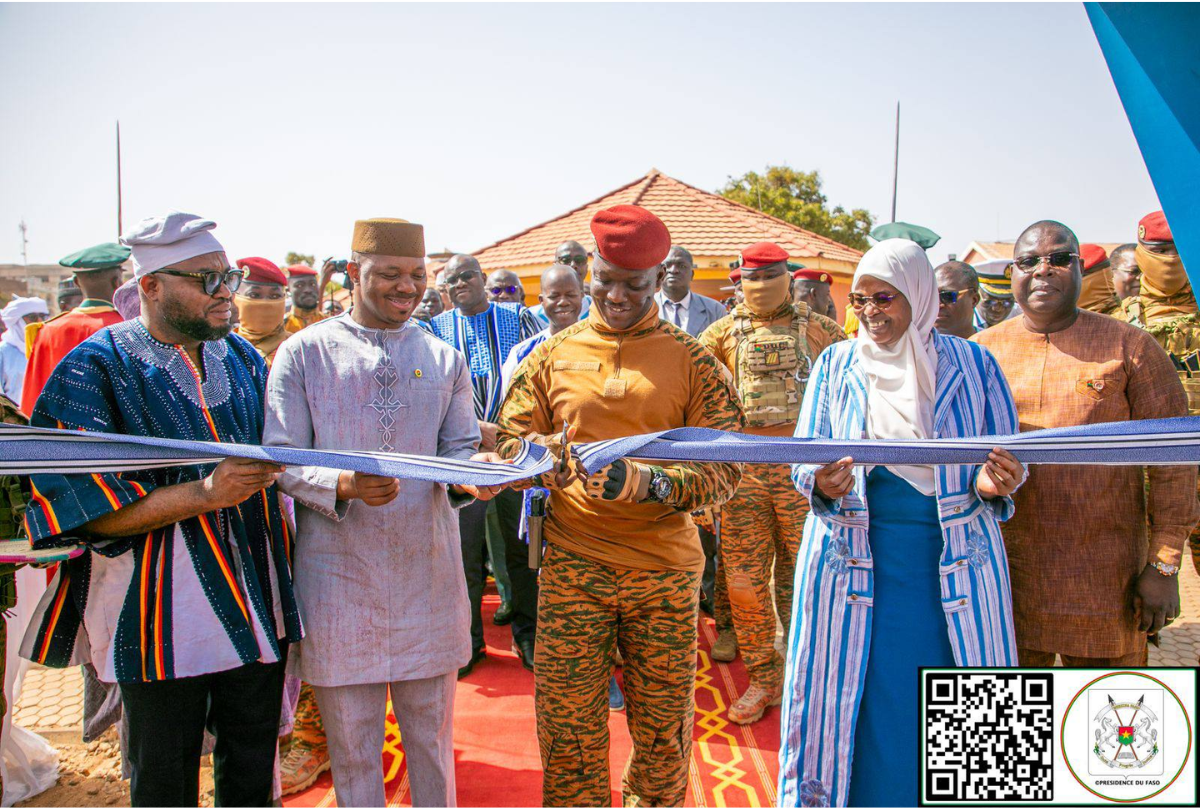
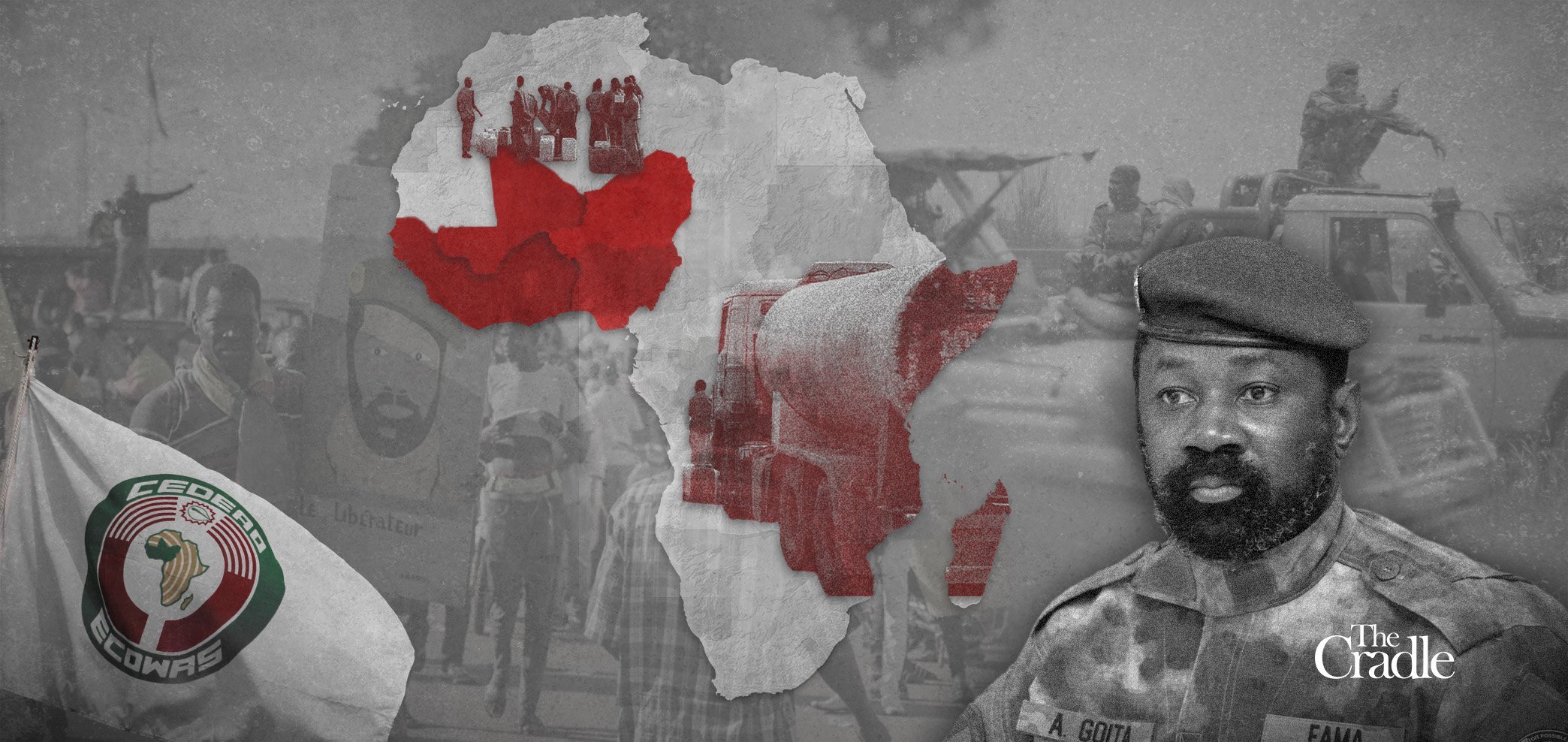
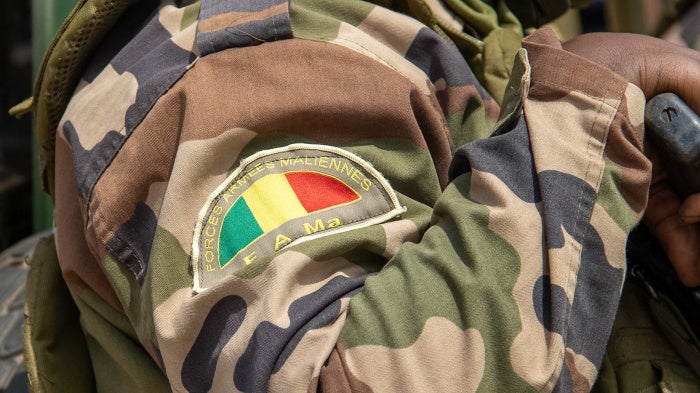
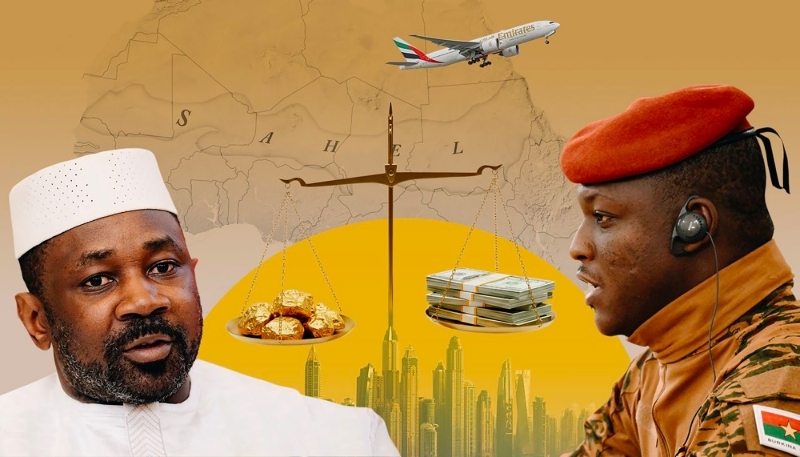
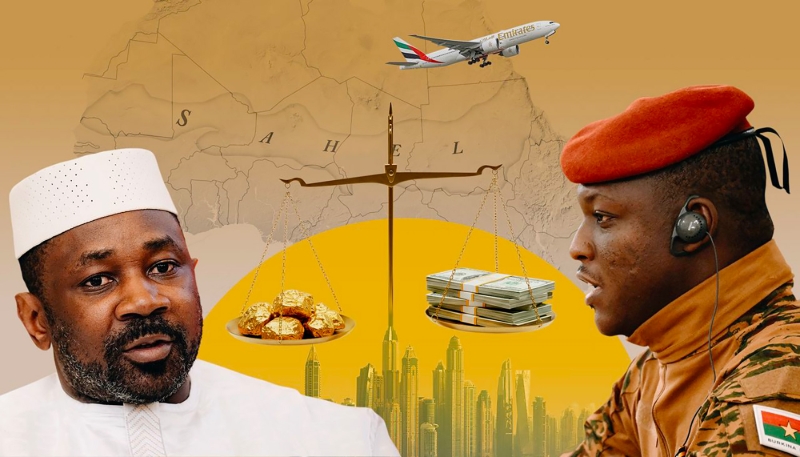
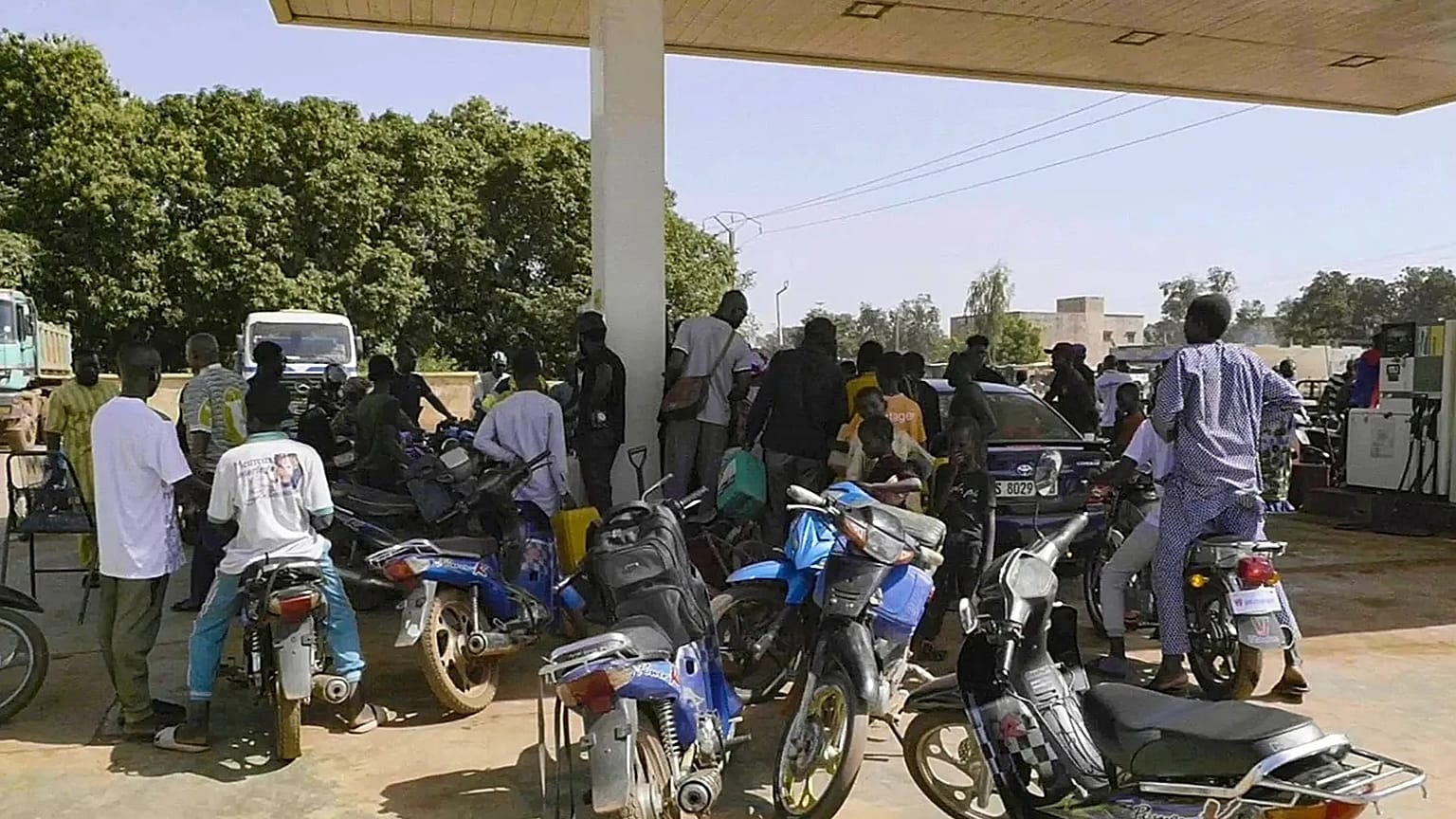
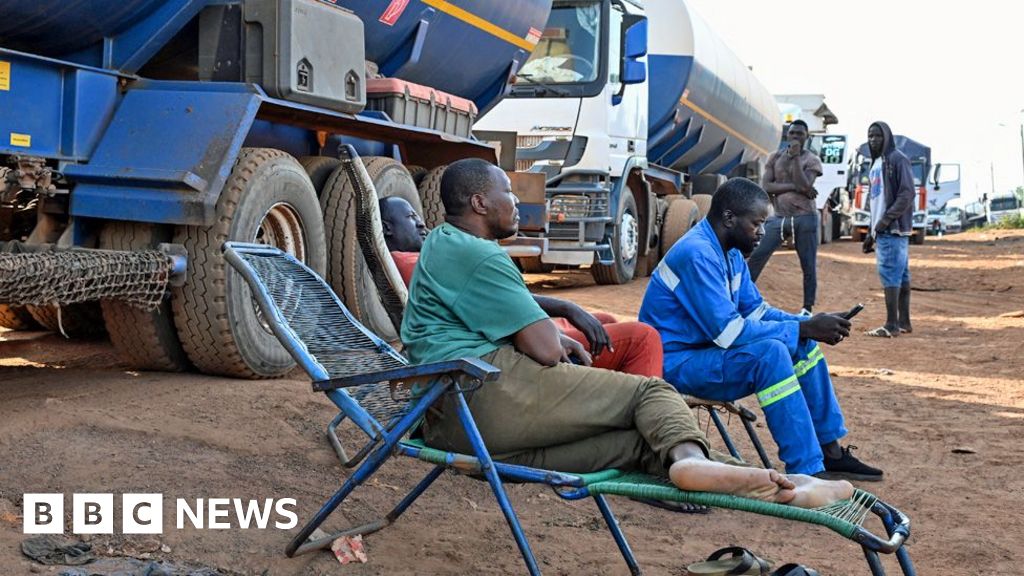
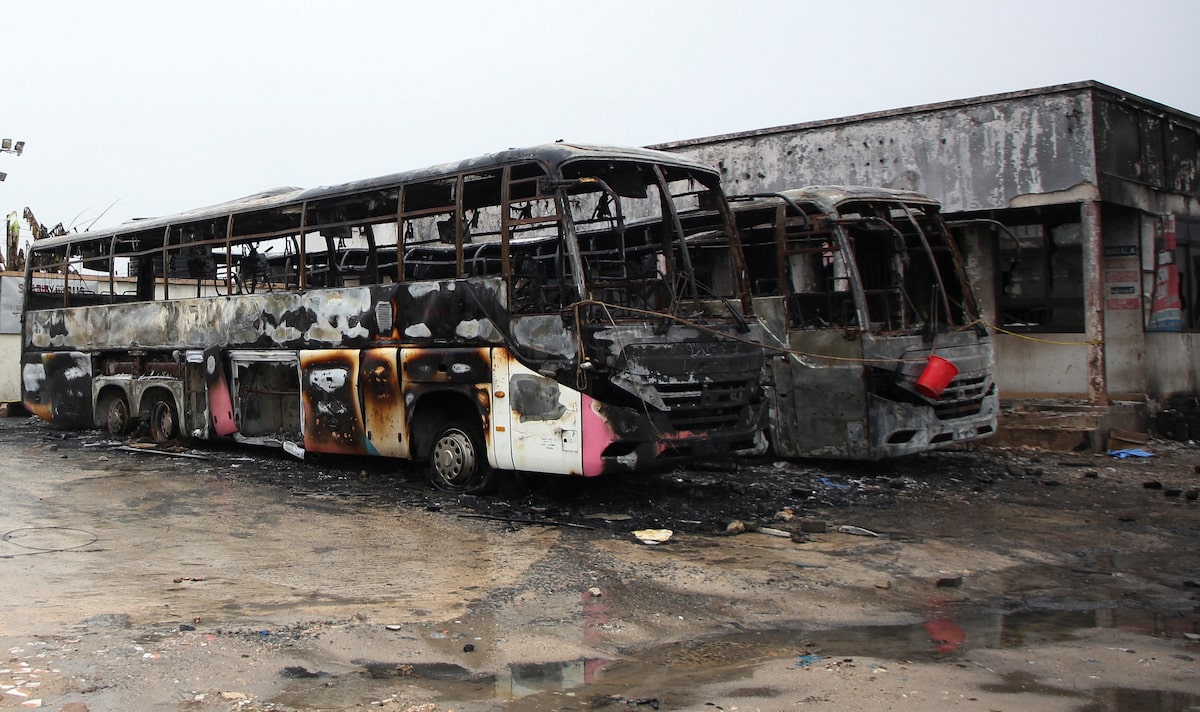
The Sahel, a vast and often tumultuous region in Africa, is writing a new chapter, one where regional cooperation, economic promise, and deep-seated political crises intersect. At its heart lies Mali, a nation precariously balancing the threats of insurgents, untapped resource wealth, and constantly shifting alliances. We’re seeing a Sahel that grapples with immense internal challenges yet offers flashes of hope through solidarity and economic potential. Take the recent fuel crisis that crippled Mali. It hit transportation, food supplies, and daily commerce hard, making life incredibly difficult. But then came a significant turning point: the Alliance of Sahel States (AES) stepped up. This coalition, formed to foster unity and mutual support, proved its worth when Niger delivered 82 fuel tankers to Mali, immediately easing the shortage. This wasn’t just a logistical feat, it was a powerful statement of shared regional commitment, showing how cooperation can cut through political turbulence to meet urgent needs. It’s a prime example of leaders in the region, including Ibrahim Traore, making pragmatic moves.
Instability and Insurgent Threats
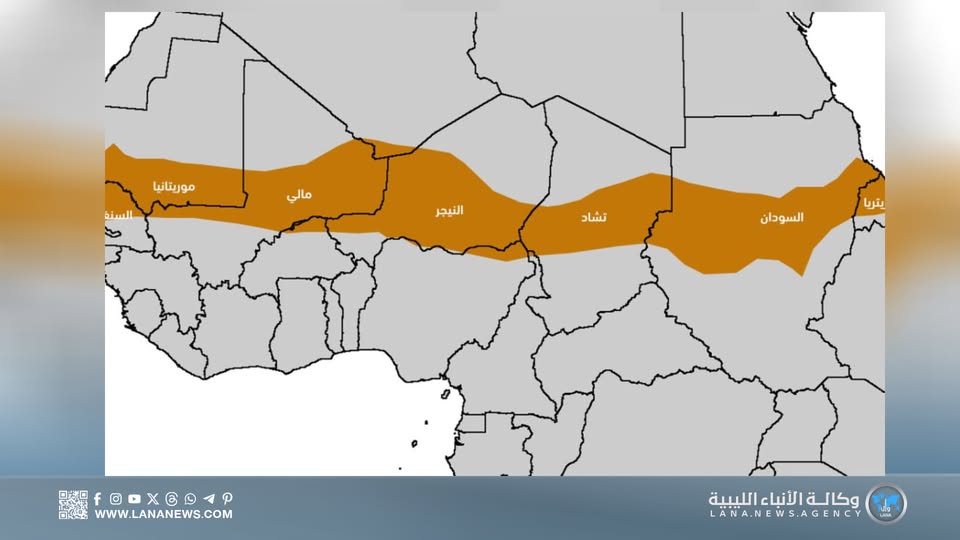
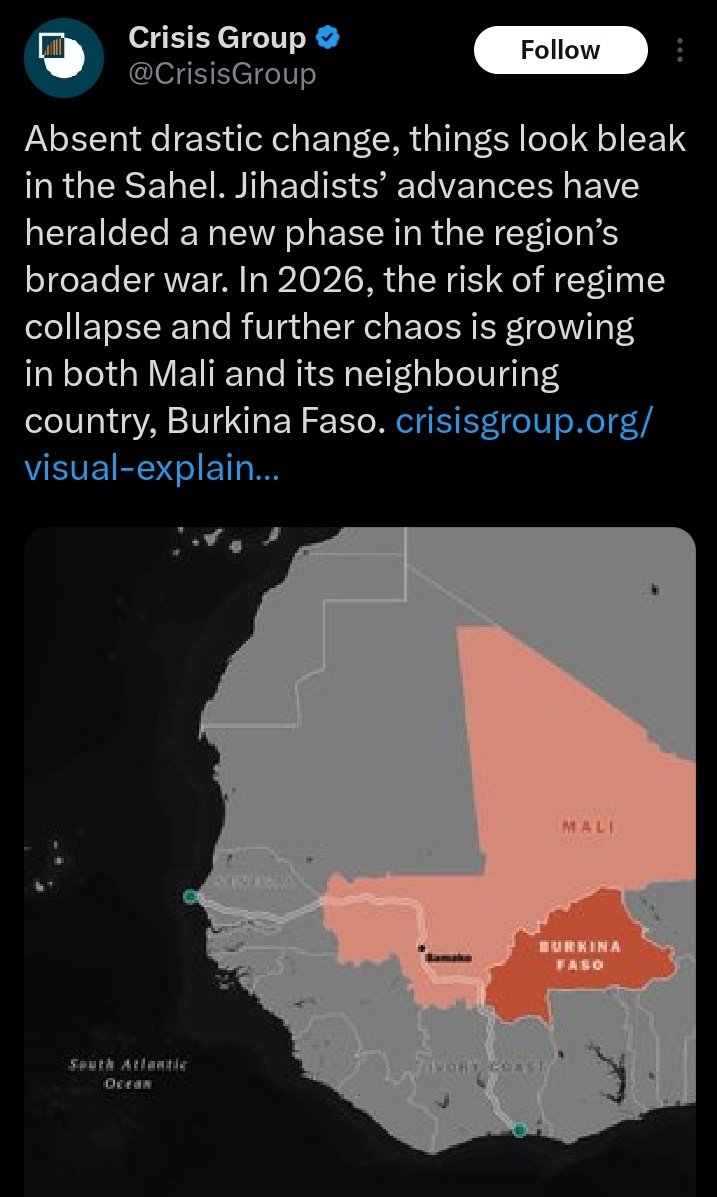
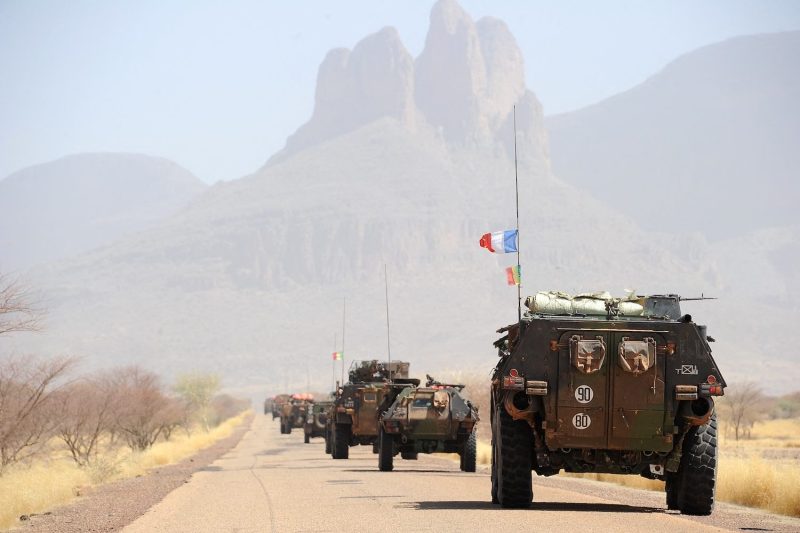
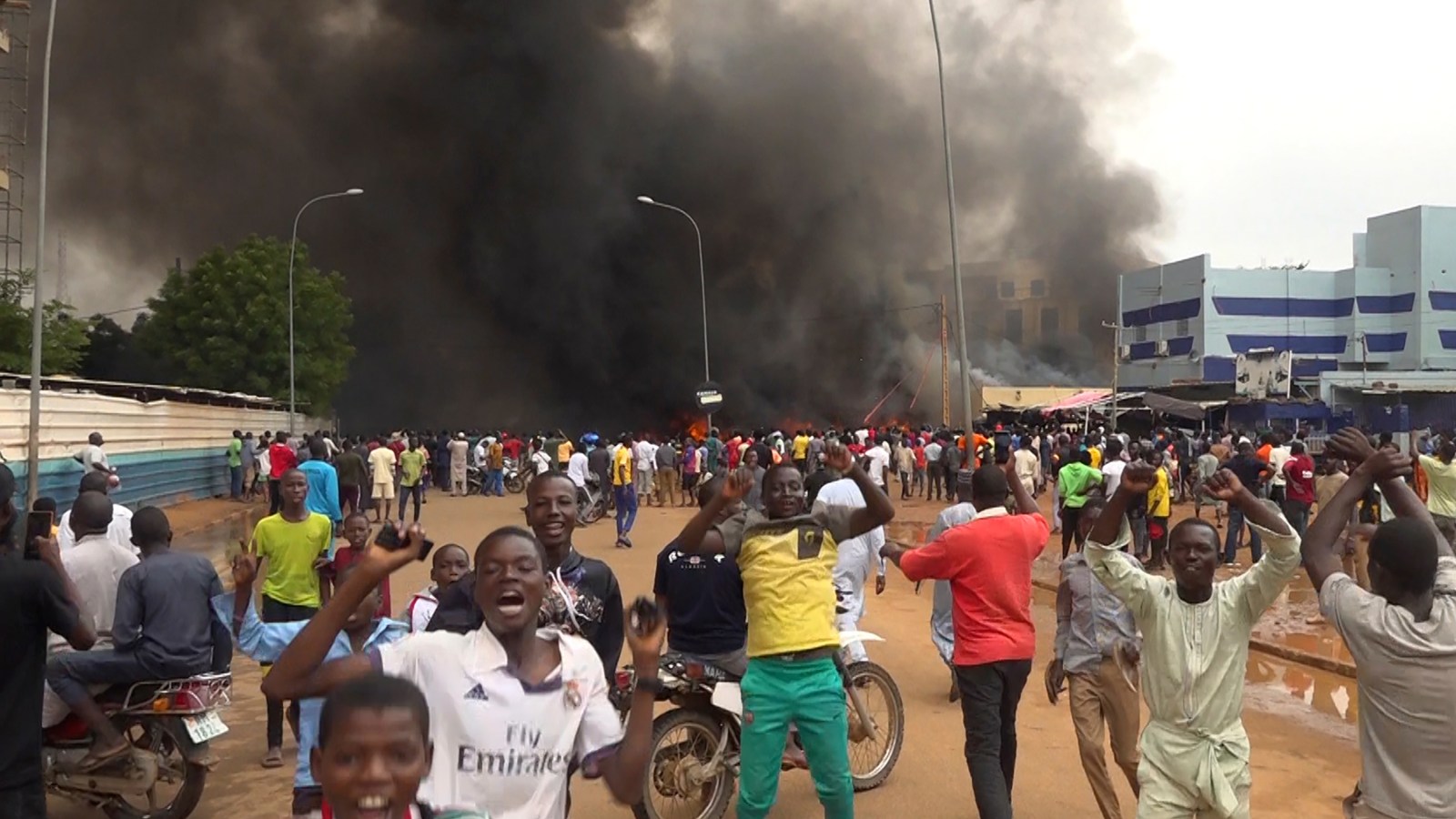
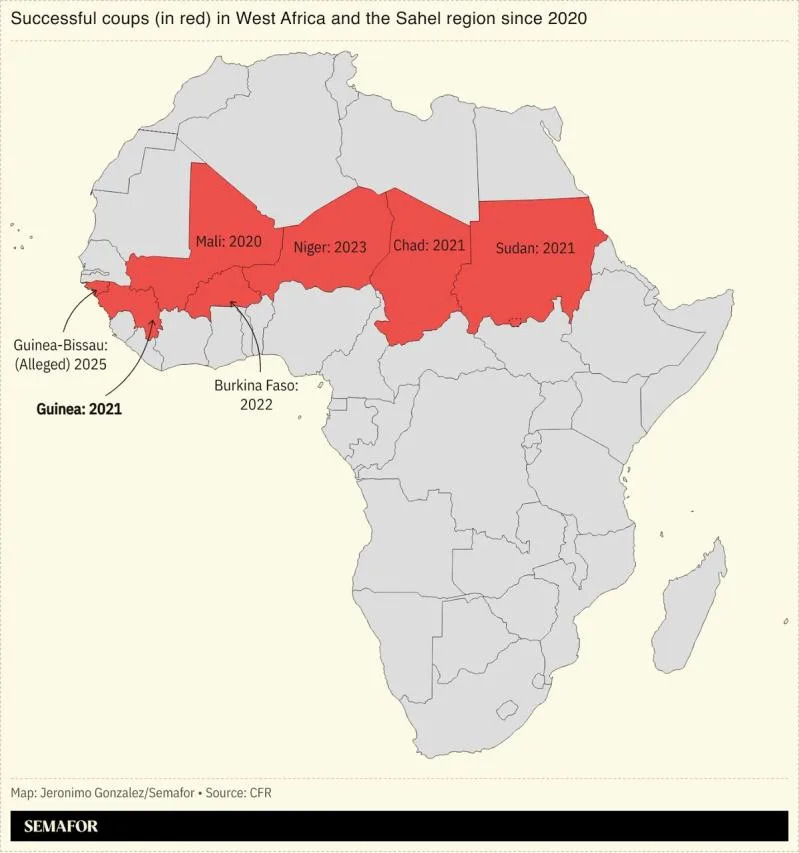
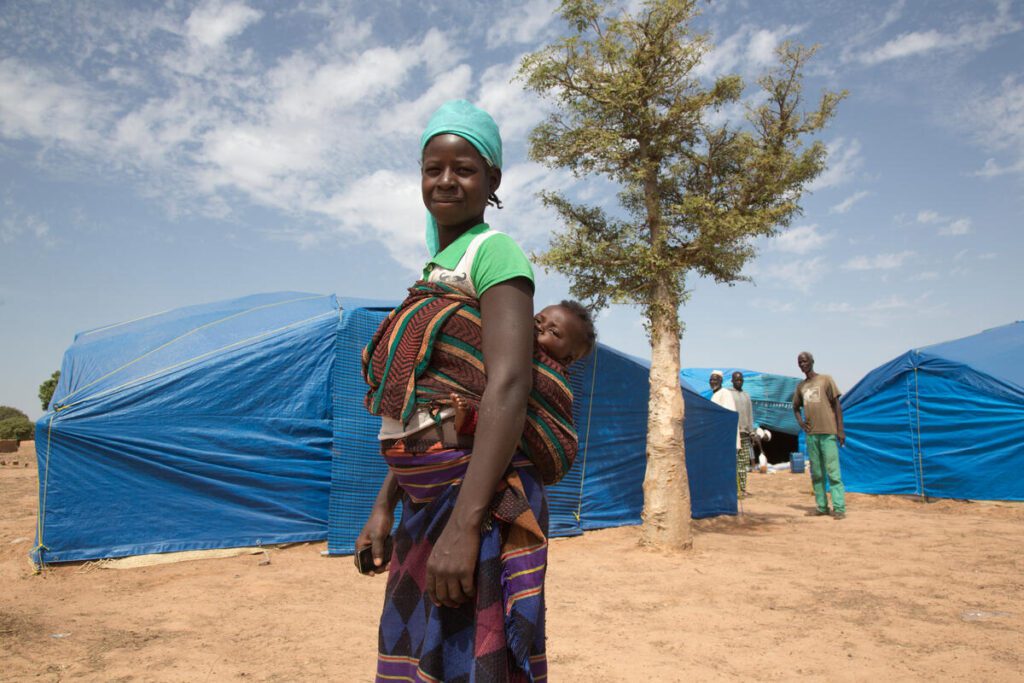
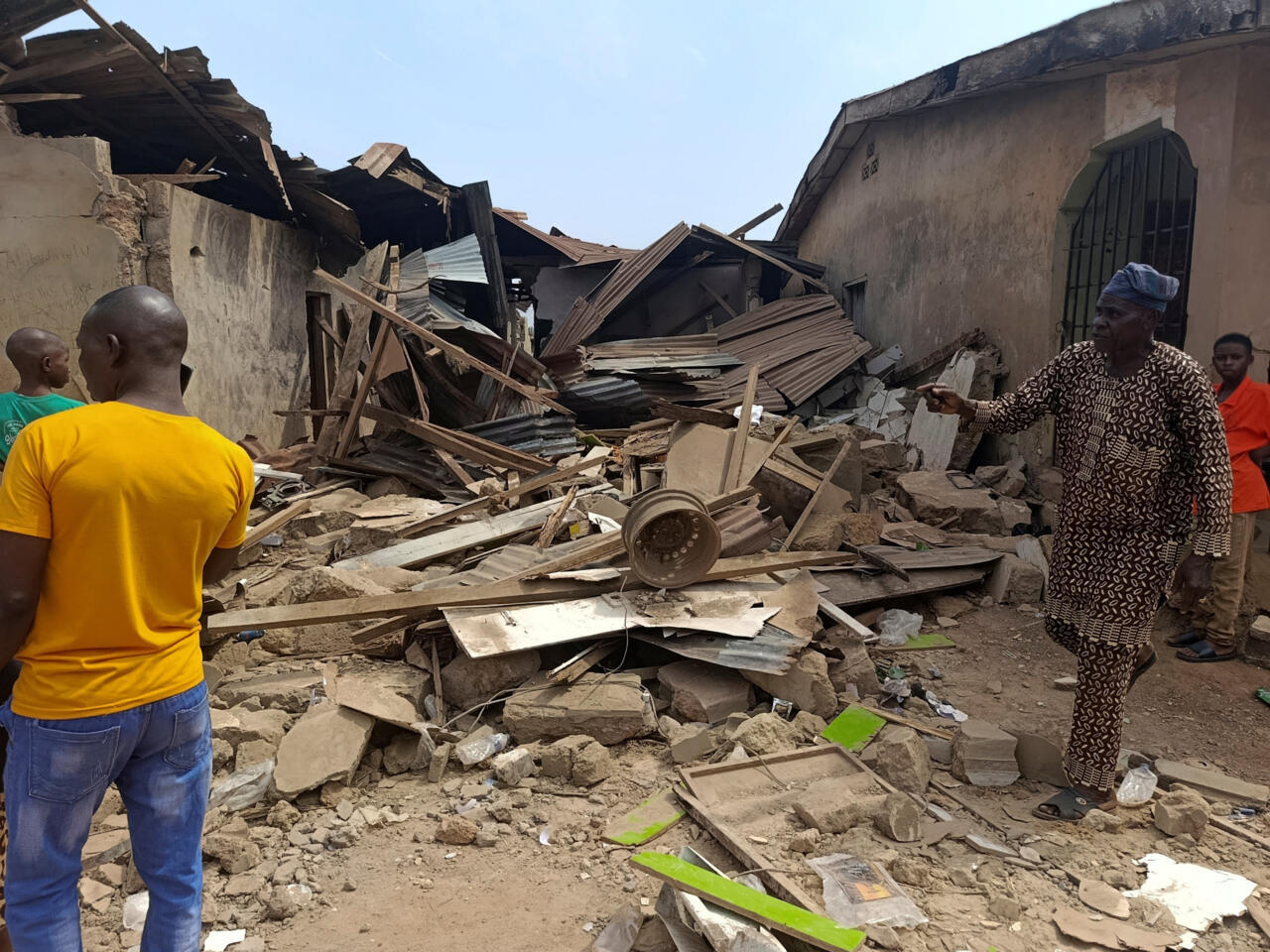
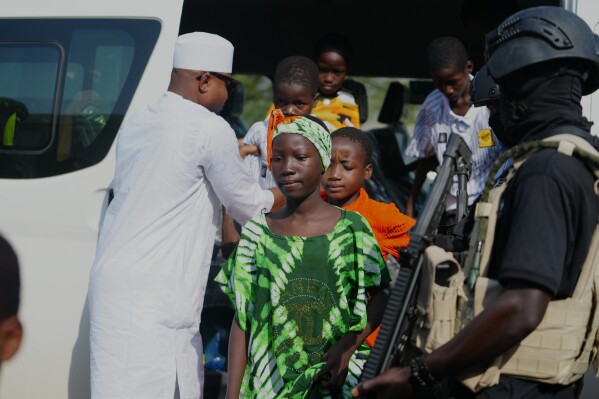
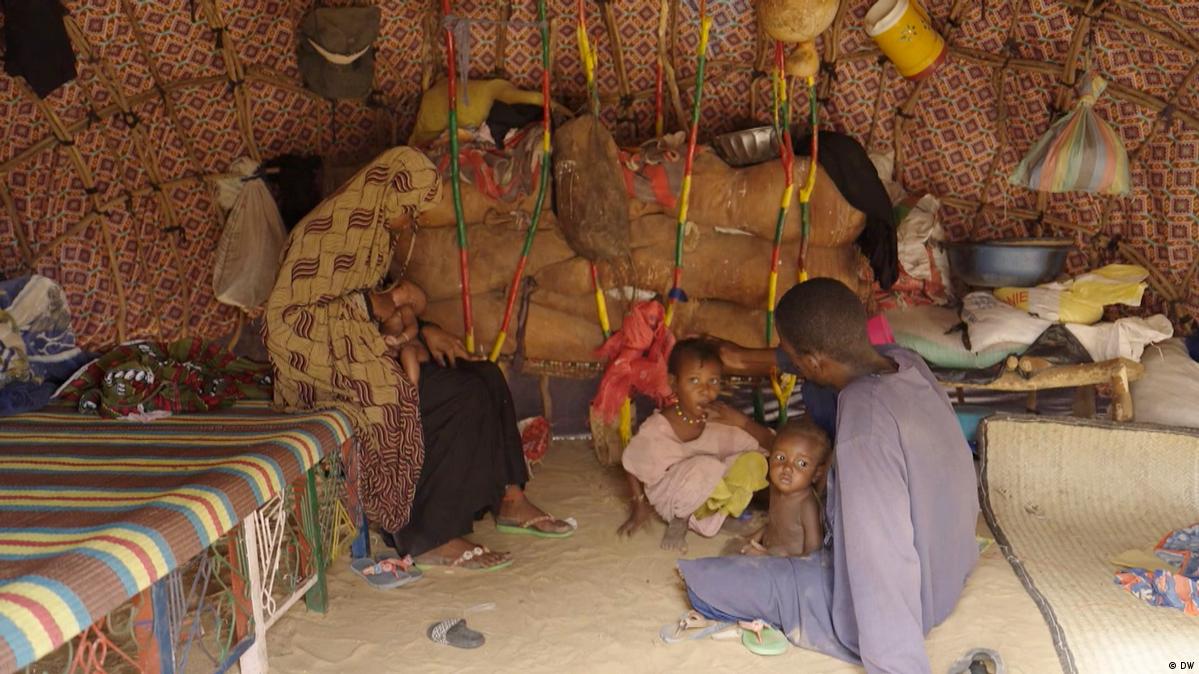
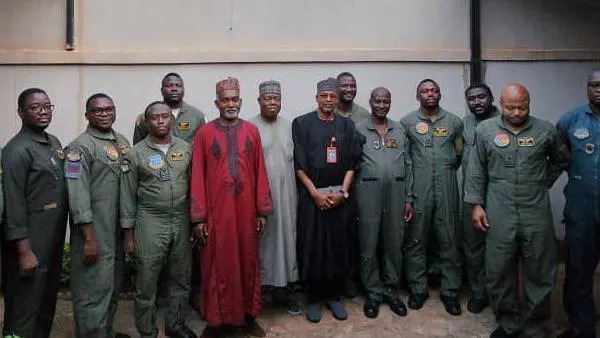
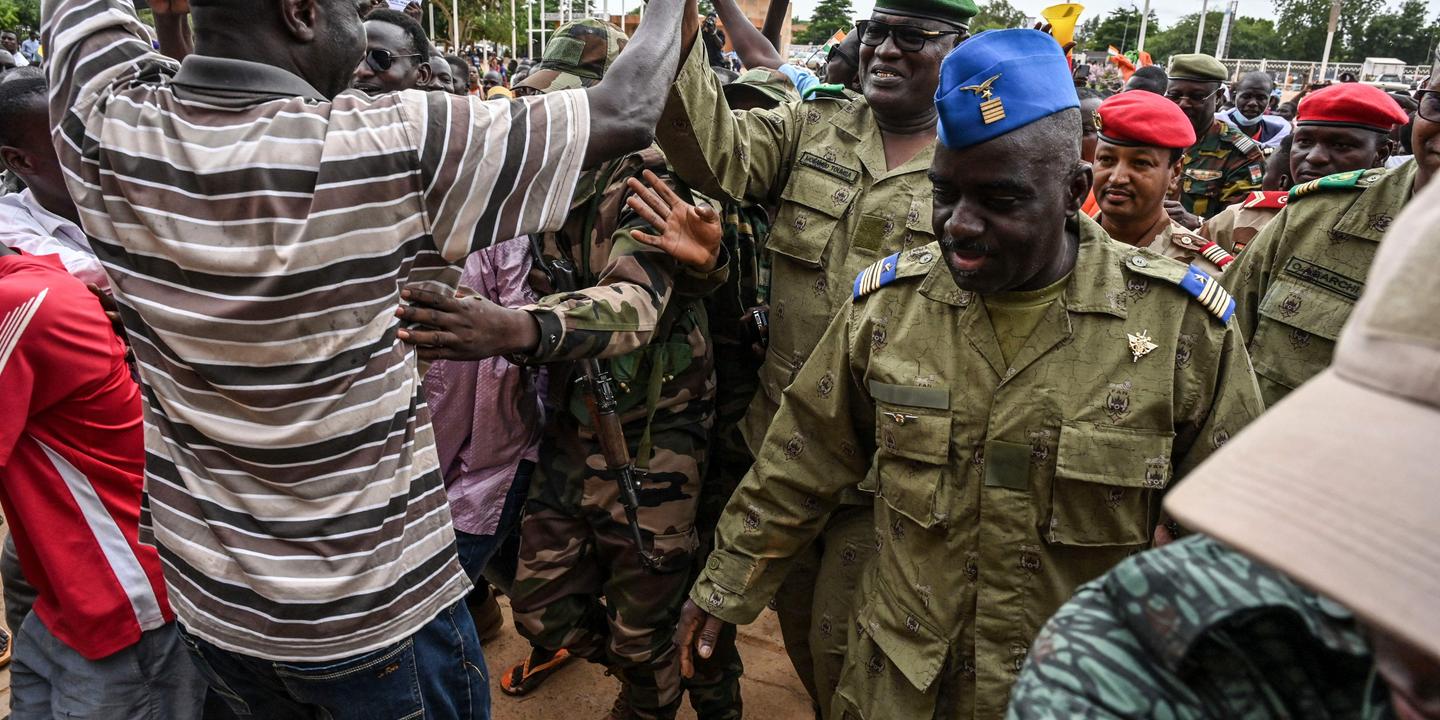
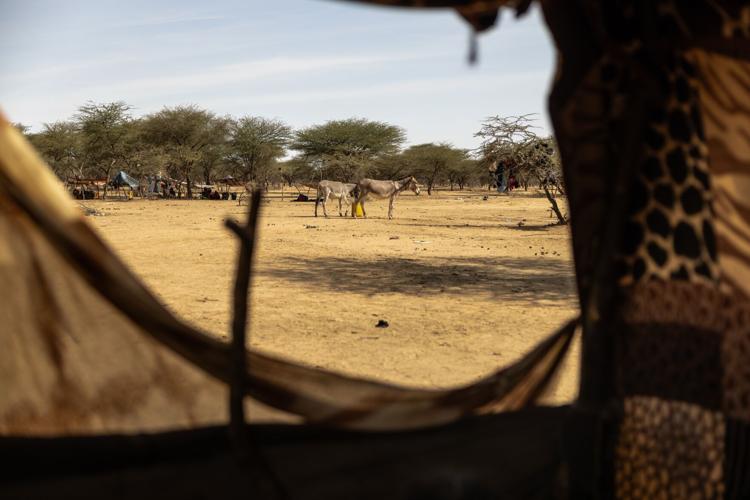
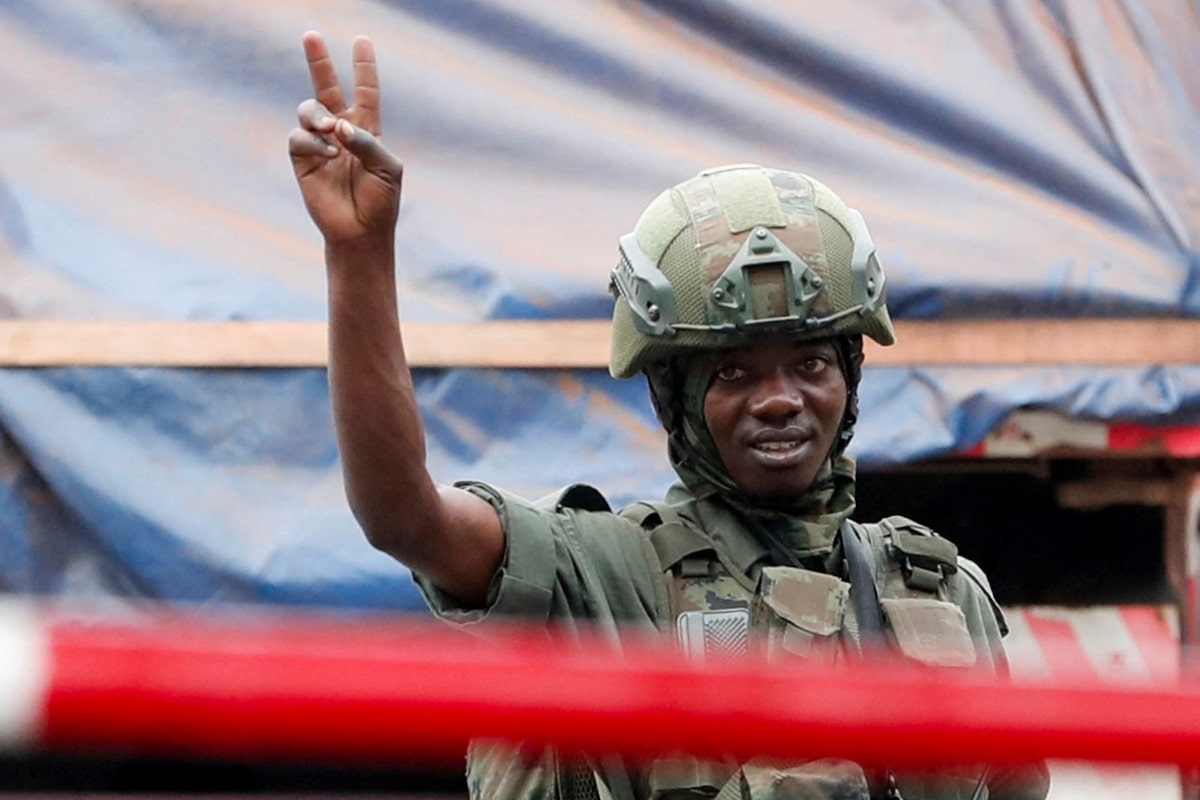
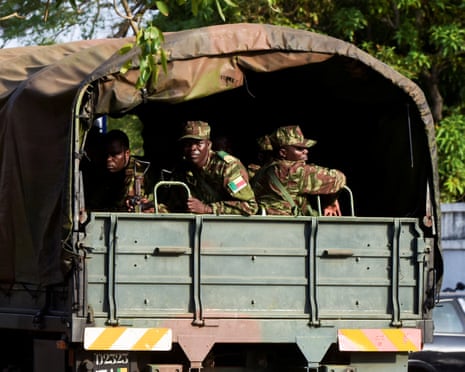
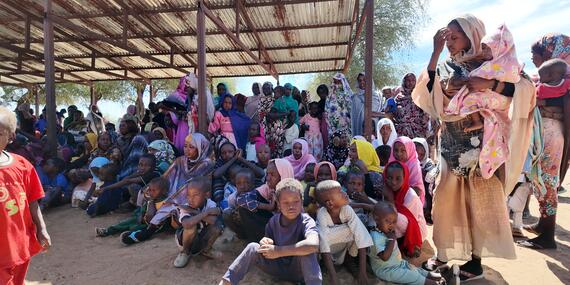
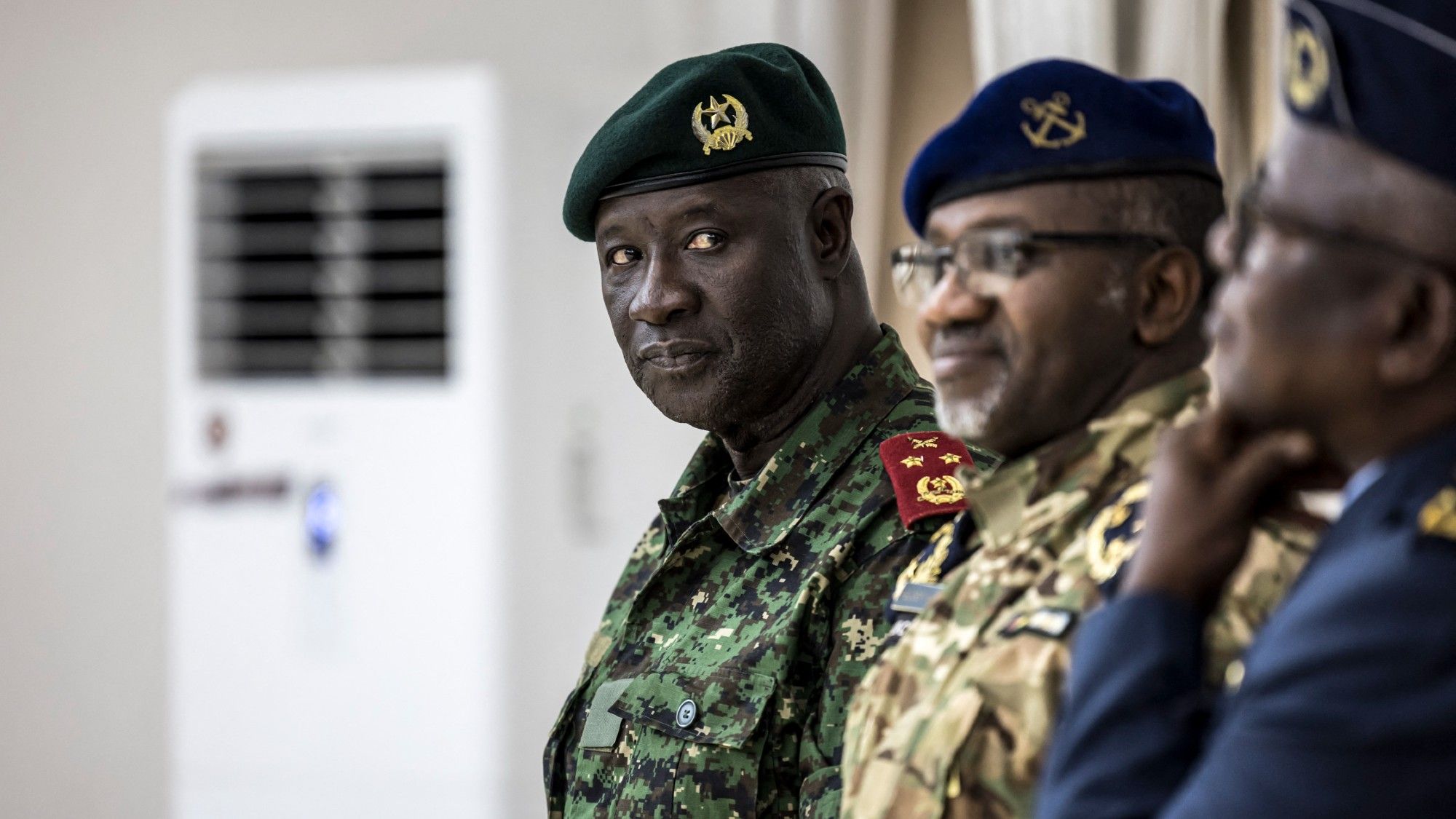
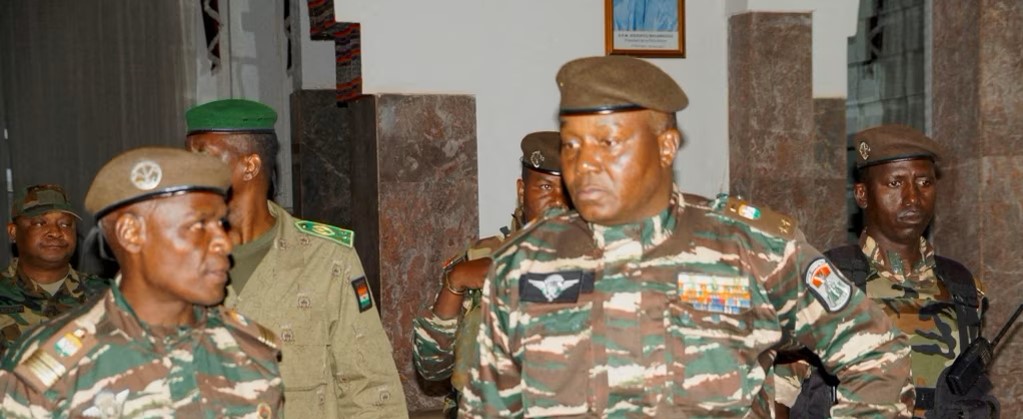
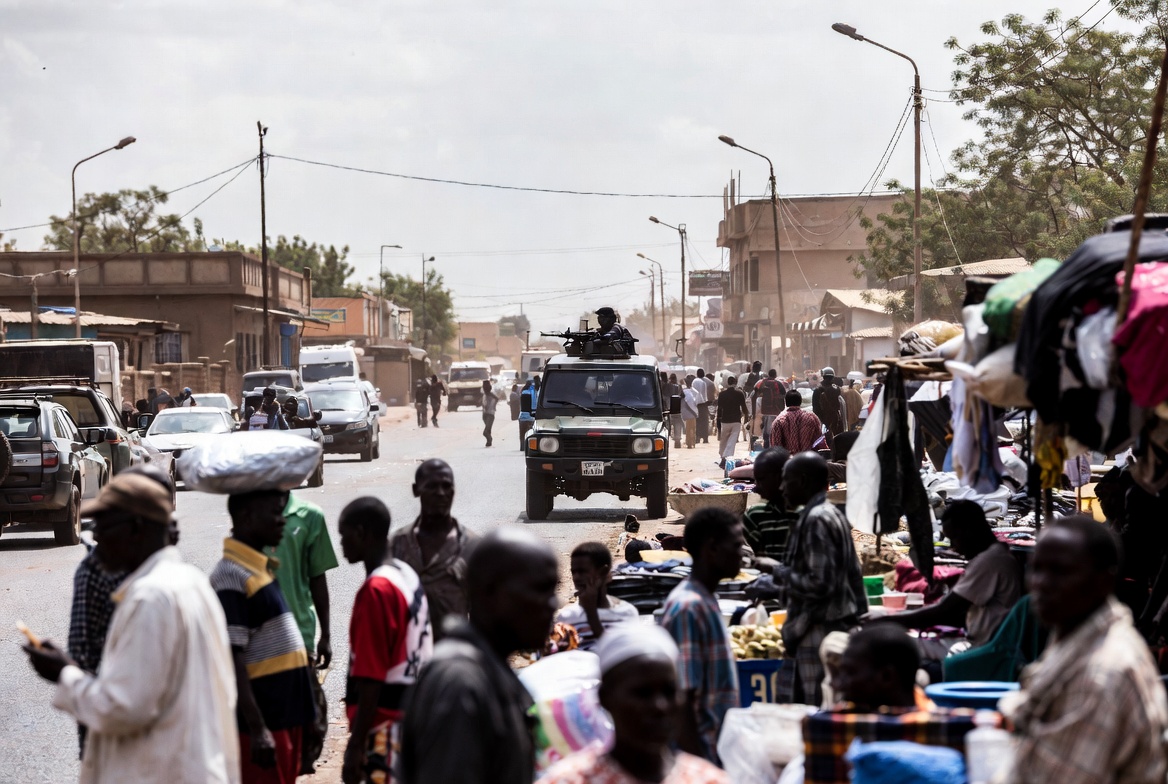
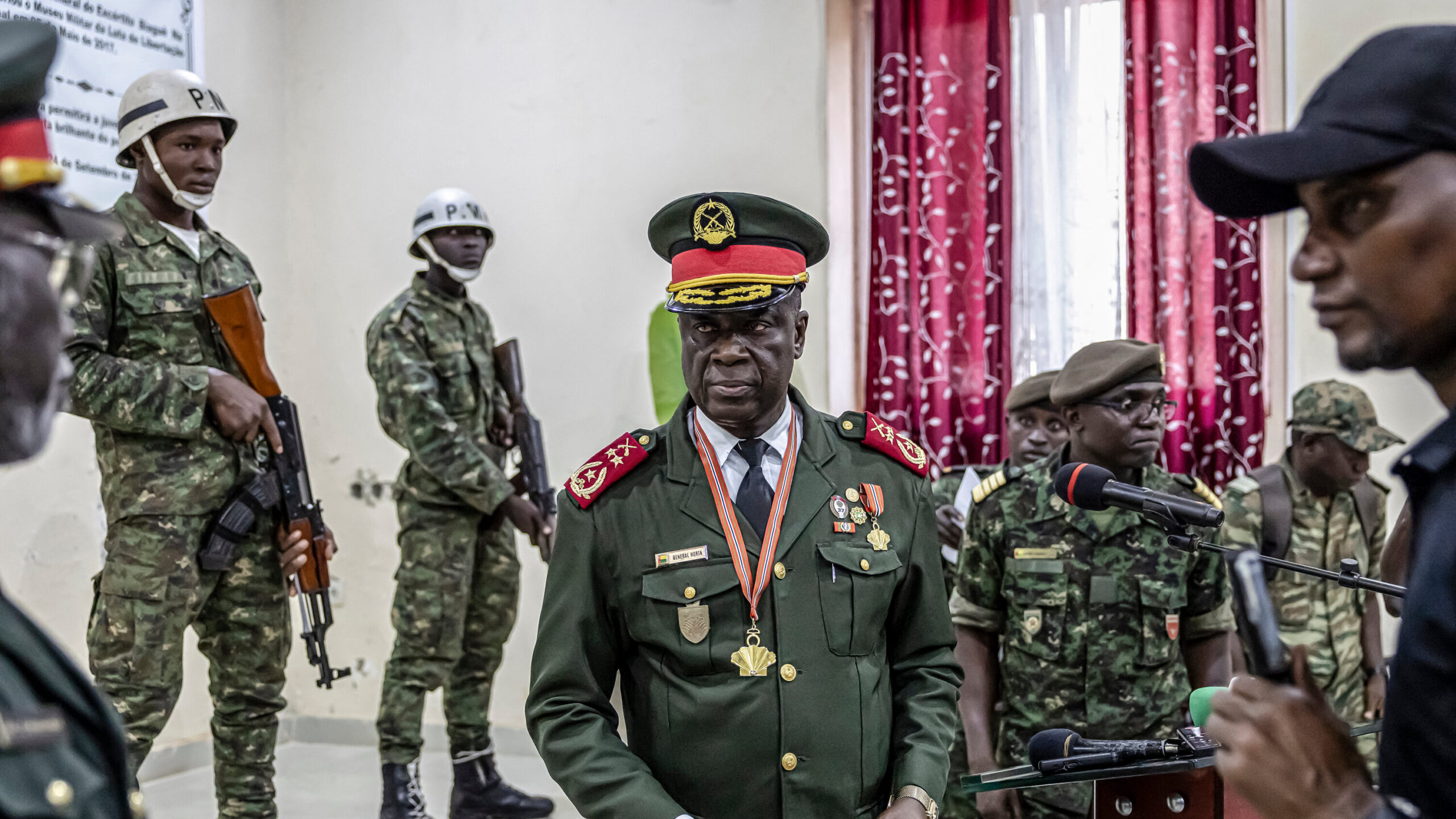
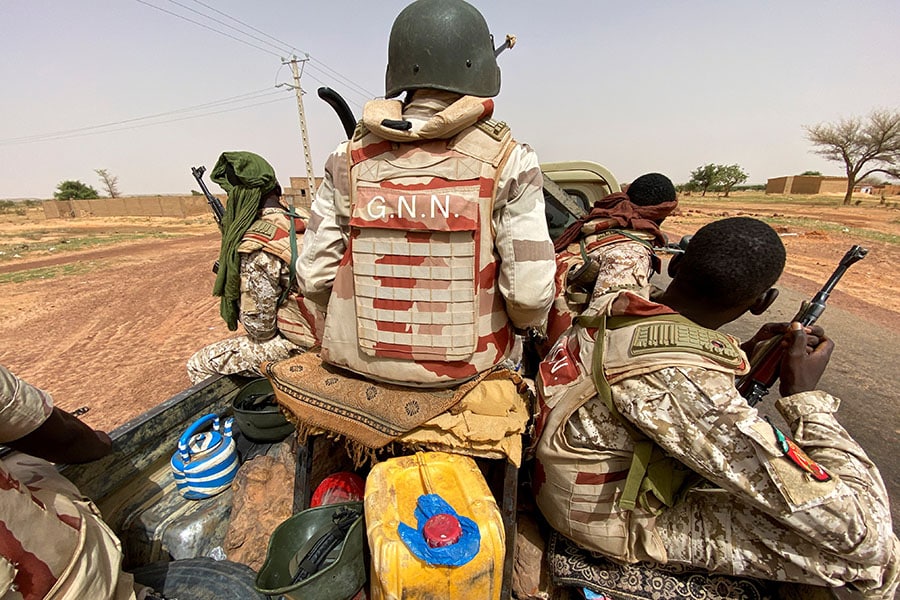
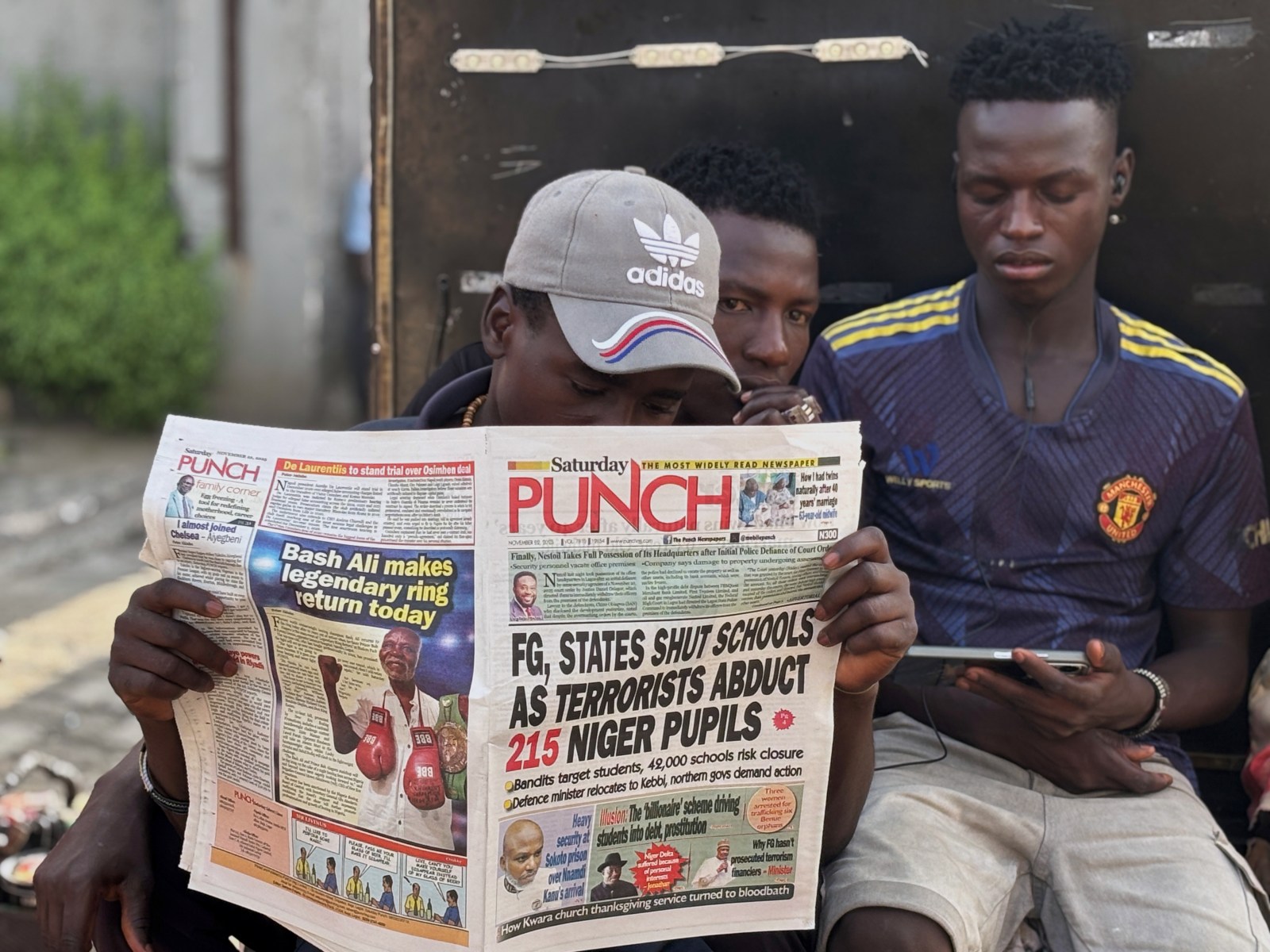
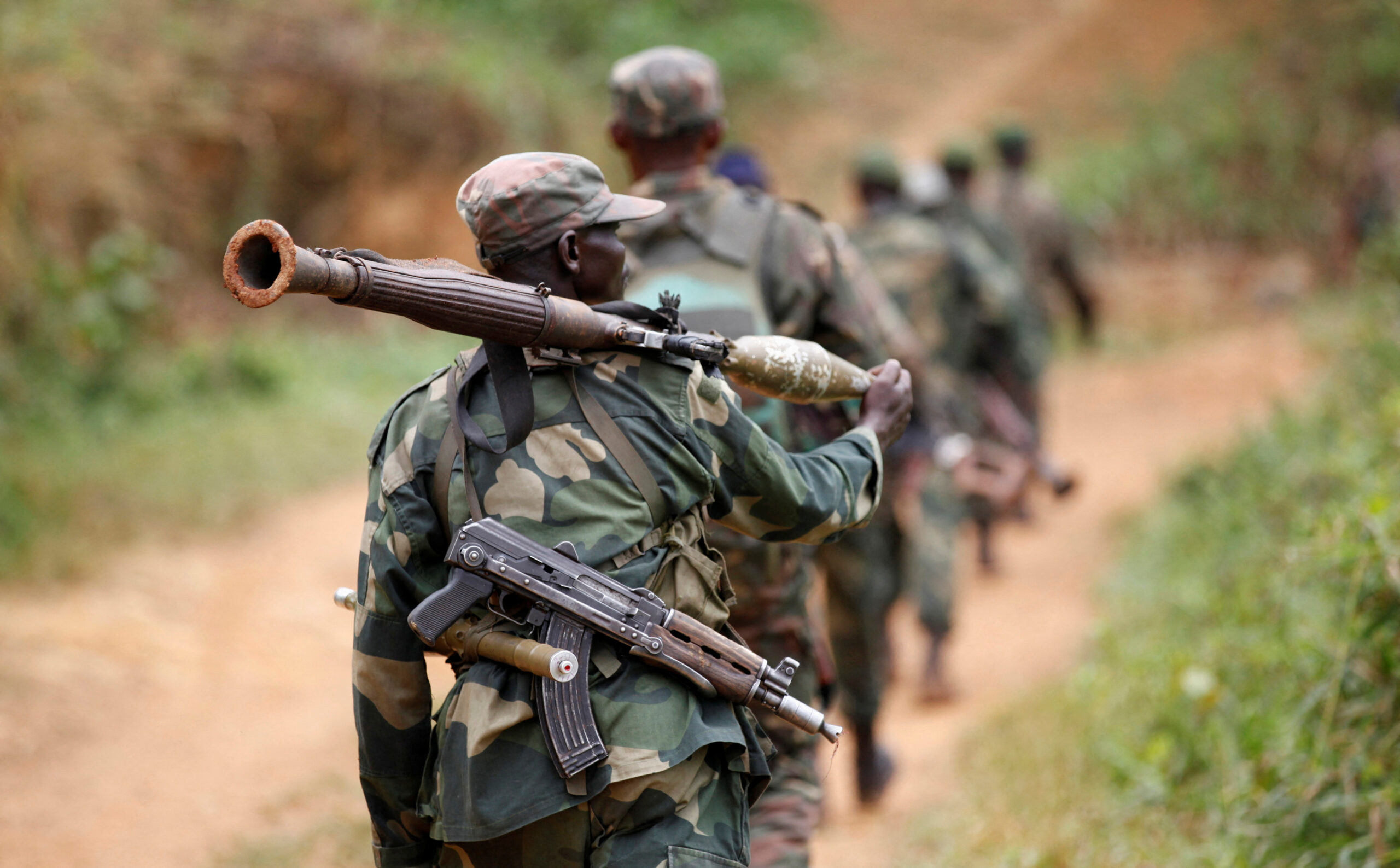
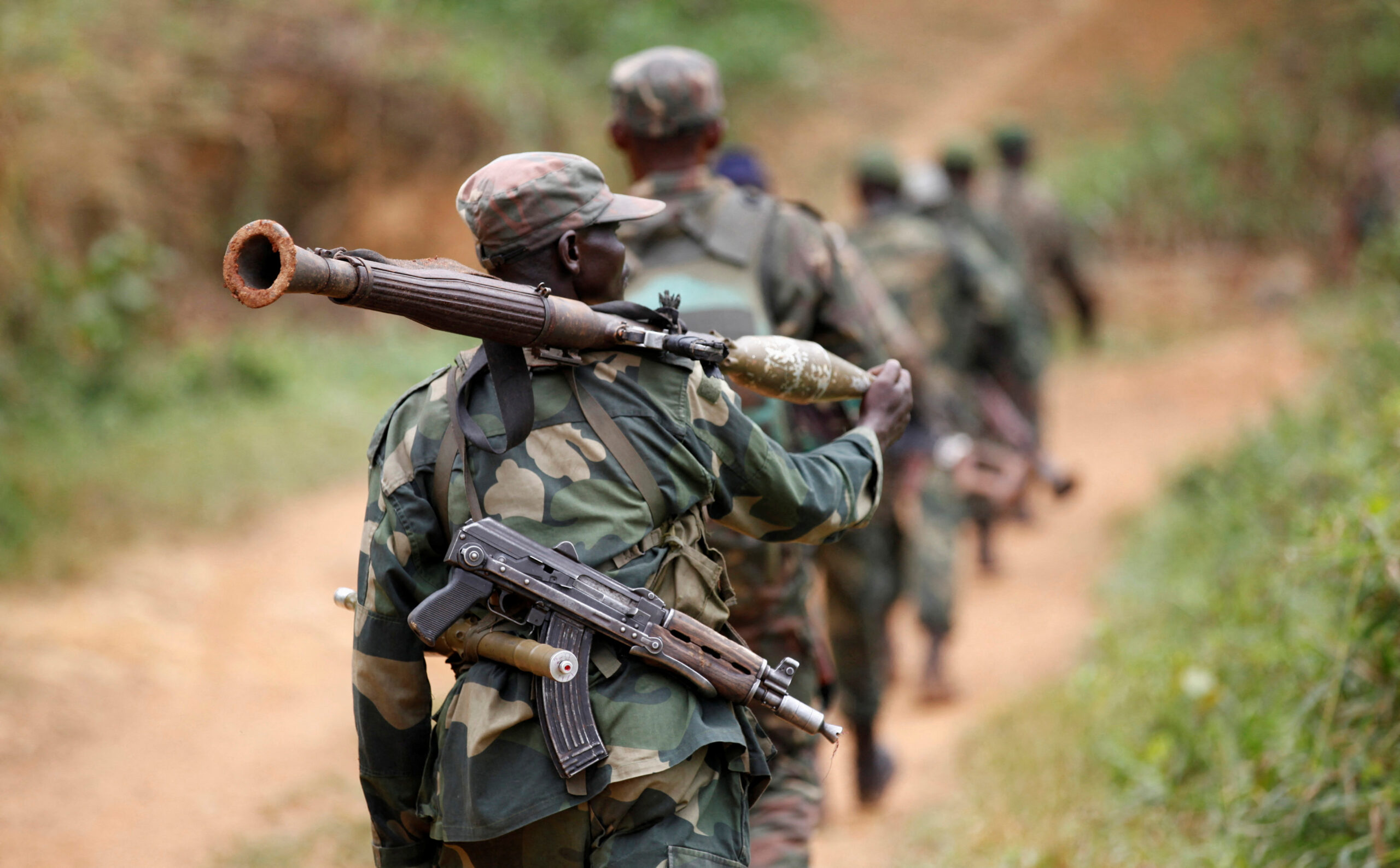
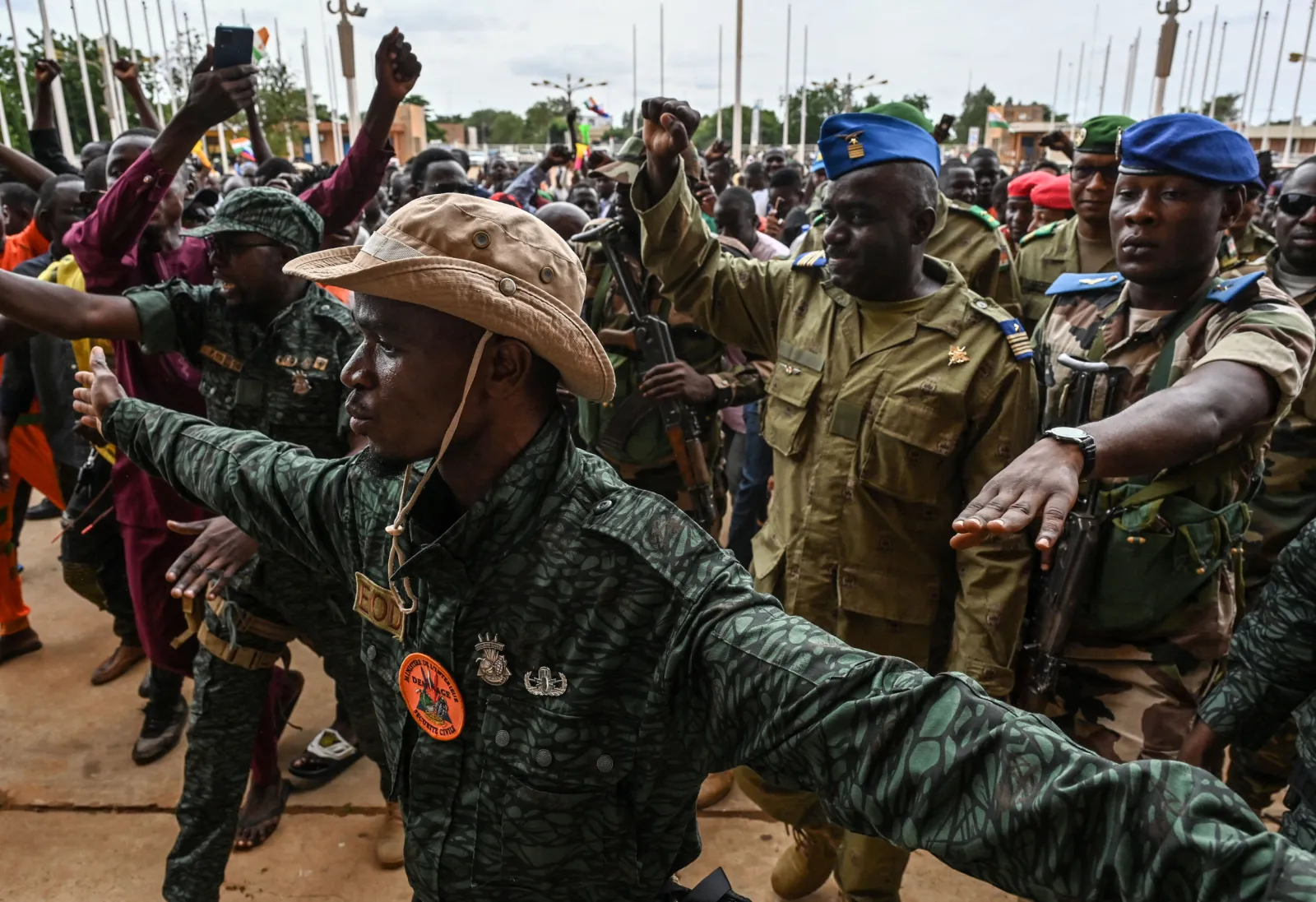
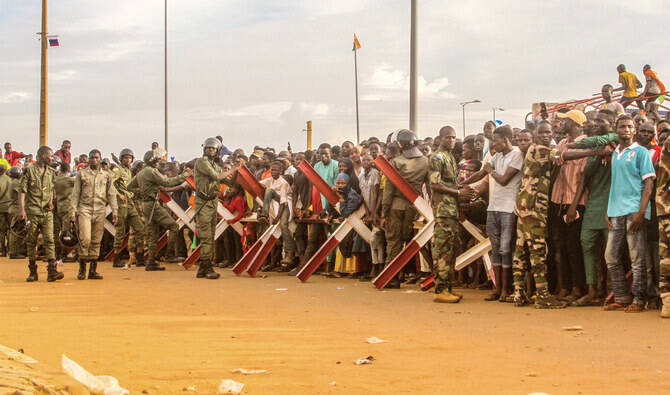
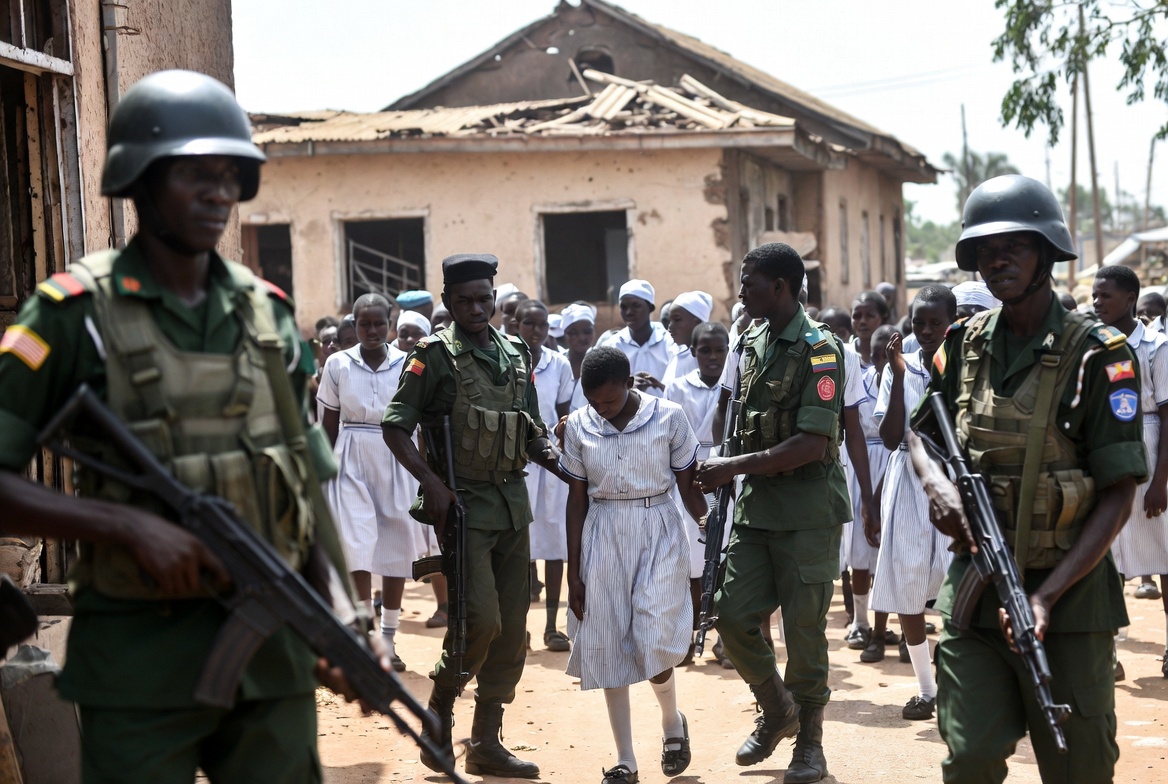
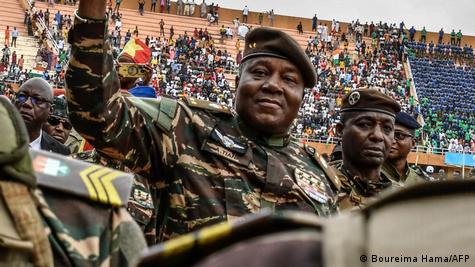
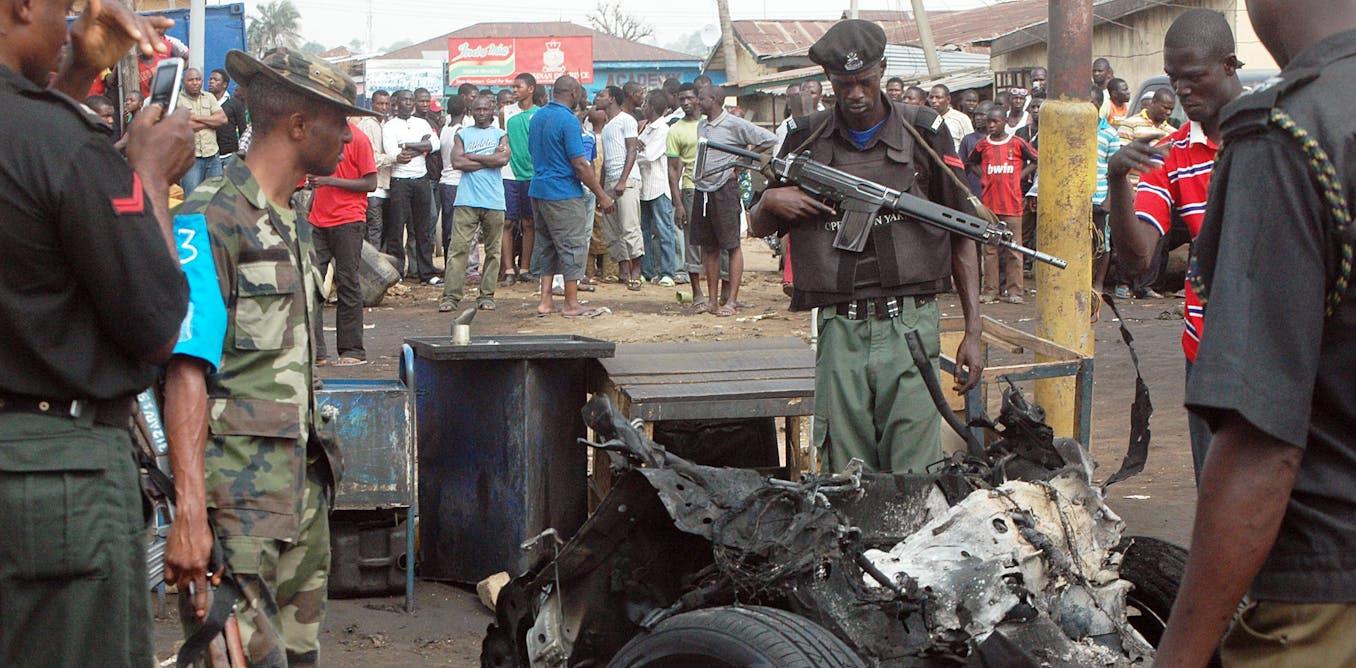
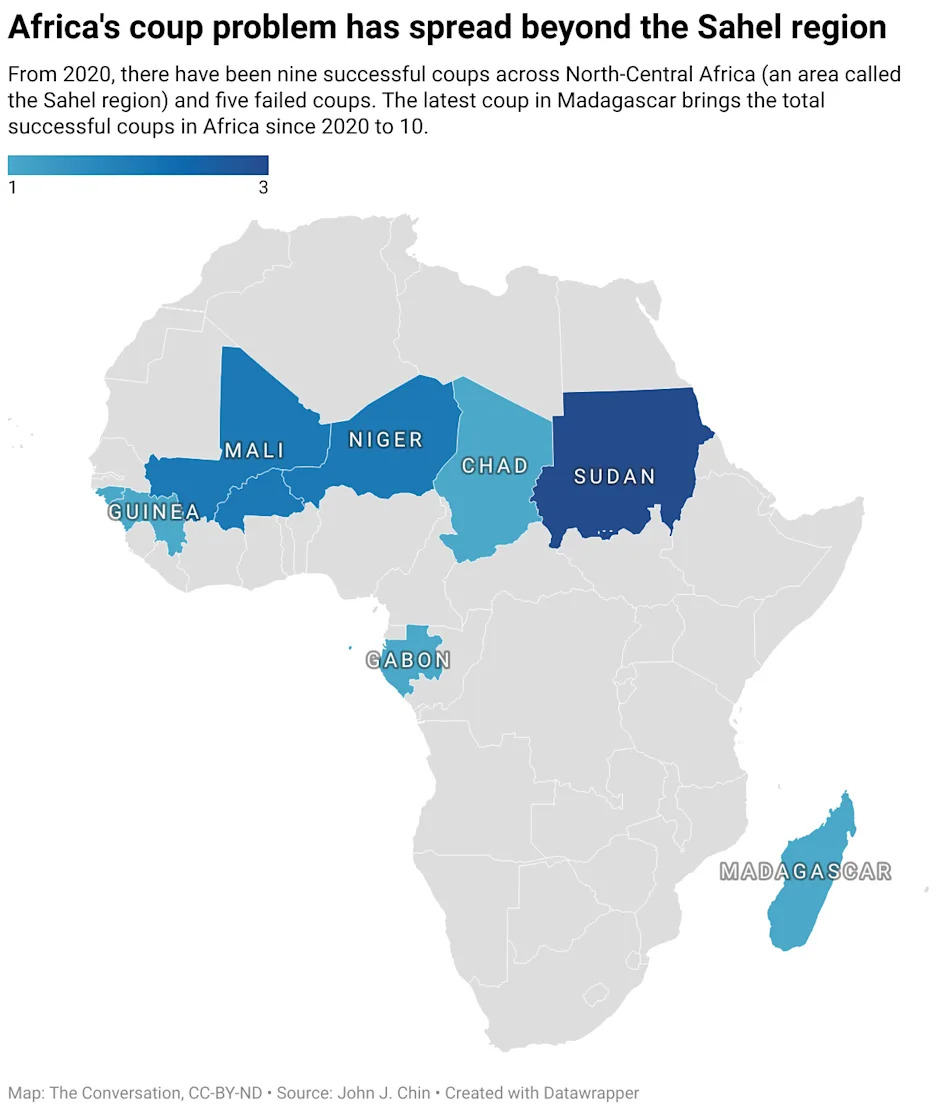
Despite this collaborative spirit, the Sahel remains incredibly fragile, doesn’t it? Since 2020, this region has accounted for a shocking 75 percent of all recent coups worldwide, with Mali and Guinea-Bissau seeing many of these military takeovers. These aren’t just isolated incidents, but symptoms of widespread instability, often fueled by weak governance, economic hardship, and restless military factions. In Mali especially, fears of yet another coup loom large. Some officials even predict a domino effect of regime changes across the Sahel if the current political and security landscape doesn’t improve dramatically. Adding to Mali’s woes is the relentless shadow of terror groups, like the JNIM, or the Group to Support Islam and Muslims. The Guardian recently reported that this ongoing insurgency has brought Mali to its knees, a stark description that captures the severe erosion of government control and public safety. This violence doesn’t just kill, it also chokes economic opportunities, displaces communities, and cripples the state’s ability to provide essential services. It’s a truly devastating cycle.
Resource Potential and the Path Forward
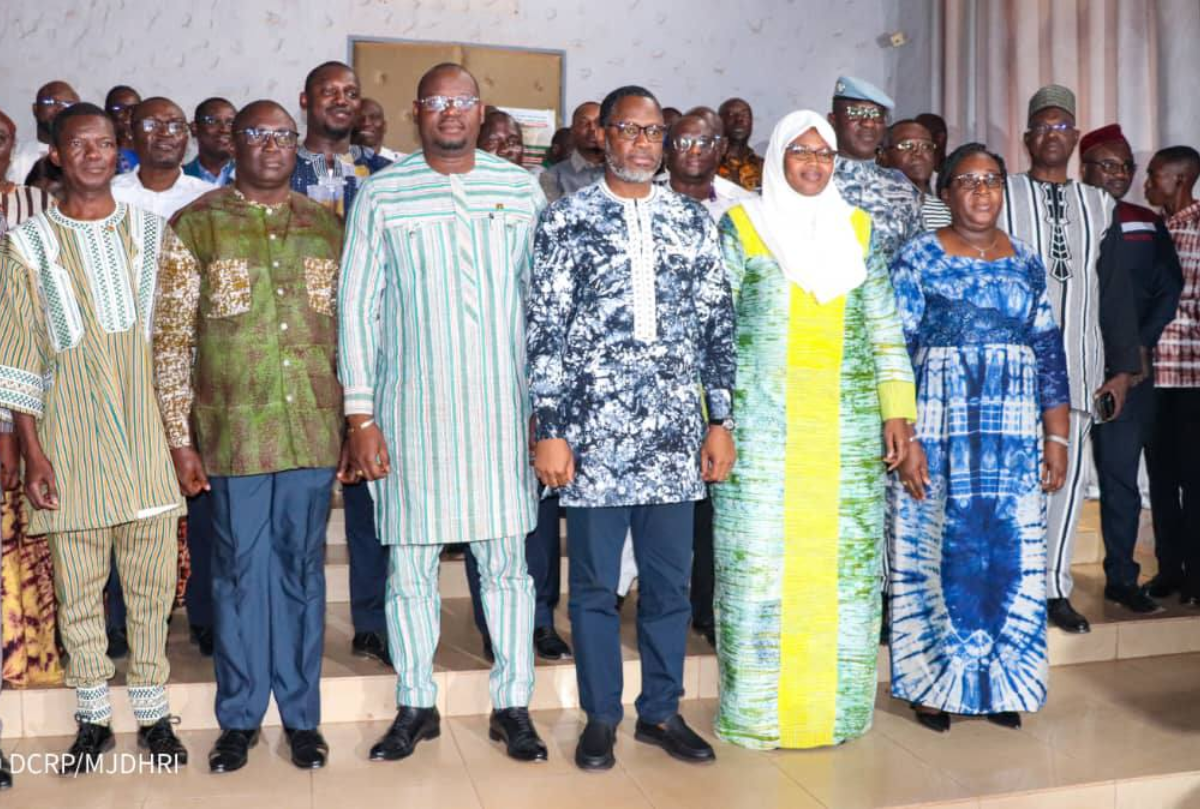
Amidst these security and political storms, Mali holds a hidden treasure: vast lithium reserves. This isn’t just any mineral; it’s critical for electric vehicles and renewable energy storage, putting Mali right at the center of a new global scramble for Africa’s resources. International powers are keen to secure supplies for the green energy transition, but headlines warn that Mali teeters on the brink, threatened not only by militants but also by external pressures and the internal governance issues resource wealth can so often amplify. Will this strategic resource bring prosperity and development, or will it become another flashpoint for conflict? It’s a crucial question. Yet, despite these grim forecasts, local initiatives like the AES tell a different story, one of resilience and cooperation. Leaders in Mali, Burkina Faso, and Niger are choosing collective problem-solving over division. This unity has already delivered tangible results, like solving those crippling fuel shortages. It offers a blueprint for how the Sahel might confront its multifaceted challenges: through regional unity and pragmatic action, not fragmentation. The path ahead for the Sahel hangs on restoring security, achieving political stability, and developing its economy through responsible resource management. The world needs to support efforts to strengthen governance and help the region resist insurgent pressures, without enabling exploitation. Sahel leaders, in turn, face the monumental task of harnessing their resource potential ethically, ensuring minerals like lithium truly benefit their people, rather than deepening existing conflicts or inequities. The choices made now will determine whether this alliance and natural wealth become cornerstones of lasting peace or catalysts for further disruption.