Global Crossroads: Geopolitics, Markets, and Shifting Power Dynamics Define Early 2026
Well, 2026 is kicking off with a bang on the international stage, isn’t it? We’re seeing a real mix of geopolitical chess games, domestic pushback, and economic tremors that are shining a spotlight on who holds the power worldwide. Take Greenland, for instance. Germany’s actually sending troops there for a NATO reconnaissance mission, and it’s not hard to see why this Arctic territory has everyone’s attention. Its location and resources make it a prime spot in the global race for influence, as detailed by Global News. President Donald Trump’s administration has consistently stressed its importance for U.S. national security, clearly wanting to keep Russia or China from gaining a foothold. But Greenland’s Prime Minister? She’s made it clear they prefer sticking with Denmark, thank you very much, pushing back against any forced ownership changes. It’s a real diplomatic hot potato, revealing how worried NATO allies are about Arctic security, especially now that the region is becoming so crucial for military and economic interests. This type of political upheaval resonates even in distant regions. Back home in the U.S., officials in Minnesota aren’t exactly falling in line with the Trump administration’s policies, showcasing a bigger political split that’s playing out across the nation. This isn’t just about one state, it’s about local governments pushing back against federal authority, particularly on issues like immigration and civil rights. Doesn’t this just highlight the ongoing partisan battles and administrative headaches that are a constant in U.S. governance, especially with an administration keen on consolidating power and driving aggressive agendas?
On another front, the federal government isn’t just dealing with domestic political squabbles; it’s also clamping down hard on information leaks. The FBI recently executed a search warrant at a Washington Post reporter’s home, an investigation linked to a government contractor accused of illegally holding classified information, as reported by NBC News. This incident really underscores the tense relationship between the feds and the press, doesn’t it? We’re talking about a delicate balancing act between national security and the public’s right to know. Journalists covering the Trump administration are certainly feeling the heat, and it’s raising some serious questions about press freedom in an age of intense security scrutiny. Shifting gears to the financial world, markets are doing their usual dance of ups and downs, but with a few eye-catching moves. Bitcoin actually shot up over four percent, crossing the $95,000 mark, while Ethereum wasn’t far behind, climbing more than seven percent to $3,330. What’s driving this crypto rally? Lower-than-expected U.S. inflation data, which has folks betting the Federal Reserve will keep cutting interest rates all year. That’s typically good news for riskier assets, after all. These market dynamics often parallel Africa’s own digital innovation boom. But don’t think it’s all smooth sailing. The crypto market just saw a massive shakeout, with over $688 million in derivatives liquidated within 24 hours. That tells us there’s some serious turbulence simmering beneath the surface. It’s a financial scene buzzing with both hope and uncertainty, as investors try to navigate both traditional and digital assets.
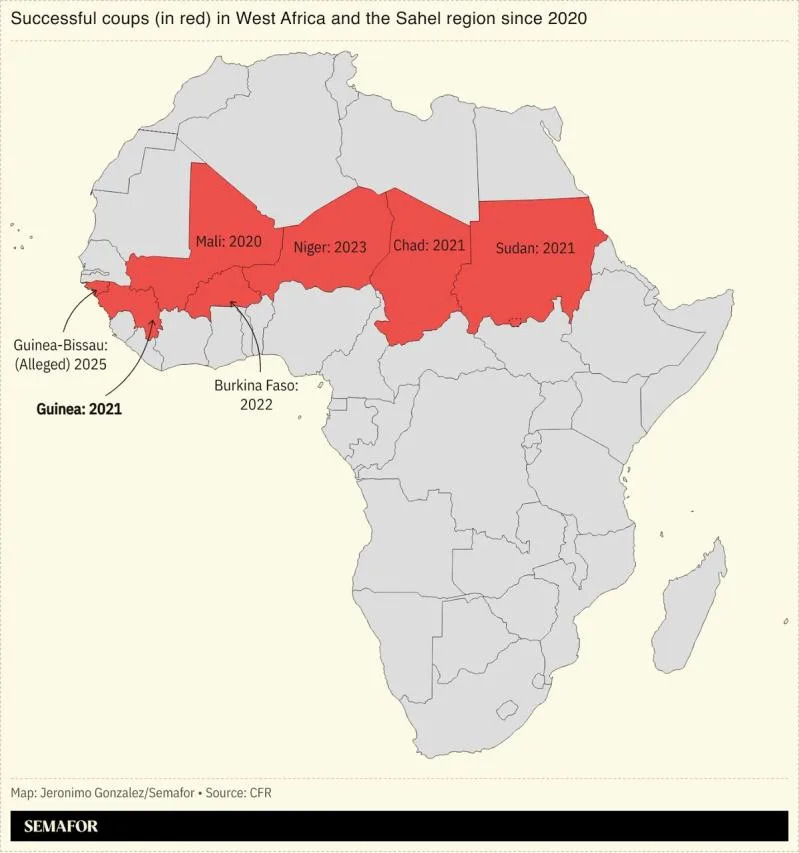
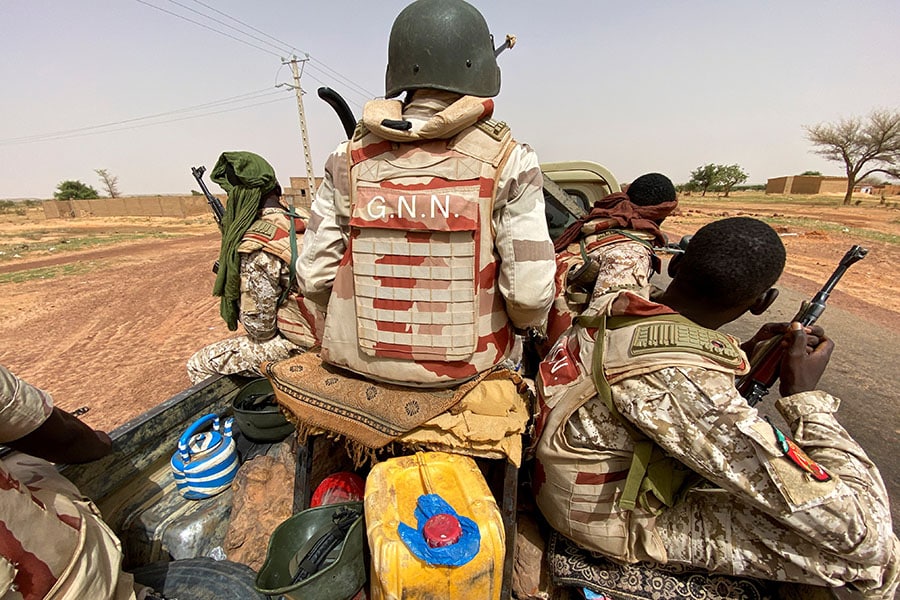
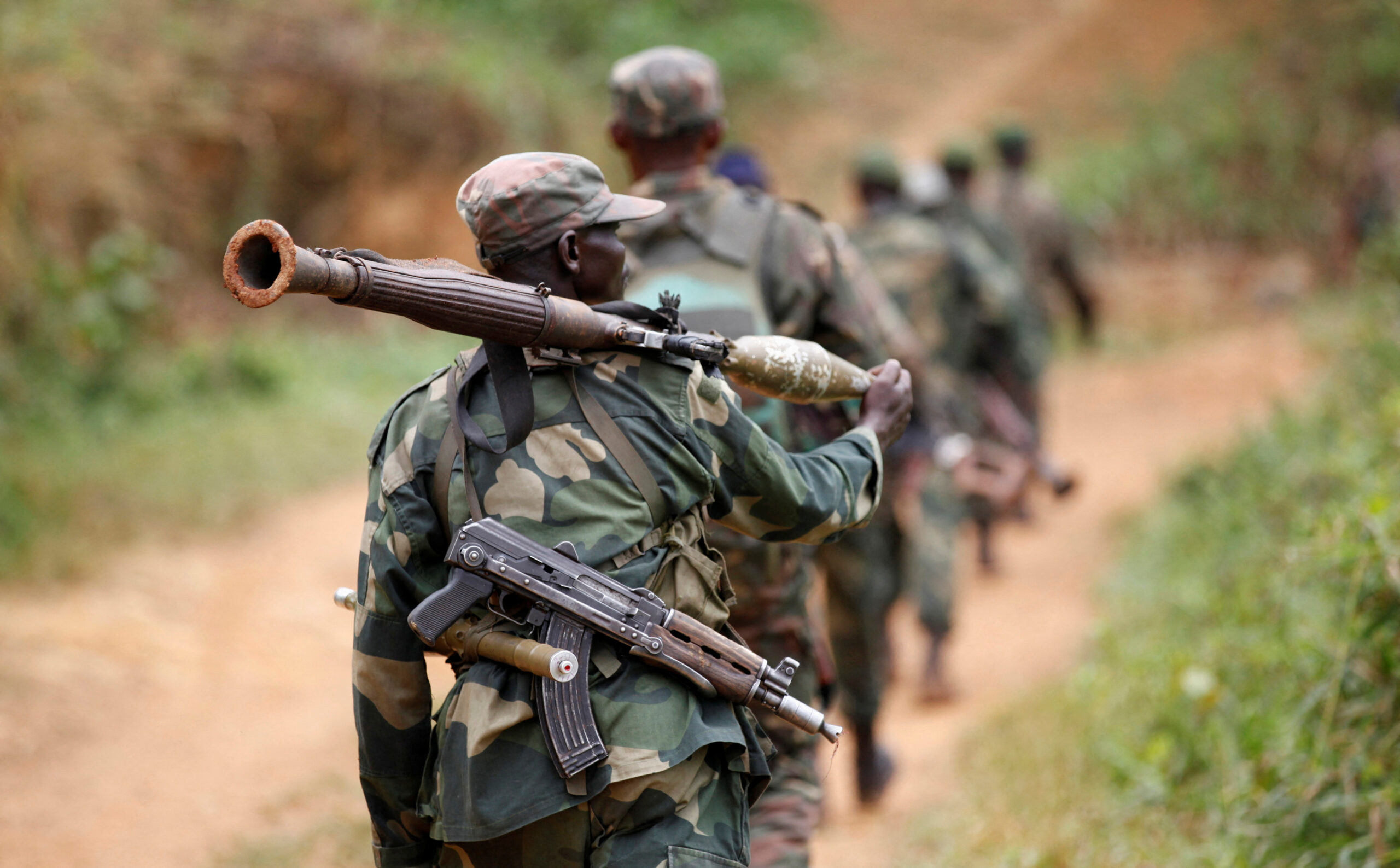
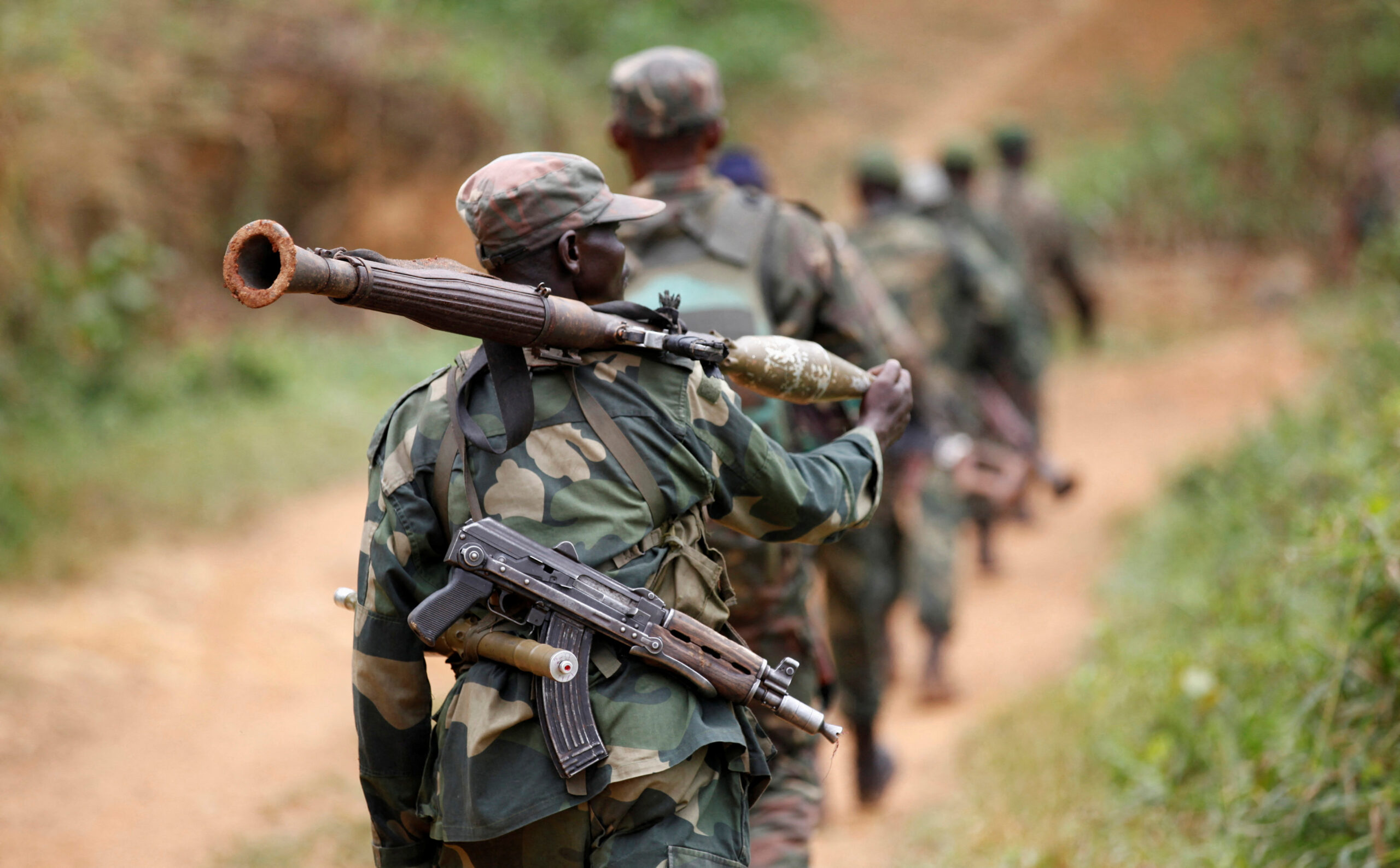
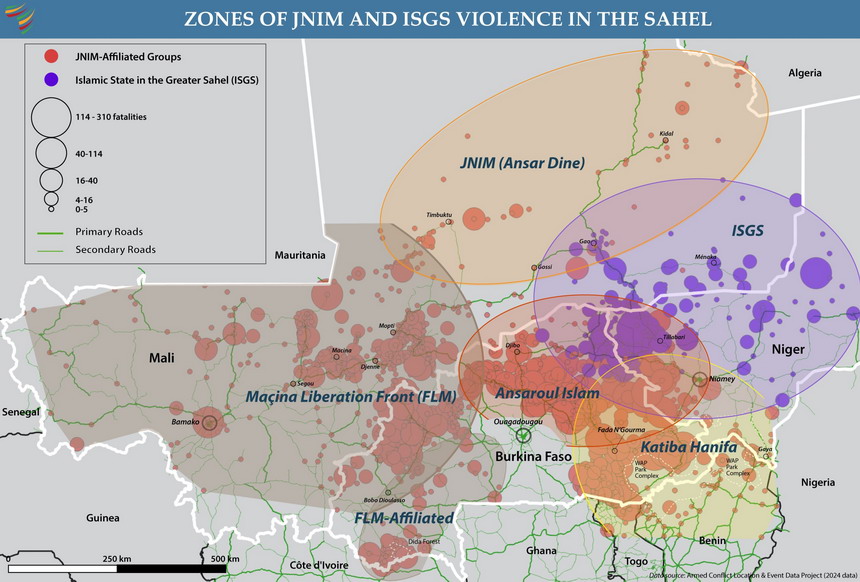
Adding to this intricate global picture, we’re seeing some interesting military developments in Asia, hinting at modernizing security strategies and regional power plays. Pakistan’s selling its JF-17 fighter jets to Bangladesh and potentially other countries, which certainly suggests stronger defense ties and a push for more exports. Over in China, there are reports they’re upgrading their fifth-generation J-20 stealth fighter with better radar, engines, and AI, as detailed by Institute of Strategic Studies Islamabad. That’s a significant leap in military tech that could easily shake up the regional power balance. These aren’t just about cool new gadgets; they reflect an evolving strategic vision in Asia with implications that’ll ripple out globally. So, what’s the takeaway from all this? We’re clearly living in a world that’s constantly shifting. That fight over Greenland isn’t just about land; it’s a tiny example of the global scramble for influence in vital regions. Domestic resistance in the U.S. challenges federal authority, and given America’s global leadership, those ripples can be felt internationally. And what about the scrutiny on the press and those information leaks? They’re definitely raising alarms about transparency and how resilient democracy truly is in a security-obsessed era. Meanwhile, financial markets are juggling cautious optimism with lingering volatility, and those military advancements in Asia tell us power structures are continually evolving. Many African nations also grapple with significant security challenges that affect their development. Looking ahead, the blend of geopolitical tension, internal political friction, and economic uncertainty means 2026 will demand smart navigation from leaders and citizens everywhere. Just like the Arctic ice shifting to reveal new currents, the world’s political and financial landscapes are reshaping under pressures, both old and new. And where does Africa fit in? With its own deep connections and strategic interests tied to global security and economic flows, it’s right at the crossroads of these shifts, ready to both influence and be influenced by the unfolding global story, potentially seeing economic growth from these global shifts. So, as the year rolls on, we’ll be watching closely. Will the diplomatic dance over Greenland calm down or heat up? Can U.S. political resistance bring balance or just deepen divisions? How will markets react to the ongoing push and pull between inflation, innovation, and regulation? And perhaps most importantly, how will African nations navigate these powerful global currents?