West Africa’s Coastline on Edge: Jihadist Threat Spreads as Region Grapples with Instability
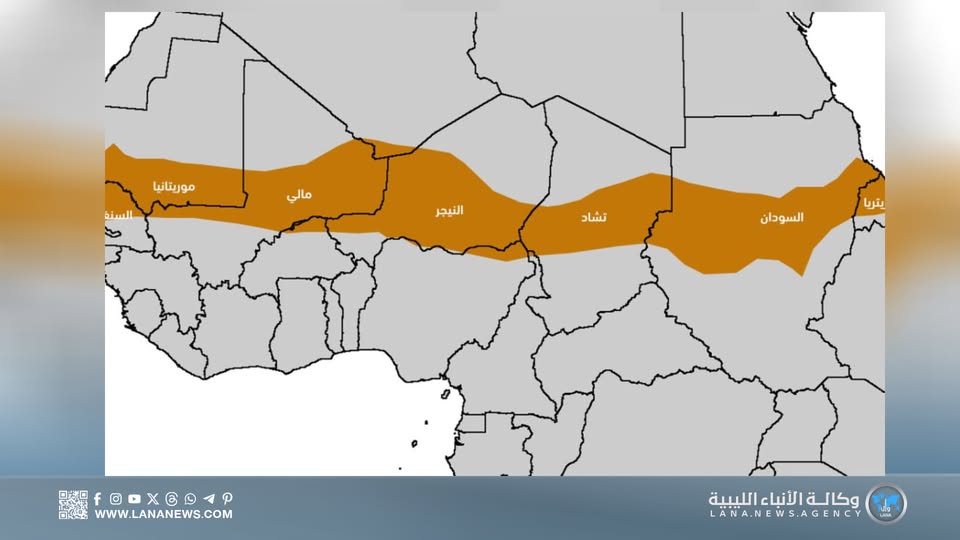
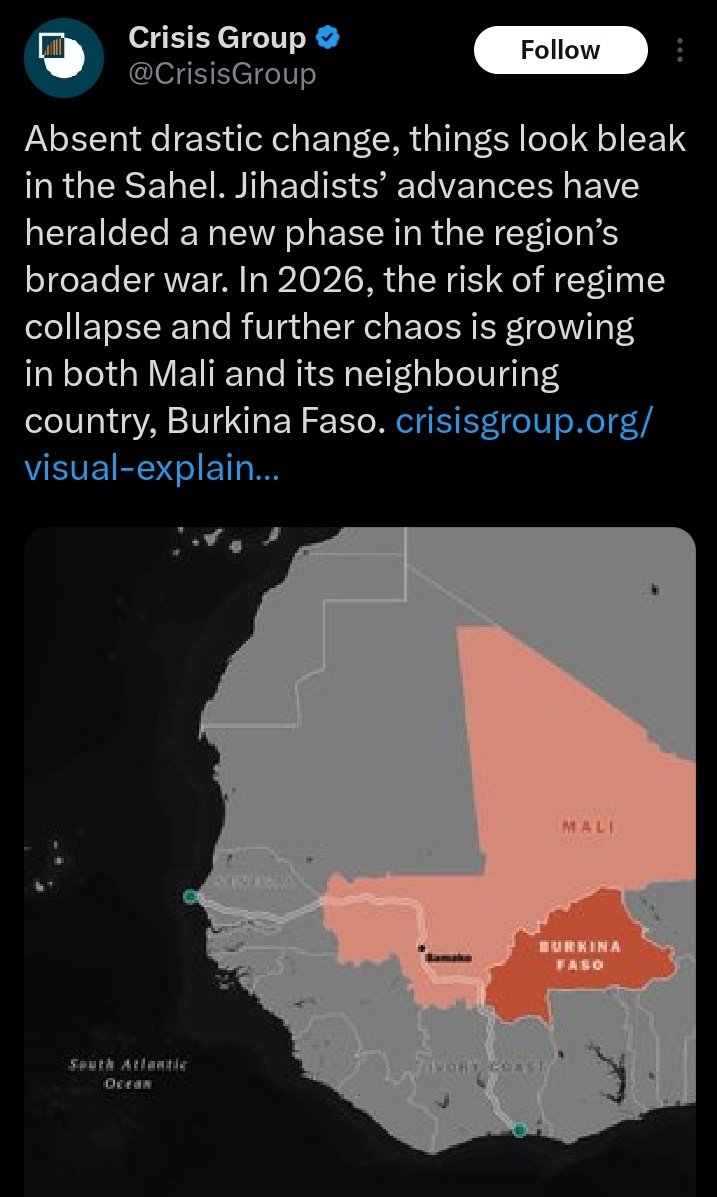
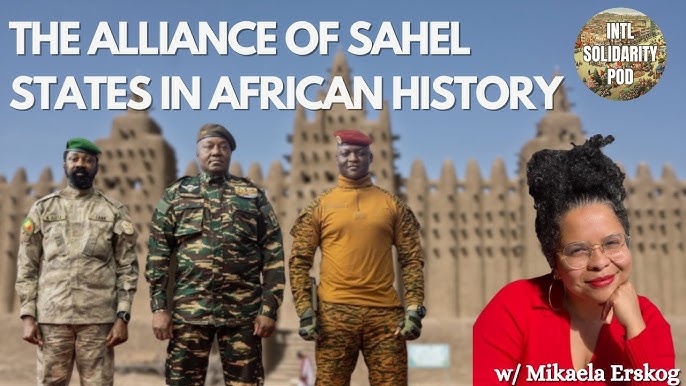
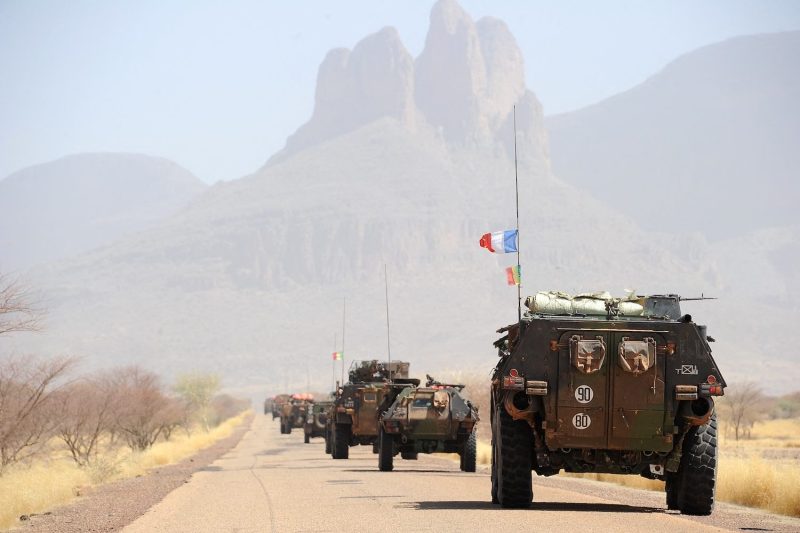
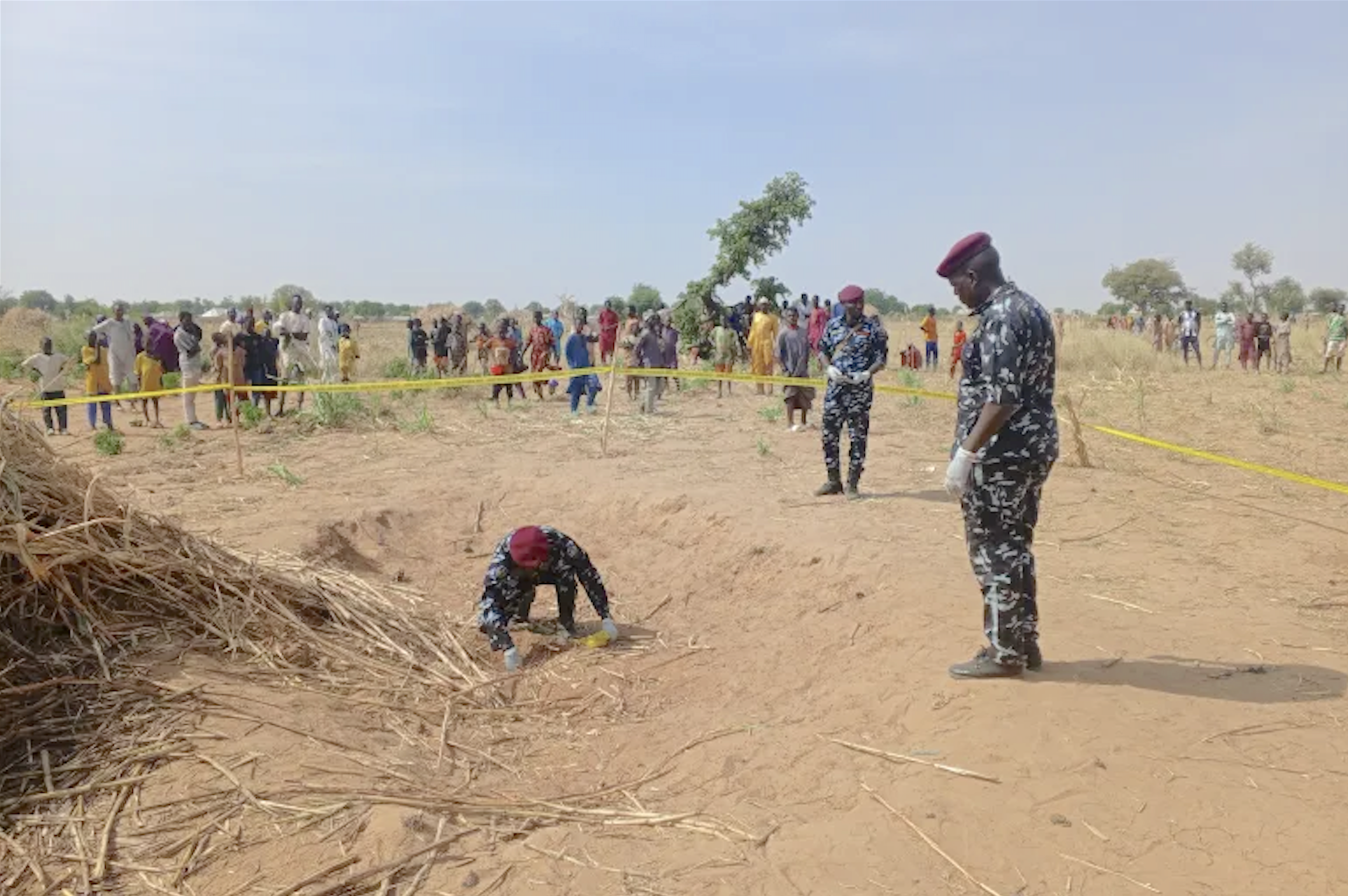
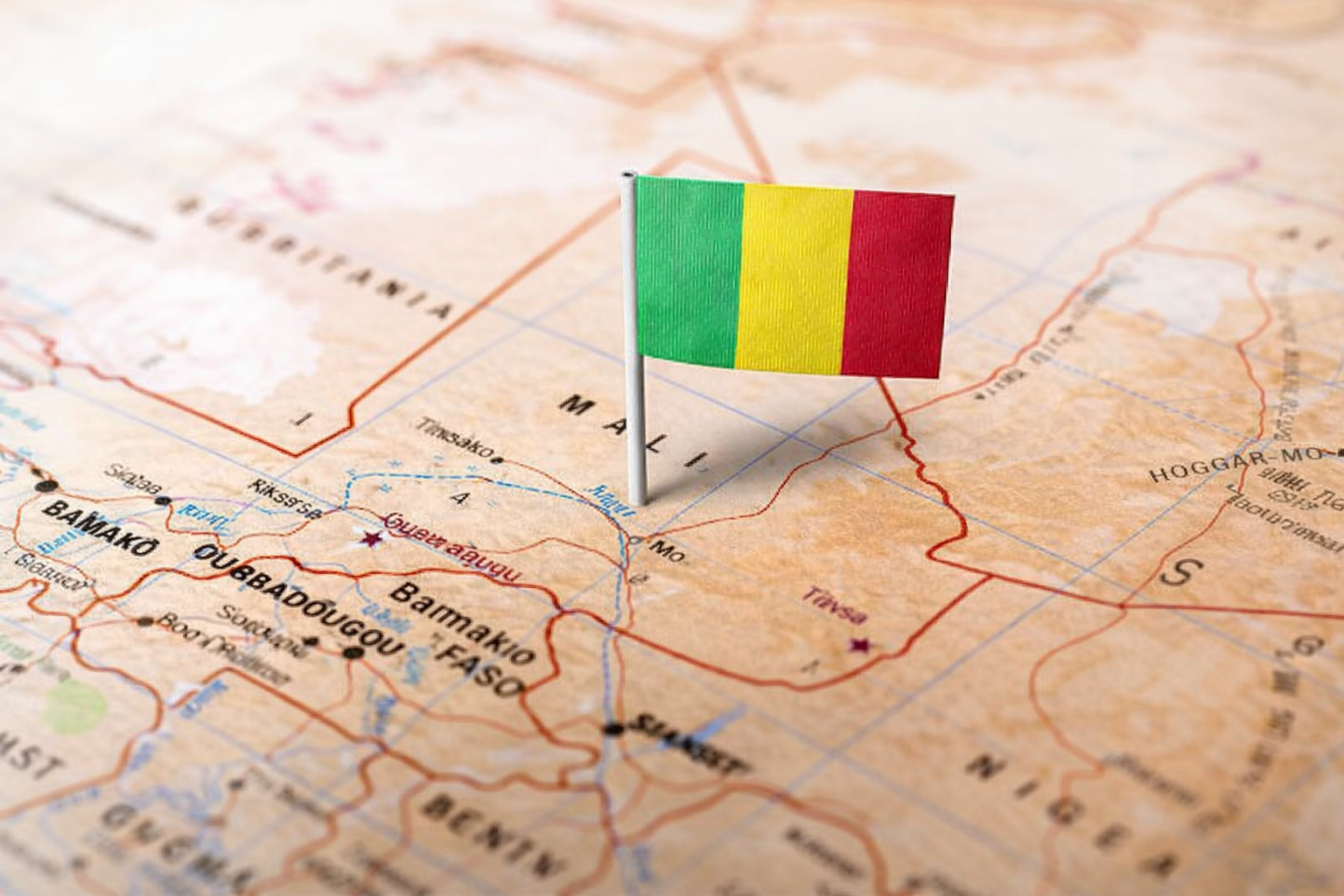
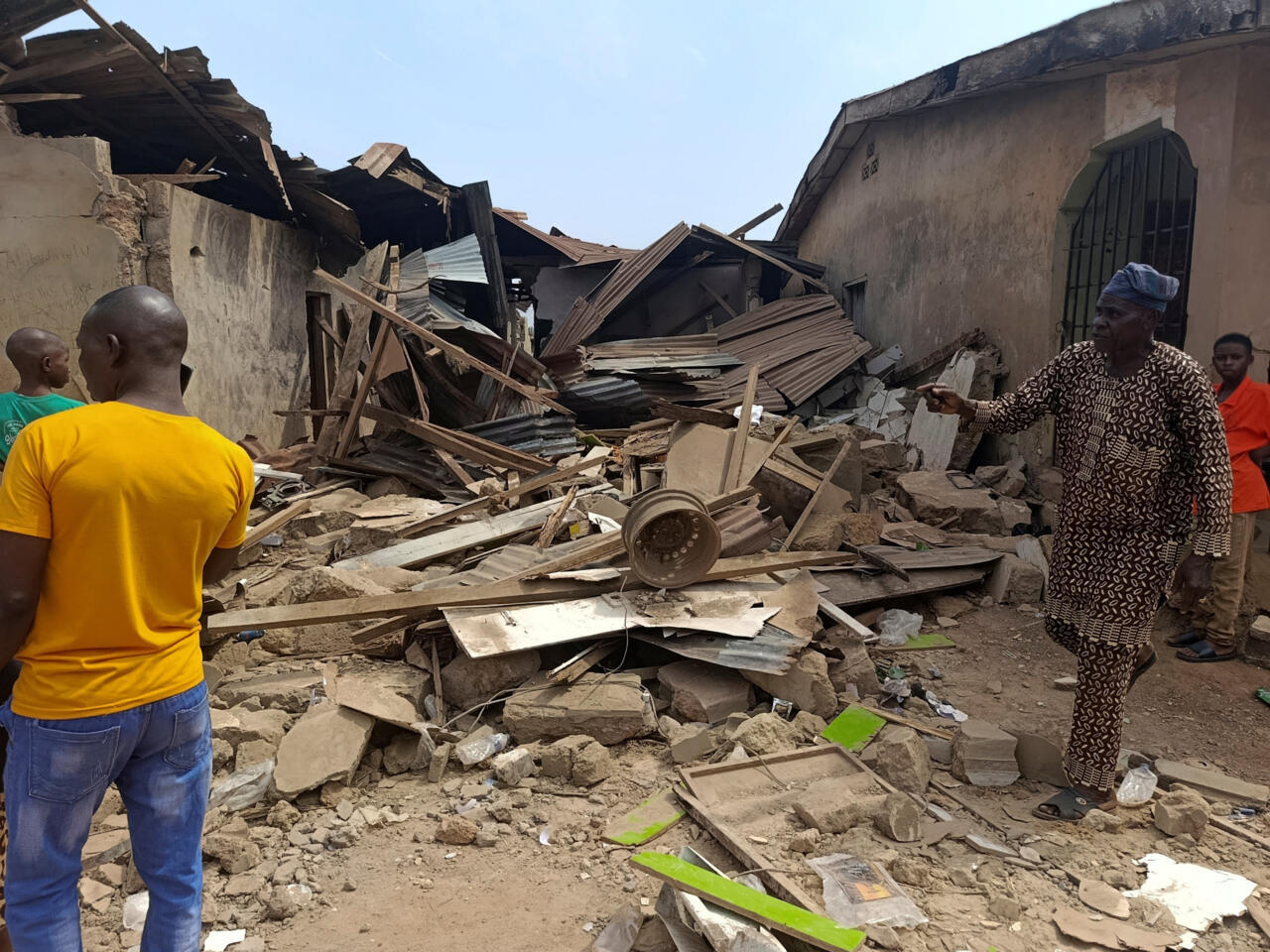
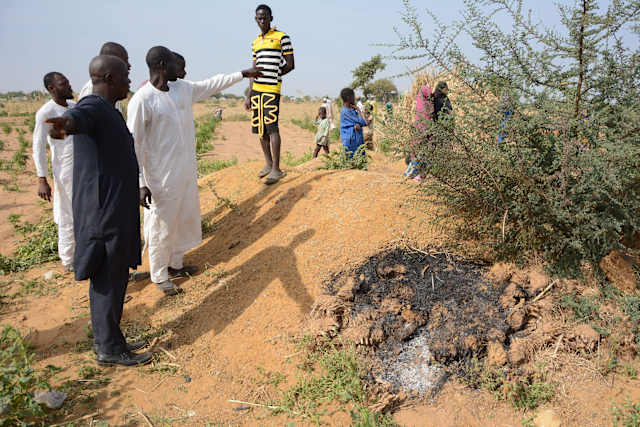
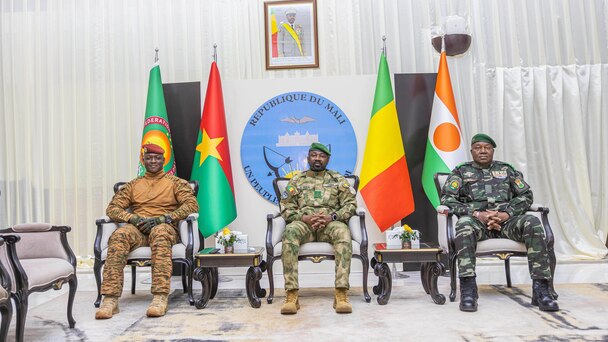
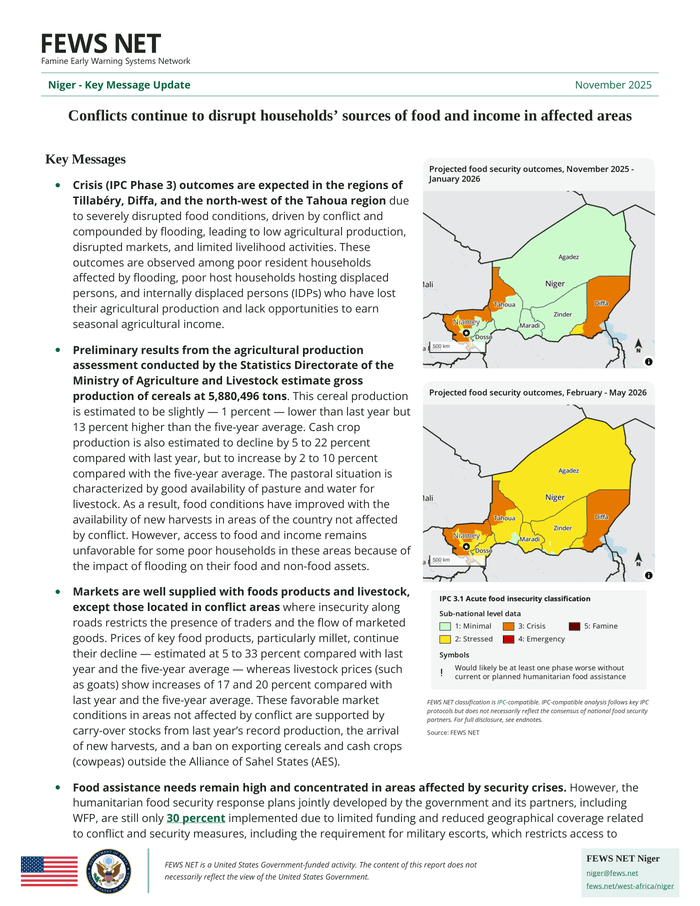
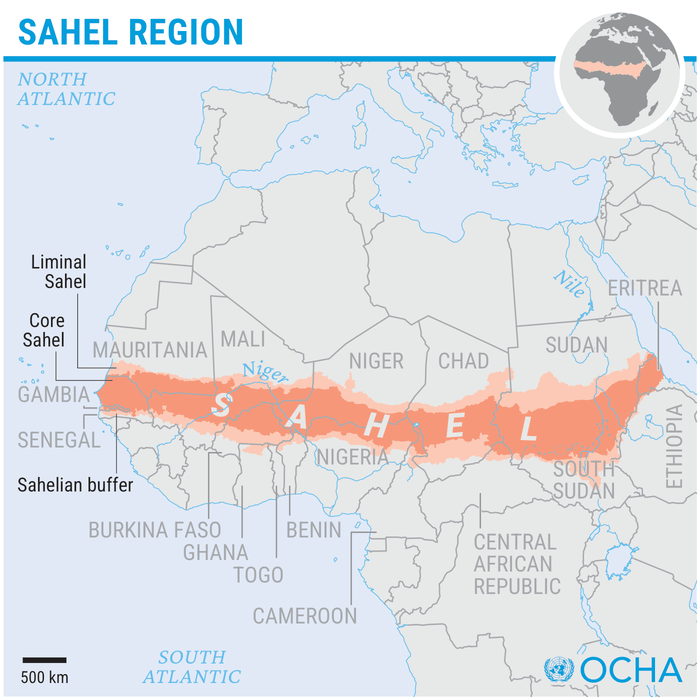
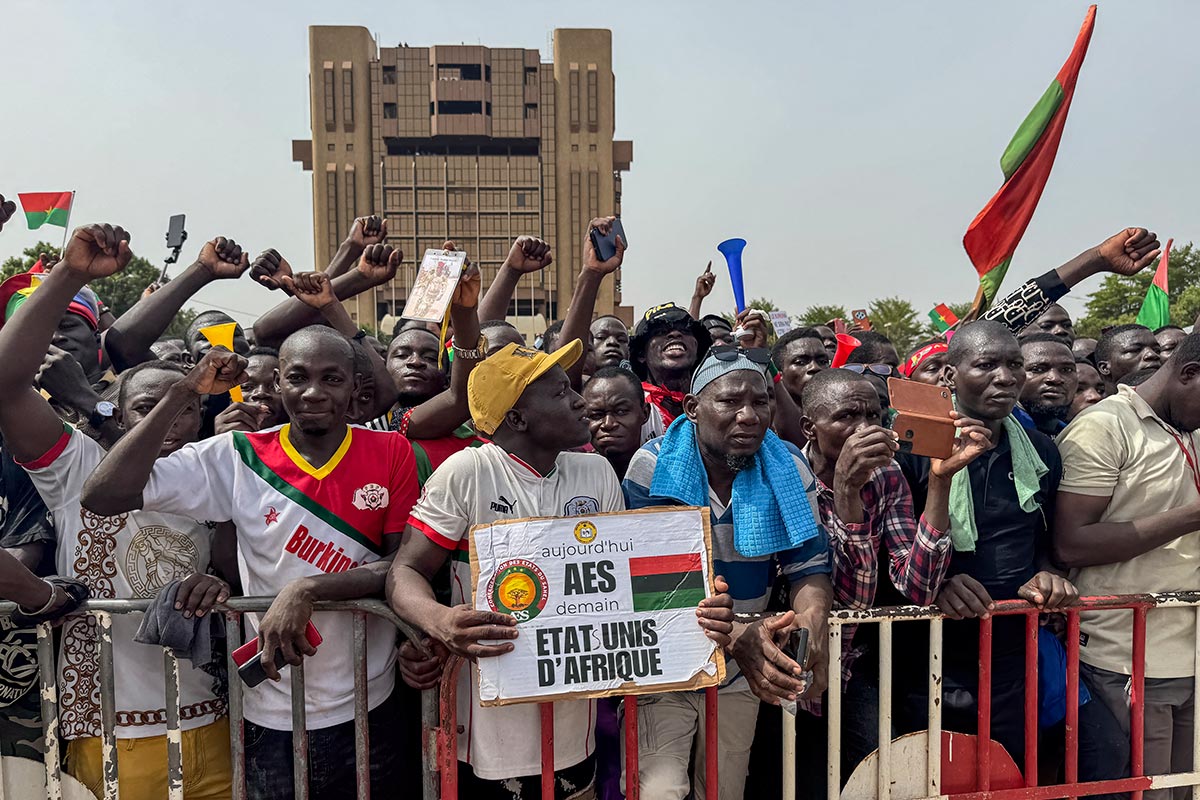
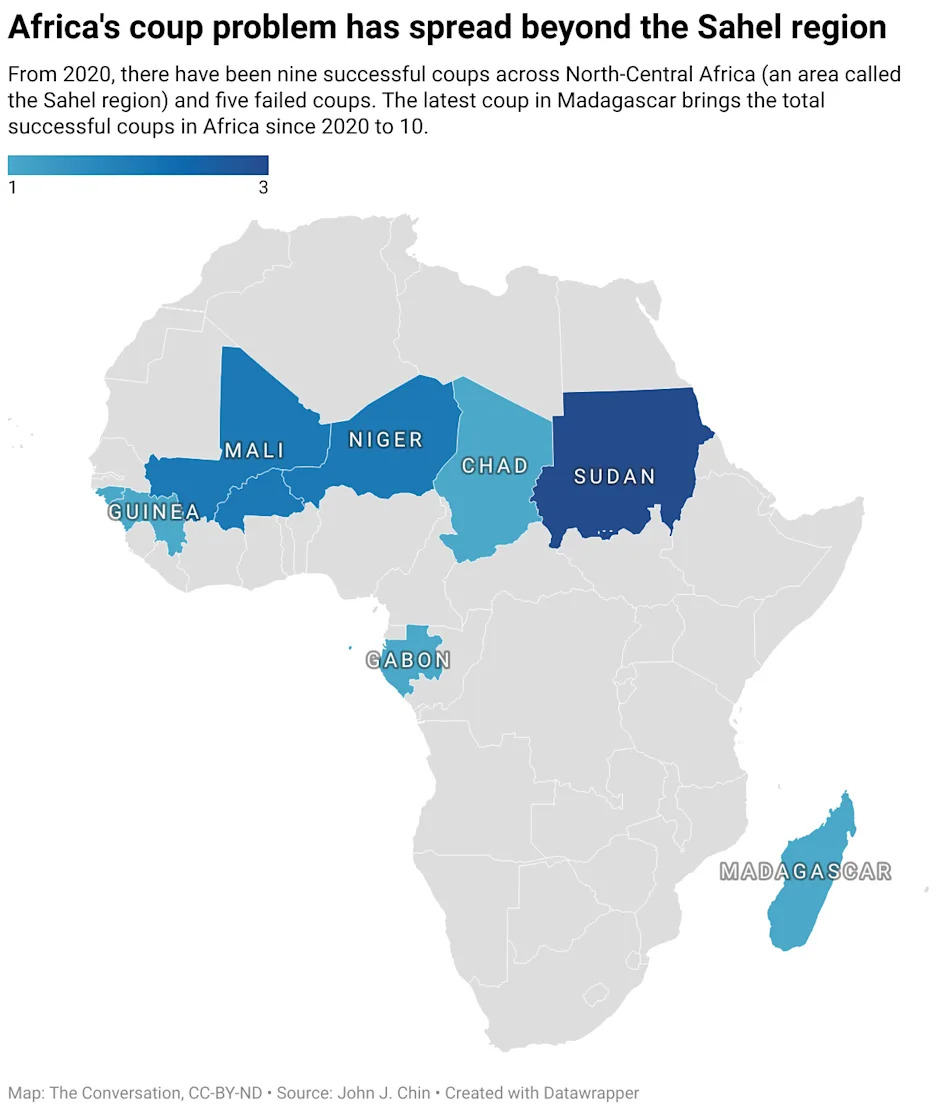
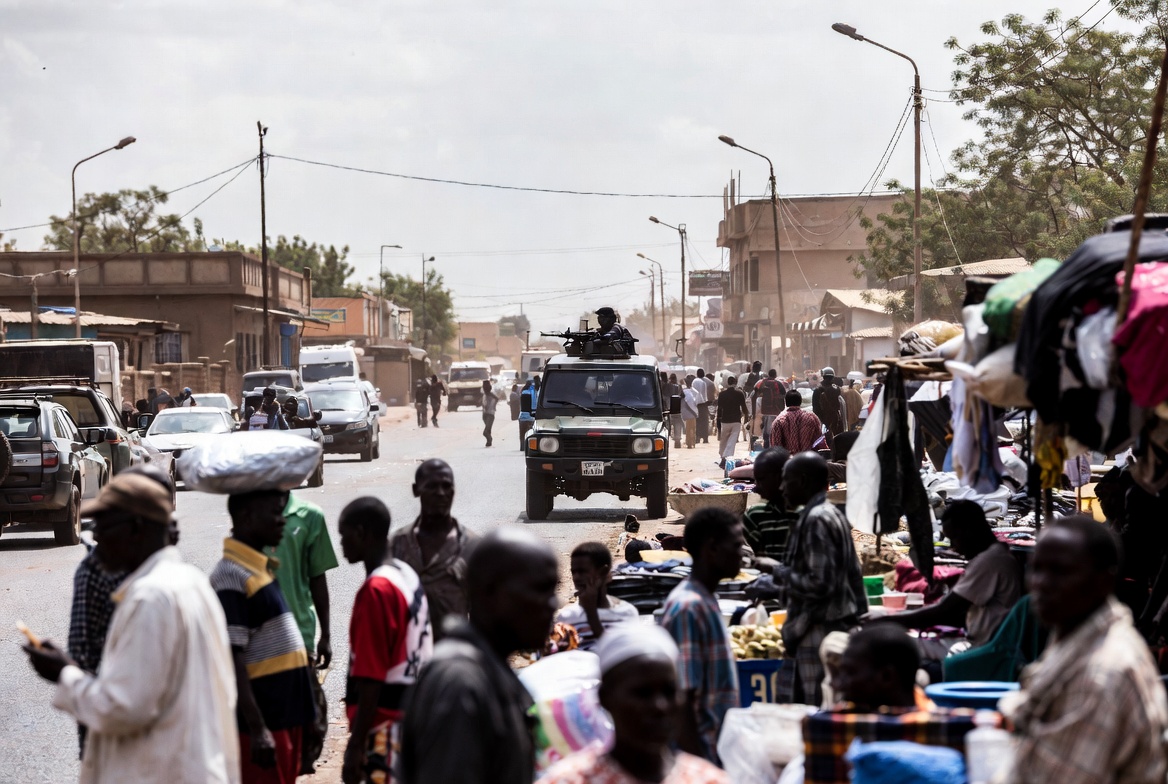
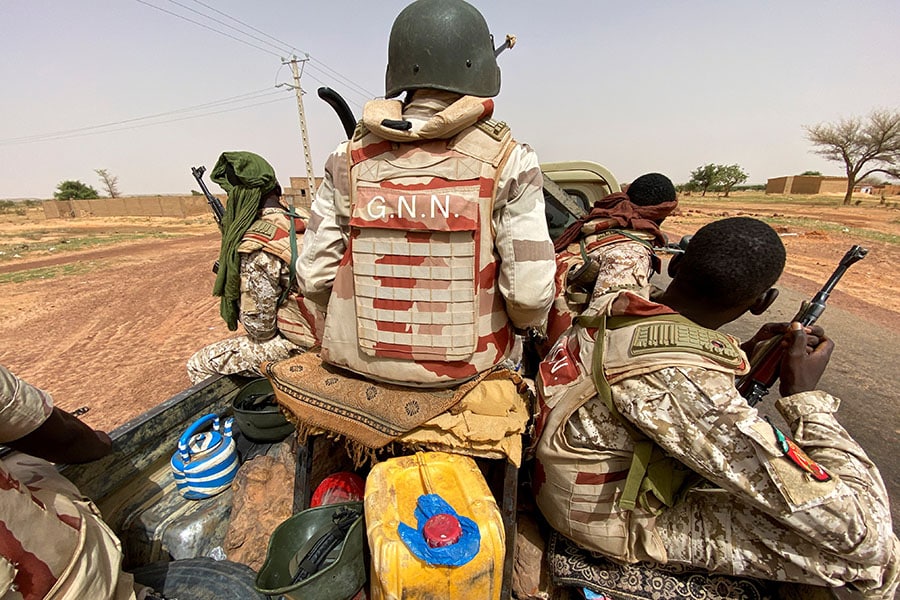
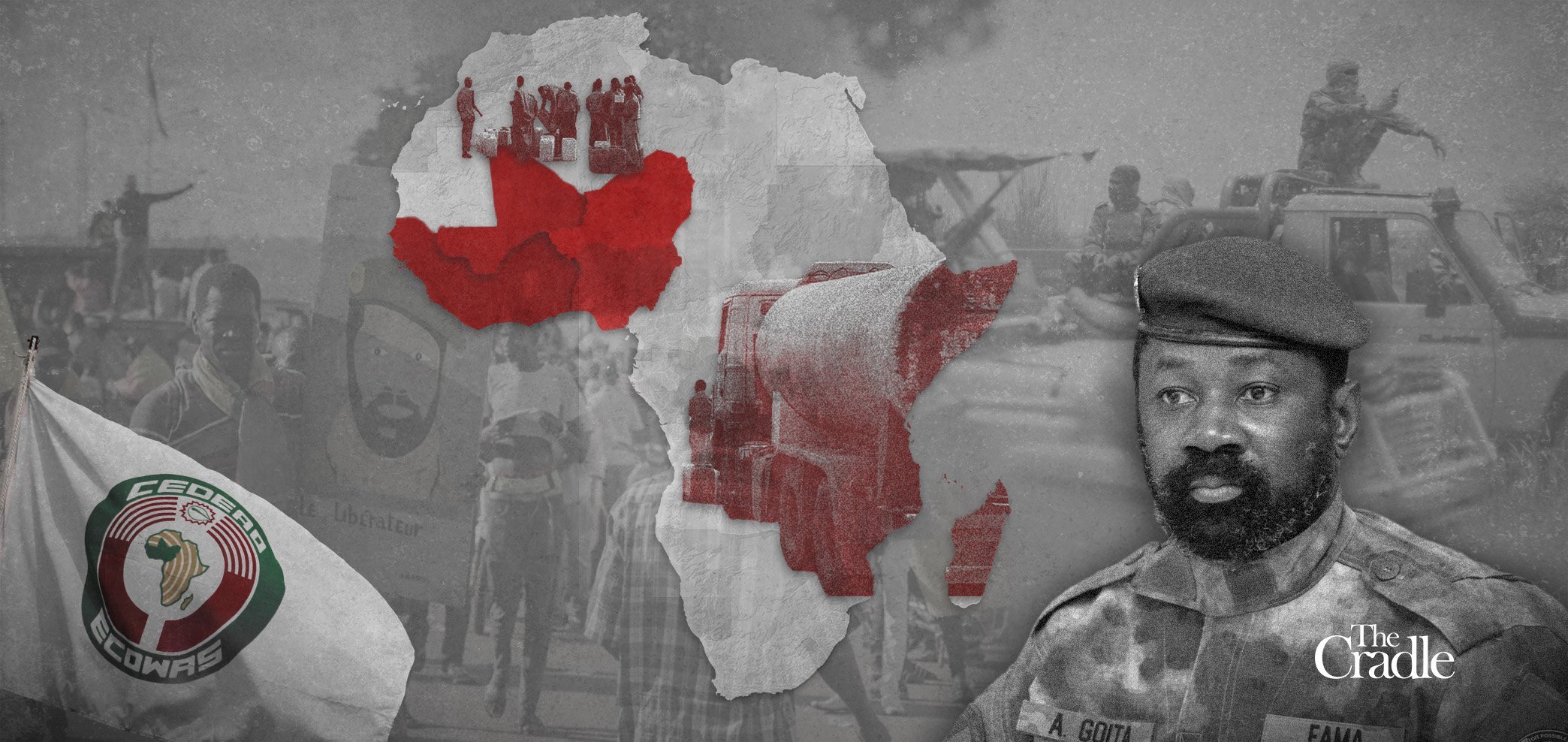
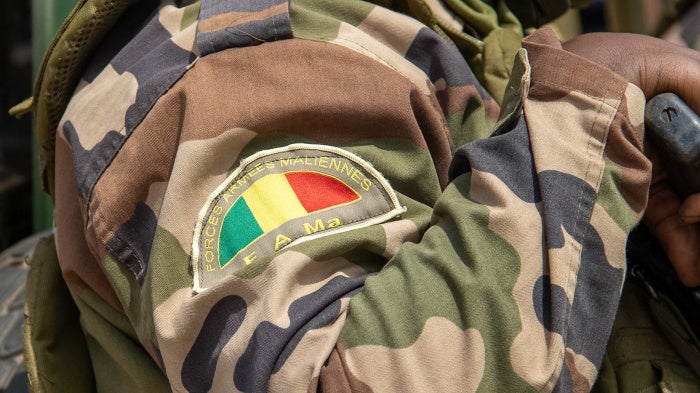
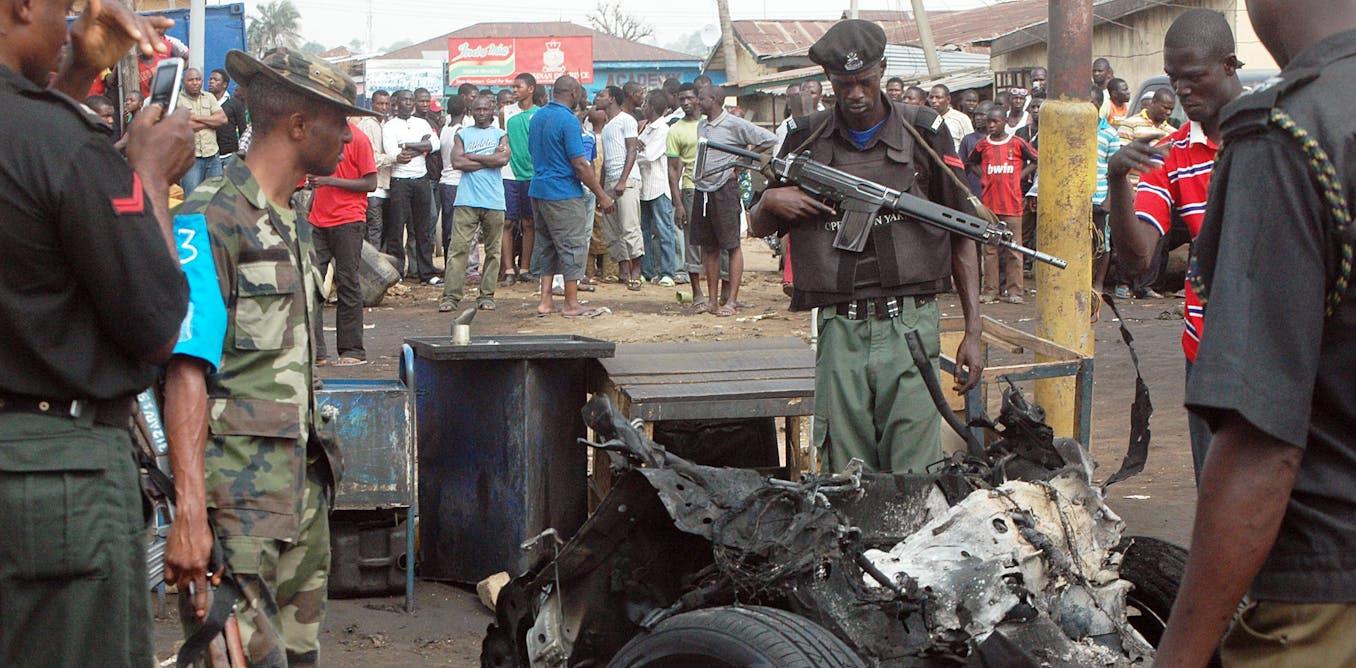
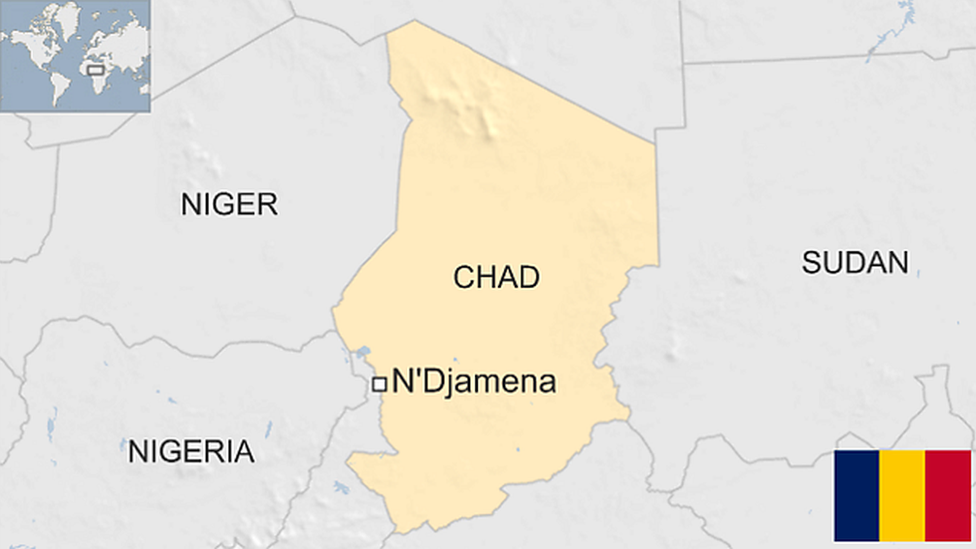
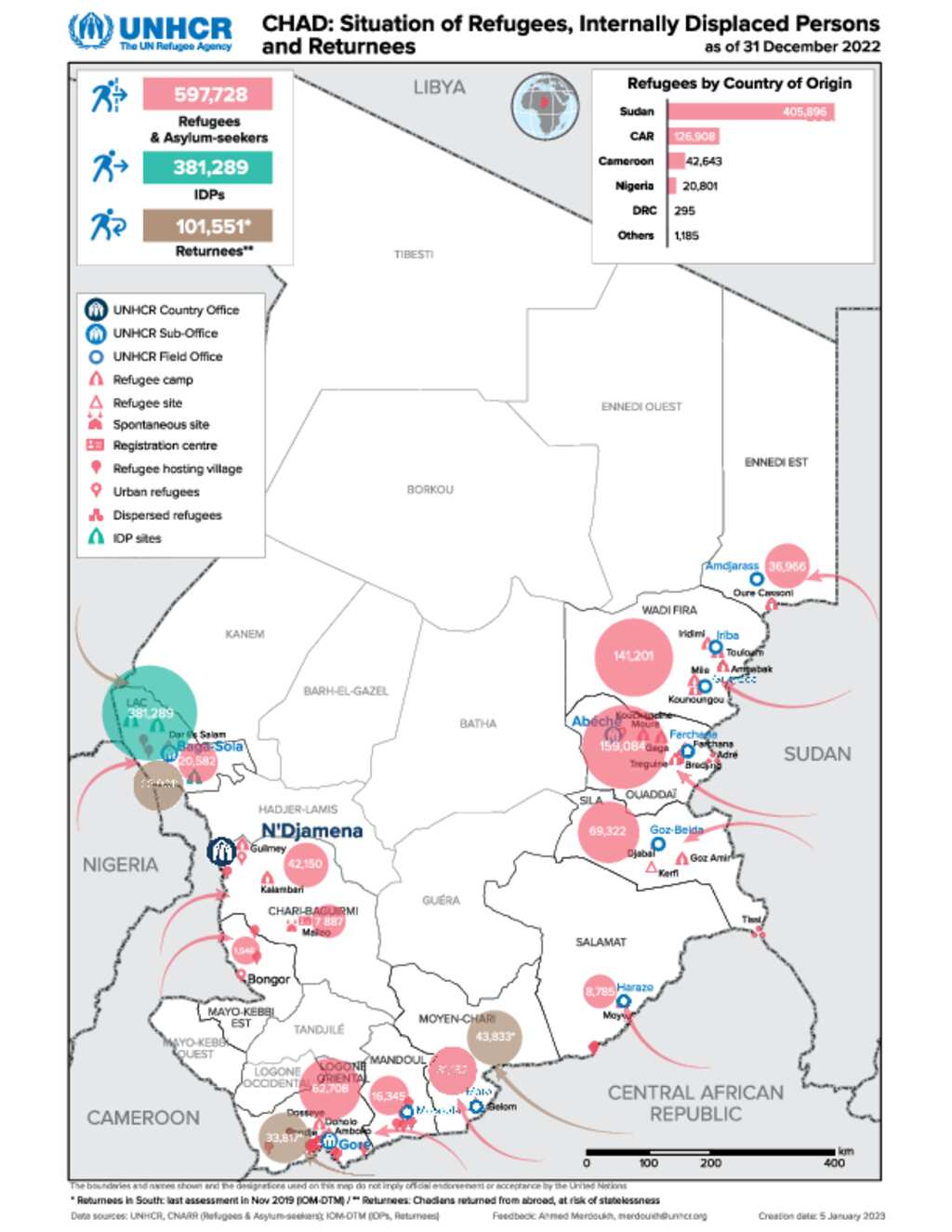
The jihadist insurgency that’s long torn through Africa’s Sahel region is now pushing into countries along the western coastline, setting off alarms across the continent and beyond. It’s a worrying expansion, isn’t it? Recent analysis from the Armed Conflict Location and Event Data Project, ACLED, confirms this violent spillover, signaling an intensification and geographical broadening of extremist activities. This really threatens West Africa’s stability and security. For years, the Sahel, that vast semi-arid stretch including nations like Mali, Niger, Burkina Faso, and Chad, has been ground zero for Islamist militant groups, including affiliates of Al-Qaeda and the Islamic State. They thrive by exploiting weak governance, porous borders, and deep socio-economic grievances. Now, these same instabilities are reaching coastal states like Benin, presenting a new, complex challenge for areas that were once considered more stable.
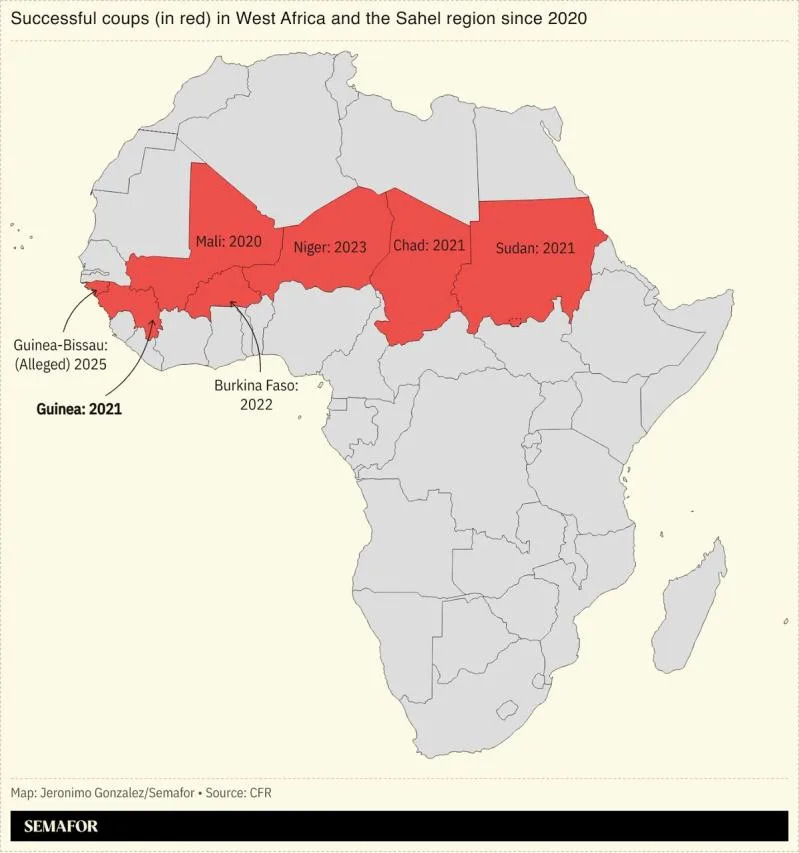
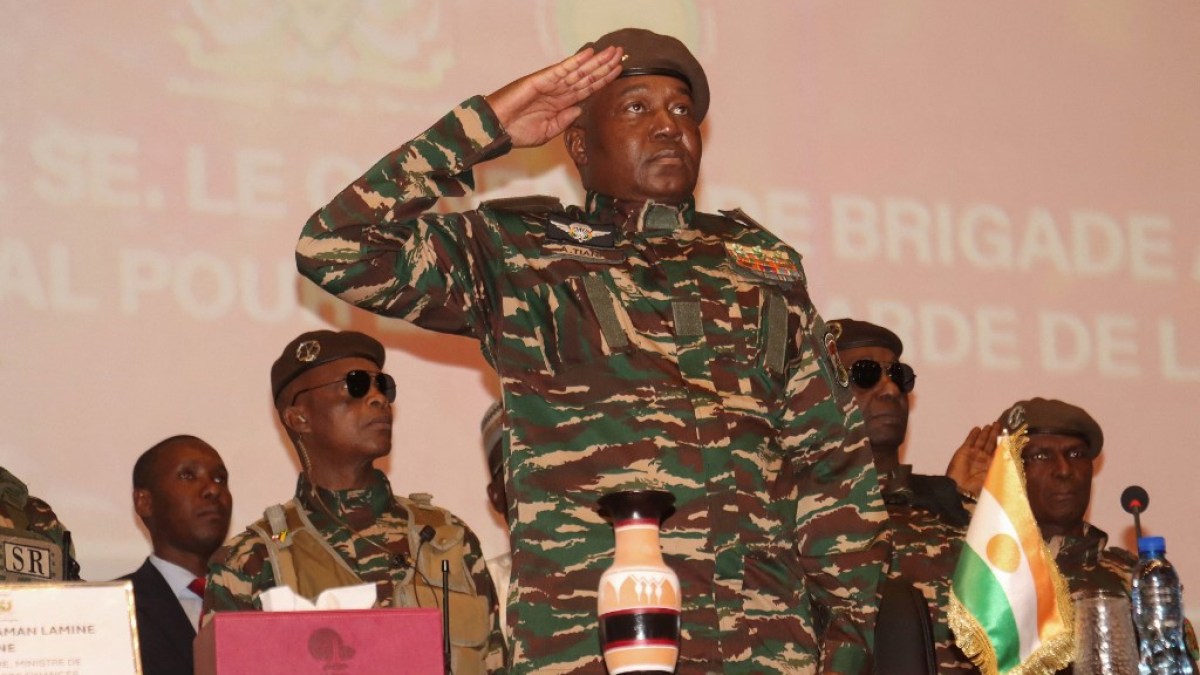
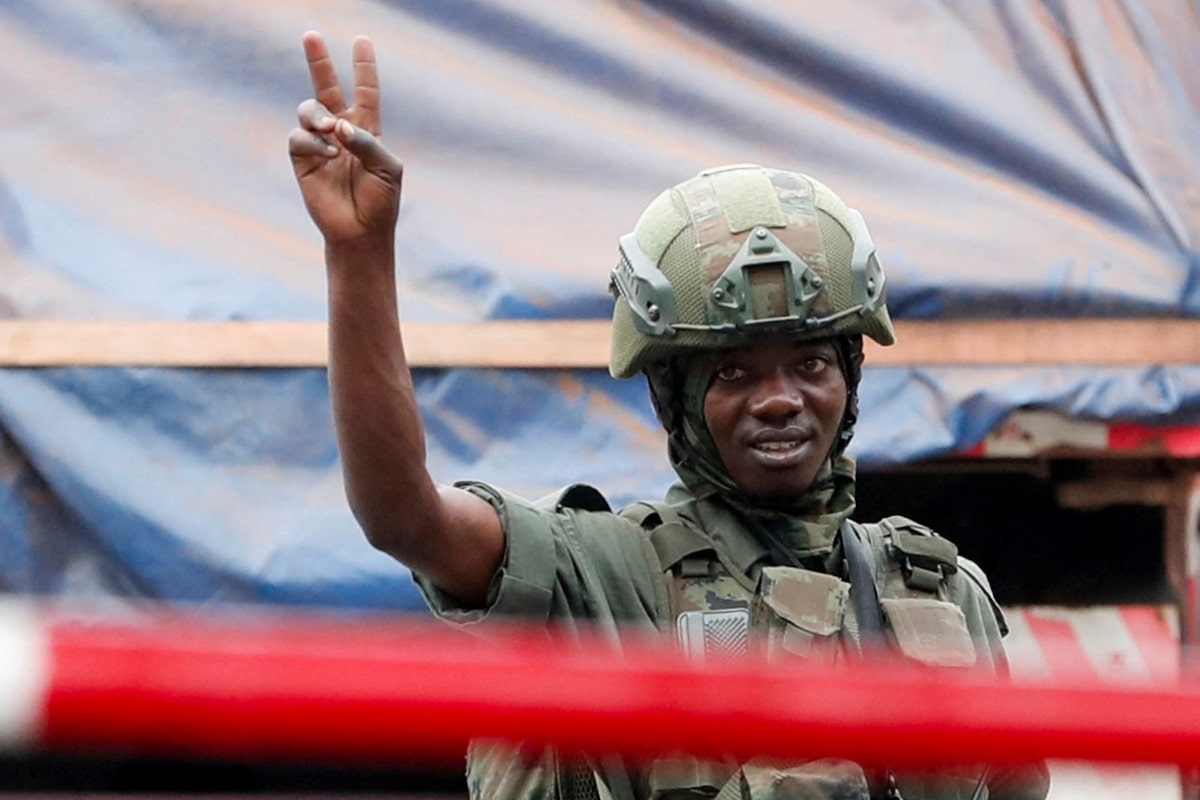
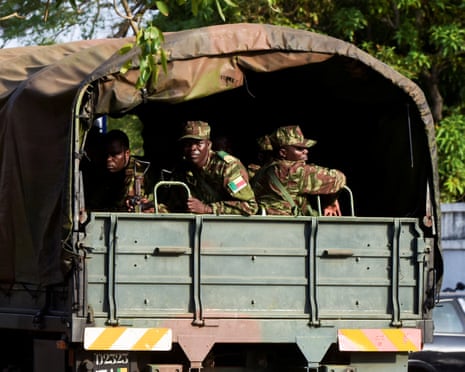
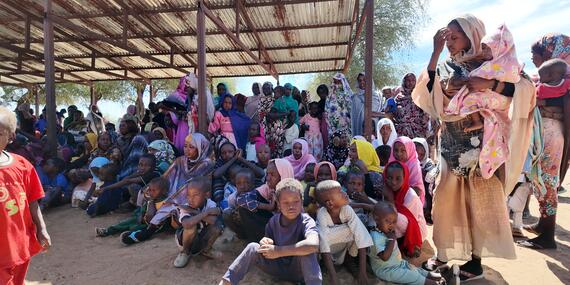
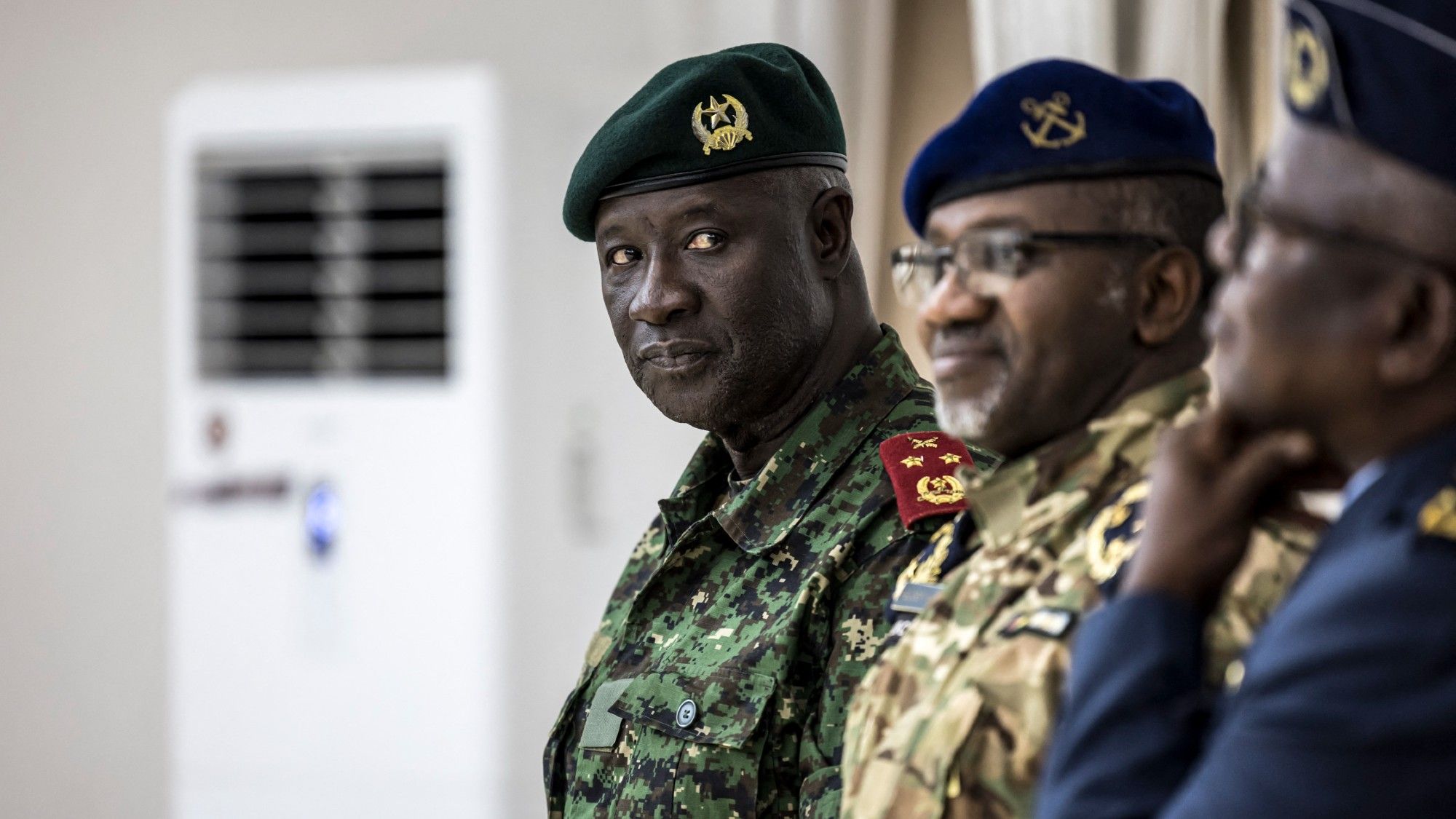
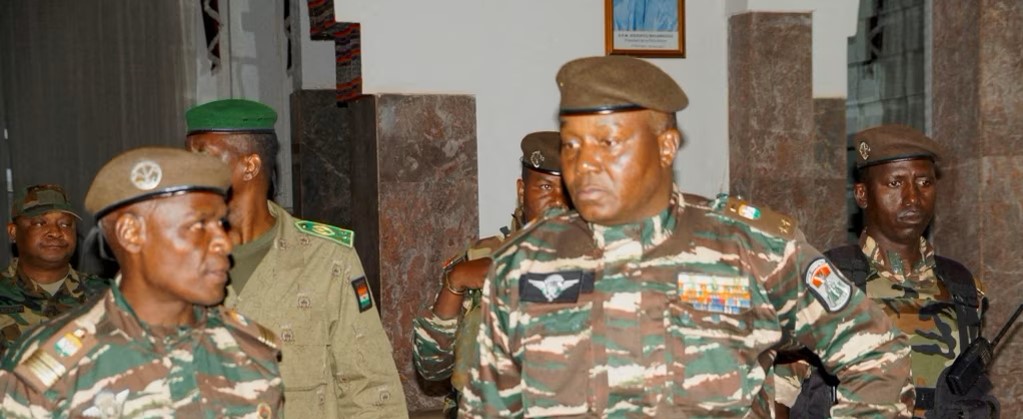
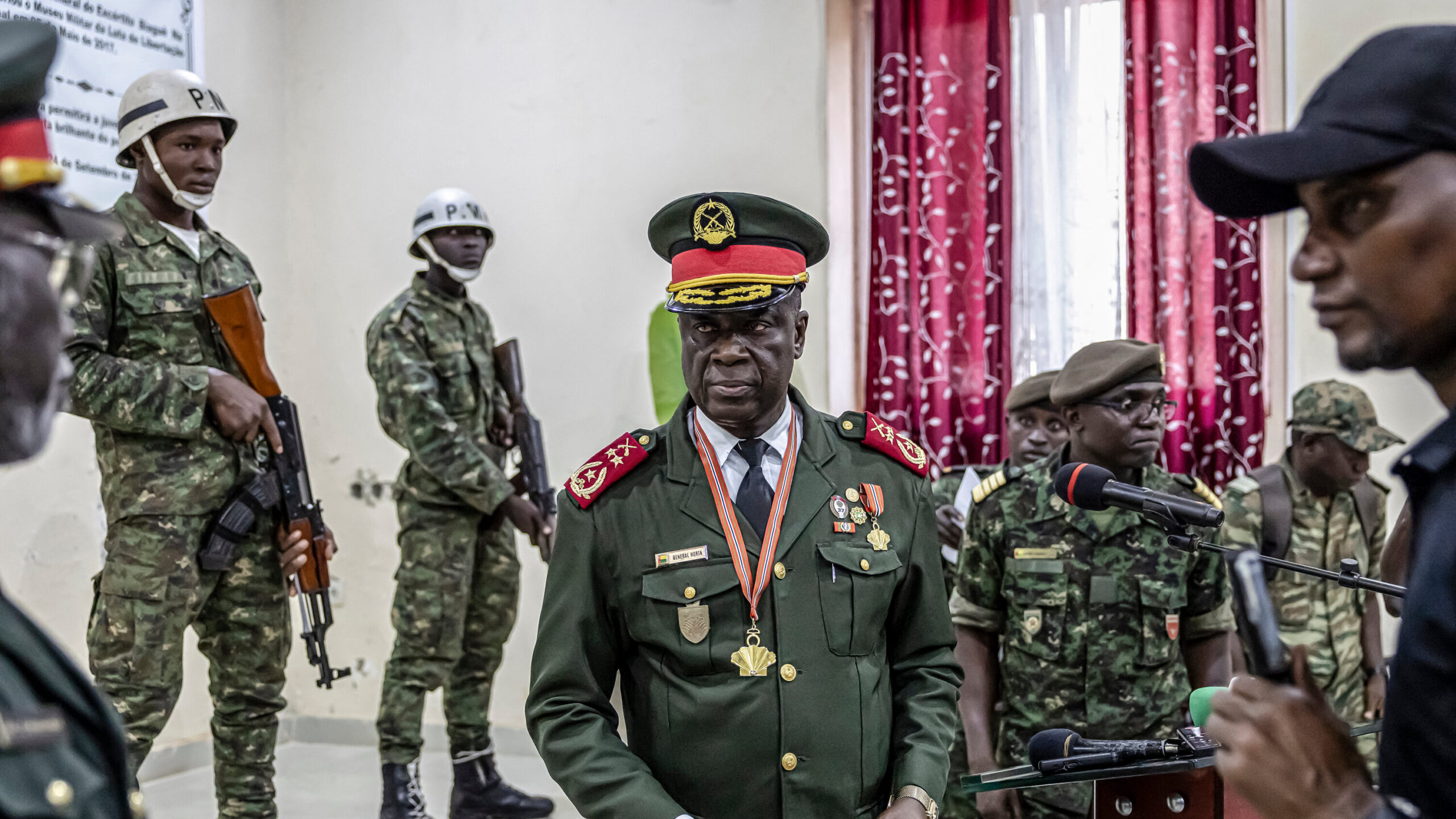
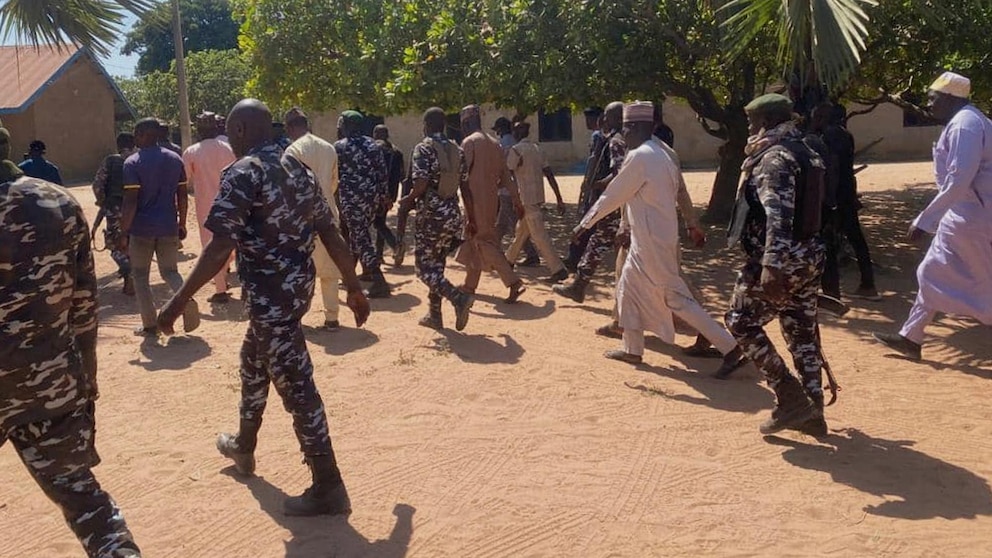
This growing insecurity isn’t happening in a vacuum. Political instability in the region certainly doesn’t help. Take Sudan, for example, where a protracted civil war isn’t just a domestic tragedy; it’s a regional crisis that fuels displacement, disrupts economies, and creates havens for extremist elements. A lasting solution there is crucial for stabilizing West and Central Africa. Then there’s been the recent political unrest, including a recent, albeit foiled, coup attempt in Benin. While forces there acted quickly, other coups have gone unchallenged. This mixed bag of responses to governance crises just highlights how vulnerable the region is, and how these groups capitalize on chaos. Amidst all this, Morocco, for its part, is really stepping up, becoming a central hub for counterterrorism efforts. Their cooperation with European nations like Spain, France, and Belgium marks a significant shift, boosting intelligence sharing, border security, and joint operations against these transnational networks. It’s clear, we can’t fight this alone.
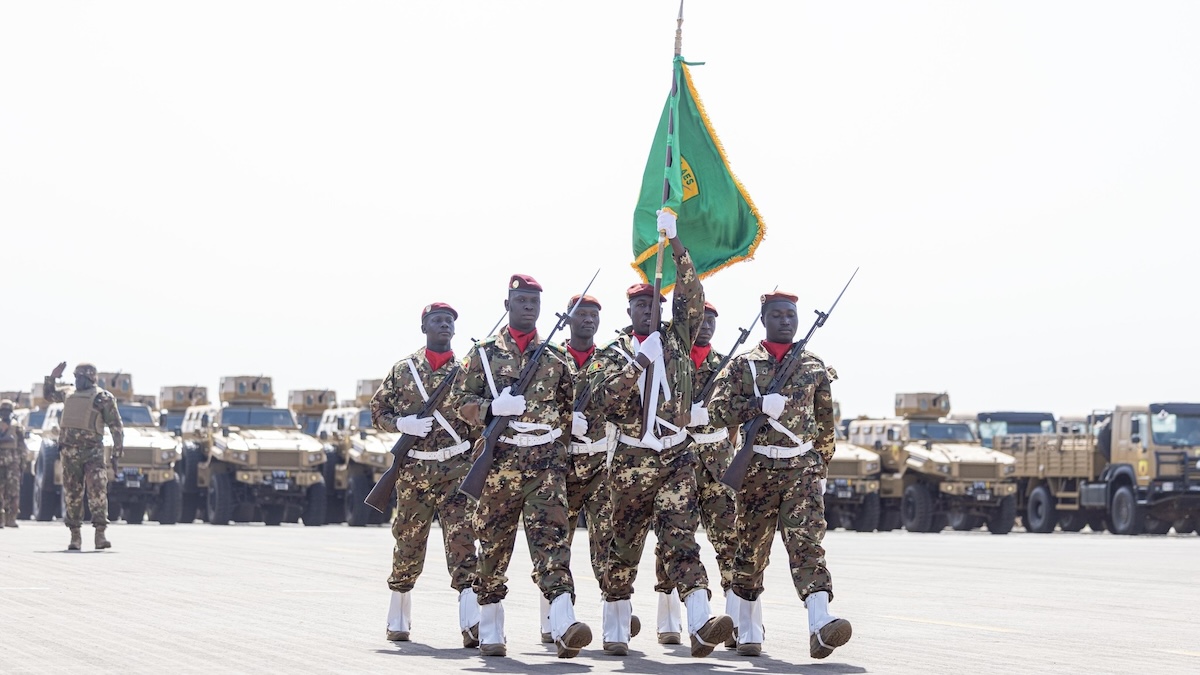
Ultimately, turning the tide against jihadism means more than just military action. It demands a serious look inward at governance within affected nations. Human rights groups and analysts argue that excessive, indiscriminate force often alienates local populations, making them more susceptible to radicalization. Instead, they’re pushing for genuine governance reforms, like constitutional changes and inclusive political approaches, to tackle the root causes of extremism. Imagine communities feeling heard, trusting their leaders; that’s how you build resilience. So, where does West Africa go from here? The spread of violence into coastal countries underscores the urgent need for integrated regional security that transcends traditional borders. We’re talking stronger military capabilities, sure, but also big investments in political stability and social cohesion. And critically, international support must align with African-led initiatives, respecting local contexts and sovereignty. The road ahead is undoubtedly complex, a volatile mix of evolving threats, coups, and civil conflicts. Yet, the region’s resilience, seen in Benin’s swift response and Morocco’s proactive leadership, offers a hopeful glimmer. With enough political will and cooperation, securing a safer future for Africa’s diverse populations isn’t just a dream, it’s achievable.