Keir Starmer Leads Labour to Power, Ending 14 Years of Conservative Rule
A New Era for the UK
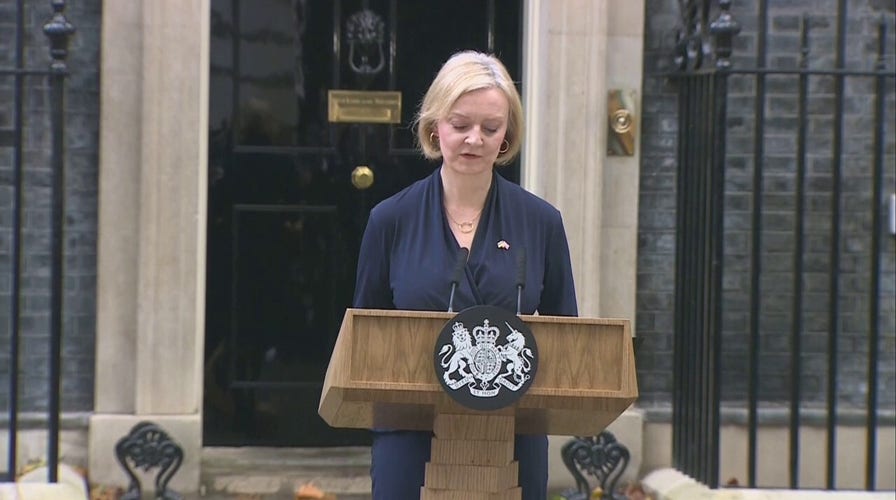
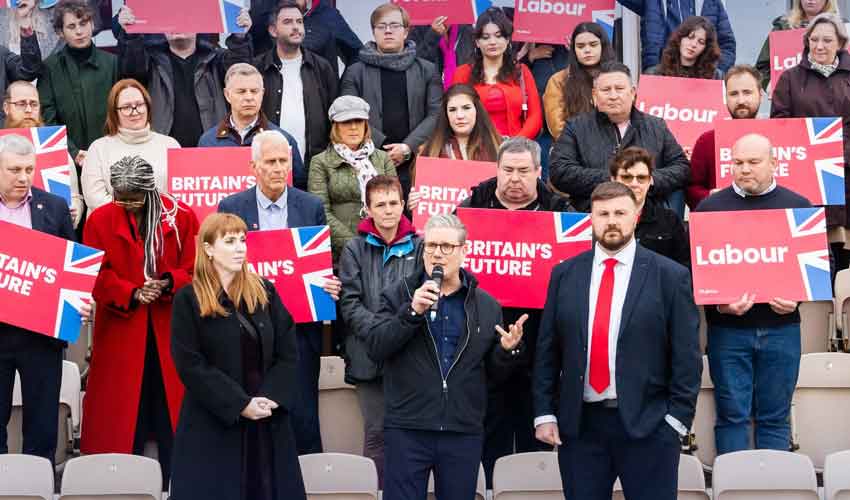
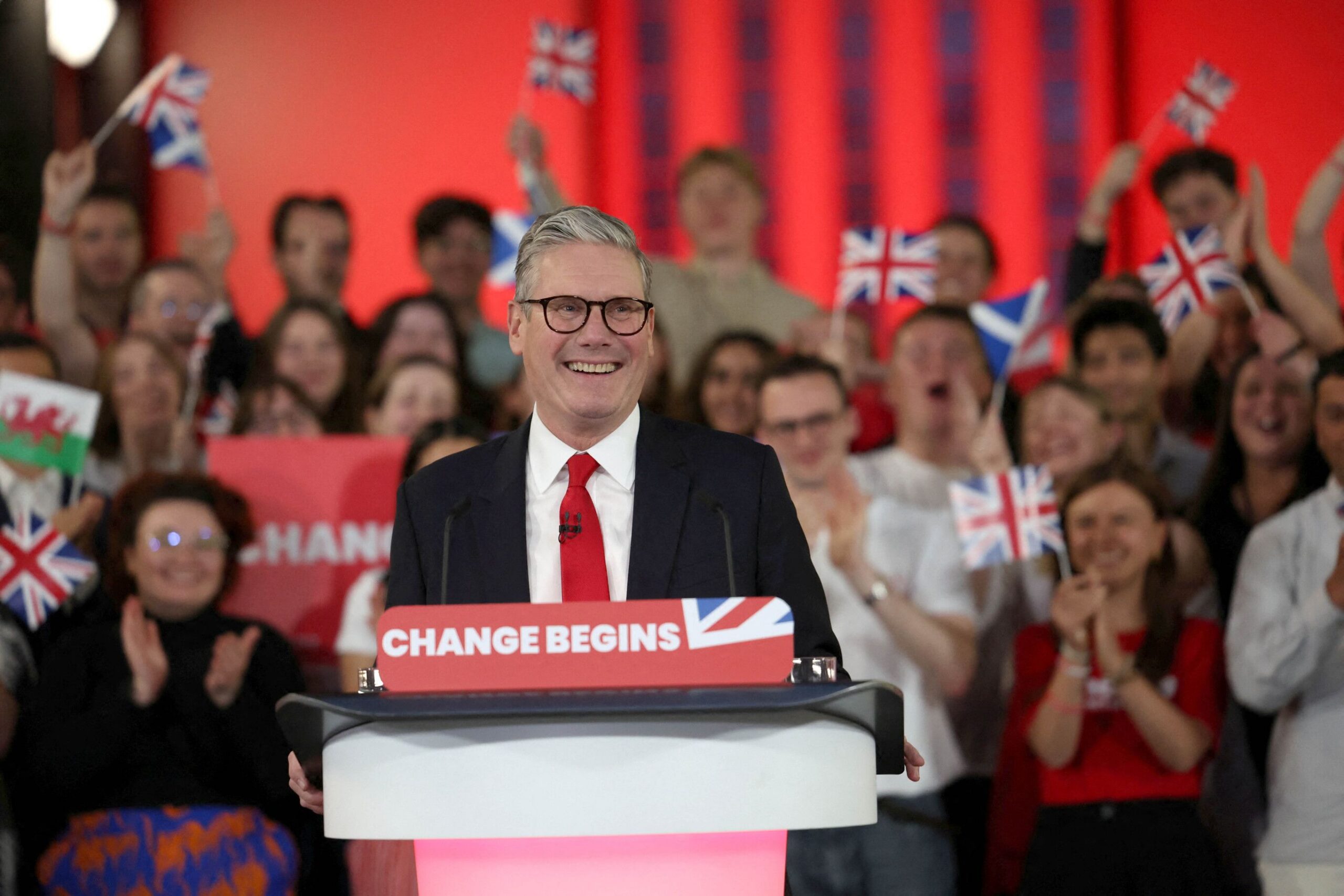
A significant political shift is underway in the United Kingdom. Keir Starmer now stands ready to take the helm as Prime Minister, closing the chapter on over a decade of Conservative governance. Labour secured one of its most decisive parliamentary majorities in recent history, setting the stage for substantial changes in the nation’s direction. On Friday morning, with more than half the votes tallied and clear outcomes emerging, Starmer celebrated this landmark victory with jubilant supporters at London’s iconic Tate Modern. This wasn’t just an election win; it marked the beginning of his promised renewed dedication to national service and a fresh start for the UK. In his victory speech, Labour’s leader spoke with a tone of profound responsibility and unity. He stressed that his administration would operate with a “country first, party second” mindset. What does this mean for British politics? It signals a profound shift, prioritizing broad national interests over partisan divides. Starmer views Labour’s mandate not merely as a triumph, but as a “great responsibility” to rebuild and revitalize the United Kingdom’s social, economic, and political foundations, mirroring aspirations for economic renaissance seen in other nations.
Labour’s Mandate and Vision
Labour’s electoral success, securing 326 of the 650 seats in the House of Commons, provides a stable majority. This gives Starmer the necessary leverage to implement his vision without the usual compromises of a hung parliament. Central to his agenda is “national renewal,” a comprehensive plan to reform and strengthen vital sectors like healthcare, education, infrastructure, and economic development. Beyond policy, Starmer’s pledge to “return politics to public service” marks a clear departure from the often combative and polarized political landscape the UK has experienced. He aims to restore public trust and demonstrate that governance is truly about serving the population, not just achieving political wins. This approach will likely resonate with voters who are understandably fatigued by years of political upheaval, economic struggles, and social divisions. We’ve seen similar calls for renewed global governance and a focus on public good across various regions.
Challenges Ahead for the New Government
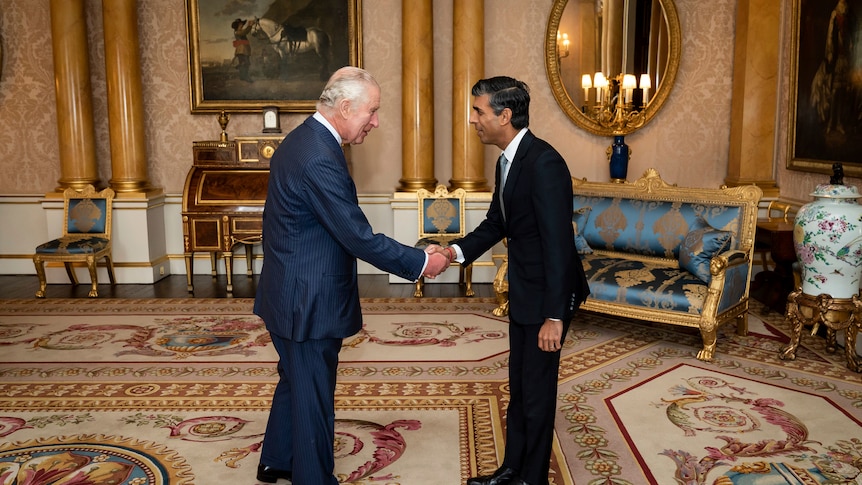
As per the British constitutional system, Starmer is slated to meet with King Charles III to formally seek approval for forming the new government. This ceremonial step officially transitions executive power after 14 years under Conservative rule. Looking ahead, both political observers and ordinary citizens will be watching intently to see how Starmer transforms these election promises into concrete policies. The UK faces numerous complex challenges, from navigating post-Brexit realities to tackling persistent economic inequality and responding to evolving international geopolitical tensions. Starmer’s stated commitment to prioritizing the nation’s welfare over partisan interests faces its true test as his government grapples with these critical issues. Is this truly a transformative chapter for the United Kingdom? His focus on national renewal and public service certainly hints at a desire to realign British politics with the hopes and needs of its people. As the new government takes shape, there’s a tangible mix of curiosity and cautious optimism about what this shift will ultimately mean for the UK, both at home and on the global stage.