Mali’s Dual Path: Cultural Rebirth and Regional Unity Amidst Unfolding Crises
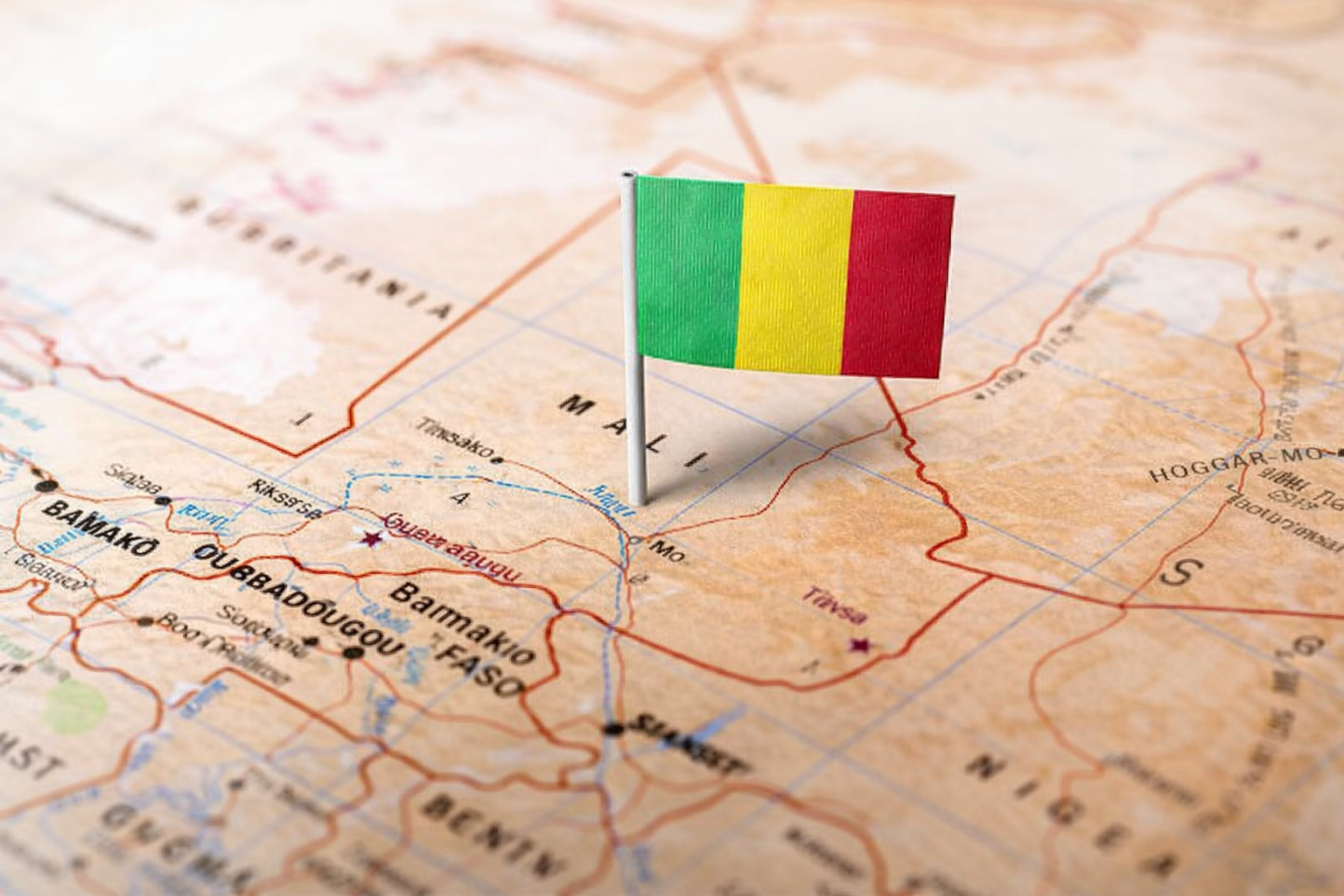
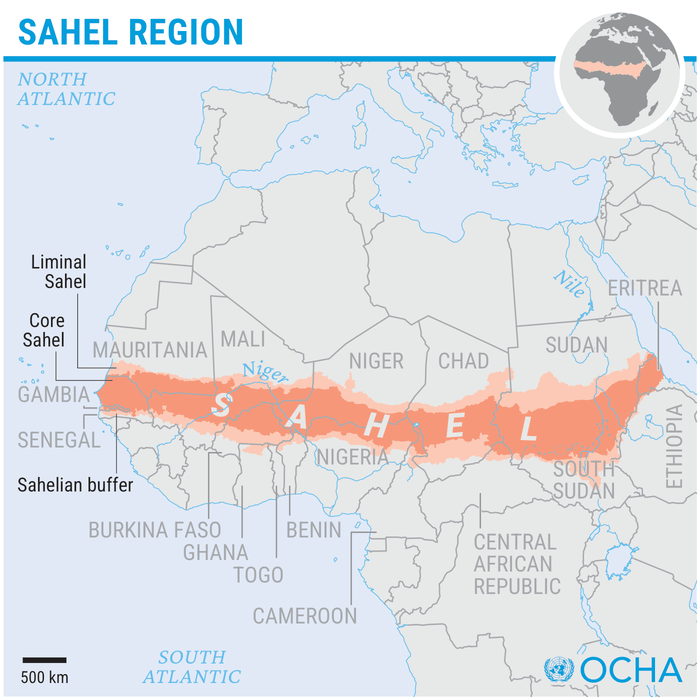
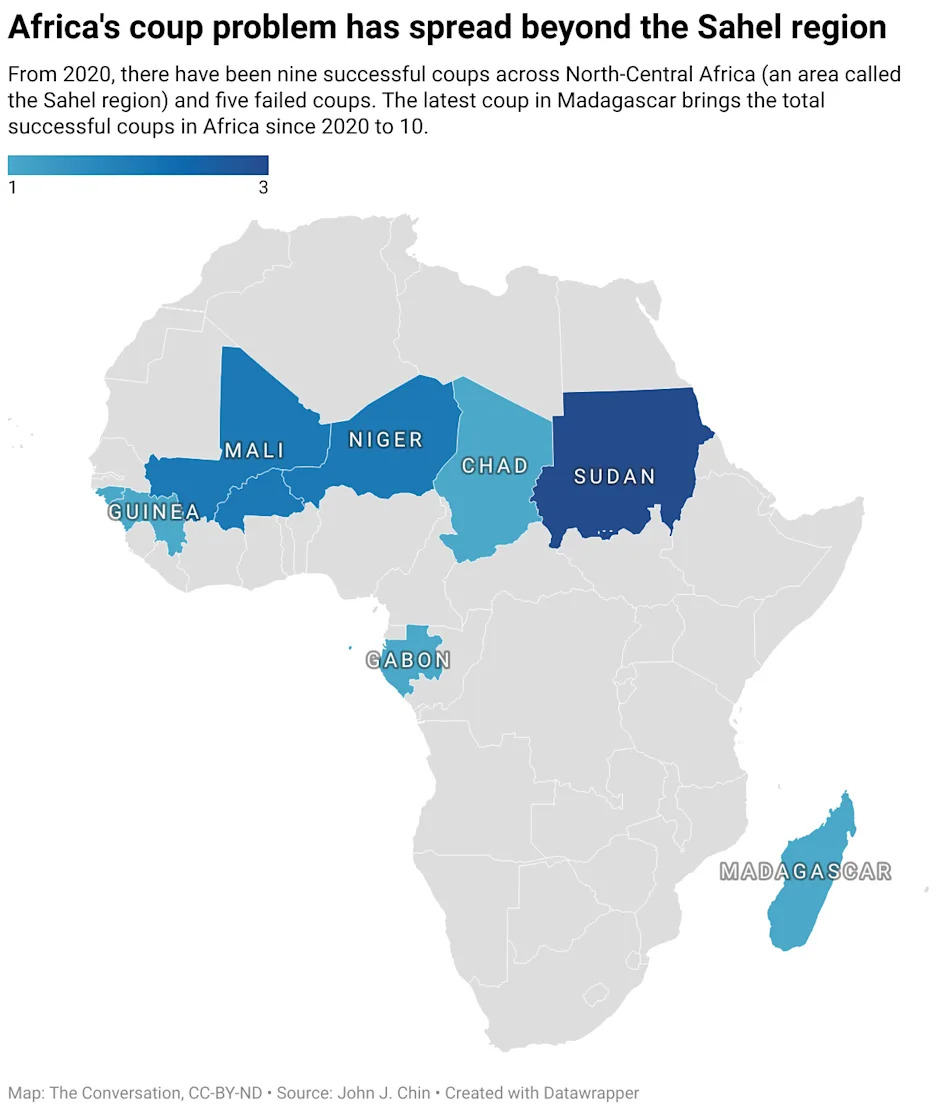
Mali’s been busy, hasn’t it? Right in the heart of West Africa, this nation is truly shaking things up, pushing for a major cultural comeback and strengthening its regional ties. But here’s the kicker: all this is happening while the country is knee-deep in serious conflict and humanitarian challenges. It’s a complex, compelling story, showing Mali’s fierce determination to redefine itself, forge closer bonds with its neighbors, and somehow manage a deepening crisis that’s already forced thousands from their ancestral homes. What does this intricate balancing act mean for the future of the Sahel region and its people?
Reclaiming Identity and Forging Stronger Bonds
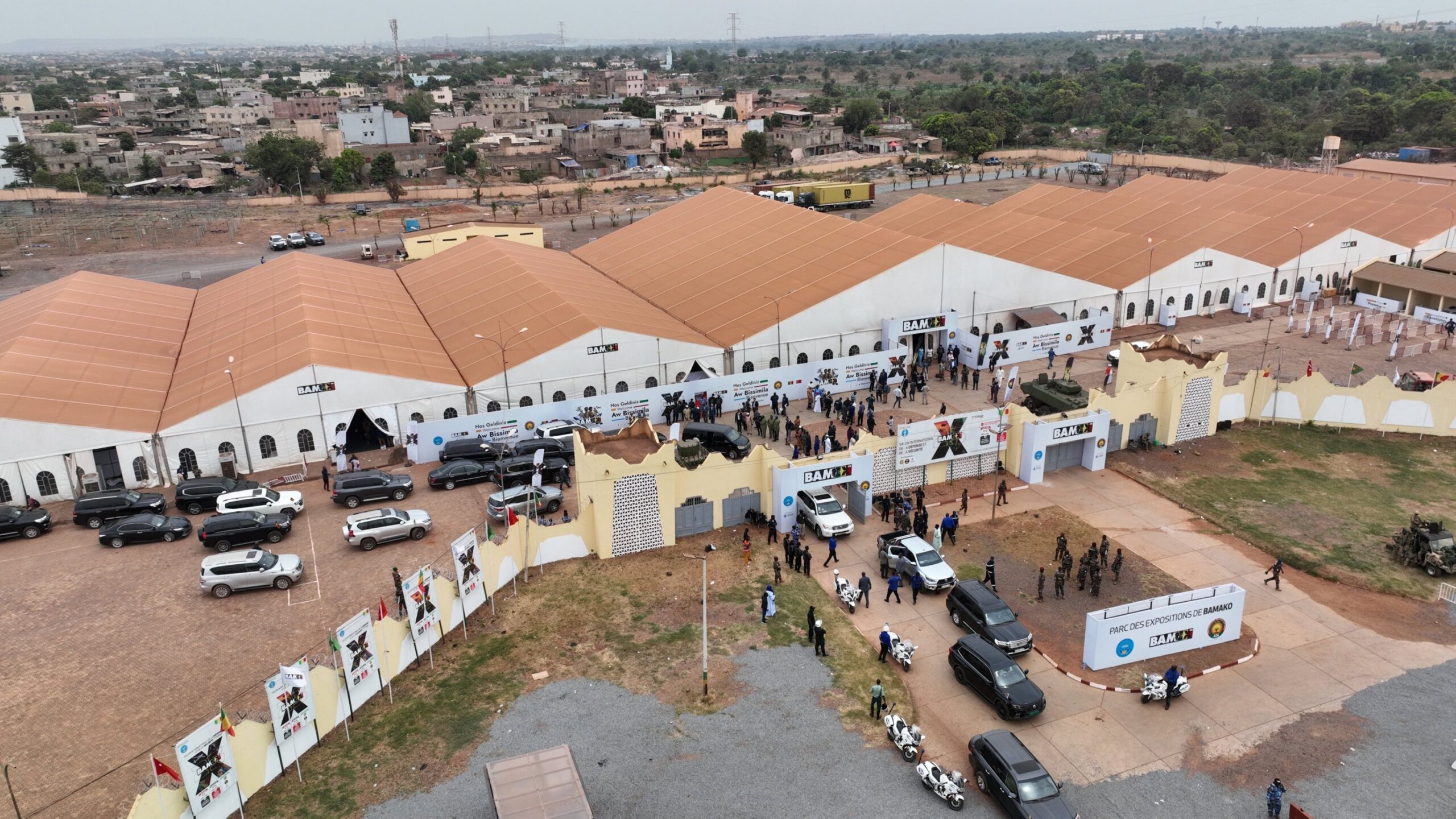
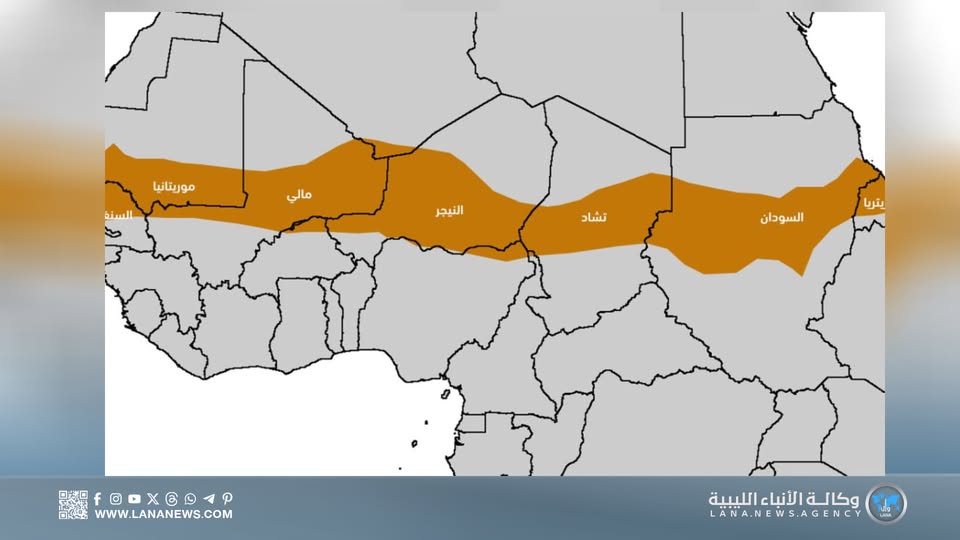
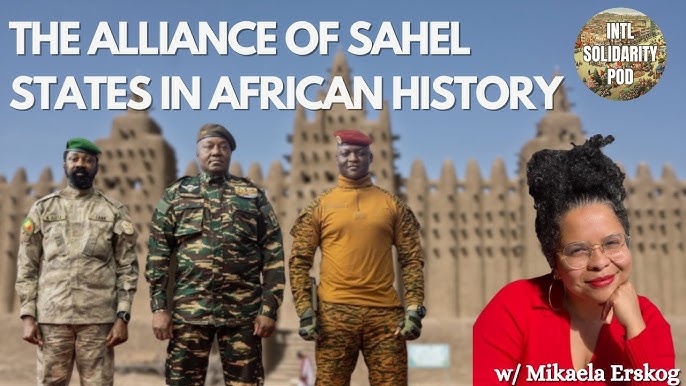
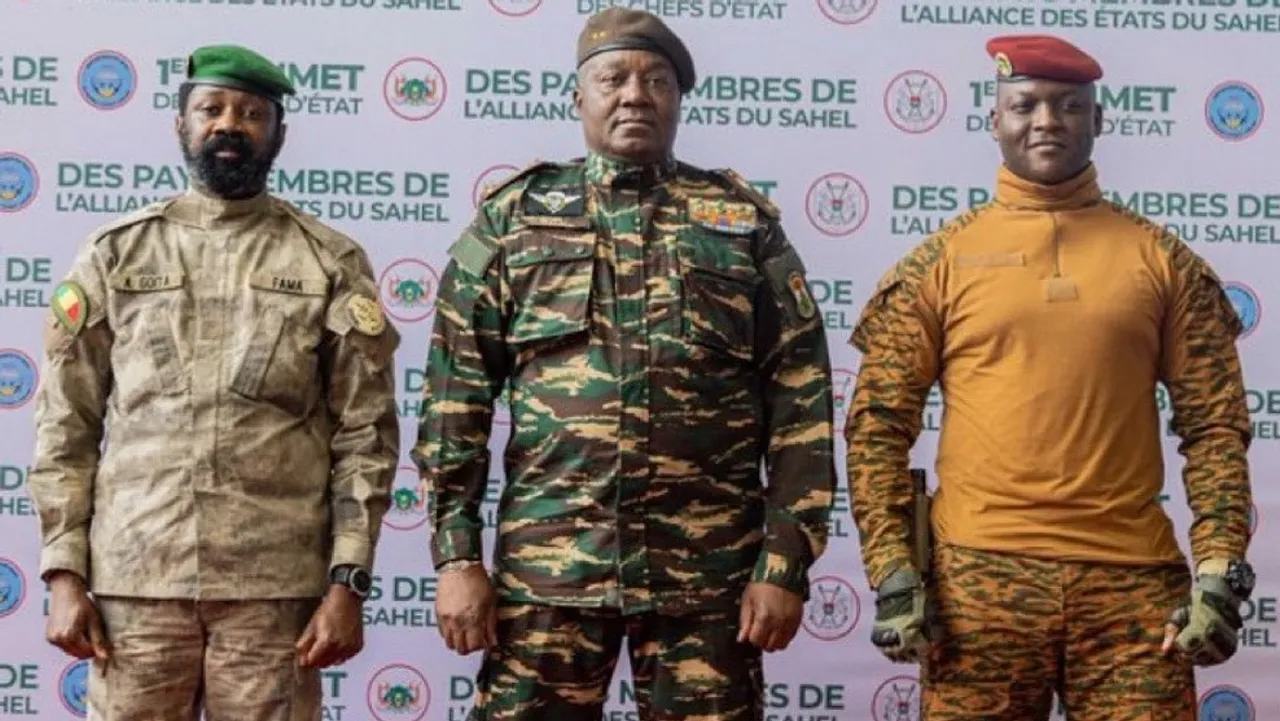
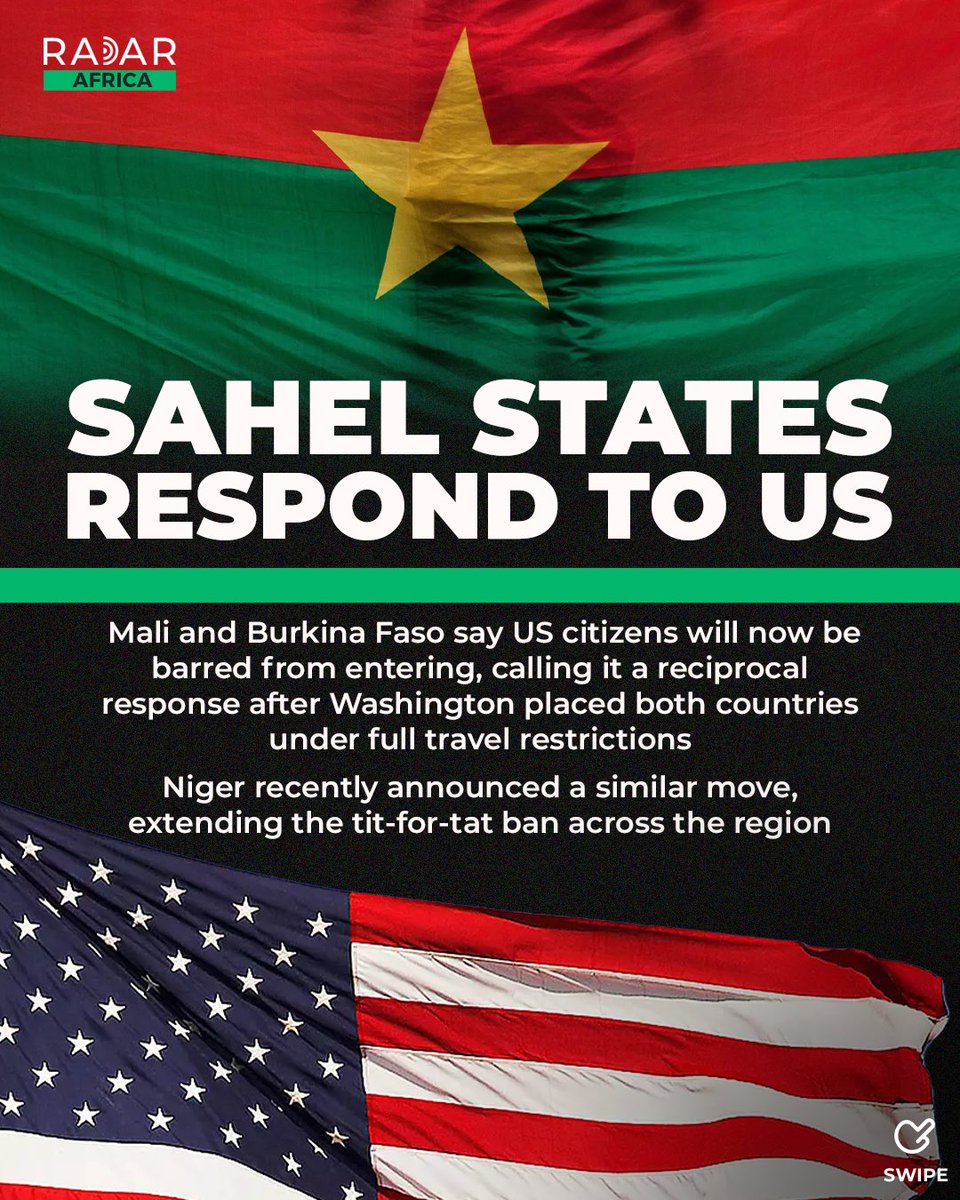
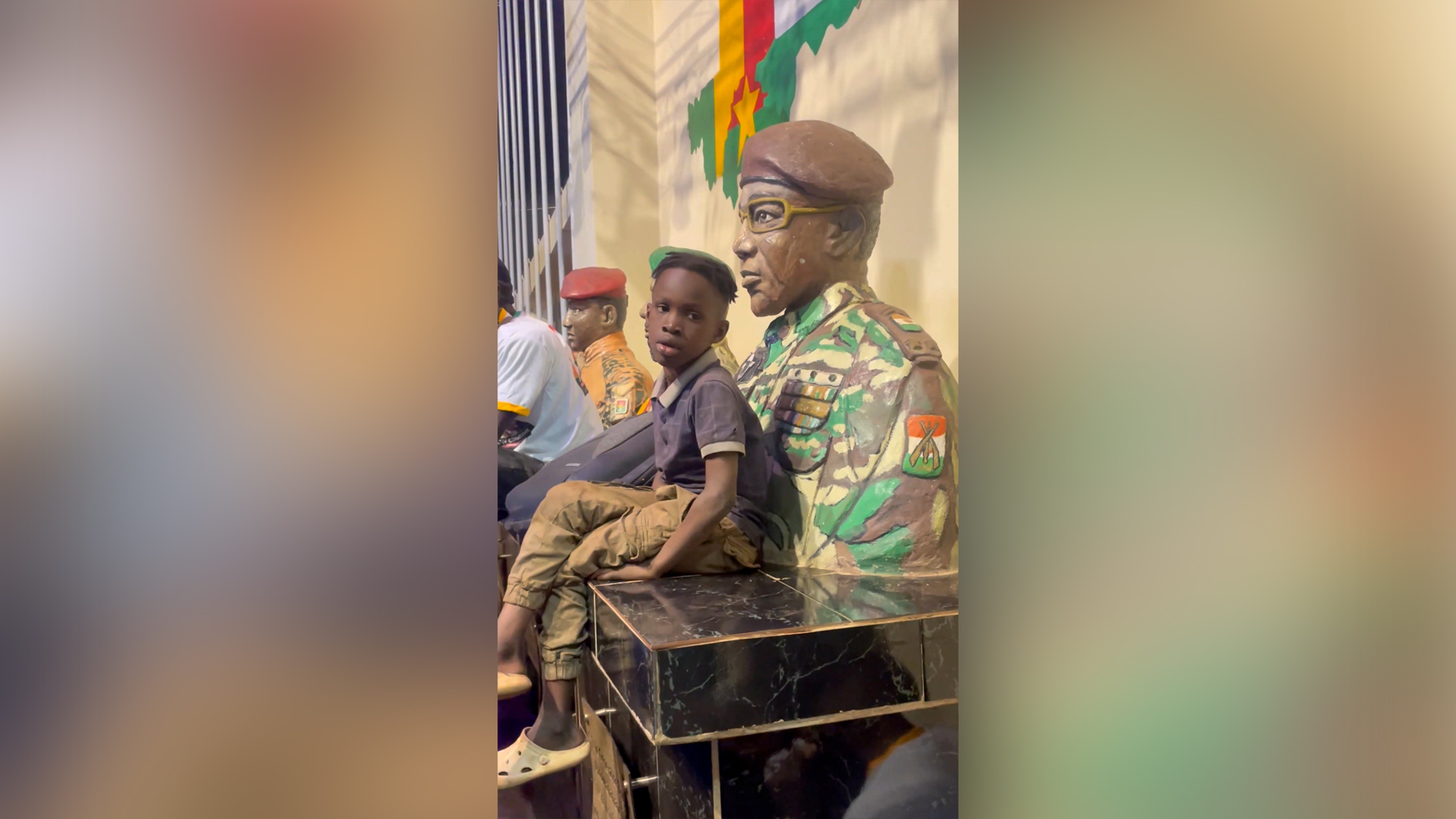
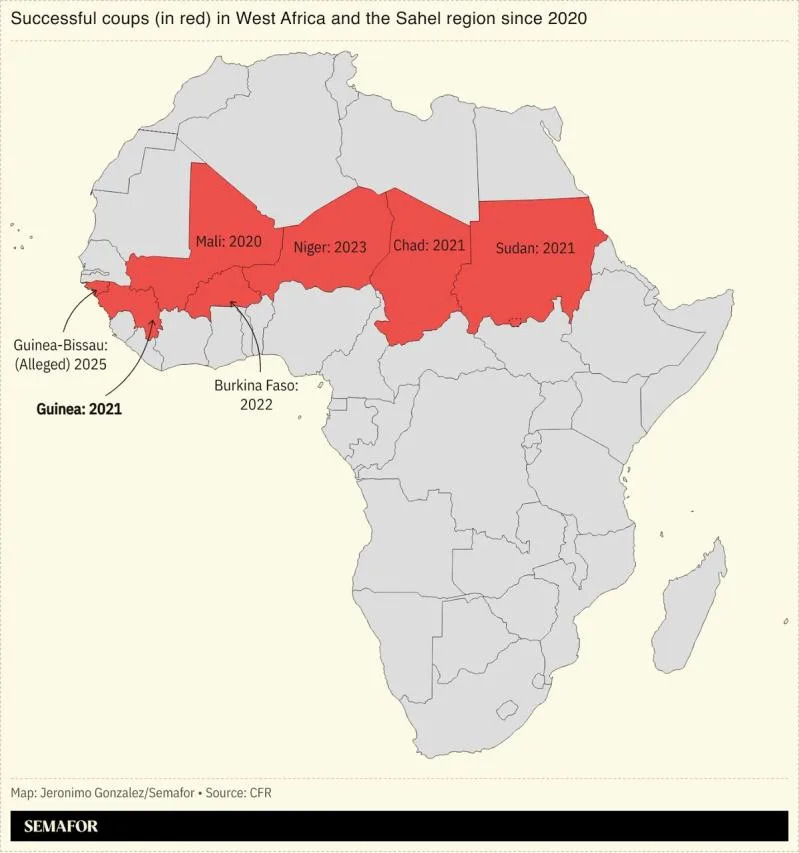
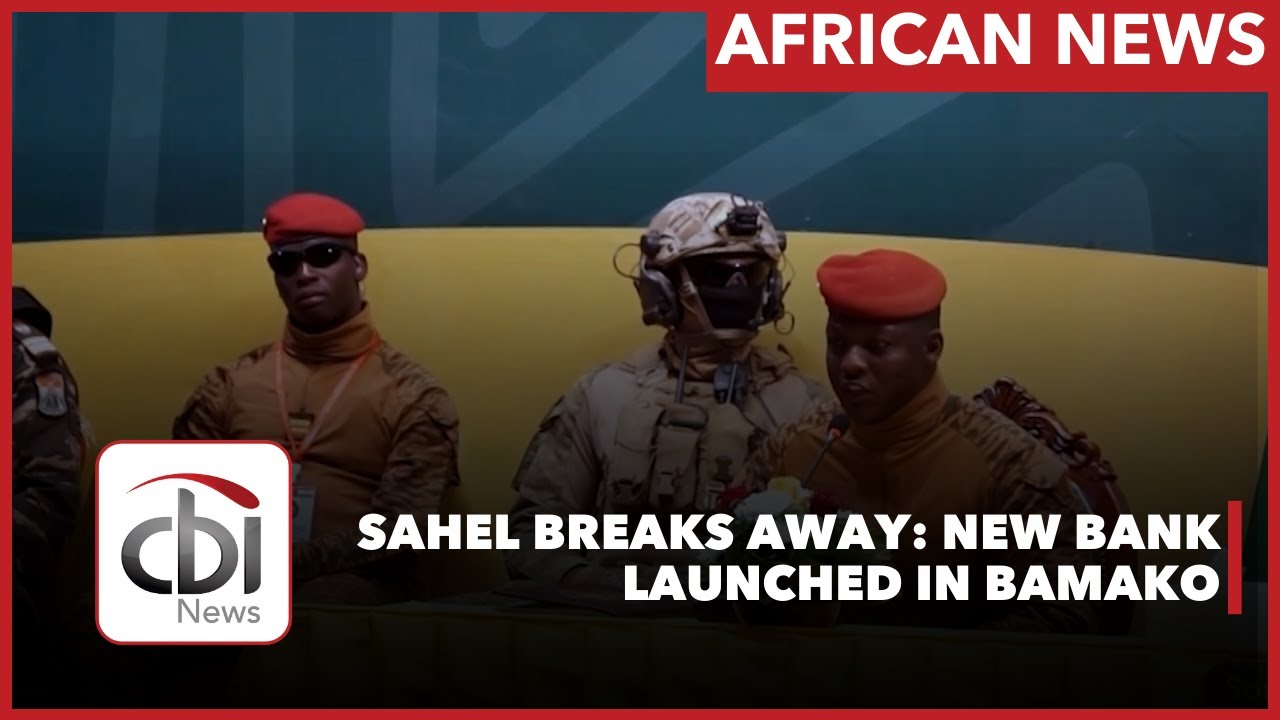
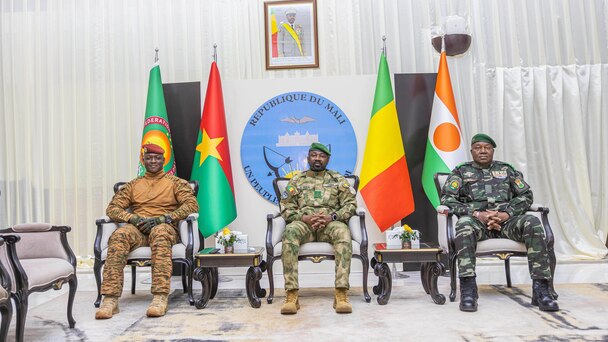
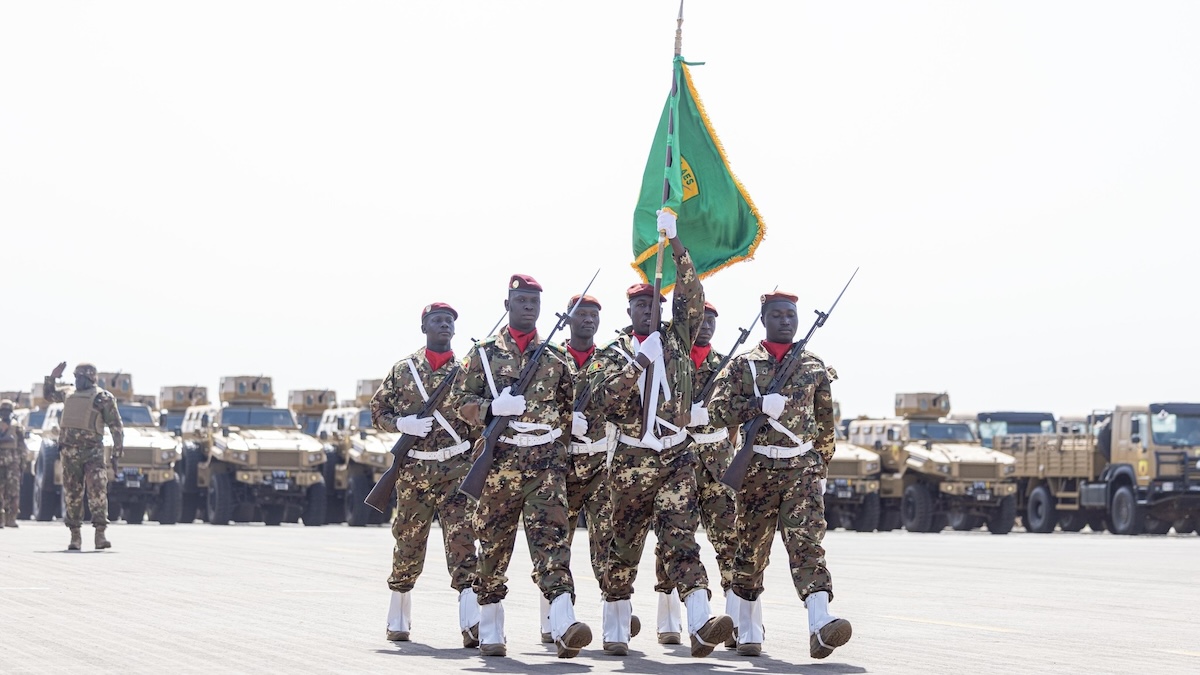
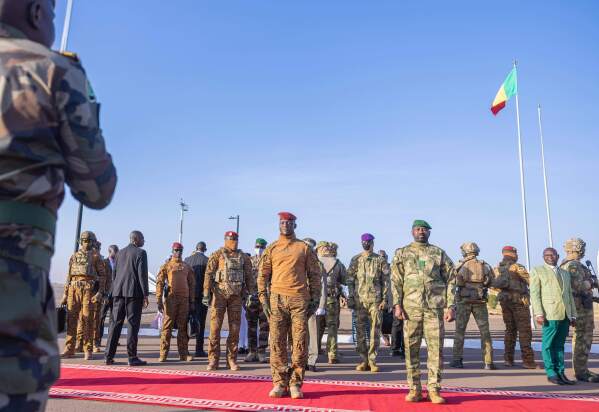
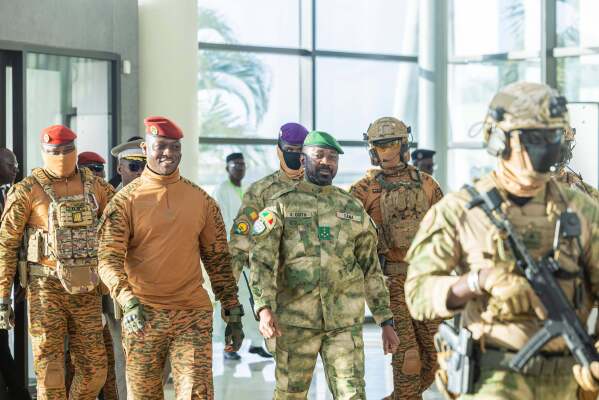
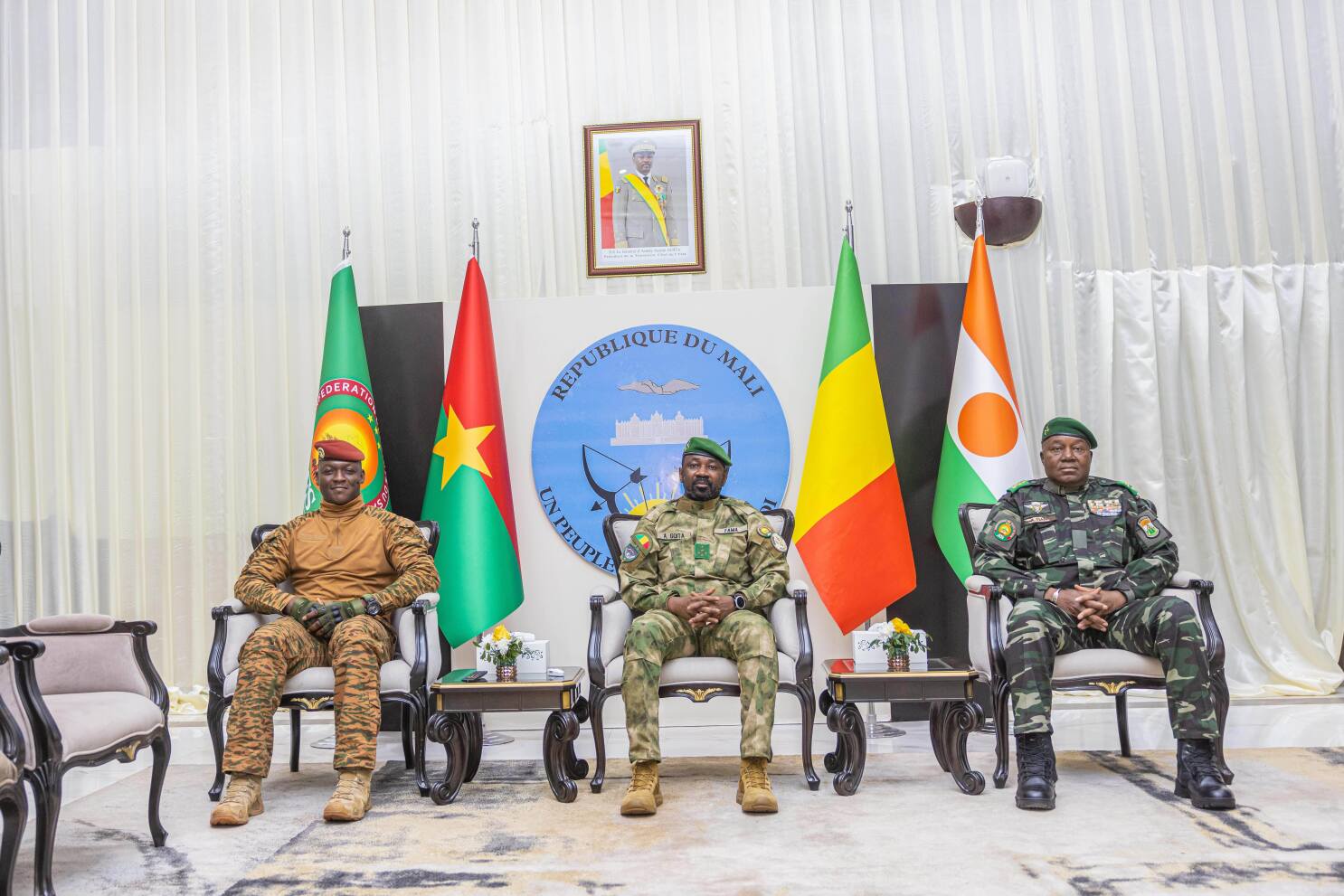
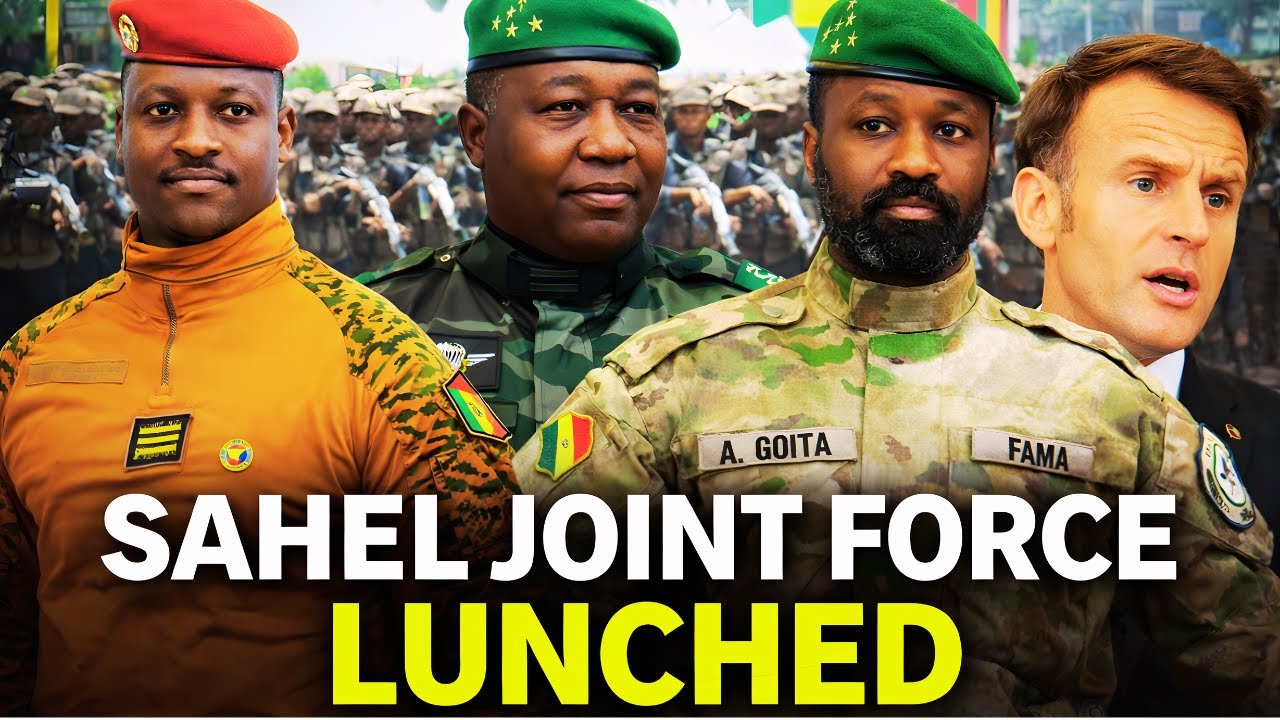
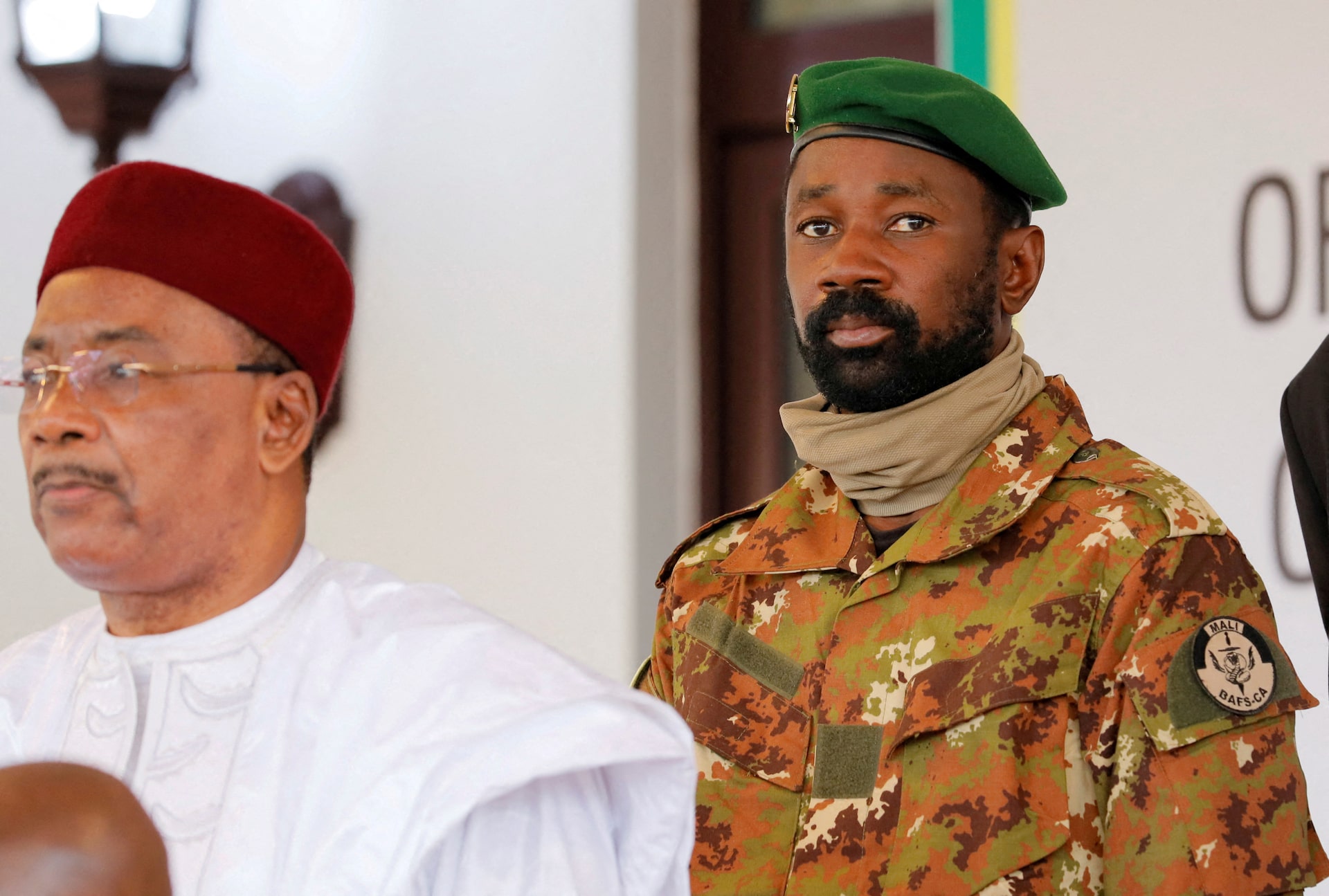
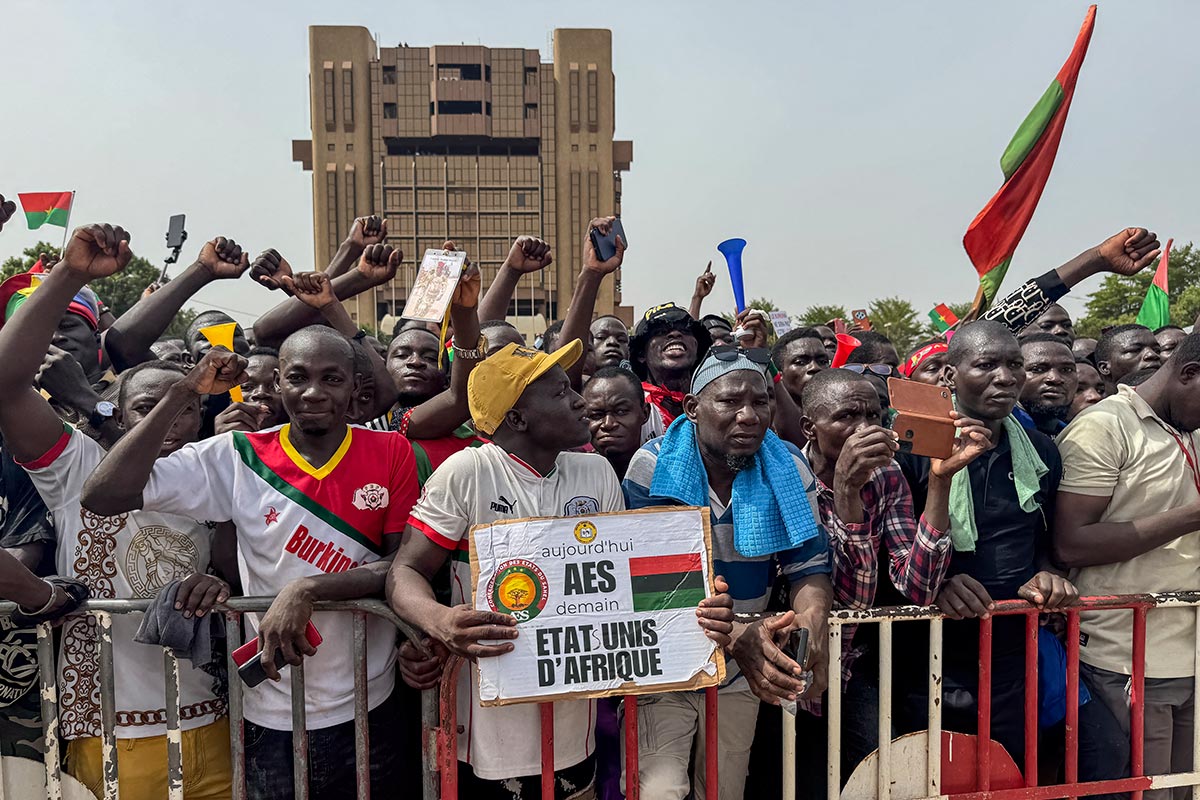
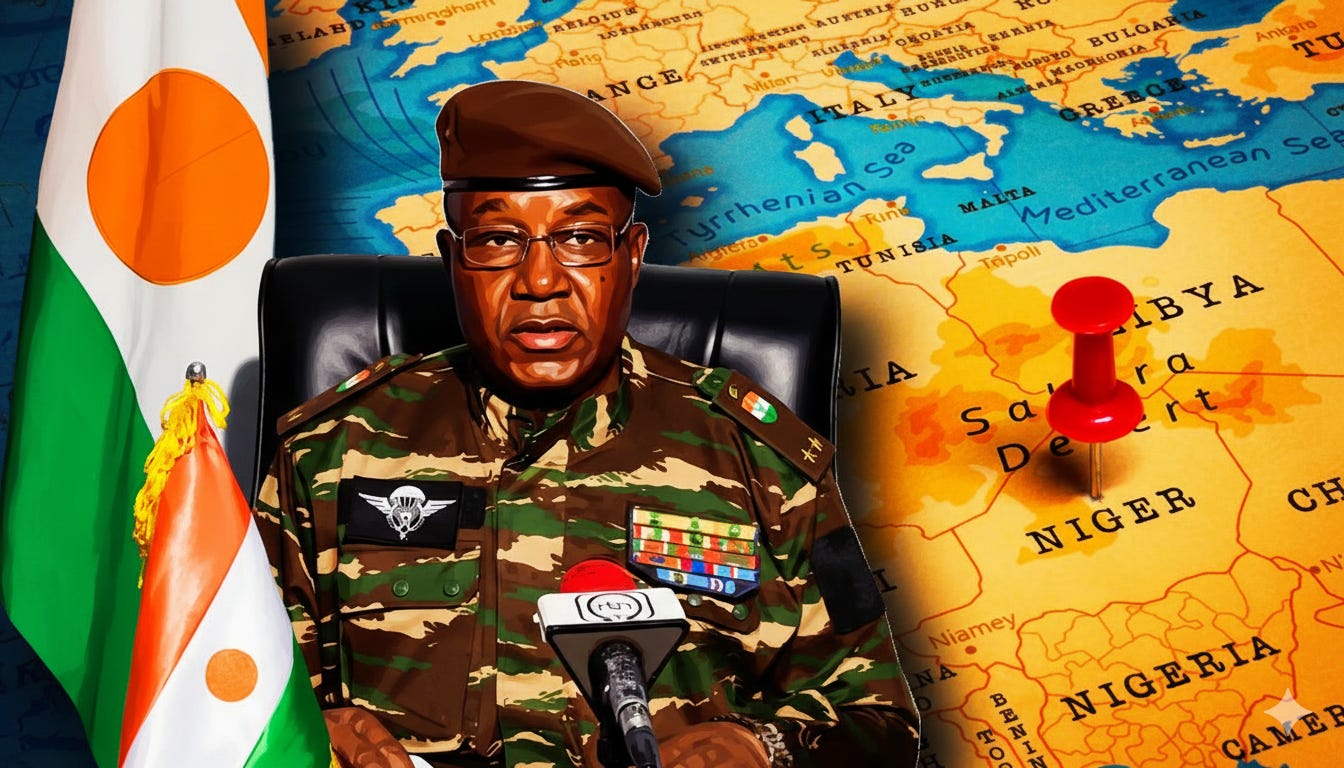
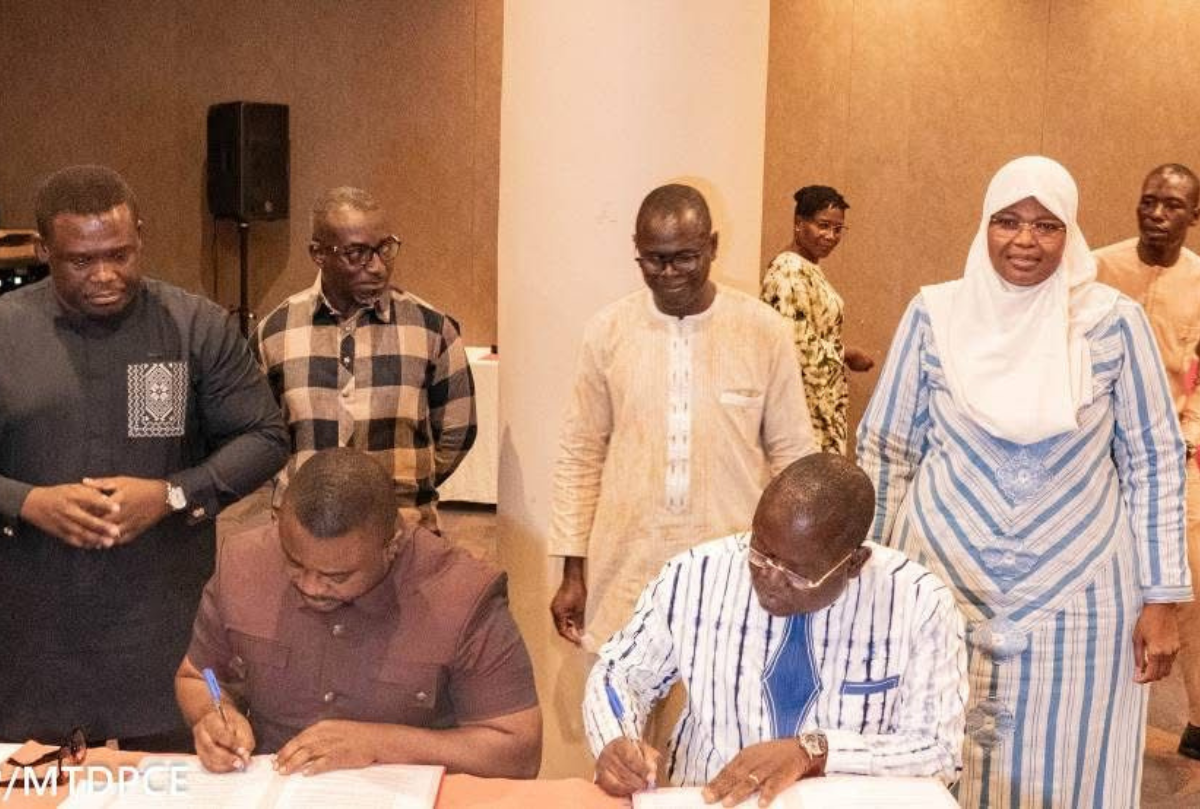
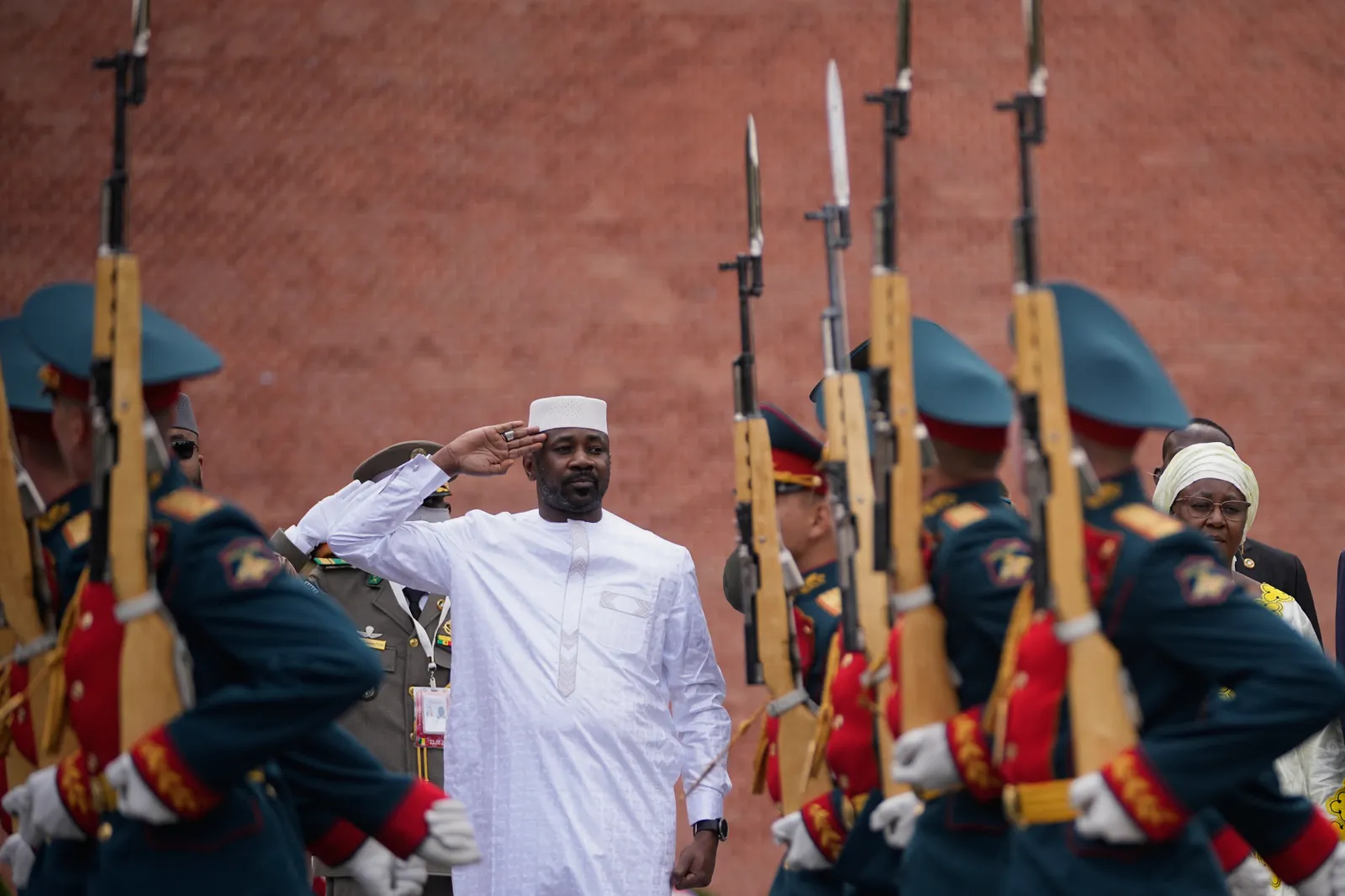
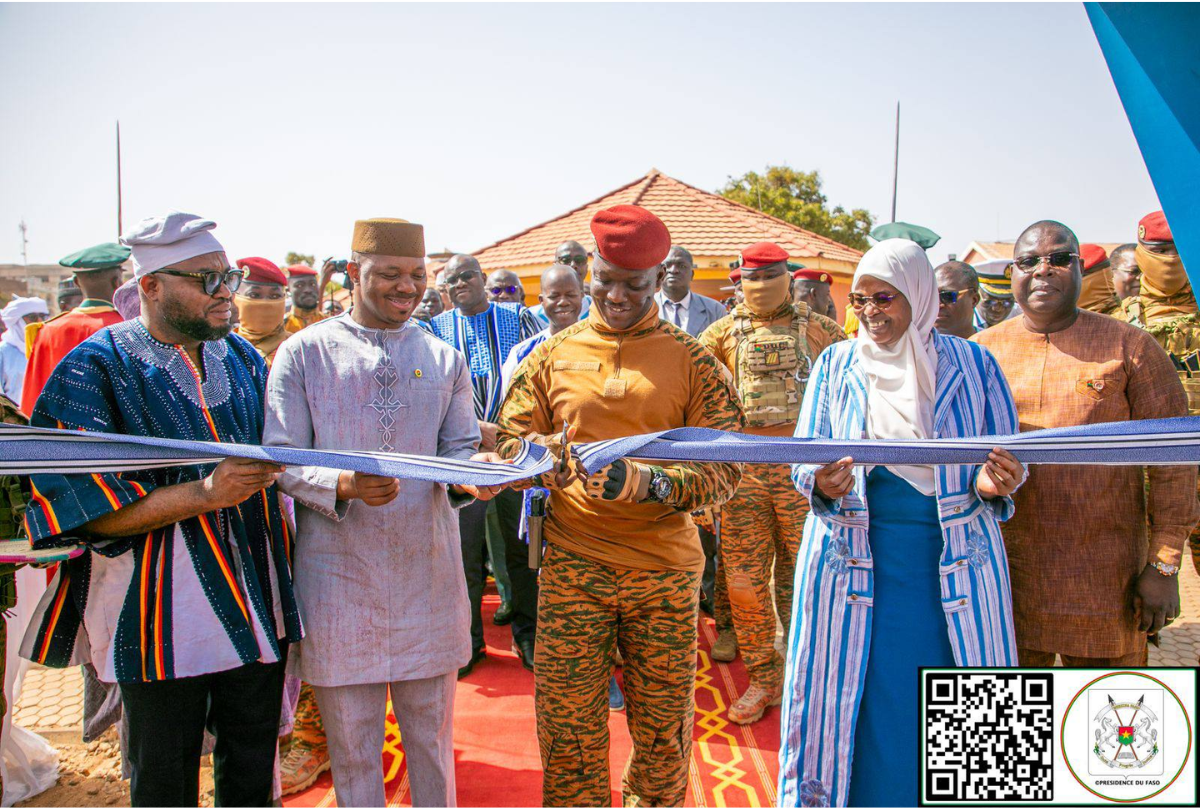
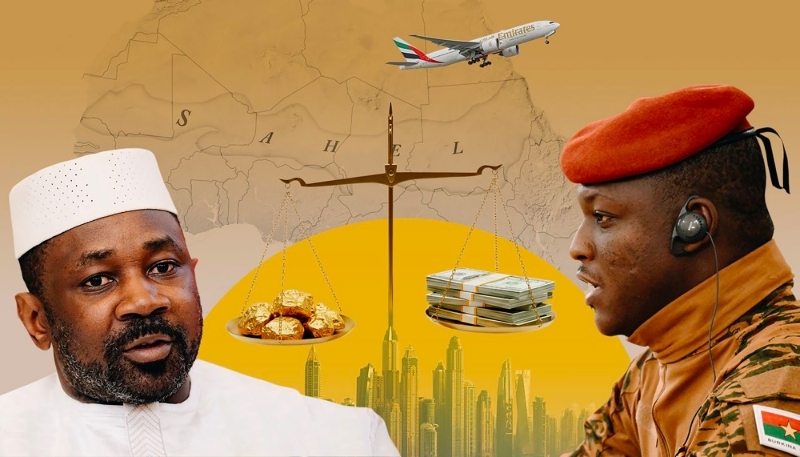
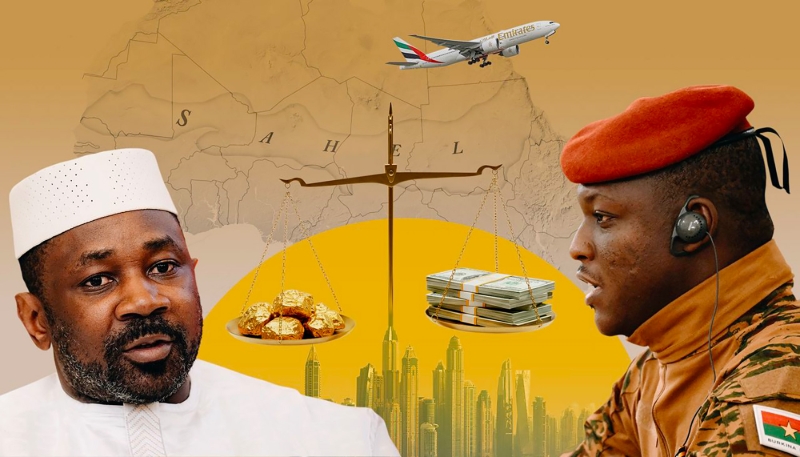
Take a stroll through Bamako, Mali’s vibrant capital, and you’ll see history being rewritten, quite literally. Colonial statues and outdated street names are out, replaced by striking monuments and dedications that celebrate Mali’s own revered historical figures. This isn’t just a simple facelift, especially in prominent spots like Koulouba. It’s a powerful, spirited statement, a clear move to shed the lingering remnants of colonial domination and proudly assert a national identity rooted deeply in Mali’s rich, indigenous past. Installing these statues isn’t only about honoring the greats, it’s about providing today’s and tomorrow’s Malians with tangible links to their country’s past achievements and core values. This kind of cultural rejuvenation really resonates in a post-colonial world, doesn’t it? It highlights a collective desire to redefine public spaces as vibrant expressions of indigenous pride and cultural resilience. Simultaneously, Mali isn’t just looking inward. They’re making bold moves to boost regional cooperation through the official establishment of the Bank of the Alliance of Sahel States, or AES. This crucial alliance, uniting Mali, Burkina Faso, and Niger, aims to deepen economic integration and financial collaboration among its member states. Establishing this new financial institution is a smart, strategic move to strengthen economic sovereignty and foster much-needed stability in a region often battling severe economic volatility and persistent security challenges. The Bank of AES expects to facilitate smoother cross-border trade, offer financial services specifically tailored to the unique needs of the Sahel countries, and promote vital development projects that benefit all alliance members collectively. This trilateral partnership truly underscores a shared determination among these Sahel states to pool resources and political will towards achieving sustainable growth and enhanced resilience.
A Region Under Siege: The Human Cost
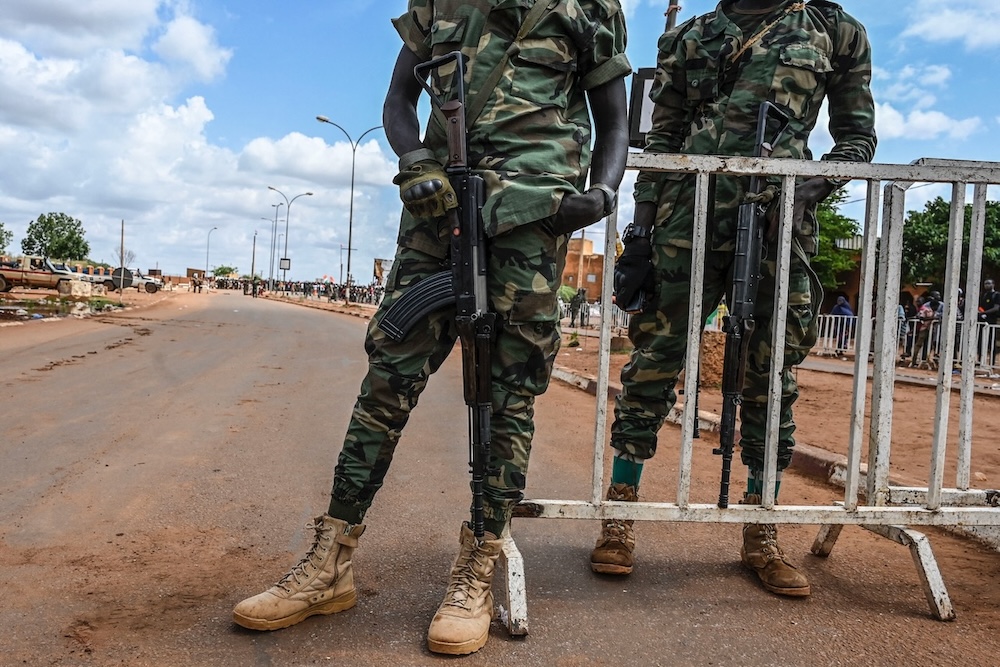
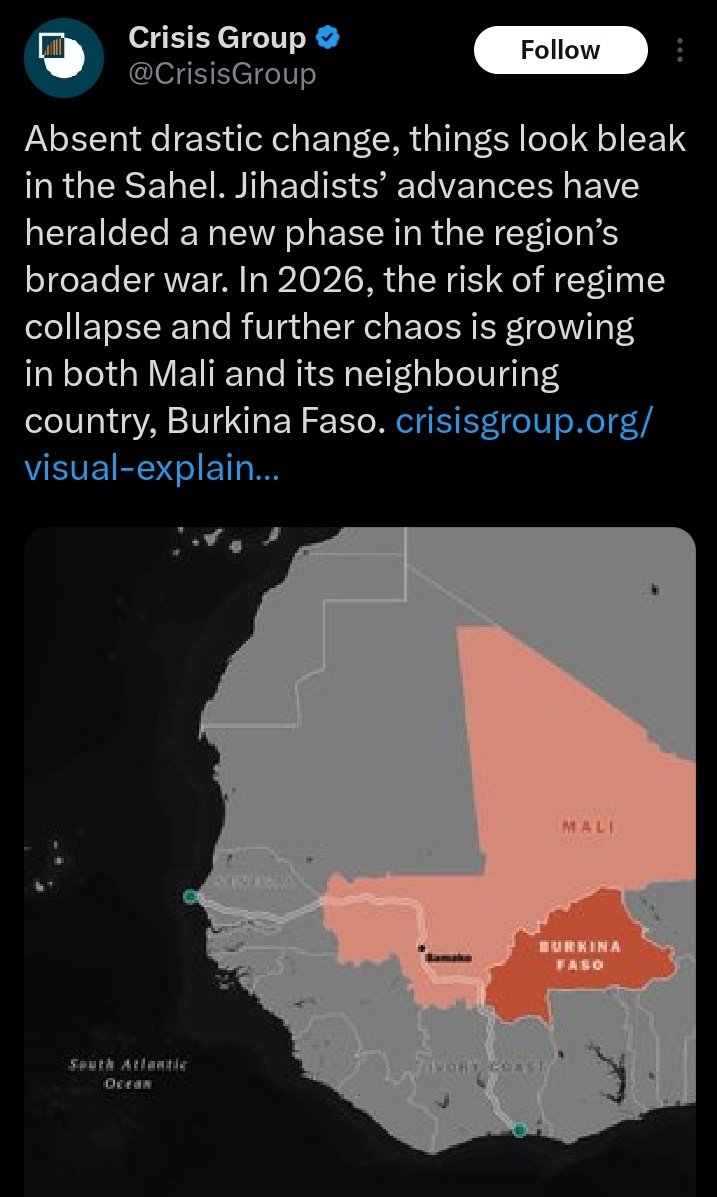
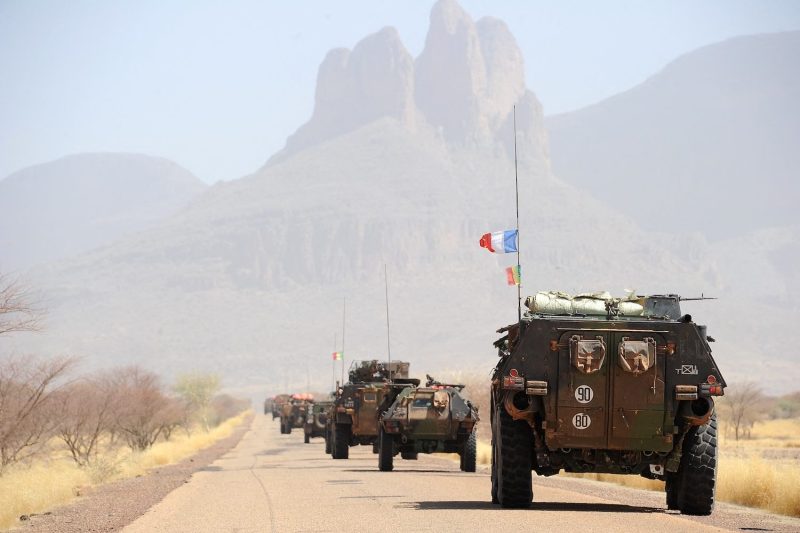
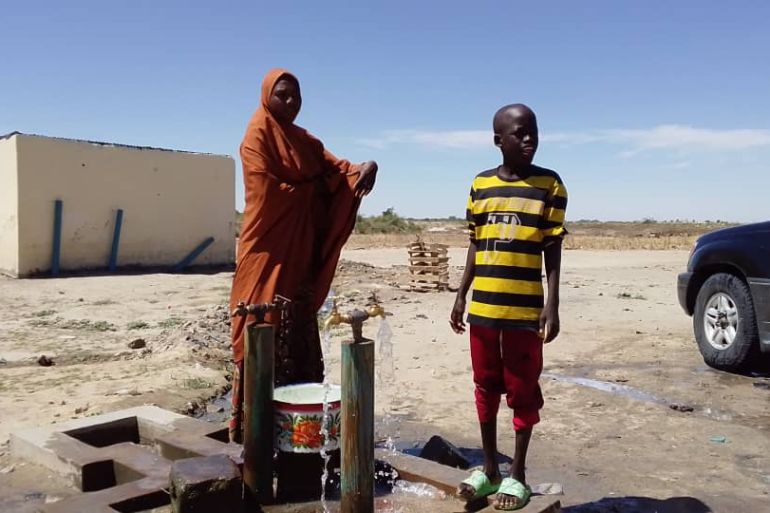
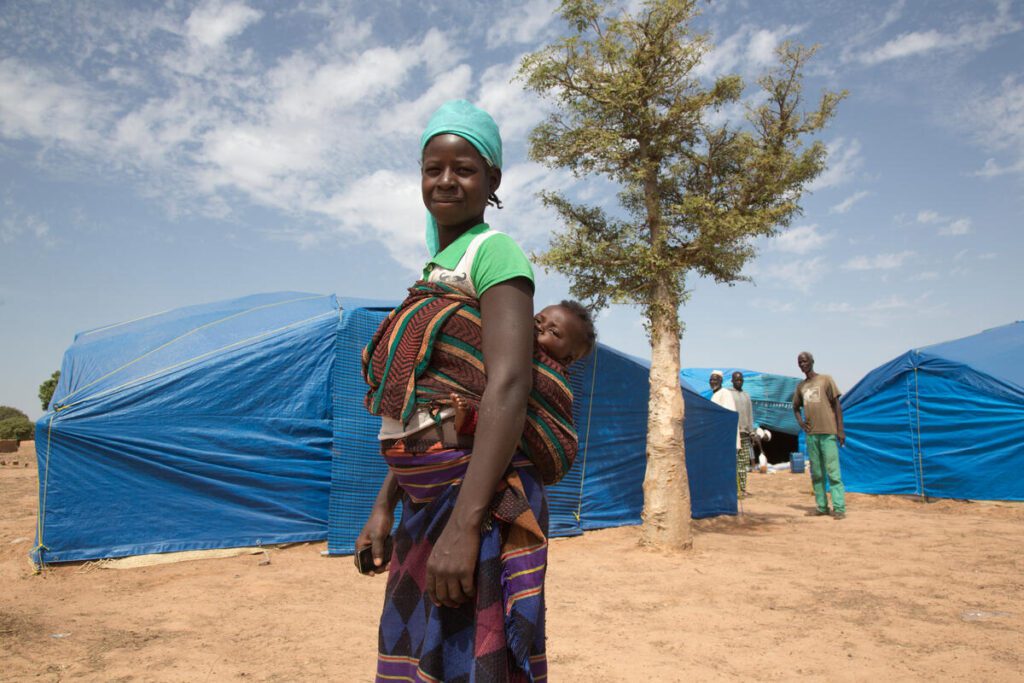
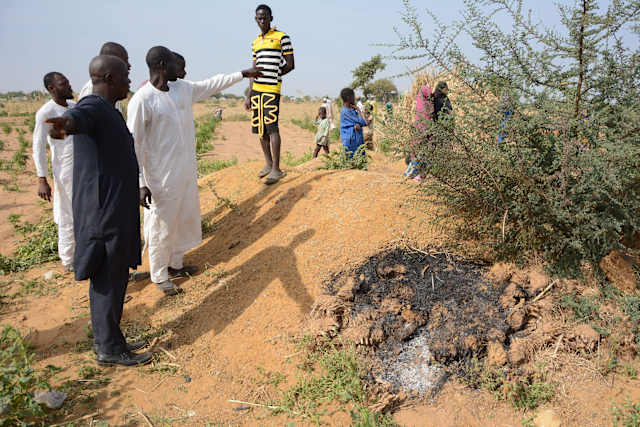
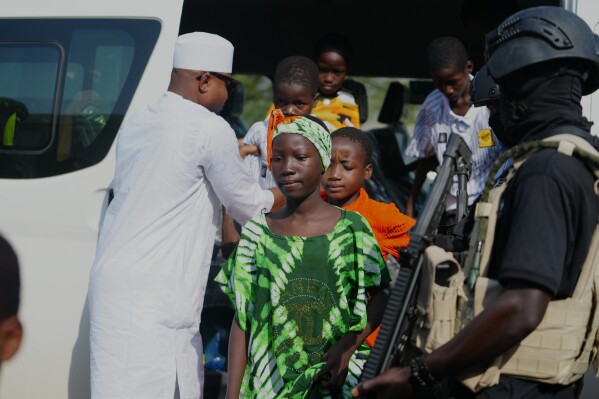
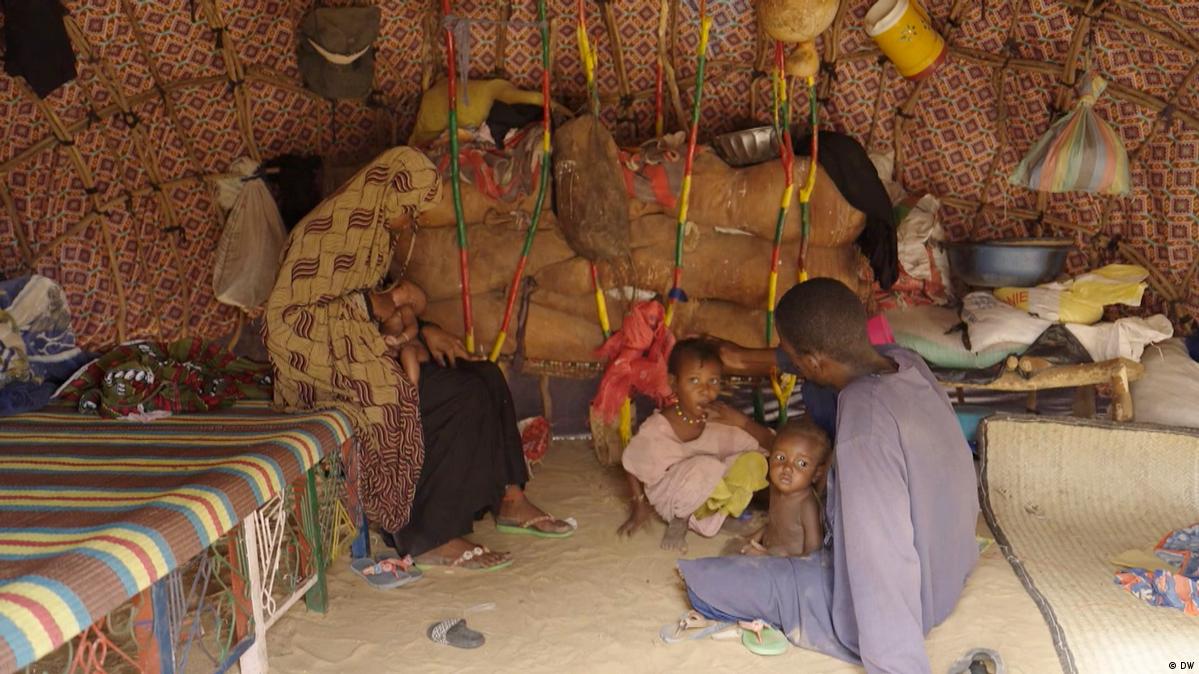
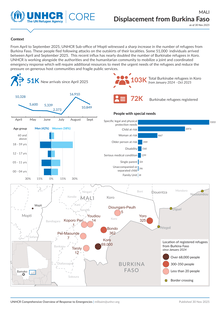
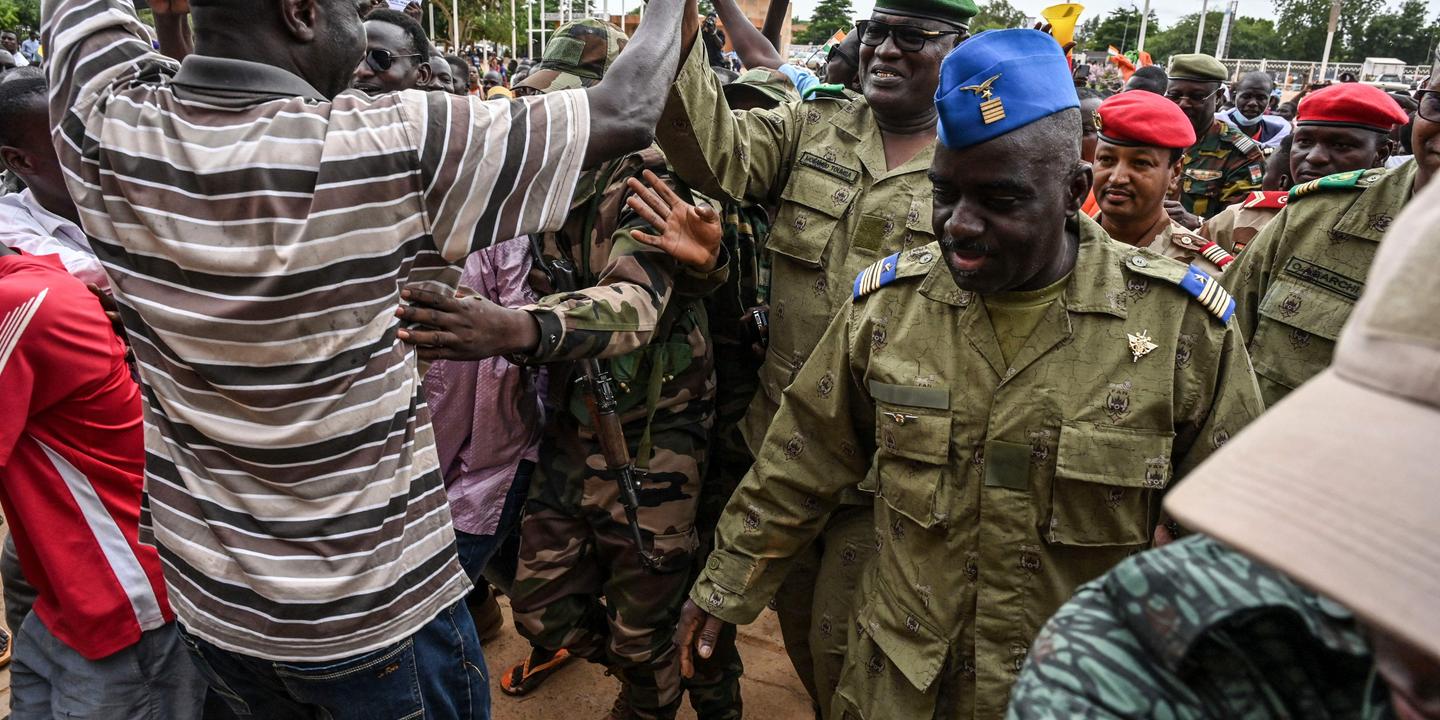
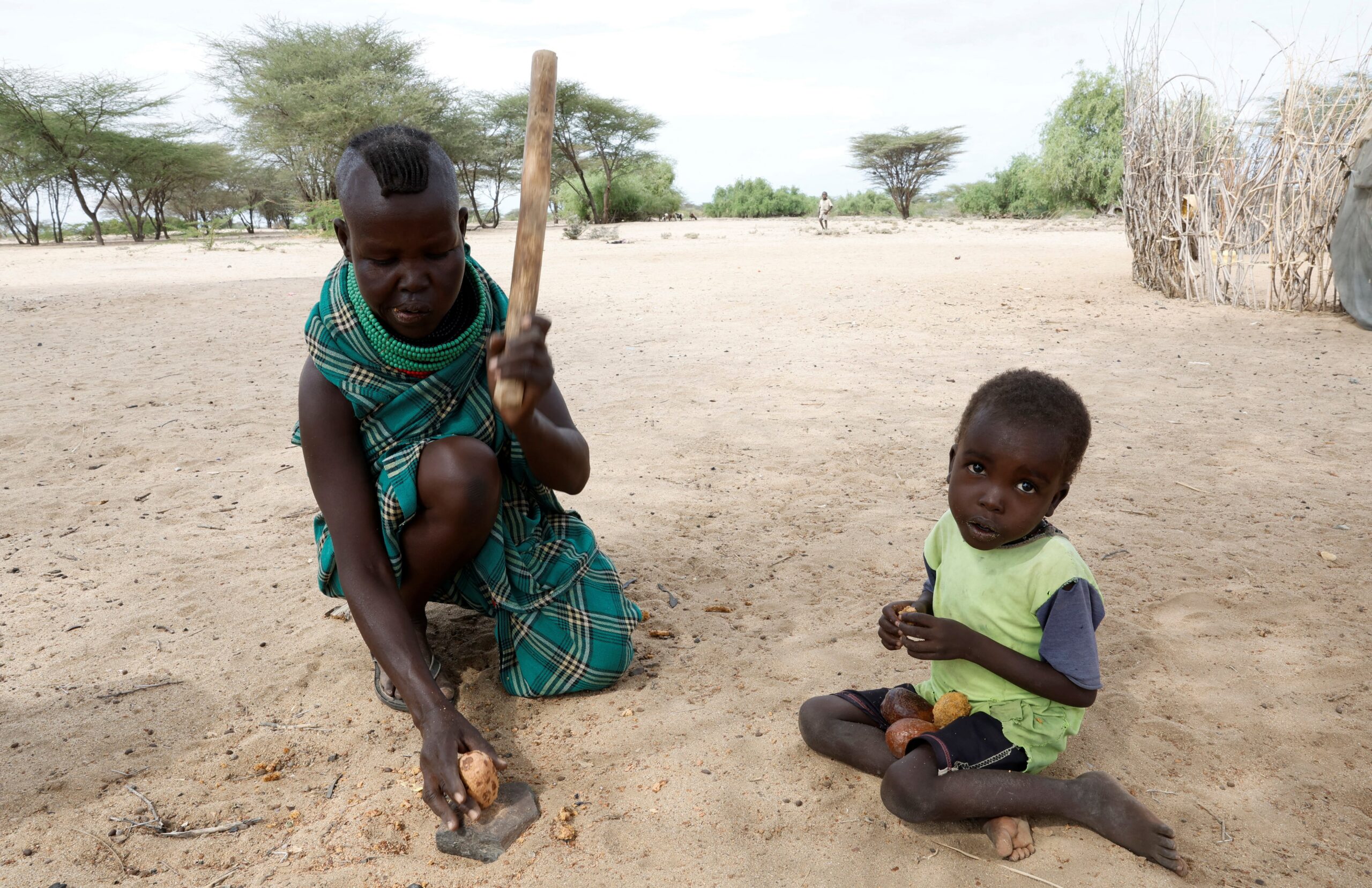
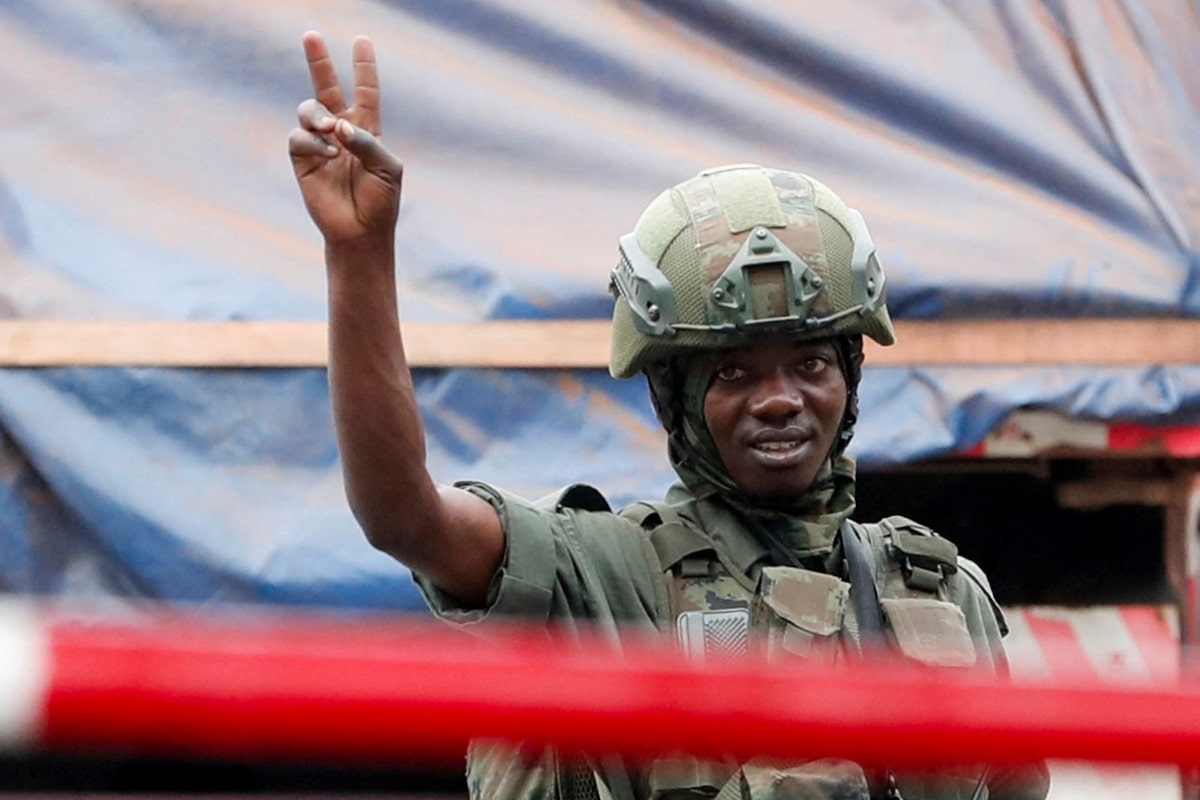
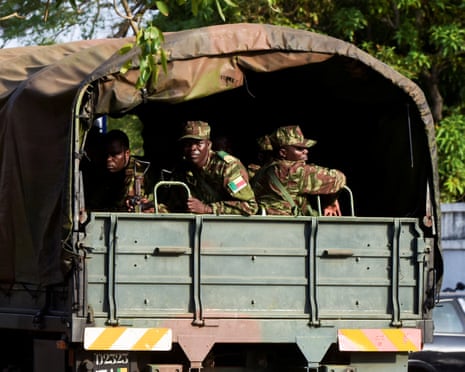
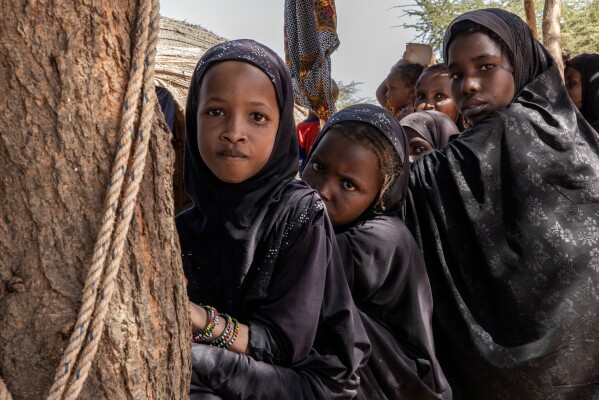
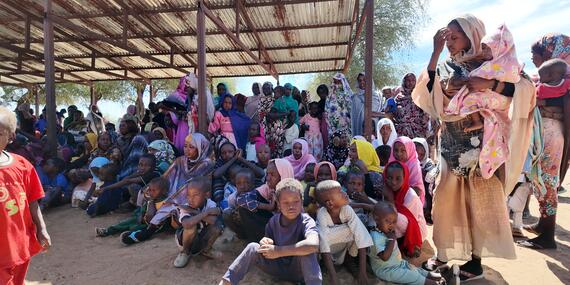
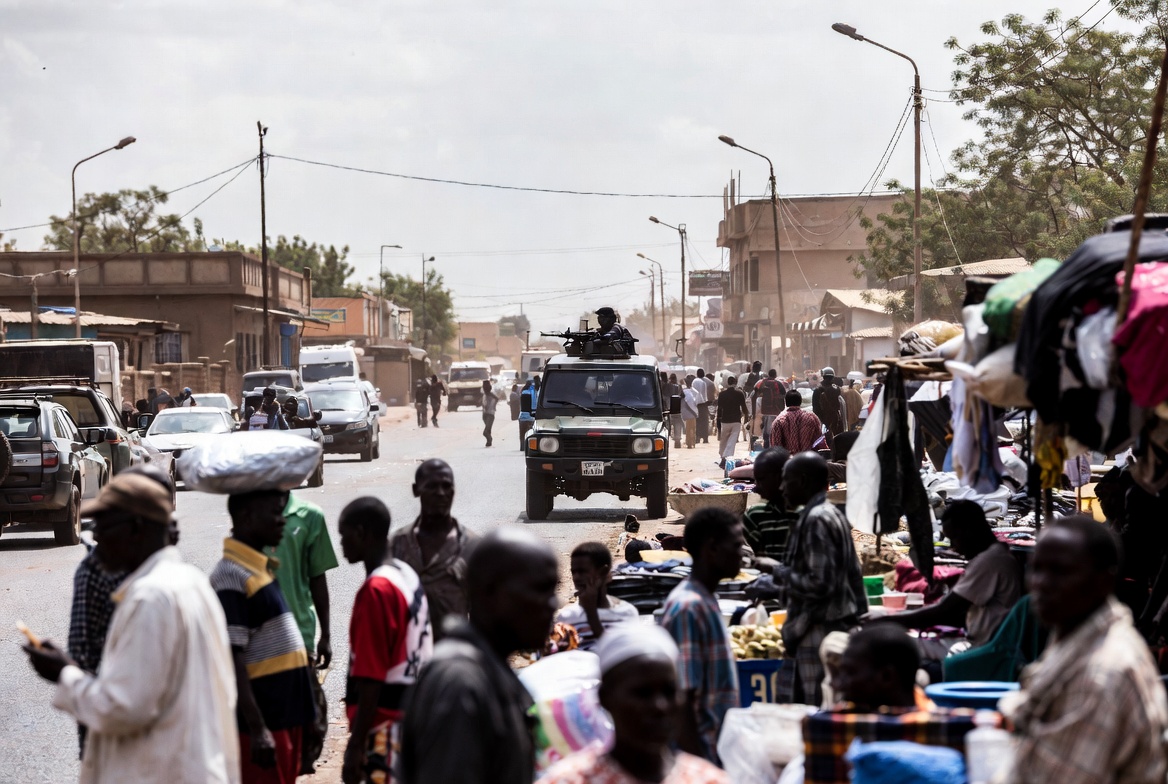
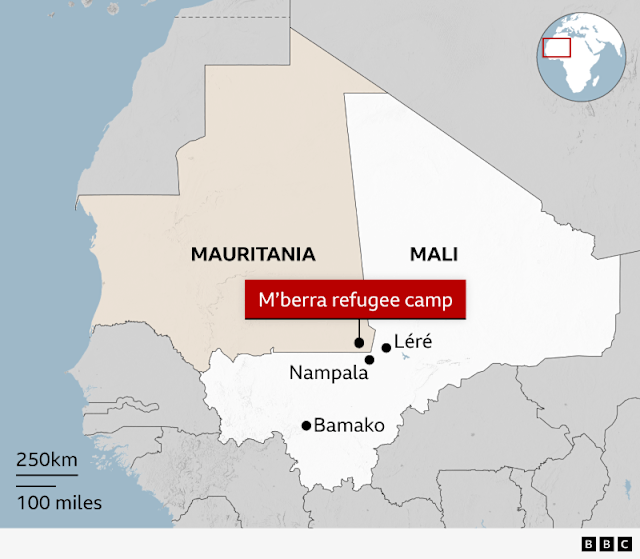
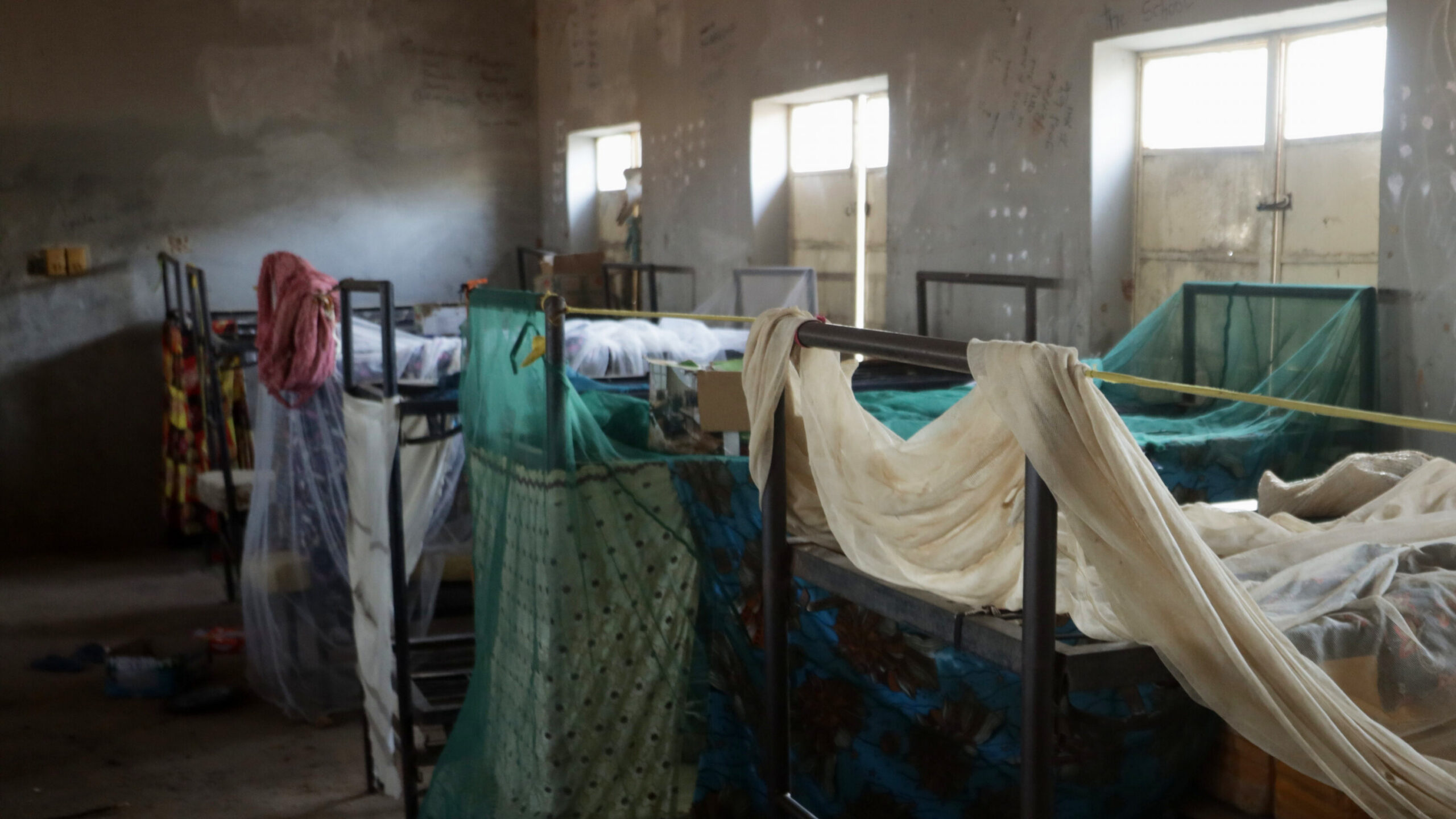
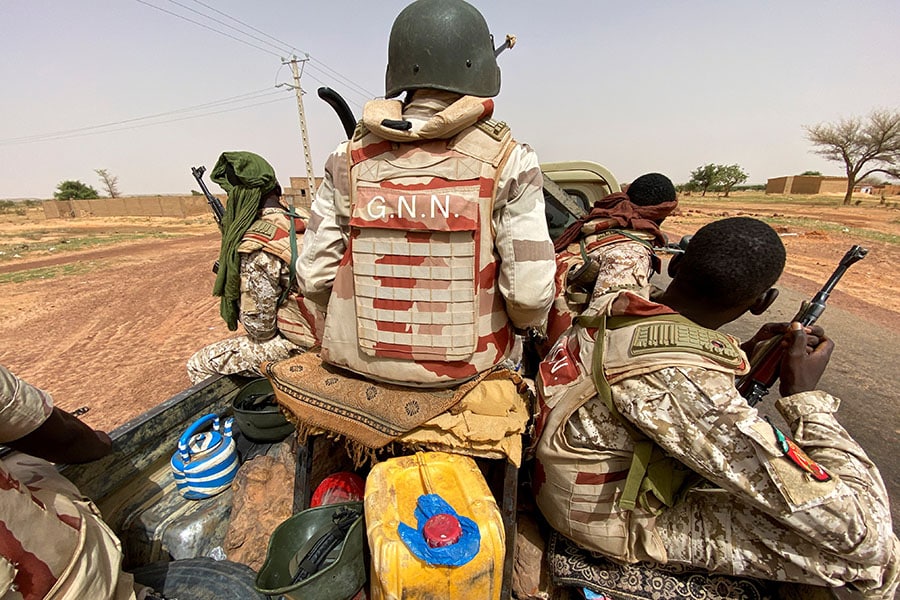
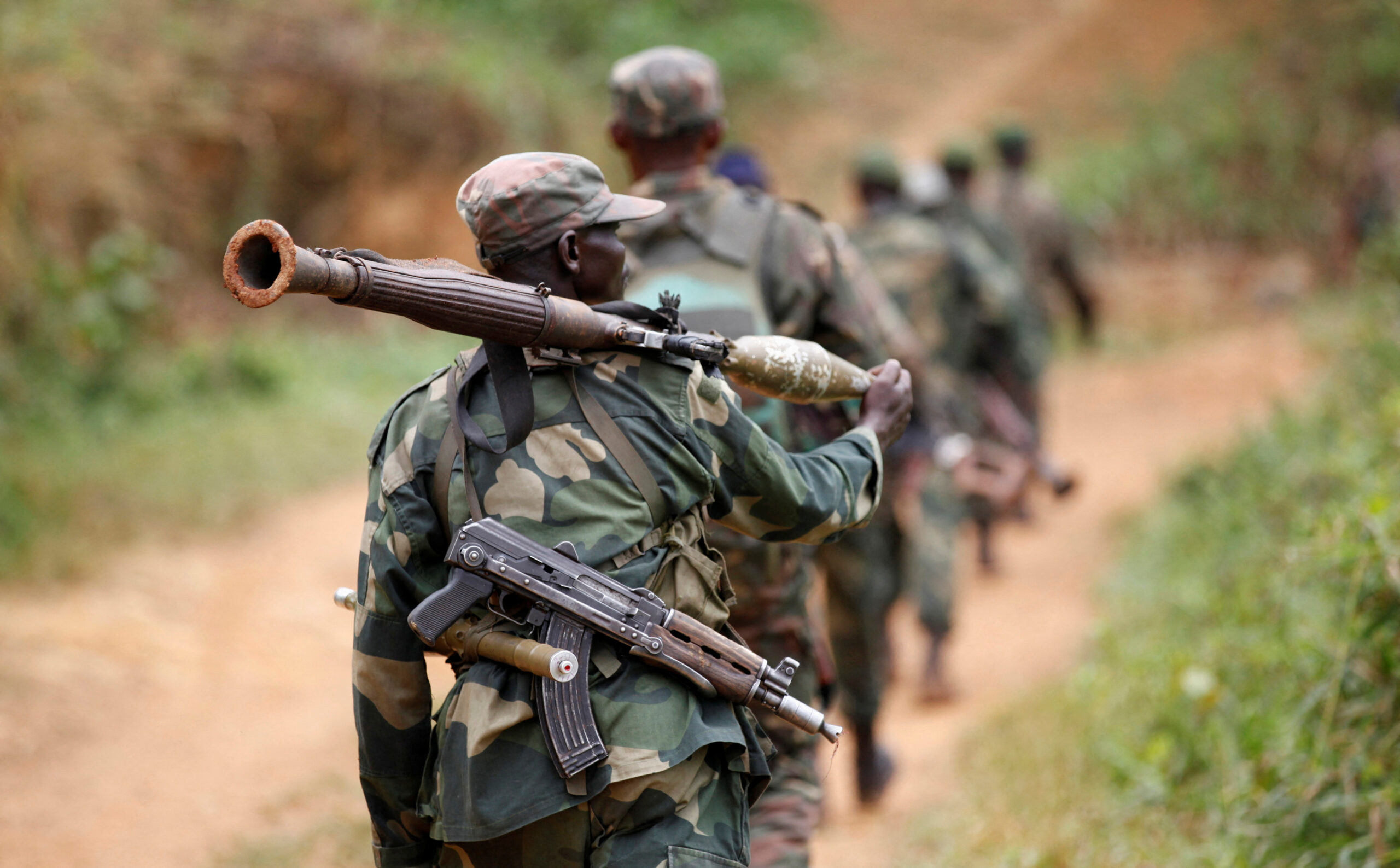
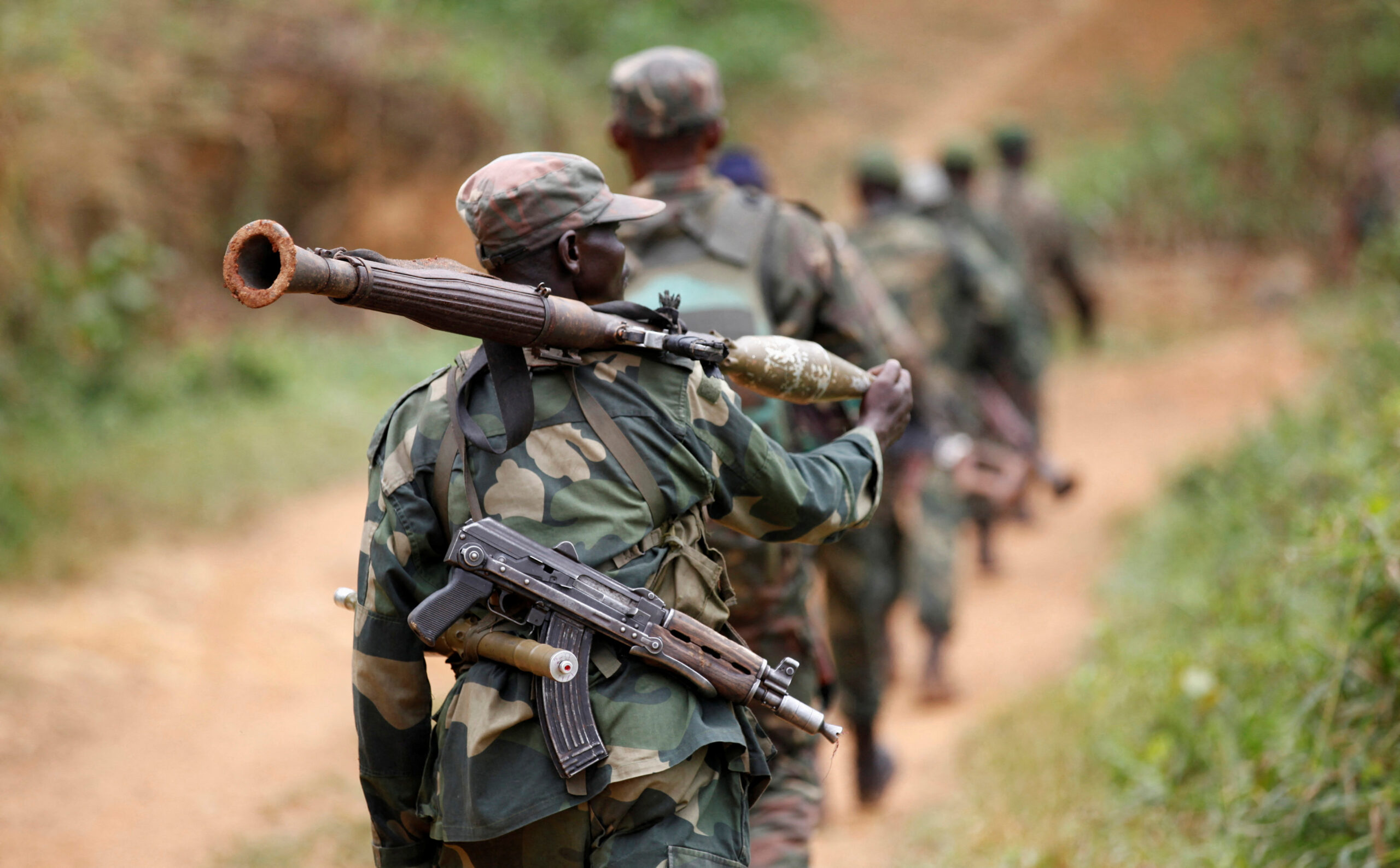
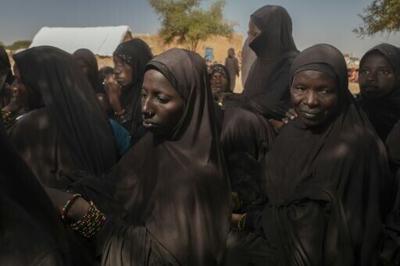
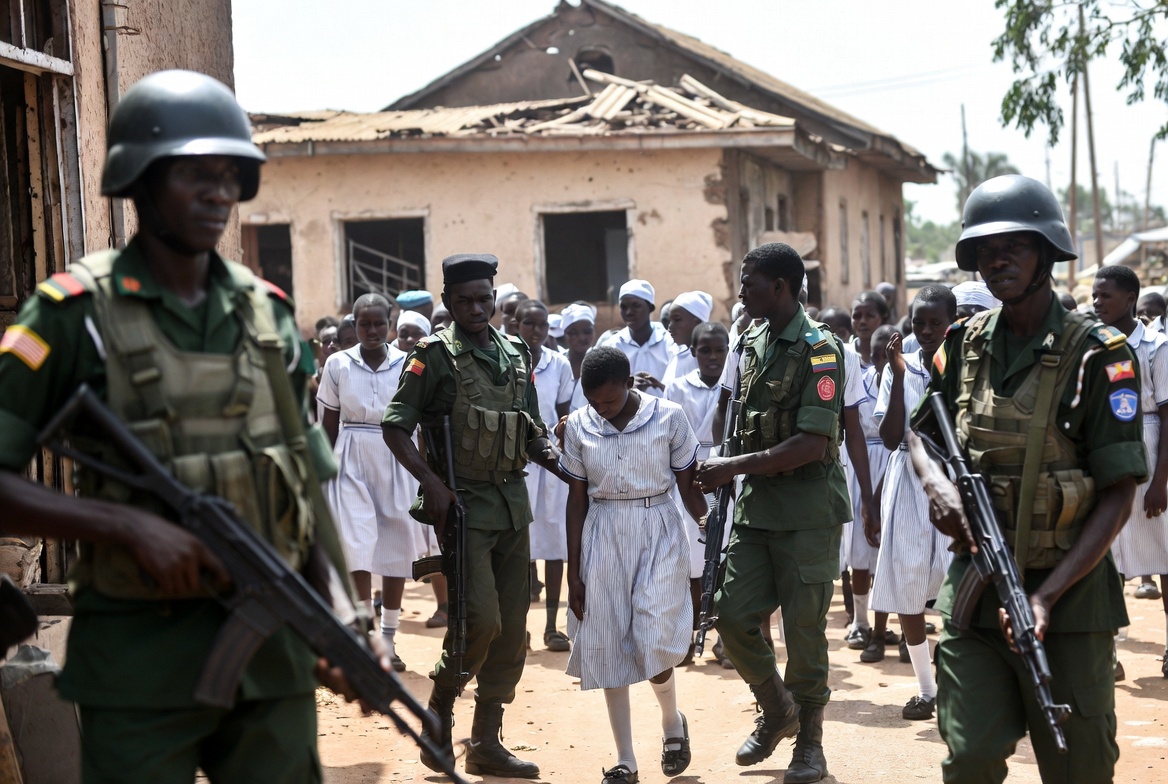
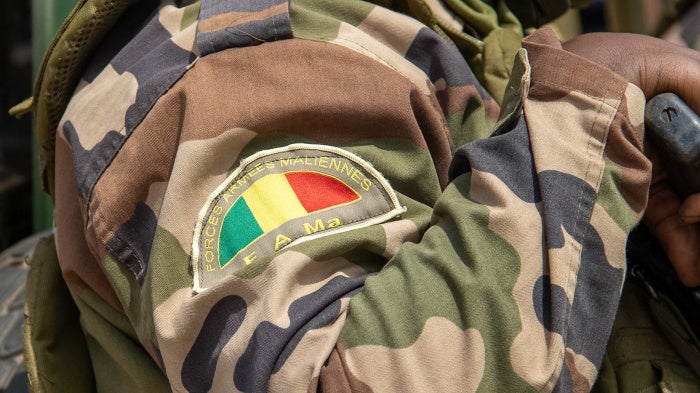
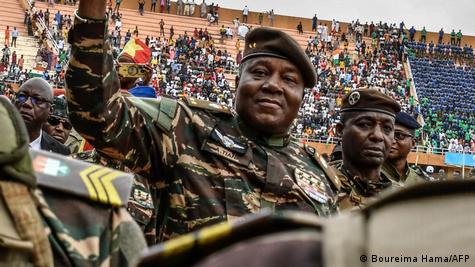
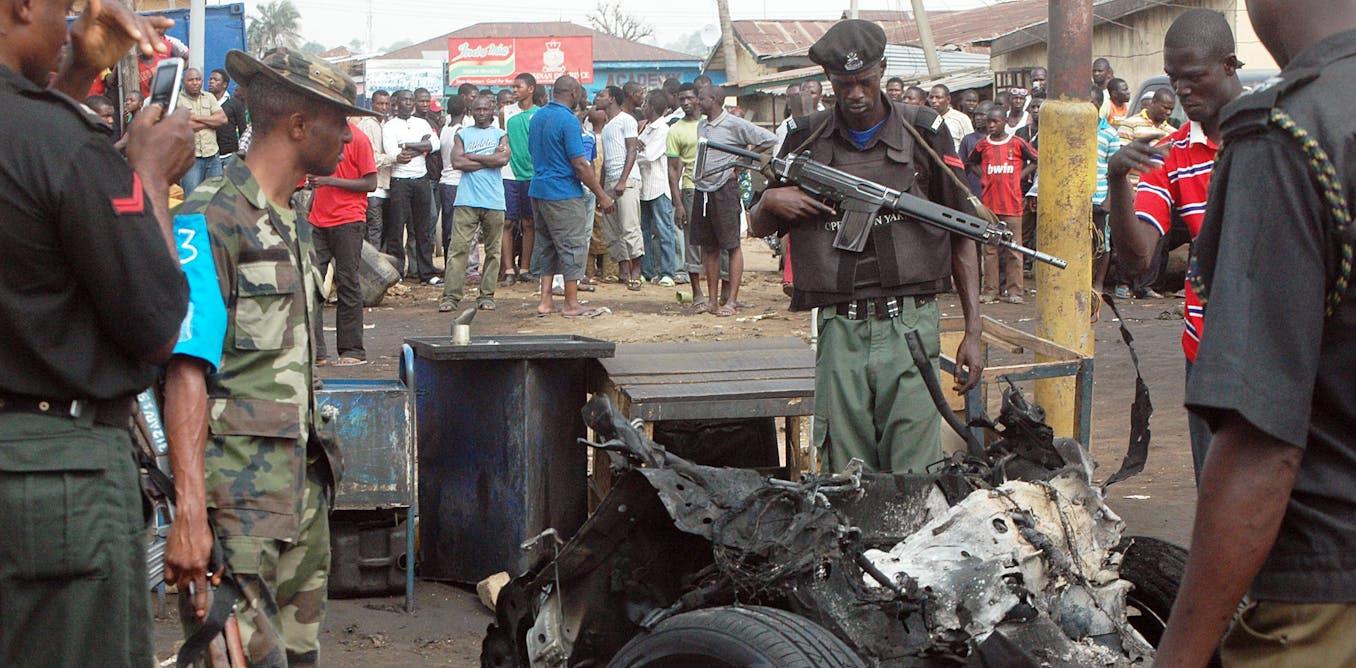
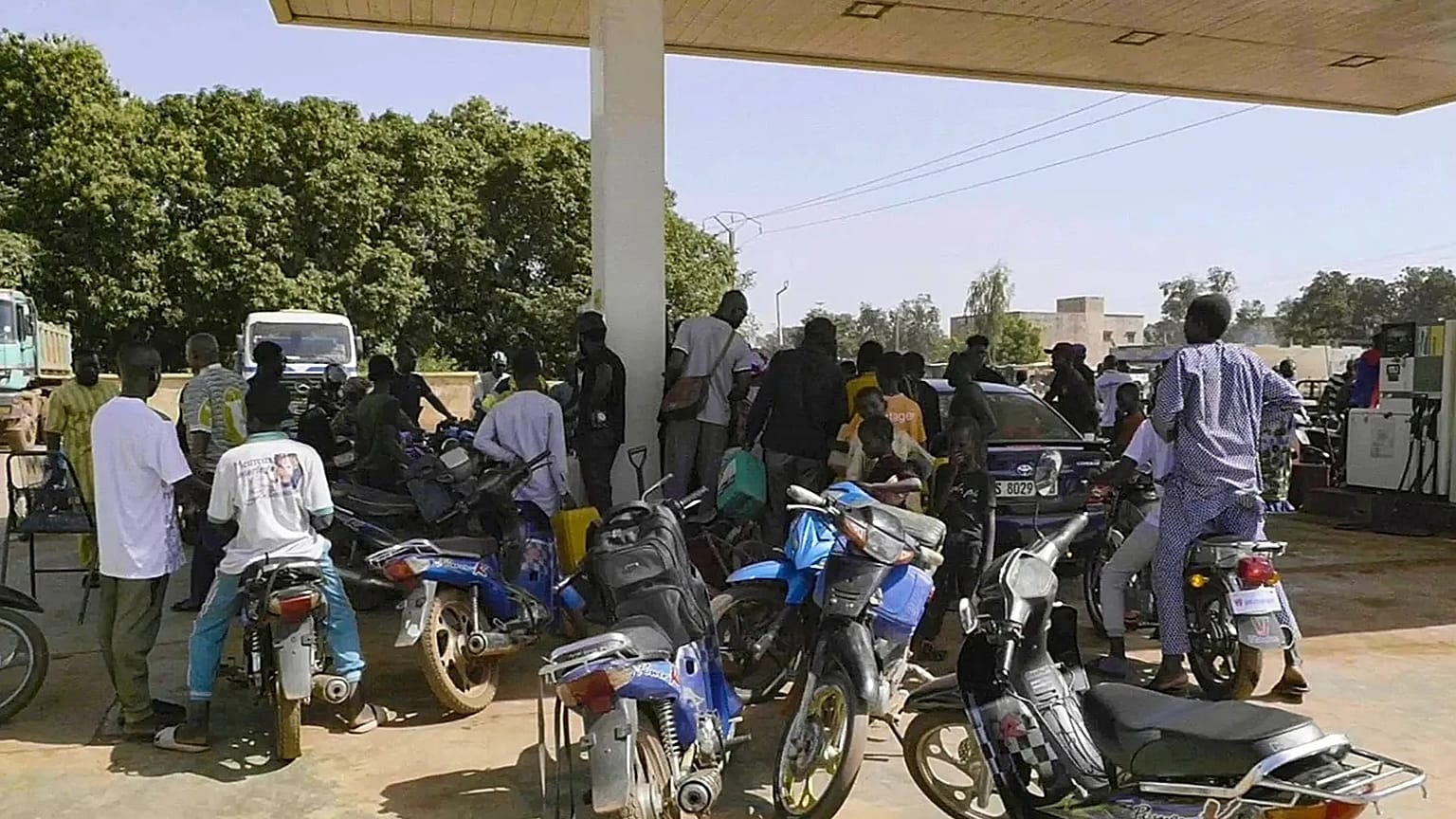
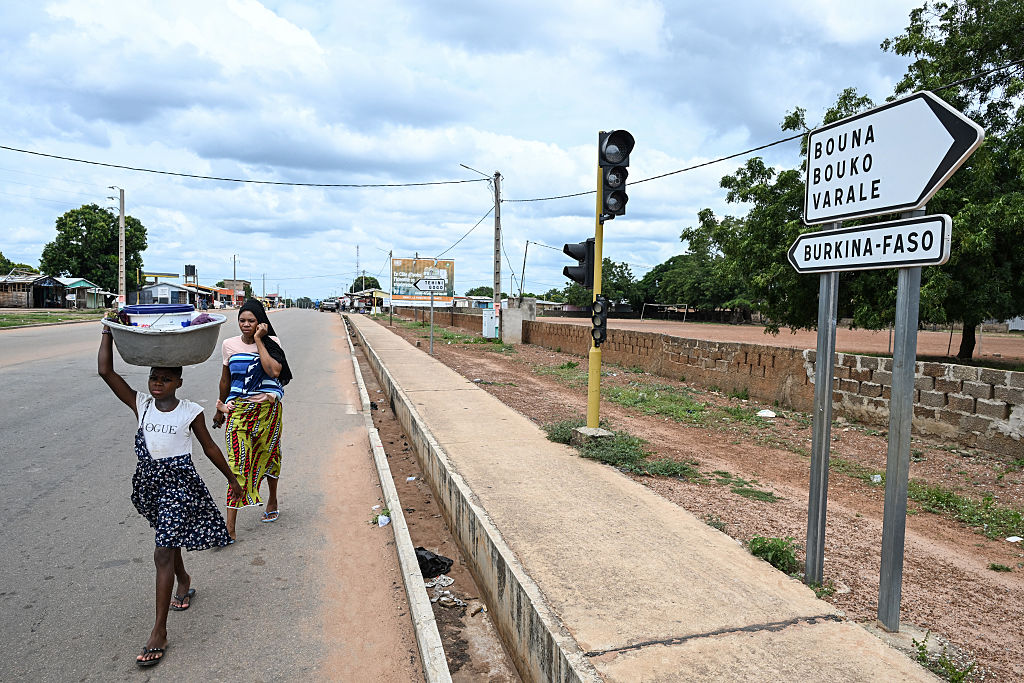
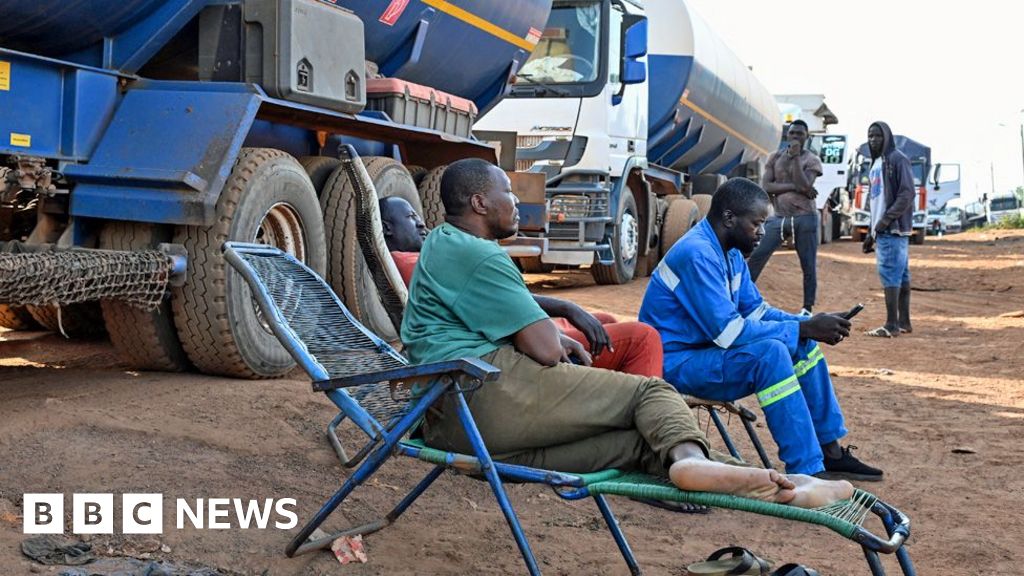
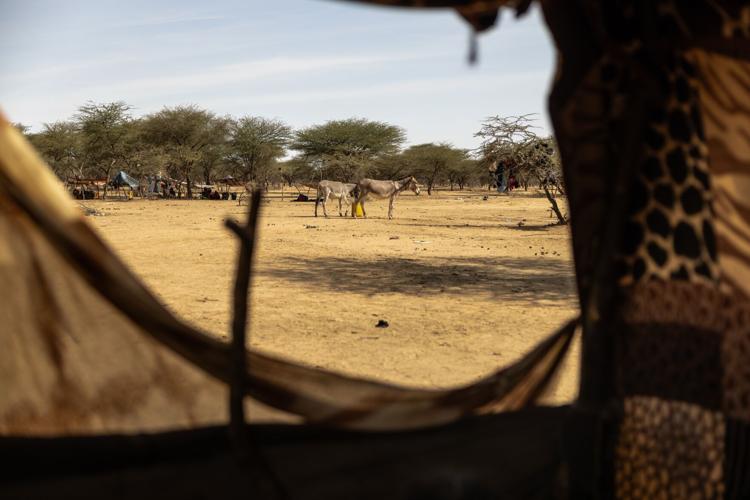
But let’s be absolutely clear, these ambitious domestic and regional projects are unfolding against a backdrop of a truly dire humanitarian crisis. The Sahel region, and Mali in particular, has unfortunately become the world’s deadliest area for extremism-linked violence. Continuous, brutal fighting has pushed thousands upon thousands to flee their homes, creating a swelling, desperate tide of refugees searching for safety and stability. Have you seen the striking images from Douankara? It’s a makeshift village in the Mauritanian desert, and it’s emerged as a stark, poignant symbol of this widespread displacement. Thousands of Malians have found precarious refuge in this harsh environment, really driving home the severe human toll of the ongoing conflict. These refugees face immense challenges, from scarce resources and dwindling aid to brutal climatic conditions, which just screams for comprehensive peace and effective security solutions. It’s quite the contrast, isn’t it? Mali’s proactive push for cultural dignity and economic independence set against the harsh, inescapable reality of escalating violence and human suffering. It paints a complex, almost heartbreaking, portrait of a nation standing at a critical crossroads. On one side, there’s incredible agency to reclaim its historical narrative and economic autonomy. On the other, the profound humanitarian fallout of conflict presents a formidable, ever-present obstacle to achieving lasting stability and progress. Mali’s struggle with persistent jihadist threats is a stark reminder of the region’s inherent volatility. Looking ahead, Mali’s path will undoubtedly hinge on sustaining the vital momentum of cultural affirmation and strengthening its regional alliances, all while intensifying urgent efforts to resolve the pervasive security threats. Will their success in bravely balancing these priorities offer a viable blueprint for other Sahel nations facing similar struggles? We certainly hope so. The story of Mali is a powerful testament to resilience and hope, deeply rooted in its rich history yet ambitiously shaping its future, even in the toughest times. What will tomorrow bring for this determined nation, and can the international community do more to support its multifaceted journey? The scale of displacement is staggering, with refugees fleeing Mali due to the relentless extremism. Another source highlighting the same dire situation is available here: refugees flee Mali.