Mali and Burkina Faso Tighten Borders Amid Rising Regional Tensions and Jihadist Threats
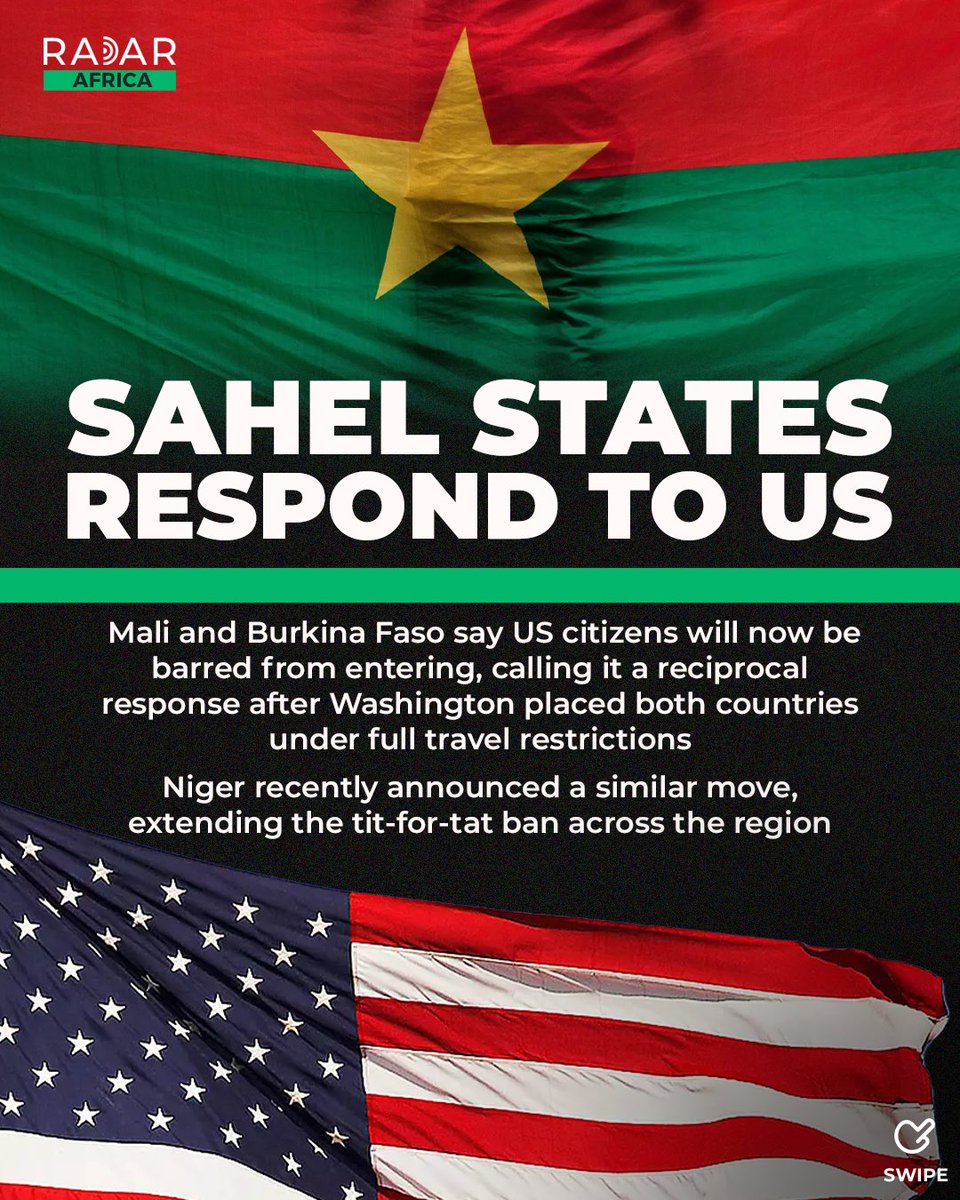
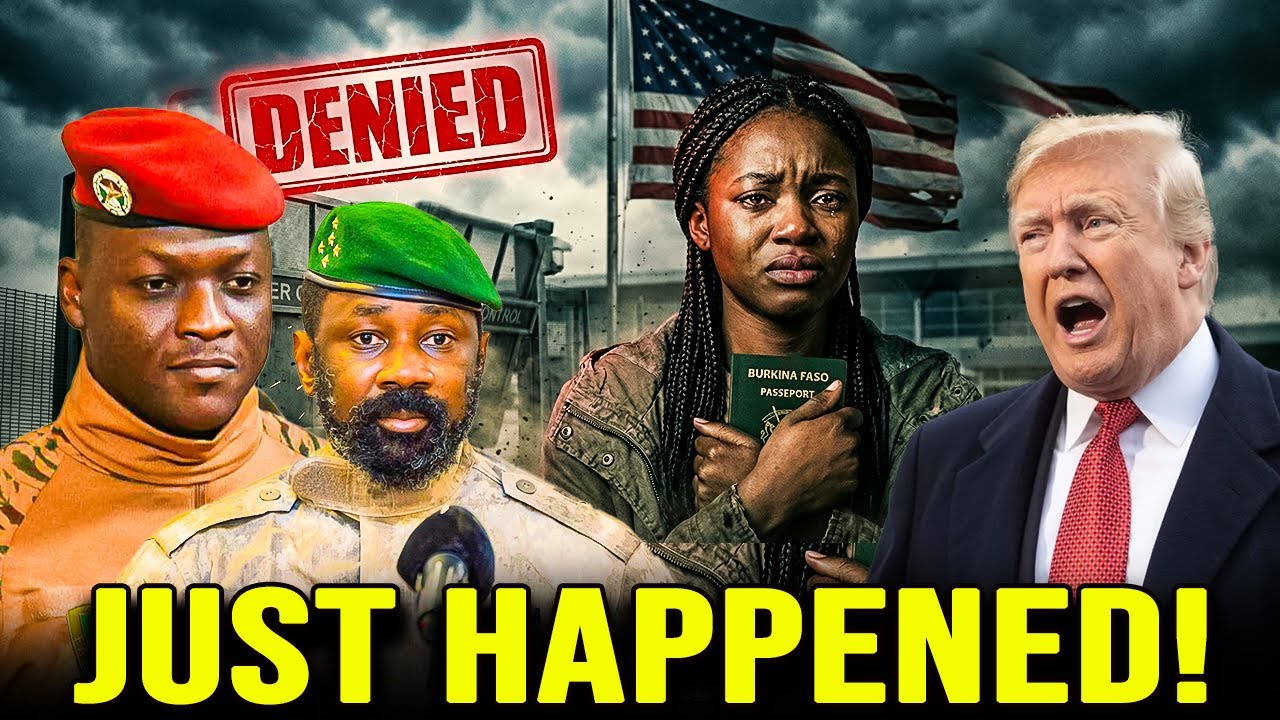
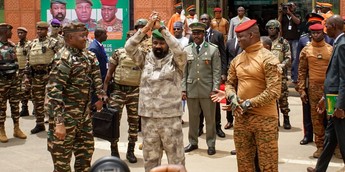
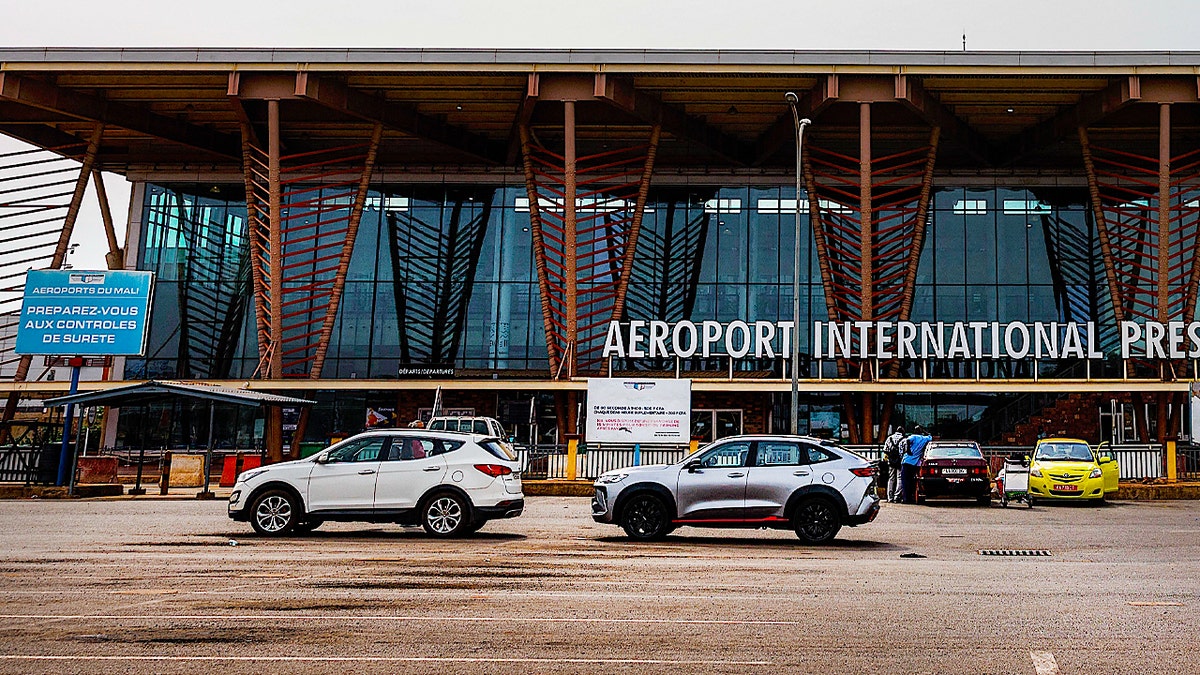
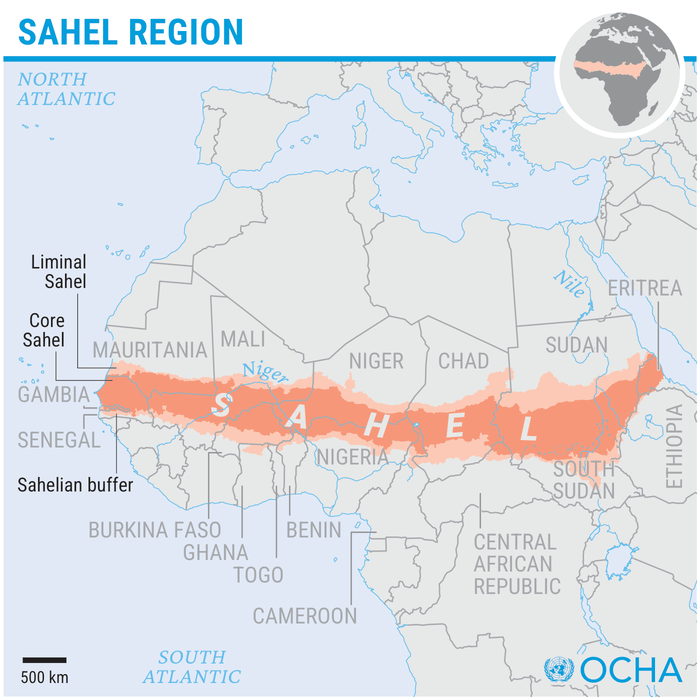
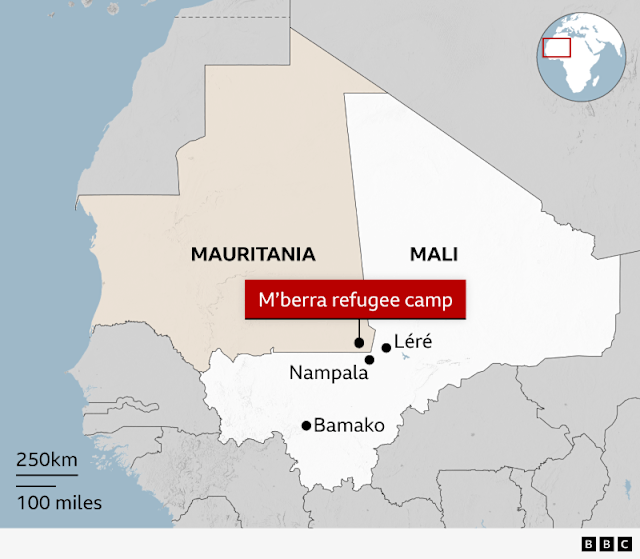
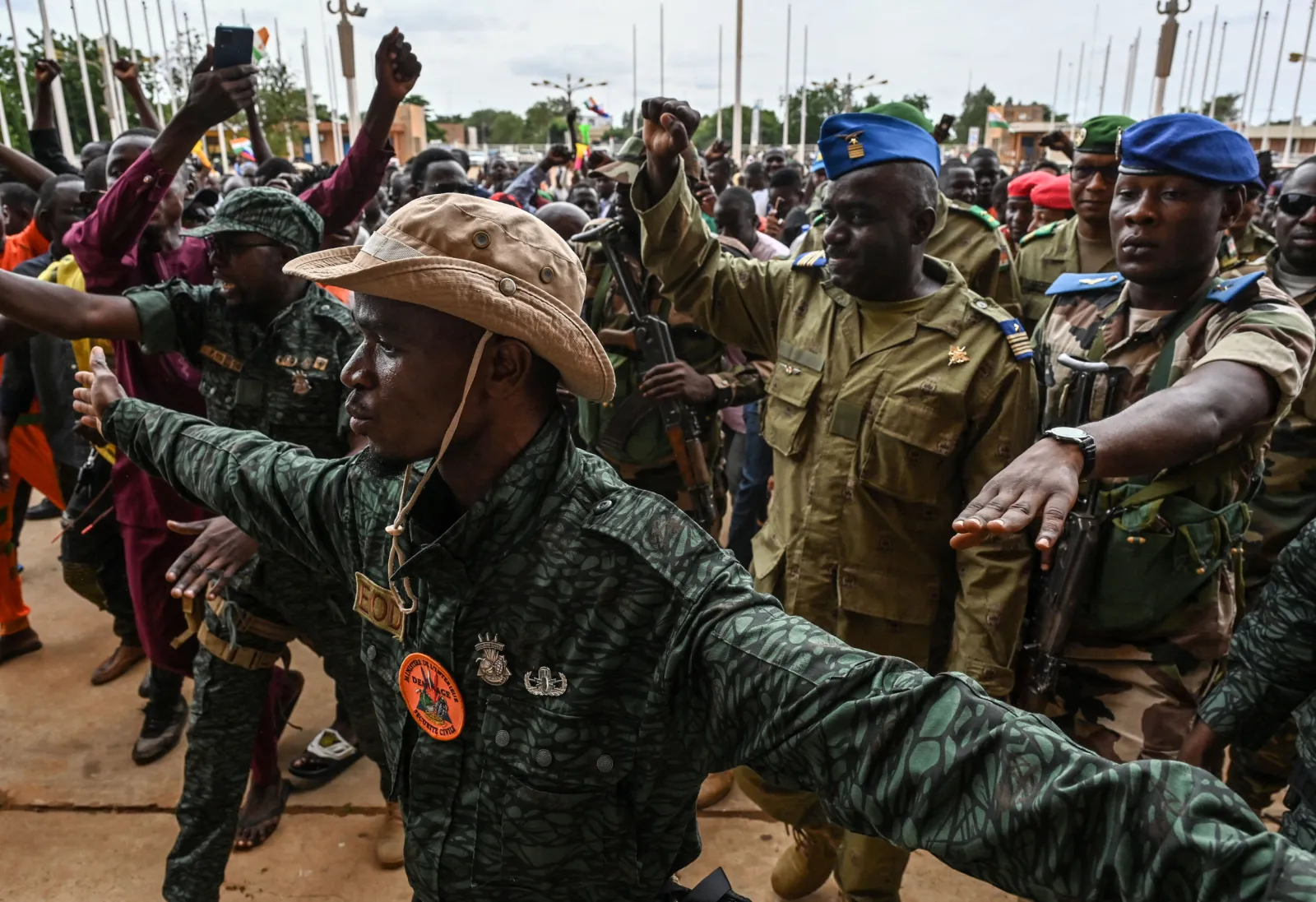
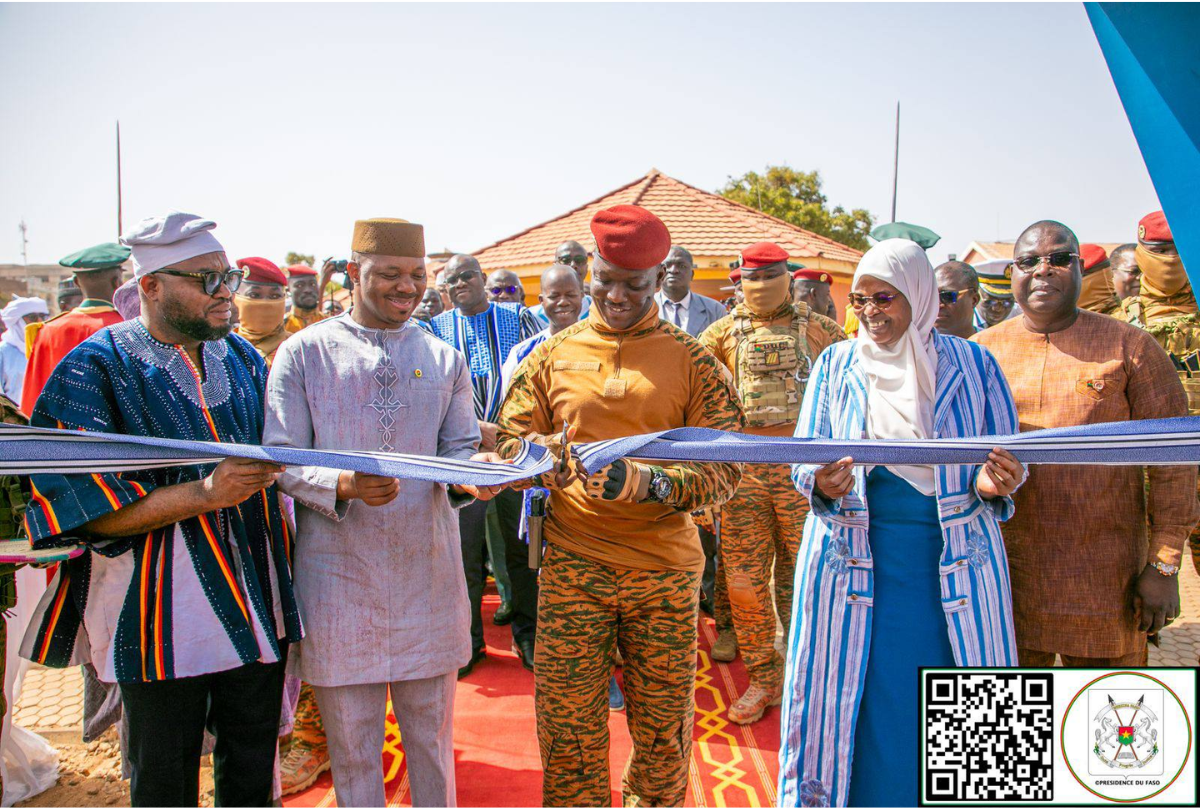
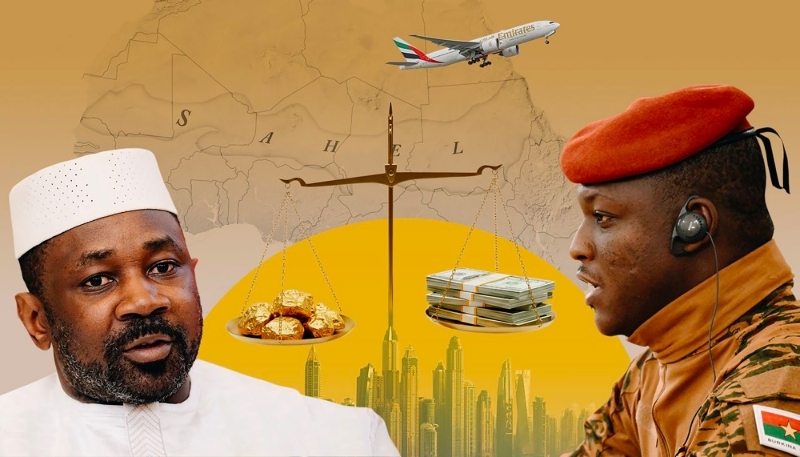
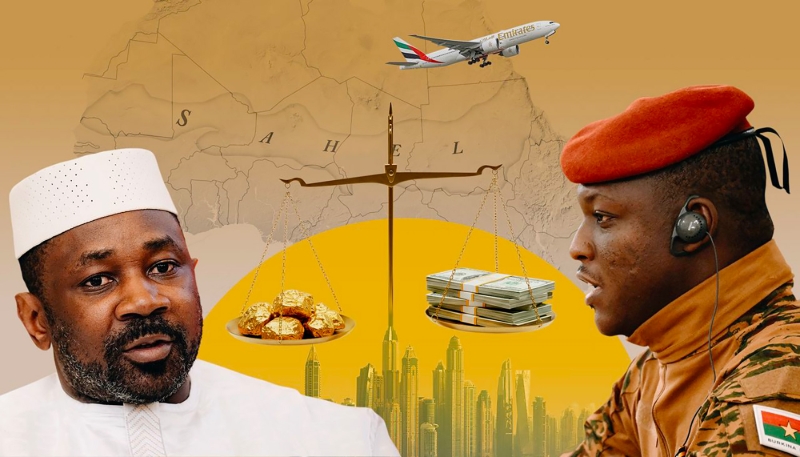
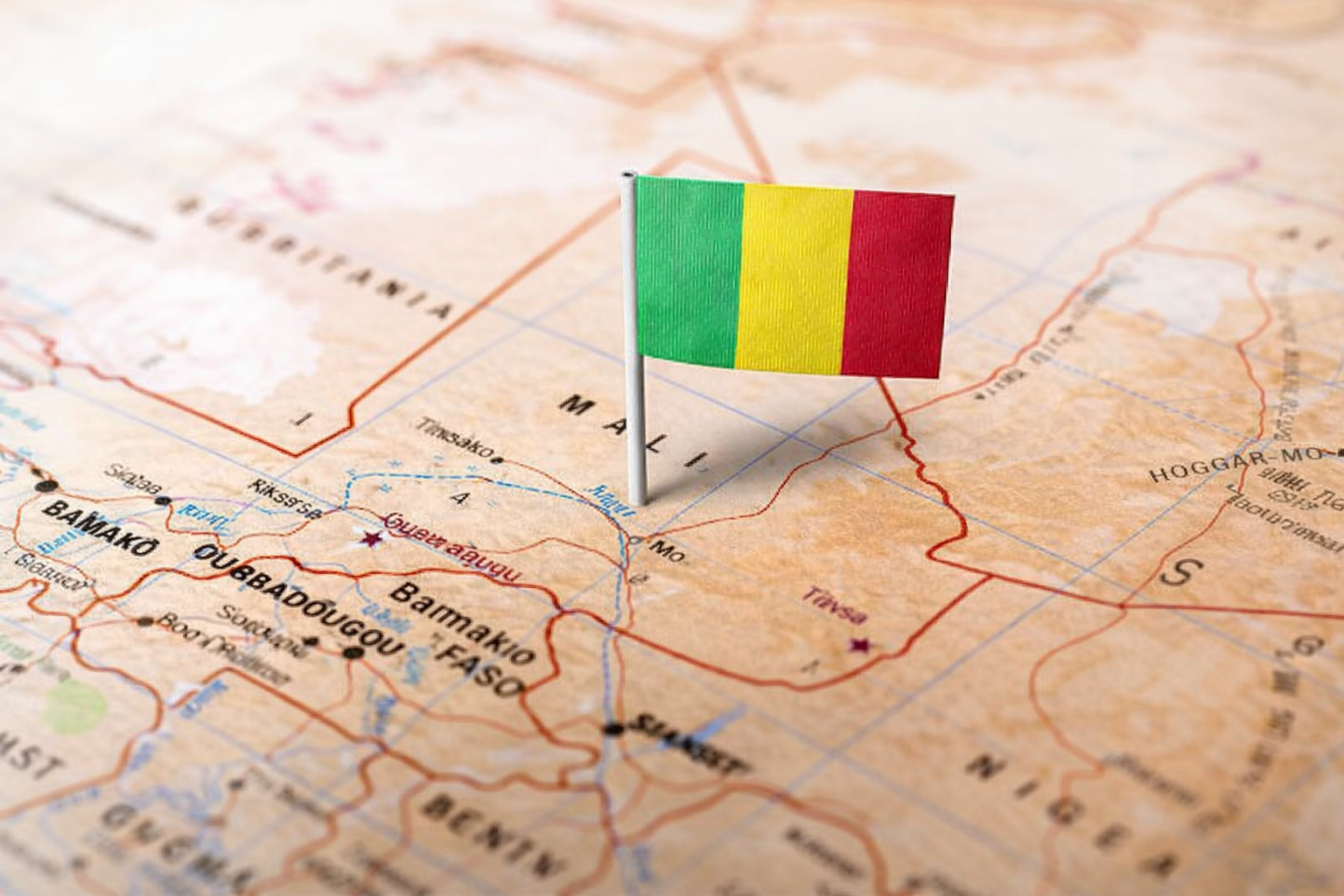
The Sahel region is definitely on edge, isn’t it? Mali and Burkina Faso recently took a bold, and frankly, unprecedented step, banning all U.S. citizens from entering their borders. This isn’t just a random act, it’s a direct, reciprocal measure after Washington slapped travel restrictions on their own people, a clear signal of the intensifying strain in relations between these Sahel nations and the U.S. What’s really fueling this diplomatic fire? We’re looking at a complex stew of heightened geopolitical friction, the solidifying grip of military regimes across the region, and a relentless, growing jihadist threat that just keeps destabilizing West Africa’s delicate political and security landscape. At its heart, this move brings deeper questions about governance, national sovereignty, and the persistent issue of foreign influence to the forefront, themes that are becoming ever more pronounced as these military juntas maintain power.
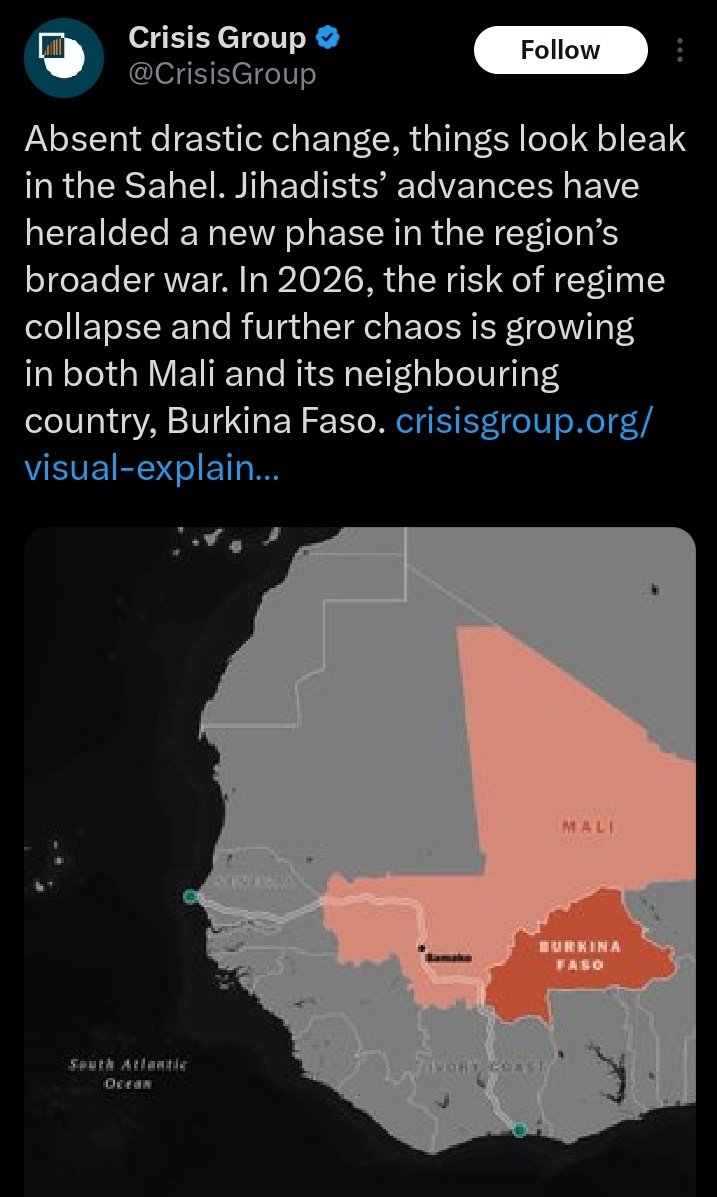
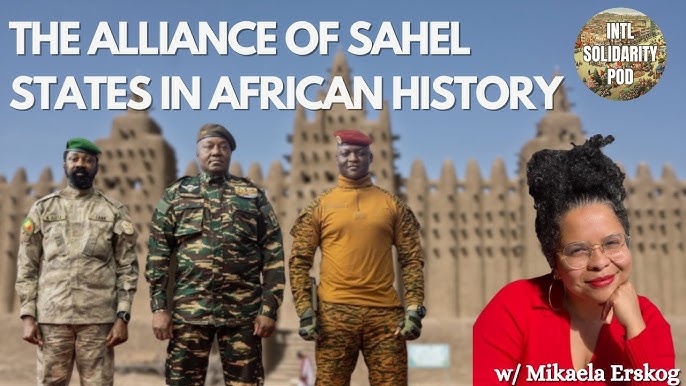
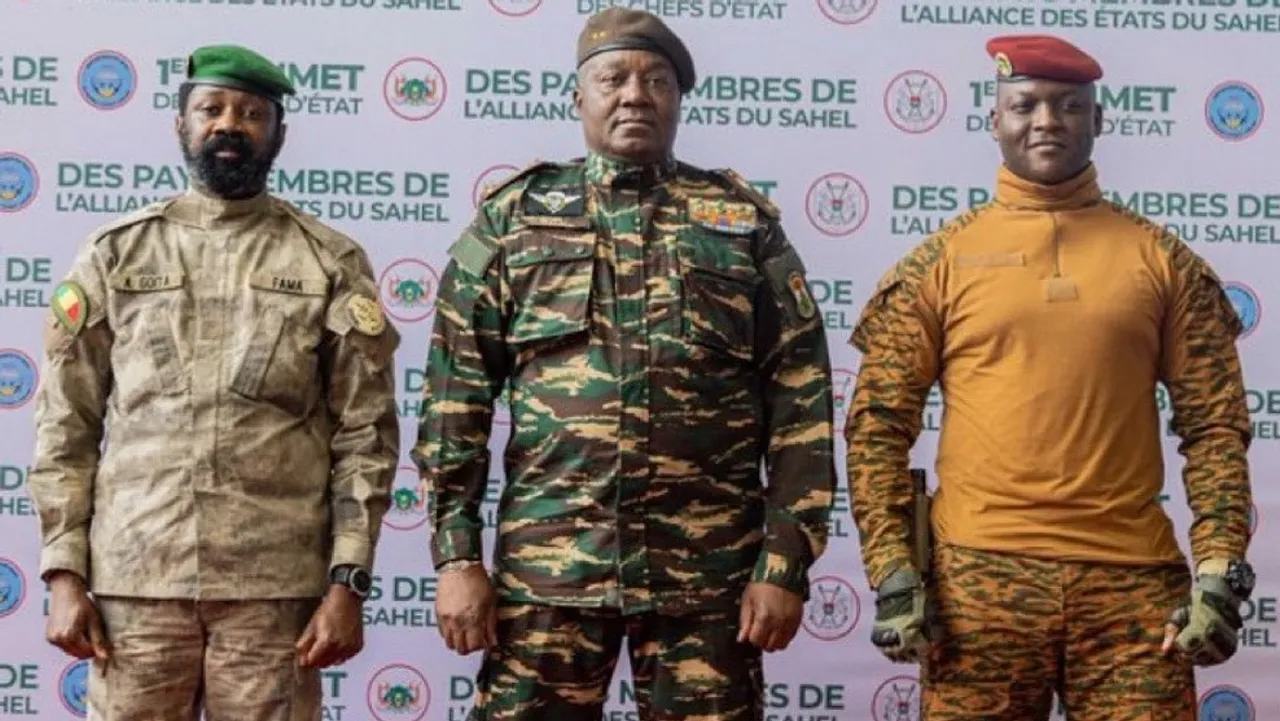
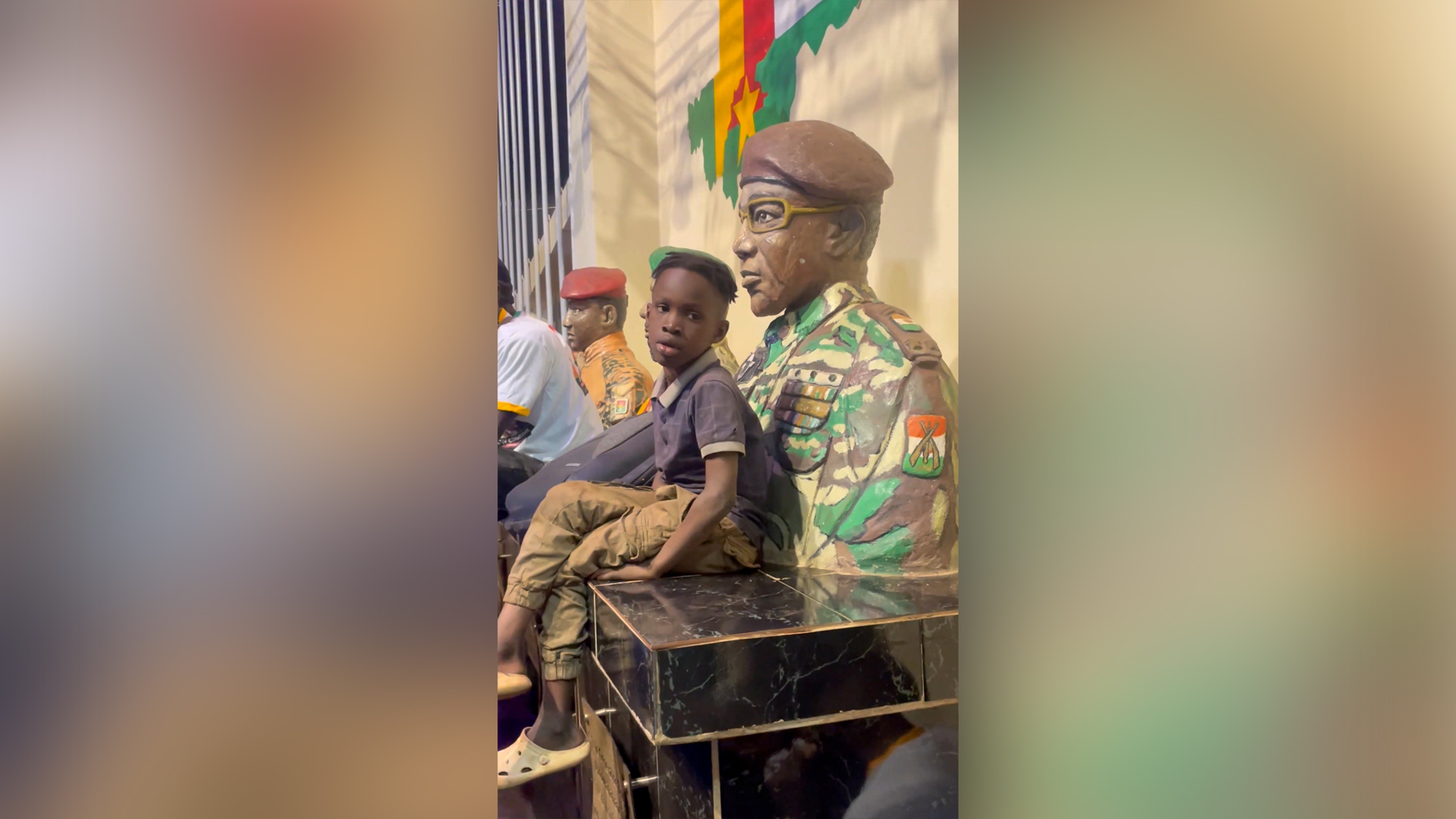
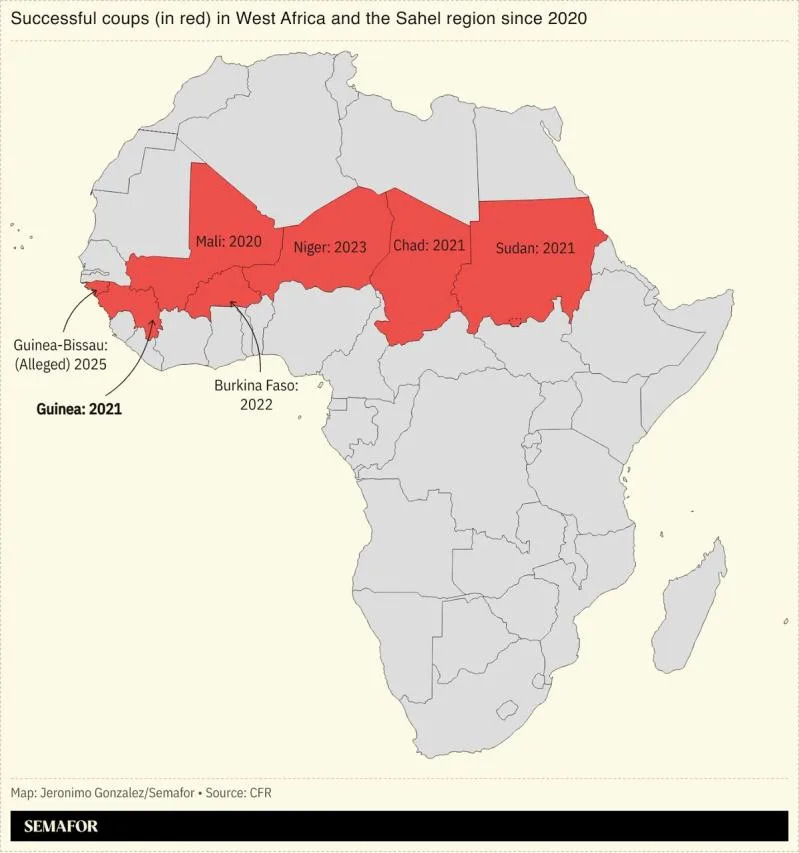
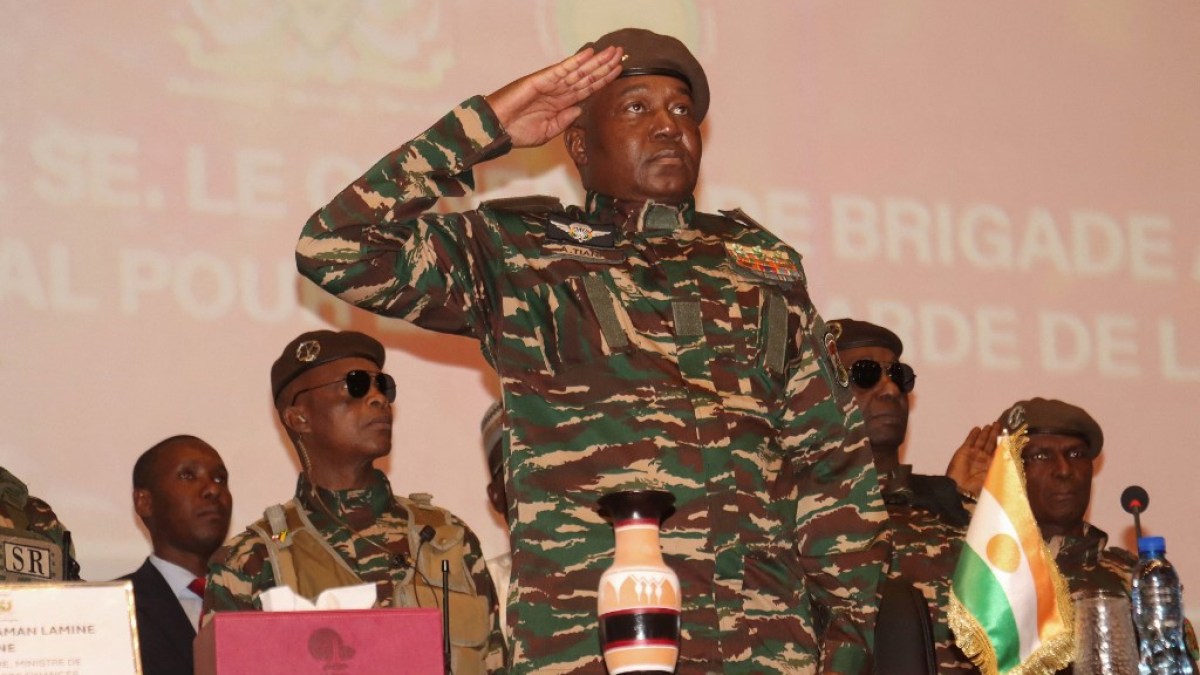
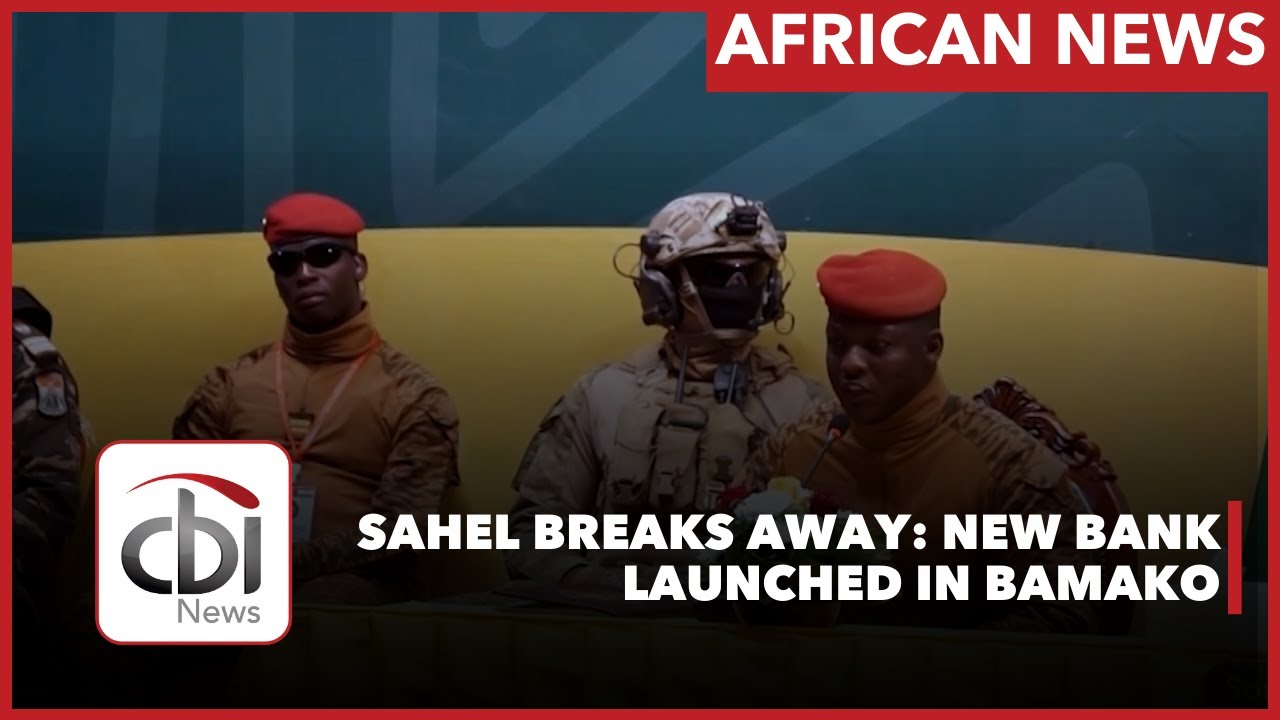
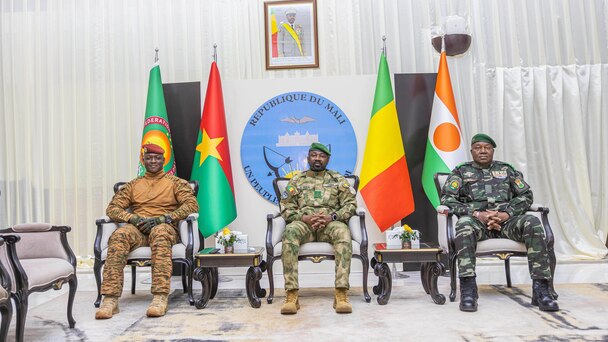
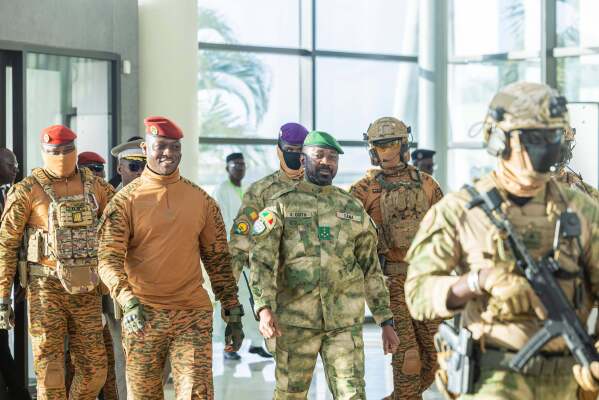
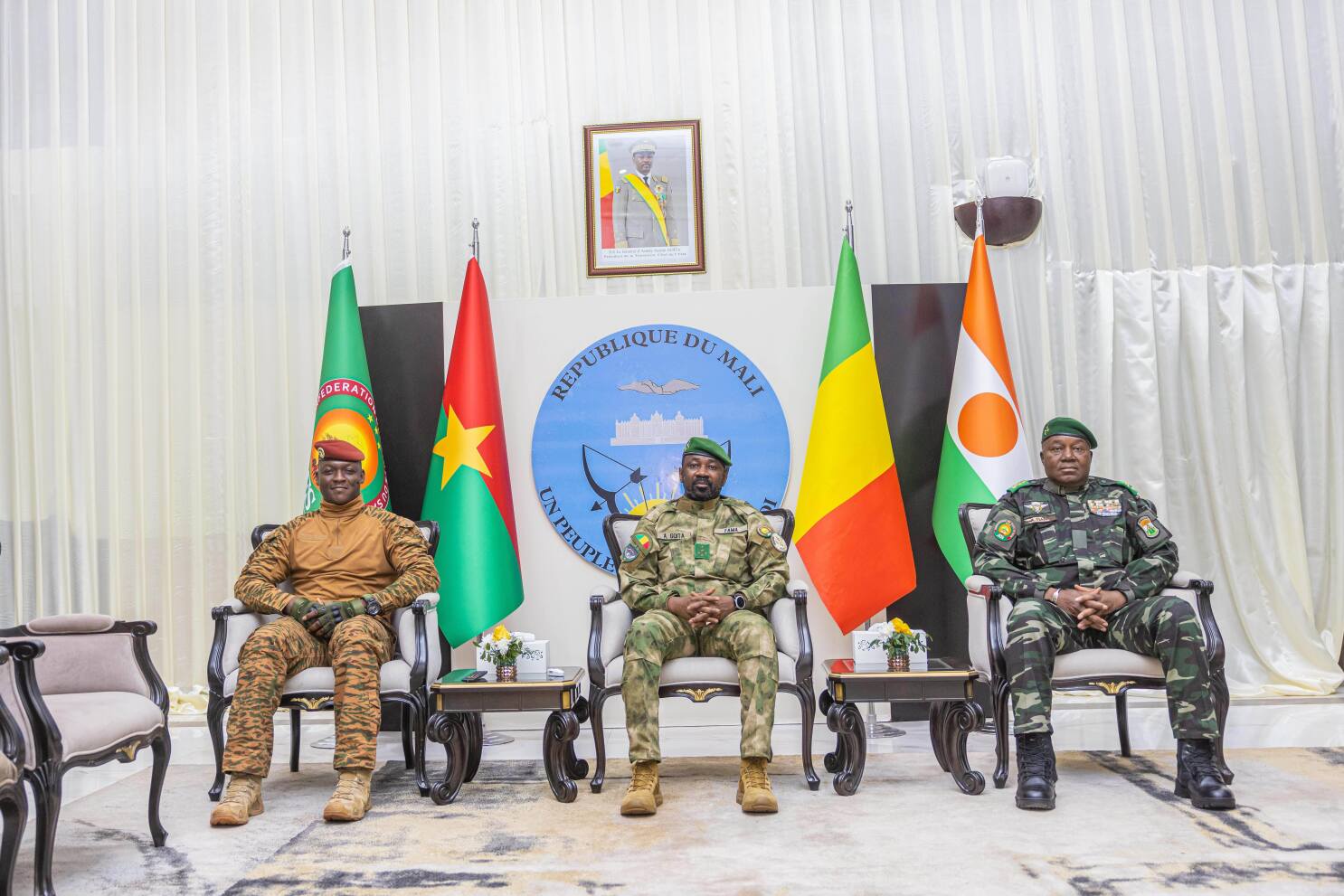
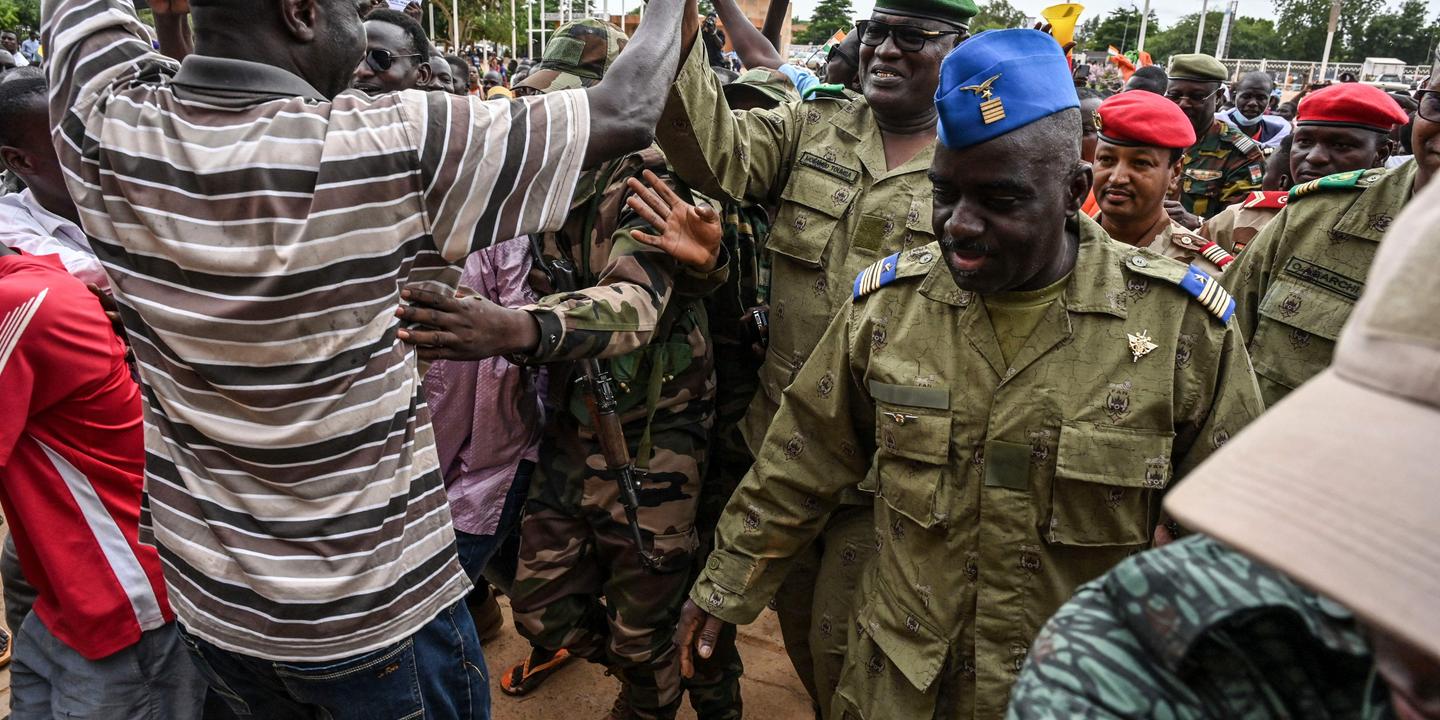
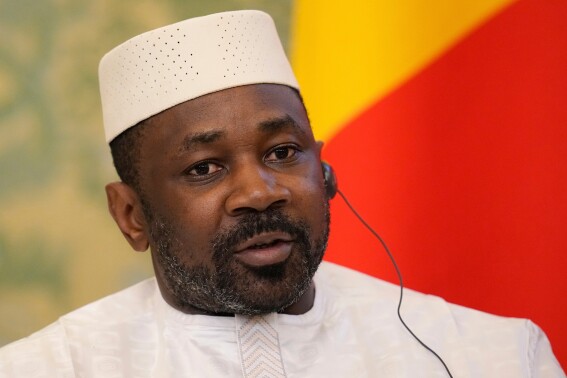
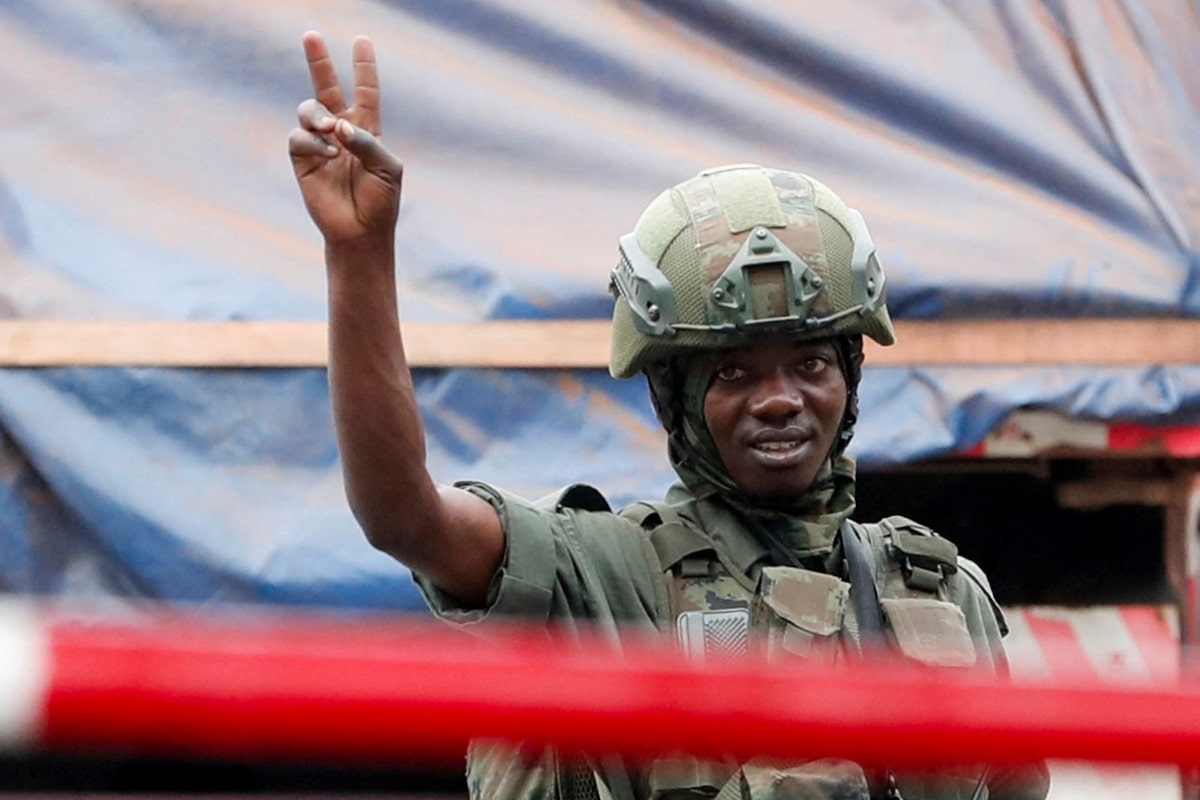
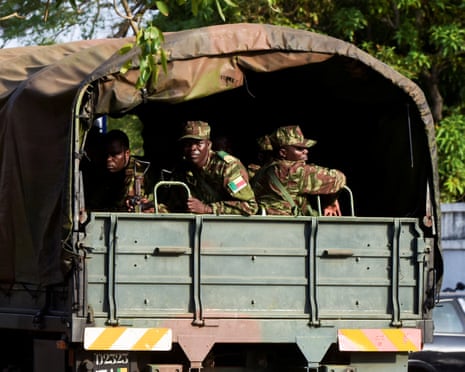
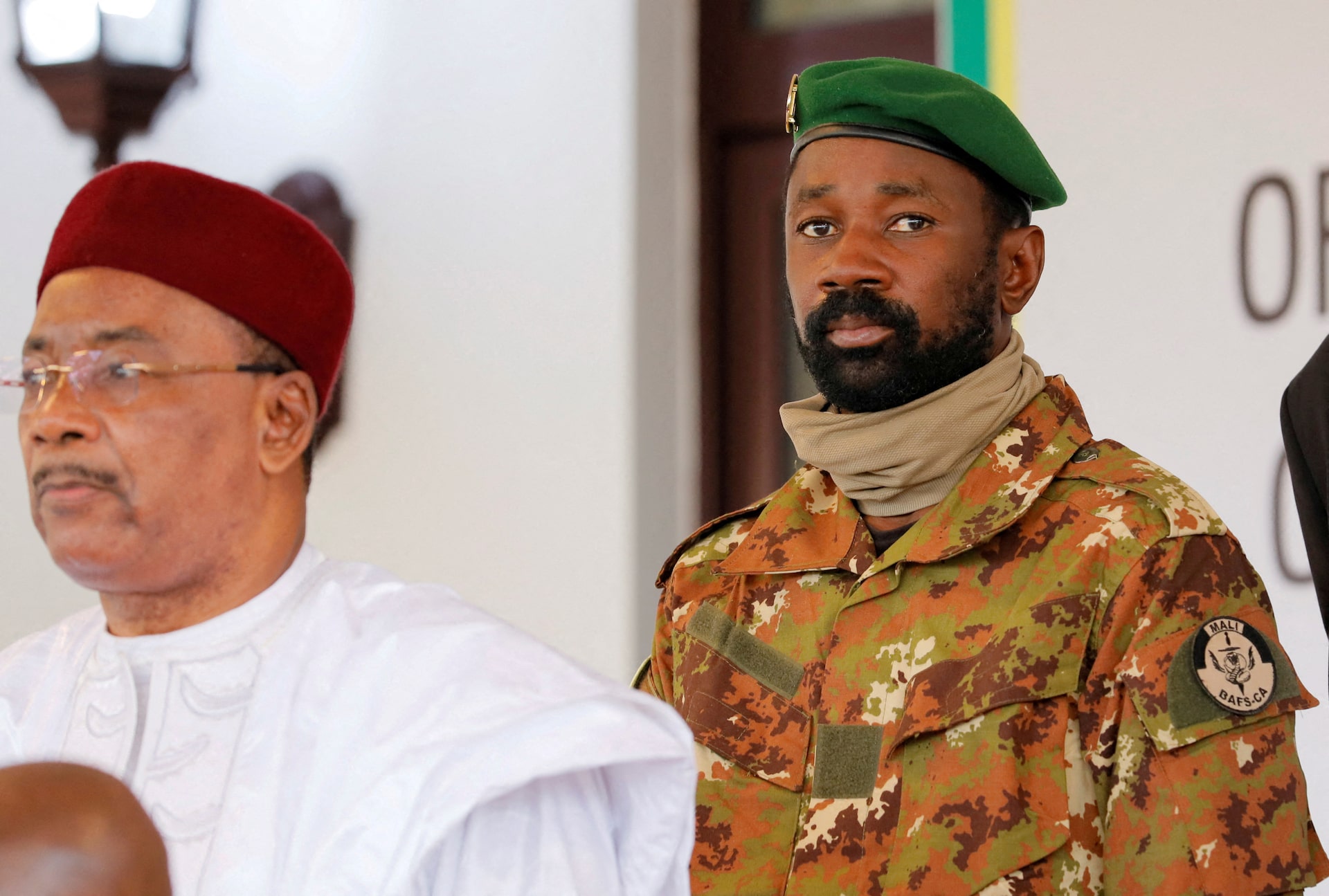
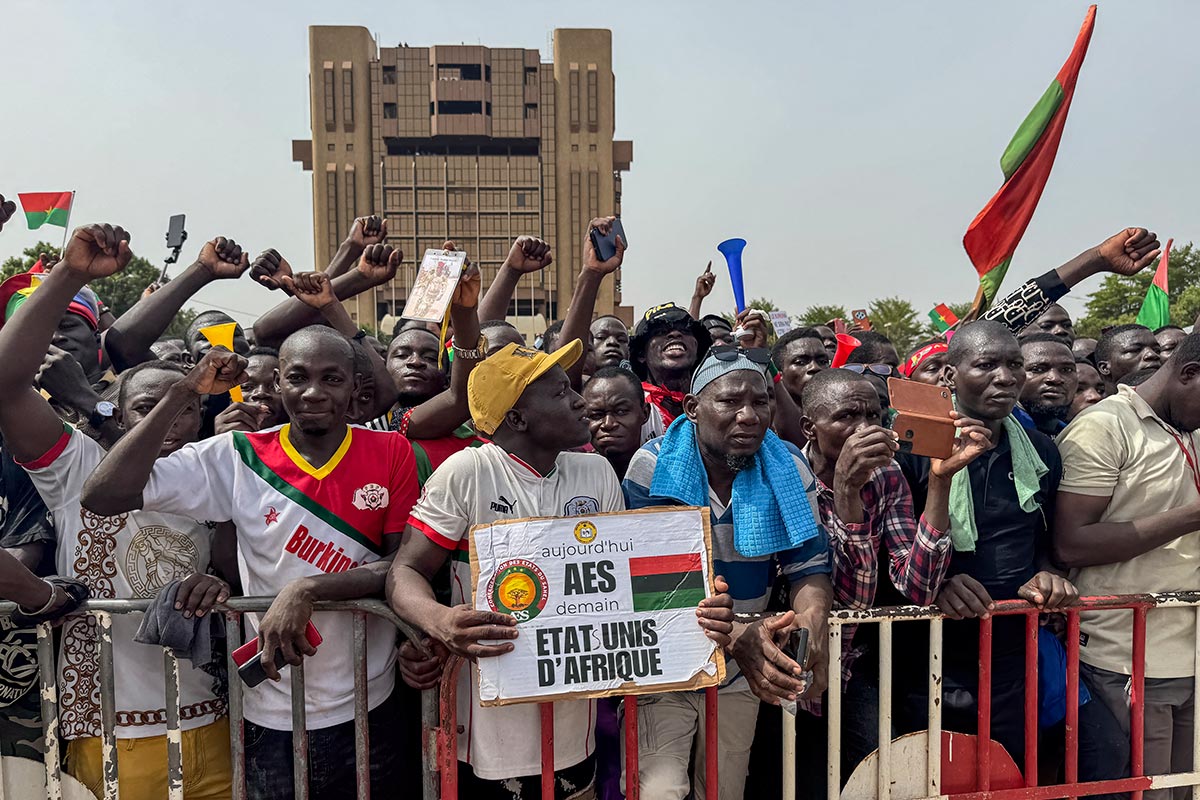
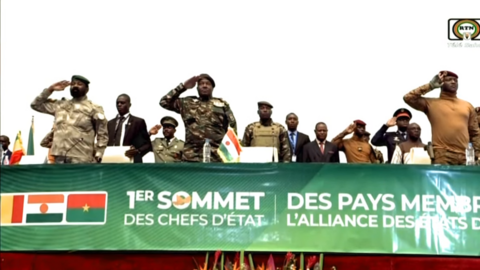
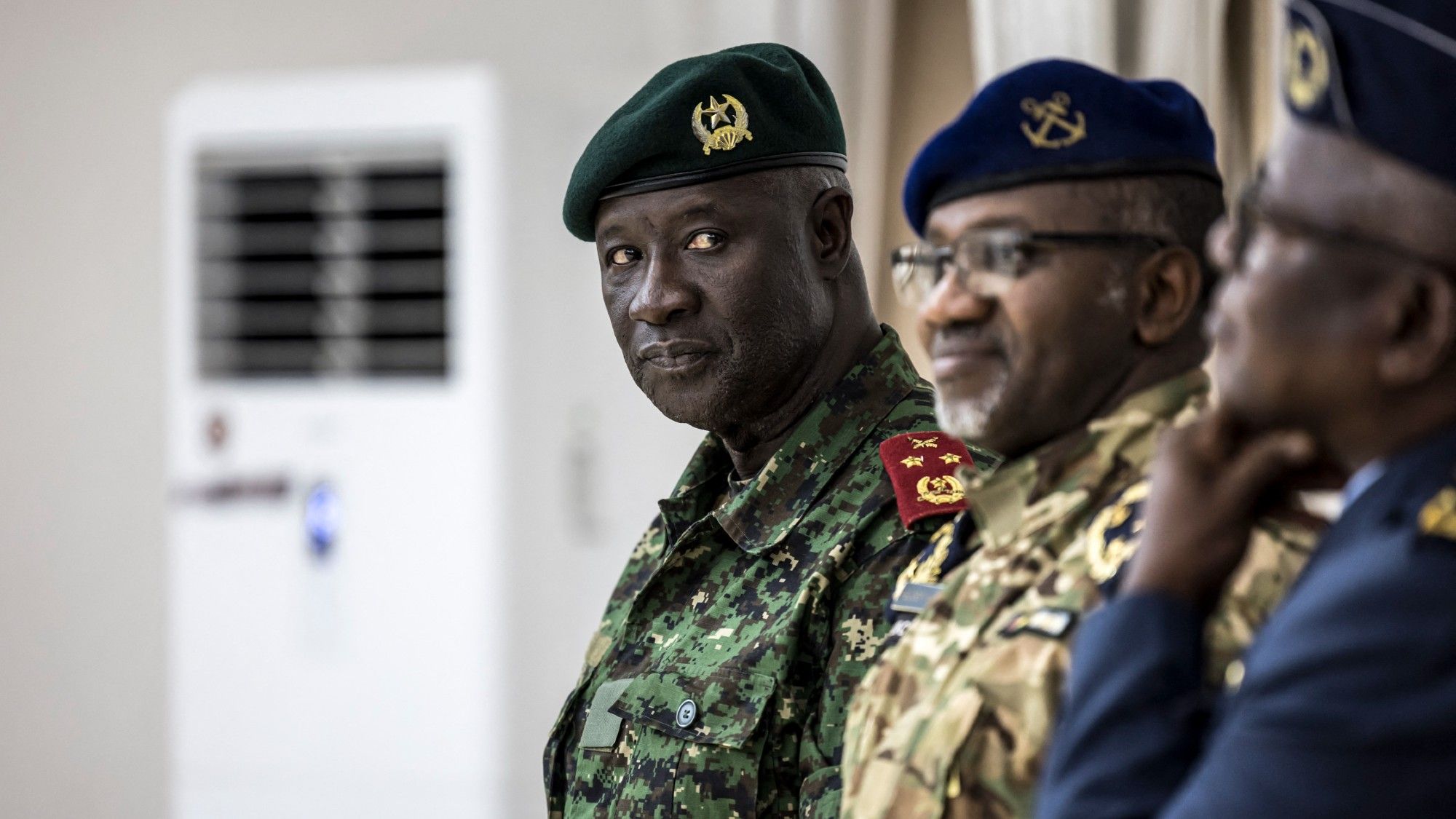
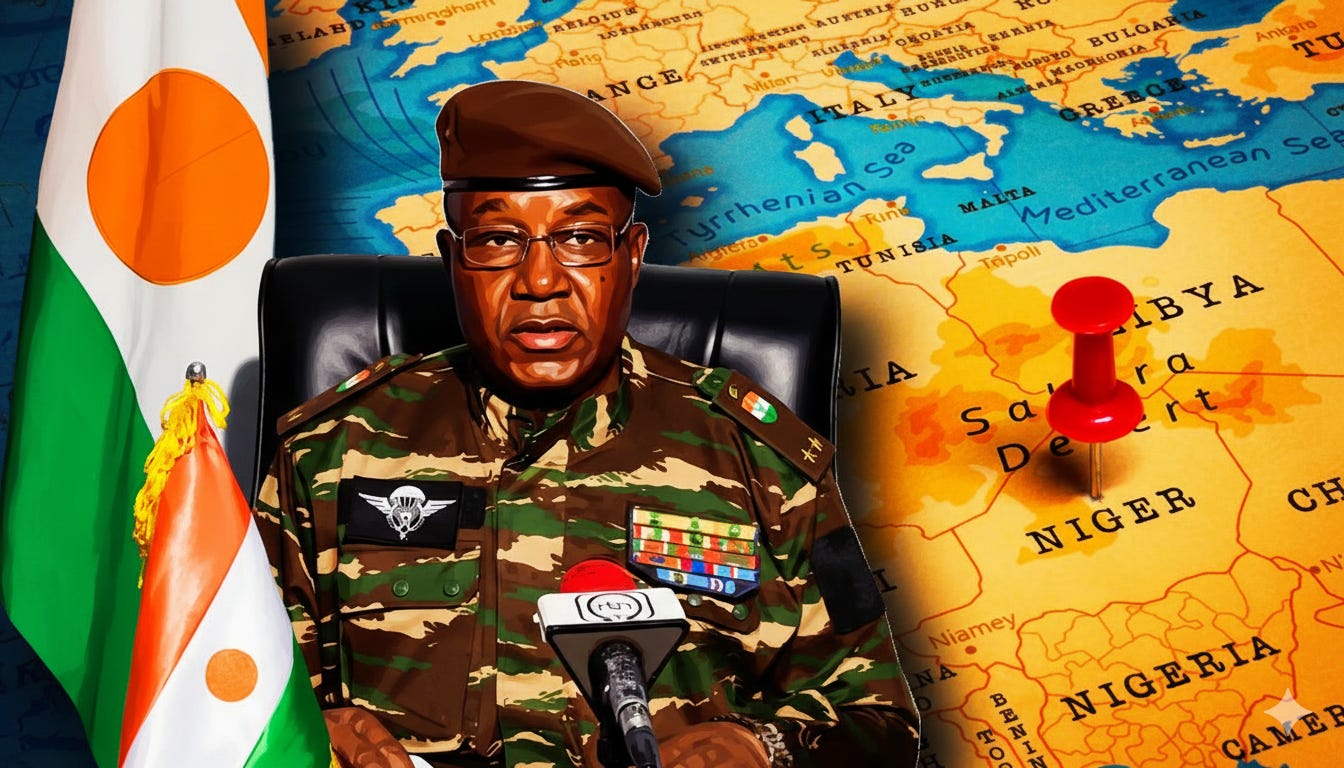
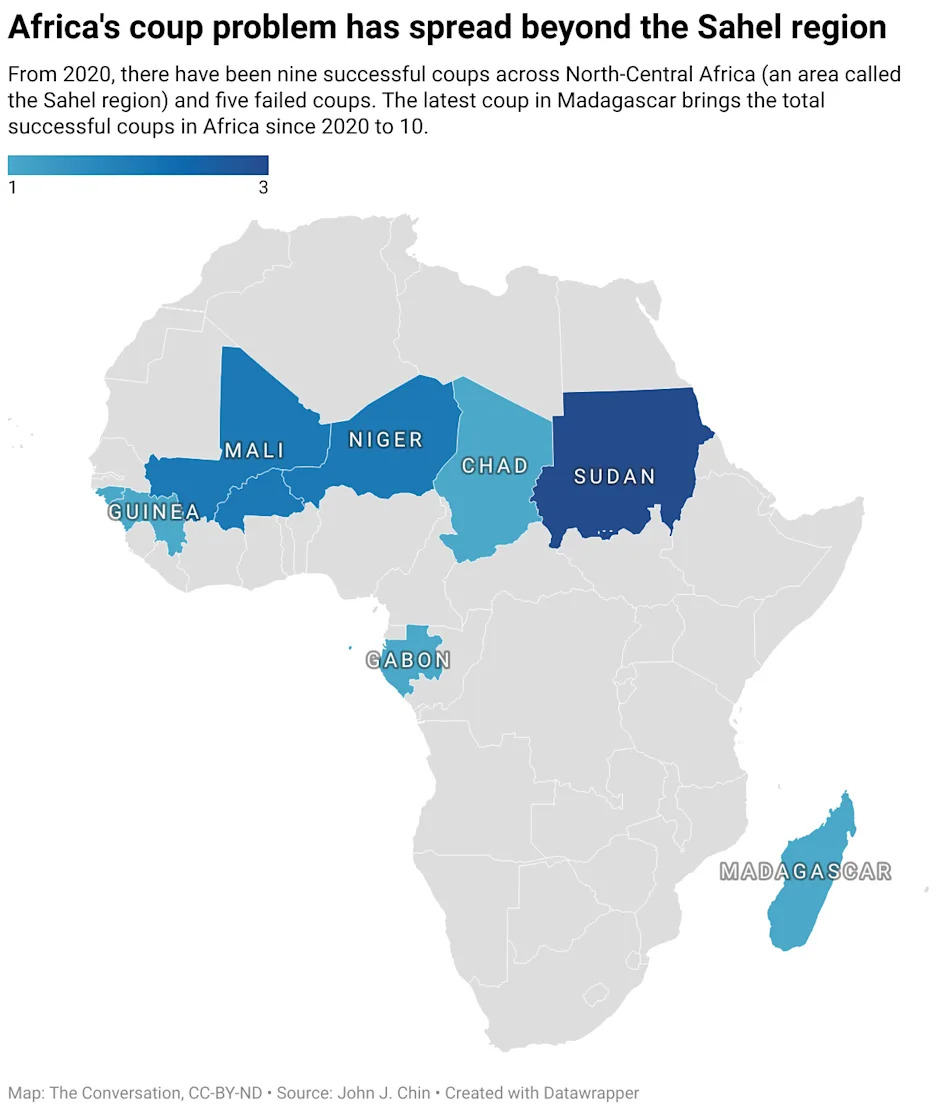
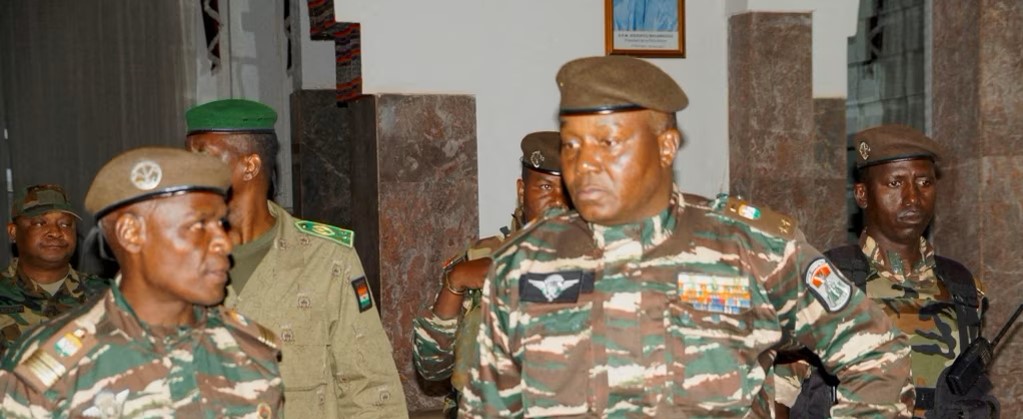
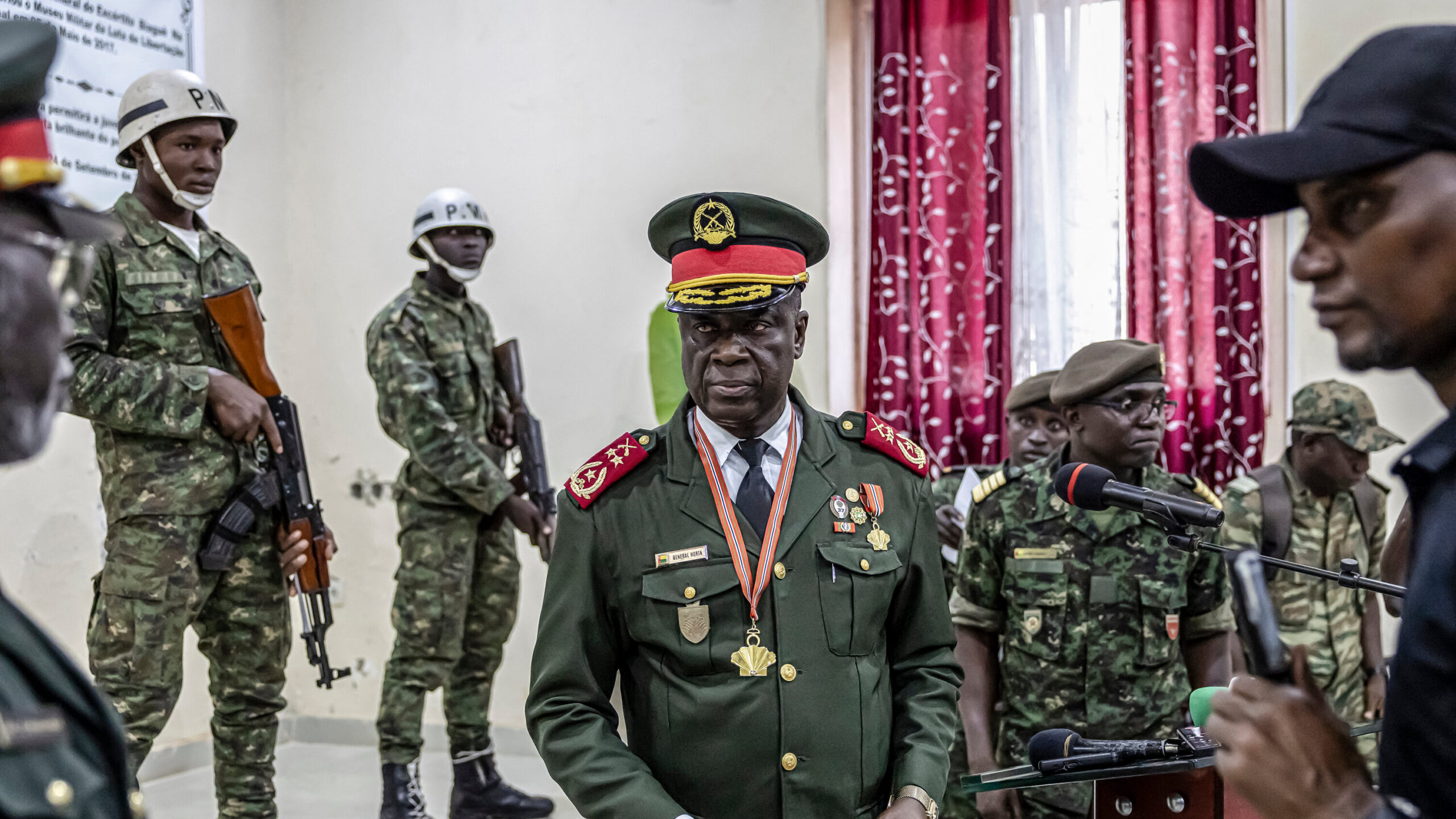
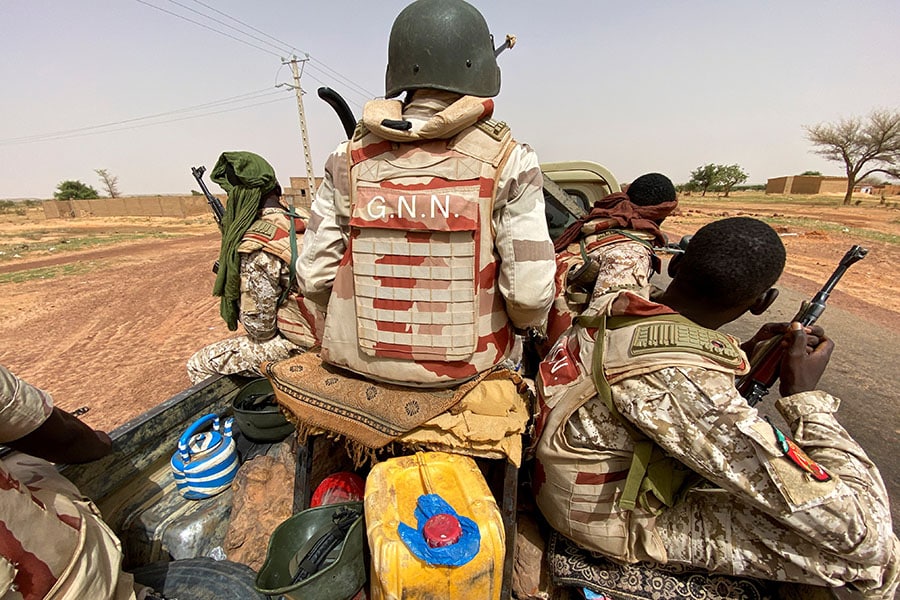
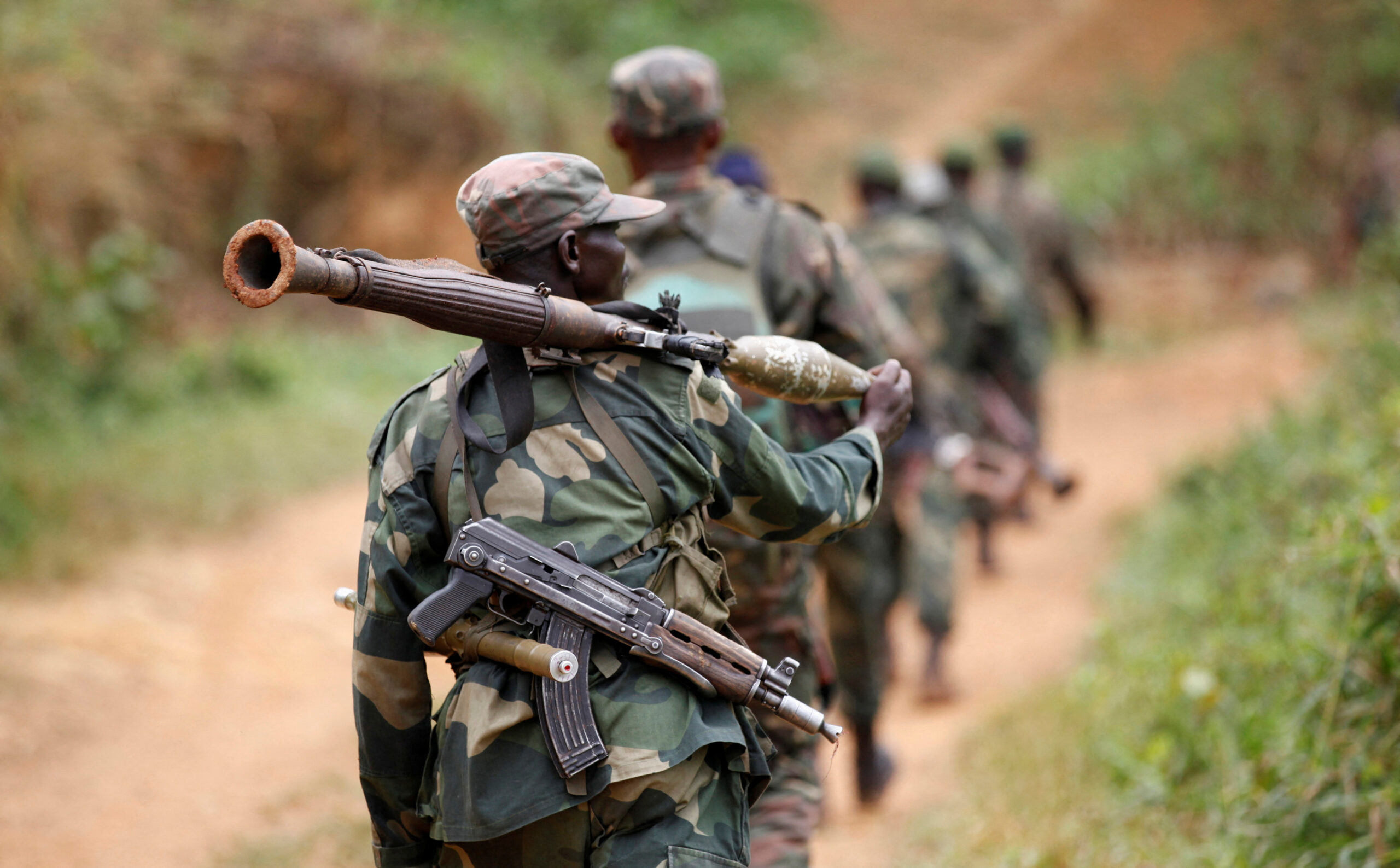
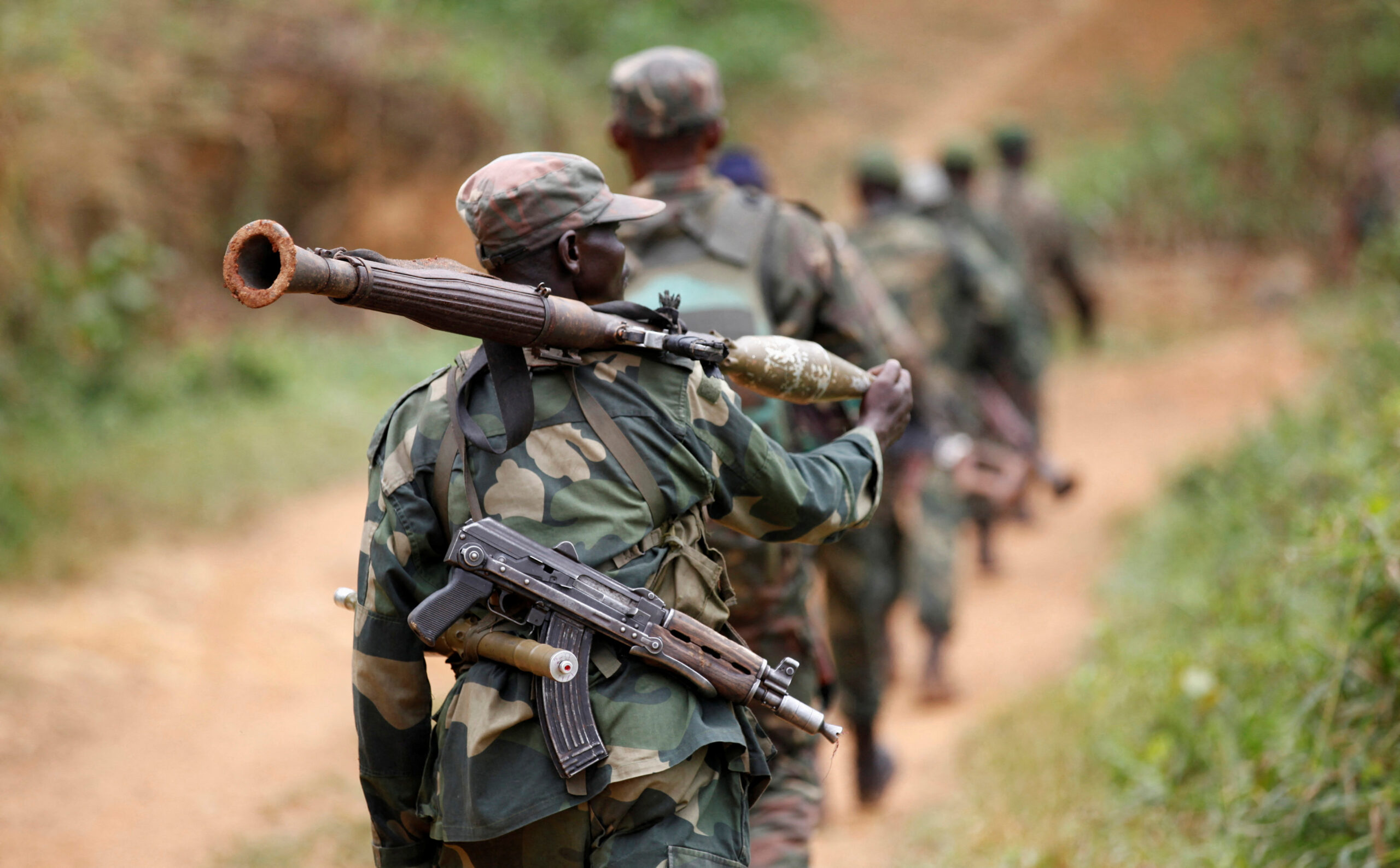
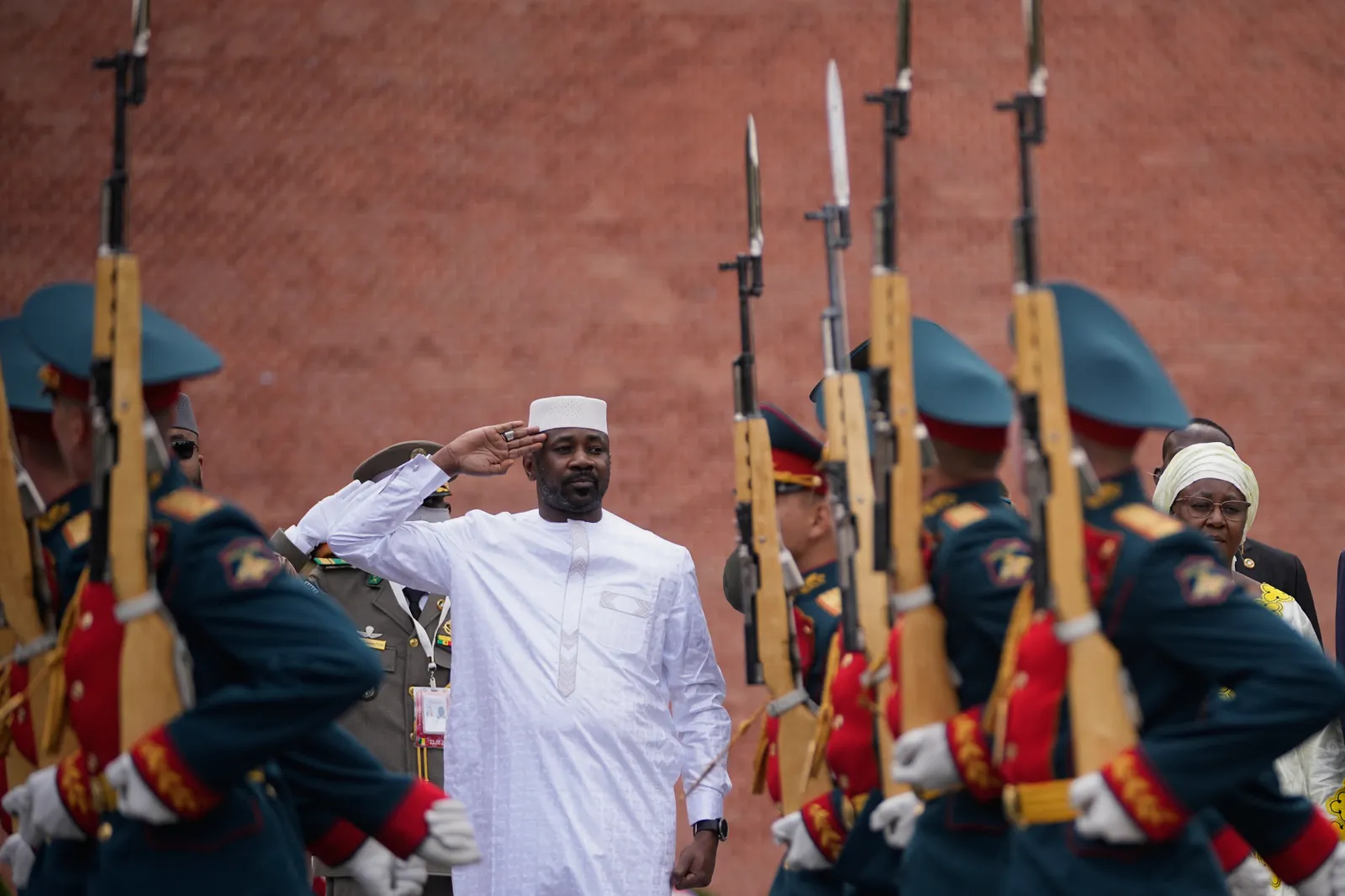
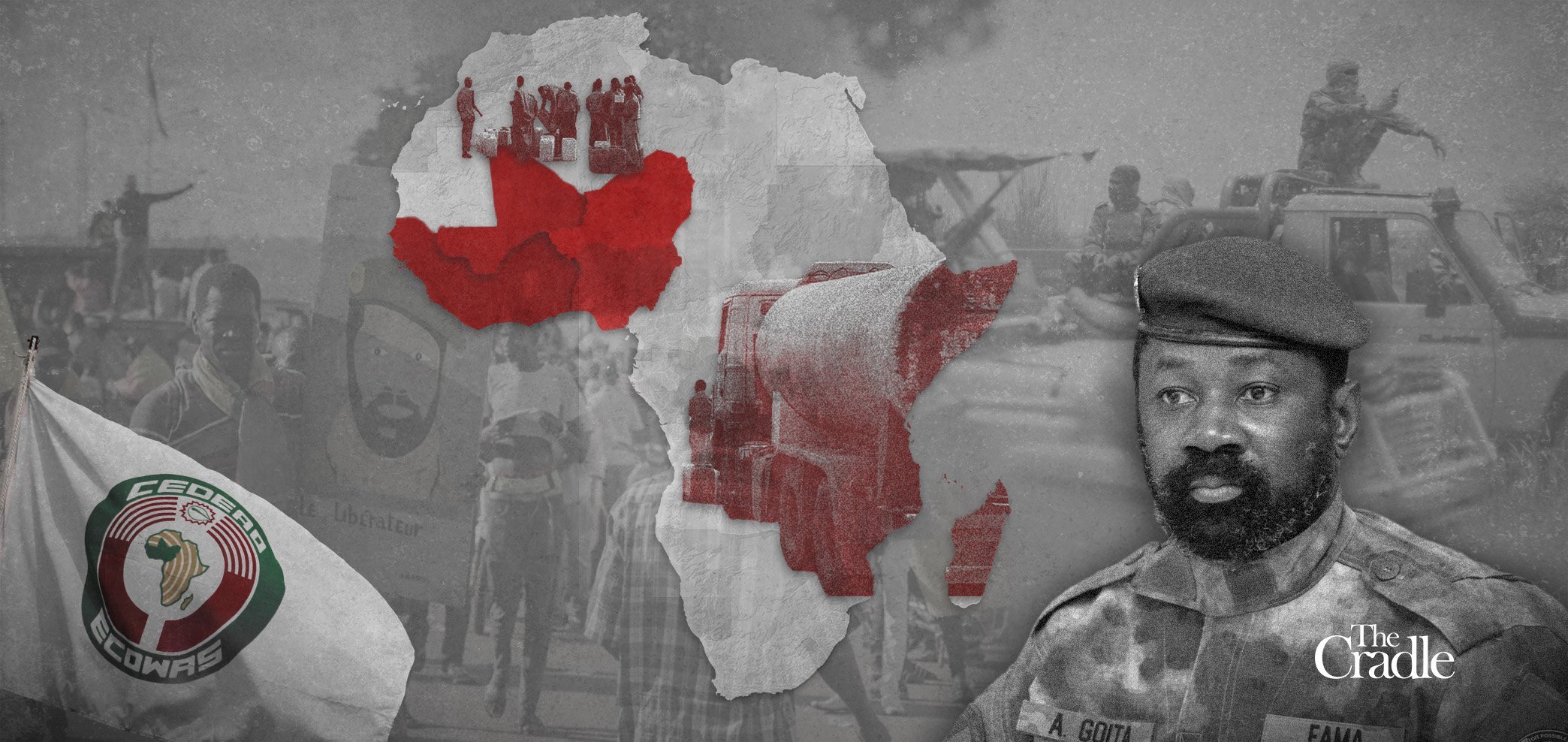
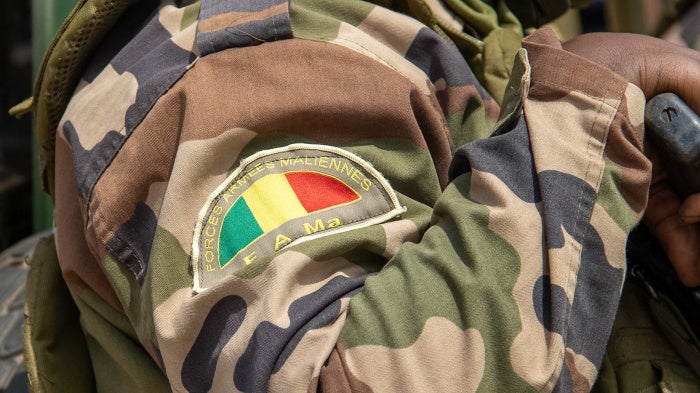
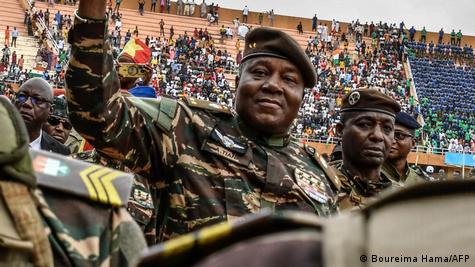
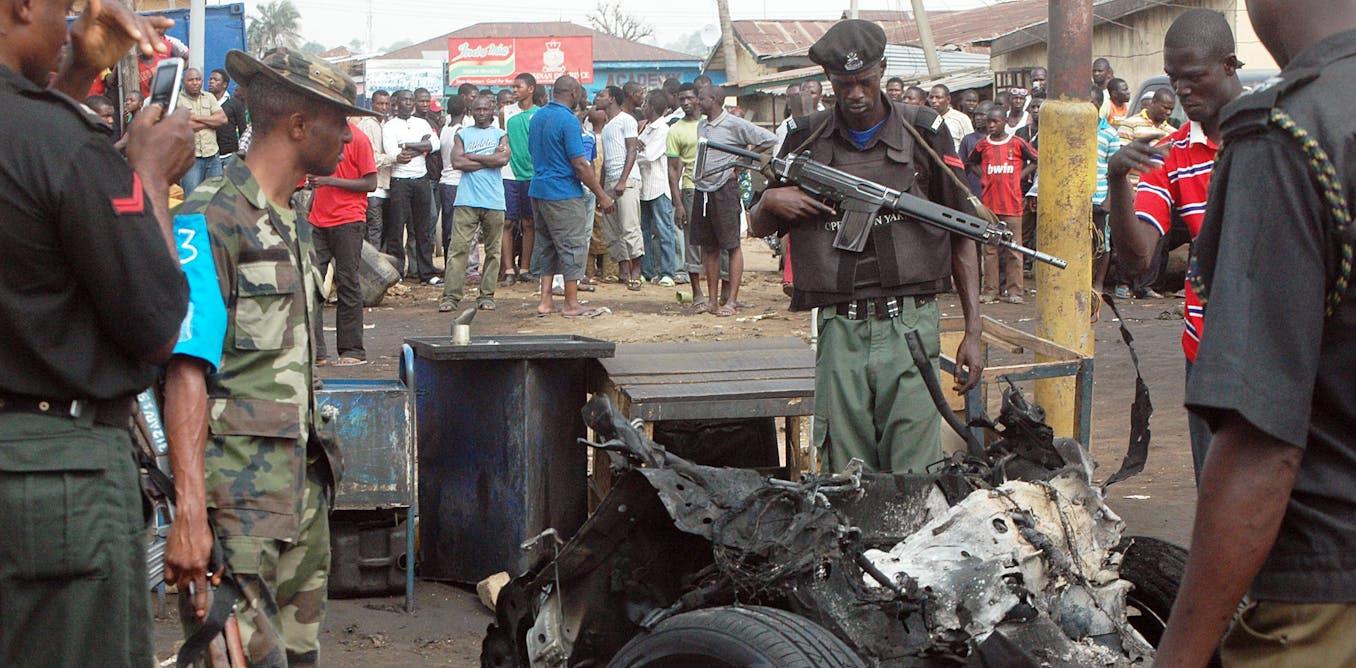
Back in Mali, things are particularly turbulent right now. Transitional President Colonel Assimi Goïta isn’t shy about making moves, recently purging senior military officers. This isn’t just a routine reshuffle, it’s a clear power struggle within the ruling junta, which first seized control in a 2020 coup and has struggled to stabilize the environment. Goïta’s intent seems to be firming up his authority over the armed forces, a critical task when jihadist militias are constantly targeting important economic assets. Just hours before the border bans went public, for instance, there were reports of a suspected jihadist attack on Mali’s Morila gold mine, an important site for the national economy. This attack, as The Africa Report points out, starkly highlights the ongoing threat militant groups pose, not just to security, but also to vital economic development. These internal struggles play into a broader regional shift, too. Mali, Niger, and Burkina Faso’s security crisis have formed the Alliance of Sahel States, aligning themselves with Russia. Many experts describe this as a significant geopolitical reordering, where traditional Western partnerships are losing their footing amidst a surge of nationalism and anti-colonial sentiment.
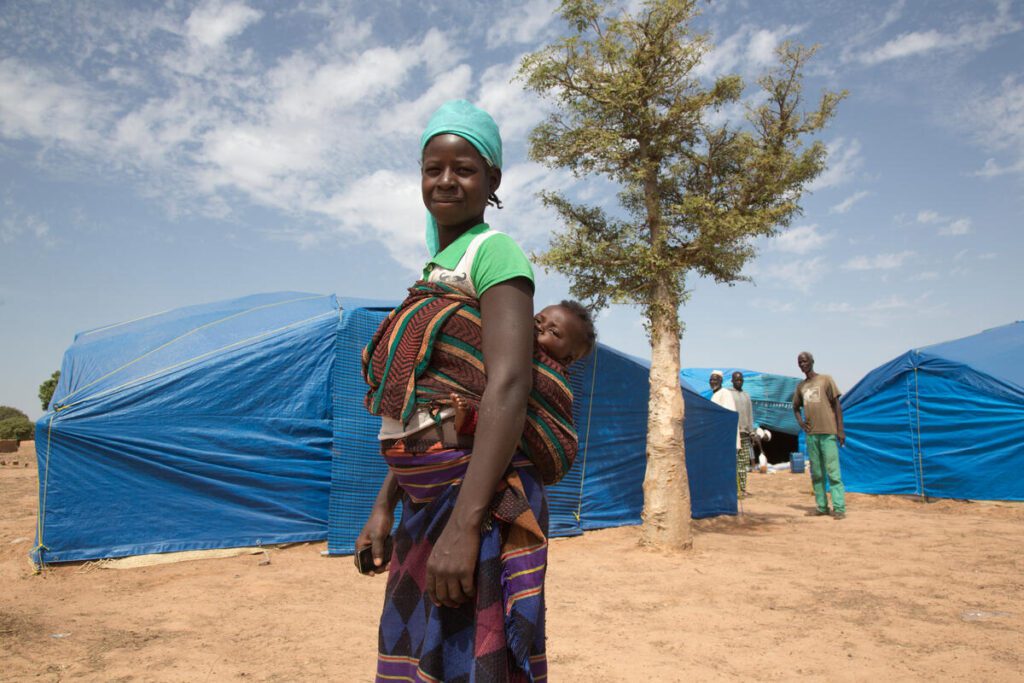
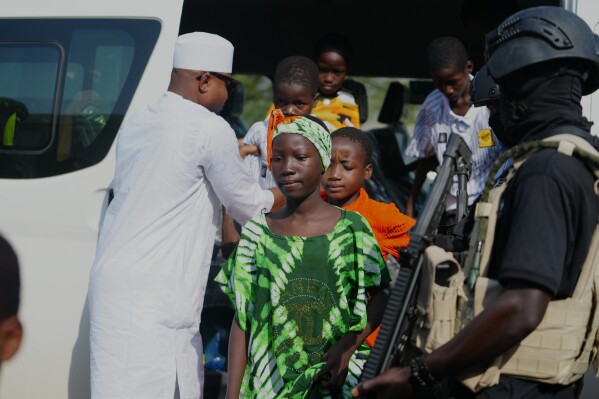
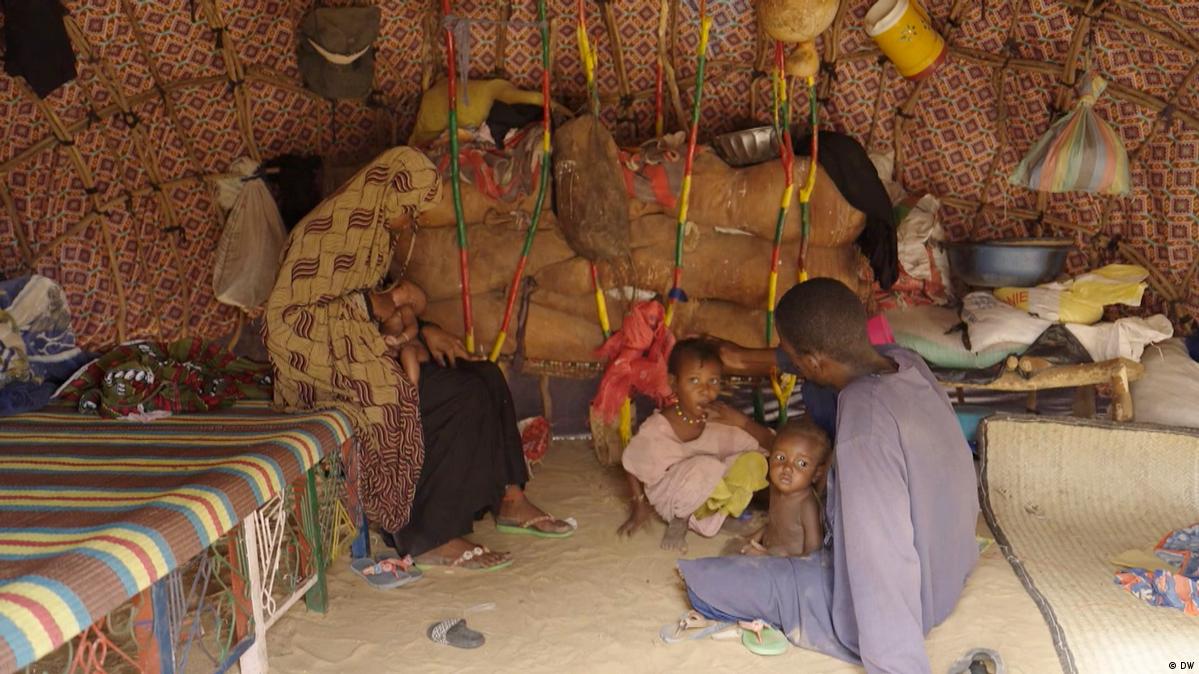
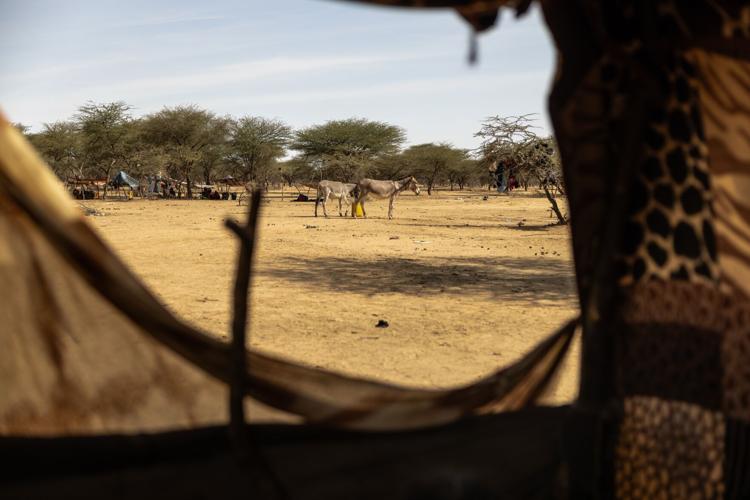
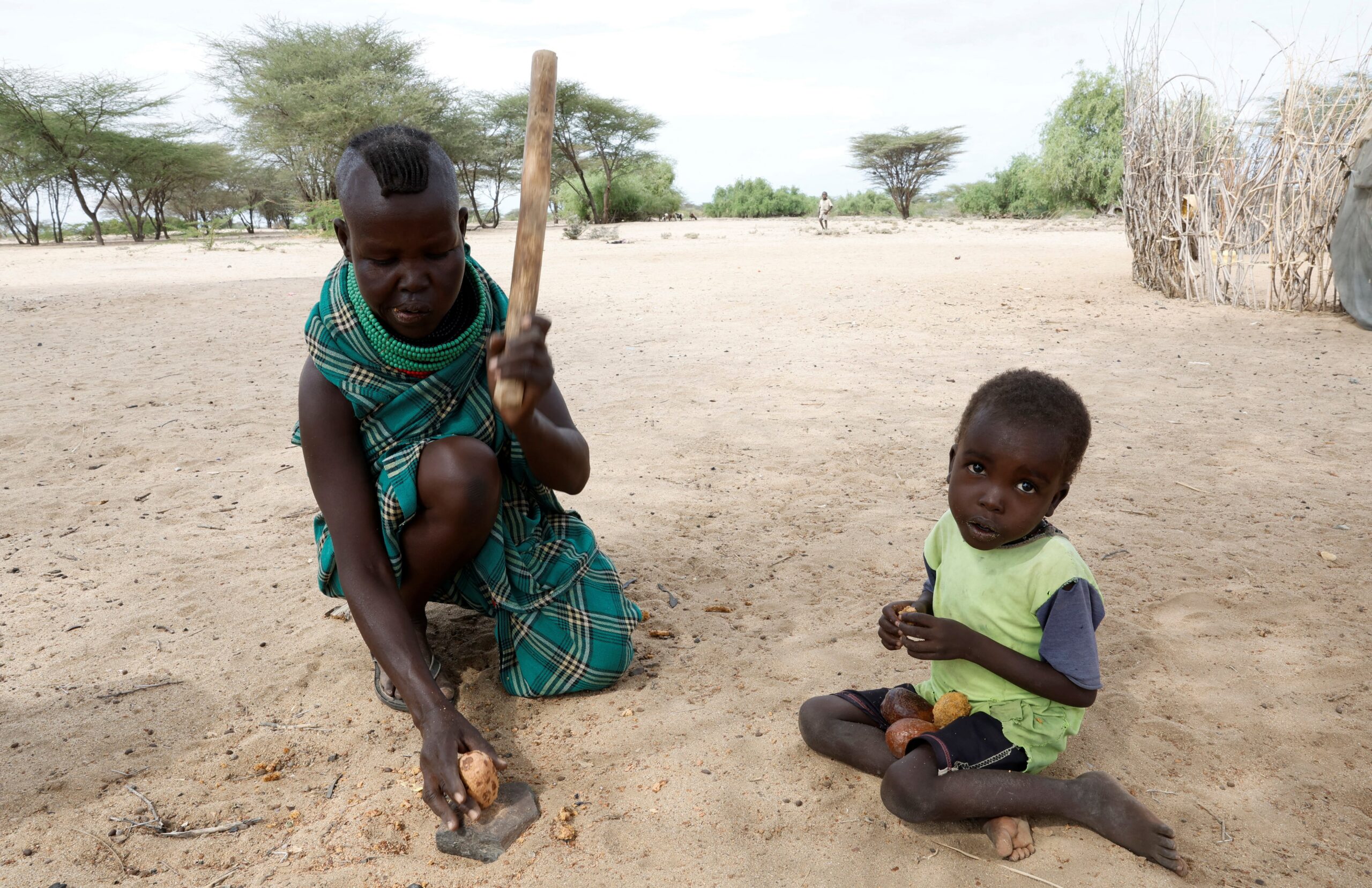
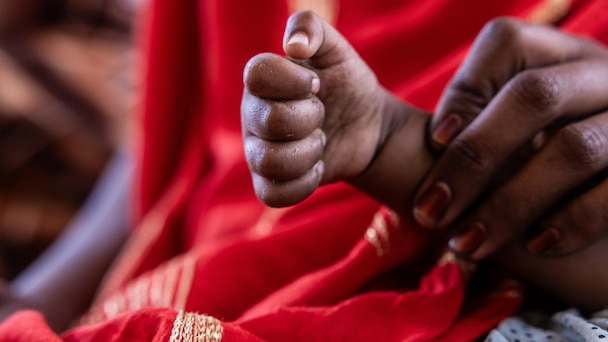
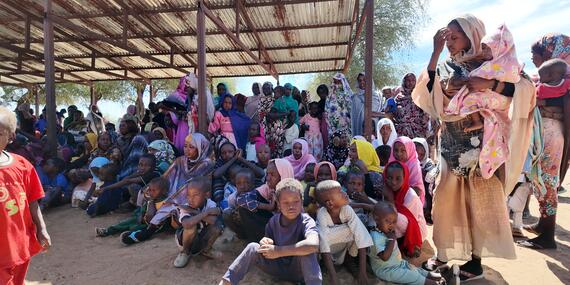
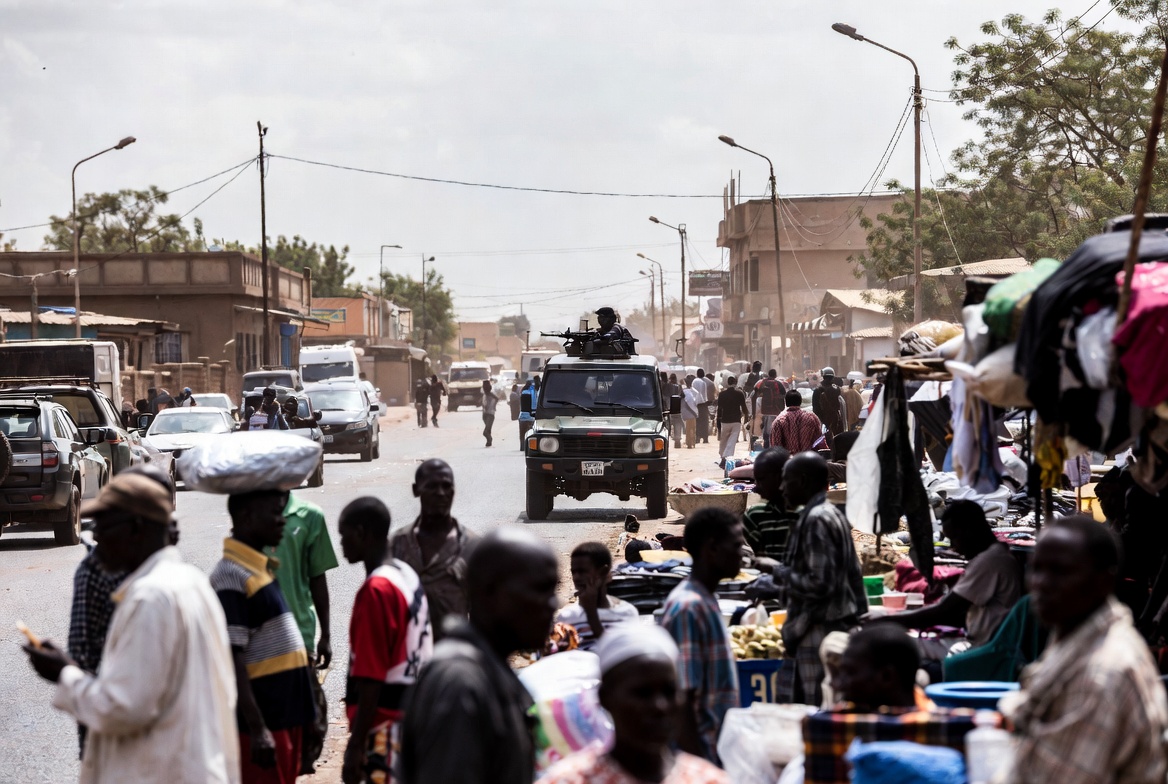
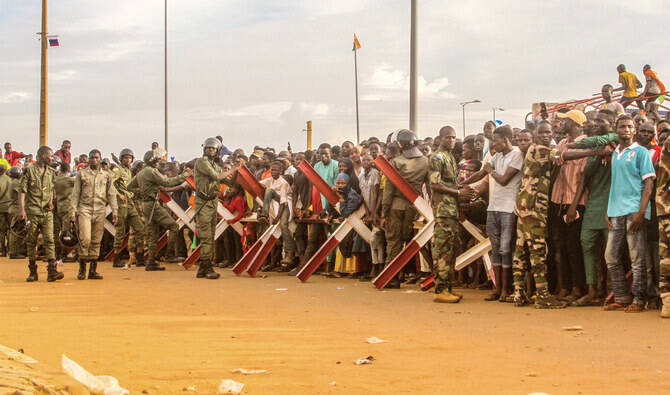
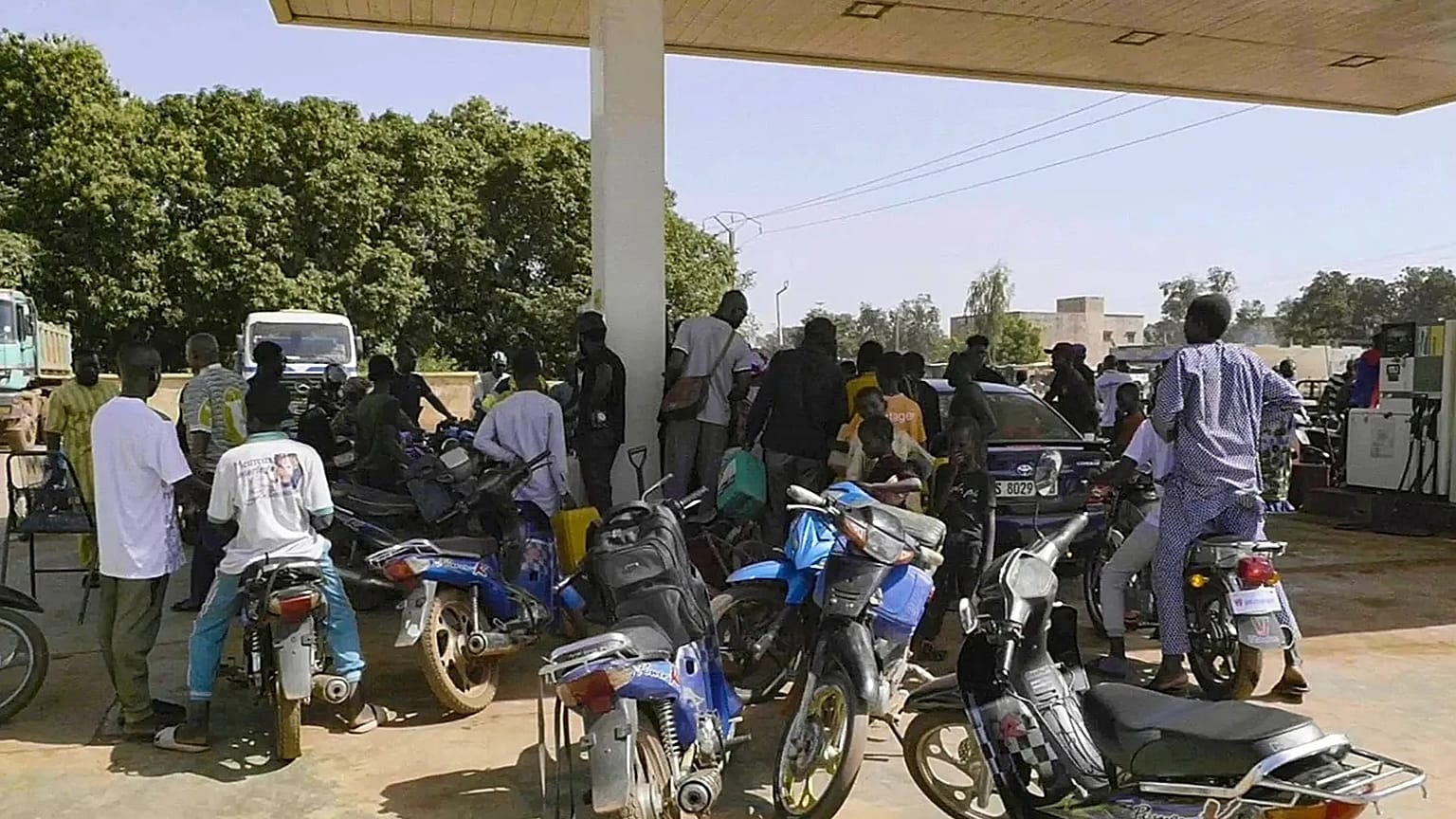
So, what does this all mean for folks living through it? For ordinary citizens and the international community, these escalating tensions and border closures just add another difficult layer to daily life. International organizations and businesses operating here are now facing more restrictive environments, which could seriously curtail much-needed aid and investment in countries already strained by violence and economic hardship. It’s a tough situation, and it risks further isolating these Sahelian states from critical diplomatic and economic partners, complicating all efforts to fight extremism and foster development. While the Economic Community of West African States, ECOWAS, is trying to be a counterbalance, reaffirming its support for the African Union’s stance on sovereignty and international law, there are clearly competing visions for stability. Looking ahead, the trajectory of these relations remains pretty uncertain. Mali and Burkina Faso have signaled they’re ready to pursue independent foreign policies, even if they diverge from Western expectations. Yet, the urgent need to restore peace and kickstart economic growth will surely drive their future decisions. Can diplomatic dialogue, combined with smart security cooperation and inclusive governance, truly chart a stable path for the Sahel? We’re all watching closely, because the actions and alliances forged today are absolutely going to shape the region’s political and security landscape for years to come.